What do prostate cancer and classic US chrome have in common? For a start, you can’t check the carburettor efficiency by putting your finger in the exhaust pipe. However, the annual Moonshine Rod and Custom Club American Vehicle Day at Trentham Racecourse in Upper Hutt on February 7 (now in its 17th year) chose the Prostate Cancer Foundation as its chosen charity. This year they raised over $3000 for this important cause.
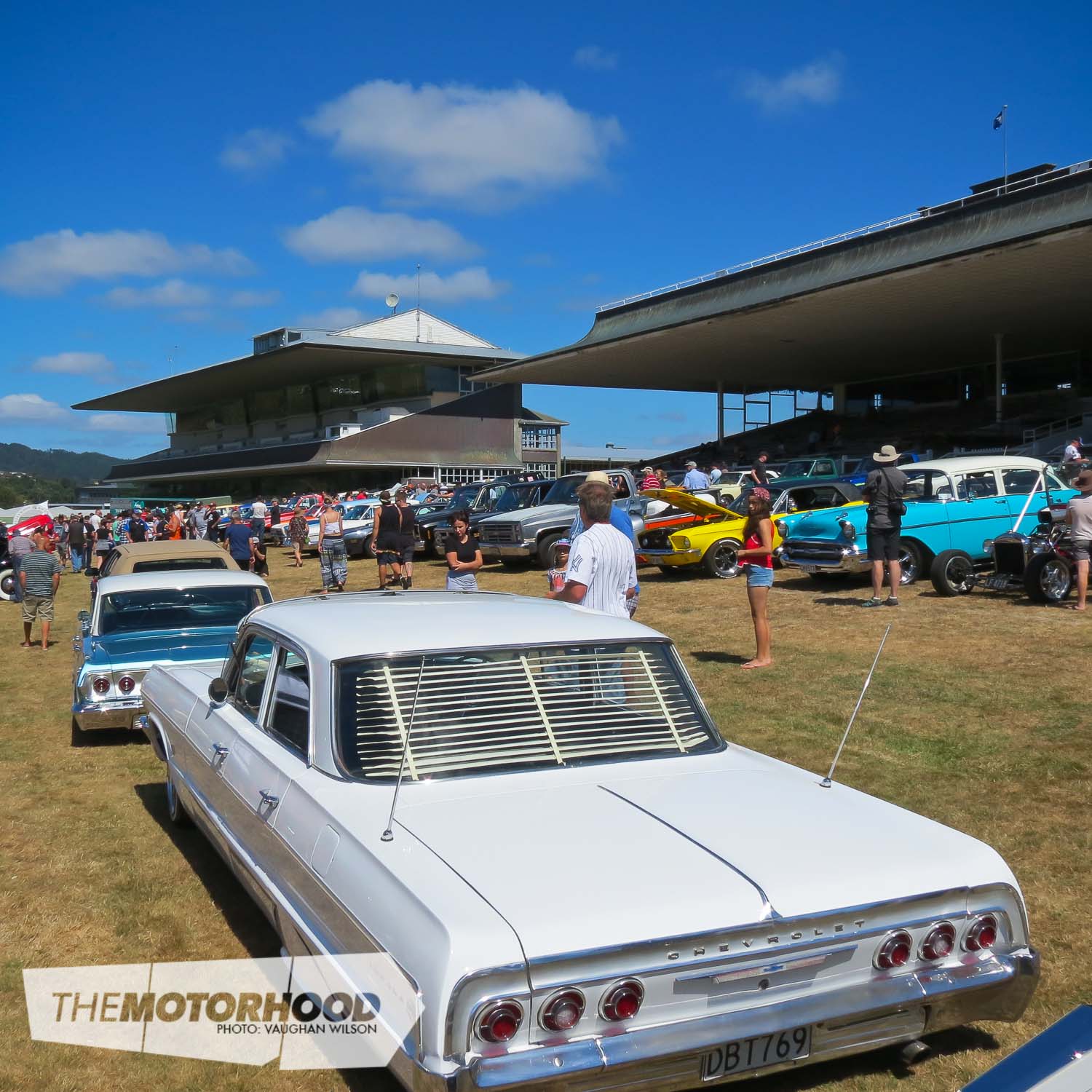
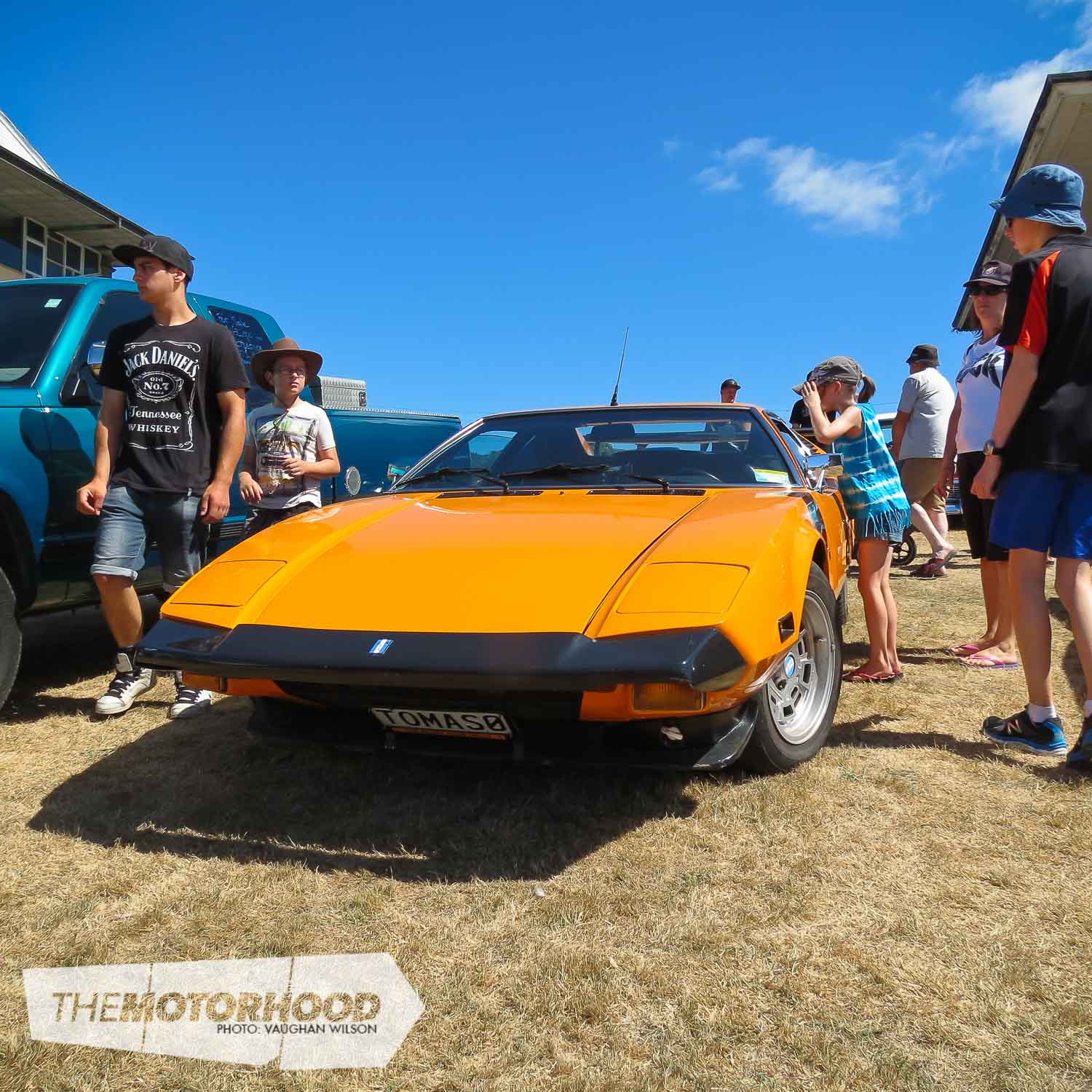
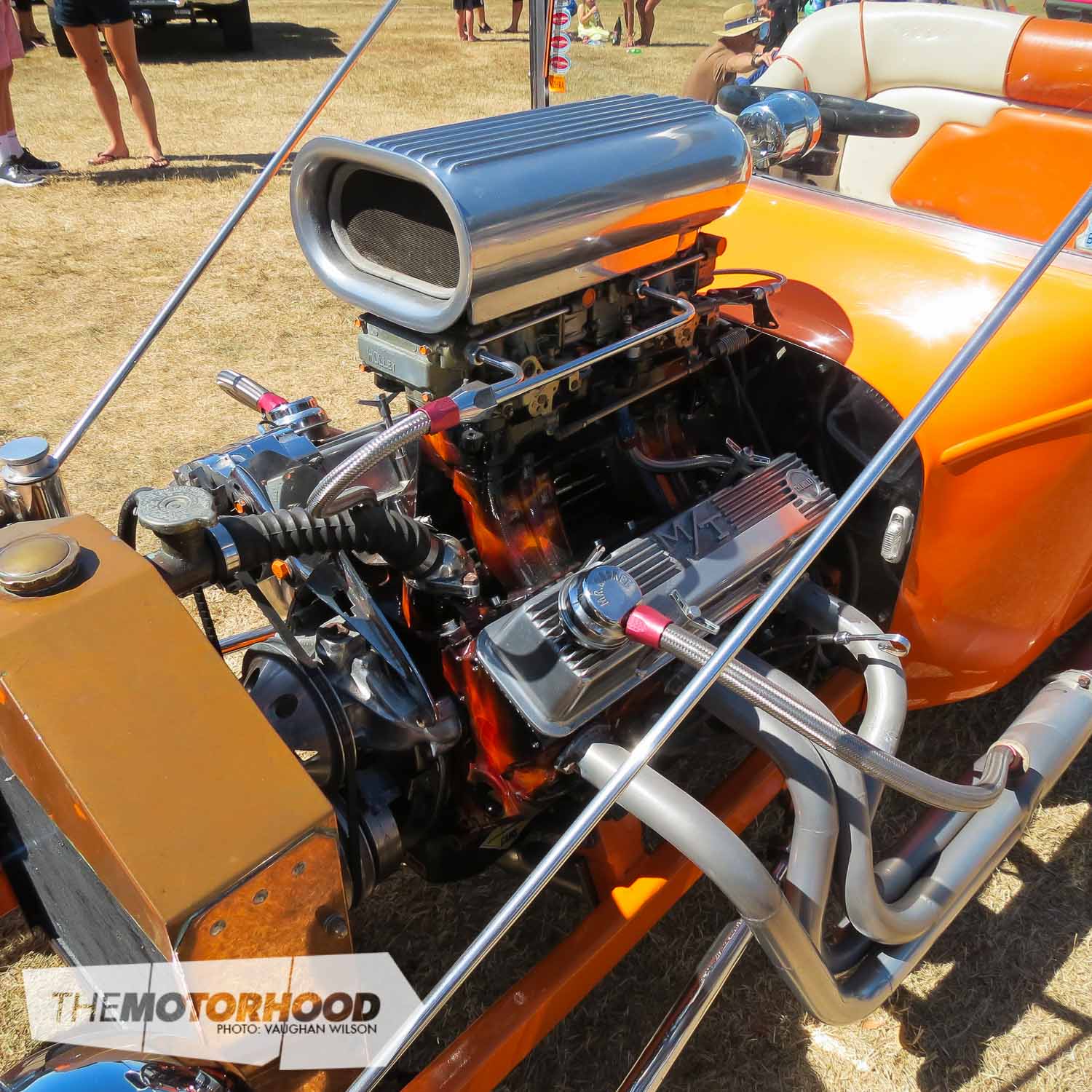
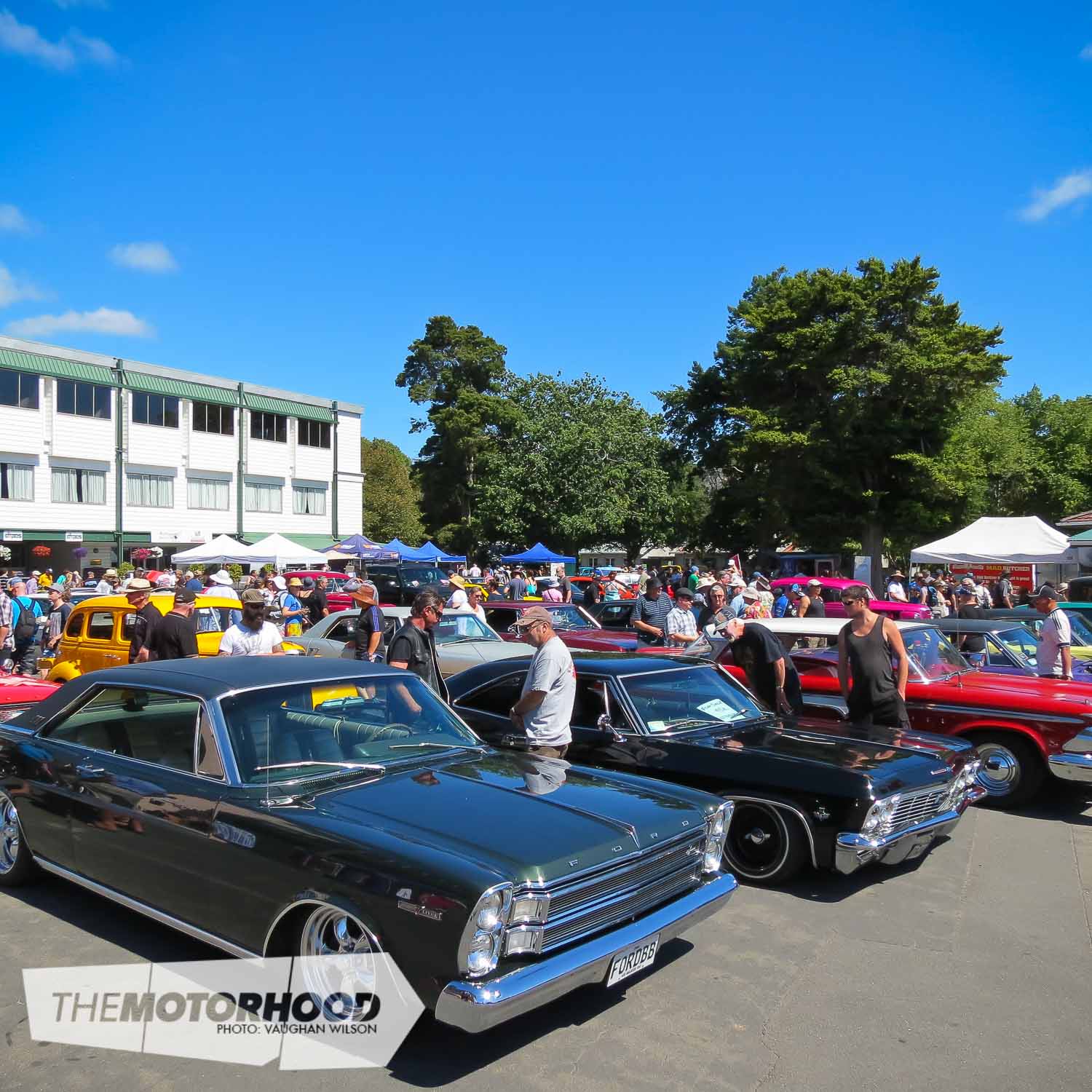
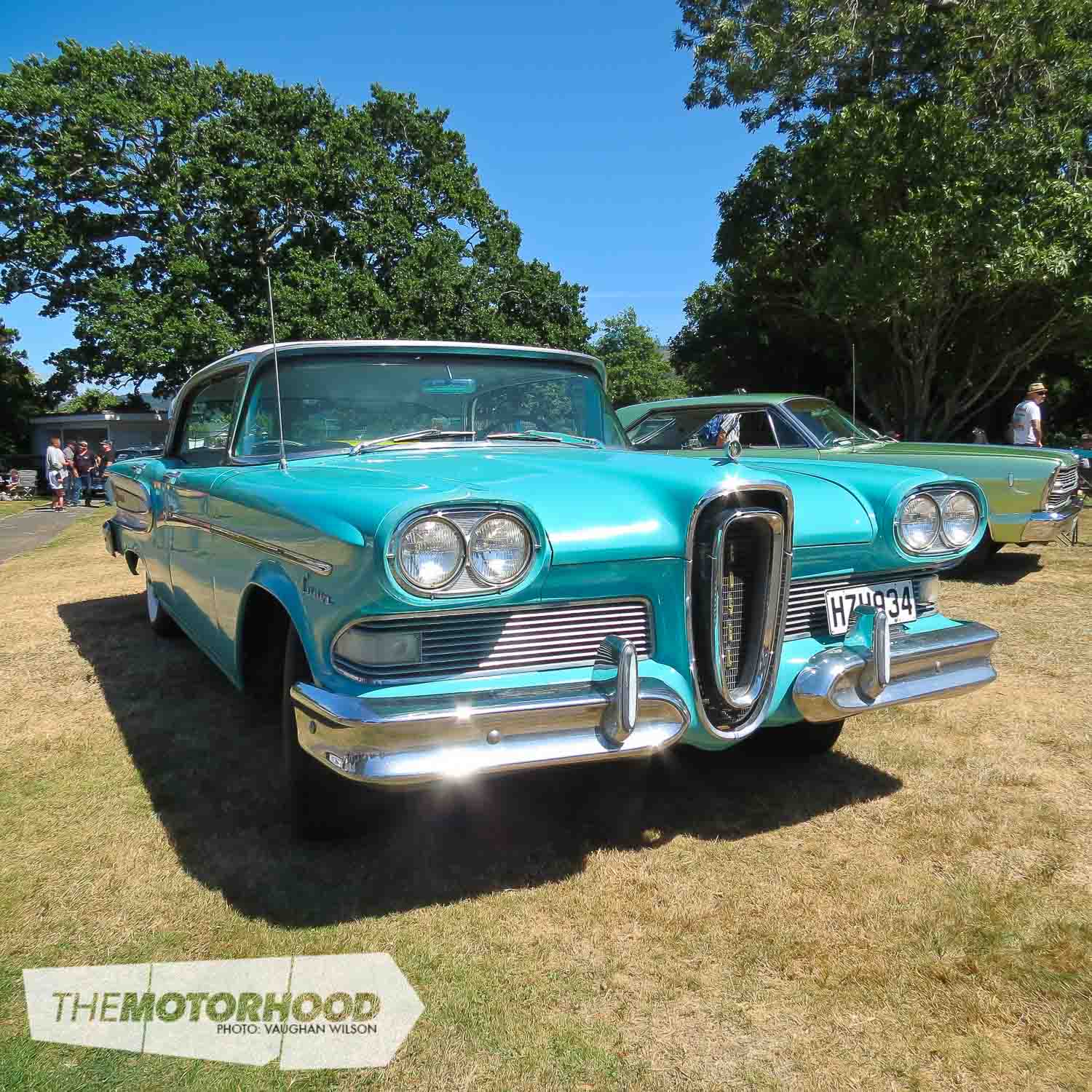
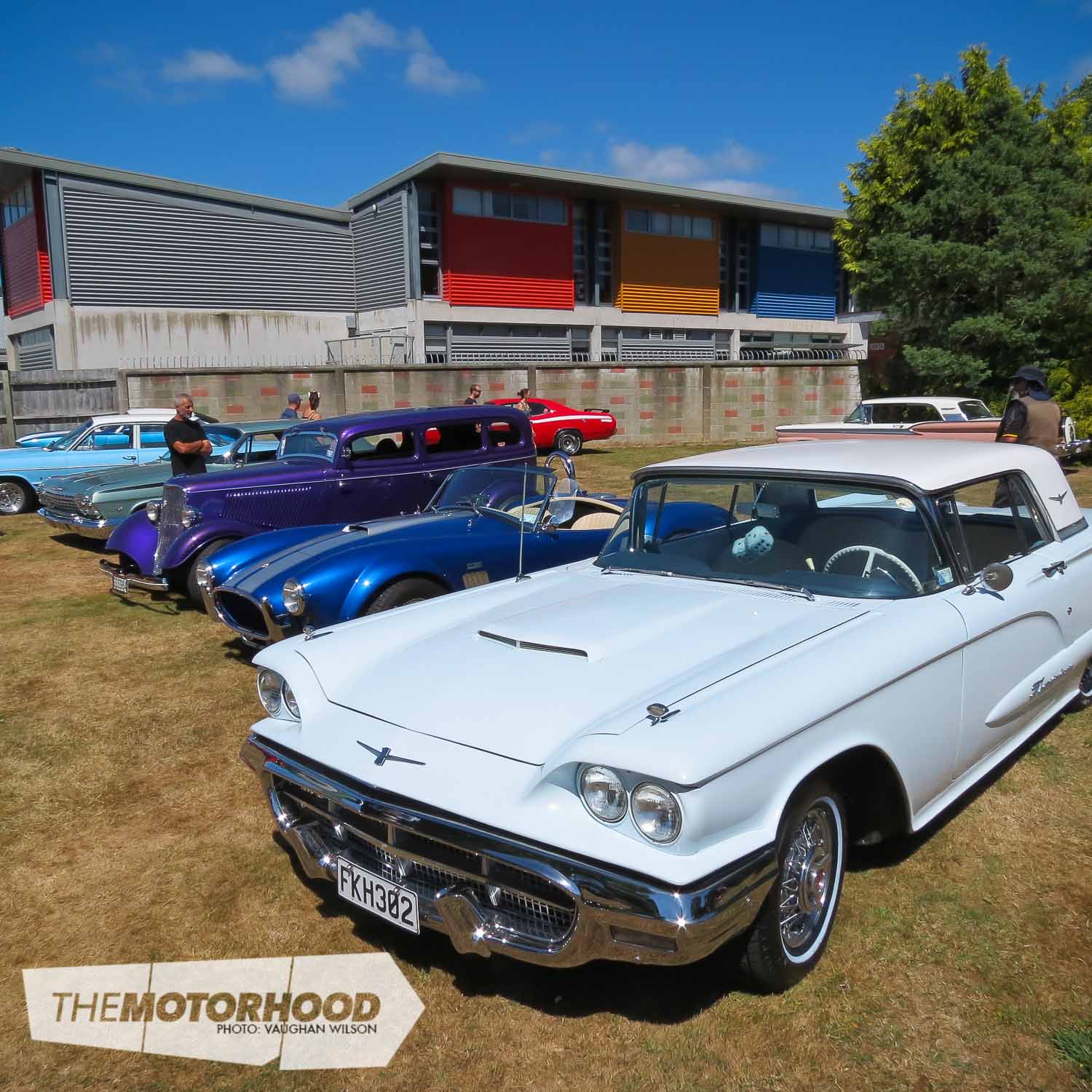
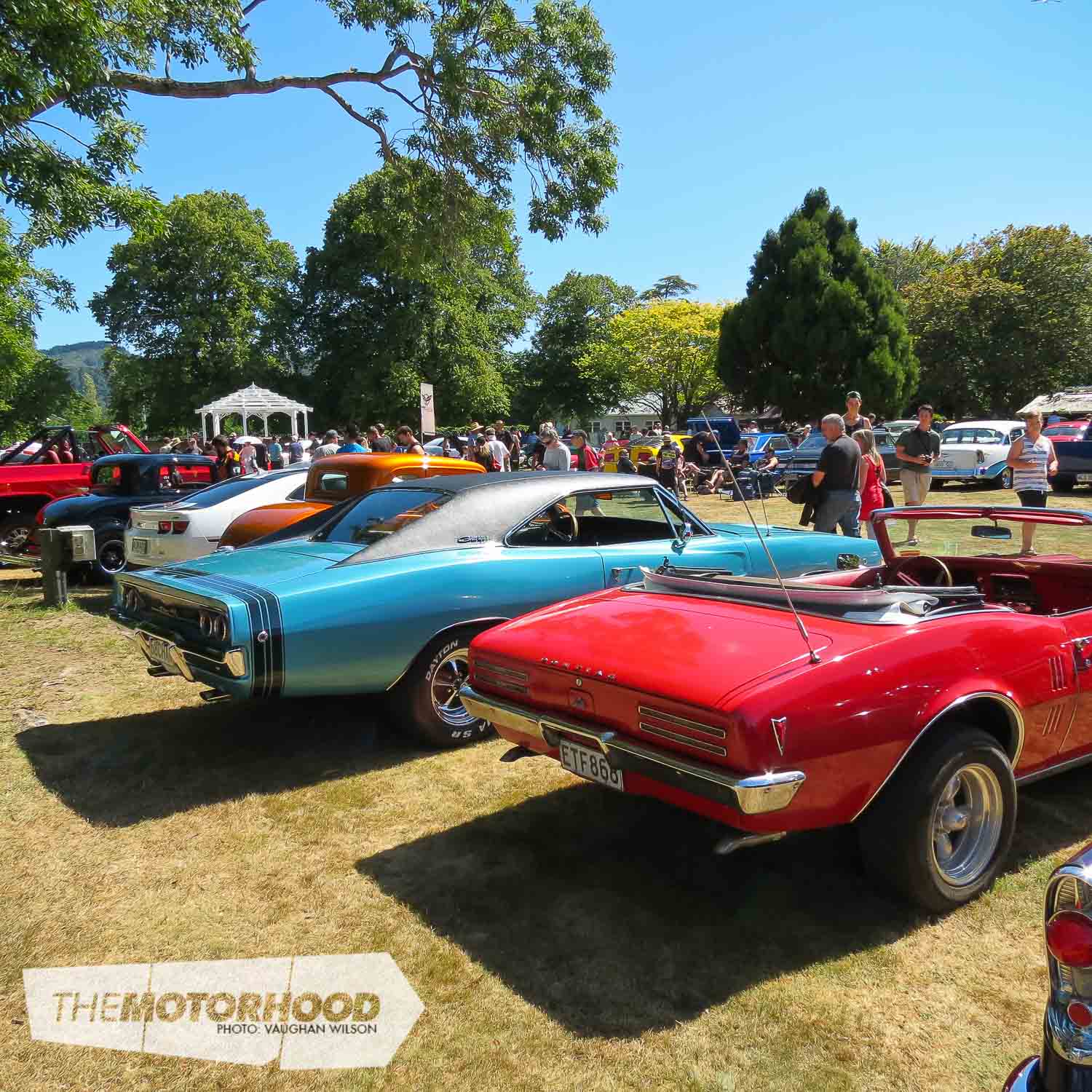
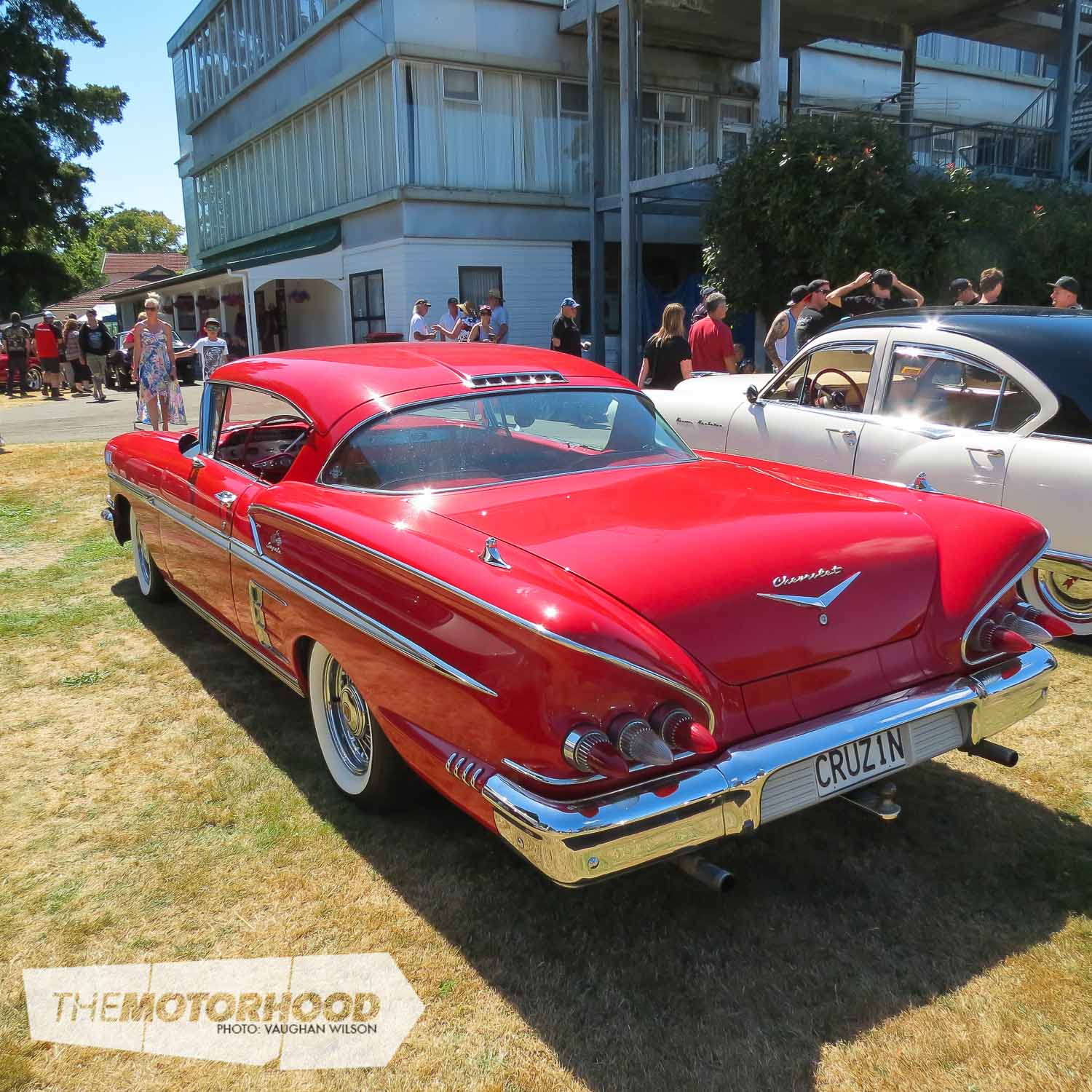
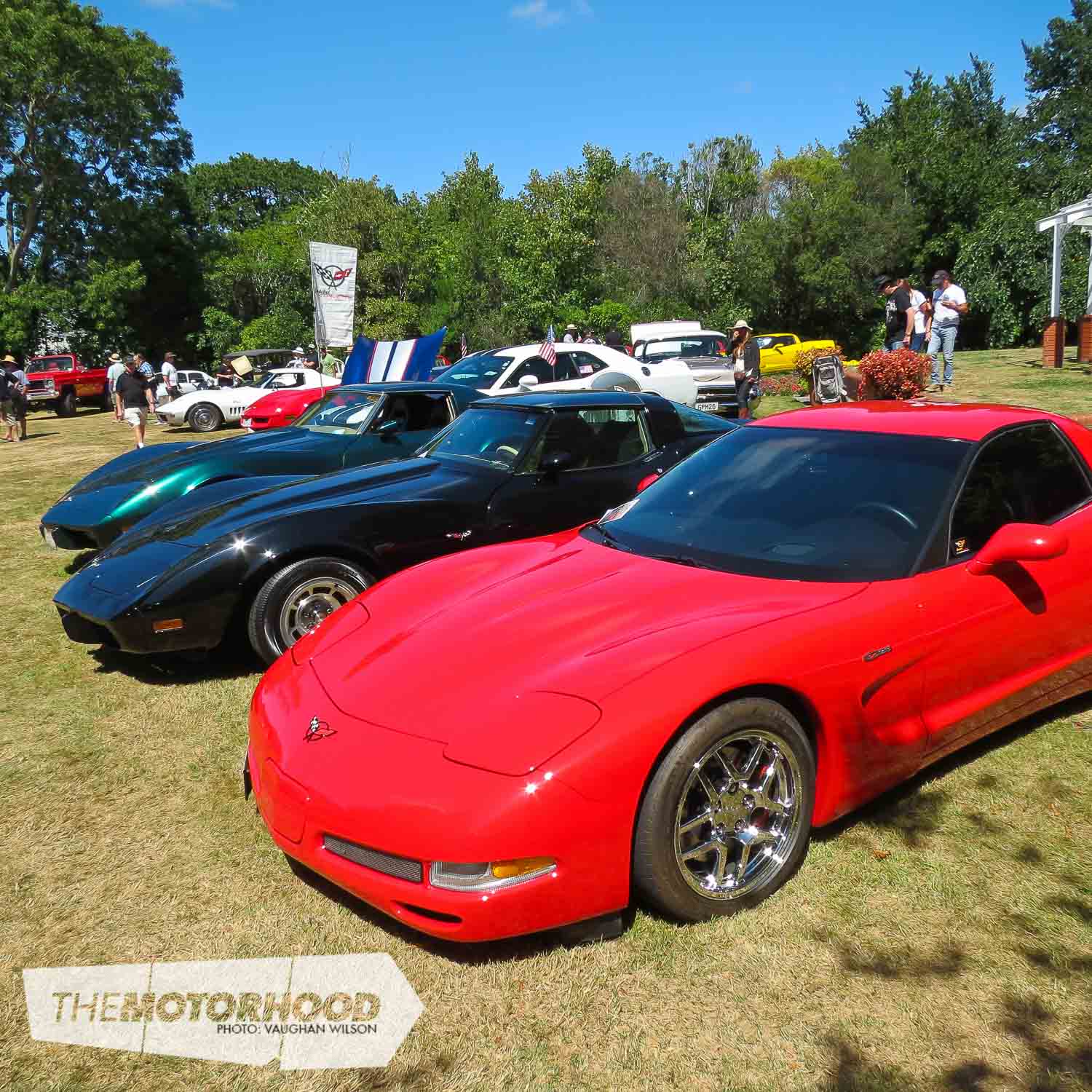
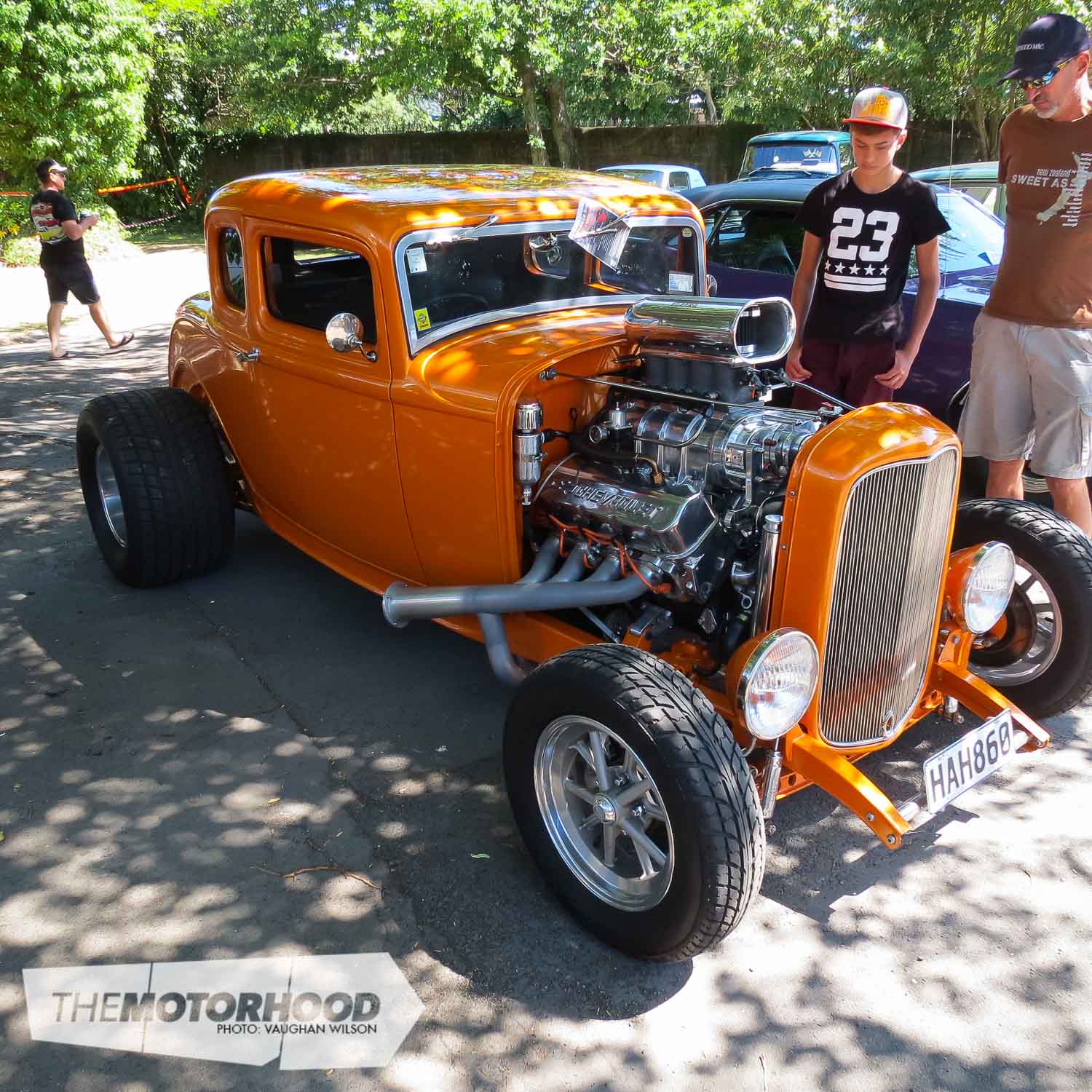
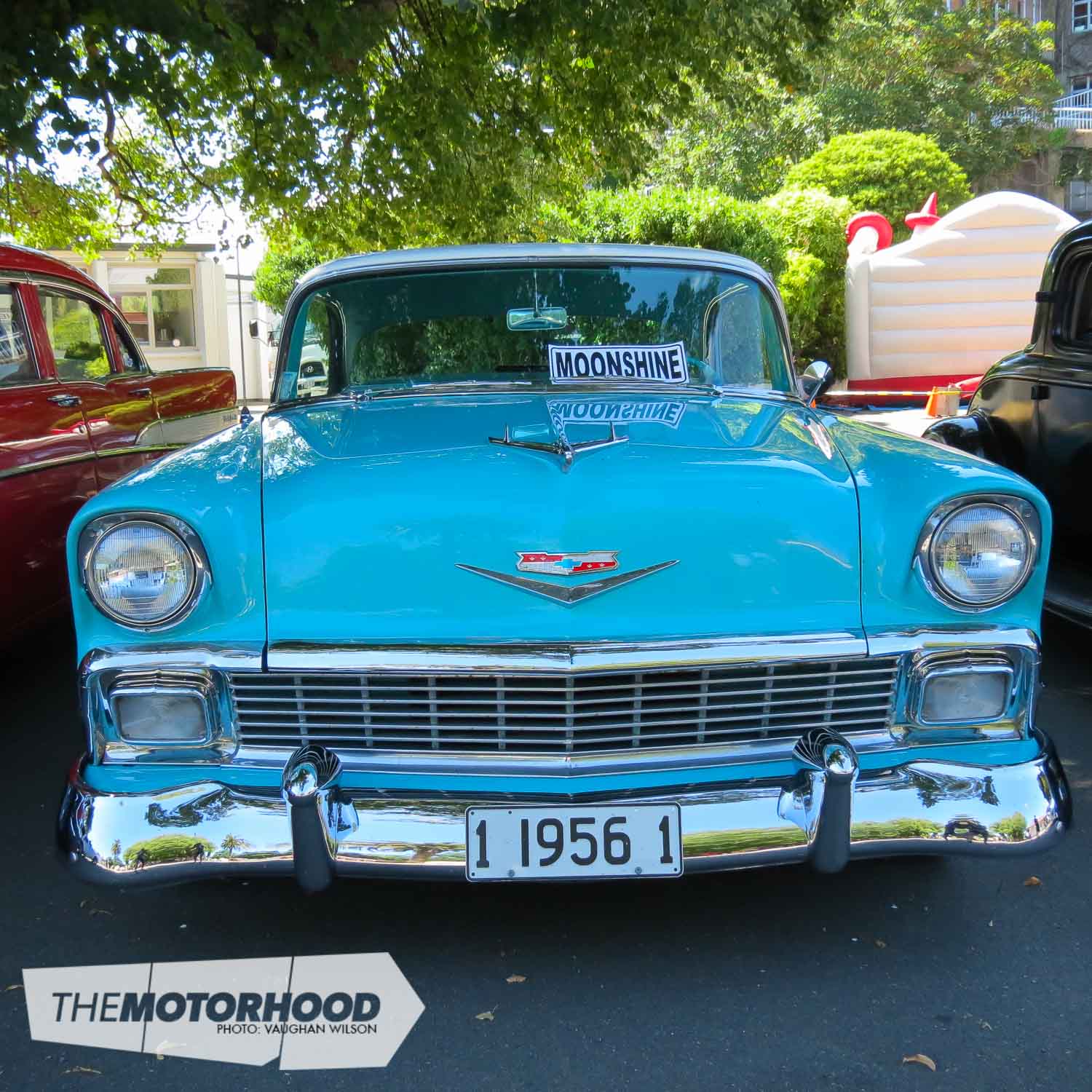
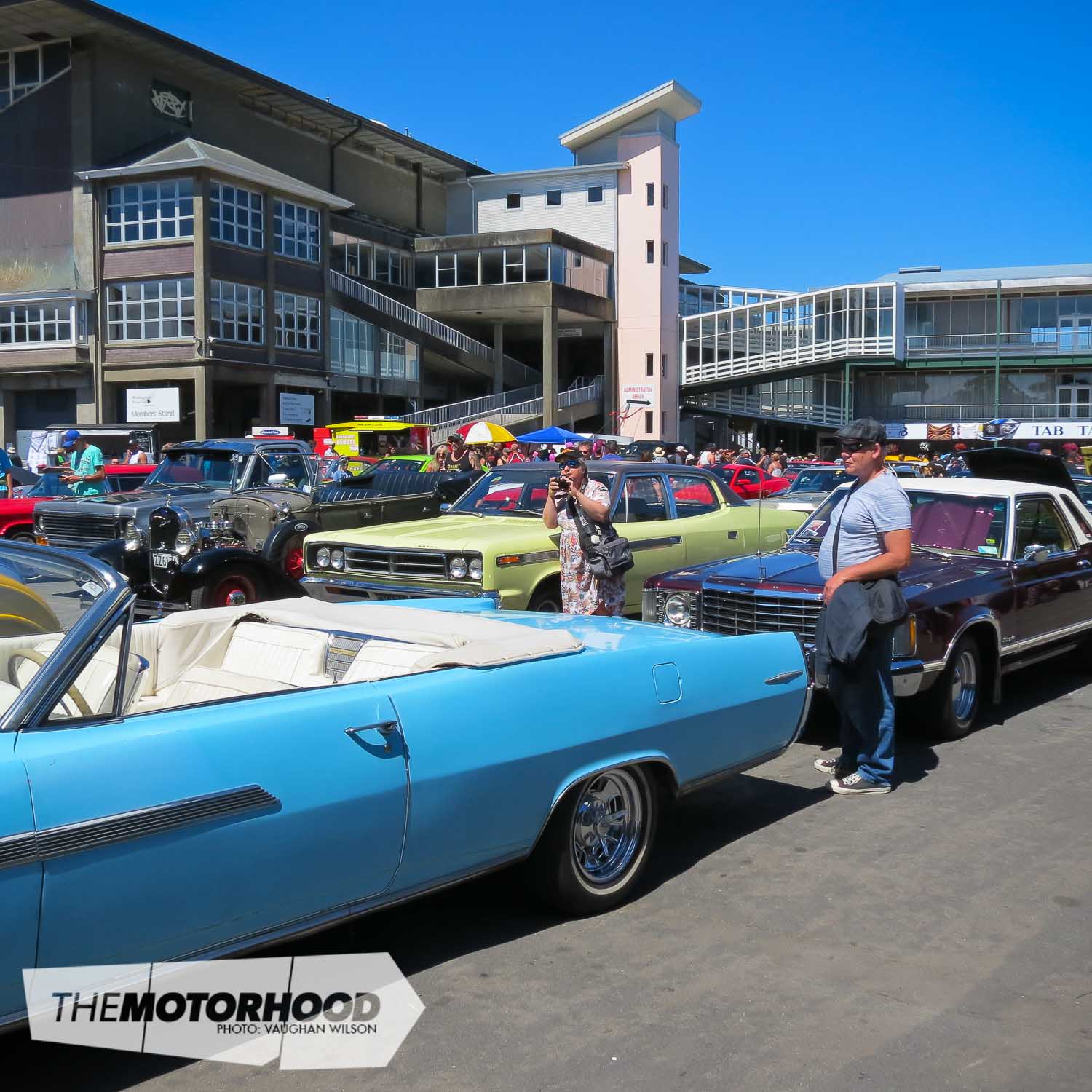
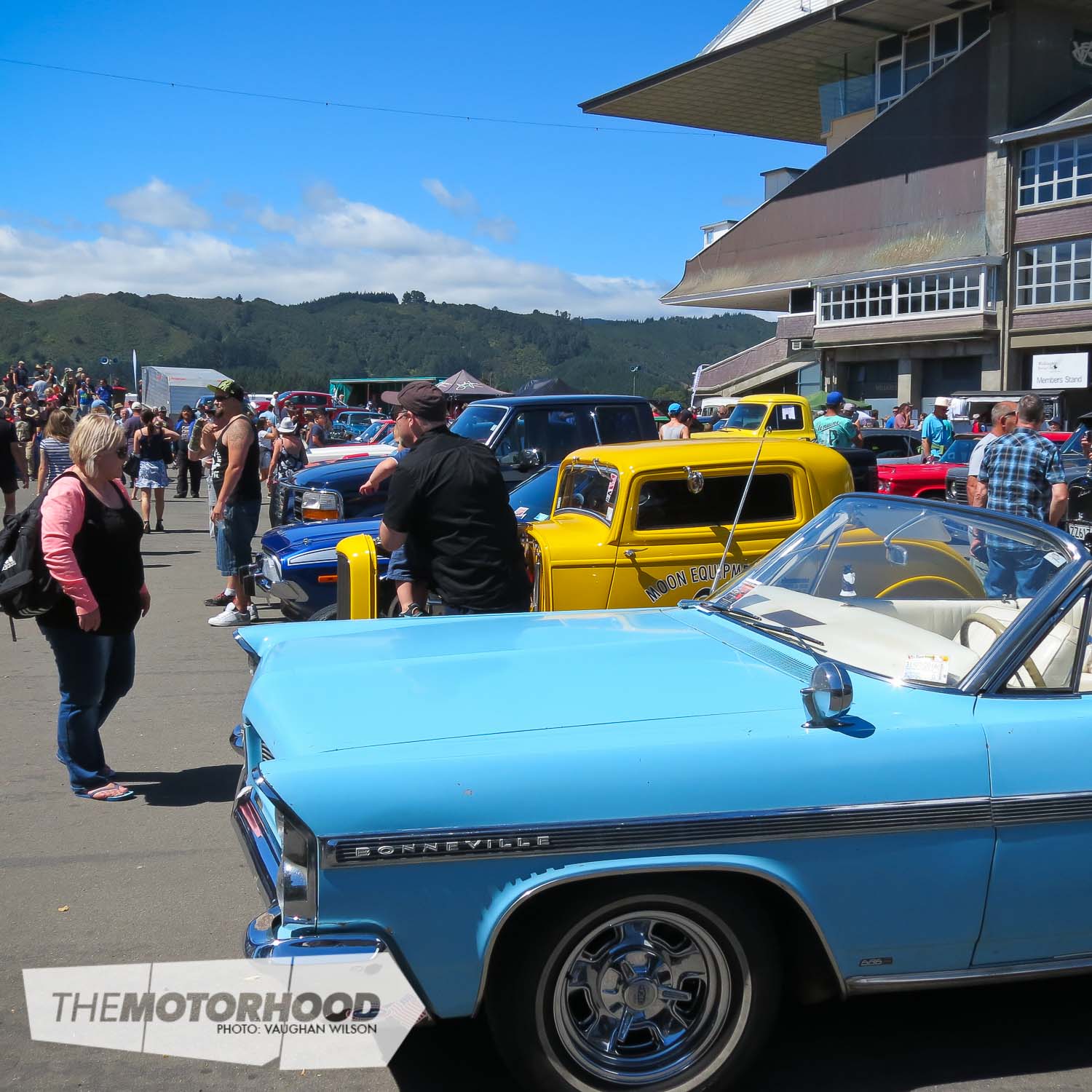
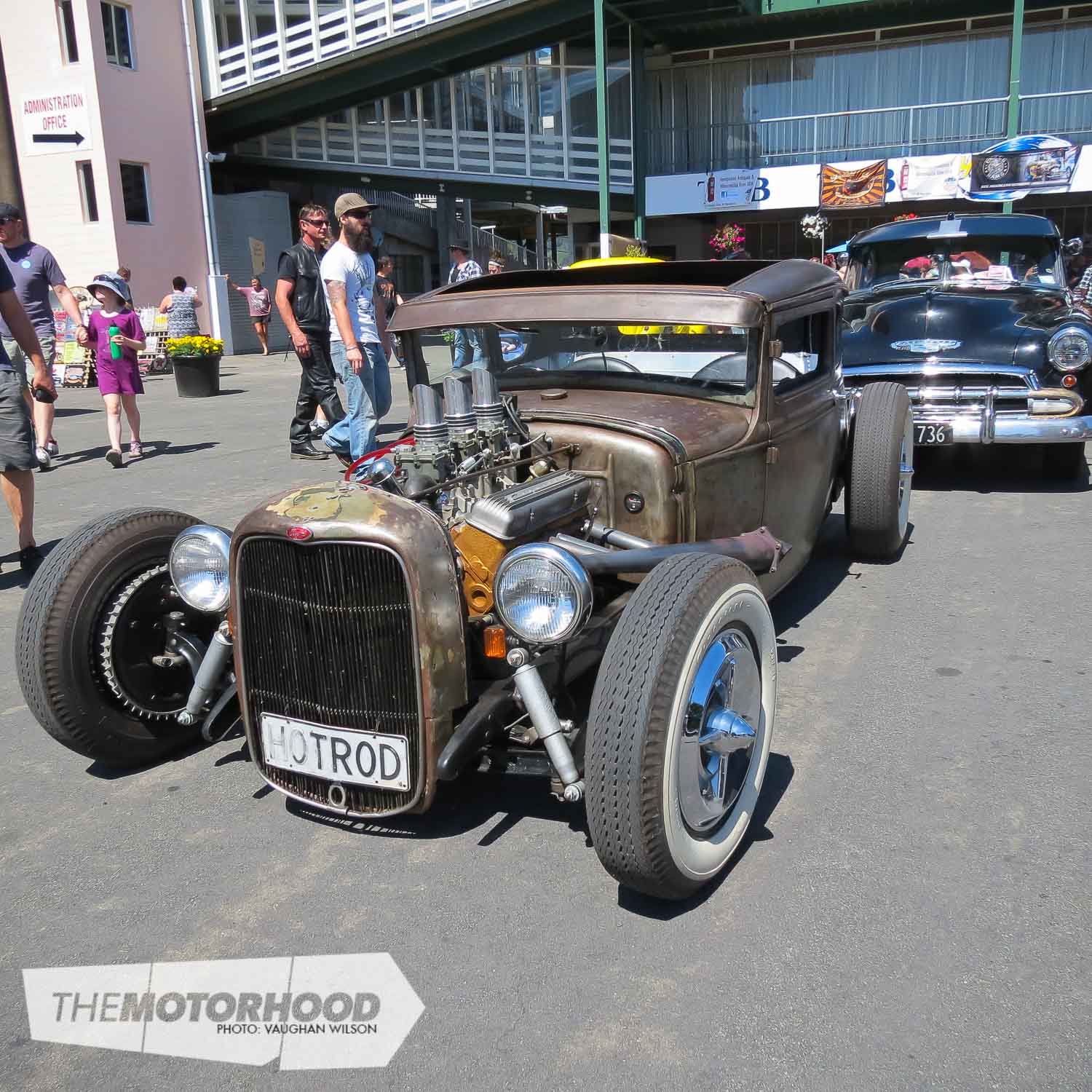
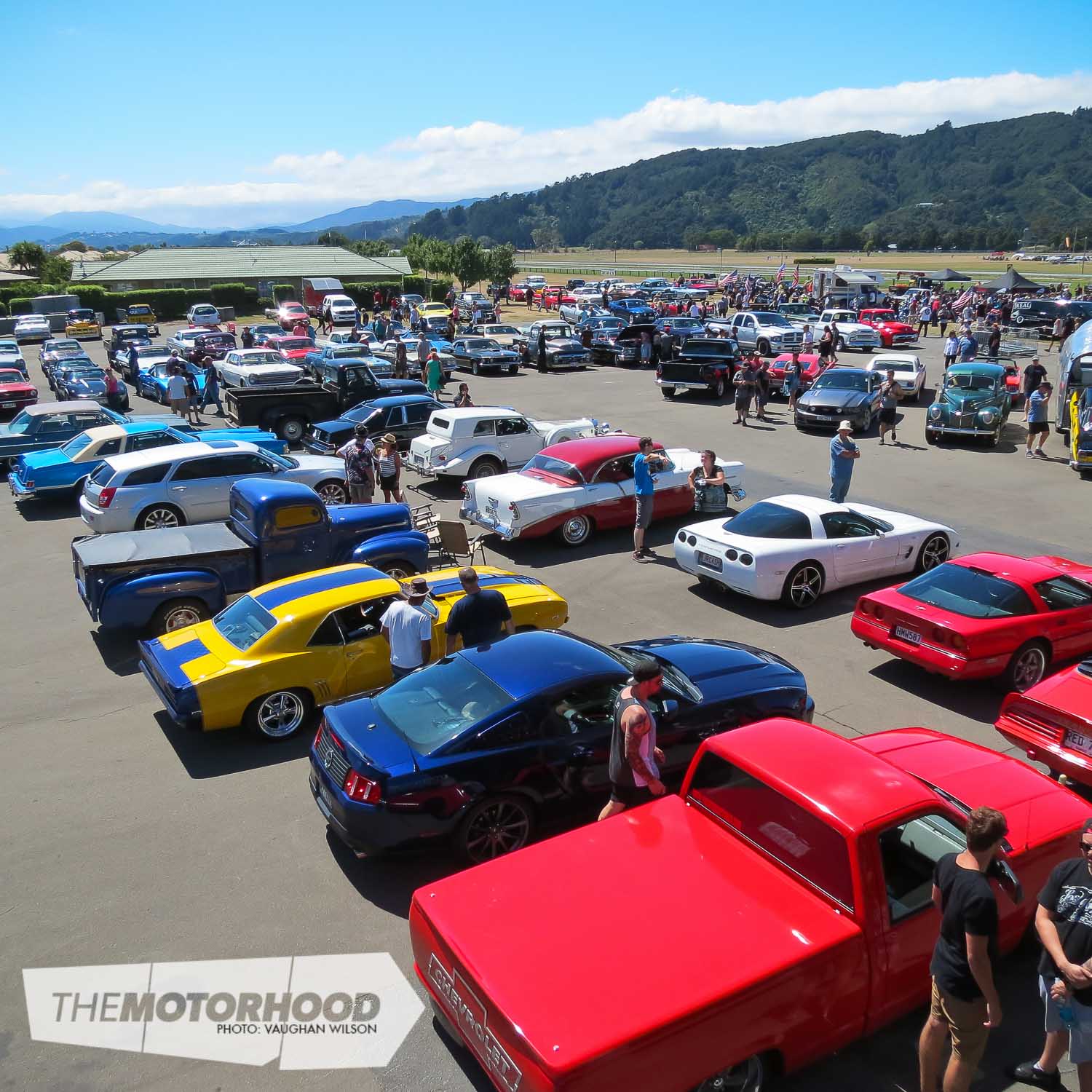
I have been to this event numerous times, but this was the best ever. Over 700 cars were on display from all eras, and they were originals and modified. The event is well known as a great day out, catering for people of all ages from two to 92. Stalls of all descriptions were displaying their car-related wares, as well as food and beverage stalls, and they were all doing a fine trade on a magnificent sunny Upper Hutt day.
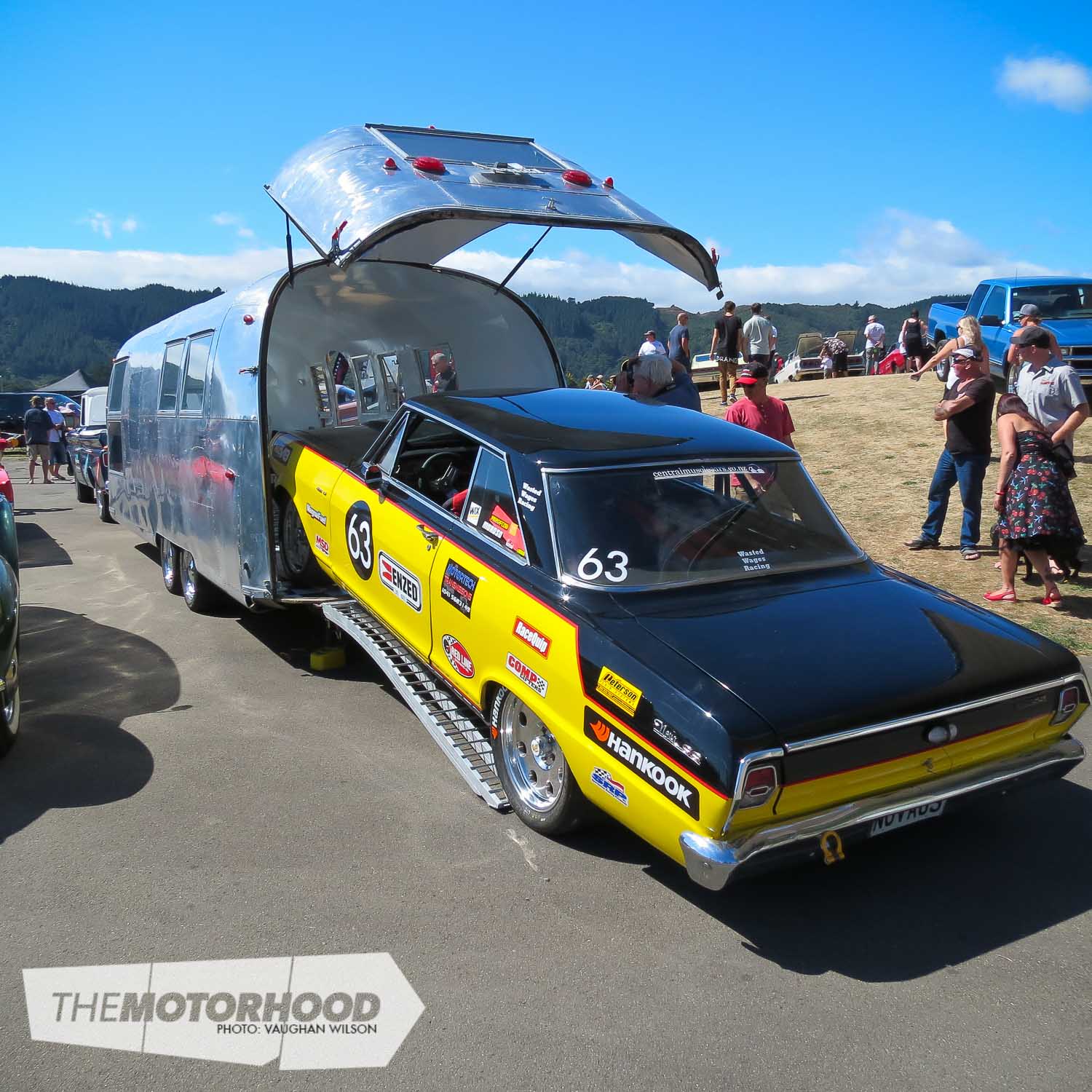
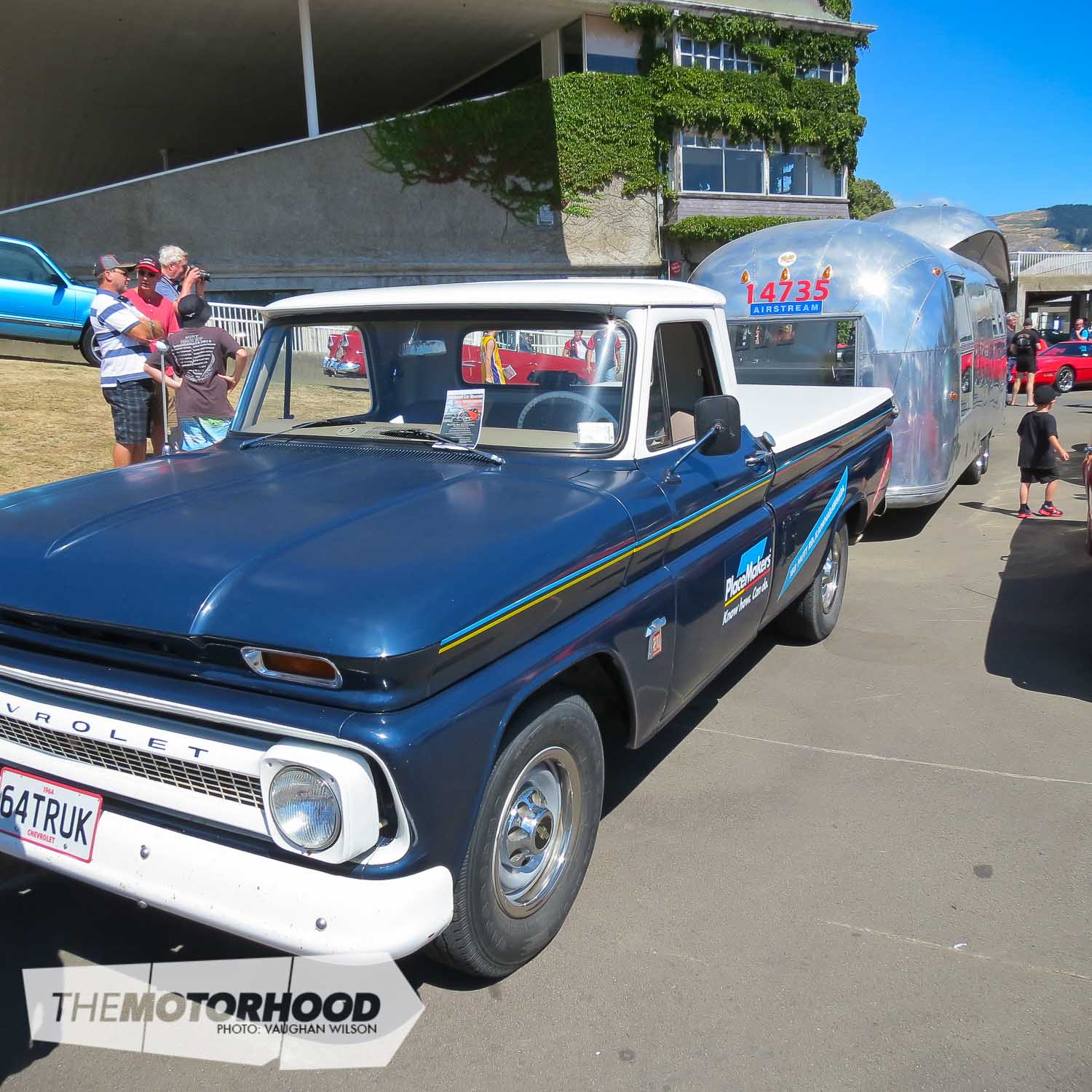
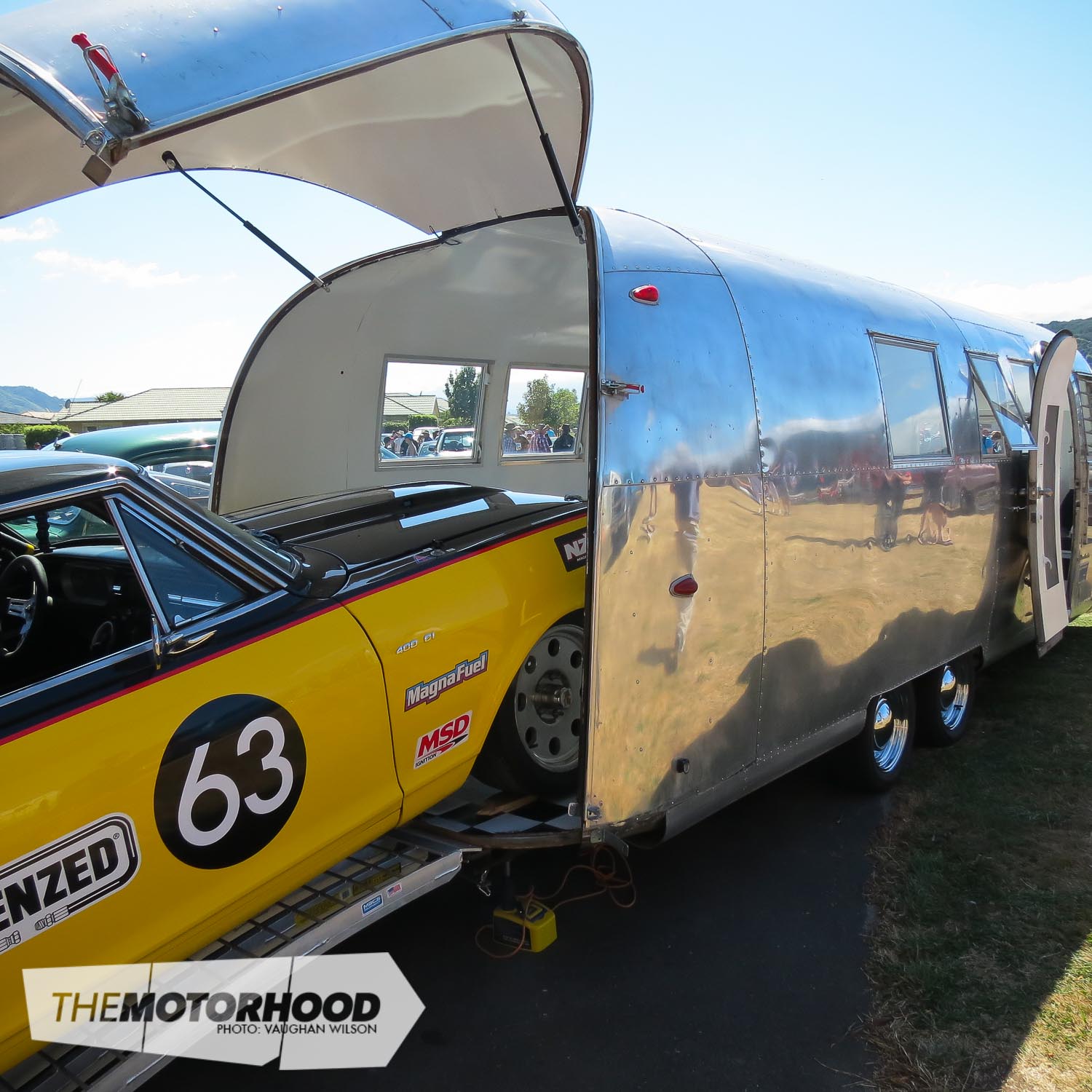
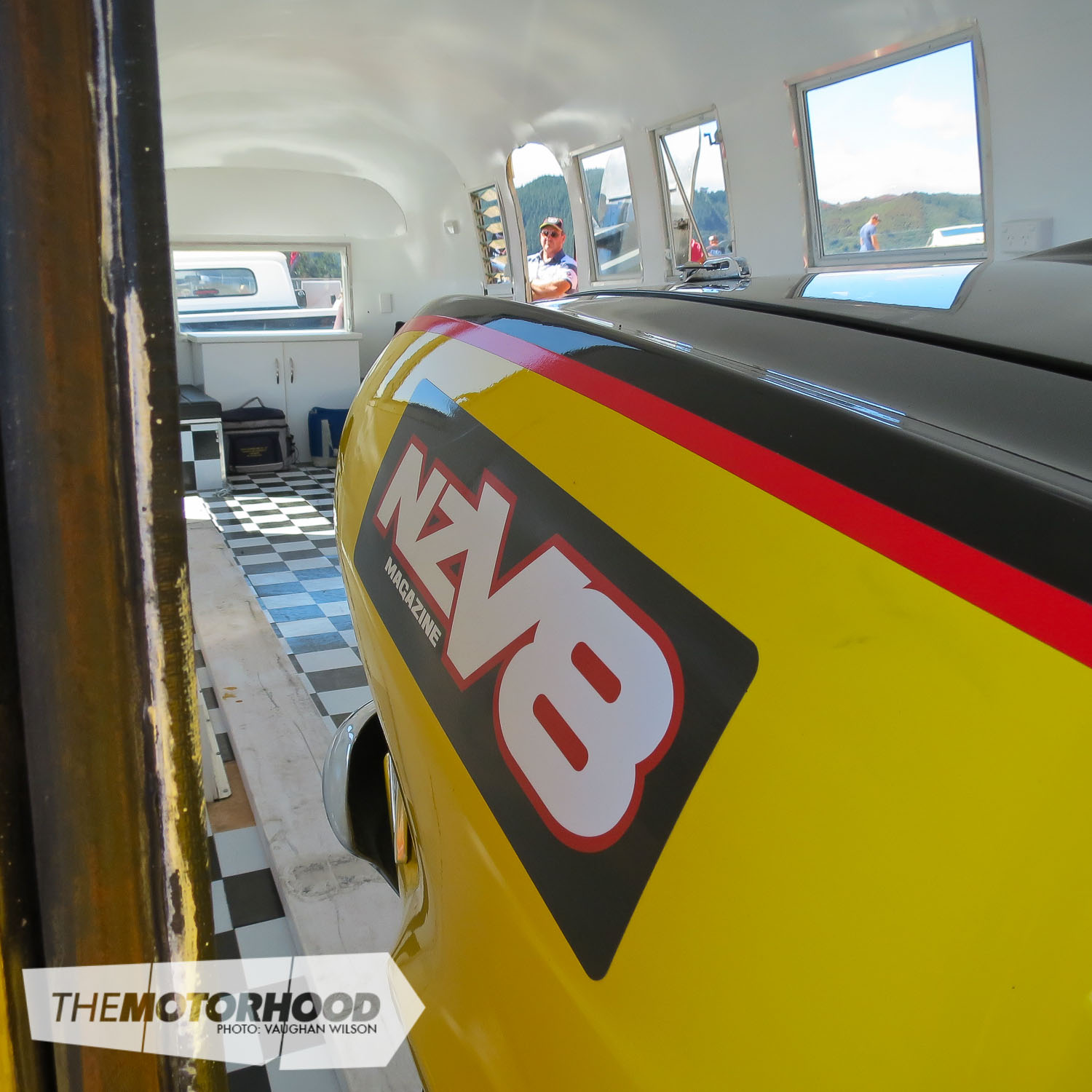
Some of the standouts for me included a ’64 Chevy Nova race car (owned by Paul Boden), which was displayed half out of its trailer, and a 1960s classic US caravan, modified to carry the Nova along with an area for spares, which was towed by a ’64 C20 Chev Pickup.
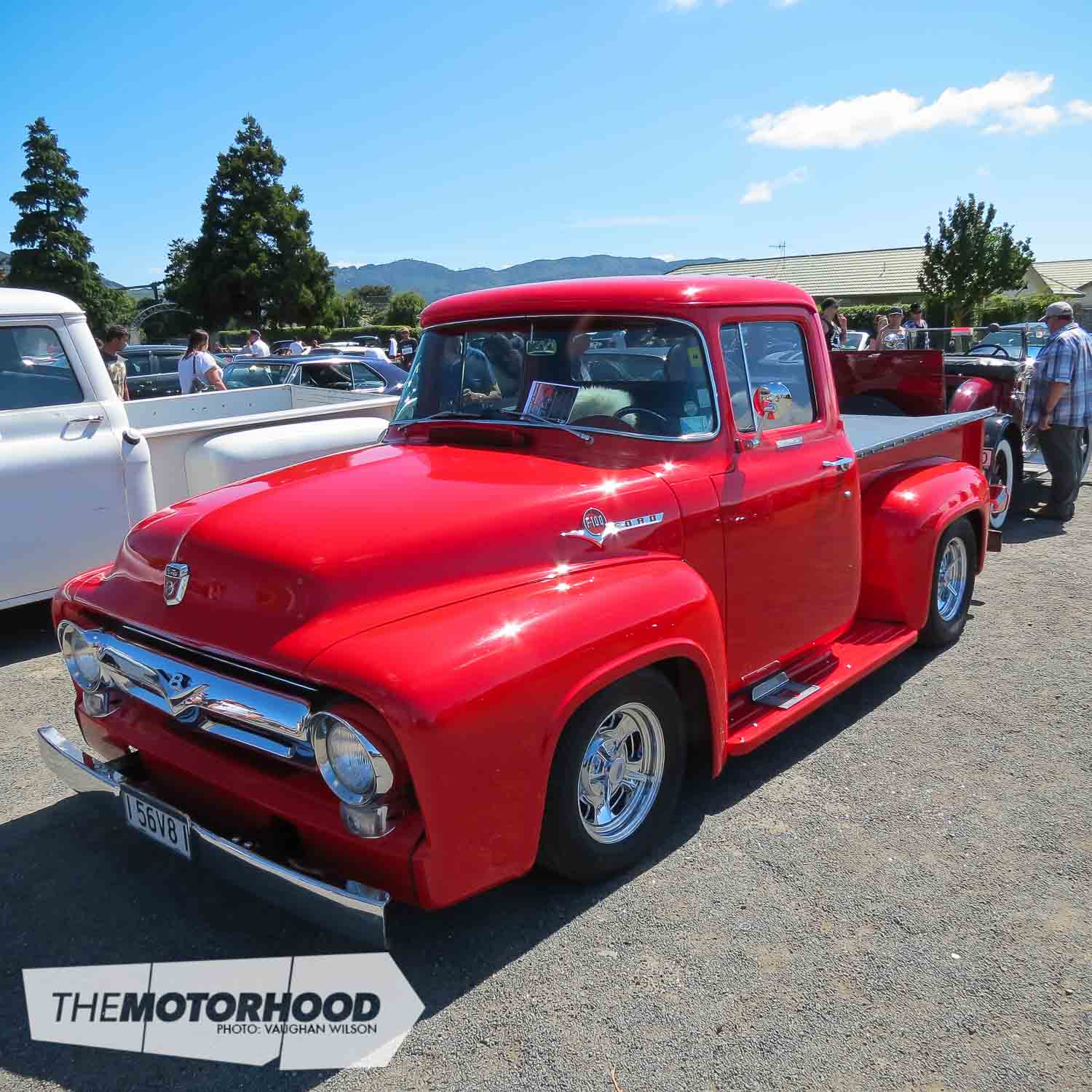
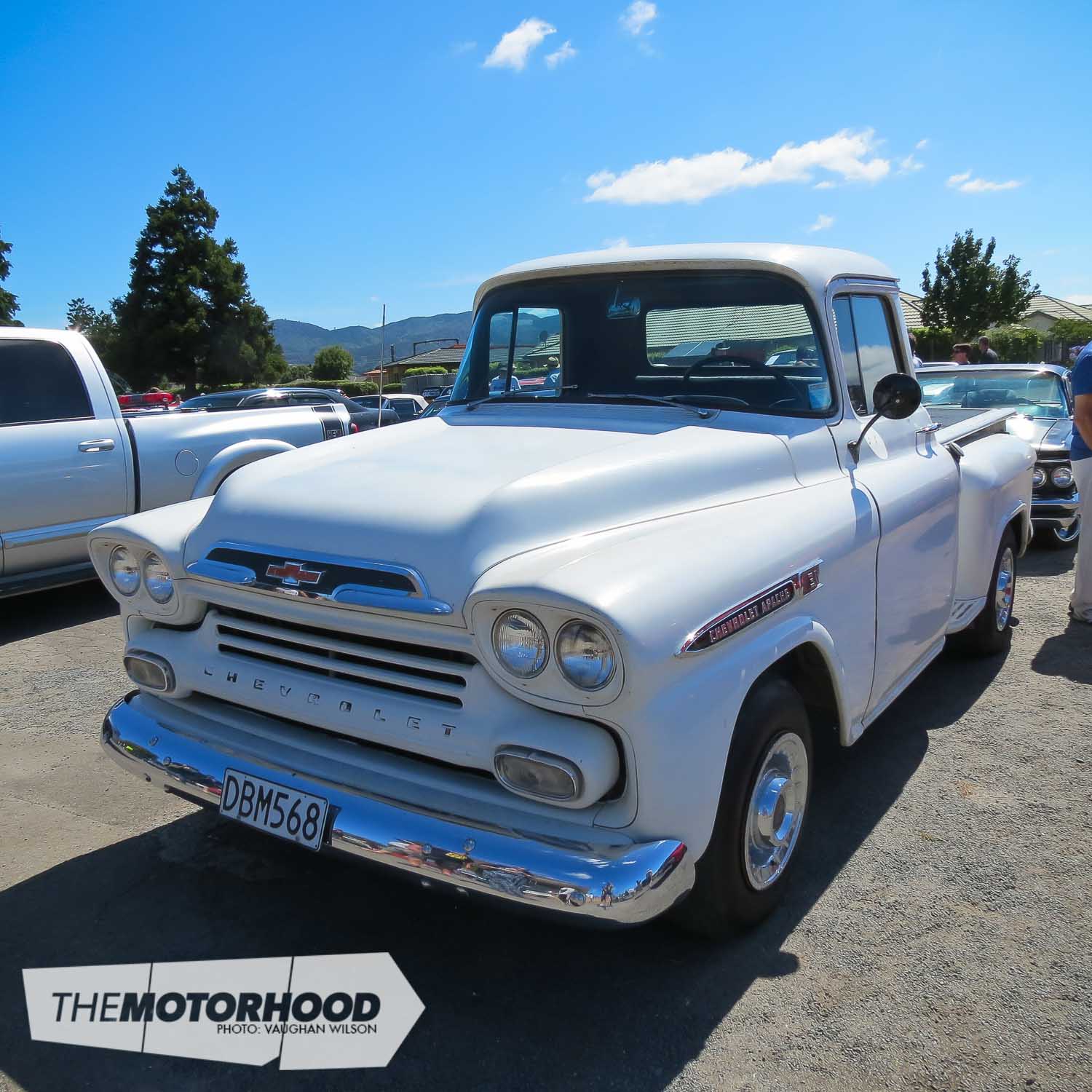
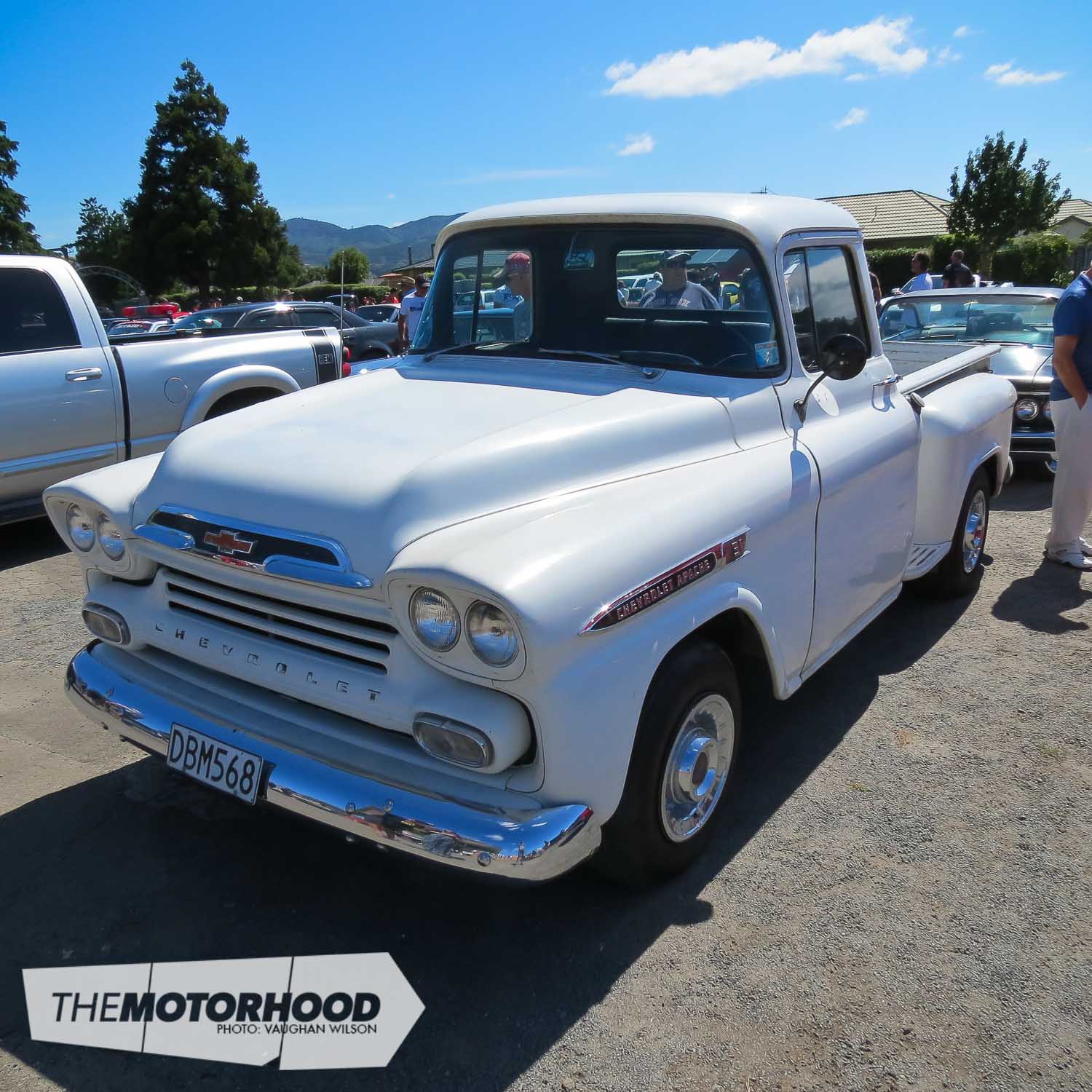
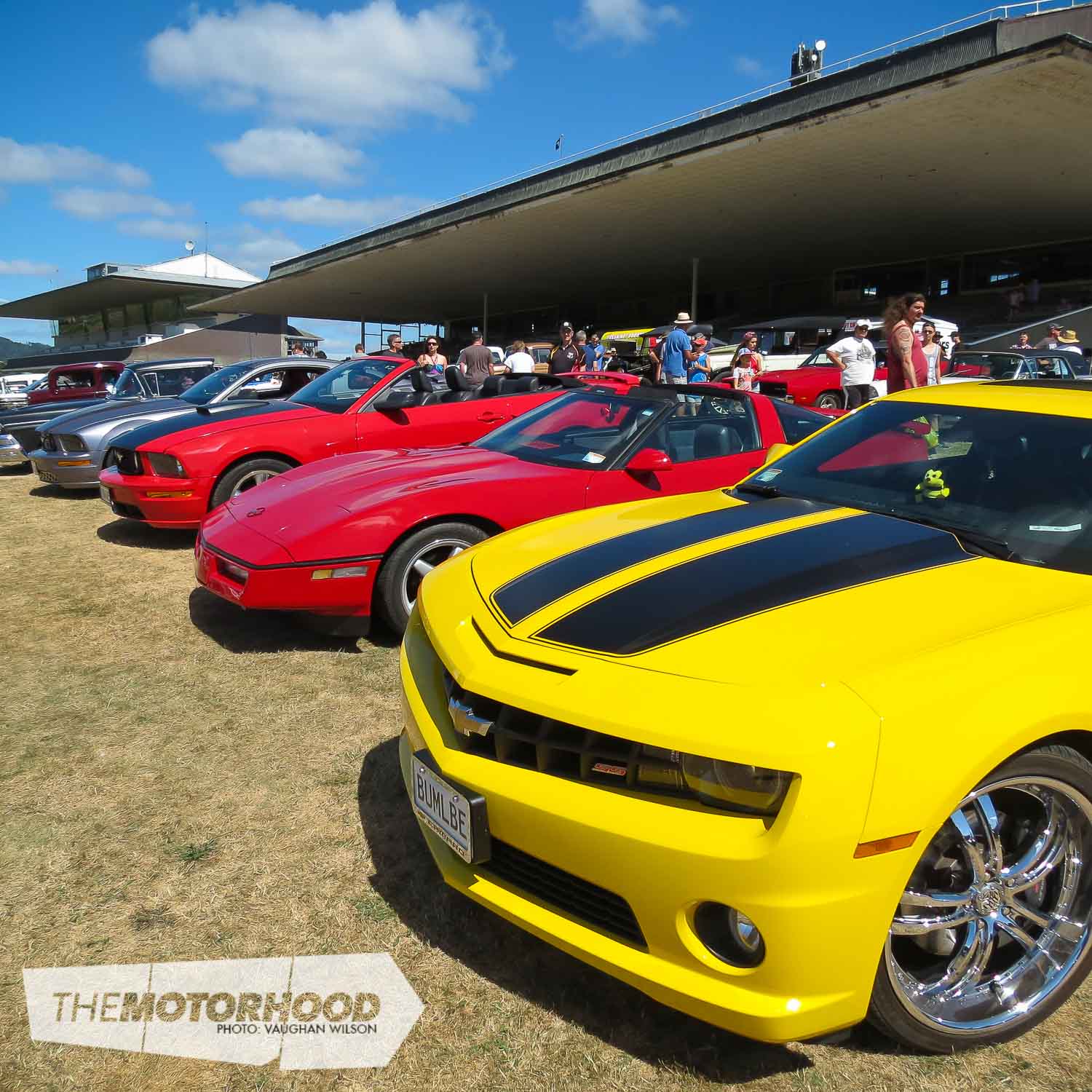
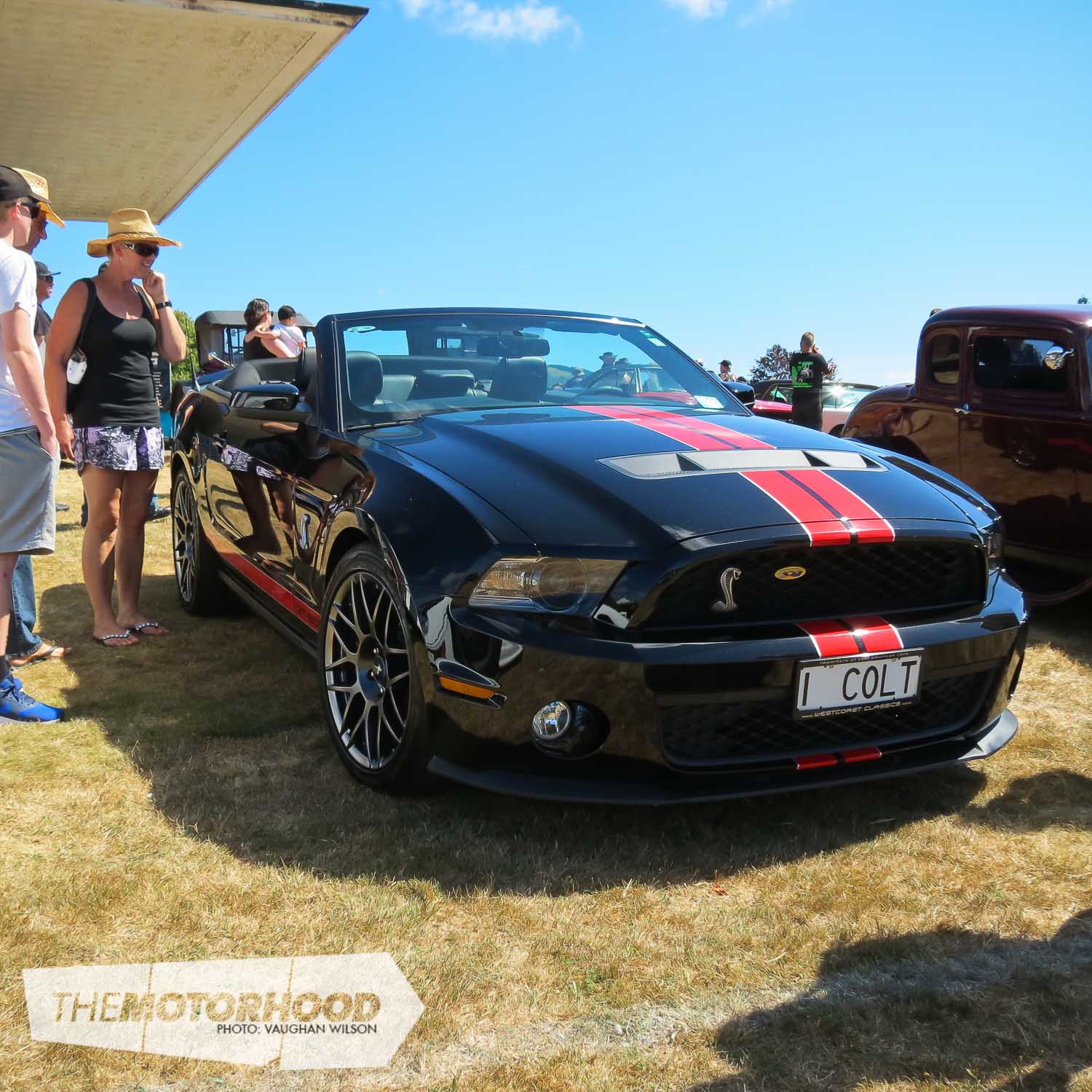
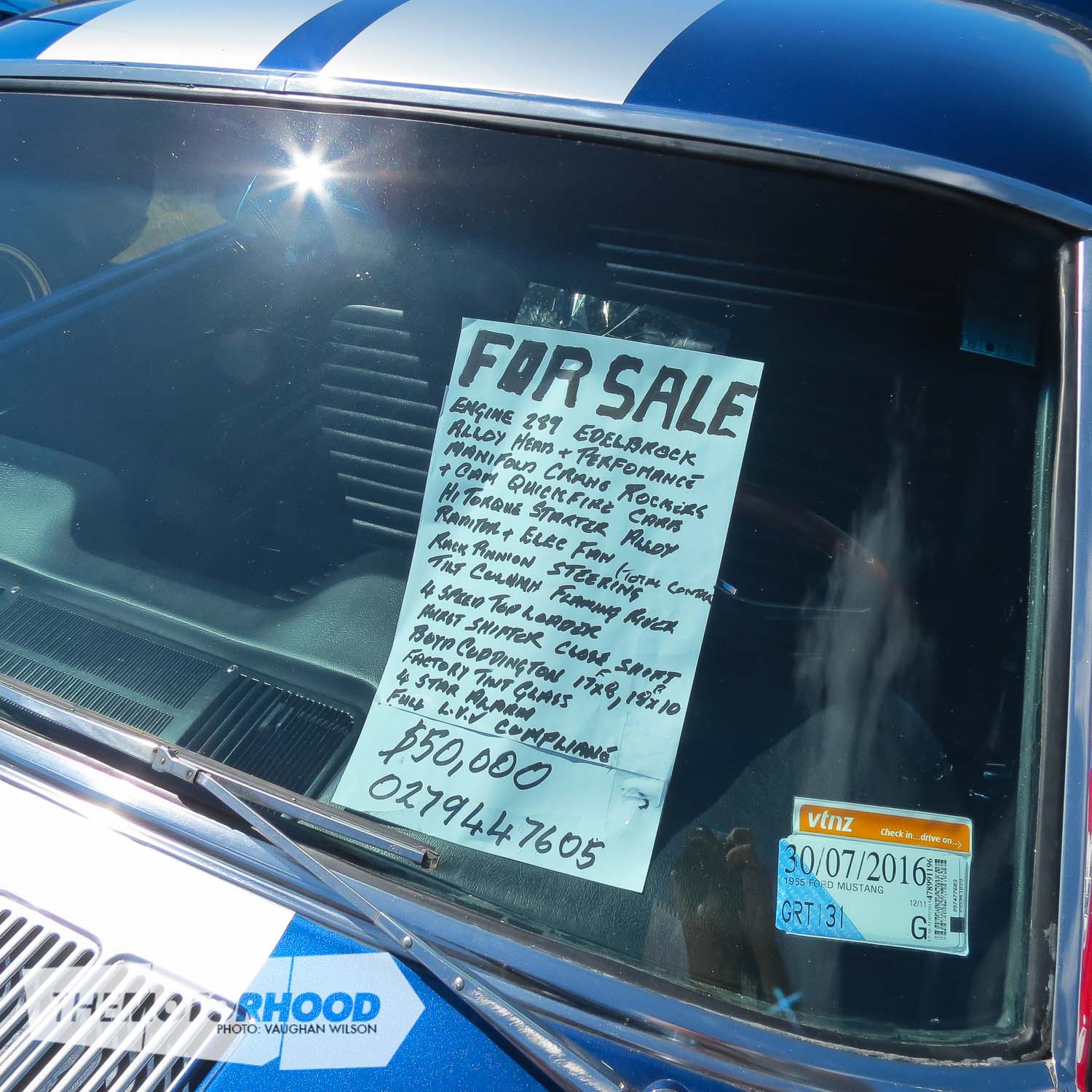
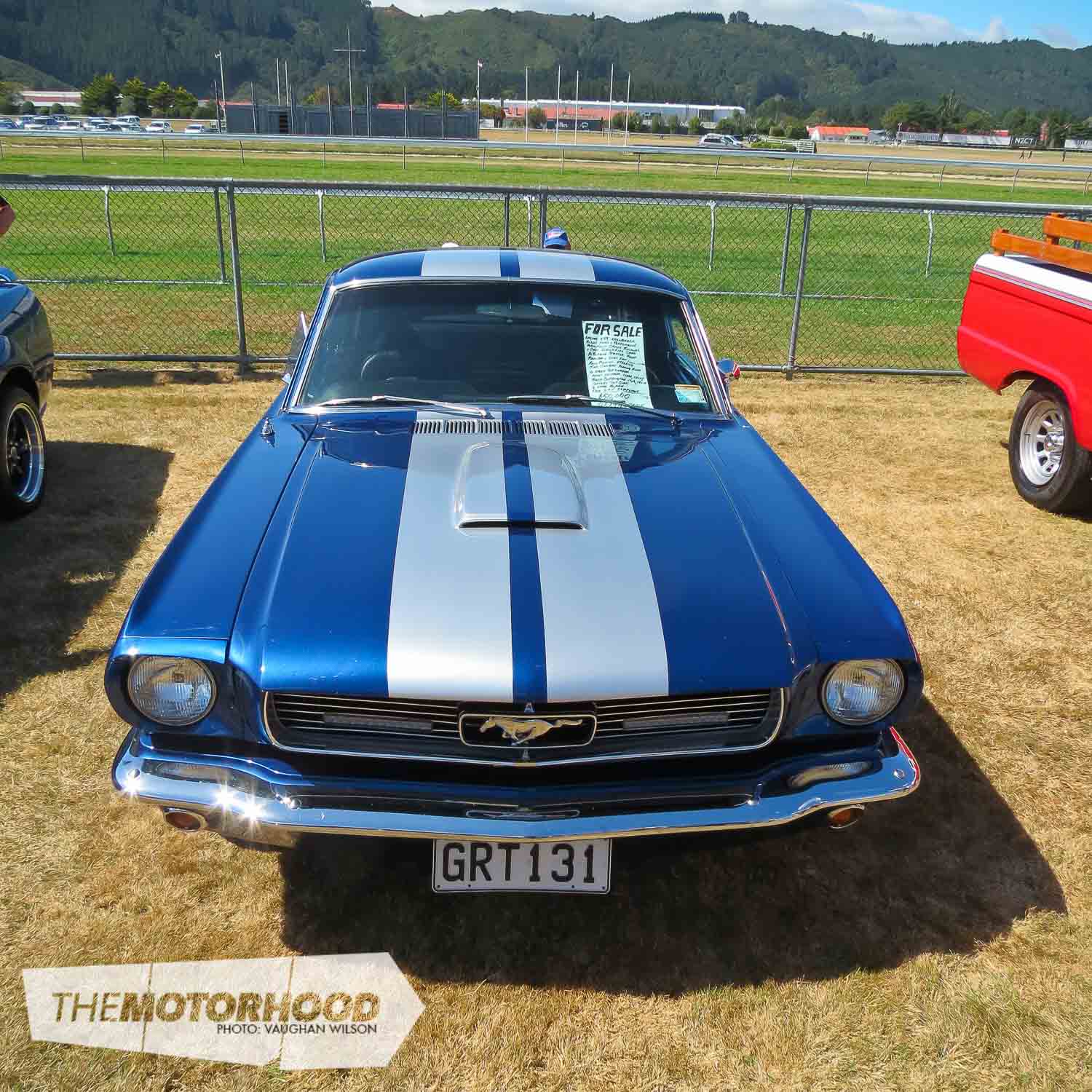
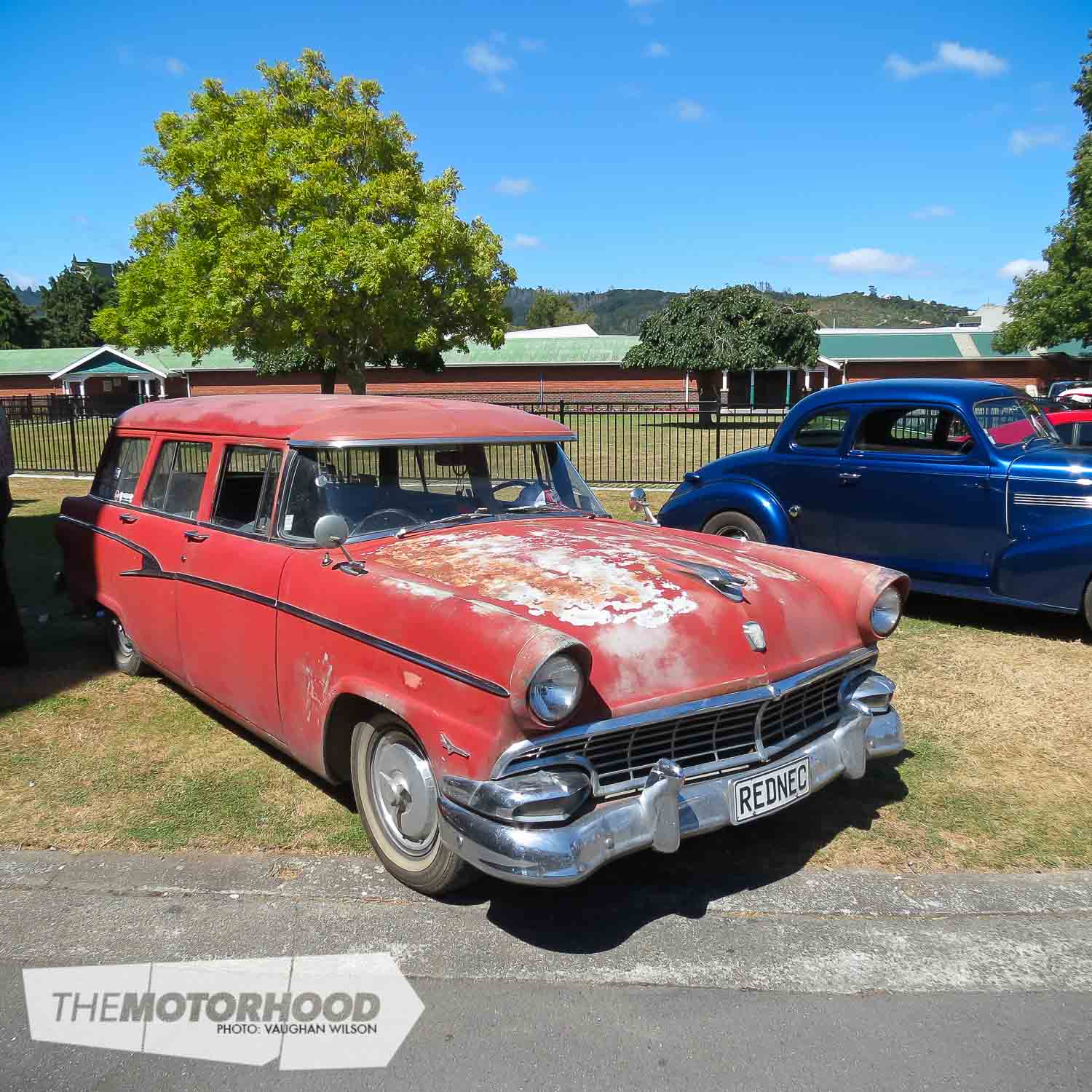
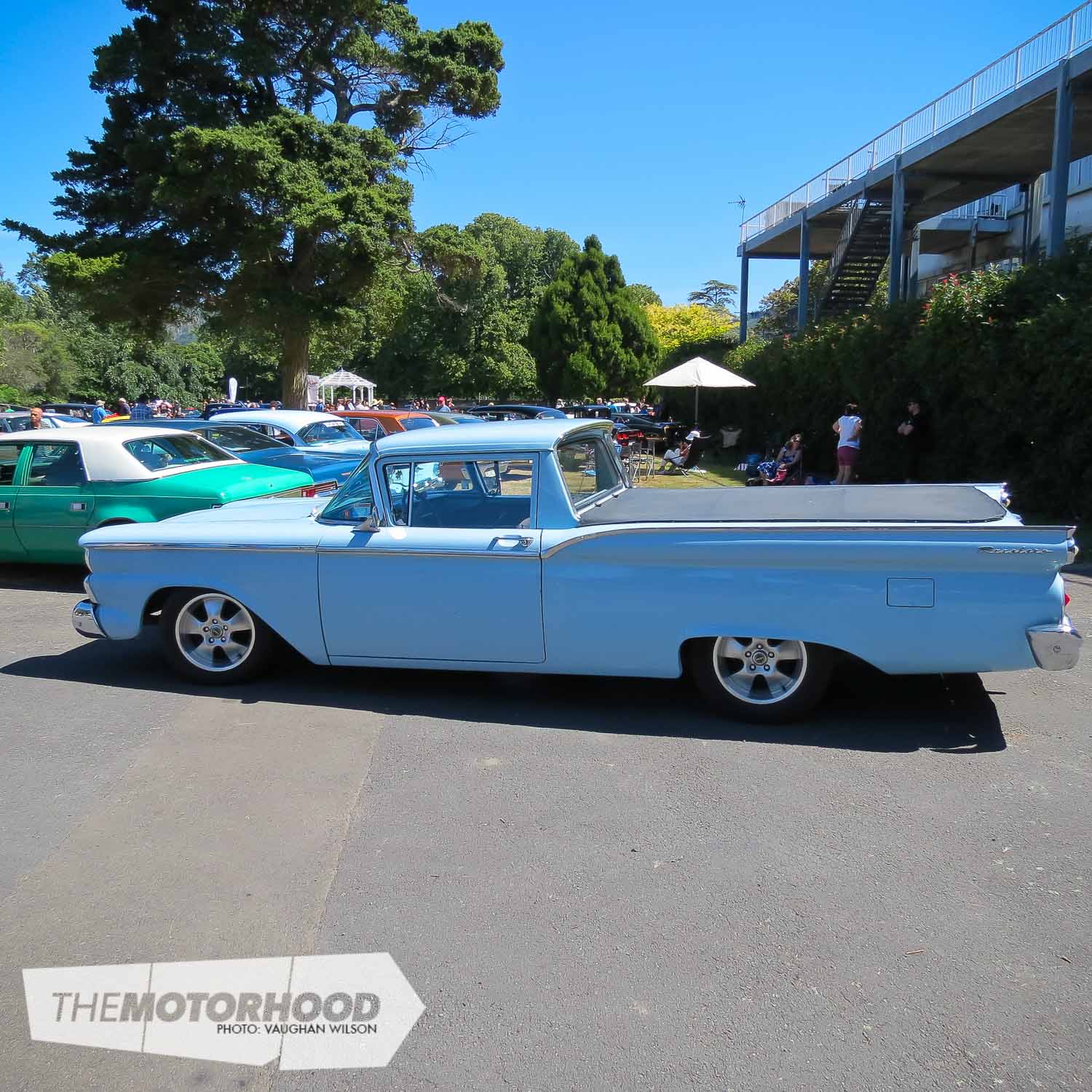
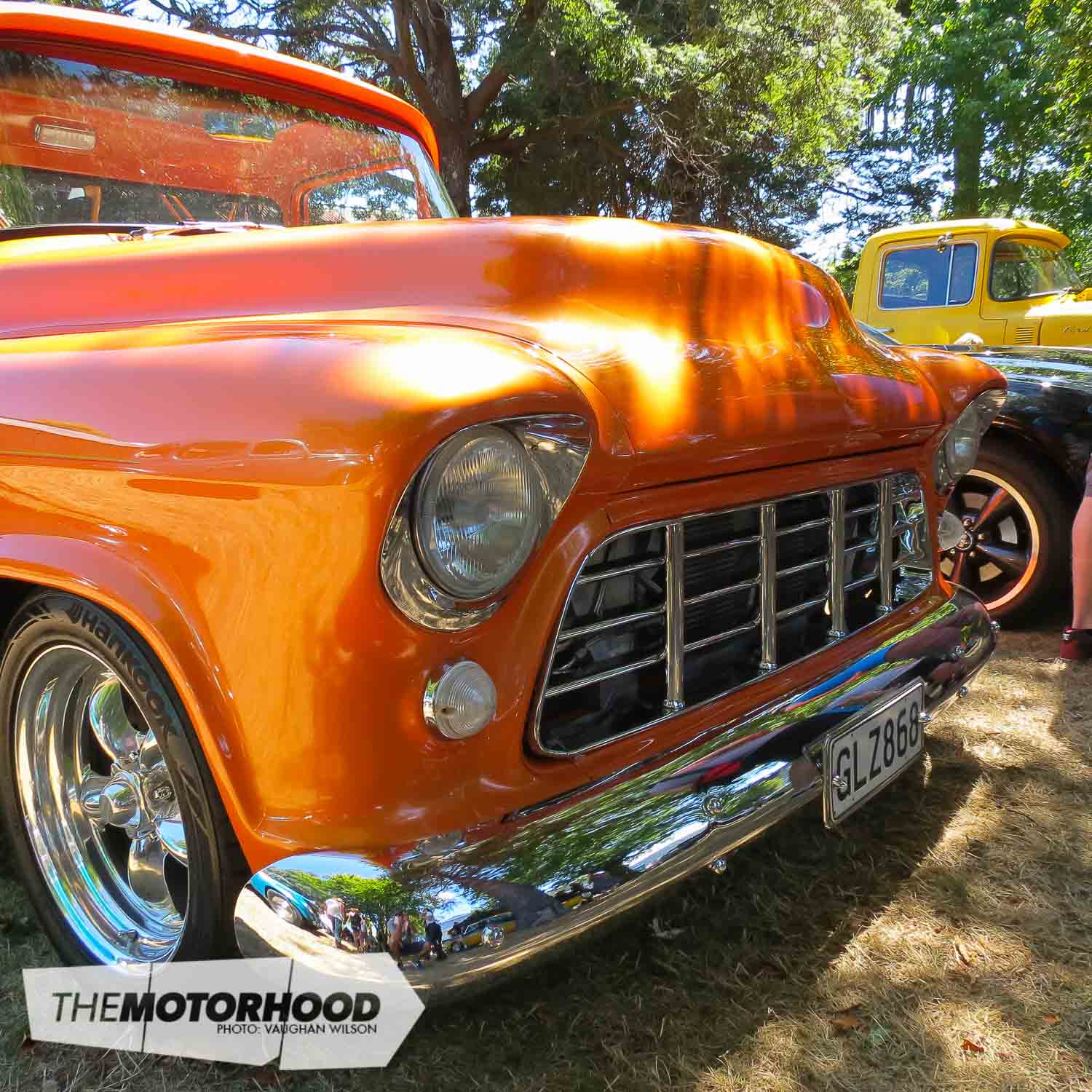
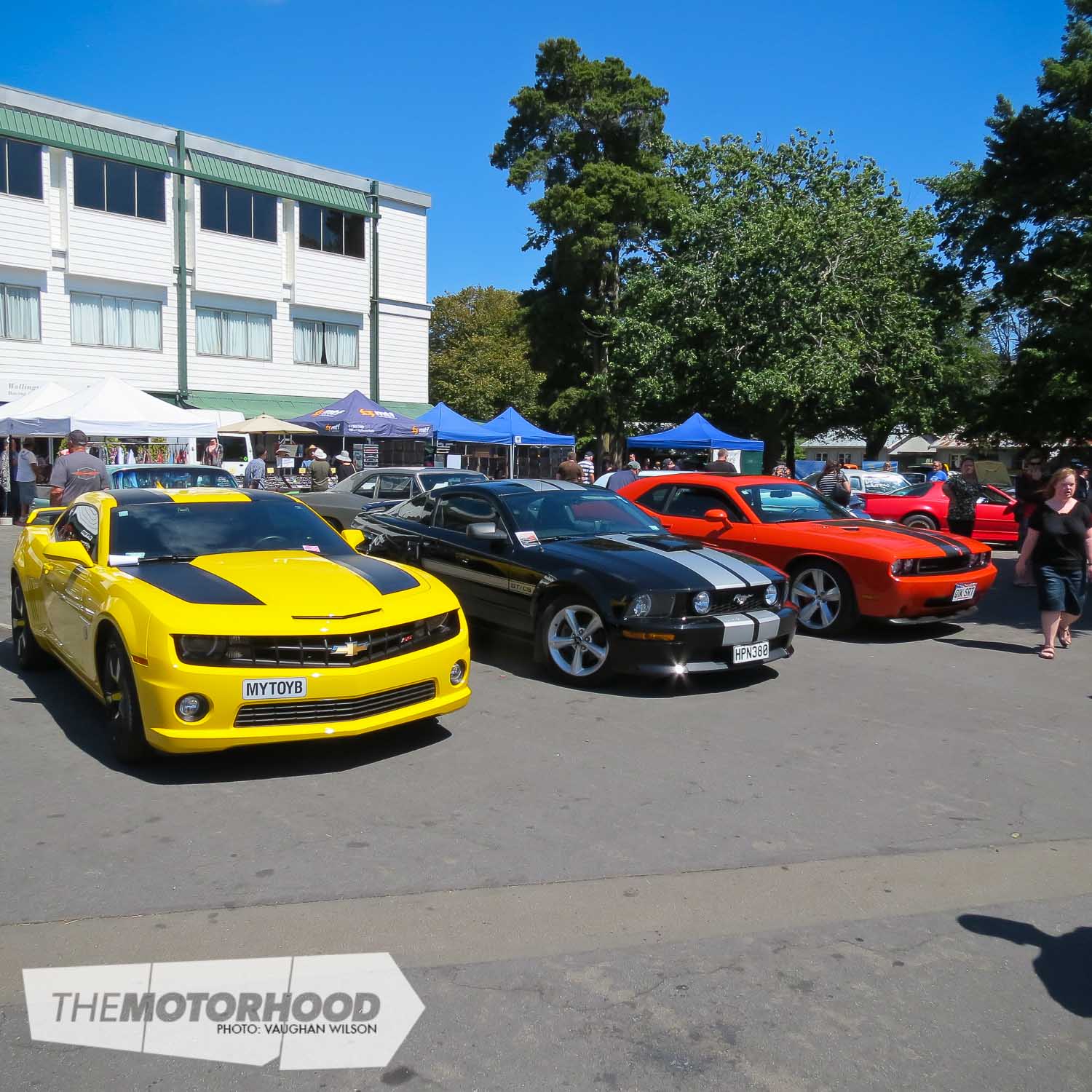
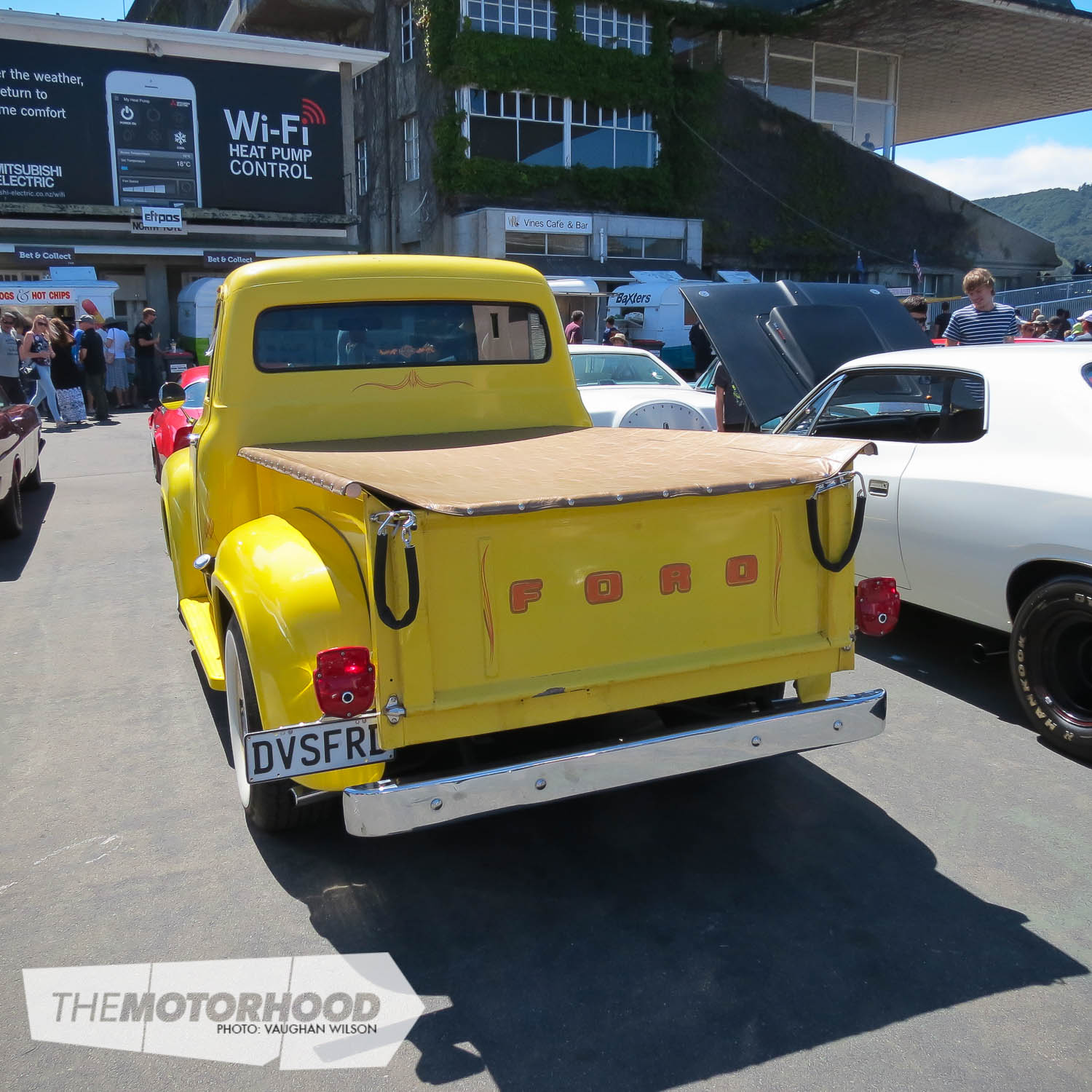
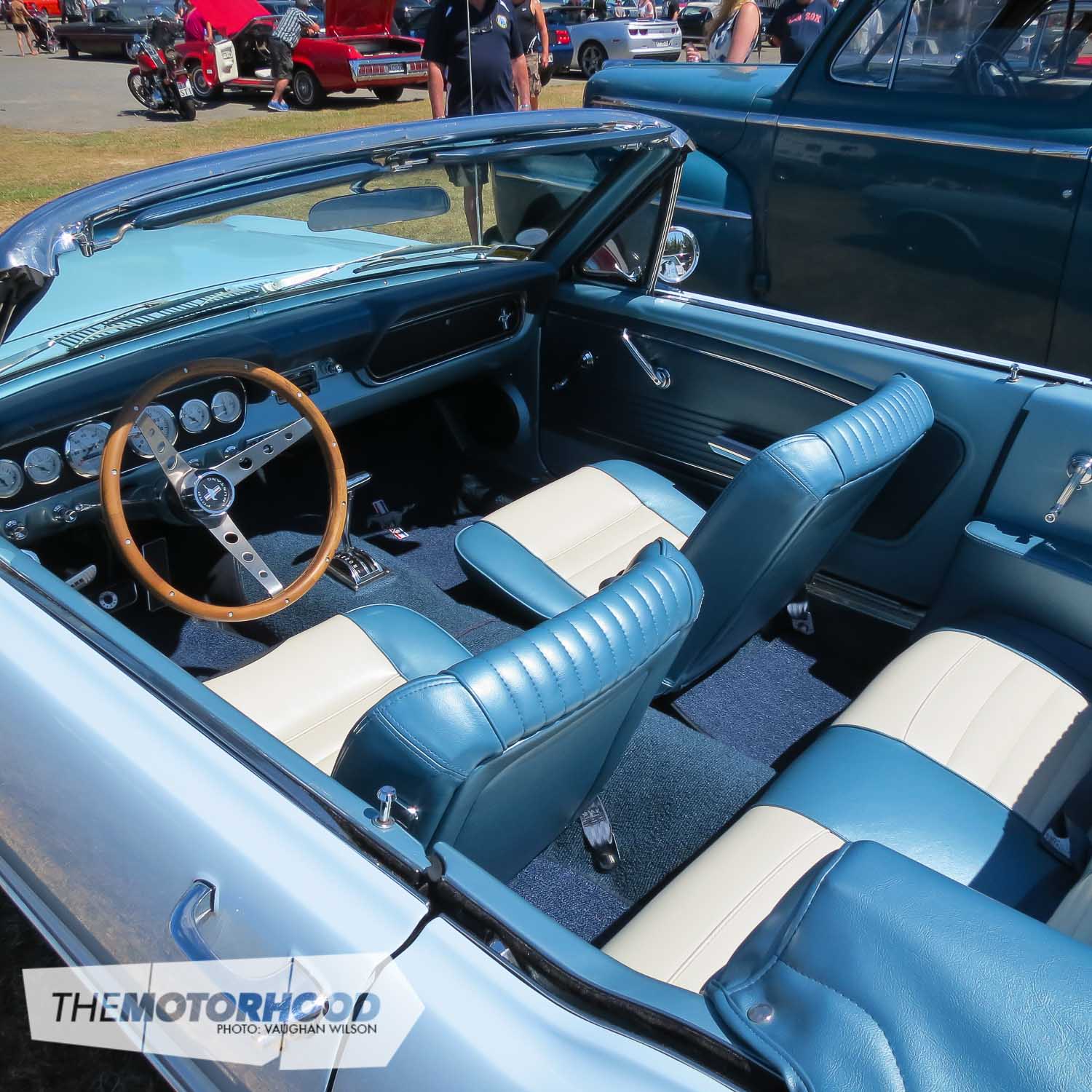
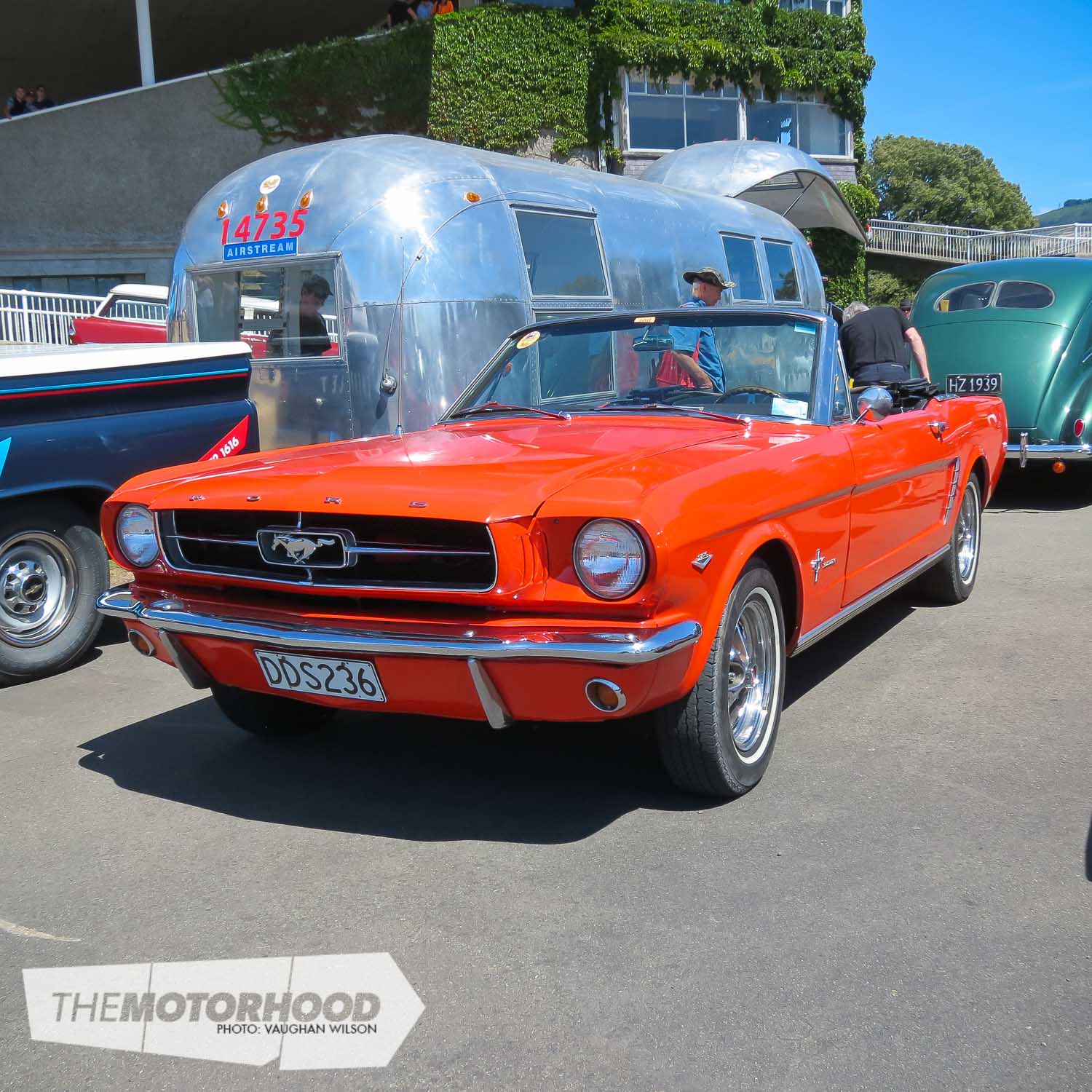
A number of other pickups caught my eye, including a ’59 Apache and a ’56 Ford. Recently imported Mustangs and Camaros were gleaming, interspersed by at least one brand-new right-hand drive Mustang. Local car clubs had Mustangs from every year proudly on display, including a 2007 Parnelli Jones, resplendent in orange.
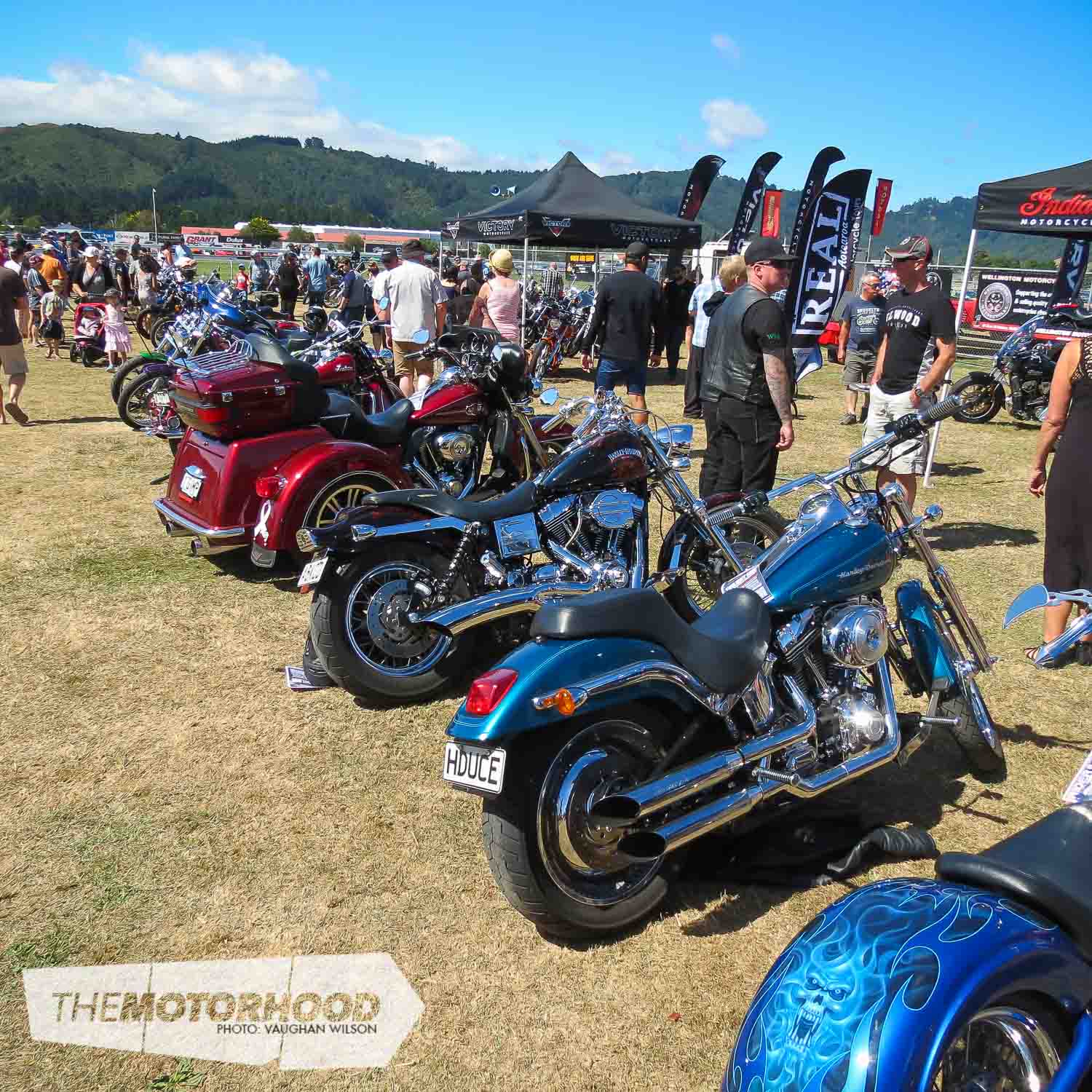
There was a huge array of US two-wheeled vehicles with Harleys and Indians being the dominating brands.
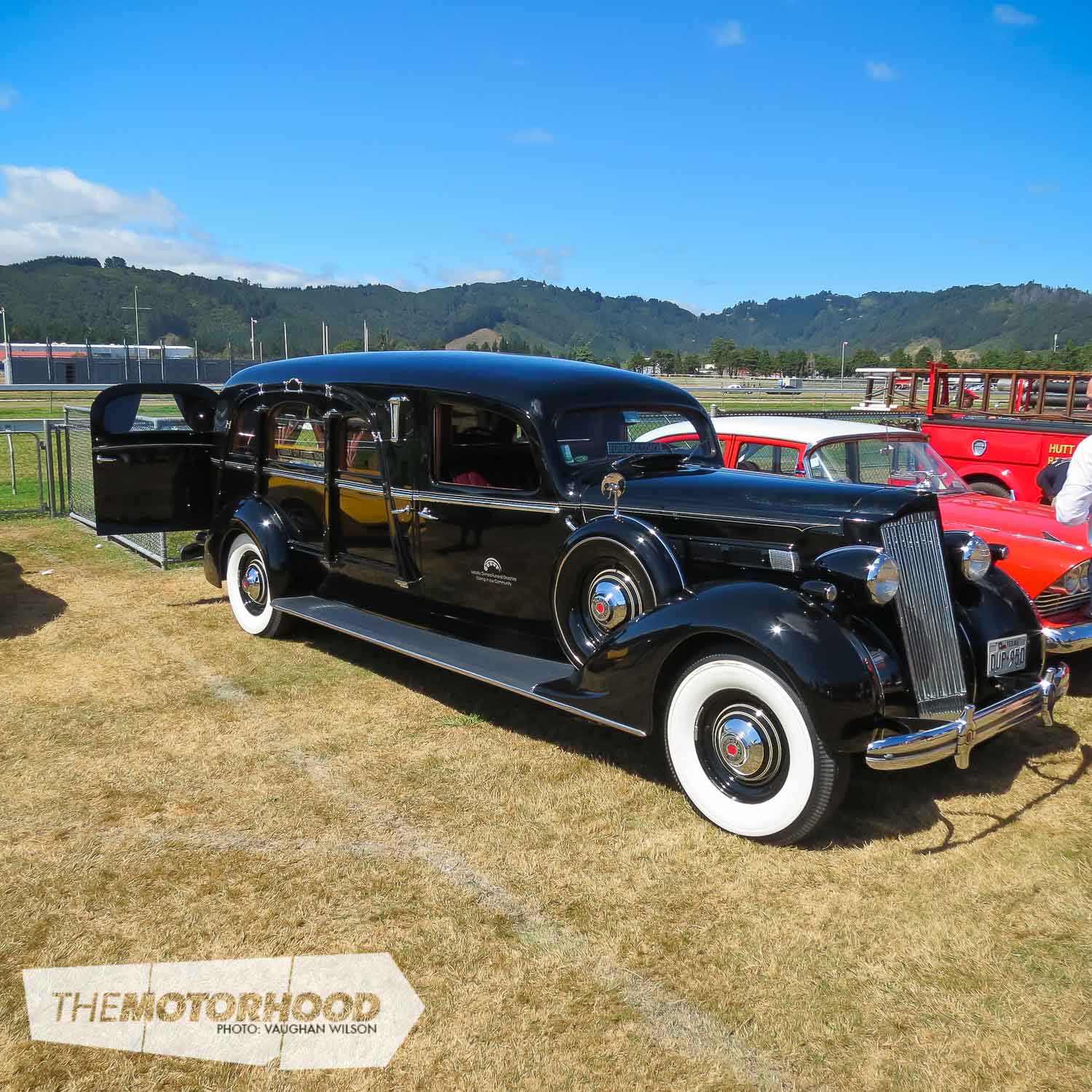
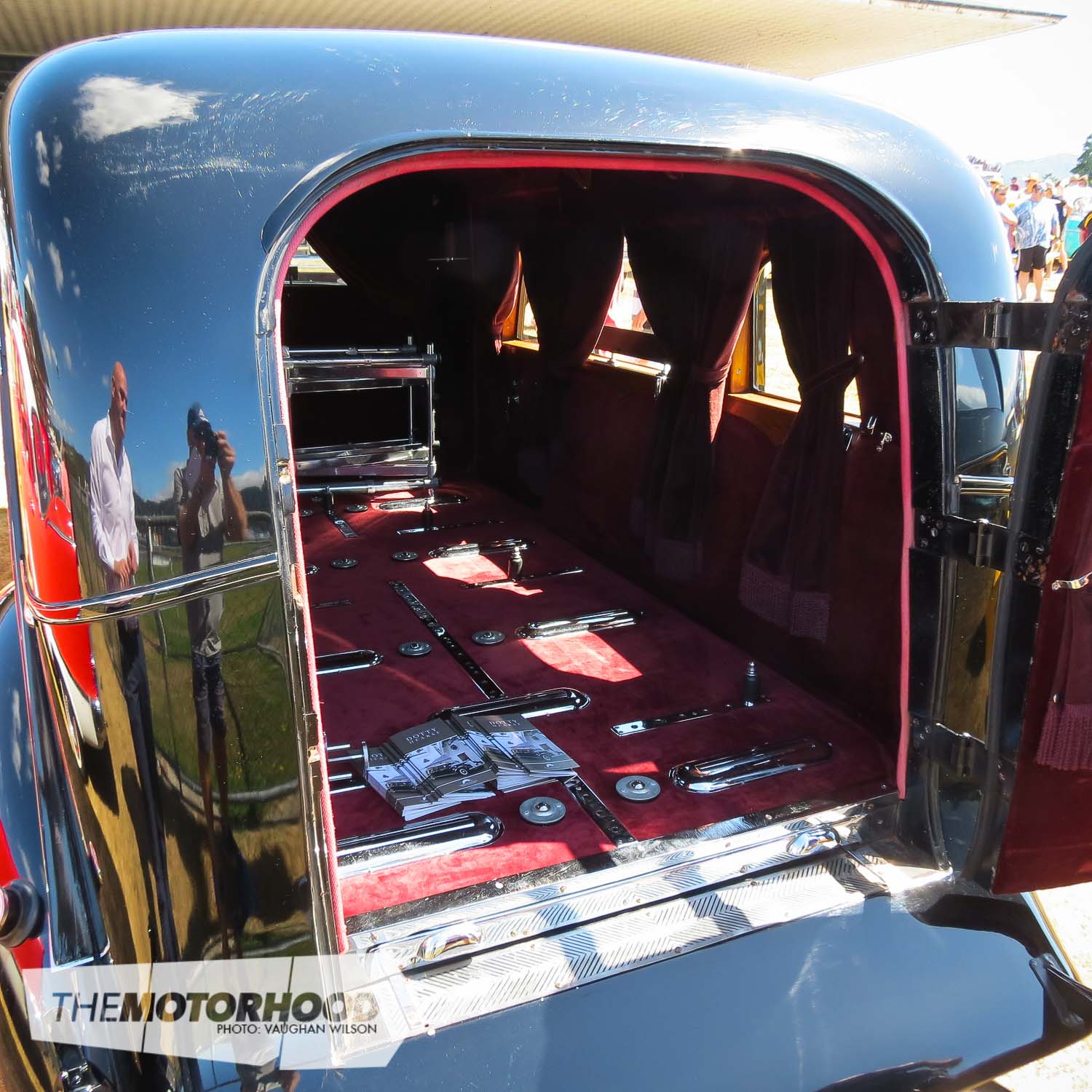
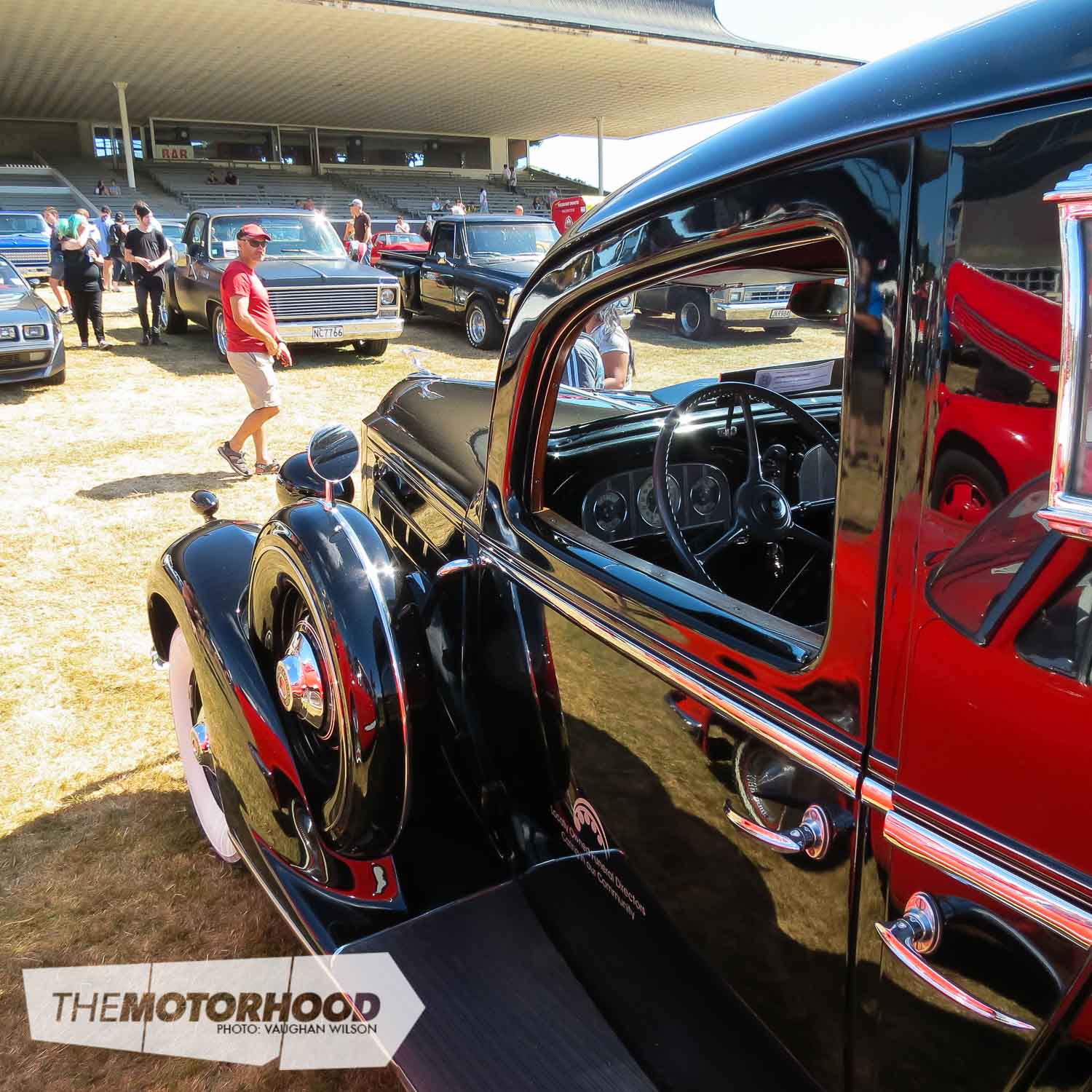
One of the local funeral directors had their hearse on display — a ’36 Packard straight-eight. A very cool vehicle for your last ride.
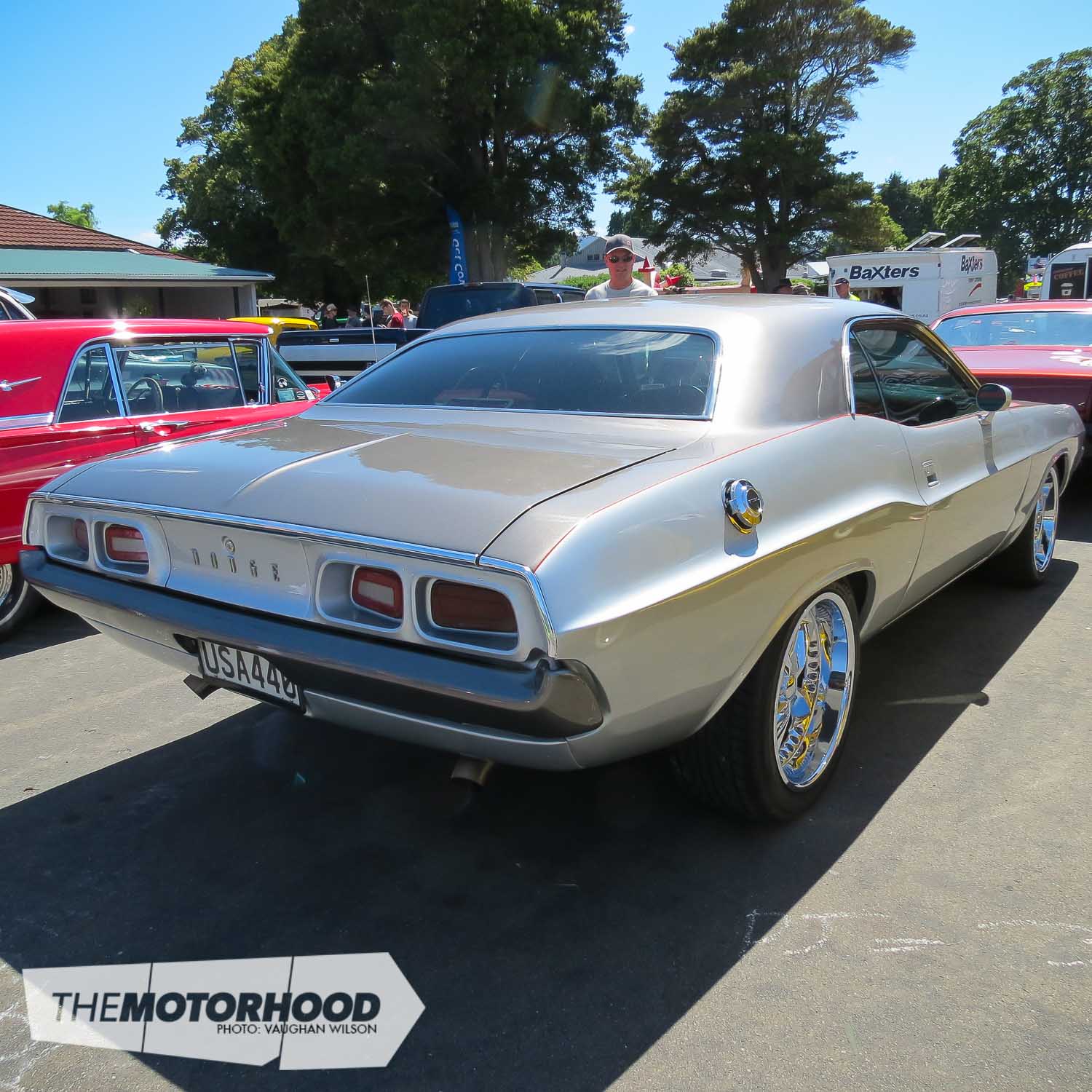
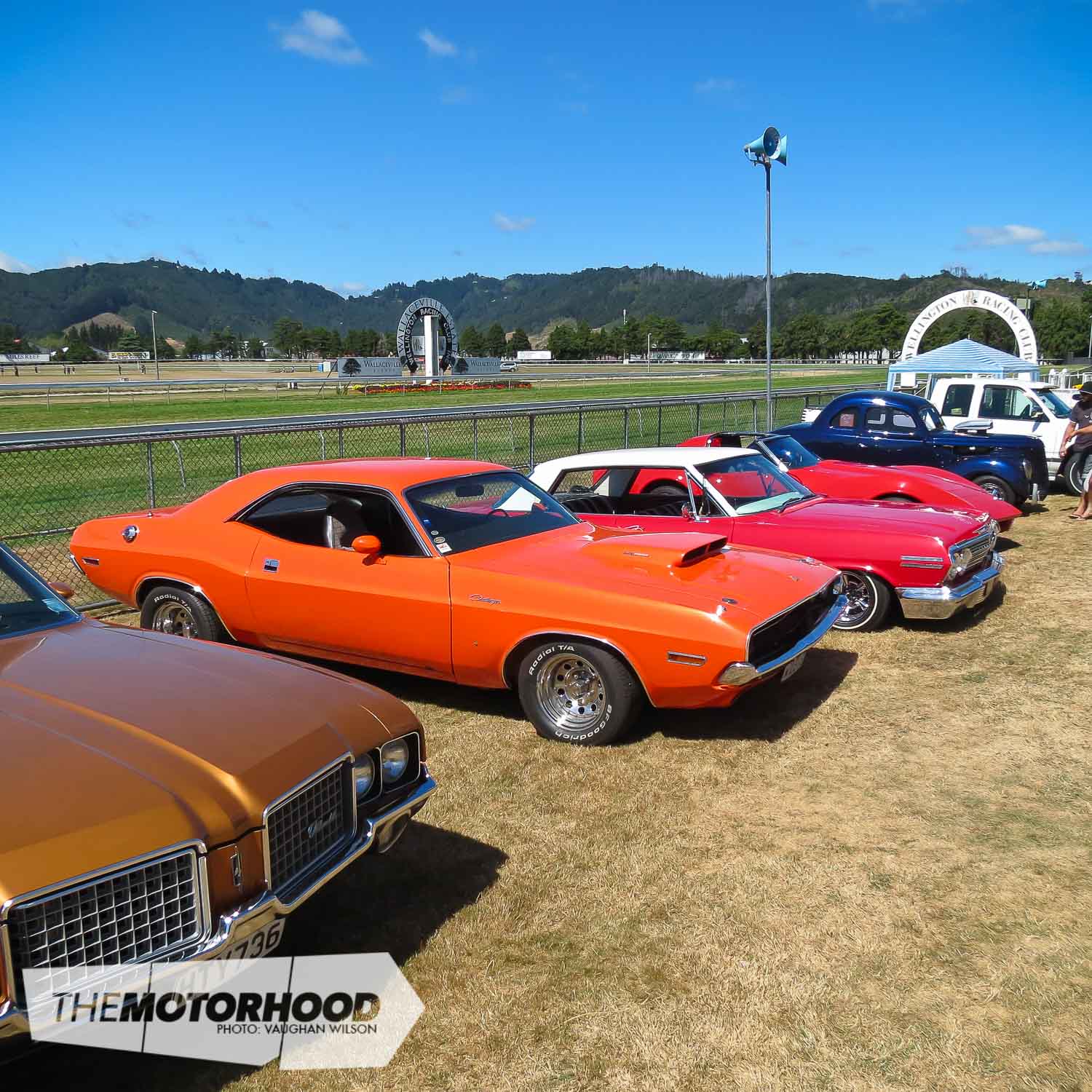
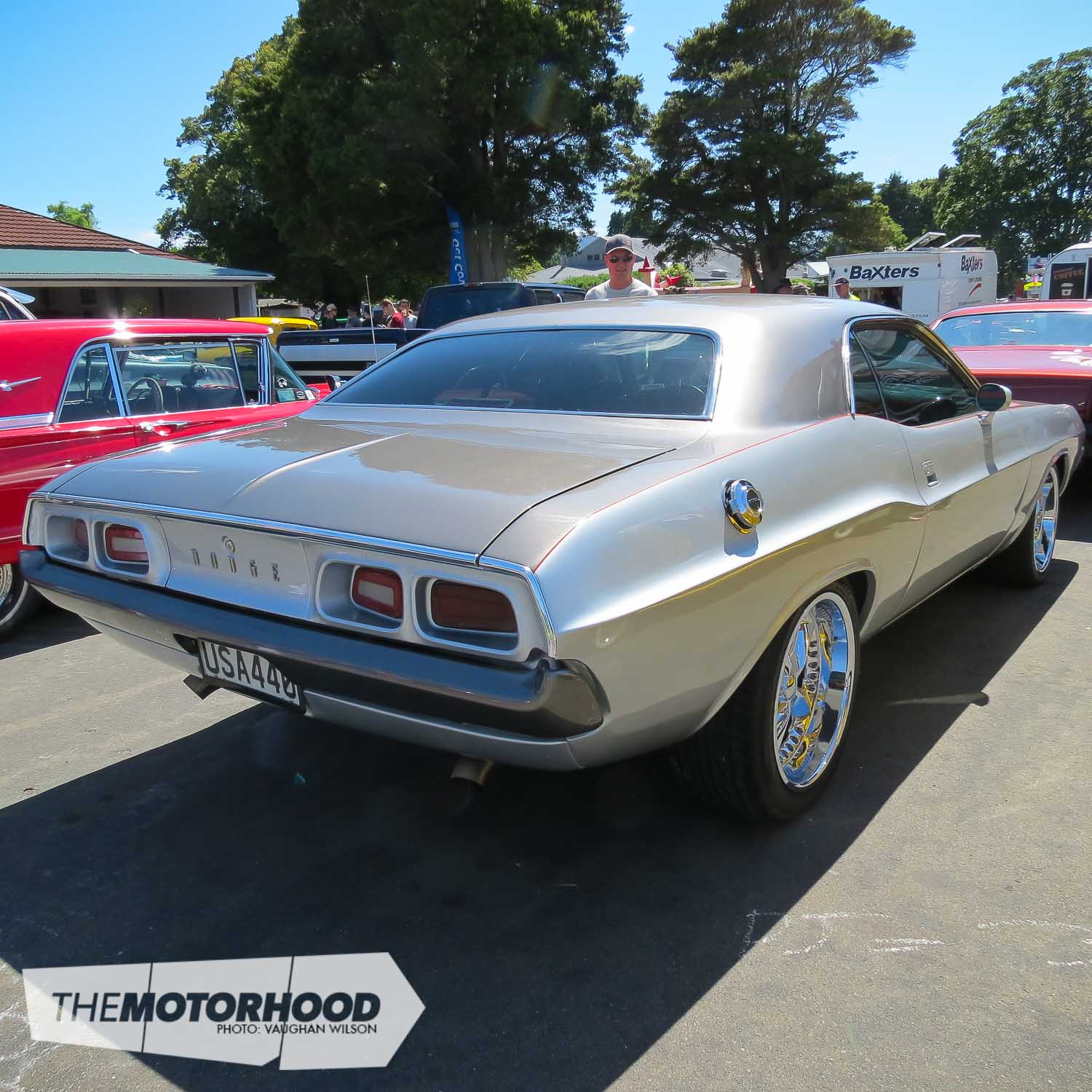
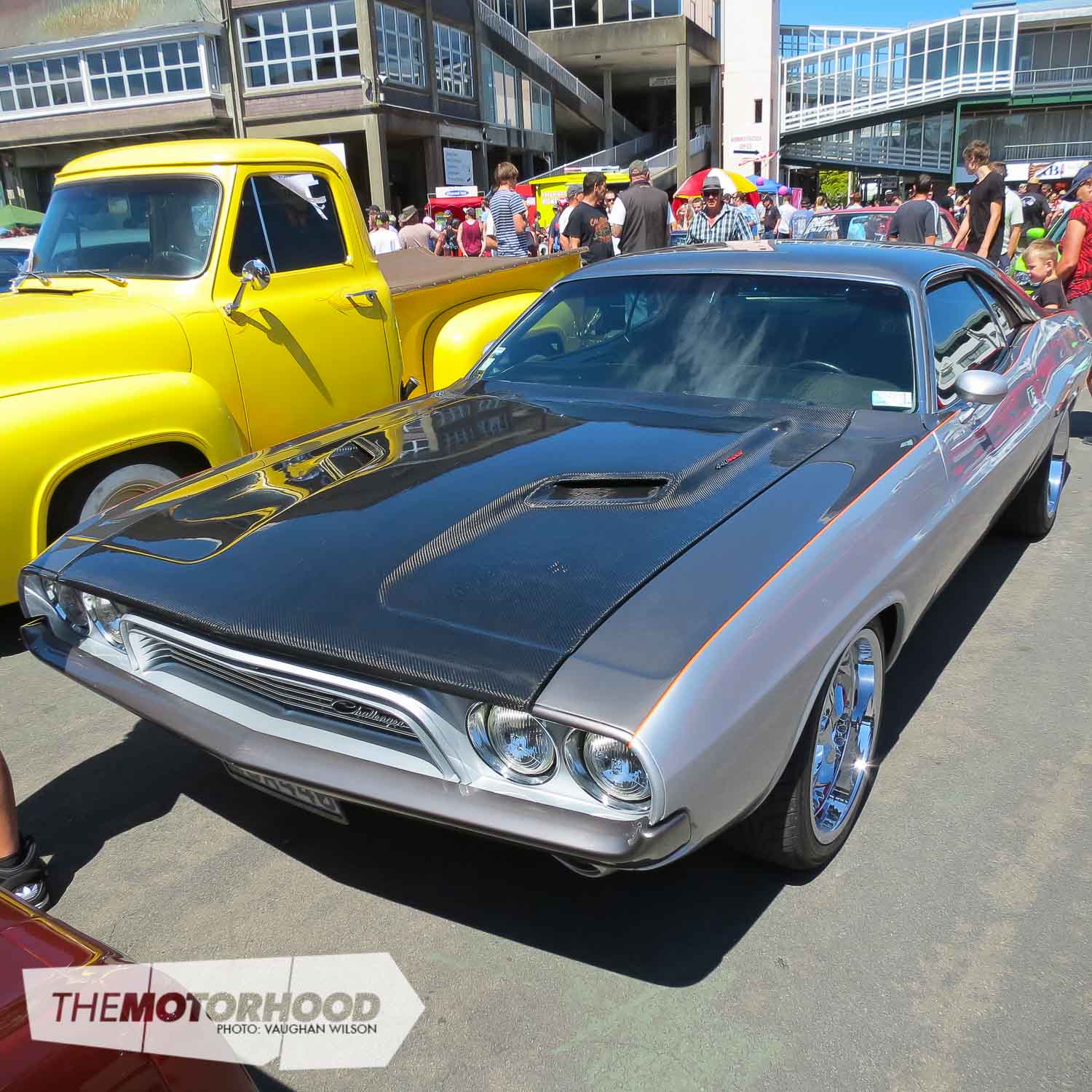
A car that scored lots of attention was a ’72 Challenger filled with carbon-fibre parts, including the interior and the hood. People just couldn’t stop looking at it.
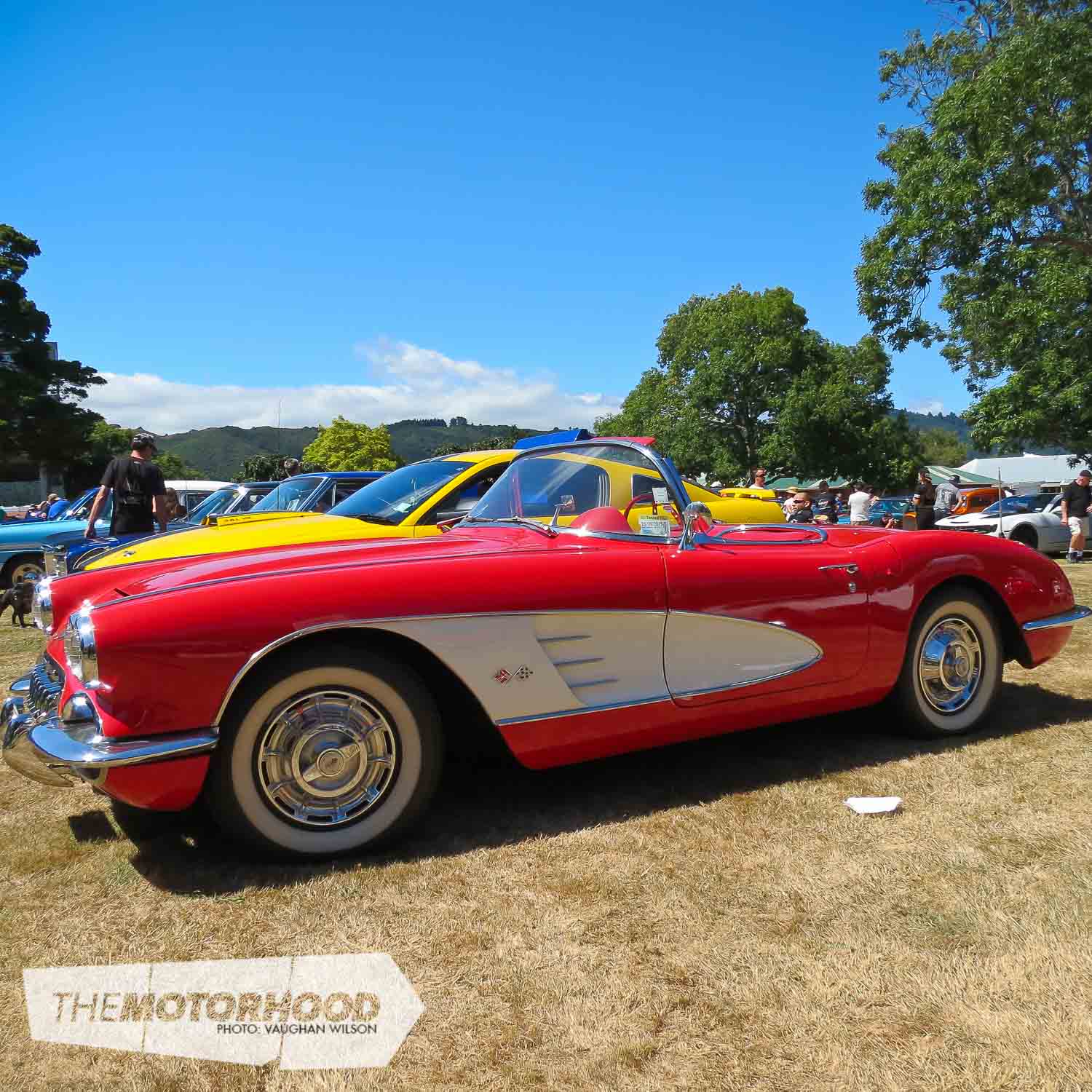
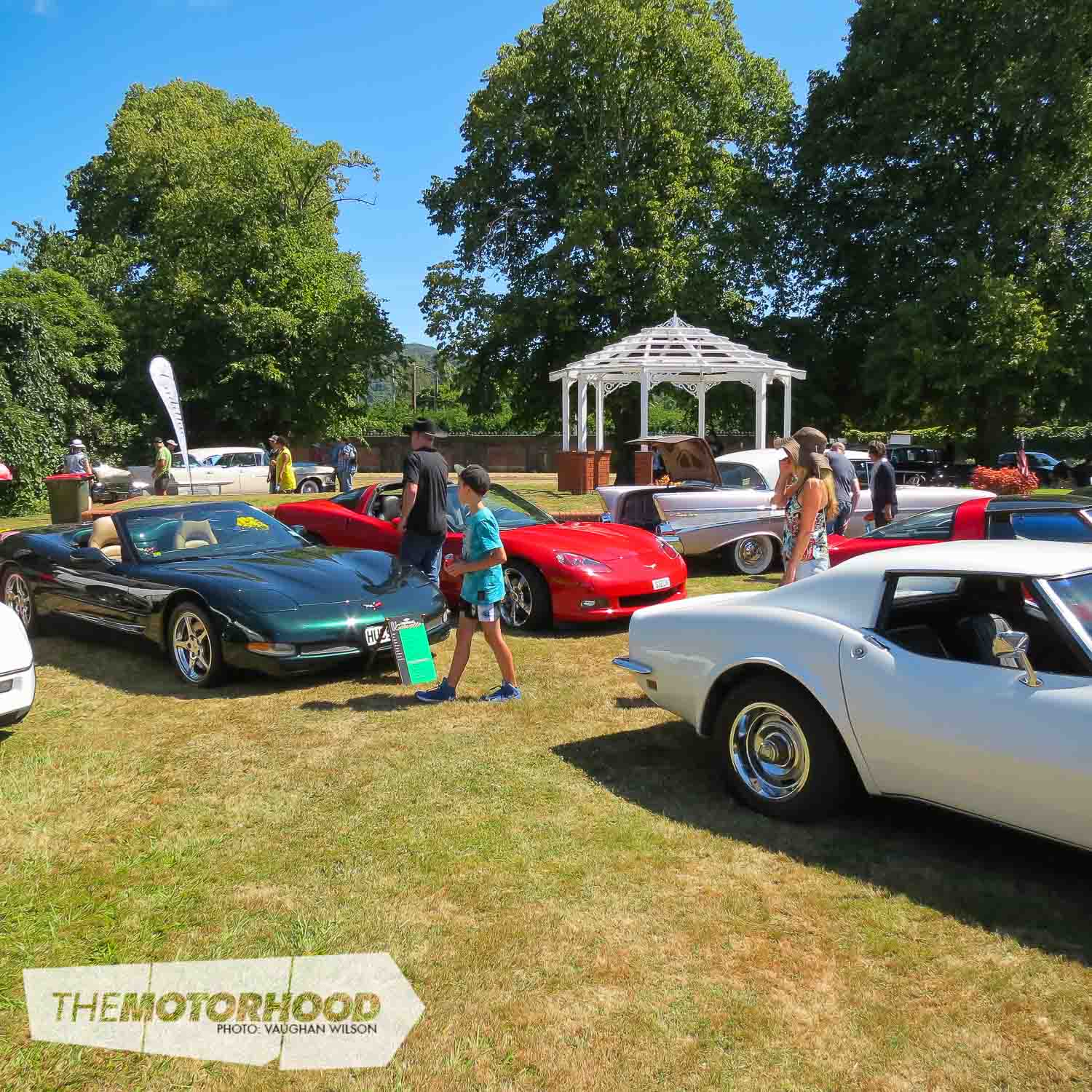
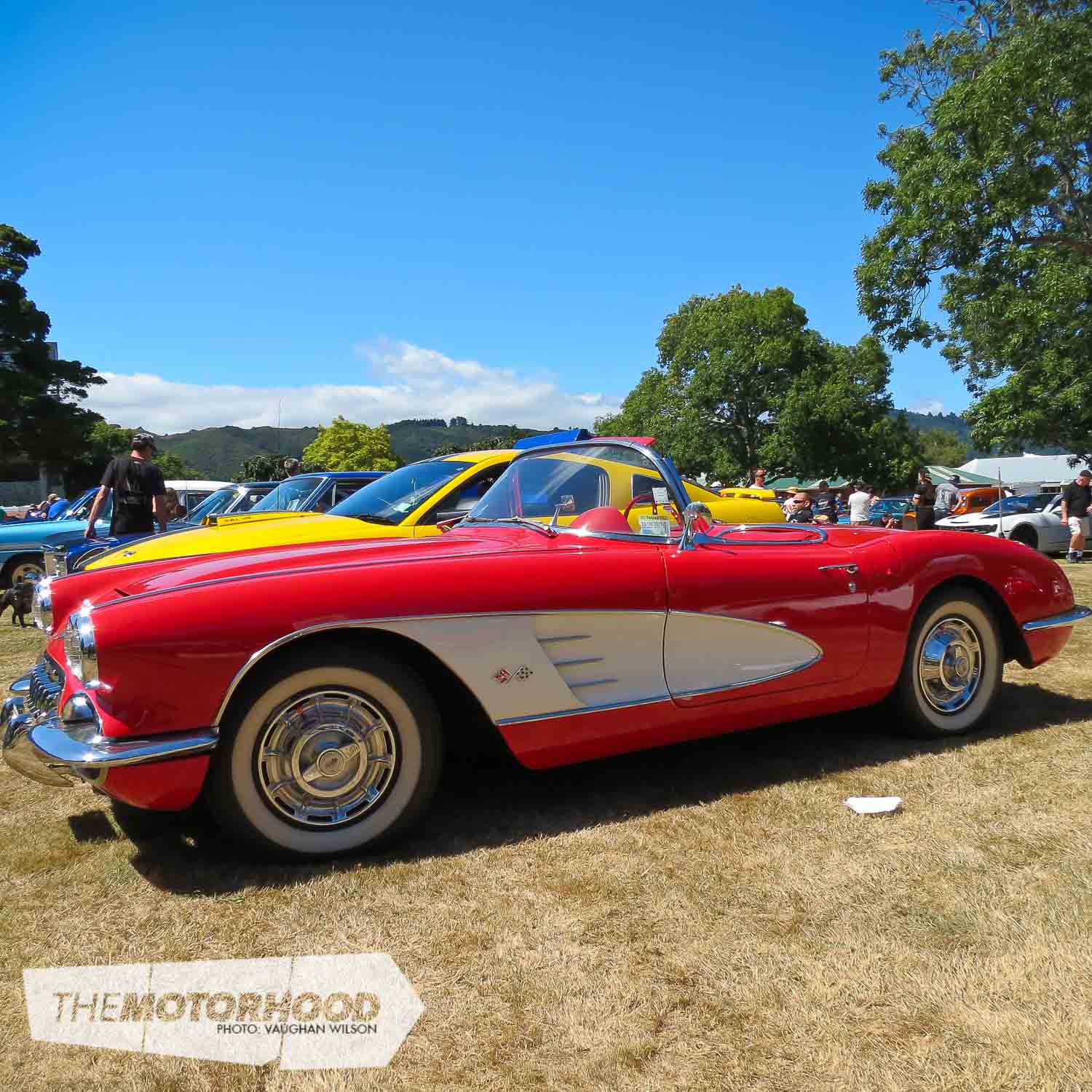
Utilizing the collective noun of its namesake, there was a flotilla of Corvettes, covering most of the models with the oldest being a ’59 beauty.
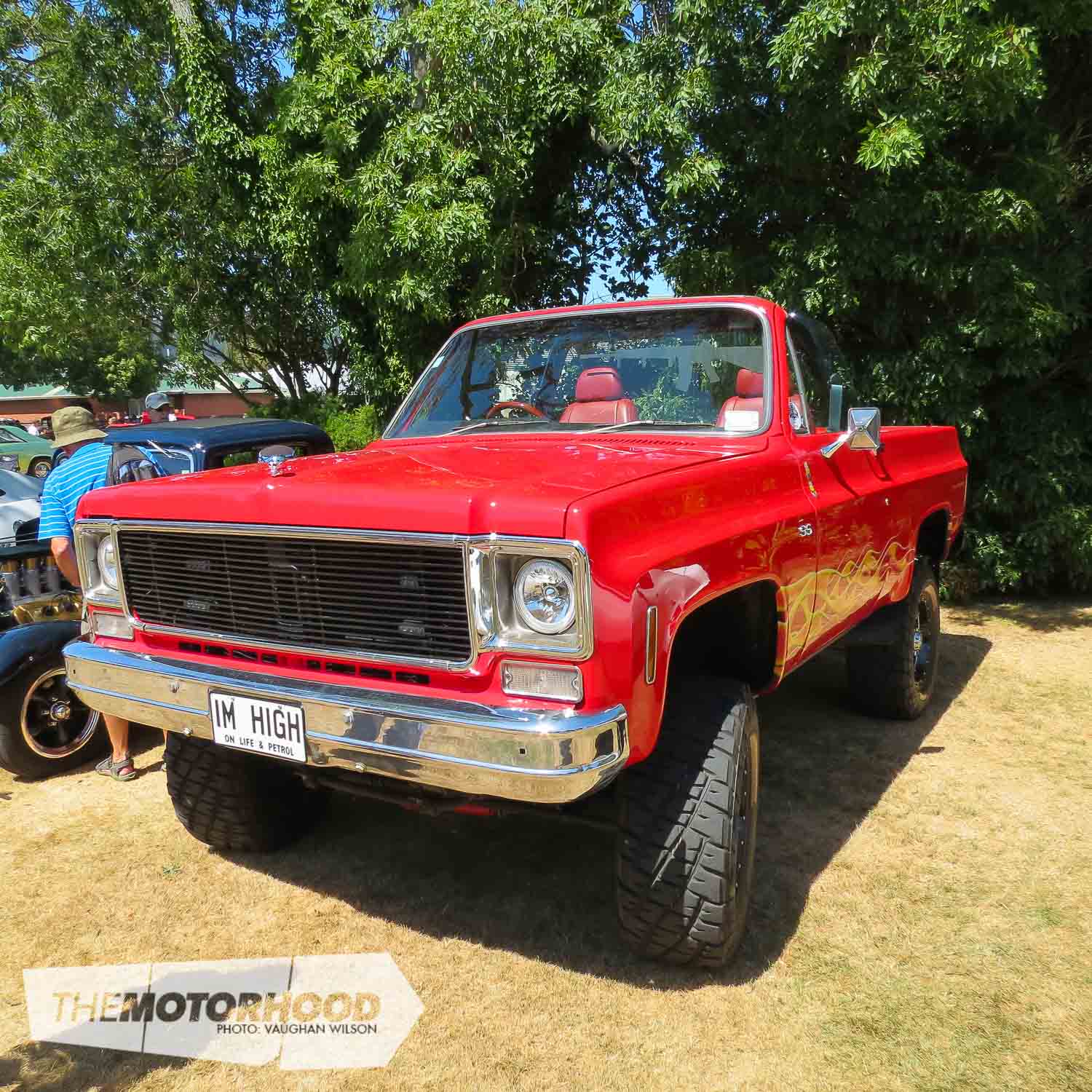
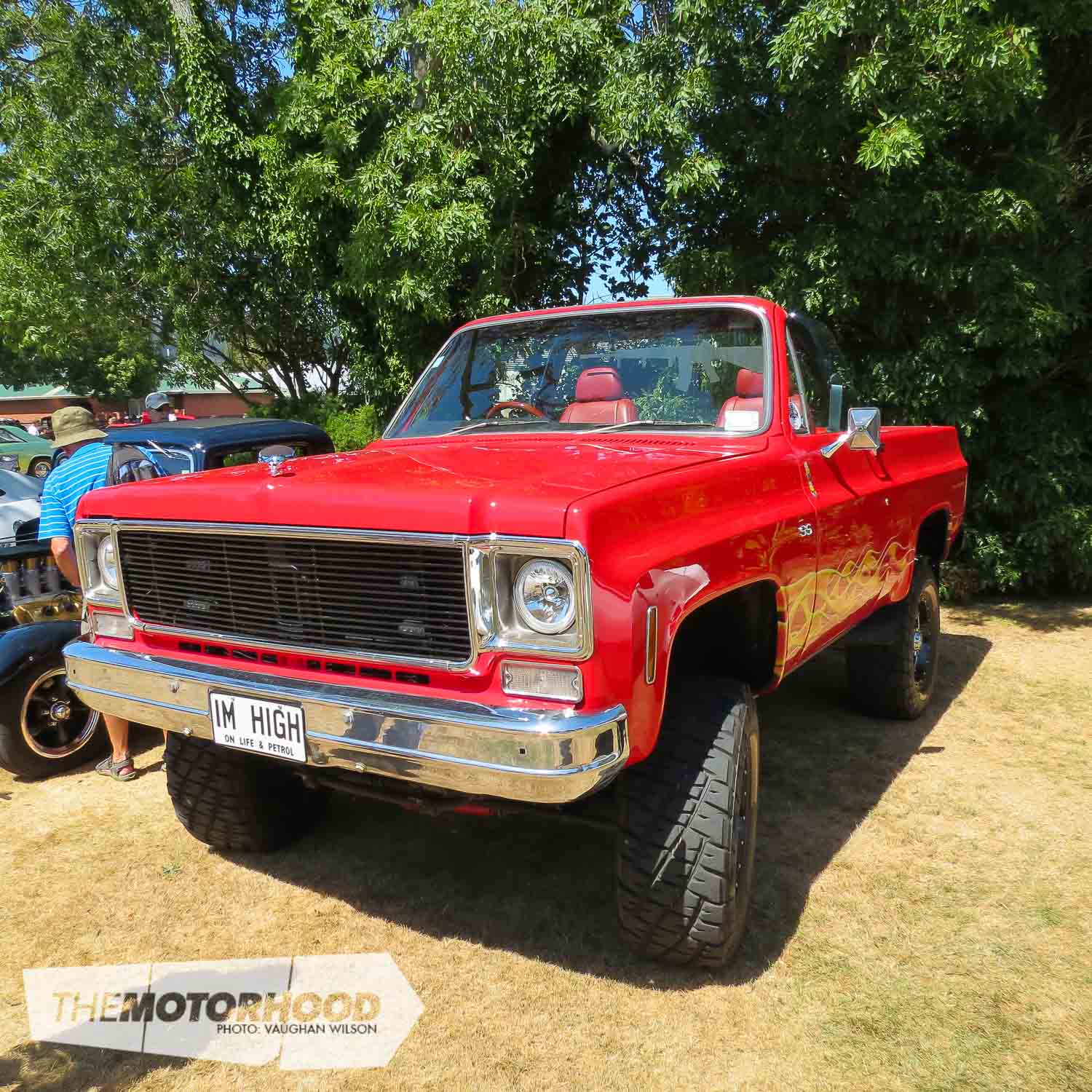
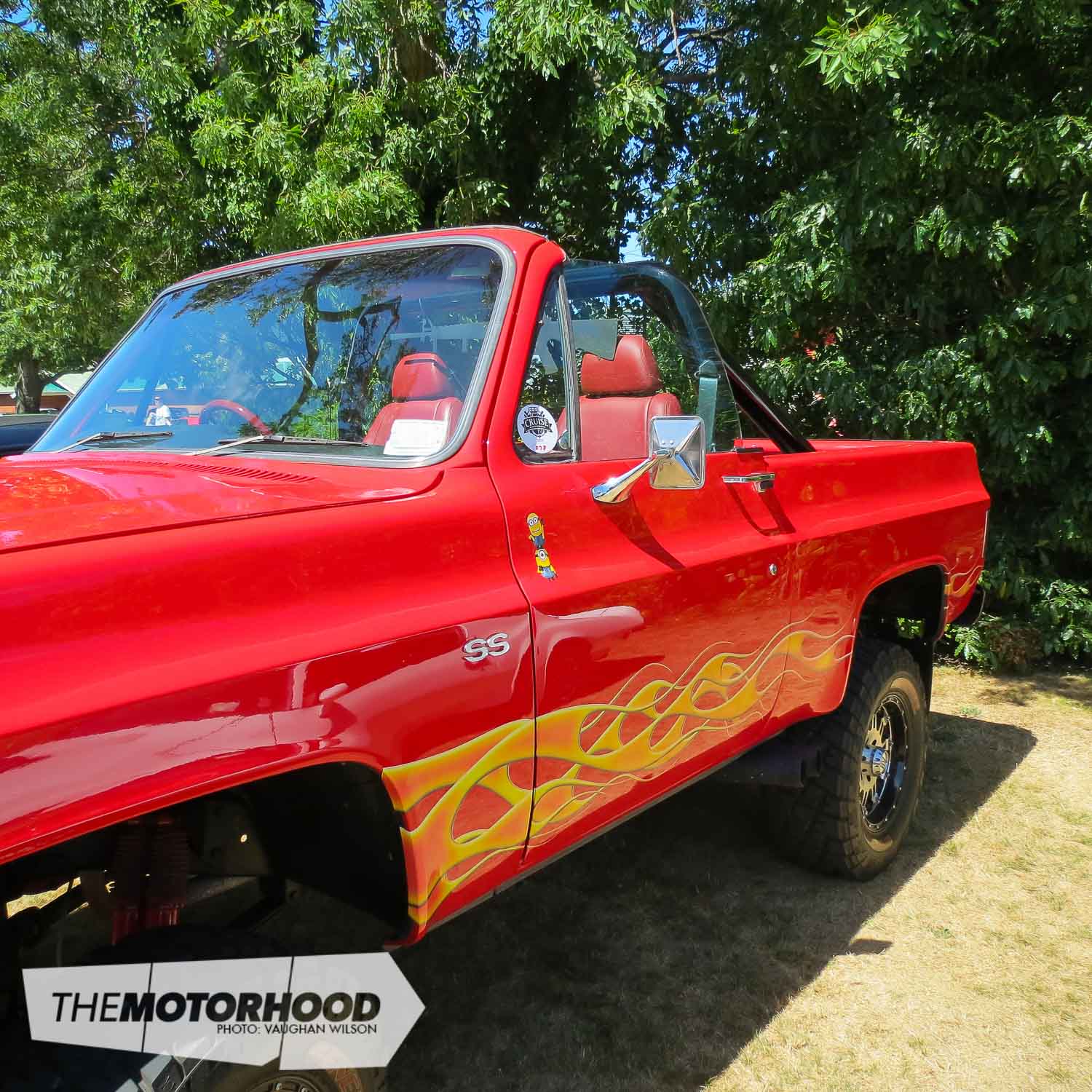
Amongst the hundreds of cars were other crowd-pleasers, including the Hot Wheels ’71 Blazer, complete with wooden replica gun just to give traffic a scare. The owner has an equally as outrageous boat in the build currently, which will soon be seen behind it.
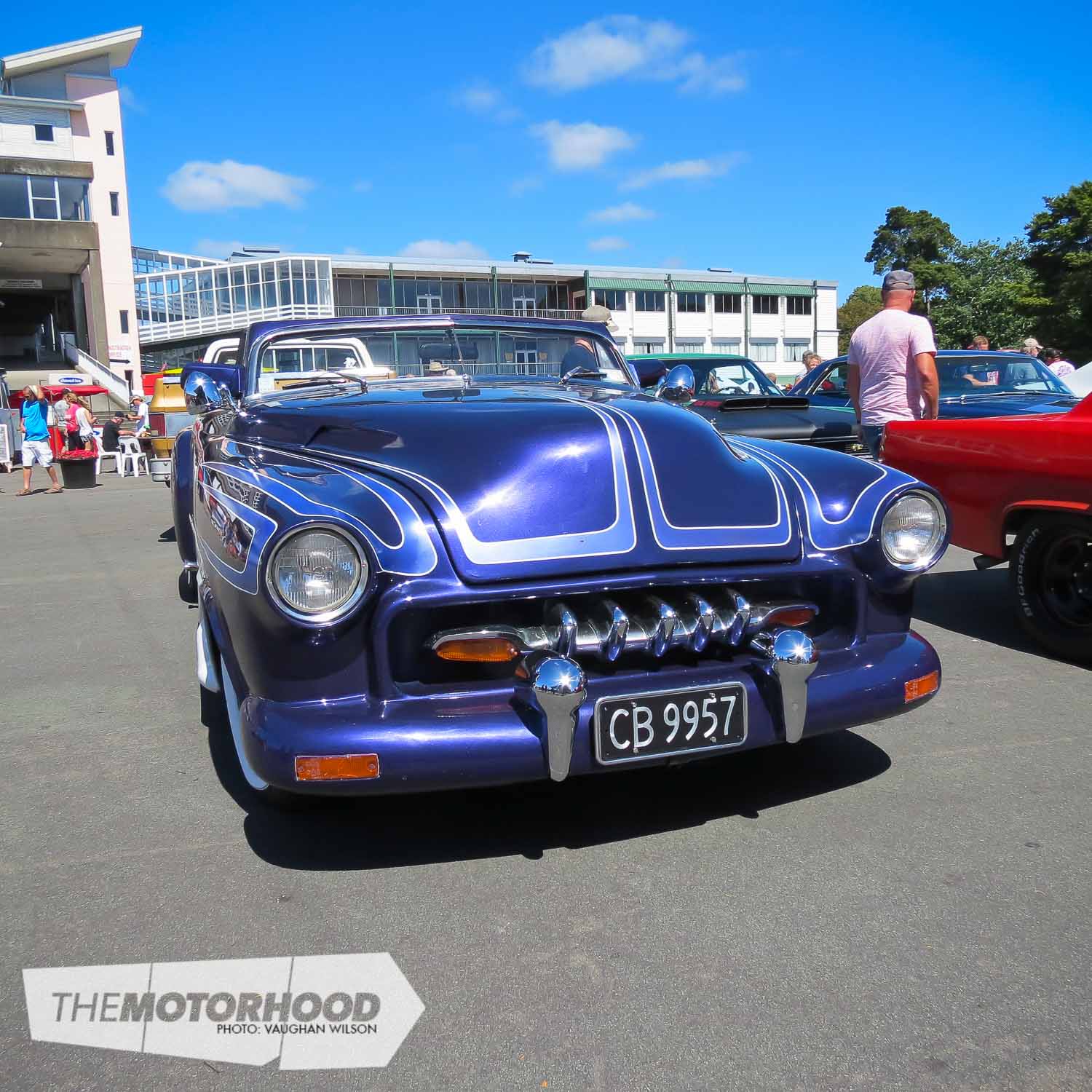
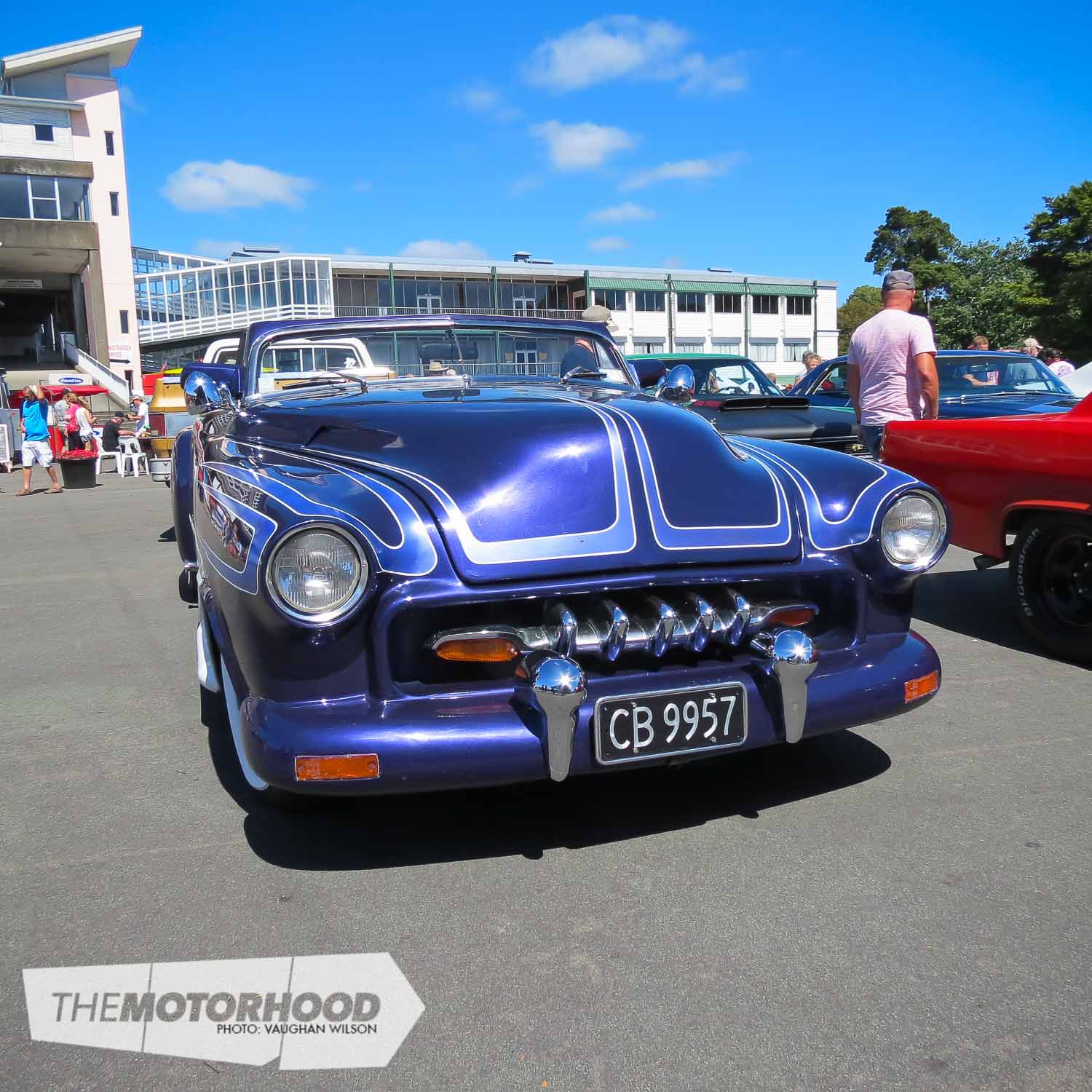
Also capturing plenty of attention was a ’52 Dodge Coronet convertible with a roof chop looking like something out of the movie Grease. So many cars, so many “I wants” whispered under the breaths of passers-by.
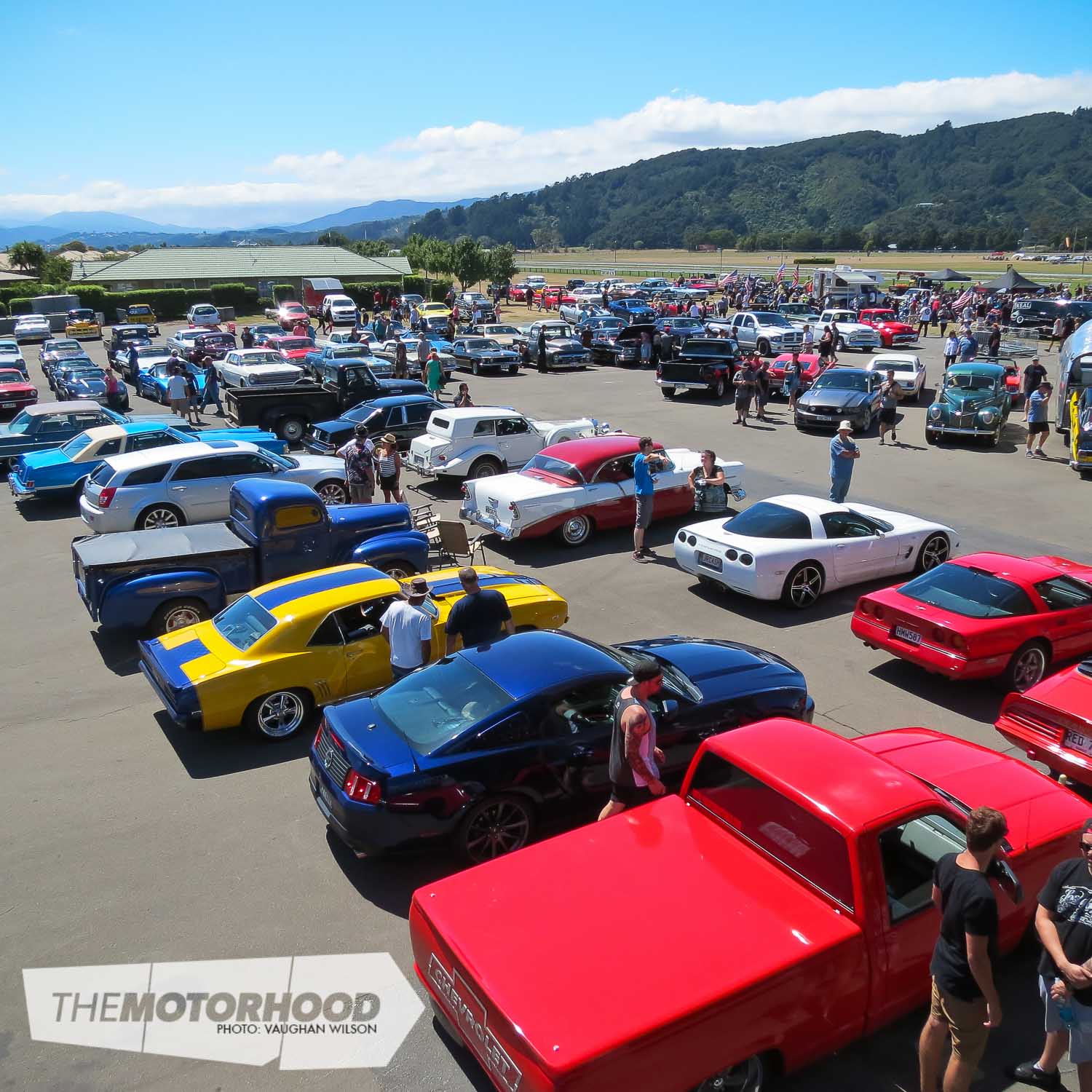
All up it was another great event by Moonshine Rod and Custom Club, and one that we can’t wait to attend again next year. But thankfully, we won’t have to wait that long, as the club is holding a second event on March 6 to fundraise for a club member who has MS and needs to go to Mexico for treatment. The event will be at the Harcourt Park soccer fields, Norbert Street, Upper Hutt from 10am to 2pm. Rides in club members’ hot rods and classics will be offered for a gold-coin donation. There will be activities for the kids, and plenty of food and coffee on tap. Make sure you head along and donate for a good cause.