Weekly Motor Fix: following the ownership history of this rally-star Morris Marina 1.8 TC coupé

23 February, 2016


data-animation-override>
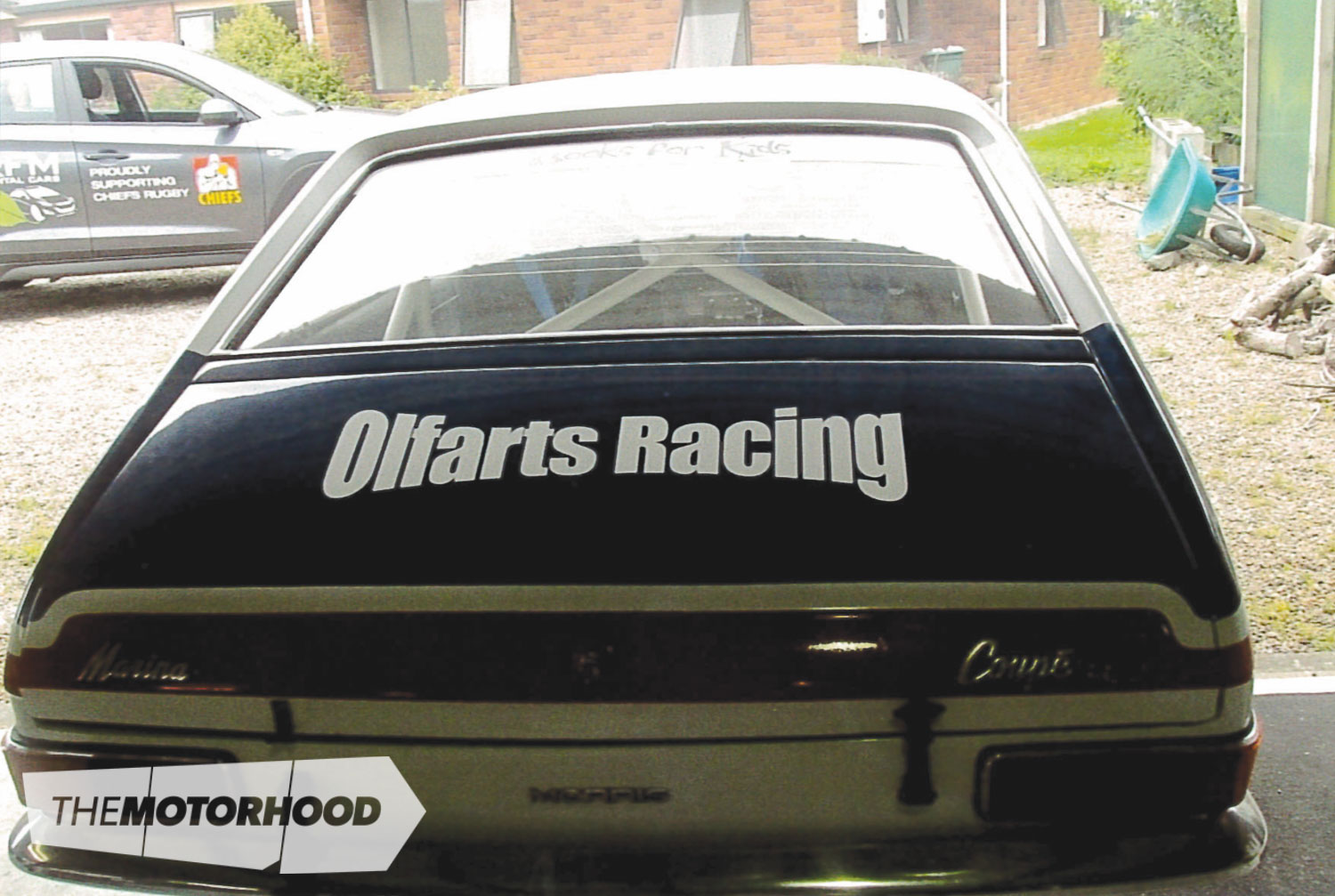
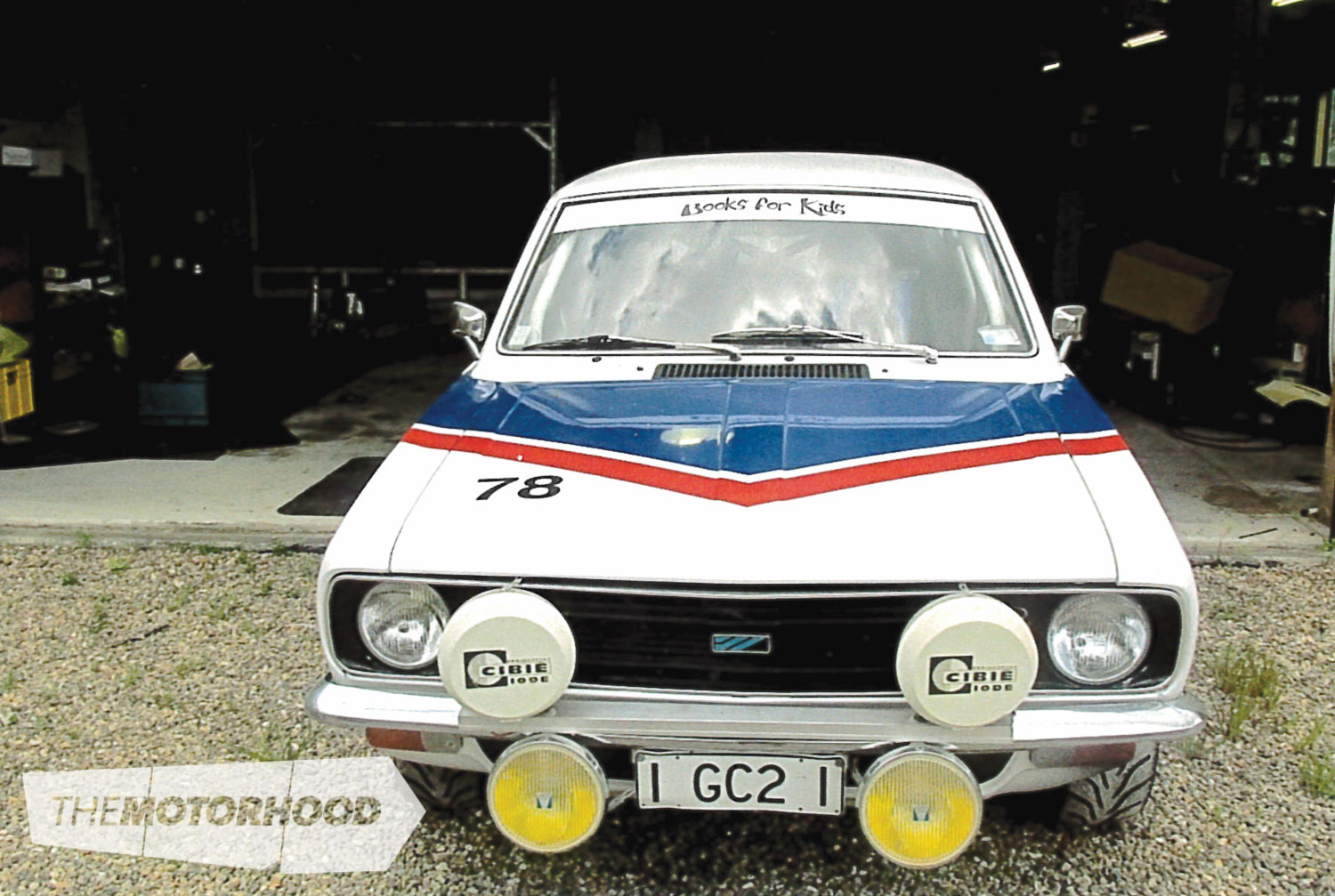
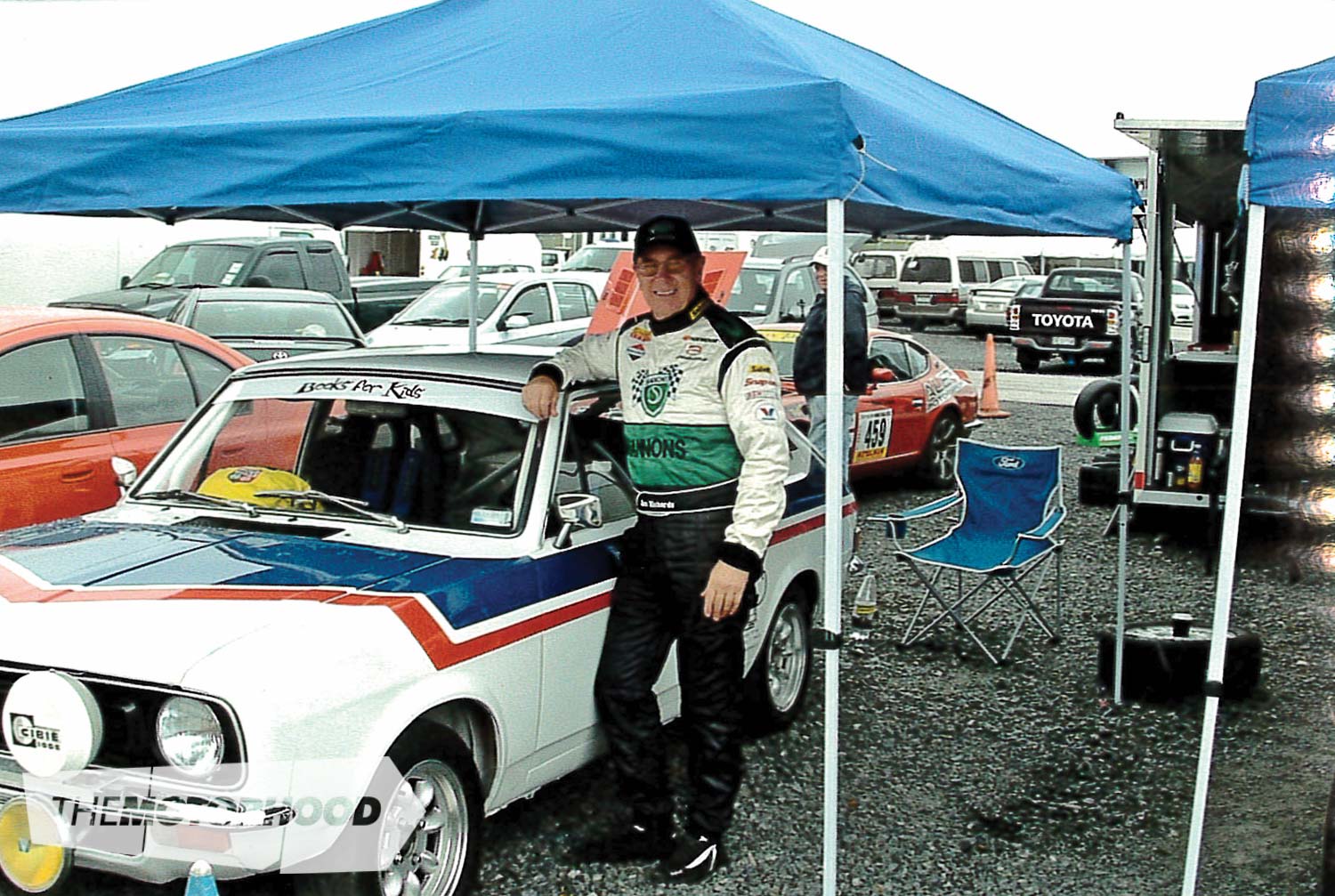
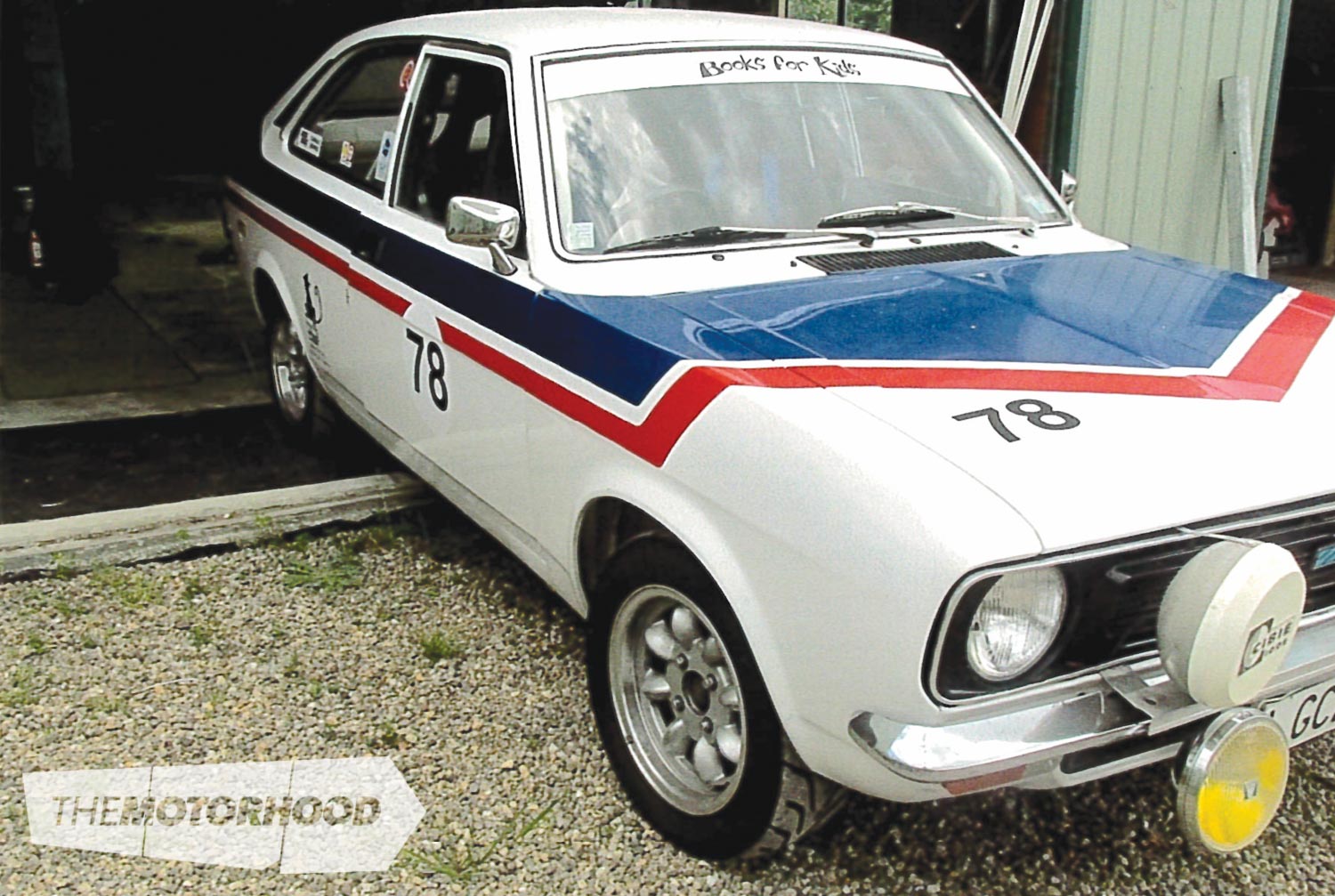
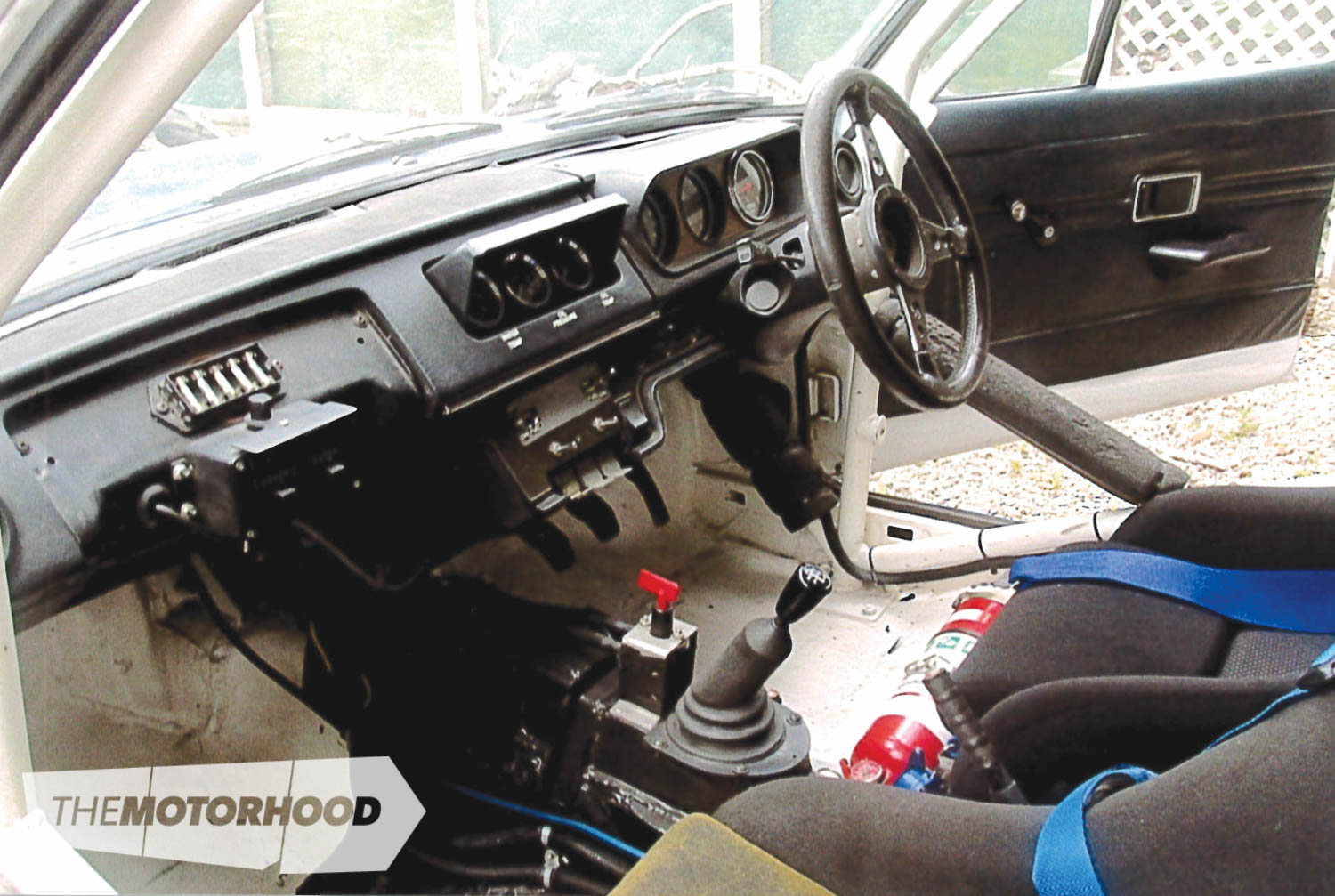
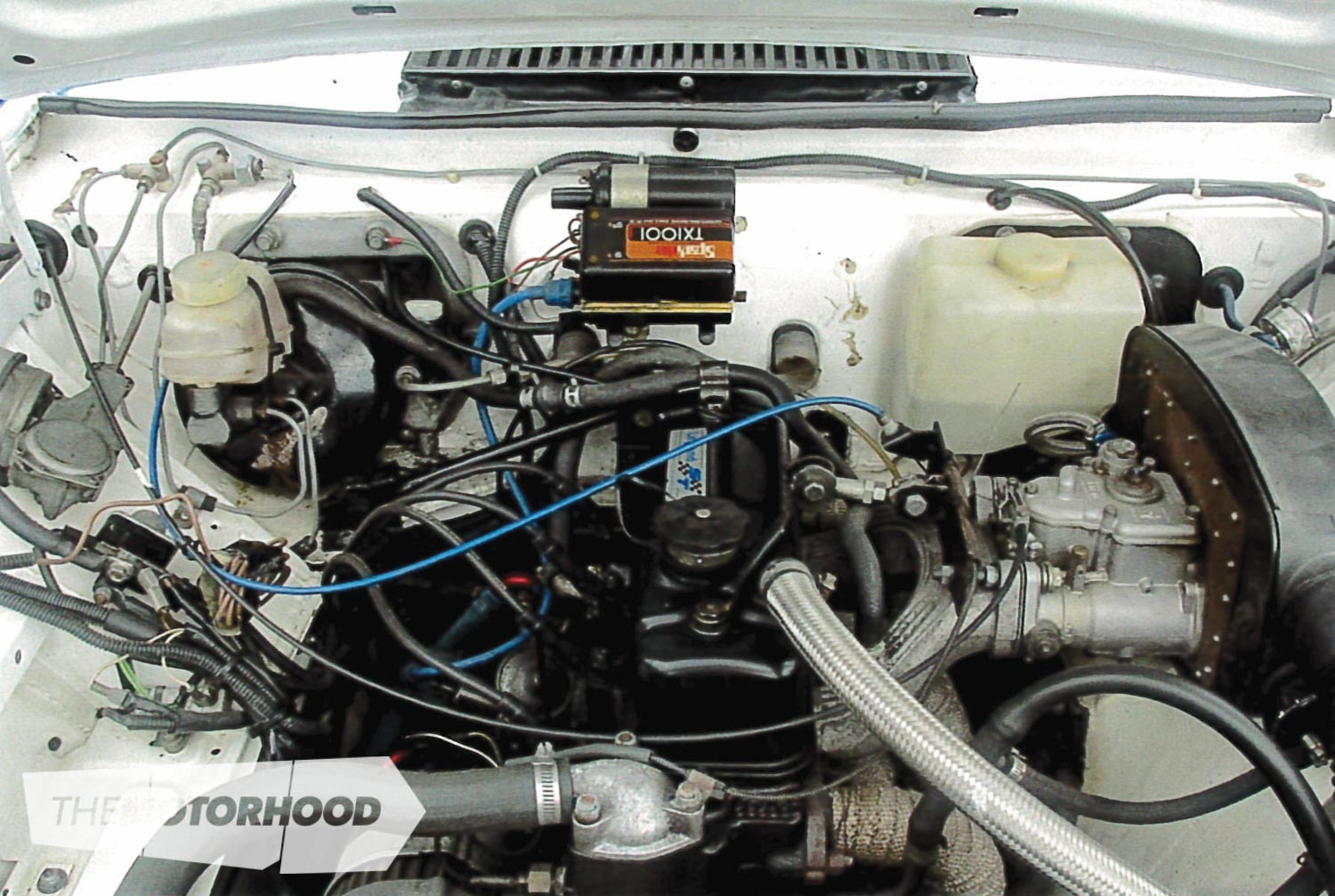
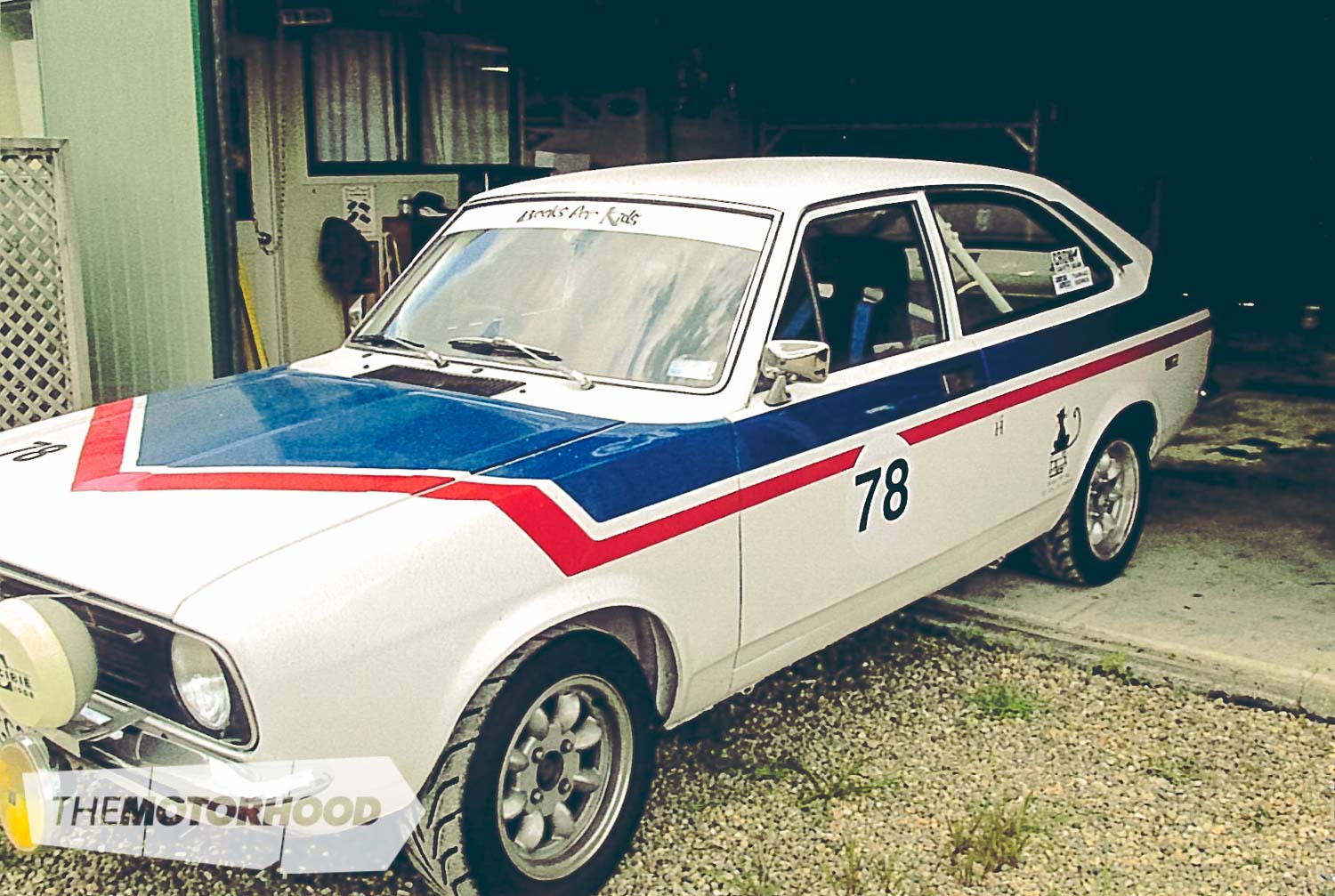
Built by British Leyland Competition Department, Abington, UK, ‘GC2’ was one of a pair of Morris Marinas built for the 1972 Heatway Rally, along with a pair of Mini Clubmans.

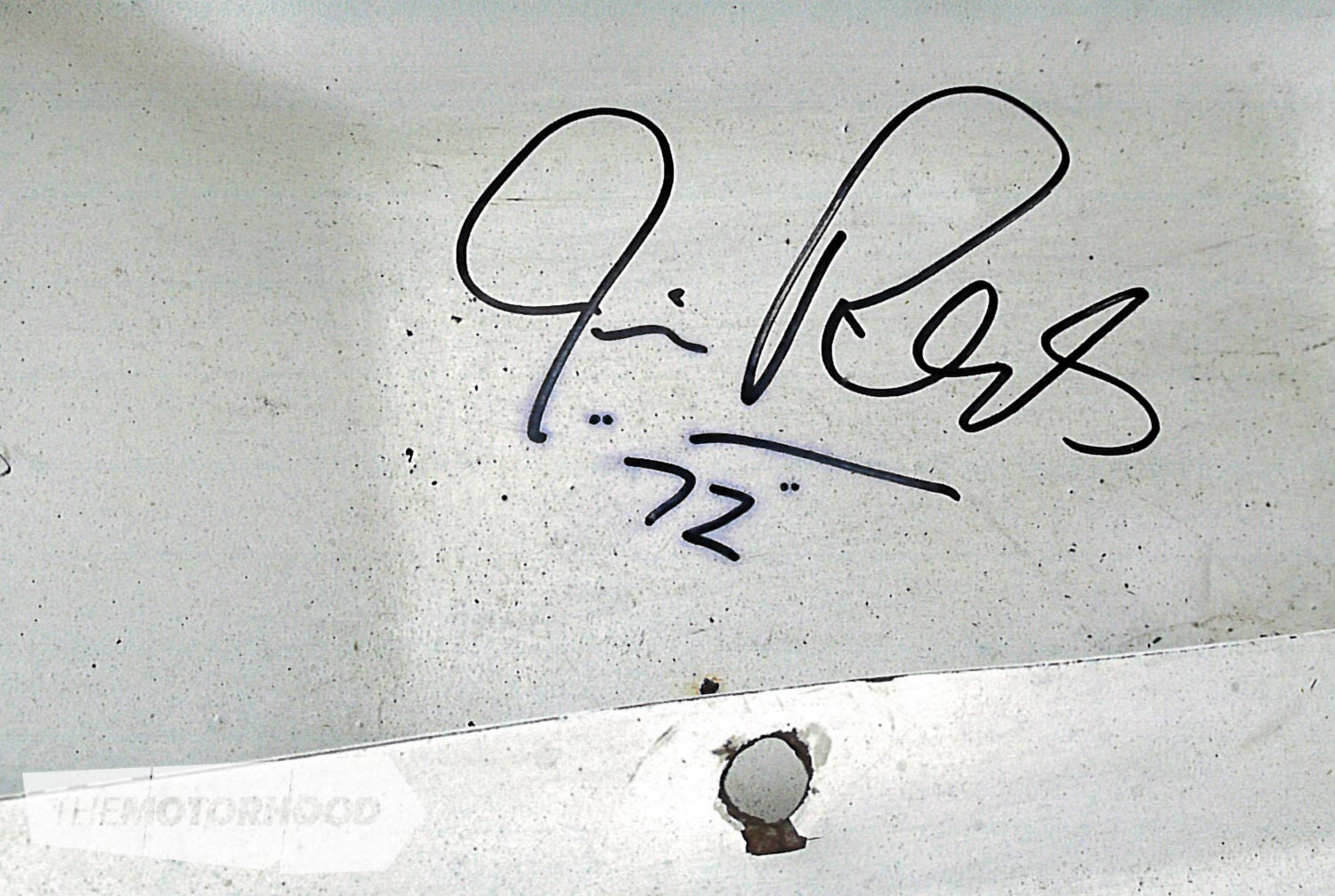
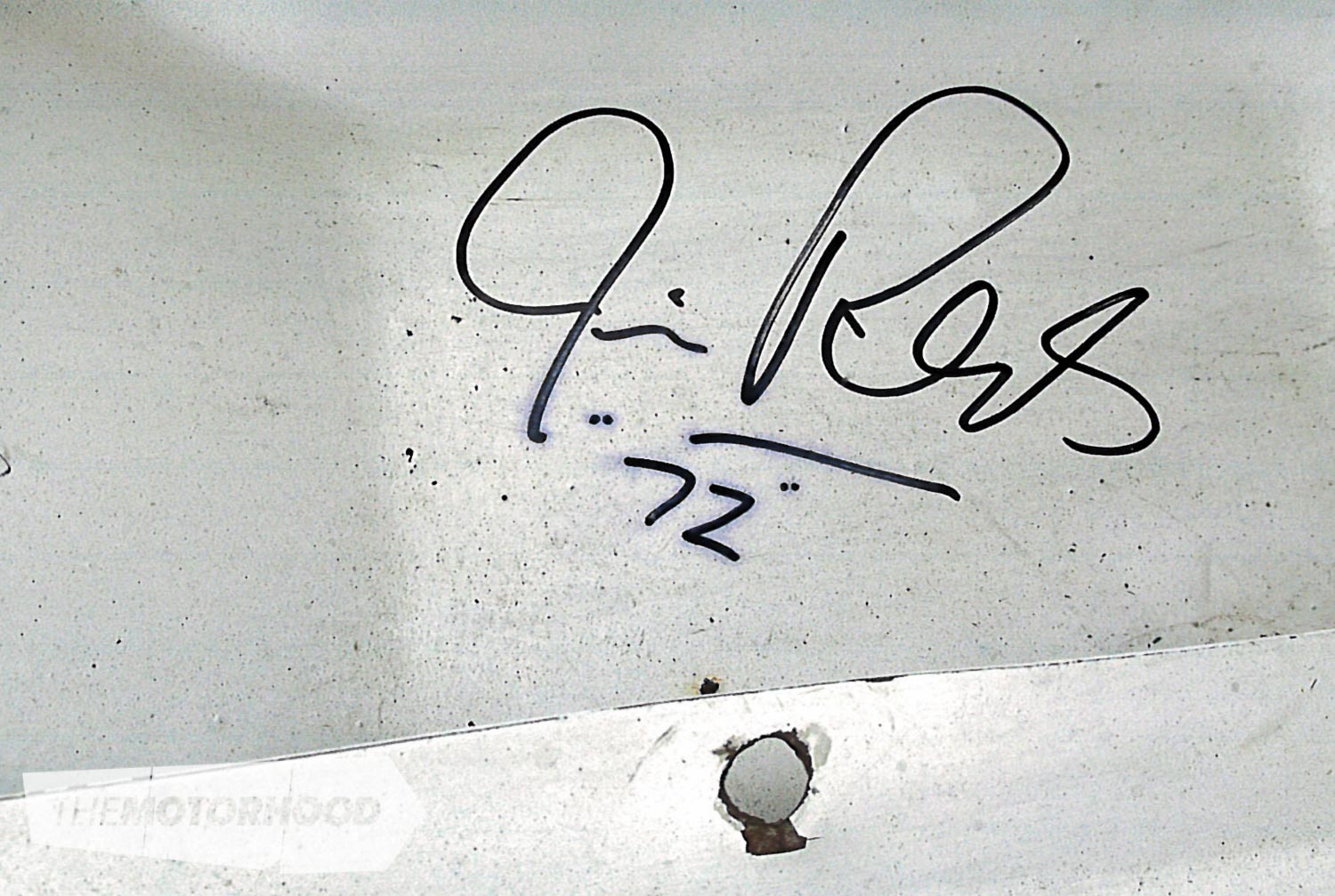
Originally entered for Andrew Cowan and Jim Scott (the eventual winner in a Clubman), this car was driven in the event by Jim Richards, with Jim Carney as co-driver. After winning a special stage early in the event, and running second overall behind Andrew Cowan, suspension problems and a failing gearbox saw Jim Richards forced to retire in midfield. 
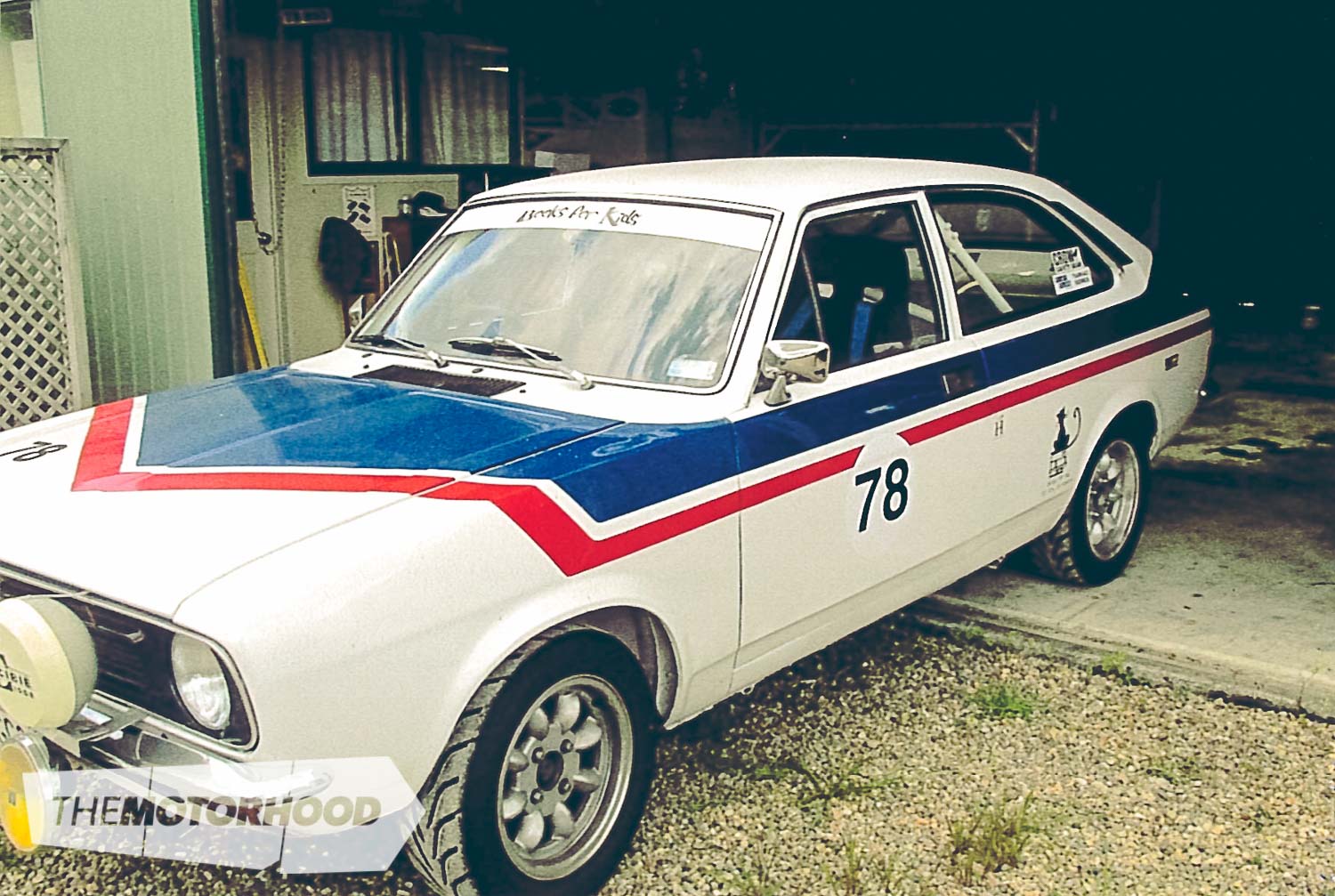
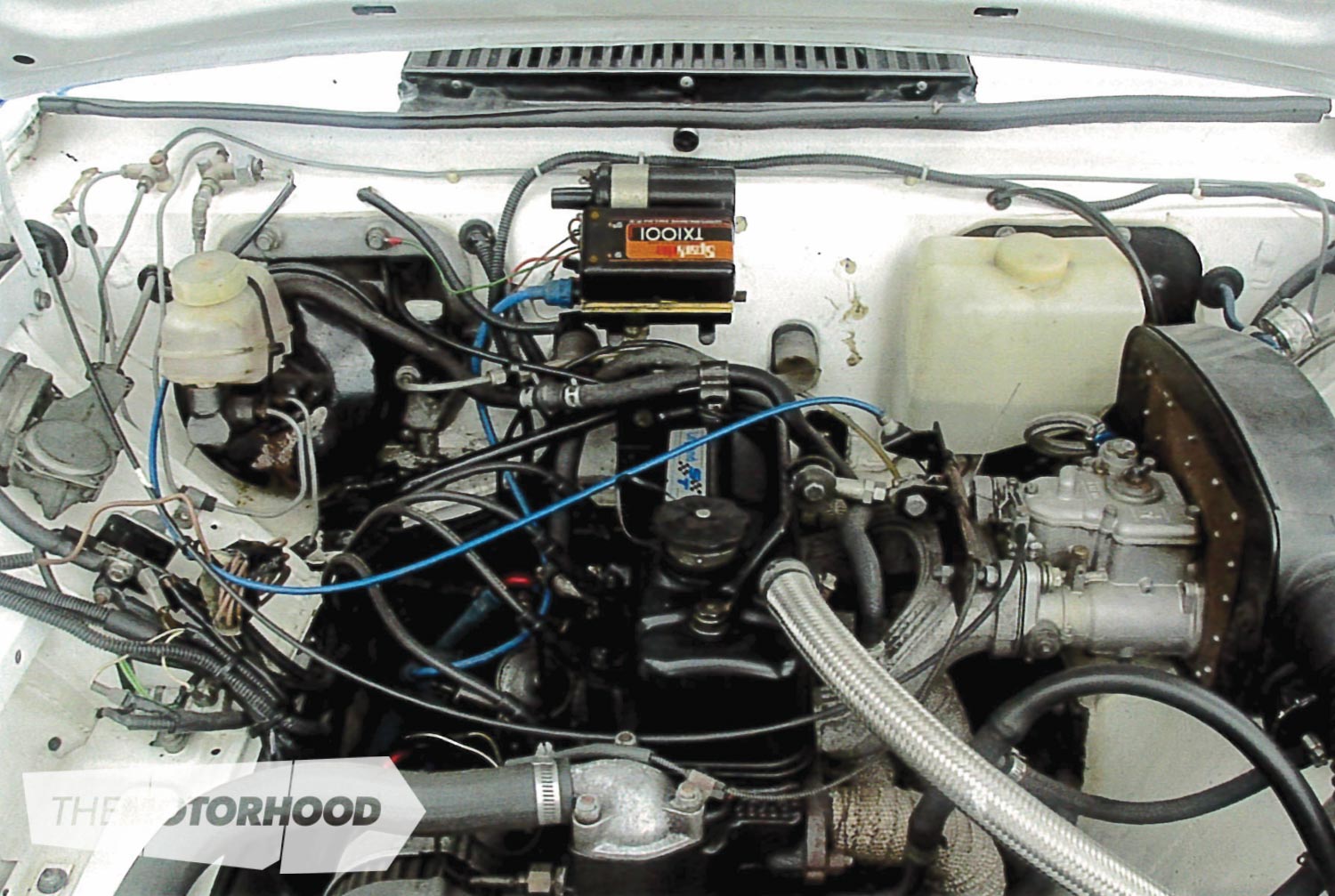
Late in 1972 GC2 was acquired by Chris Kirk-Burnnand, followed by brother Barry, who campaigned the Marina in national rallies, club rallies, and hill-climb events. During this time the gearbox, which was not up to the rigors of harsh competition, was eventually replaced with a Hillman four-speed gearbox, and the SU carburettors were replaced with a twin-choke Webber. 
From 1977 to 1992 GC2 passed through a number of owners and registration-plate changes before it was purchased by Bog Hulme in 1992. Bob campaigned the car in sprints, hill climbs, and circuit racing events with the licence number RR9291. Research revealed its origins, and Bob personalized the plate back to 1 GC2 1. 
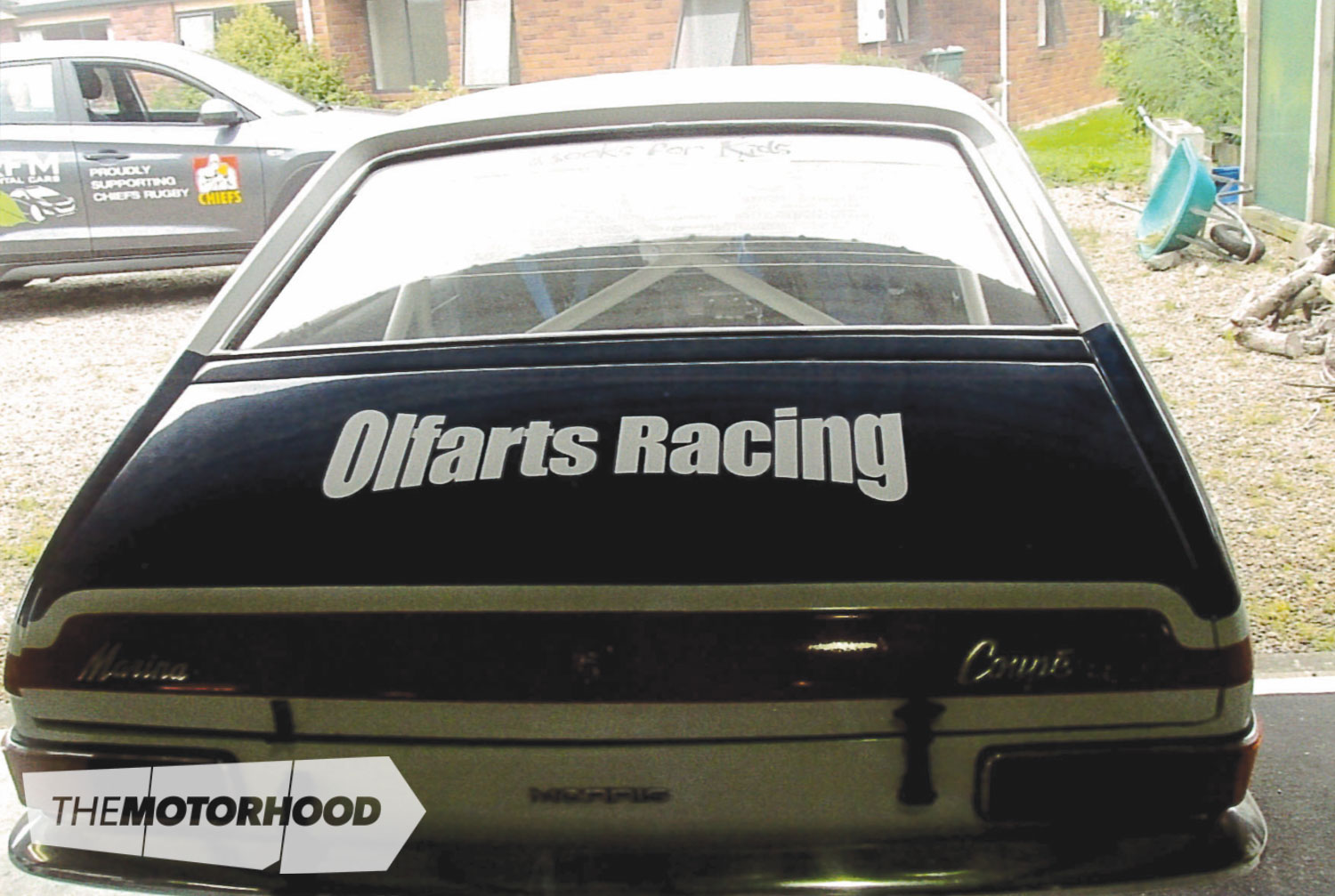
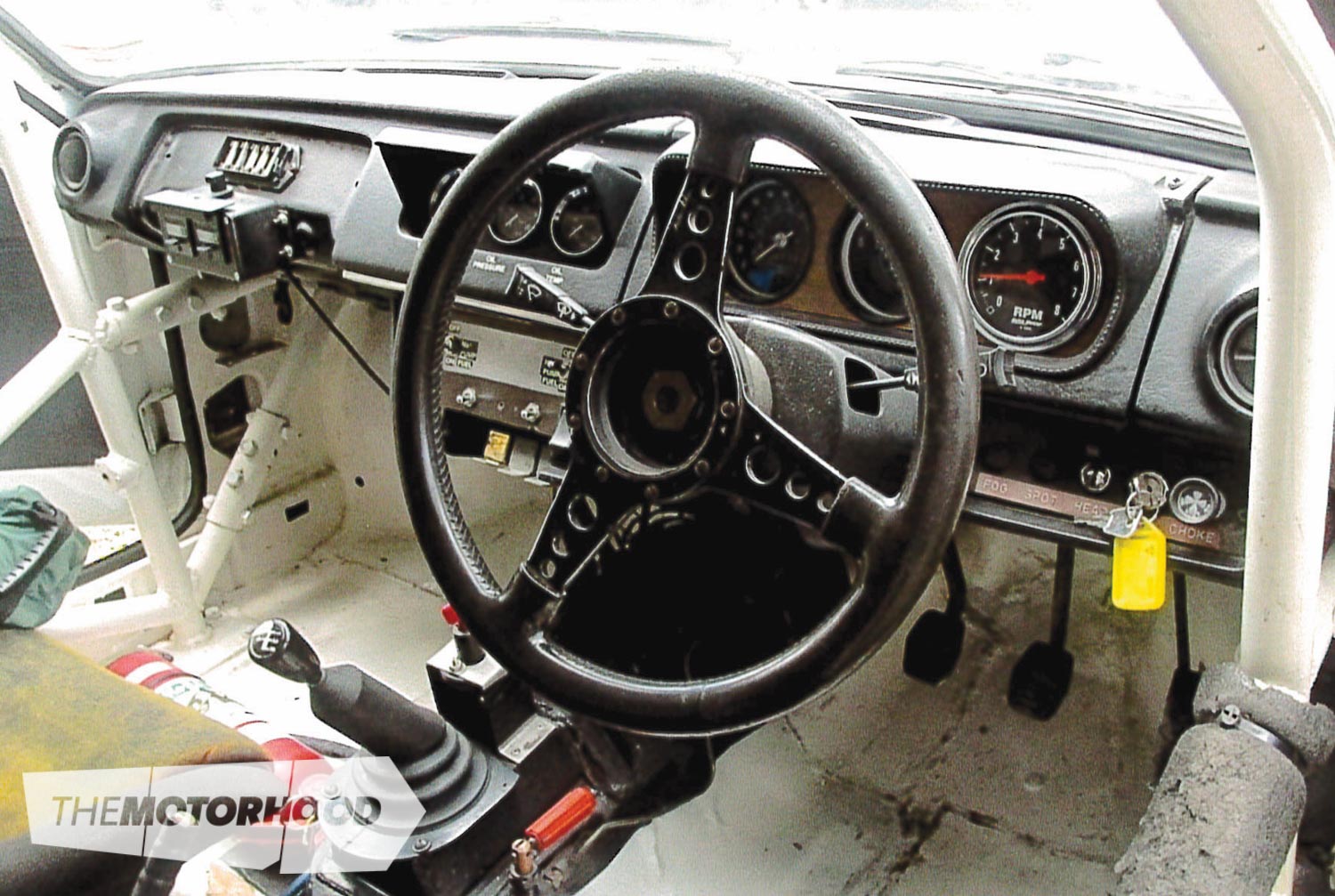
The car was passed to Andrew Scott in October 1997 and was given a bare-metal rebuild and paint. The roll cage was uprated for side intrusion, and the Hillman box was replaced with a Rover SD1 unit. 
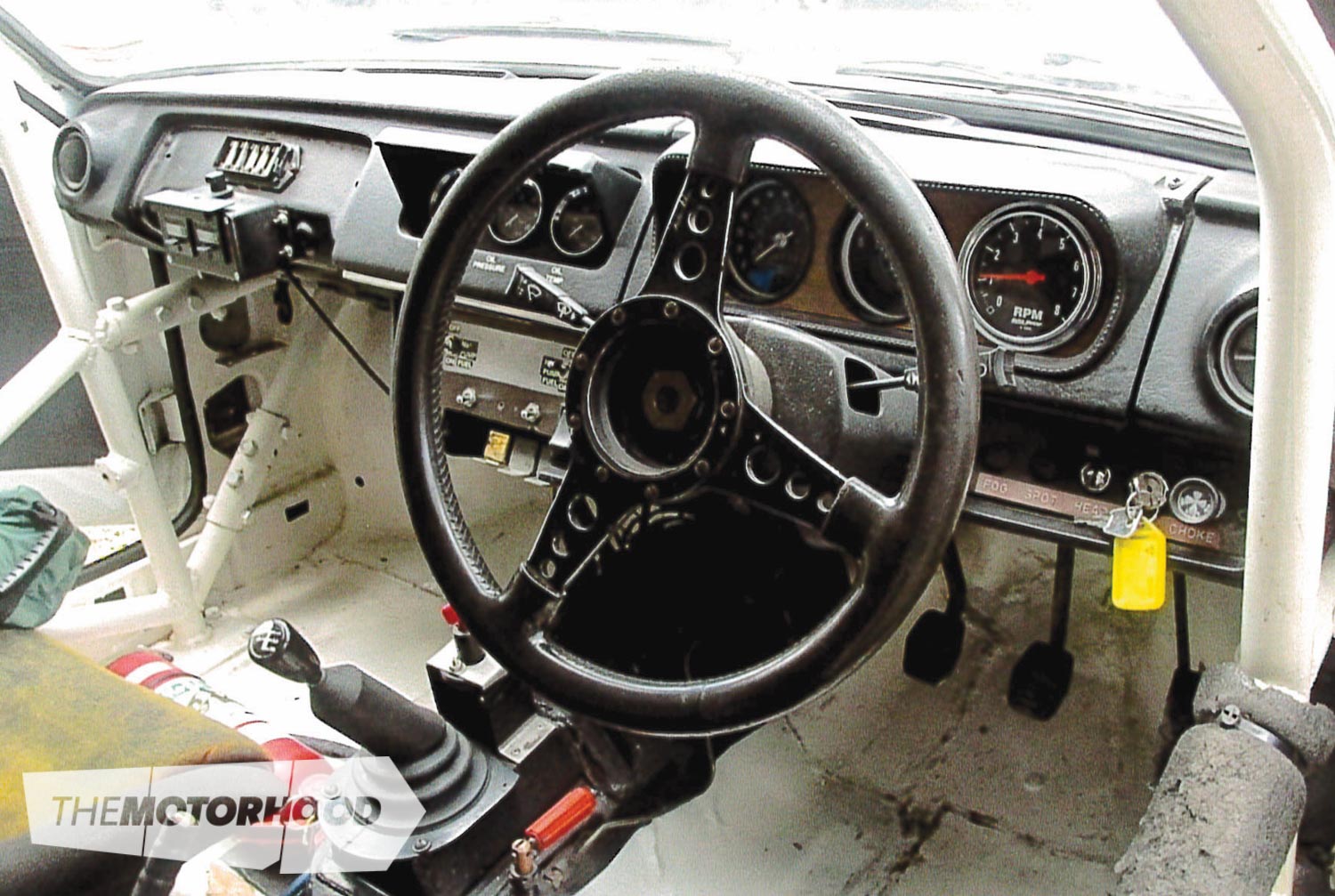
The engine was fully rebuilt (not the original by this time), along with the suspension, brakes, and many other components. 
The current owner, Judith Edwards, whose husband Don passed away three years ago, has finally decided to pass this significant piece of New Zealand rally history to another custodian by offering it for sale. 

Interested parties can contact [email protected] for more information.    
Last Tango in the Fast Lane

In the mid ’80s, I locked into a serious Nissan/Datsun performance obsession. It could have kicked off with my ’82 Datsun Sunny, though this would have been a bit of a stretch of the imagination, given its normally aspirated 1.2-litre motor — not the sort of thing to unleash radical road warrior dreams. But it did plant a seed, and it was a sweet little machine and surprisingly quick, in contrast to all the diabolical English offerings I had endured.
I was living in South Auckland at the time and was an unrepentant petrolhead. Motor racing was my drug of choice, and I followed the scene slavishly. Saloon car racing, with the arrival of the international Group A formula, was having a serious renaissance here and in Australia and Europe. There was suddenly an exotic air in local racing that had been absent for 15 years.
I was transfixed by this new frontier of motor racing that had hit our tracks in 1985–87 and the new array of machinery on display. In 1986, the Nissan Skyline RS DR30 made a blinding impression on me. The Australian Fred Gibson-run, Peter Jackson-sponsored team of George Fury and Glenn Seton were the fastest crew of the 1986 Australian Touring Car Championship. But Kiwi legend Robbie Francevic snuck through to win the Aussie Championship in his Volvo 240T after a strong start and consistent finishes.

NZ Classic Car magazine, May/June 2026 issue 405, on sale now

Reincarnation of the snake
We are captivated by a top-quality sports car
The Shelby NZ build team at Matamata Panelworks has endured a long and challenging journey, culminating with the highly anticipated public unveiling of the 427SC and firing up of its sonorous V8 at the 2026 Ayrburn Classic Festival of Motoring in Queenstown on February 20. This is a New Zealand-built car with loads of character and potential.
The car is now back in Matamata, and I finally have an opportunity to get up close and personal with it. But before then, the question that must be asked is, “Why would ya?”
The first answer is easy, as mentioned in the last issue of New Zealand Classic Car (#404). It was a great way to use up all the surplus Mustang parts acquired while converting brand-new Mustangs into Shelbys. The unused new Mustang parts would be great in any kit car, but the 427SC in front of me cannot be classified as one.
This is not a kit car. The reality is that it is a high-quality, factory-made production car.
Possibly the second answer is because the CEO of Matamata Panelworks, Malcolm Sankey, wanted to build a replica of the car that is a distant relation to the Shelby Mustangs scattered around his showroom floor, a car created long before the first Mustang was even thought of, and the brainchild of Carroll Shelby back in the early ‘60s.