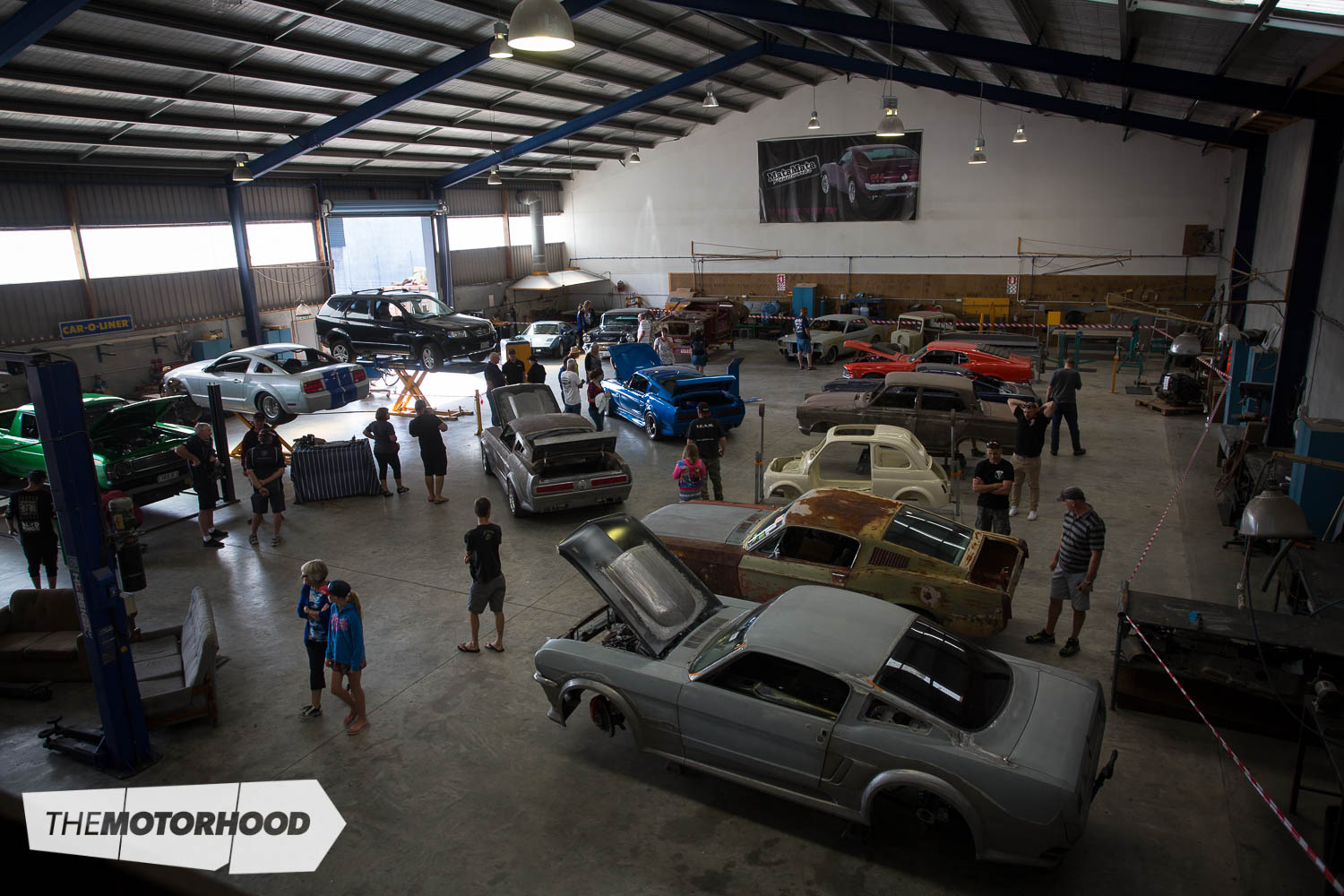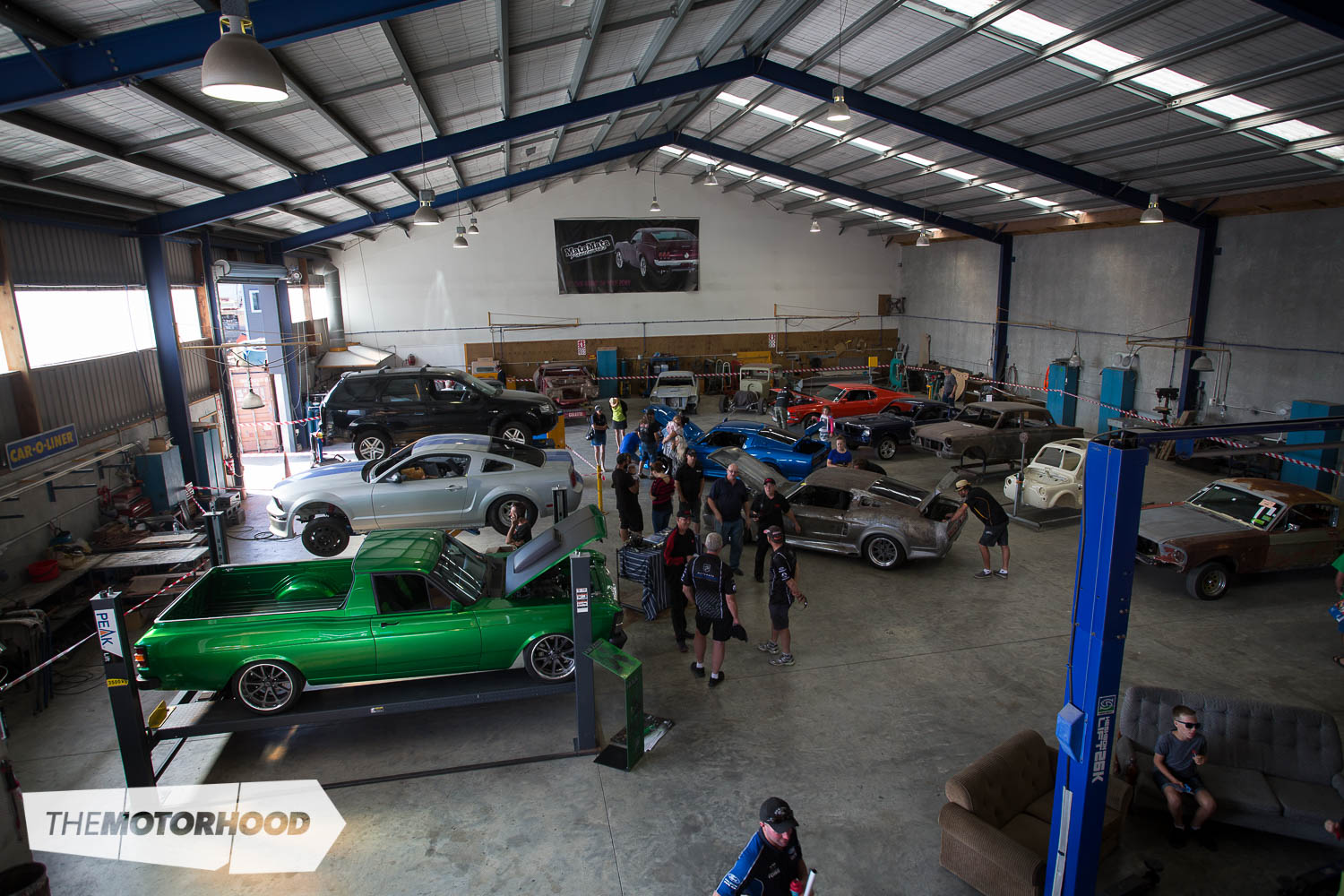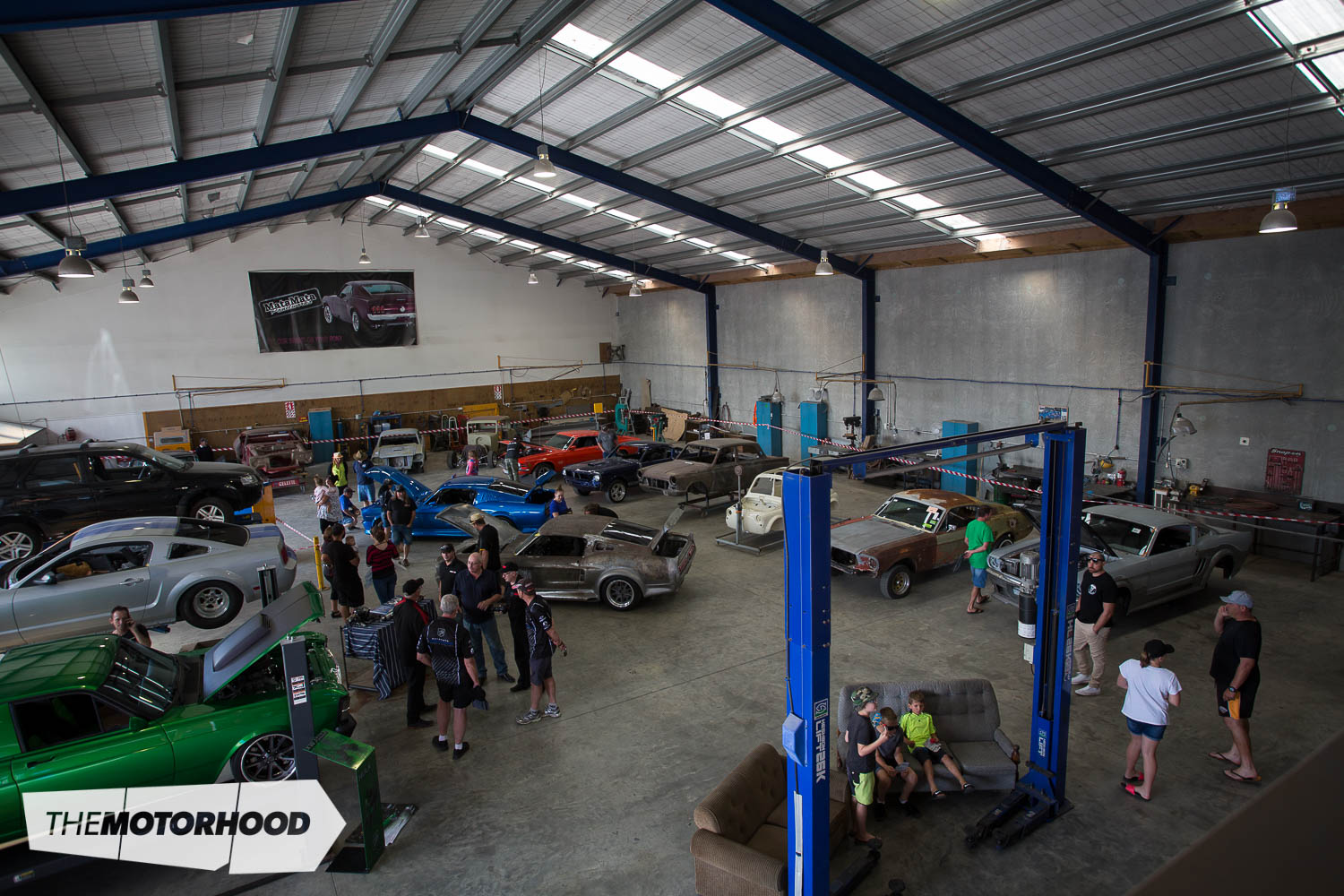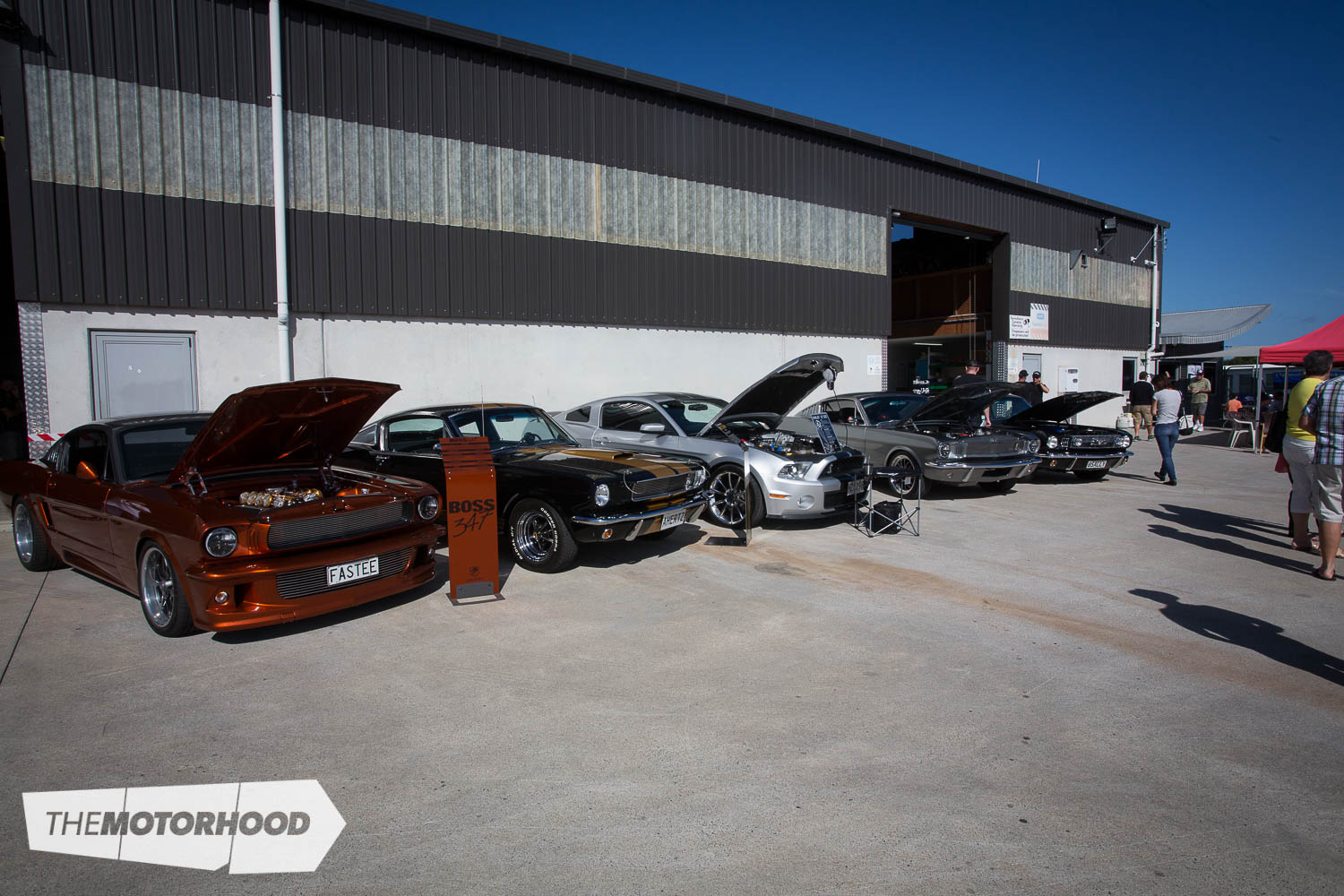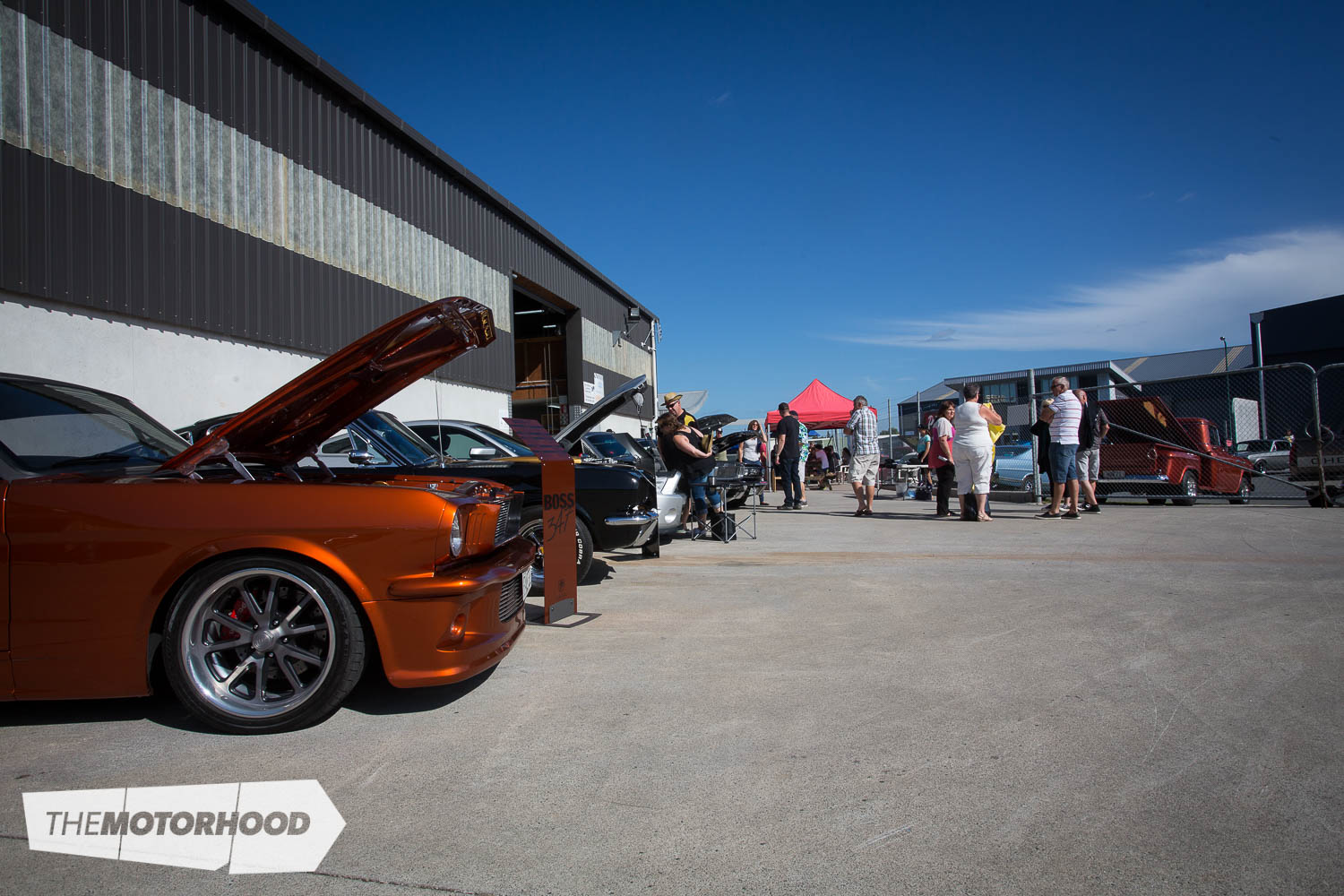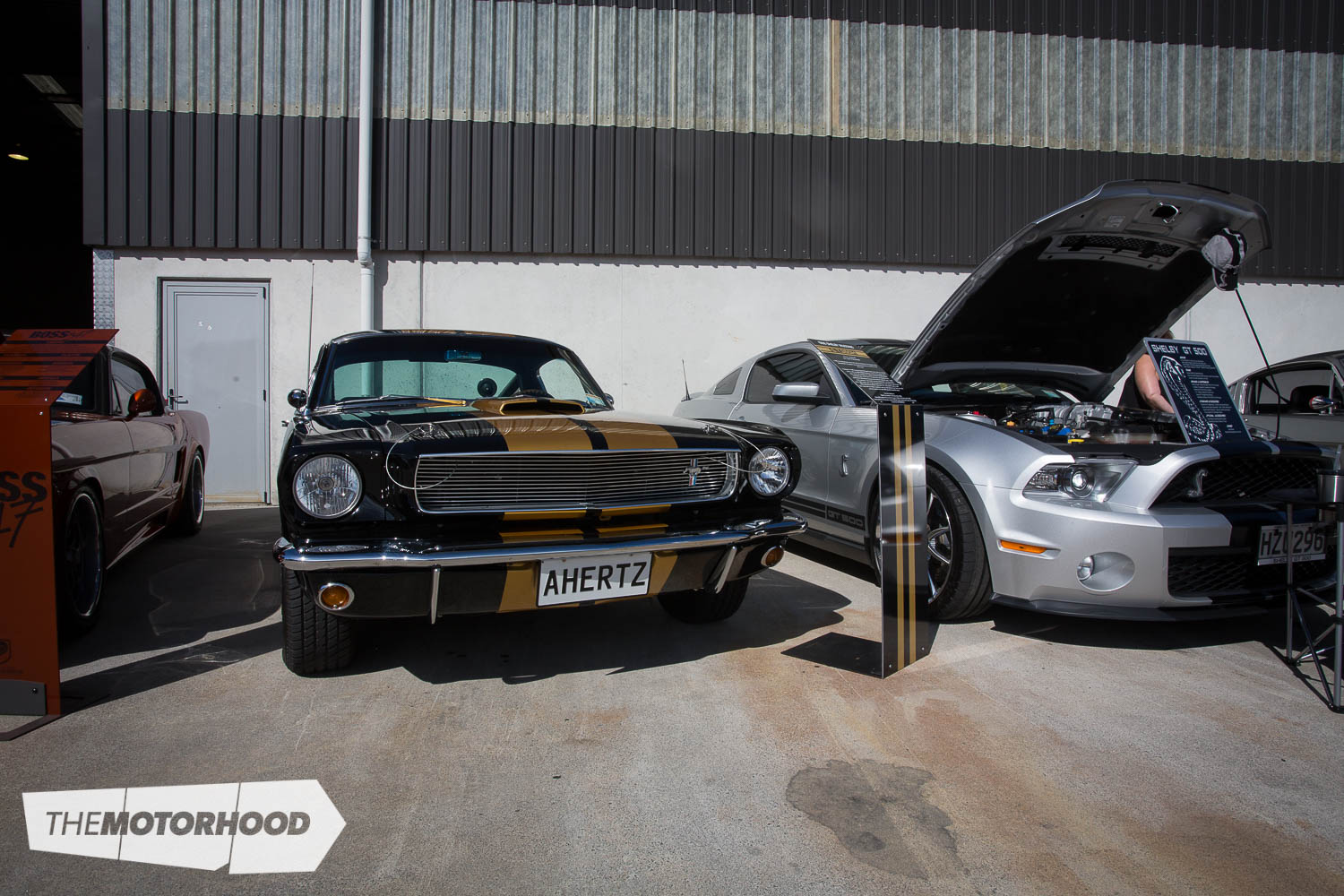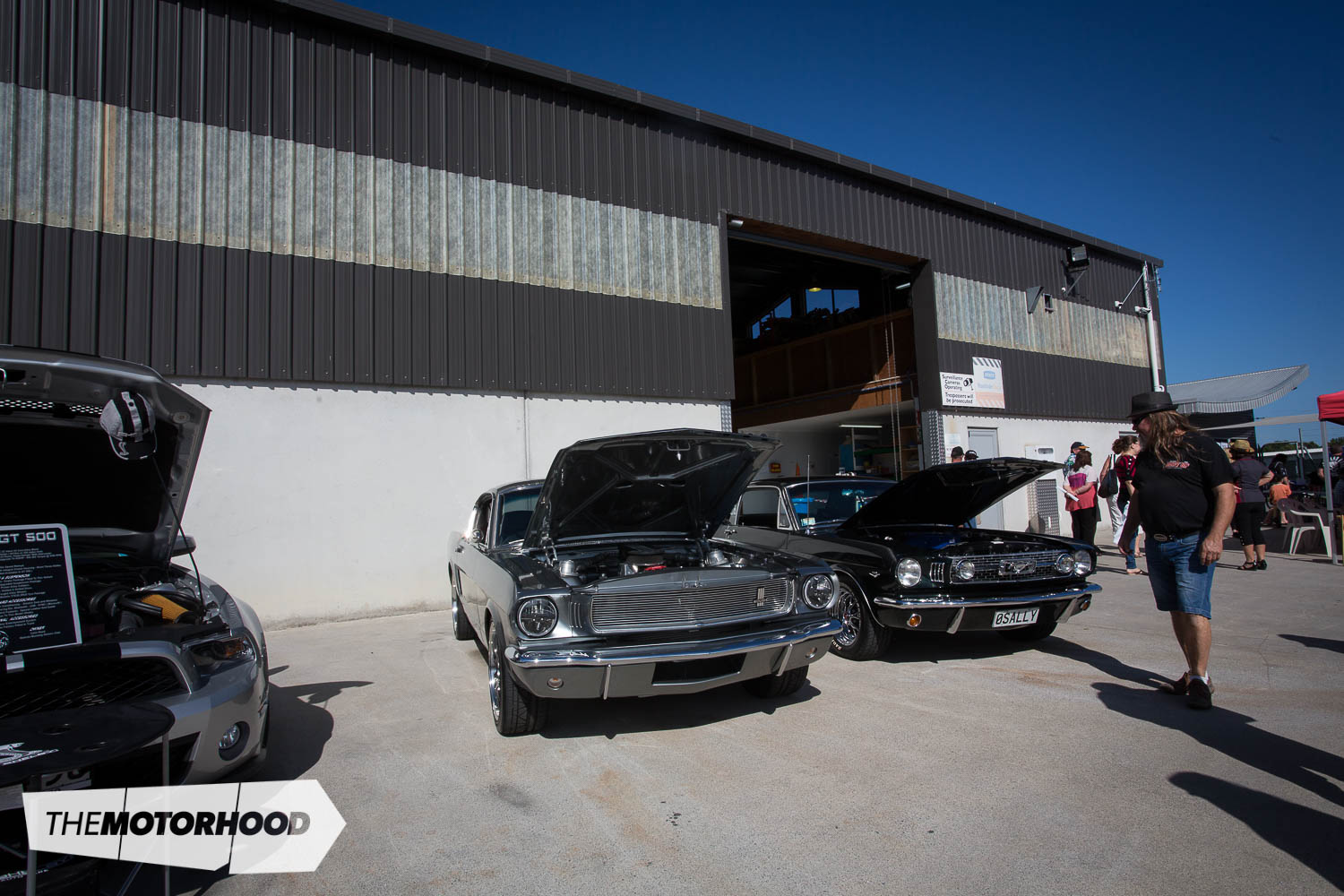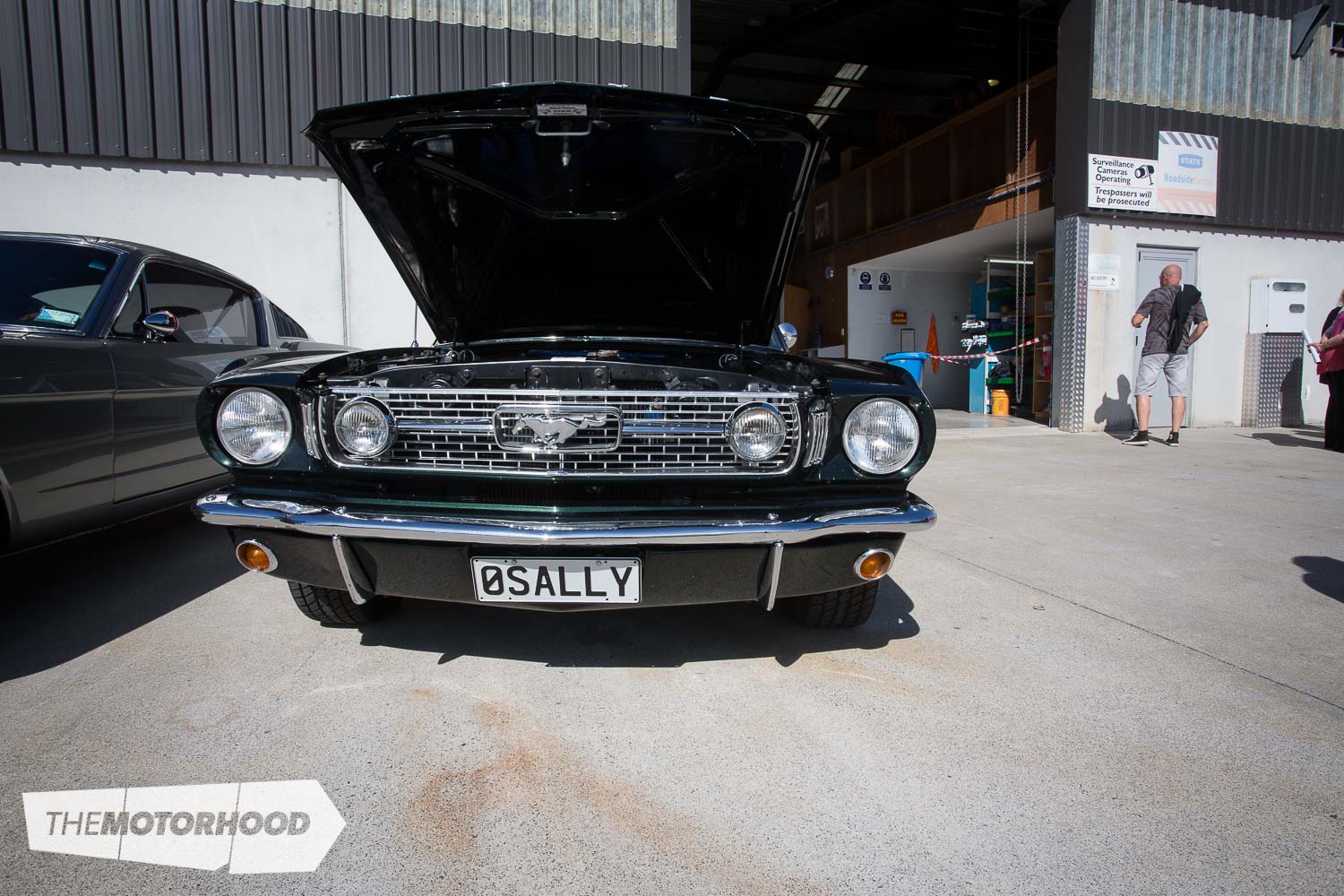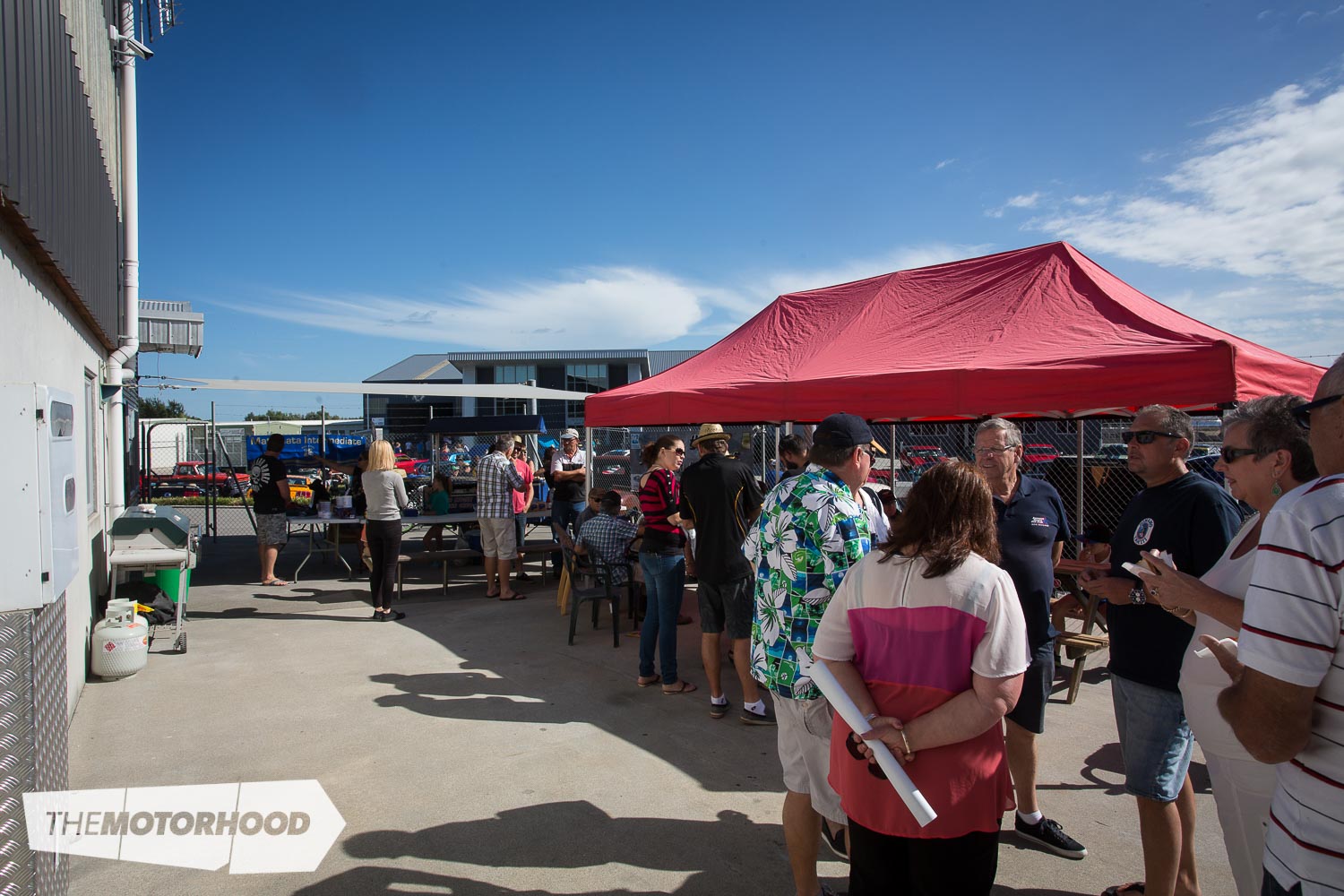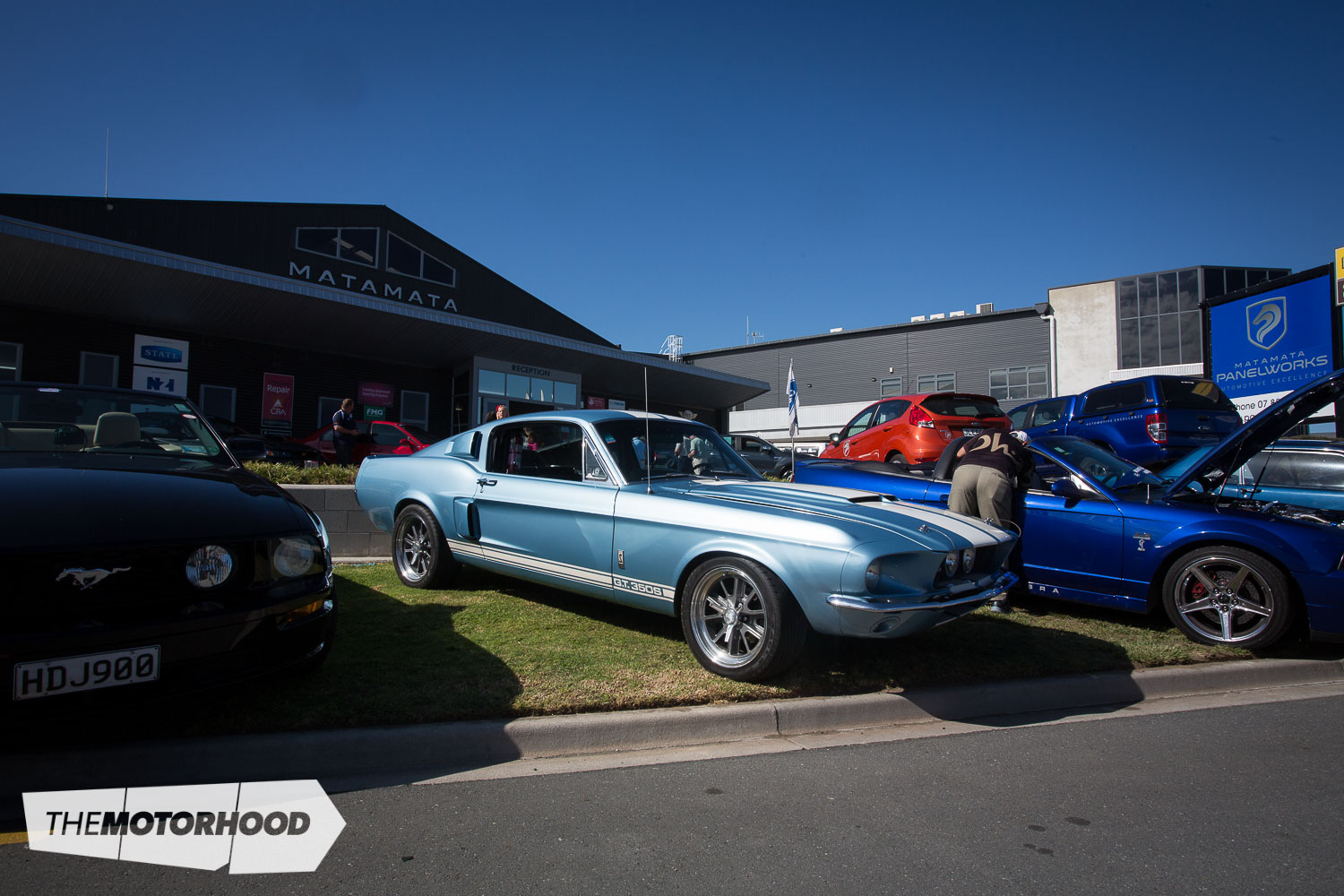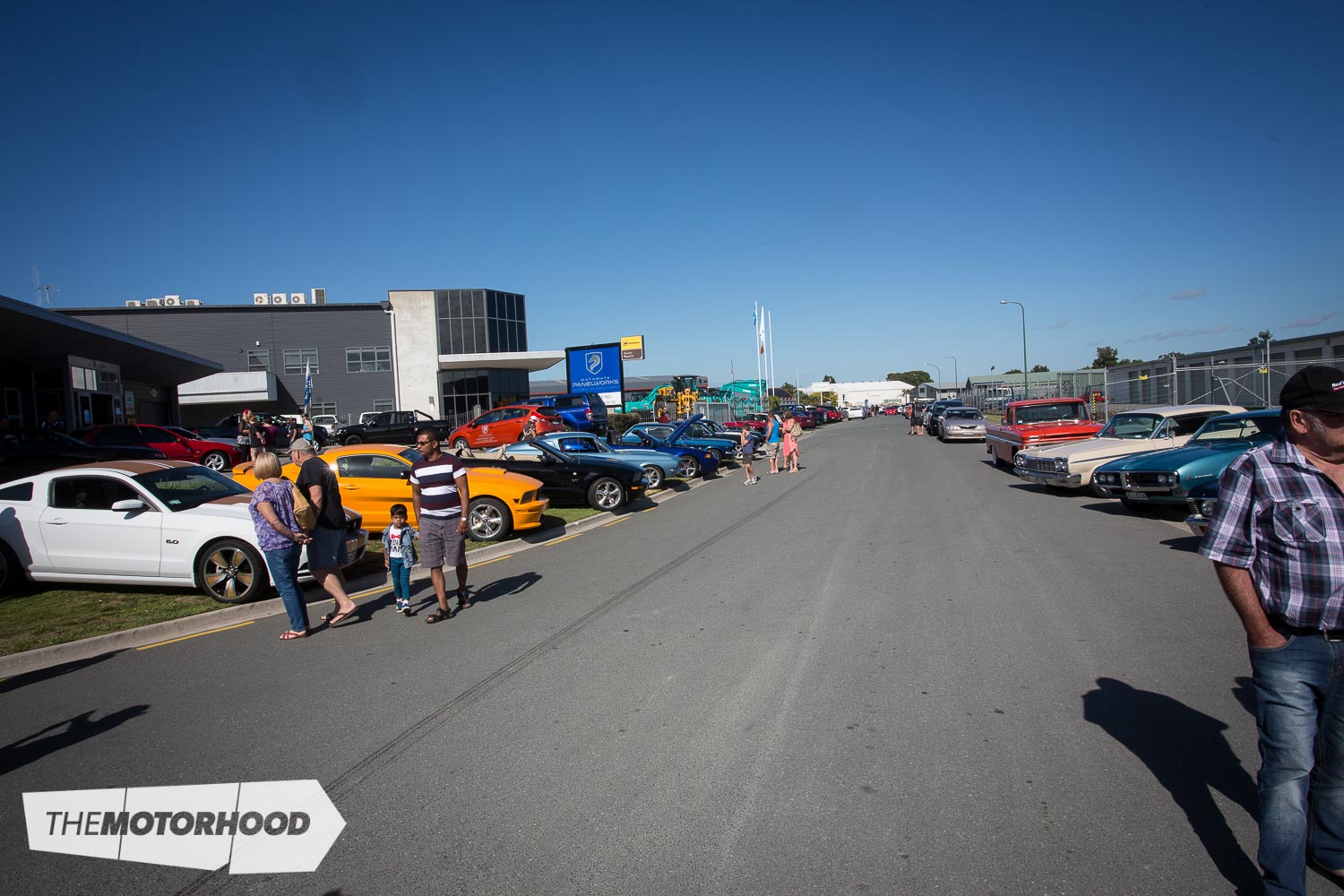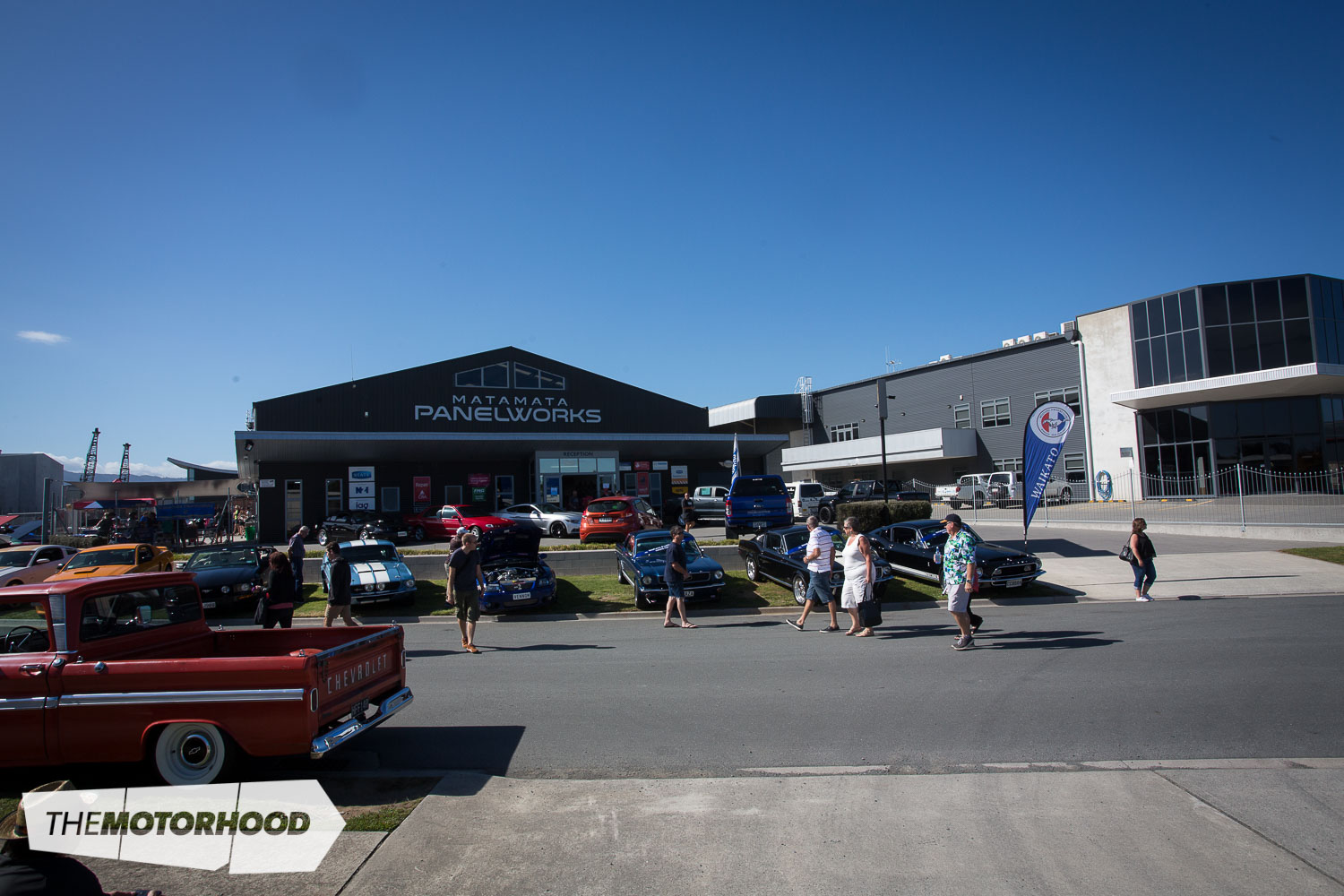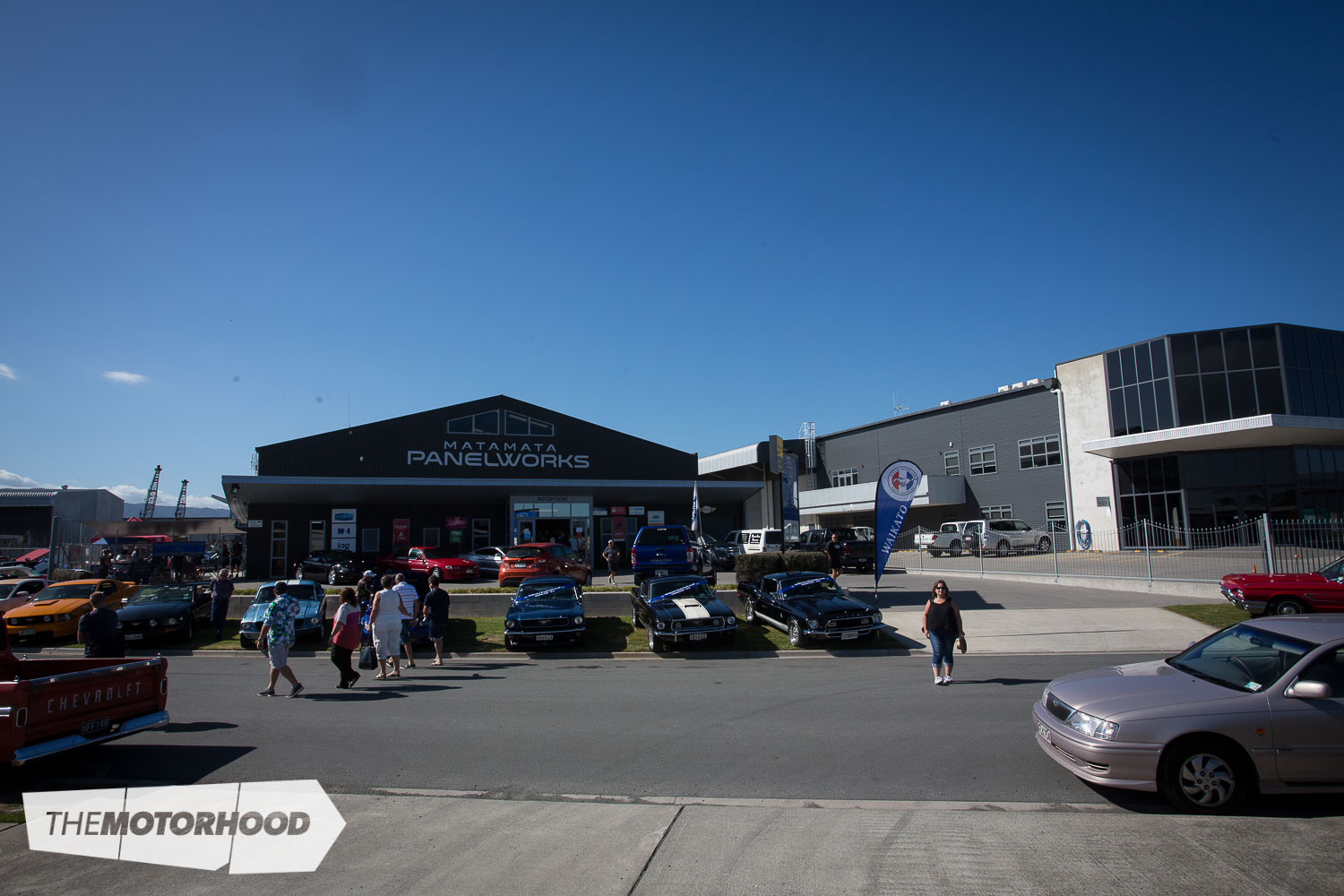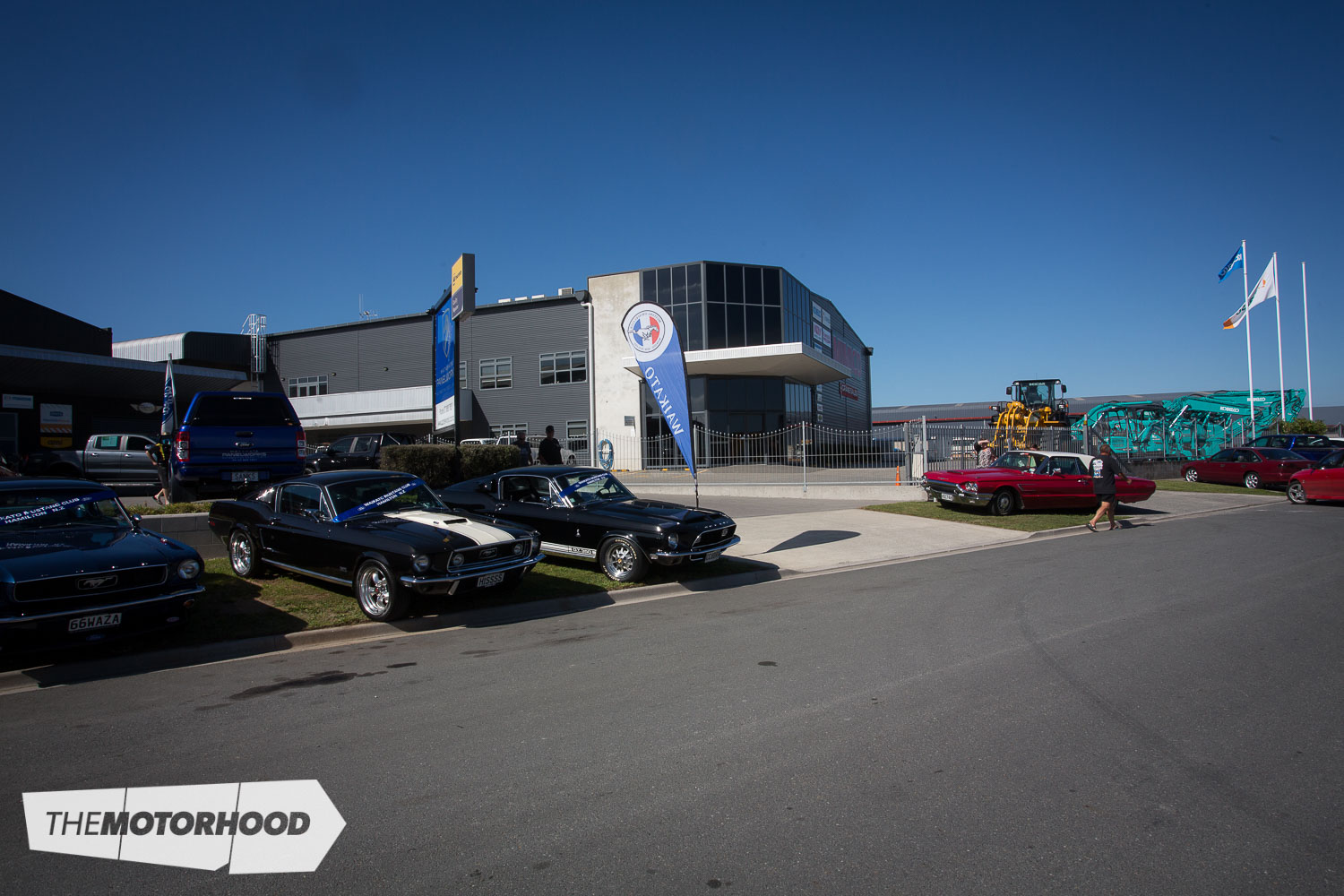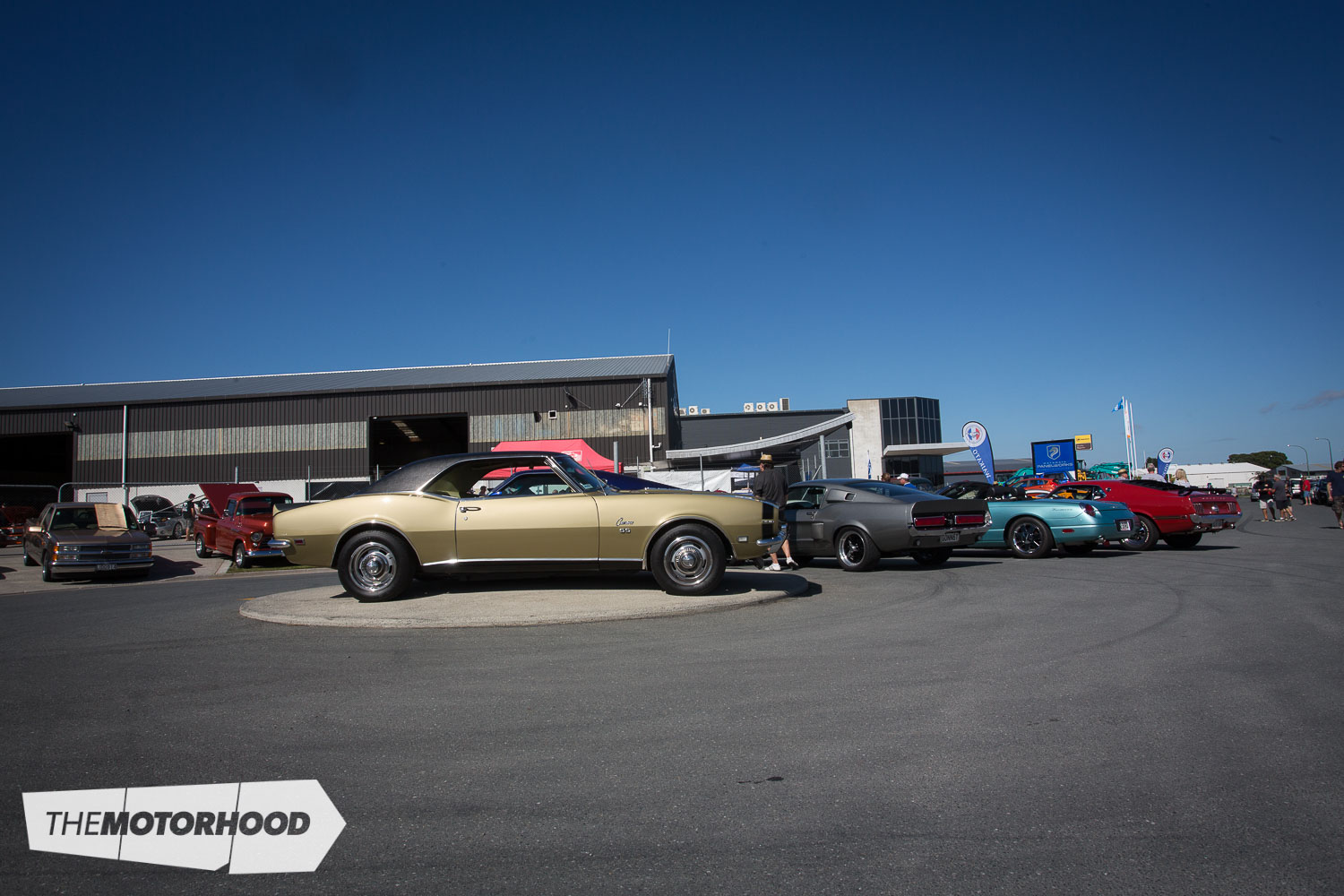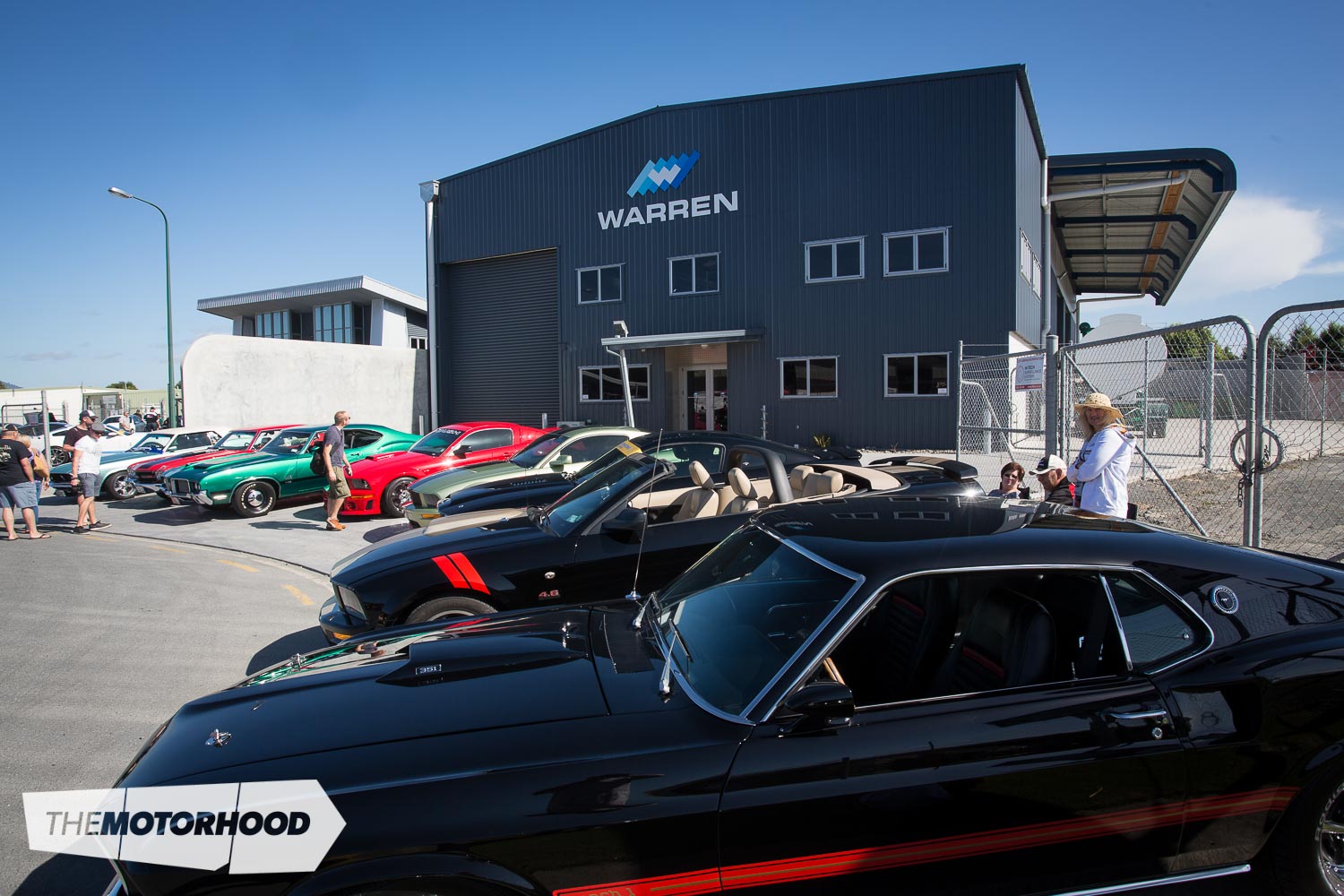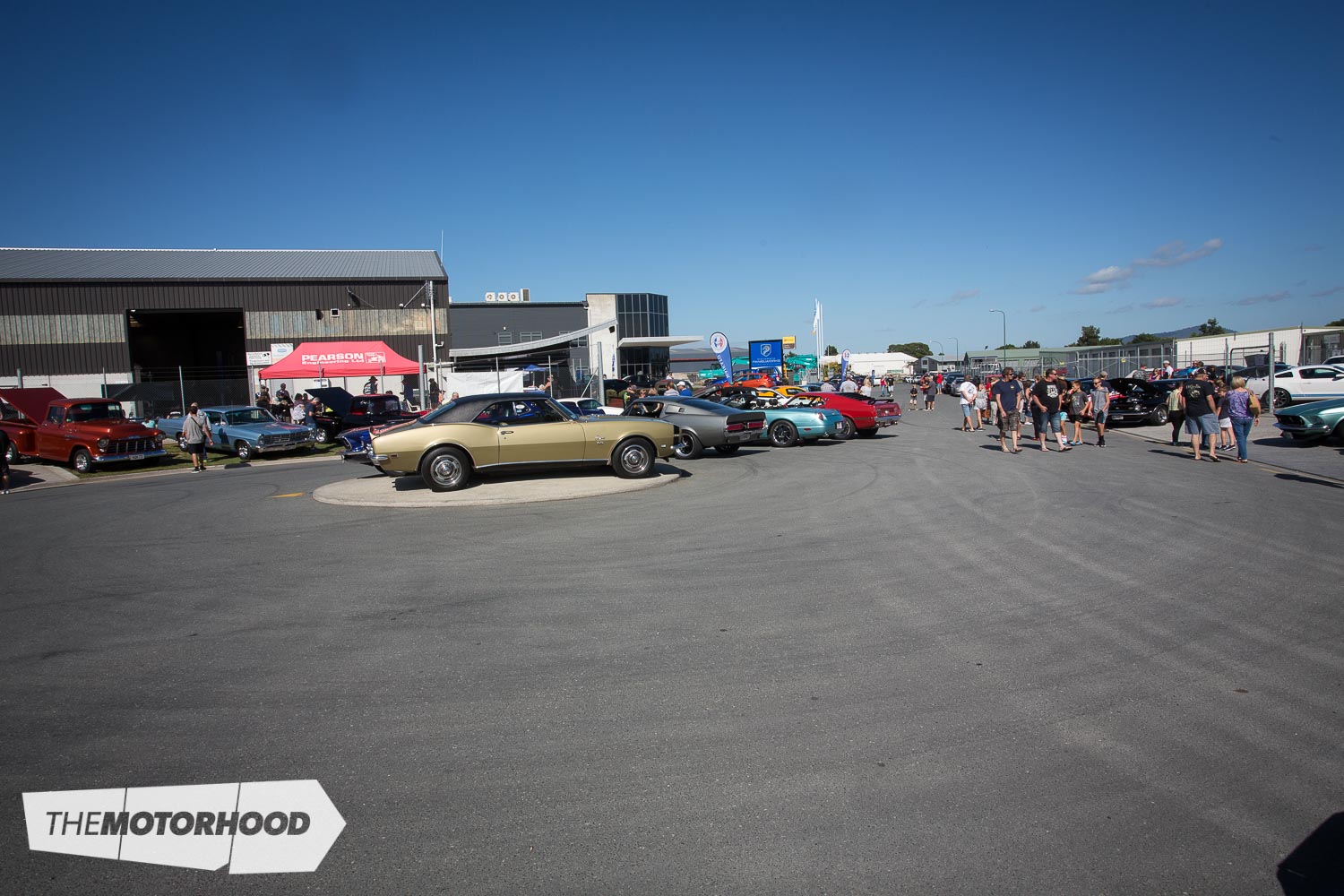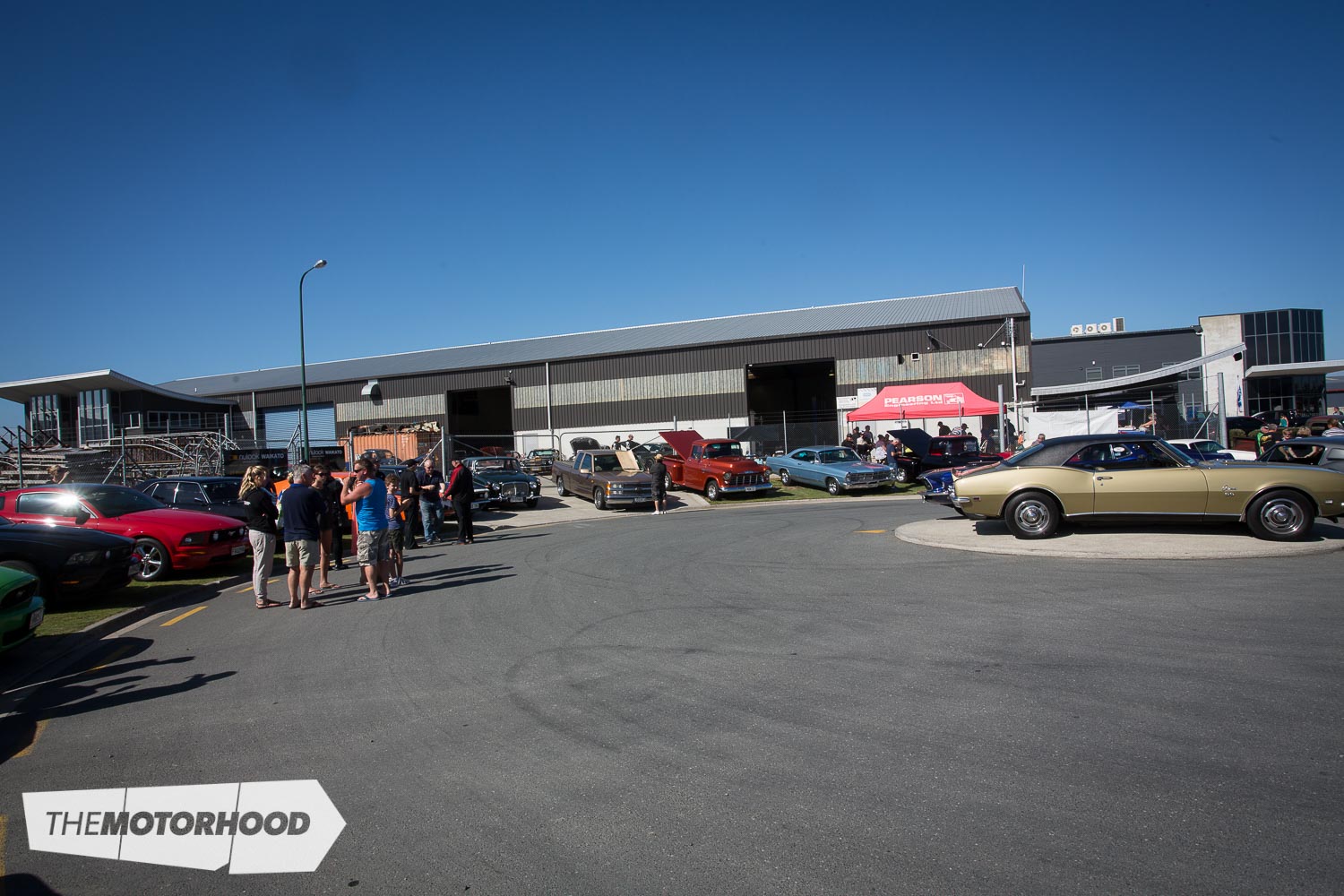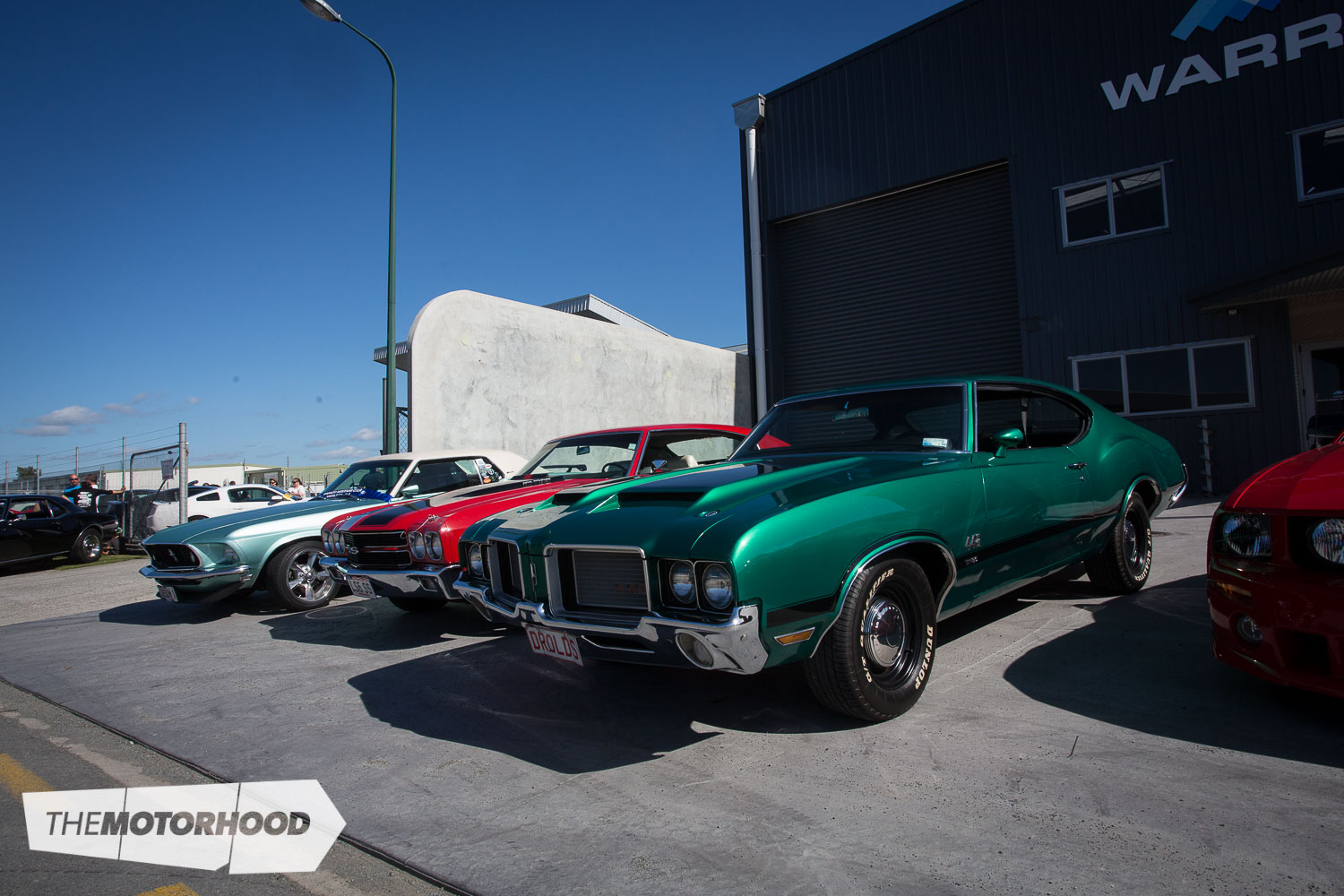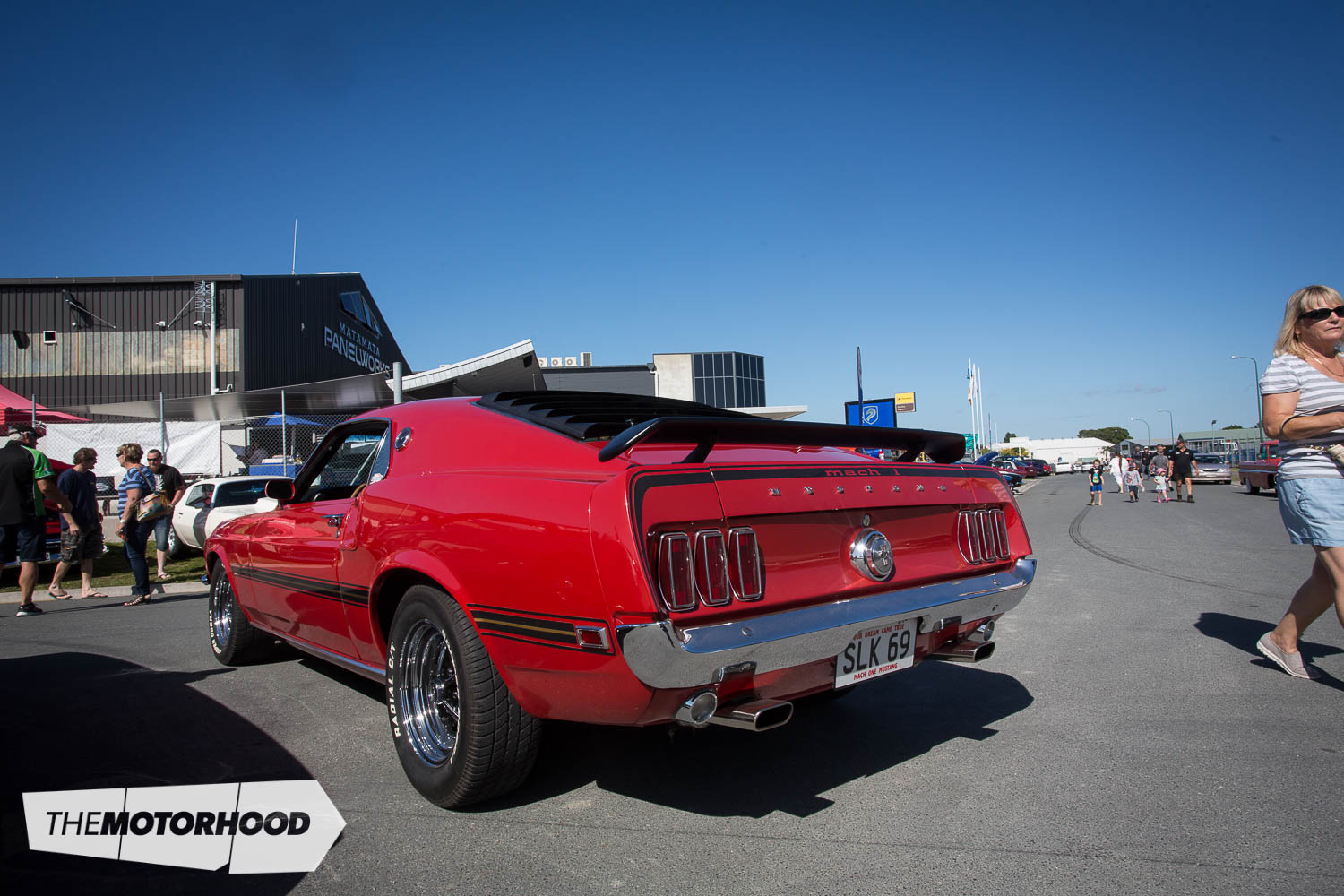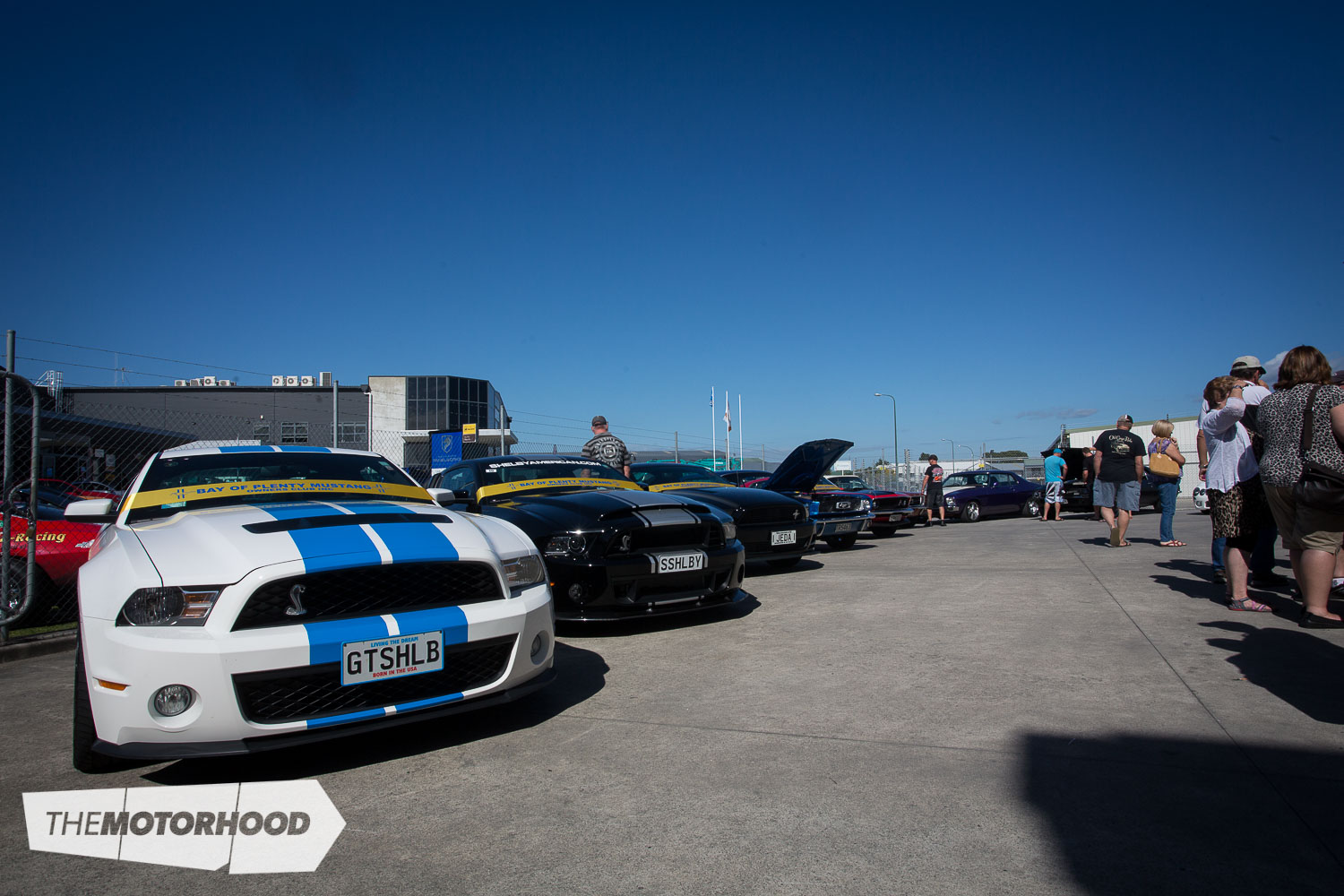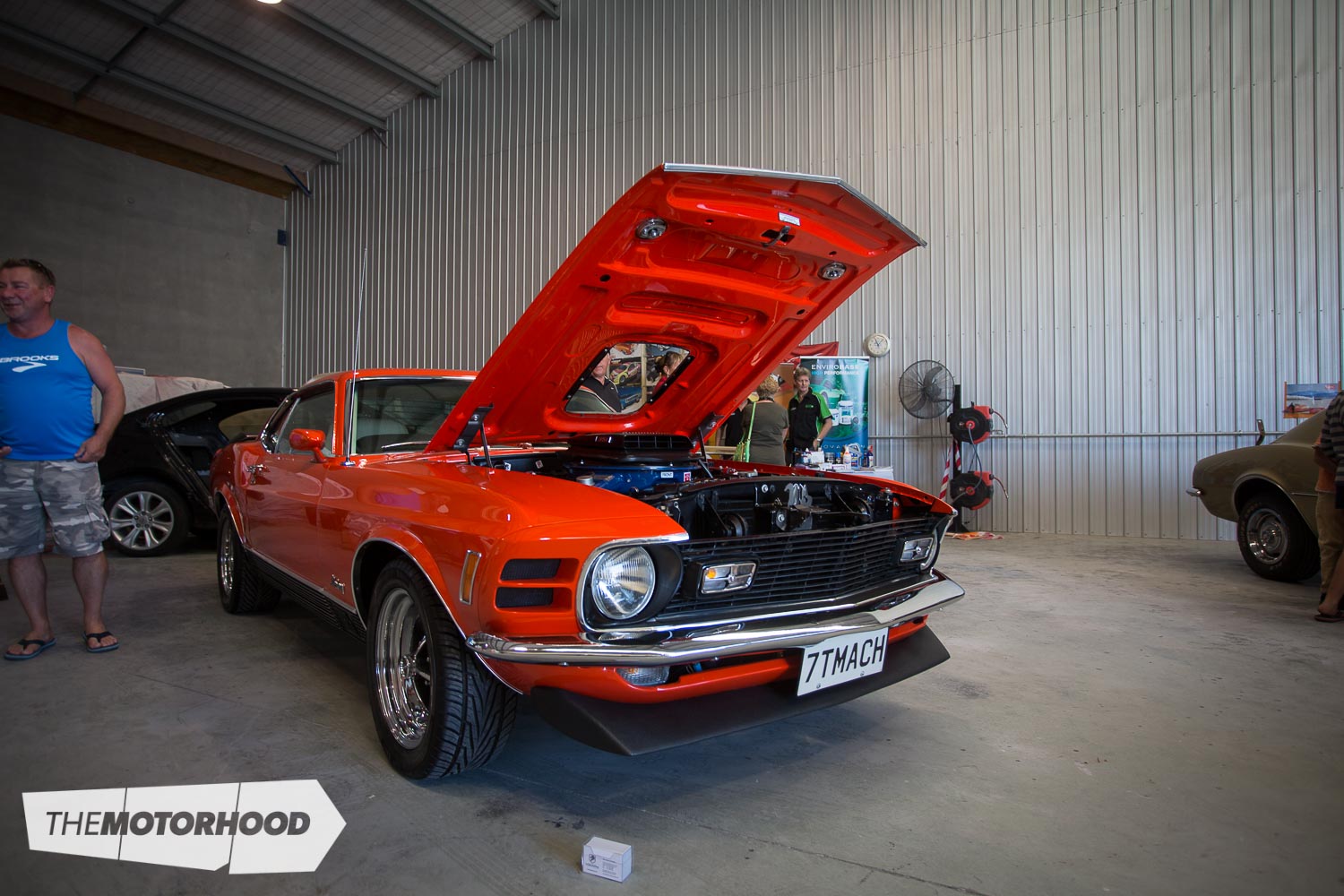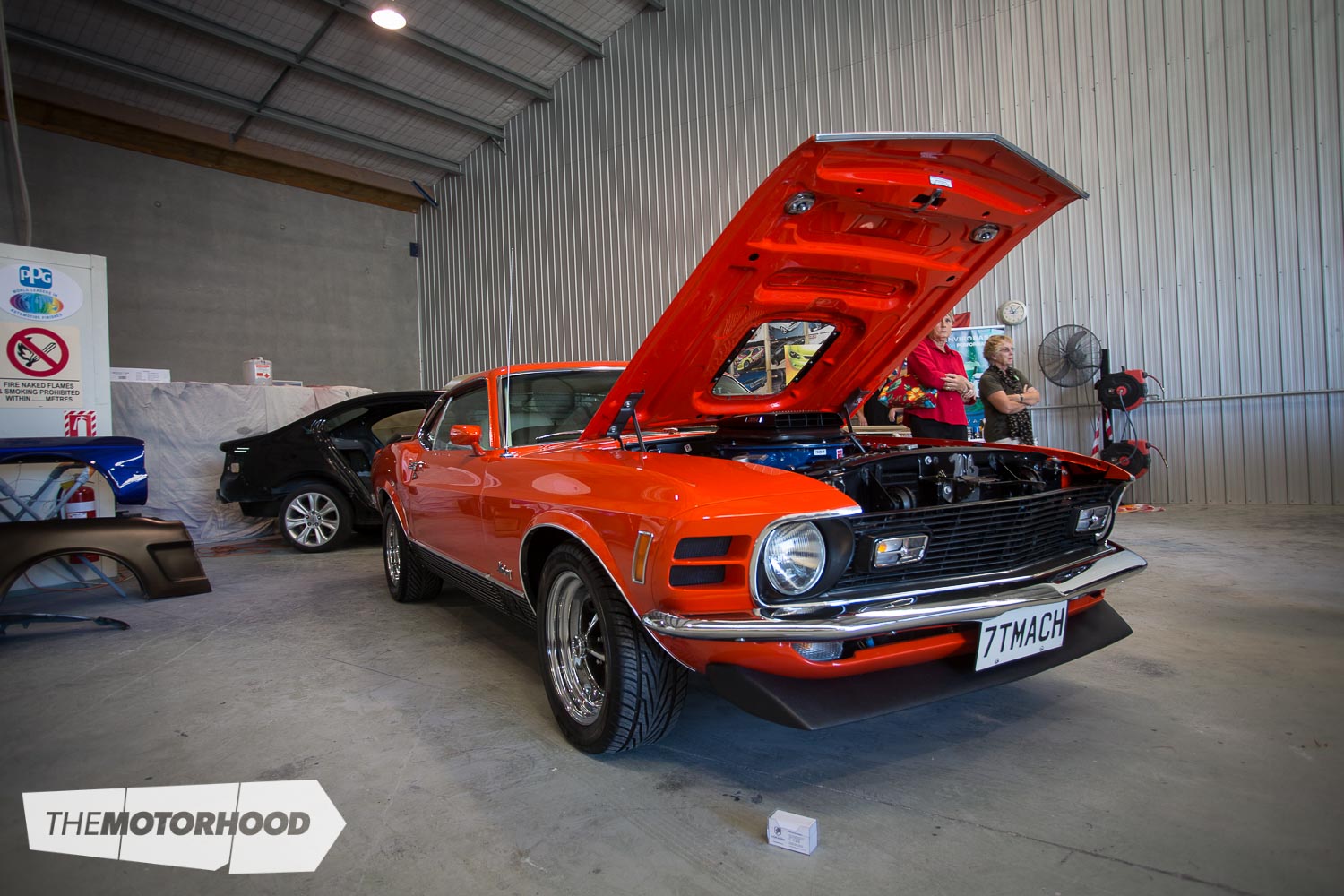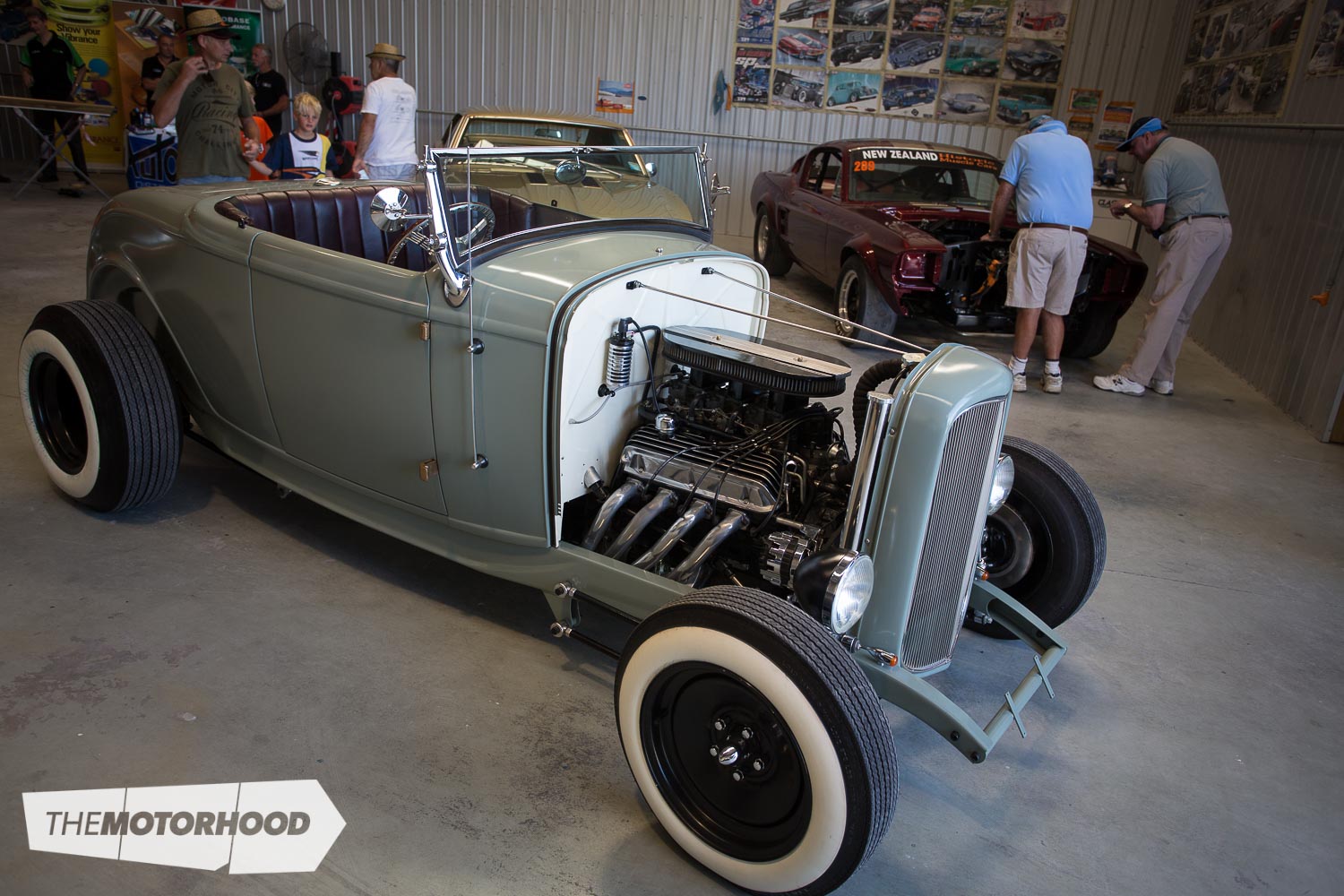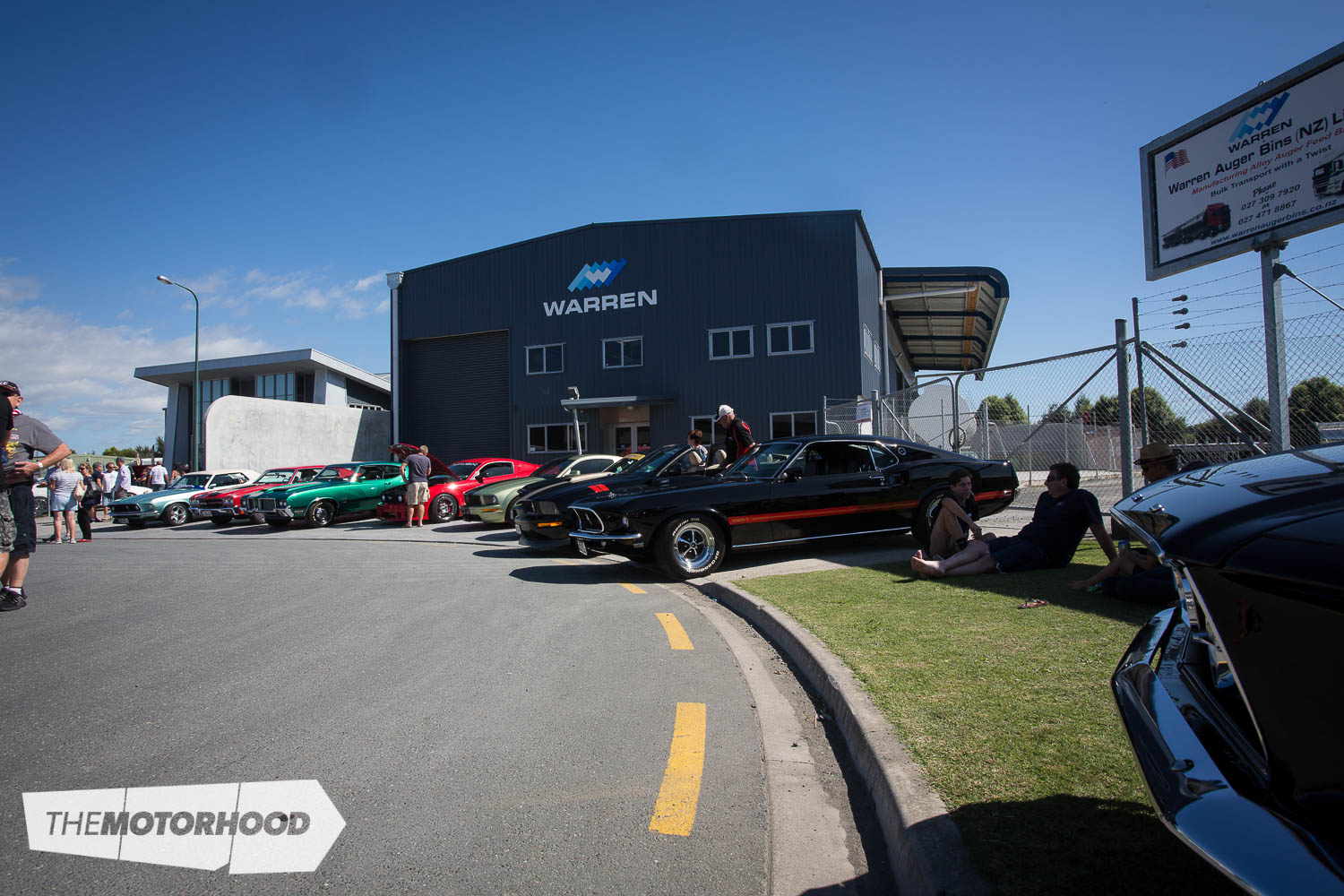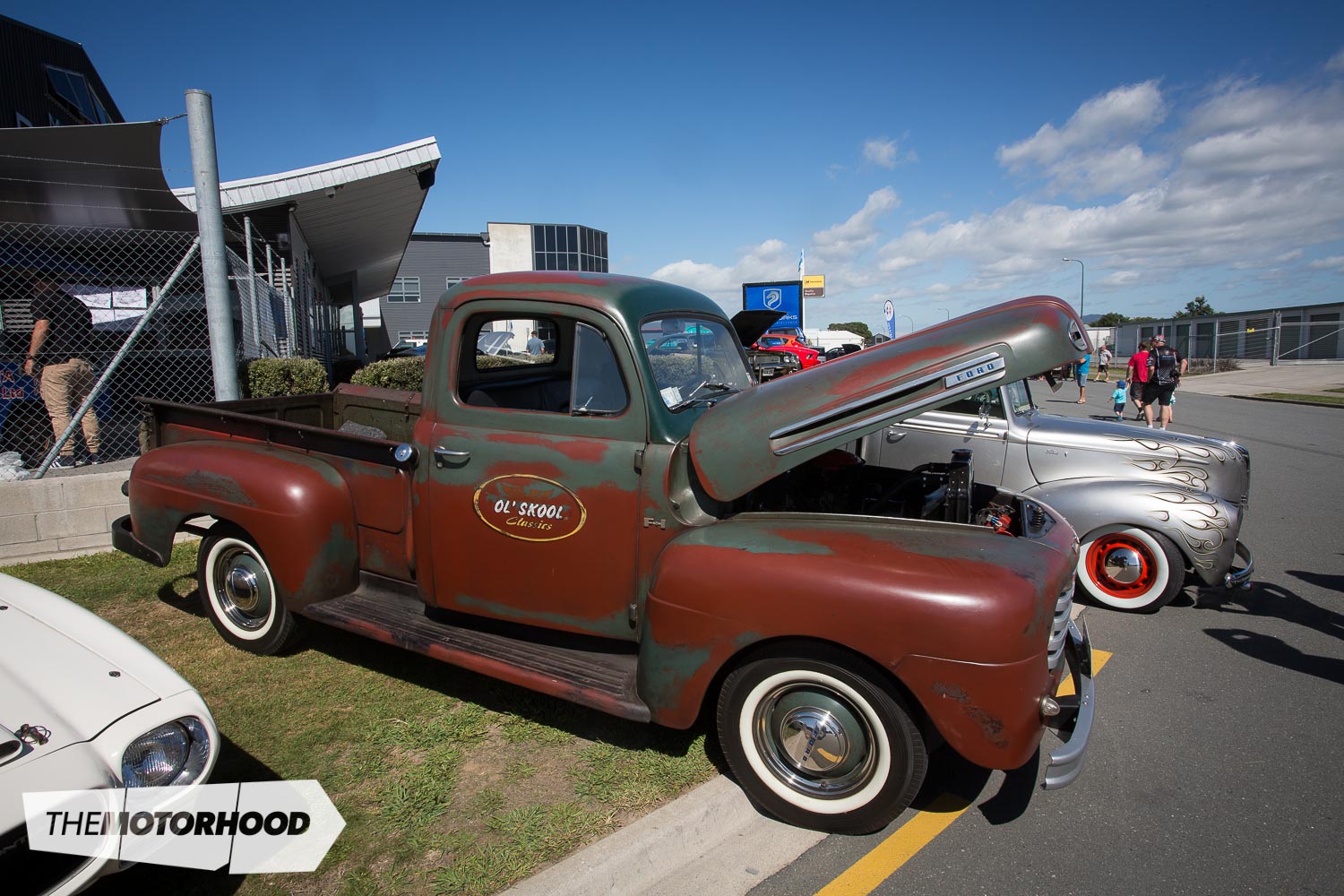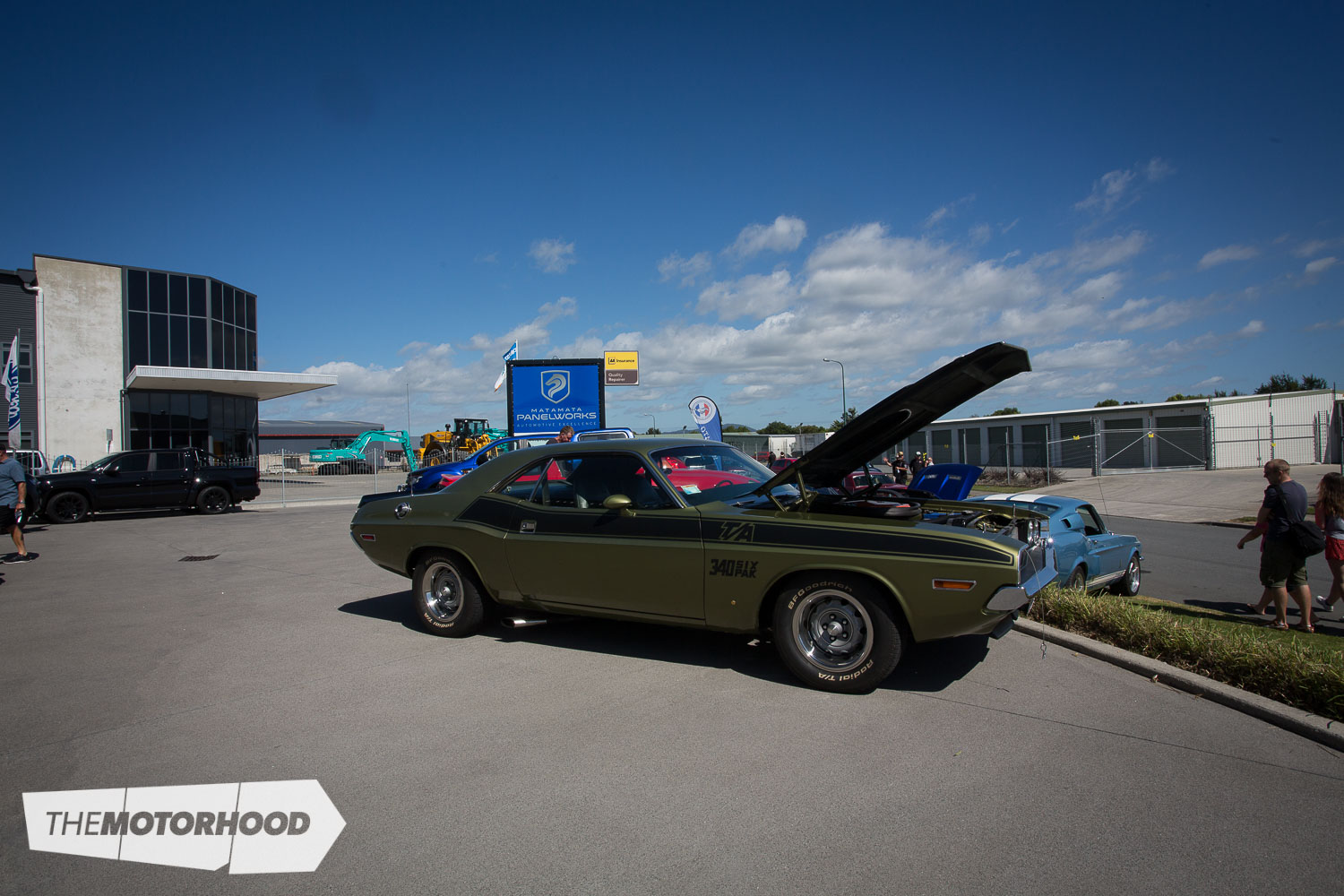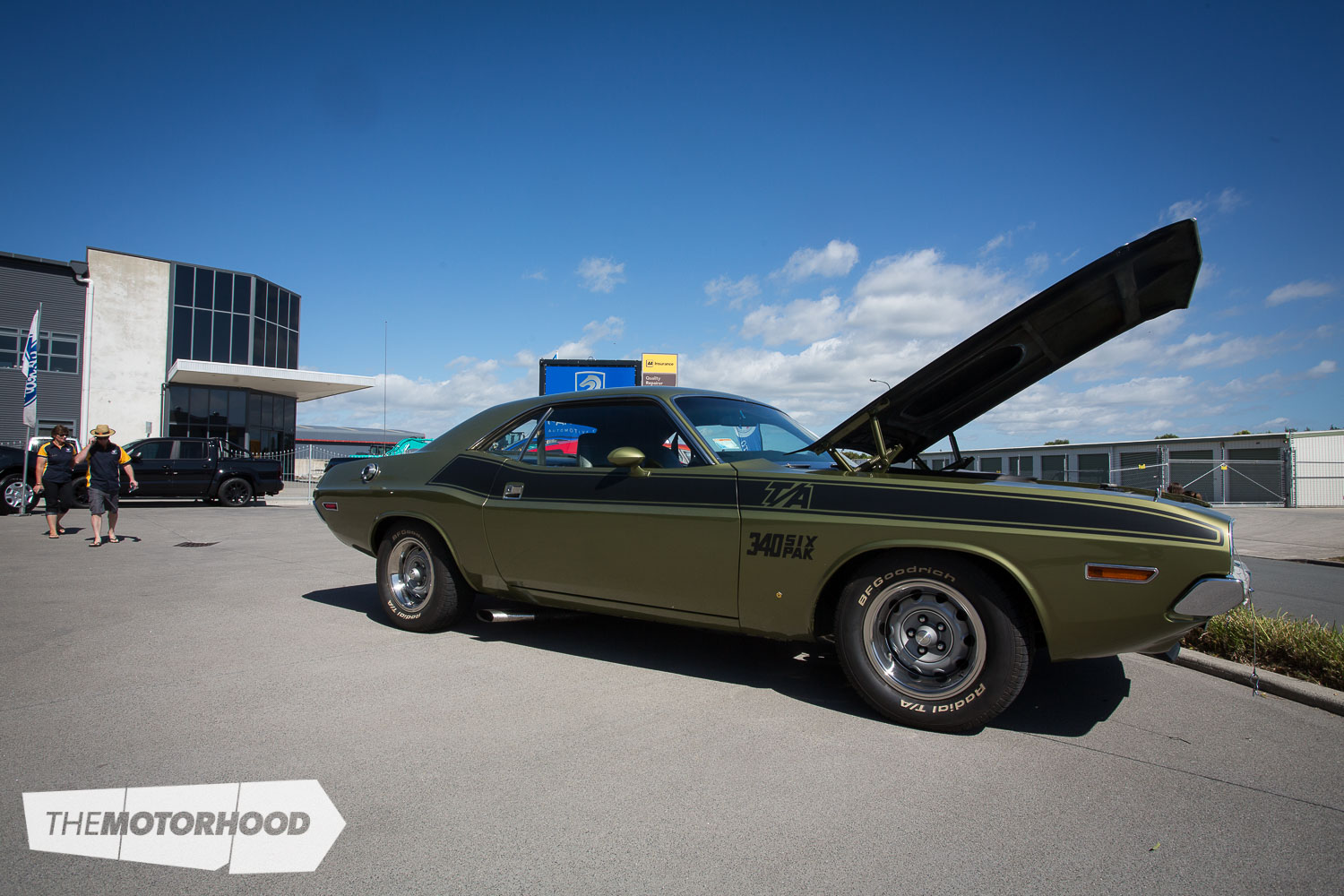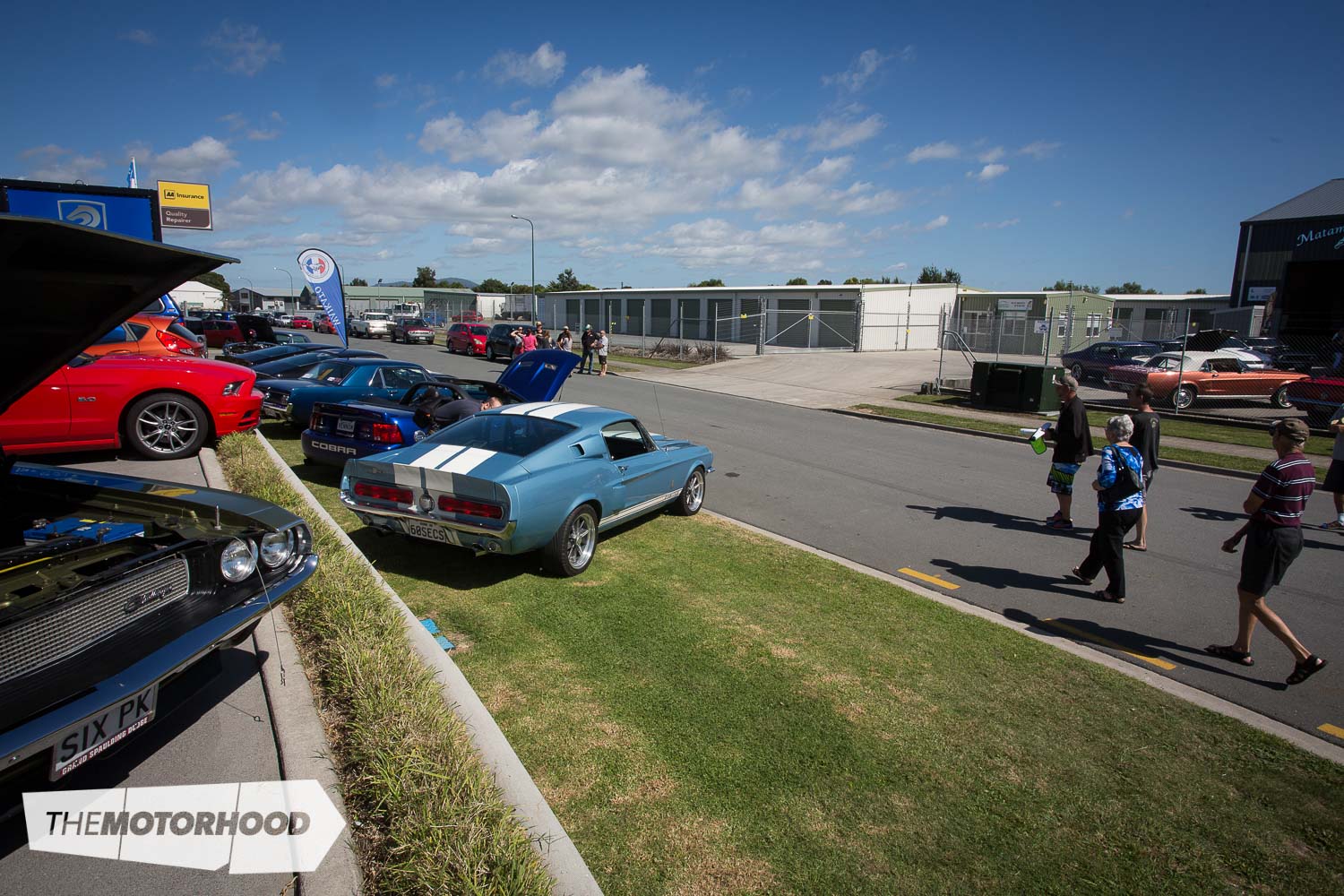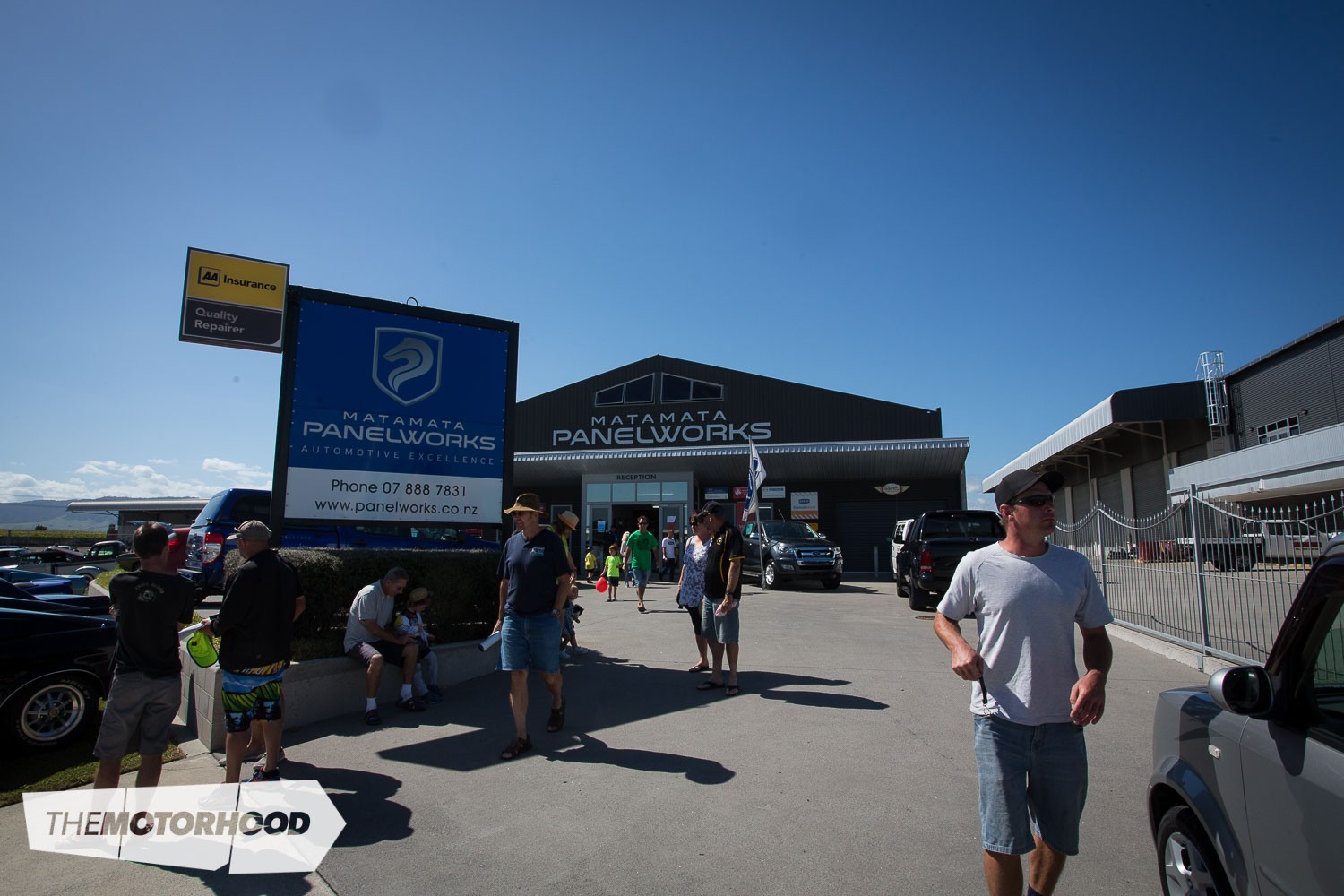
On Sunday, March 13, Matamata Panelworks opened the doors for all to see for the 10th year running, to showcase their state-of-the-art facilities and workmanship.
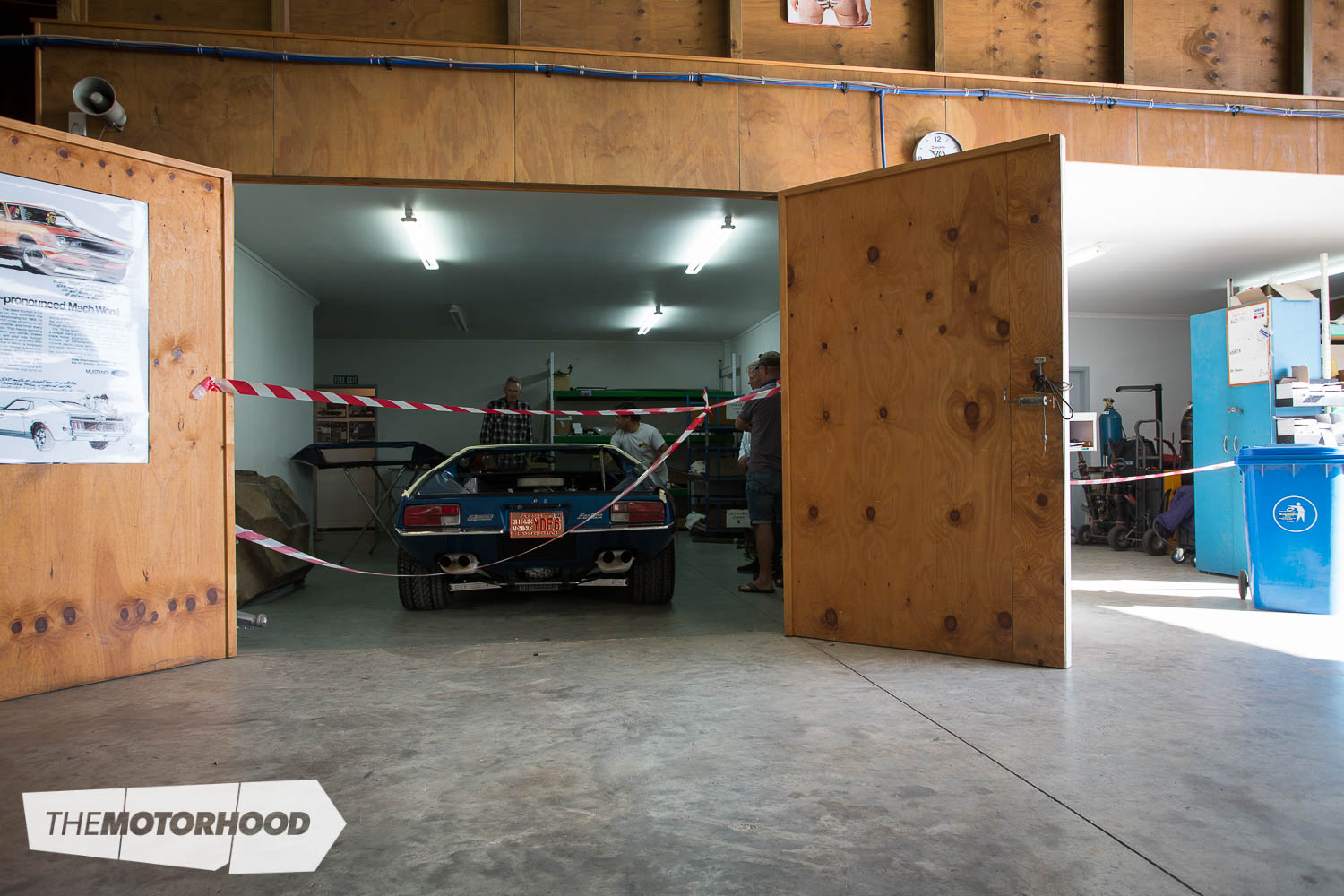
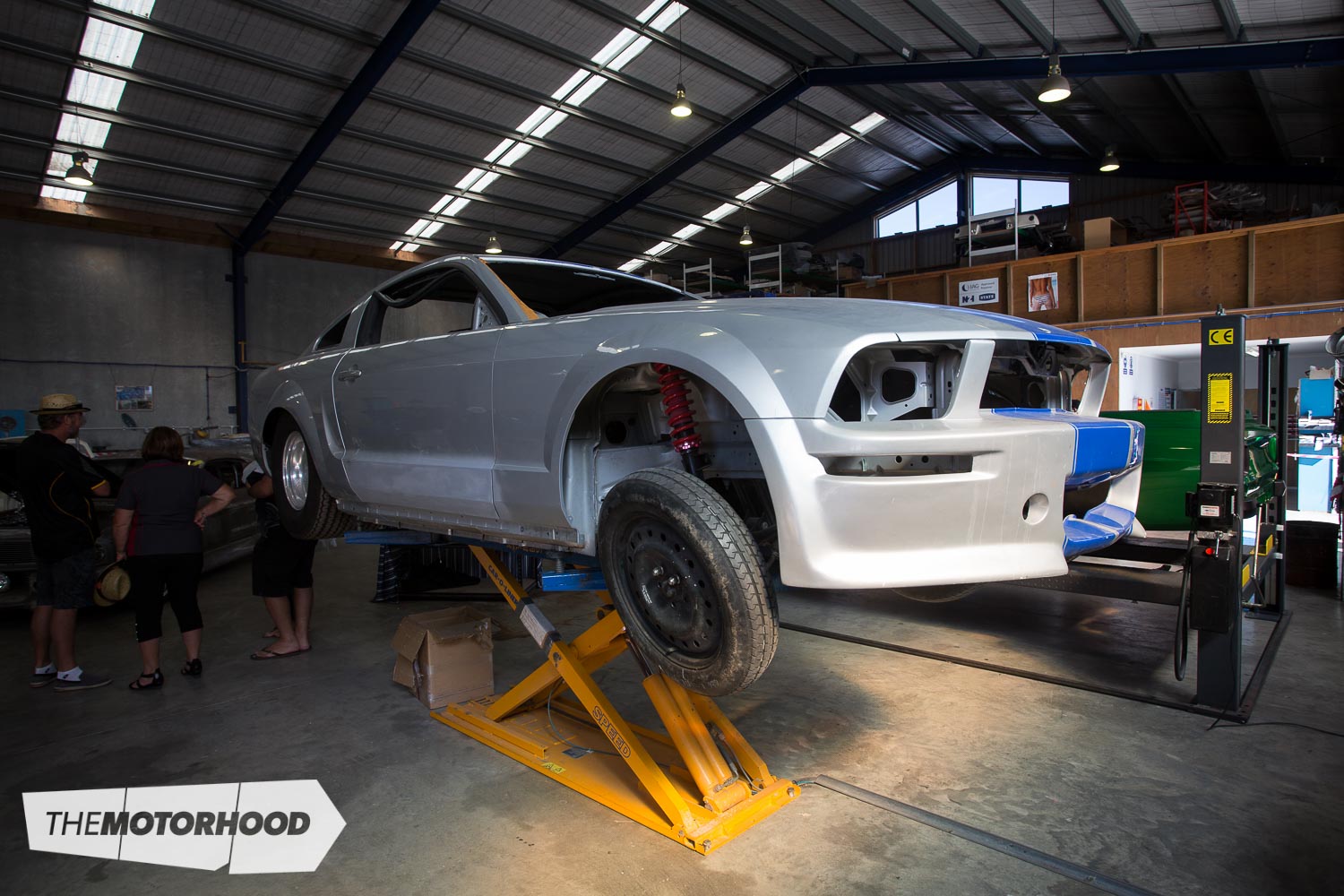
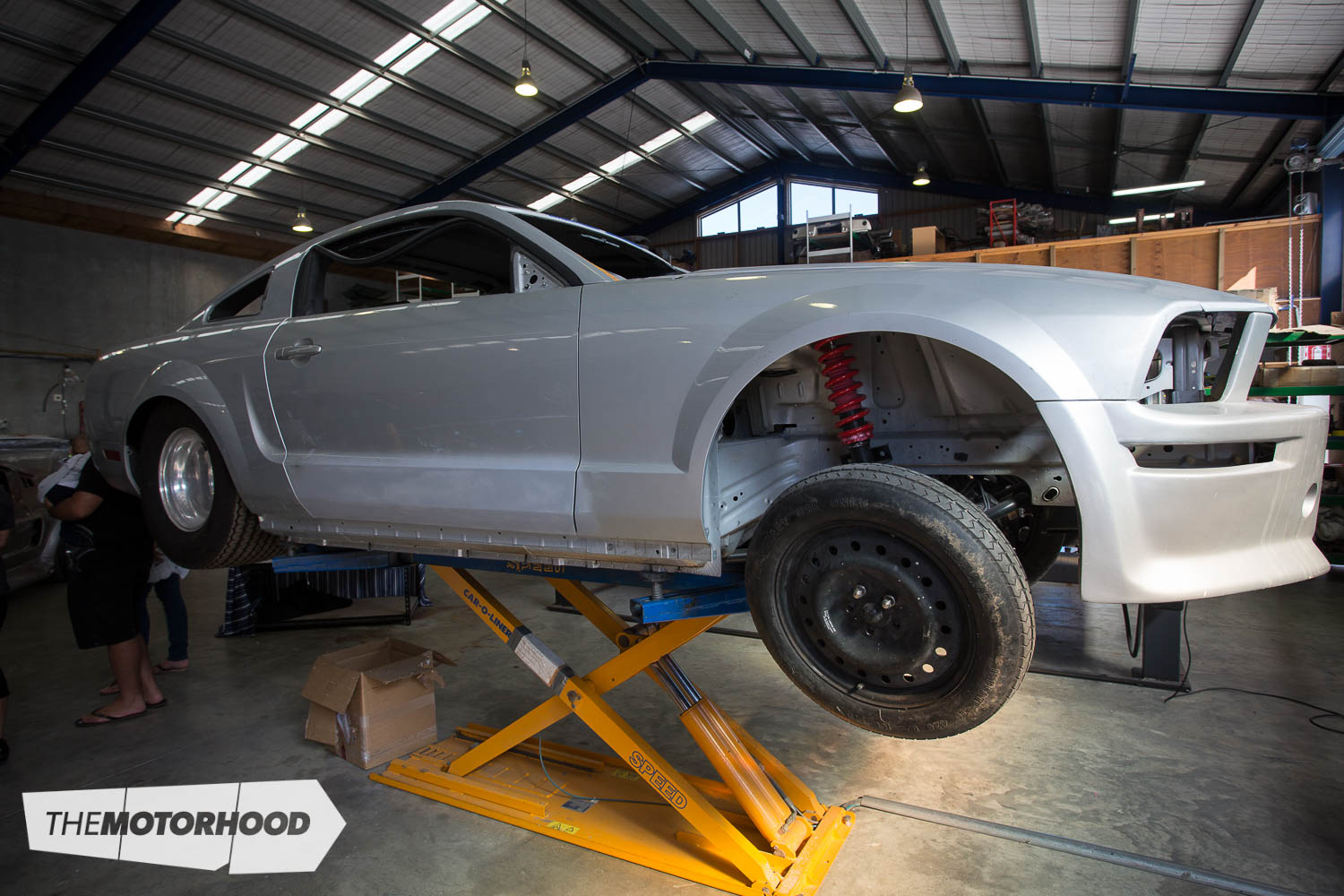
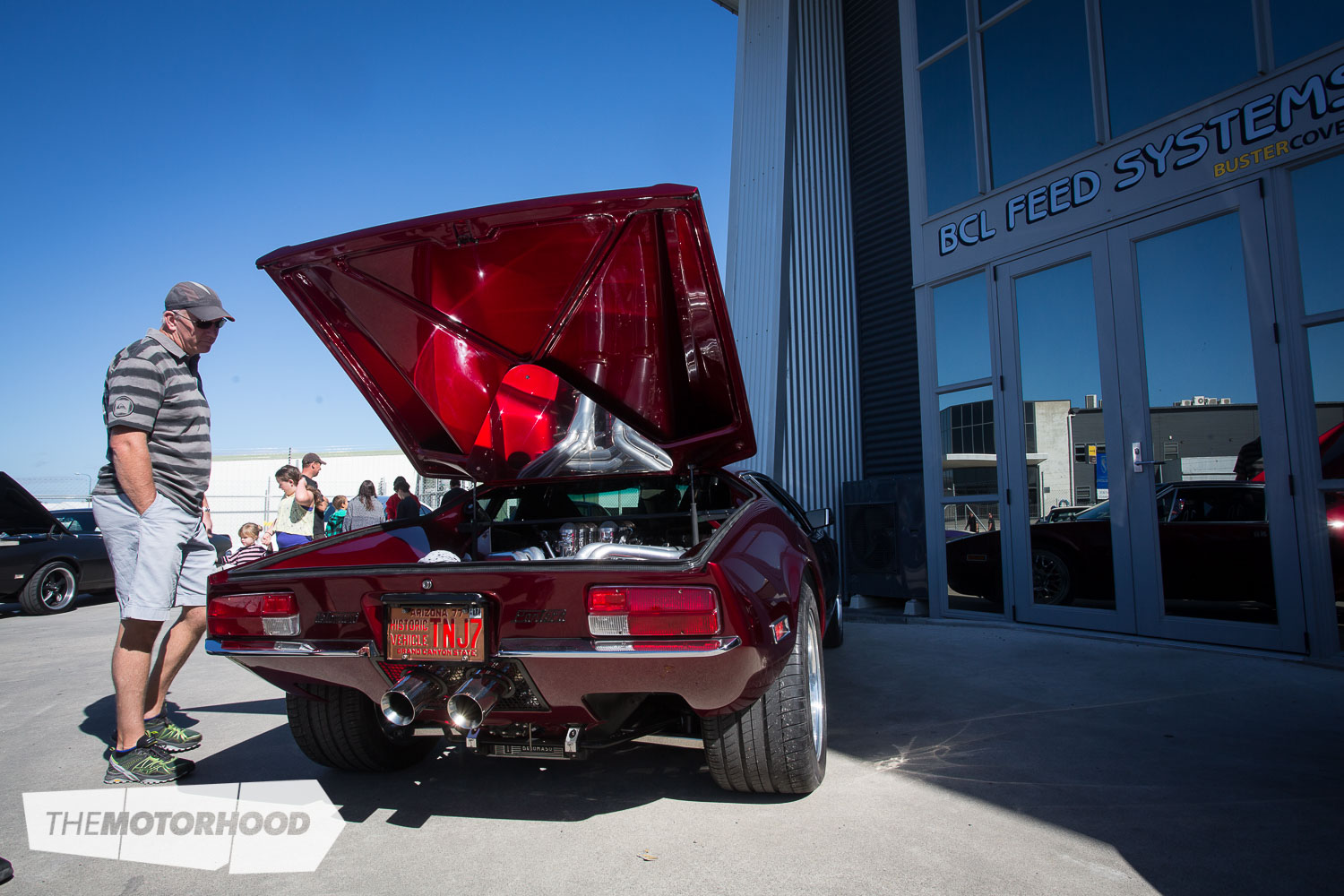
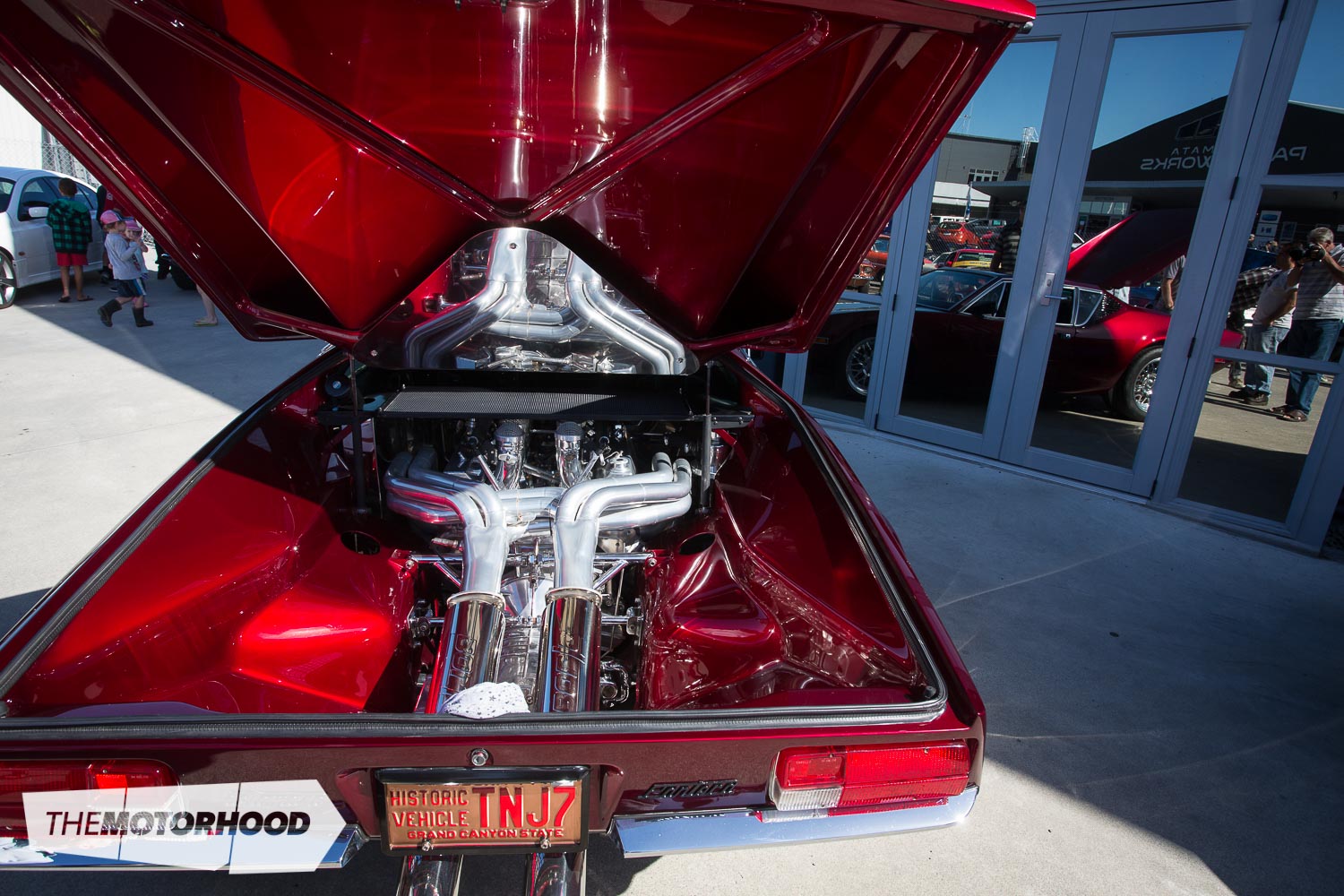
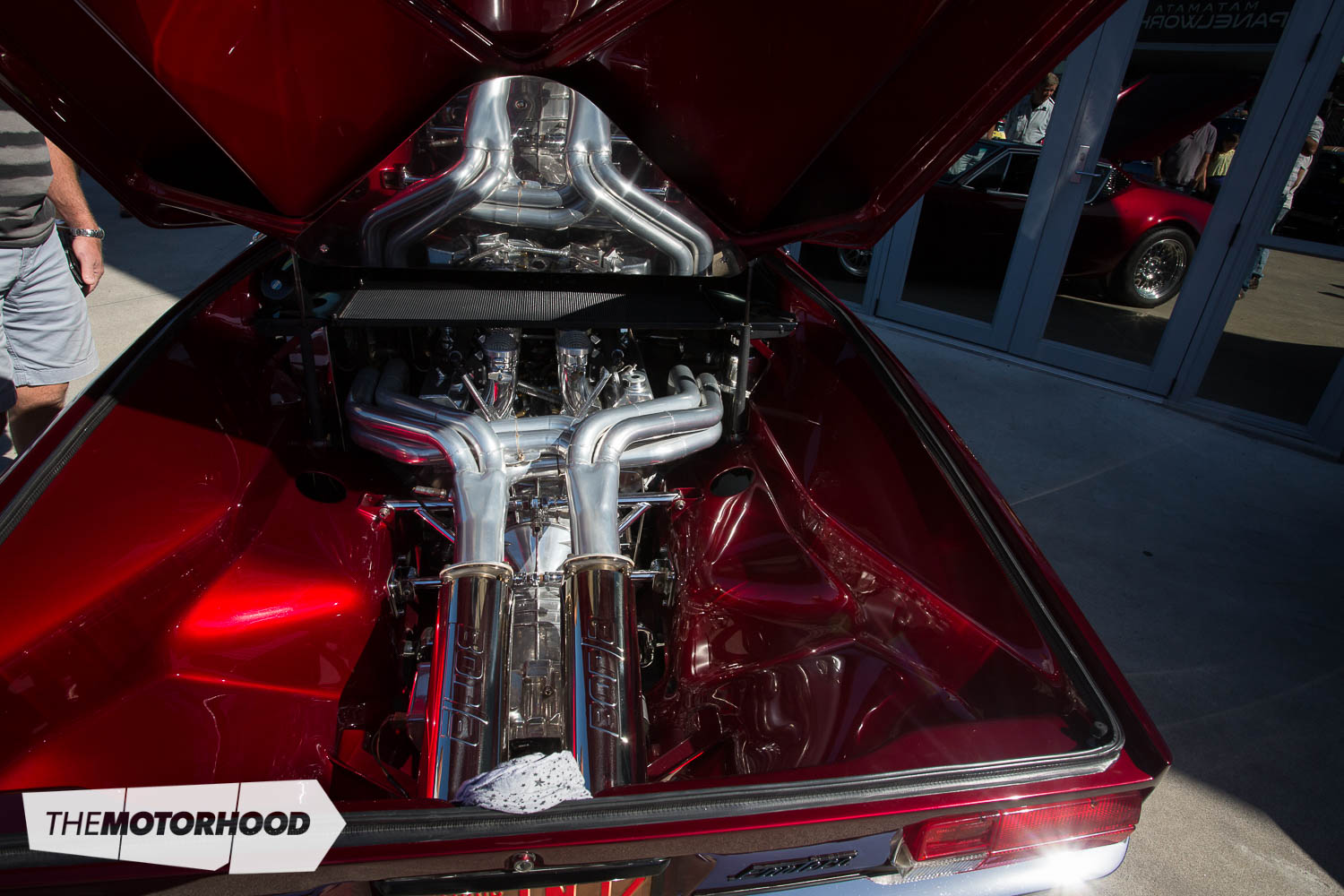
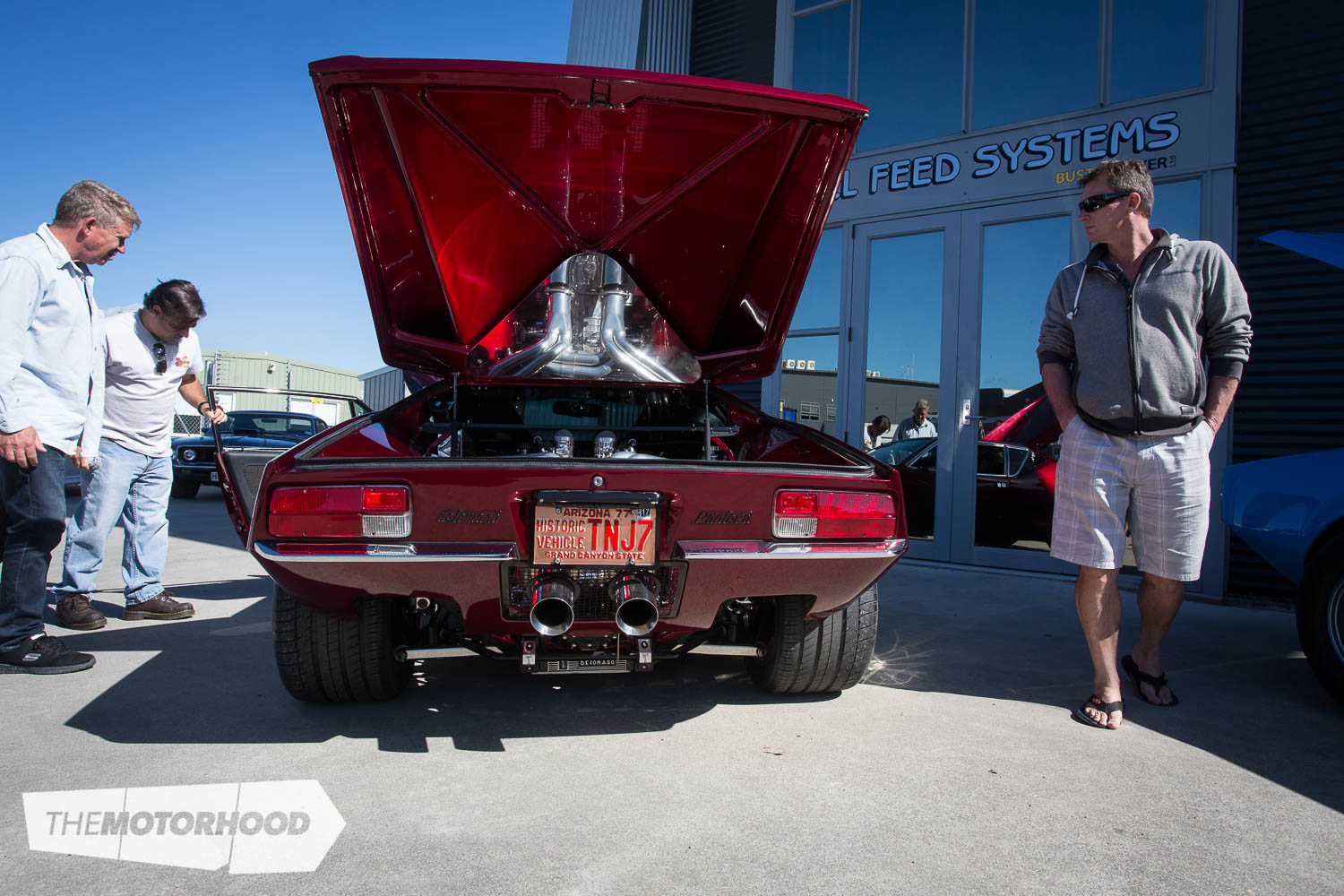
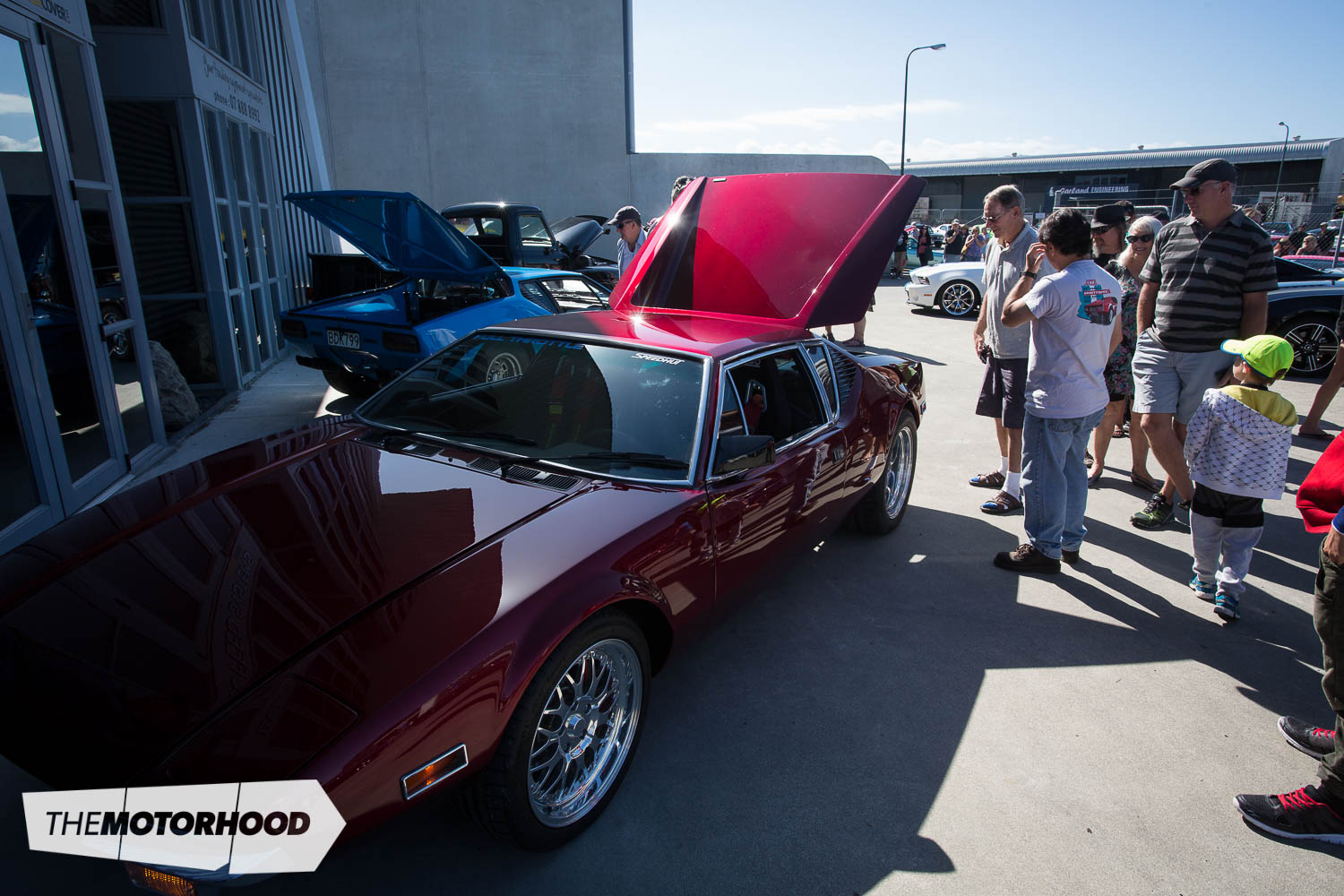
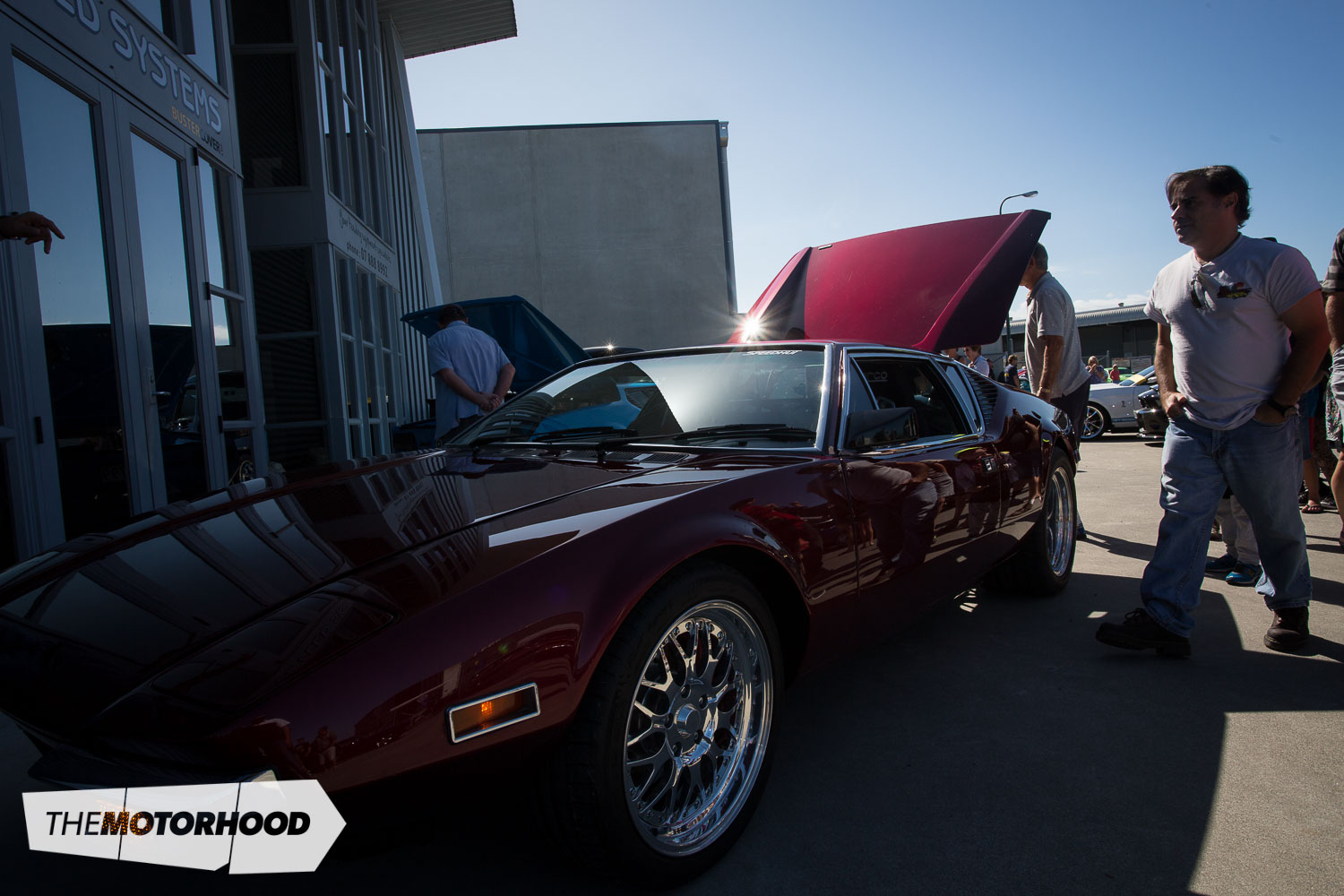
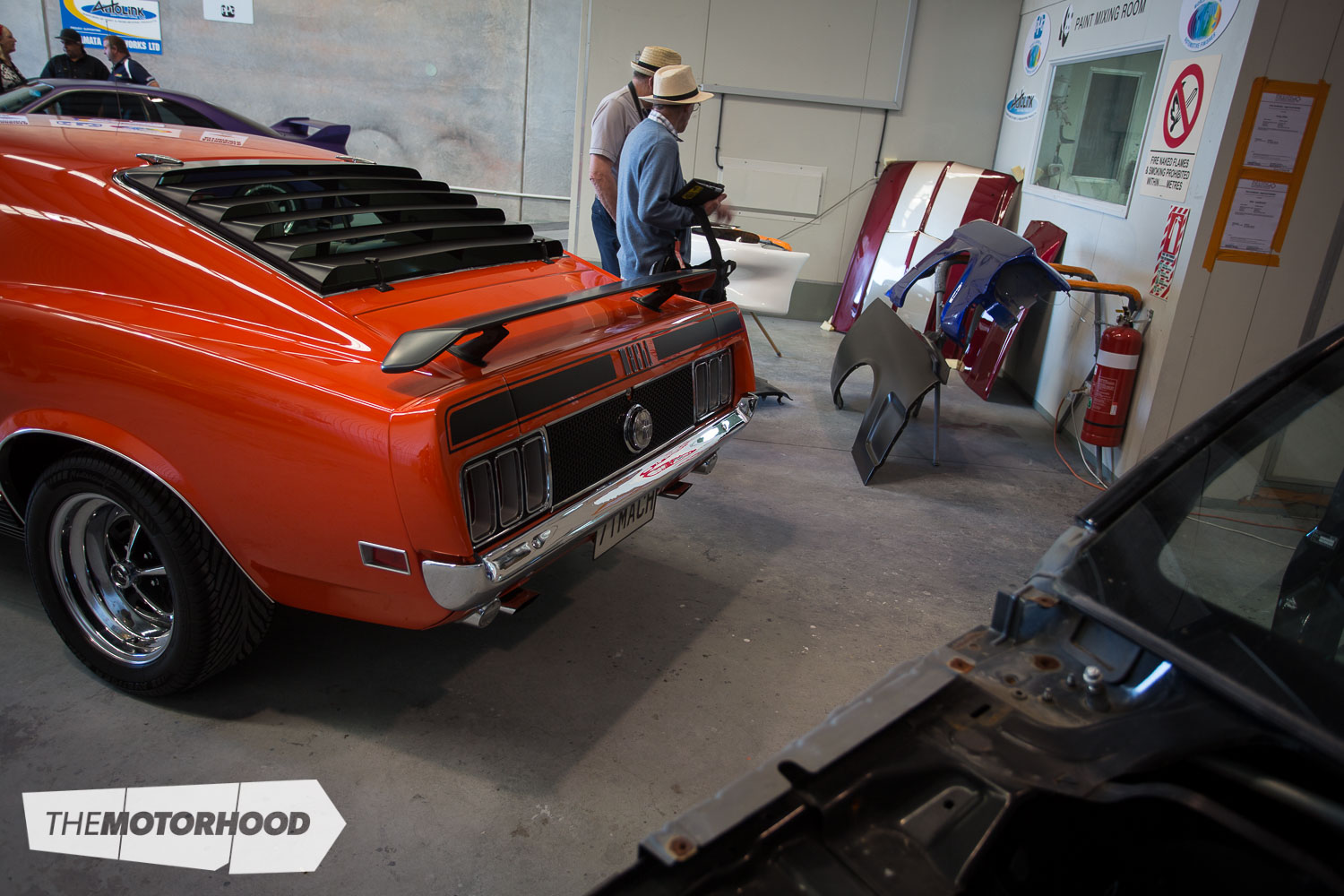
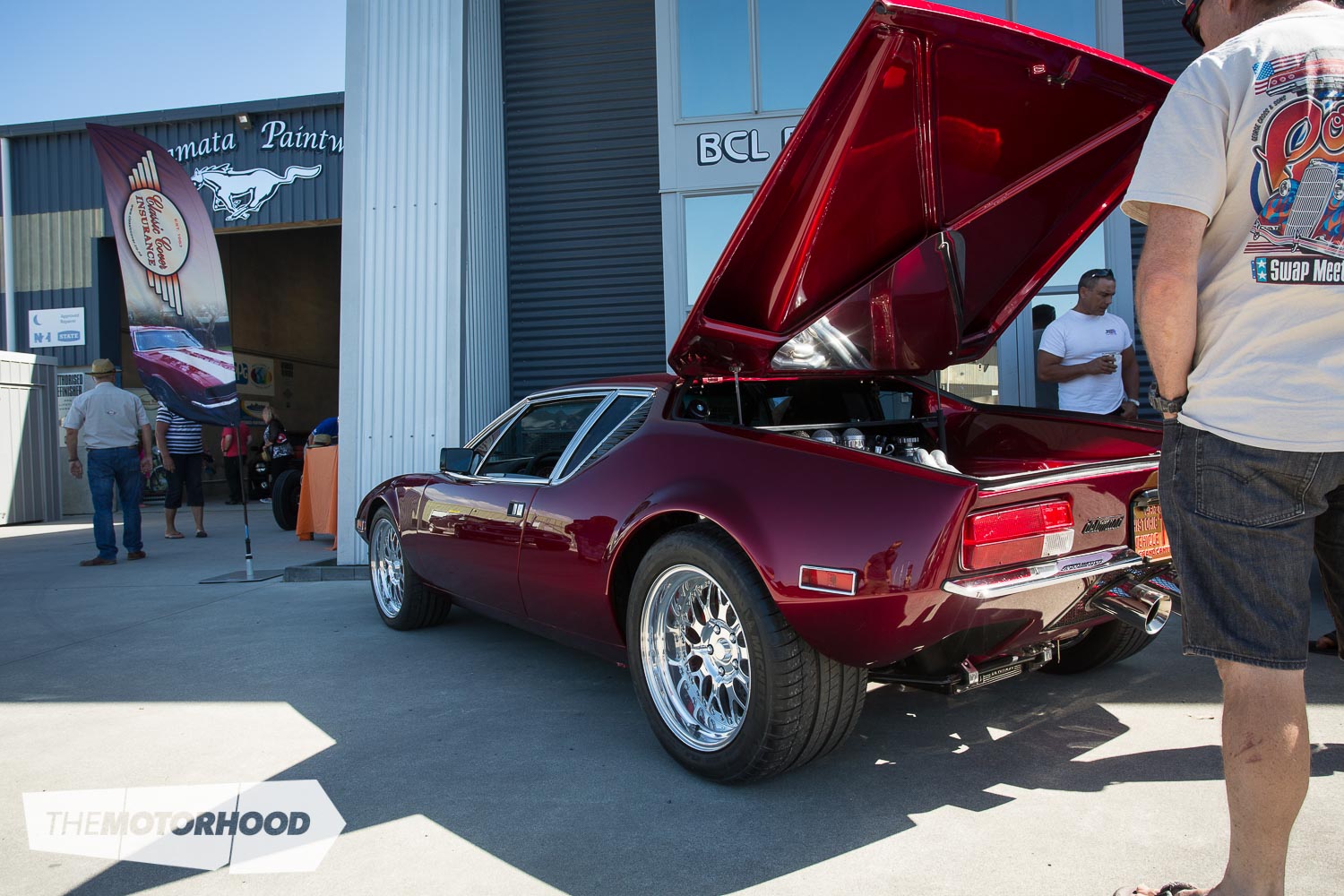
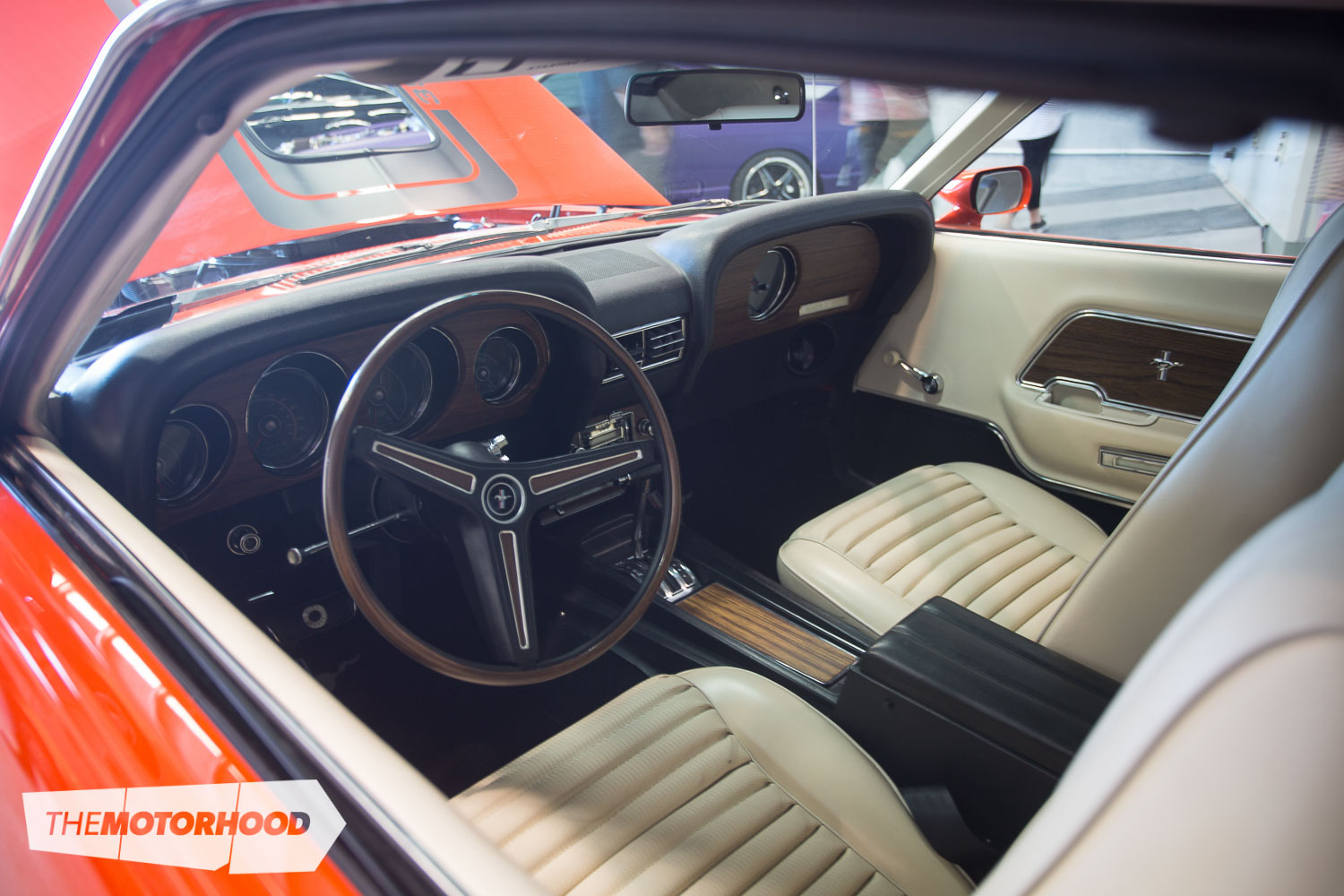
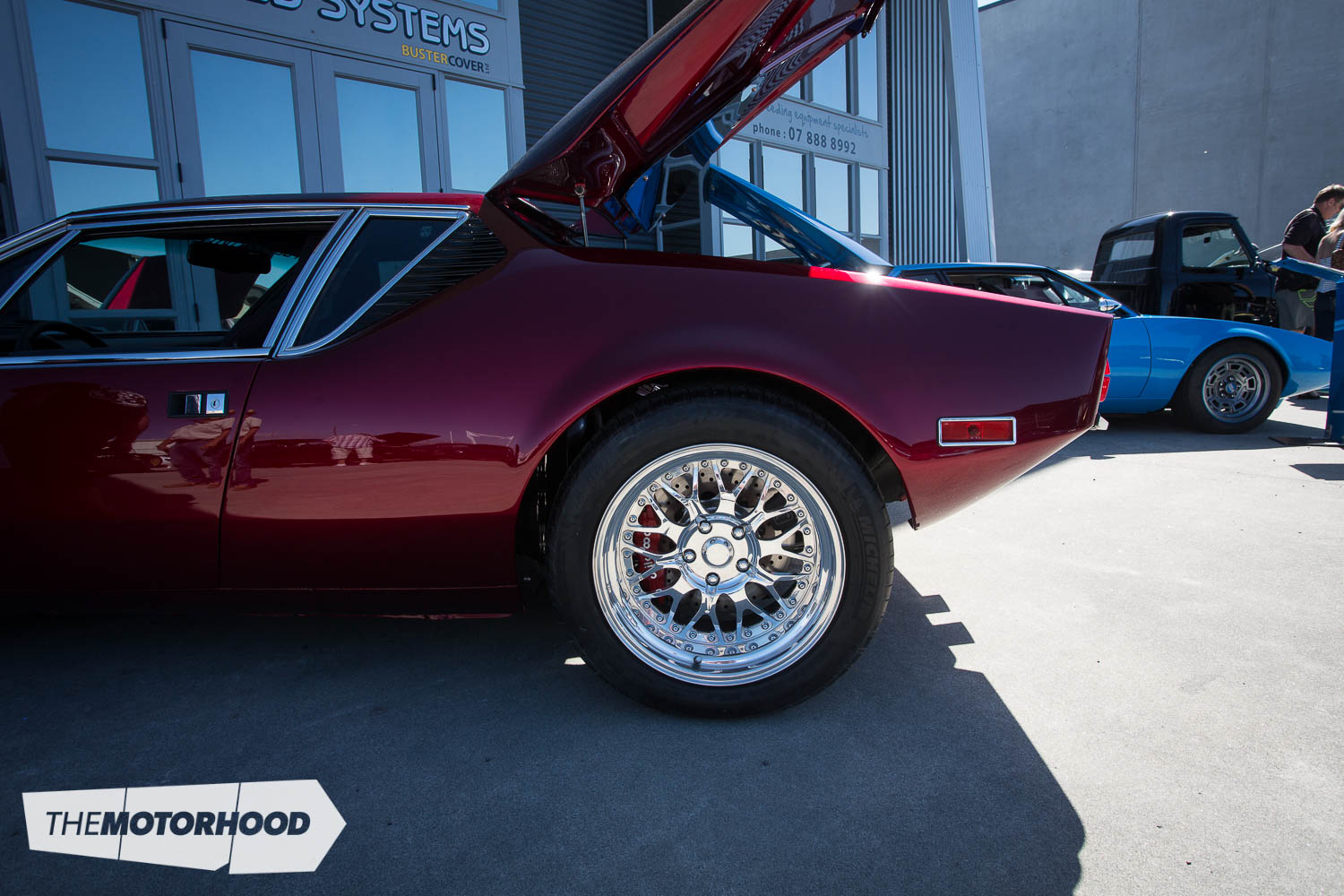
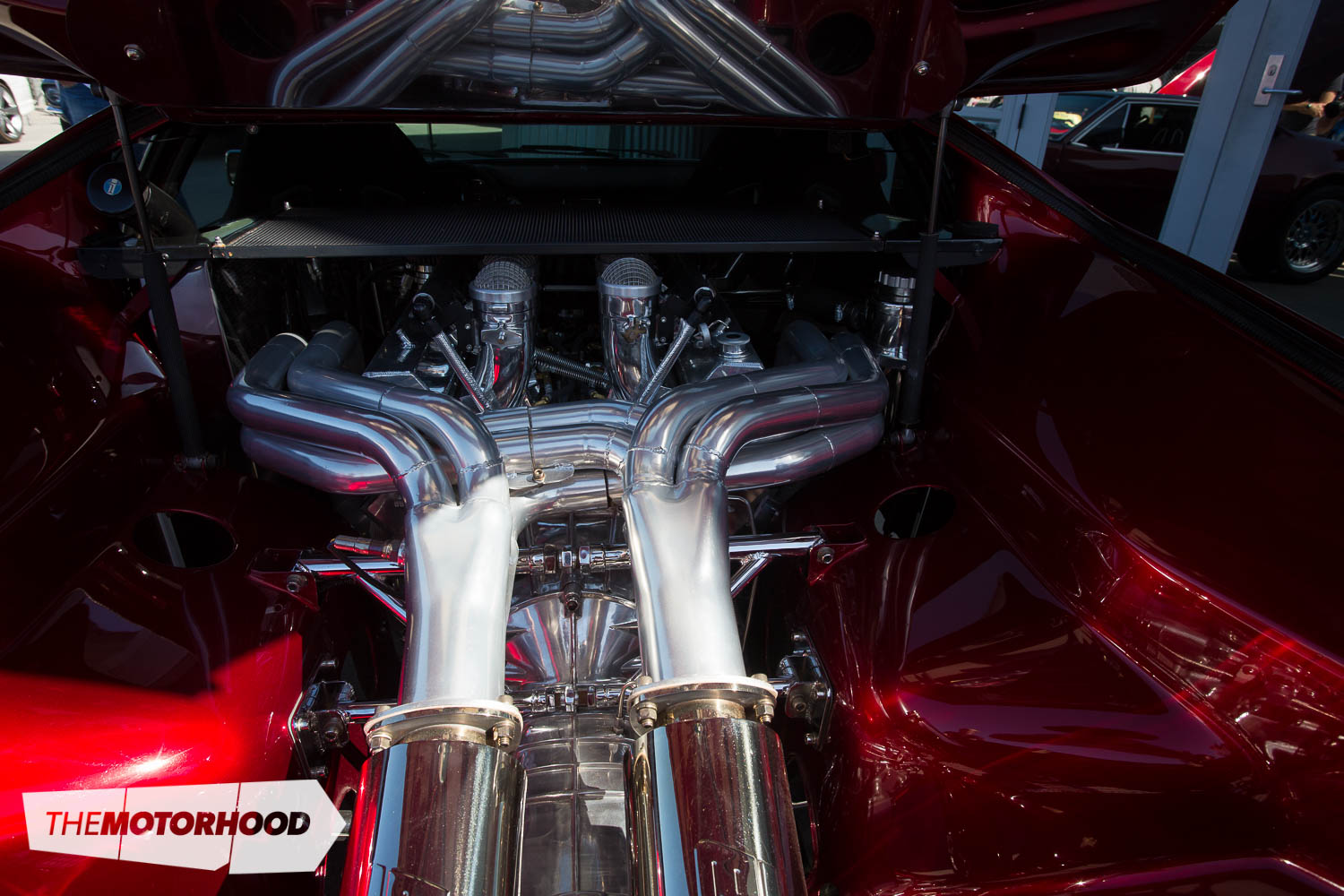
From rather humble beginnings, Matamata Panelworks has grown to become one of New Zealand’s leading restorers of all things Mustang. From high-end customs to concours restorations, Malcolm Sankey and his talented team also extend their creative expertise to other marques, and are definitely not afraid to tackle anything when it comes to restoration projects, including the likes of exotics such as De Tomaso Panteras and Ferraris.
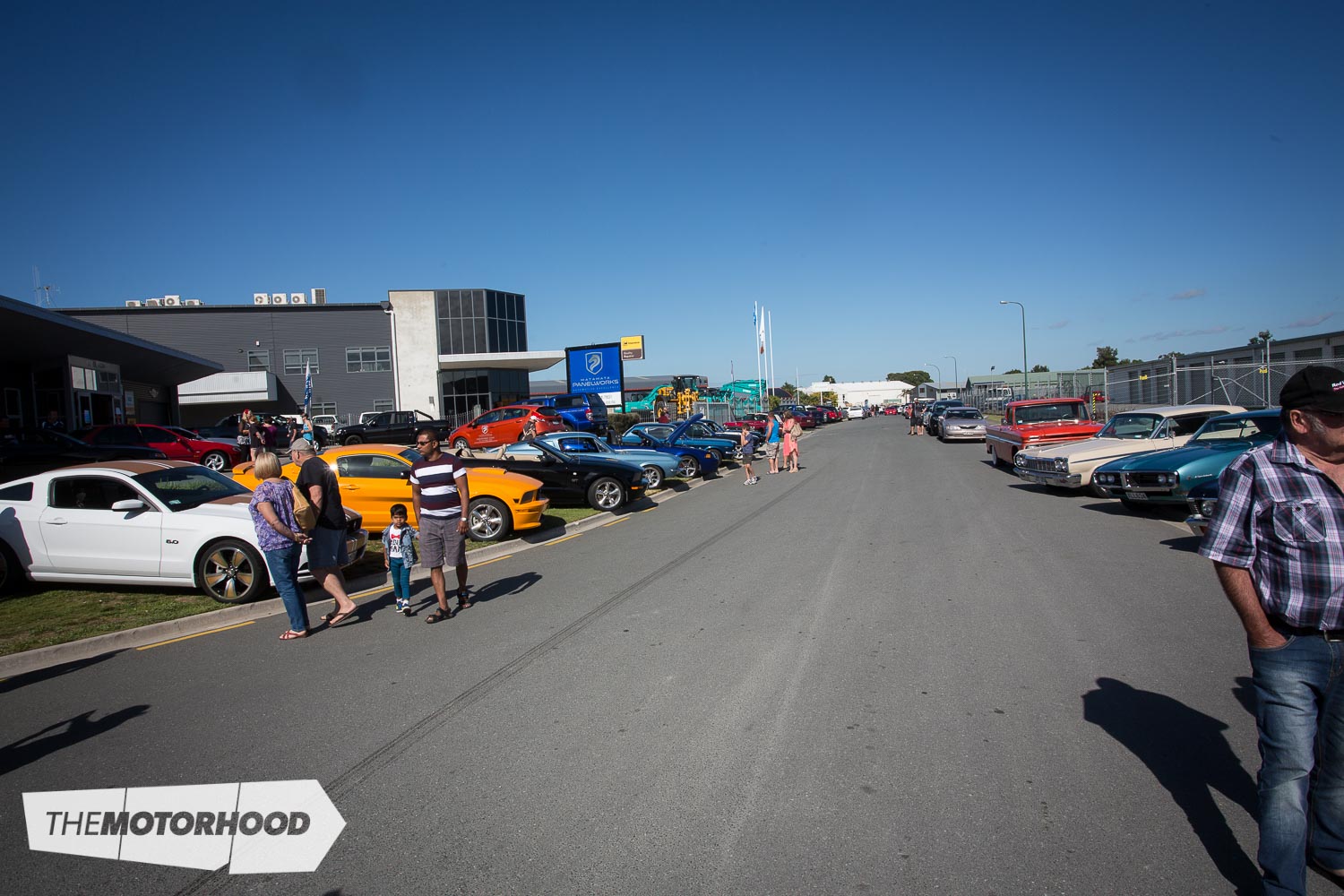
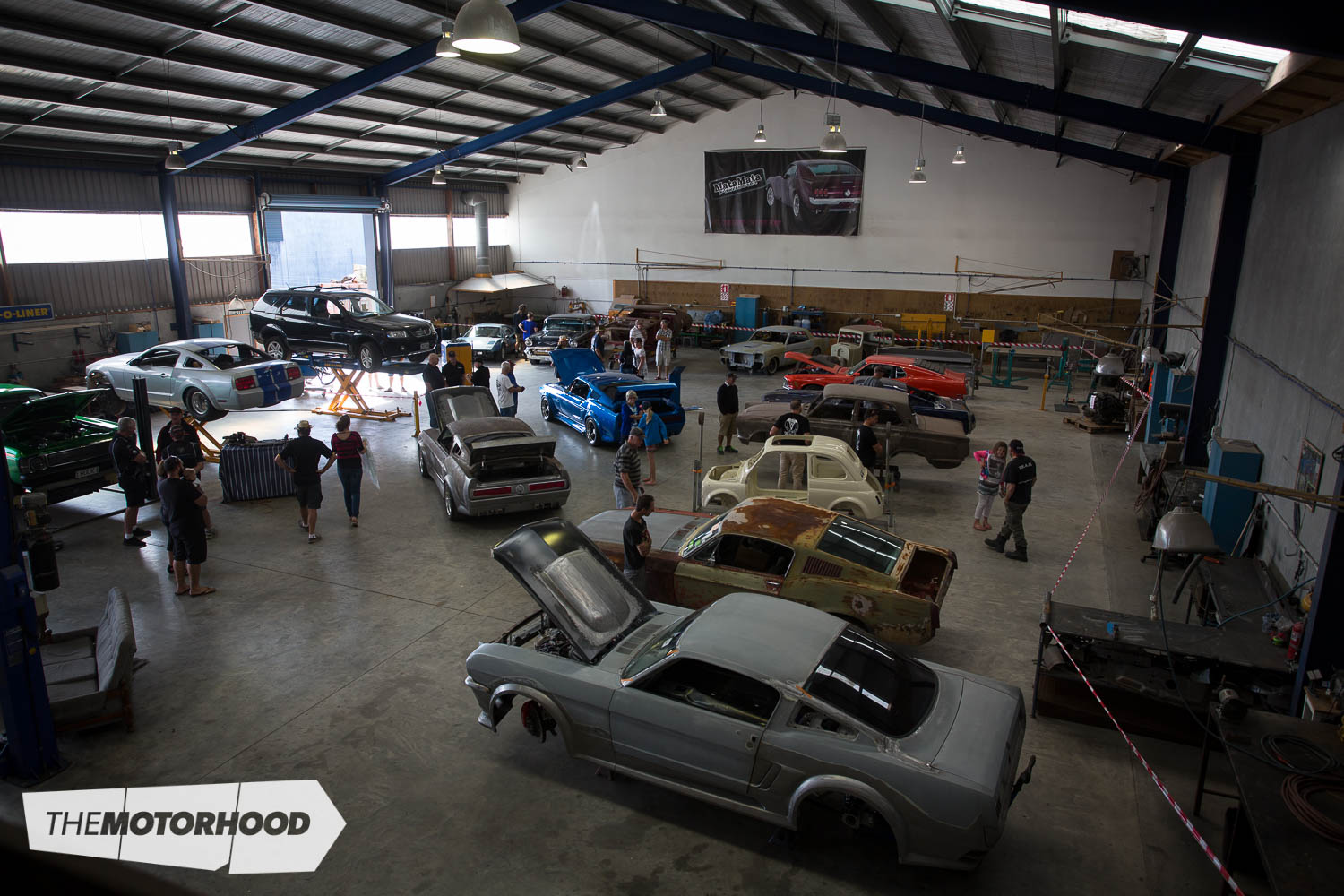
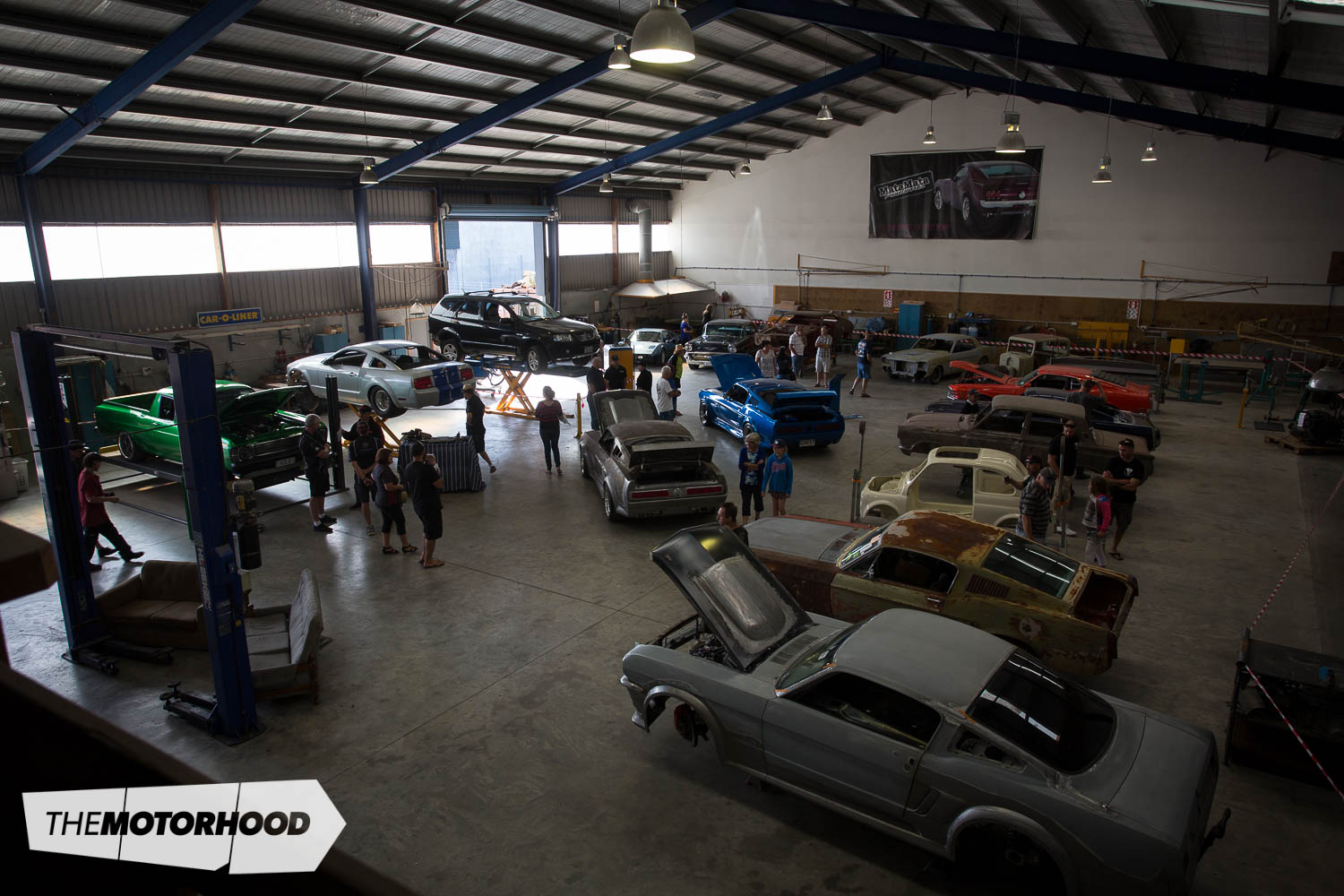
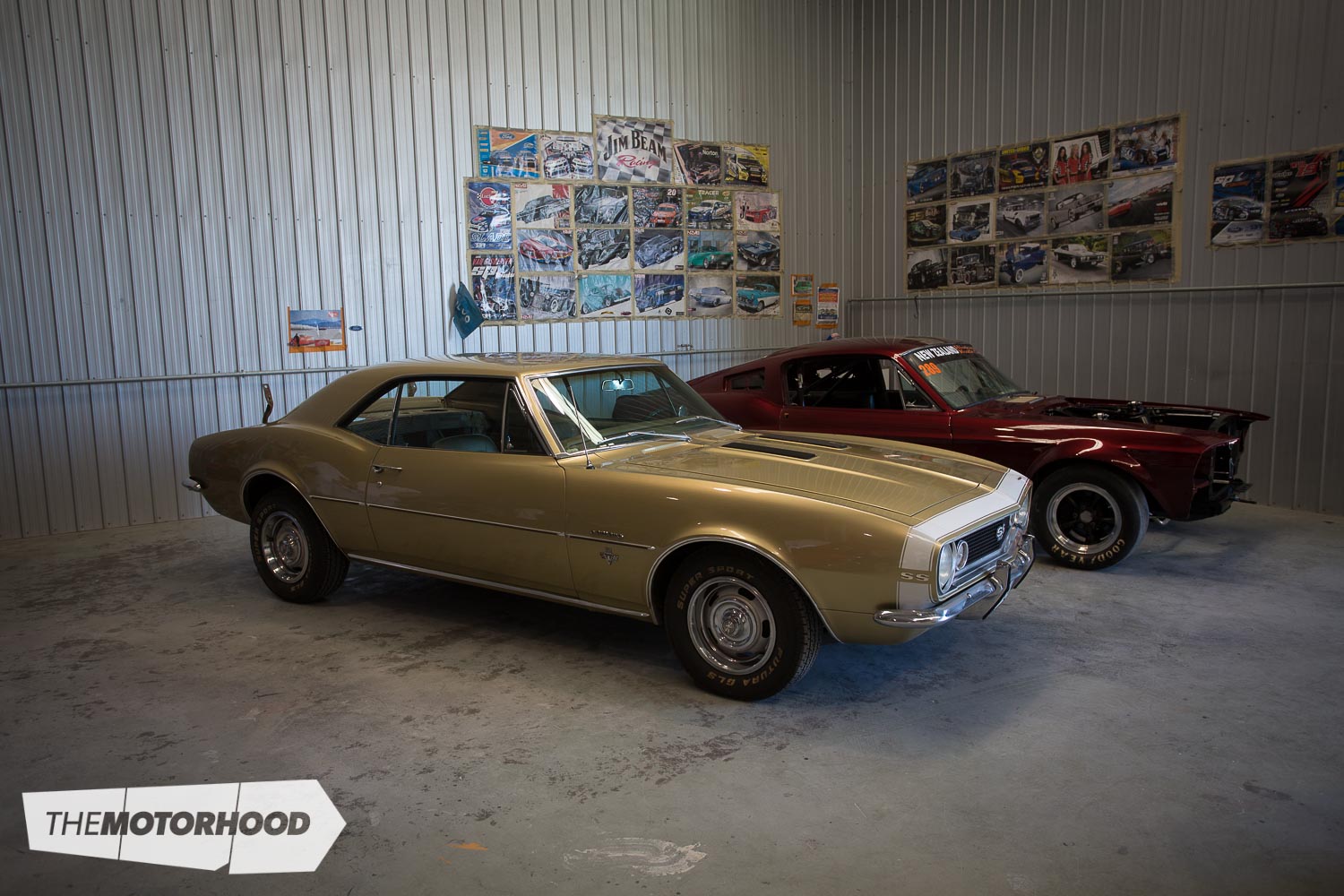
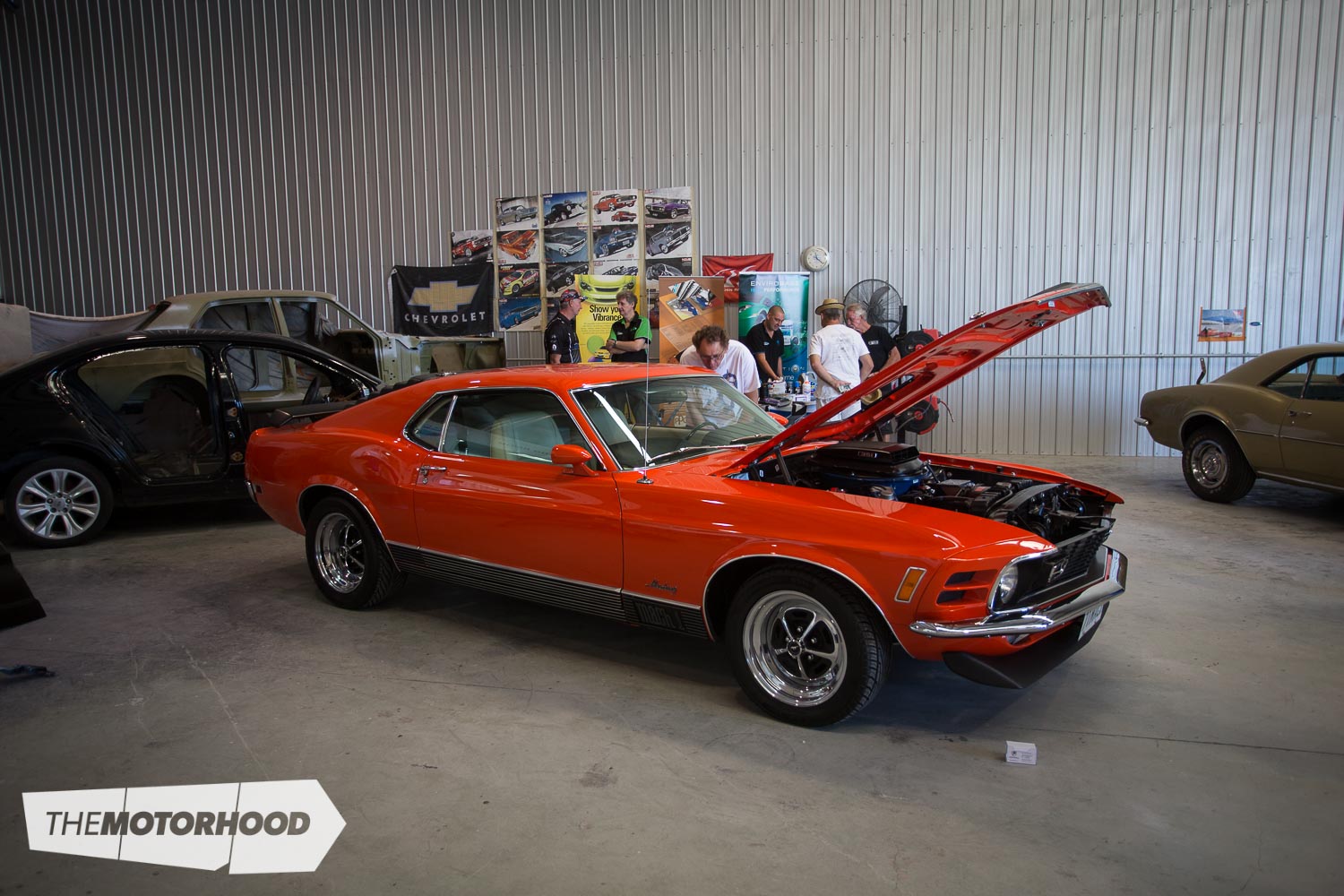
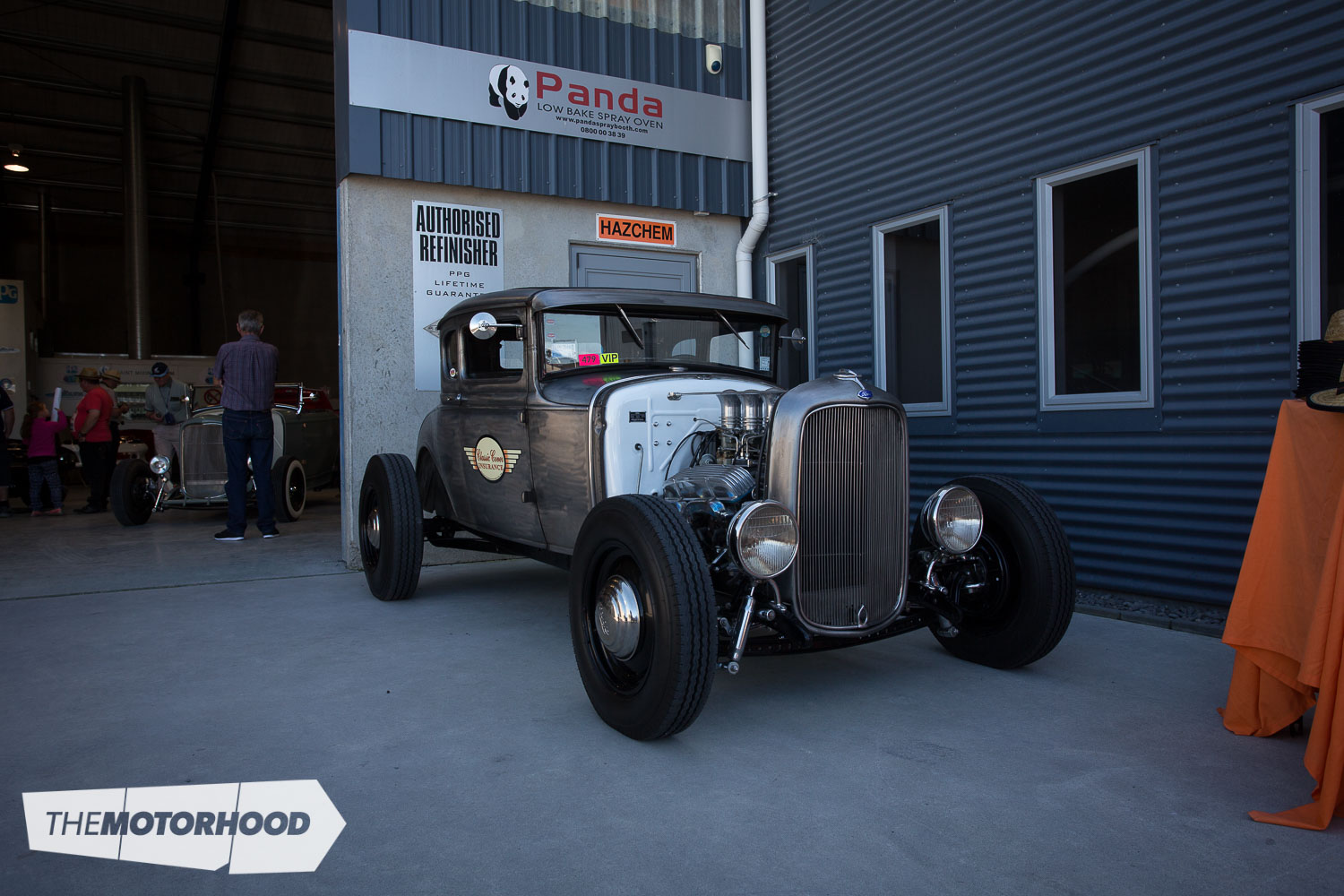
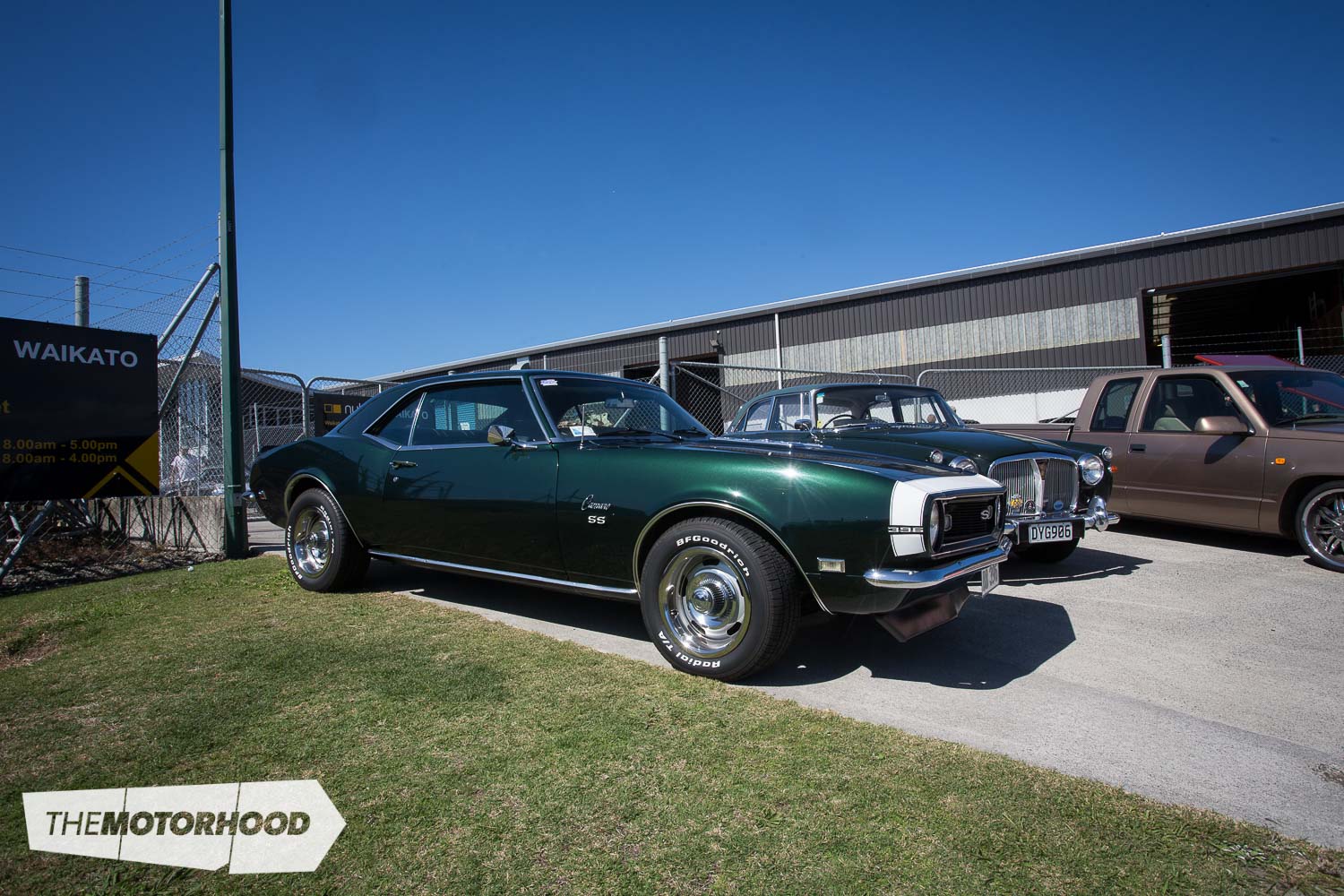
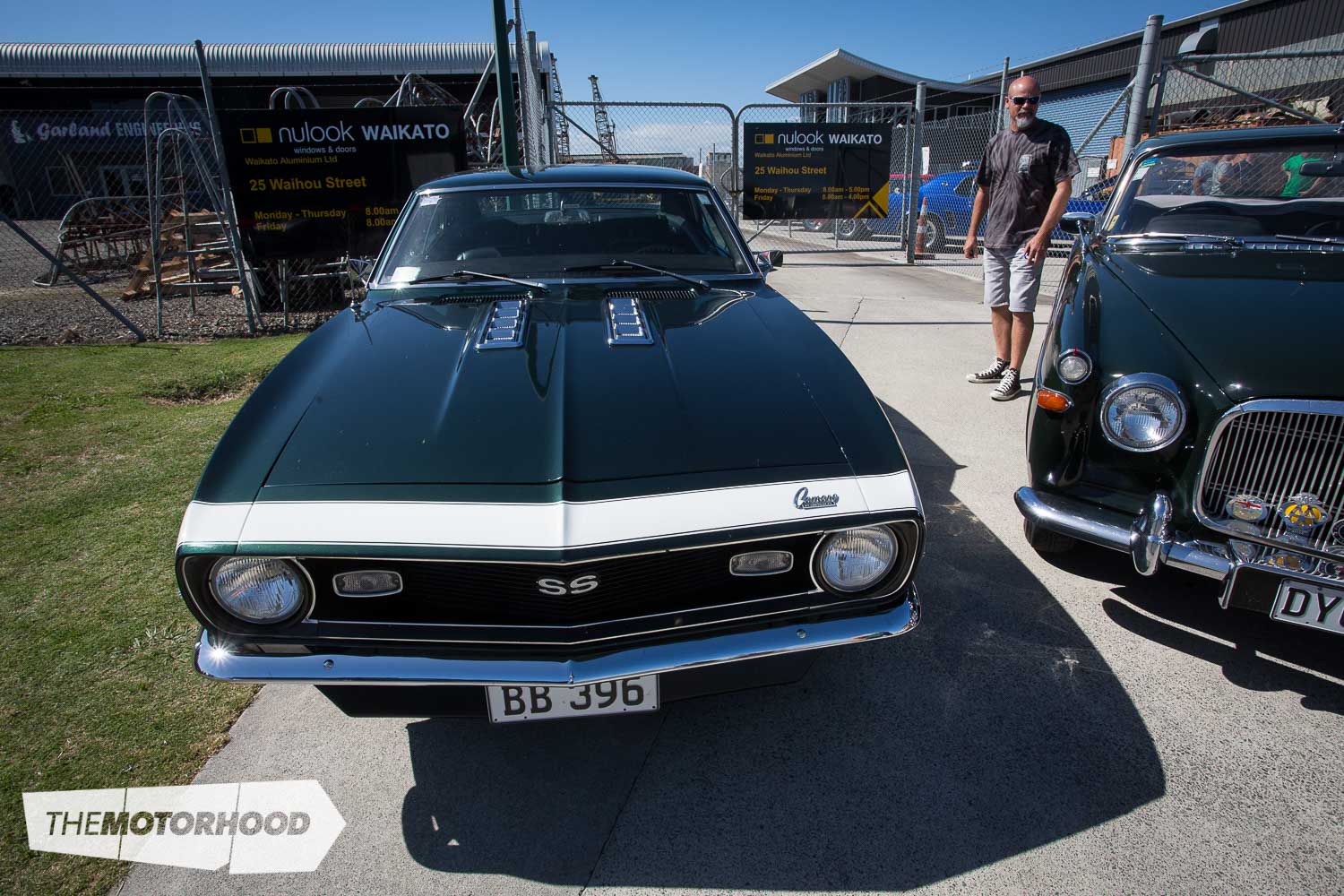
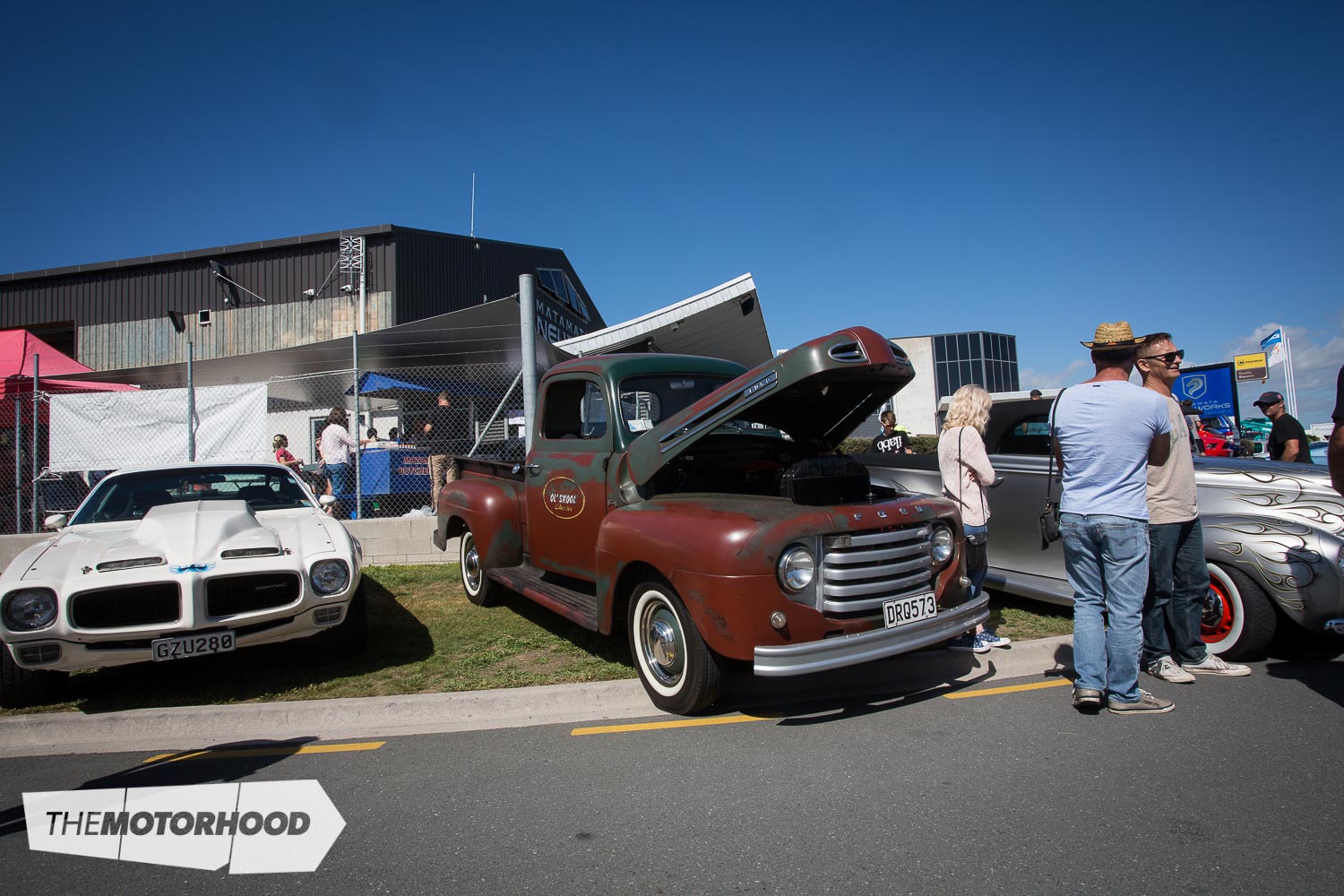
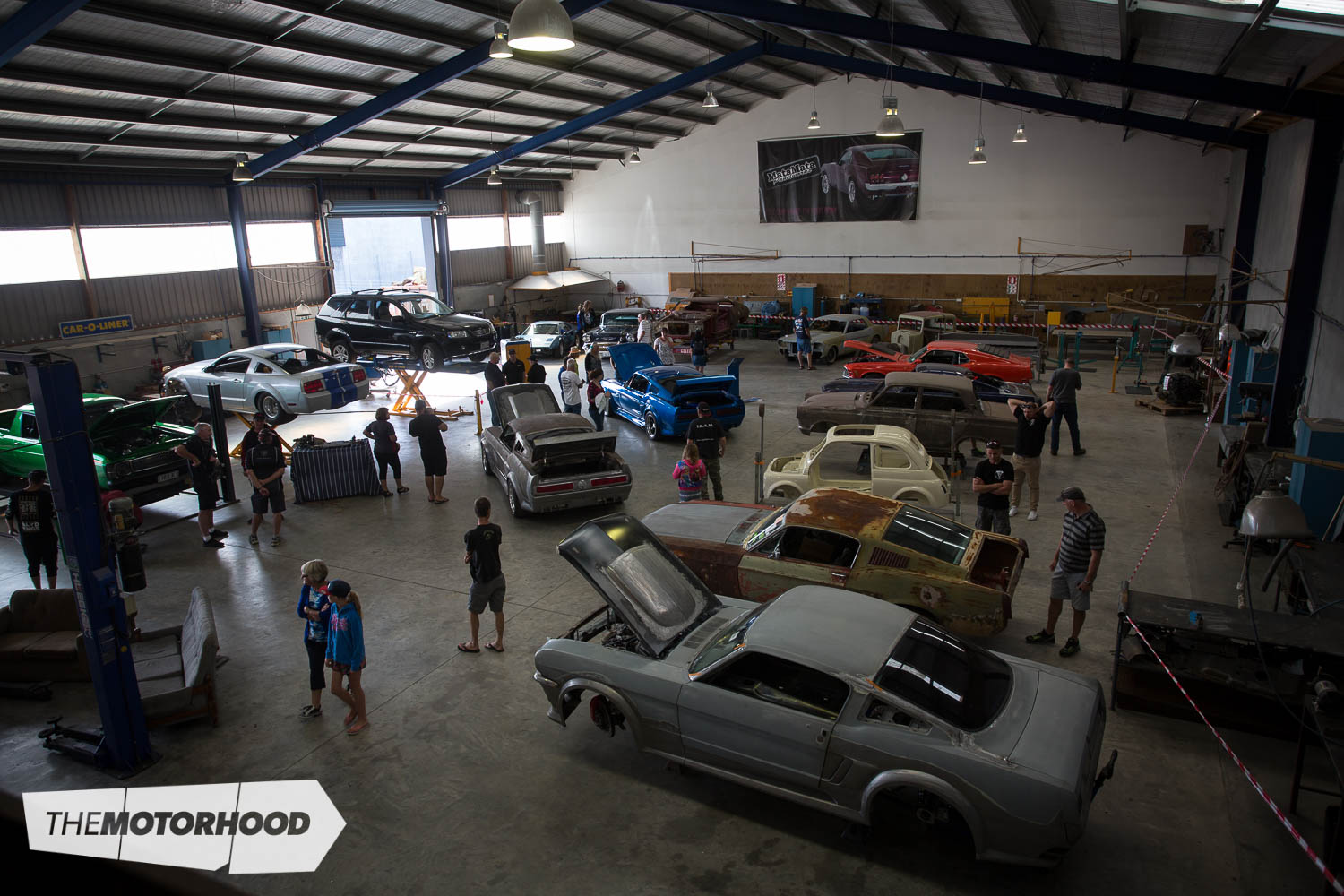
Matamata Panelworks’ open days have become a popular must-see for many, and judging by the impressive line-up of muscles cars and other machinery, this year’s event was yet another success.
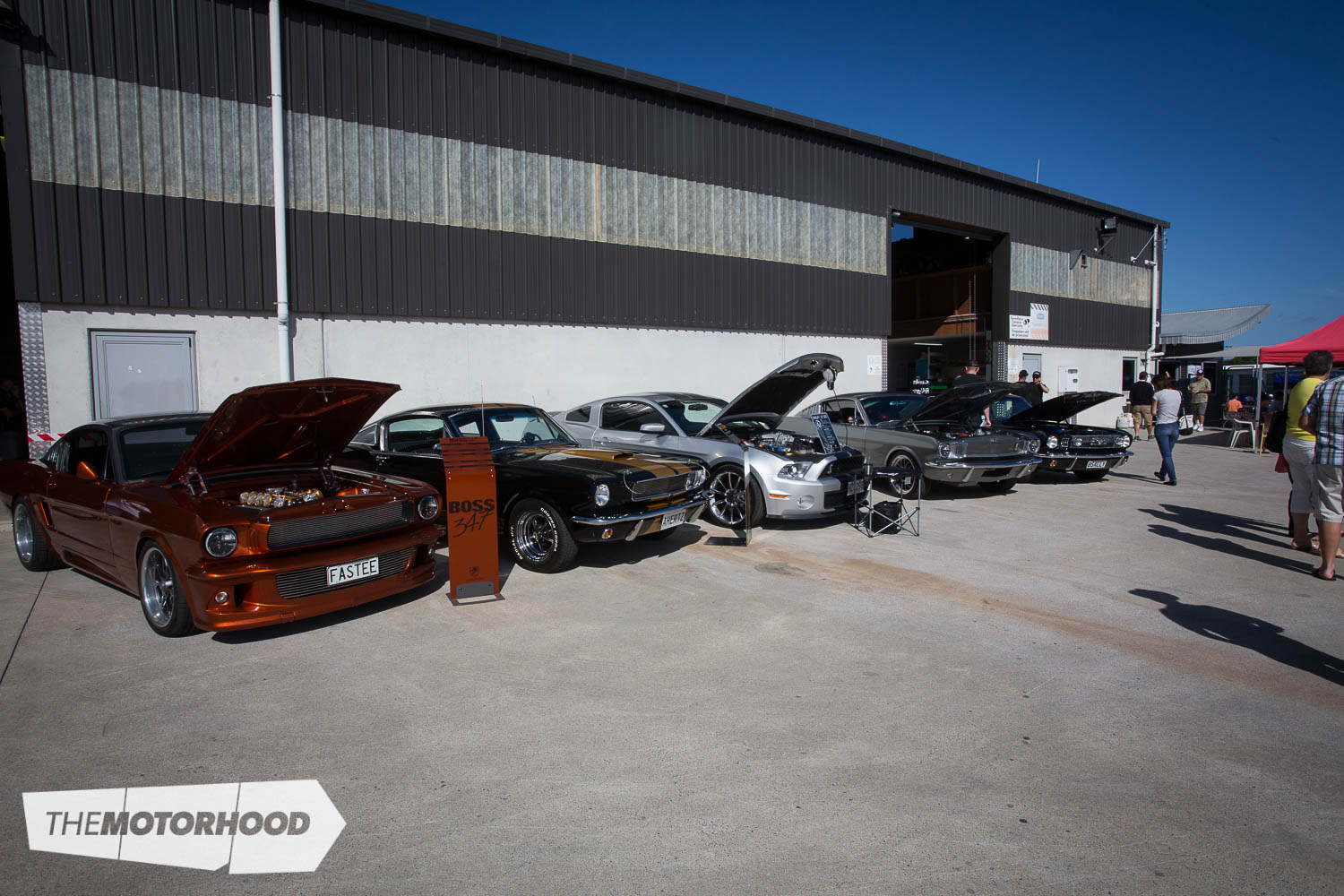
Held on a beautiful day, this year’s event provided the establishment with a great opportunity to show some of their finest work to date.
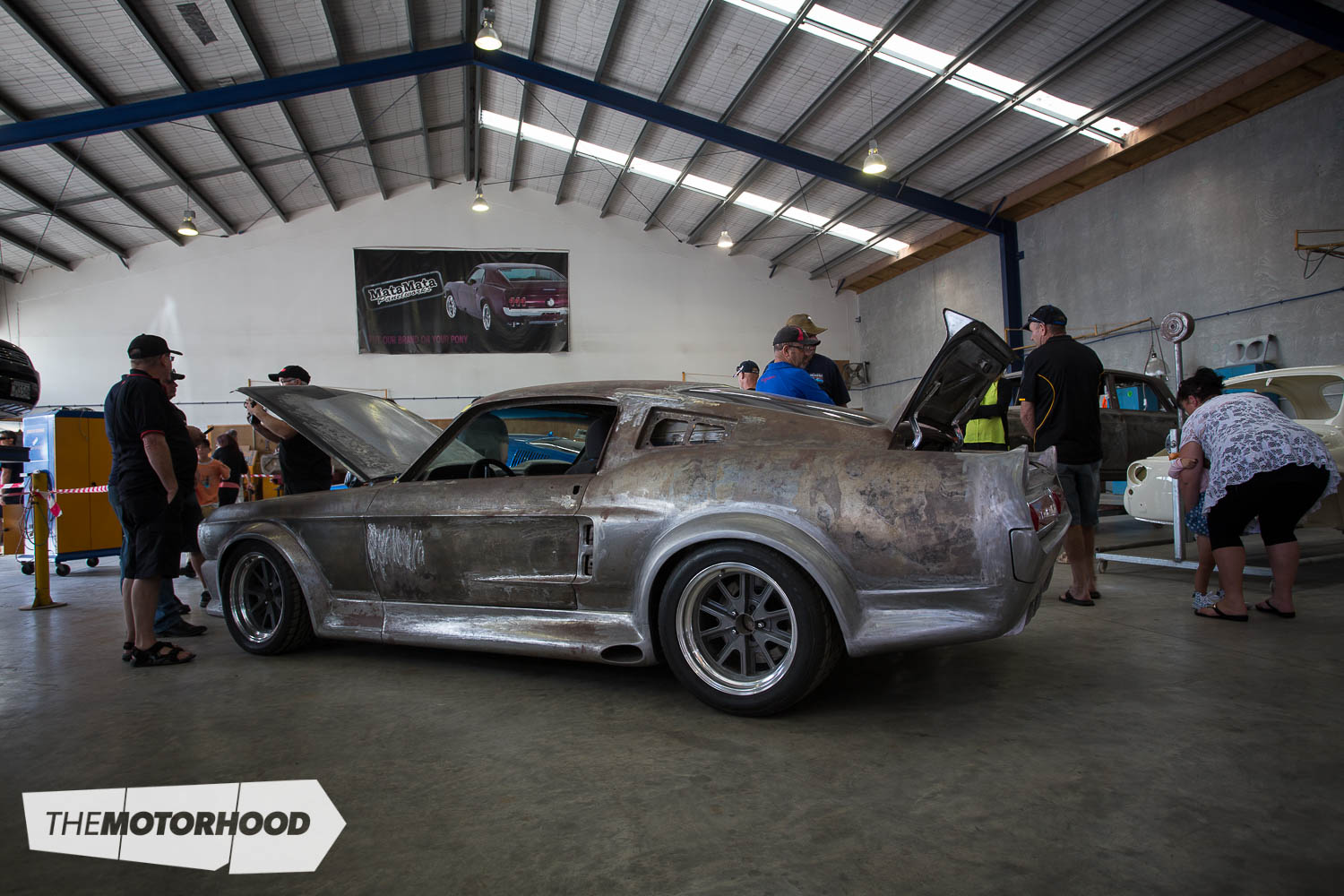
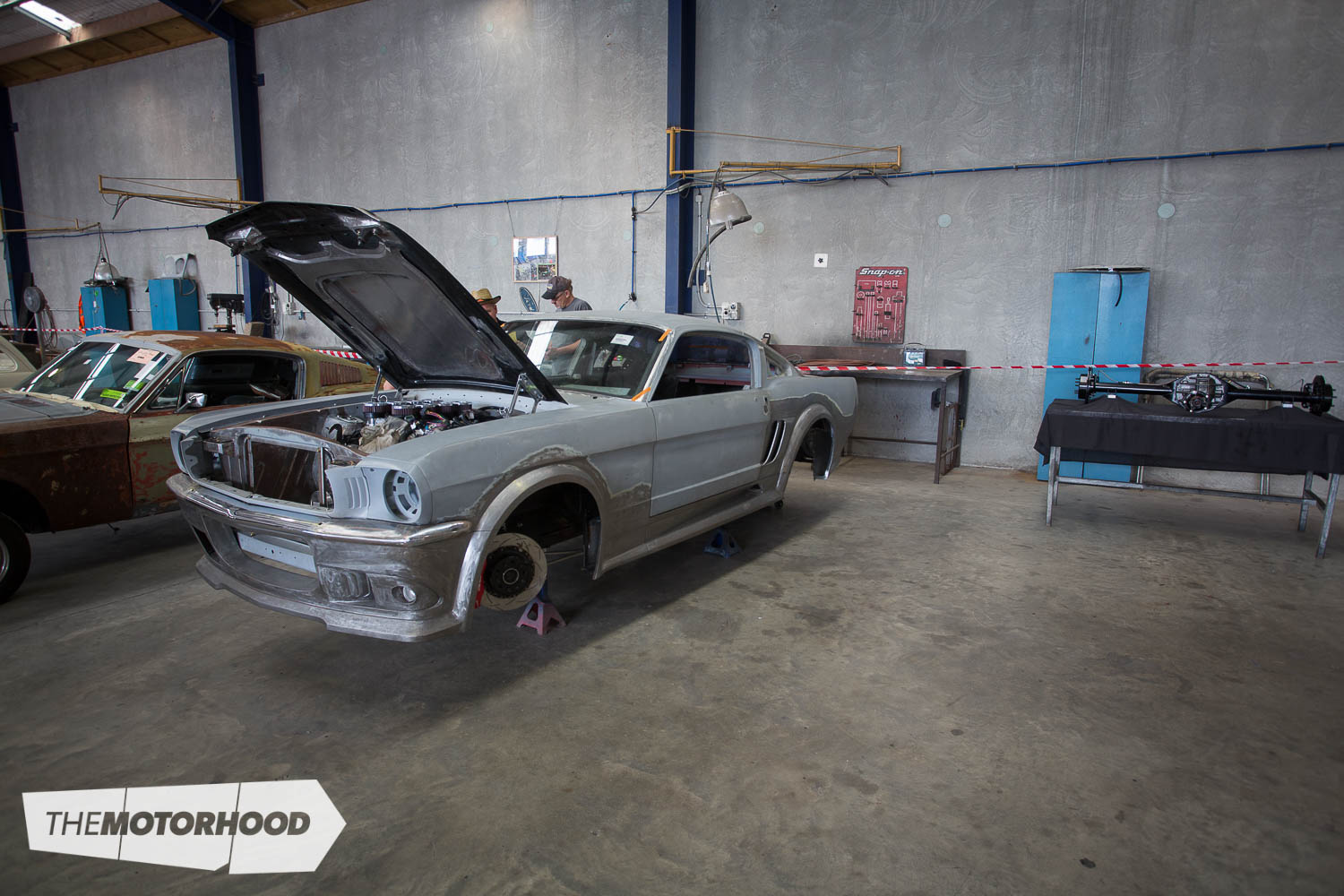
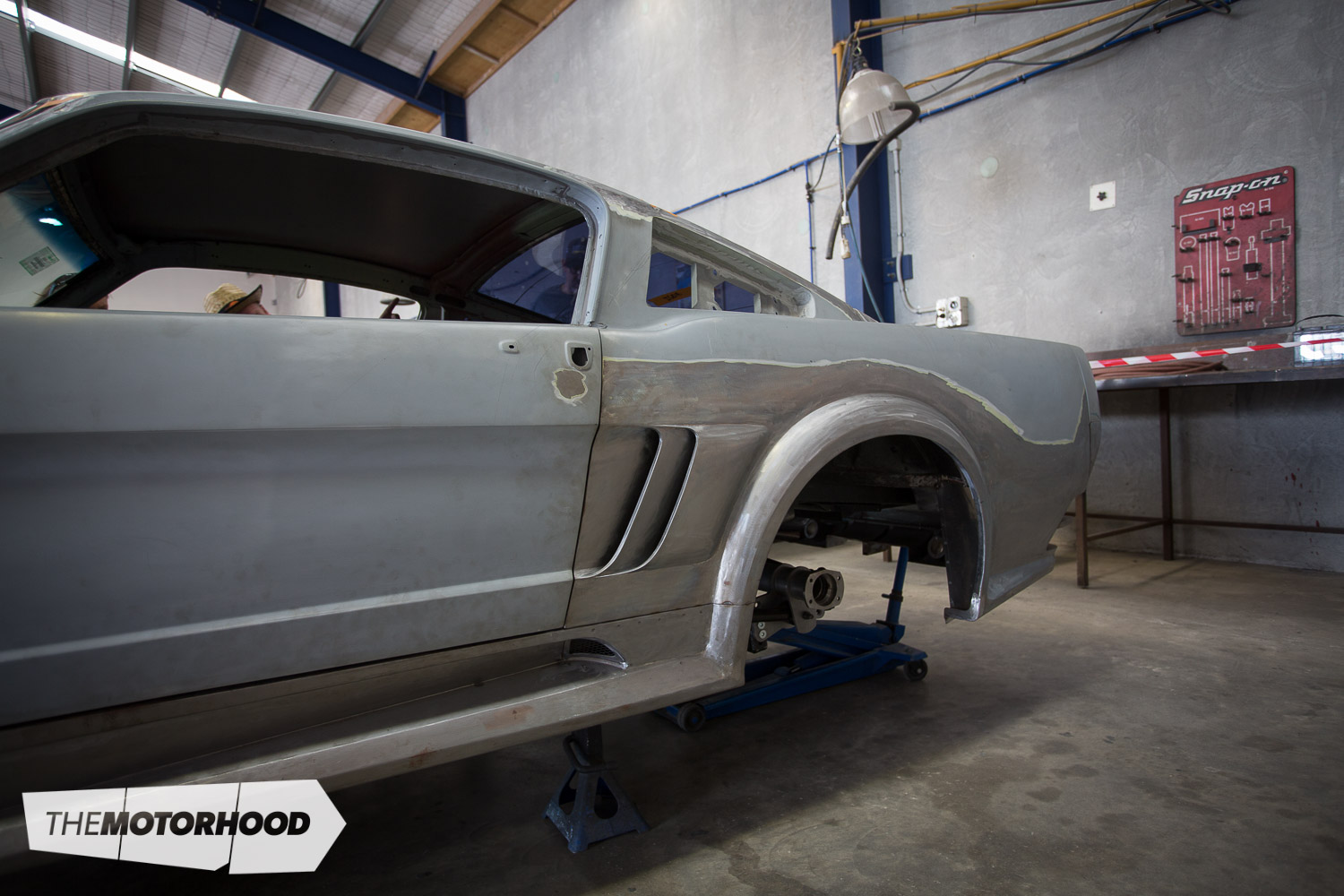
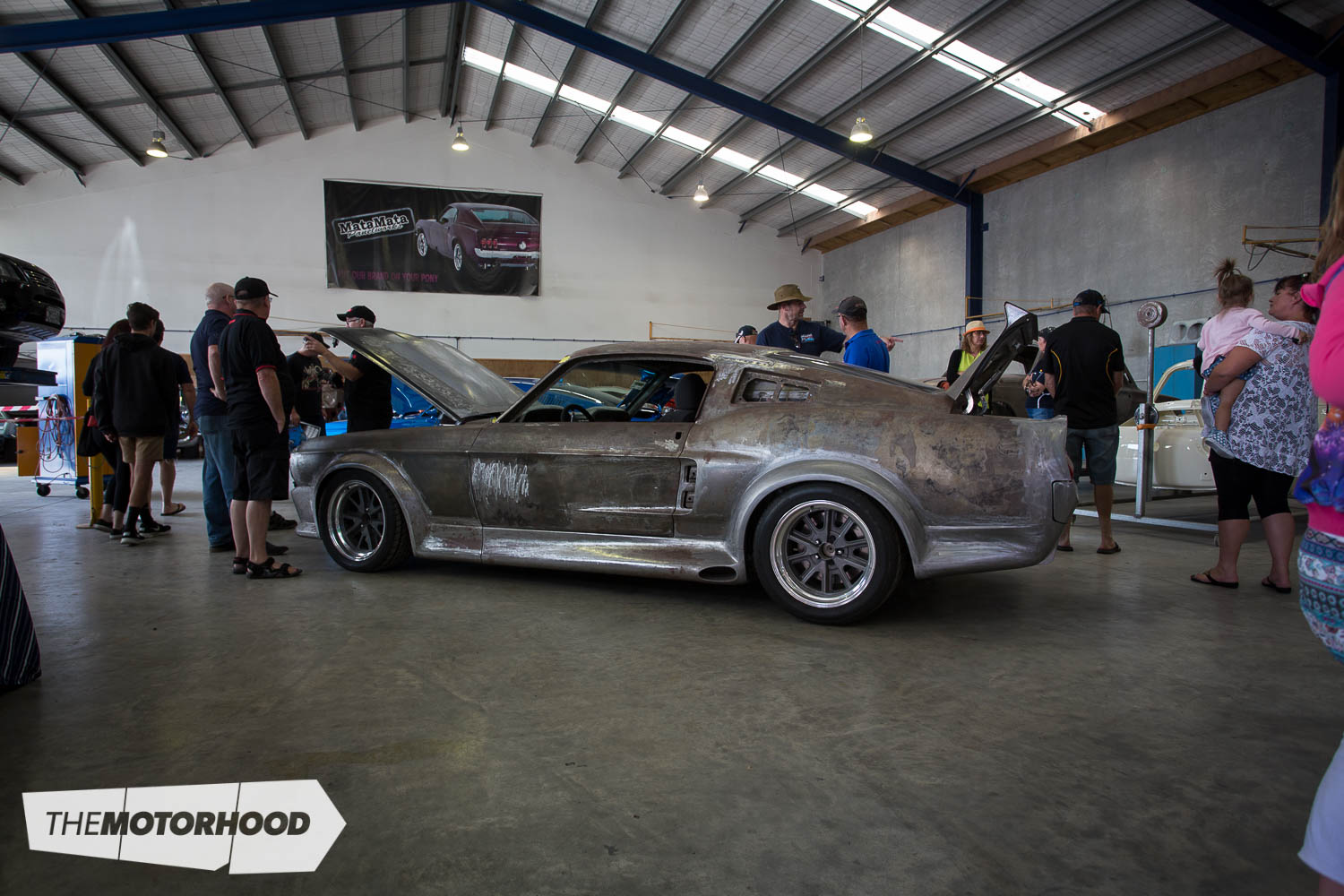
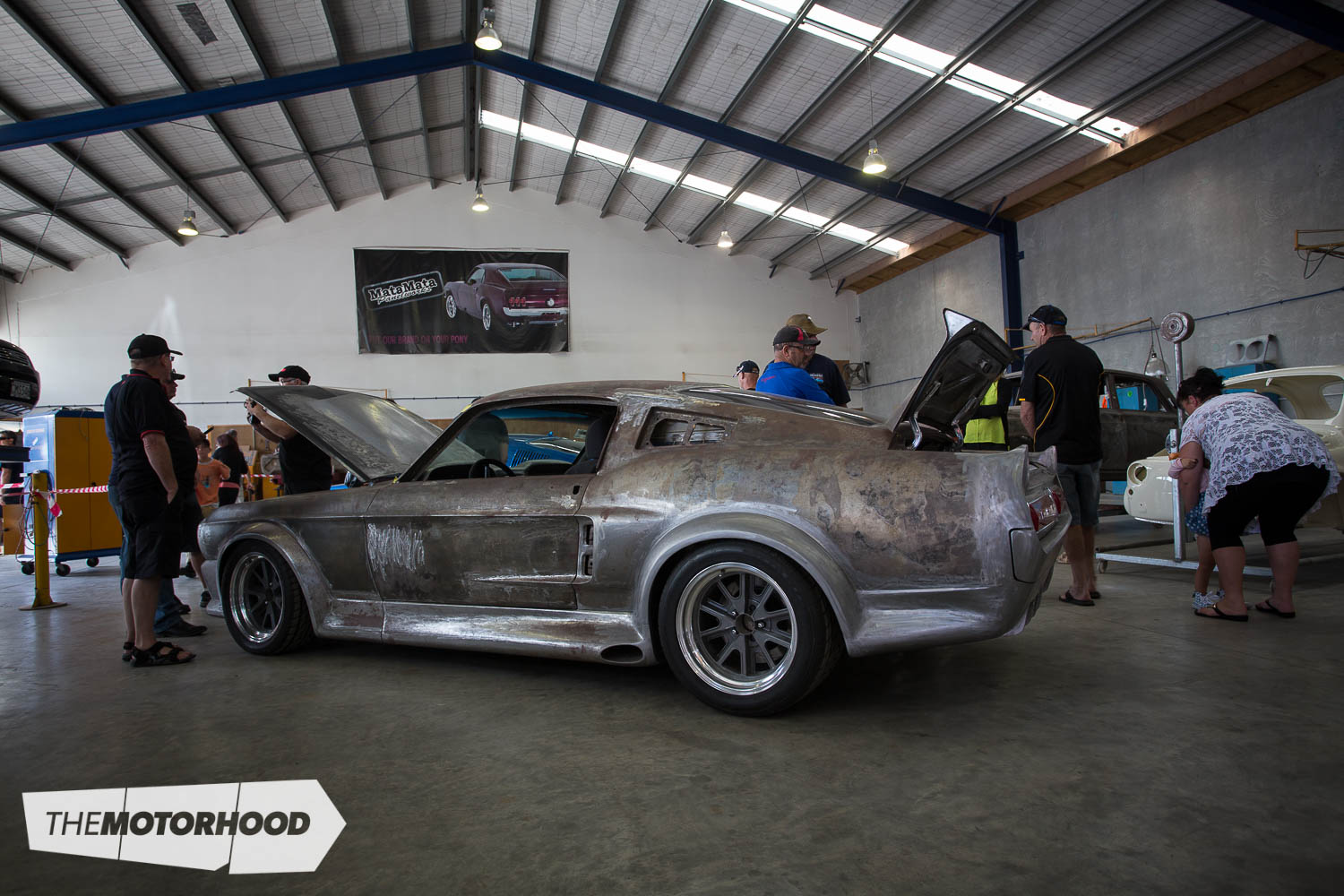
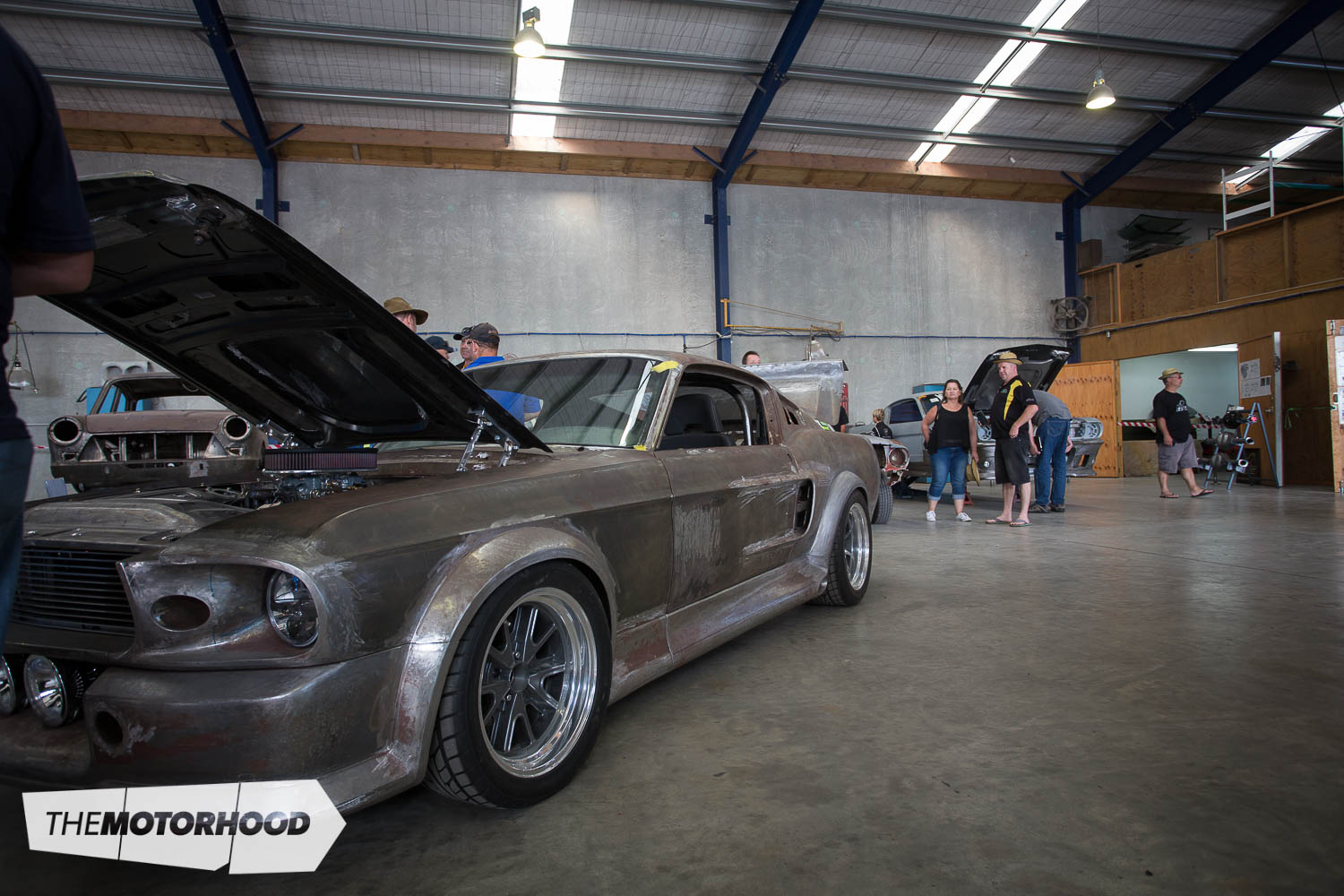
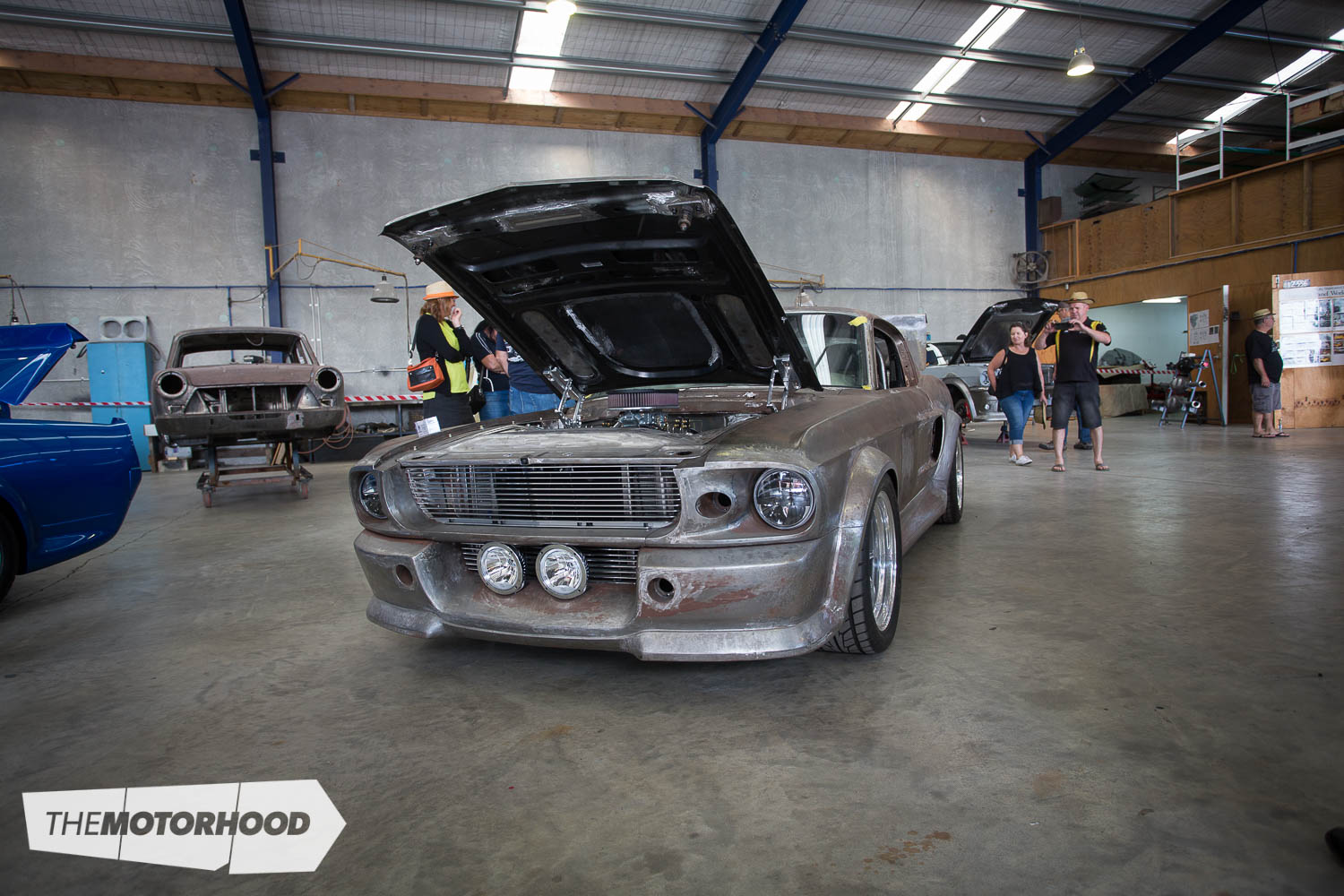
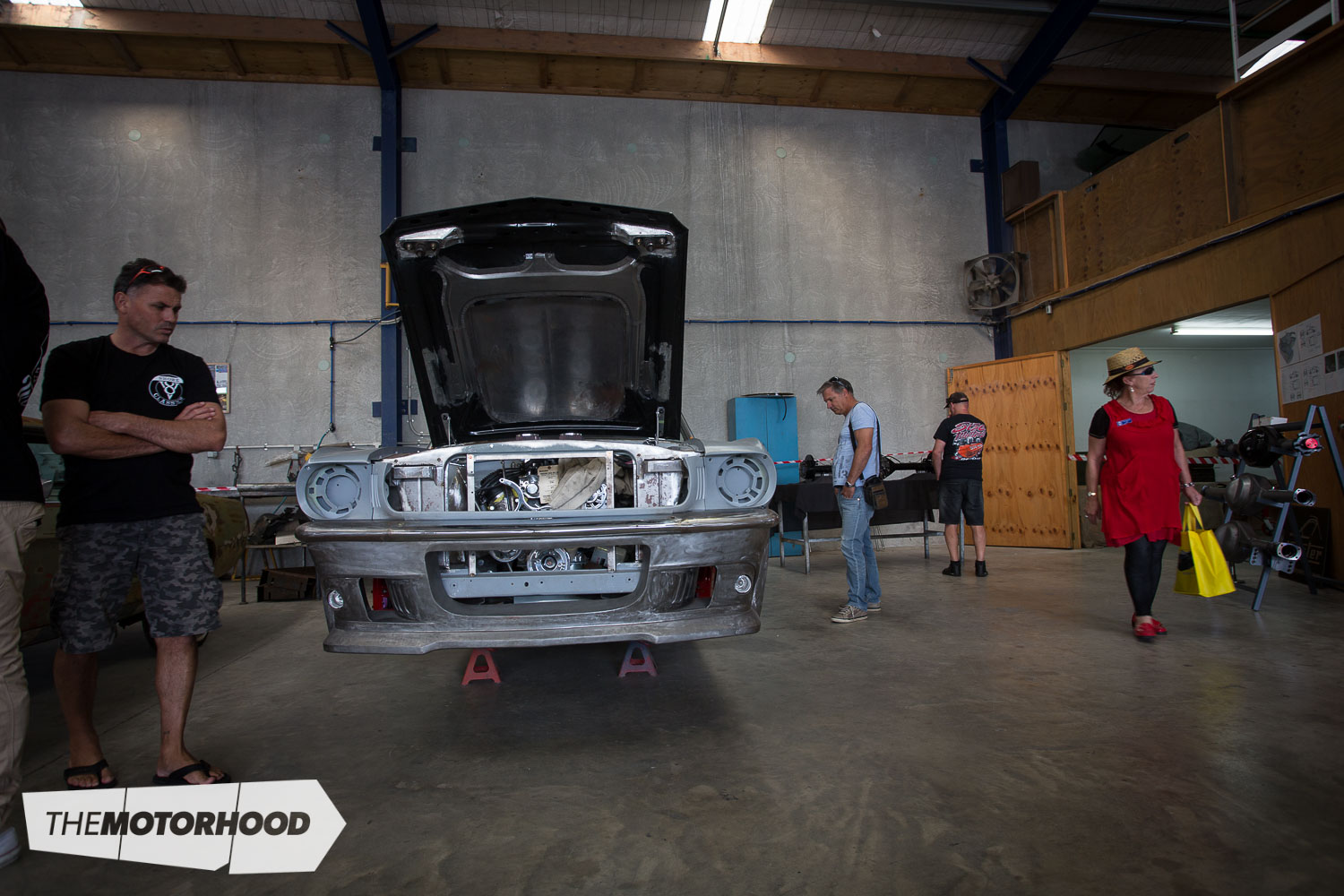
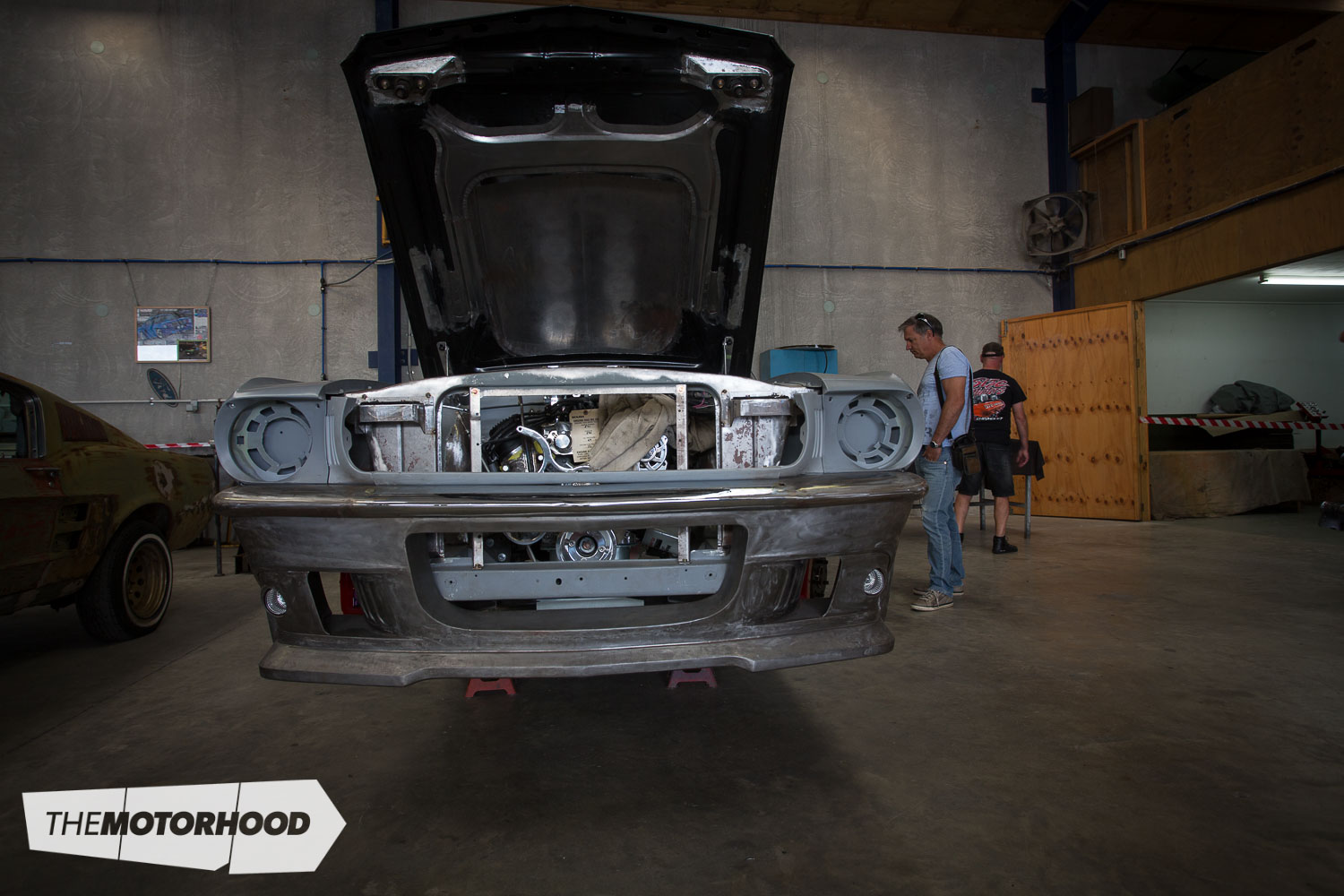
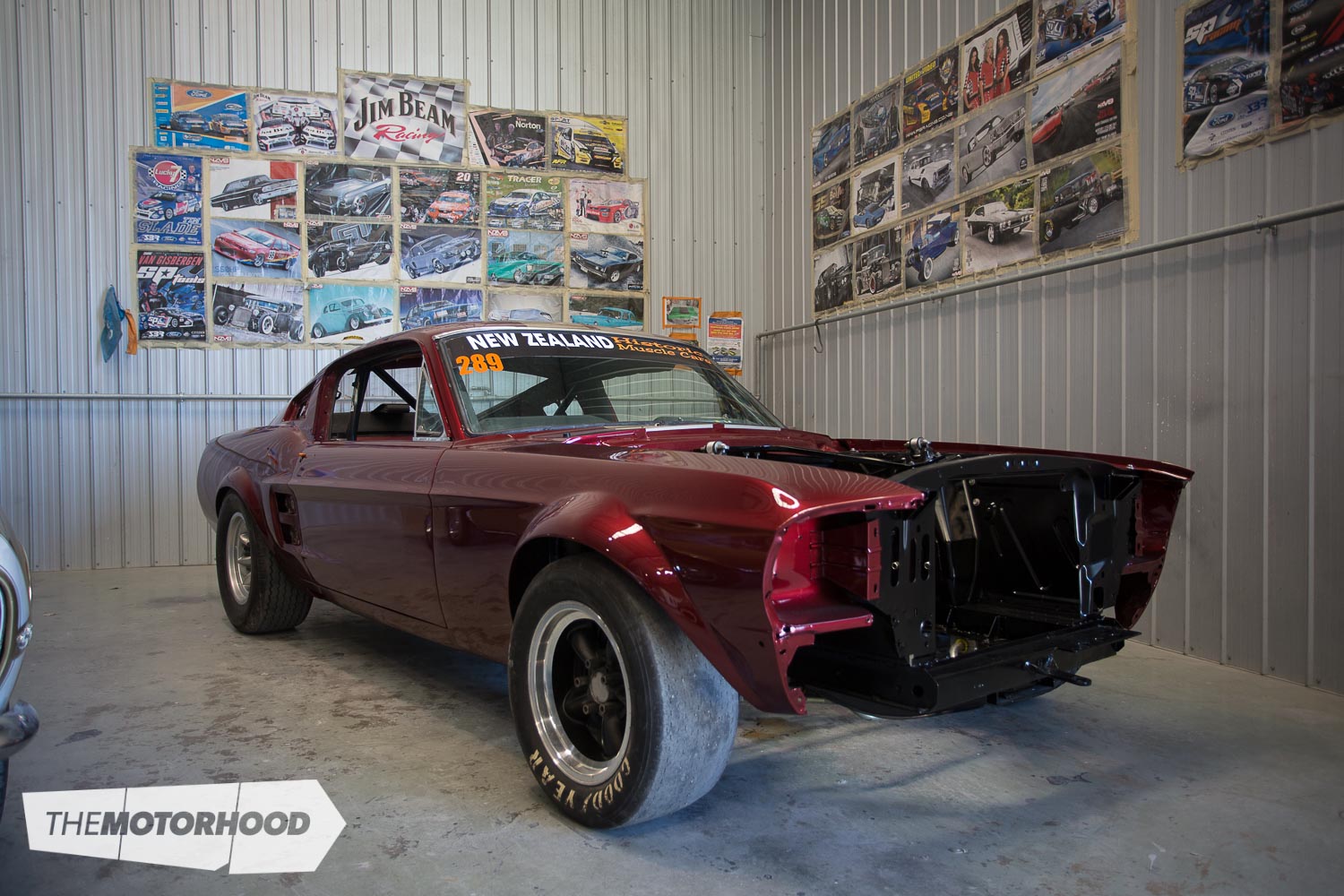
Under construction, the level of skill and the time invested is evident in the amount of metal-fabrication work required to build this one-off custom-built ’Stang.
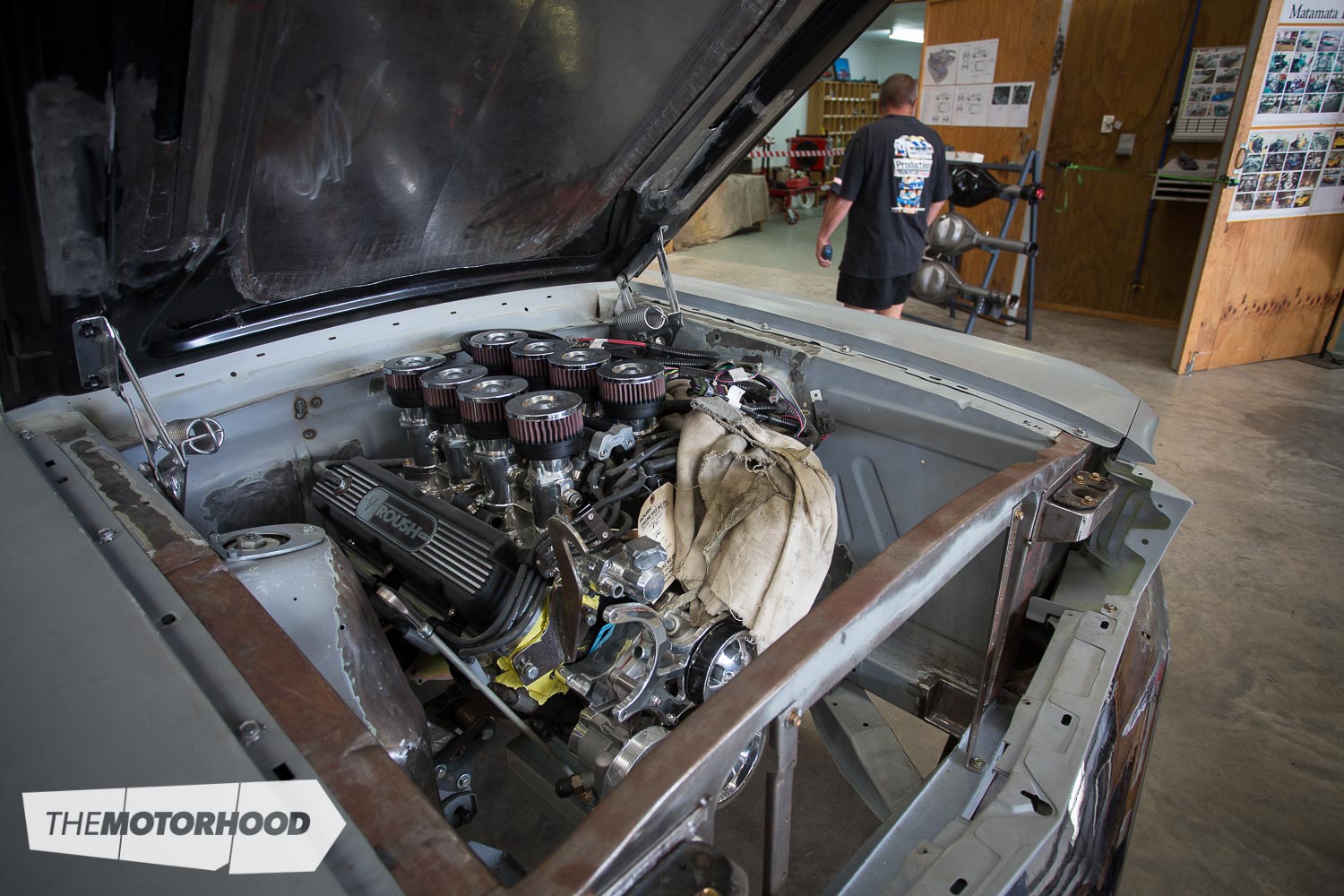
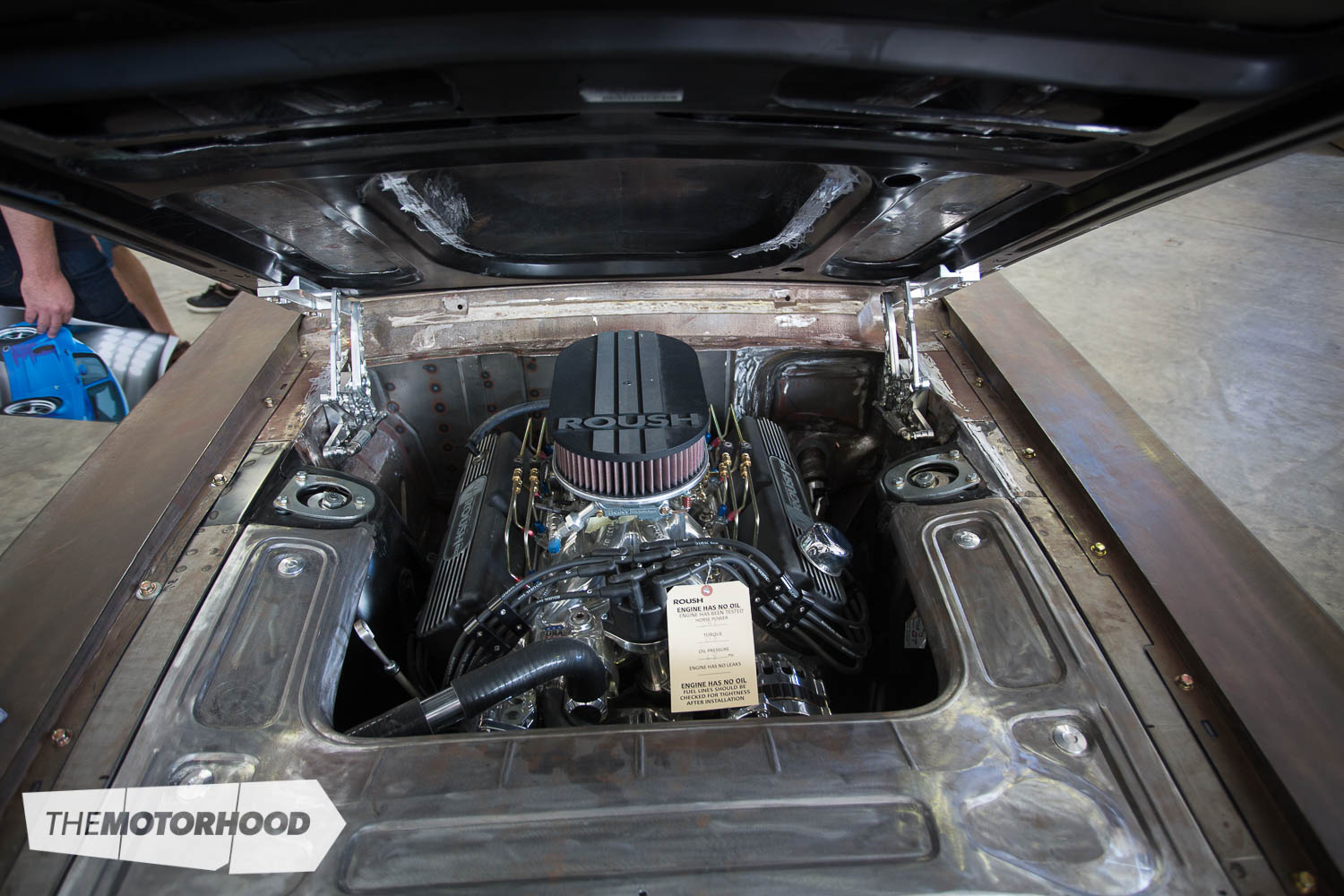
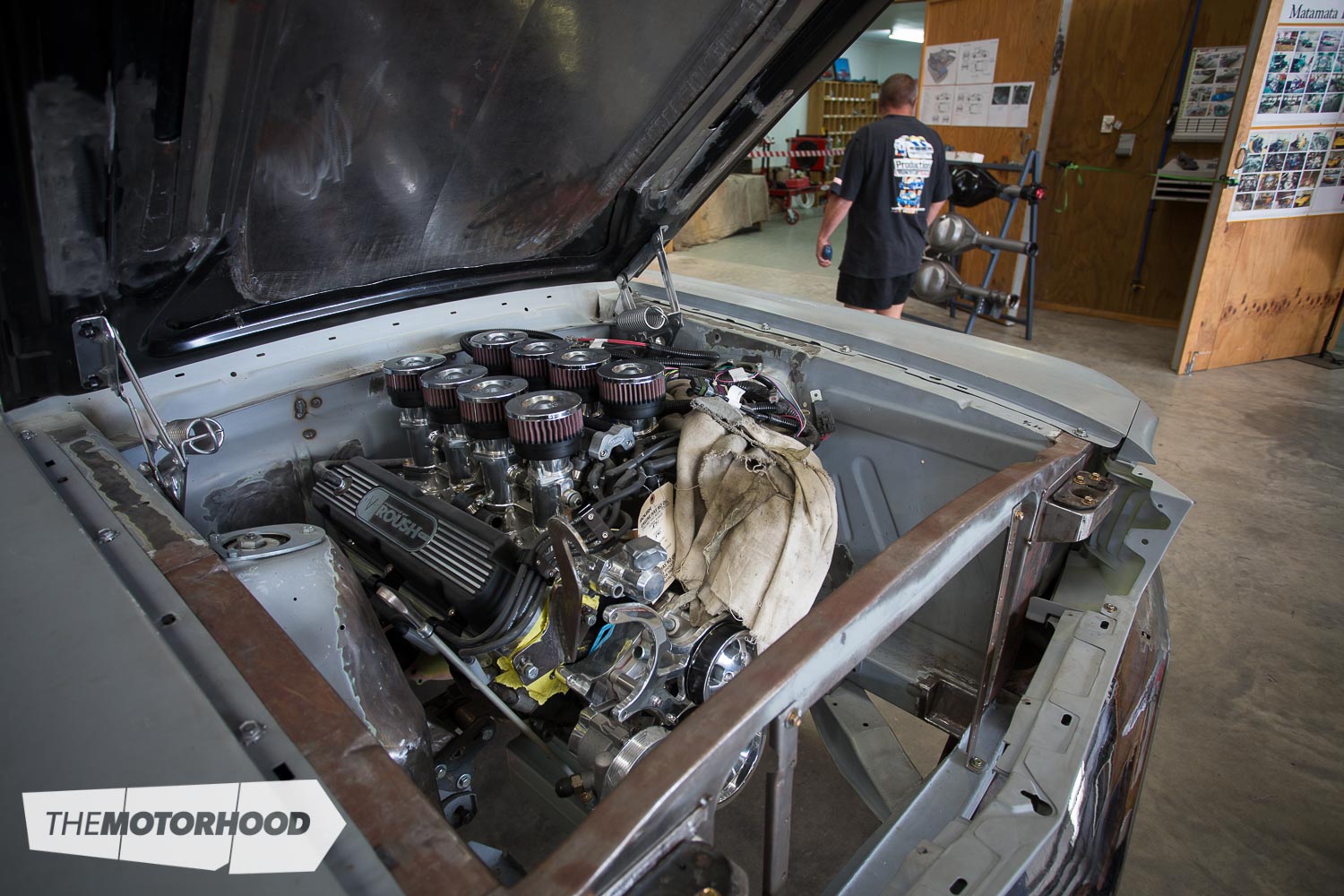
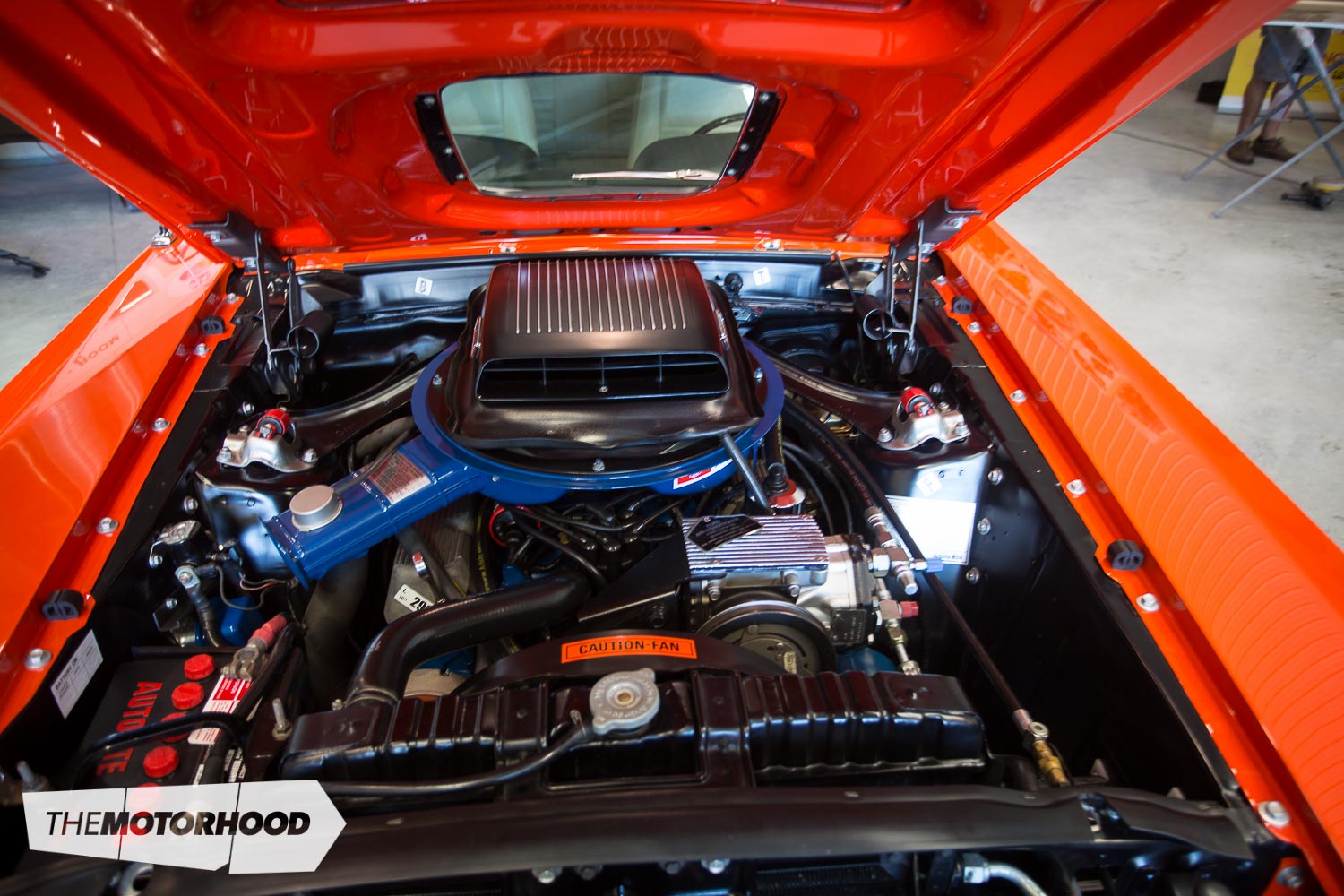
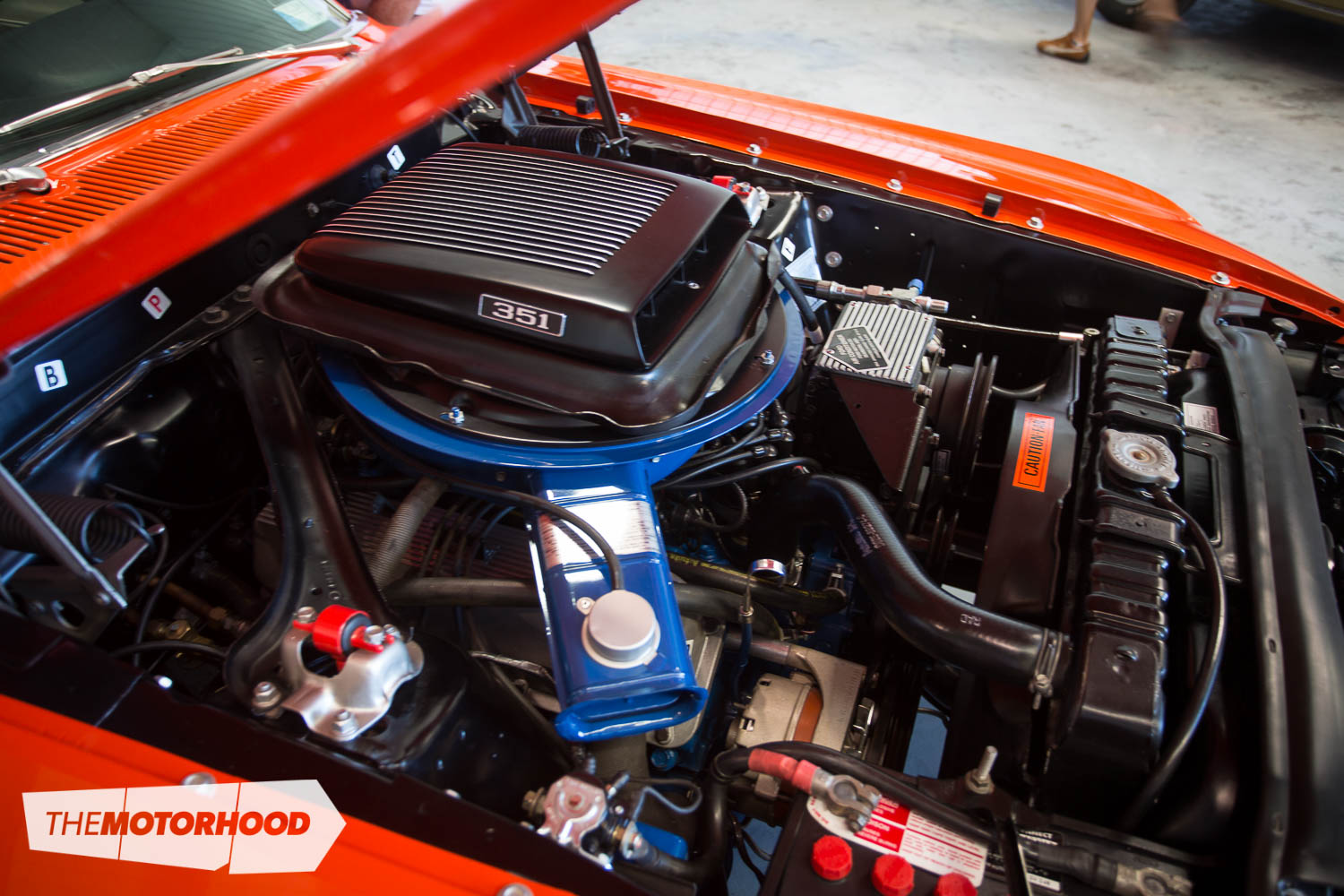
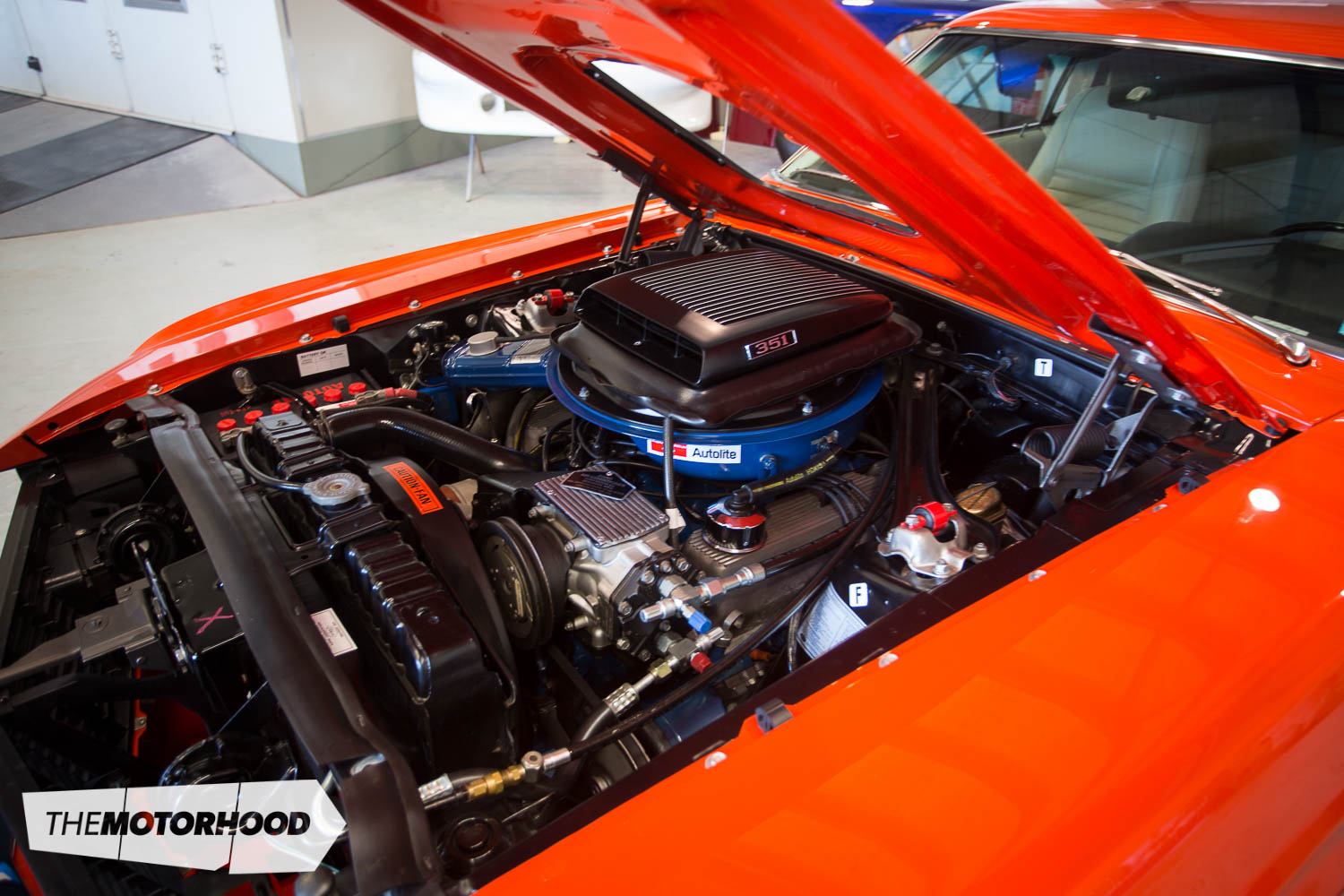
Wild horses require wild power, and it doesn’t get much better than this impressive hoof-pounding Ford V8 power plant.
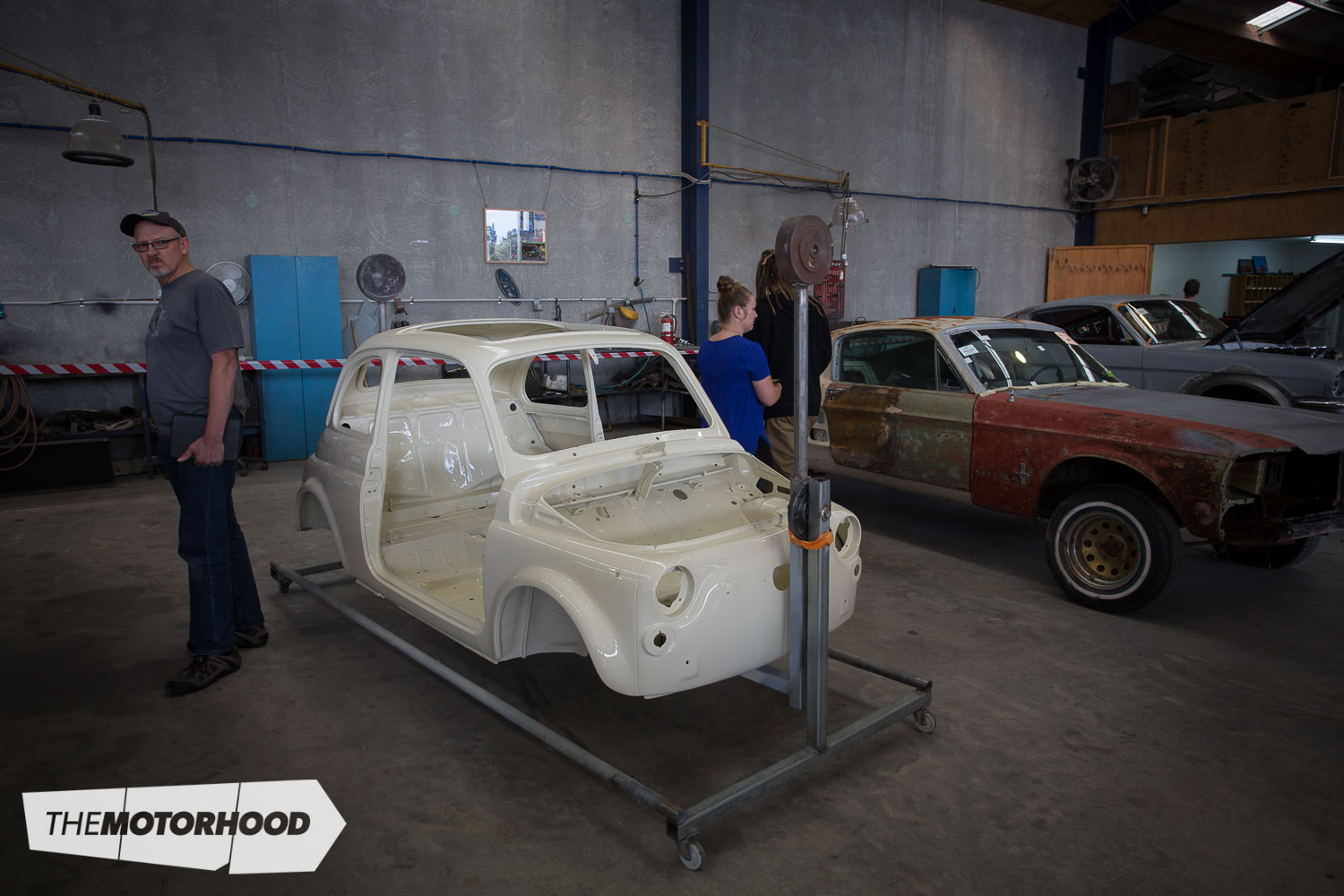
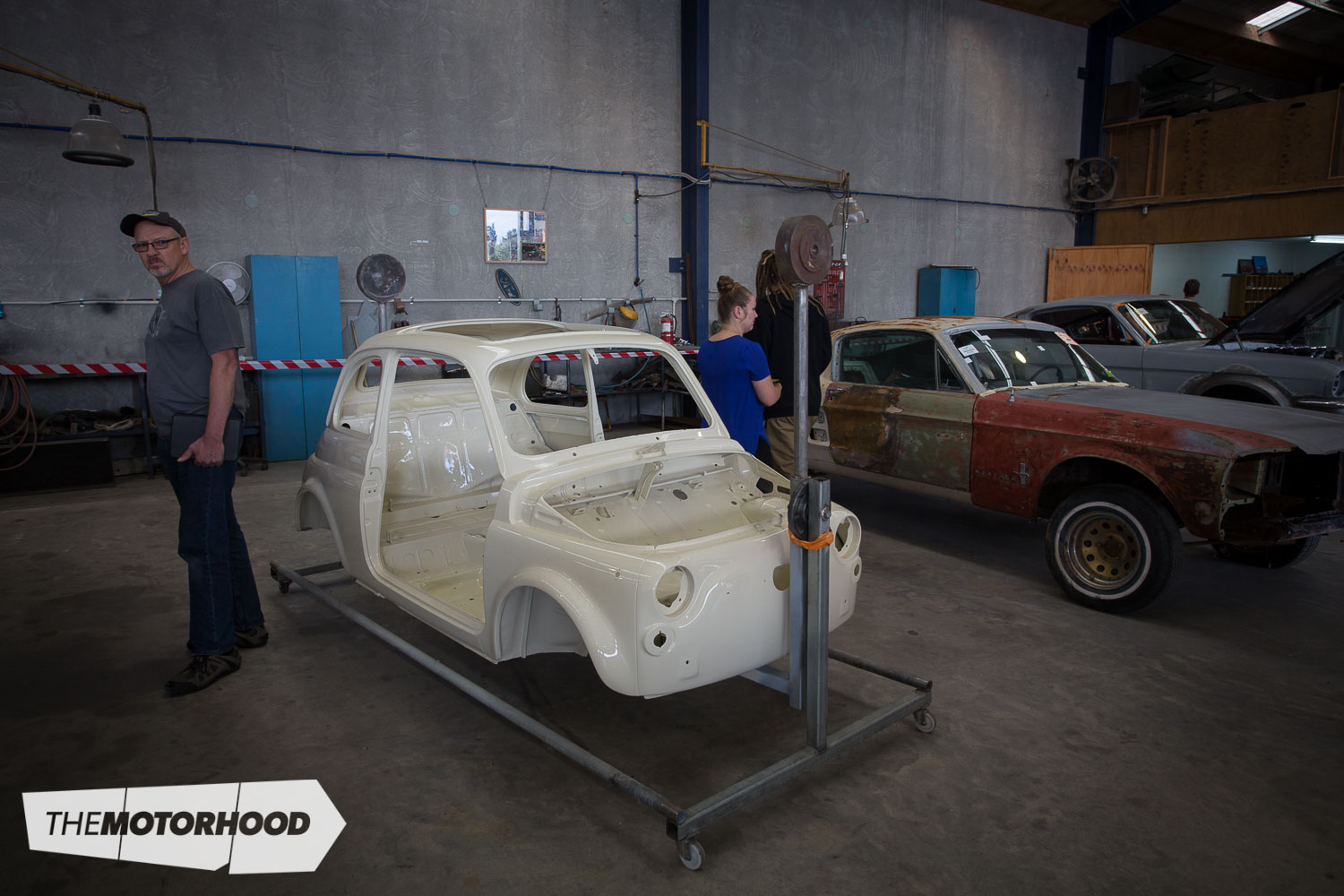
It’s not all about wild horses and American muscle though; this Fiat Bambina is getting treated to a full restoration.
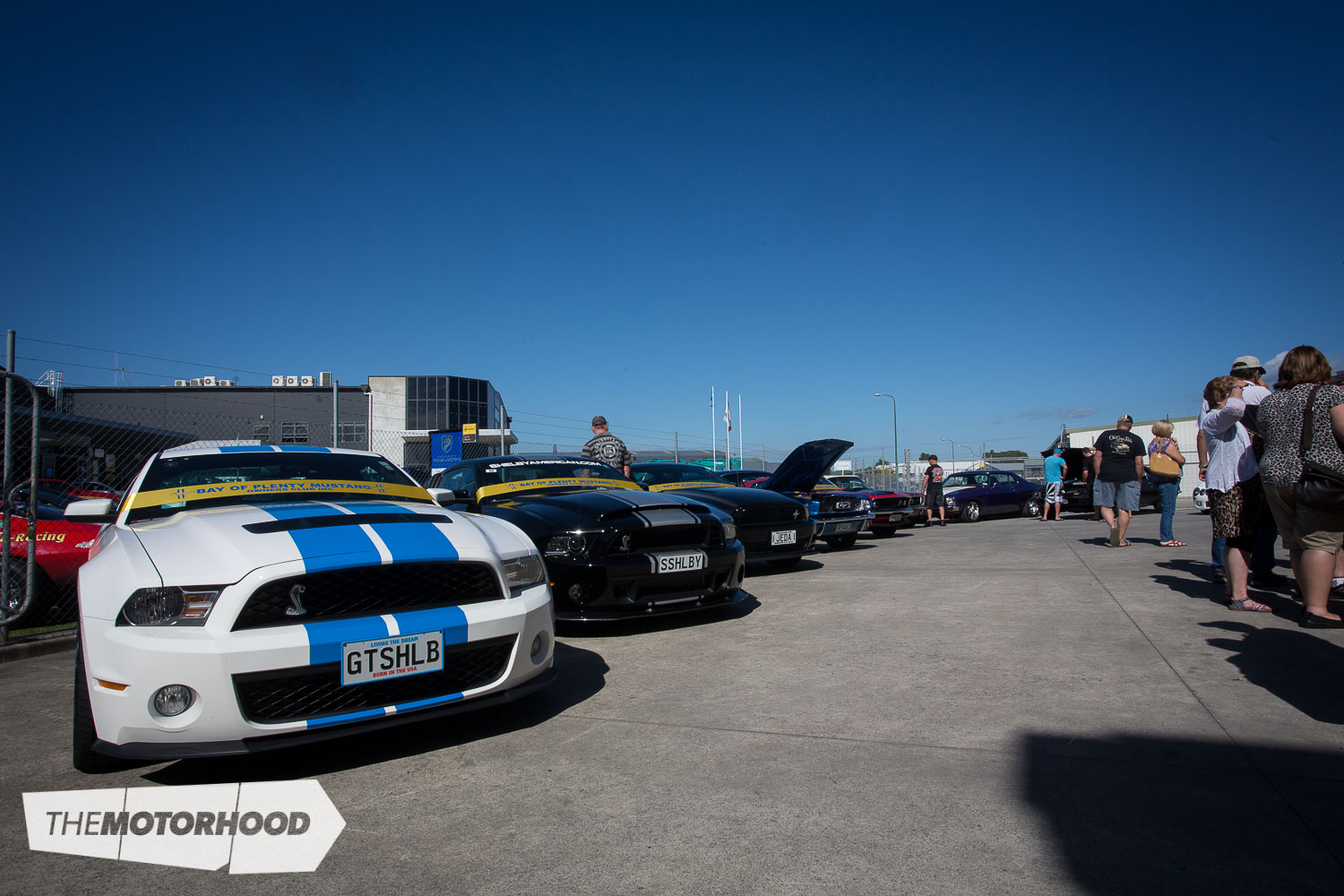
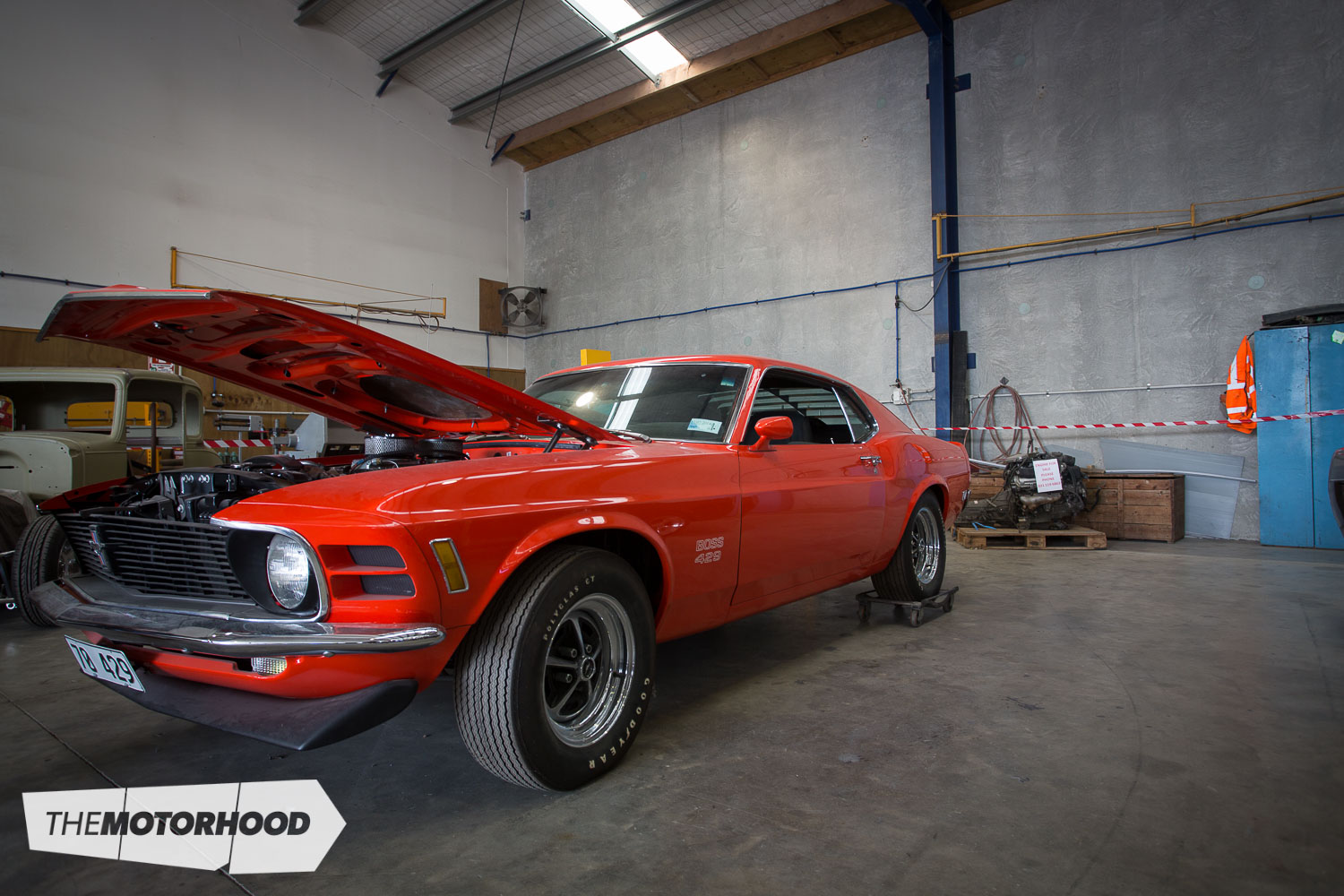
For those who attended this year’s Matamata Panelworks Open Day, there was undoubtedly plenty of impressive projects under way, as well as many of their completed award-winning cars, which are testament to the company’s high-quality workmanship, attention to detail, and commitment to customer satisfaction.