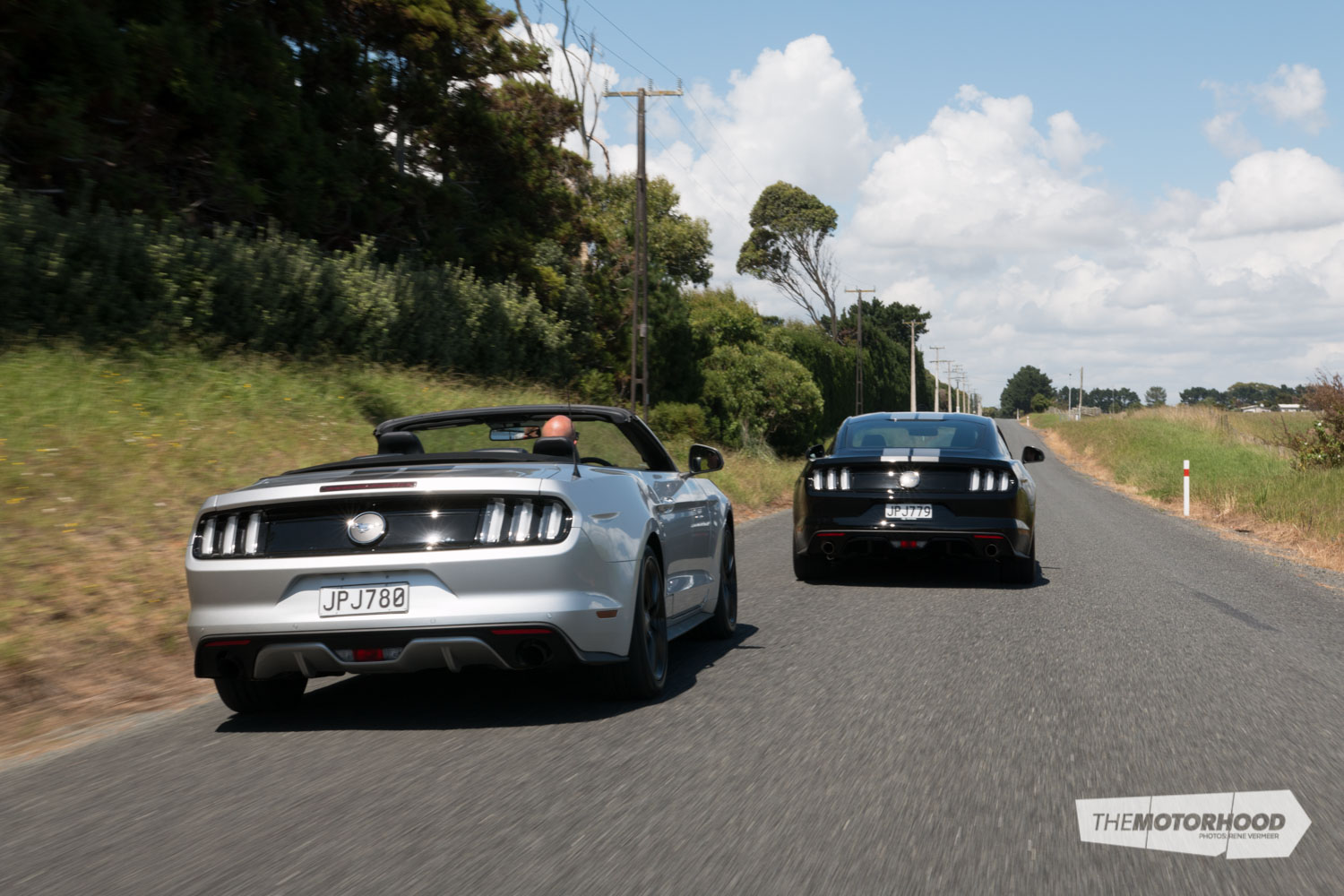
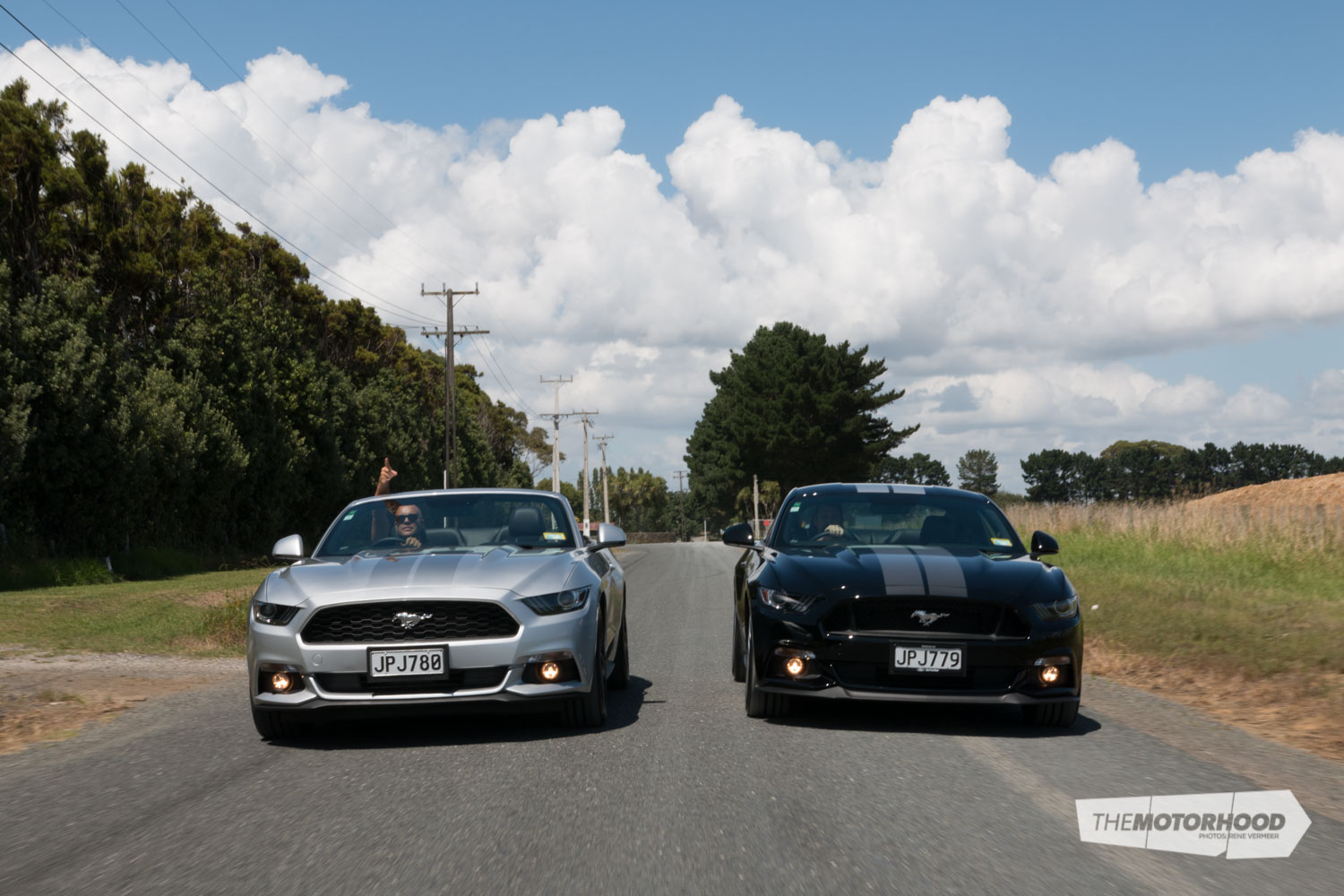
The new sixth-generation Ford Mustang is the first of the iconic pony car to roll off the production line in right-hand drive. We were recently lucky enough to get the keys to both versions, the GT (V8) and the 2.3-litre turbo EcoBoost.
You can check out our full review of the cars in the next issue of NZV8, but for now, here’s the top 10 things that we love about them, and the top 10 that we hate …
While this list is in no particular order, let’s start with the easy stuff:
Hit
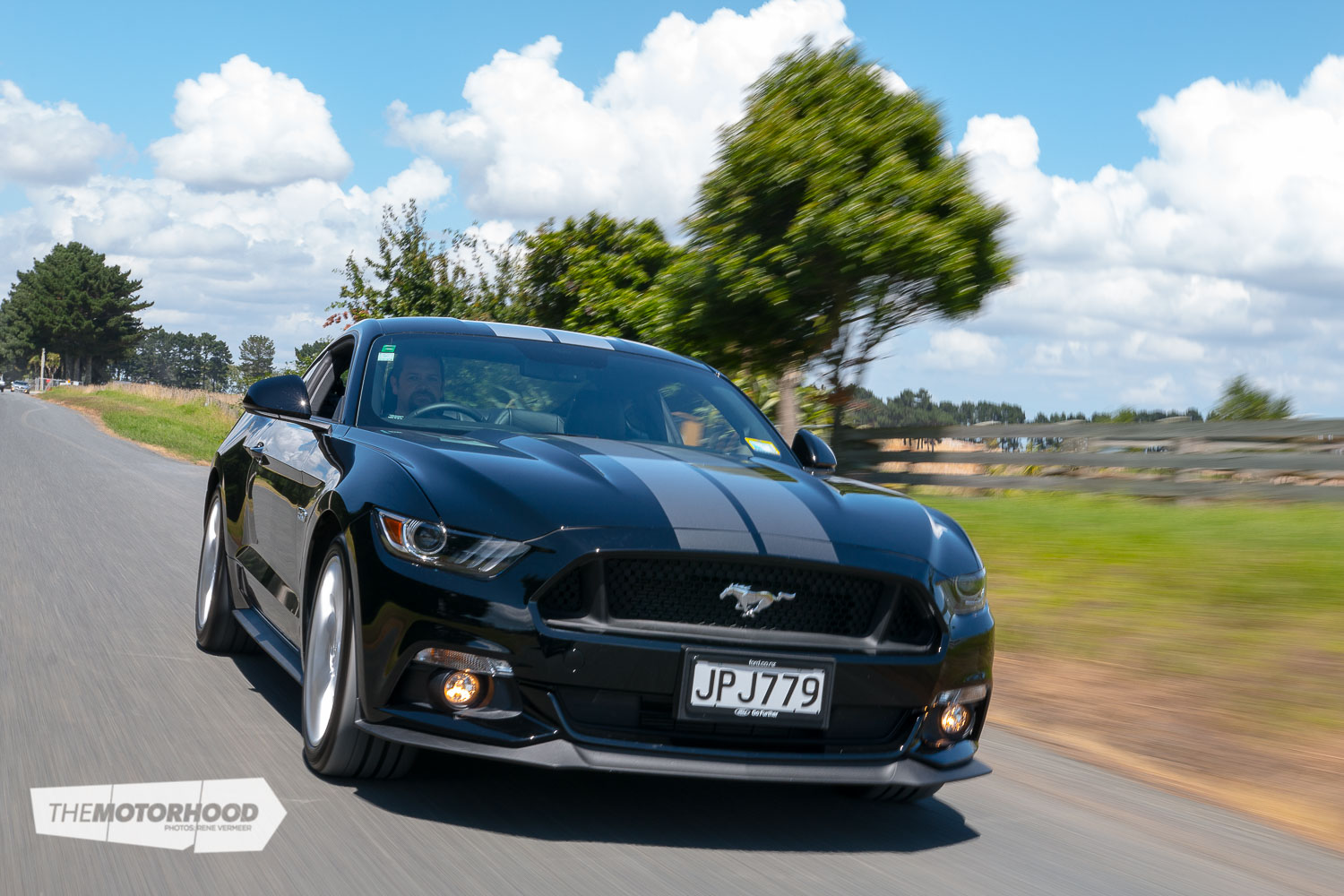
Looks good
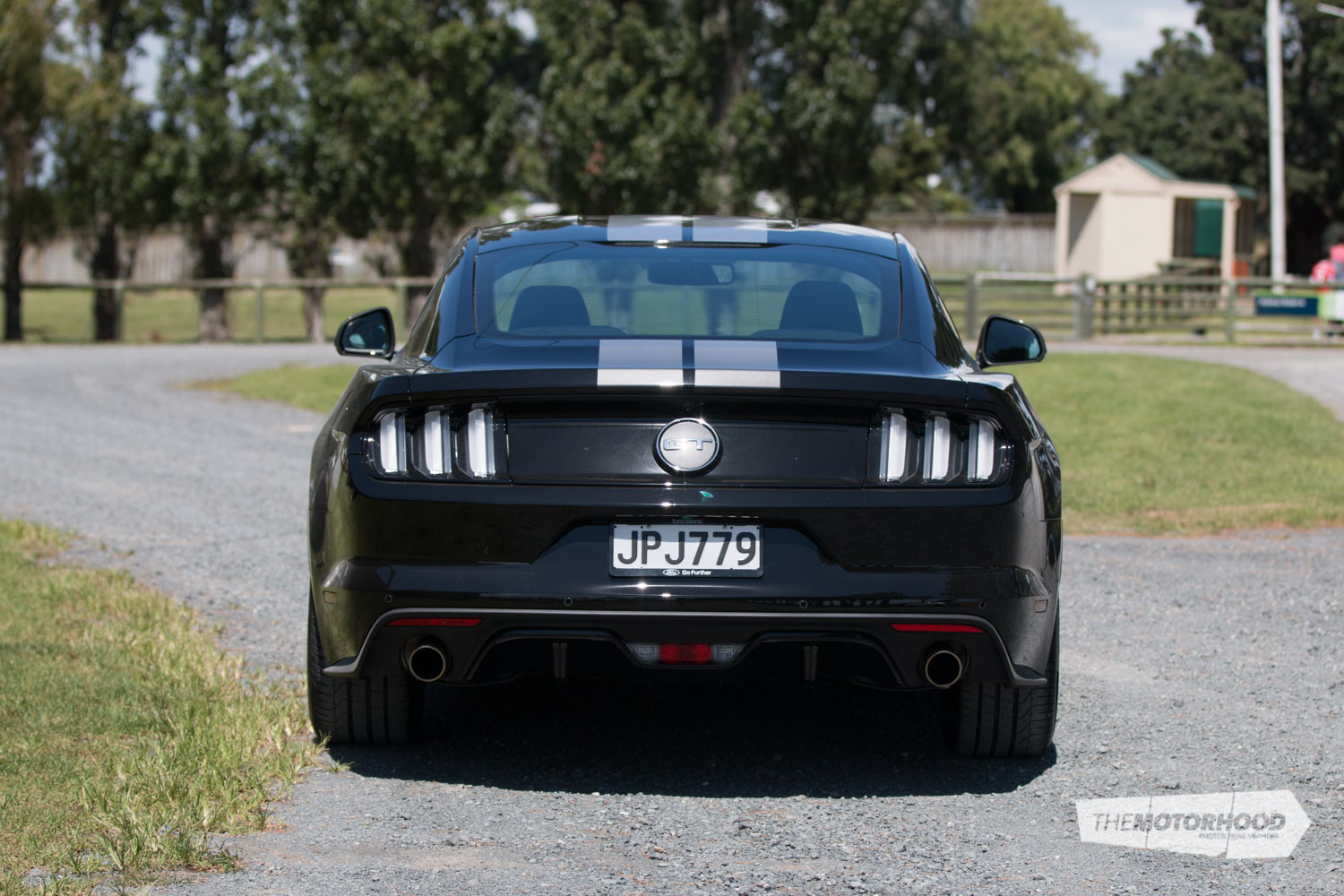
They’re a damn good-looking car! There’s no denying the resemblance to the earlier generation cars, but the body shape and styling is up there with the best new-car releases of recent times. It’s the perfect mix of American muscle and European flair.
Miss
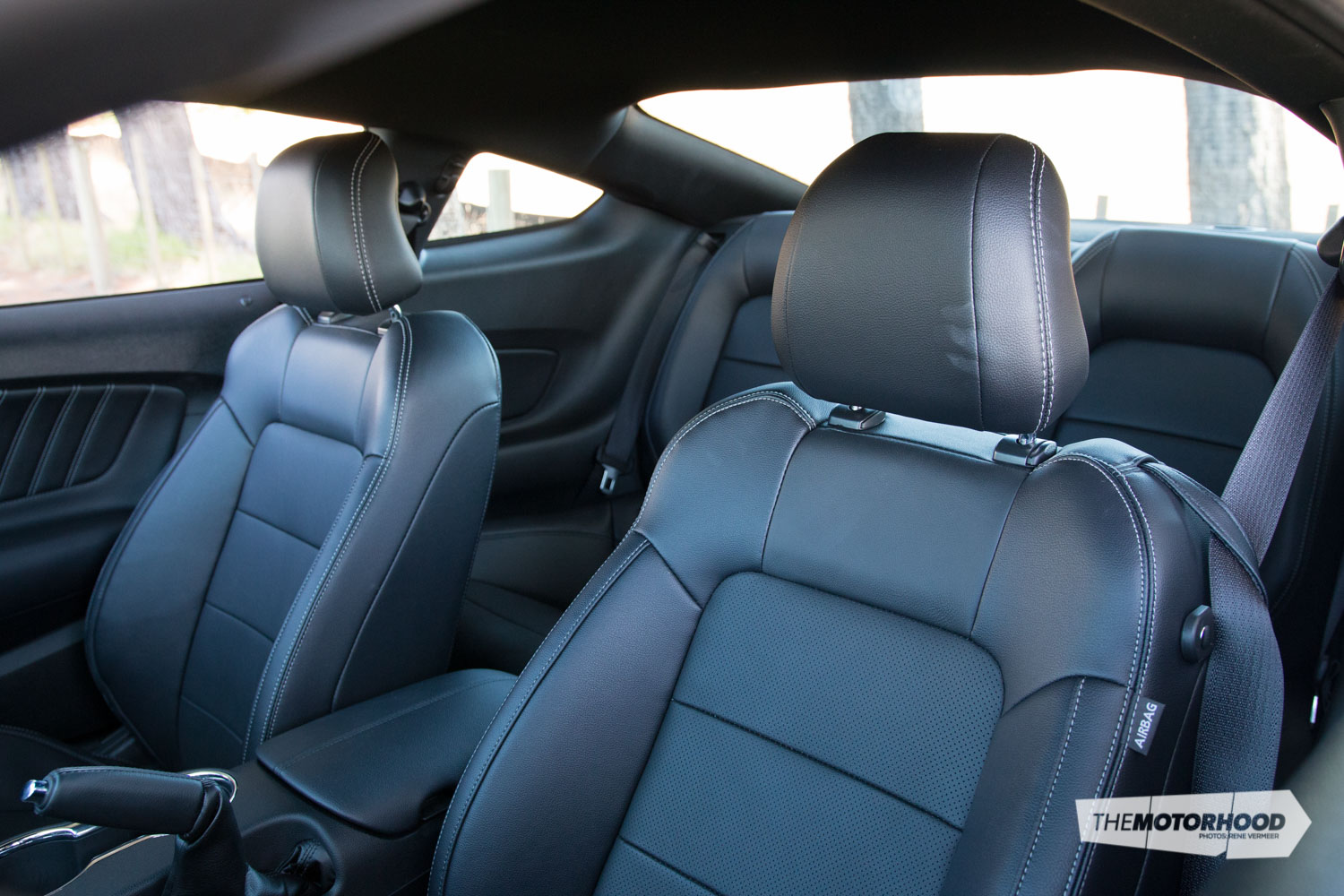
Amputees only
There’s a downside to the car’s slick design and sloping roofline, and that’s a lack of rear seat room. We can actually live with the distance between the front and rear seats, but it’s the distance between the rear seat and the roof that we struggle with. I even managed to give my toddler a good bump on the head when trying to fit her into her car seat (of which there are Isofix mounts for), such is the lack of height available.
Hit
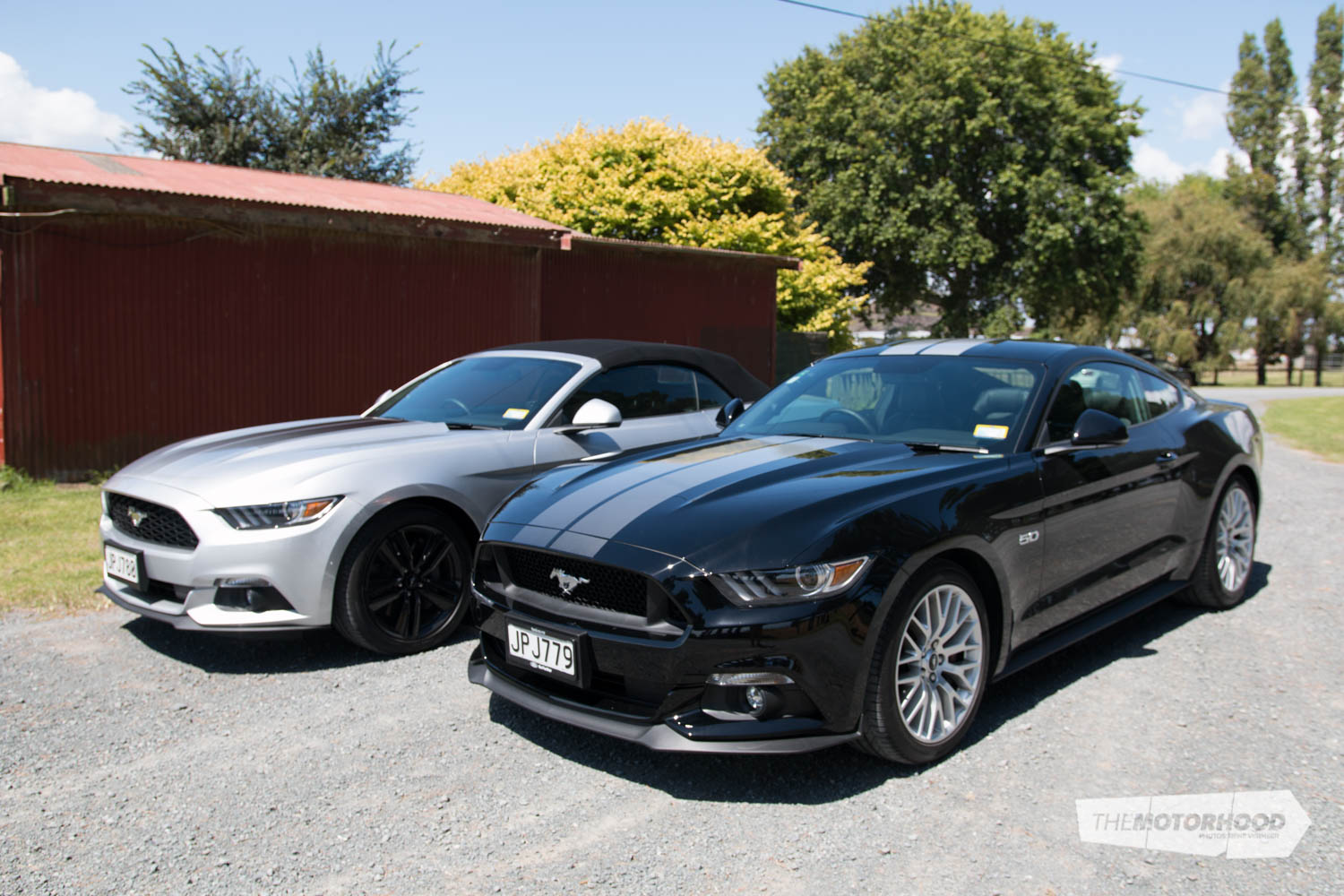
His ’n’ hers
Unlike some muscle cars of days gone by, the Mustangs aren’t too hairy-chested that they’re intimidating to potential female buyers. They drive just as nicely as nana’s Corolla if you want them to, or as a true muscle car should when the time is right.
Miss
No stick
One of the best things about a turbo four-cylinder is winding it up through the rev range and changing gears moments before it sounds like the engine is set to expire. That and pushing the car through the twisty bits, so, in our minds at least, it’s a major flaw that the EcoBoost isn’t available locally in manual. There’s a huge chance that it could become the next big thing in the import-tuning market if it were, but alas, possibility missed.

Hit
Different strokes
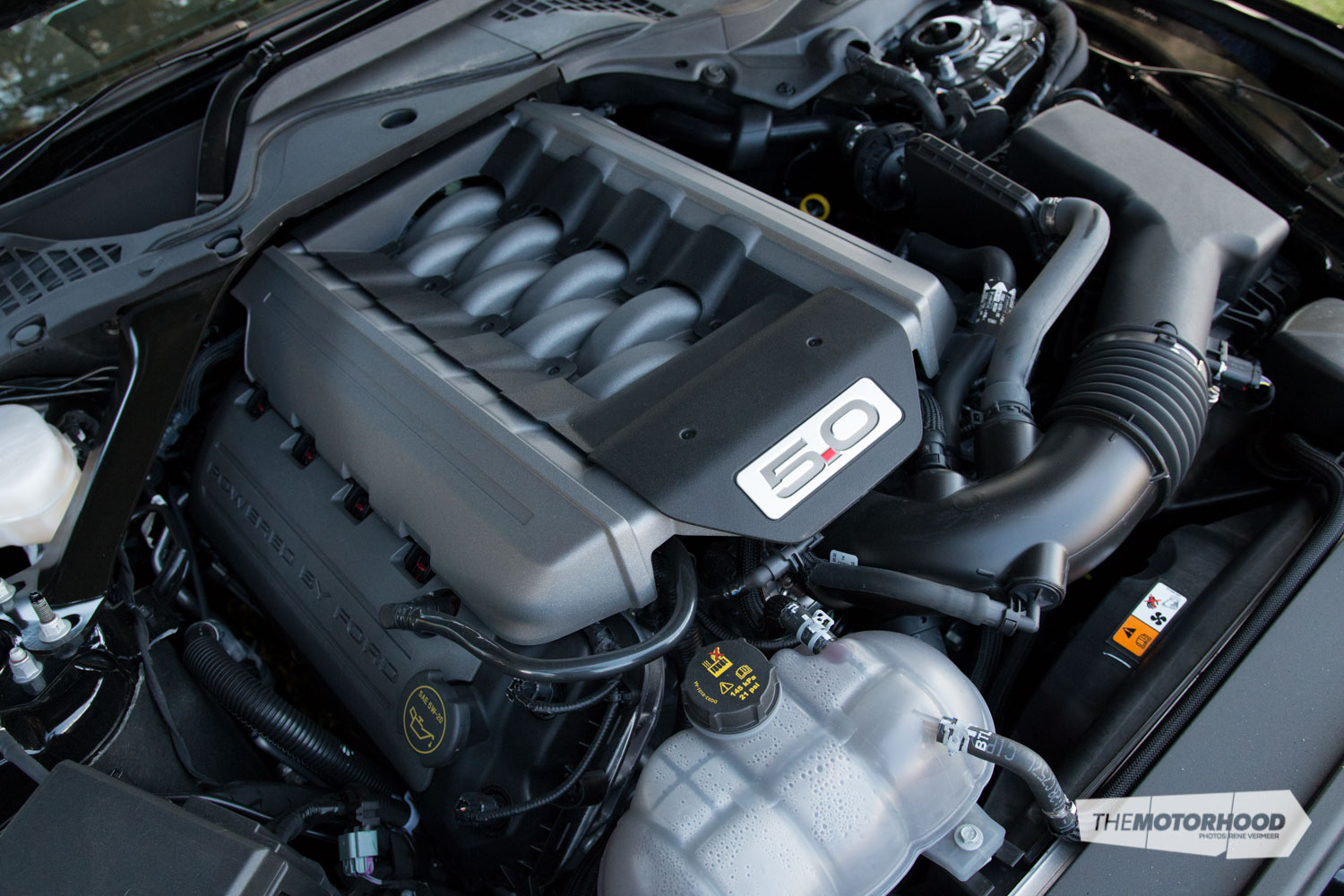
Regardless of if you’re a lover of V8 engines, or think big motors should have died along with the dinosaurs, there’s a great high-power option available for you. The V8s are rated at an impressive 410hp, and the EcoBoost at 310hp, so there’s impressive performance either way.
Miss
Double-jointed
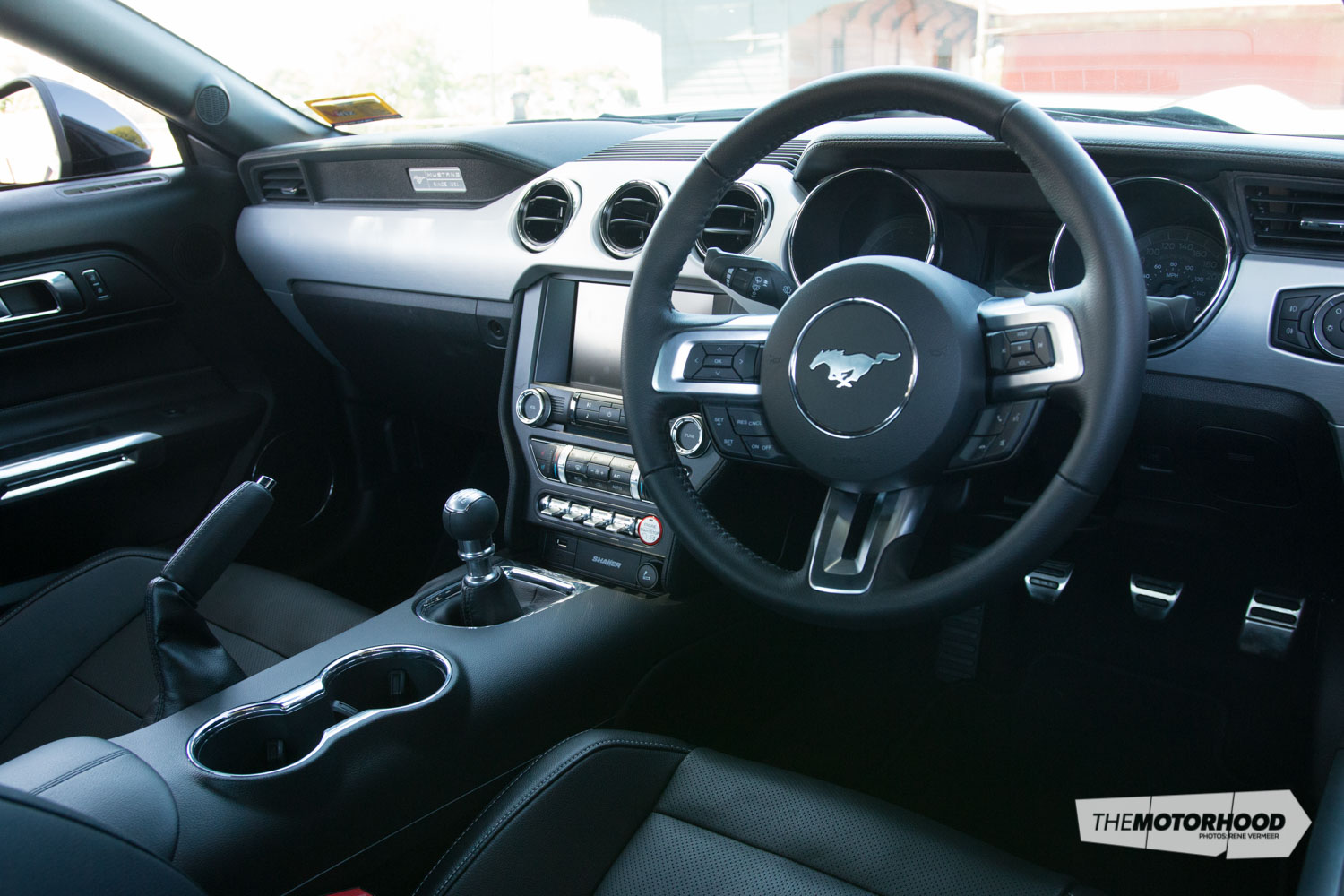
There’s very little that hints at the fact that the car was primarily built for the left-hand drive market — but the handbrake placement is one dead giveaway, or, more so, the cupholder placement. In a manual car, there’s no way you can have anything in the cupholders without them being right where your arm needs to be to shift gears. Keep in mind there’s not many other places to put items such as cell phones, or the keys (keyless ignition), so the cupholders are the go-to spot.
Hit
Aftermarket love
The cars are great in stock form, but they’ve also been built with the aftermarket in mind, and as such there’s already a ton of parts available for them off the shelf. Yes, even here in New Zealand!
Miss
Missing ponies
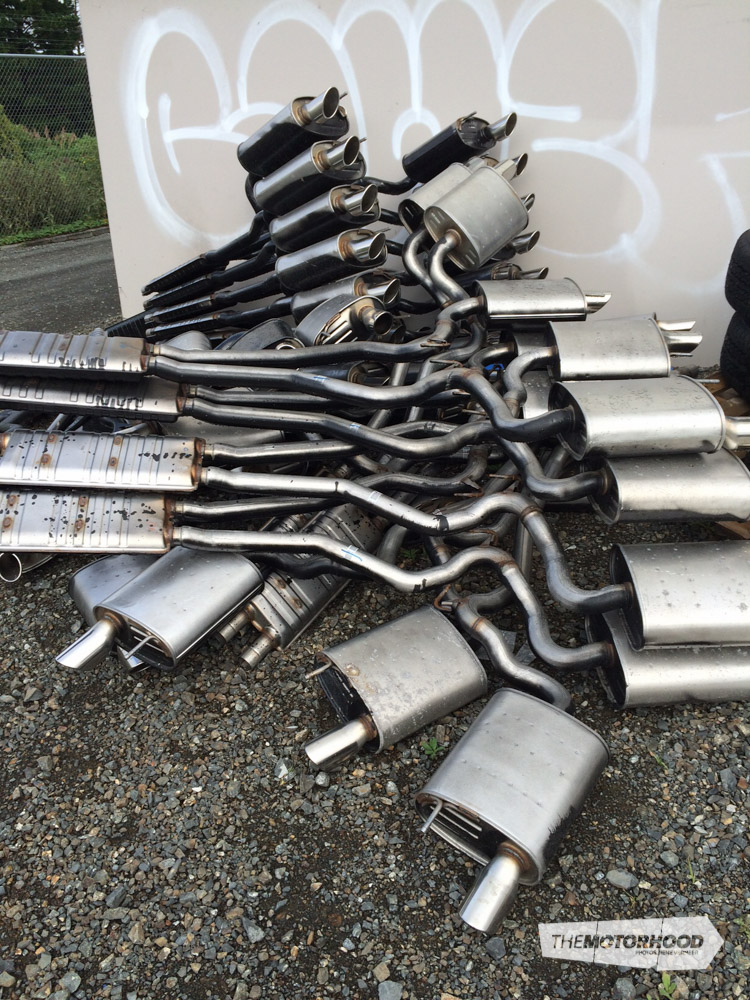
The New Zealand–new right-hand drive cars are rated at 410hp, yet in left-hook format they’re rated at 425hp. Why could this be you ask? Is it the tune? Is it the fuel? Well, no, it’s the headers. To allow for the steering column to fit, the right-hand drive cars have different headers from the American ones in which the piping size steps down, thus reducing rated power.
Hit
Cool bums
They’ve got fricken seat coolers. That’s right, push a button and they blow cold air on your bum! Yeah, you can also heat them up too, but bum coolers … how cool is that …
Miss
Amputee access
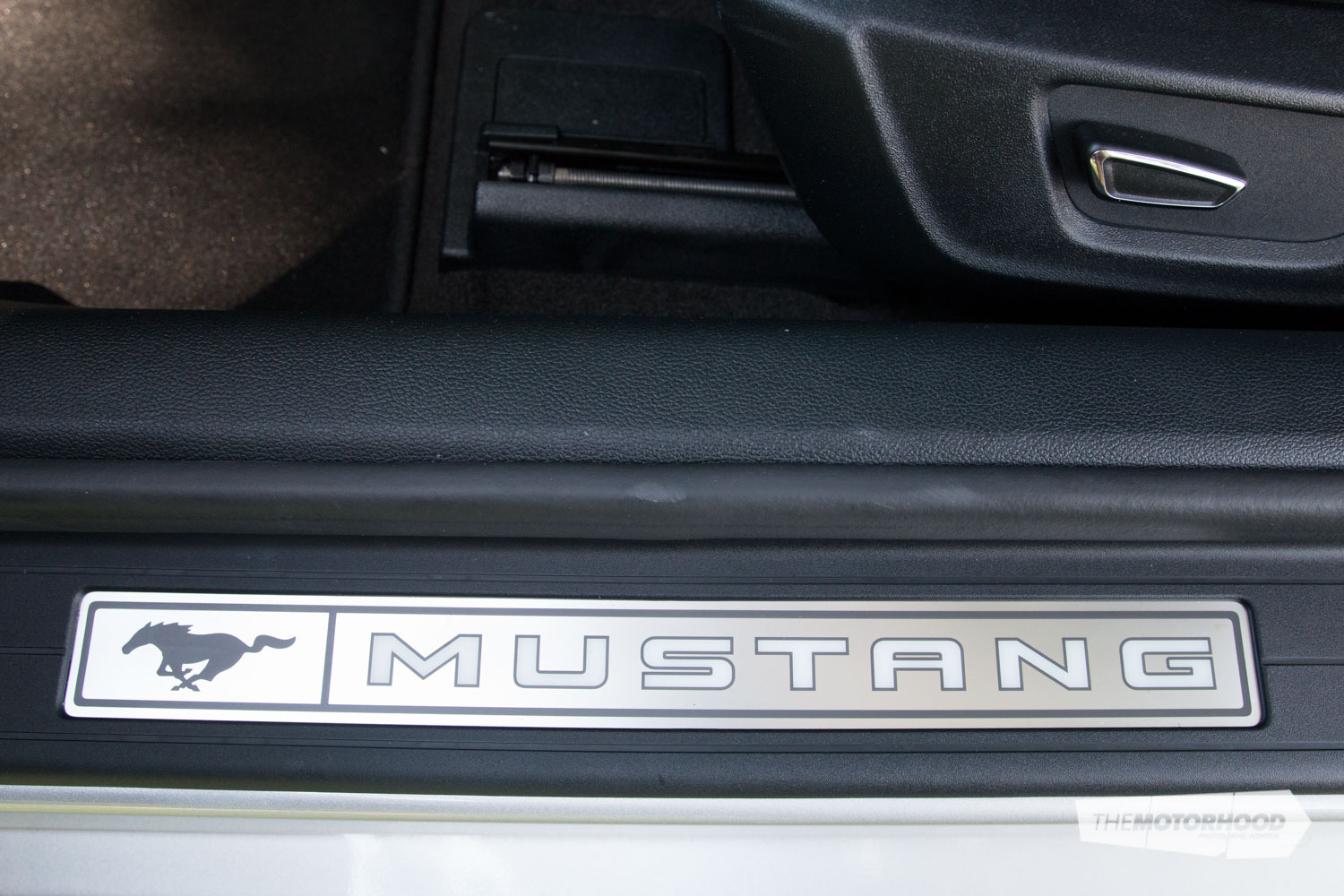
If, for whatever absurd reason, you wish to contort someone into the rear seat, best you don’t try and do it in a hurry. Rear-seat access is a two-step, two-minute process involving folding the seat’s back forward — simple — then sliding the seat forward on its electronic rails … slowly.
Hit
Aural ecstasy
At anything above 2000rpm, the GT sounds amazing. Push it higher up in the rev range and you’ll soon agree that the seat warmers are a good thing, as they’ll help to dry off any damp spots that may occur.
Miss
Aural misery
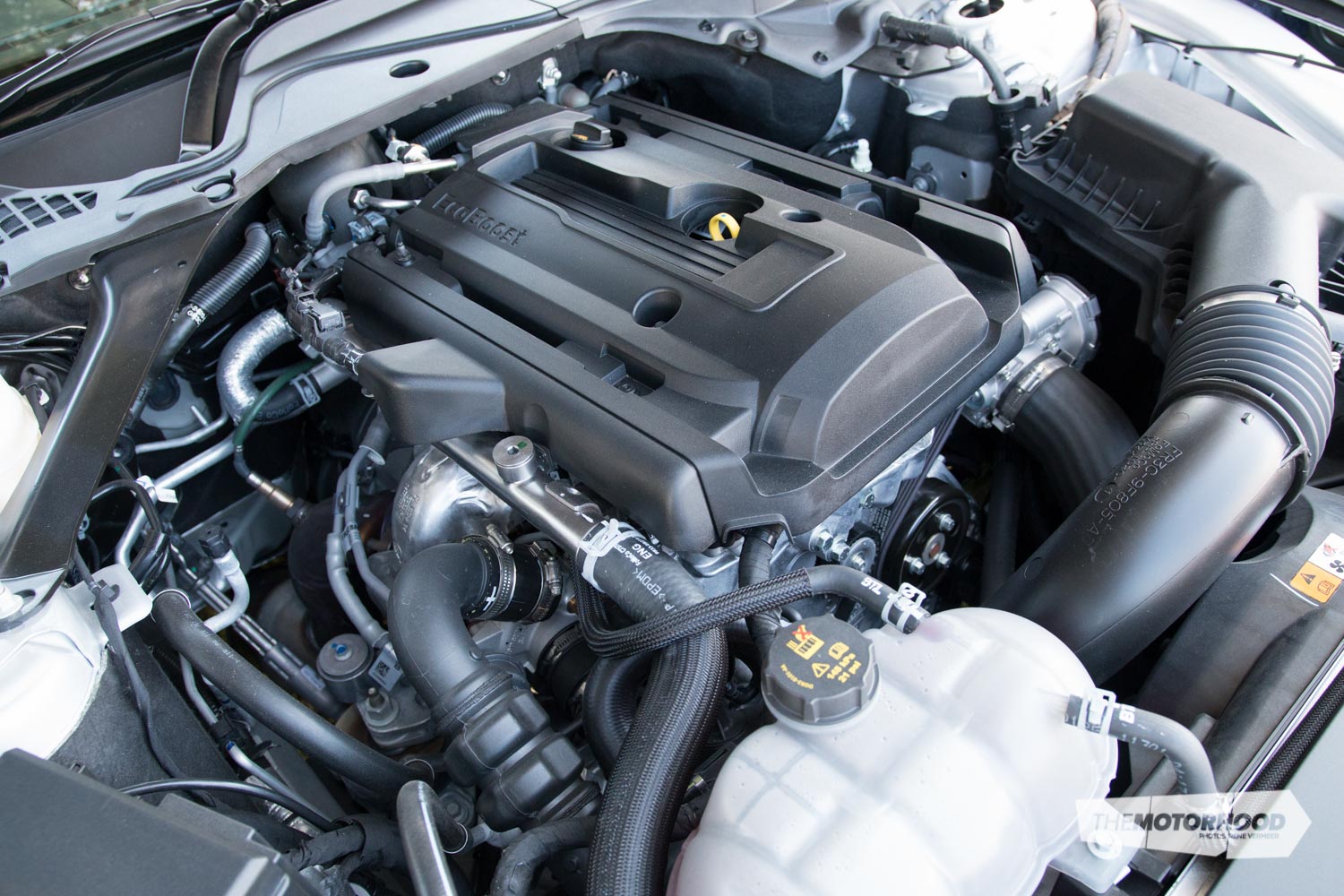
The EcoBoost sounds, well, tinny, to the point where when we were sitting in traffic and could feel eyes (and ears) on us, we’d purposely accelerate away slowly as to not give away that the car was a few slices short of what you expect in a muscle car.
Hit
Guiding light
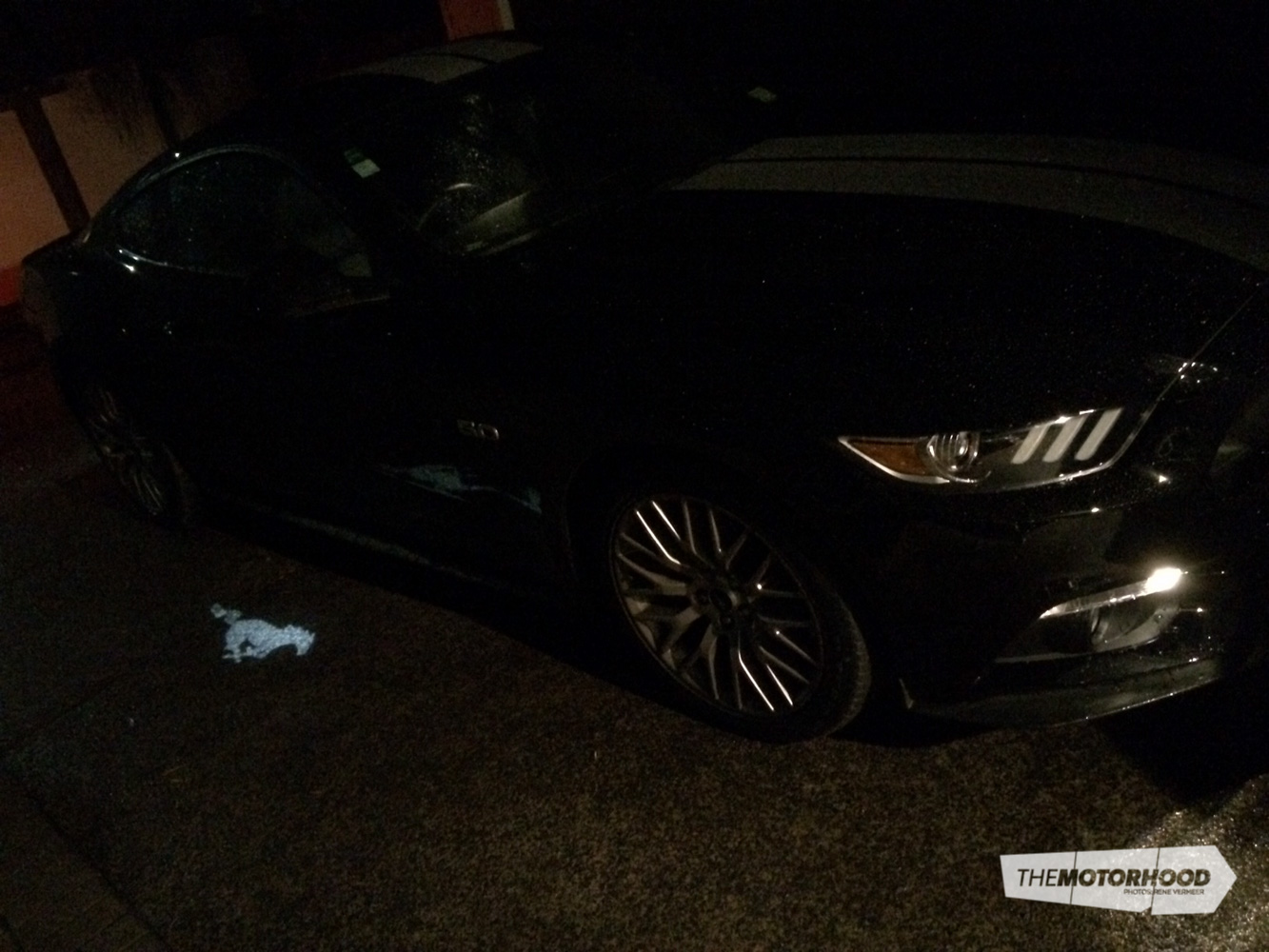
Hit any button on the key fob at night, and small lights built into the car’s rear-view mirrors illuminate the ground below in the iconic pony shape. Clever.
Miss
Tacky lights
Hit any button on the key fob at night, and small lights built into the car’s rear-view mirrors illuminate the ground below in the iconic pony shape. Tacky.
Hit
Like a glove
Drop your bum into the seats in either the EcoBoost or the GT, it soon becomes apparent that while they look like leather, the seats are actually made from tiny little angels that caress your body and hold on to you lovingly.
Miss
Running free
Not a problem with the Mustang at all, we’d just love to see it have a bit of right-hand drive competition … Dodge Challenger, or Chev Camaro perhaps, hint hint.
IMG4865
Hit
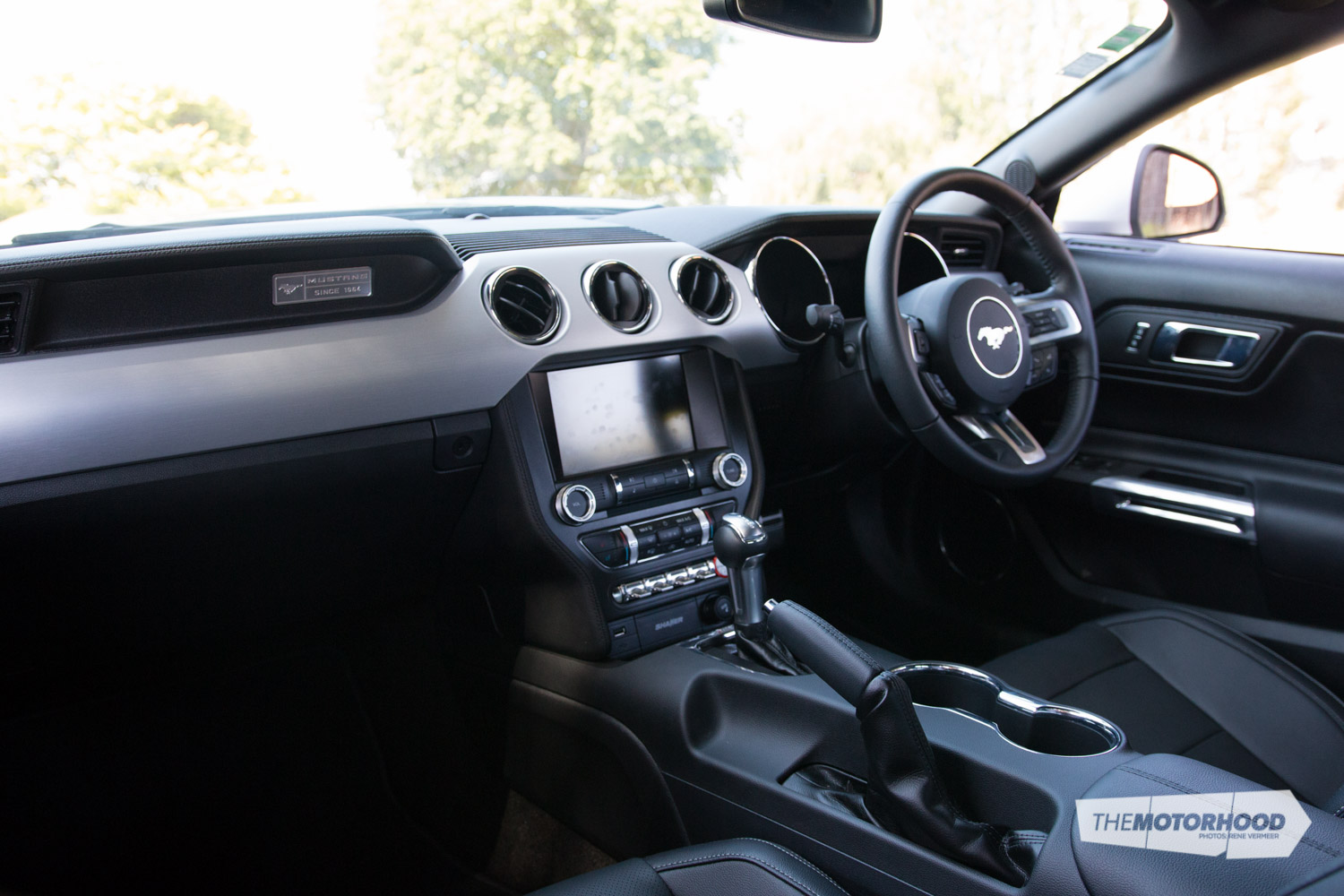
Wizardry
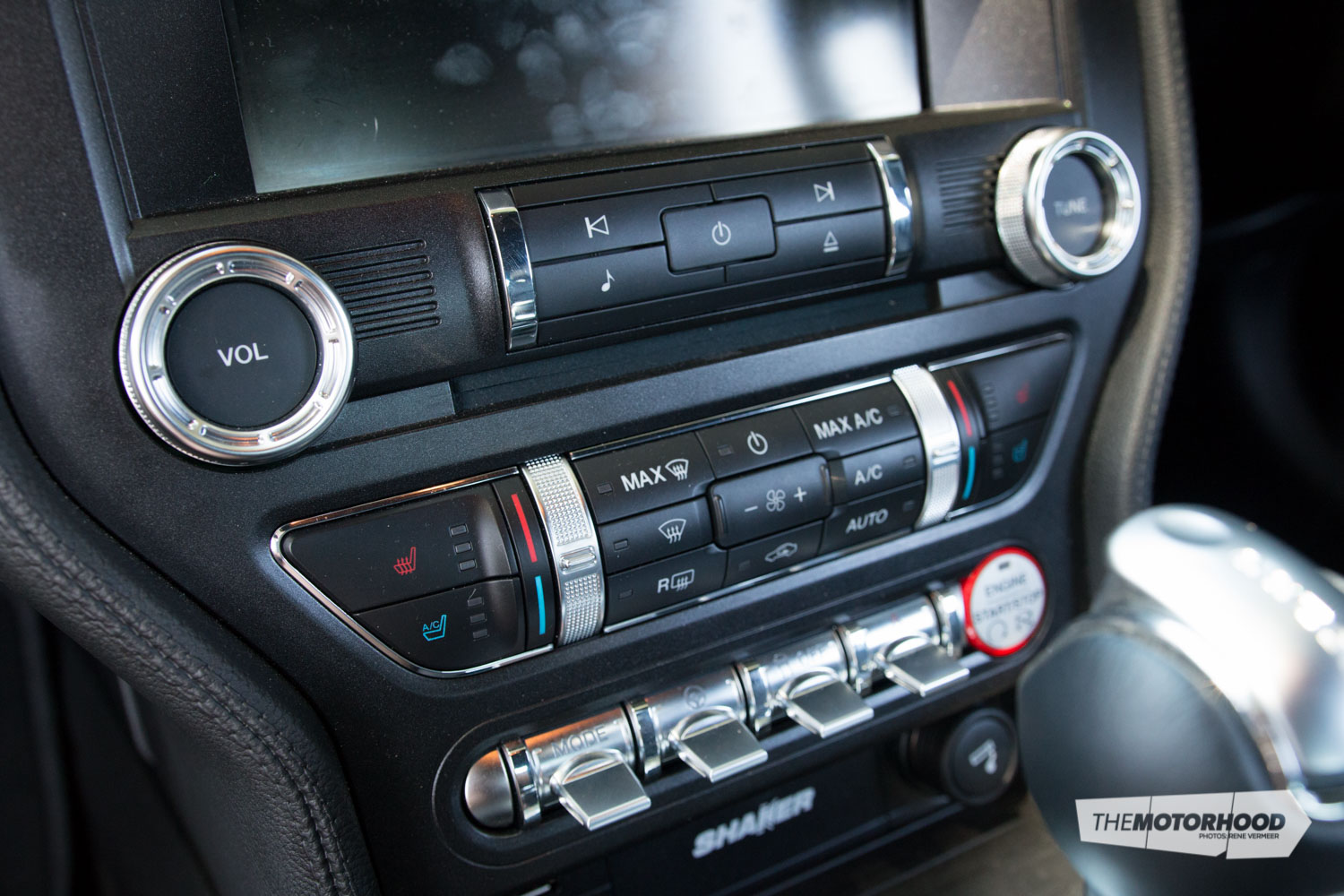
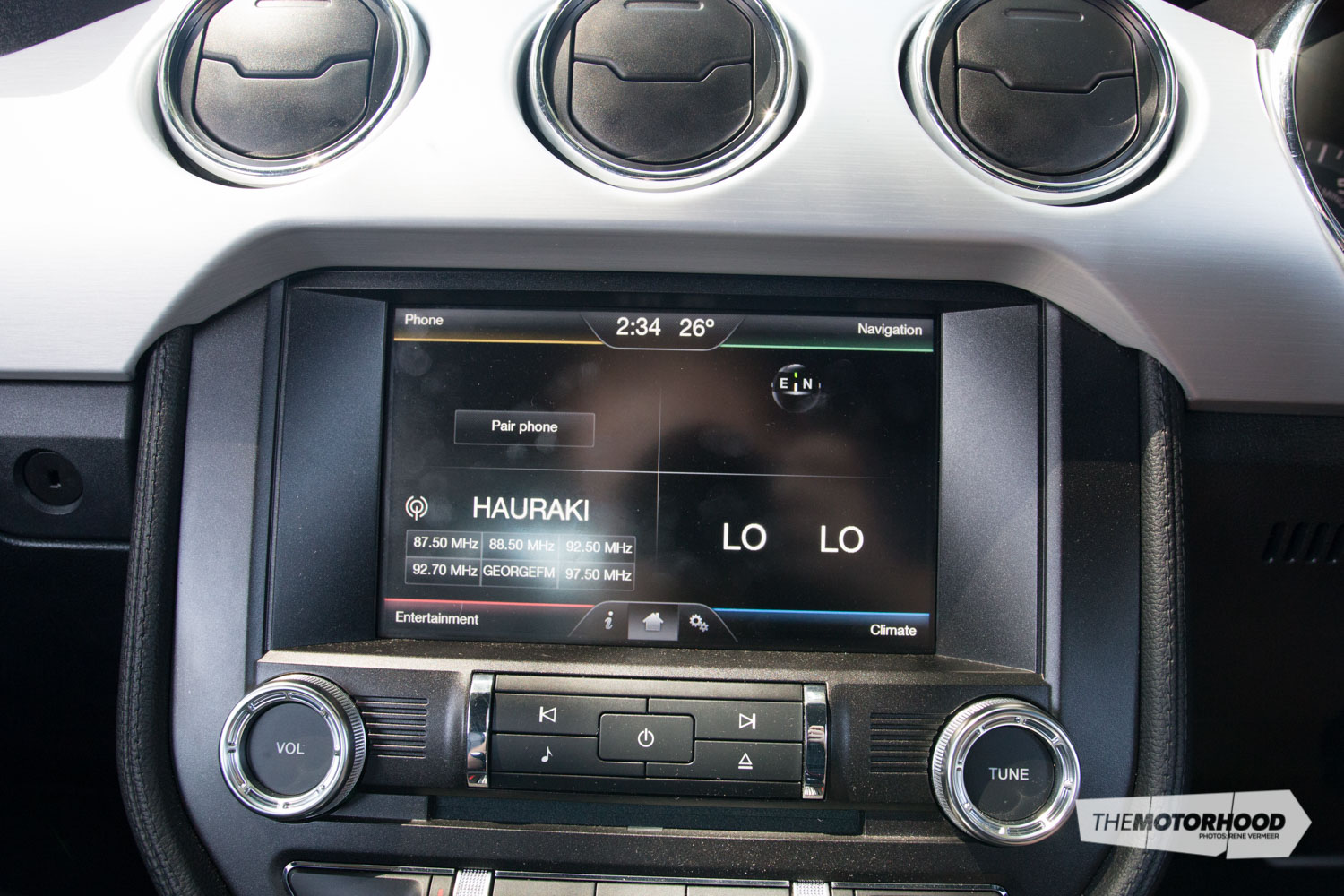
Looking inside the cars, it first appears that they have as many buttons as a spaceship, but pay a bit of attention, and their uses all become clear, and are all extremely handy, as is the Sync 3 touchscreen display, which gives easy access to all requirements.
Miss
Not enough
We tried to make this list 10 features long, but we couldn’t, there just wasn’t anything else we could make up a whimsical complaint about, the cars are just that good to the point where we have at least one staff member seriously contemplating purchasing one.
Check out NZV8 Issue No. 131, on sale March 7 for our full review of the cars.