data-animation-override>
“No matter what has been thrown at Cantabs over the past five years, generosity in the south is still strong!”
Many of us have heard of Make a Wish New Zealand, and the wonderful work they do. They grant the wishes of children with life-threatening medical conditions to bring hope, strength, and joy. Thanks to the Bayleys Foundation and Make a Wish, one Canterbury teenager has had her wish granted by having her car ‘pimped’, thanks to the generosity of some local businesses and the team from Rockabilly Show and Shine. Two years ago, Enya Beynon — then 16 years old — was diagnosed with a rare form of ovarian cancer and underwent surgery and months of chemotherapy, finally coming out on top.
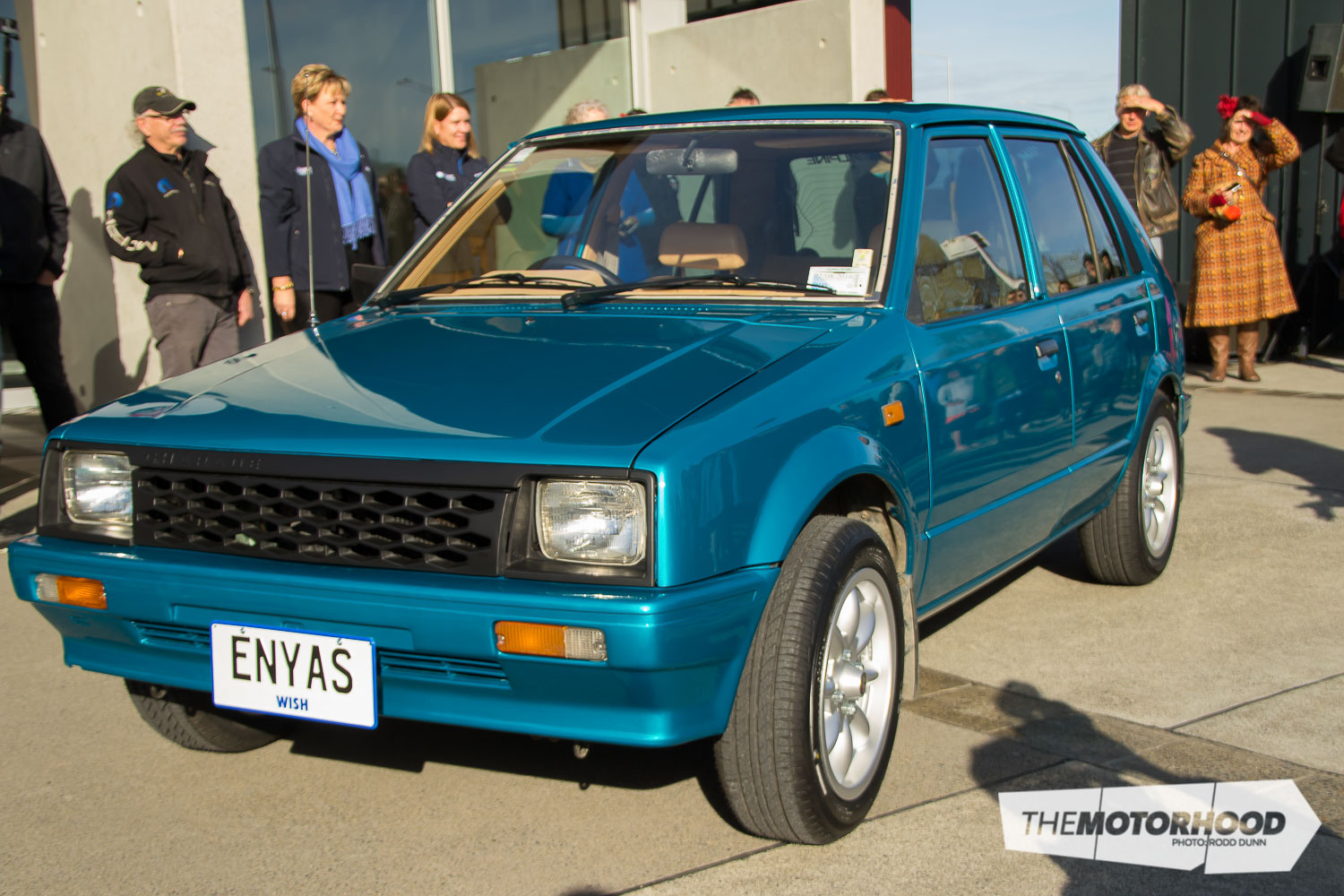
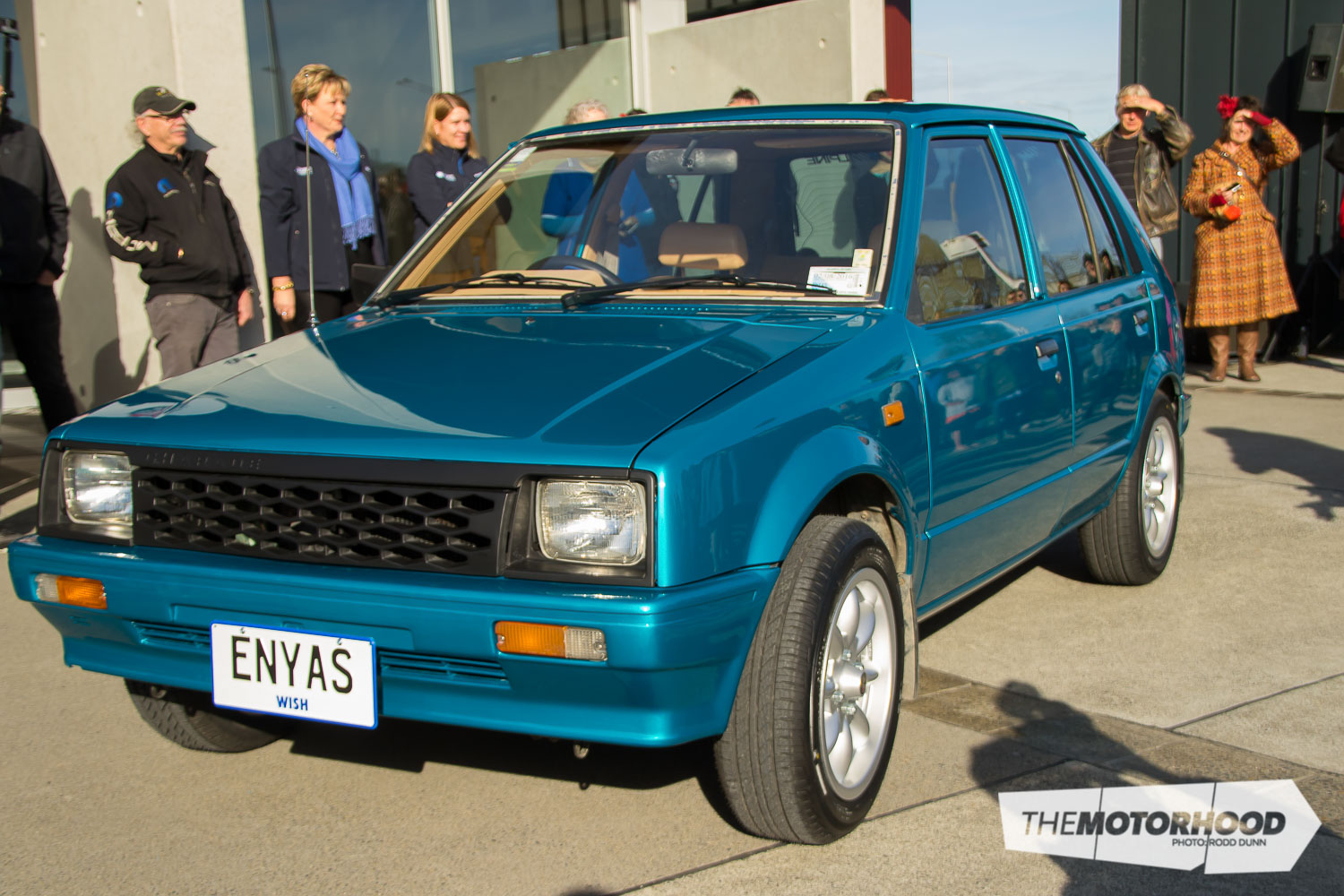
Given the opportunity to have her wish granted, Enya asked to have her car — a very plain and sorry-looking 1985 Daihatsu Charade — pimped. The Rockabilly boys teamed up with several very generous local businesses, spending several weeks whipping the little hatchback into a gleaming jewel of its former self.
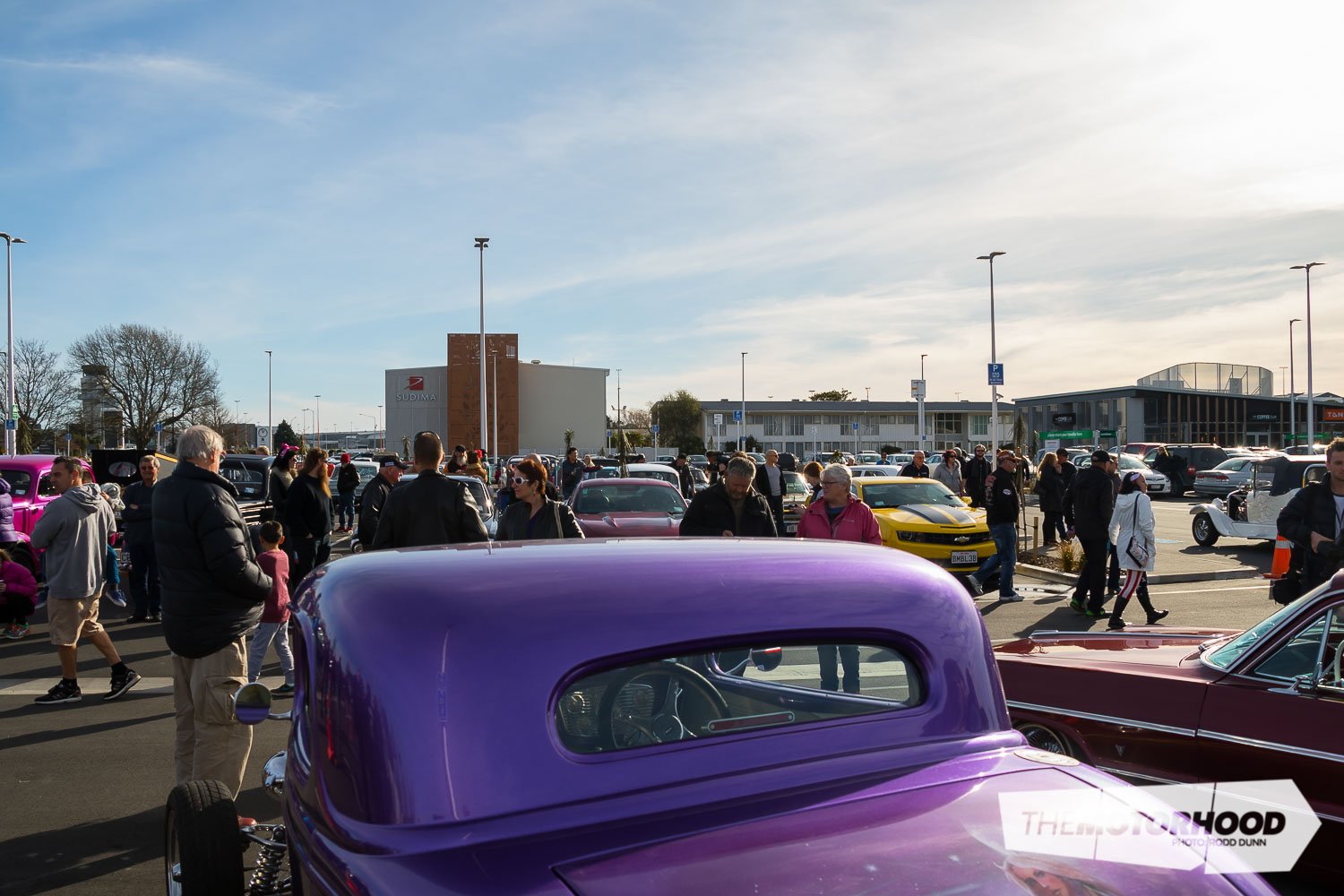
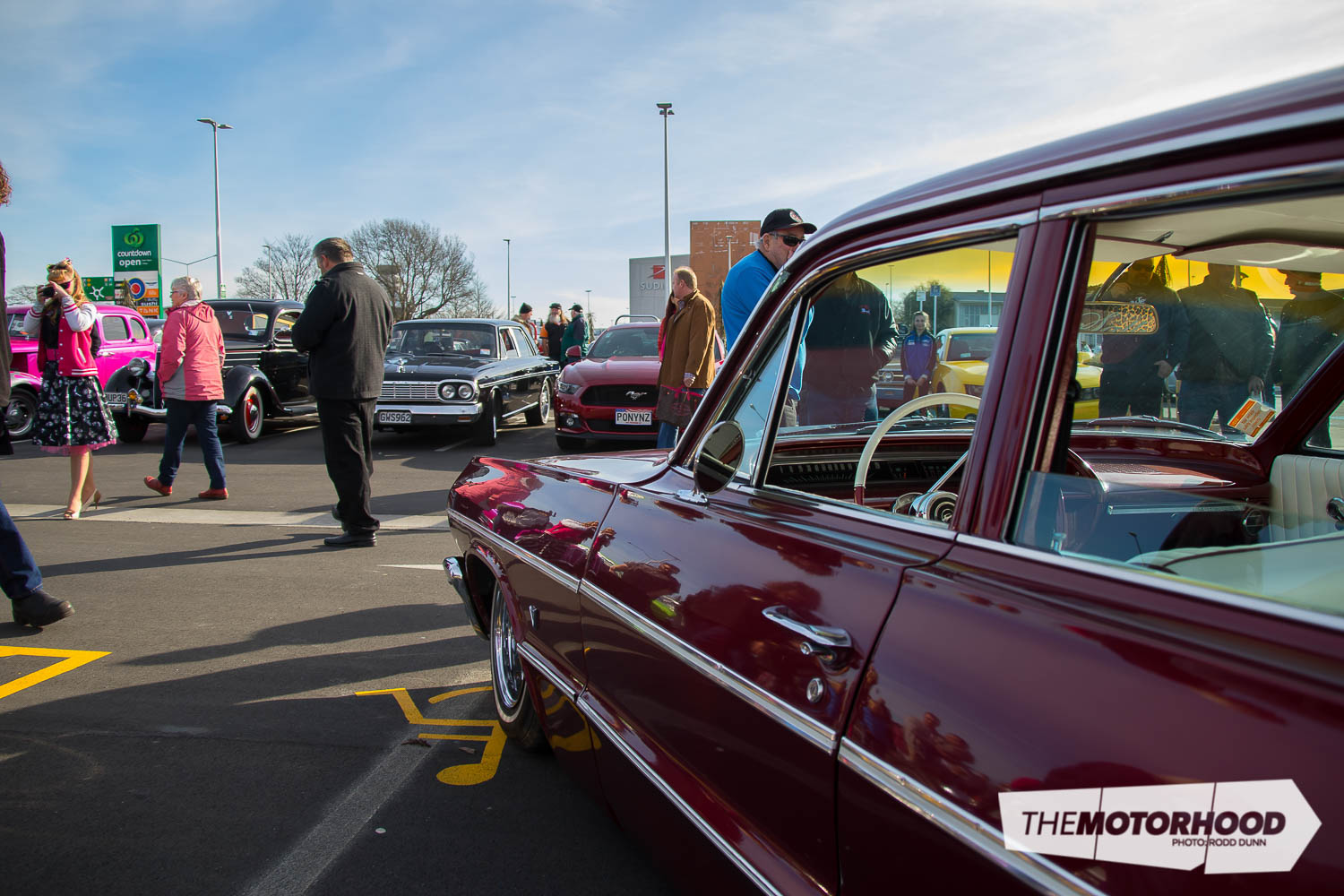
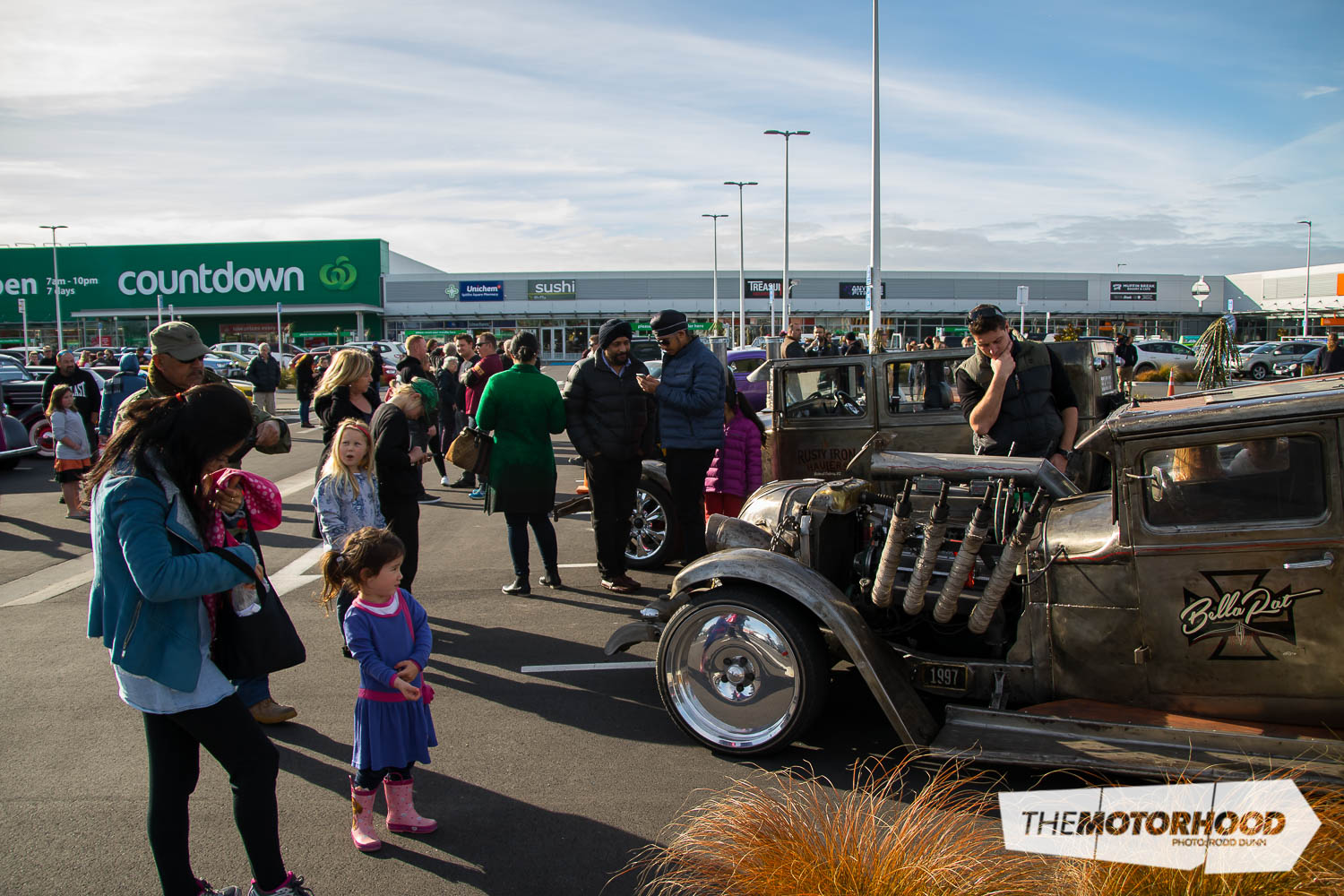
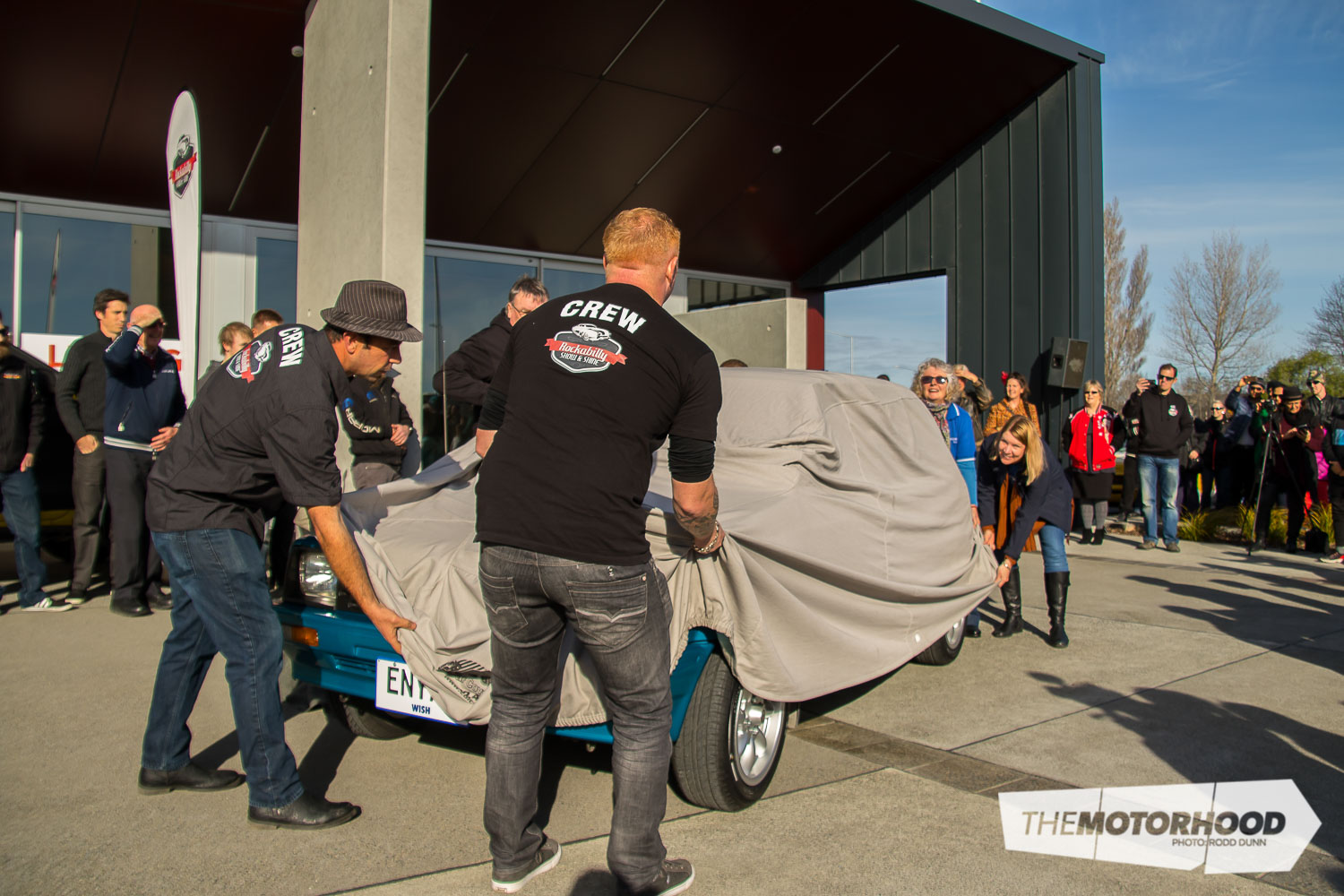
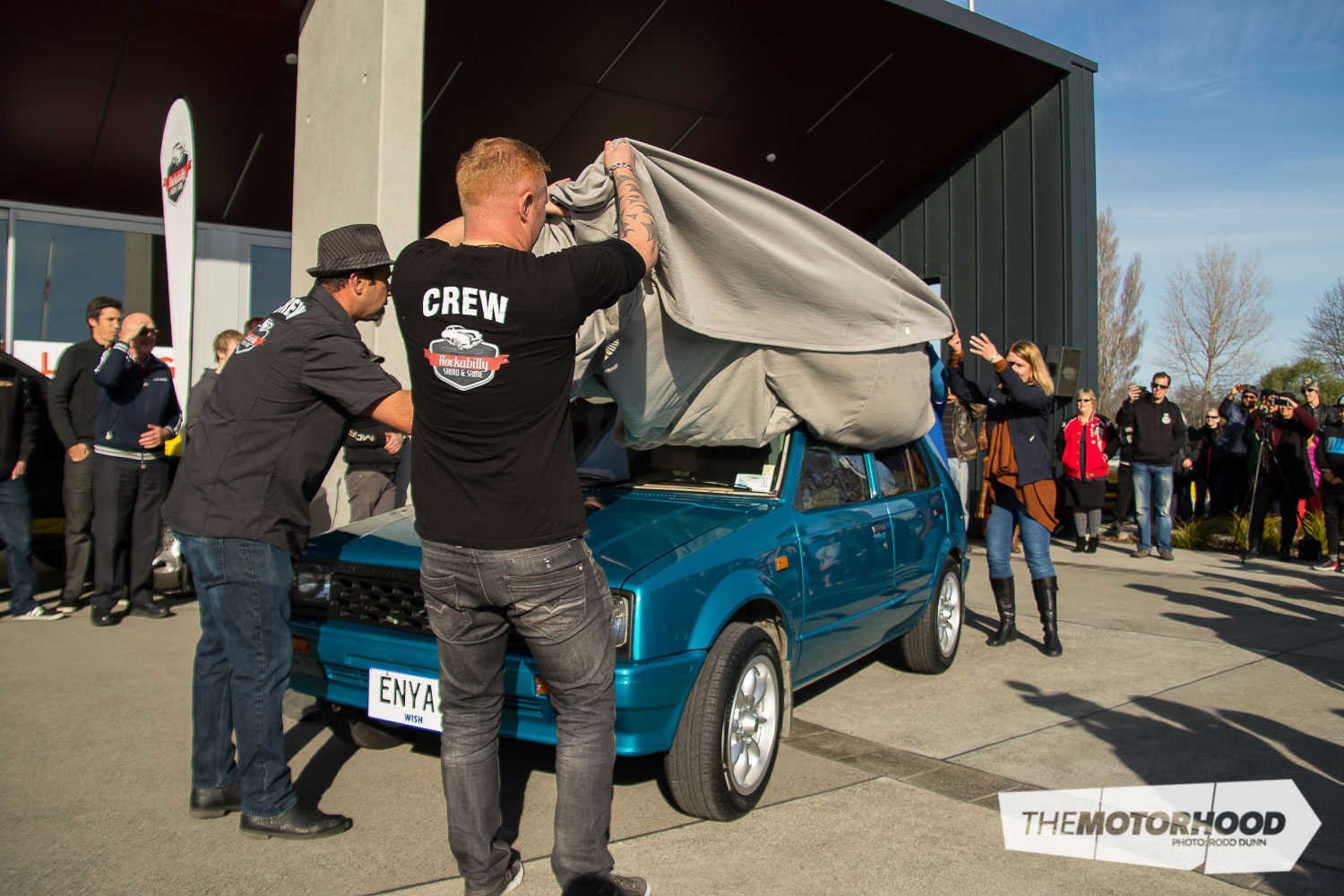
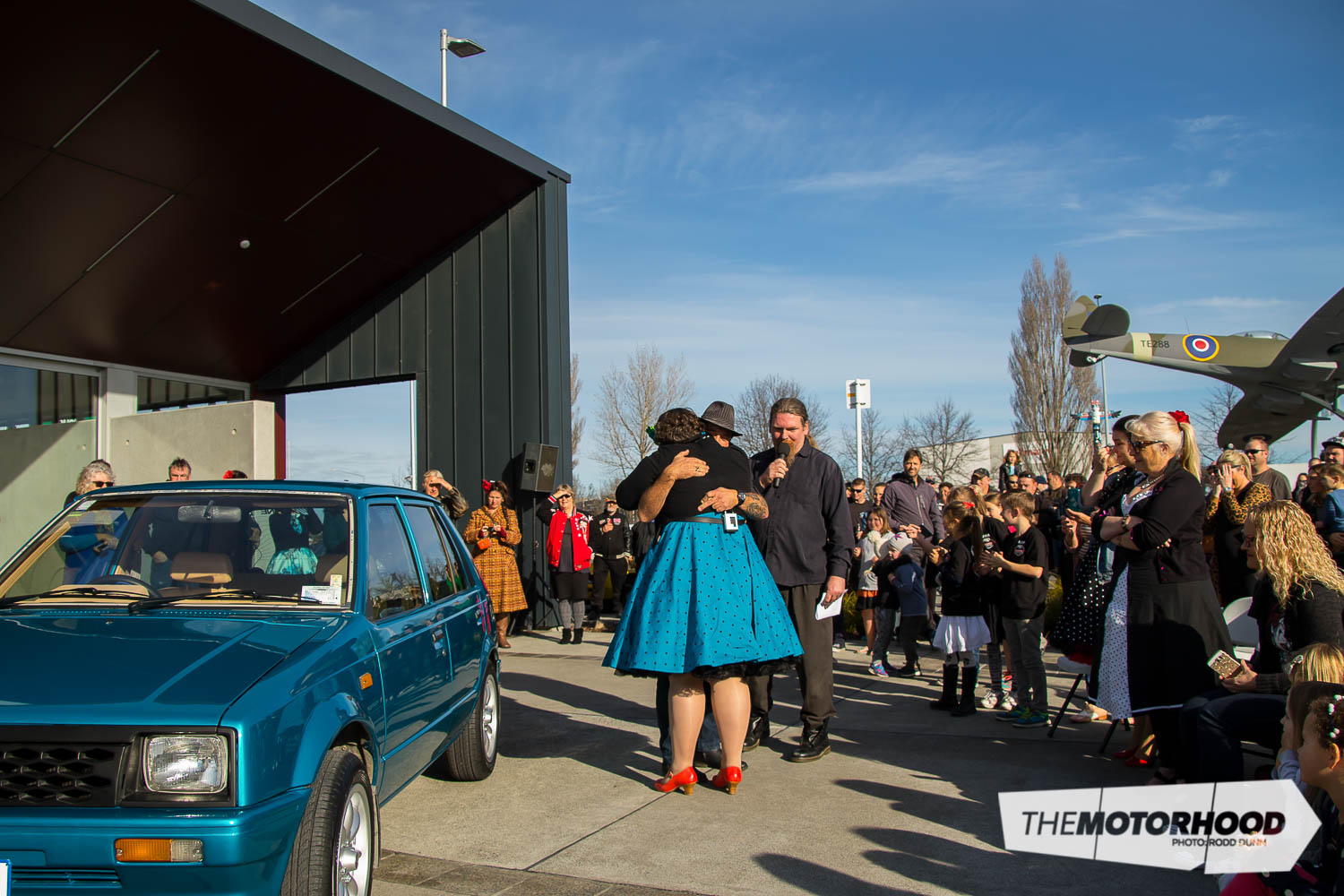
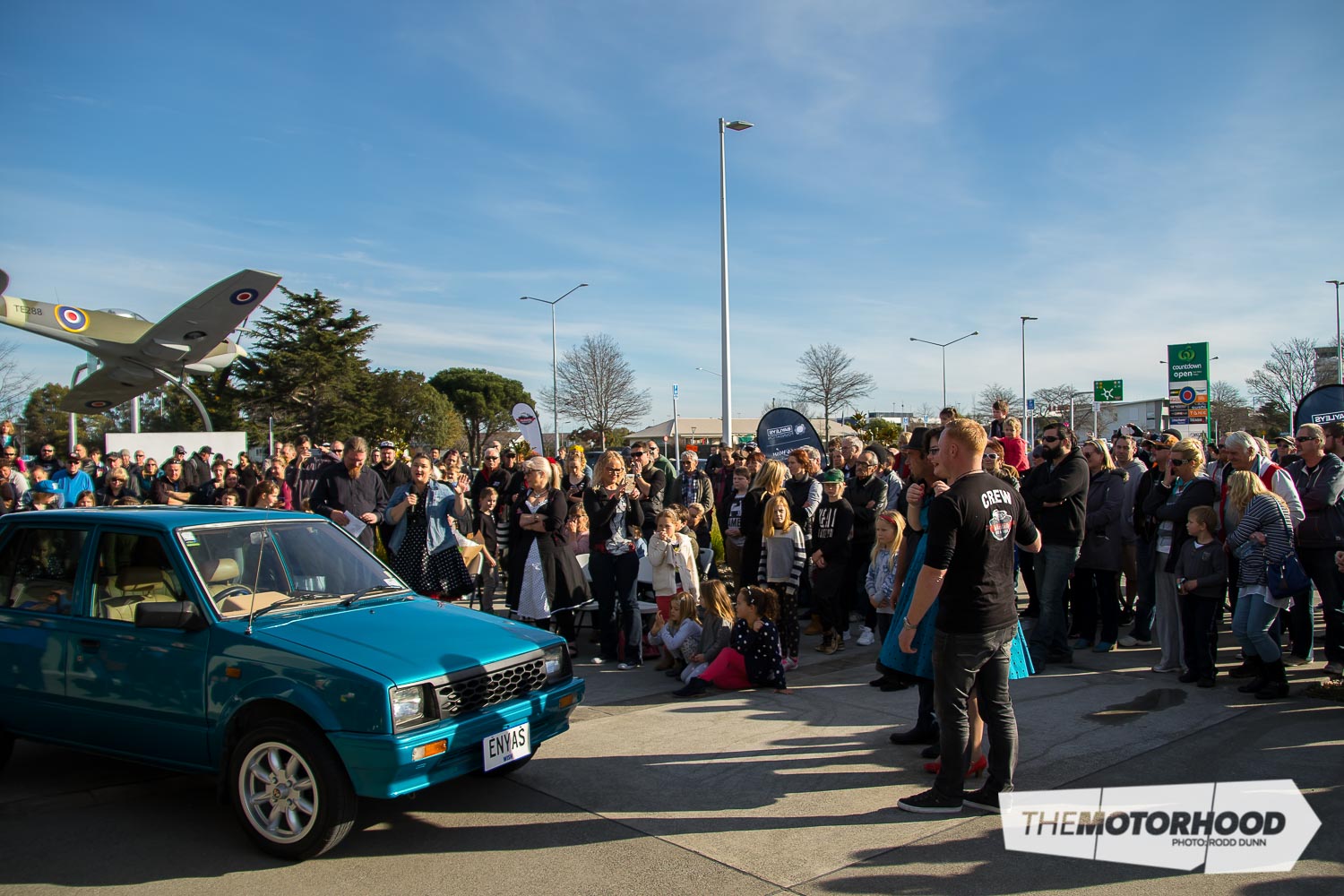
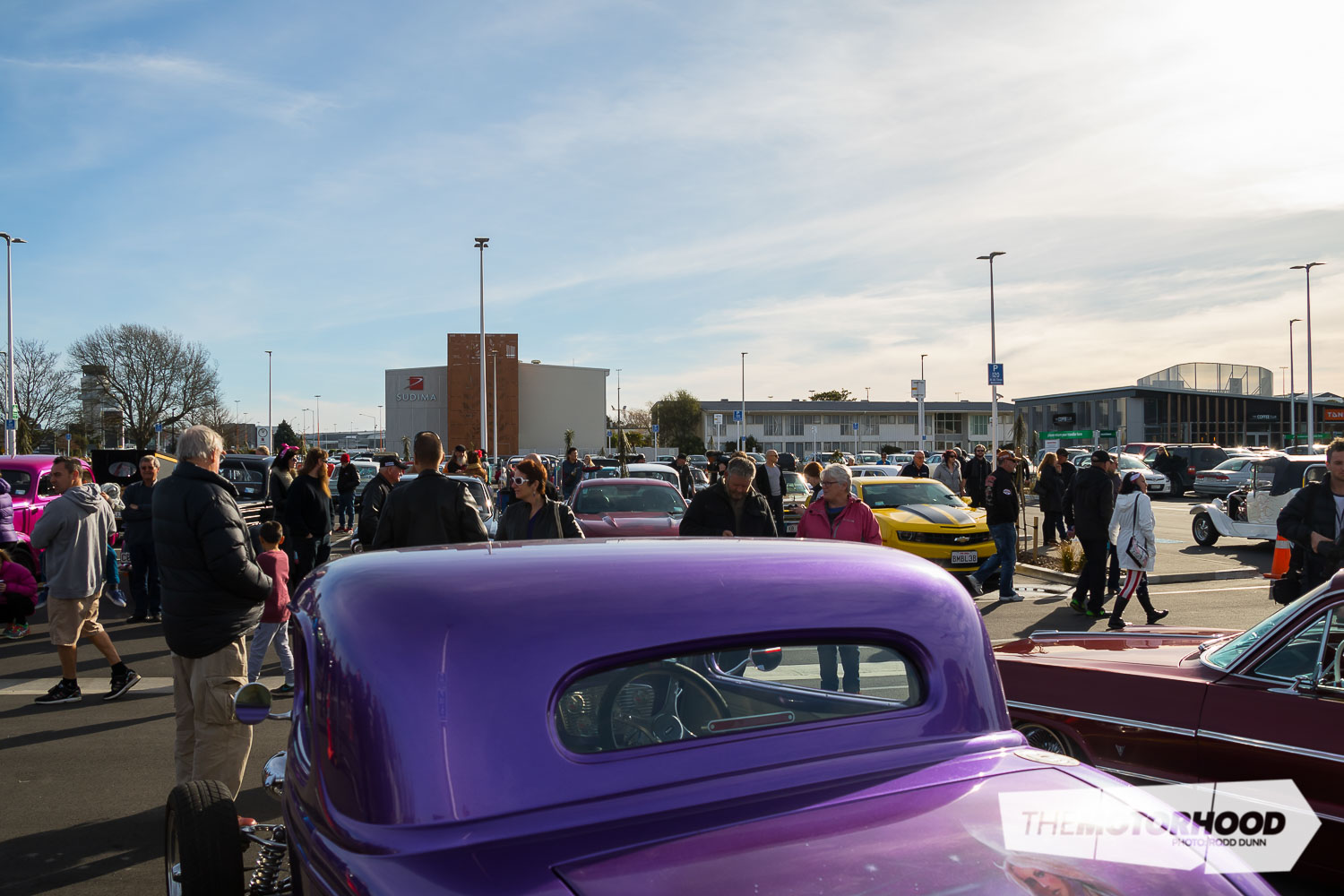
The car now wears new paint, upholstery, tyres, wheels, and a pumping sound system. Rather than just park the car in the driveway and hand the car keys back to Enya once completed, a car cruise was arranged for July 10, leaving from New Brighton, and ending up at Burgerfuel in Spitfire Square at Christchurch Airport where the Charade was parked, under a cover, ready to be given back to a very excited Enya.
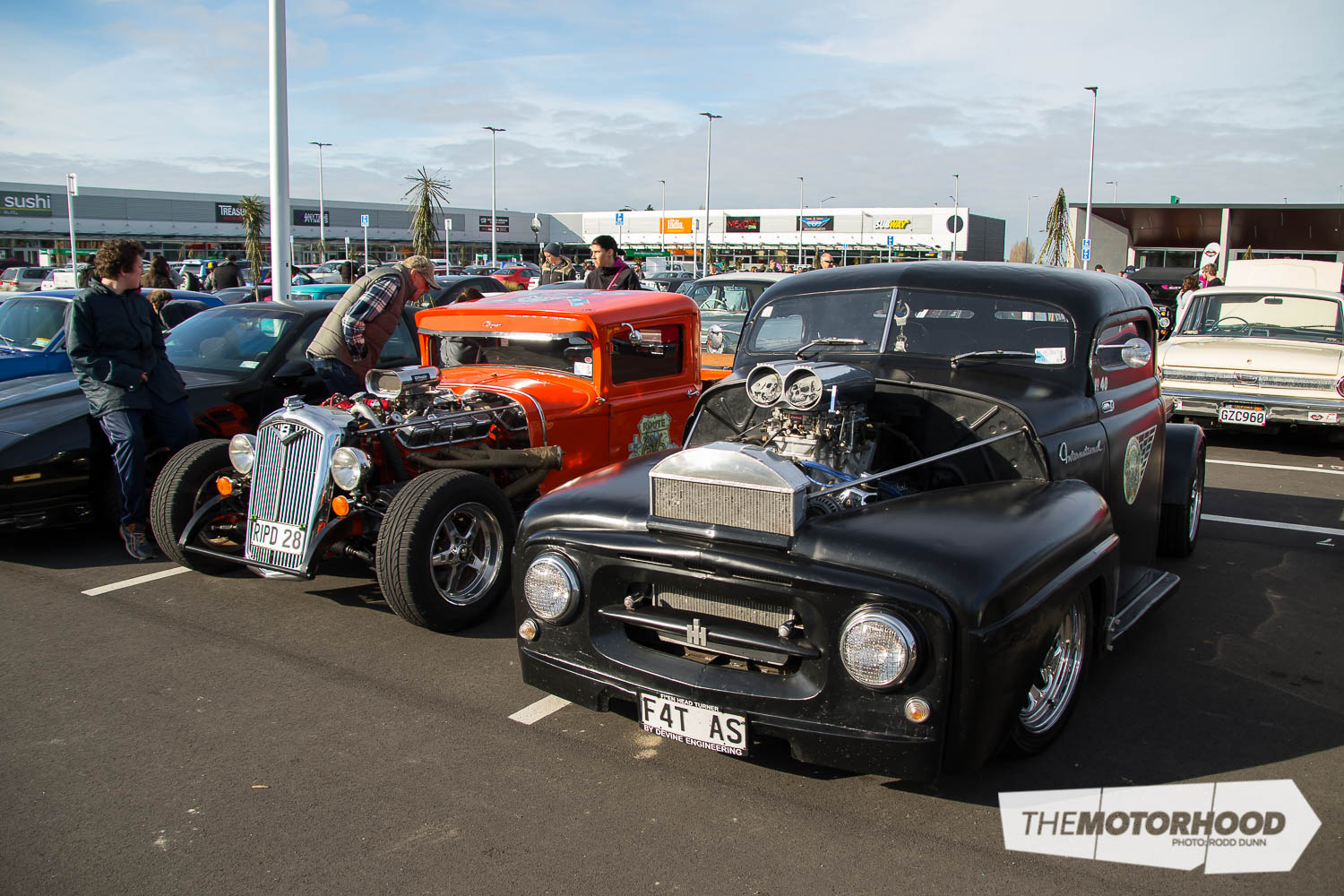
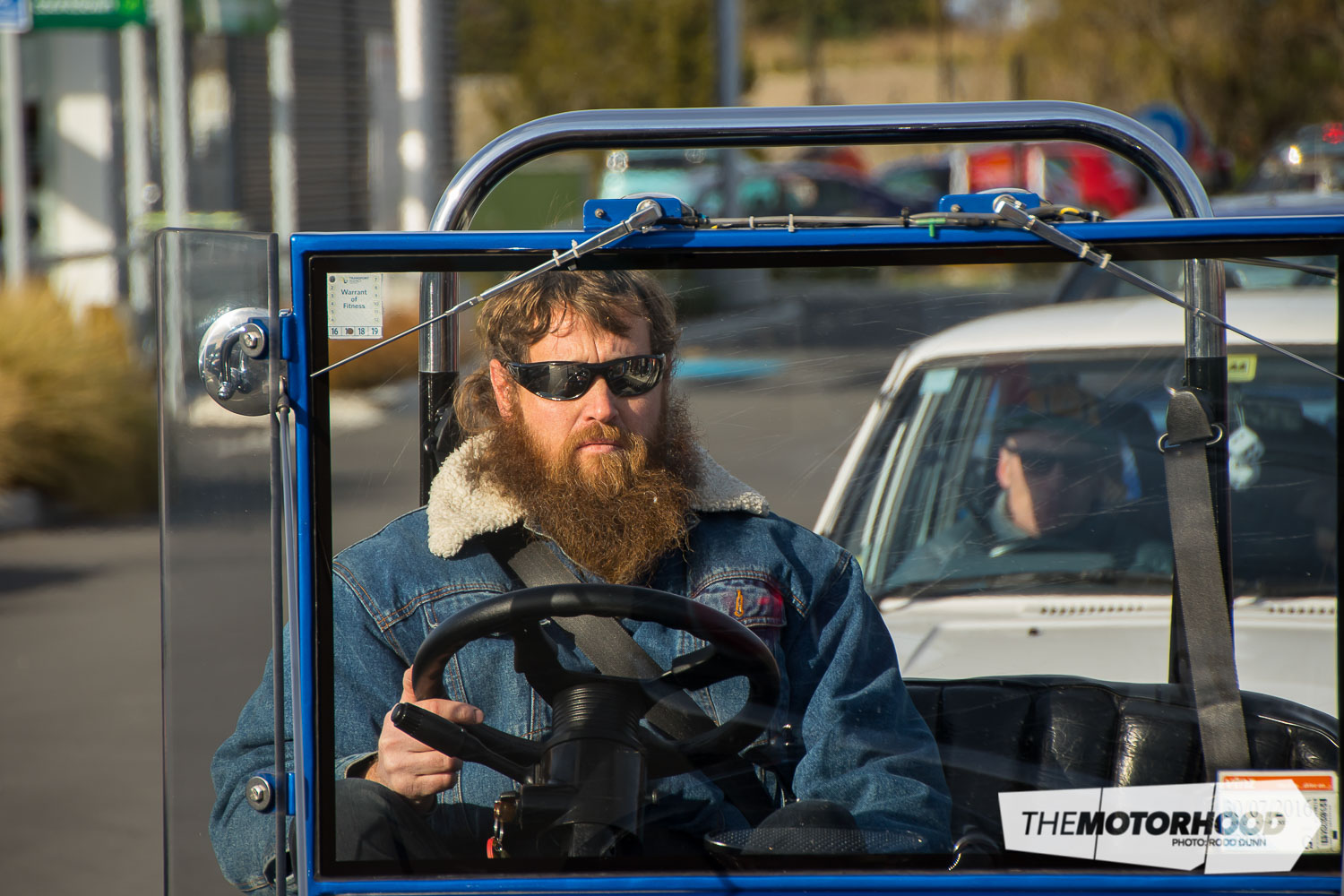
After receiving a personal makeover herself, Enya was driven in the cruise by Maureen Fairburn in her stunning Hemi-powered ’34 Ford Coupe. With 75 cars taking part, an area had been roped off so that parking wouldn’t be an issue once everyone arrived.
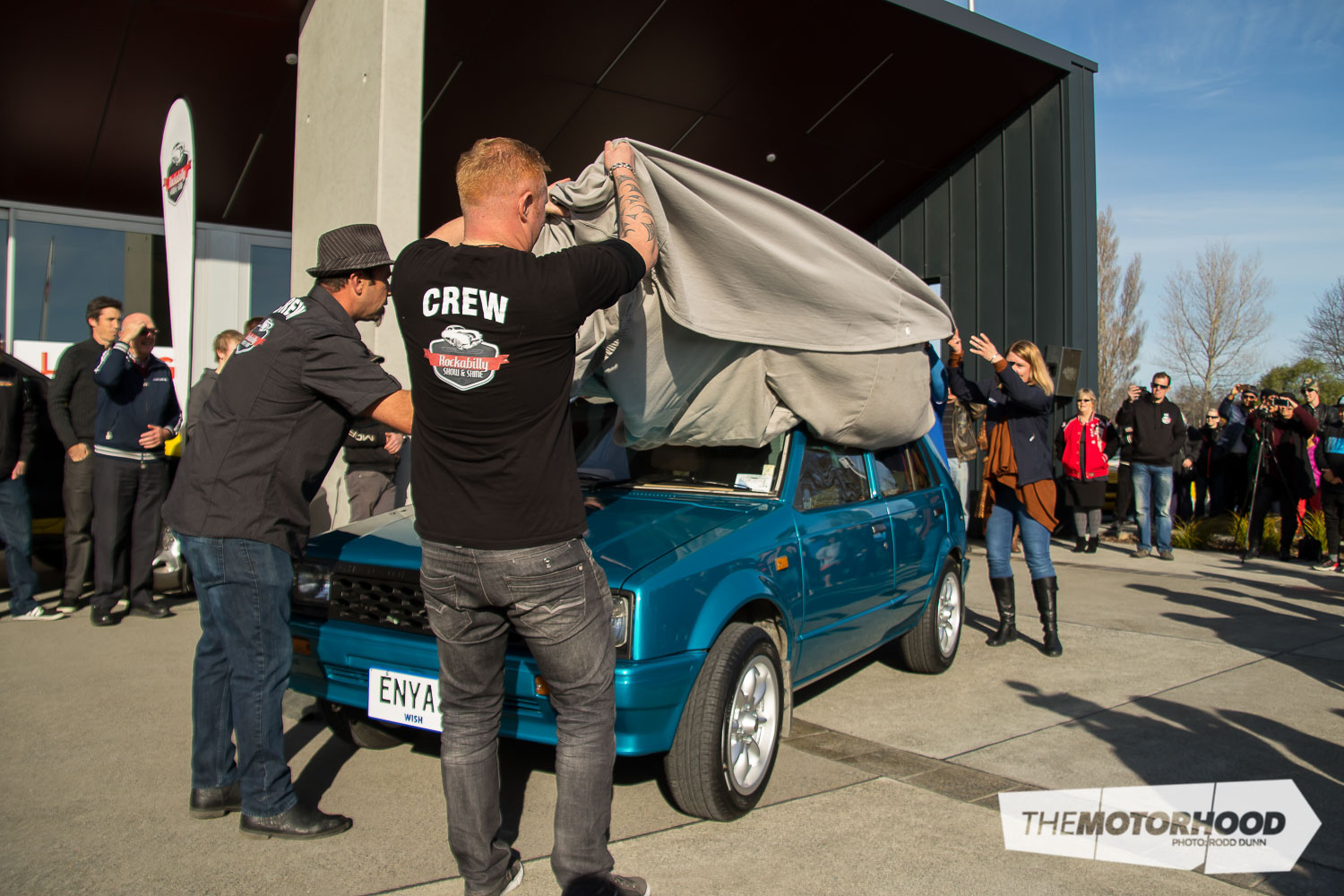
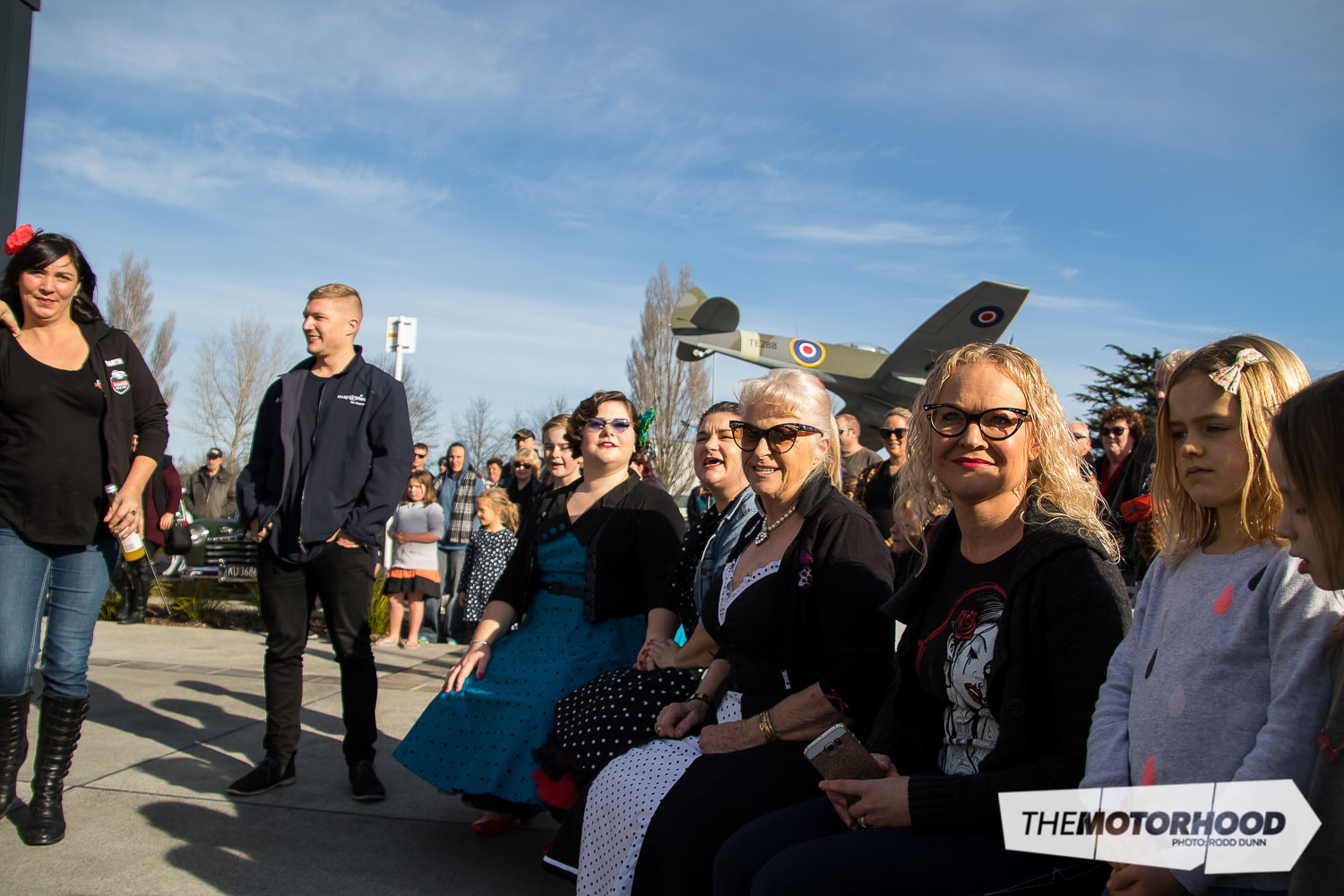
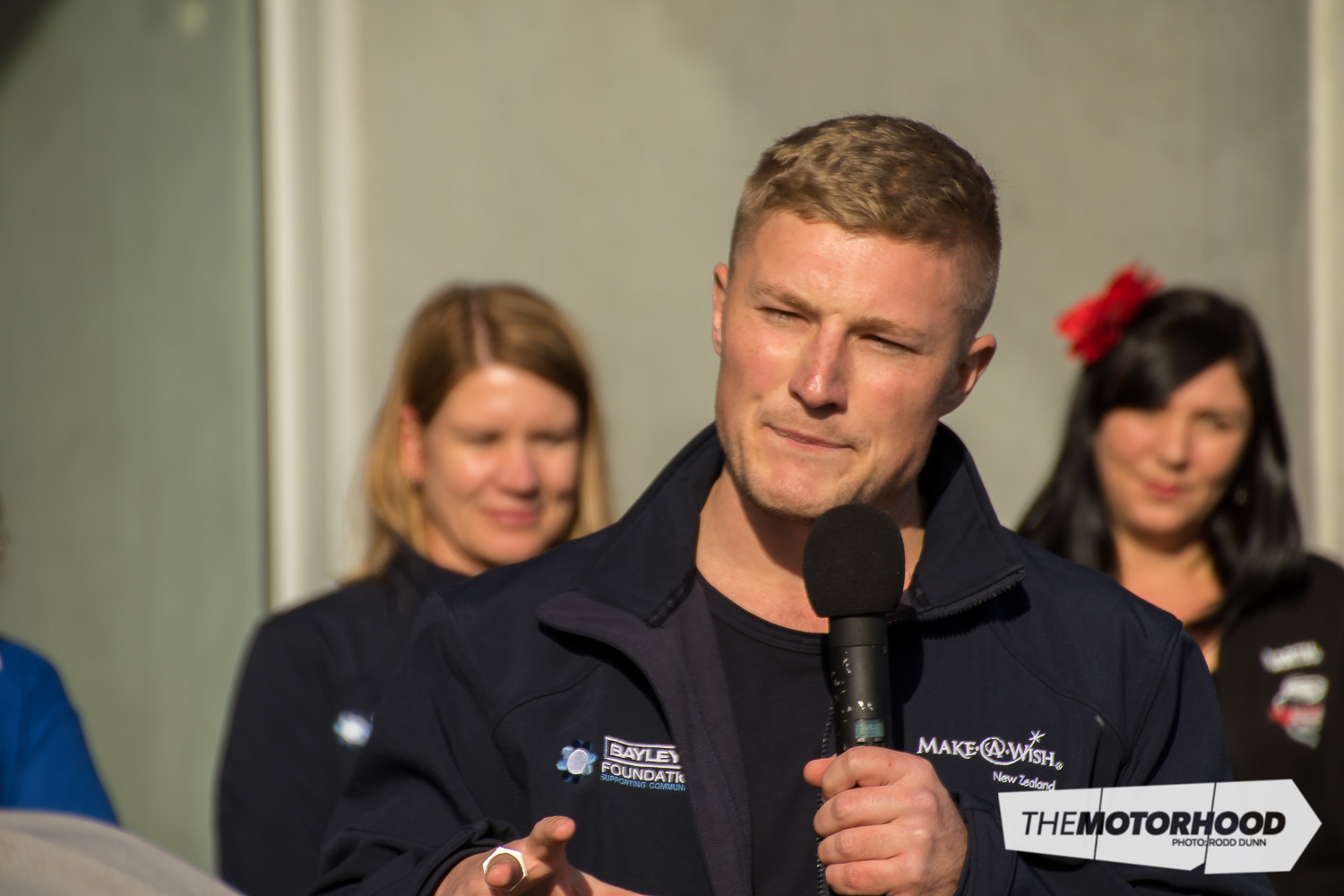
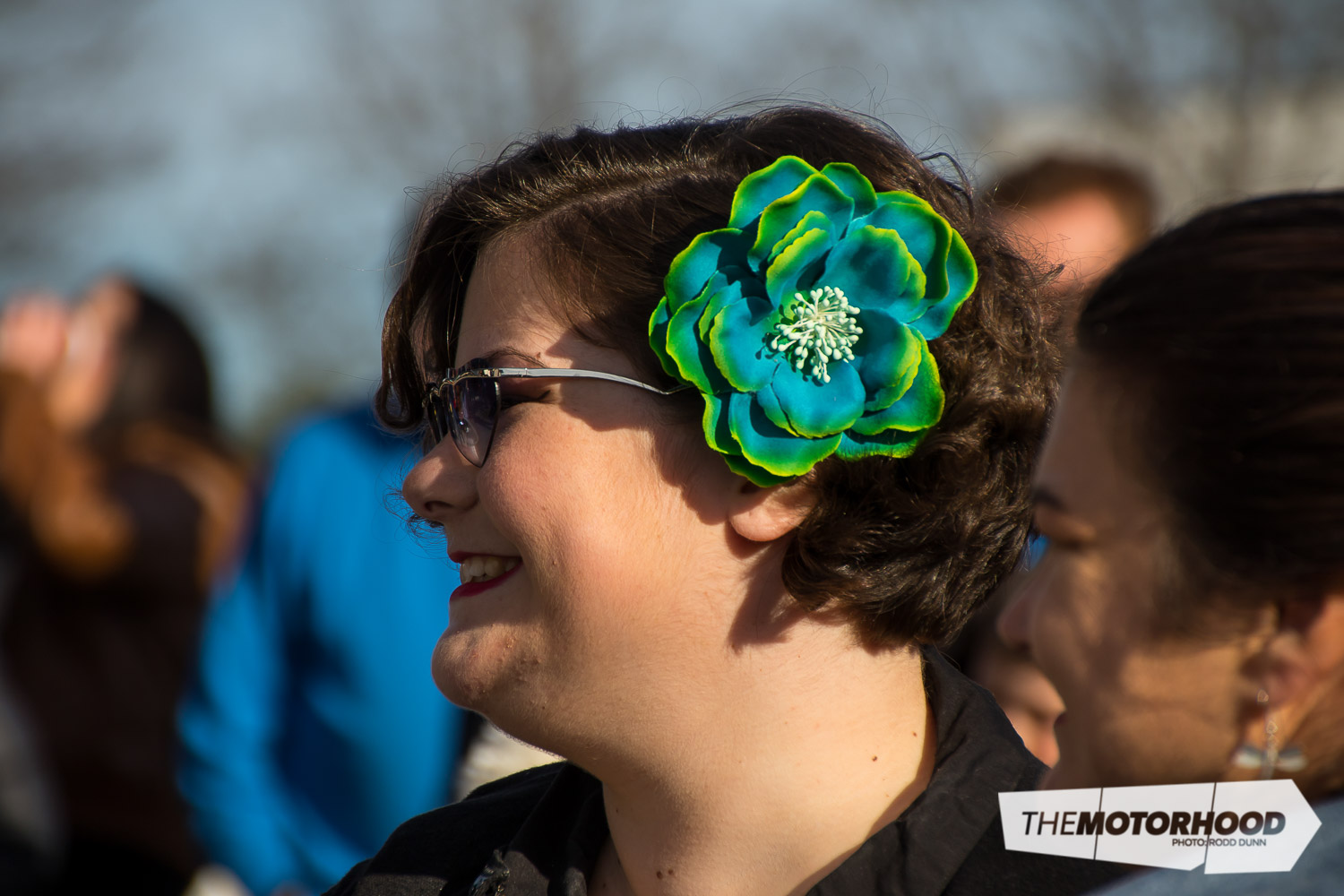
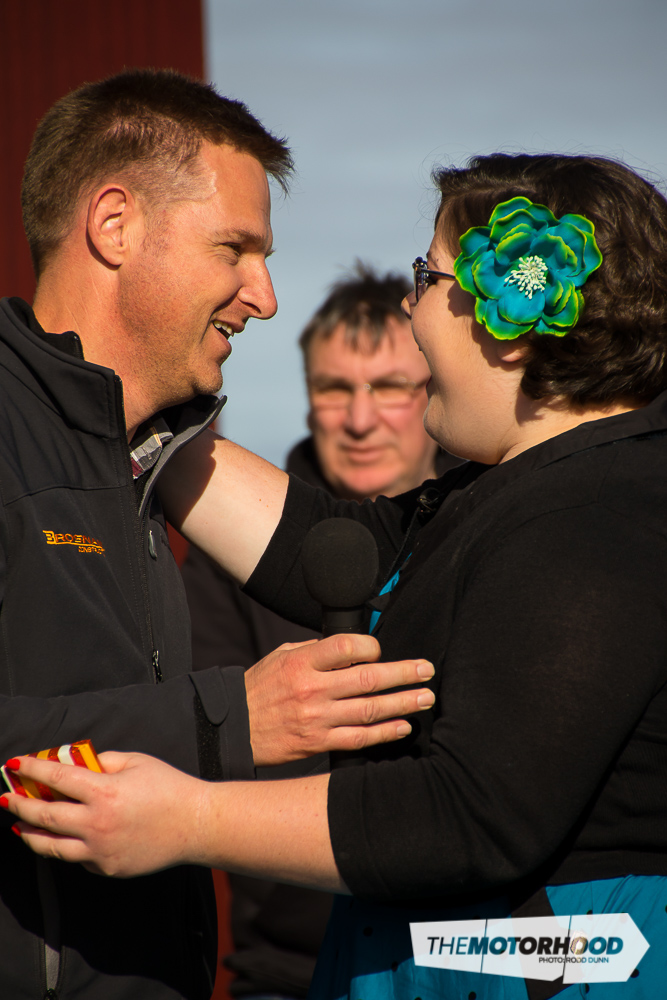
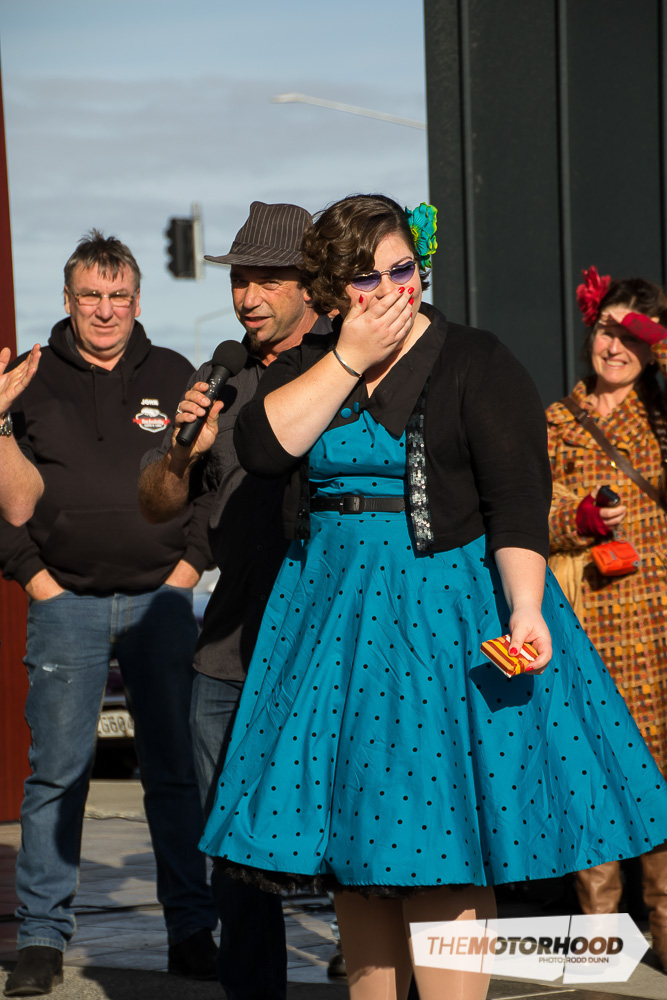
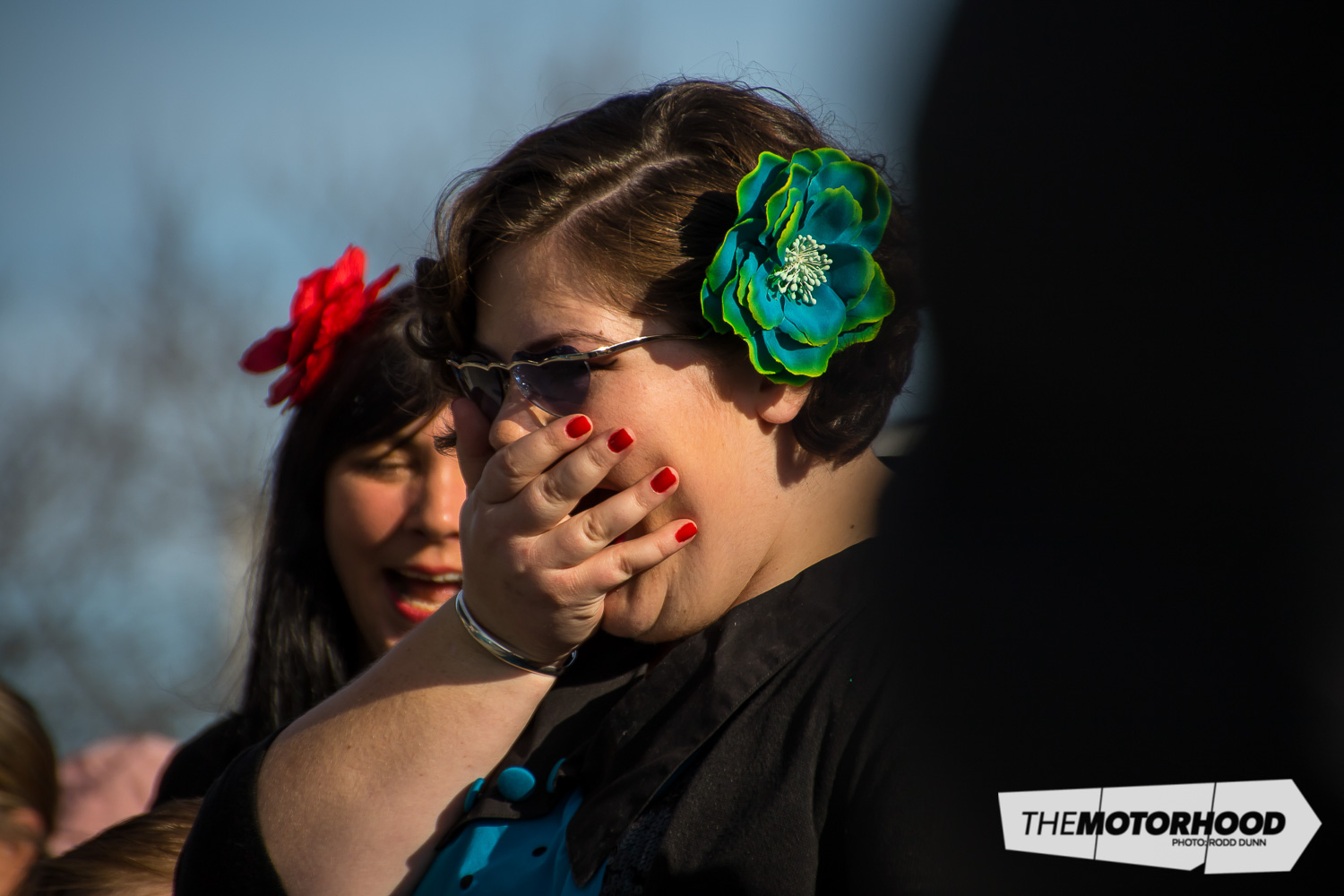
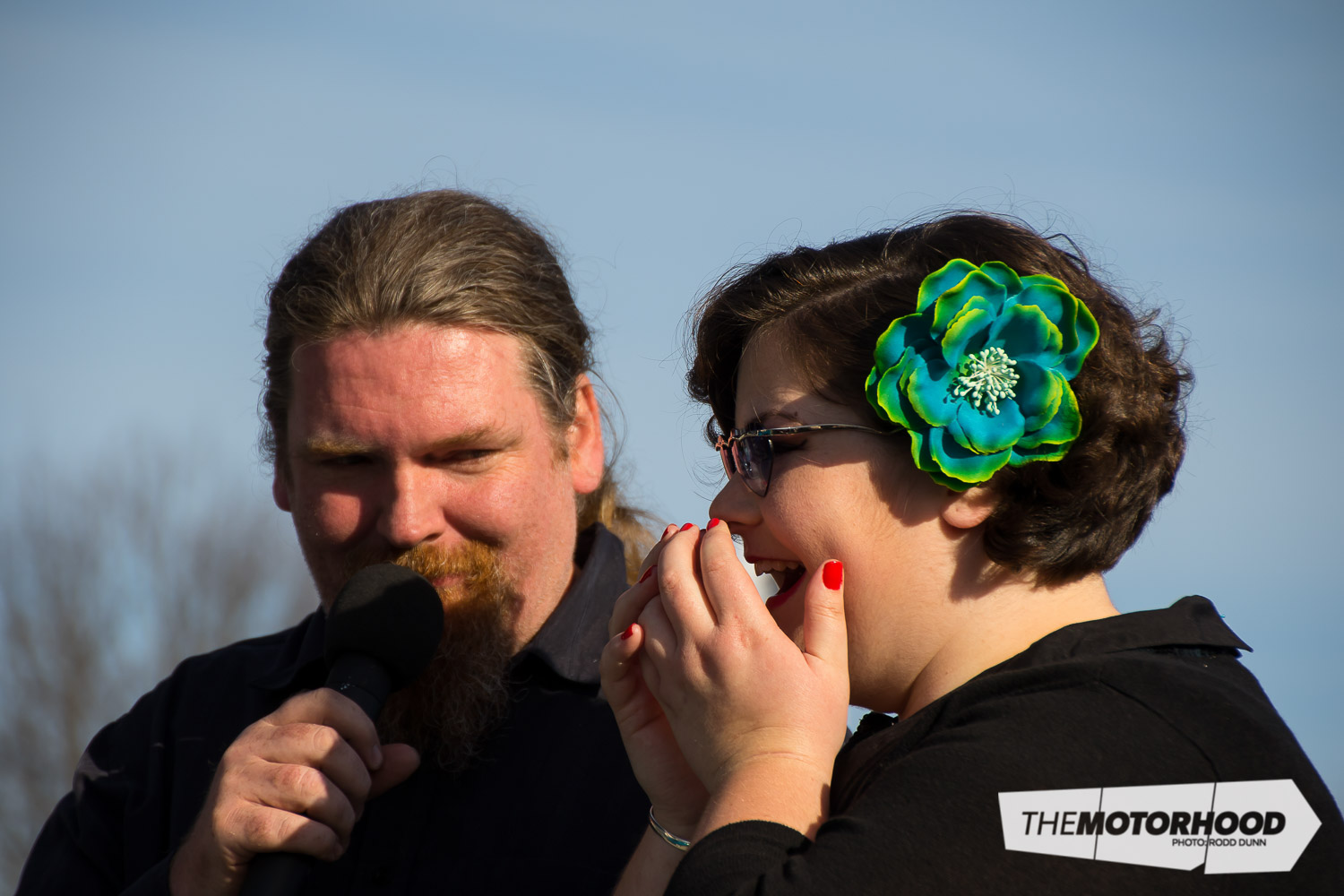
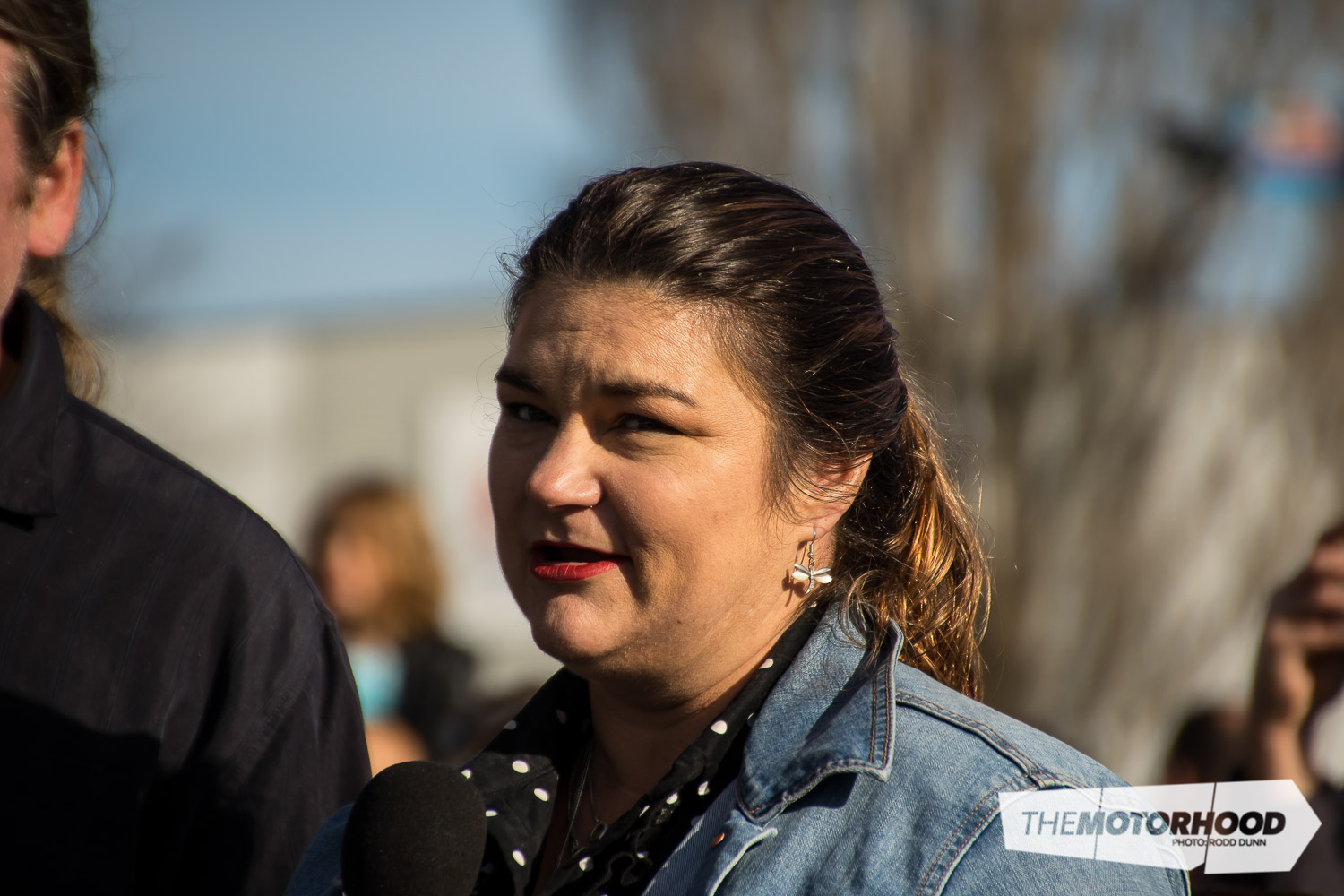
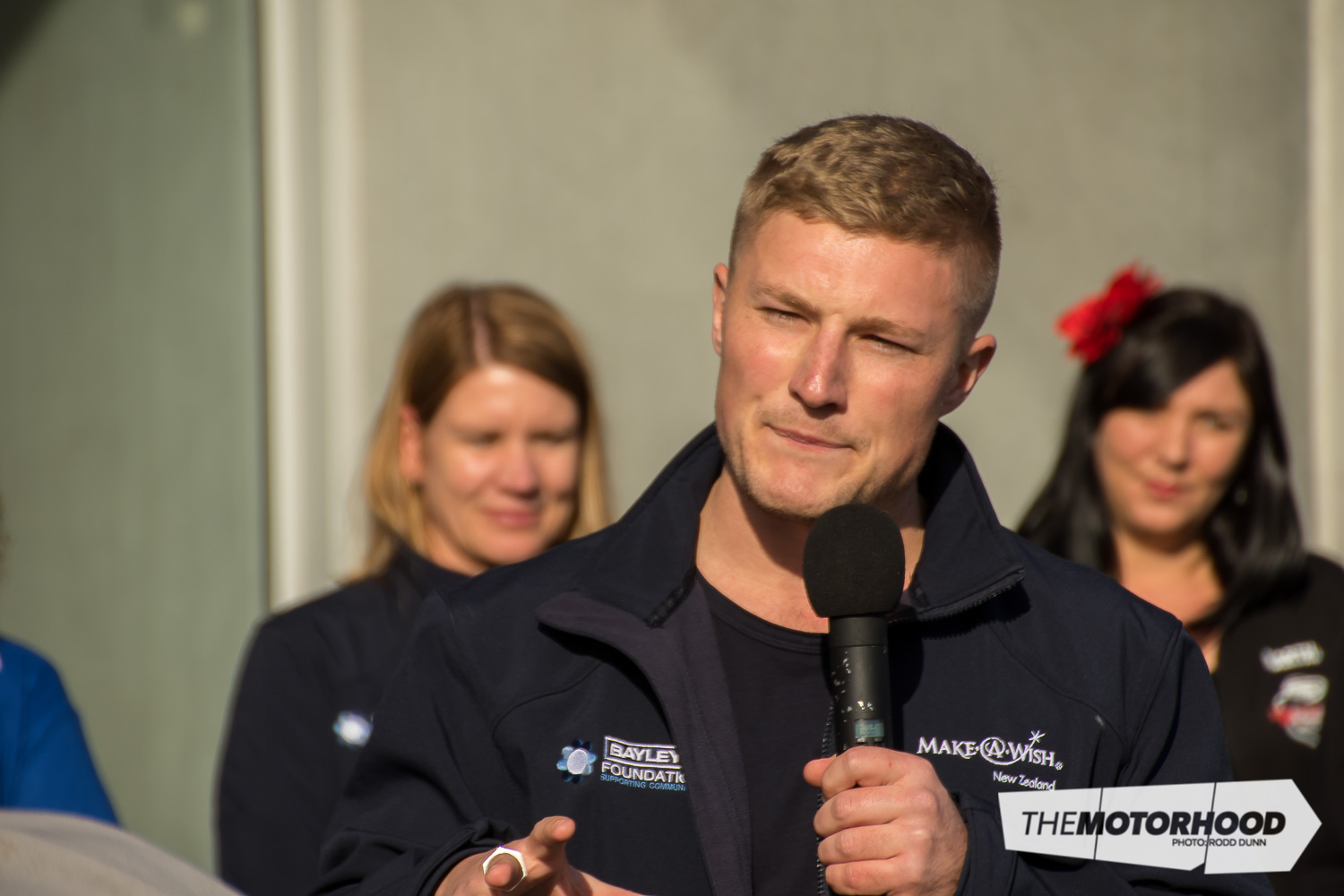
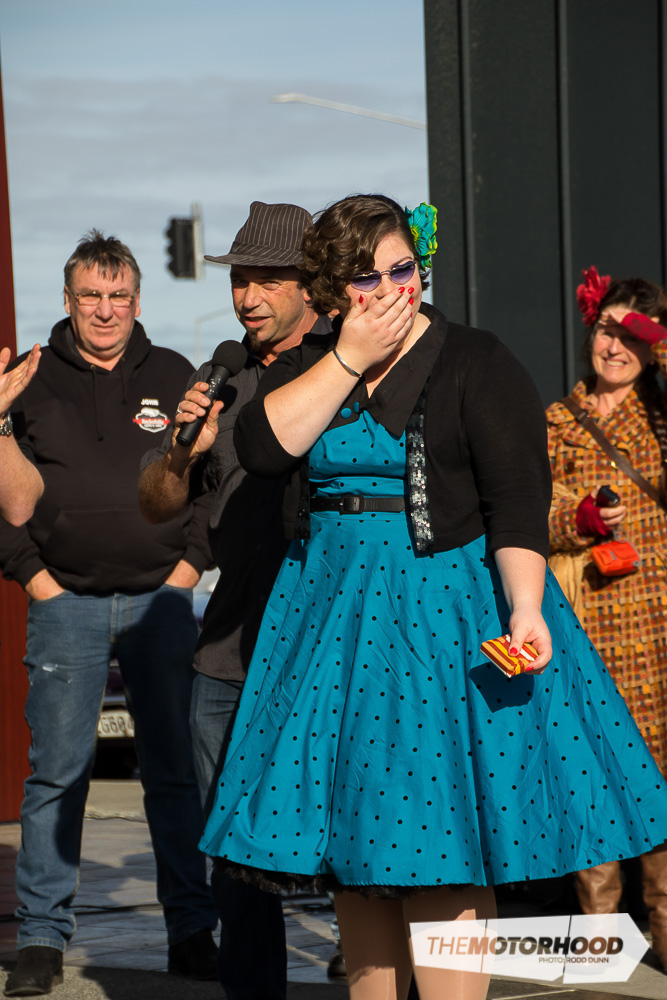
After a few words from Make a Wish, as well as Robbie Baigent of Rockabilly Show and Shine, the covers were lifted to reveal Enya’s pimped-out ride. Left almost speechless, the look on her face pretty much said it all. Given the opportunity to address the large crowd, Enya said, “Oh my goodness, wow, that is seriously amazing, I can’t believe it.” Her mum, Shannon, also said a few words before Enya was given a tour of the car, and how to work the new stereo. A few photos, and even more hugs and thank yous, brought the end to a wonderful day. Now Enya’s road to recovery can be done in style.