Burnt bald heads a thing of the past for McLaren

22 August, 2016

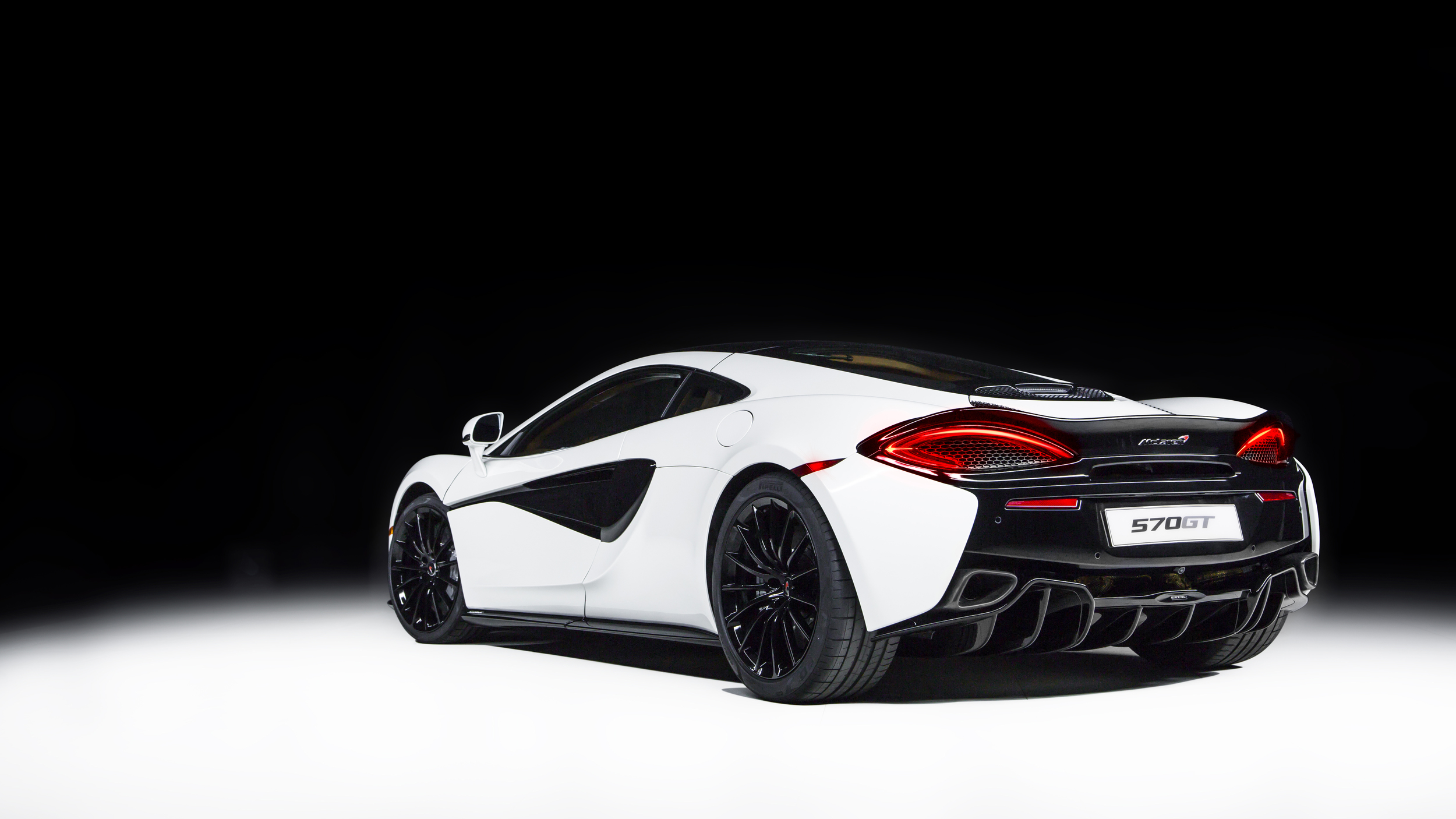
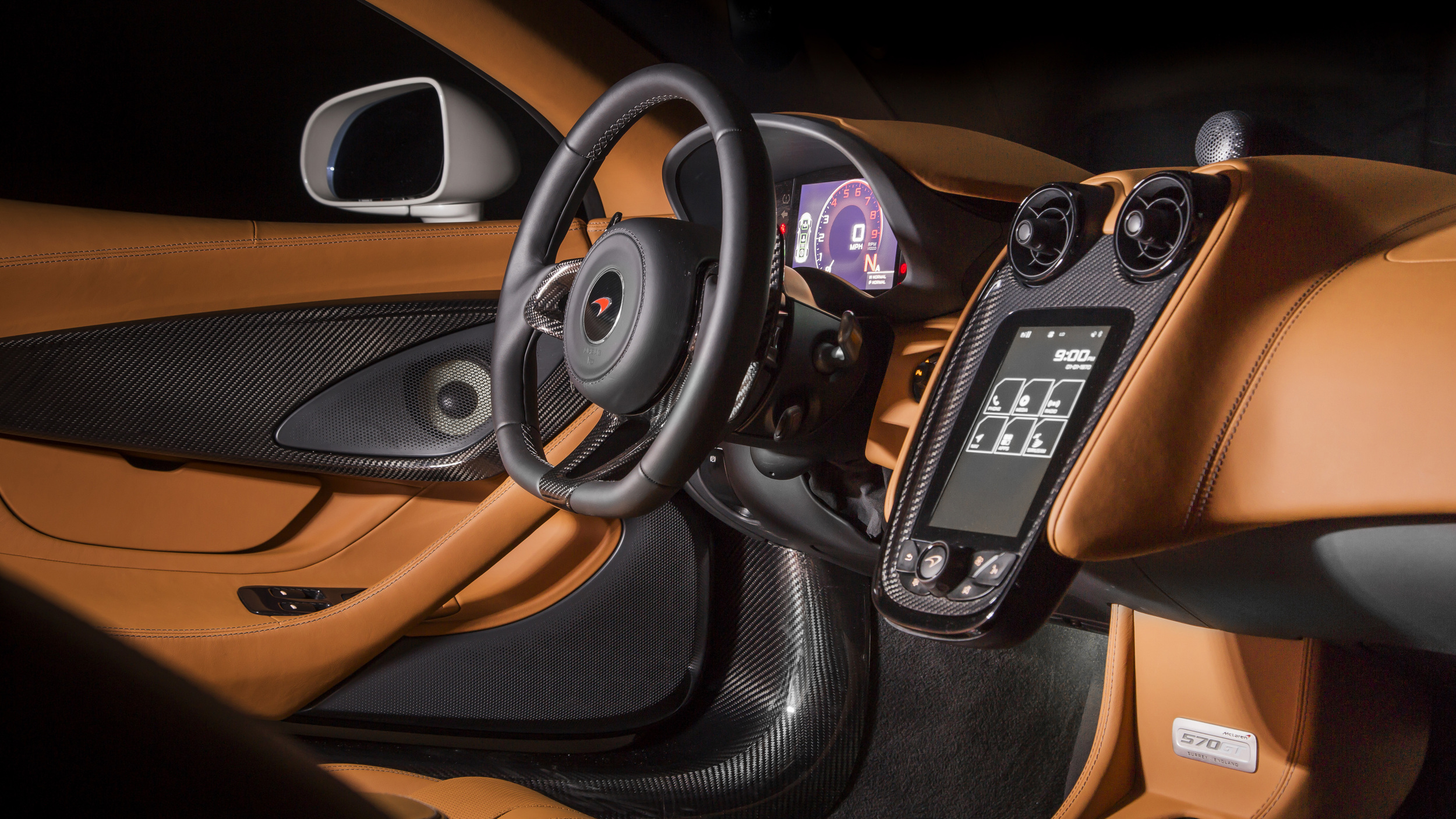
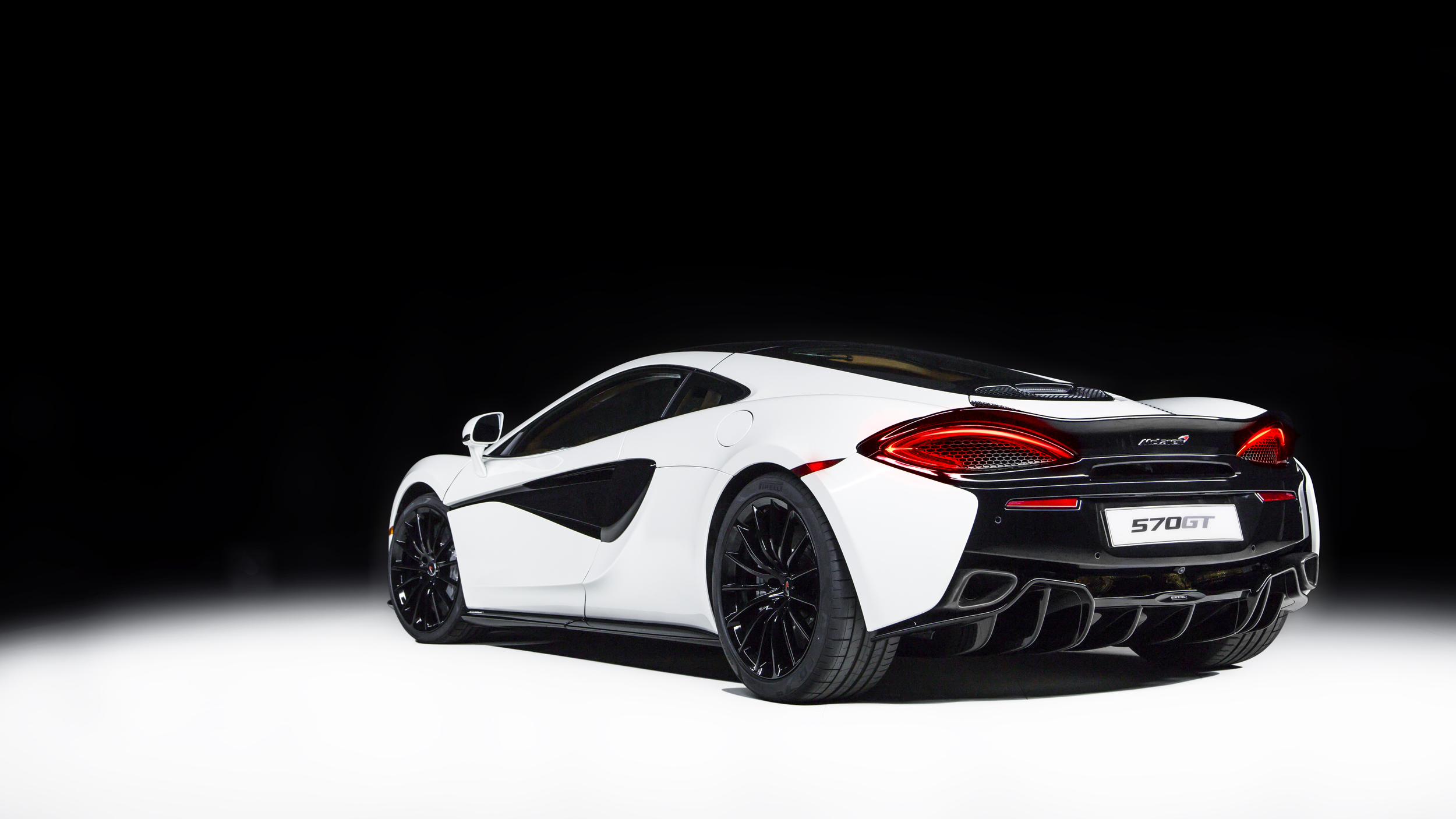
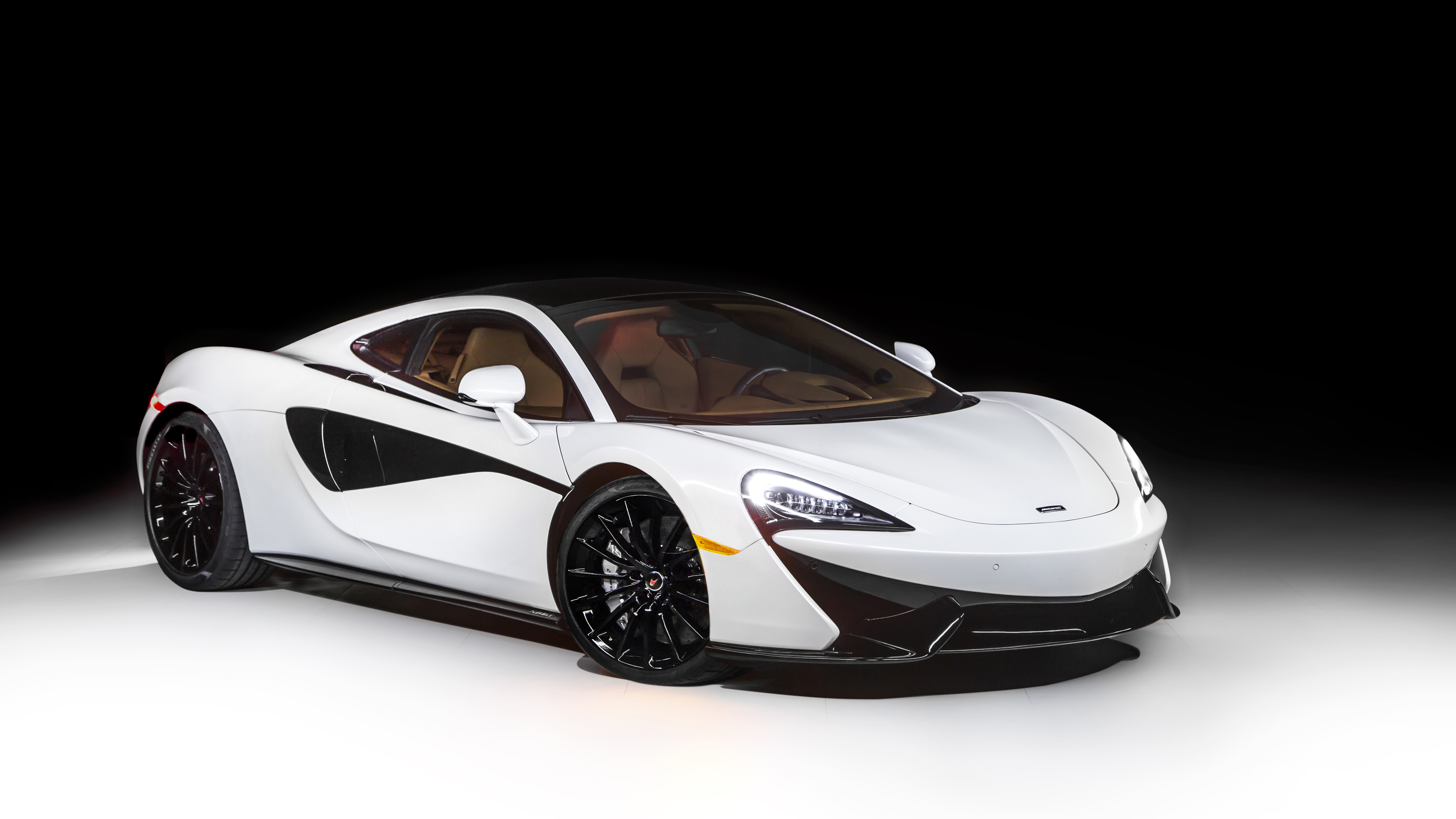
When you own a McLaren 570GT you want to look good …  and impress the opposite sex. Why else would you buy one? Unfortunately, the factory model is equipped with a rather large glass roof panel, which, on a summer’s day, has been known to roast and crisp its occupants. Climbing out of your McLaren with a scolded bald head and sweat dripping from your brow isn’t the best look. A fatal design flaw that McLaren installed, yes, but McLaren Special Operations (MSO) has the answer. In a much-needed makeover, the McLaren 570GT will receive an electrochromic roof that is currently being designed for production. 
Acting as a mid-layer in the existing roof, the light passing through the electrochromic layer will now dictate how much interior light the cabin will see. Sunny day? No problems! Using one of the five lighting settings that range from clear to dark, the panel will keep the cabin comfortable for the occupants and reduce any unwanted glare.
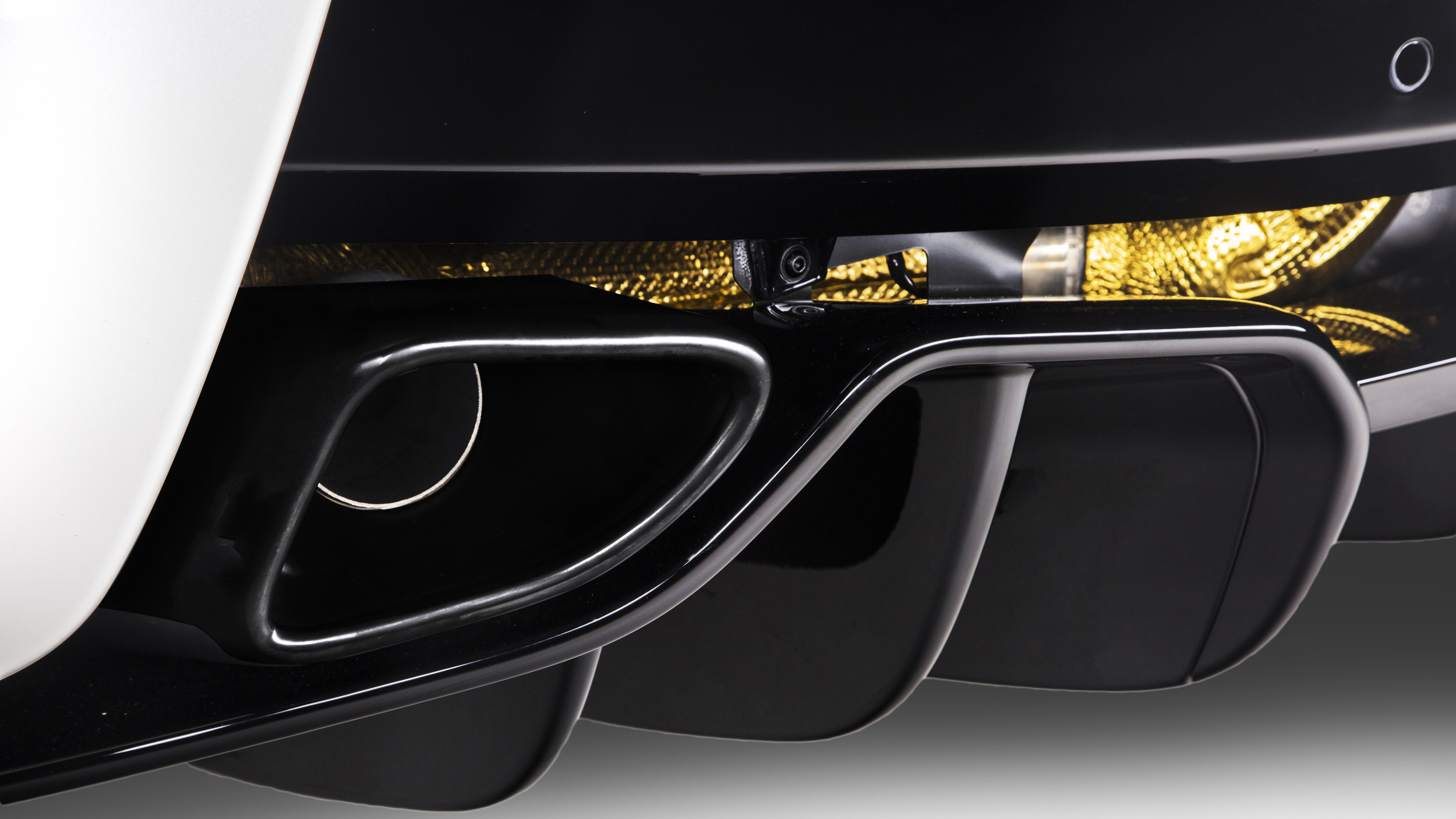
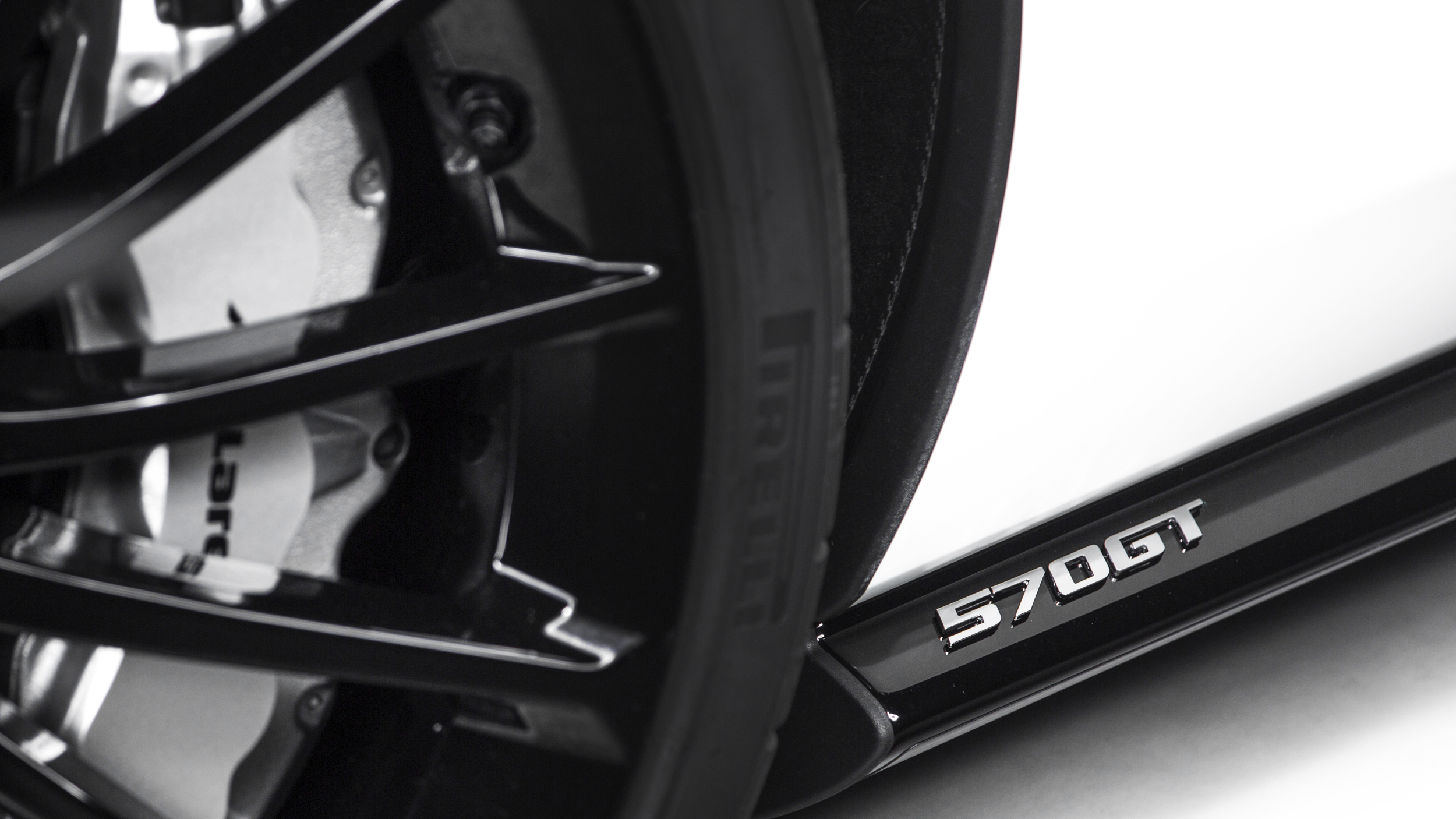
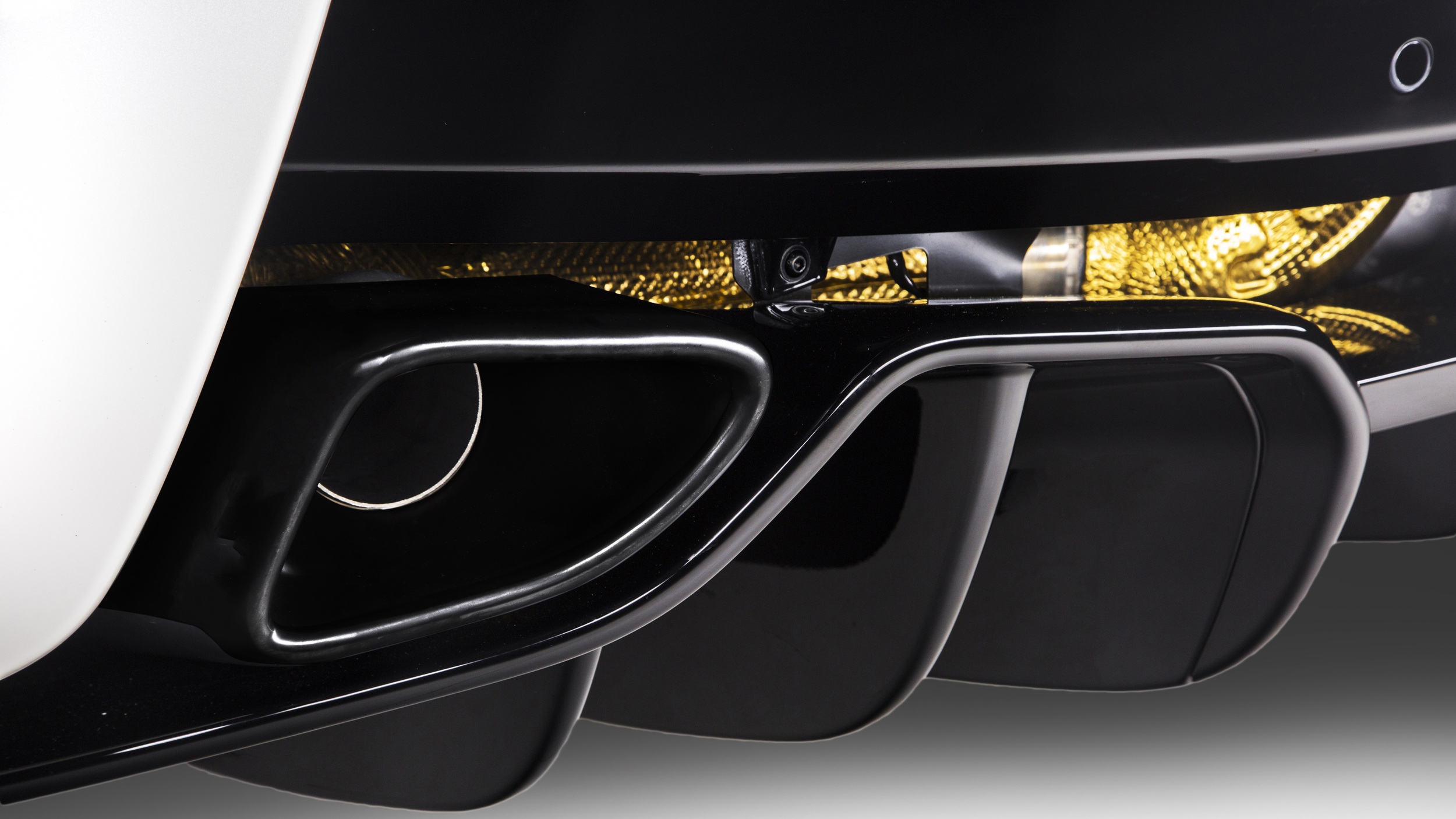
Other new features in the MSO edition will include a better-sounding titanium exhaust system, which is much lighter than the original stainless system, a unique pearl-white paint job, carbon-fibre sill panels, and gloss-black side skirts, door inserts, and wheels. 
Images: McLaren
“Gotcha!’’ The continuing tale of a Nissan/Datsun tragic – part two

In 1996, I was on a mission to buy a suitable pavement scorcher and visited the now-defunct Manukau City Car Fair. Unbelievably, among the sea of four-door utilitarian Japanese compacts was the absolute jewel in the crown, my automobile wet dream — a 1985 two-door R30 RS Nissan Skyline FJ20 Turbo five-speed manual in nice condition. The owner wanted $10,000 — a great deal.
But what did I do? I bailed out, paralysed by indecision. The money would have been a stretch, but it was the worst automotive choice I ever made. Instead, I went for a rusty Toyota Sprinter 8 Valve Twin Cam Coupé, which was pretty terminal from the get-go. I know. We’ve all done it, but there was really no excuse for passing up the Skyline, and I was haunted by that for years.

Last Tango in the Fast Lane

In the mid ’80s, I locked into a serious Nissan/Datsun performance obsession. It could have kicked off with my ’82 Datsun Sunny, though this would have been a bit of a stretch of the imagination, given its normally aspirated 1.2-litre motor — not the sort of thing to unleash radical road warrior dreams. But it did plant a seed, and it was a sweet little machine and surprisingly quick, in contrast to all the diabolical English offerings I had endured.
I was living in South Auckland at the time and was an unrepentant petrolhead. Motor racing was my drug of choice, and I followed the scene slavishly. Saloon car racing, with the arrival of the international Group A formula, was having a serious renaissance here and in Australia and Europe. There was suddenly an exotic air in local racing that had been absent for 15 years.
I was transfixed by this new frontier of motor racing that had hit our tracks in 1985–87 and the new array of machinery on display. In 1986, the Nissan Skyline RS DR30 made a blinding impression on me. The Australian Fred Gibson-run, Peter Jackson-sponsored team of George Fury and Glenn Seton were the fastest crew of the 1986 Australian Touring Car Championship. But Kiwi legend Robbie Francevic snuck through to win the Aussie Championship in his Volvo 240T after a strong start and consistent finishes.