Weekly Motor Fix: seen a 1975 VW Kombi ute in New Zealand lately?

23 August, 2016

Over the weekend, my father-in-law (FIL) informed me that his old ute that gets thrashed about as his surf wagon and dump-run machine is on its last legs. The mechanic had given it its last rites by stamping a big old ‘fail’ on the WOF sheet last week, with the ute having succumbed to the dreaded cancer that tends to eat cars alive living near the coast.

Of course when your FIL says “jump’, we sons-in-law must say “how high?”. And when he tasks you with finding him a new old ute, well, it brings a tear to your eye. Unfortunately, my father-in-law isn’t one for sentimentality so the job must get done with efficiency and as little arsing about as possible. His parameters? Diesel, single-cab chassis with a tray big enough to fit several surfboards, reliable, and under $5000. Too easy for someone who knows how to work within parameters and takes instruction well.

Unfortunately for him, I’m no good at either of these things.

And that’s why I’m recommending he buy this …
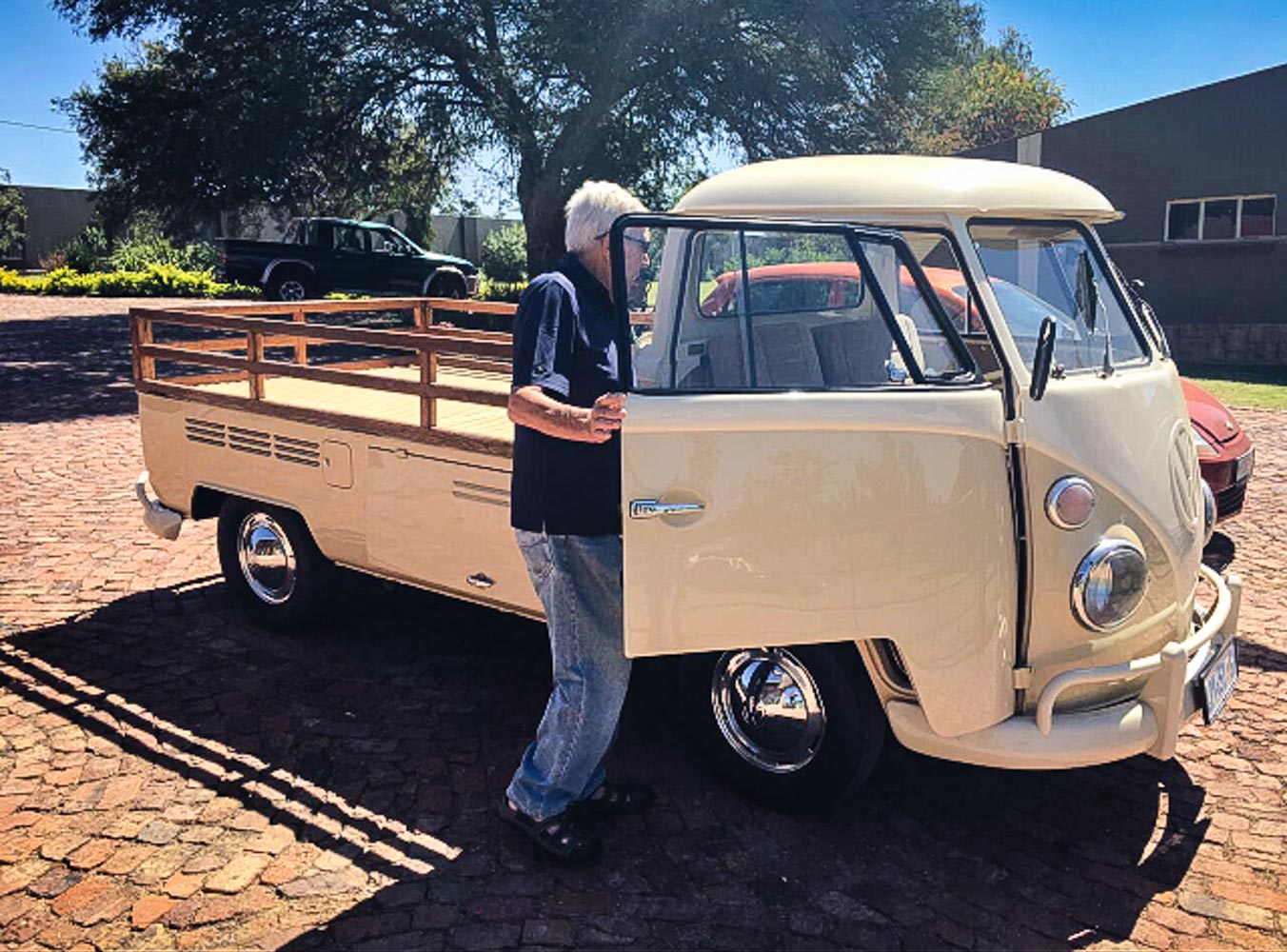
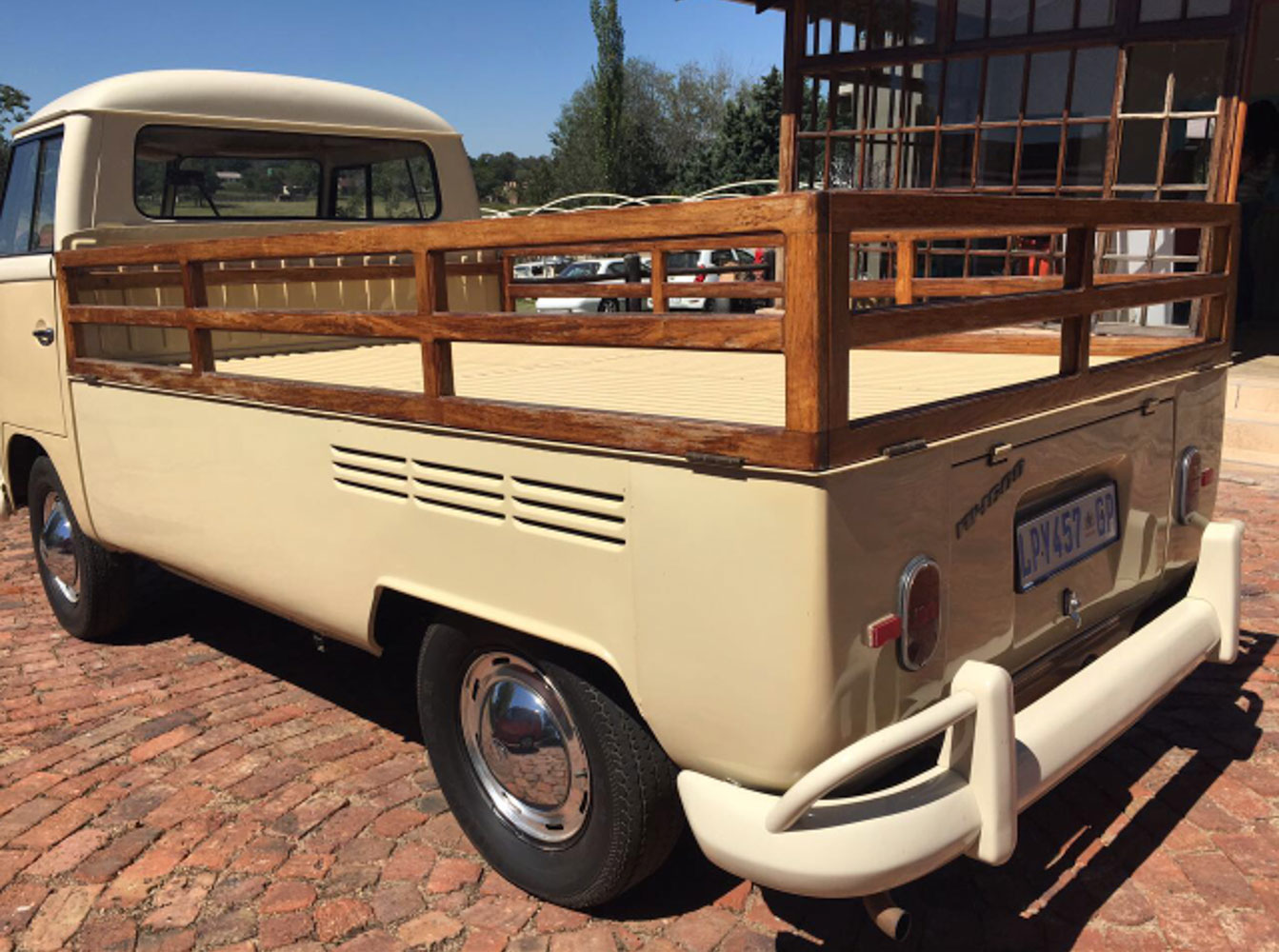
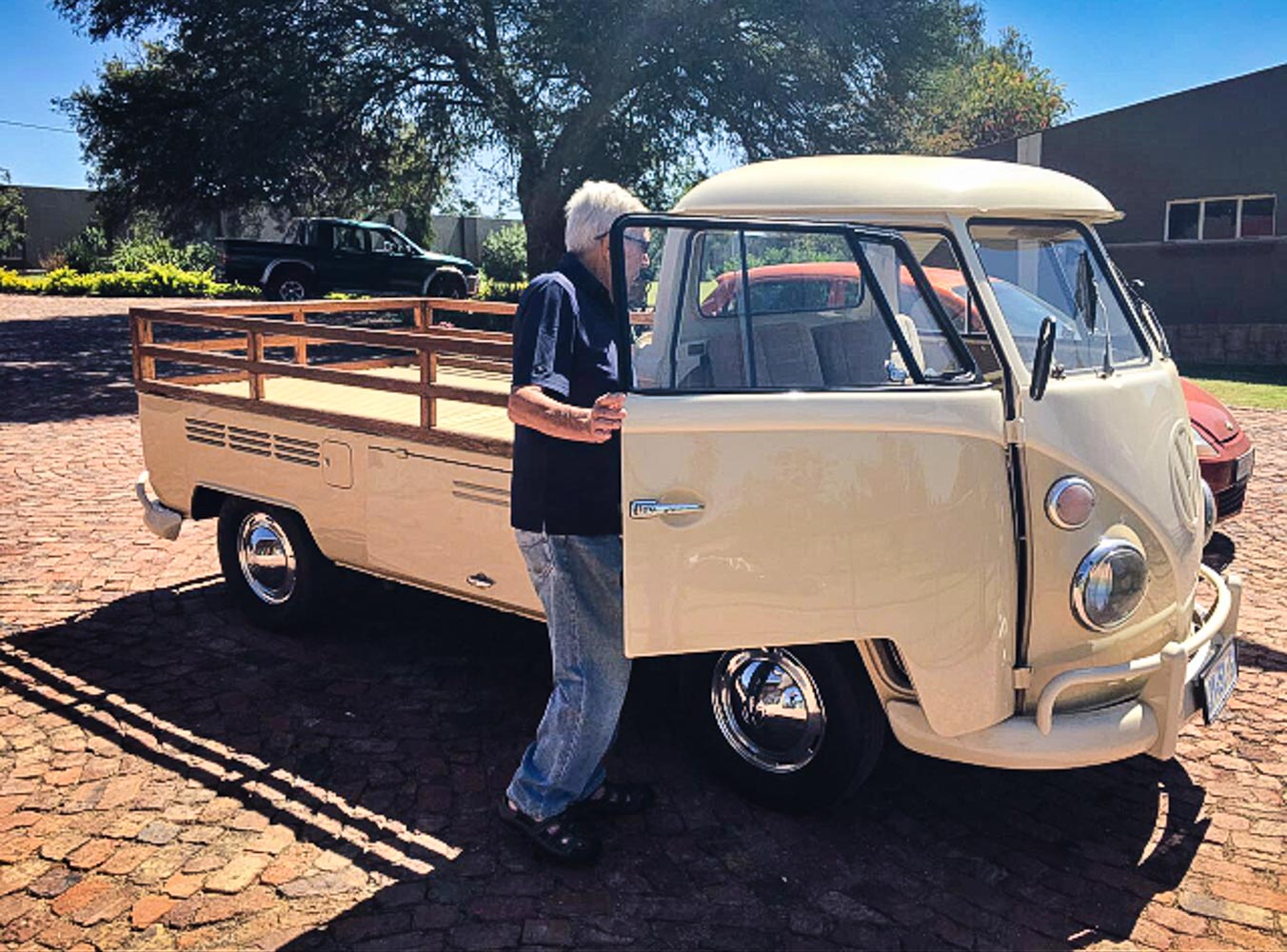
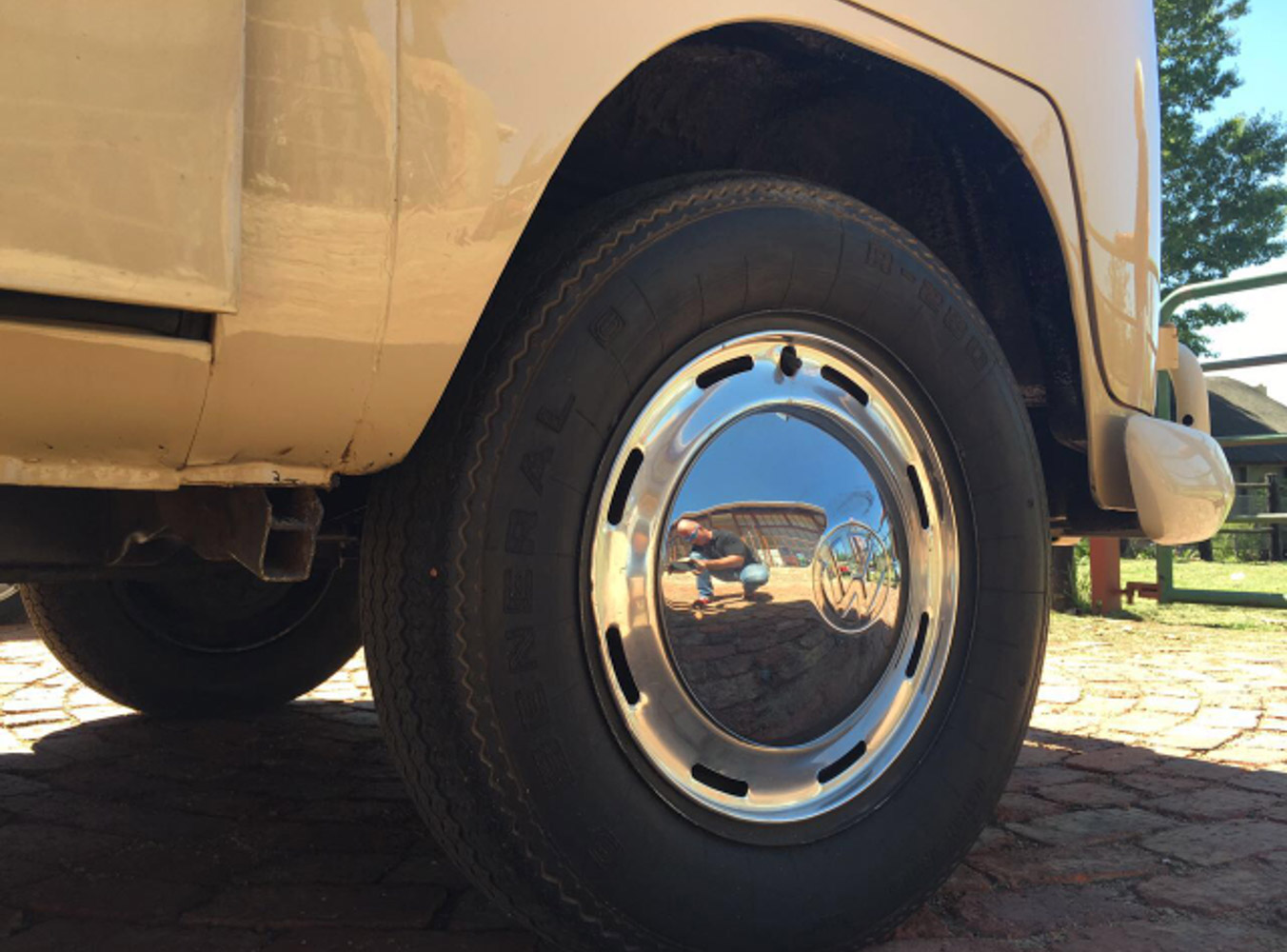
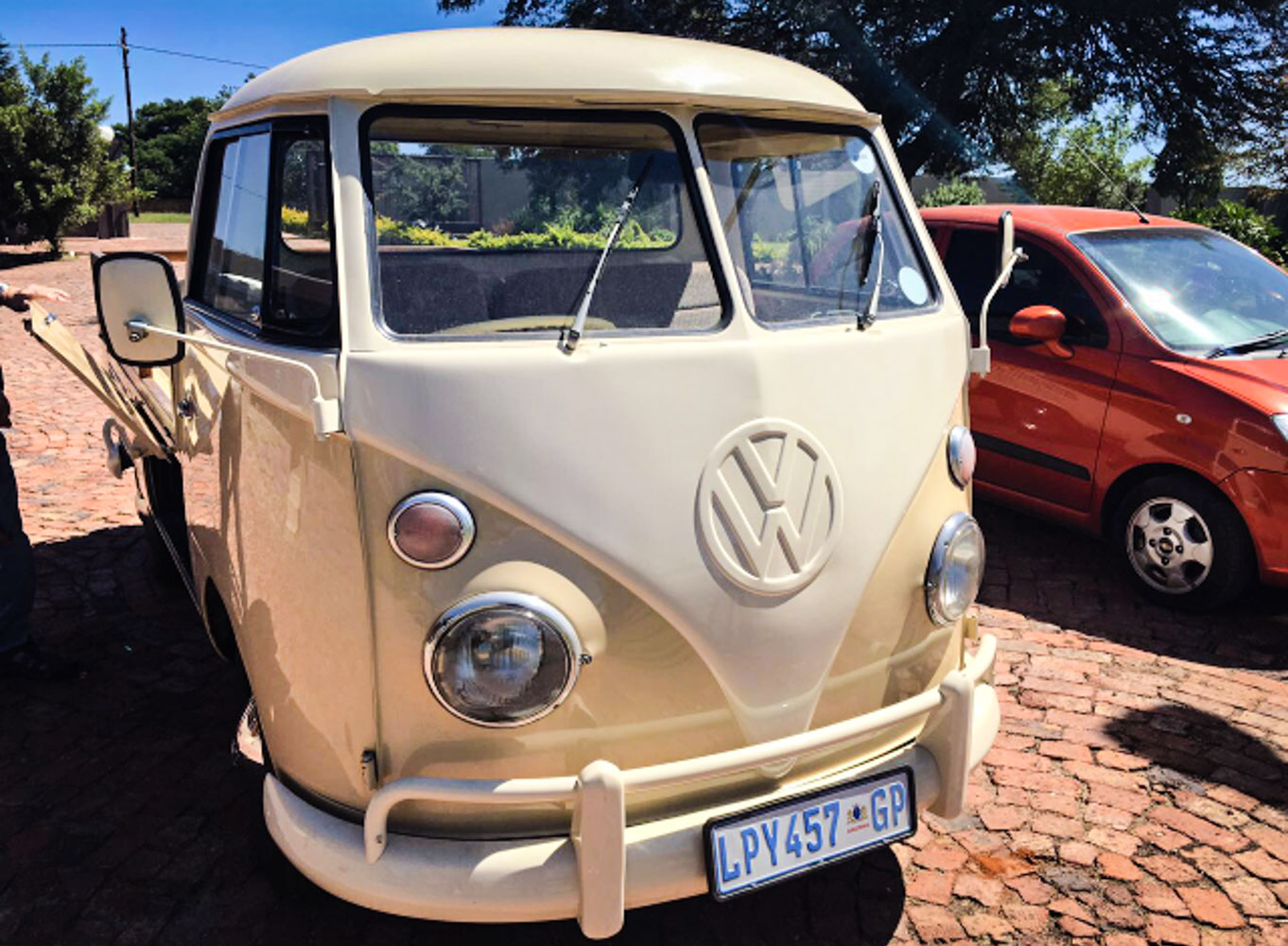
A 1975 Volkswagen Kombi split-window ute in excellent condition with a potentially genuine 9000km on the clock! And almost within budget too (only about 10 times over).

This rare Kombi ute has been brought into the country by South African national Chris Middlewick, from his home country. Chris spotted this extremely tidy Kombi and saw an opportunity to bring the rarity to New Zealand. He intended to hold onto the Kombi, but has recently bought Tyretech on Auckland’s North Shore, so no longer has the time to enjoy it.

The Kombi has had one owner its entire life, and lived 600km inland from the ocean at high altitude ensuring that the dreaded rust hasn’t become an issue.

There surely can’t be many examples of split-window Kombis in New Zealand, let alone in this condition.
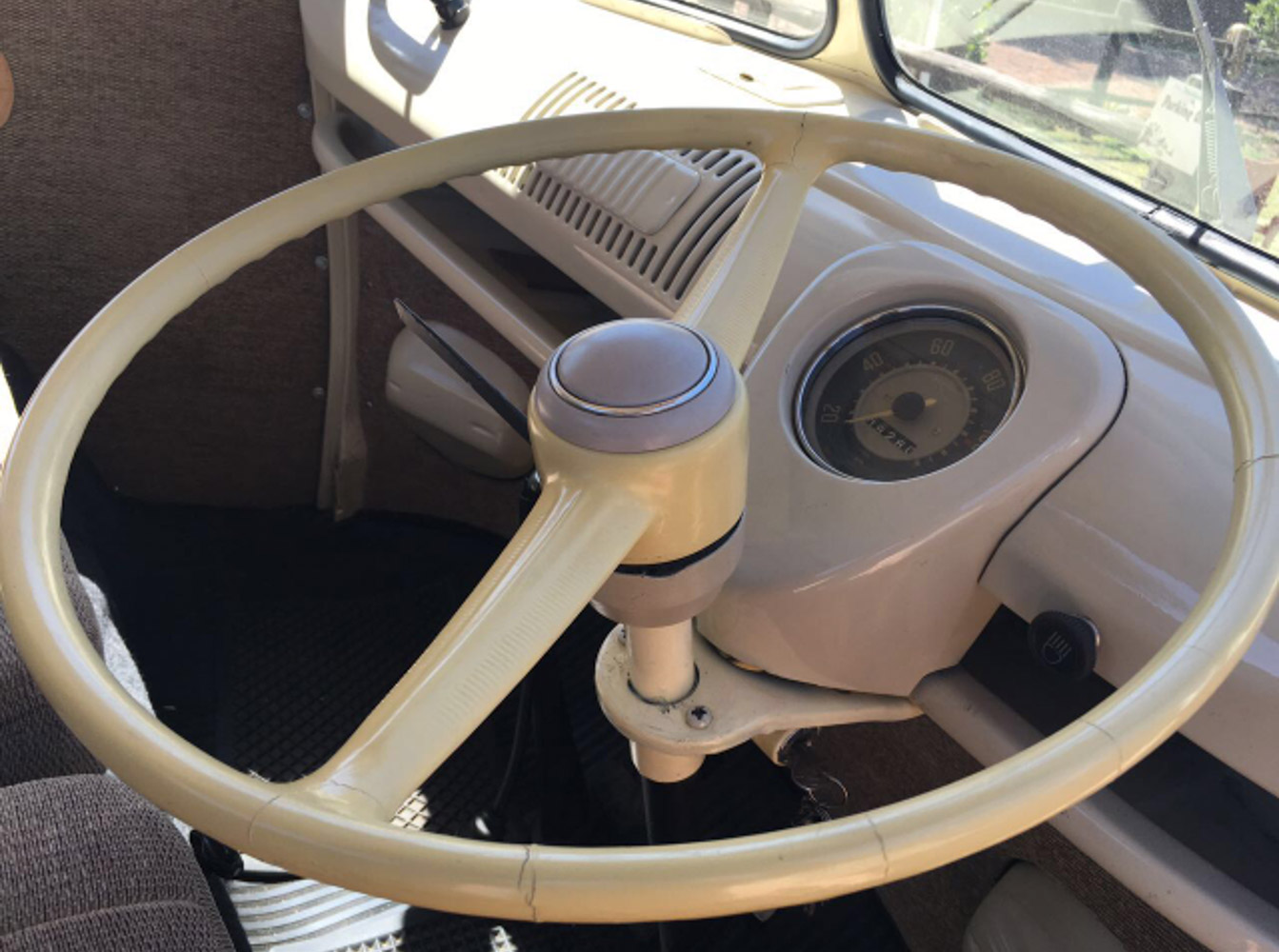
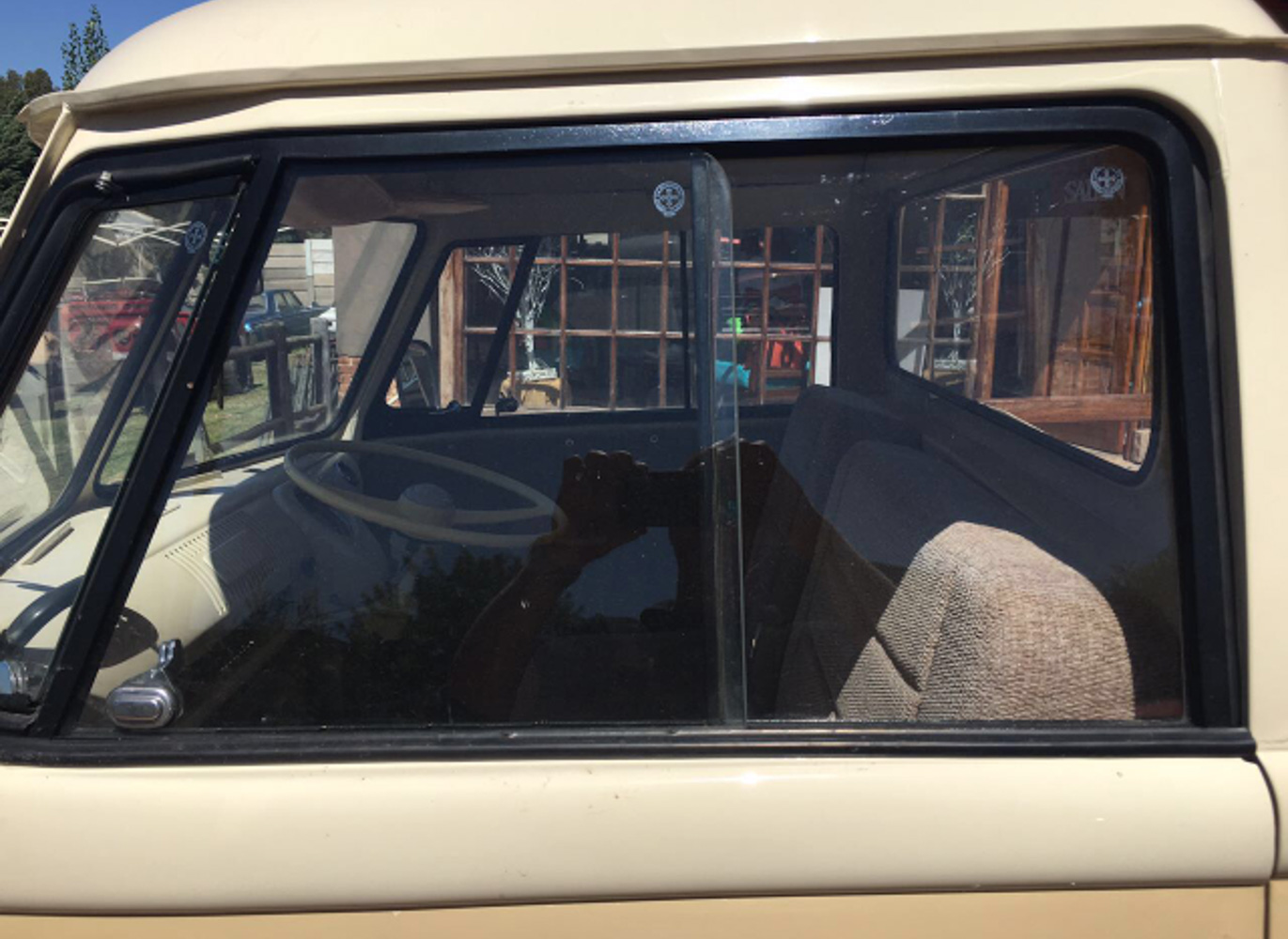
Image source

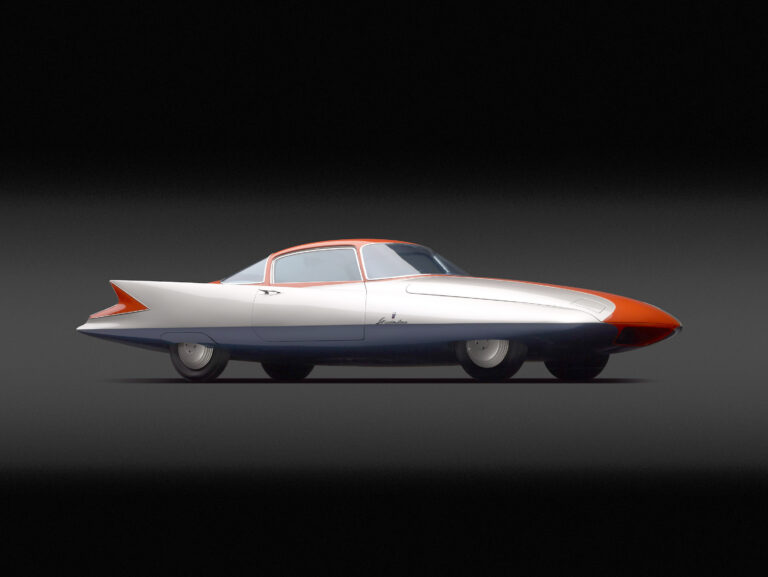
The motor car as an art form

We have certainly come a long way since the exhibition entitled 8 Automobiles, shown at the Museum of Modern Art in New York in the autumn of 1951, the first exhibition concerned with the aesthetics of motor car design.
It was here that the often-used term ‘rolling sculpture’ was coined by curator Philip C Johnson, director of the department of architecture and design, when he said, “An automobile is a familiar 20th century artefact, and is no less worthy of being judged for its visual appeal than a building or a chair. Automobiles are hollow, rolling sculptures, and their design refinements are fascinating. We have selected cars whose details and basic design suggest that automobiles, besides being America’s most useful objects, could be a source of visual experience more enjoyable than they now are.”

More to the point

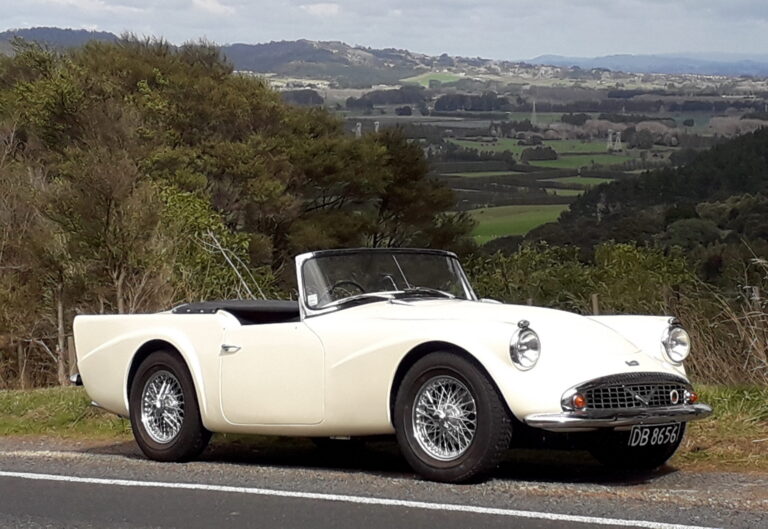
This Daimler SP252 is so rare, few people know it exists. It’s one of a kind. It’s the only surviving, in fact the only SP252 ever completed; the would-be successor to the SP250 Daimler Dart. It is also the last sports car to have been designed by Jaguar’s legendary founder, Sir William Lyons.
Perhaps one of the original Dart’s biggest problems was it’s somewhat-divisive looks. It certainly went well enough to win fans, although Sir William wasn’t among them. It crushed the opposition in the Bathurst six-hour race, finishing five laps ahead of anyone else, and it was snapped up by police forces in Britain, Australia, and New Zealand, as it was the fastest thing on the road.
So you’d think a stunning new body with the magic Lyons touch would have been a surefire success. Why this car never made it into production is still something of a mystery, as the official explanations barely stack up.