Enthusiast Essentials: next-level paint protection from Ceramic Pro

13 September, 2016

When you’re after paint protection, a wax coating is usually the common solution. Unfortunately that wax coating could end up being a false economy, as within weeks, and sometimes even days in harsher climates, the wax coating wears off, leaving you with unprotected paint without you even knowing.

Finding a long-lasting alternative is easy; Ceramic Pro is a nano-ceramic coating that doesn’t wear off, wash away, or break down over time. According to the Ceramic Pro team, it can’t even be removed with chemicals — think of it as a glass- or diamond-coat for your paint job. 
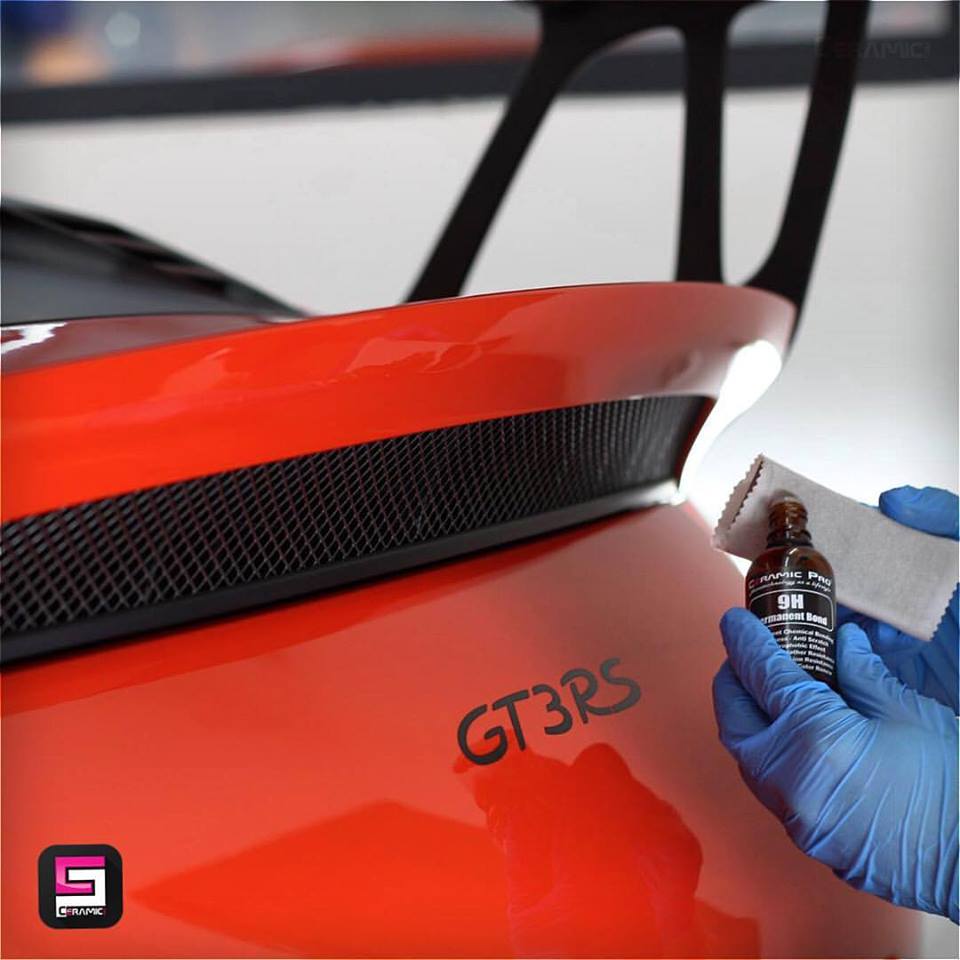
One of the best parts of waxing your car is the gloss, and watching the water bead off it. With the added protection of Ceramic Pro, you not only get an extremely high-gloss shine, the coating is extremely hydrophobic. The glass-like appearance, water-beading capabilities, and protection will last a lifetime too — if it’s properly maintained. 
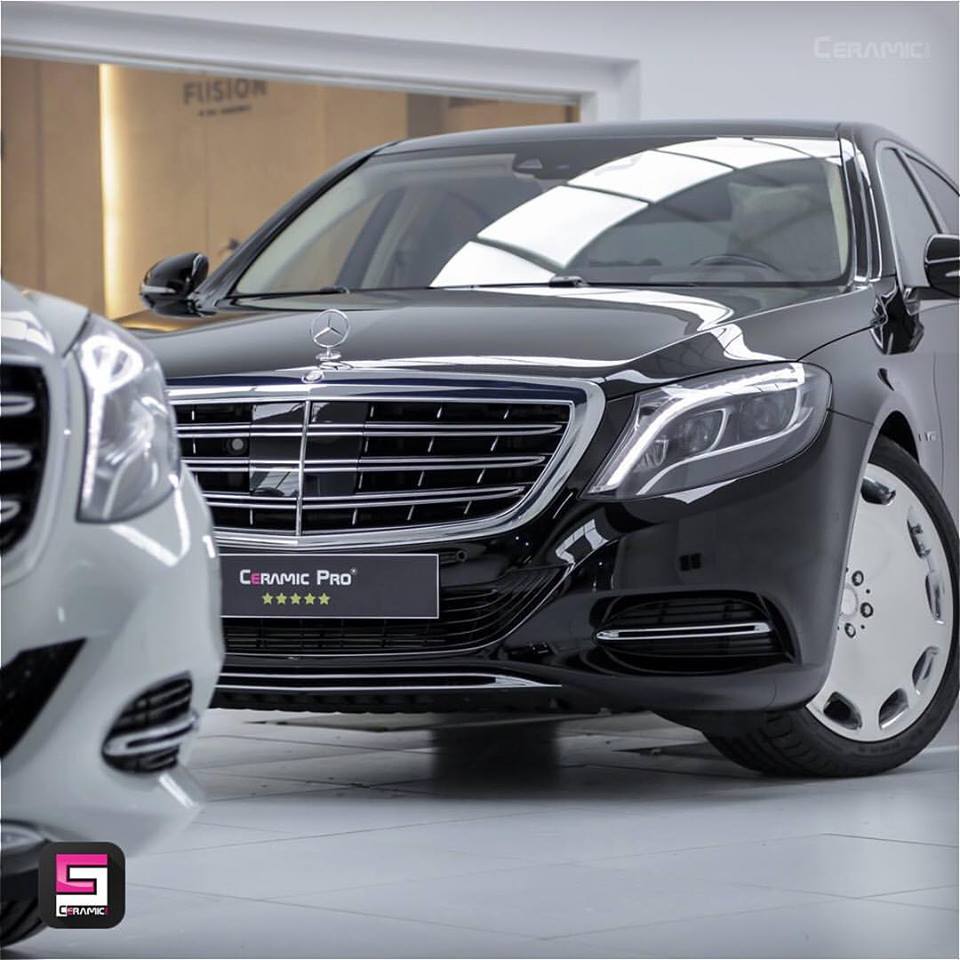
Do it once, do it right comes to mind when you’re working with Ceramic Pro, as you will never have to wax your car again — simply have the protection completed and you’re good to go. If you thought Ceramic Pro was only for paint, think again. Ceramic Pro have a coating for your wheels, calipers, plastic surfaces, glass, leather, and more. 

Want to know more about Ceramic Pro? Visit ceramic-pro.co.nz or call 0800 20 20 25.

Range Rover CSK — the original SUV

The Range Rover, thanks to Charles Spencer King, went into production in 1970 boasting an iconic shape that would last until 1996. The vehicle that would create the SUV moniker came about because Rover decided it was time to add a bigger four-wheel-drive vehicle, one with a 100-inch wheelbase, to the model range. Land Rover made a 109-inch wheelbase model but the standard vehicle had a 88-inch wheelbase.
The new model would be more suitable for road use than the existing Land Rover, which was considered to be predominantly for rural use. To make sure it could cope on any road it came standard with the Rover 3.5-litre V8 engine. The body design was originally sketched by King and went into production with only a few minor touch-ups by the Rover styling team.
According to King, “The idea was to combine the comfort and on-road ability of a Rover saloon with the off-road ability of a Land Rover. Nobody was doing it.”

Ford’s Mustang – the endlessly hip American dream machine

Fifty or so years ago, the only place in New Zealand to see a Ford Mustang was on the racetrack. In a local market severely constrained by a lack of new motor vehicles, the new North American Ford was a dreamy icon boosted by considerable motorsport success.
Import licences for cars were limited, and if Kiwis travelled abroad, the amount of currency they could take with them was restricted. What’s more, those funds could not be used to buy a car for importation back home. Yet it was OK to spend the money on heavy drinking at a London pub, Gucci shoes, sable fur coats, and excessive stays at the Hôtel Martinez at Cannes in France.
However, any rare Mustang that landed on our shores would not be destined to pose around Auckland’s then trendy Queen Street on a Friday night but would more likely be found in the care of well-known racing drivers on the starting grid at local motor racing tracks.