Moustache news: Tom Selleck–driven Ferrari 308 to be auctioned

17 January, 2017

Magnum, P.I. fans, pack your bags and hop on the first flight to Scottsdale, Arizona — a genuine 1984 Ferrari 308 GTS Quattrovalvole that appeared on the show will go under the hammer at Bonham’s auctions on January 19 (in America). 
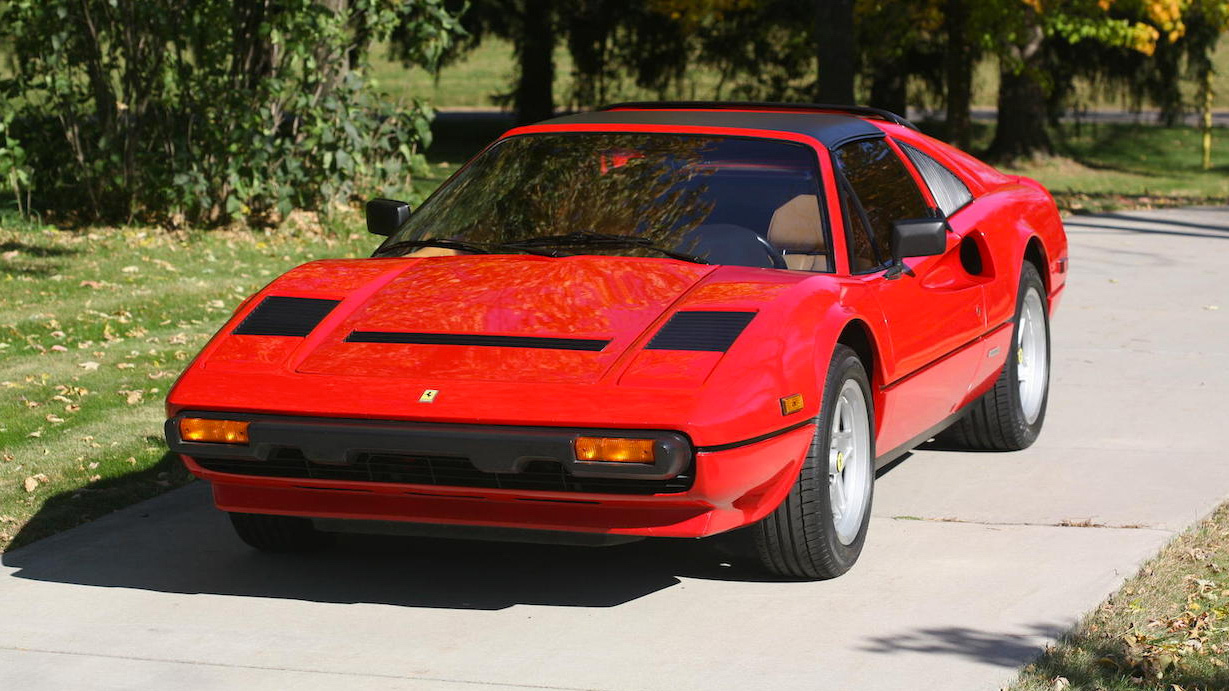
Certified by Ferrari North America to have been driven by Tom Selleck in all of his moustachioed ’80s glory, the auction house states this example was one of the later models used for filming in 1984 and 1985.

Throughout the series, Selleck’s famous co-star was the Ferrari 308 GTS. The first season saw him drive a carburetted 1978 308 GTS before switching to a 1980 308 GTSi the following year, which was subsequently used for the second, third, and the beginning of the fourth season.

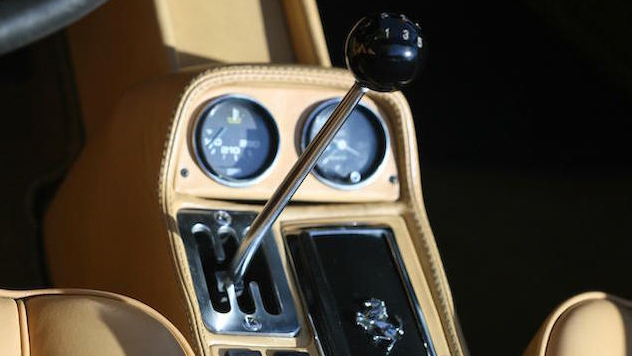
Halfway through the fourth season, the show began using the 1984 308 GTS QV, and it served until the end of the show’s production. It is believed that five cars in total were used and served one of two purposes; either action shots, or light action and close-ups — the latter were kept in pristine condition.

The vehicles were provided by Ferrari North America, and once their run on the show was over, they were sent back to be given a fresh lick of paint, serviced, and sold to their ‘first’ owner.

Such an iconic car, particularly this example, the 308 has been maintained meticulously and remains in excellent shape. With only two owners under its belt since appearing on the show, with the second of which owning the car since 1989, it’s nearly 100-per-cent stock. The only change was to a Tubi exhaust, but includes the original piping with the sale.

A find like this won’t come cheap, however, and Bonhams estimates the car will sell for between US$150,000 and US$250,000 (NZ$210,000–350,000).

For a wealthy Magnum, P.I. fan, you can’t do much better than a Ferrari driven by Magnum himself, so it will be interesting to see just how much it fetches.

Specs:
2,926cc DOHC V8 Engine
Bosch K-Jetronic Injection
232bhp at 7,000rpm
5-Speed Manual Transaxle
4-Wheel Independent Suspension
4-Wheel Disc Brakes

Chrysler’s classy cruiser

I first saw our feature car, a 1970 V8-powered Regal 770 hardtop, towing a trailer carrying the tidy Ford Anglia classic racing saloon in Broadspeed racing colours that has featured in these pages. The coupe is comparatively rare here, which means anyone contemplating purchasing one of these big two-doors is sure to see prices continue to climb. The latter Charger has claimed much of the Aussie Chrysler limelight, but the simpler and classier lines of this car, which appeared dated soon after its introduction, now have a more timeless appeal.
Former owner, Balclutha motor engineer, Mike Verdoner, remembers the car well. He believes it came from Dunedin originally.
“I’m not sure about the car’s history, but I bought it off its owner at Kaitangata. Unusually, it was advertised in the local newspaper, the Clutha Leader, which was a surprise as these usually go for a lot more money on the internet. I had it for quite a few years. It needed a little bit of work to tidy it up, so I had to decide whether to spend the money on it to do it up, which could have been twenty grand. Its value at the time was not like it is now, so I sold it to Ewan. It’s probably now worth three or four times what I sold it for.”

The Pininfarina 230 SL

It’s October 1964, and imagine you’re an automotive journalist covering that year’s Paris Auto Show (Mondial de l’Automobile). As you approach the Pininfarina booth, you come across a car that looks a bit like the Mercedes-Benz 230 SL introduced the previous year at the Geneva Auto Show, a car then arriving at Mercedes-Benz dealerships around the world.
But looking closely, its styling and proportions seem to be a bit different. And it has a fixed roof, unlike the Pagoda-style greenhouse of the removable hardtop seen on the production 230 SL. While today, the styling of the W113, under the supervision of Head of Styling Friedrich Geiger, with lead designers Paul Bracq and Bela Barenyi, is considered a mid-century modern masterpiece, acceptance in-period was not universal. Some critics called out the concave design of its removable roof, which ultimately gave the car its “Pagoda” nickname.