
Bangers to Bluff 2018 — it’s on again!

21 November, 2017


The 2018 dates for the annual Bangers to Bluff car rally have been announced, and team entries are now being called for. Up to 20 old bangers — four-door cars with WOF and rego, costing less than $2K — will leave Auckland April 10, 2018, and spend the next 13 days driving roads less travelled all the way to Invercargill, where the organizers will take ownership of each car and auction them off to raise funds for charity.
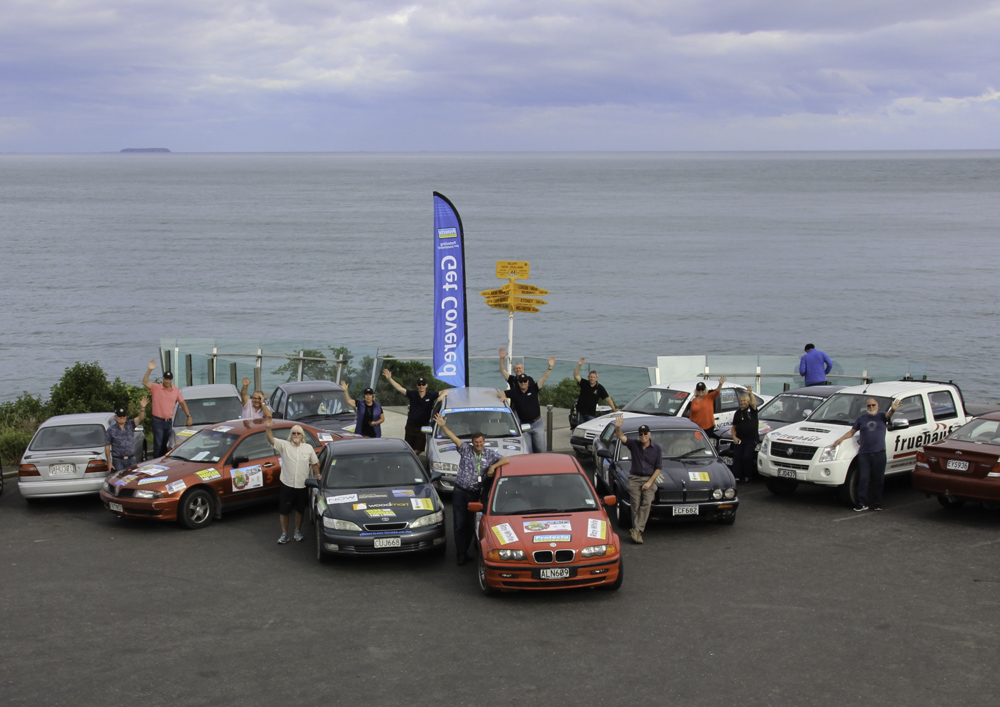
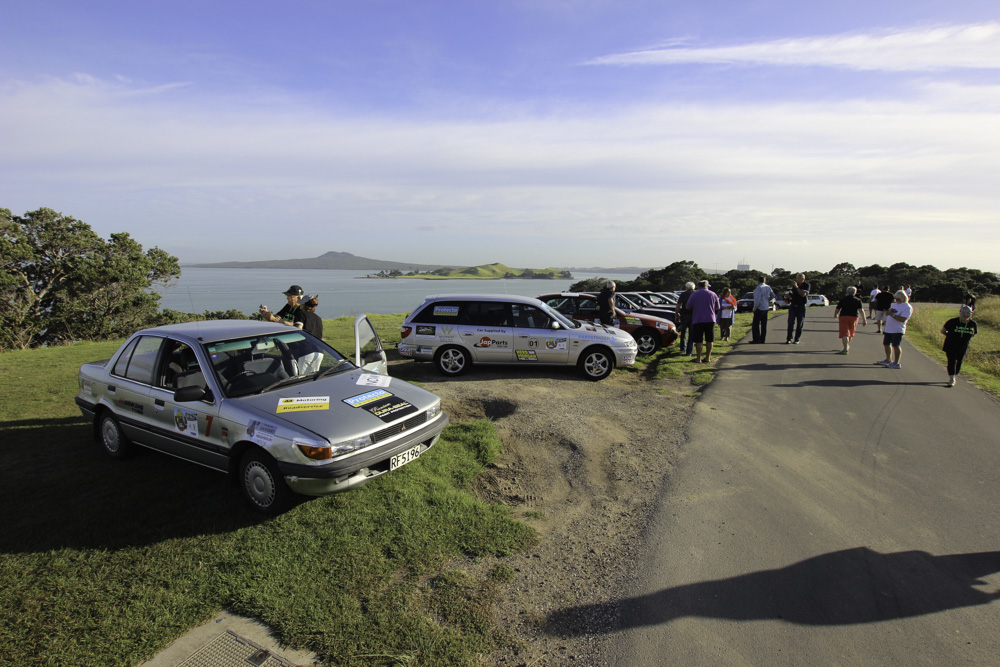
Bangers to Bluff has been run by the Rotary Club of Half Moon Bay for the last three years, with steady growth each year as its popularity has increased. So far, it has raised $85K for charity, and the masthead charities for 2018 are:

  • Hopeworks Foundation — providing information and support for those dealing with brain injuries
  • Multiple Sclerosis New Zealand — working to reduce the burden of multiple sclerosis on those diagnosed, their carers, and families.

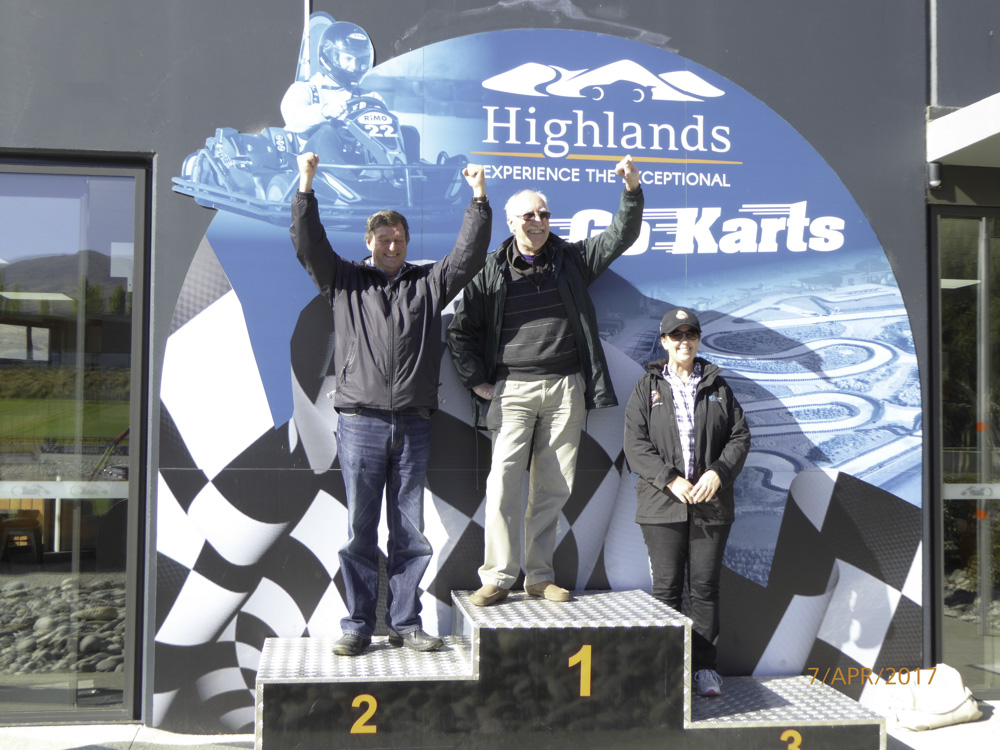
The route will cover approximately 2500km of some of New Zealand’s best and most scenic roads, including the North Island’s Forgotten World Highway and the South Island’s Haast and Arthur’s passes. The main goals are to raise funds and awareness for the charities, while having loads of fun and travelling our great country. The rally is not a driving competition. It is a fun and friendly event with points won for challenges along the way, and a trophy is awarded at the end. 
The organizing committee is now looking for participants for the 2018 event. Participation can be in the form of entering a team and vehicle to go on the rally, or through sponsorship and/or donations. If you would like to know more, reach out to the team through one of the following channels:

  • bangerstobluff.co.nz
  • Facebook.com/bangerstobluff
  • Peter Bailey, 0274 736 994
  • [email protected].

The Bangers to Bluff committee would like to acknowledge the support of platinum sponsors Fruehauf and CarJam, as well as supporting partners Protecta Insurance and the Automobile Association.
 

Chrysler’s classy cruiser

I first saw our feature car, a 1970 V8-powered Regal 770 hardtop, towing a trailer carrying the tidy Ford Anglia classic racing saloon in Broadspeed racing colours that has featured in these pages. The coupe is comparatively rare here, which means anyone contemplating purchasing one of these big two-doors is sure to see prices continue to climb. The latter Charger has claimed much of the Aussie Chrysler limelight, but the simpler and classier lines of this car, which appeared dated soon after its introduction, now have a more timeless appeal.
Former owner, Balclutha motor engineer, Mike Verdoner, remembers the car well. He believes it came from Dunedin originally.
“I’m not sure about the car’s history, but I bought it off its owner at Kaitangata. Unusually, it was advertised in the local newspaper, the Clutha Leader, which was a surprise as these usually go for a lot more money on the internet. I had it for quite a few years. It needed a little bit of work to tidy it up, so I had to decide whether to spend the money on it to do it up, which could have been twenty grand. Its value at the time was not like it is now, so I sold it to Ewan. It’s probably now worth three or four times what I sold it for.”

The Pininfarina 230 SL

It’s October 1964, and imagine you’re an automotive journalist covering that year’s Paris Auto Show (Mondial de l’Automobile). As you approach the Pininfarina booth, you come across a car that looks a bit like the Mercedes-Benz 230 SL introduced the previous year at the Geneva Auto Show, a car then arriving at Mercedes-Benz dealerships around the world.
But looking closely, its styling and proportions seem to be a bit different. And it has a fixed roof, unlike the Pagoda-style greenhouse of the removable hardtop seen on the production 230 SL. While today, the styling of the W113, under the supervision of Head of Styling Friedrich Geiger, with lead designers Paul Bracq and Bela Barenyi, is considered a mid-century modern masterpiece, acceptance in-period was not universal. Some critics called out the concave design of its removable roof, which ultimately gave the car its “Pagoda” nickname.