Words: Liane Clarke Photos: Liane Clarke, Jacqui Madelin, Black Magic
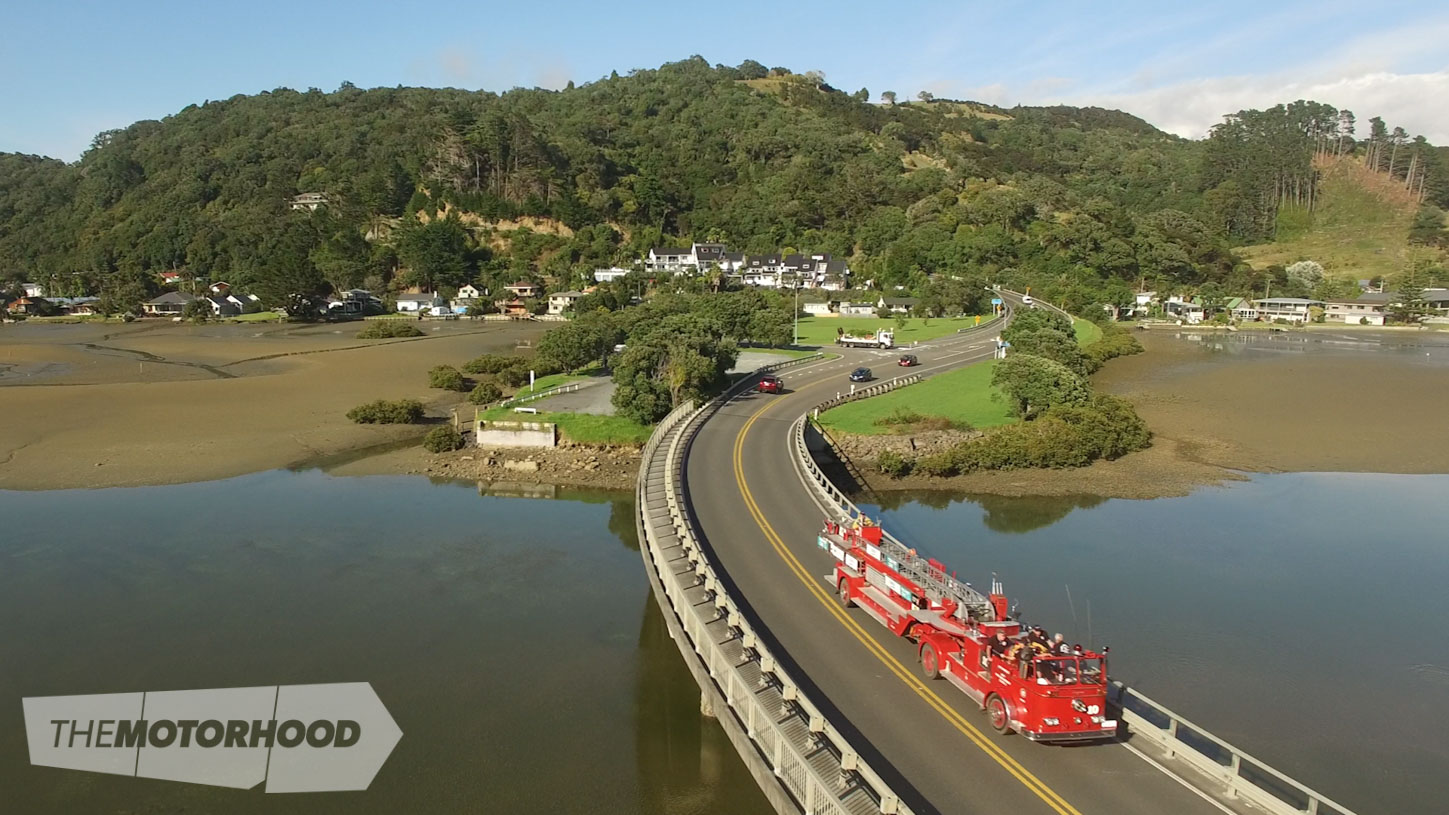
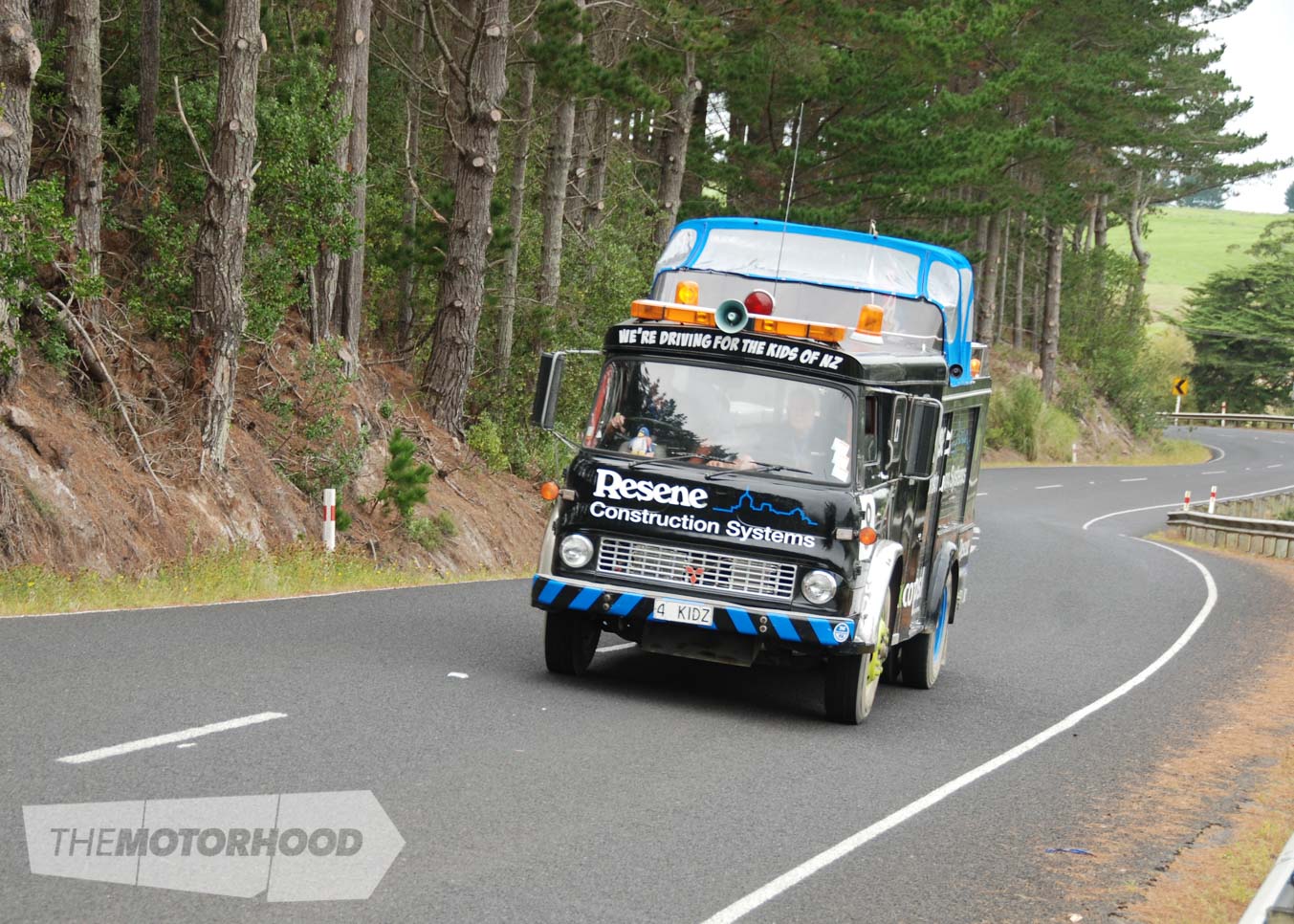
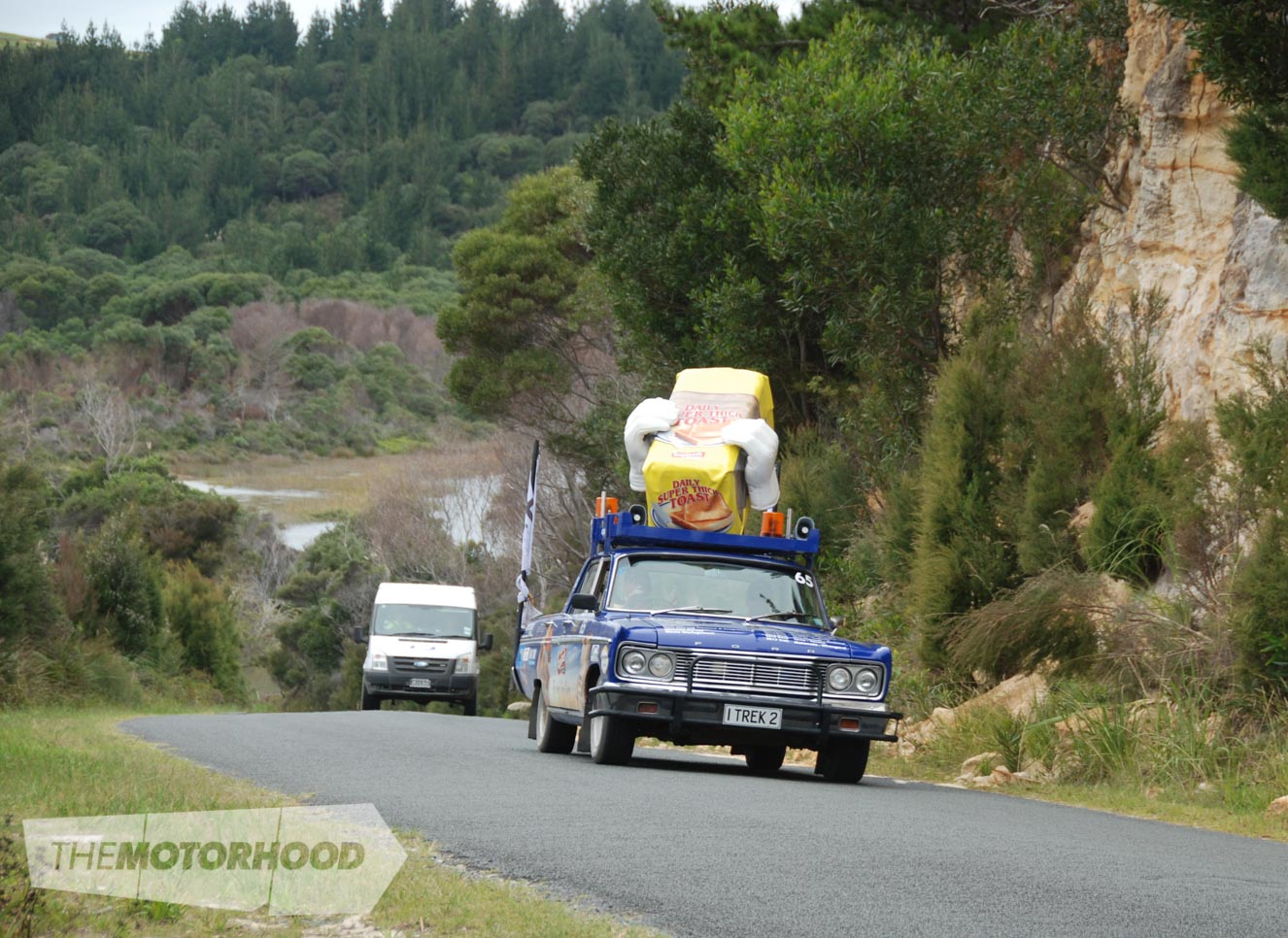
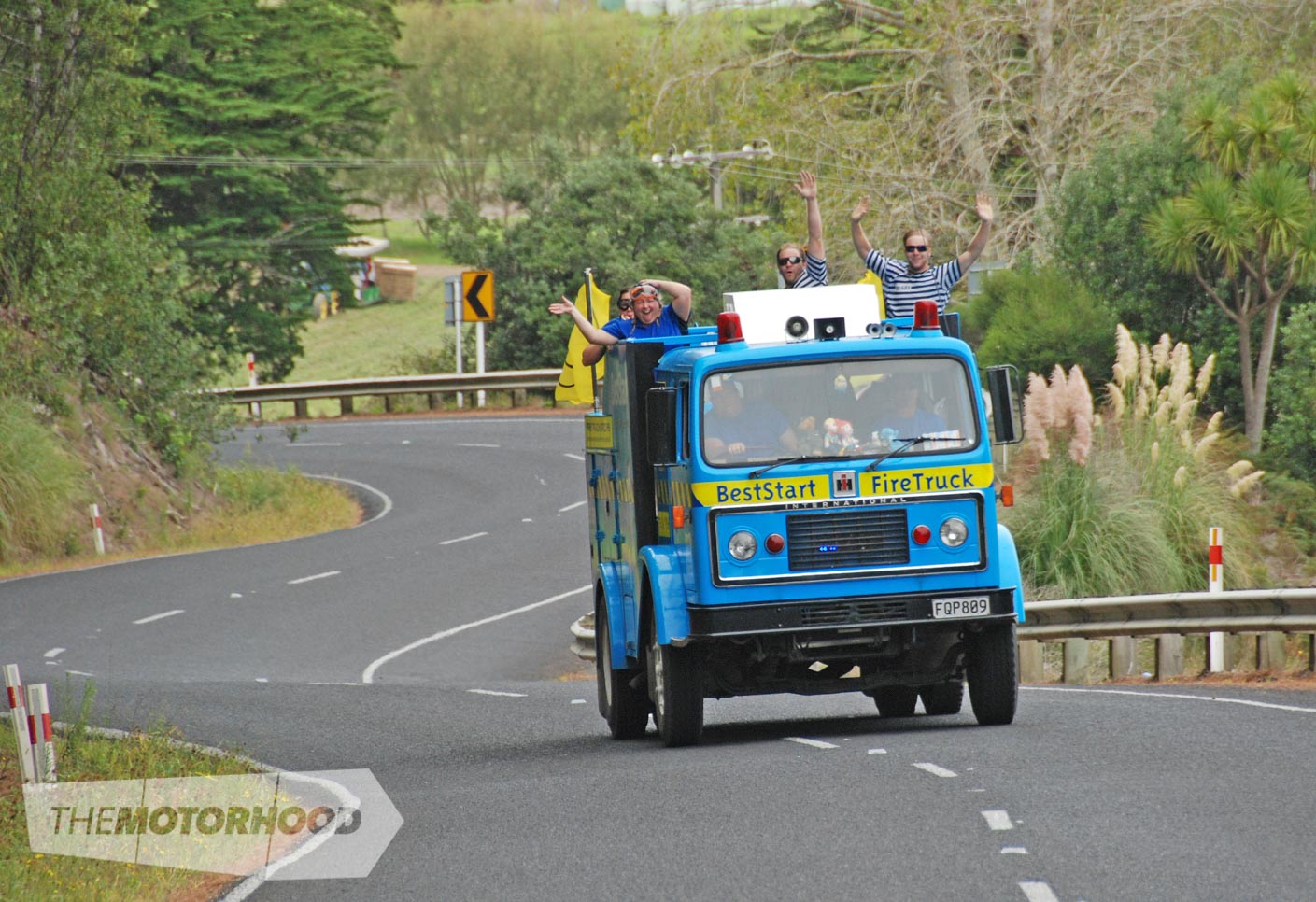
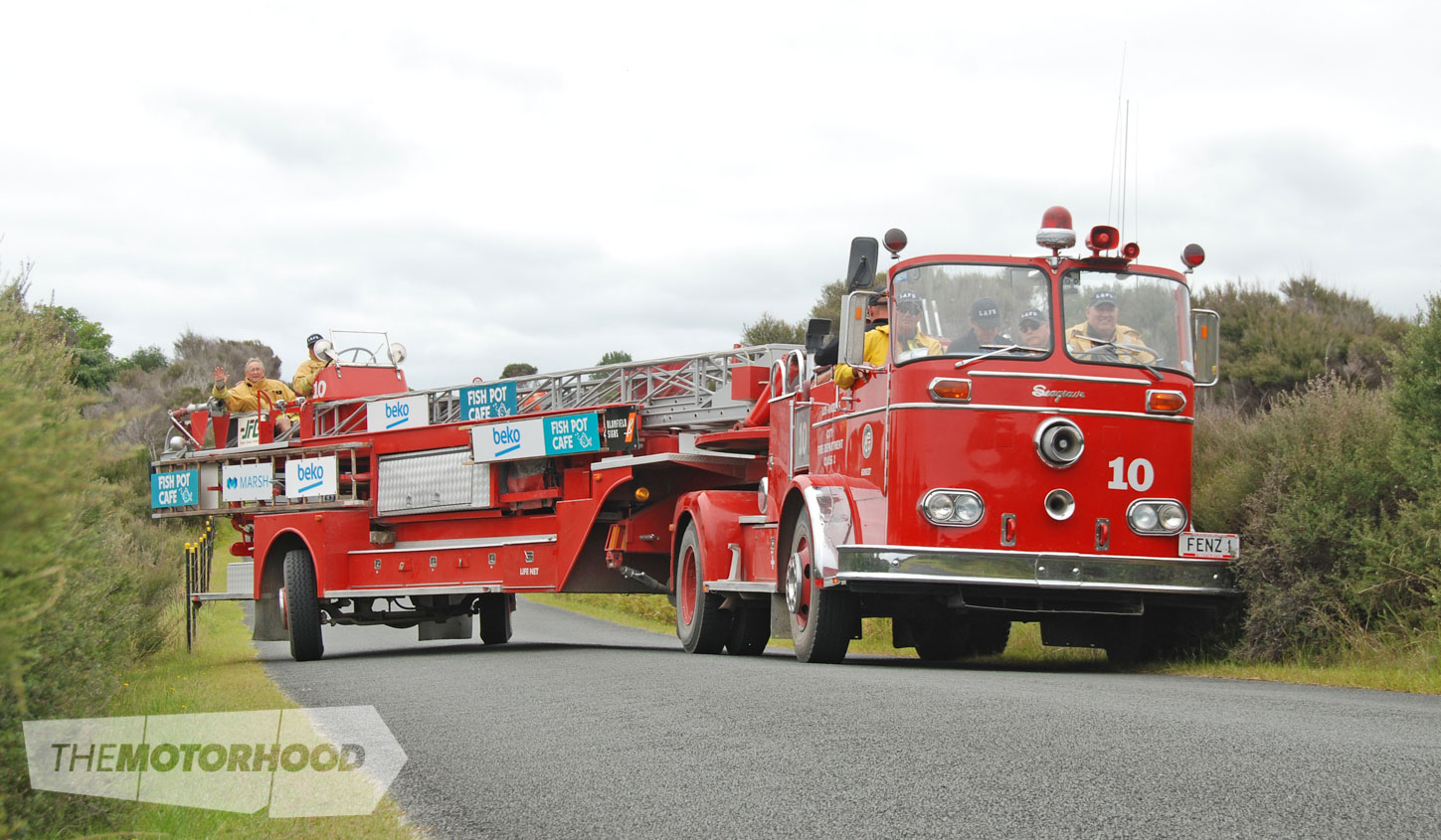
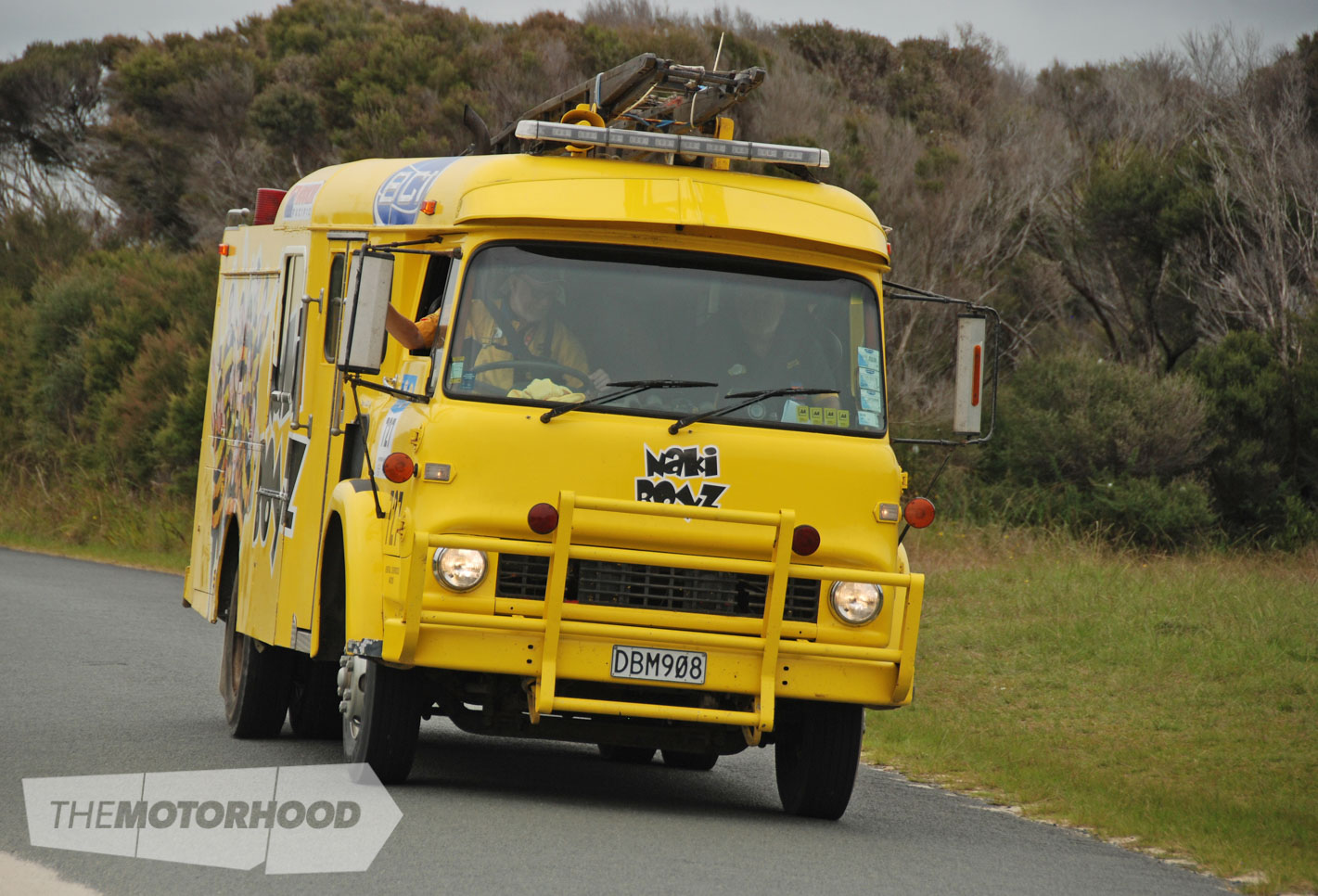
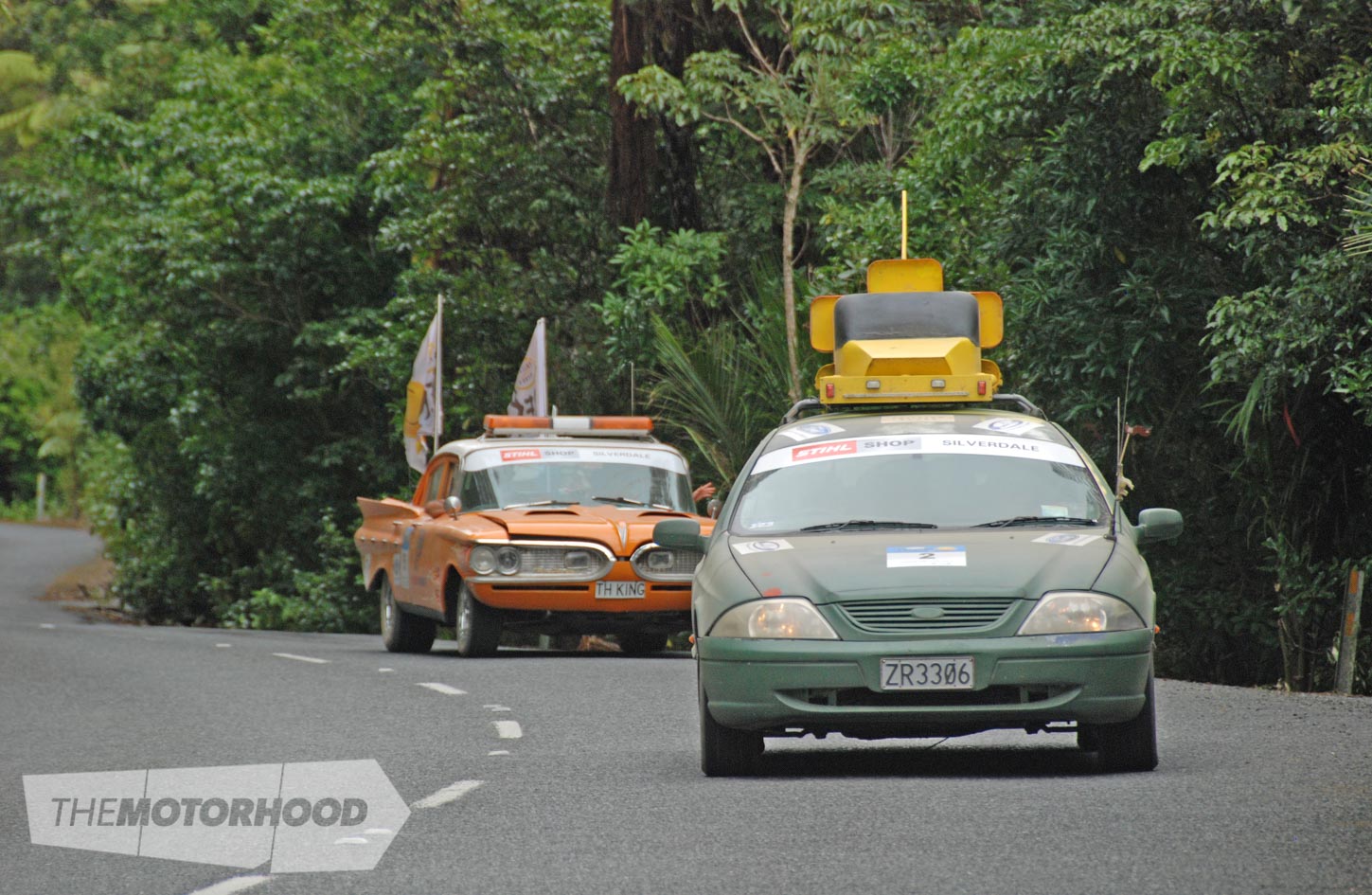
There’s no doubt that raising money for needy Kiwi kids is what drives the Trillian Trek – but it’s also about some tough old vehicles, great mates and just good driving.
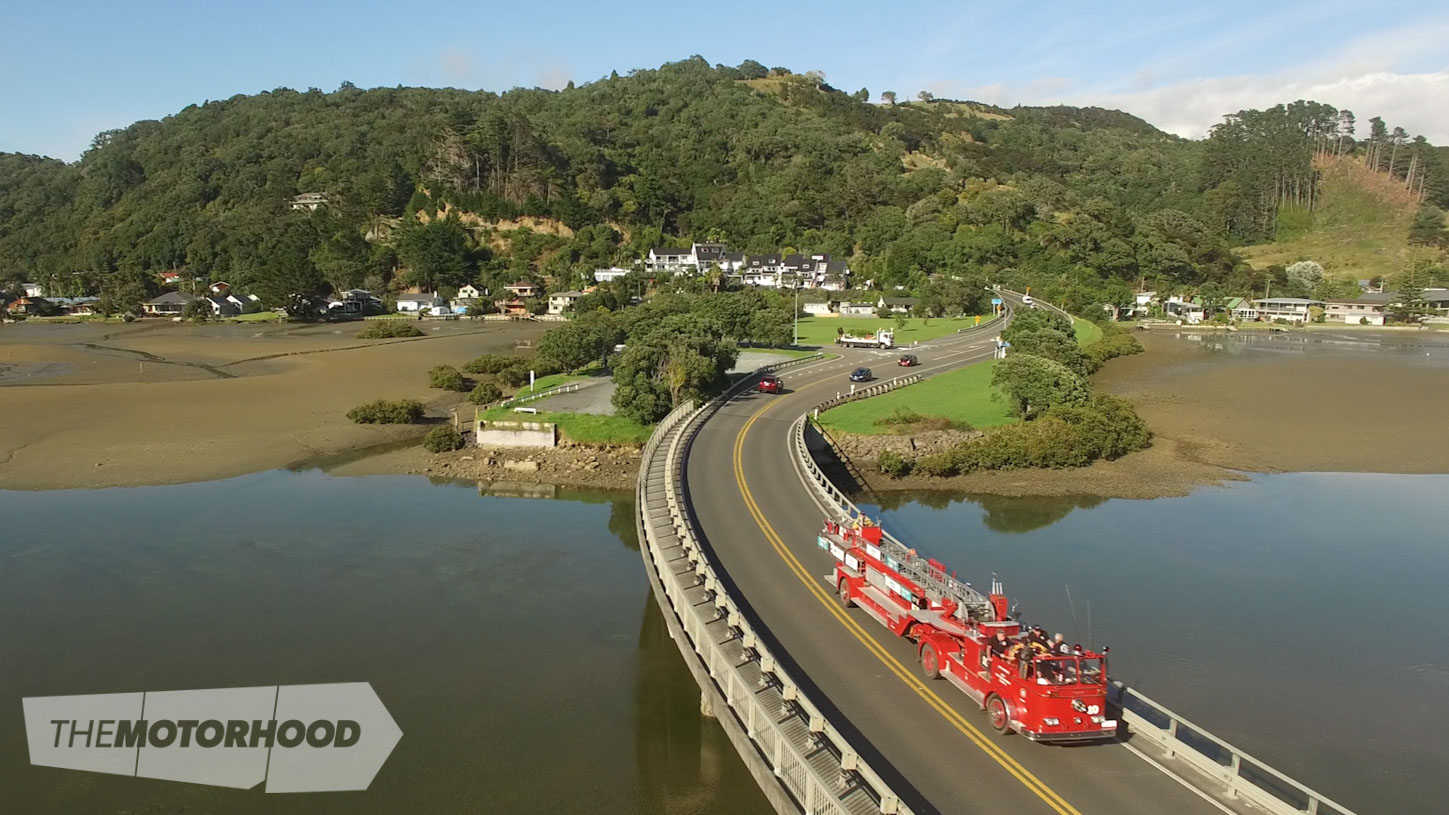
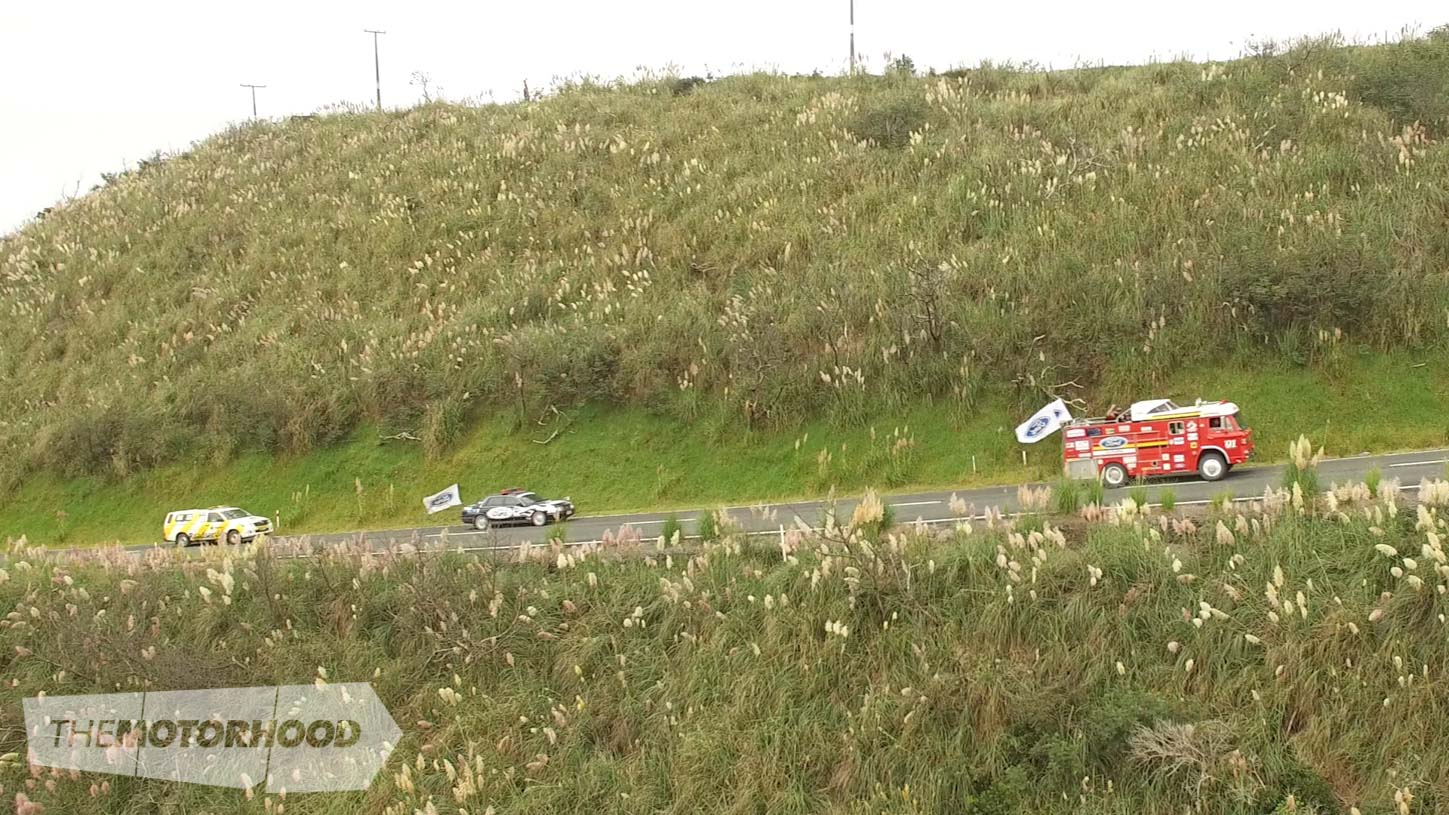
Day three of the 27 yr-old event (formerly Variety Bash) offered up some welcome open road and a nice bit of gravel as the mobile fundraising convoy headed out to Kai Iwi Lakes after a sports morning at Dargaville Primary.
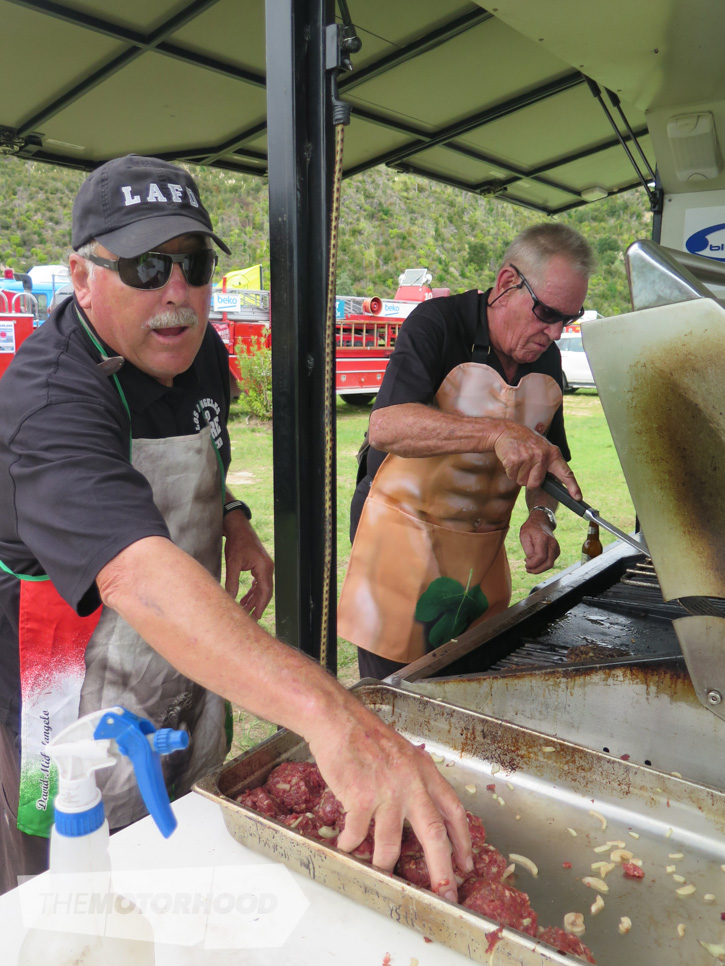
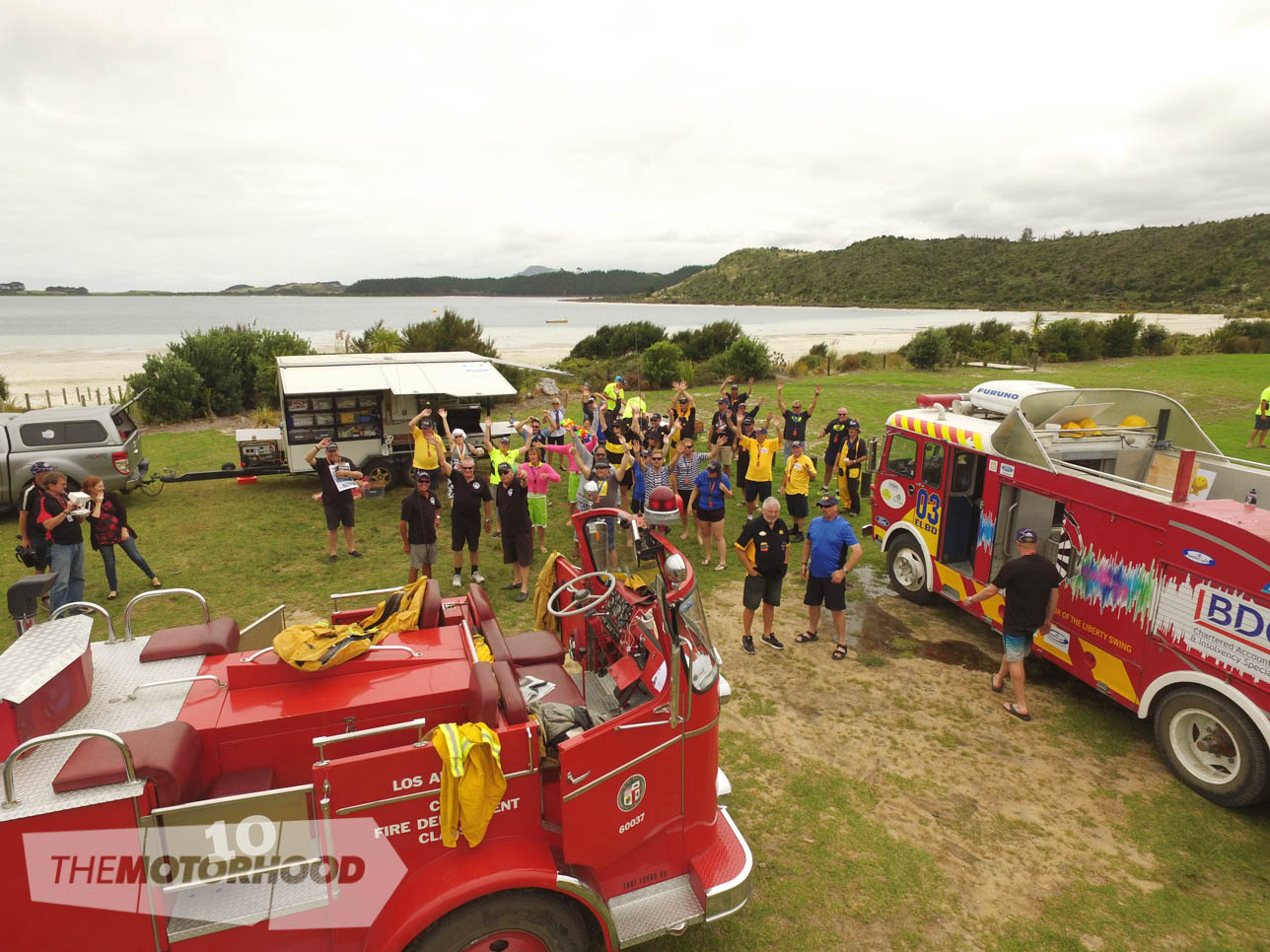
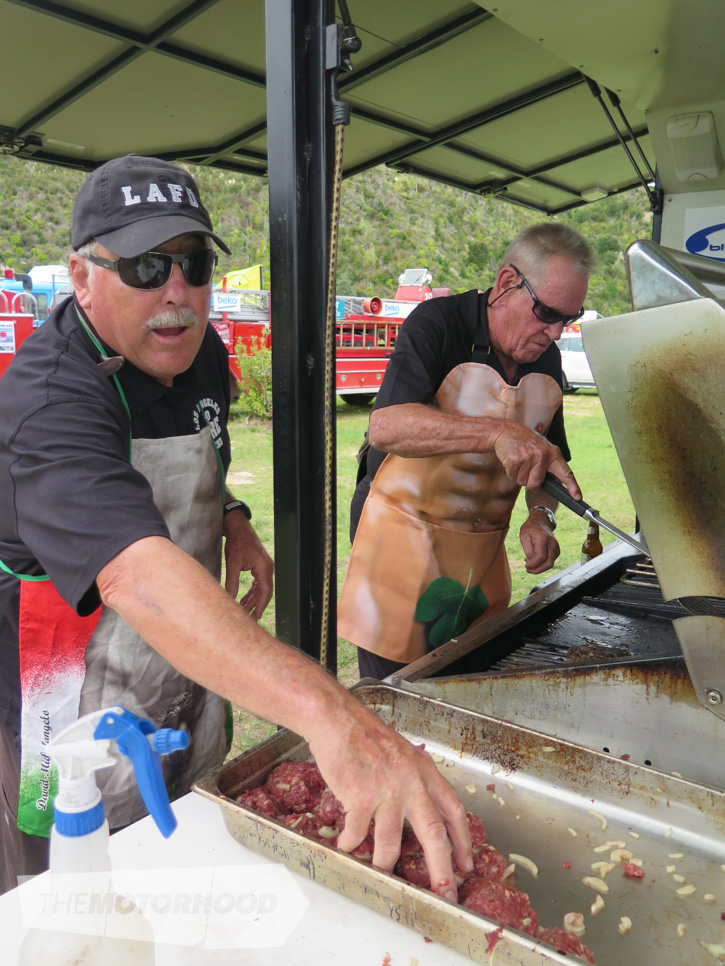
The Lakes stop was a good chance to get up close and personal with perhaps the most important vehicle in the fleet, a purpose-built ‘craft service’ trailer with two state-of- the-art BBQs, a prep bar and the all-important cold storage. The trailer is the baby of long-time ‘Trekker’ Mark Prujean who designed it a couple of years ago to cater perfectly to the needs of the event. A very generous donation from Fisher & Paykel and some good old kiwi ingenuity (beg, borrow and steal!) — repeat Trekkers wonder how they ever managed without it.
The trip out to the lakes had the Trek film crew, Black Magic, breaking out the drone for some beautiful panoramic shots celebrating both the driving and the Kiwi countryside.
As with similar events based around a shared passion, the ‘Trekkers’ really are a family. Some have been doing the annual run for 15 years or more and even when circumstances mean some of the old hands can’t make the whole week. If the route takes the group anywhere near someone’s home or bach, calling in is almost mandatory.
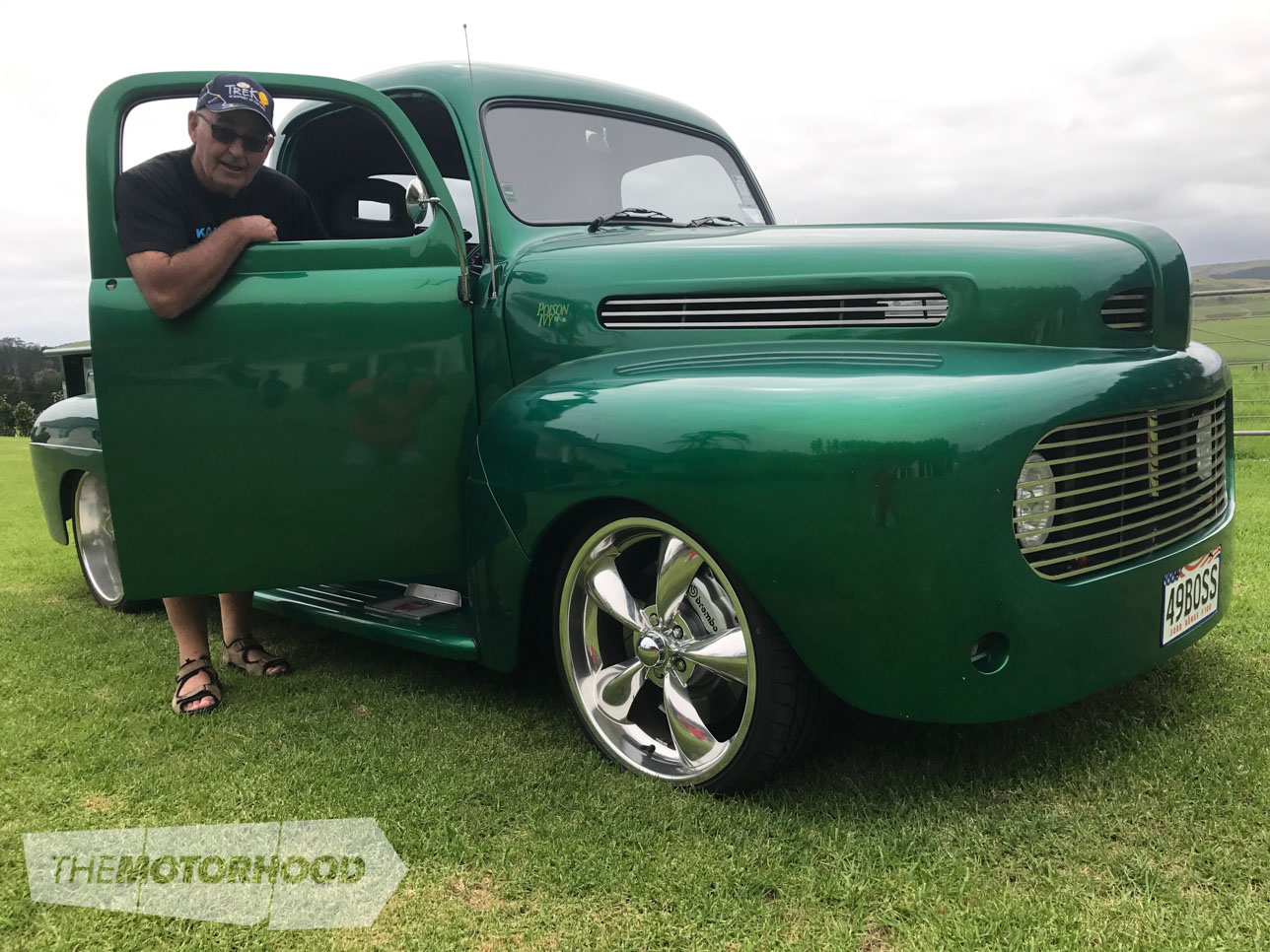
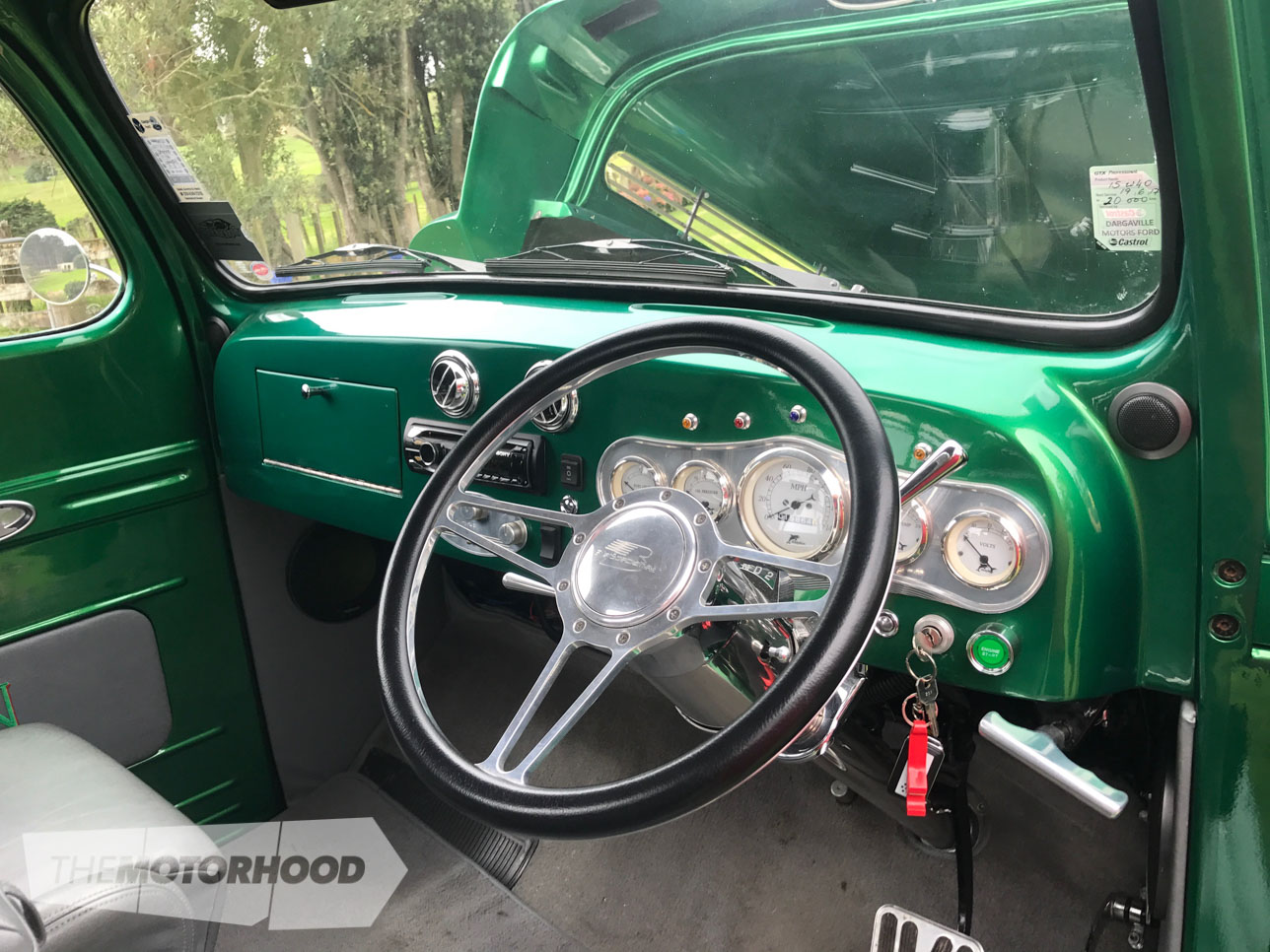
This time there was a chance to catch up with 15 year veteran Stu Chapman who has lived in the area for the past several years and had a little something in his garage that was well worth the detour.
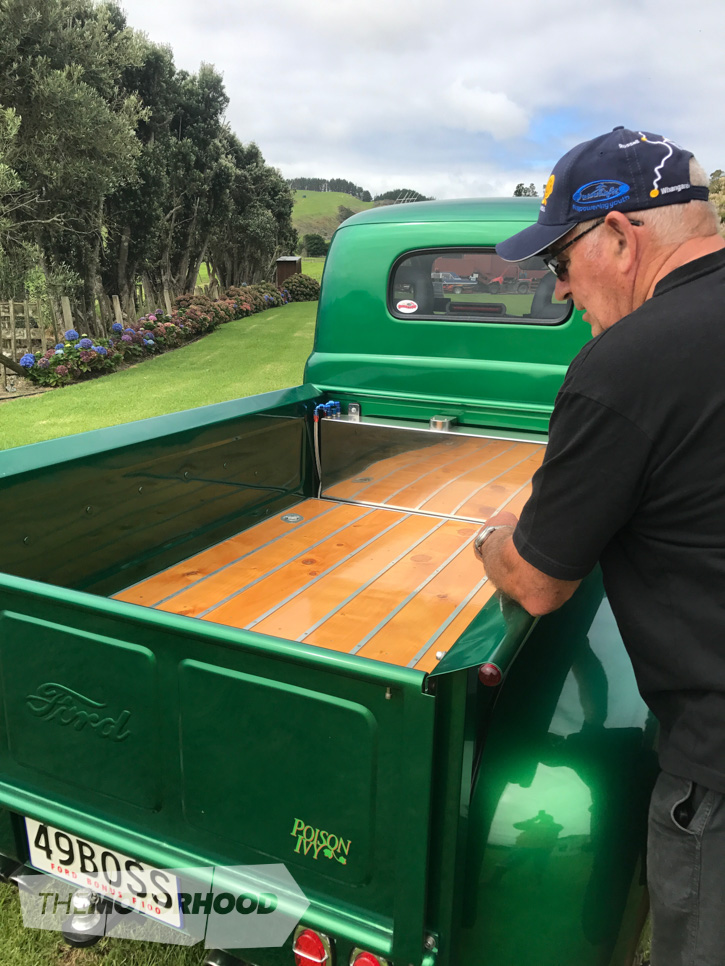
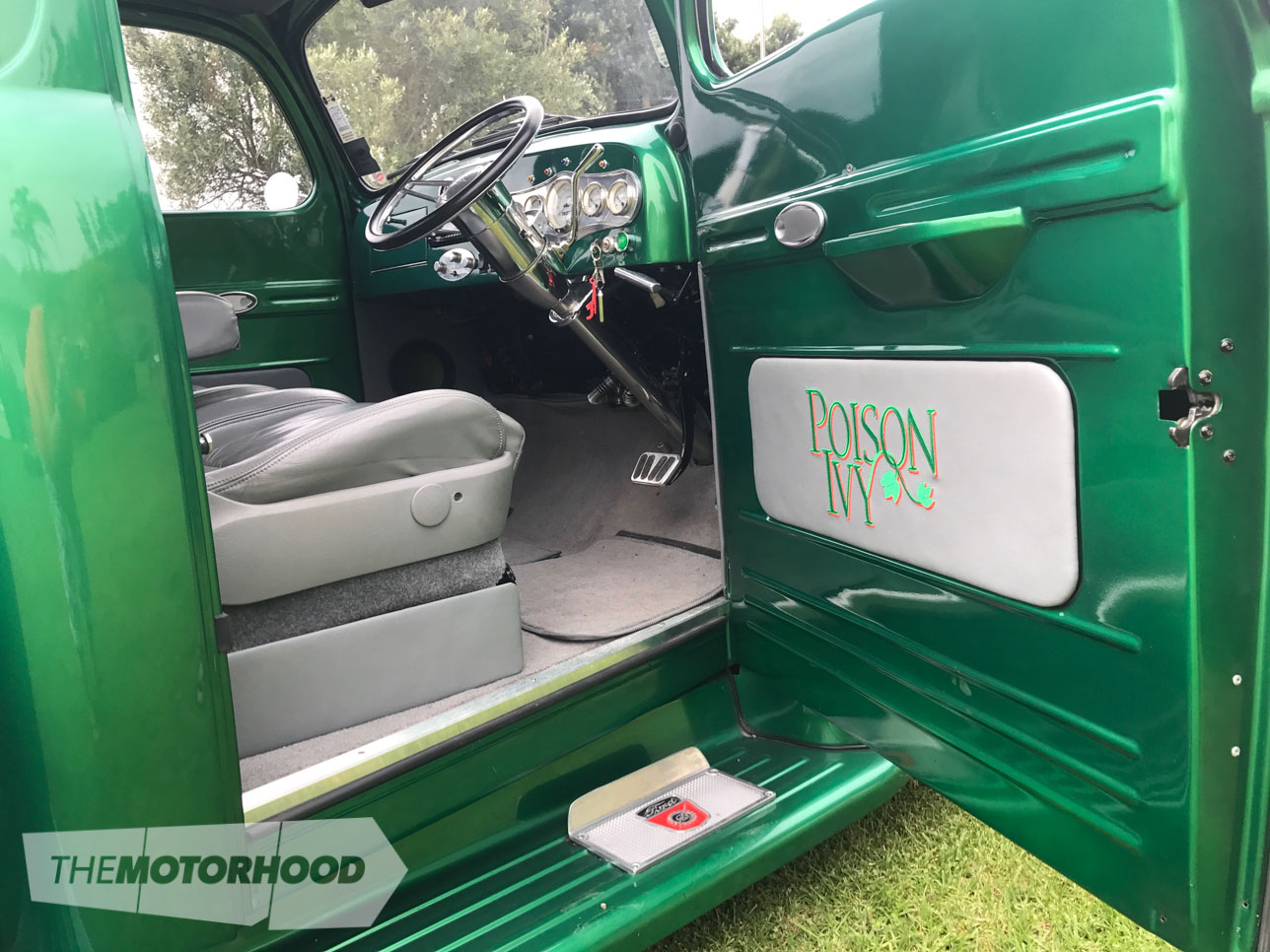
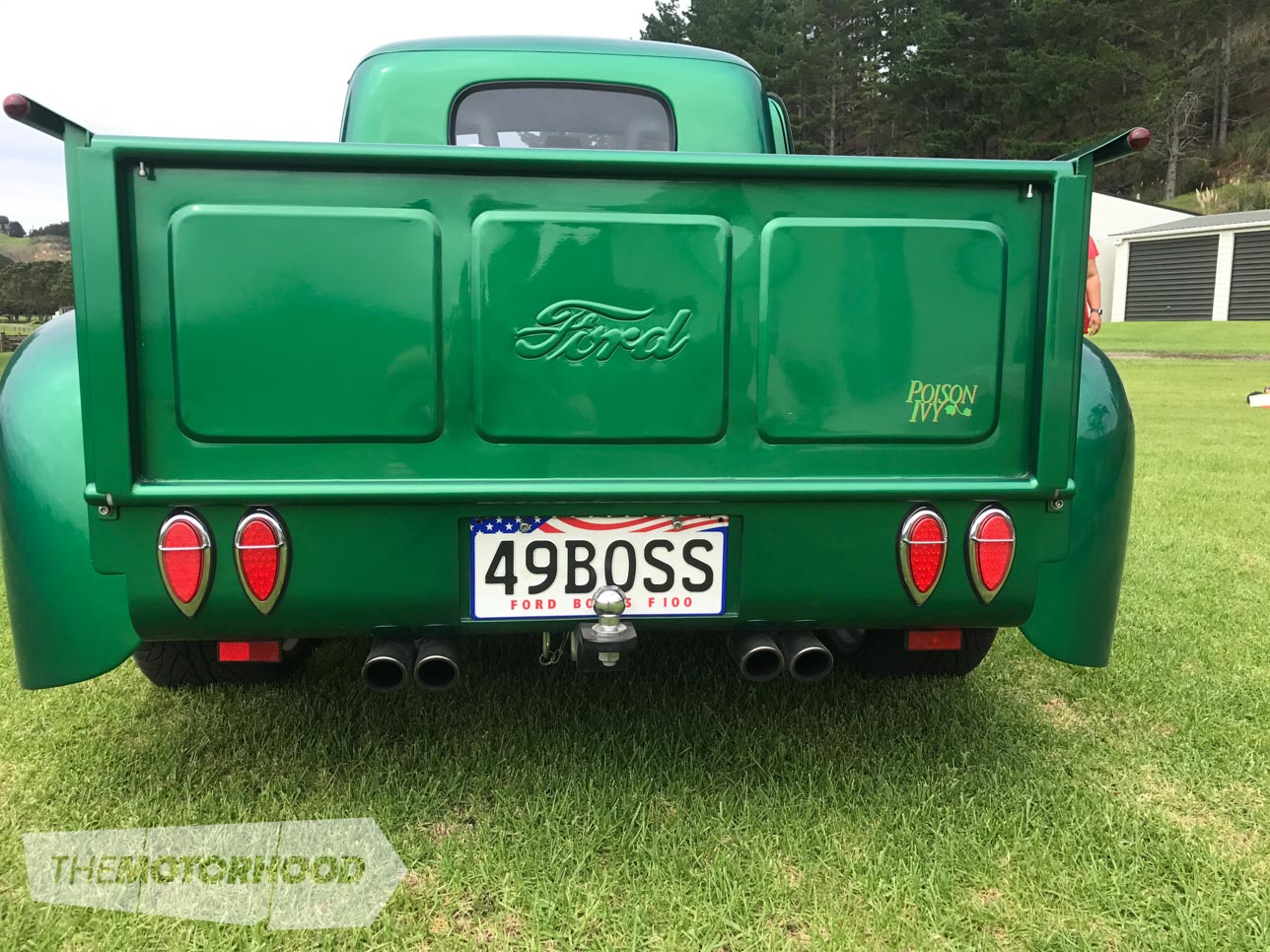
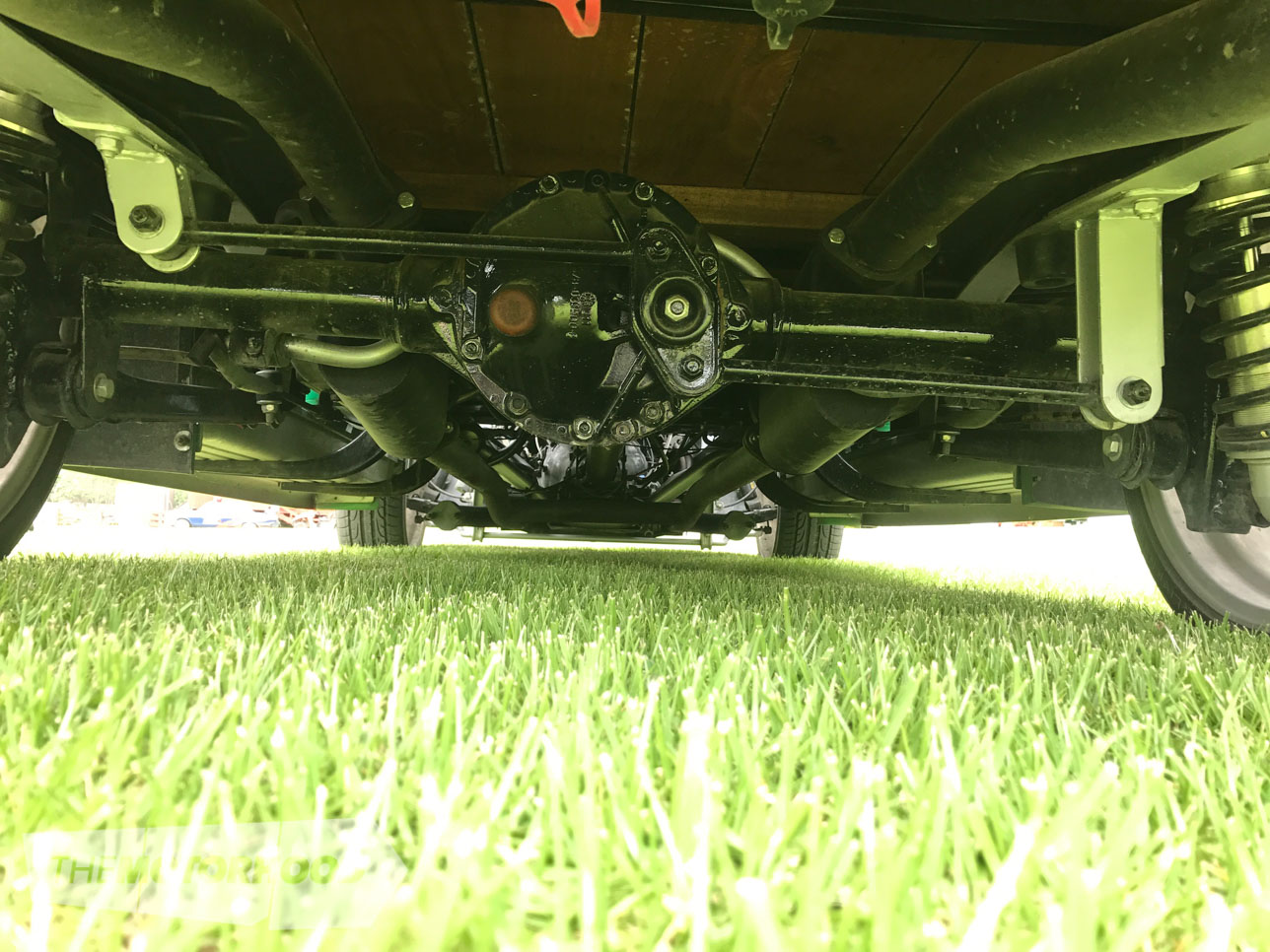
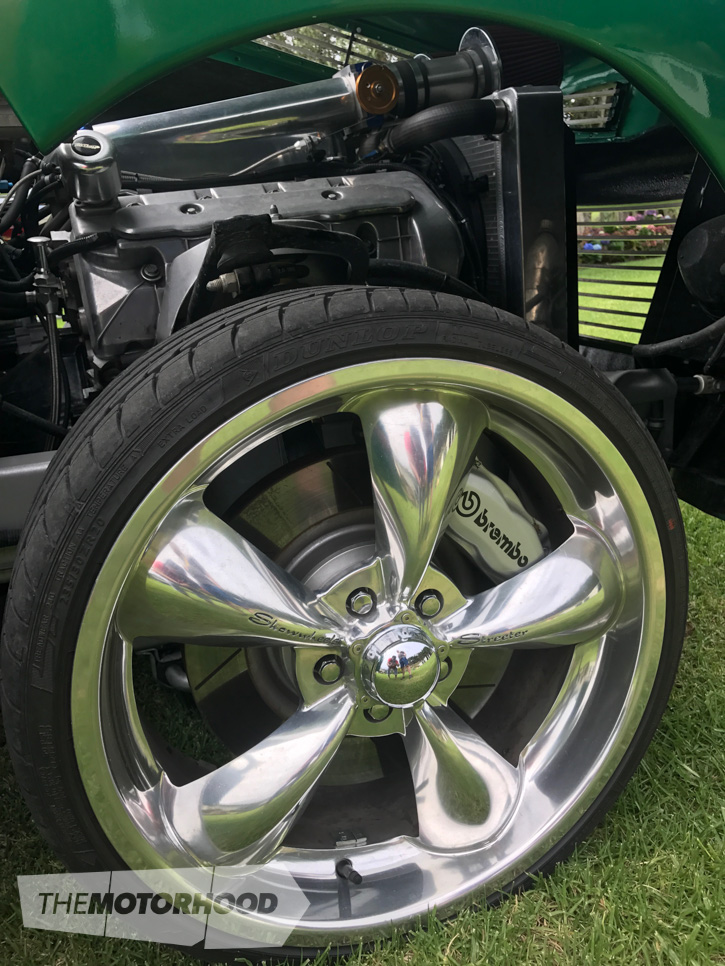
Stu has recently bought a 1950 Ford F100 Bonus. In Poison Ivy green the restomod now sports a Boss 290 5.4-litre V8. Everything about the vehicle has been modified, although it still sports the original chassis. It’s Stu’s pride and joy, and he says the original owner, and his mate who did all the work on the car, cried when it was sold!
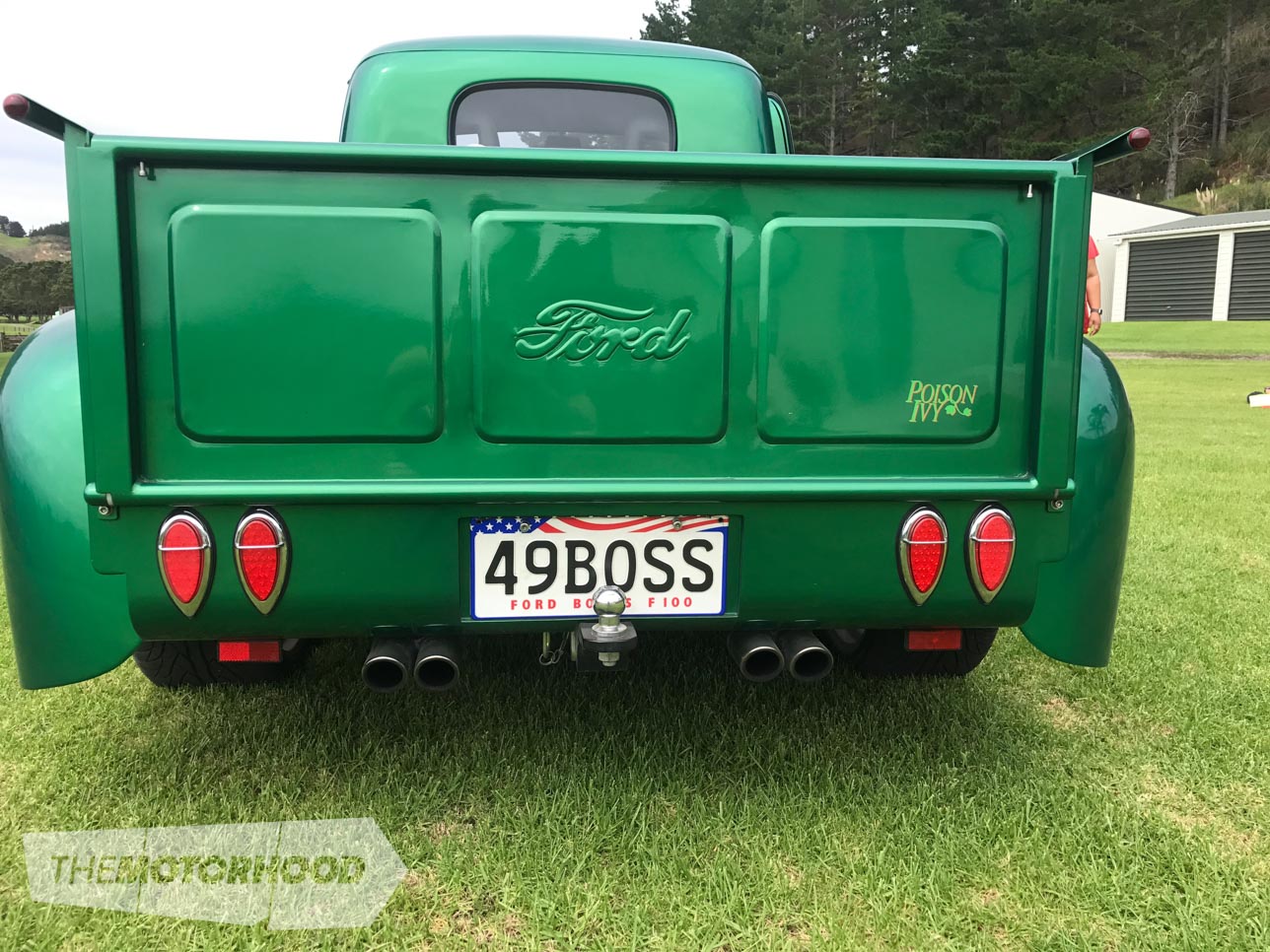
For those that don’t know Stu or the new car well, the plate does cause some confusion — it’s actually off his previous Ford Bonus which was a ’49. That had a 351 Windsor in it but Stu says this one is tidier and the modern Falcon GT running gear mean it is a bit of a force to be reckoned with.
It is definitely built for speed, with Stu telling us he gets it off the clock no sweat (on closed private roads of course!) and it stops on a sixpence — which is old fella talk for ‘the car reacts very quickly to the brakes and comes to a stop pretty damn quick’.
Would he take it on a Trek? Absolutely not — although, if there was a tar seal-only route …
Official route of the 2017 Trillian Trek:
19th March Day 1 — Matamata to Orewa
20th March Day 2 — Orewa to Dargaville
21st March Day 3 — Dargaville to Omapere
22nd March Day 4 — Omapere to Taipa/Coopers Beach
23rd March Day 5 — Taipa to Taipa
24th March Day 6 — Taipa to Russell
25th March Day 7 — Russell to Whangarei
For more information about this event, or how you can support Kiwi kids by donating, head to trekevents.co.nz or visit the Trillian Trek Facebook page