Record price for ’96 Mercedes-Benz SL500 after owner loses the key

12 April, 2017

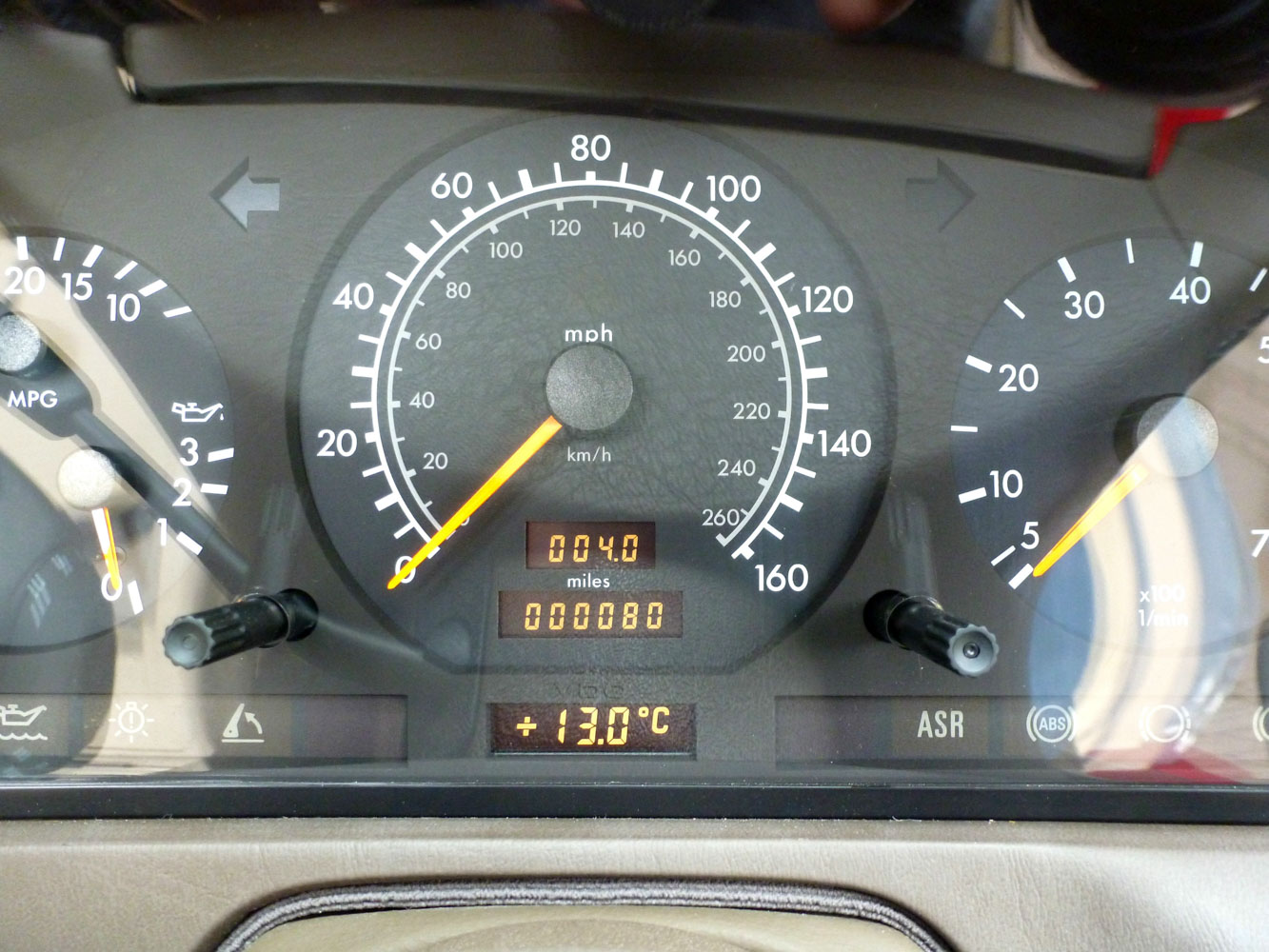
Picture this: it’s 1996, you’ve just received your brand-new Mercedes-Benz SL500 and taken it for a brisk drive around a few blocks. 80-miles now adorns the odometer and you park it up to go about your business, returning to find the key has gone walkabouts. Would you then call it a day and never drive it again?
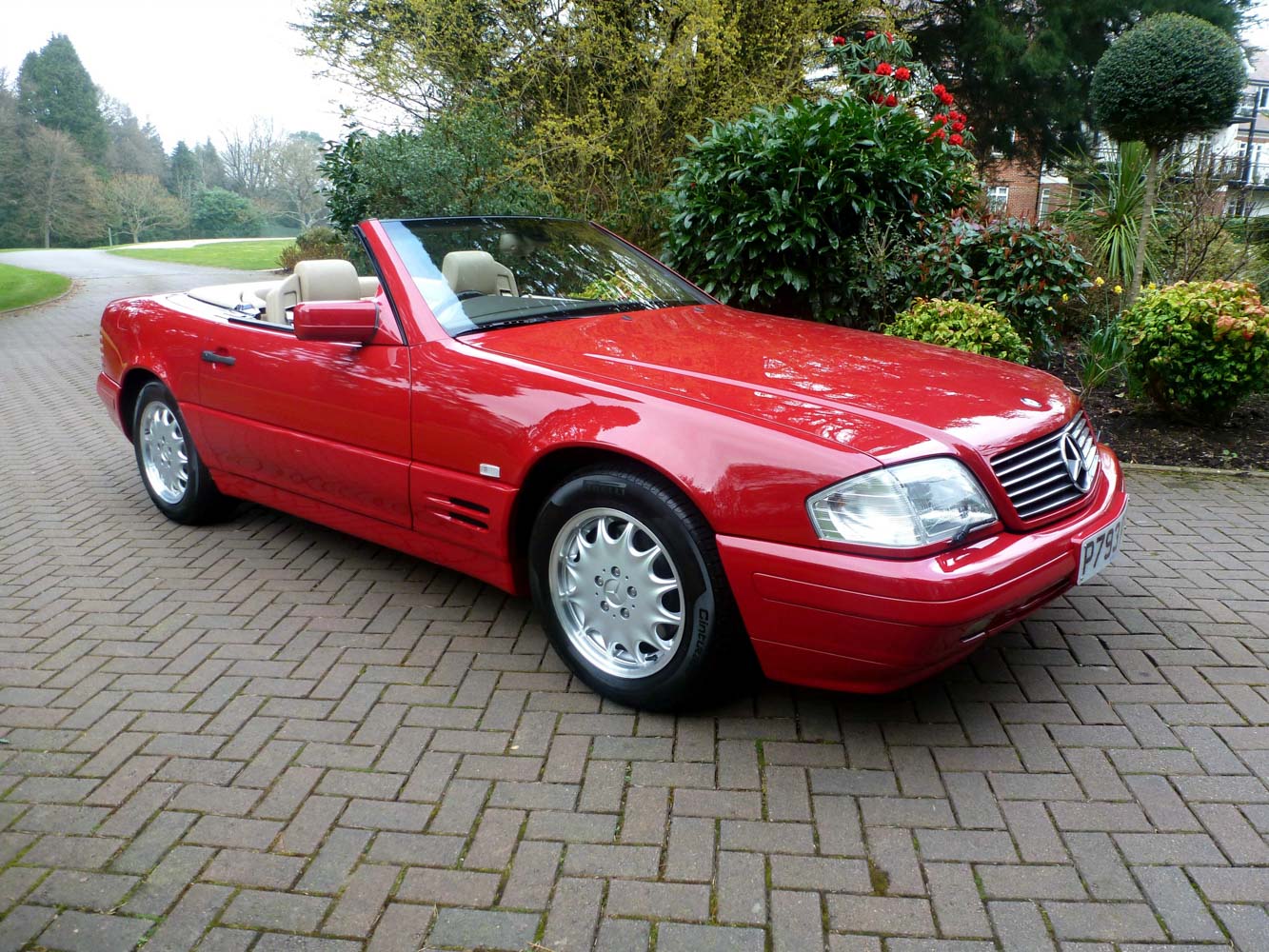
That’s exactly what the owner of this particular example did, and it recently sold for a record price 21 years later— £56,640 to be exact — by Coys at their Spring Classics auction at the Royal Horticultural Halls in London.  

Chris Routledge, CEO of Coys, said, “This is a fantastic price bearing in mind that a normal version of this car, with reasonable mileage, would probably be worth 20% of what this SL500 made today. An exciting sale and a new world record!”
The Mercedes-Benz SL500 R129 roadsters were produced from 1989 through 2002, featuring many innovative details for the time, such as electronically controlled damping and a hidden, automatically extending roll-over bar, electric windows and mirrors.

This is one of the more powerful and sought after M119 engined cars and also boasts a number of optional factory extras, including heated front seats, 6 CD multi-changer, upgraded radio and wood-leather steering wheel.
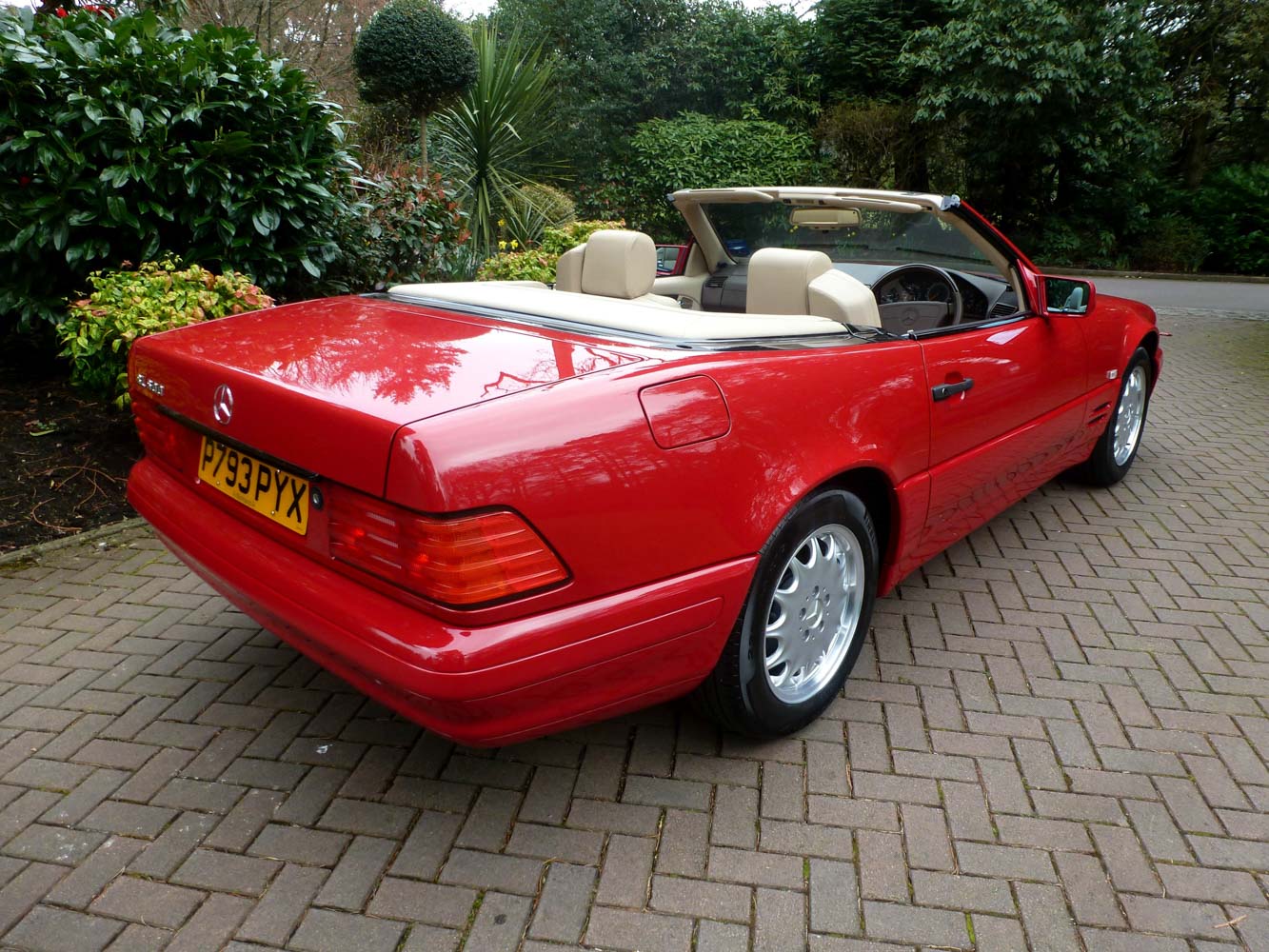
It’s far too nice to call a barn find … perhaps a time capsule, if you will? Either way, £56,640 is a staggering win for the owner.
NZ Classic Car magazine, September/October 2026 issue 407, on sale now

We love bugs!
A bit of TLC that became a major restoration
The 1302S, or ‘Super Beetle’ as it became known, was built for two years before it, too, was replaced by a further-enhanced Beetle, the 1303, continuing an amazing 65-year lineage for one of the World’s best-known shapes.
The world’s best-selling single-model vehicle, the VW Beetle, possibly established another record for the amount of controversy it has created since the inception of the Type 1.
In a meeting with Hitler in June 1934, Ferdinand Porsche was contracted to build a ‘People’s Car’ that could accommodate two adults and three children, was air-cooled and simple to maintain, and could cruise economically at moderate speed along Germany’s proposed new Autobahns.
Our feature car, a 1972 1302S ‘Super Beetle’, was found by Dave and Michelle Dickie in Mosgiel a few years back. It was a runner, but like most VWs of this age, it needed a little TLC. They were looking for a daily driver for Michelle when they first came upon the VW being sold locally on behalf of its owner.
“The owner offered it to his grandchildren, and they didn’t want it, so he got the guy out at Mosgiel in the Mobil petrol station to sell it for him, and he put it on Trade Me for them. We never met the owner, and we were always dealing with the guy at the petrol station. We put a bid on it, and we were the only people that bid on it.”
Their bid was eventually successful, eight years ago. Not knowing much of the history, in situations like that, it’s always a risk buying a car, but they were in for a bit of a surprise.

The other Q car

Say the word ‘bond’ to anyone in the street and around 80 per cent straight away think of pop culture’s least-secret secret agent. The other 20 per cent may think of the wad of cash required to secure a flat or hire equipment that one gets back providing the fixtures and fittings stay much as they were.
However, mention ‘bond’ in specialist classic car circles and people will spin a very different yarn. If you dig deep enough, you will find an eccentric British carmaker that, throughout its 23 years in business, spawned some quirky and charming little cars.
The company was founded by Paul Sharp in 1922 under the name of Sharp’s Commercials Limited. However, the company did not start producing cars until 1948. The first car to carry the Bond name was the Bond Minicar. A three-wheeled, soft-top, two-cylinder eco car, the Minicar was a big hit at the time as the desire for an economical urban runabout that didn’t attract four-wheel car tax was strong in post-war Britain. All in all, 34,285 Minicars were produced over 26 years in a variety of variants.