Nicky Hayden, former MotoGP champion, passes away after cycling accident

23 May, 2017

News broke last week that 35-year-old Honda rider and former MotoGP champion, Nicky “The Kentucky Kid” Hayden, was involved in an incident with a car while while cycling in Rimini, Italy, following the Imola World Superbike round. 
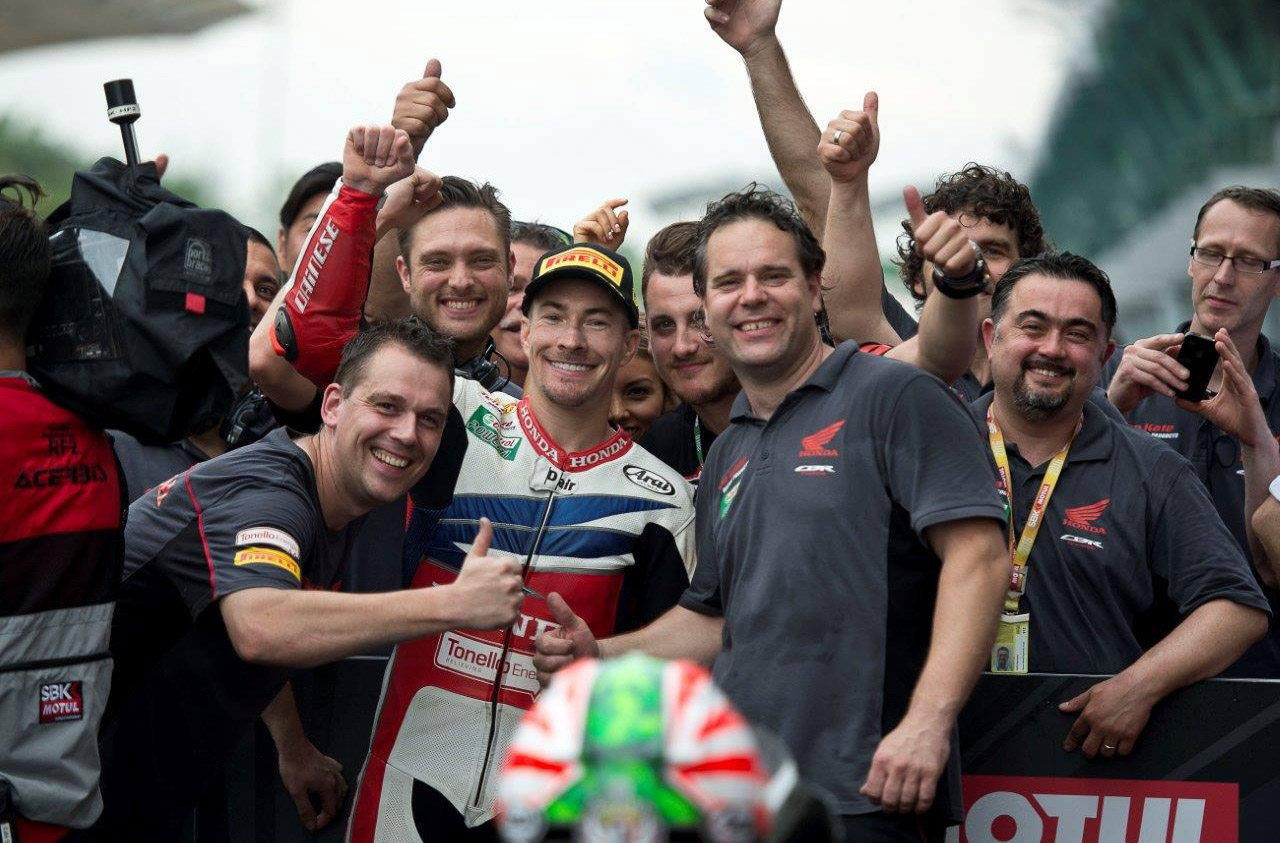
While we initially held off reporting the incident in the hopes that Hayden would pull through, sadly, news has reached us that he passed away overnight.

Younger brother Tommy Hayden said in a statement, “On behalf of the whole Hayden family and Nicky’s fiancée Jackie I would like to thank everyone for their messages of support … although this is obviously a sad time, we would like everyone to remember Nicky at his happiest – riding a motorcycle. He dreamed as a kid of being a pro rider and not only achieved that but also managed to reach the pinnacle of his chosen sport in becoming World Champion. We are all so proud of that.”

Throughout his 13 year career, Hayden made a total of 217 MotoGP starts and most notably beat out Valentino Rossi to claim the 2006 world championship title in his fourth of six seasons with the Repsol Honda team. 

In a controversial decision, he would leave Honda for a switch to the Ducati Marlboro Team to ride alongside Casey Stoner for the 2009 MotoGP season. Hayden would return to riding Honda in 2014 with the Aspar Racing Team where he would spend his final two full-time seasons campaigning the World Superbike Championship.
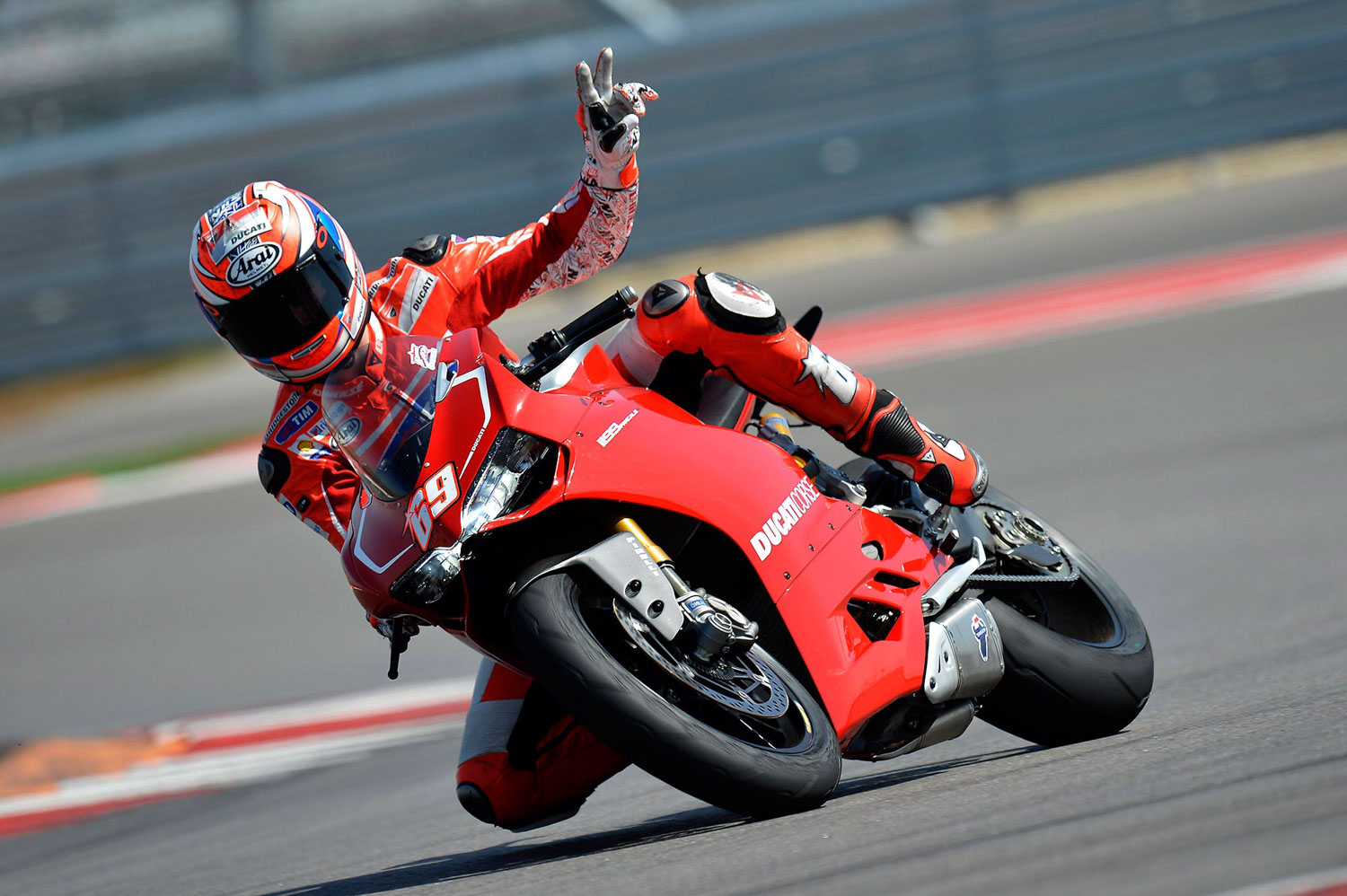
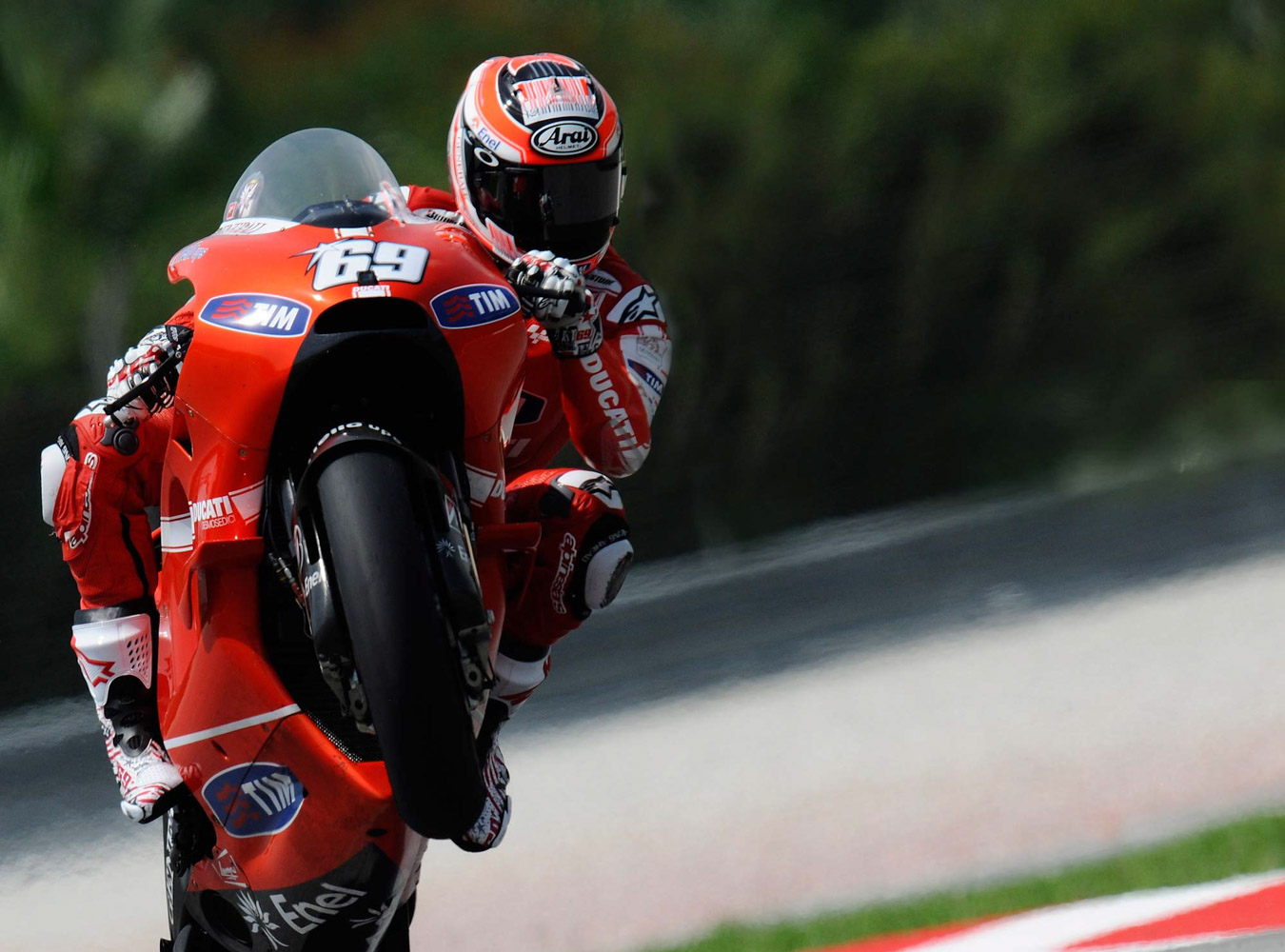
The former champion returned to MotoGP for spot starts to replace the injured Honda rider Jack Miller (Marc VDS Honda) at Aragon, finishing 15th; and factory Honda rider Dani Pedrosa at Phillip Island, which also marked his first appearance on a Repsol Honda since 2008 — he would only finish 17th after colliding with Jack Miller late in the race.

Hayden leaves behind fiancee Jackie, mother Rose, father Earl, and younger brother Tommy.

Rest well, champ.
Last Tango in the Fast Lane

In the mid ’80s, I locked into a serious Nissan/Datsun performance obsession. It could have kicked off with my ’82 Datsun Sunny, though this would have been a bit of a stretch of the imagination, given its normally aspirated 1.2-litre motor — not the sort of thing to unleash radical road warrior dreams. But it did plant a seed, and it was a sweet little machine and surprisingly quick, in contrast to all the diabolical English offerings I had endured.
I was living in South Auckland at the time and was an unrepentant petrolhead. Motor racing was my drug of choice, and I followed the scene slavishly. Saloon car racing, with the arrival of the international Group A formula, was having a serious renaissance here and in Australia and Europe. There was suddenly an exotic air in local racing that had been absent for 15 years.
I was transfixed by this new frontier of motor racing that had hit our tracks in 1985–87 and the new array of machinery on display. In 1986, the Nissan Skyline RS DR30 made a blinding impression on me. The Australian Fred Gibson-run, Peter Jackson-sponsored team of George Fury and Glenn Seton were the fastest crew of the 1986 Australian Touring Car Championship. But Kiwi legend Robbie Francevic snuck through to win the Aussie Championship in his Volvo 240T after a strong start and consistent finishes.

NZ Classic Car magazine, May/June 2026 issue 405, on sale now

Reincarnation of the snake
We are captivated by a top-quality sports car
The Shelby NZ build team at Matamata Panelworks has endured a long and challenging journey, culminating with the highly anticipated public unveiling of the 427SC and firing up of its sonorous V8 at the 2026 Ayrburn Classic Festival of Motoring in Queenstown on February 20. This is a New Zealand-built car with loads of character and potential.
The car is now back in Matamata, and I finally have an opportunity to get up close and personal with it. But before then, the question that must be asked is, “Why would ya?”
The first answer is easy, as mentioned in the last issue of New Zealand Classic Car (#404). It was a great way to use up all the surplus Mustang parts acquired while converting brand-new Mustangs into Shelbys. The unused new Mustang parts would be great in any kit car, but the 427SC in front of me cannot be classified as one.
This is not a kit car. The reality is that it is a high-quality, factory-made production car.
Possibly the second answer is because the CEO of Matamata Panelworks, Malcolm Sankey, wanted to build a replica of the car that is a distant relation to the Shelby Mustangs scattered around his showroom floor, a car created long before the first Mustang was even thought of, and the brainchild of Carroll Shelby back in the early ‘60s.