Major motion pictures, custom car giveaways, scandal, and a missing Toyota
May 4th each year marks the unofficial Star Wars holiday — if you don’t understand the reference after reading the title, then this article probably isn’t going to be for you.
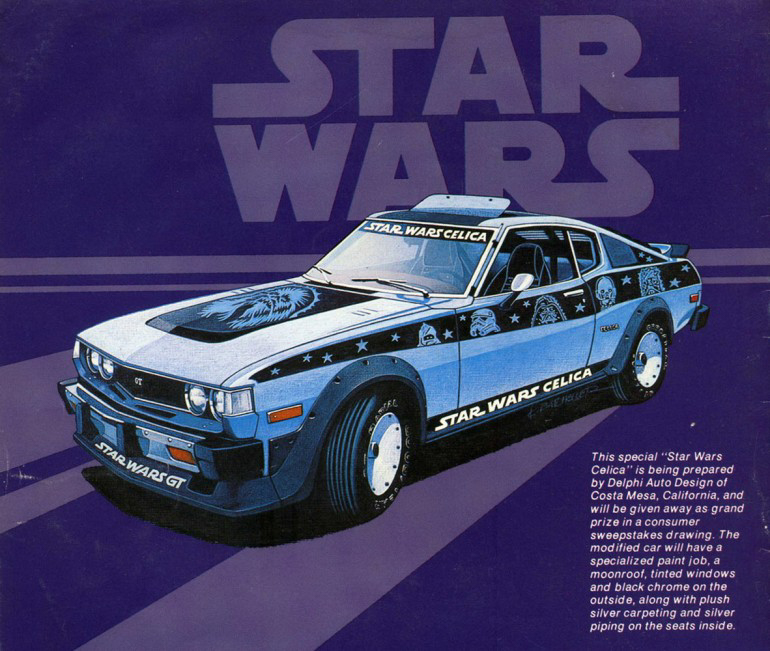
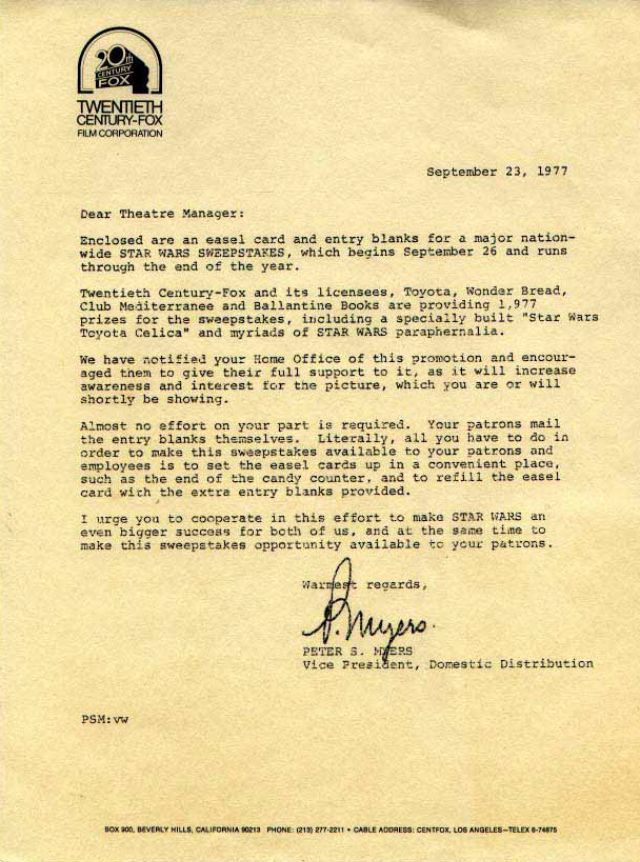
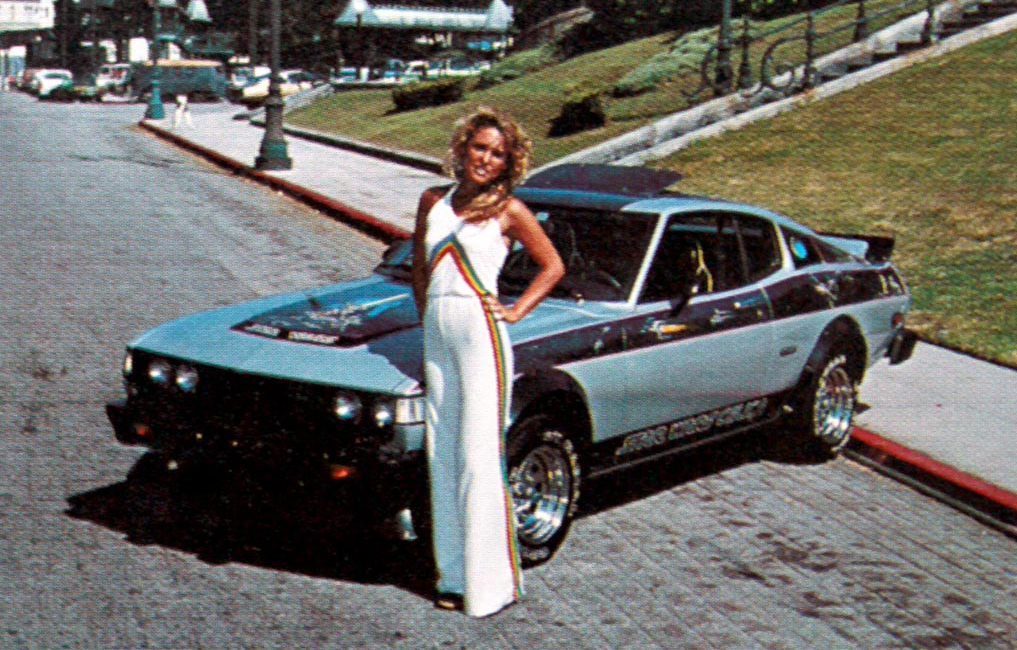
It’s only fitting then, we take a huge leap back to 1977 when a little film called Star Wars was released and the company producing it, 20th Century Fox, joined forces — see what we did there — with Toyota to customize and give away a ‘77 Star Wars Toyota Celica GT.
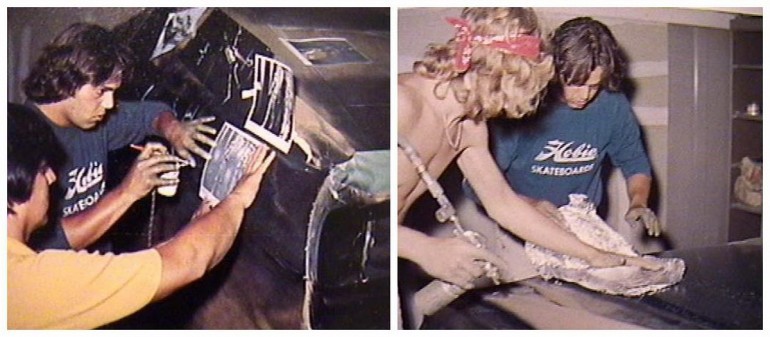
The GT was a grand prize in a Star Wars Space Fantasy Sweepstakes, described as being prepared by Delphi Auto Design of Costa Mesa, California, and featured “a specialized [Star Wars] paint job, a moonroof, tinted windows, and block chrome on the outside, along with plush silver carpeting and silver piping on the seats inside.”
Oddly information surrounding the sweepstakes origins are scarce, perhaps due to the loose management of such undertakings in the era, however we do know that four companies were involved: 20th Century Fox, Molly Designs, Delphi Auto Designs, and Mardan-Kane Inc.
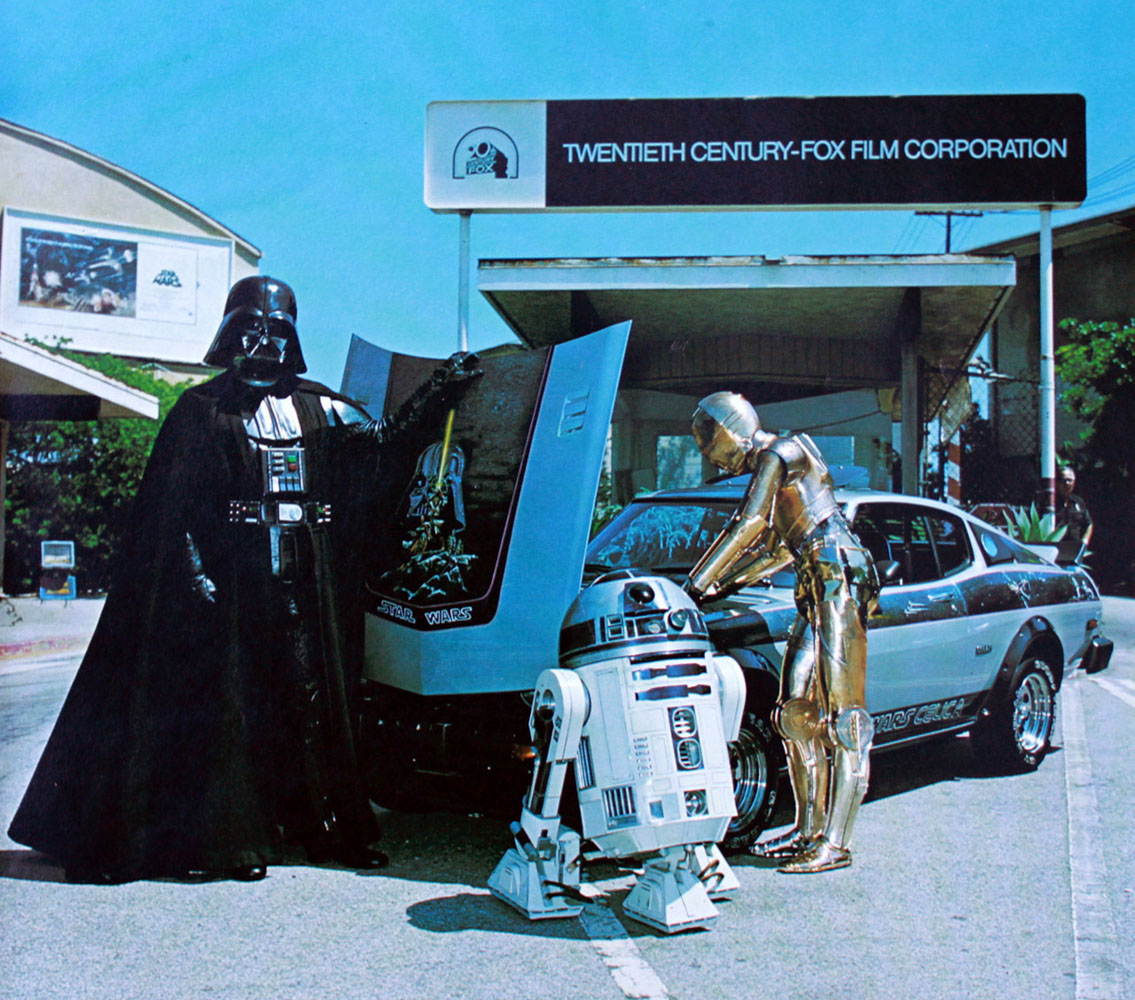
Once completed, it’s alleged that the car was delivered to 20th Century Fox and by the end of the sweepstakes, it was allegedly delivered to the anonymous contest winner in January 1978. We say allegedly, as this is the last time the car was seen for many, many years, and the company that had built it would soon go out of business — the owner of Delphi was convicted of smuggling hash oil, while one employee was kidnapped, and another, Steve Bovan, was murdered. Some suggest, as the conspiracy goes, that the Celica got caught up in the mess and was never delivered to the winner.
This would tie in well with the fact that there was never an official winner announcement and any further publicizing put on the back-burner — not surprising, considering a company like 20th Century Fox wouldn’t want to be associated with drugs, kidnapping, and murder
On a lighter note, LucasFilm employee Steve Sansweet — who now runs a museum with the world’s biggest collection of Star Wars memorabilia — saw it in a magazine for sale some 20 years later. He said of the discovery: “Sometime around the late 1980’s or early 1990’s I was reading my monthly issue of Antique Toy World when my eye was drawn to a small black and white ad at the bottom of a page. There it was, the Star Wars Toyota, being offered up for sale by the original owner, who said it was in great shape. Here’s the killer: the asking price was just $1,000. I remember being transfixed and started thinking how I could possibly buy this primo piece of promo history.”
However, for whatever reason, Sansweet didn’t jump on the Celica, and that was the last known sighting to date.
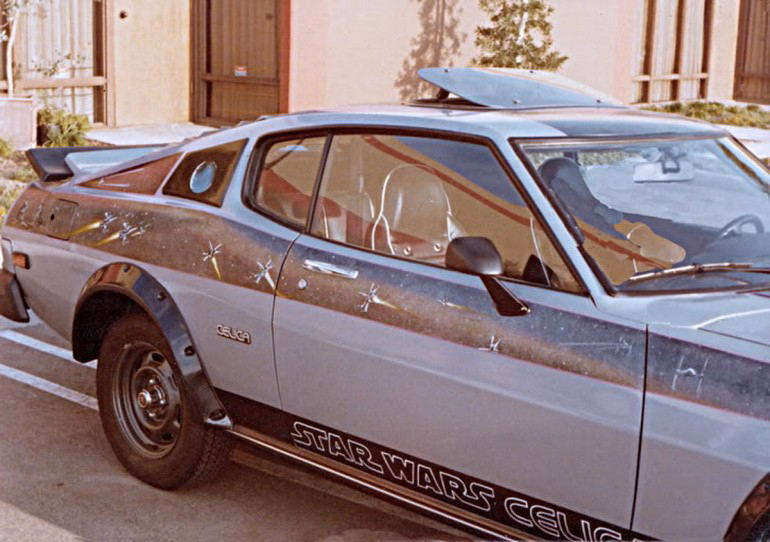
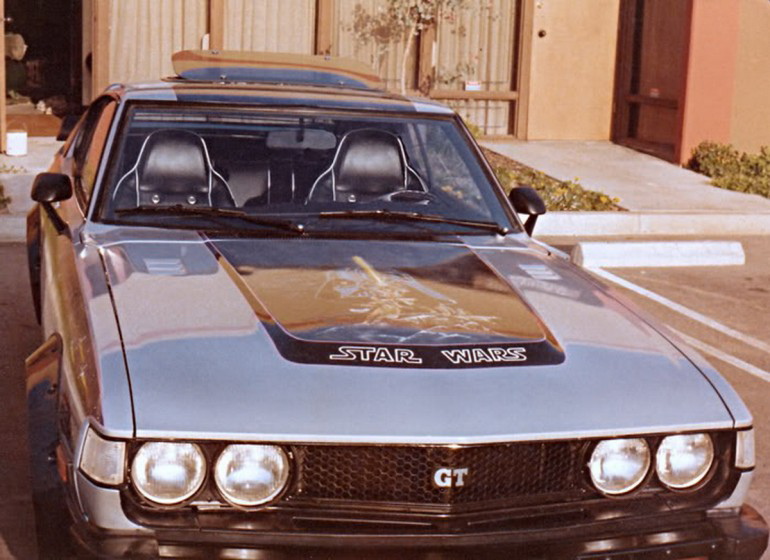
We wonder what corner of the earth it’s tucked away in now ….