Rattle ya dags and get yourself to Fieldays

15 June, 2017

It’s that time of year again where what seems like every ute in the country converges on Mystery Creek in Hamilton for Fieldays. 2017 sees the biggest event yet with hundreds of companies spruiking their wares to the masses of visitors that’ll pass through the gates of Mystery Creek over the coming days.


The scale of the event is immense. 

The scale of the event is immense. 

Unfortunately, I’m afflicted with city slicker-itis which renders most of the products on display useless in my day-to-day life. But like any good Kiwi bloke with an imagination and an internet connection, I can dream of joining the farming fraternity. I can look at pieces of land and half million dollar tractors imagining I know the difference between a post hole borer and a cow.
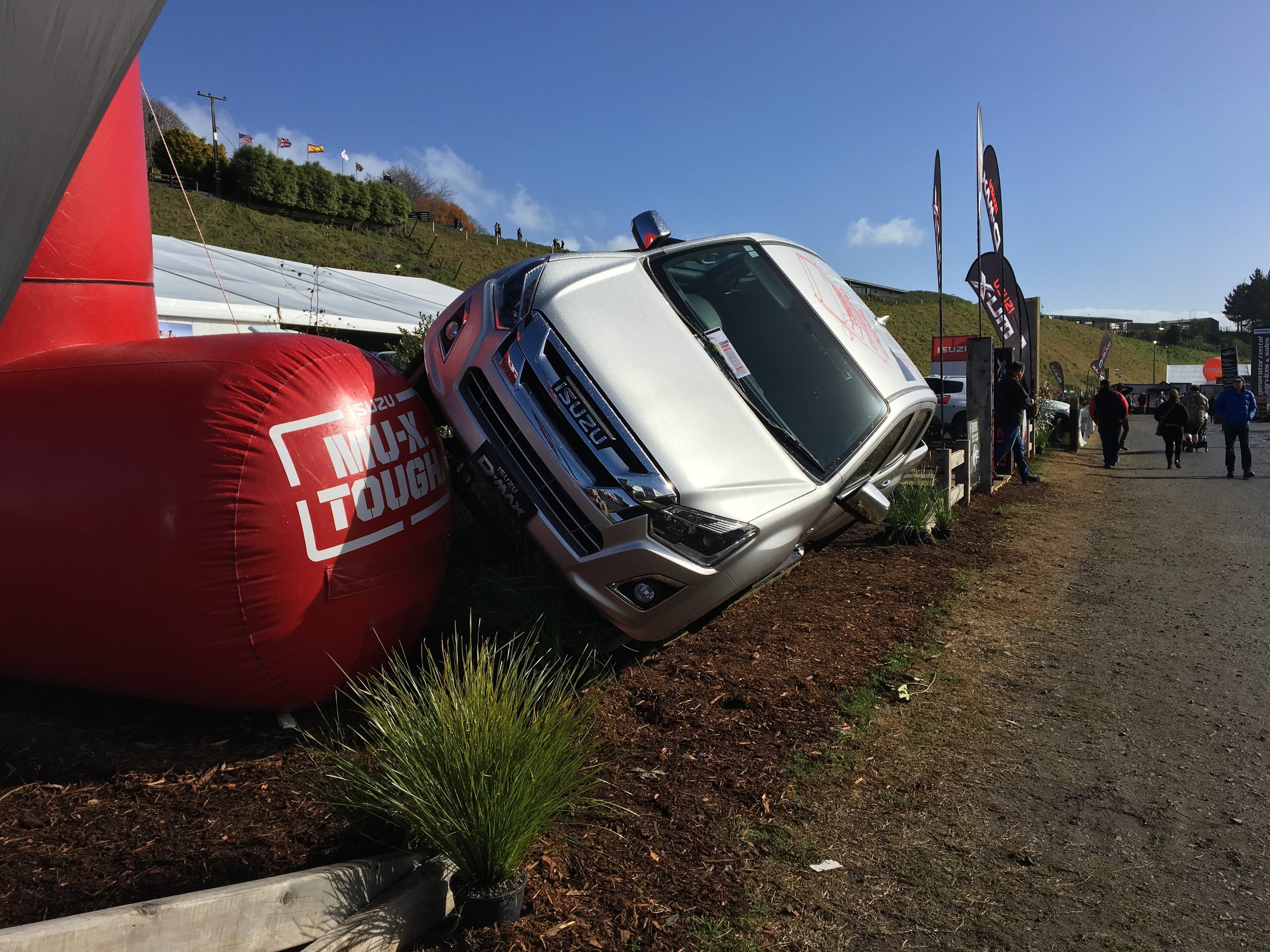

The Isuzu D-Max demonstrating its 49 degree hill-crawling capabilities.

The Isuzu D-Max demonstrating its 49 degree hill-crawling capabilities.

Of course, I was interested in was the cars, and there are plenty to choose from. Some new manufacturers have gone all out in putting together amazing stands for the event. This is not only an opportunity to show off new models and their current range, but to do get in amongst the community and speak with current and prospective customers.
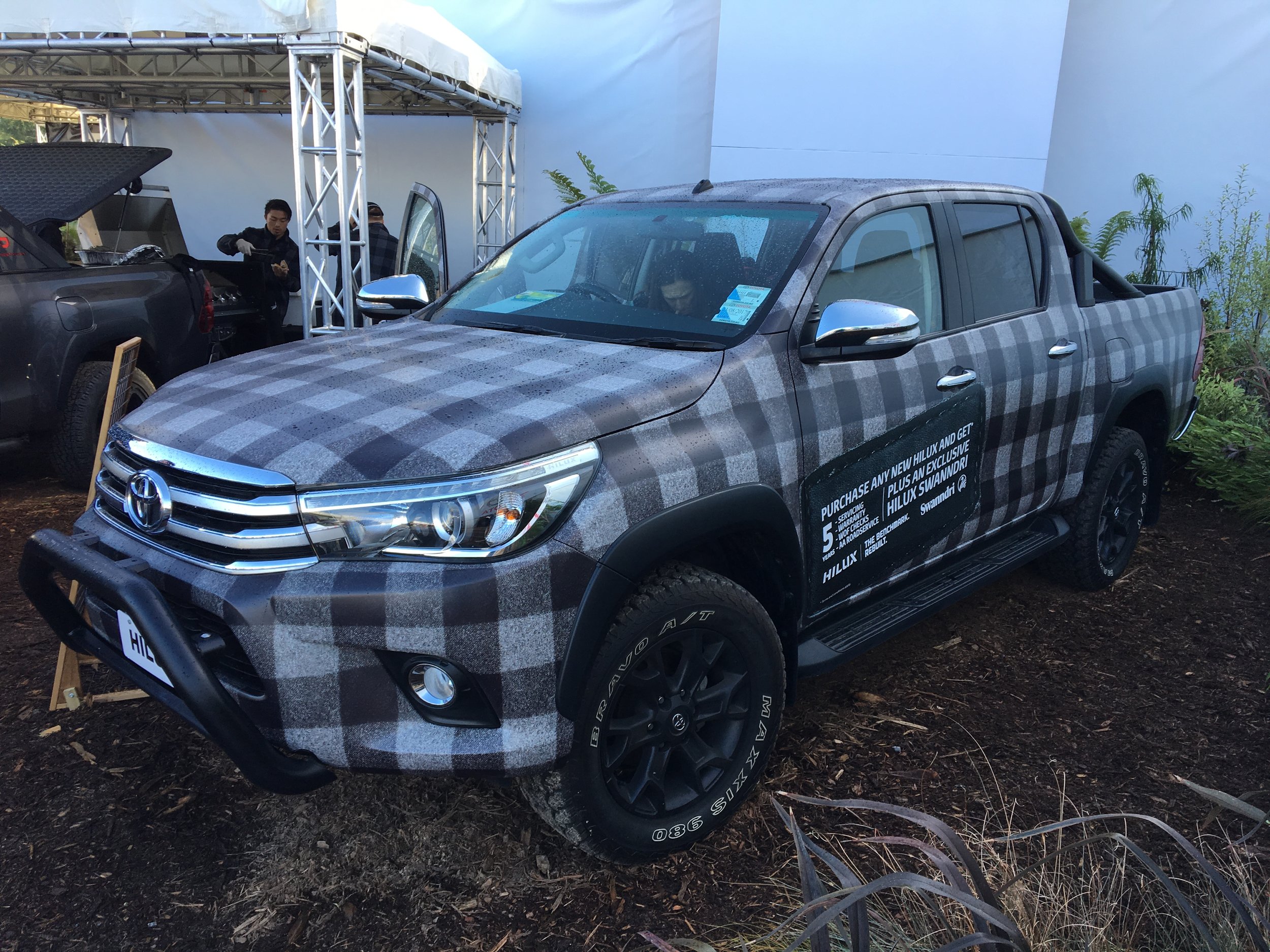

Toyota are taking their relationship with Swanndri seriously.
Toyota are taking their relationship with Swanndri seriously.


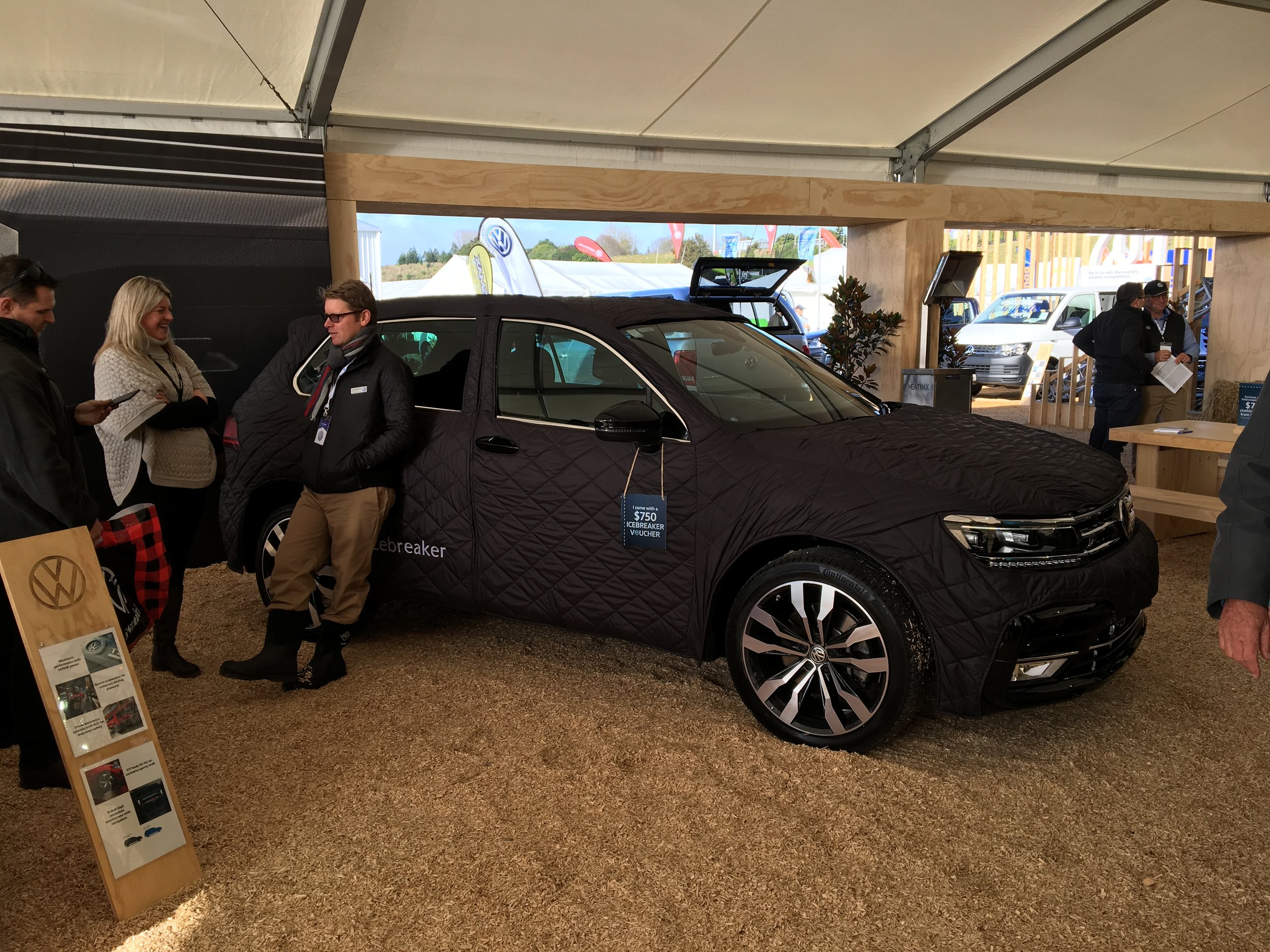
Volkswagen have jumped on the "clothing your car" bandwagon, too. 

Volkswagen have jumped on the “clothing your car” bandwagon, too. 
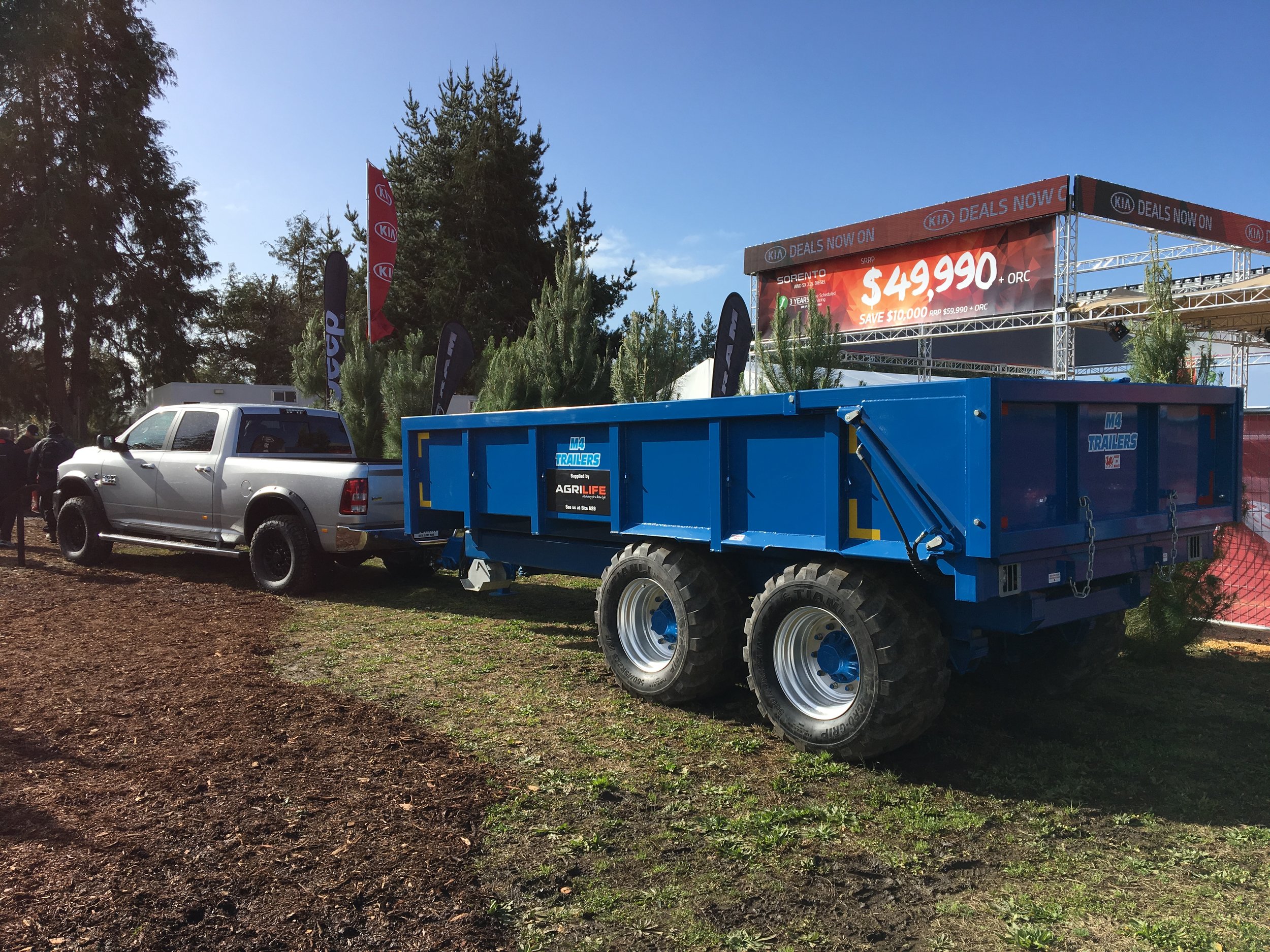

7,000kg towing capacity on show from the now right hand drive Dodge Ram.

7,000kg towing capacity on show from the now right hand drive Dodge Ram.

I was also impressed by the number of classic and race cars companies were using on their stand, be it a sponsored race car or a tidy old ute
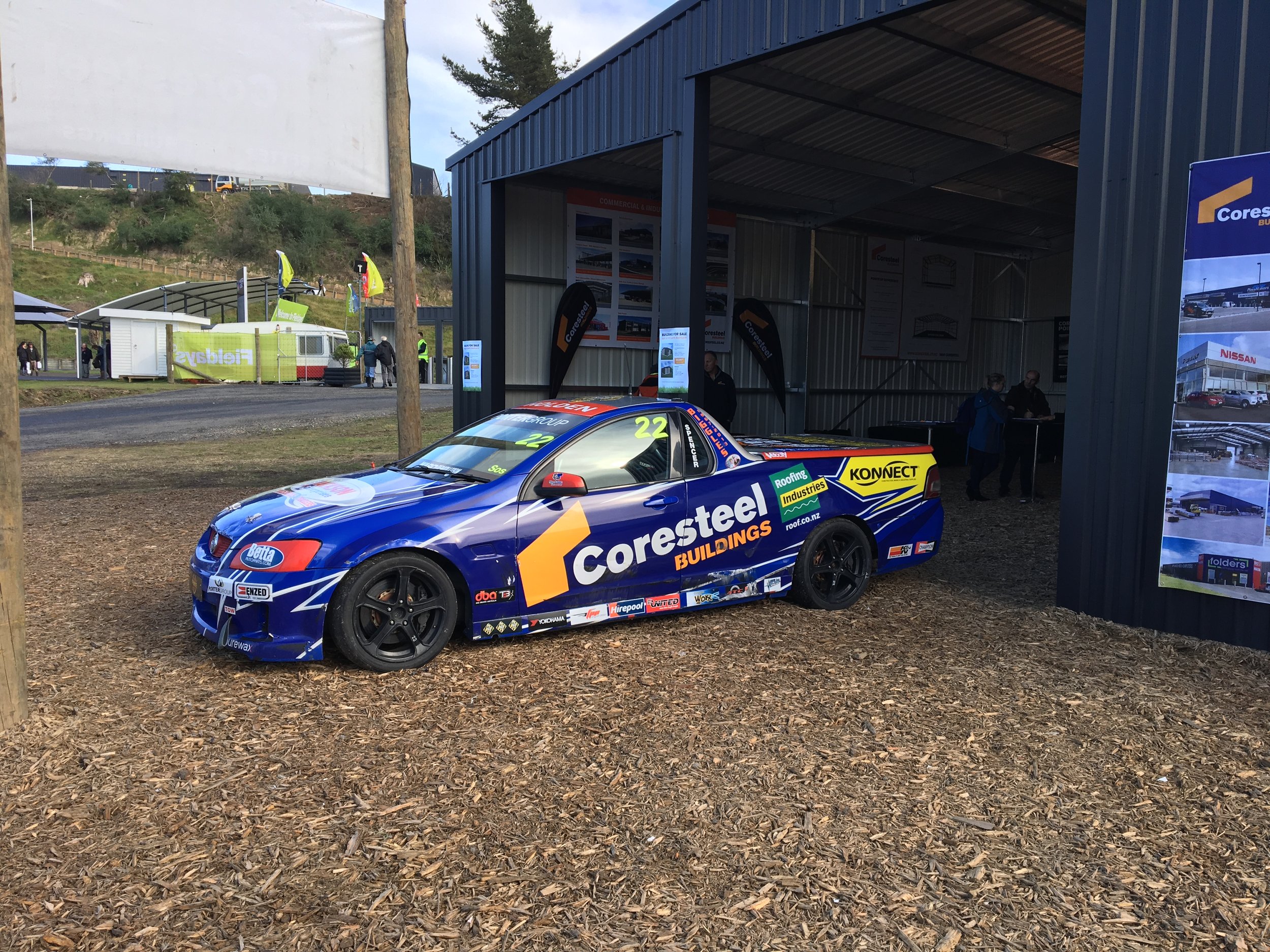

Coresteel Brute taking pride of place
Coresteel Brute taking pride of place


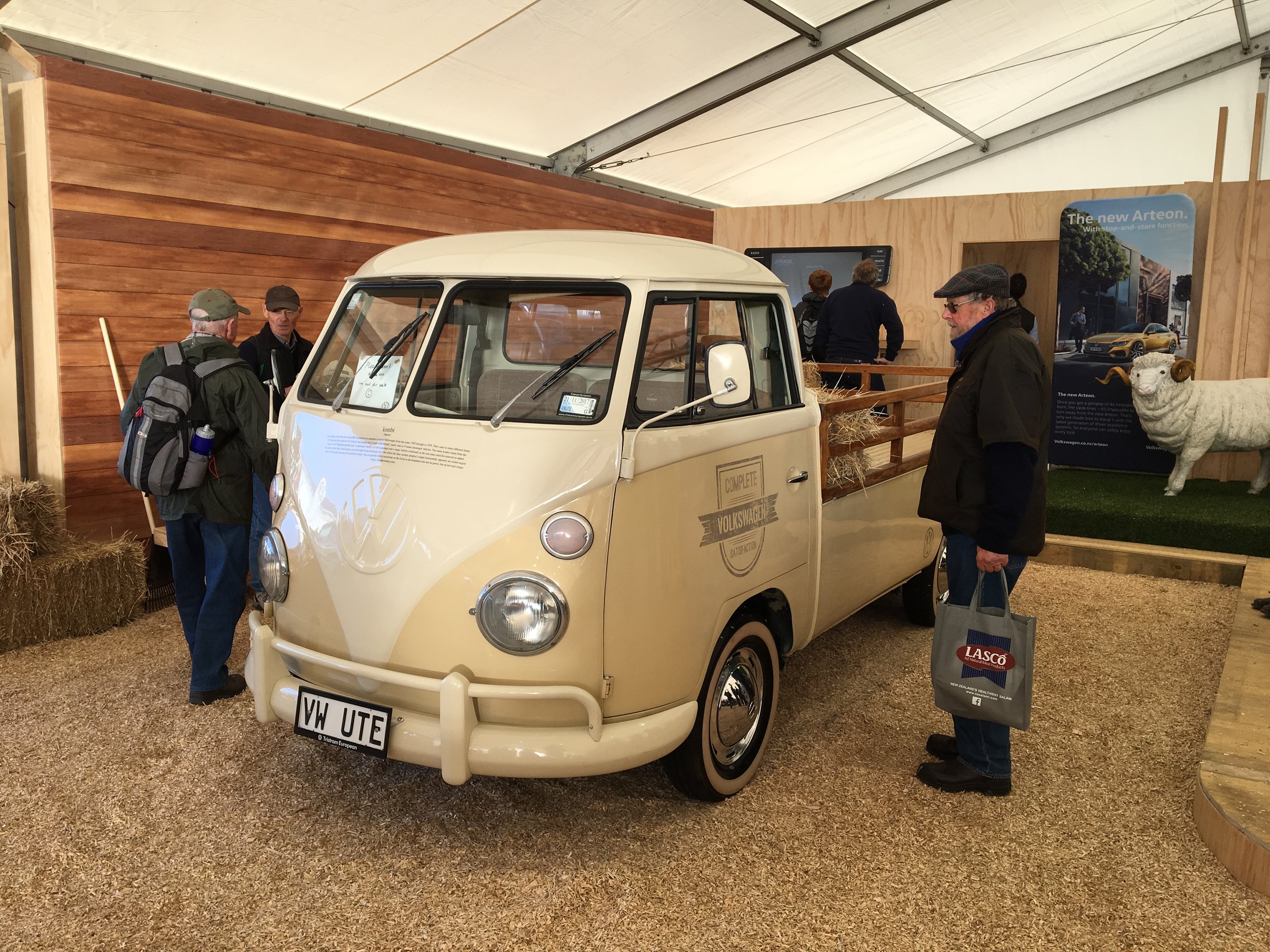
Kombi pickup in stunning condition

Kombi pickup in stunning condition

For the actual farmers among us, there is certain to be some value adds for every part of your operation so we encourage you to head to Mystery Creek and get amongst the action. The event is running until this Saturday so you’d best rattle ya dags!

For more information, visit www.fieldays.co.nz
Coaching from the bench: Casting plastic knobs and rubber parts

Casting rubber items is simple if you have a good original to work with. The item doesn’t have to be perfect. You can use plasticine to smooth out cracks, and you can even make whole prototypes out of low-fire modelling clay available from craft stores if you need to. Prototypes can also be made of wood or metal.
You will need mould dams to contain the liquid urethane moulding solution until it cures. You can build boxes out of strips of wood, but I have found that small plastic boxes and bowls such as those you would use for leftovers in your fridge work well if you spray them with a mould release agent.
Temperature is important to the chemical processes involved, so work in an area that can be maintained at around 20 degrees. You will also need adequate ventilation because the fumes can be dangerous to breathe. And you will want to wear latex gloves to protect your hands.

Fraser Cars – low flying into the fourth decade

With almost three and a half decades under its belt, Fraser Cars is one of New Zealand’s longest-surviving car manufacturers. The company first opened its doors for business in 1988, during the boom time for kit manufacturers. During the ’80s, around 40 different companies were building kits and turnkey cars for this niche market. Of those, only Fraser and Almac Cars (established 1981) are still in business today.
Most of the new kit car companies were killed off in the cradle by the threat of new legislation that never eventuated and definitively by the sudden availability of high-performance Japanese cars when the floodgates to second-hand imports were opened. The now long-retired founder of the company, Neil Fraser, first came across Lotus Seven replicas while racing Lotus Cortinas in the early ’80s. He regularly found himself racing against a little Caterham, a Lotus Seven–styled car built in England. He was very impressed by its simplicity and handling. In 1986 Fraser built his own Lotus Seven–type car, using the knowledge he had gained from several close looks at the Caterham.