Capital Rodders on again

20 June, 2017

A shame about the weather for the organisers of the 7th annual Capital Rodders’ Wellington Swap Meet & Horsepower Show at Trentham Racecourse, Upper Hutt, on Sunday May 21. The event presented by GMR (General Metal Recyclers Ltd) was at best weather-effected.

As one of the regular stallholders said, “It’s been a day of passing showers.”


Rain during the week meant that most of the cars had to be displayed in the carpark north of the grandstand. The grassed area south of the stand was too soggy.

A few owners found shelter for their 1960s classics from parts of the grandstand or totalisator building.


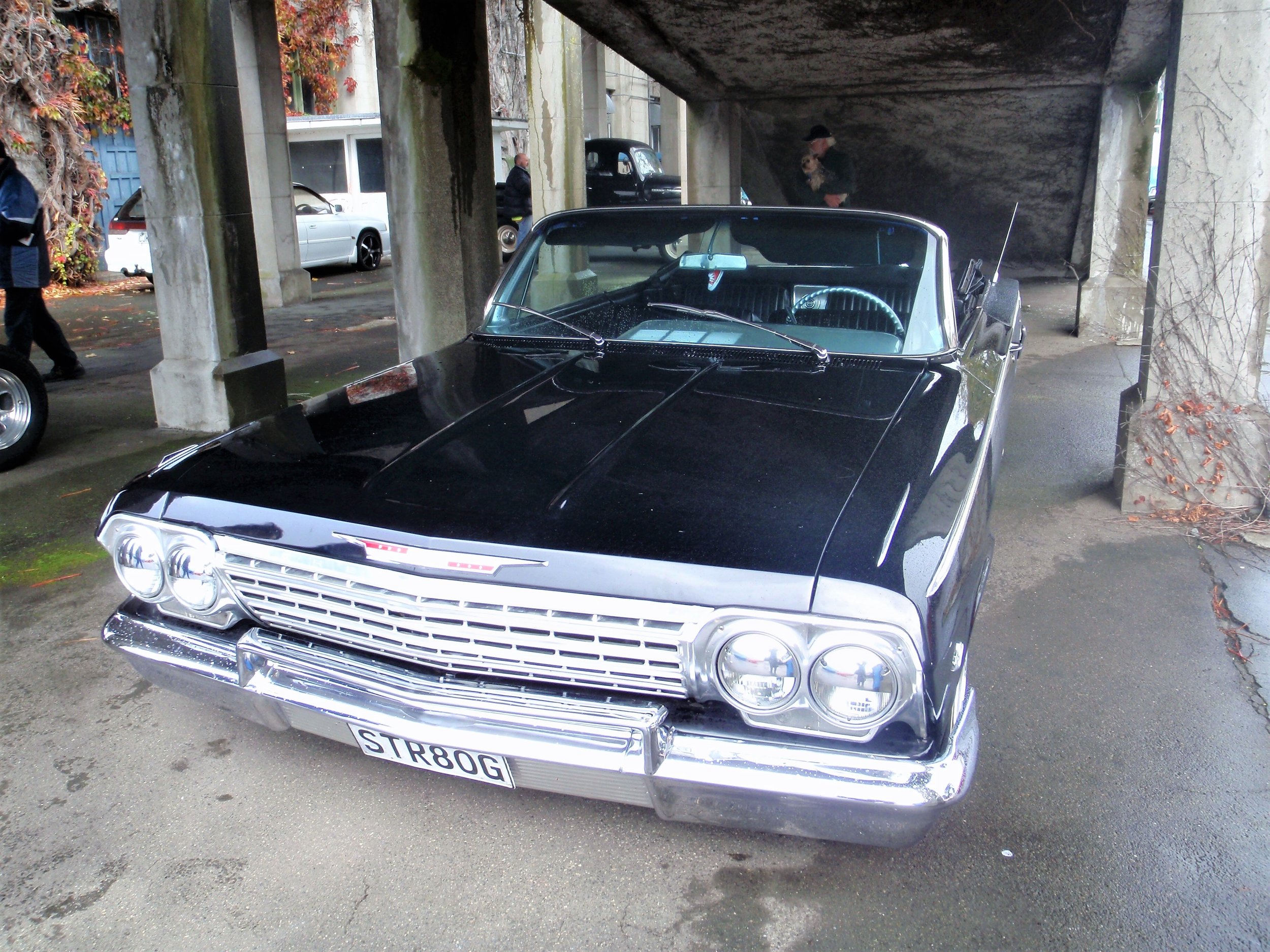
The only convertible seen with its top down was a 1962 Chevrolet parked under cover at the rear of the grandstand.

With each shower a few more owners would drive off in their cars while outside stallholders packed up their wares to head for home. A reporter for another publication who arrived mid-morning told me, “There’s a lot of nice cars going the other way.”

By midday many others had joined them, and the carpark now had several gaps from where they had been parked.
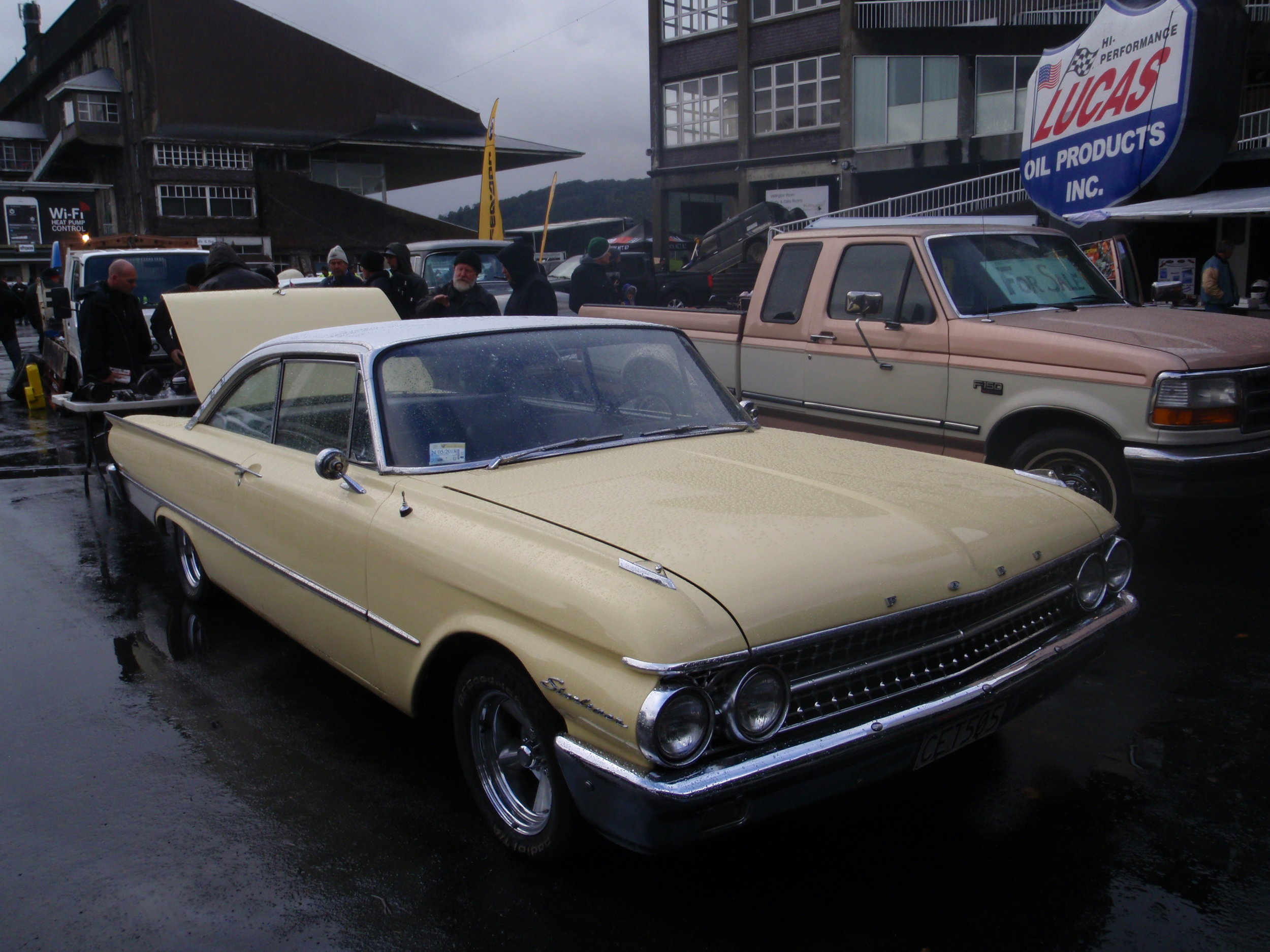

As was to be expected, the classics had a strong representation of Mustangs, Thunderbirds, Corvettes and Cadillacs. The small sprinkling of British cars scattered about the concourse included a 1968 Ford Cortina Lotus, a 1966 Hillman Super Minx and a 1962 Morris Minor 1000 four door saloon. Seeing the Morrie – part of my family’s motoring heritage – left me with my favourite memory of the day.


An acquaintance I often meet at car shows in Upper Hutt said he had seen some great 1950s and 60s British classics in a layby at Manor Park, and was disappointed they hadn’t followed him here.


If the number of visitors to the show was down on last year, those attending seemed to enjoy themselves. They included several happy children who went away with a new toy car to play with.

I came home wishing Capital Rodders better luck with the weather next year.
Coaching from the bench: Casting plastic knobs and rubber parts

Casting rubber items is simple if you have a good original to work with. The item doesn’t have to be perfect. You can use plasticine to smooth out cracks, and you can even make whole prototypes out of low-fire modelling clay available from craft stores if you need to. Prototypes can also be made of wood or metal.
You will need mould dams to contain the liquid urethane moulding solution until it cures. You can build boxes out of strips of wood, but I have found that small plastic boxes and bowls such as those you would use for leftovers in your fridge work well if you spray them with a mould release agent.
Temperature is important to the chemical processes involved, so work in an area that can be maintained at around 20 degrees. You will also need adequate ventilation because the fumes can be dangerous to breathe. And you will want to wear latex gloves to protect your hands.

Fraser Cars – low flying into the fourth decade

With almost three and a half decades under its belt, Fraser Cars is one of New Zealand’s longest-surviving car manufacturers. The company first opened its doors for business in 1988, during the boom time for kit manufacturers. During the ’80s, around 40 different companies were building kits and turnkey cars for this niche market. Of those, only Fraser and Almac Cars (established 1981) are still in business today.
Most of the new kit car companies were killed off in the cradle by the threat of new legislation that never eventuated and definitively by the sudden availability of high-performance Japanese cars when the floodgates to second-hand imports were opened. The now long-retired founder of the company, Neil Fraser, first came across Lotus Seven replicas while racing Lotus Cortinas in the early ’80s. He regularly found himself racing against a little Caterham, a Lotus Seven–styled car built in England. He was very impressed by its simplicity and handling. In 1986 Fraser built his own Lotus Seven–type car, using the knowledge he had gained from several close looks at the Caterham.