The Ferrari Challenge Trofeo Pirelli Asia Pacific Series will take place on New Zealand’s iconic Hampton Downs circuit in April 2018, the car manufacturer has announced. Running 12–15 April, the four-day race schedule will incorporate the open-to-public Ferrari Festival over the weekend.
“Ferrari has a longstanding history with motor racing in New Zealand, and some of our most committed Corse Clienti race drivers hail from here,” said Louis Colmache, Head of Corse Clienti, Asia Pacific.
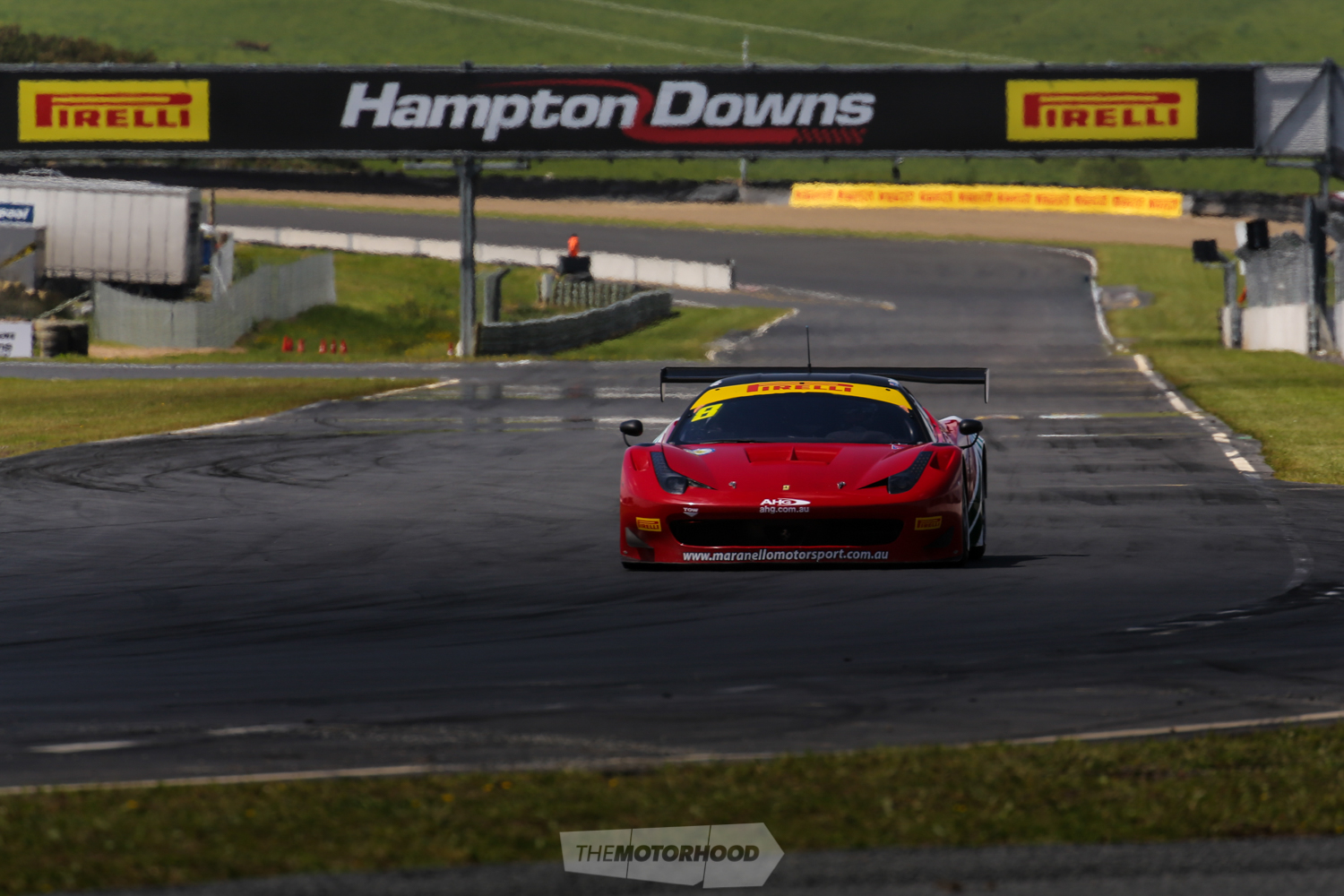
Established in 1993, the Ferrari Challenge has achieved distinction as the widest ranging and most envied one-make client racing series in the world, and runs in Europe, North America, and Asia-Pacific. The Asia-Pacific series opens at Melbourne’s Albert Park Circuit in support of the Formula 1 Australia Grand Prix on 22–25 March, landing on our soil for events at Hampton Downs from 12–25 April, before heading to support the Singapore Grand Prix in September, culminating in Italy at the Autodromo Nazionale Monza for the Finali Mondiali (World Finals) between 1–4 November, where the Asia–Pacific race drivers will join drivers from the Europe and North America Series for the traditional end-of-season celebrations.
“New Zealand is home to some of the most passionate Ferrari owners and drivers in the world,” explained Herbert Appleroth, CEO of Ferrari Australasia. “We are excited to be able to now offer our clients the opportunity to experience the thrill of racing with Ferrari on some of the most iconic race tracks in the world, including Auckland’s iconic Hampton Downs circuit in New Zealand. We encourage all of New Zealand’s Ferrari fans to join us for the celebrations.”
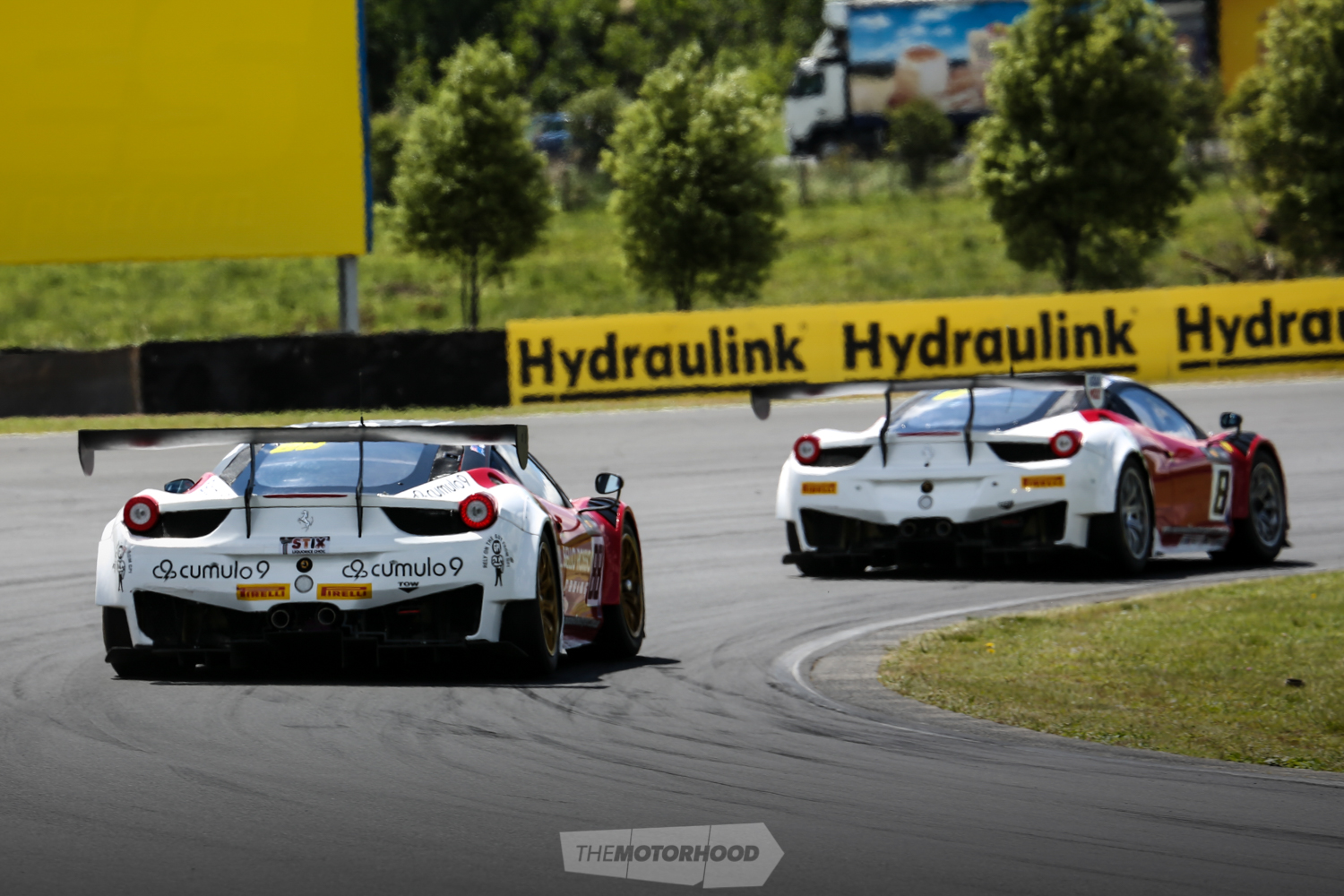
These celebrations include the chance for clients and fans to see the Ferrari 488 Challenge car in action — the first turbo-charged model to race, and the most powerful Challenge car ever — as well as a spectacular array of classic and modern Ferrari models and special edition cars on display, and family-friendly entertainment including face painting and Ferrari giveaways.
Ferrari Challenge Trofeo Pirelli Asia Pacific Series 2018 Schedule
Round 1: 22–25 March, Melbourne, Australia (Formula 1 GP)
Round 2: 12–15 April, Hampton Downs, New Zealand
Round 3: 24–27 May, Shanghai, China (Ferrari Racing Days)
Round 4: 28 June–1 July. Fuji, Japan (Ferrari Racing Days)
Round 5: 23–25 August, Suzuka, Japan
Round 6: 14–16 September, Singapore Marina (Formula 1 GP)
Round 7: 1–4 November, Monza, Italy (Finali Mondiali)