

In NZV8’s last Weekly Motor Fix, we took a peek at Maurice Shapley’s circuit-destroying Holden Monaro, with its serious re-engineering in pursuit of precious milliseconds. Well, this time around, we have an equally serious offering from the Ford camp.

Michael Dromgool has owned this tough 1970 Ford Mustang for 12 years, and it’s come a fair way to become the slick all-rounder you see here. When he purchased the car, it was essentially stock, and the first modification he made was some much-needed lowering, carried out on the day of purchase. Of course, there’s a bit more to it than a dose of low, as the pictures no doubt tell.
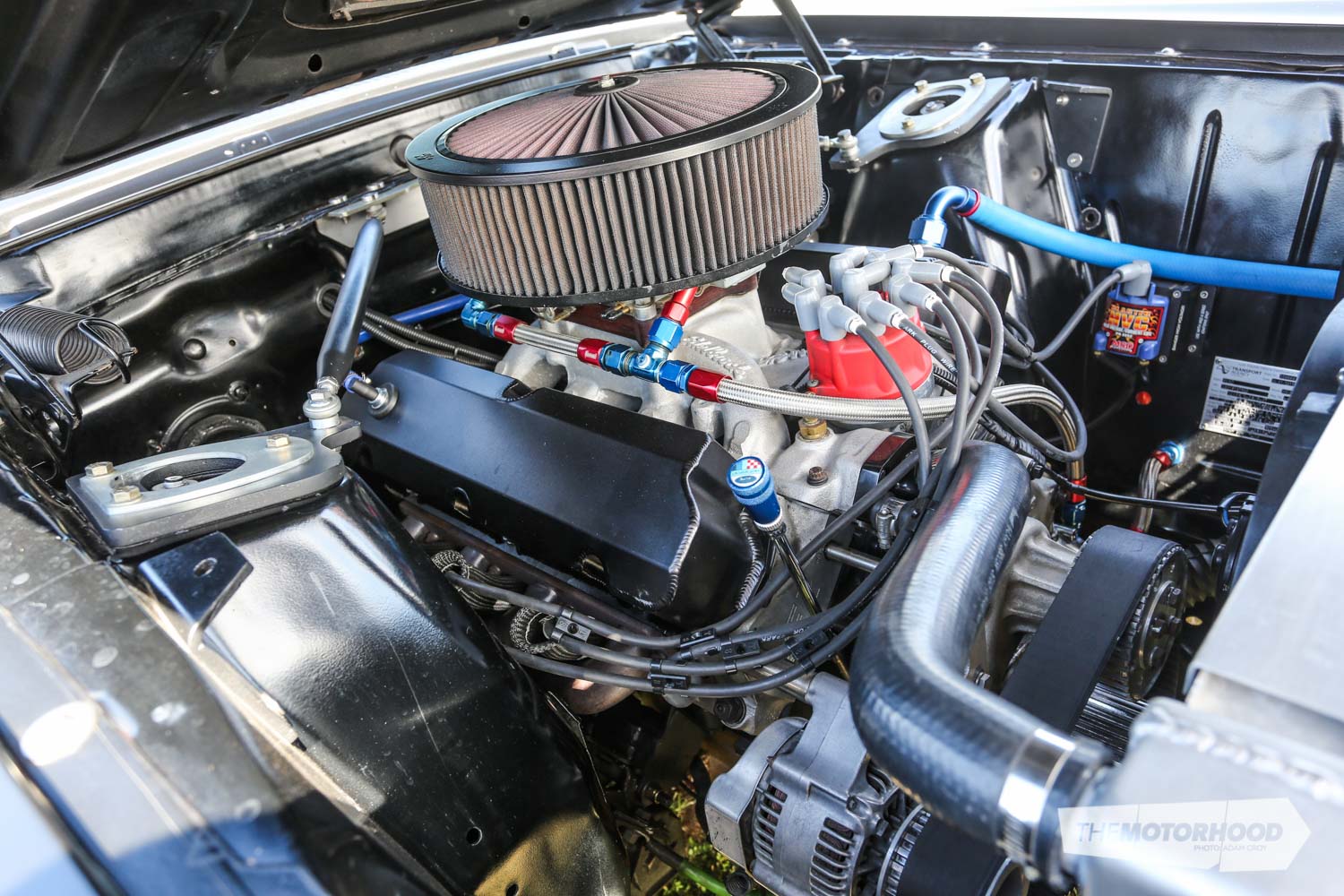
The Mustang is propelled along by a hot 302ci small block, stroked to 347ci, and comprising AFR heads, a solid camshaft with an aggressive grind, all backed by a rock-solid Tremec TKO600 five-speed manual gearbox. The healthy power figure this engine produces gave Michael no hesitation in entering Americarna’s Go–Stop event at Hawera, where he did rather well.


Inside, the car means business, but being a road car, Michael hasn’t gone overboard. Sparco race seats, a Sparco steering wheel, Autometer gauges, CMC-style long shifter, and fire extinguisher give everything needed to give her a hammering at the track, without detracting from the ever-important drivability on New Zealand roads.
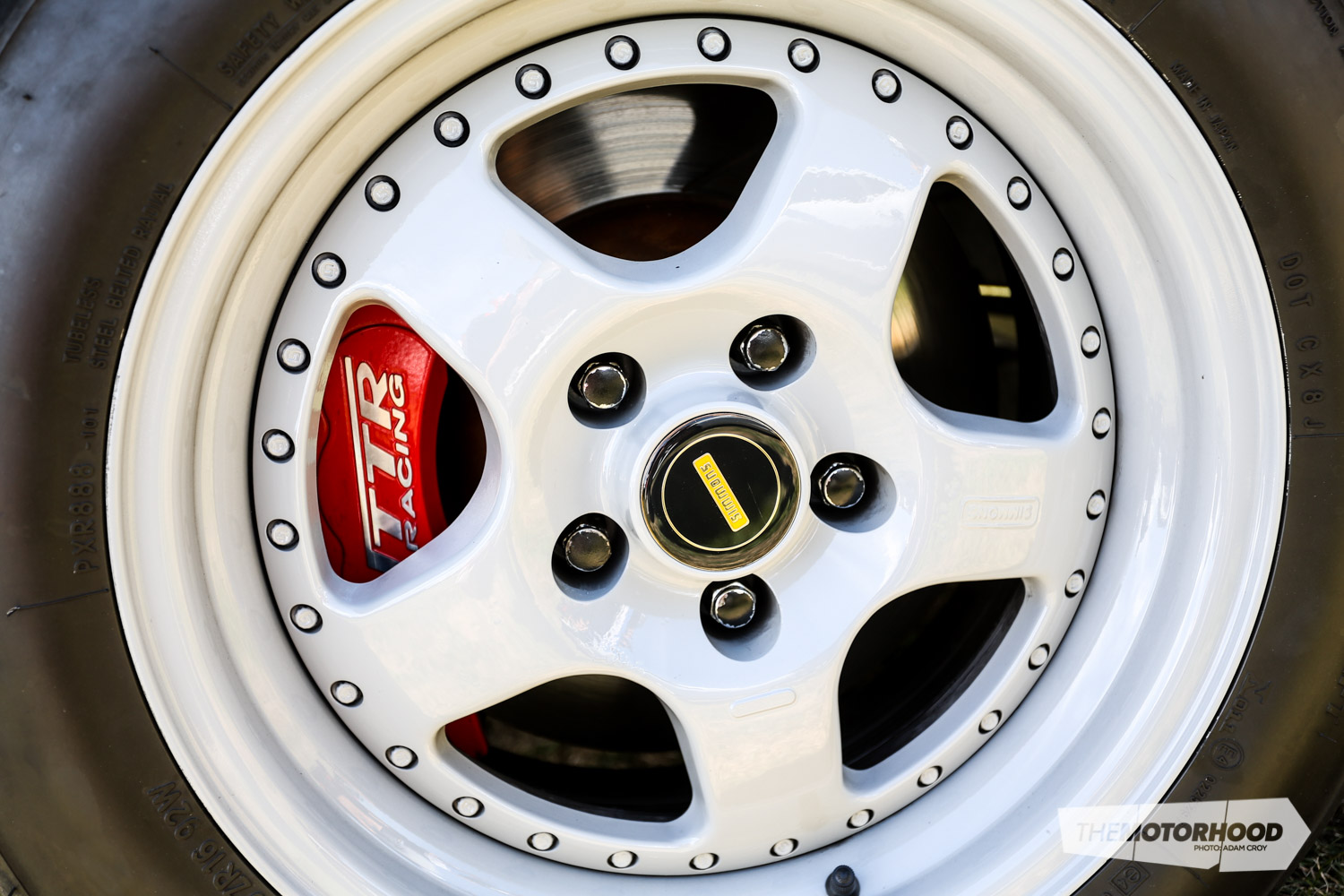
The Mustang gets up and boogies alright, thanks to its generous helping of power, but Michael needed it to do more than just go in a straight line. RRS coilover suspension, with a three-link in the rear, keep it securely planted, and a big VTTR brake package rounds off the sturdy mechanical underpinnings.
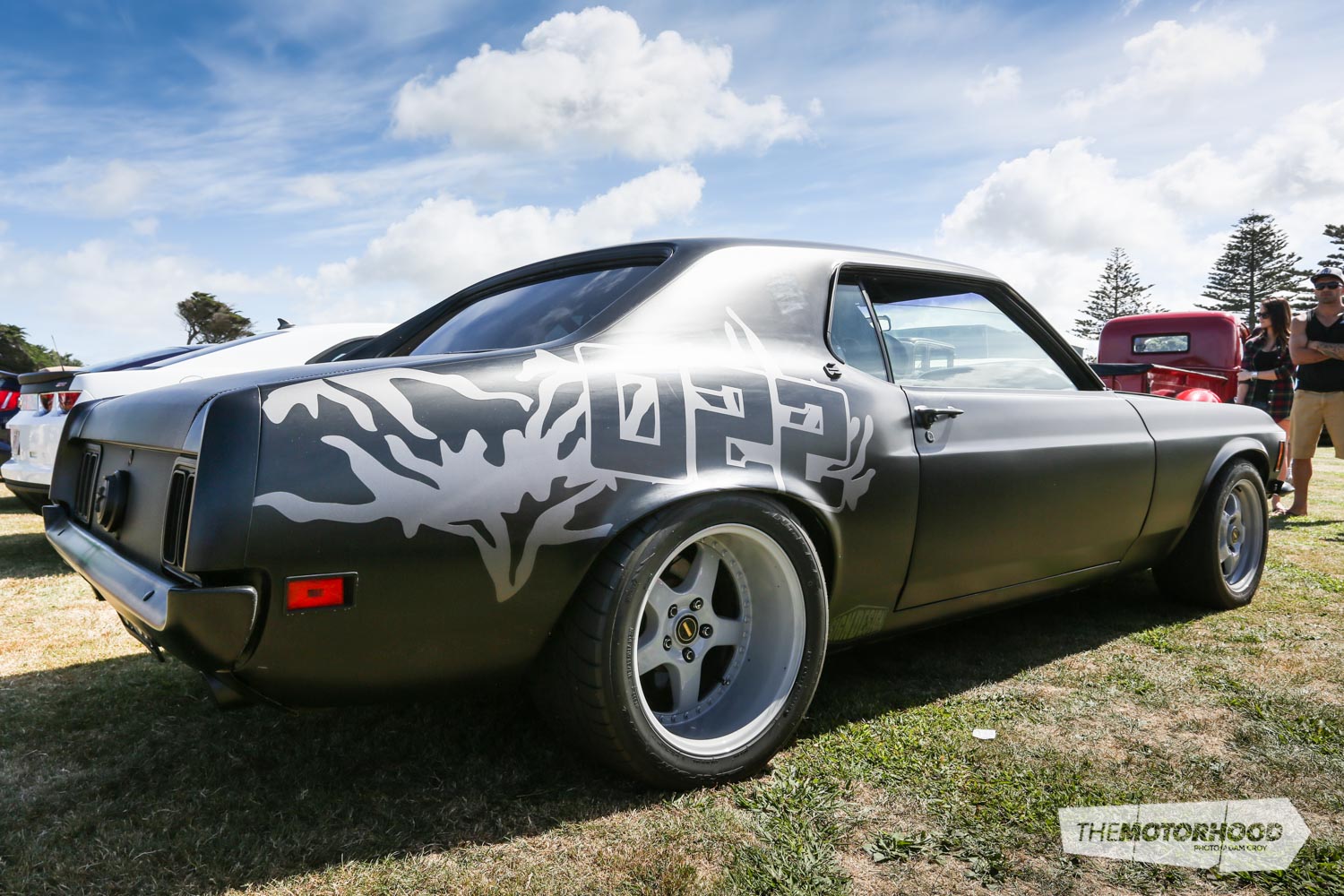
The Simmons FR-series rims are a great look on the Mustang, especially with the 17×11-inch rears’ huge dish, and coupled with the matt-black vinyl wrap it looks almost like a road-going Hoonicorn — if Ken Block ever designed a street car. The grey-primer finish was a bit of a gamble, as the wheels were originally a polished finish, but Michael went with it and hasn’t looked back.

The sticky rubber on those Simmons wheels also helps to keep everything in check, and polish the Mustang off as a perfect all-rounder that can haul arse down a drag strip, pull serious lateral-G around corners, and cruise down to the shops for some milk. In fact, the ‘022’ decal down the side of the car is from the recent Waitara Street Sprint, and also signifies Michael’s son’s birthday. Michael plans to keep the Mustang for a whole lot longer, eventually passing it over to his son as a family heirloom.
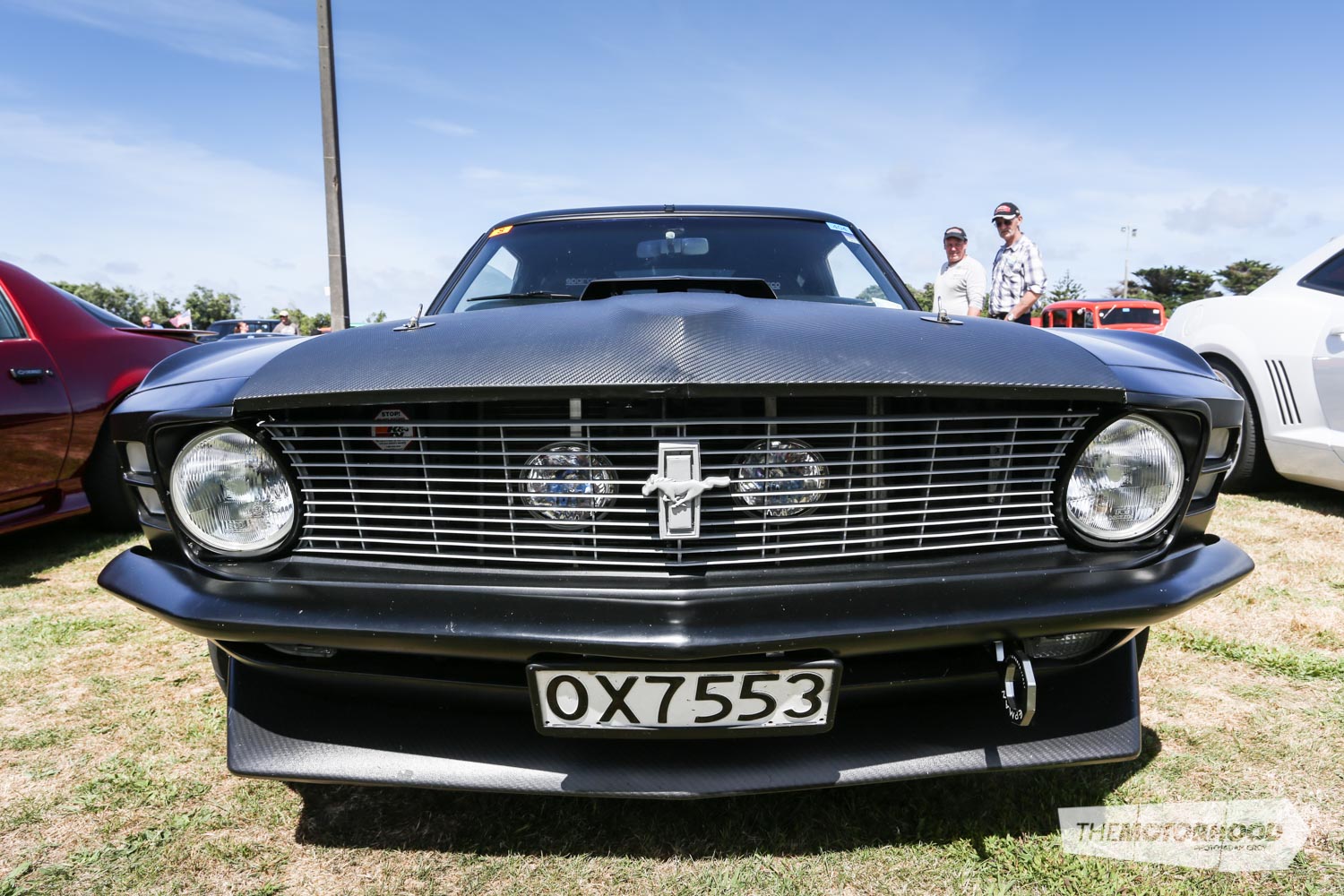
It’s a seriously cool car with a great family history behind it, and by the sounds of it, a lot more still to come!
