
Aston Martin repeats history at Hotel de France

7 June, 2015

For a period spanning a decade — between 1953 and 1963 — the Aston Martin race team for the 24 Hours of Le Mans would set up shop at Hotel de France at La Chartre-sur-le-Loir. What did this entail? Well, in the more relaxed days of yesteryear, the team’s drivers and mechanics would prepare their cars in the hotel courtyard before driving them — on public roads, no less — to the circuit.
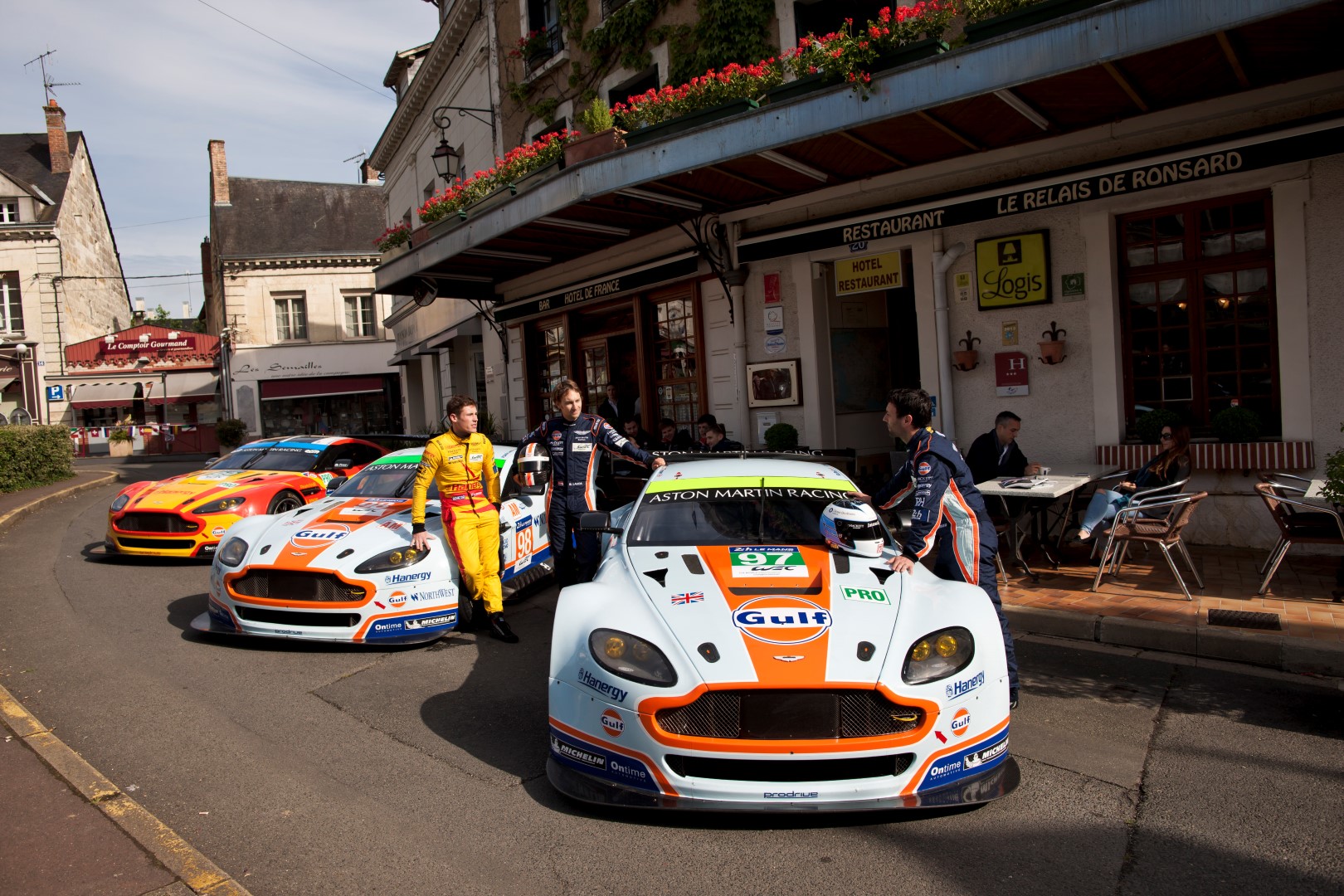
Image: Drew Gibson

Following Aston Martin’s final days in the town, it remained a mecca for those with petrol in their veins. Unfortunately, the Aston Martin team didn’t return — until now. It is 52 years on, and history is repeating itself.
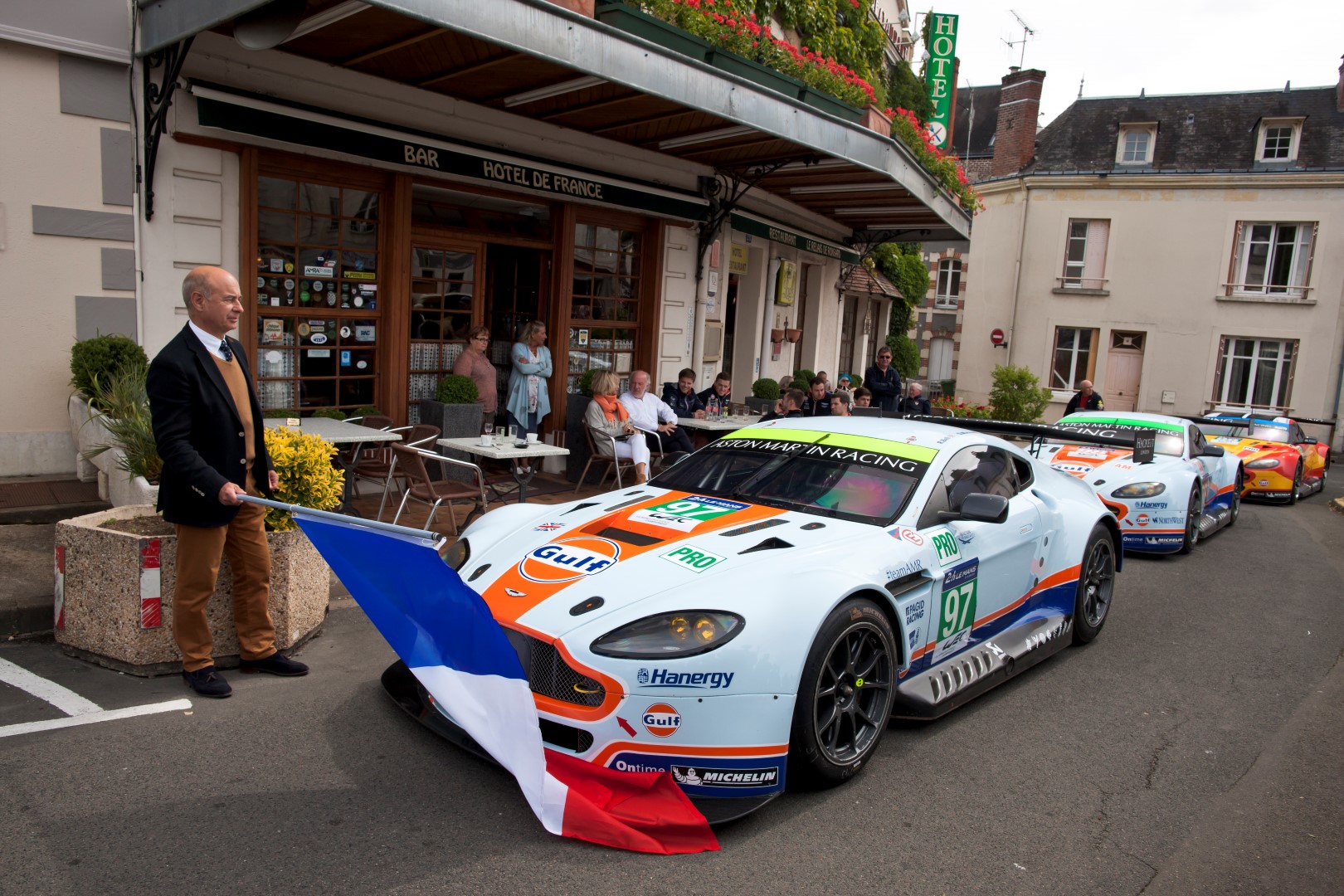
Image: Drew Gibson

After two days of testing at Le Mans, Aston Martin have returned to recreate some of the 1950’s most famous photo and film footage of their cars being prepared at the hotel — the 2015 effort stars the team drivers, Kiwi racer Richie Stanaway, Darren Turner, and Mathias Lauda, along with three of Aston Martin Racing’s Vantage GTEs.

Image: Drew Gibson 

Chairman of Aston Martin Racing David Richards says, “The Hotel de France is an important part of Aston martin’s motorsport heritage.

“This year, we wanted to recreate the nostalgia of those days, when the racing cars had their final preparations alongside the hotel before being driven some 40km to the circuit, along public roads.”
Racing Mazdas

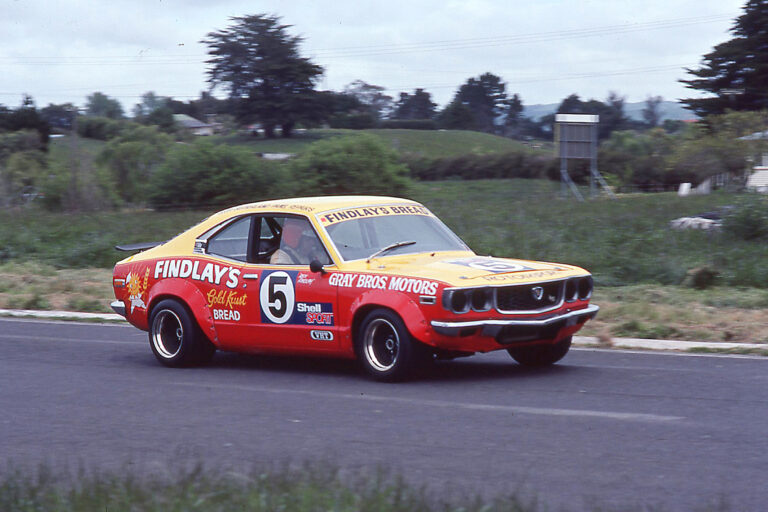
Both Rod Millen and Ron Kendall were rotary racing kings, emanating from the North Shore of Auckland, where I grew up. And the ultimate rotary techno guru was Bill Shiells, who developed the engine into a rocket ship while working out of Gulf Mazda in Takapuna from 1969, and later in his own business, Rotorsport. He began to extract some phenomenal horsepower from the enigmatic rotary engine. Bill was one of the first to race the Mazda RX-2 Coupe in 1971 and achieved immediate success, causing others to sit up and take notice, particularly the North Shore’s racing elite. They included Robbie Francevic, Rod Millen, Ron Kendall, John Woolf, John Le Feuvre, and Rex Findlay.

Range Rover CSK — the original SUV

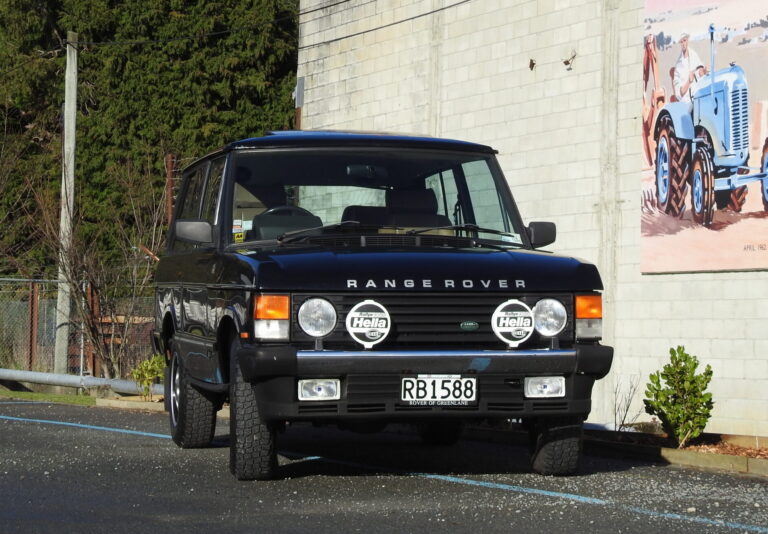
The Range Rover, thanks to Charles Spencer King, went into production in 1970 boasting an iconic shape that would last until 1996. The vehicle that would create the SUV moniker came about because Rover decided it was time to add a bigger four-wheel-drive vehicle, one with a 100-inch wheelbase, to the model range. Land Rover made a 109-inch wheelbase model but the standard vehicle had a 88-inch wheelbase.
The new model would be more suitable for road use than the existing Land Rover, which was considered to be predominantly for rural use. To make sure it could cope on any road it came standard with the Rover 3.5-litre V8 engine. The body design was originally sketched by King and went into production with only a few minor touch-ups by the Rover styling team.
According to King, “The idea was to combine the comfort and on-road ability of a Rover saloon with the off-road ability of a Land Rover. Nobody was doing it.”