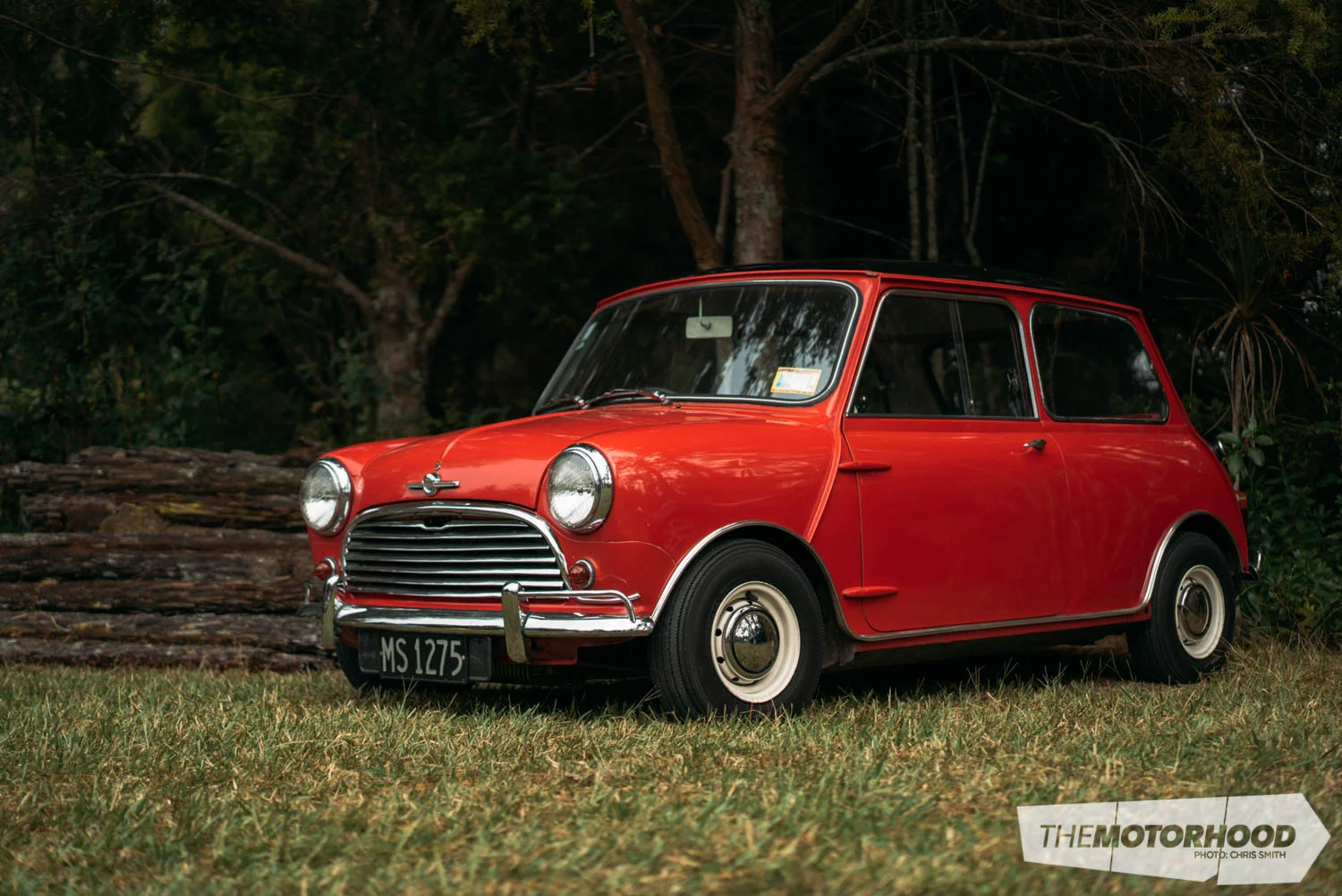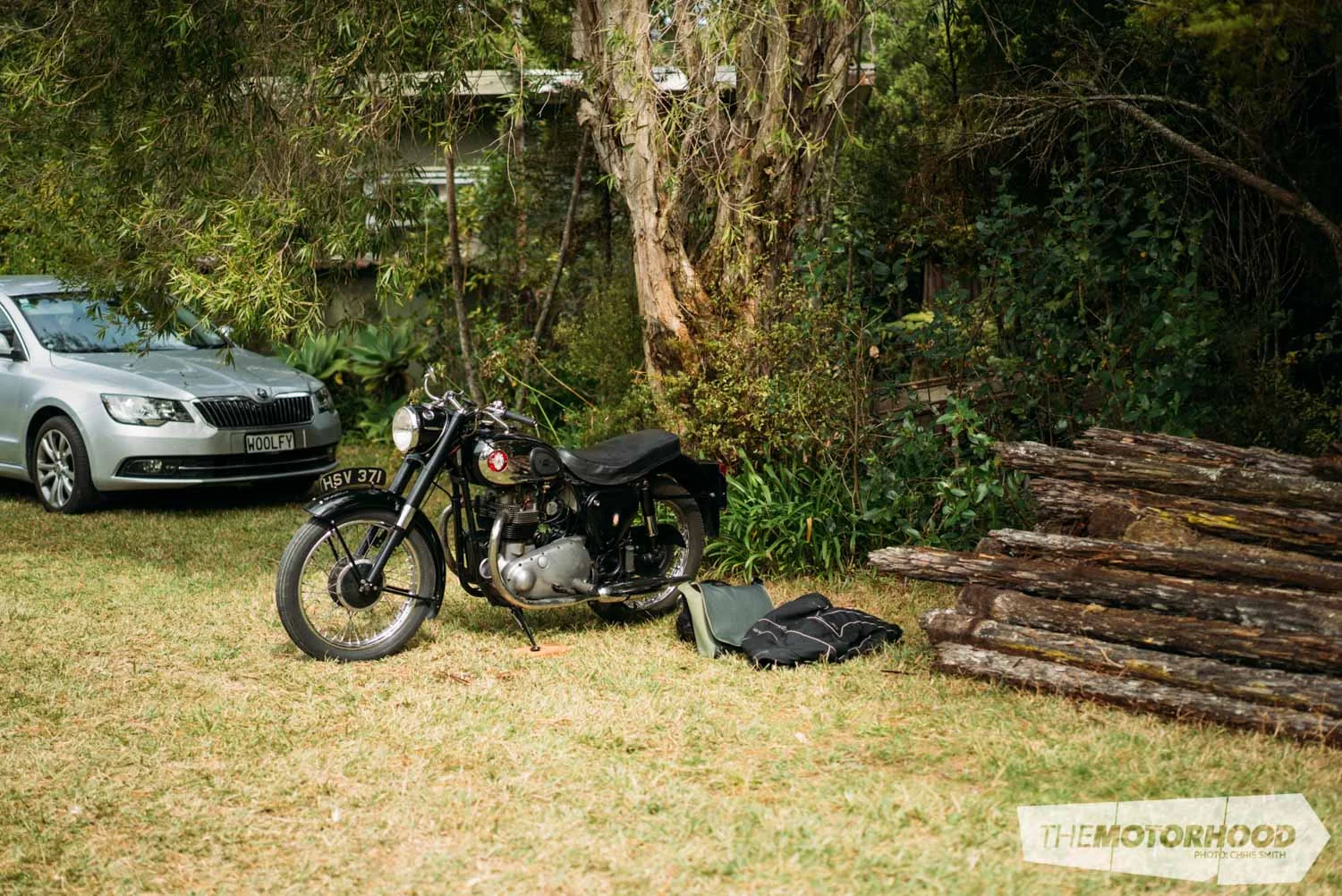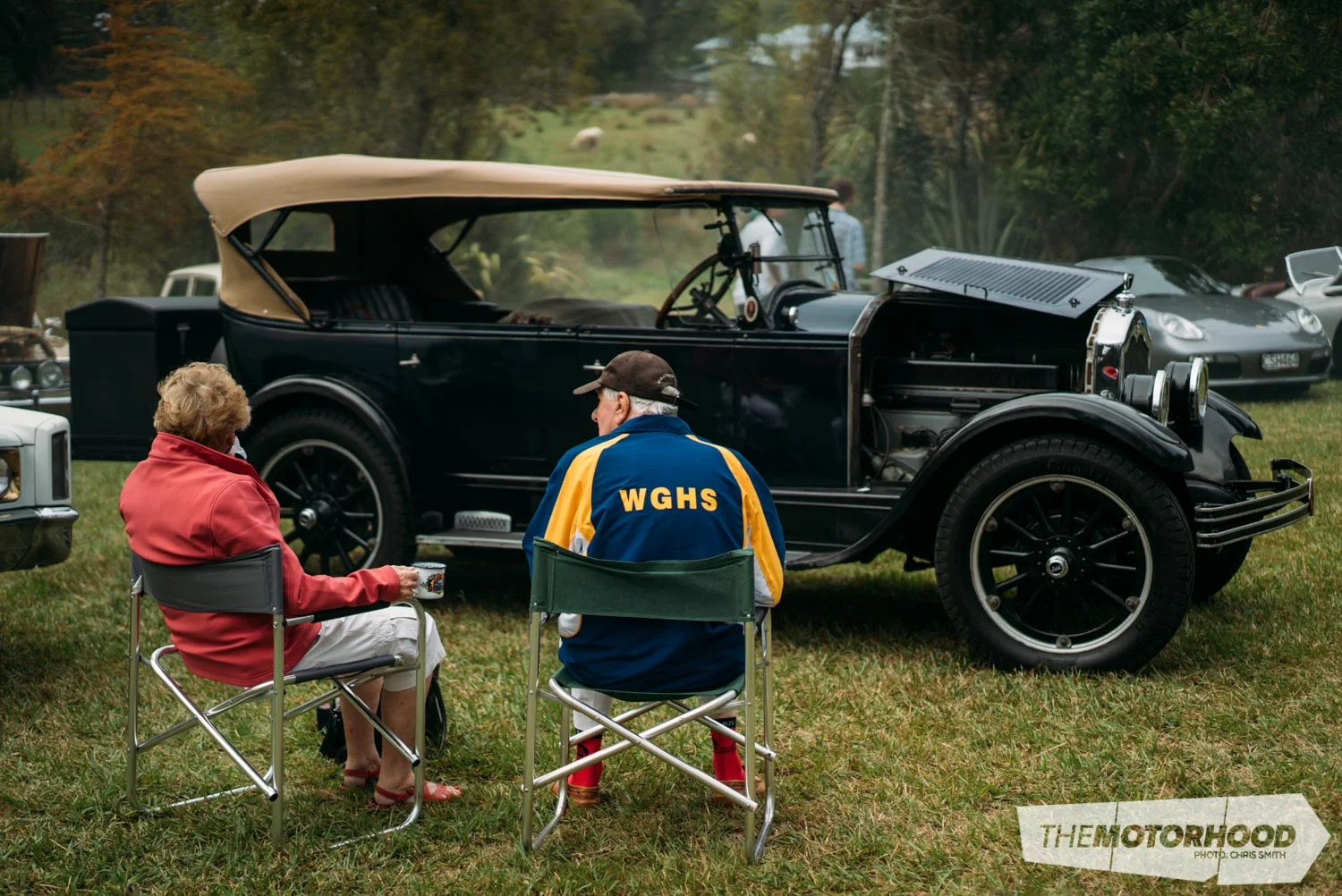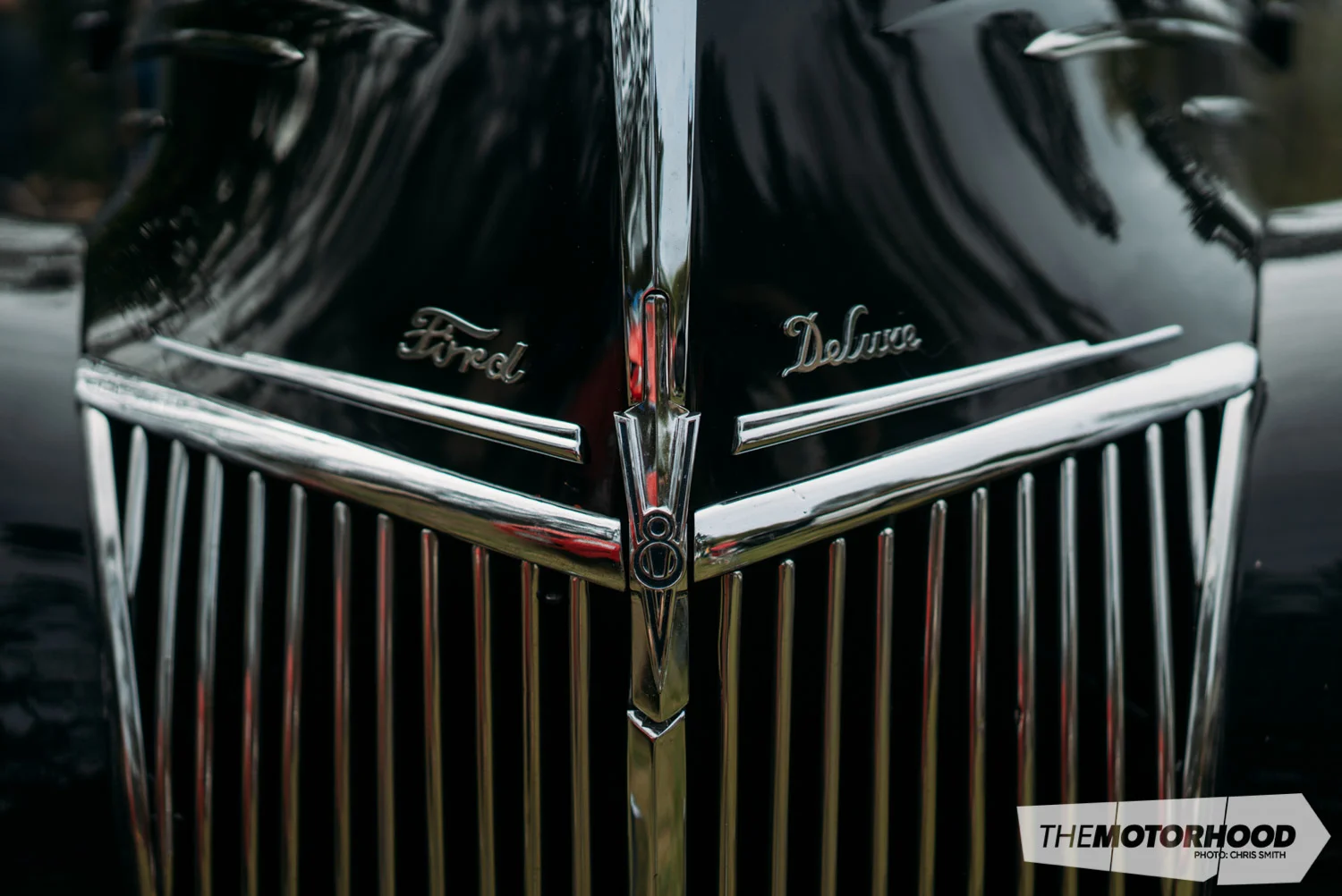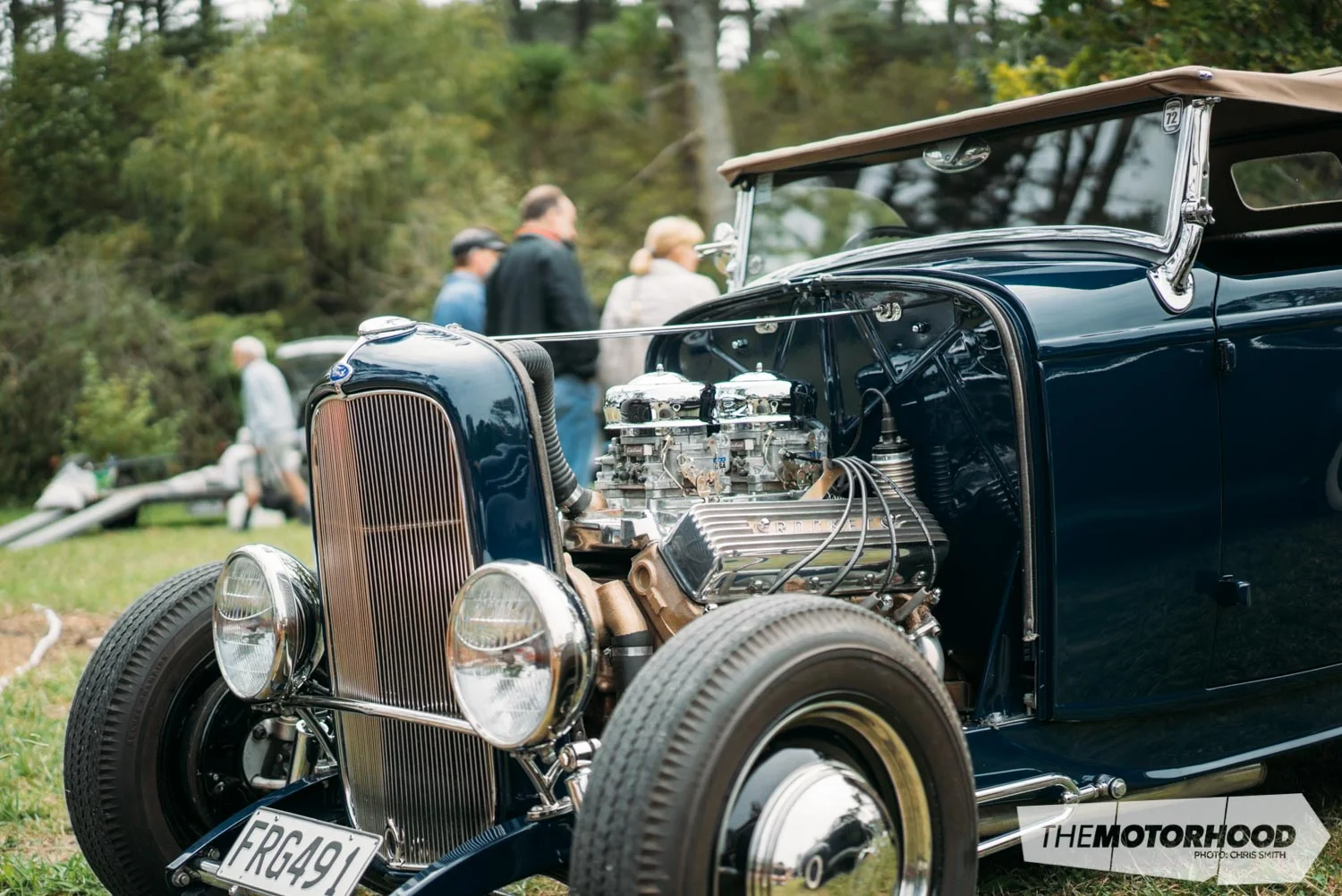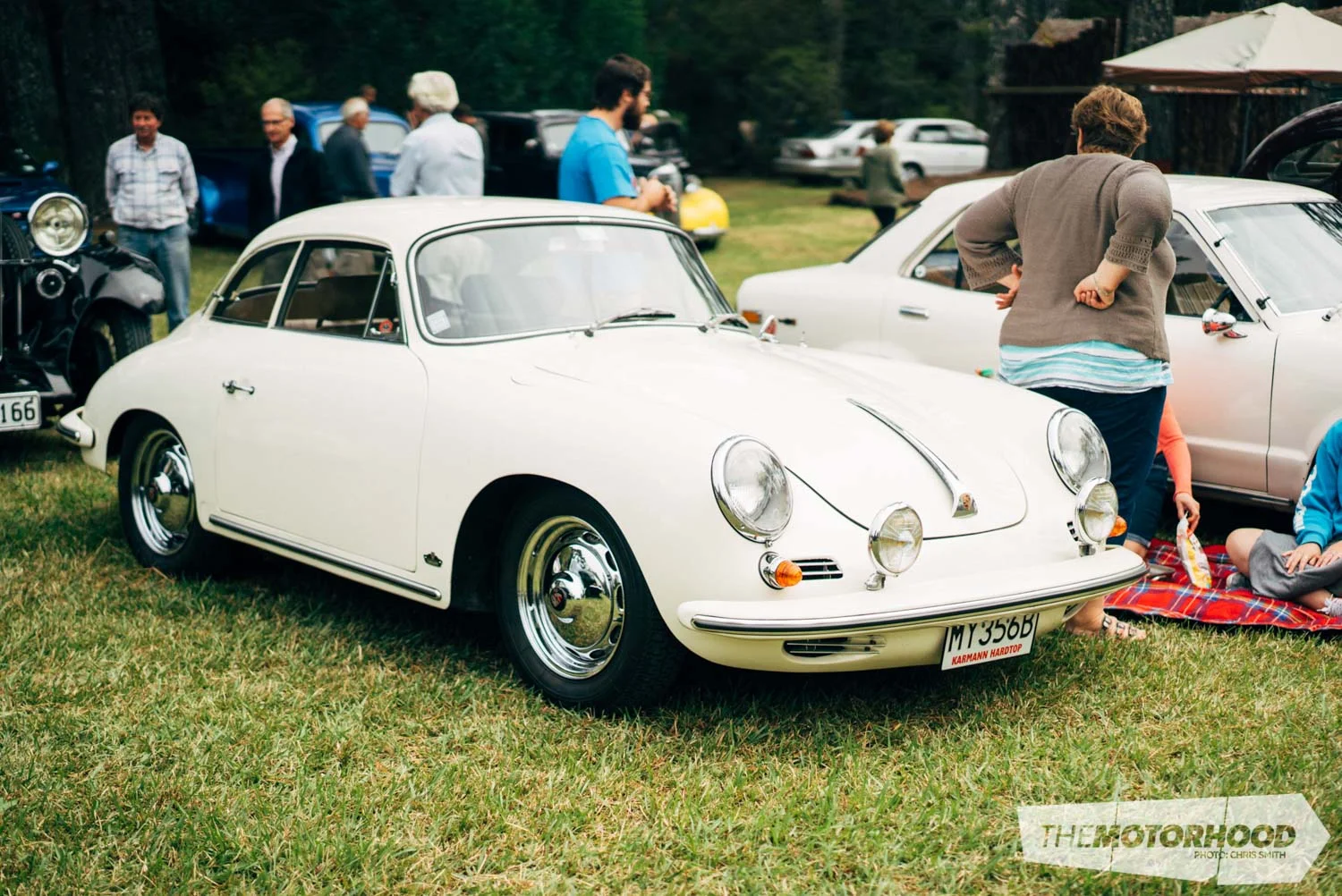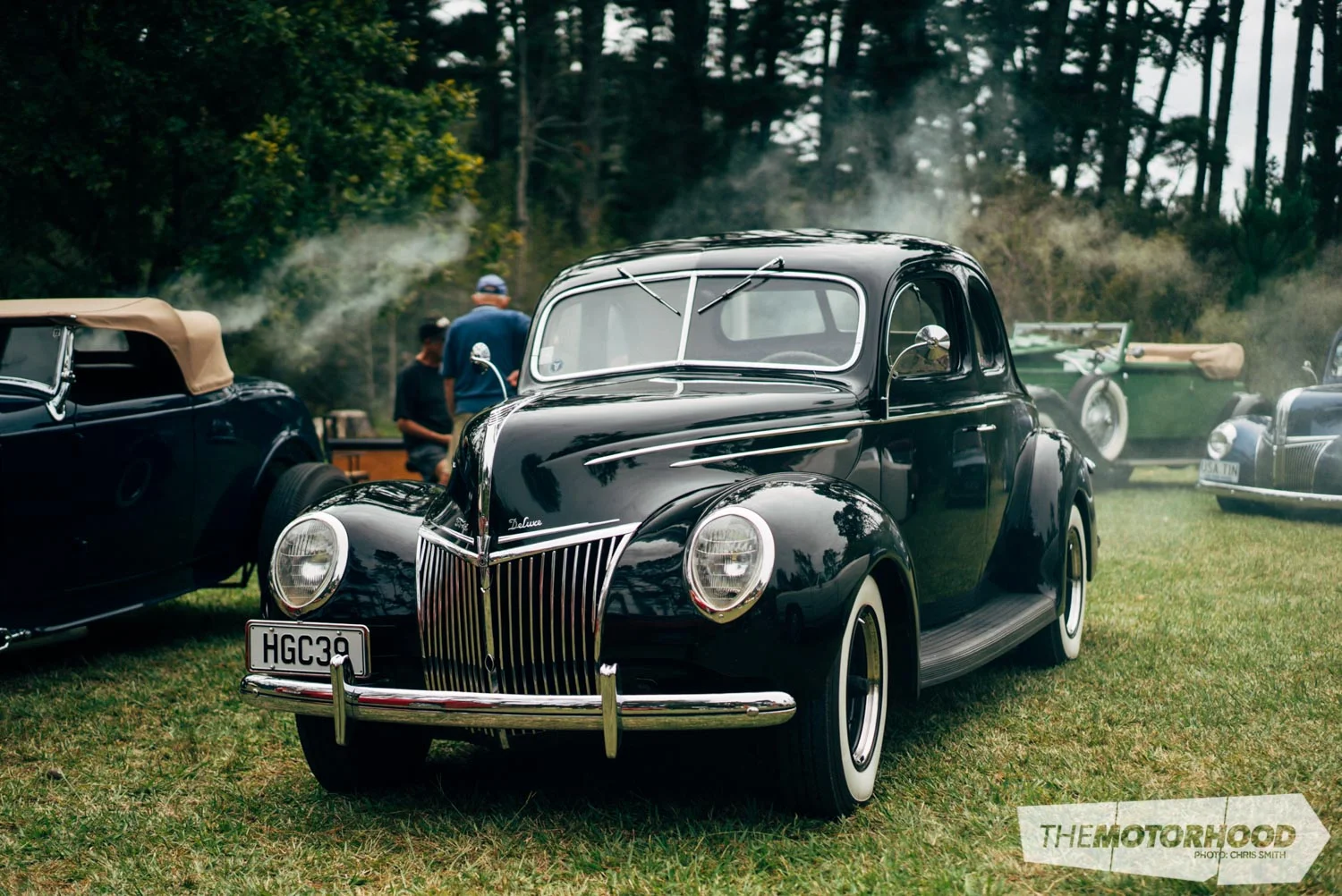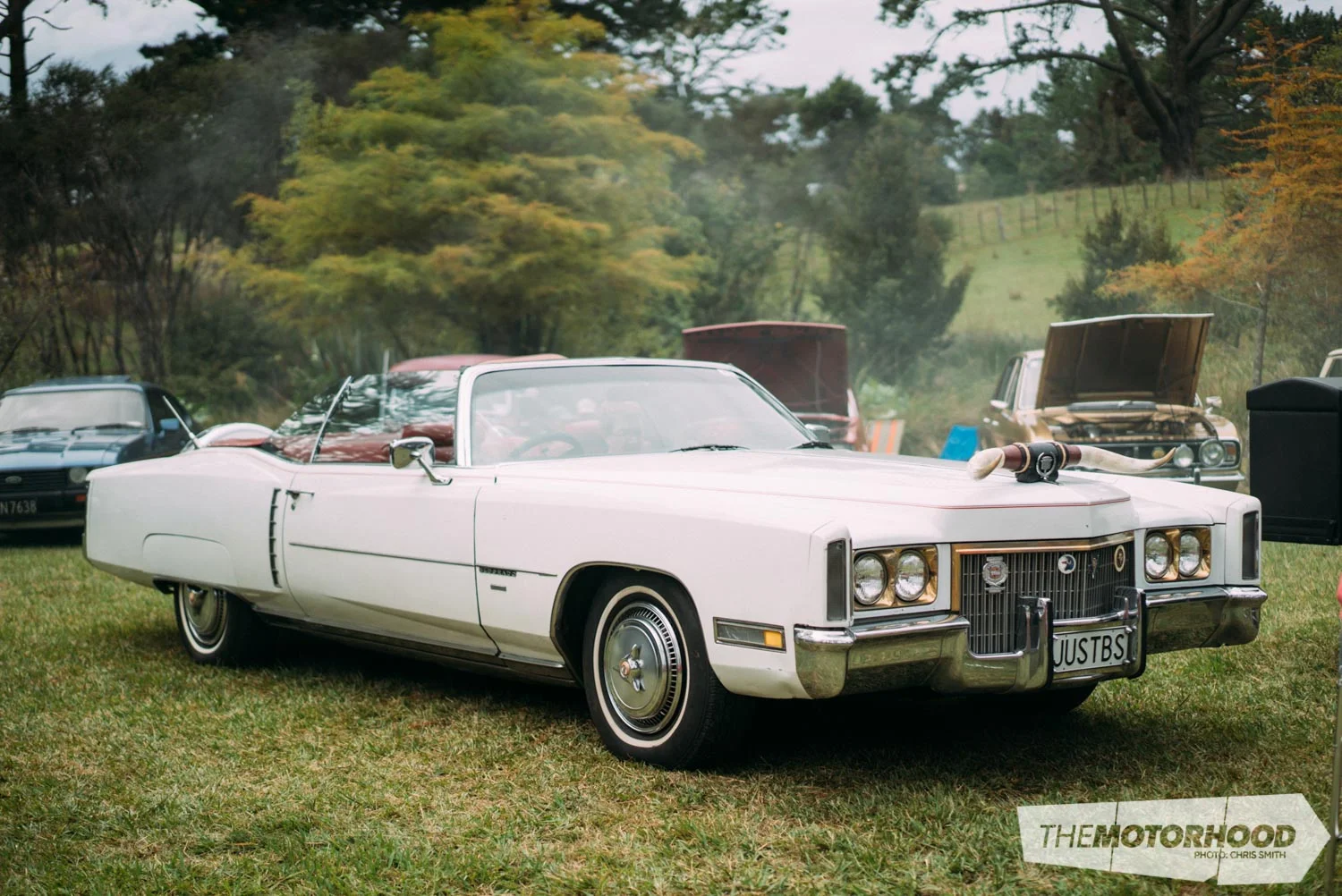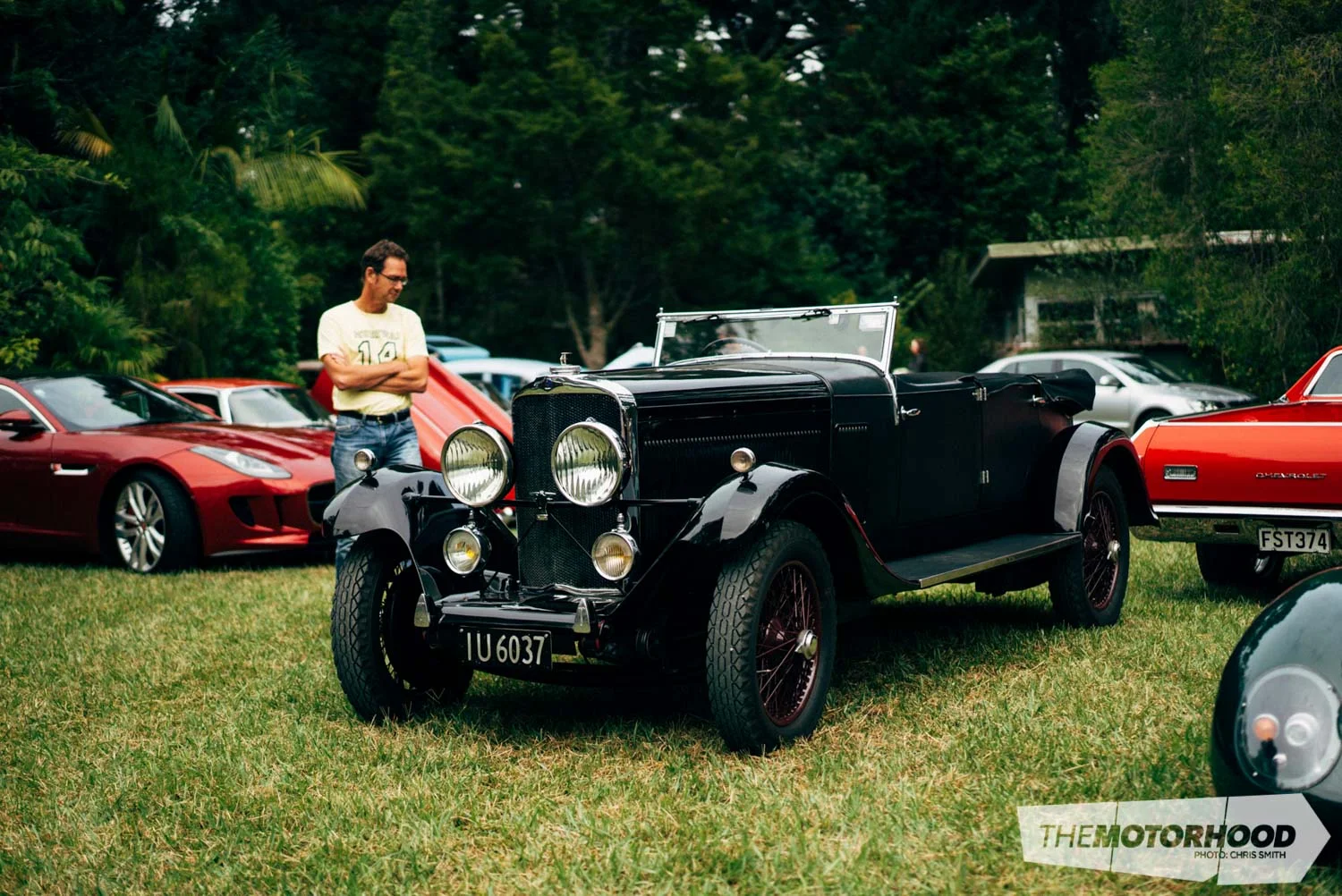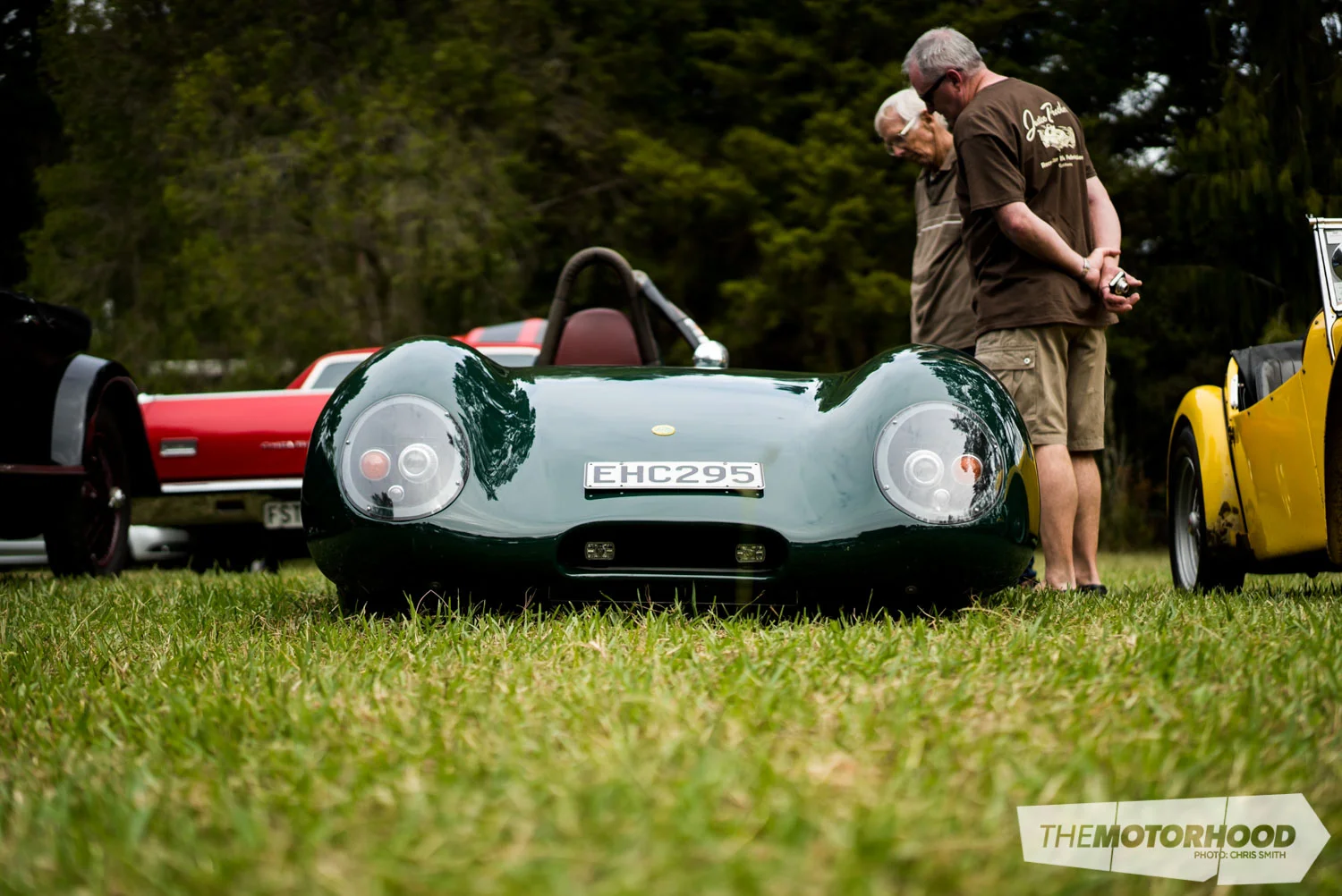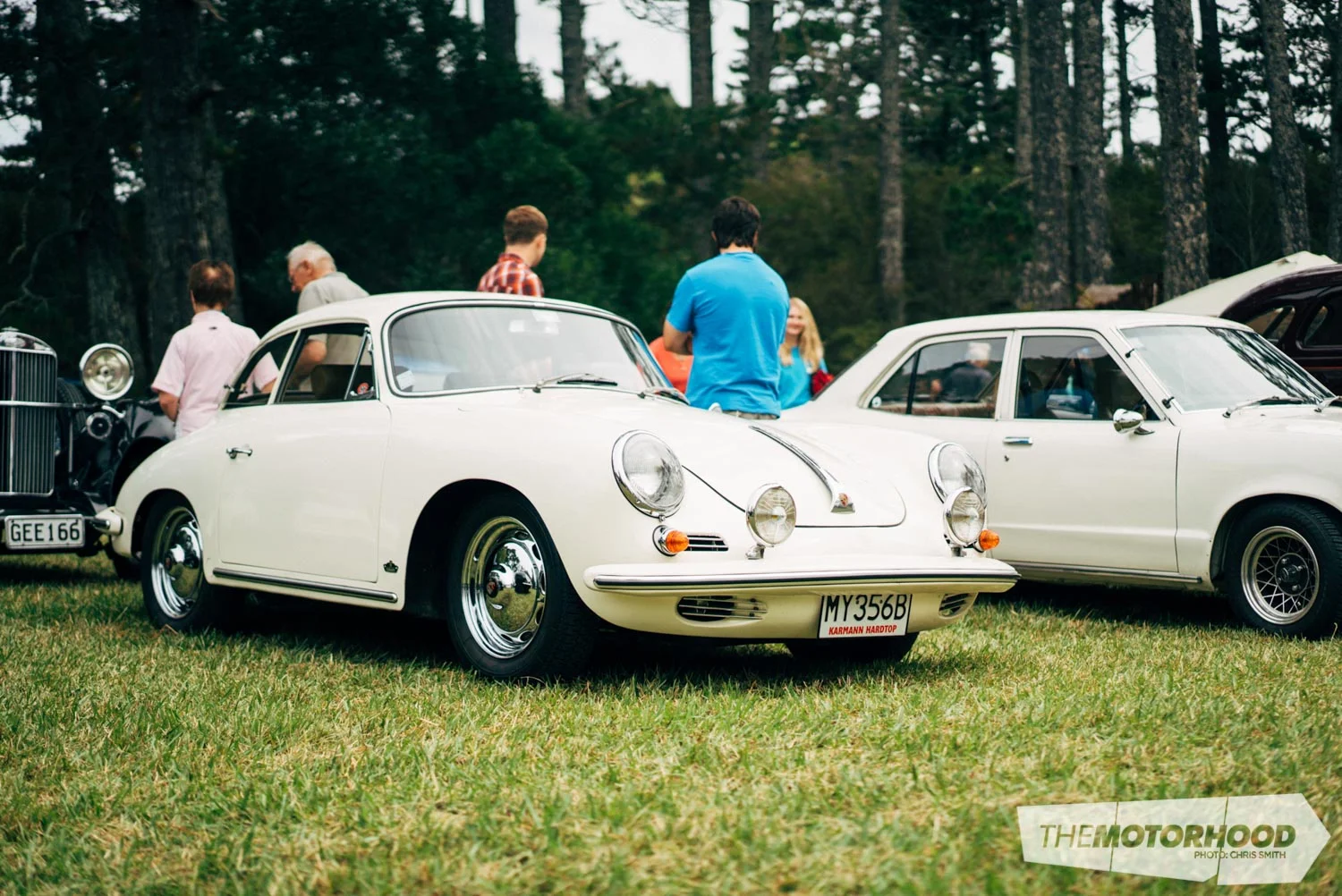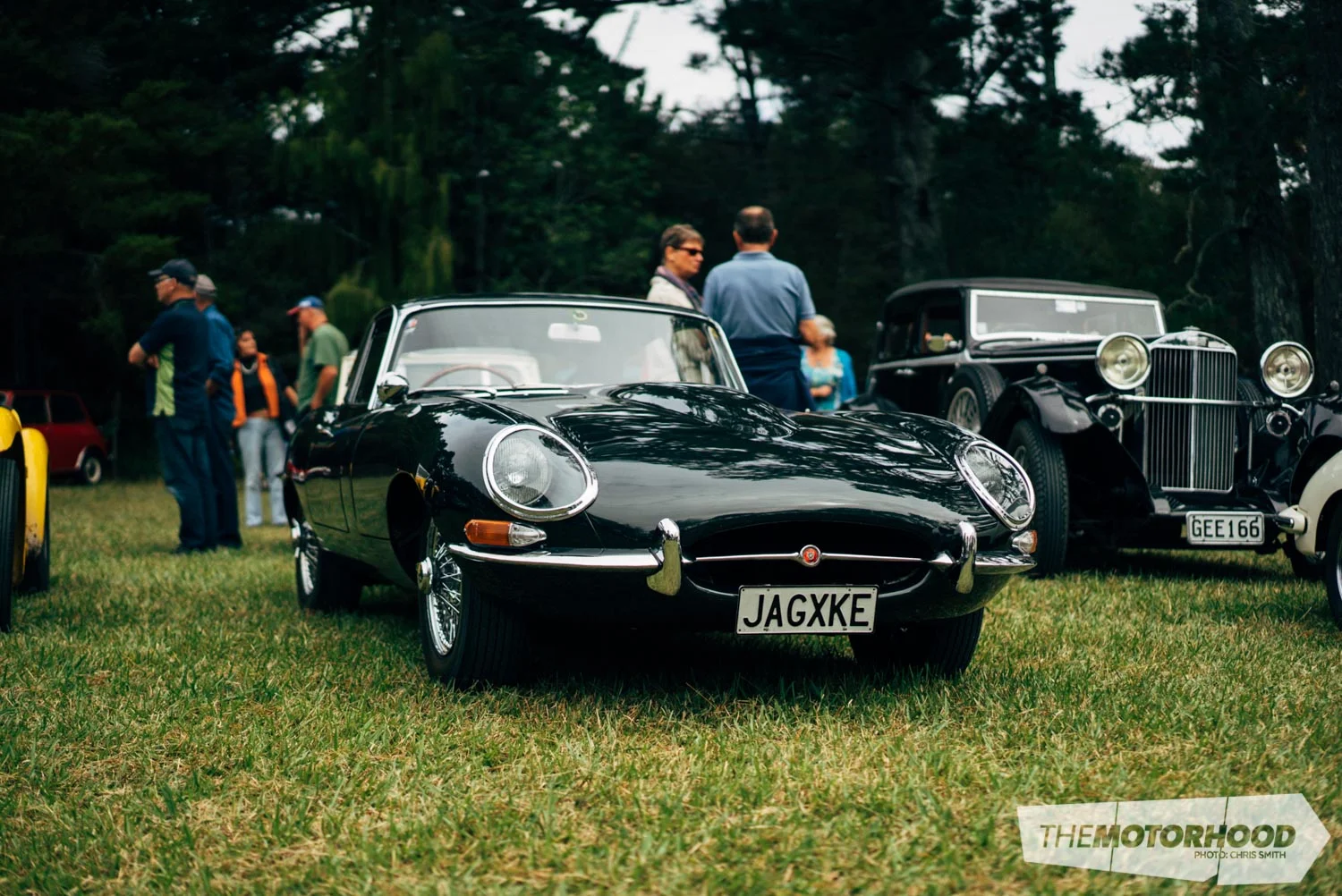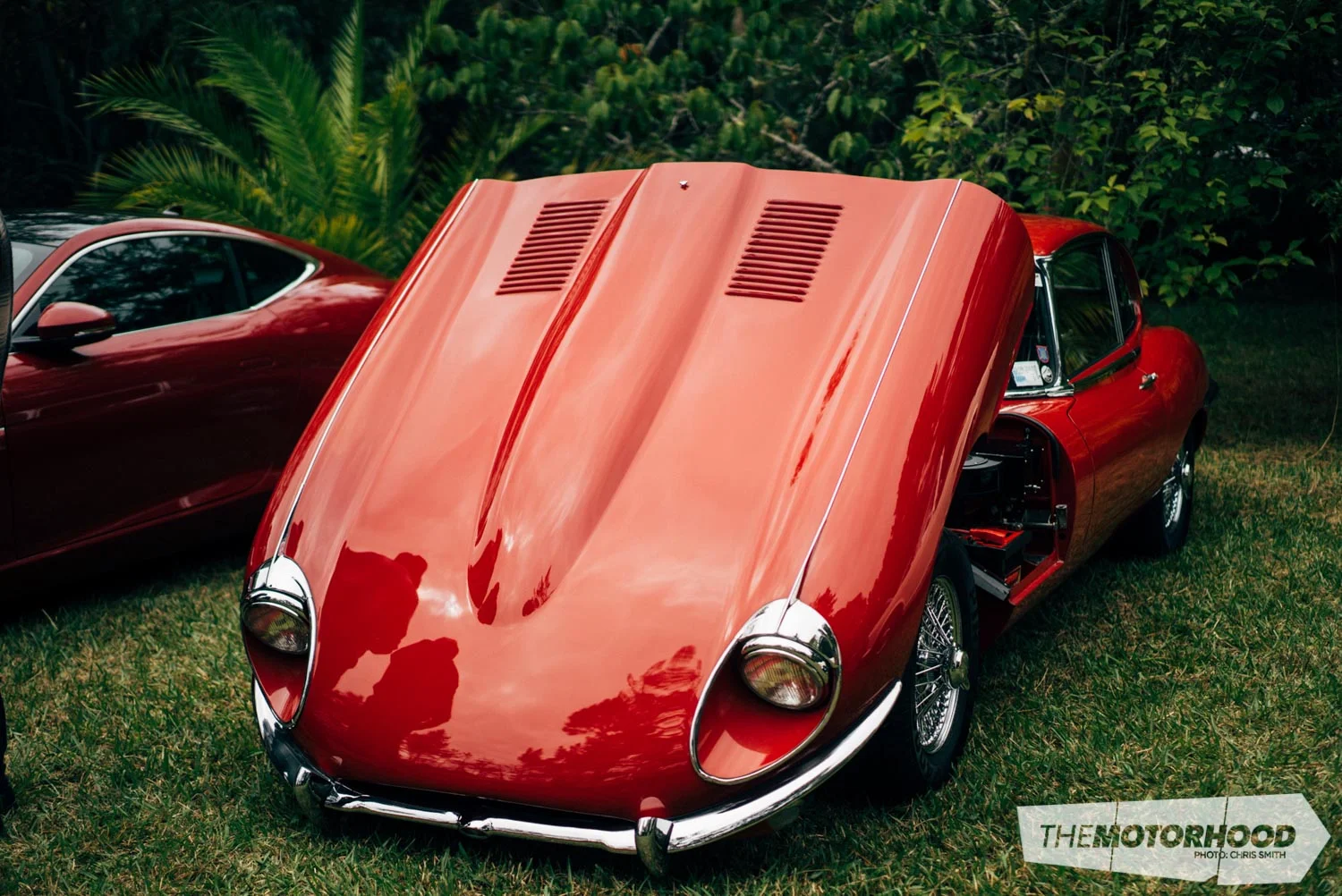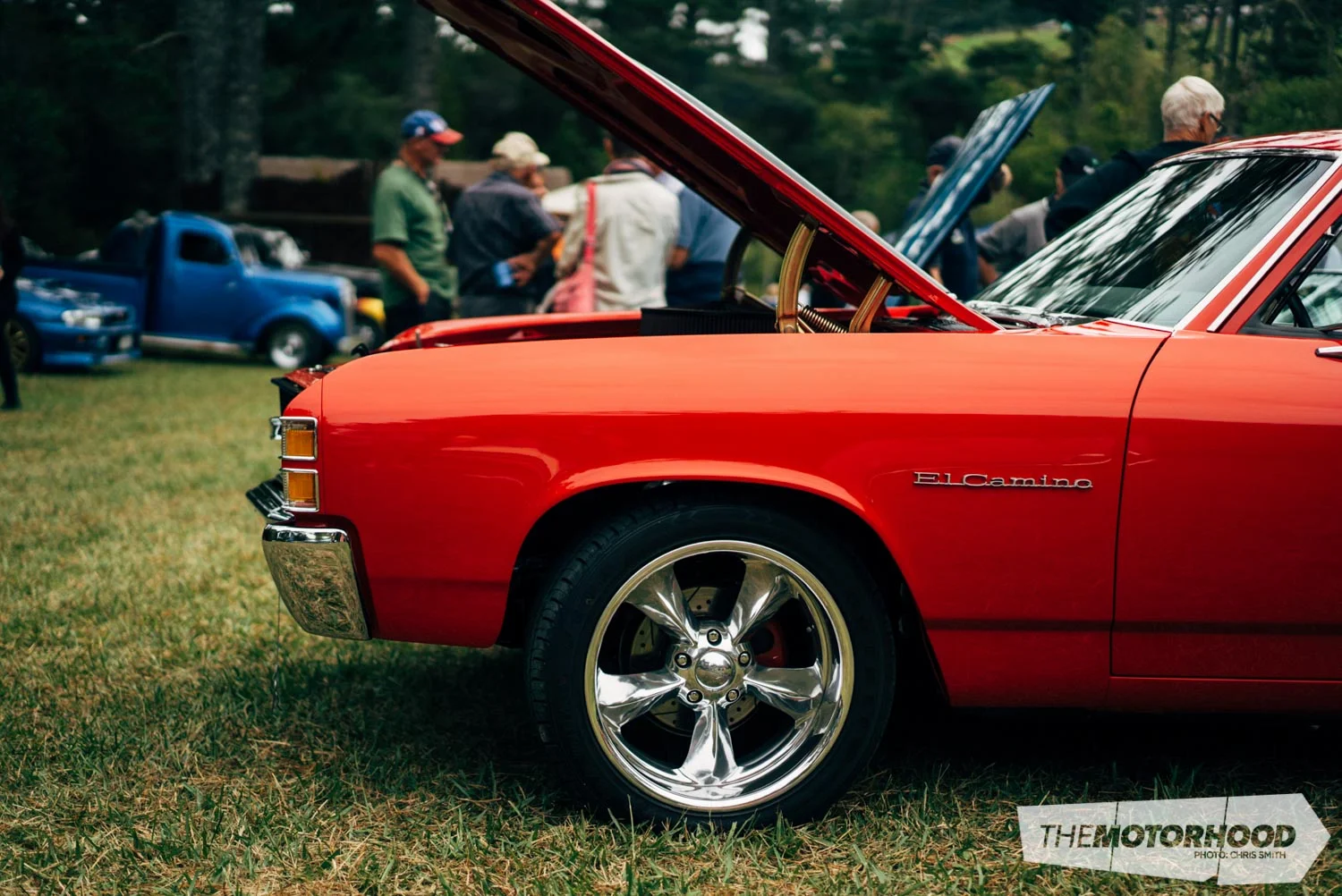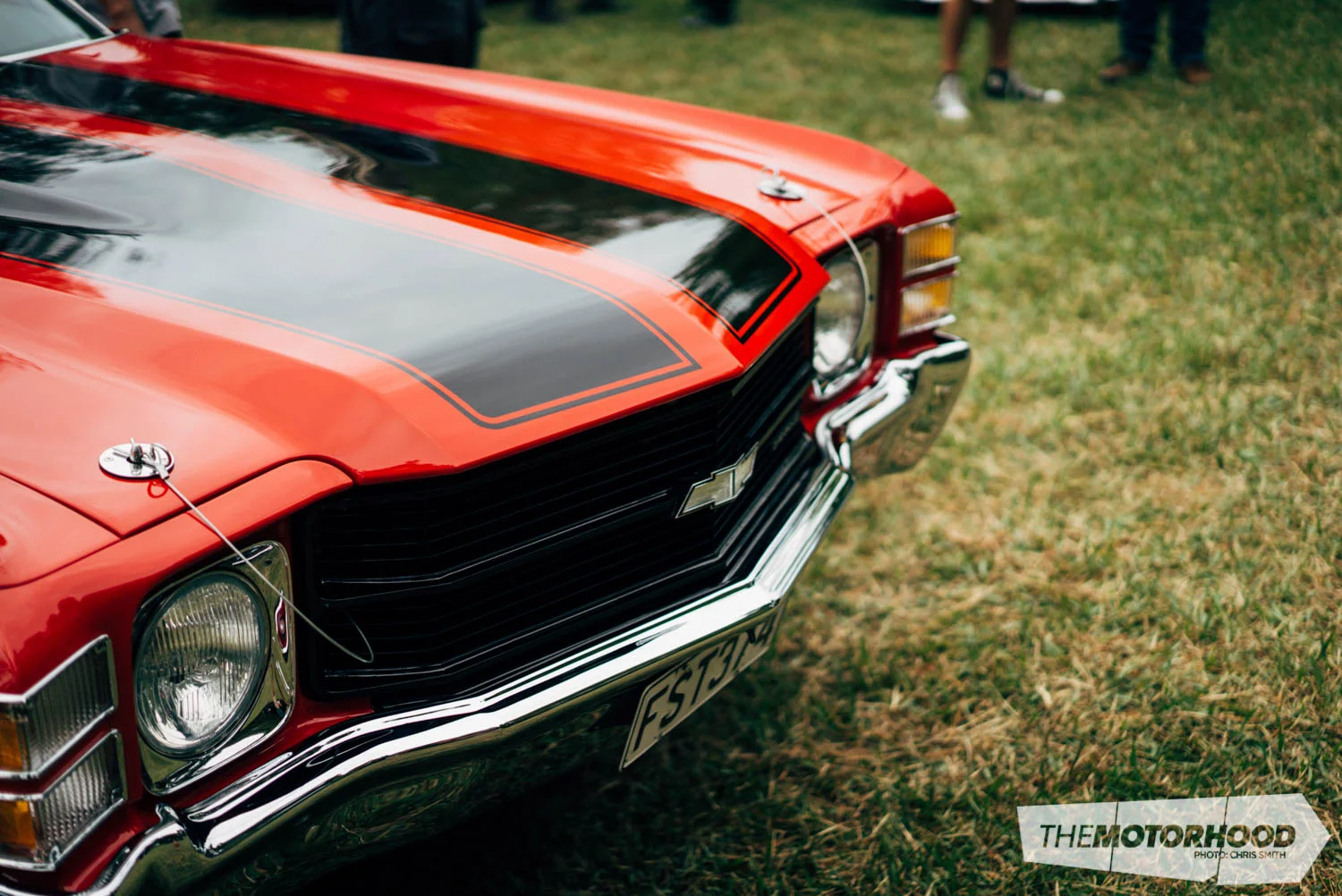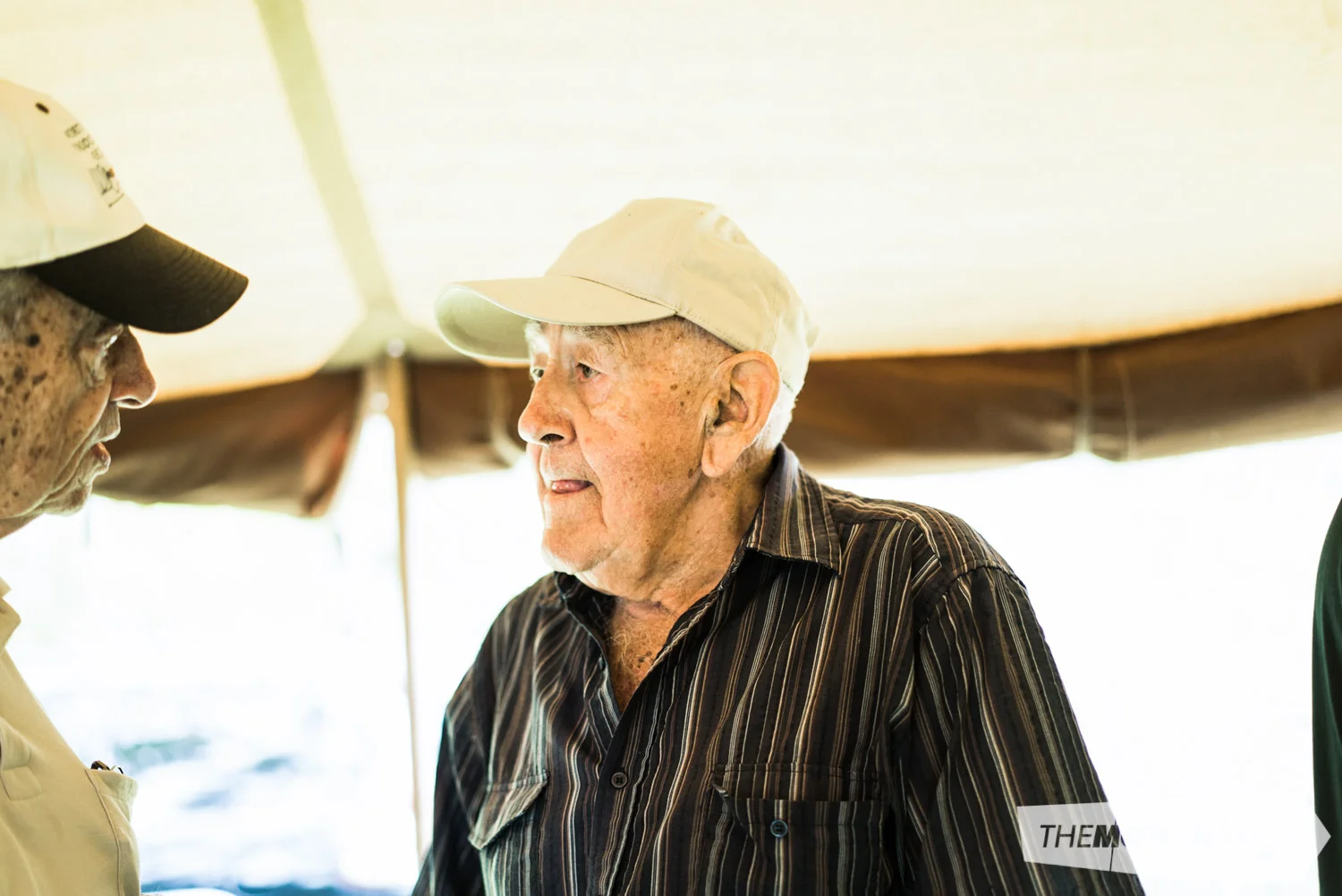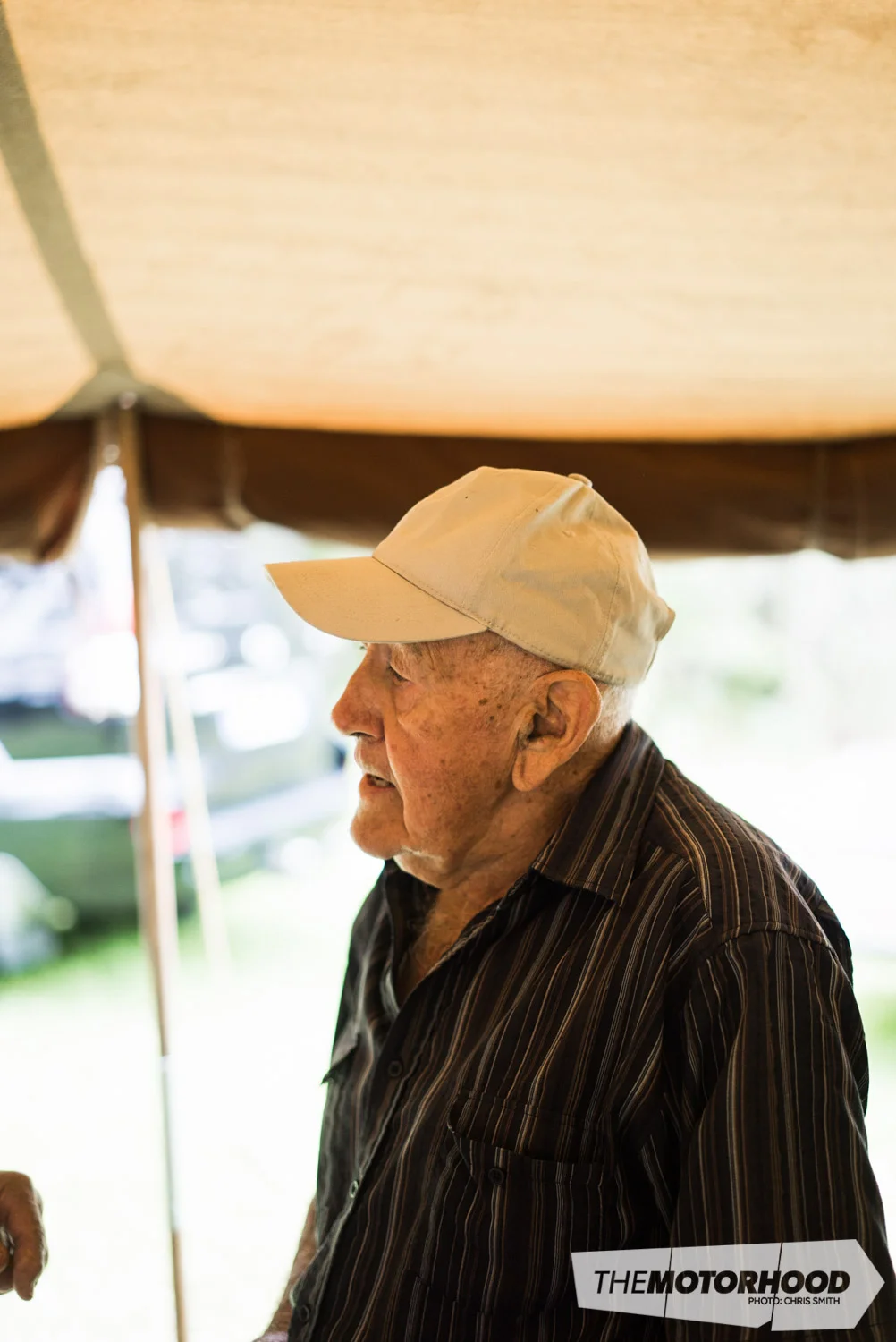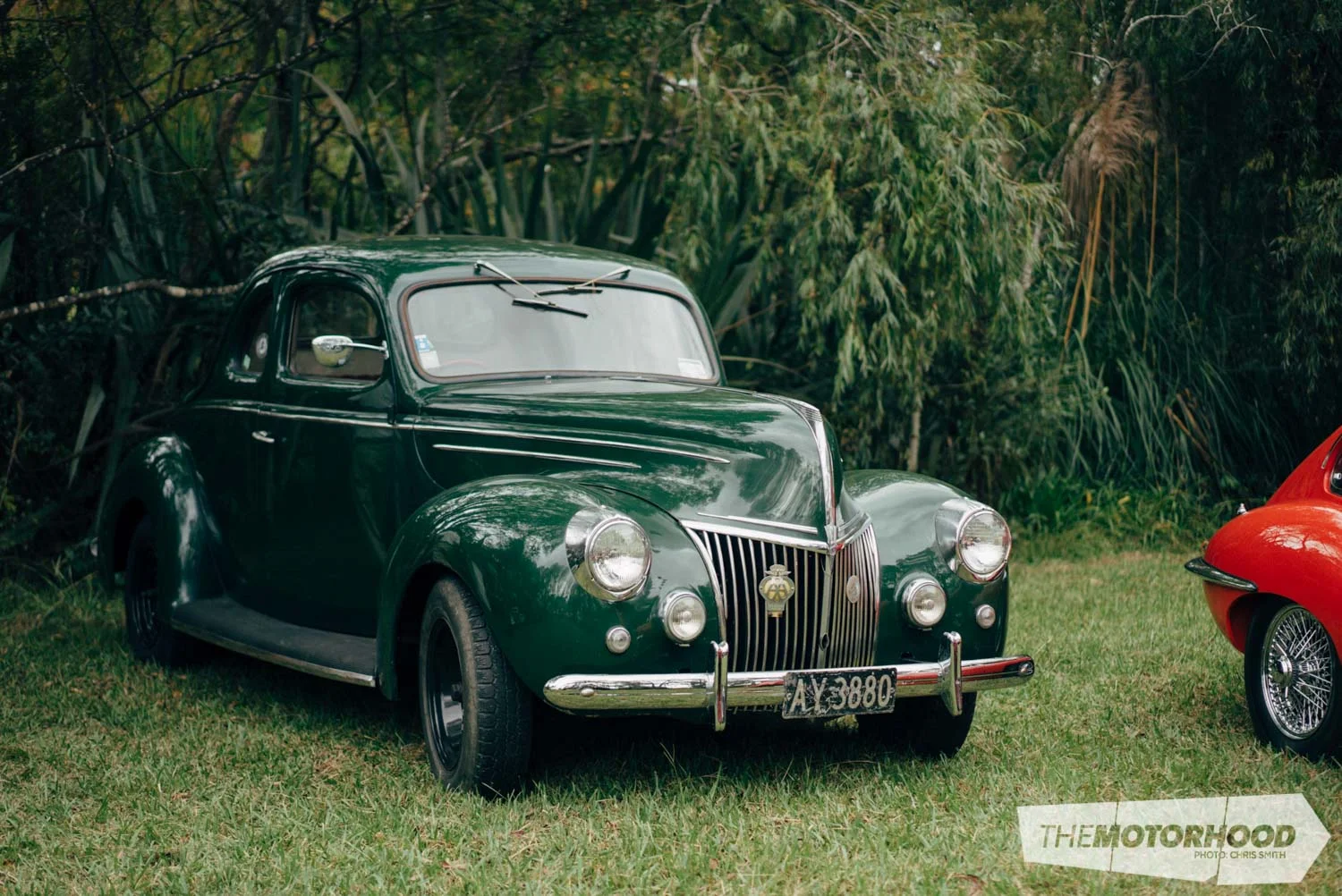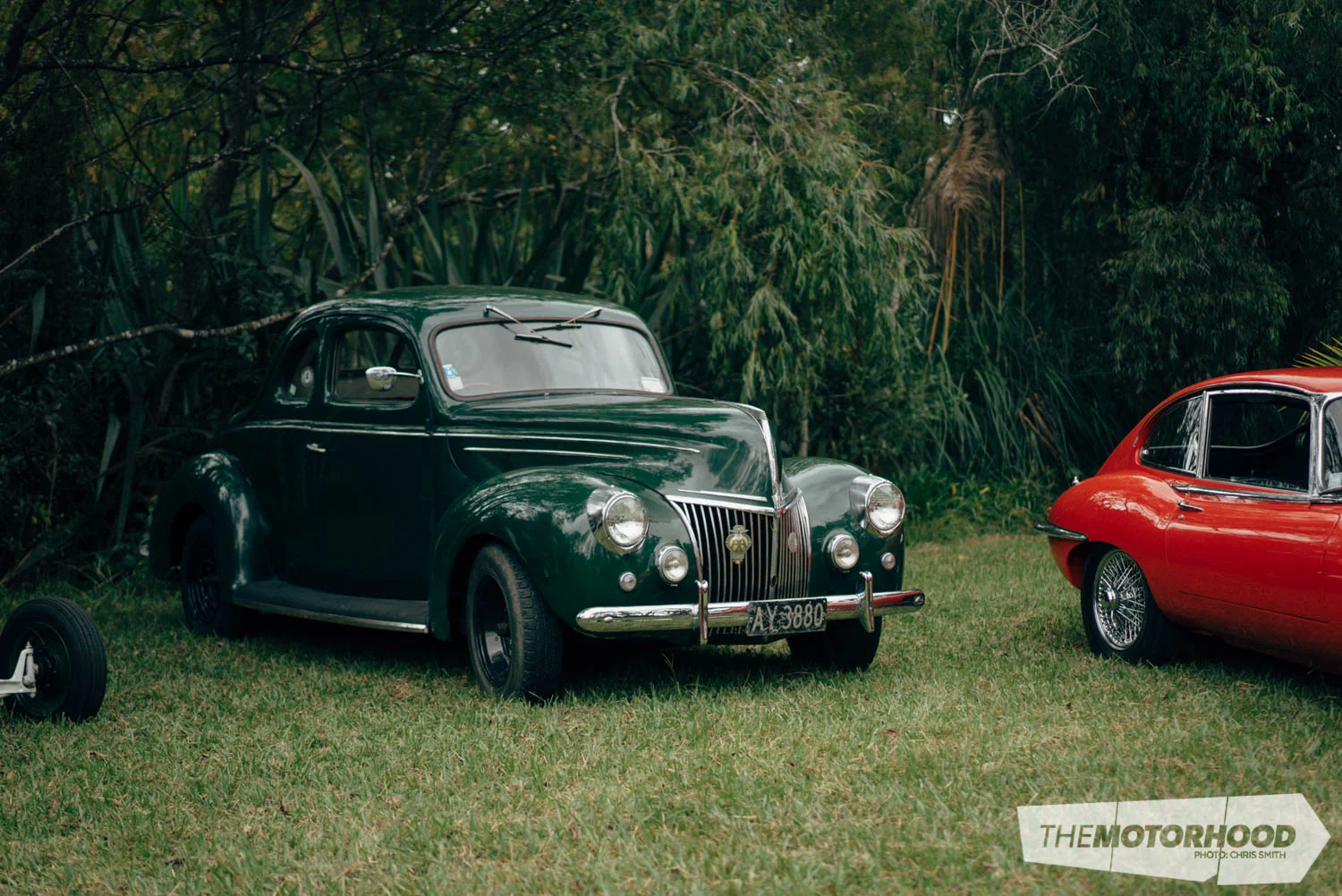
As a well-known hero of Kiwi motorsport, Alan Woolf has been around for a while, and every now and then you’ll see him out at a track with one of his classics. I got invited out to a little catch-up that he was having, and got my friend, David McFarlane, and his father to help me out with some information. He’s going to run you through all the details, having grown up around Woolfy and many of the cars.
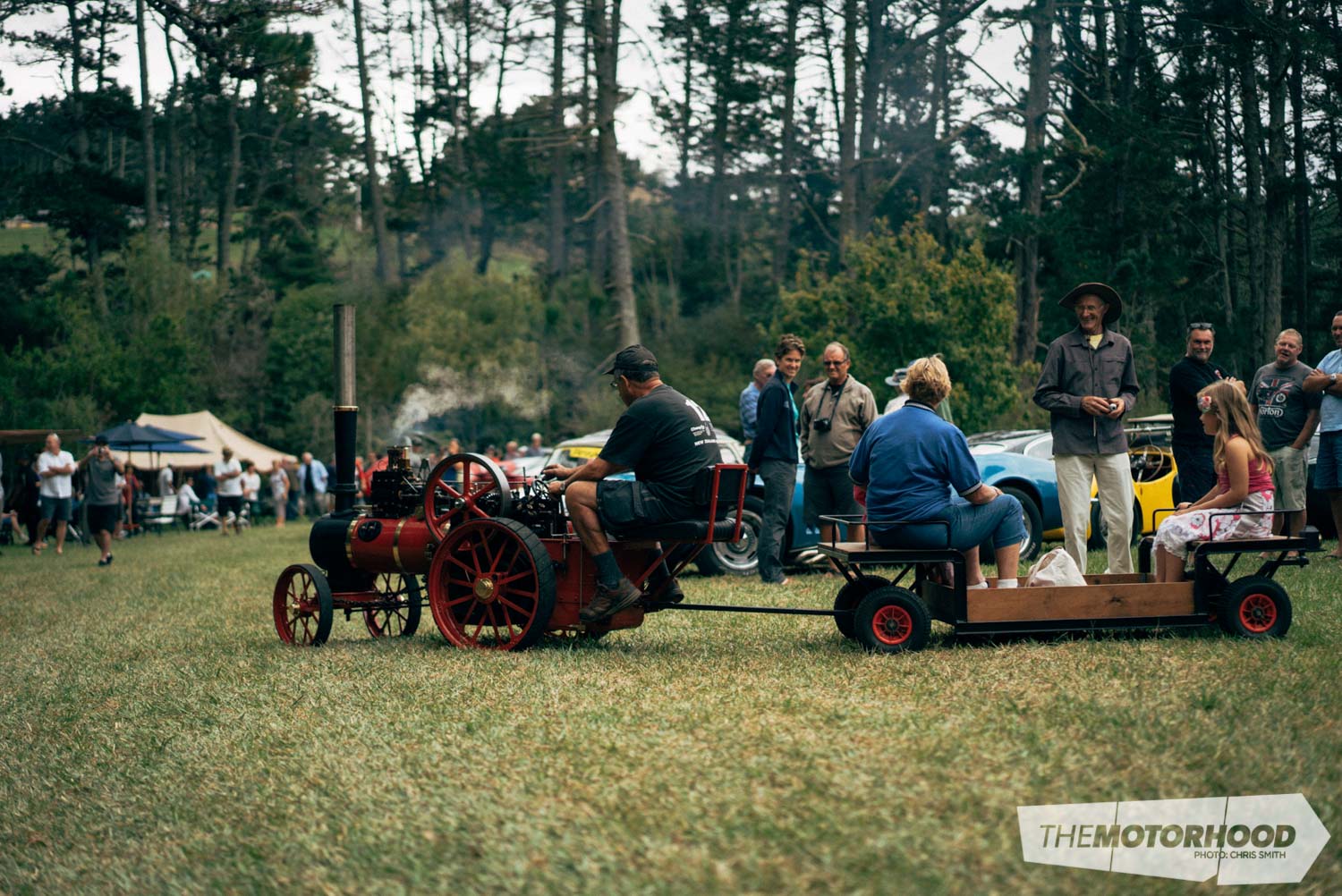
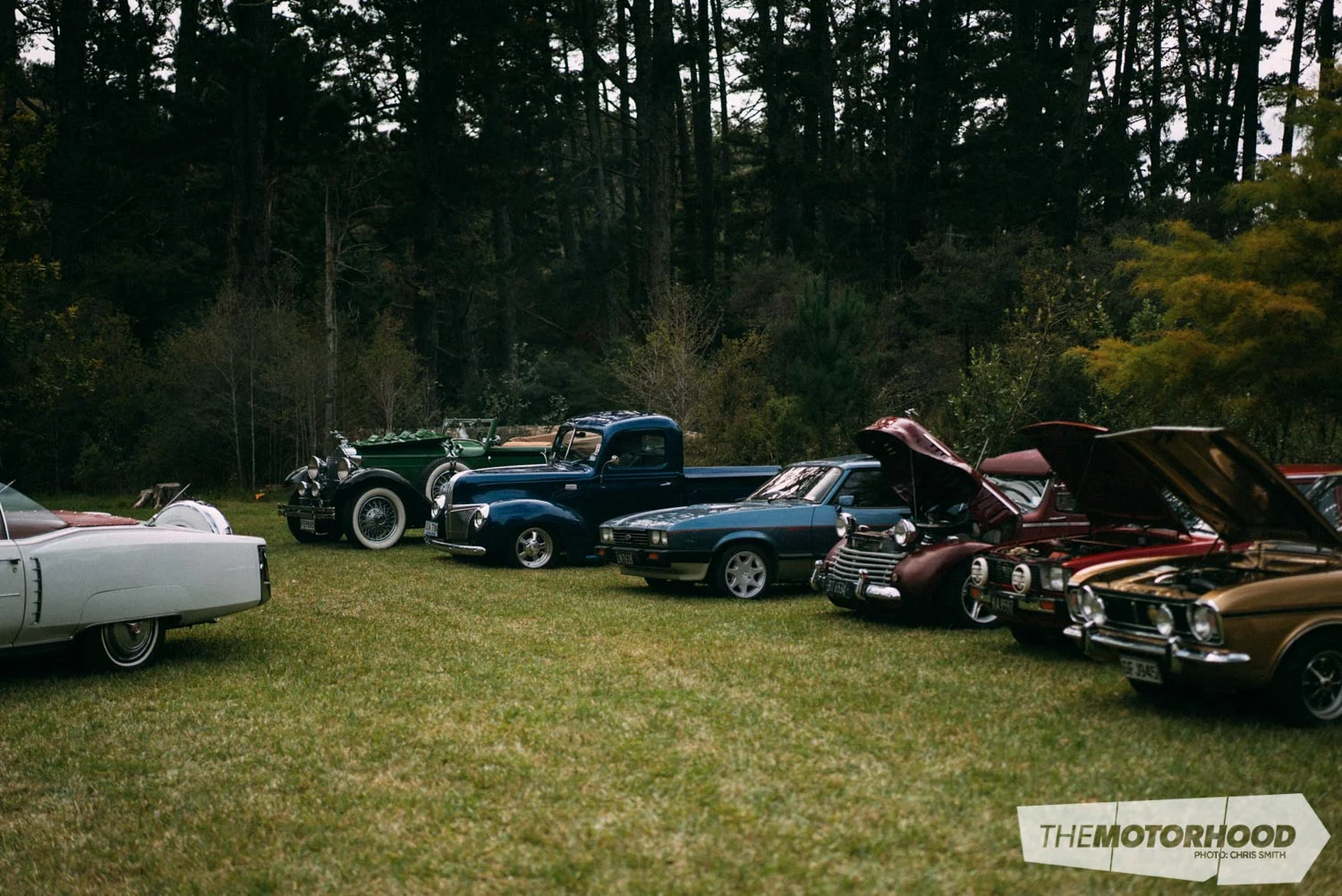
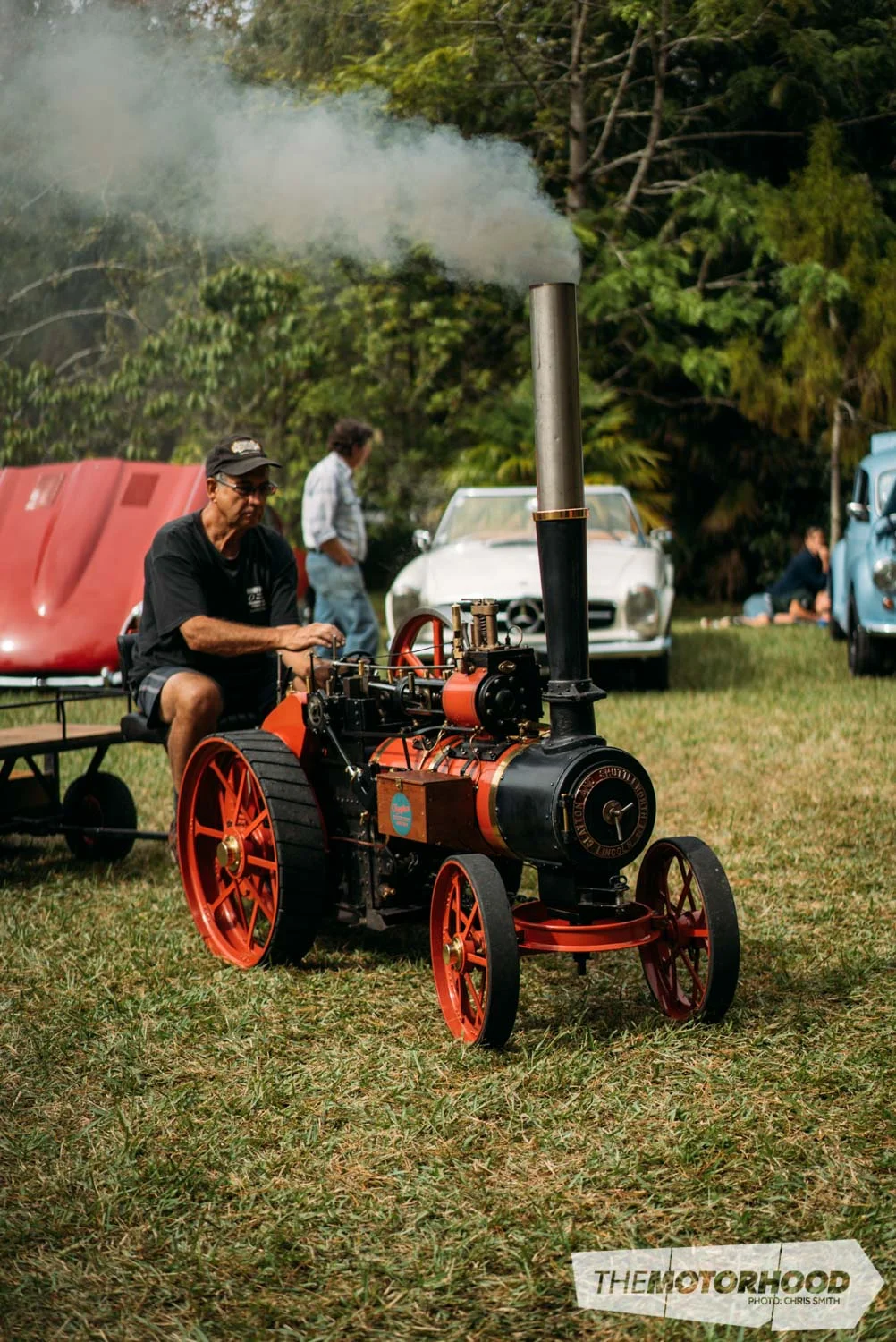
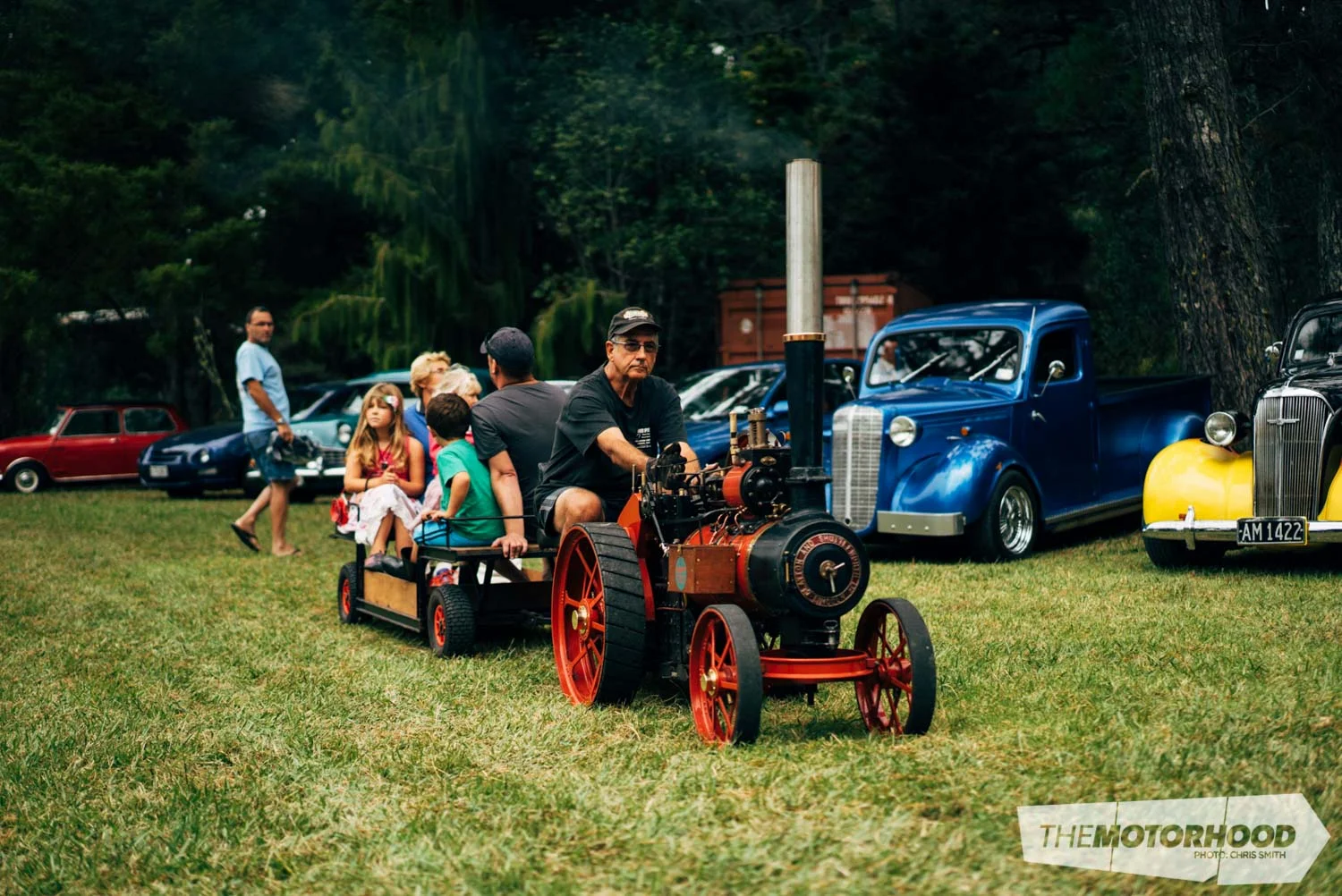
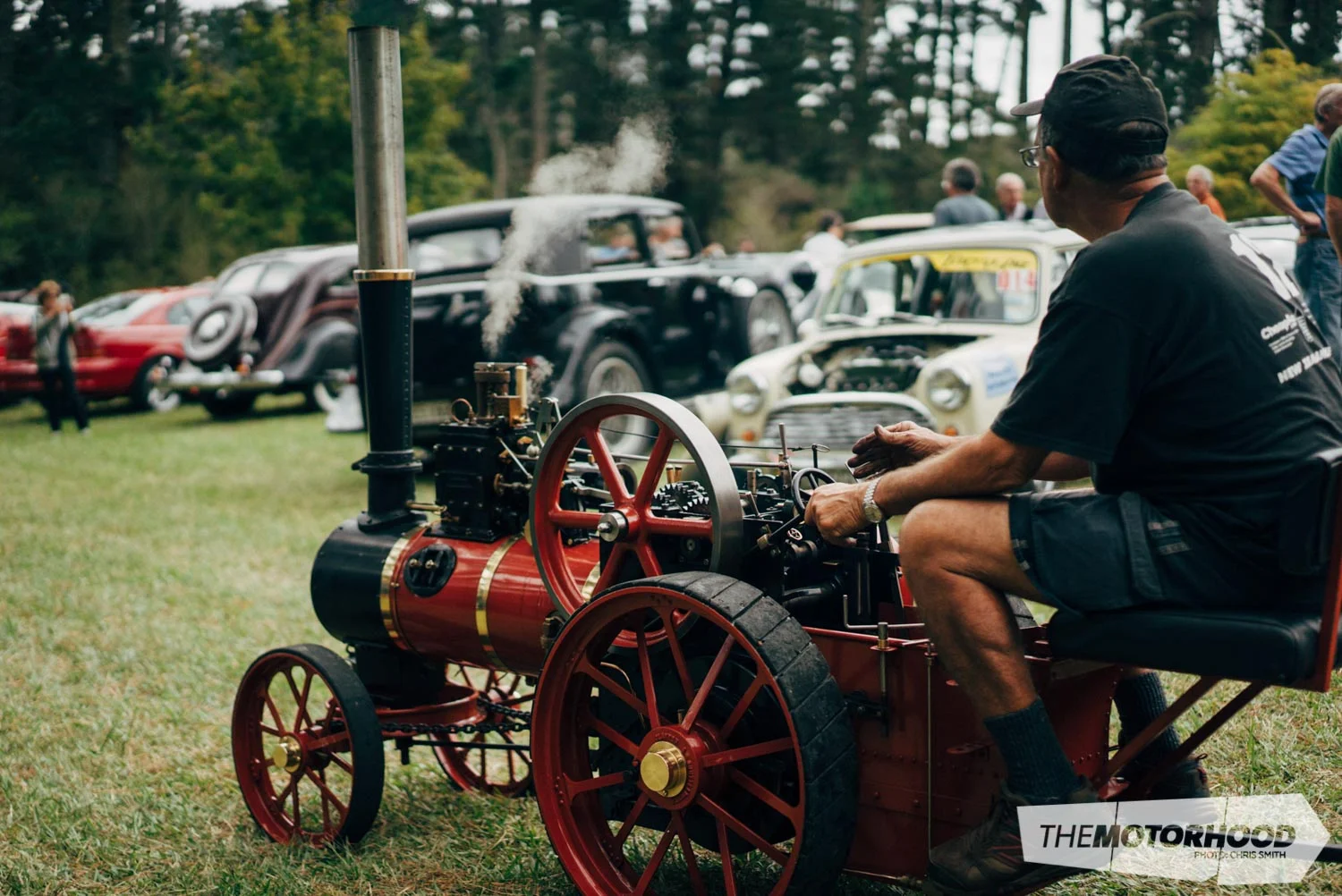
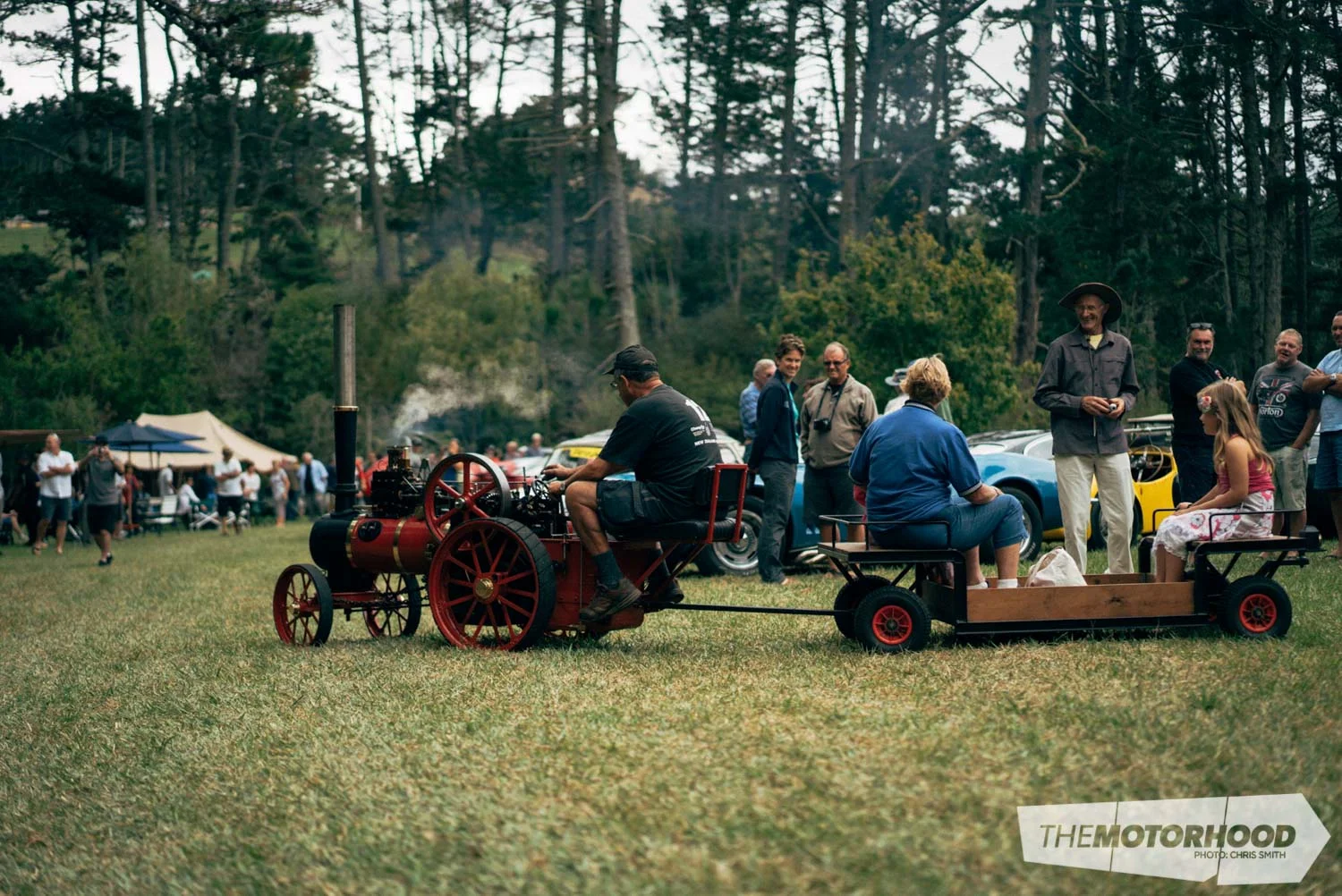
The Ralph Watson Memorial Day was organised by Alan and Colleen Woolf (The Woolfys) as a way of Remembering Alan’s friend who passed away a few years ago. The day is open invite to any of those with a common interest of machinery, especially old cars. Past features have included hand assembled and crafted miniature stationary engines, V8s, and Ralphs own Rotary Aeroplane engine. This year there was very little in the way of promotion, as Woolfy prefers to just get a few friends to spread the word and see who turns up. Everyone that turns up somehow knows someone from the family and we end up with an incredible array of people and machinery each year.
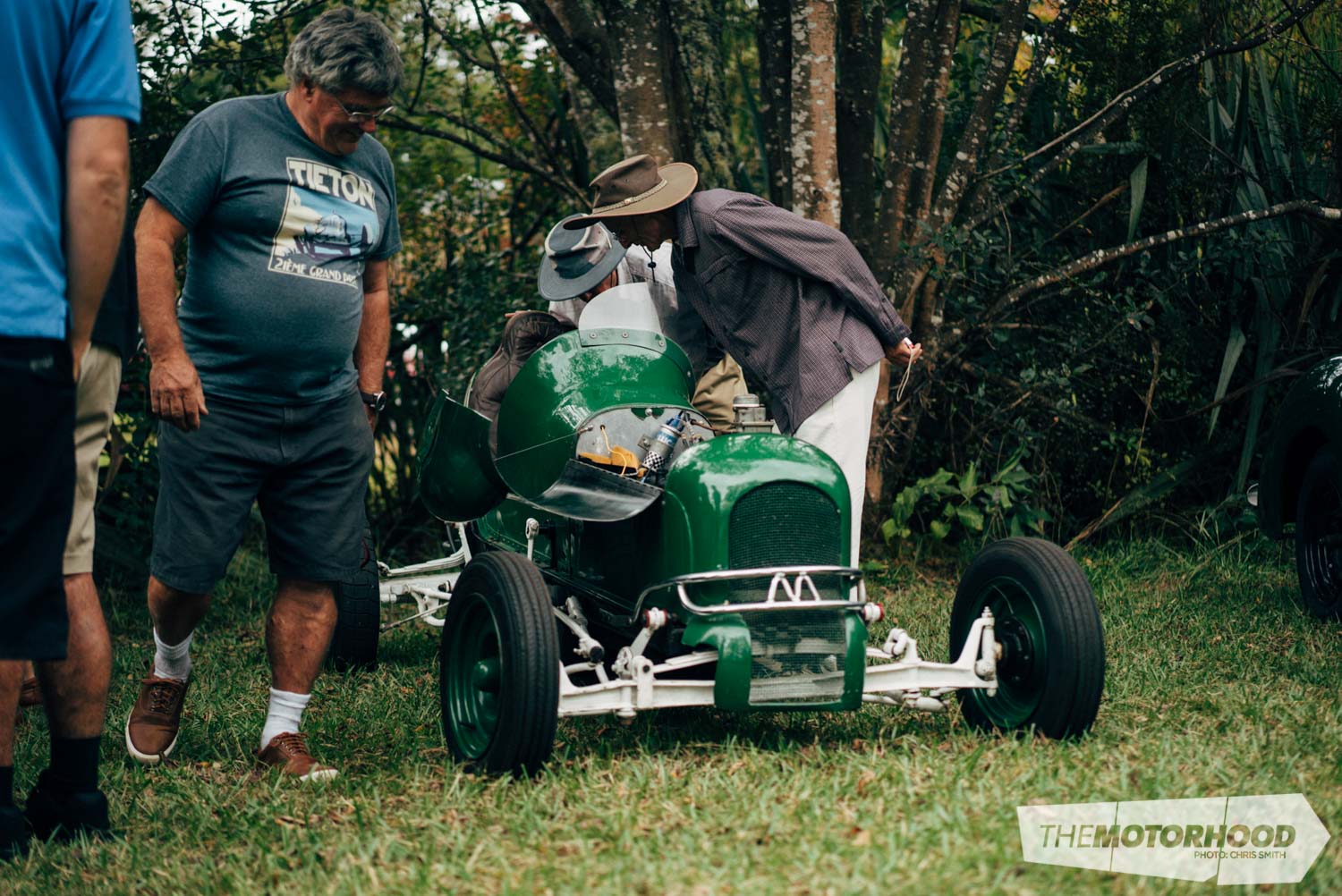
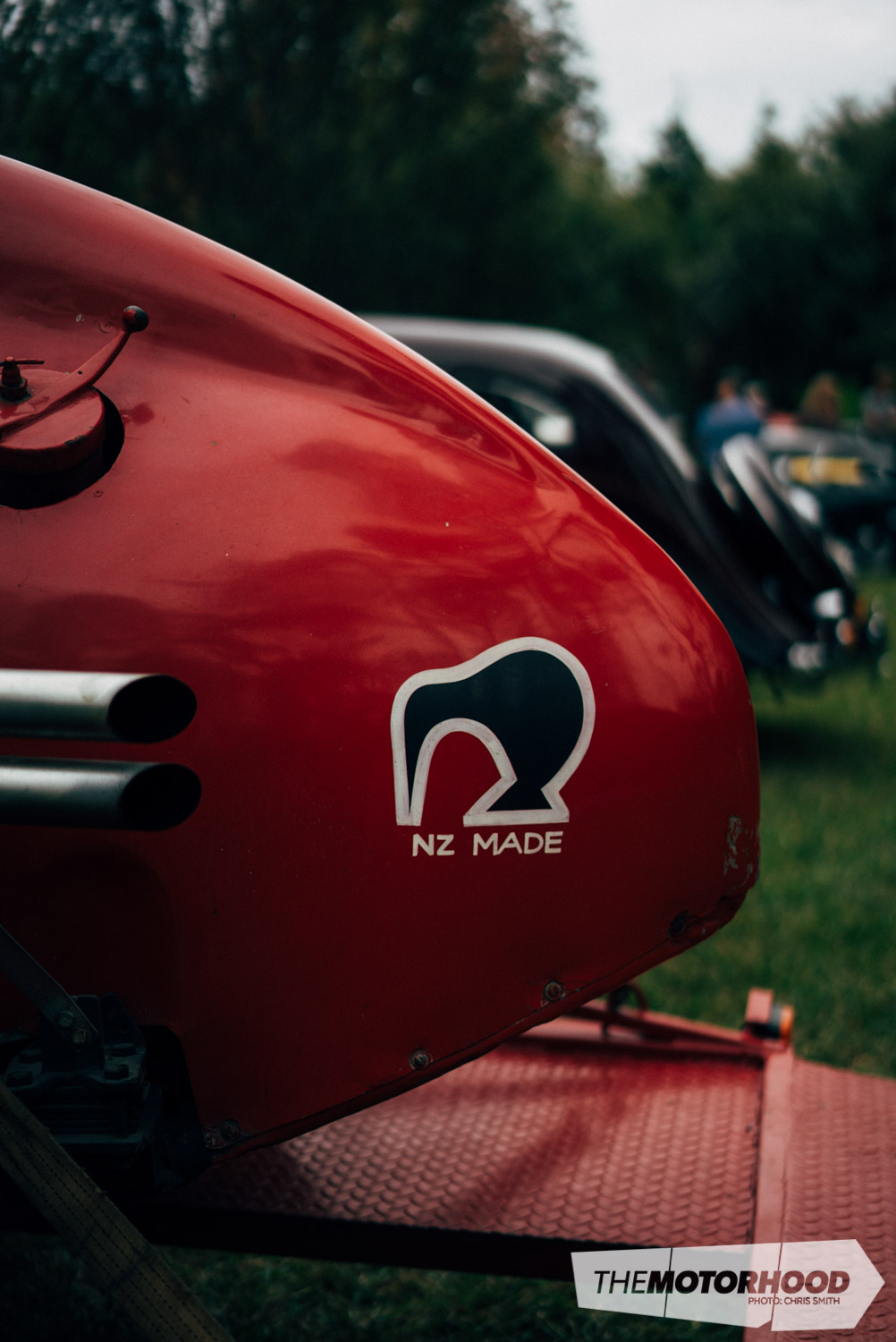
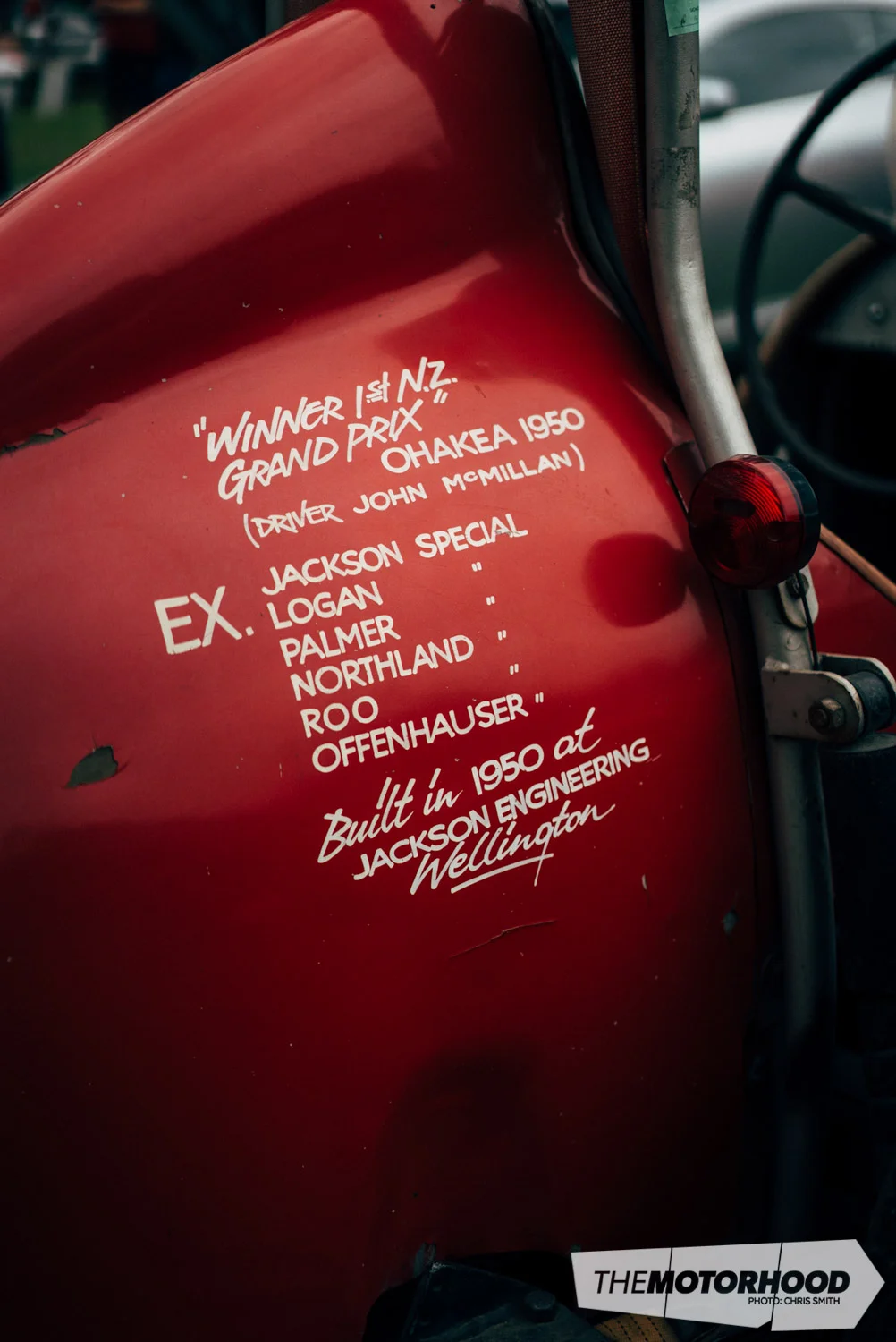
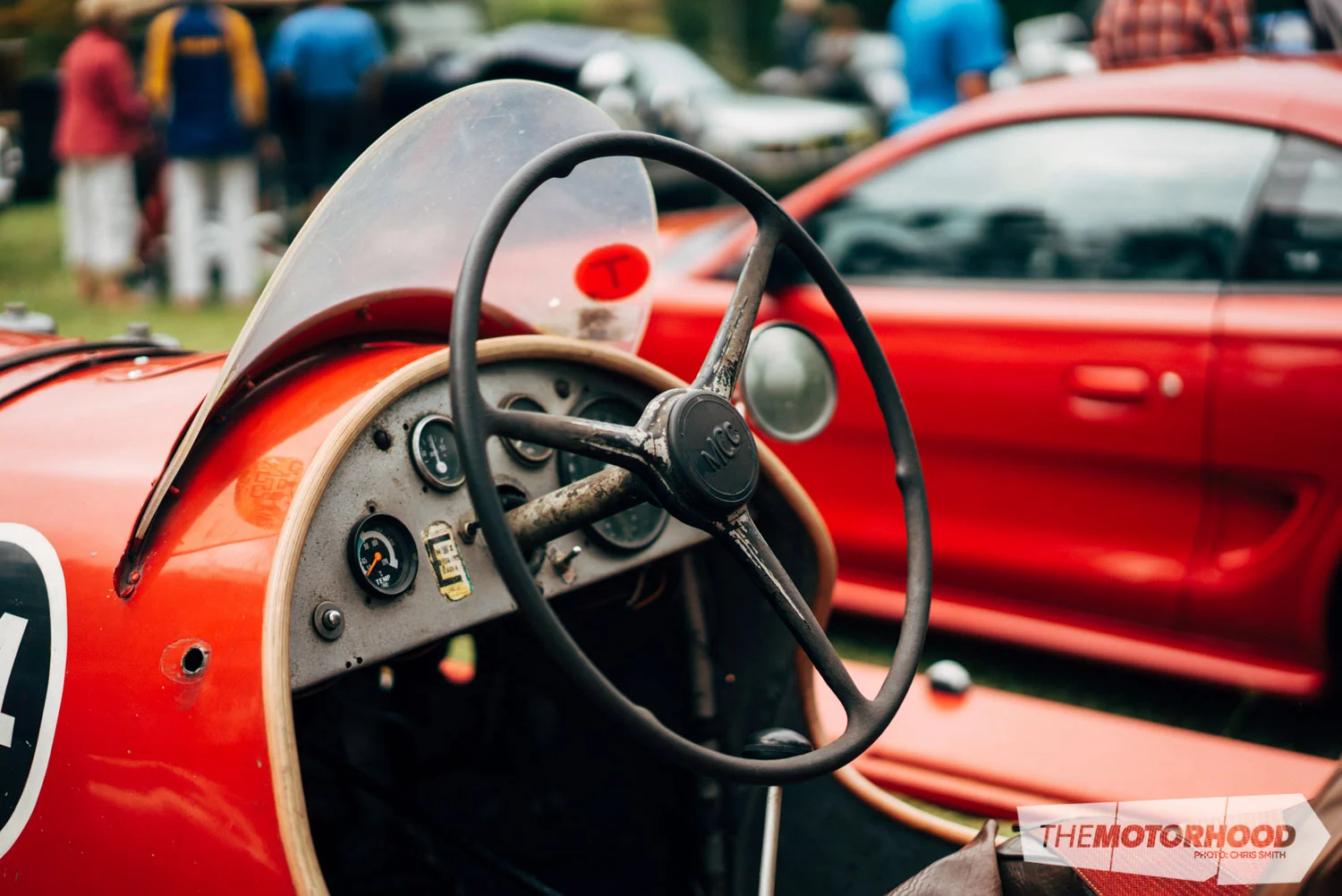
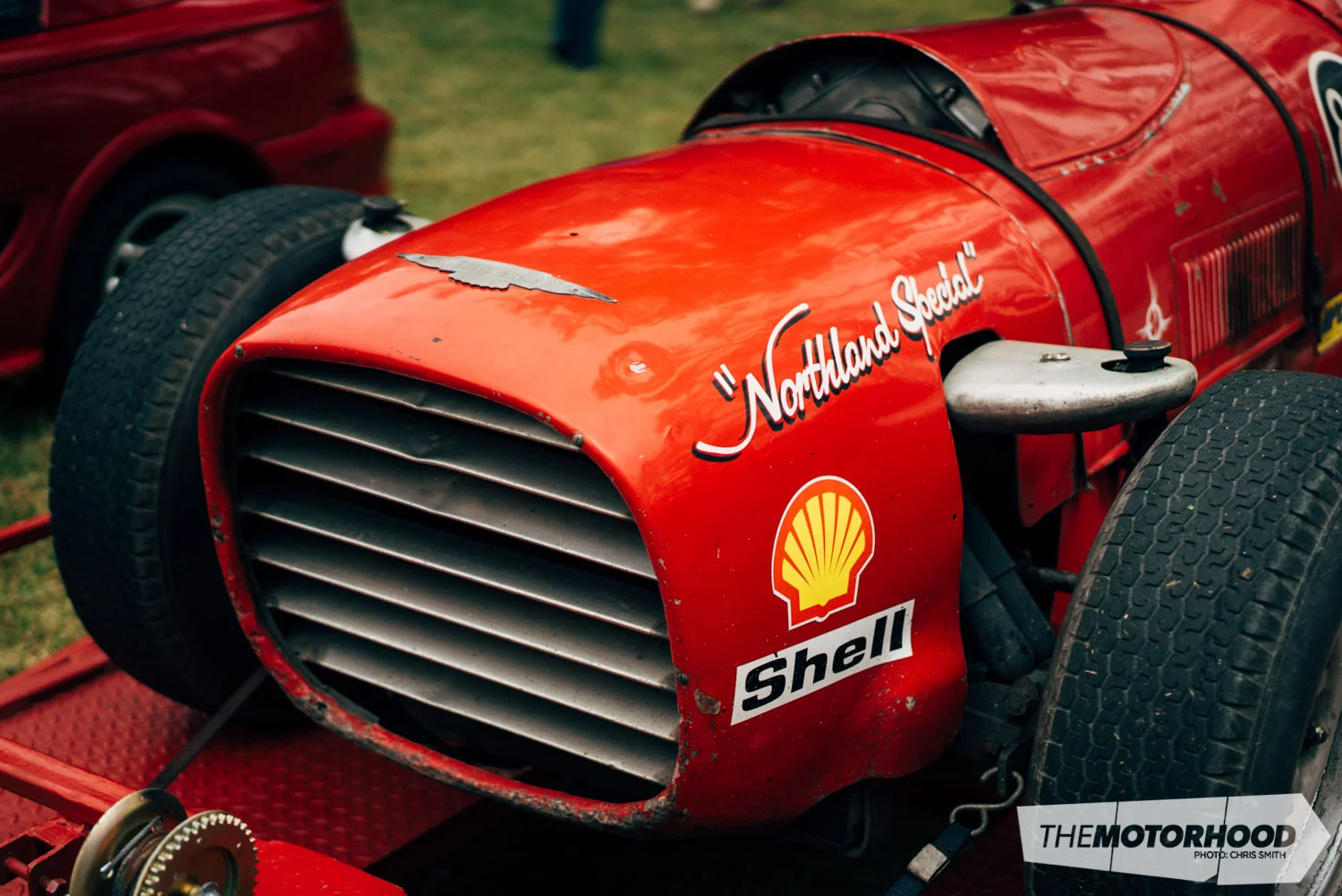
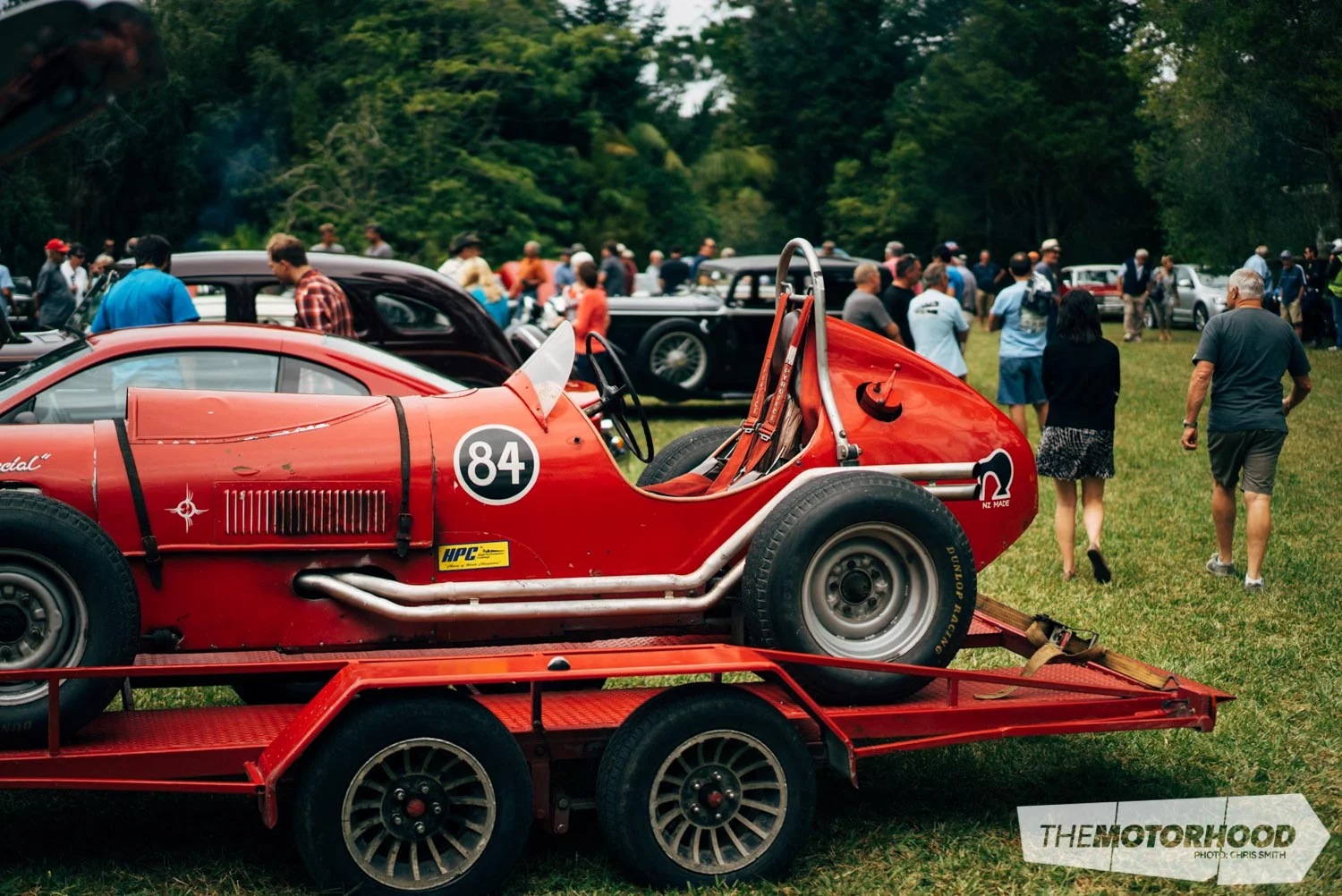
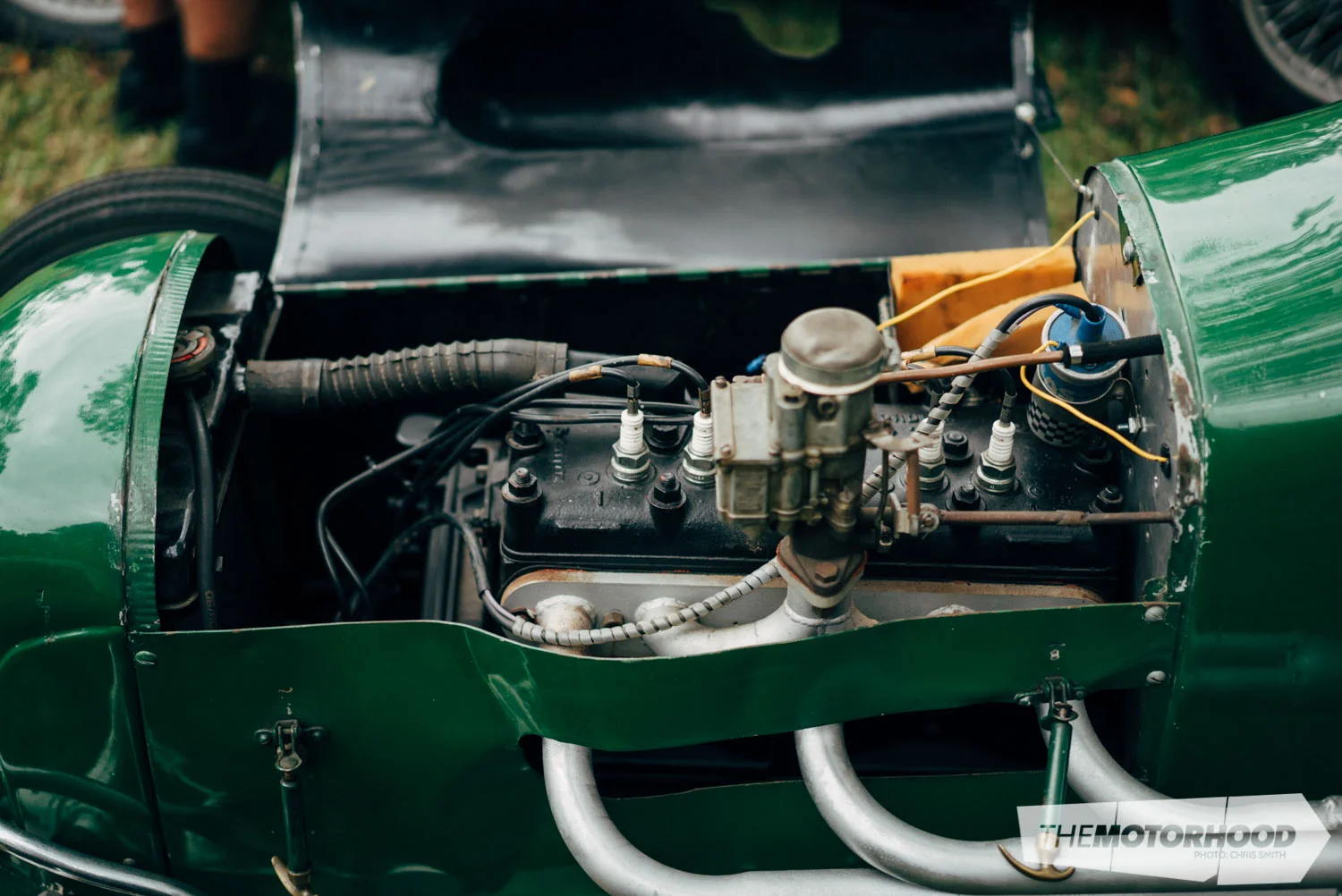
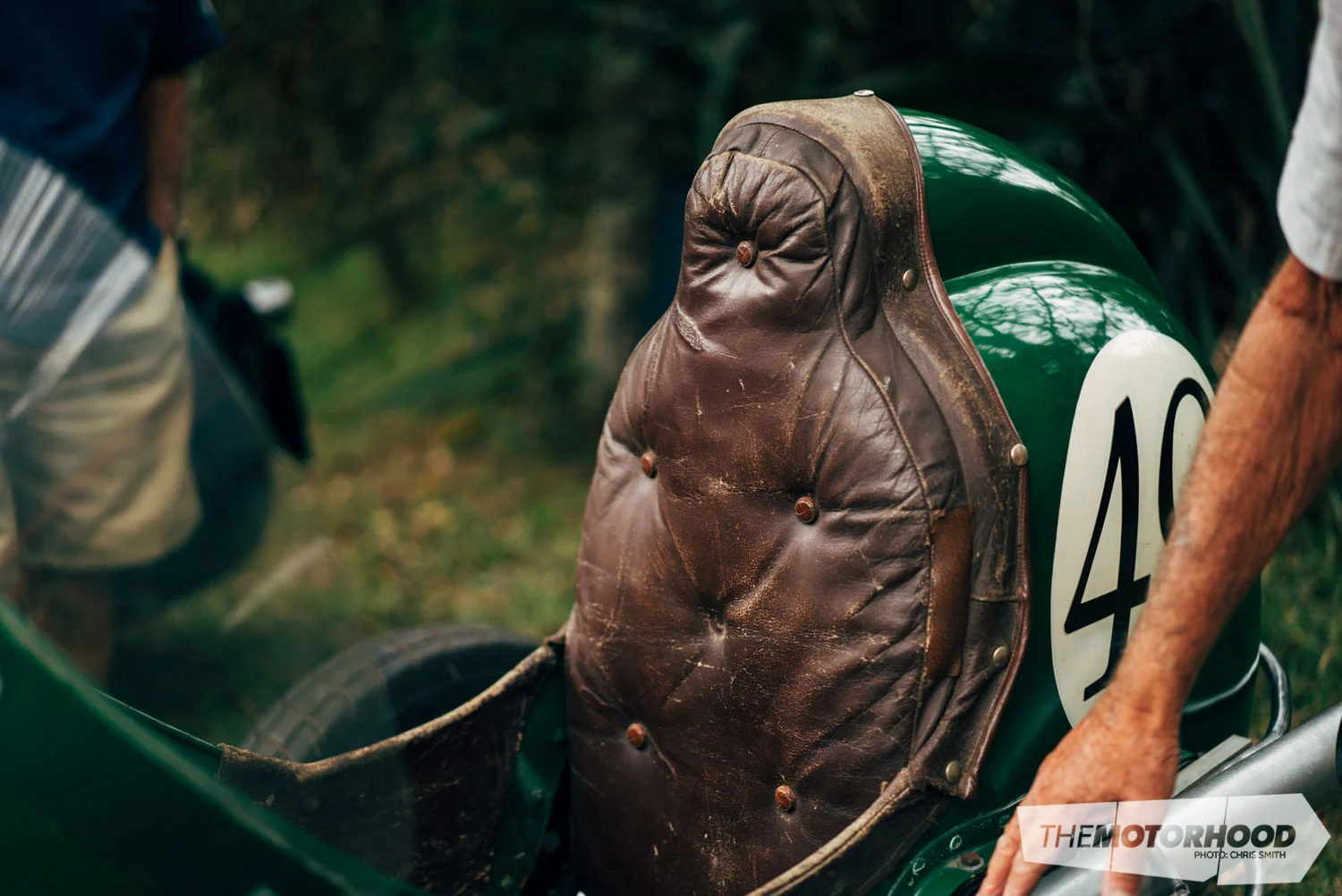
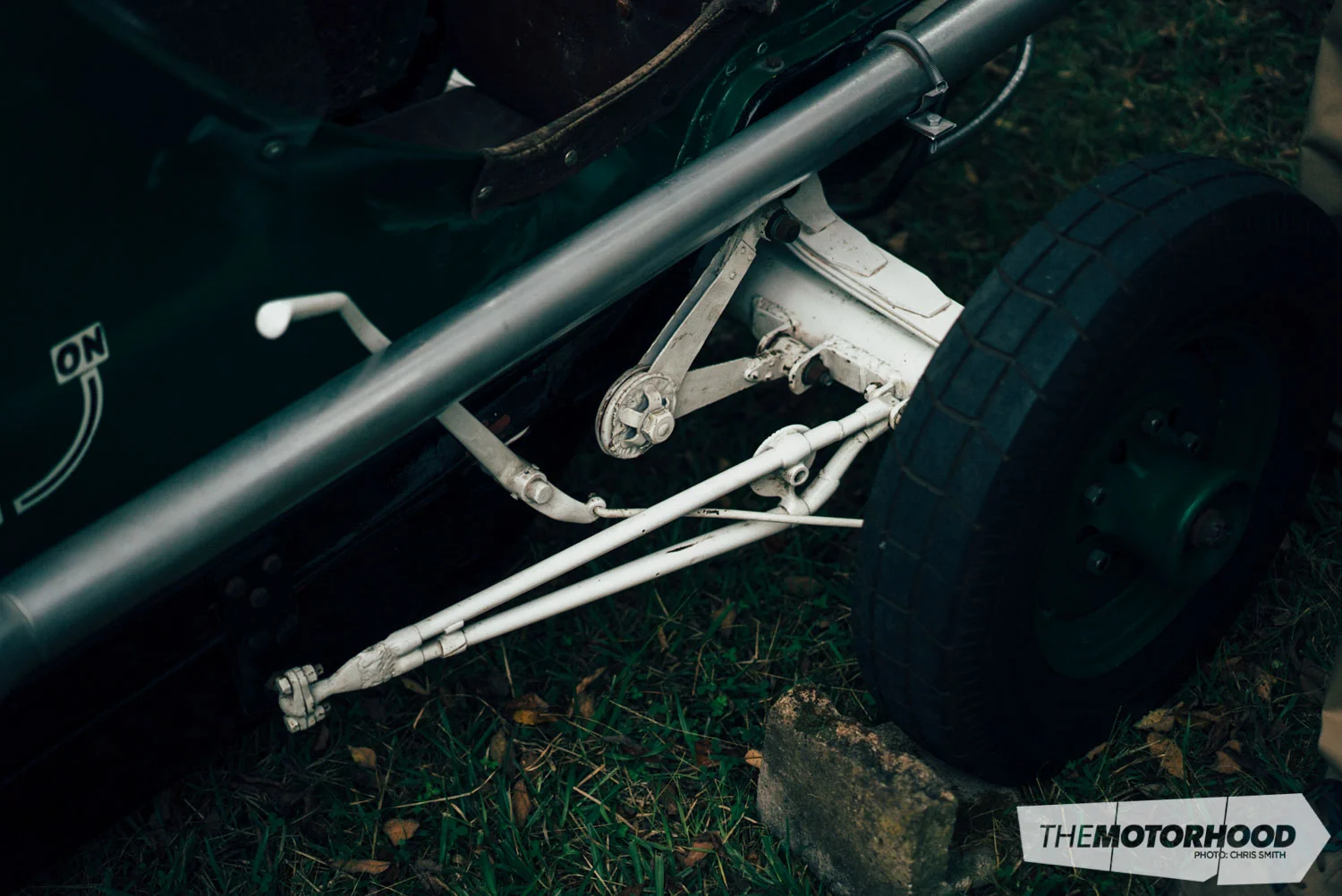
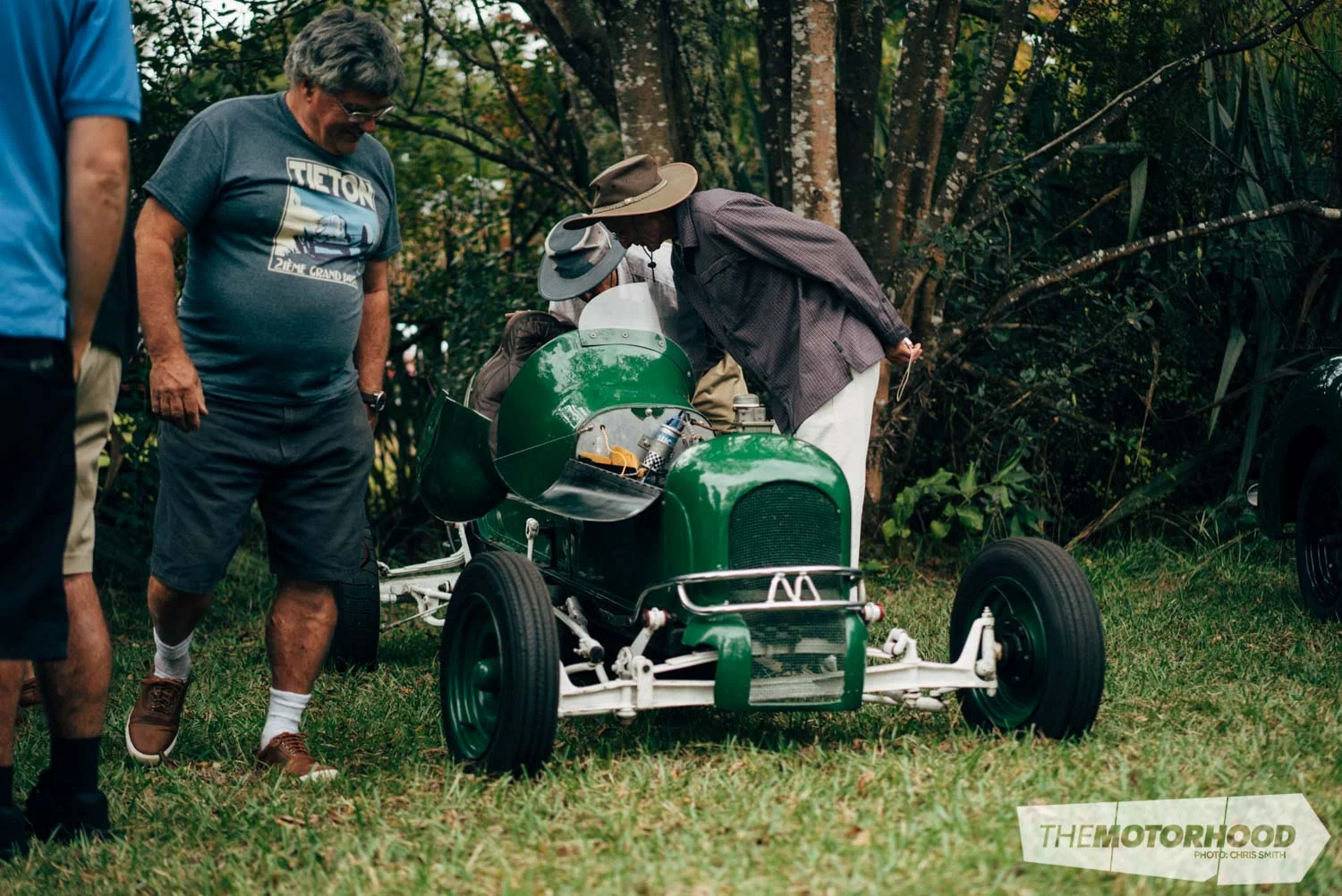
This is an early Western Springs Speedway midget (Old #49). It runs a Rugby four-cylinder. It’s got single-speed, hand-operated, rear drum brakes — no other form of braking was deemed necessary at the time. The vehicle has a long and successful racing history and is owned by Alan Woolf himself.
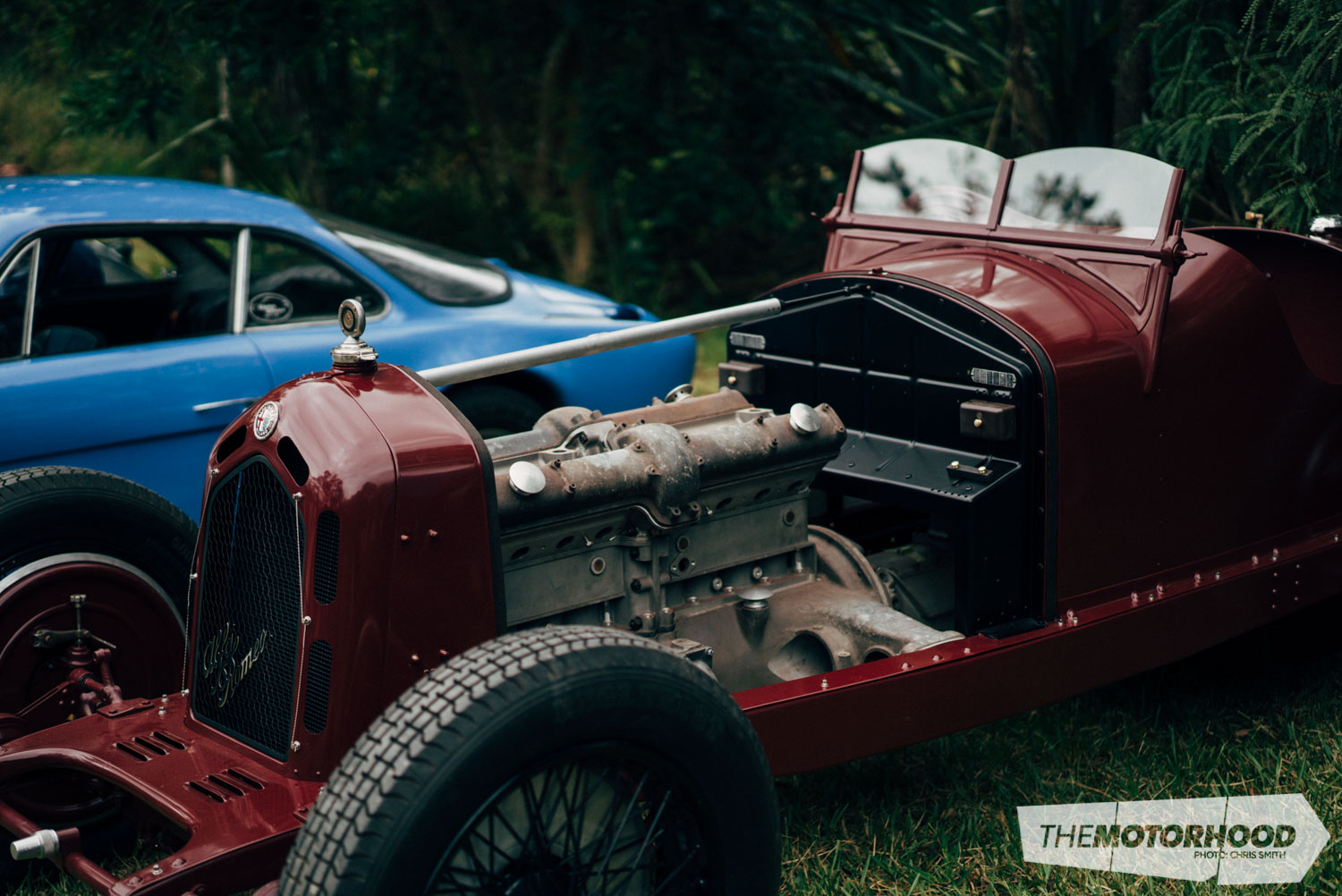
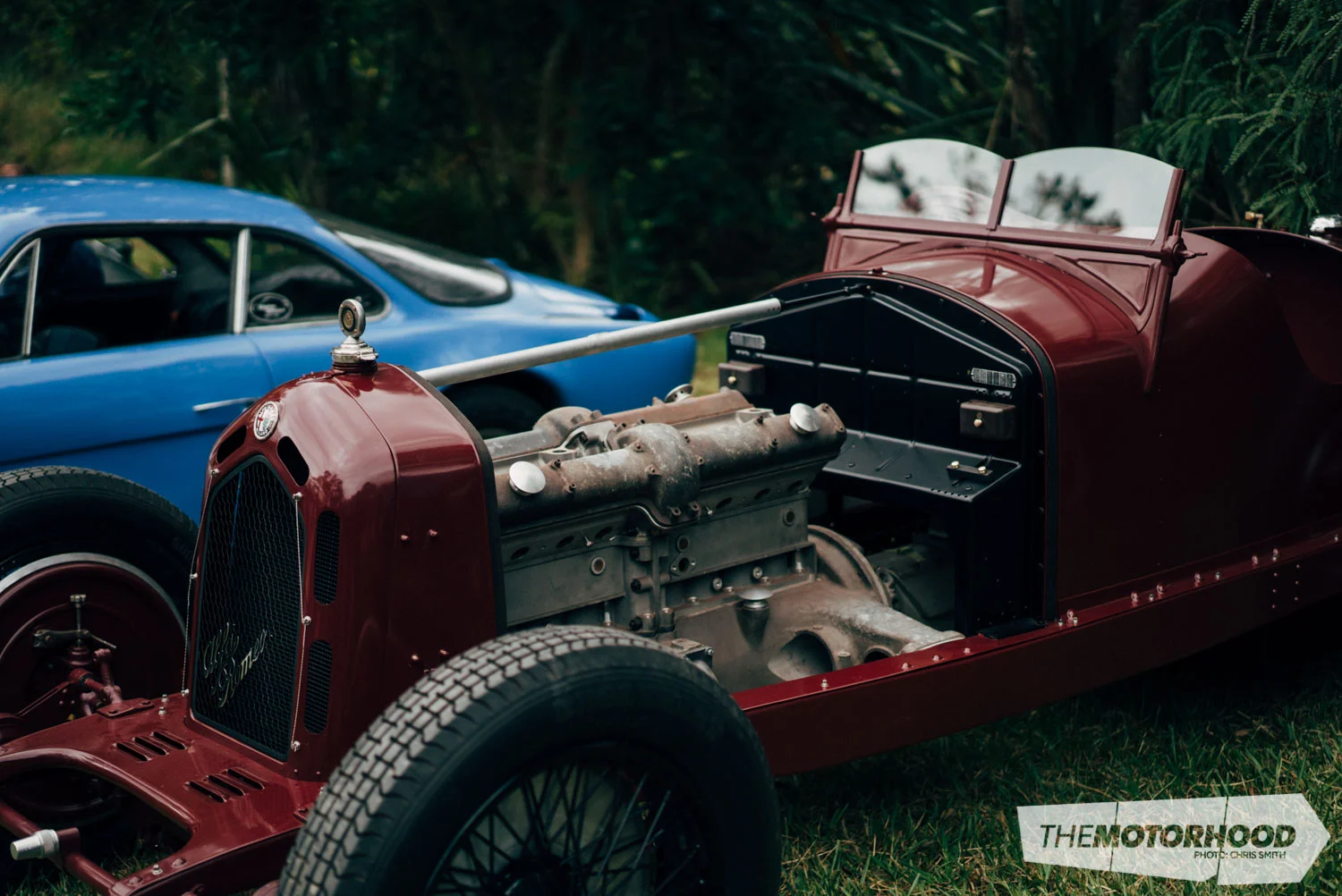
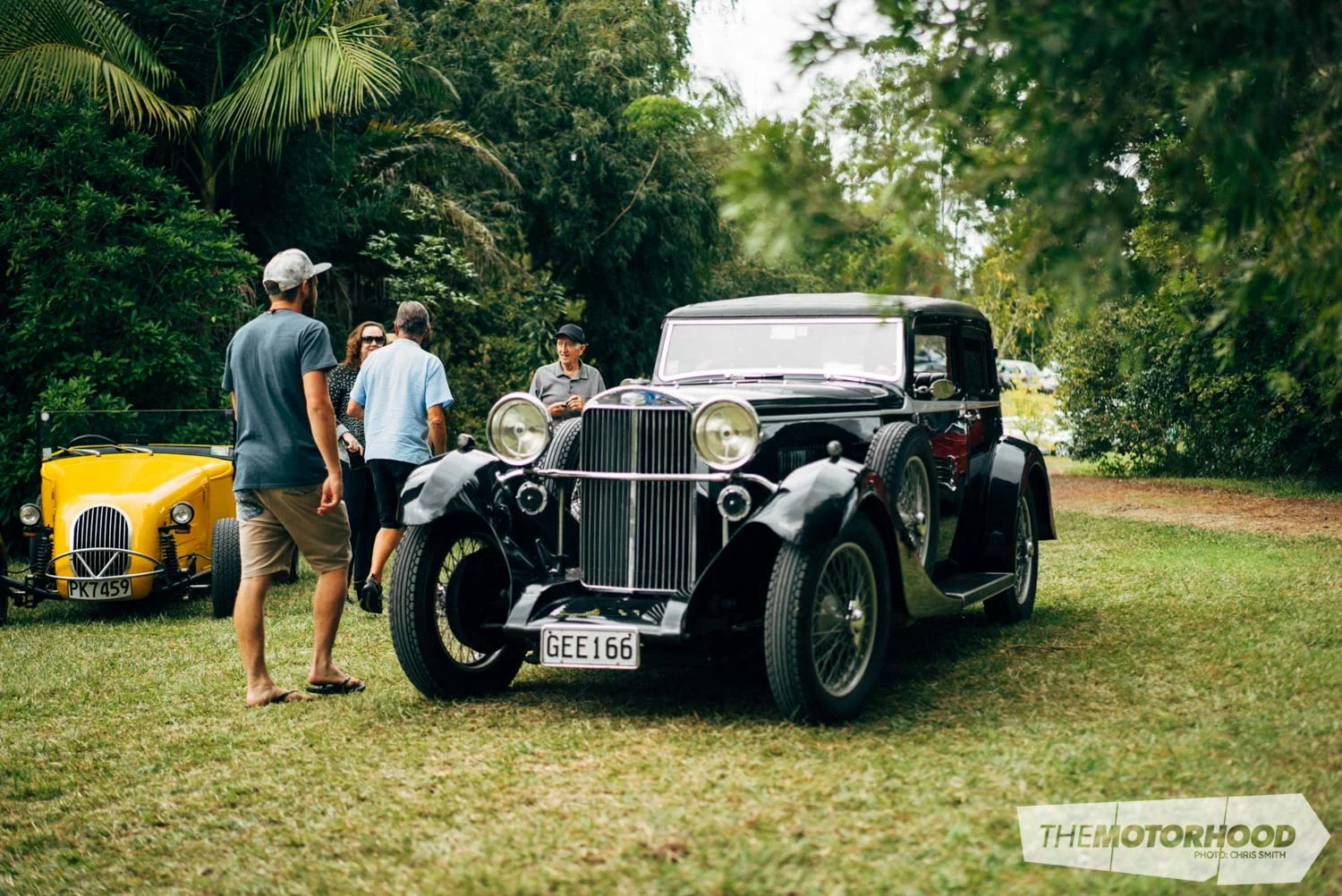
The owner of this Alfa Romeo 8C replica started with the radiator and has built it all from scratch, including the diff housing. Everything has been reproduced to the original specs. This is all being constructed in the owner’s shed, where he also runs a restoration business.
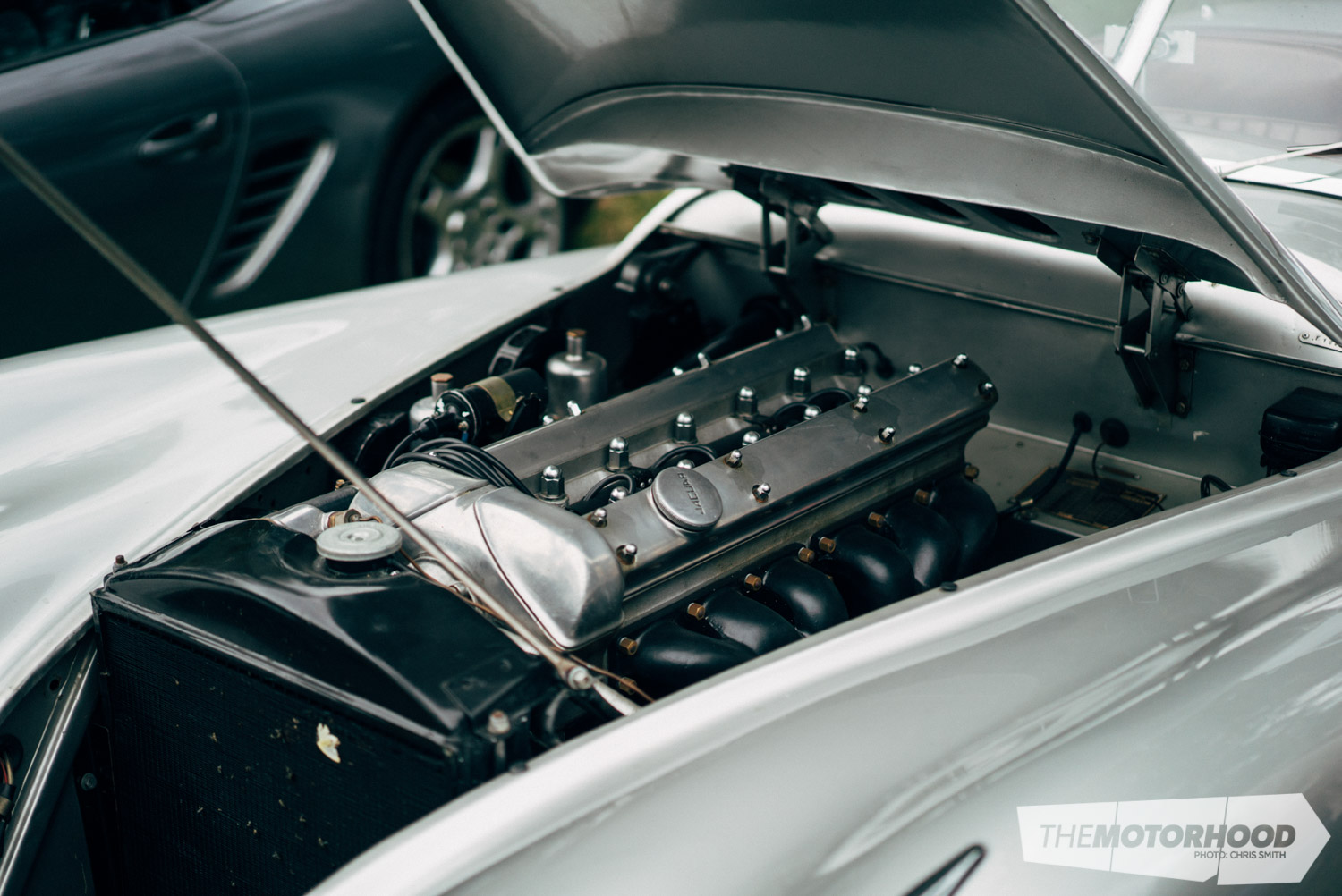
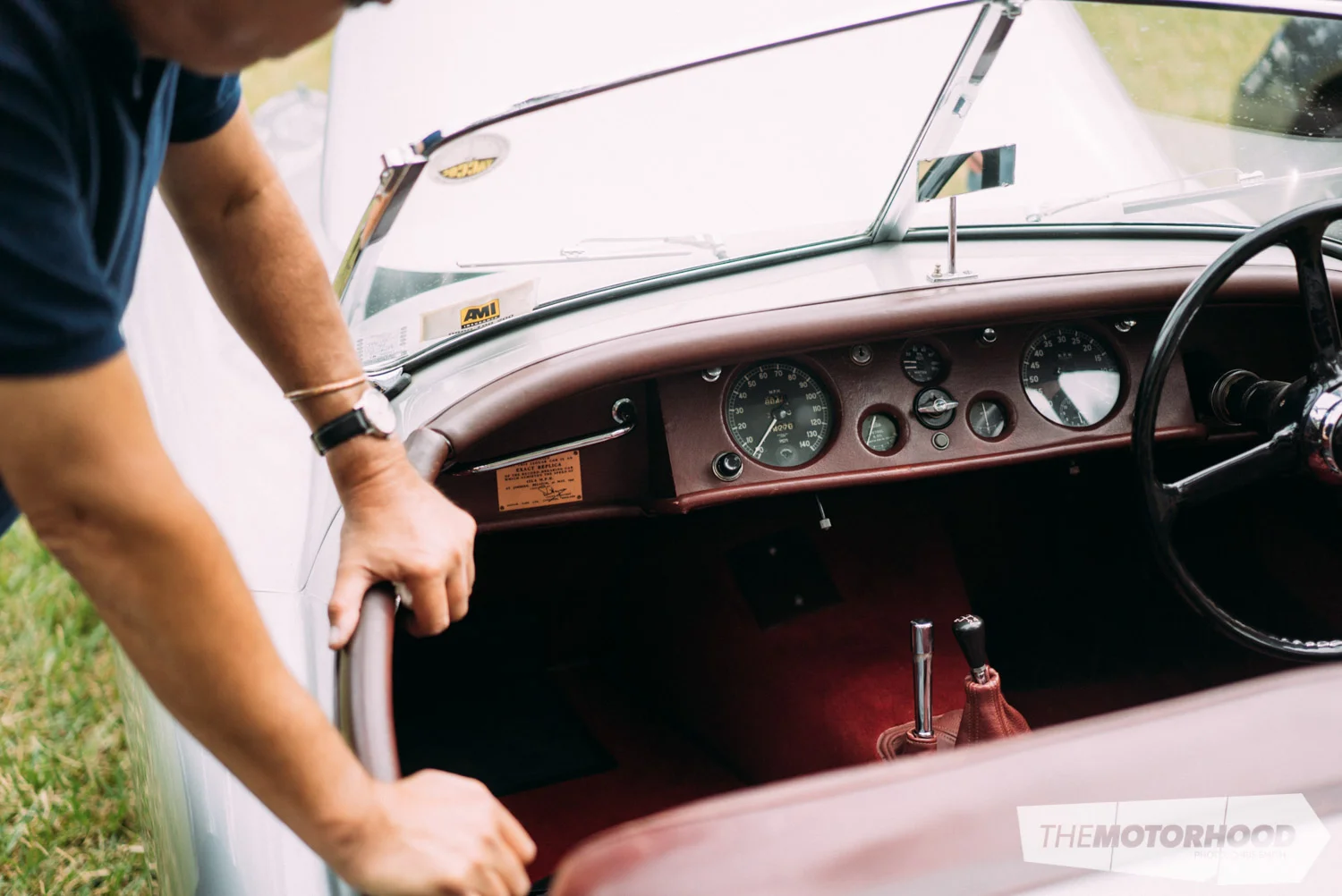
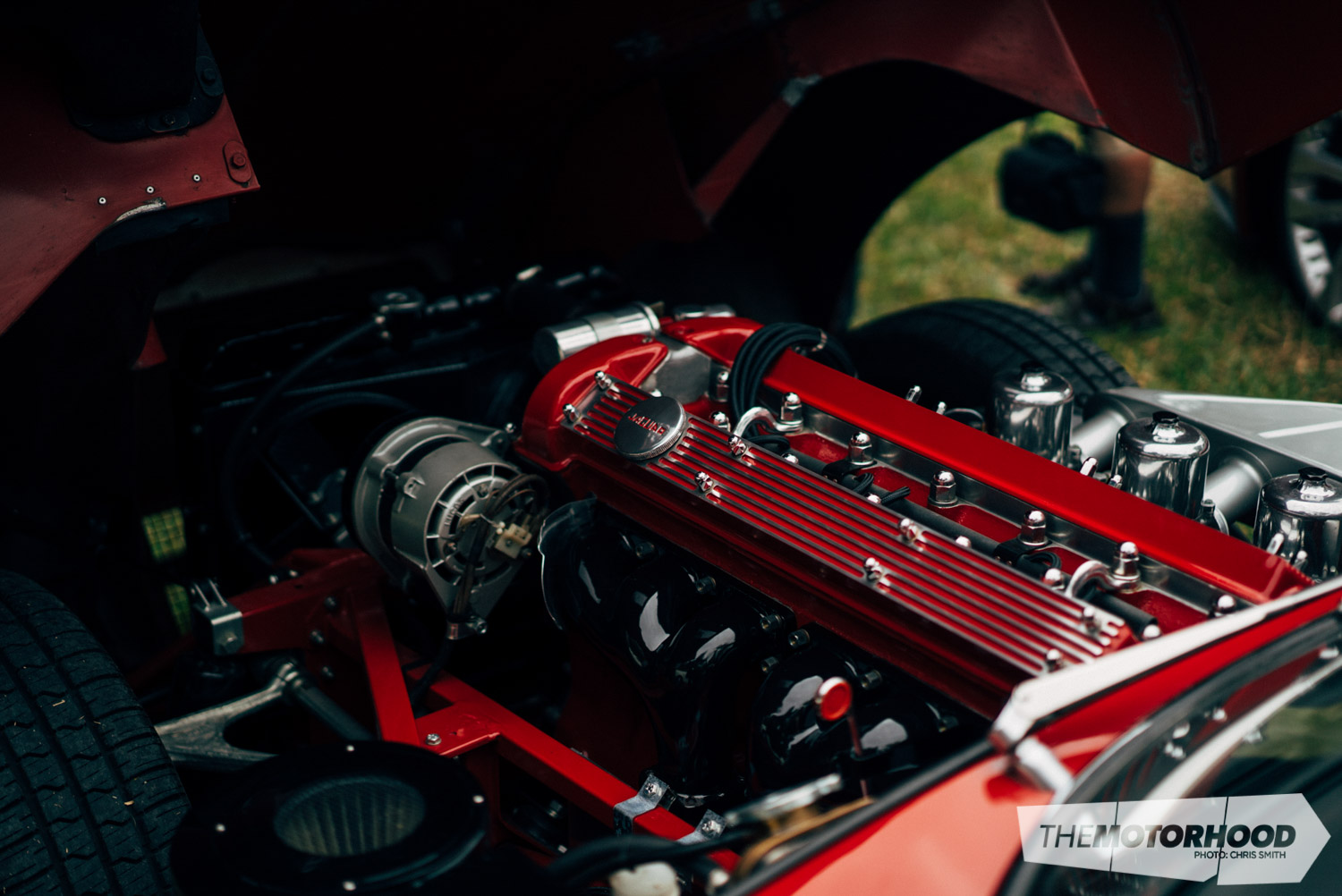
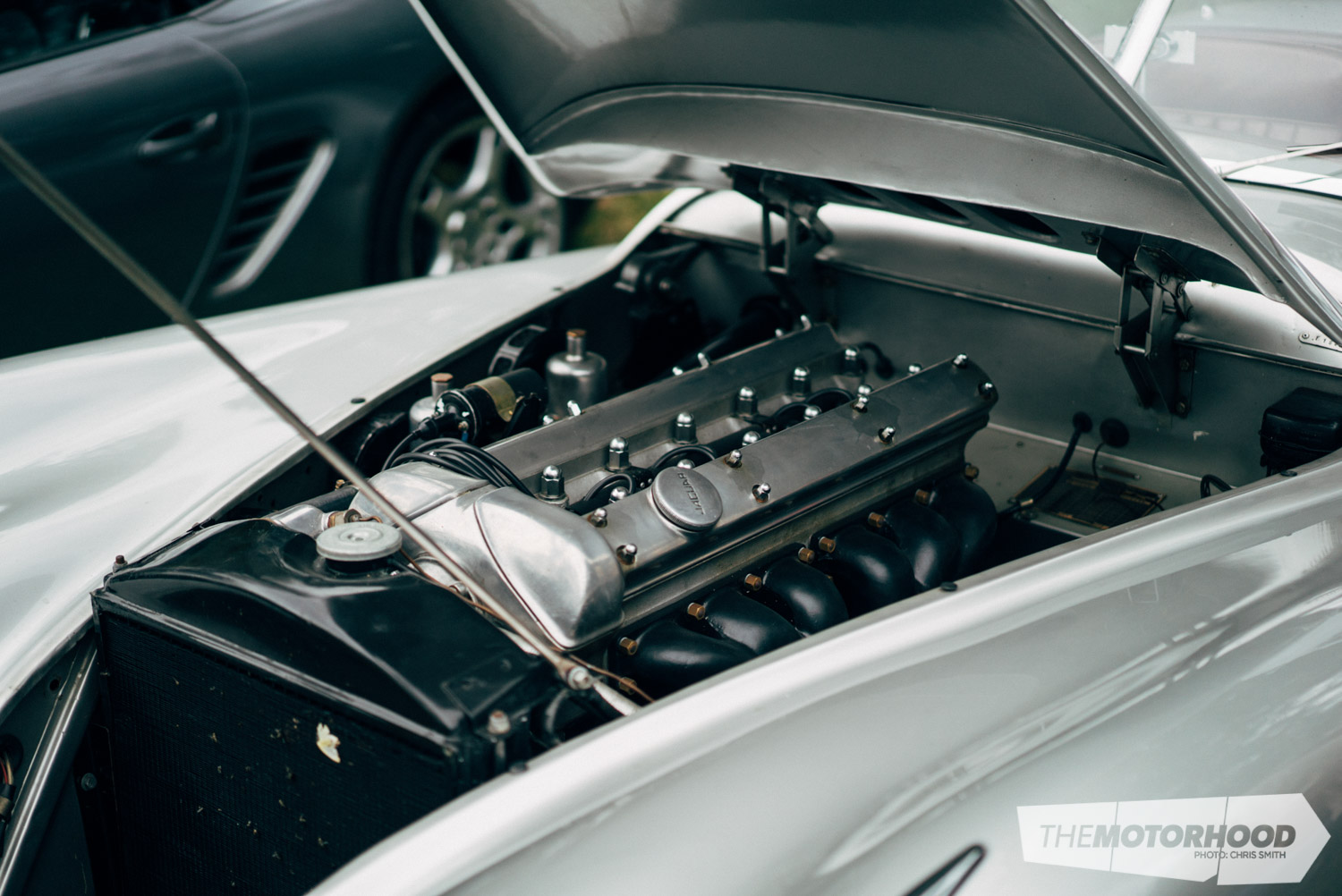
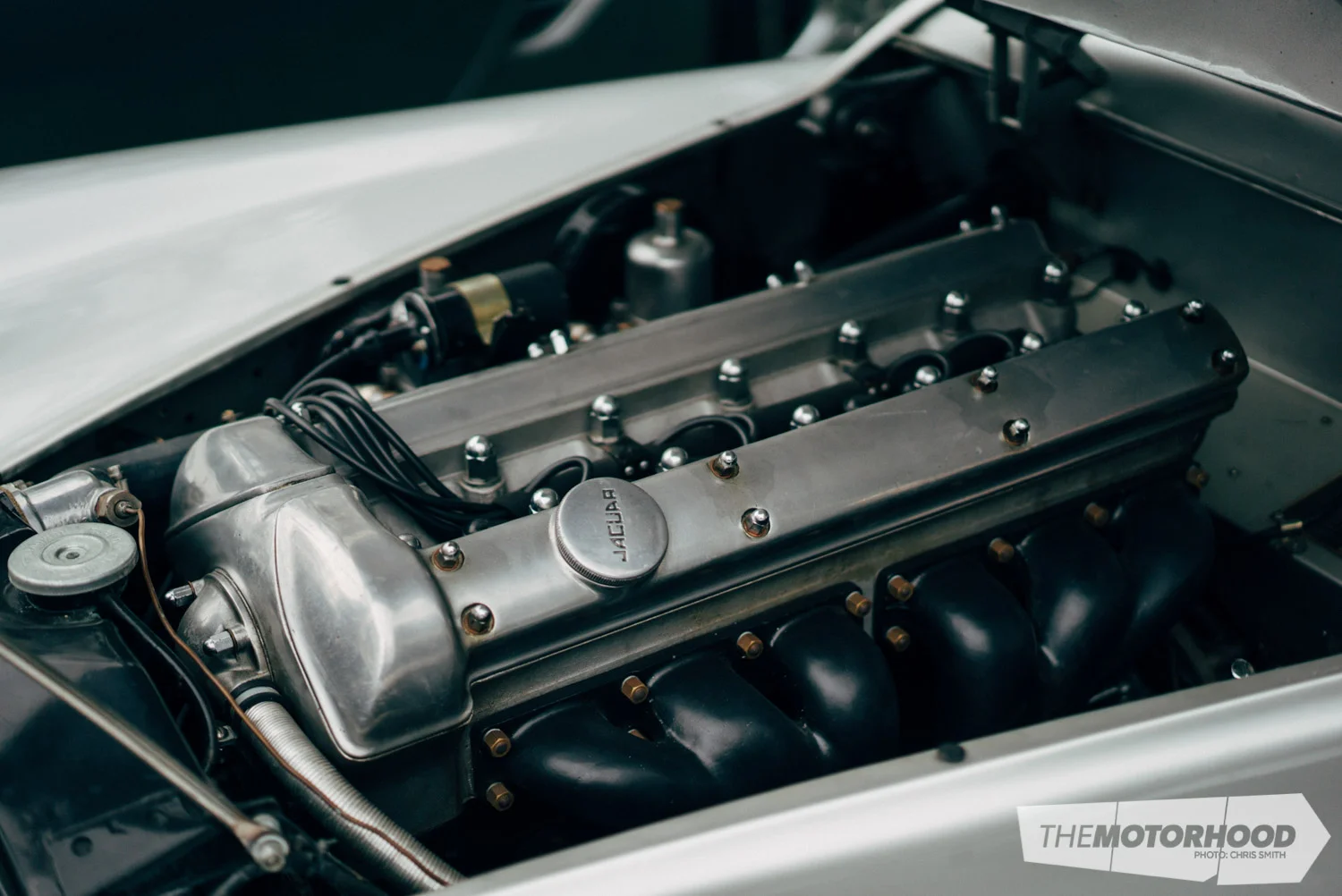
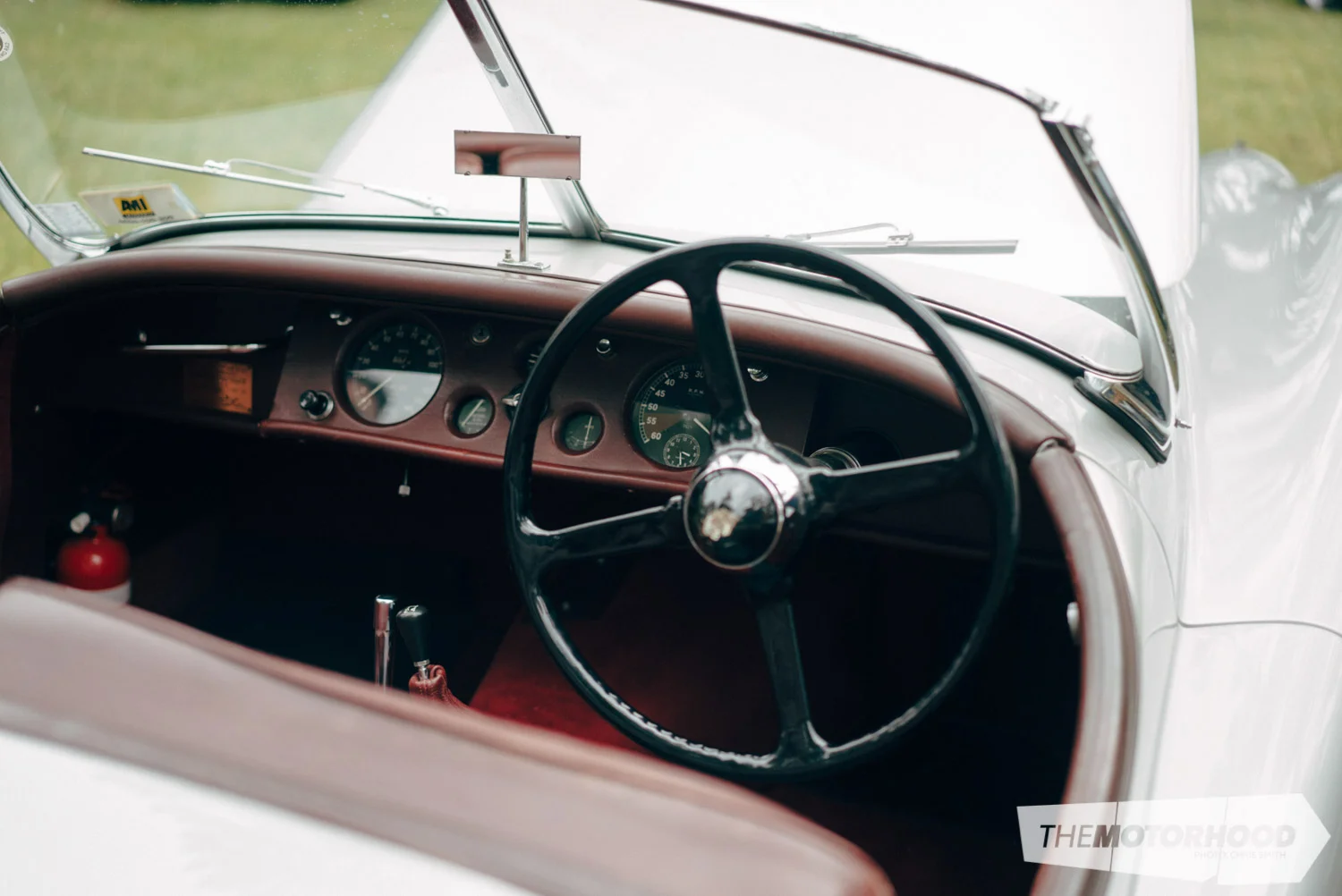
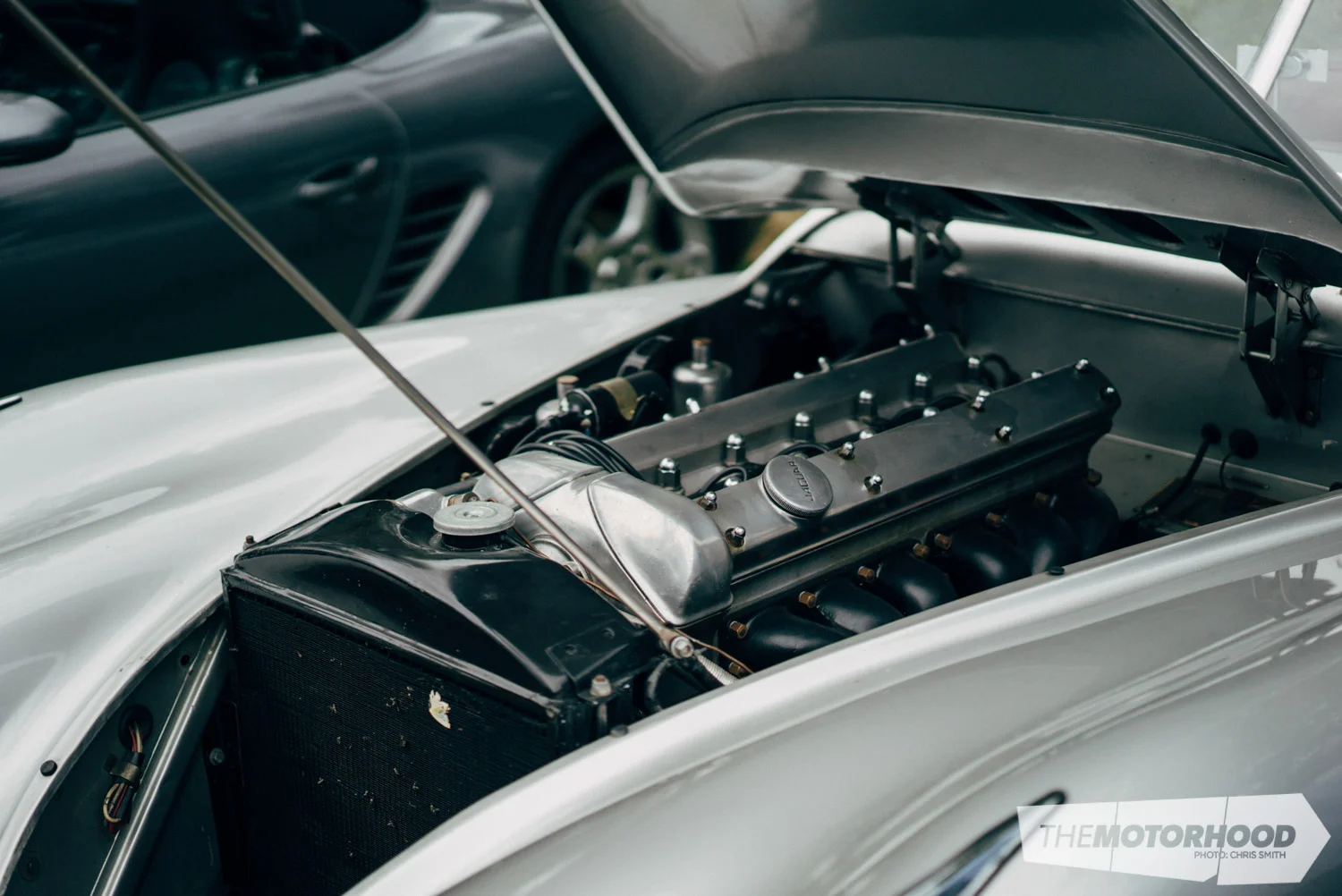
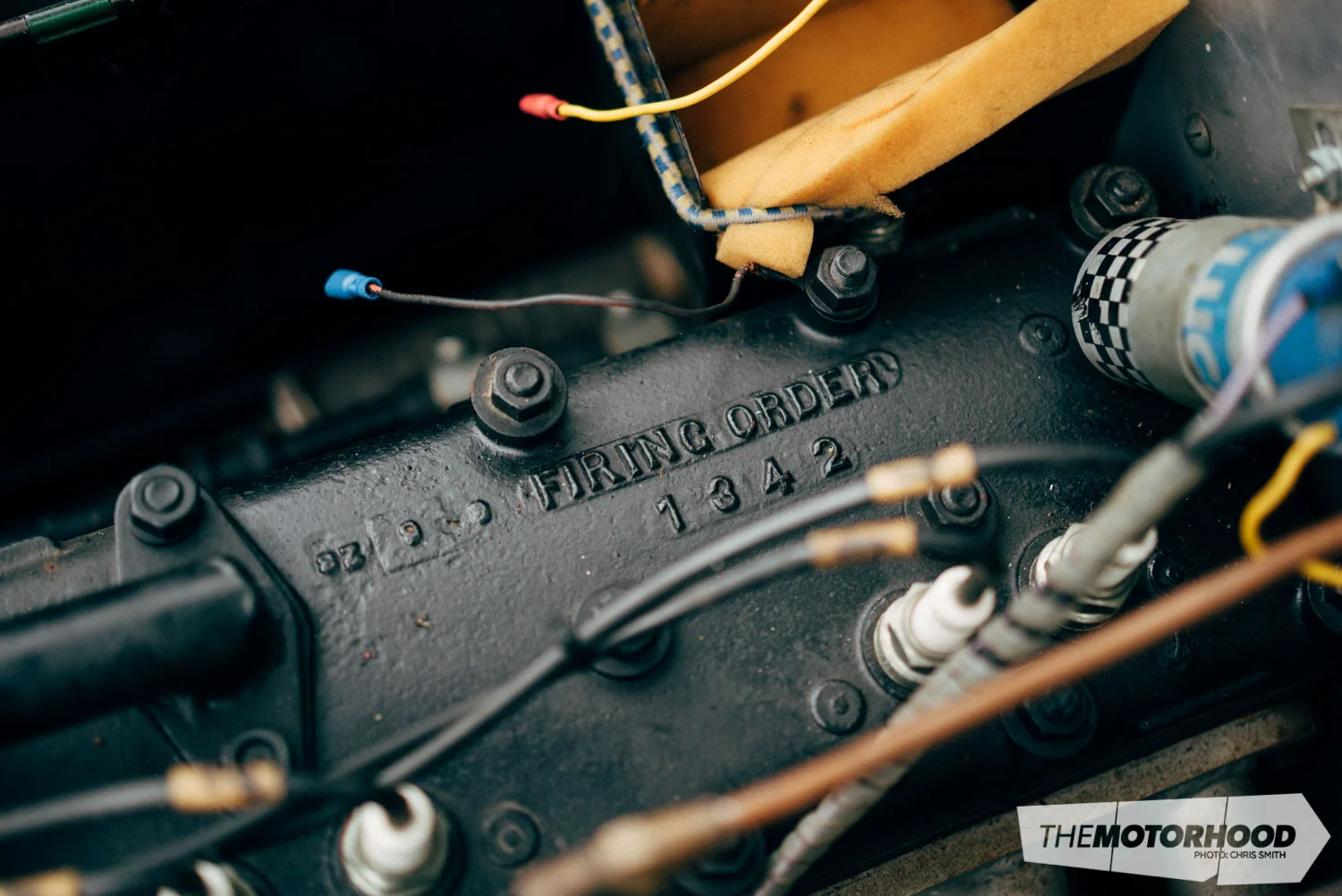
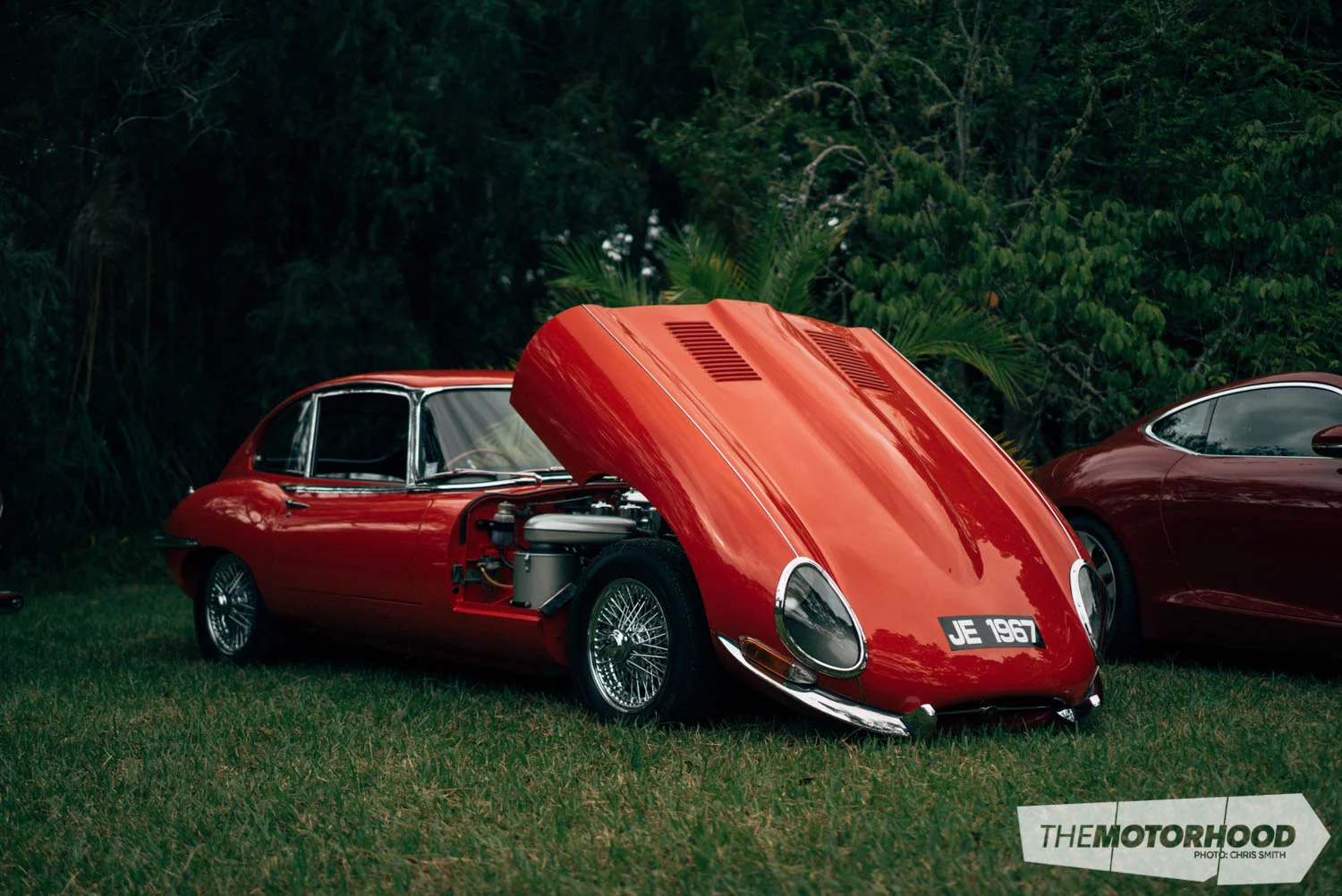
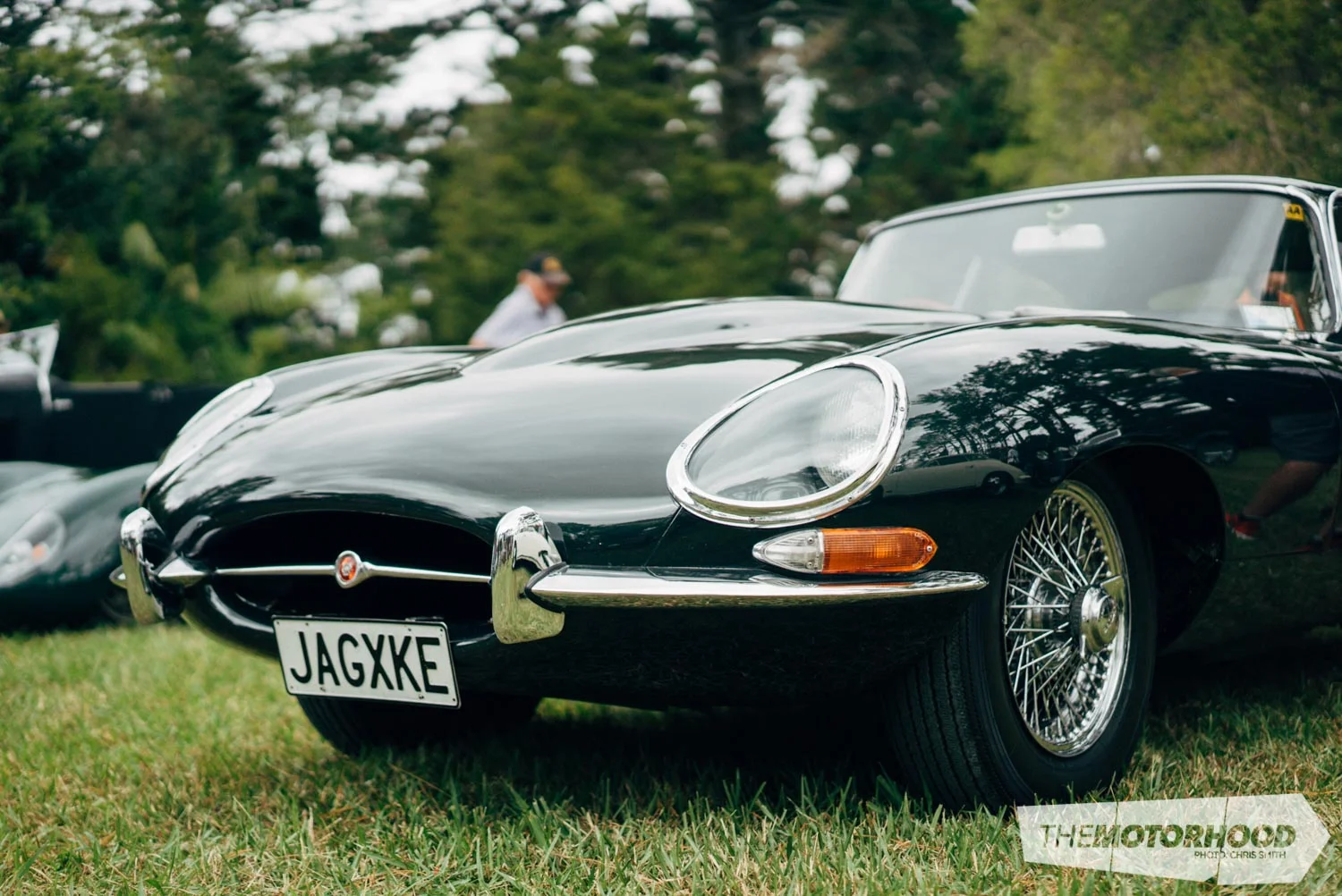
Check out this XK120 Jaguar engine bay. This is a genuine vehicle and was previously owned by the late Geoff Manning. He worked as a mechanic for Ford on Graham Hill’s , Chris Amon’s, Bruce McLaren’s, and Frank Williams’s vehicles. He was also one of the original developers of Hampton Downs. This car is now owned by Alan Woolf.
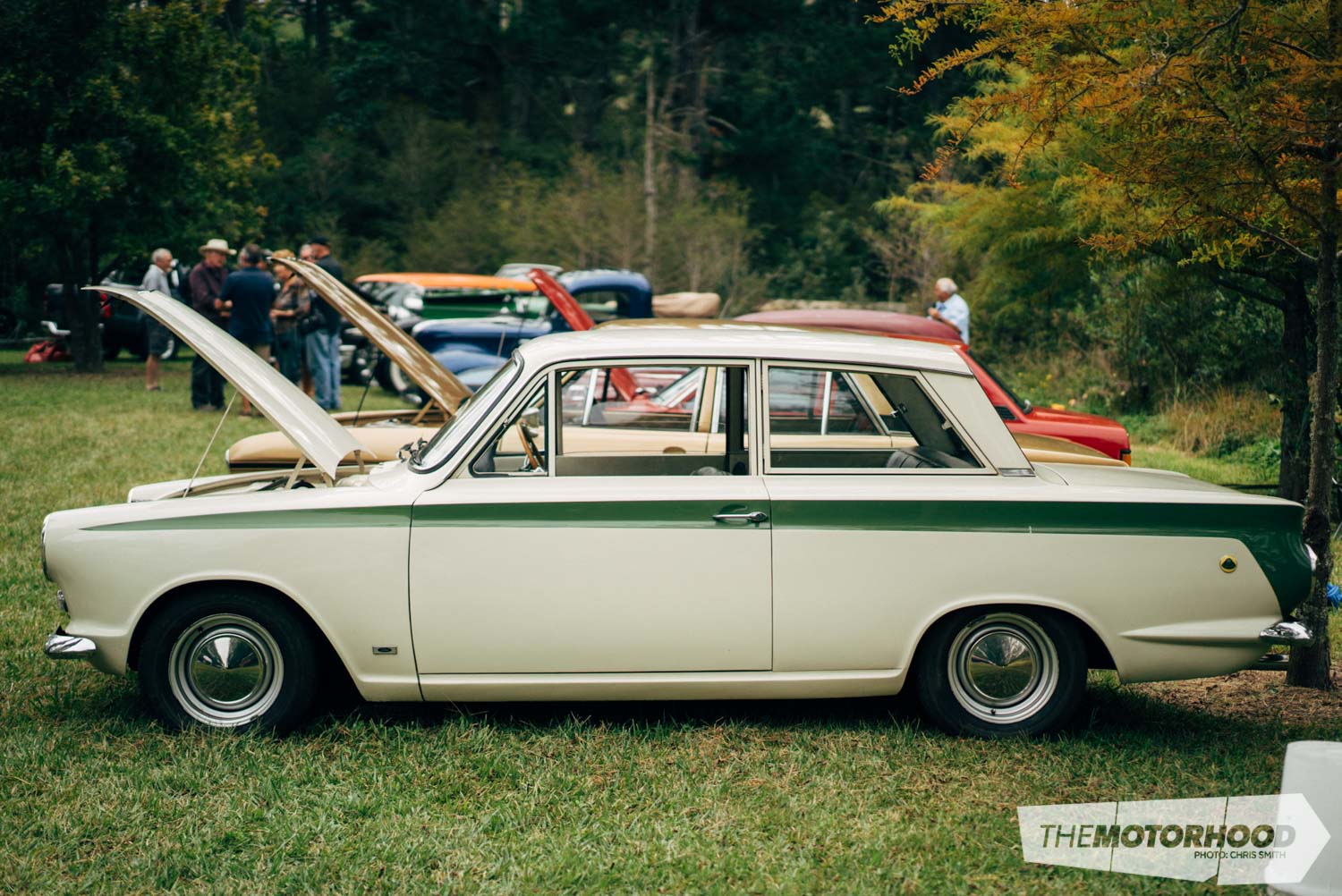
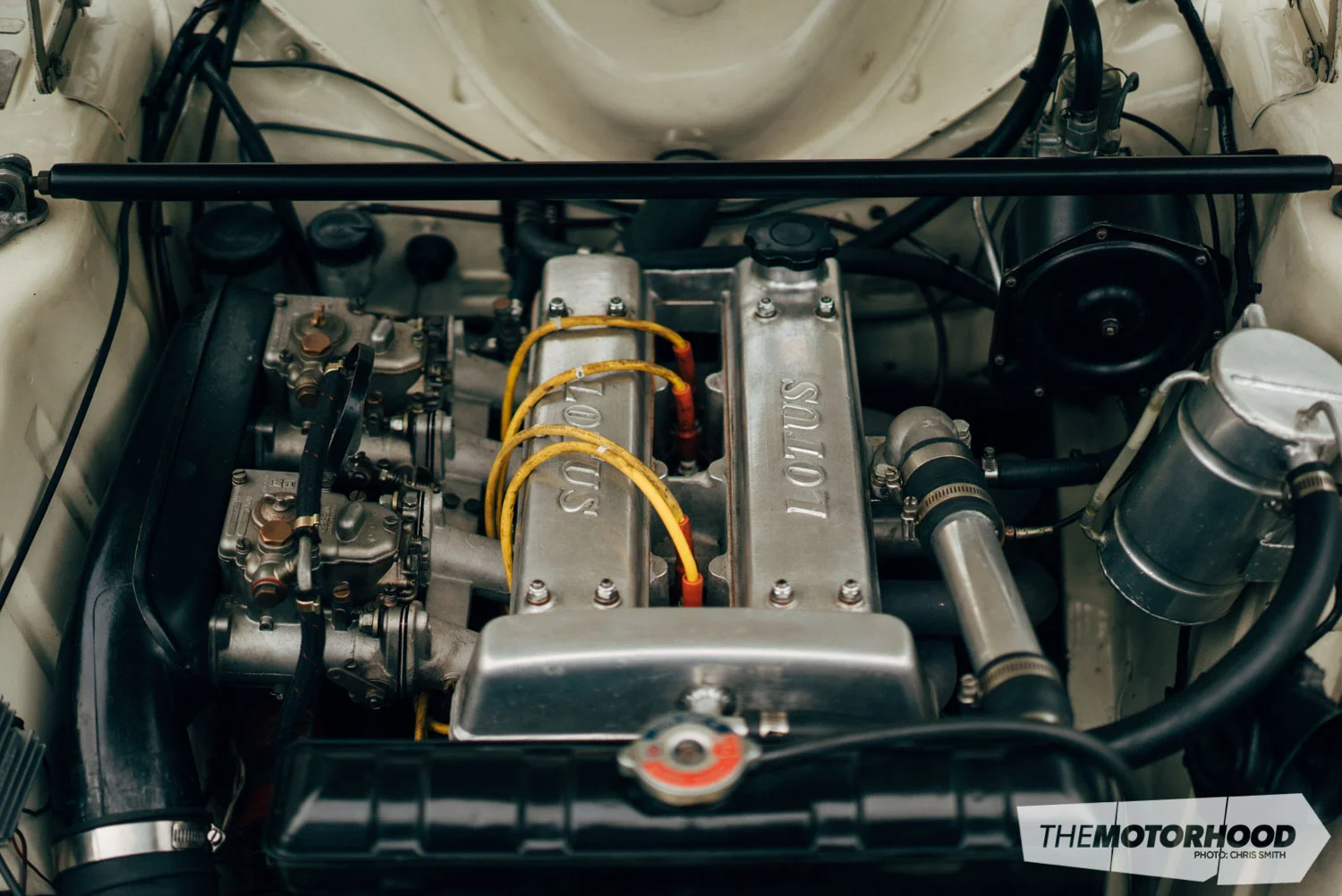
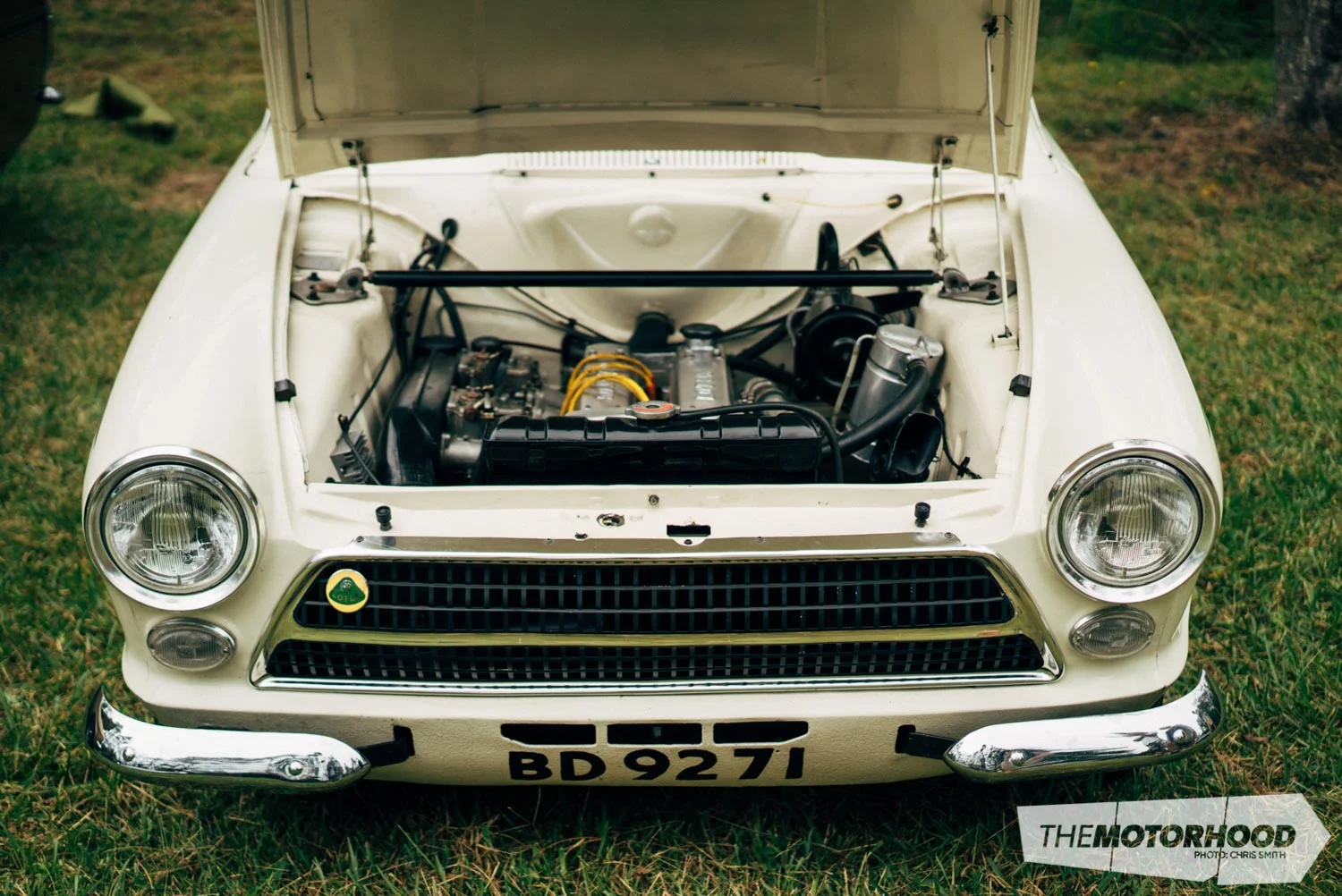
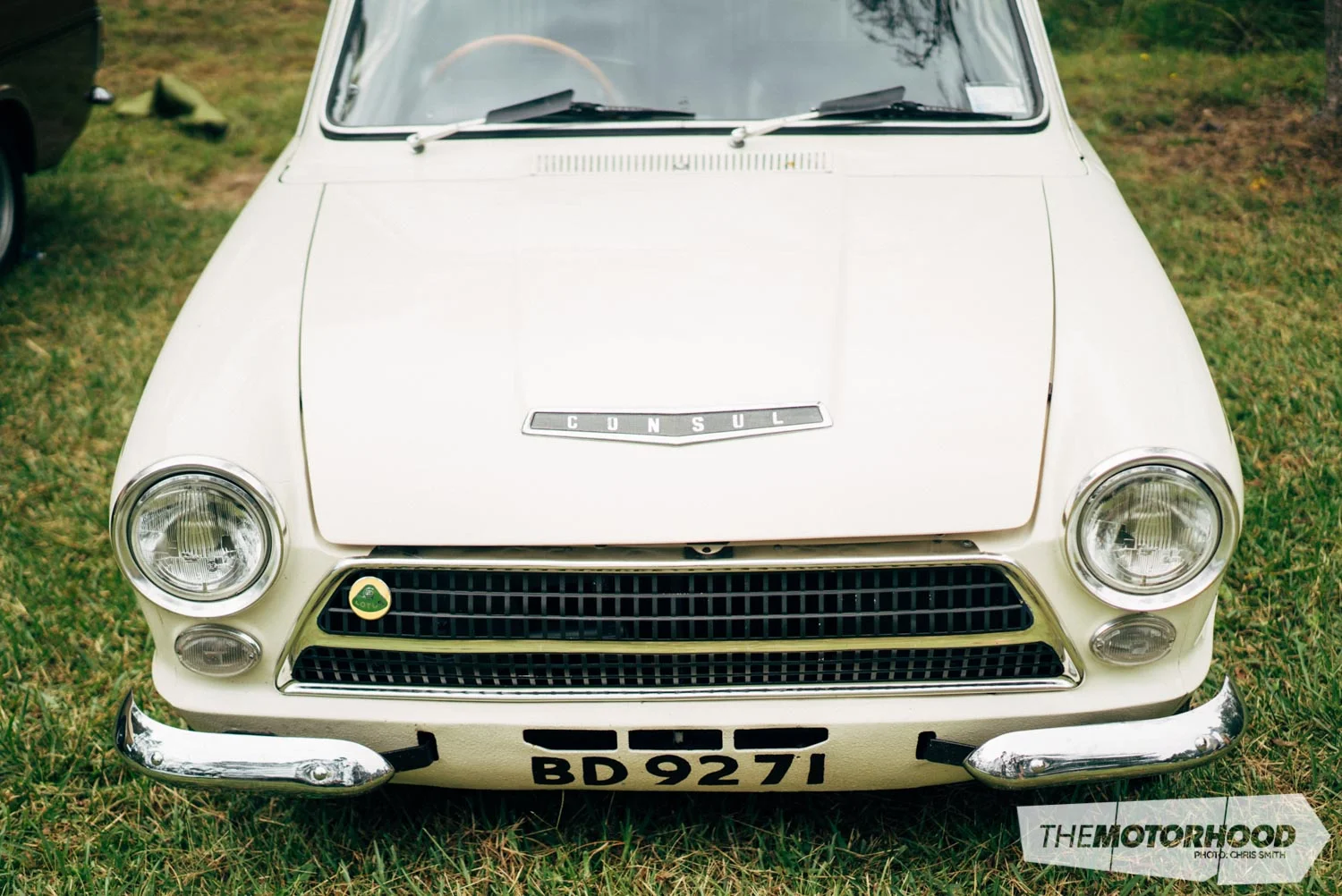
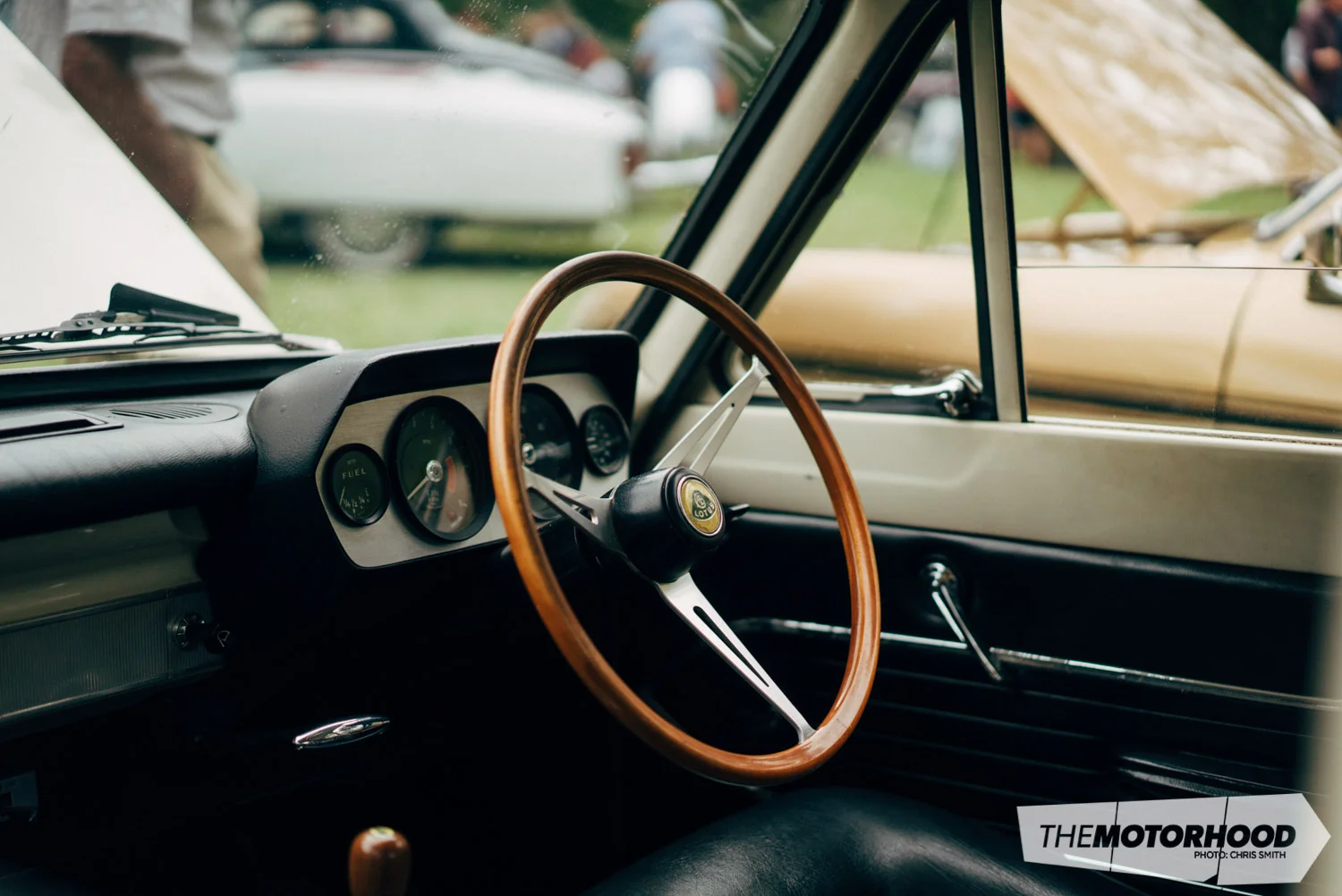
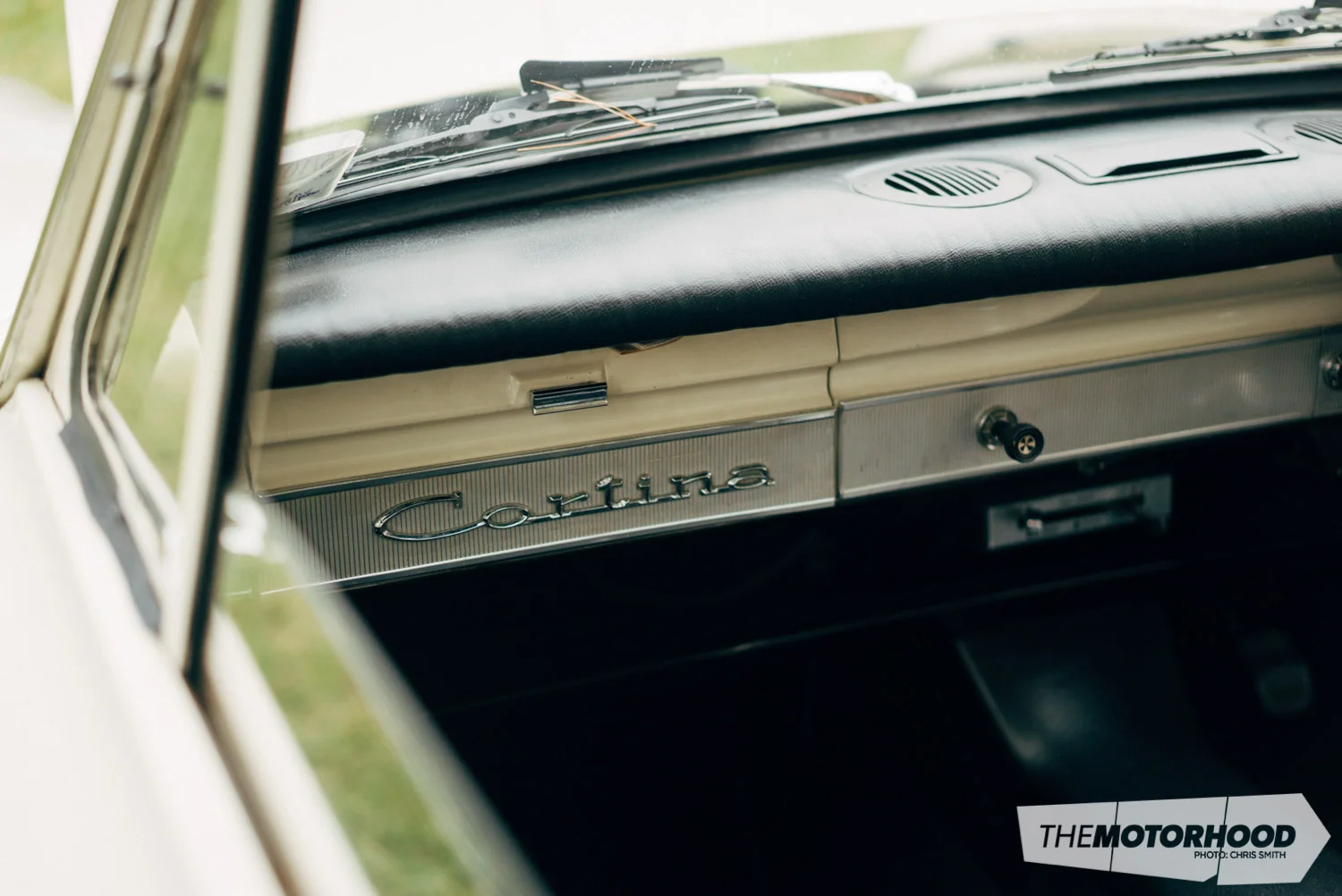
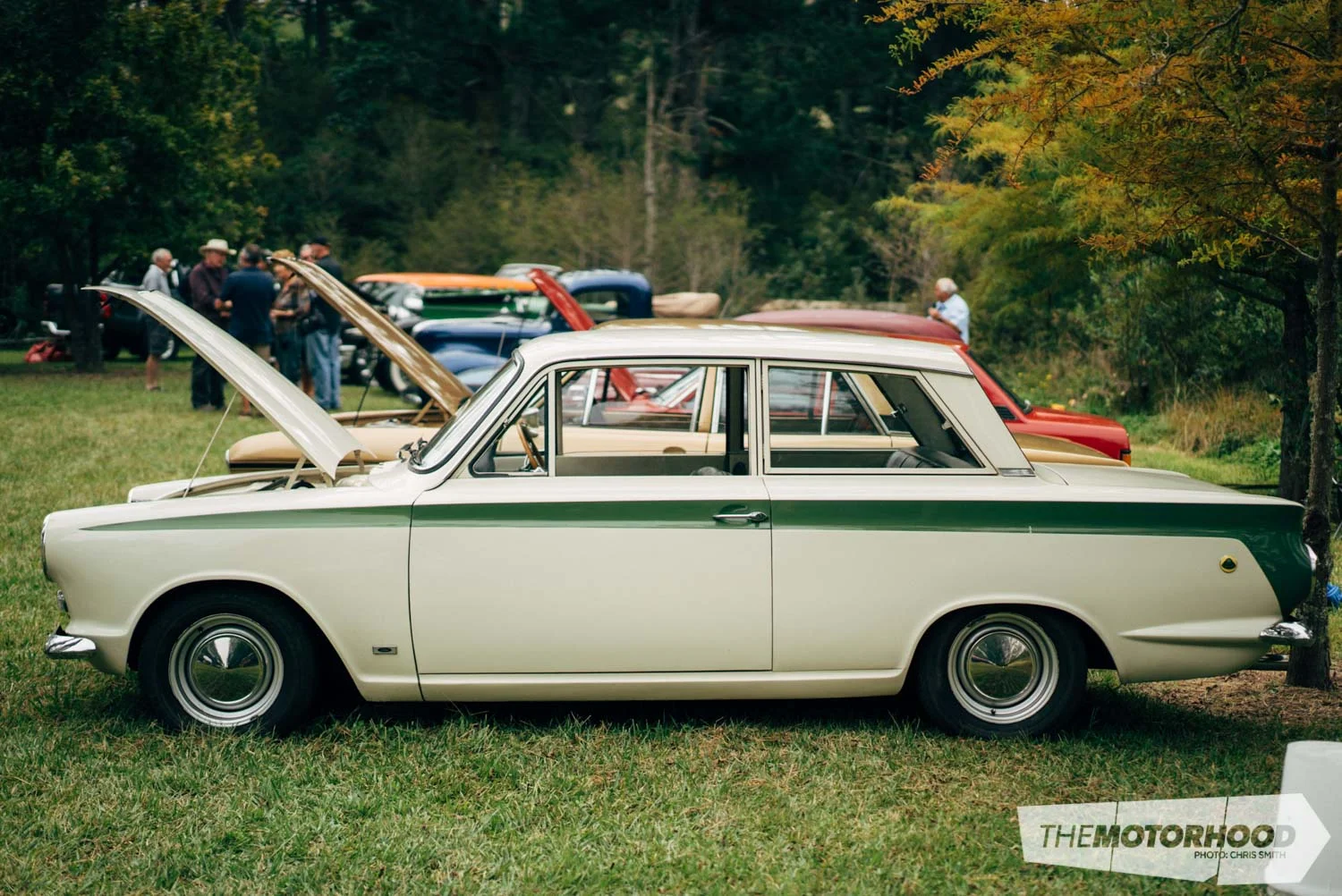
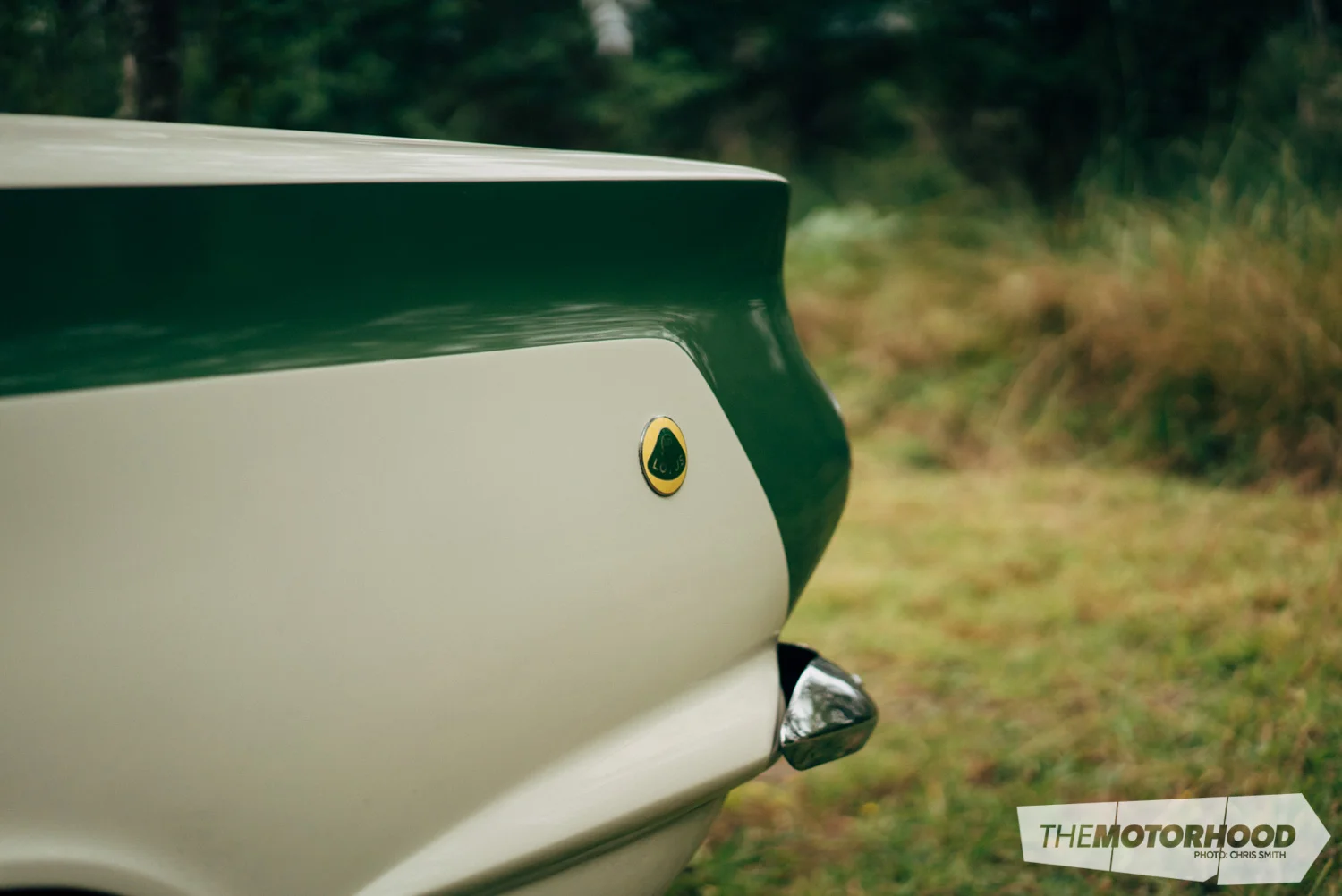
This 1963 Lotus Cortina is one of the original five cars brought into New Zealand by Ford for racing. The year 1963 was unique compared to other Lotus Cortinas due to the use of an A-frame rear end; an ultra-high, first-gear, close-ratio gearbox; and extensive use of aluminium panels (bonnet, doors, and boot). Alan Woolf ran this car in for the original owner. It has an extensive racing history, including classic racing in the hands of Paul Adams, before being bought by Alan Woolf. He continued racing it until retiring the vehicle. It is still driven regularly and Alan remains the owner.
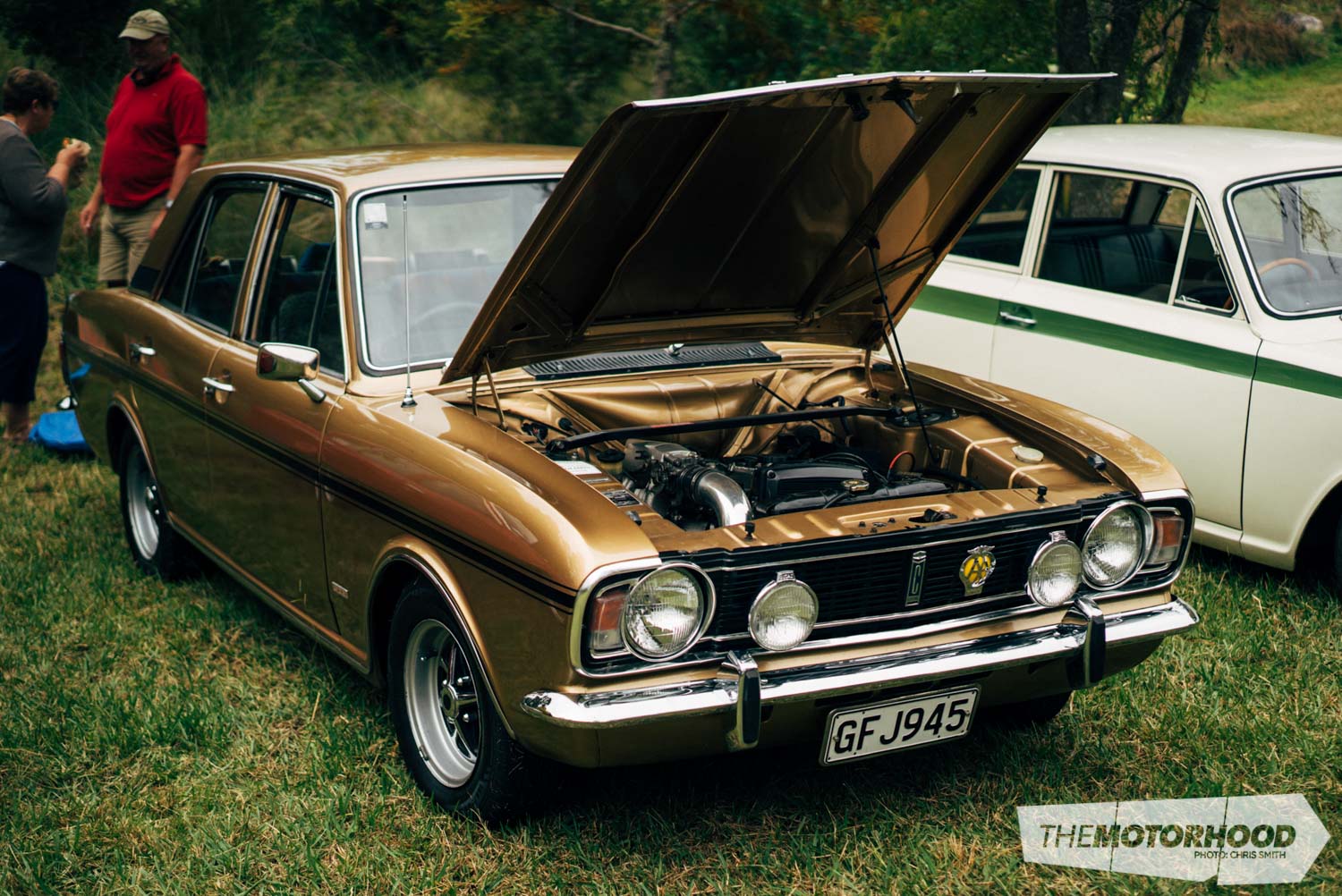
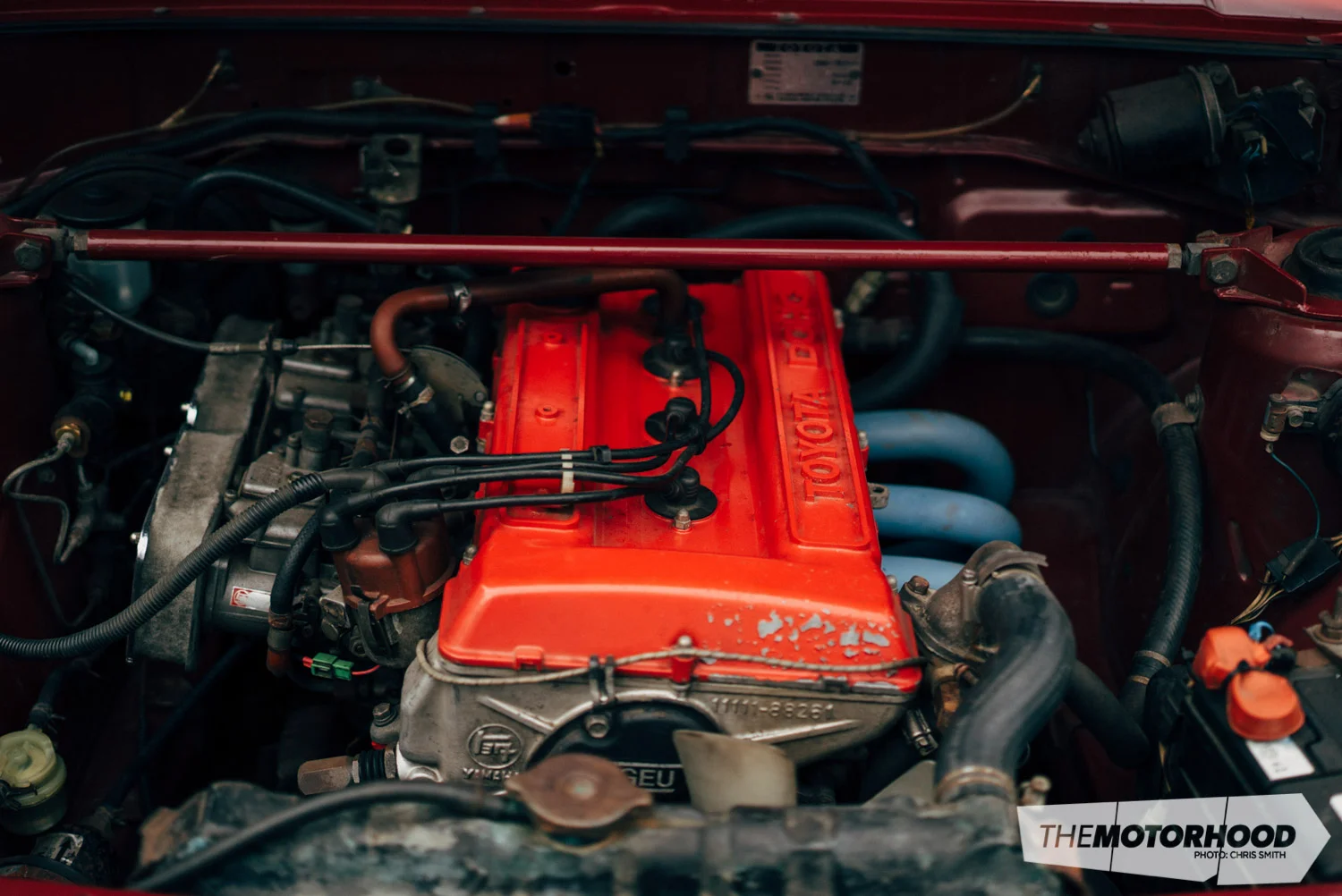
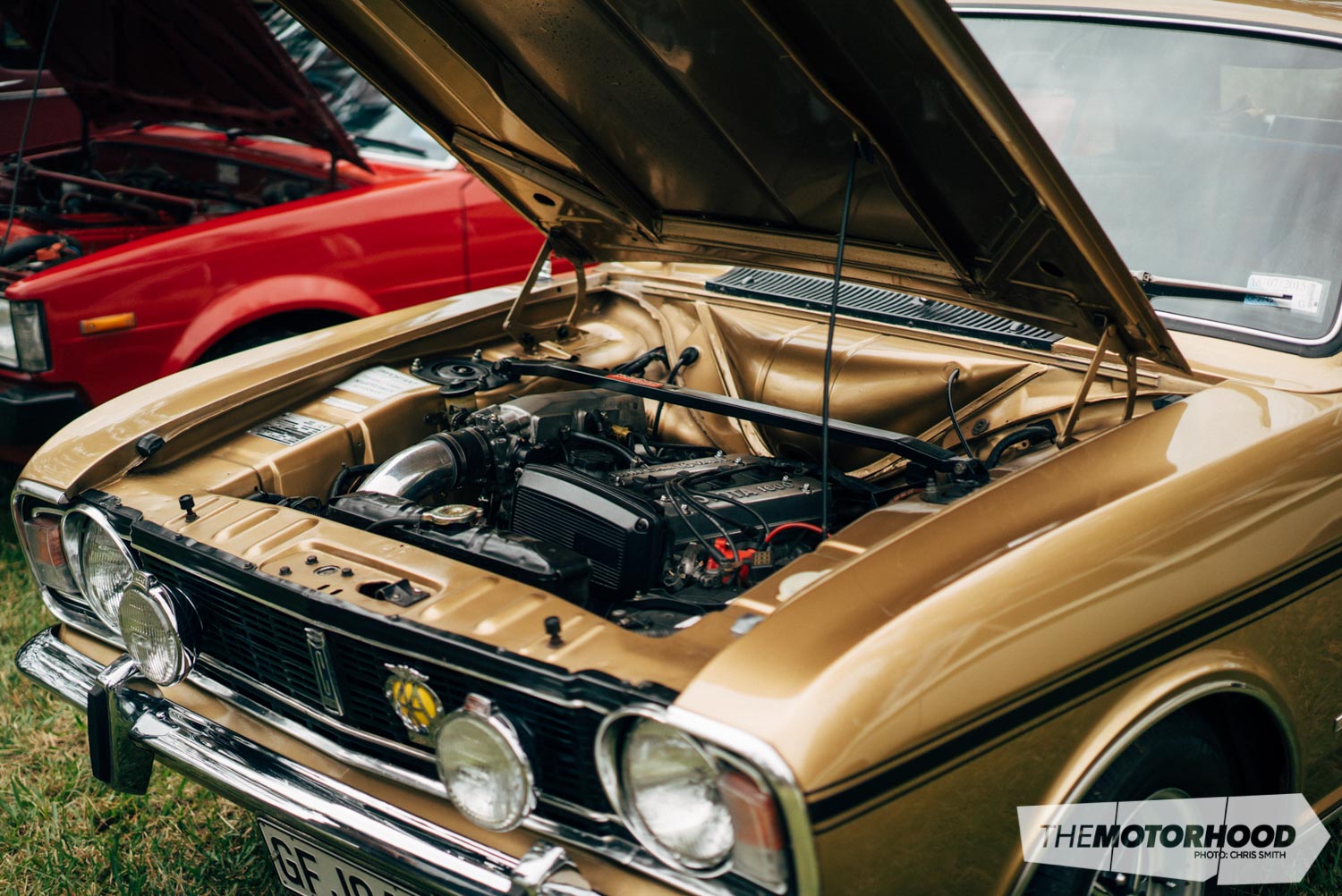
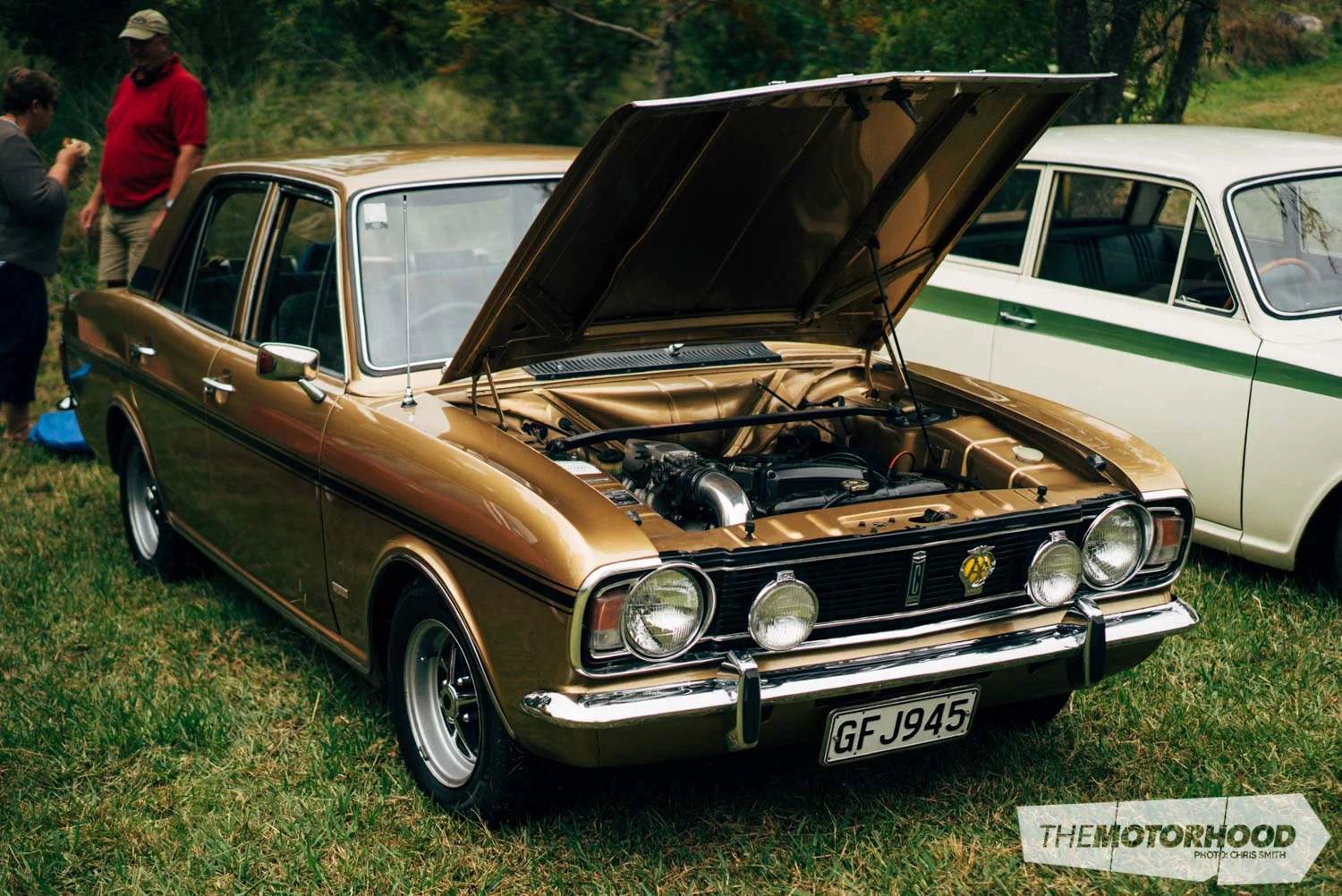
This is a genuine 1970 Mk2 Ford Cortina GTE. It was manufactured only in New Zealand for one year. It incorporates GTE running gear with 1600E seating, and some special extras. This example has a Toyota 4AGE-injected engine, with a five-speed Toyota gearbox. The car was built entirely in the McFarlane-family garage from a bare shell. It is now owned by Scott McFarlane. The vehicle can be restored to original condition by replacing the engine and gearbox as no body alterations were made. This was due to the classic nature of the vehicle.

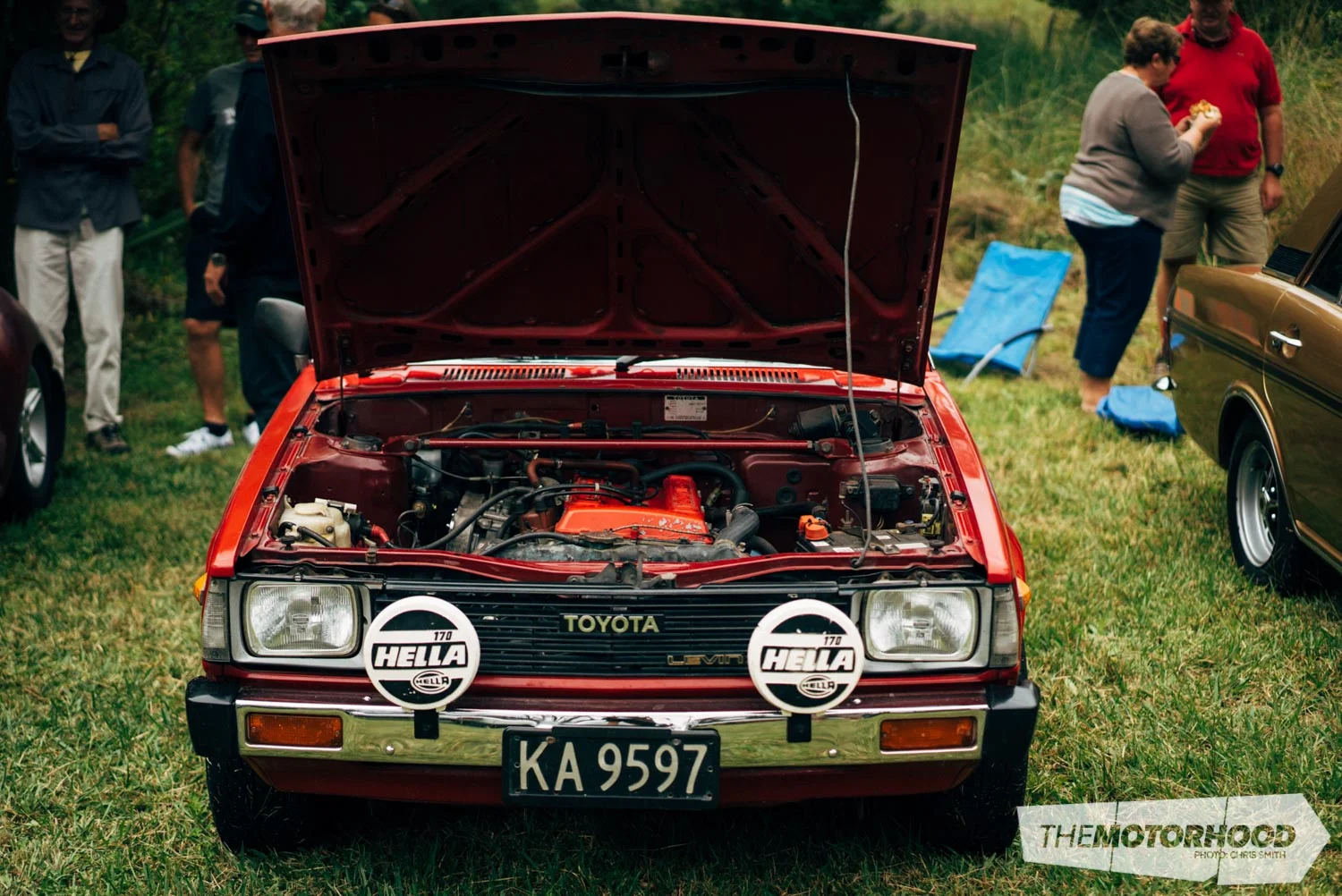
Earle McFarlane has owned this 1980 Toyota Corolla DX for the last 26 years. The vehicle was built in 1989 in the McFarlane-family garage, running a 2TG motor with TRD cams, and other modifications. It runs a TE71 limited slip-disc brake rear end, quick-ratio steering rack, and other period modifications. It’s been used in multiple club-level events over the years and still has only 130,000kms on the clock.
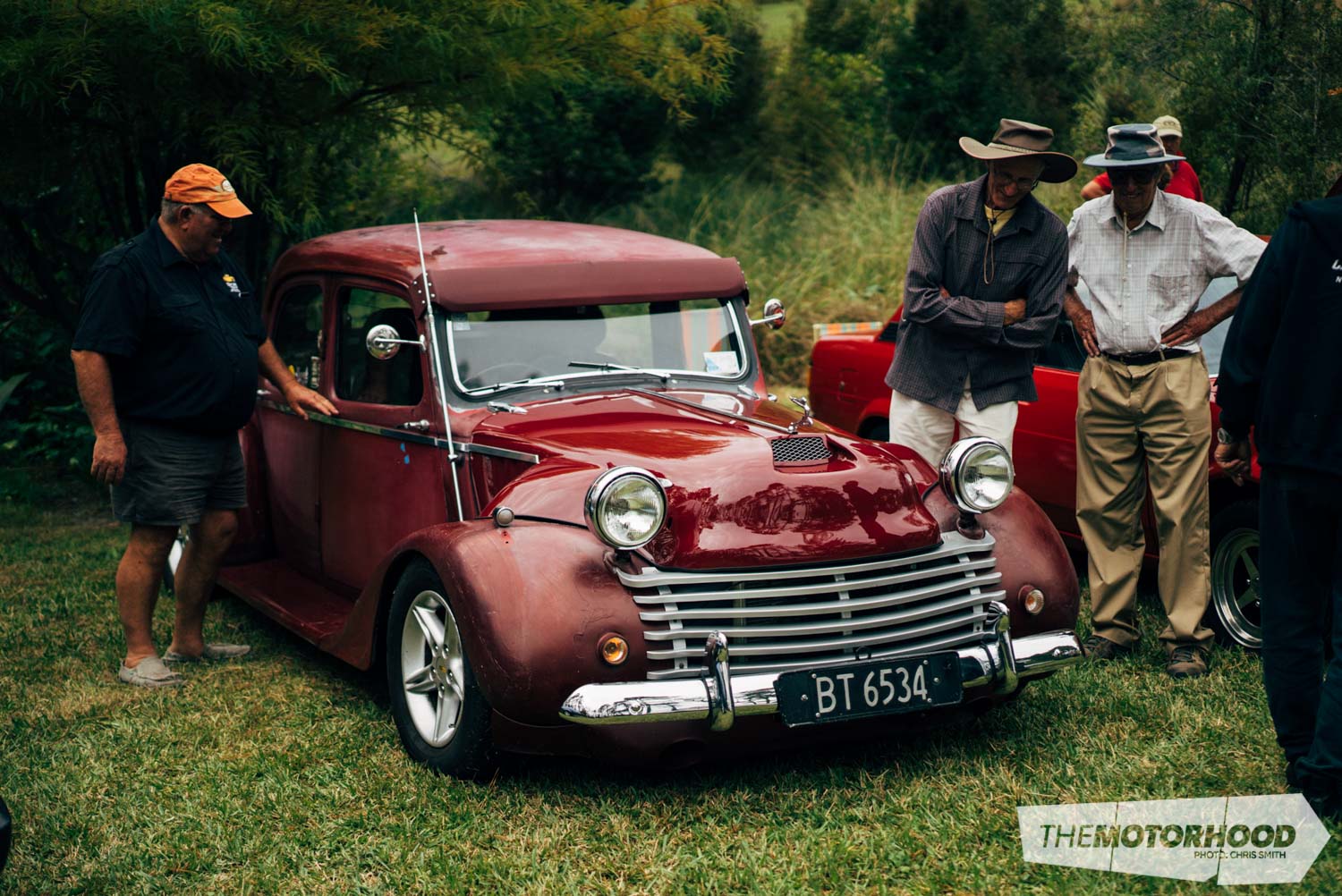
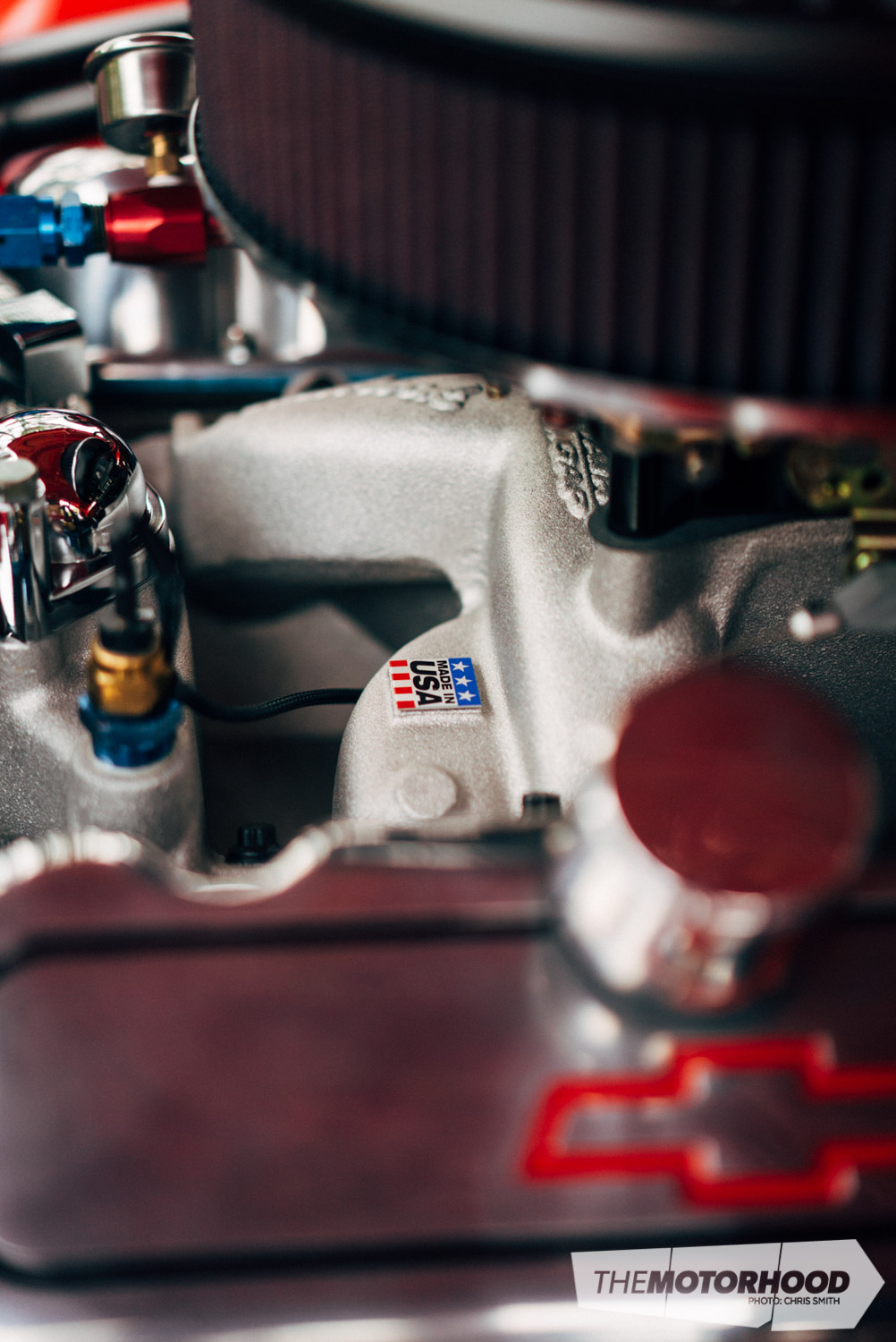
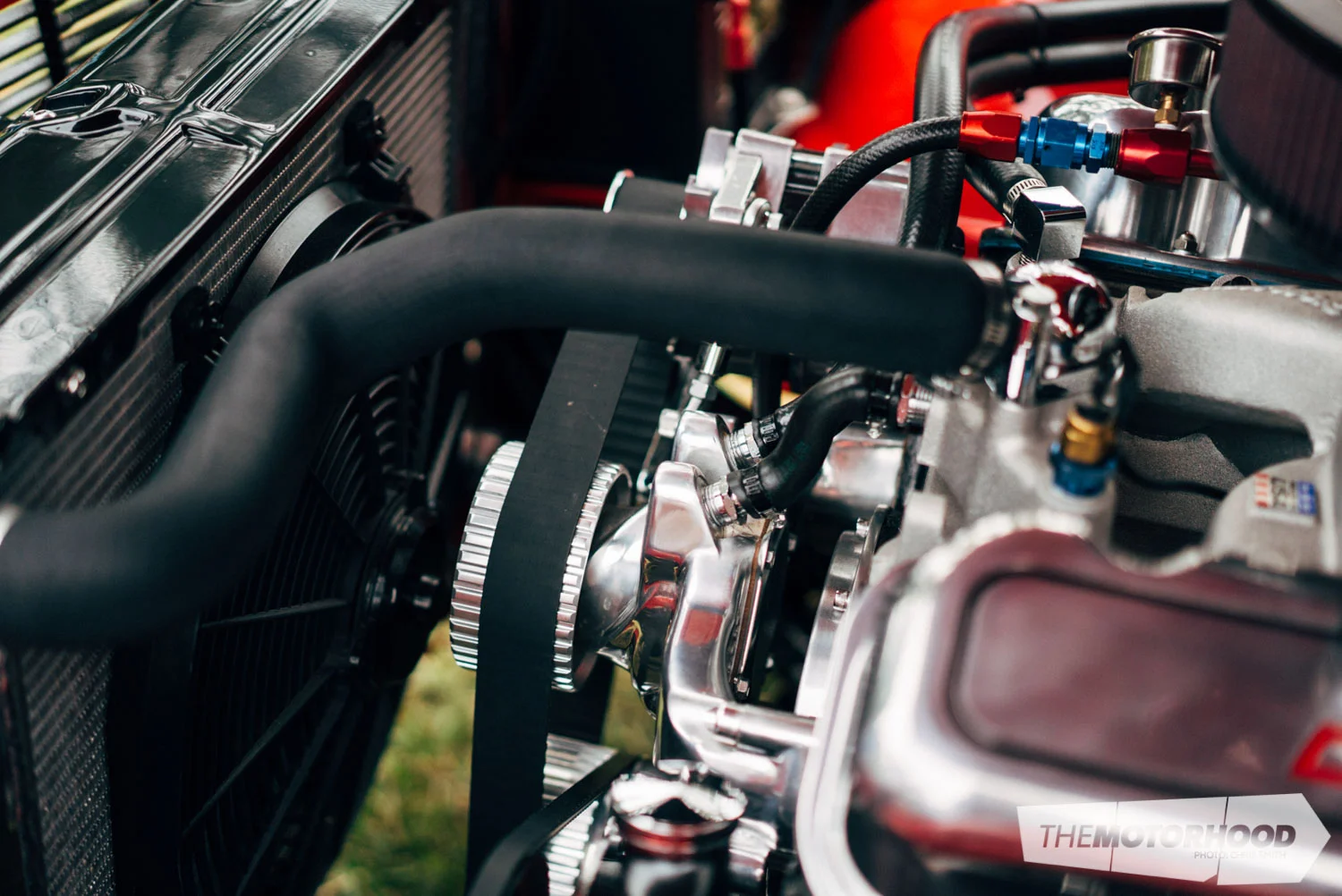
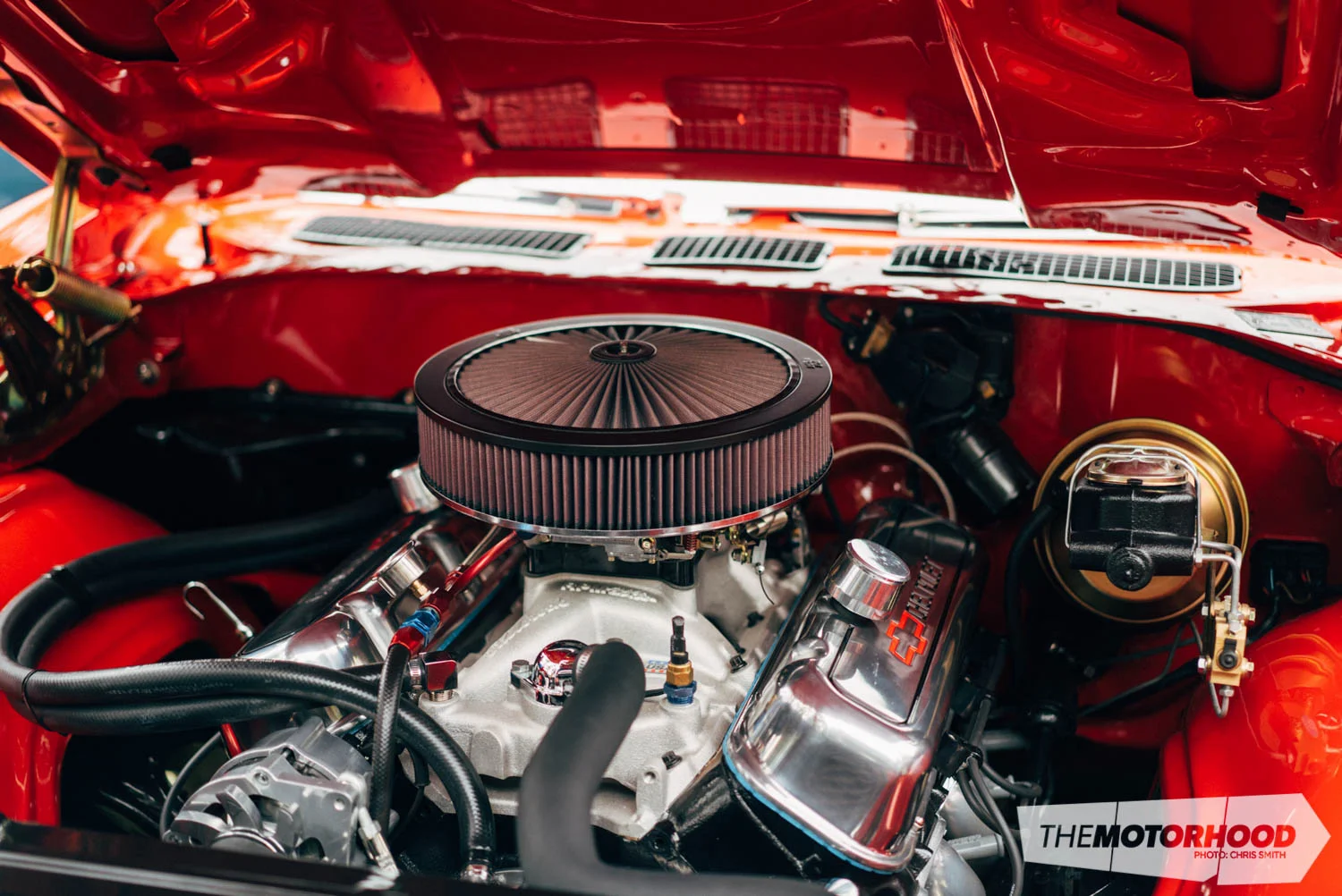
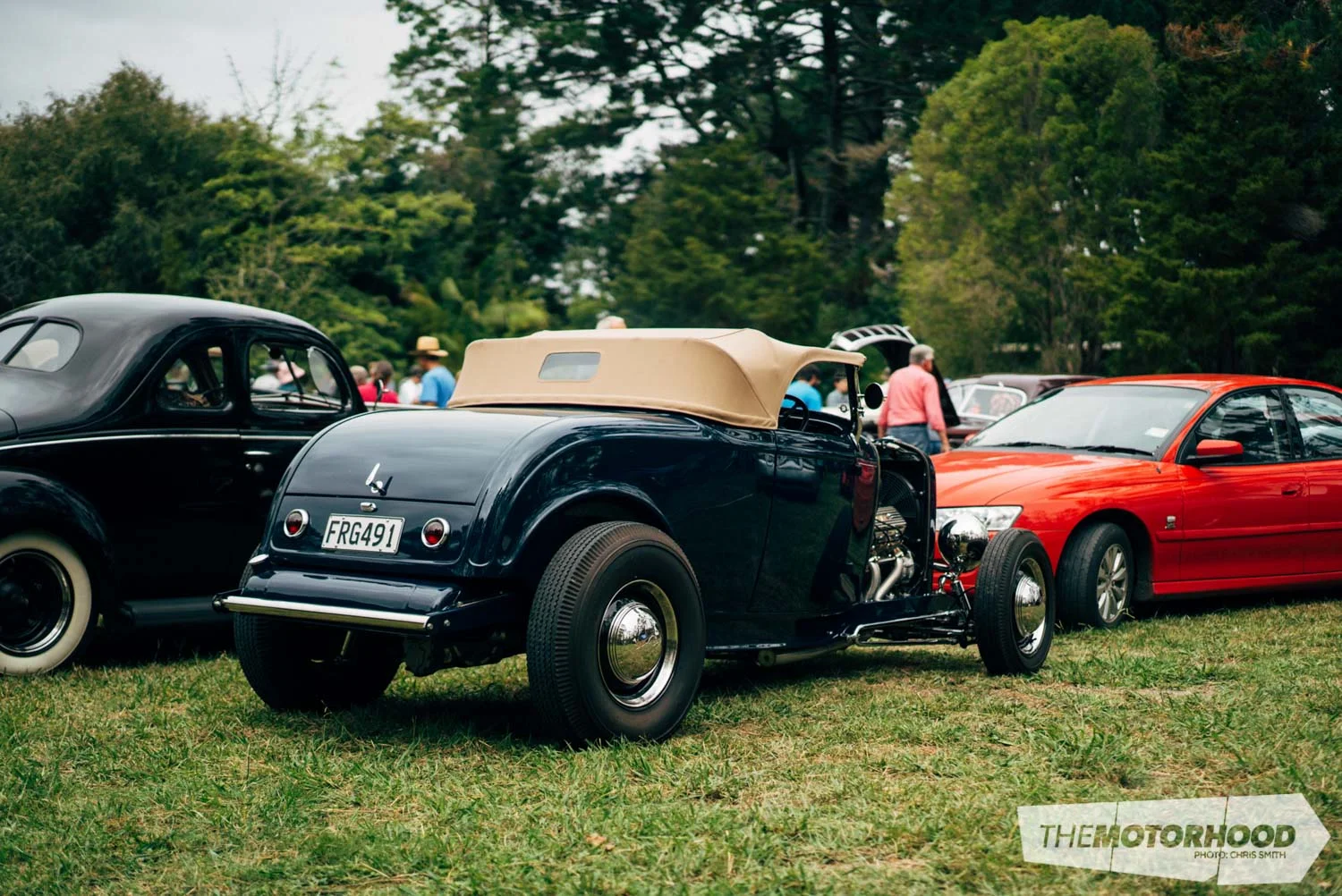
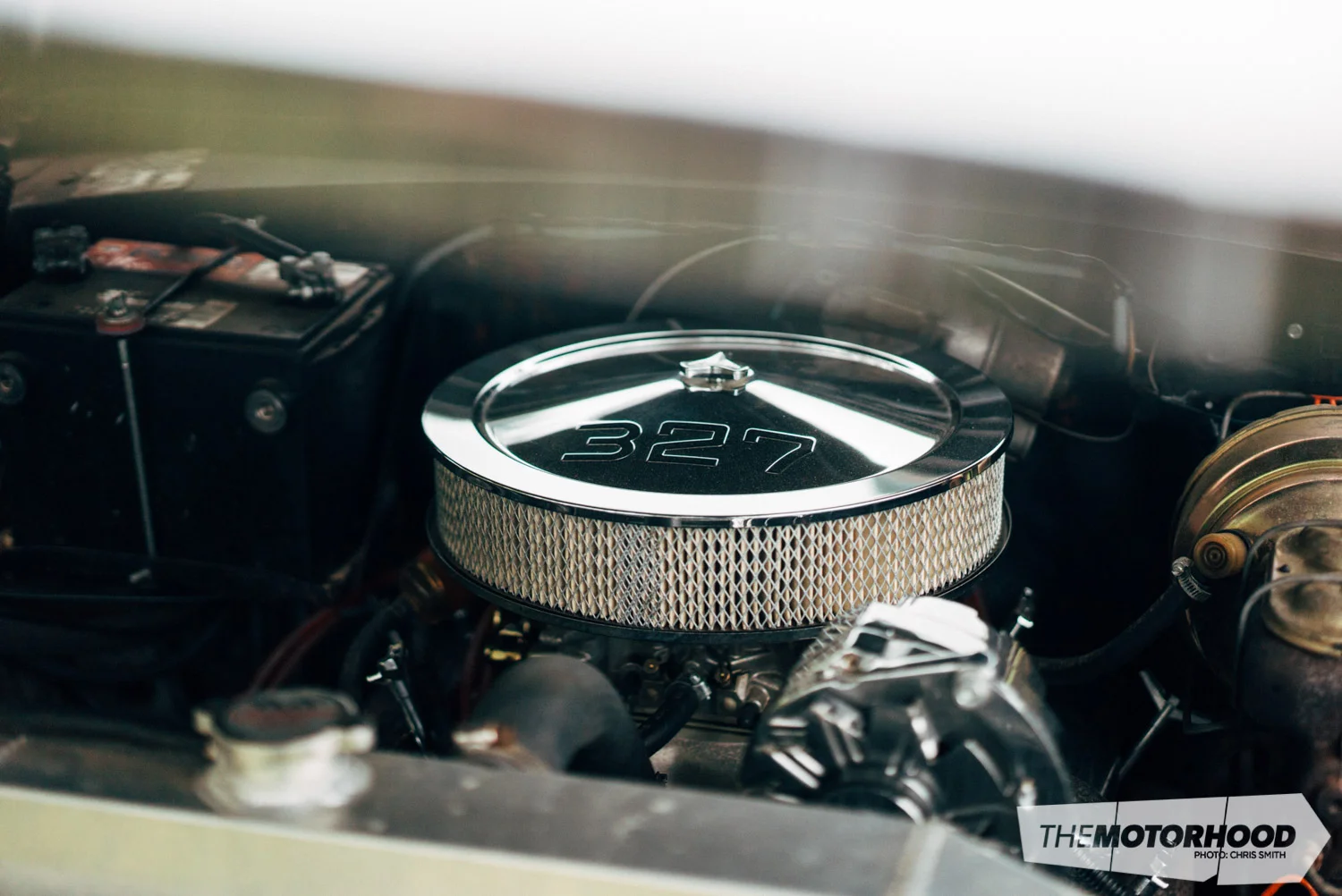
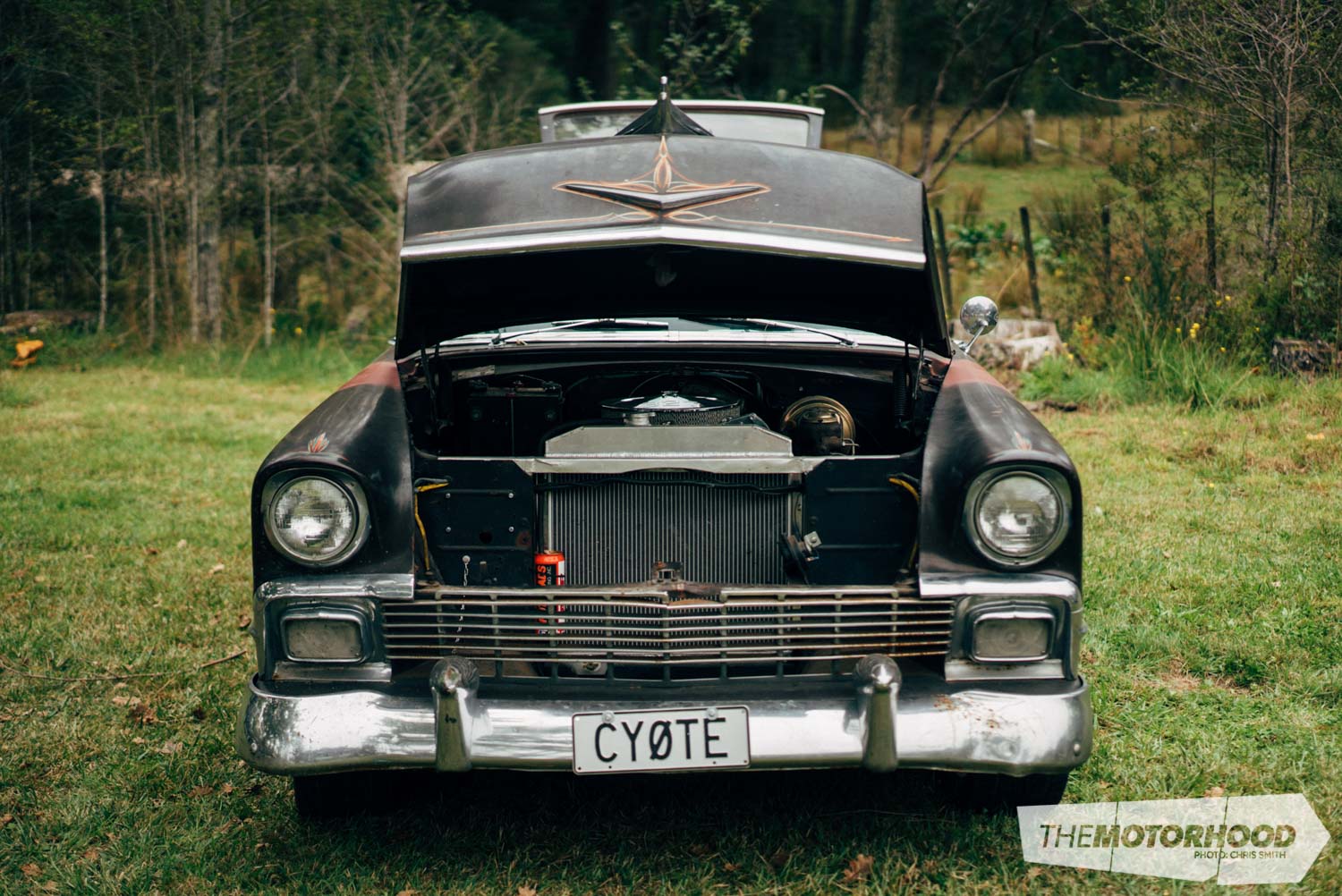
This Citroen Light 15 is in the process of being hotrodded with extensive modifications. It runs a Chev V8 and extensive custom fabrication has been used to create the desired body shape.
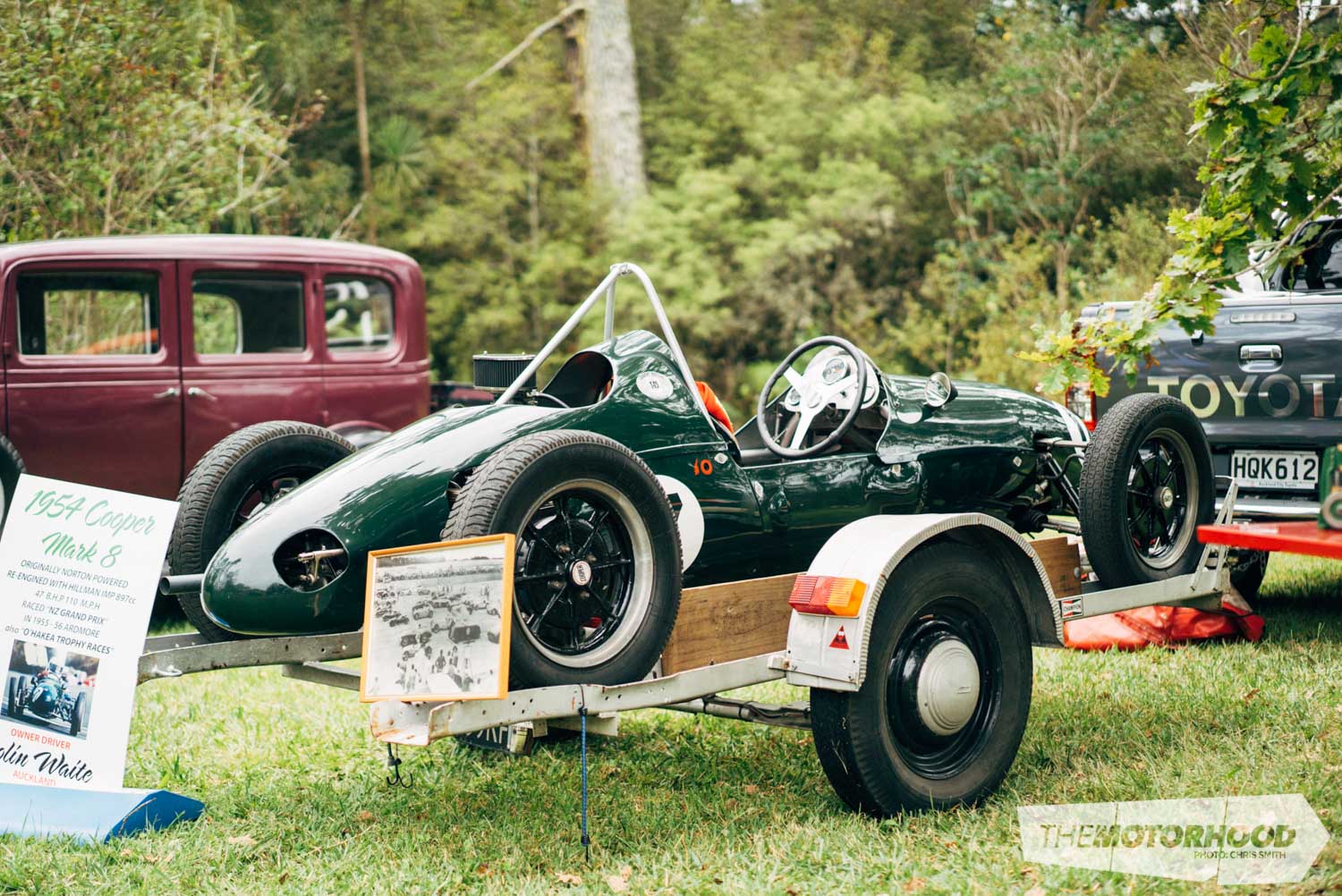
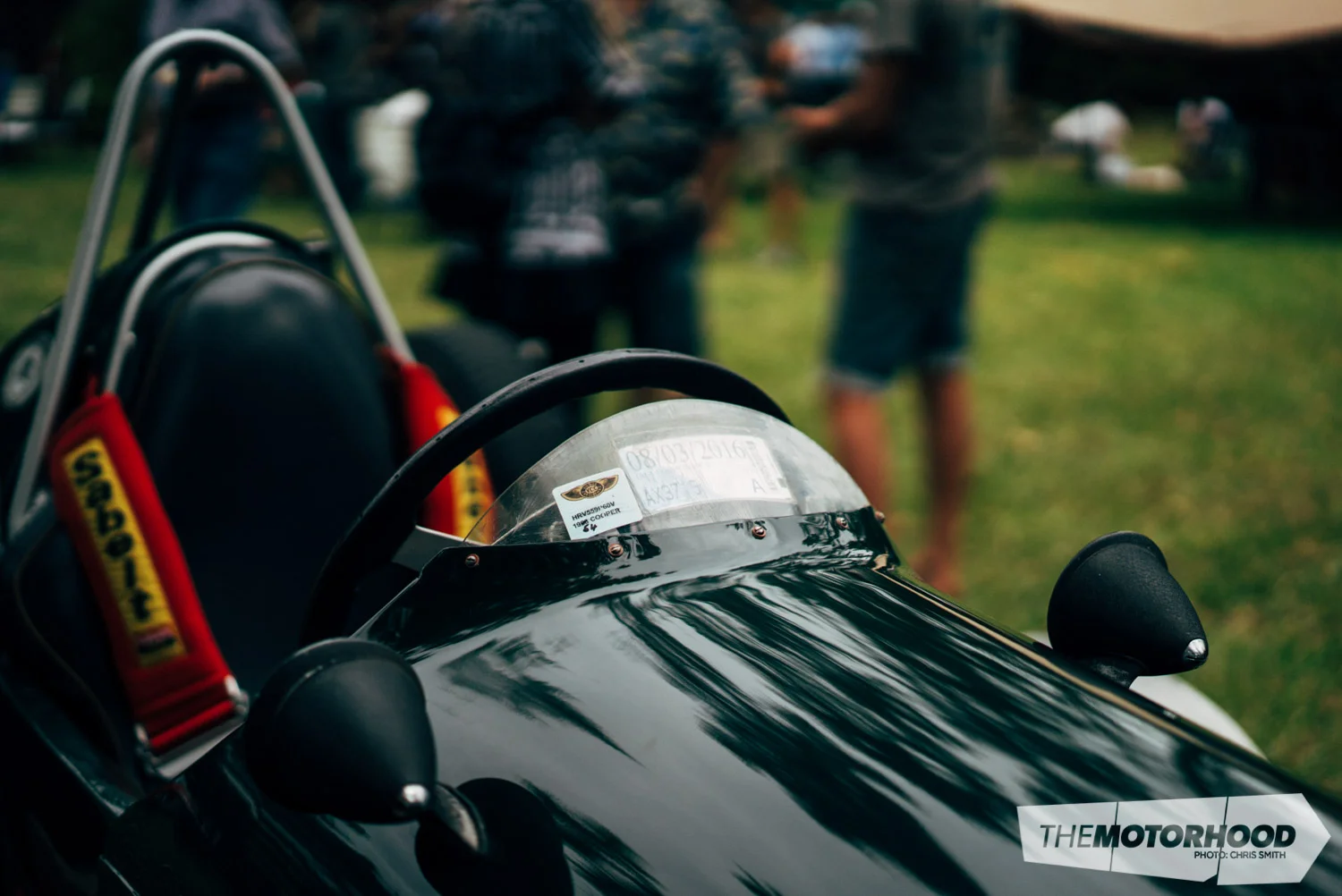
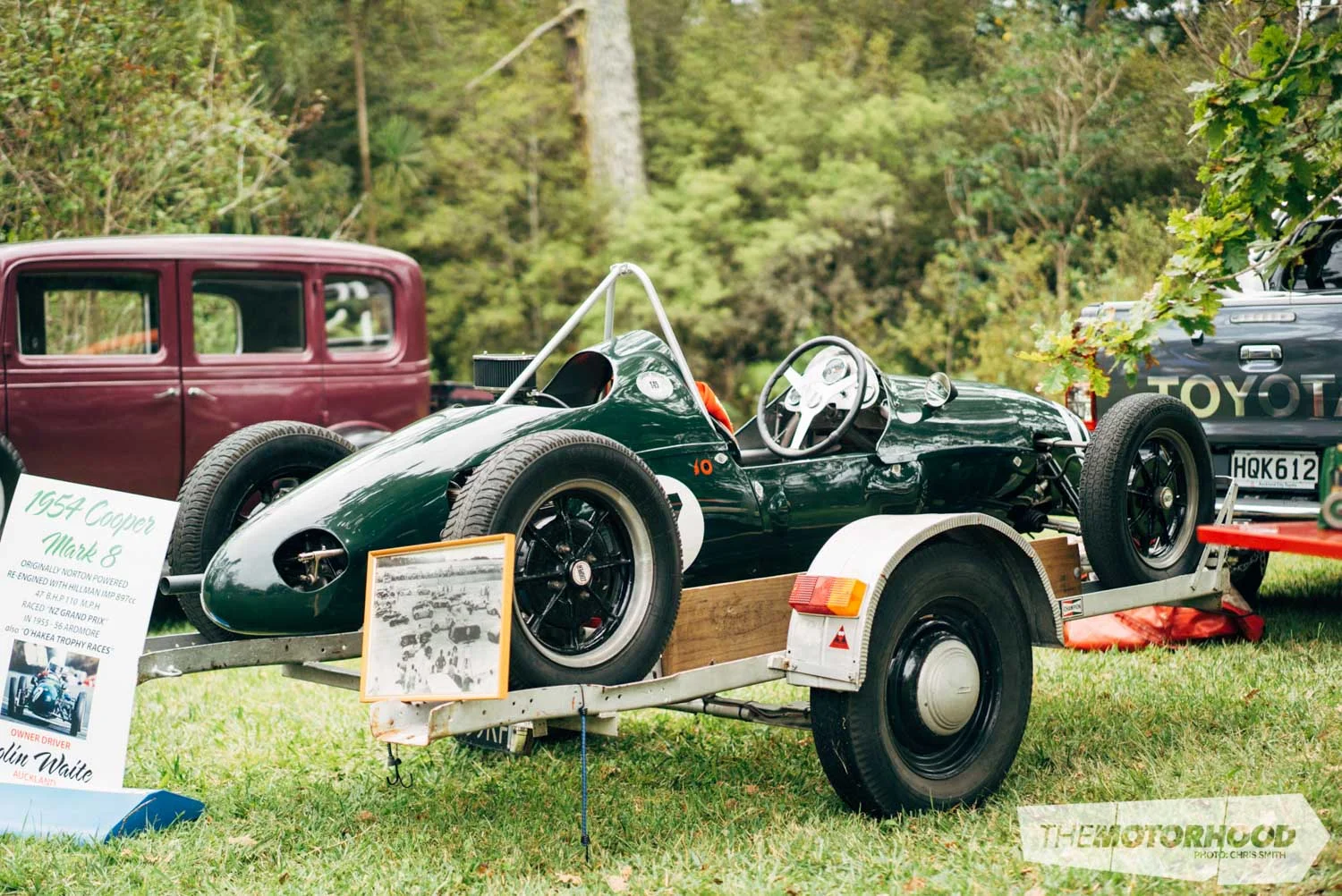
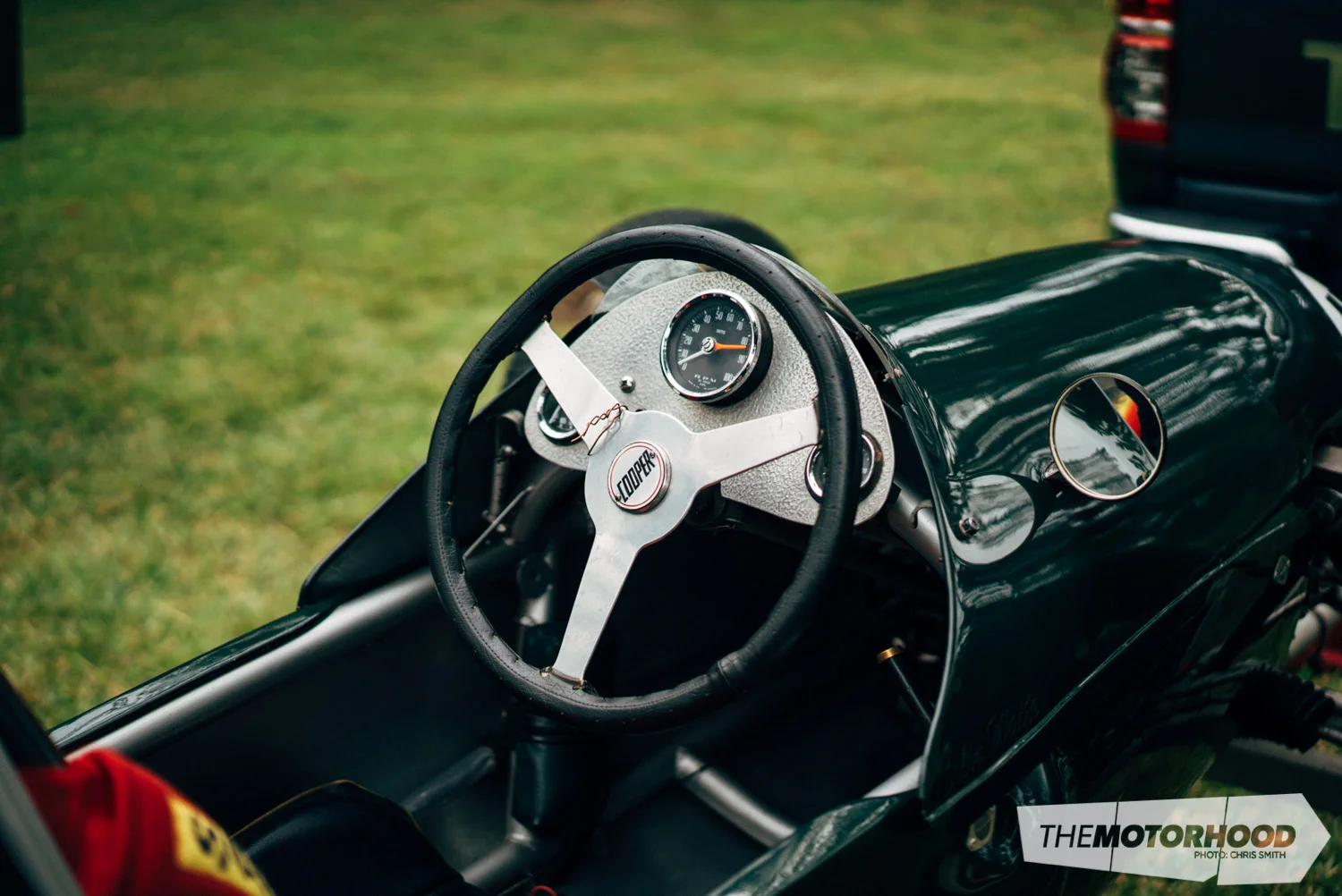
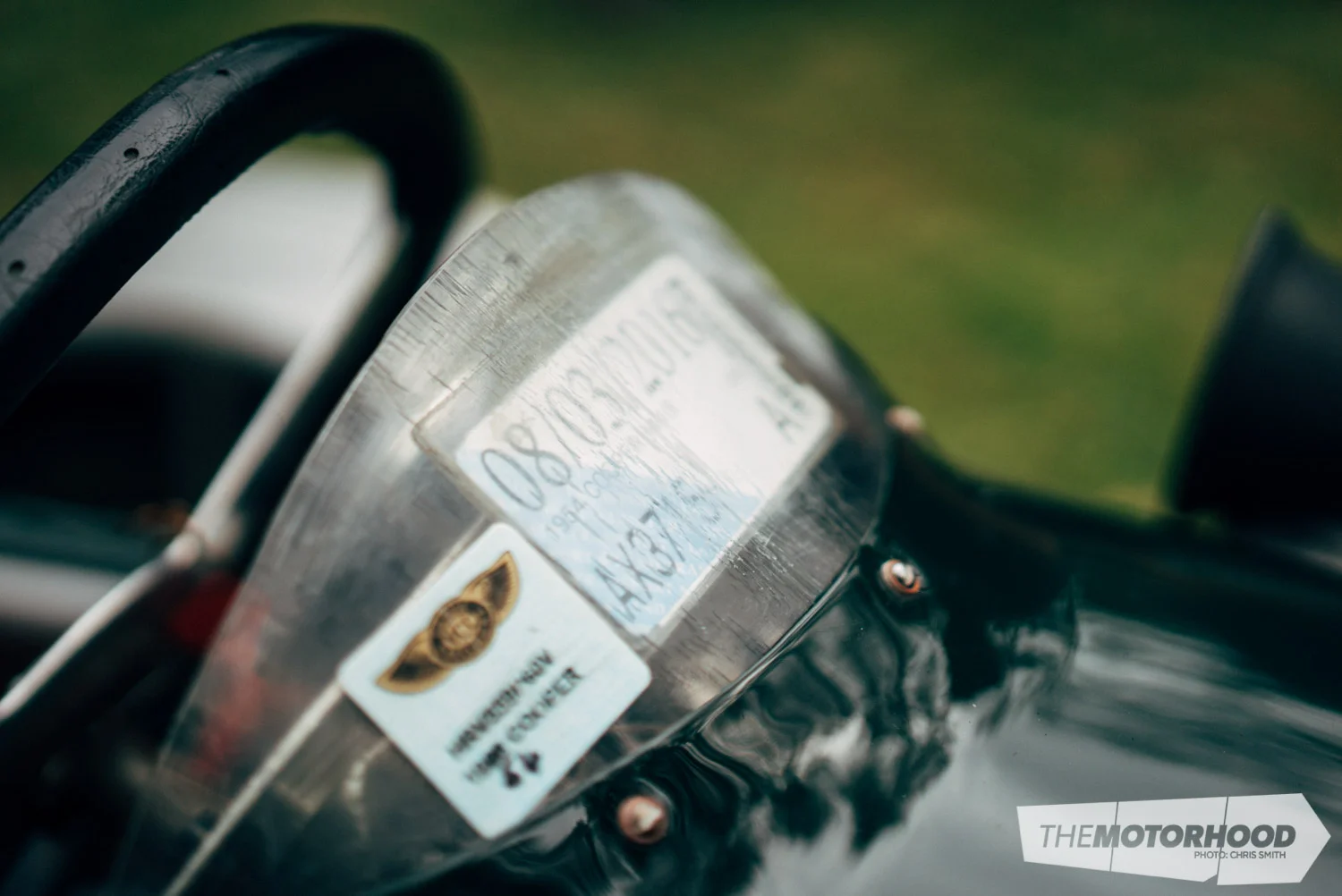
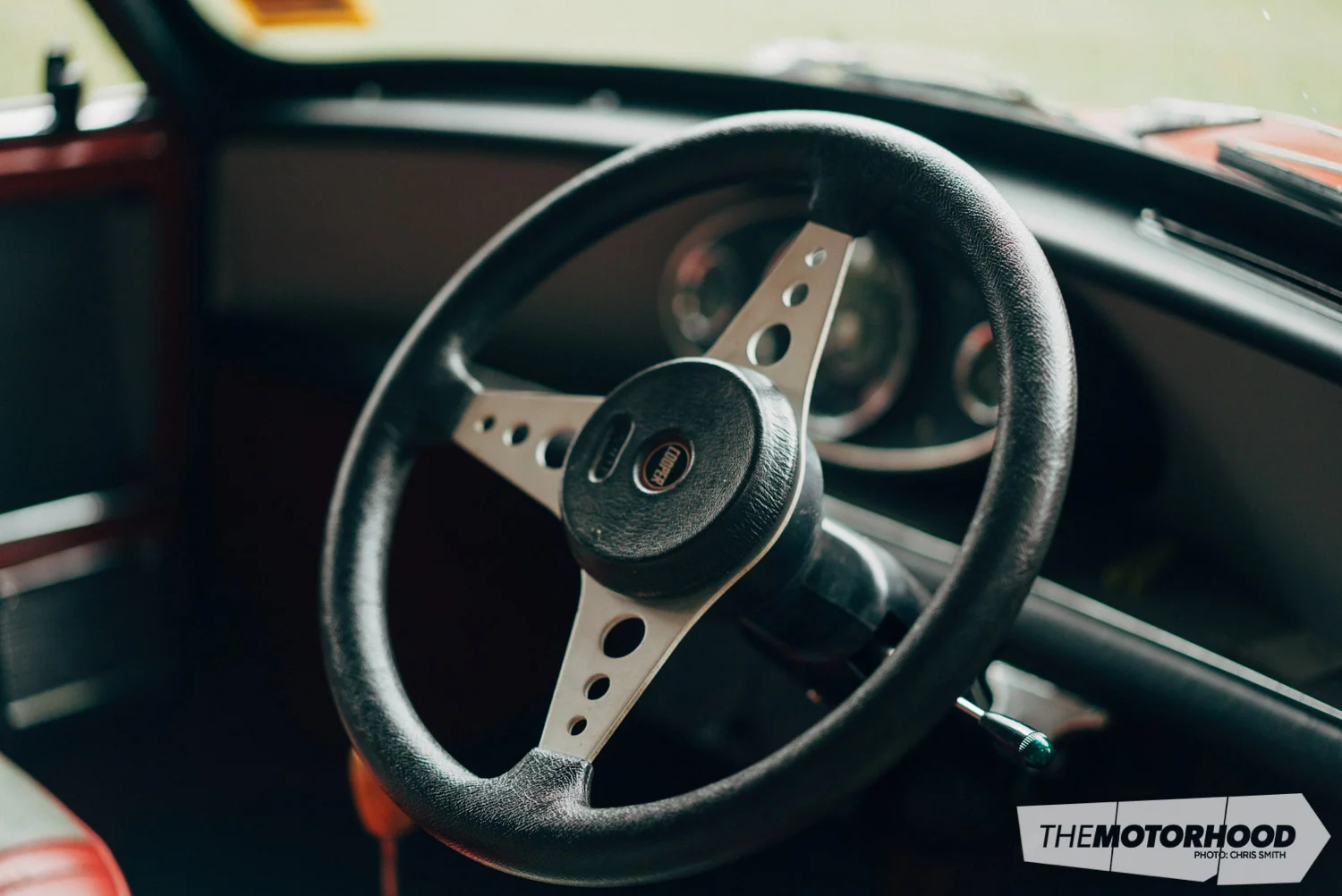
A Formula Junior, this 1954 Cooper Mk8 originally ran a motorbike engine. The car now has a Hillman Imp 897cc motor, producing 47BHP with a 8500rpm redline. This car has a long motorsport history and has been owned for many years by Colin Waite. This is a beautiful little car, and it’s still capable of being competitive on a suitable track. This car is also road-registered.
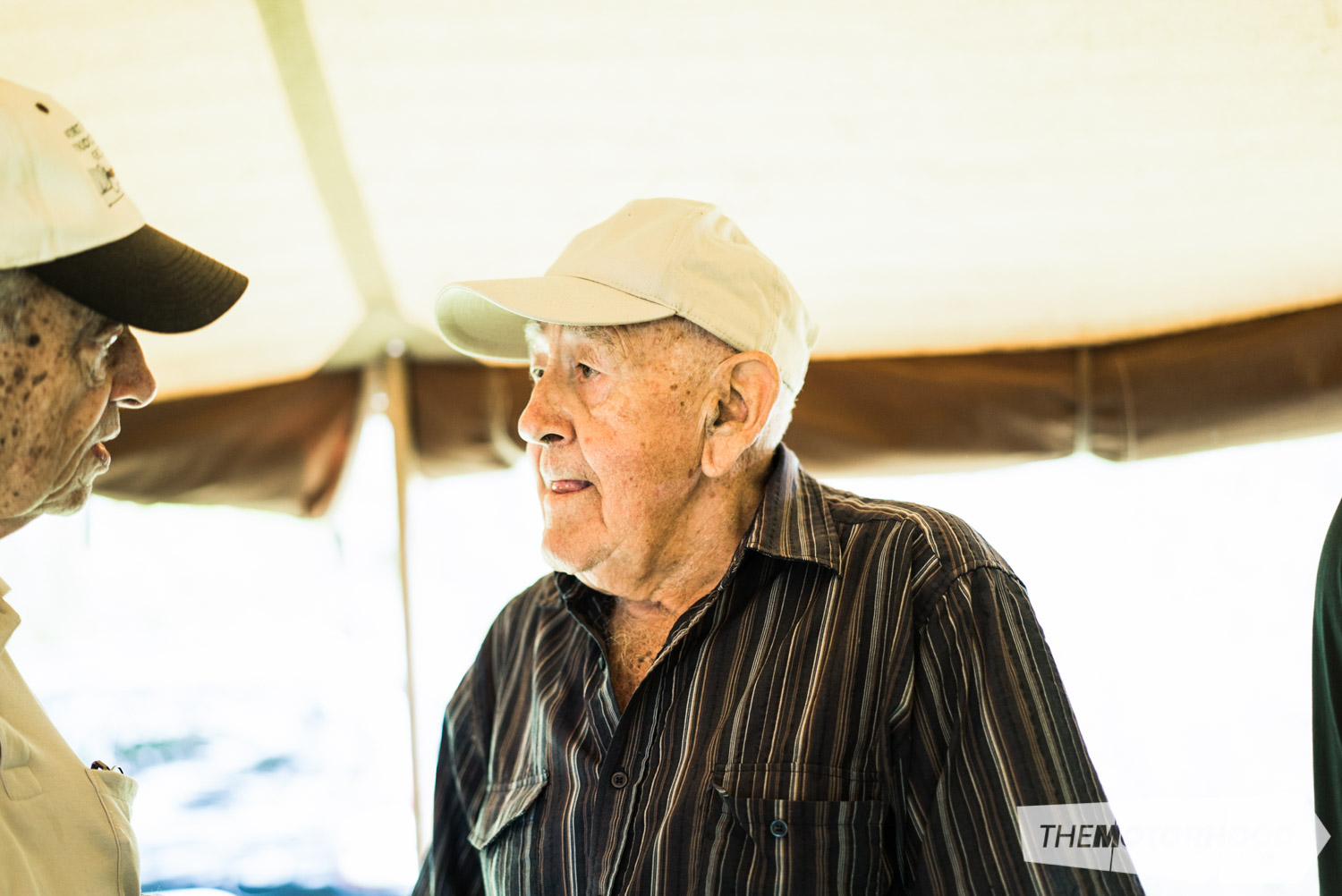
The host for the day, Alan Woolf (Woolfy) really enjoys giving people the opportunity to come out to his property for gatherings of like-minded people with their toys.
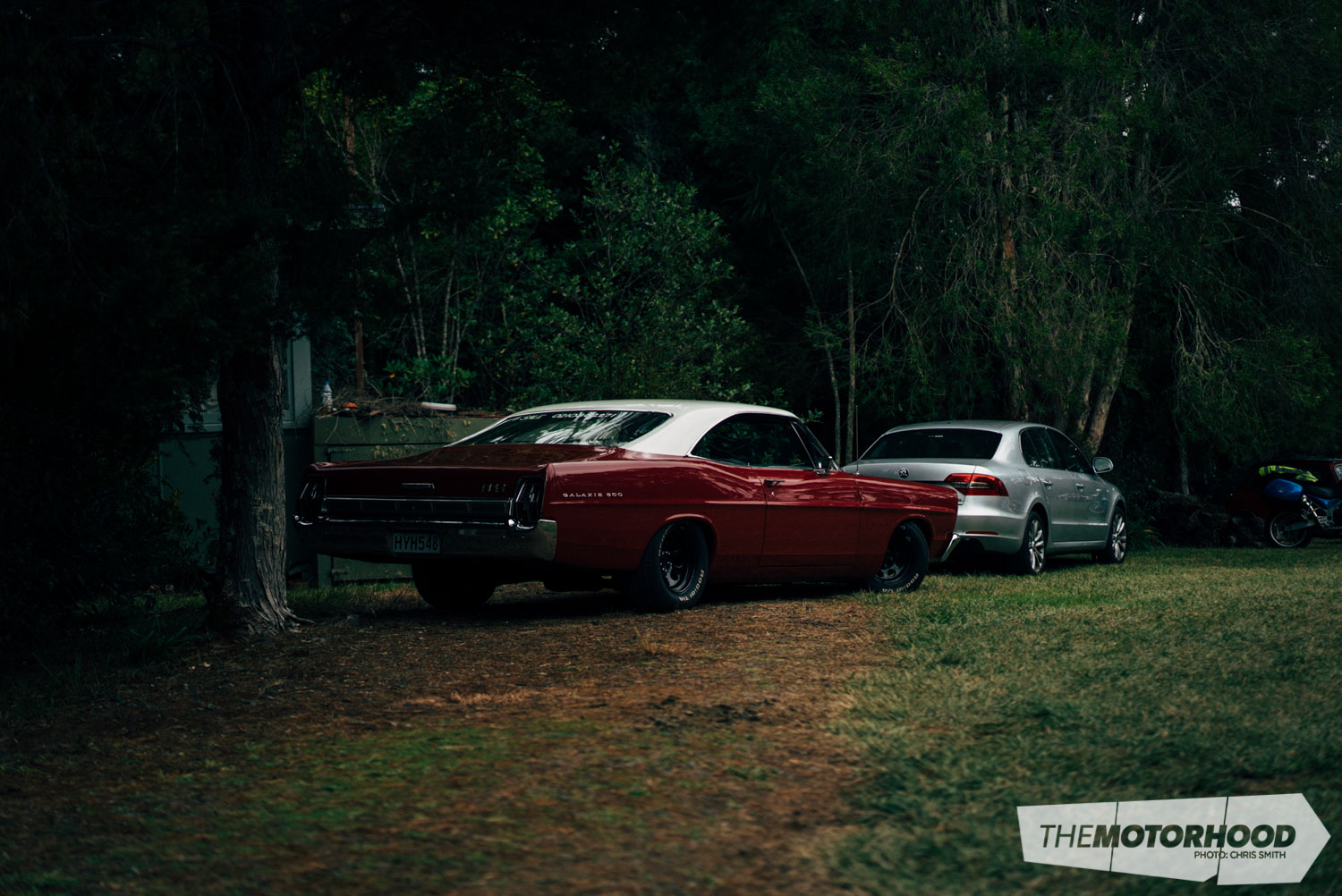
Special mention must go to Alan and Colleen, and their many family and friends who helped out throughout the day; organizing parking, making and bringing food around, and directing the people who brought displays along.