
Silverstone Classic to celebrate 25 years

22 May, 2015

The Silverstone Classic festival, held over July 24–26, was always going to be a big one for the festival that is known as “the world’s biggest classic motor racing festival” — add in the fact that 2015 also marks the festival’s 25th anniversary, and this year will be something extra special.
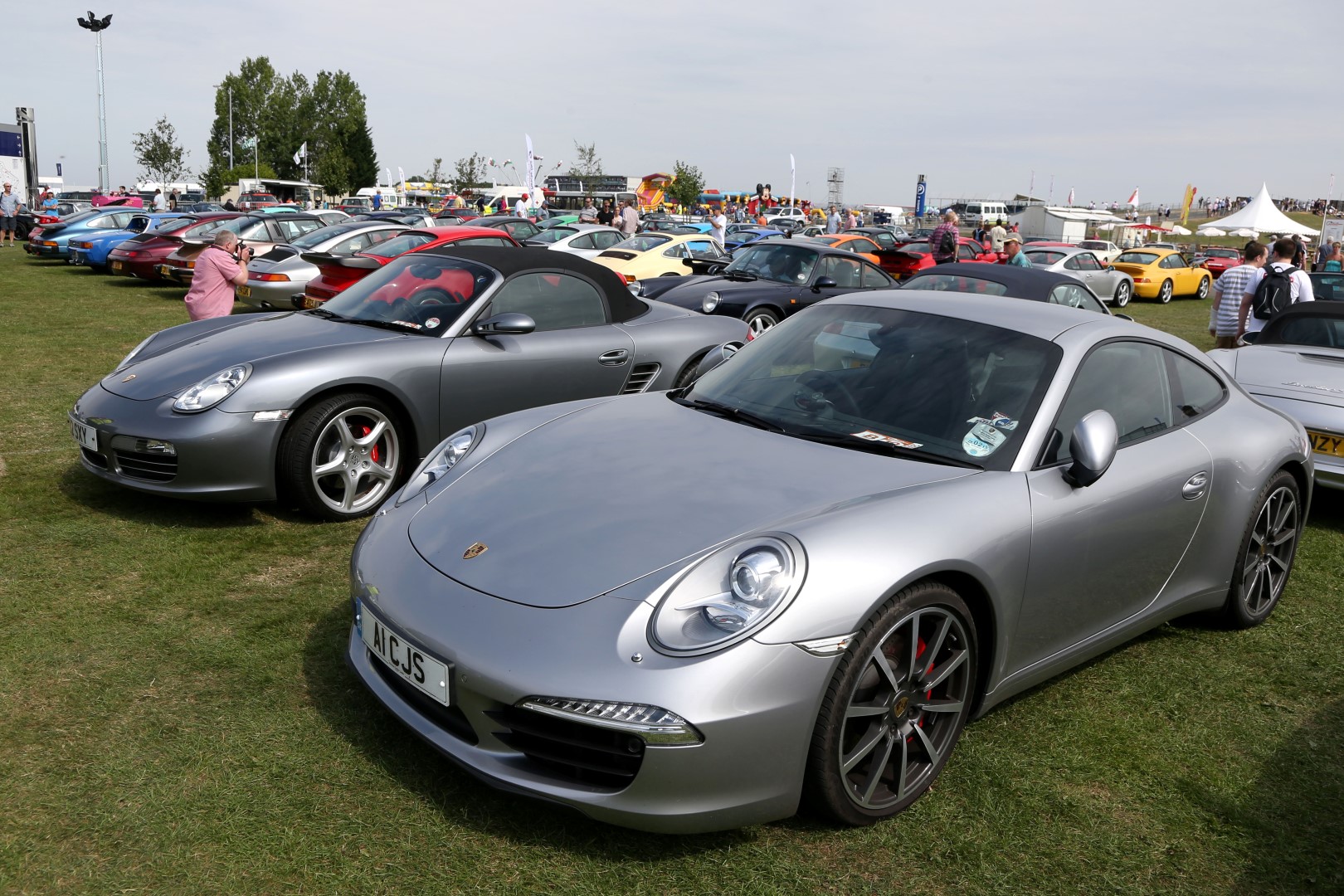
The biggest feature of the event will be the Silver Jubilee parade, which will see an enormous array of silver cars take to the Silverstone track. The parade is open to anyone with a silver car, be it new or old, and has already attracted a diverse and wonderful line-up — from a 1934 Austin Seven Special, through to Land Rovers and Aston Martins.
With the Silverstone Classic already renowned for its huge display of classic and vintage cars — around 10,000 privately owned classics are expected for display — yesteryear’s finest will be sure to be well represented.

It won’t just be old vehicles, though. “For once it’s not limited to those lucky enough to own an E-type, 911, or F40 – it’s open to all those millions of motorists who simply have a silver car,” said event director Nick Wigley. Attendance is expected to top 100,000 for the first time.
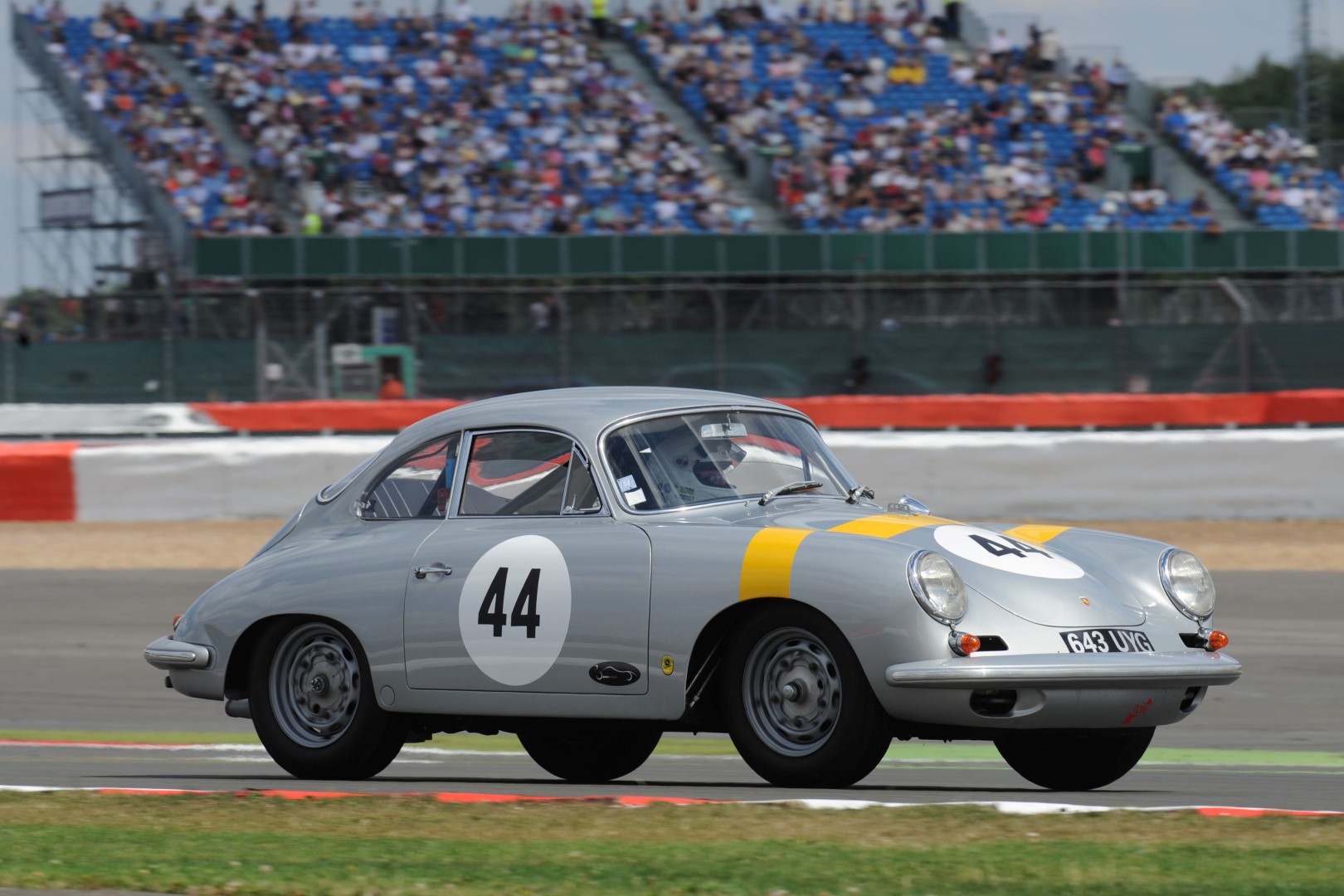
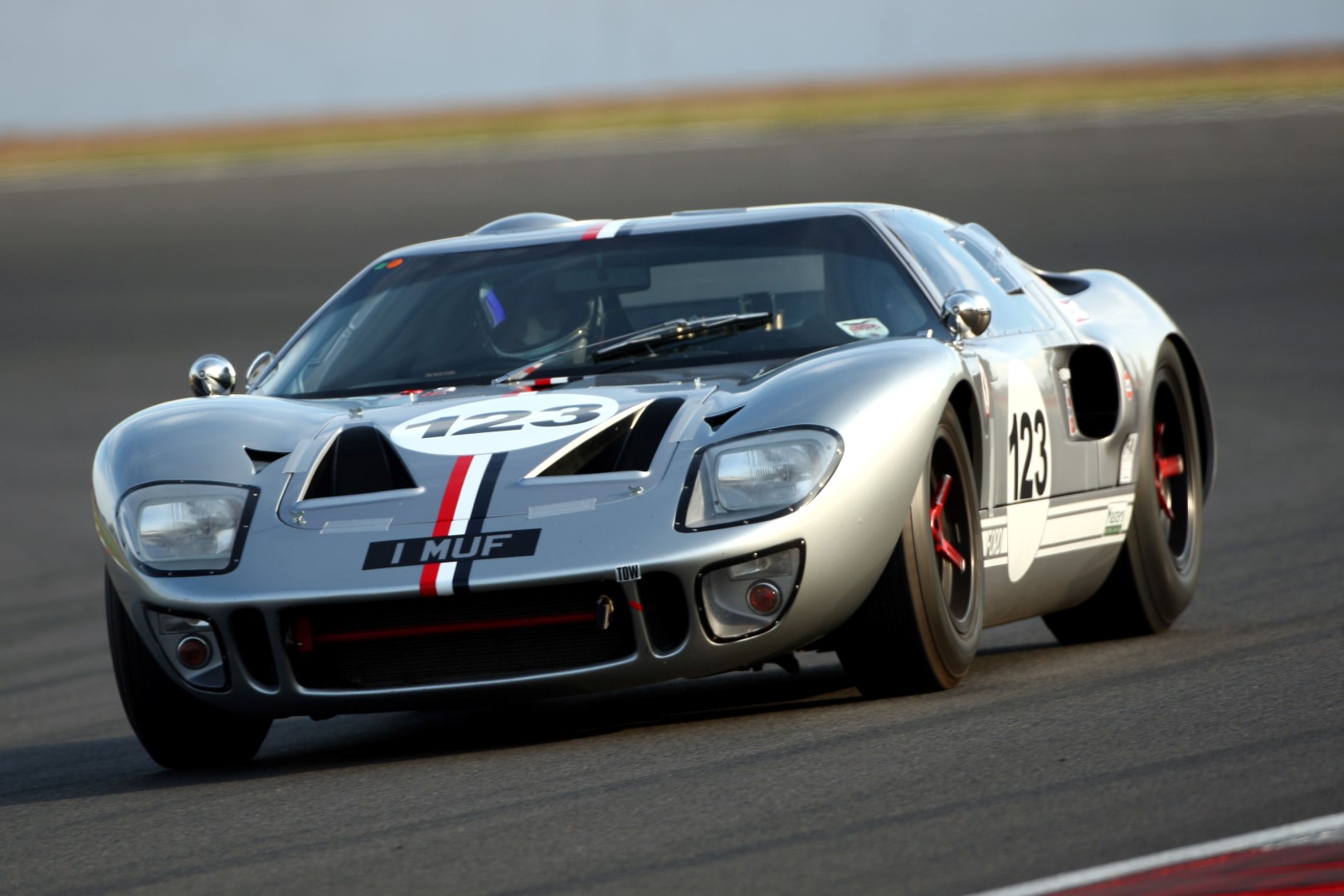
Other highlights of the event include the RetroRun parade, as well as two of the festival’s most prestigious races — the Royal Automotive Club Tourist Trophy for Historic Cars for Pre ‘63 GTs and the Royal Automobile Club Woodcote Trophy for Pre ’56 Sports Cars. These two race events will play host to a wonderful line-up of automotive history, from E-type Jaguars, to Ferraris, and Le Mans–winning D-type Jaguars and Aston Martins.
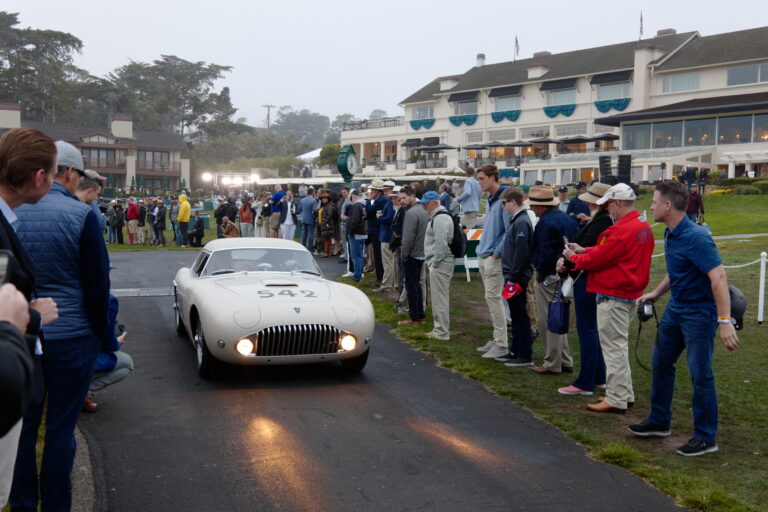
The motor car as an art form

We have certainly come a long way since the exhibition entitled 8 Automobiles, shown at the Museum of Modern Art in New York in the autumn of 1951, the first exhibition concerned with the aesthetics of motor car design.
It was here that the often-used term ‘rolling sculpture’ was coined by curator Philip C Johnson, director of the department of architecture and design, when he said, “An automobile is a familiar 20th century artefact, and is no less worthy of being judged for its visual appeal than a building or a chair. Automobiles are hollow, rolling sculptures, and their design refinements are fascinating. We have selected cars whose details and basic design suggest that automobiles, besides being America’s most useful objects, could be a source of visual experience more enjoyable than they now are.”

More to the point

This Daimler SP252 is so rare, few people know it exists. It’s one of a kind. It’s the only surviving, in fact the only SP252 ever completed; the would-be successor to the SP250 Daimler Dart. It is also the last sports car to have been designed by Jaguar’s legendary founder, Sir William Lyons.
Perhaps one of the original Dart’s biggest problems was it’s somewhat-divisive looks. It certainly went well enough to win fans, although Sir William wasn’t among them. It crushed the opposition in the Bathurst six-hour race, finishing five laps ahead of anyone else, and it was snapped up by police forces in Britain, Australia, and New Zealand, as it was the fastest thing on the road.
So you’d think a stunning new body with the magic Lyons touch would have been a surefire success. Why this car never made it into production is still something of a mystery, as the official explanations barely stack up.