Historic Alfa Romeo museum reopens for 105th birthday

1 July, 2015

Alfa Romeo have completed grand renovations to their ‘La macchina del tempo — Museo storico Alfa Romeo’ museum in Arese (near Milan), which reopened to the public on June 30.
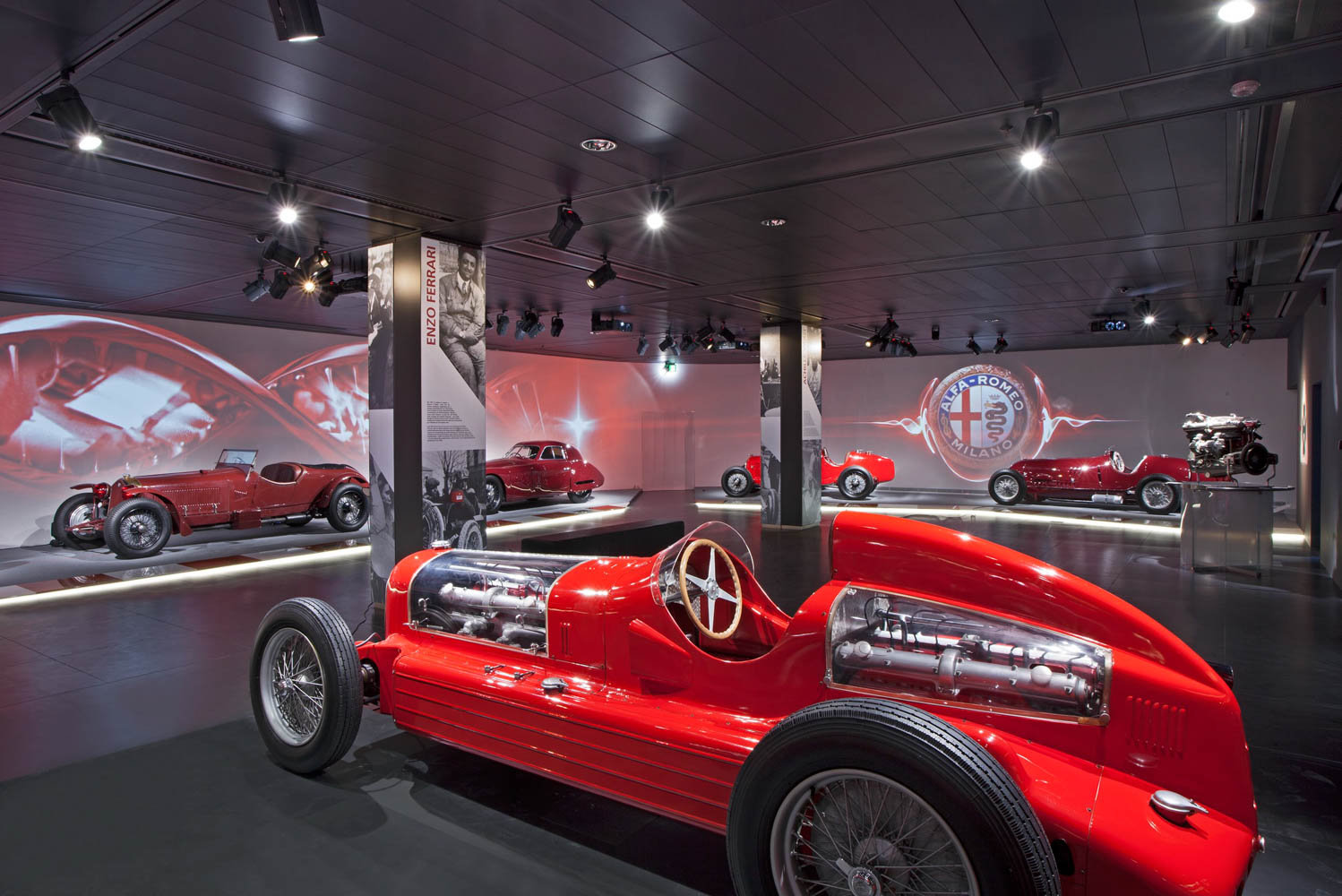
Translating to ‘The time machine — Alfa Romeo historical museum’, the museum’s changes have resulted in it becoming one of Italy’s most stunning monuments to motoring. Depicting more than 100 years of history across its three floors, the museum will house 69 different Alfa Romeos. These range from their first-ever production car, the 24 HP, to various Formula 1 and sports cars, including a championship-winning Juan Manuel Fangio Alfetta 159.
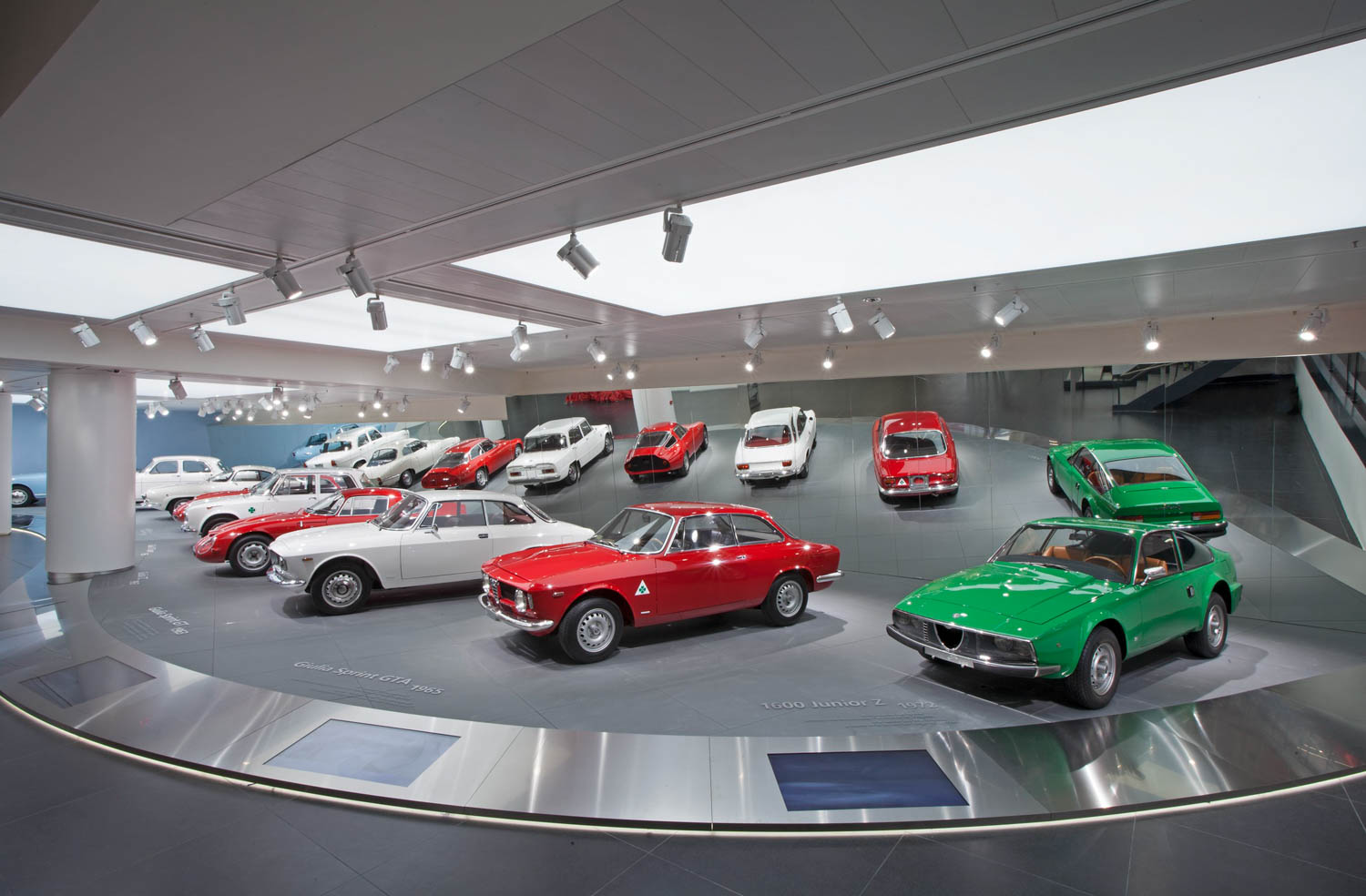
In an aim to define Alfa Romeo, each floor represents a distinct element of the company’s heritage. Titled ‘Timeline’, the first floor features cars that are said to best embody the development of the marque. The ground floor, titled ‘Beauty’, will unsurprisingly focus on the most beautiful cars Alfa Romeo have built, as well as the various phases of design that have influenced the brand. And finally, the basement level of the building, titled ‘Speed’, will highlight their motorsport achievement via some of their most well-known race cars.
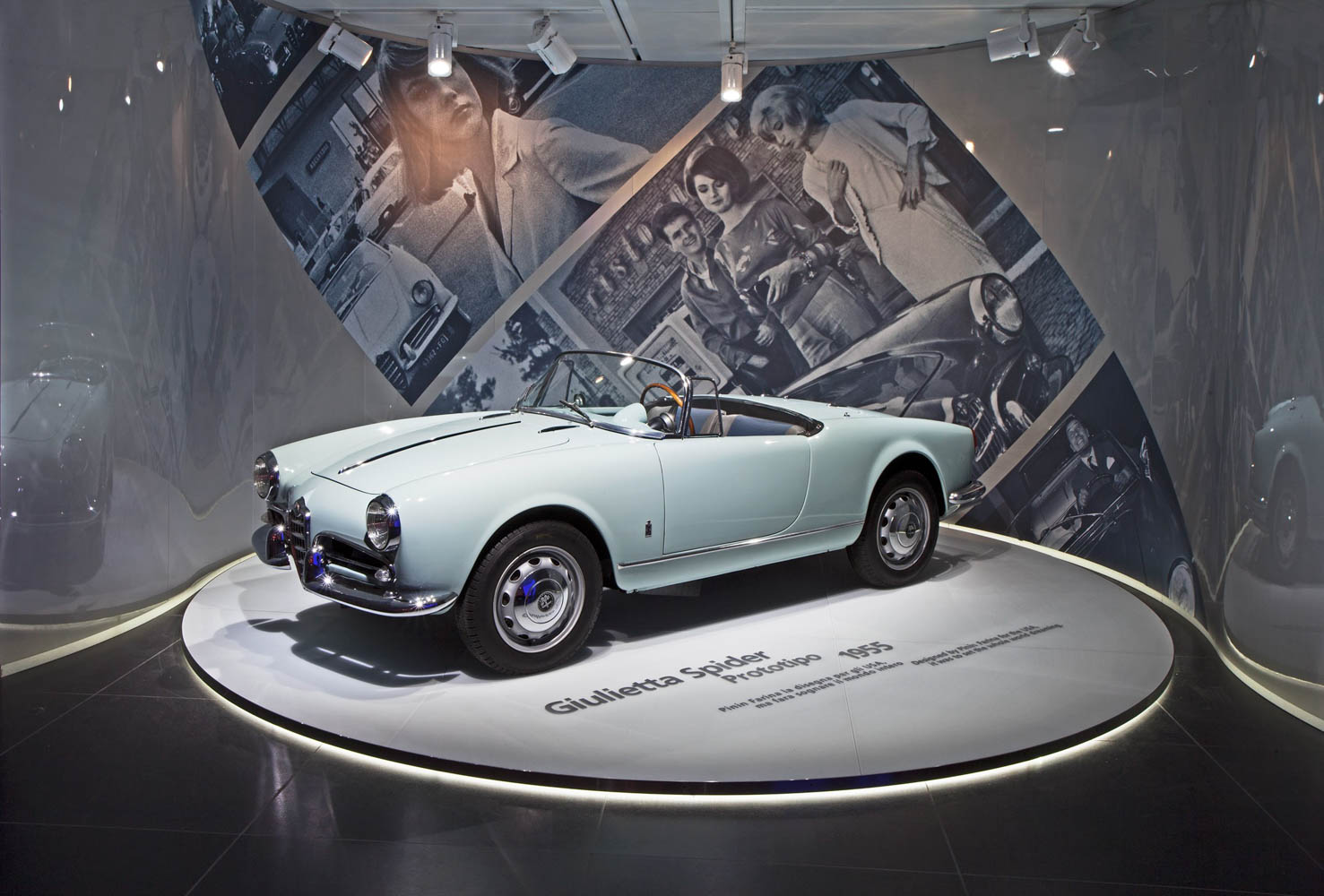
Built in 1976, the museum faced its first closure in 2009 after its supporting Arese production plant was decommissioned. It was briefly reopened in 2010 to celebrate the brand’s 100th birthday, but was once again closed in February 2011.
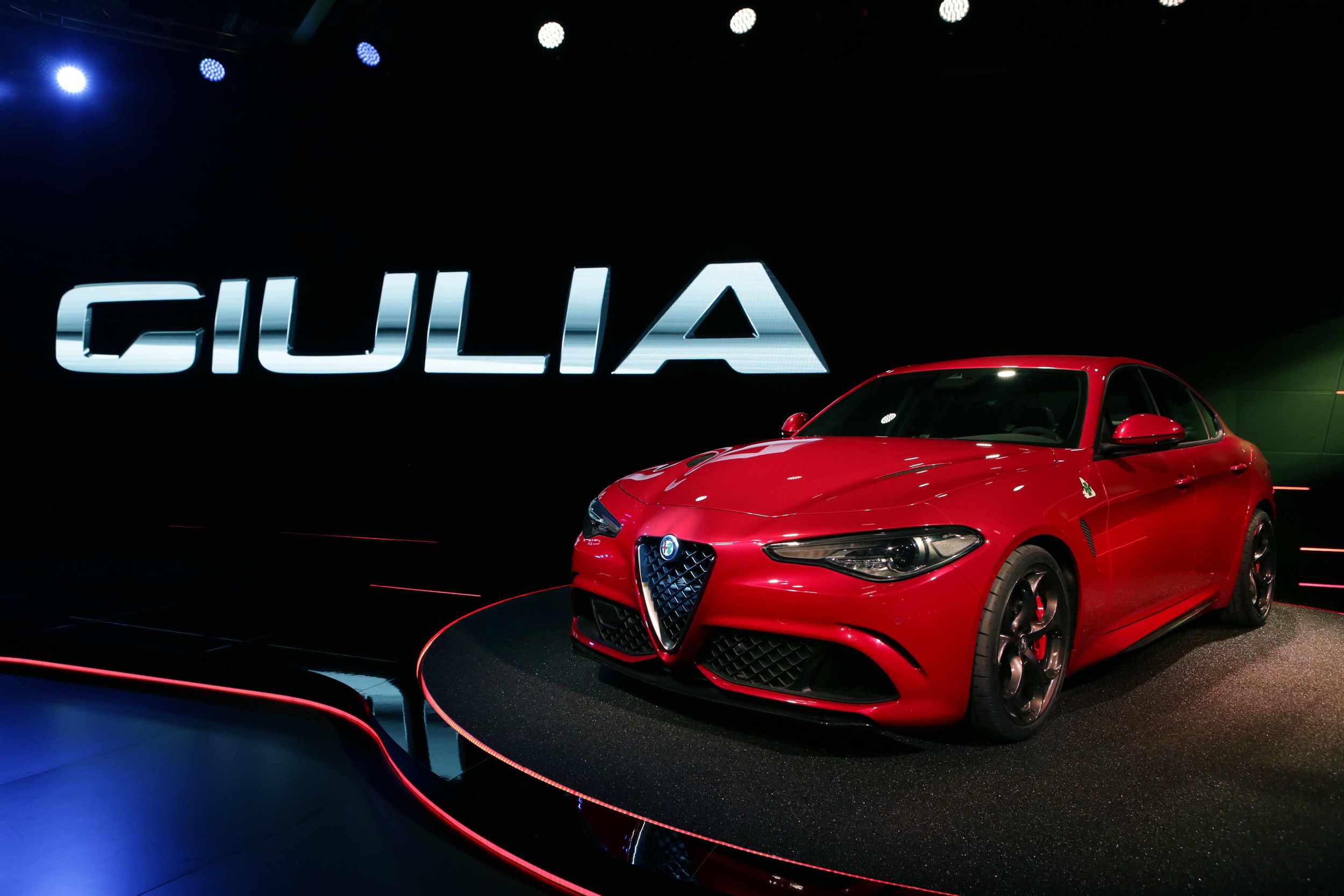
It has been a busy month for the Italians following their recent unveiling of the 2016 Giulia Quadrifoglio four-door performance sedan (check out our coverage and gallery here). The Giulia is also on display at the museum; this being the first time it will be seen in the metal by the public.

Along with the car displays and the supporting test track, the museum also includes a bookshop, cafe, and documentation centre.
Range Rover CSK — the original SUV

The Range Rover, thanks to Charles Spencer King, went into production in 1970 boasting an iconic shape that would last until 1996. The vehicle that would create the SUV moniker came about because Rover decided it was time to add a bigger four-wheel-drive vehicle, one with a 100-inch wheelbase, to the model range. Land Rover made a 109-inch wheelbase model but the standard vehicle had a 88-inch wheelbase.
The new model would be more suitable for road use than the existing Land Rover, which was considered to be predominantly for rural use. To make sure it could cope on any road it came standard with the Rover 3.5-litre V8 engine. The body design was originally sketched by King and went into production with only a few minor touch-ups by the Rover styling team.
According to King, “The idea was to combine the comfort and on-road ability of a Rover saloon with the off-road ability of a Land Rover. Nobody was doing it.”

Ford’s Mustang – the endlessly hip American dream machine

Fifty or so years ago, the only place in New Zealand to see a Ford Mustang was on the racetrack. In a local market severely constrained by a lack of new motor vehicles, the new North American Ford was a dreamy icon boosted by considerable motorsport success.
Import licences for cars were limited, and if Kiwis travelled abroad, the amount of currency they could take with them was restricted. What’s more, those funds could not be used to buy a car for importation back home. Yet it was OK to spend the money on heavy drinking at a London pub, Gucci shoes, sable fur coats, and excessive stays at the Hôtel Martinez at Cannes in France.
However, any rare Mustang that landed on our shores would not be destined to pose around Auckland’s then trendy Queen Street on a Friday night but would more likely be found in the care of well-known racing drivers on the starting grid at local motor racing tracks.