
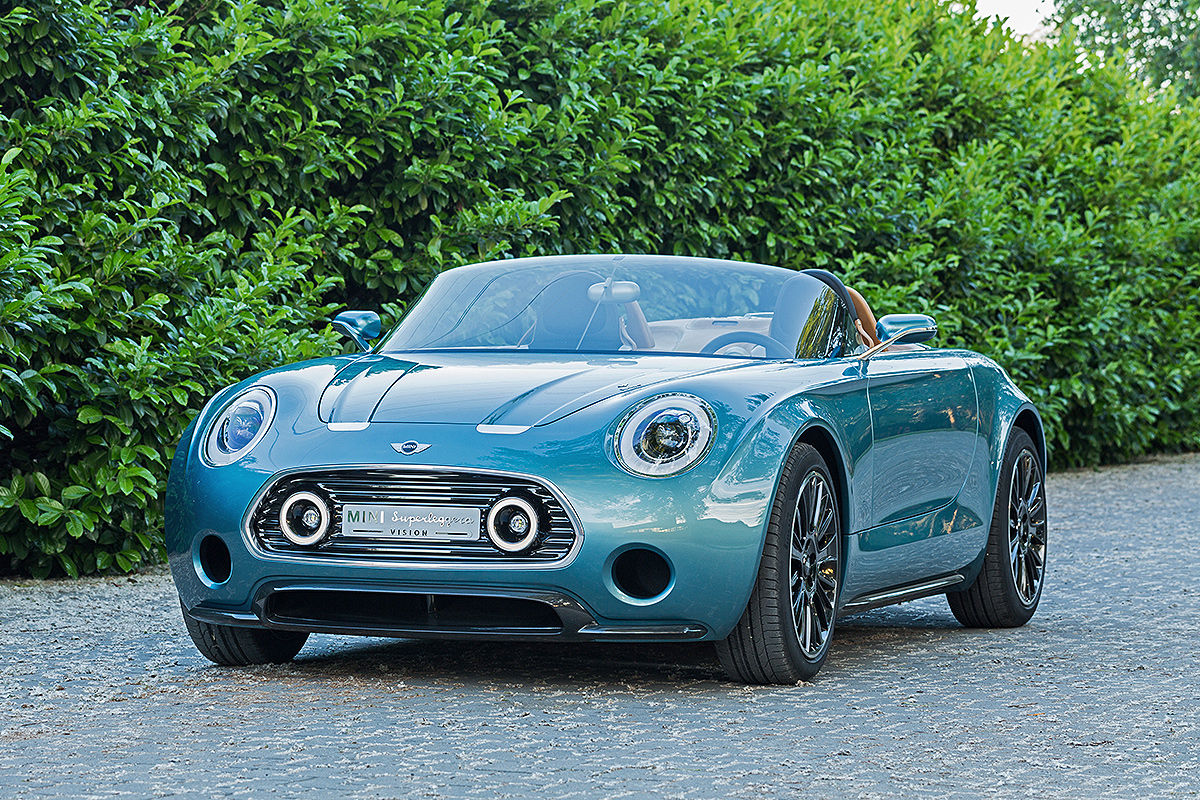
British-inspired roadsters to make a comeback

16 June, 2014


It’s looking like Mini and MG are both exploring options in bringing the classic British roadster market back into the land of the living.

The classic British sports car  is looking to make a reappearance in the form of Mini’s Superleggera — a two-seat roadster concept with obvious Italian style.

The Superleggera was shown in late May and is simple and sleek. It has no door handles, a simple dashboard is formed from untreated aluminium steel, and the seats are leather bucket seats.

Although at 4167mm it is longer than the British sports car Austin Healey ‘Frogeye’ Sprite, it matches the Mazda MX-5 — with this particular vehicle taking the roadster market previously. 
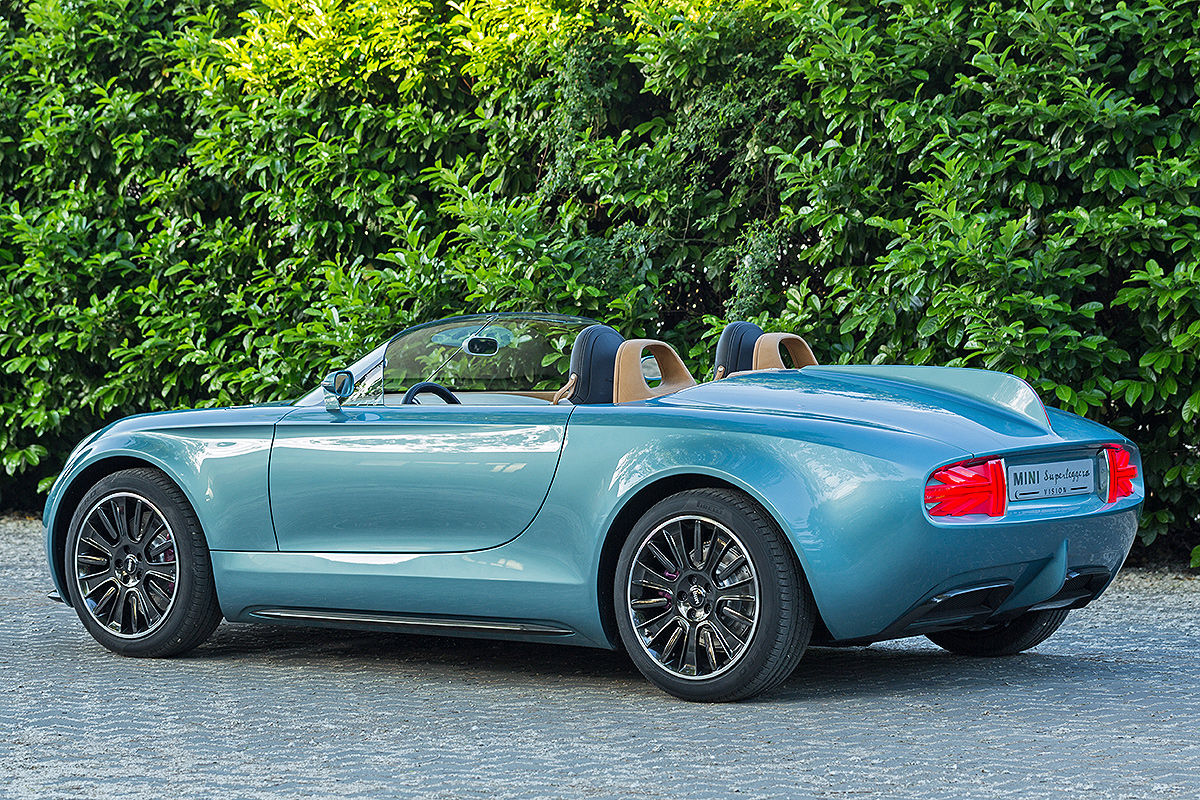
Mini has said that it is just a concept car and plans for productions are non-existent but it is known that the company is looking for another body style to replace the slow-selling roadster and coupe.

It is likely, that if it ever did make production, the engine would be the BMW-shared 1.5-litre three-cylinder turbo seen int the newest Mini.

MG could be another company to keep an eye on when it comes to entering a roadster into the market. The brand left the market when it discontinued the MG TF back in 2011.

With the market for light-weight, rear-wheel drive sports cars near abandoned with basically only Mazda at the helm, it could be a new game if British-inspired models make a reappearance.
The butterfly effect

The man on the mountain bike pedalled over, taking it all in. Gazing in wonderment at this small Japanese coupe with butterfly doors, he said, “Wow, I have never seen one of these before. What is it?” When I told him it was a Toyota, he nearly fell off his bike.
The Toyota Sera is unique amongst ’90s Japanese coupes. The Sera, which is Italian for ‘evening’, can trace its roots back to Toyota’s AXV-II concept car. Launched as part of a trio of Toyota concept cars at the 1987 Tokyo Motor Show, it shared its underpinnings with the P70 Toyota Starlet. The similarities ended there, thanks to the AXV-II’s low-slung and rounded coupe styling with butterfly doors. These doors were held upright by gas struts when fully open. Glass covered the upper section of the doors and the rear hatchback.
These features, much to everyone’s surprise, were carried over to the production Sera in 1990. Toyota marketed the Sera, which means ‘will be’ in Spanish and ‘princess’ in Hebrew, as a funky alternative to the much-loved MR2.

Racing Mazdas

Both Rod Millen and Ron Kendall were rotary racing kings, emanating from the North Shore of Auckland, where I grew up. And the ultimate rotary techno guru was Bill Shiells, who developed the engine into a rocket ship while working out of Gulf Mazda in Takapuna from 1969, and later in his own business, Rotorsport. He began to extract some phenomenal horsepower from the enigmatic rotary engine. Bill was one of the first to race the Mazda RX-2 Coupe in 1971 and achieved immediate success, causing others to sit up and take notice, particularly the North Shore’s racing elite. They included Robbie Francevic, Rod Millen, Ron Kendall, John Woolf, John Le Feuvre, and Rex Findlay.