
Super Leicht Gullwing

9 November, 2023

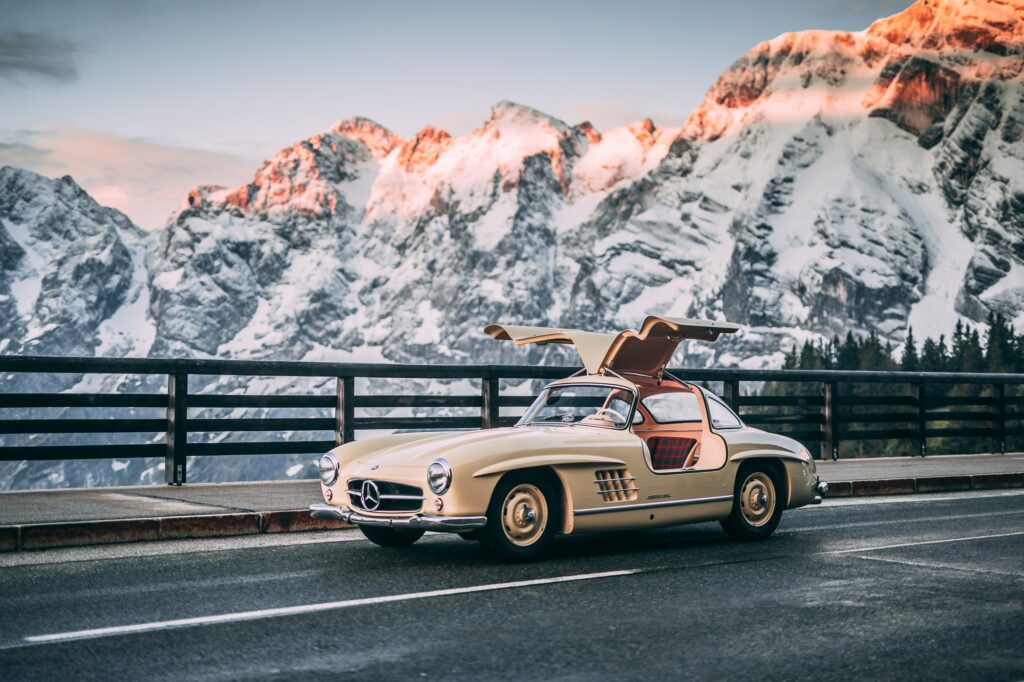
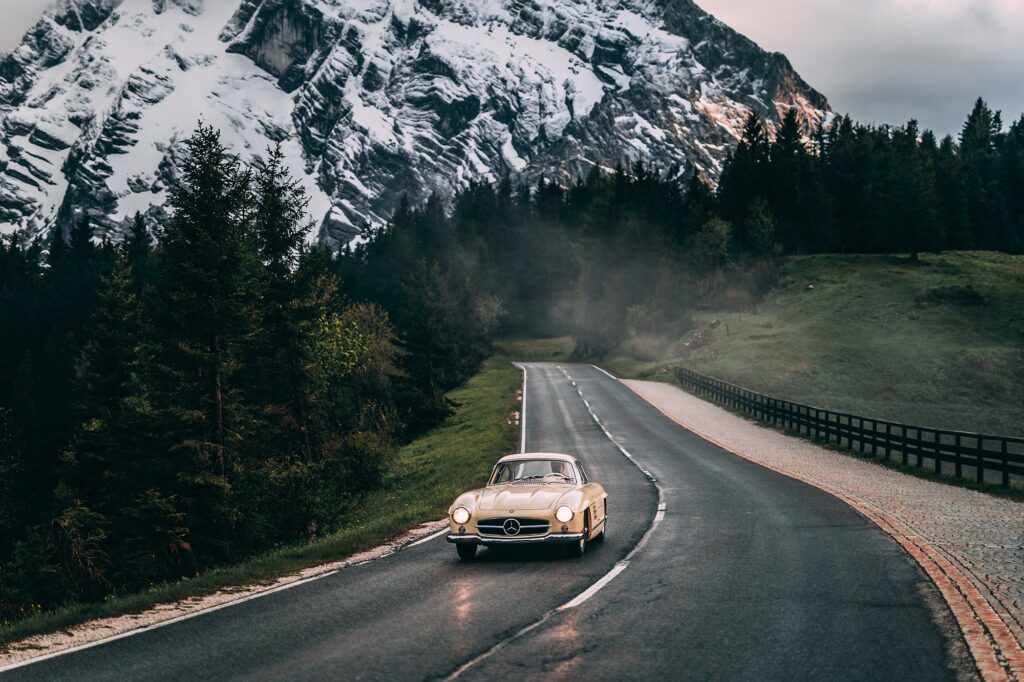
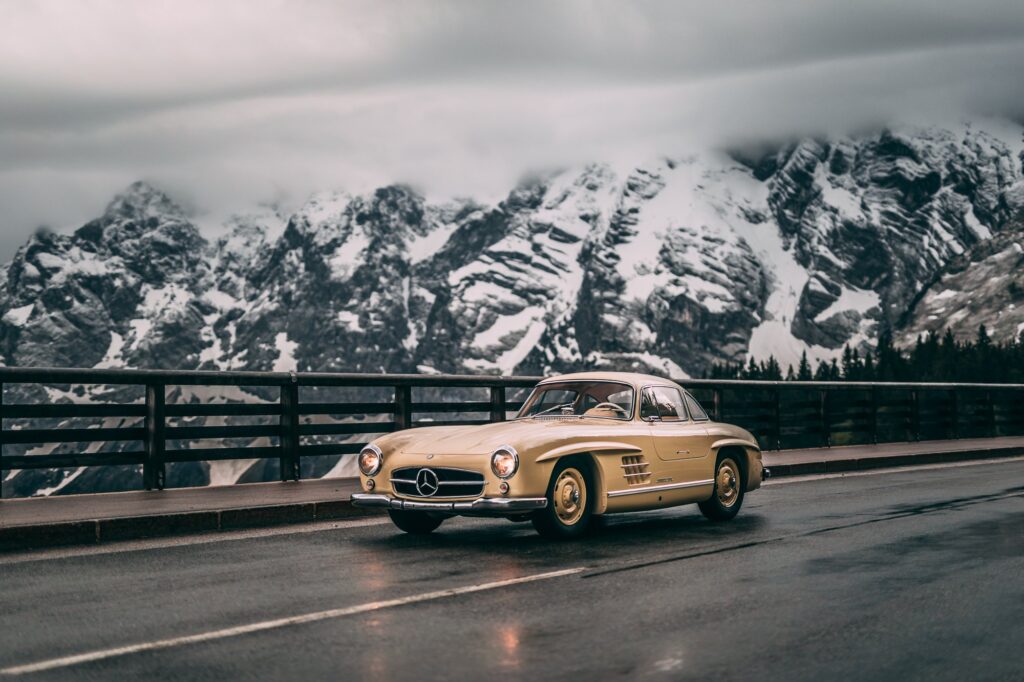
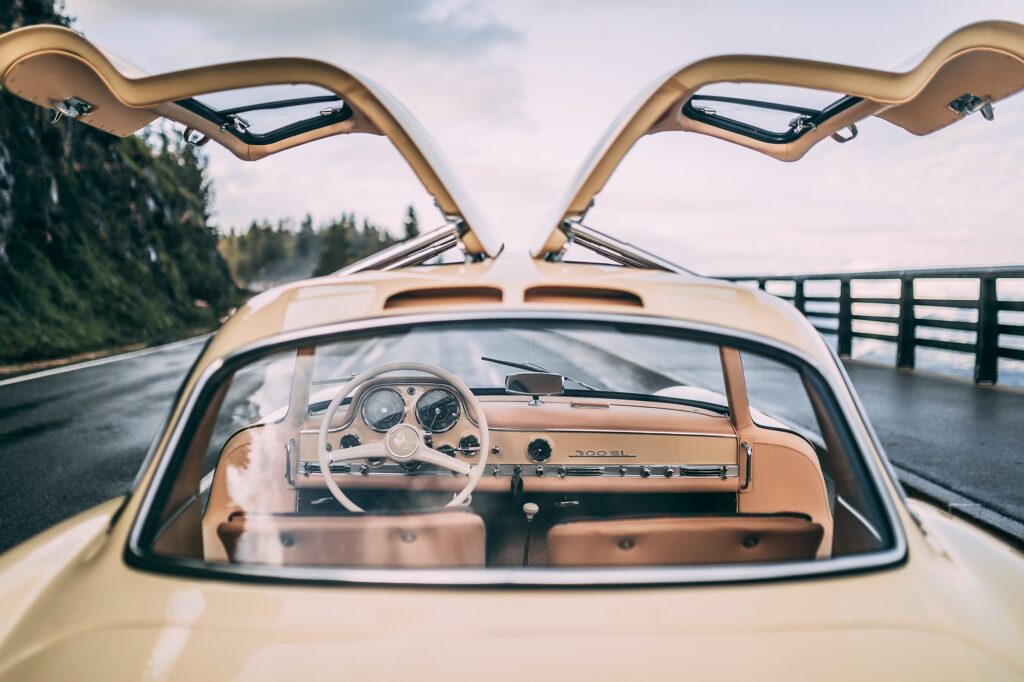
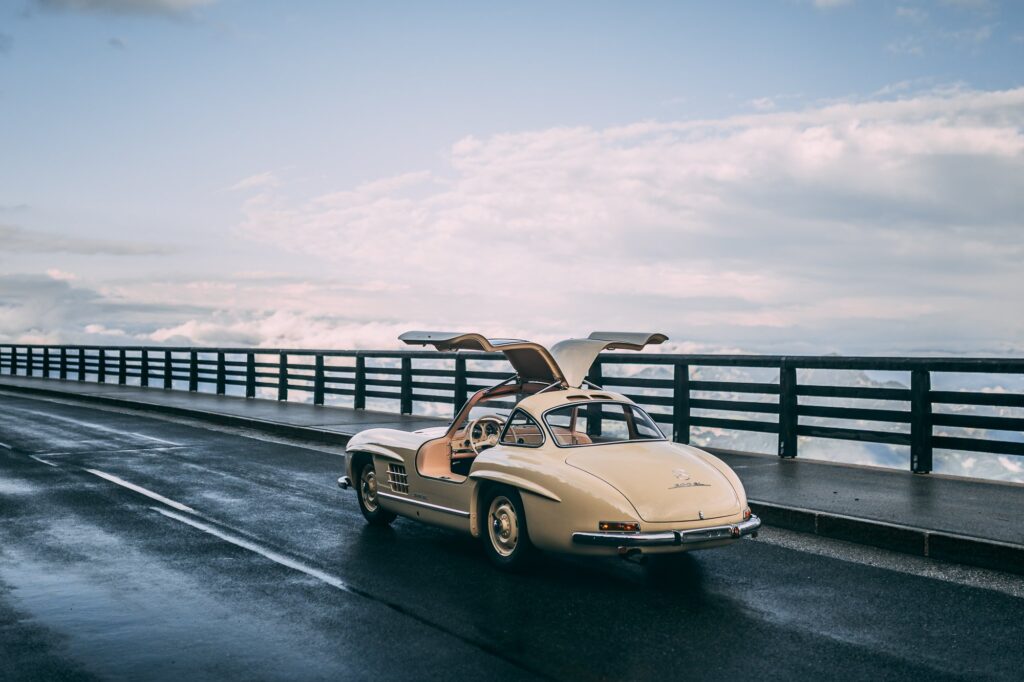
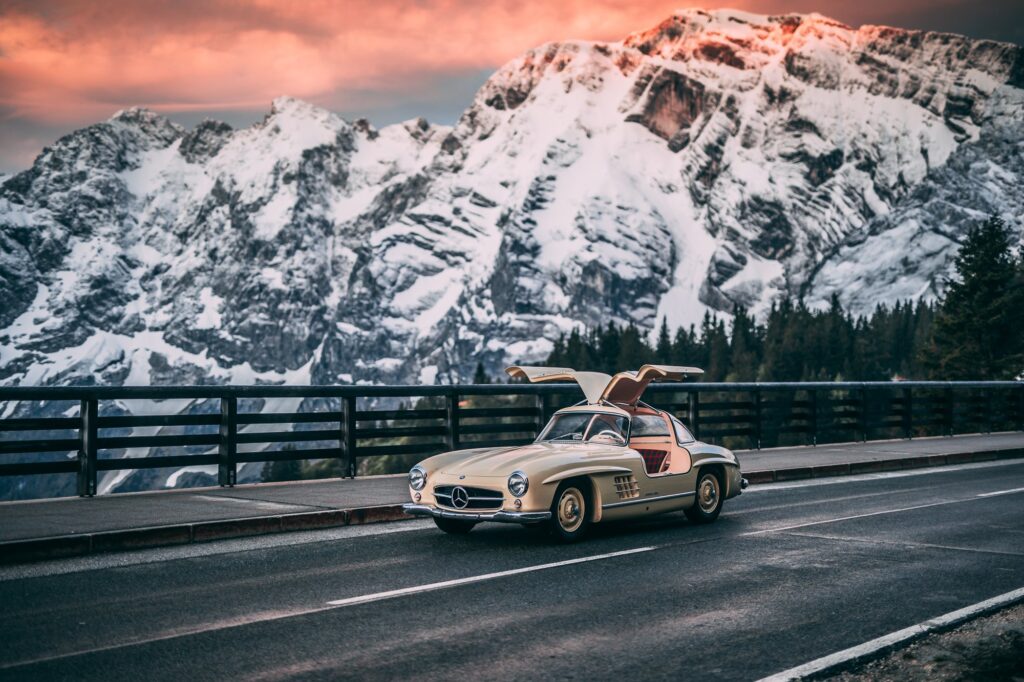
1956 Mercedes-Benz 300SL 
A Kiwi restoration tale like no other. Two of the rarest cars in the world, found in the Waikato, then restored in New Zealand and one of them subsequently marketed overseas for a cool… $12,876,000
Photos: Stephan Bauer for Schaltkulisse GmbH

It’s fair to say that nothing much in the classic Mercedes world gets past Mercedes-Benz Club stalwart Garry Boyce so it wasn’t surprising to learn that around 15 years ago he had sniffed out an extremely rare 300SL lightweight Gullwing as well as a 1958 300SL Roadster hiding away in the Waikato. The cars were not for sale but Garry eventually managed to persuade the owner to allow him and his restoration team to take a look at the Roadster. They discovered a very distressed but largely unmolested car. The car was so original that the body had never been off the chassis, meaning most of the parts and fittings were still present and correct, as they had been fitted by the factory.
Garry had a quick look at the lightweight coupé on the same day, just a few kilometres away from the Roadster’s resting place. It sent shivers down his spine as he inspected such a desirable machine in a condition that could only be described as a basket case. After leaving the premises in a somewhat distressed state himself, Garry could only speculate on the possible fate of these cars — both dreams and, more probably, nightmares.

Later Garry ascertained the owner of both of these cars was overseas, having shipped the pair of 300SLs from the UK during the late ’80s, hopeful of eventual restoration. Garry’s continued expressions of interest and dogged persistence were finally rewarded when he received a call from the owner, saying: “I want to sell you the cars today!”
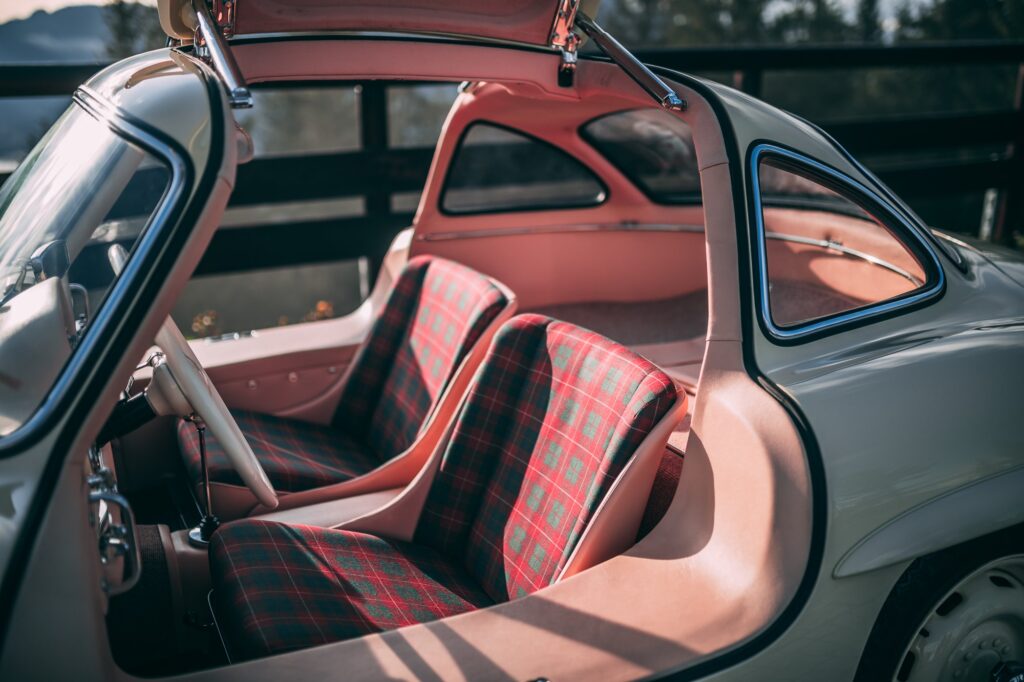
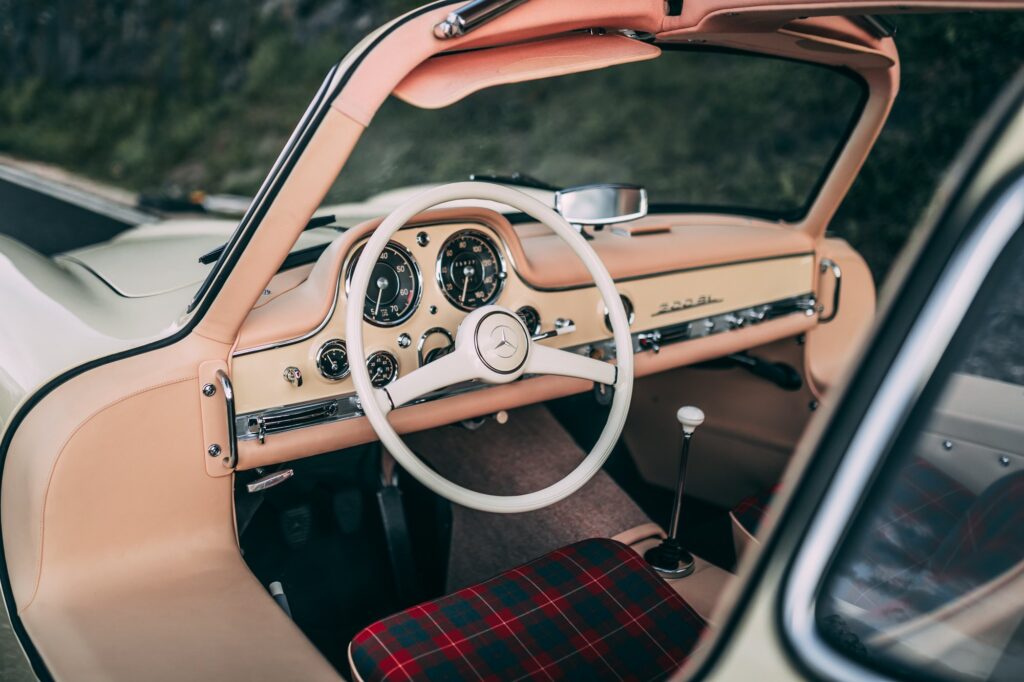
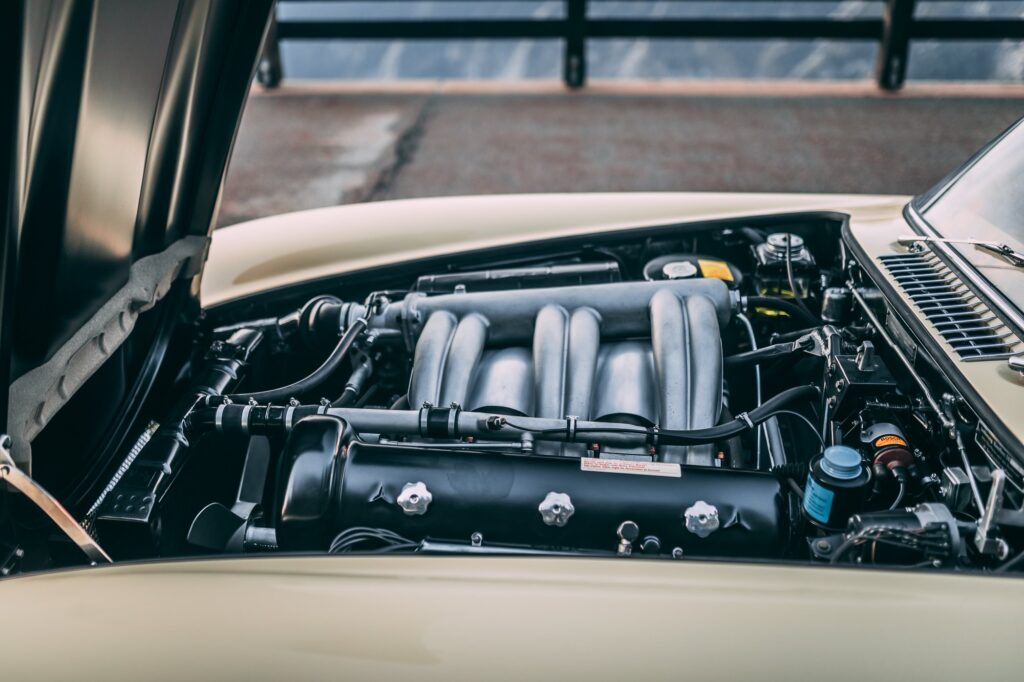
Both cars were then treated to an extensive four-year concours quality restoration by Mercedes-Benz specialist, Lloyd Marx.

Garry entered the Gullwing in the Ellerslie Intermarque Concours d’Elegance in 2015, scoring 564 points out of a possible 590 — the third-highest recorded score in the competition’s 42-year history — and winning the prestigious Masters Class.  The car also featured on the cover of New Zealand Classic Car magazine in April 2015.
Before the year was out, chassis #6500015 returned to London, whence it was originally sold in 1956. Aware of the car’s significance as one of just 29 alloy-bodied 300SLs, the new owner charged the Gullwing gurus at HK-Engineering with elevating the car’s condition even further. The work was finished in time for the car to be entered in the most famous automotive beauty pageant of them all: the Pebble Beach Concours d’Elegance in California. In the fiercely contested Postwar Touring class, it won second place.

That brings us to today. This outstanding example is now offered for sale by German classic car specialists, Schaltkulisse. According to Garry, “Irrespective of the current worldwide pandemic, high-end, high-quality classics cars retain their investment status.”
So, if you have a cool 7.5 million euros burning a hole in your pocket, then this 1956 Mercedes-Benz 300SL with some Kiwi credentials may just be an investment worth considering.
This article first published August 2020

Breakfast of champions – Brink

Some older readers may recall the amusing late 60s advertisement for a breakfast drink using World Champion racing driver Graham Hill which was made while he was out here competing in the Tasman Series.
“Drink Brink” was the phrase, subtly altered by Graham’s characteristic lisp into “Dwink Bwinkl” which drew a grin or two.
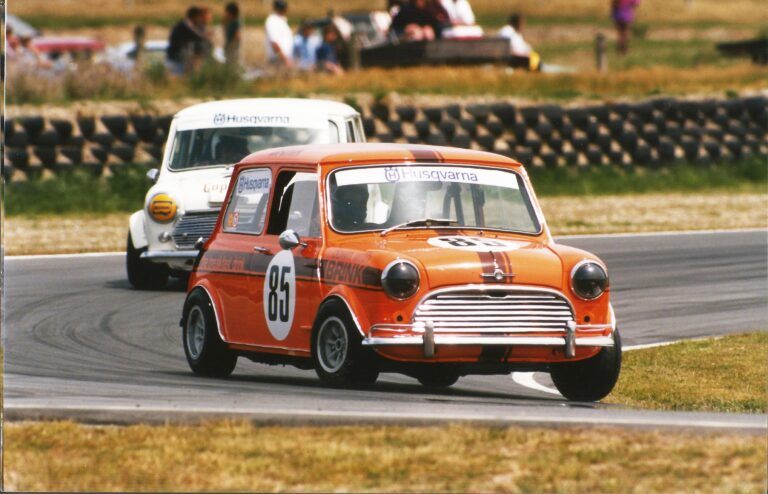
Southland Mini racing enthusiast Howard Kingsford-Smith has preserved a little bit of Mini racing history when he re-created the “Brink Mini” some 25 years ago.
“I bought what remained of the original car and made a replica I suppose or look-a-like of the original Brink Mini from Cathy Henderson about 25 years ago,” Howard explained.
The motor car as an art form

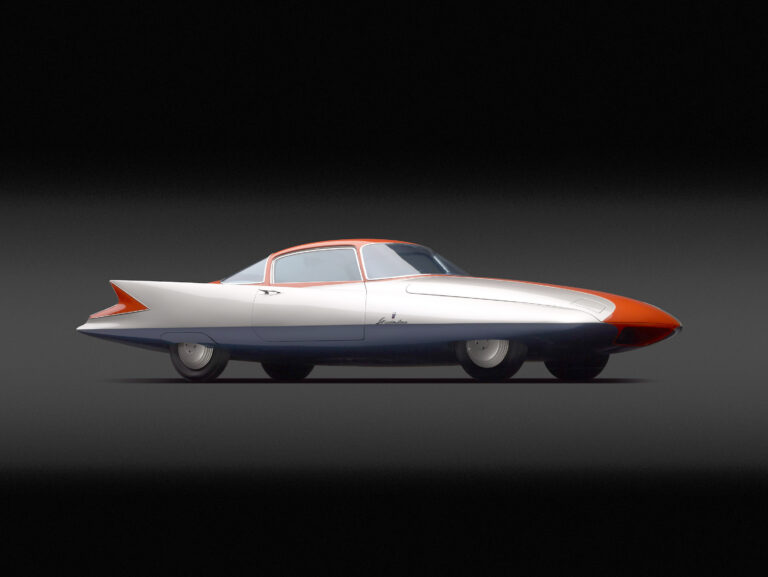
We have certainly come a long way since the exhibition entitled 8 Automobiles, shown at the Museum of Modern Art in New York in the autumn of 1951, the first exhibition concerned with the aesthetics of motor car design.
It was here that the often-used term ‘rolling sculpture’ was coined by curator Philip C Johnson, director of the department of architecture and design, when he said, “An automobile is a familiar 20th century artefact, and is no less worthy of being judged for its visual appeal than a building or a chair. Automobiles are hollow, rolling sculptures, and their design refinements are fascinating. We have selected cars whose details and basic design suggest that automobiles, besides being America’s most useful objects, could be a source of visual experience more enjoyable than they now are.”