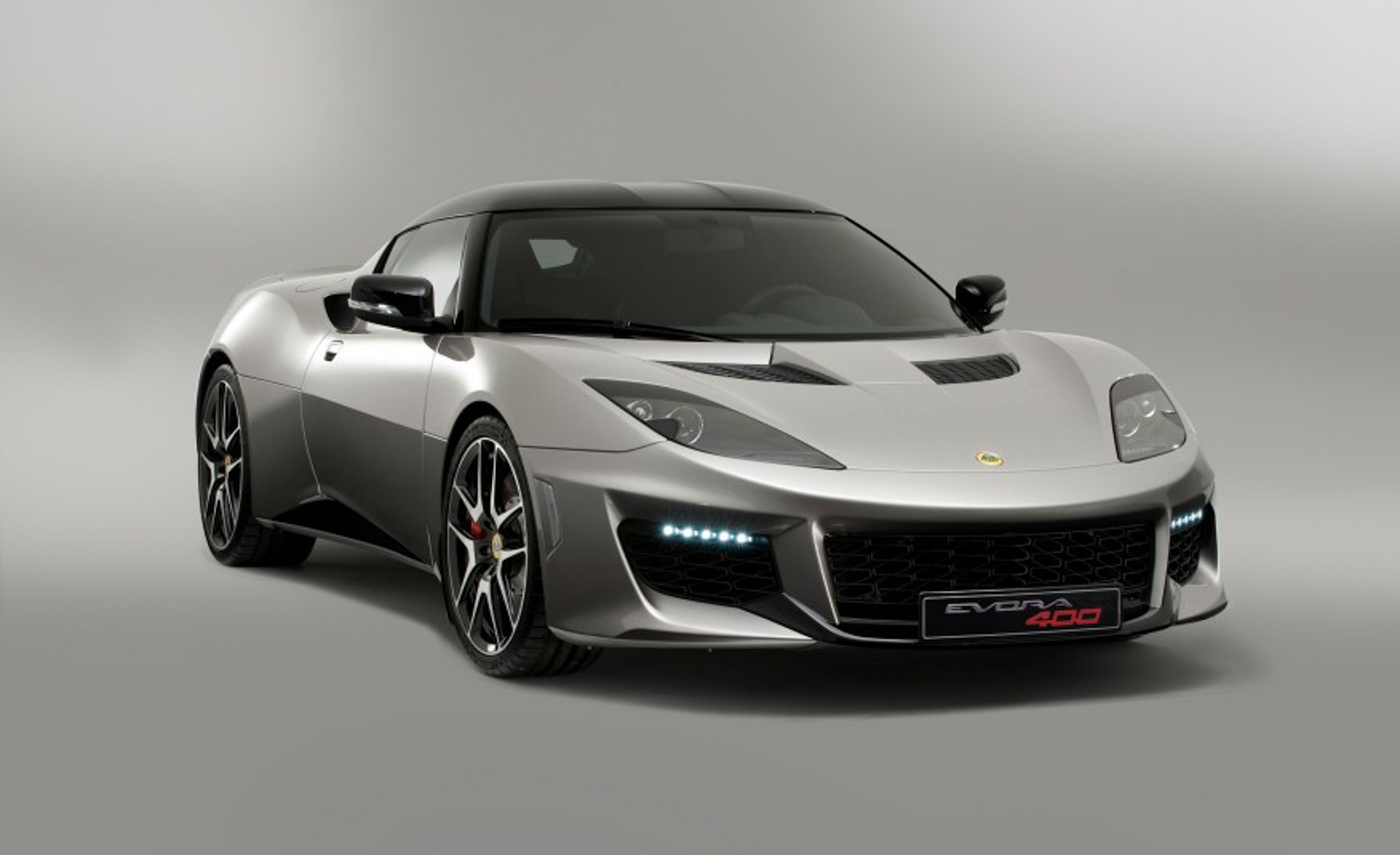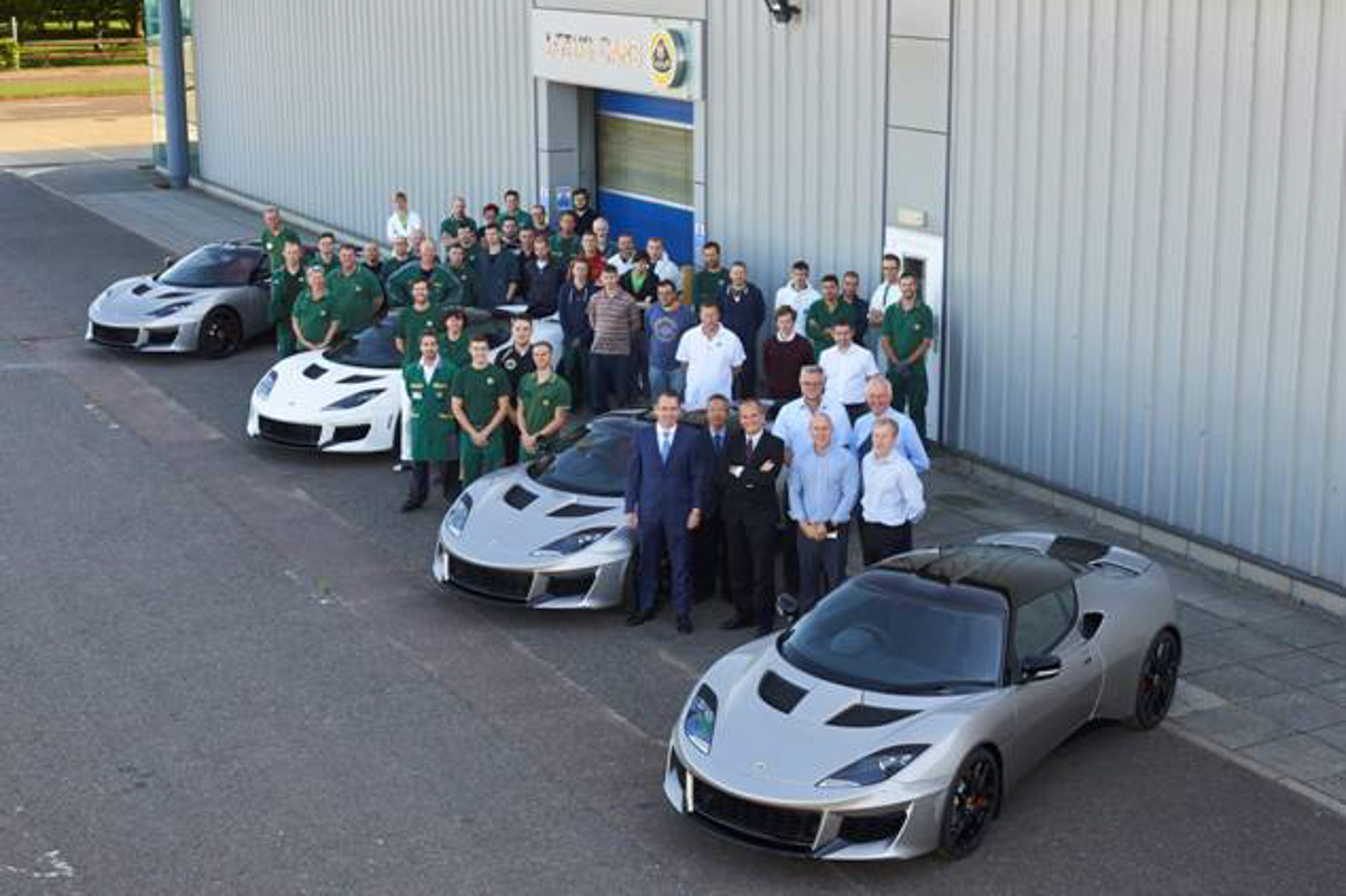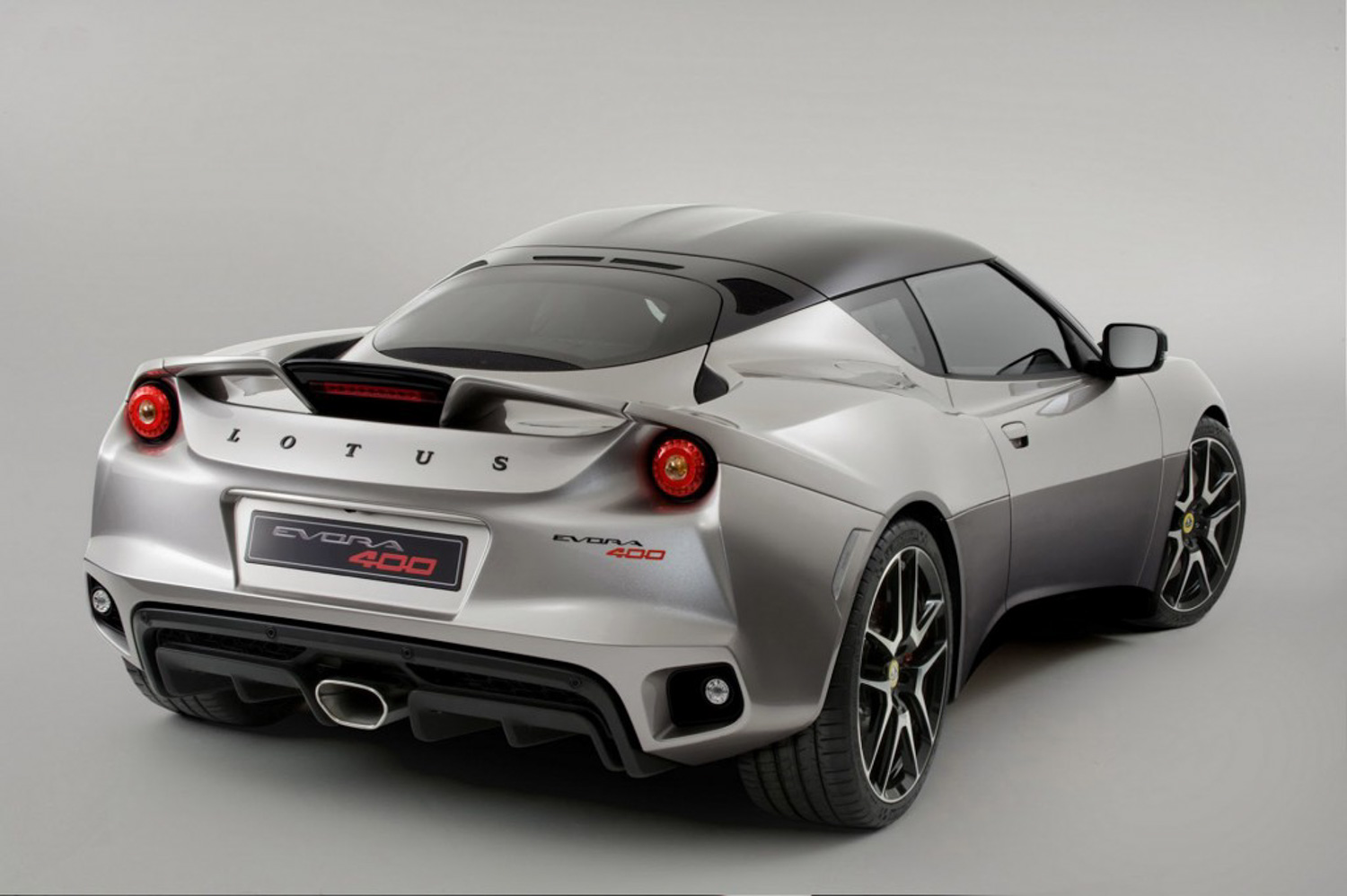
Construction of the of Lotus’ latest lightweight track warriors, the new 2015 Evora 400 Sport, has come to a head, with the first of the revolutionary new cars being delivered to owners and dealerships all over Europe as we speak.
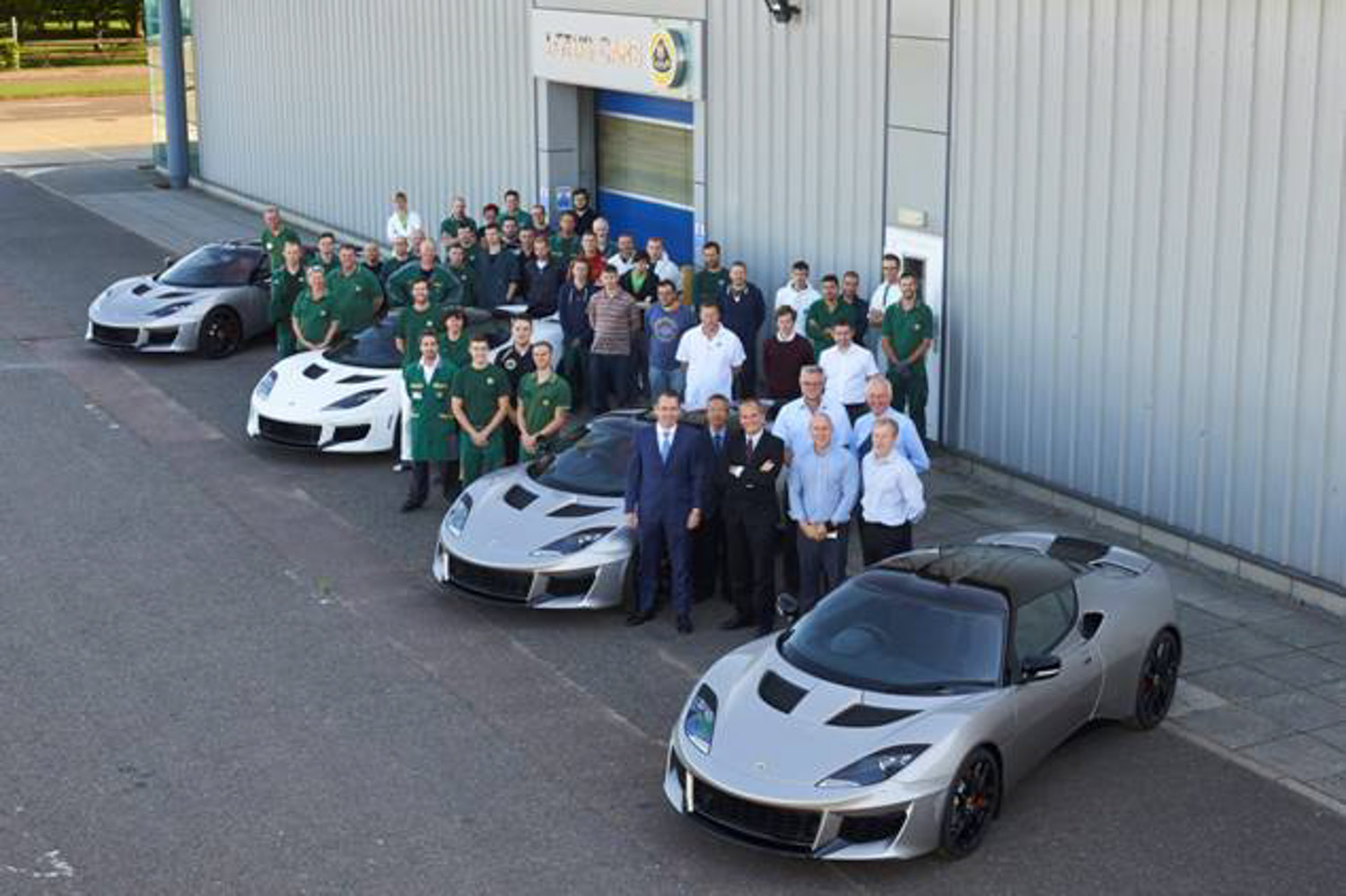
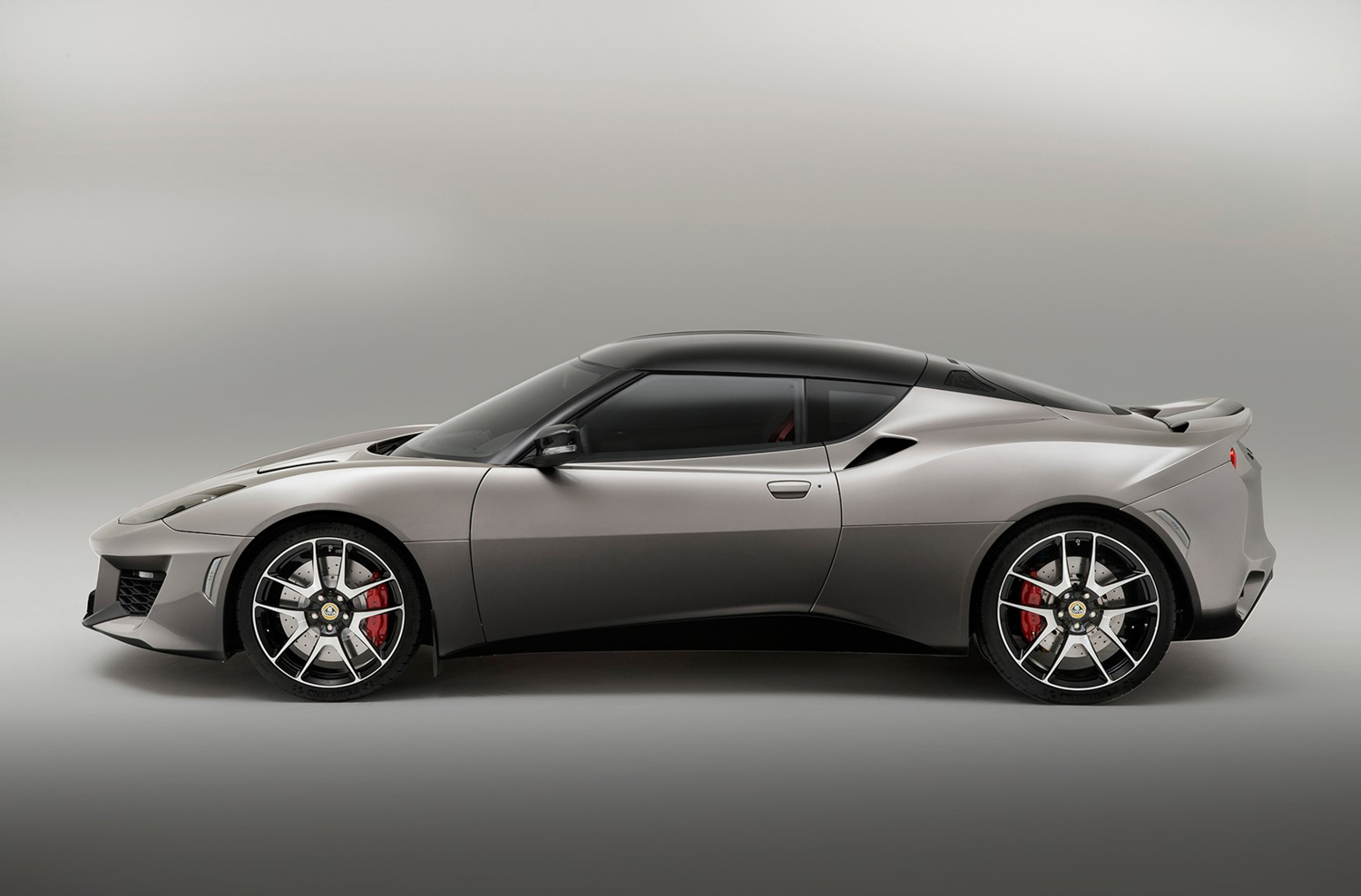
The Evora 400 Sport has set a new benchmark for the plucky manufacturer, as the fastest-ever production car ever issued by the brand. Predictably, it’s light — weighing in at 1375kg. While some might not consider that number to be wildly impressive, it starts to make more sense when you consider that the 400 Sport is almost 50kg lighter than the preceding Evora model, and beneath its suave and smooth body-lines it conceals a 400hp, supercharged, mid-mounted 3.5-litre V6 engine.
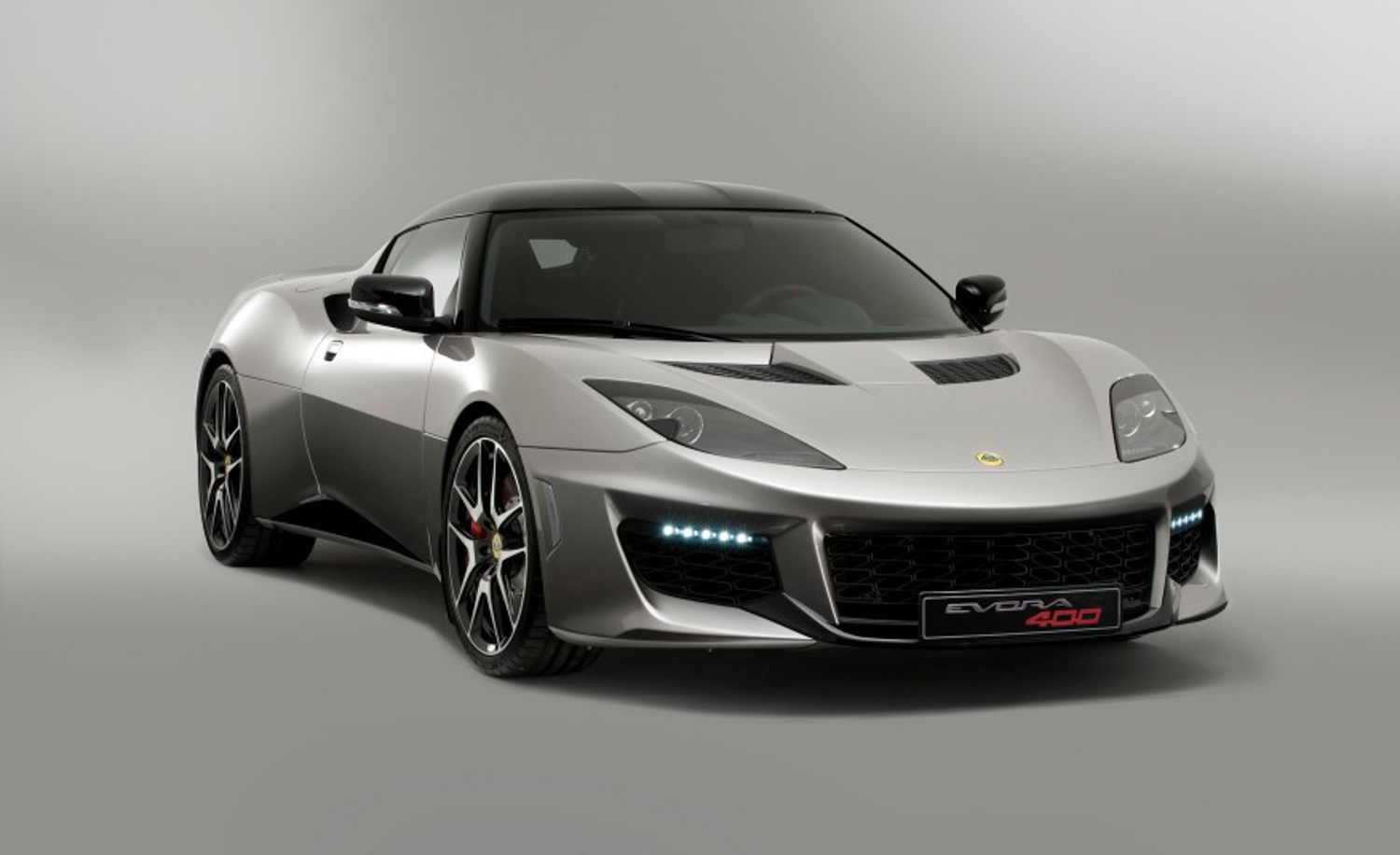
In full flight, the Sport will be capable of hitting 300kph, taking only 4.2 seconds to get to 100kph along the way. And, naturally, it’ll be able to turn on a dime as well, utilizing an AP Racing brake package, a limited-slip differential, and, of course, Lotus’ famed chassis and handling know-how.
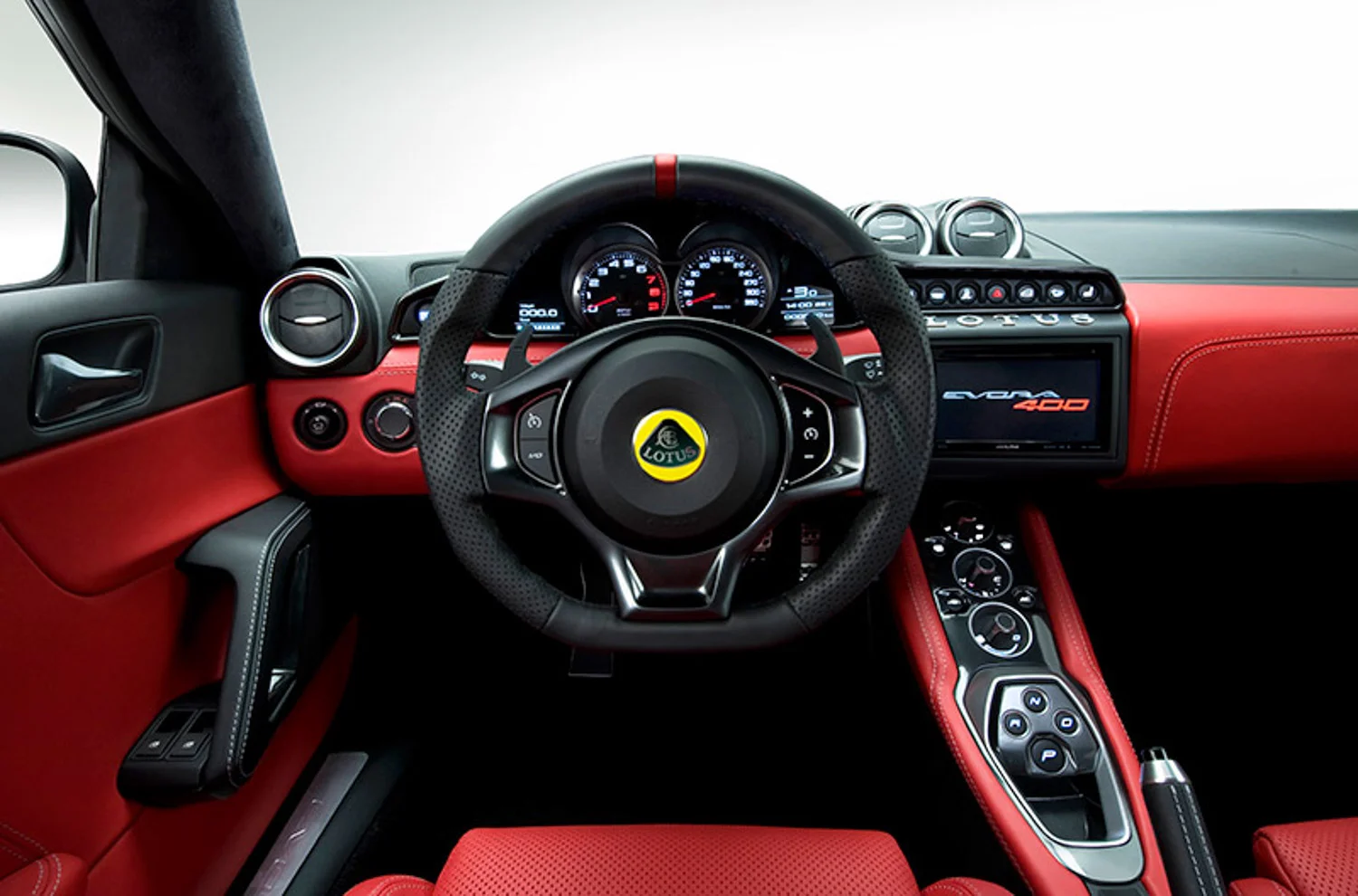
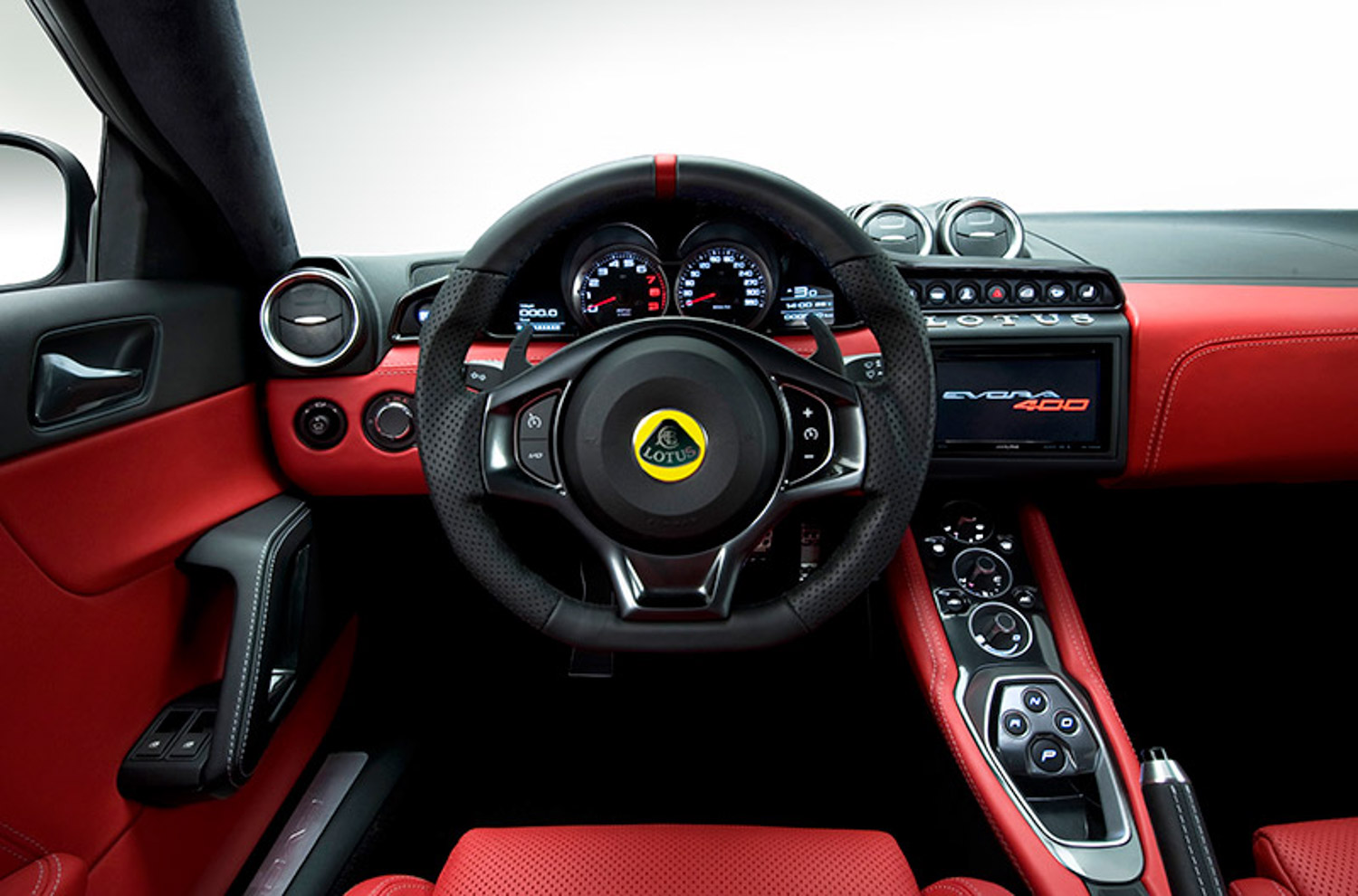
The Sport’s options include a complex infotainment system, an automatic transmission, leather-trim upgrades, and metallic paint. But really, if you’re purchasing a Lotus — no less the fastest Lotus ever produced — you’re spending your hard-earned folding because you want a car that can ride a B road like a pro. If you must drop some extra coin on your Evora, the lightweight forged alloy wheels are probably the best bet.
The release of the car comes just as Lotus has hit an economic upswing — not a trend traditionally associated with a car manufacturer with such a niche market. The number of Lotus dealers worldwide has increased markedly, from 138 to 193, in just the last 15 months.
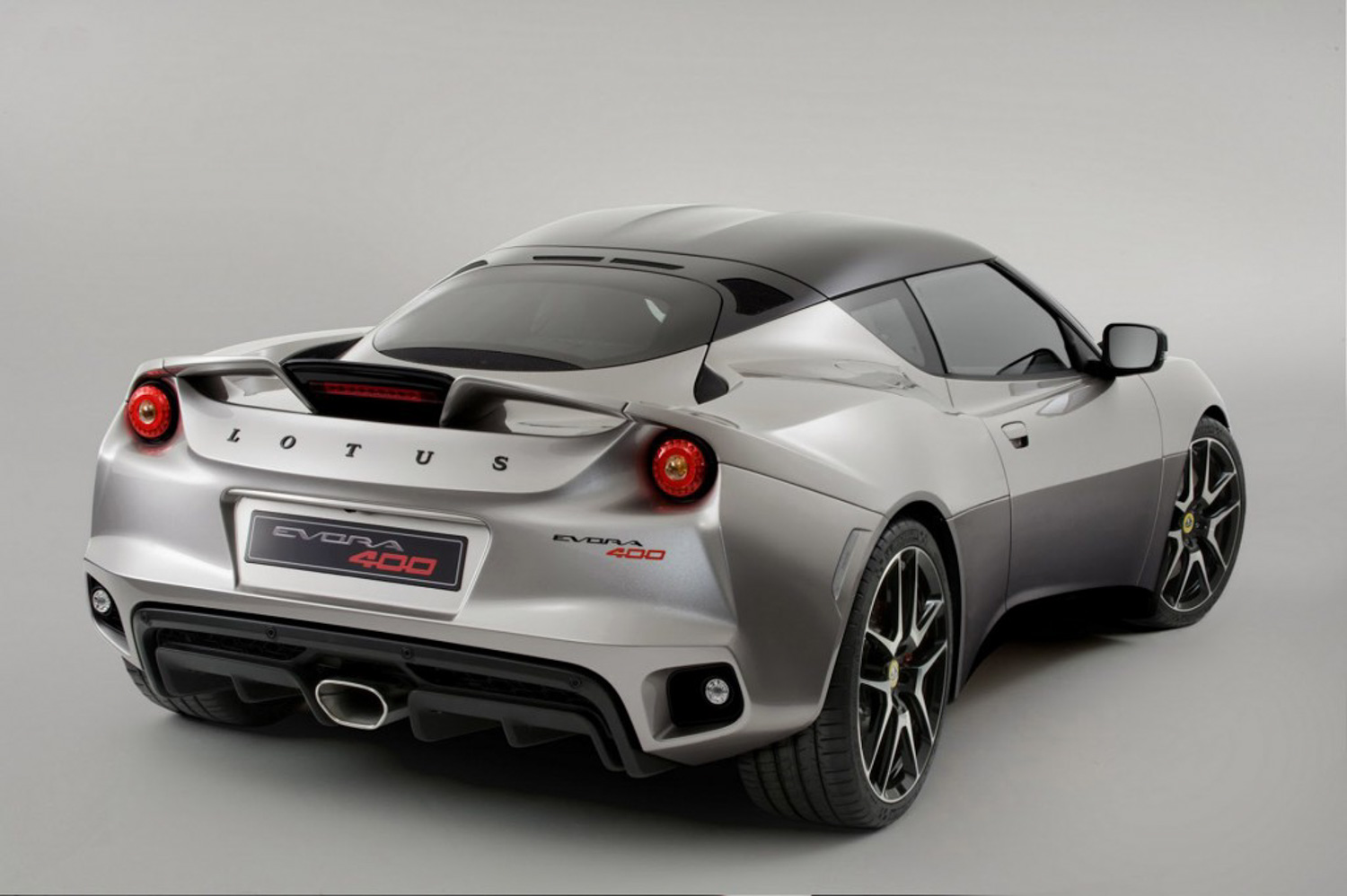
While North American and Chinese markets will be among the next ones to wrap their hands around the Sport, New Zealand will have to wait a little bit longer. But once it’s here, we at New Zealand Classic Car would love to get our mitts on one!
What about you, would you take something like this instead of an Italian or German alternative from the likes of Ferrari or Porsche? Clock in your verdict in our poll below: