There’s nothing quite like getting down and dirty in the engine bay or underside of your own classic car and handling regular maintenance chores and repair work. Simplicity is one of the great aspect about owning and running a genuine classic and working on your own car can will not only save you money, it also increases the personal satisfaction and well-being we all feel through the ownership of a much-loved classic car.
There’s little doubting that we all like to get out in the garage and tinker with our classic. In fact, it seems that more and more of us taking up the challenge of attending to the more technical aspects of servicing our classics on a regular basis, choosing to leave only the ‘major’ repairs to the experts.
For many, though, the very thought of attempting to tackle anything under the bonnet can seem to be somewhat daunting process, with the result that much needed servicing can often be over-looked due to factors such as time restraints, lack of suitable equipment – of simply just a lack of ability.
However, this isn’t necessarily a bad thing and shouldn’t stop anyone from enjoying a classic car – help is on the way as there are many companies out there in this great land of ours with more than enough experience to keep your classic car running like the proverbial Swiss watch. Whether it be a generic, we-fix-all, type of mechanical workshop or one that specialises in a specific classic marque, the choice is endless and, in most cases, the workmanship of offer is first class. After all, quality control is of the utmost importance and attention to detail is essential, especially when it comes to handling some of the finer points of a cherished classic. As such, choosing the right professional for the job is paramount and when we consign our cars to a workshop we want to know that they’ll look after our ‘baby’ as well as we would.
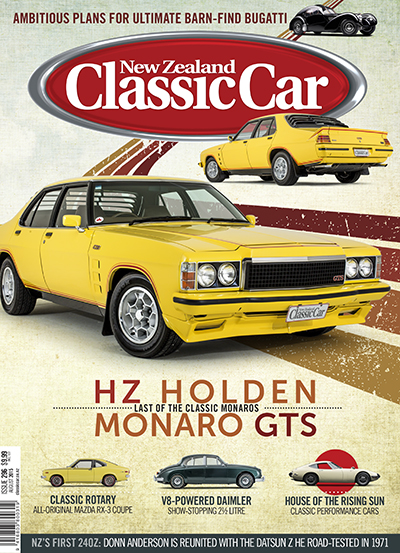
Choosing a professional company through word-of-mouth recommendations from fellow classic car owners or through the pages of specialist magazines such as New Zealand Classic Car, can help you to select the right workshop. Choose wisely and, in many cases, you’ll be reassured to find that the proprietors and staff of such recommended establishments are, indeed, classic cars owners themselves and will respect as well as look after your car as if it was their own special vehicle.
Remember – regular servicing can save you from nasty unexpected, and costly, surprises and with this in mind we’ve put together a comprehensive list of specialist classic car servicing companies. Whether your car requires nothing more than a simple oil change and tune-up or something fairly major such as an engine rebuild, it’s important to know that there are specialists out here to assist you all the way; in fact, check out the specialists below: