Roadster wars: the Fiat 124 Spider returns

19 November, 2015

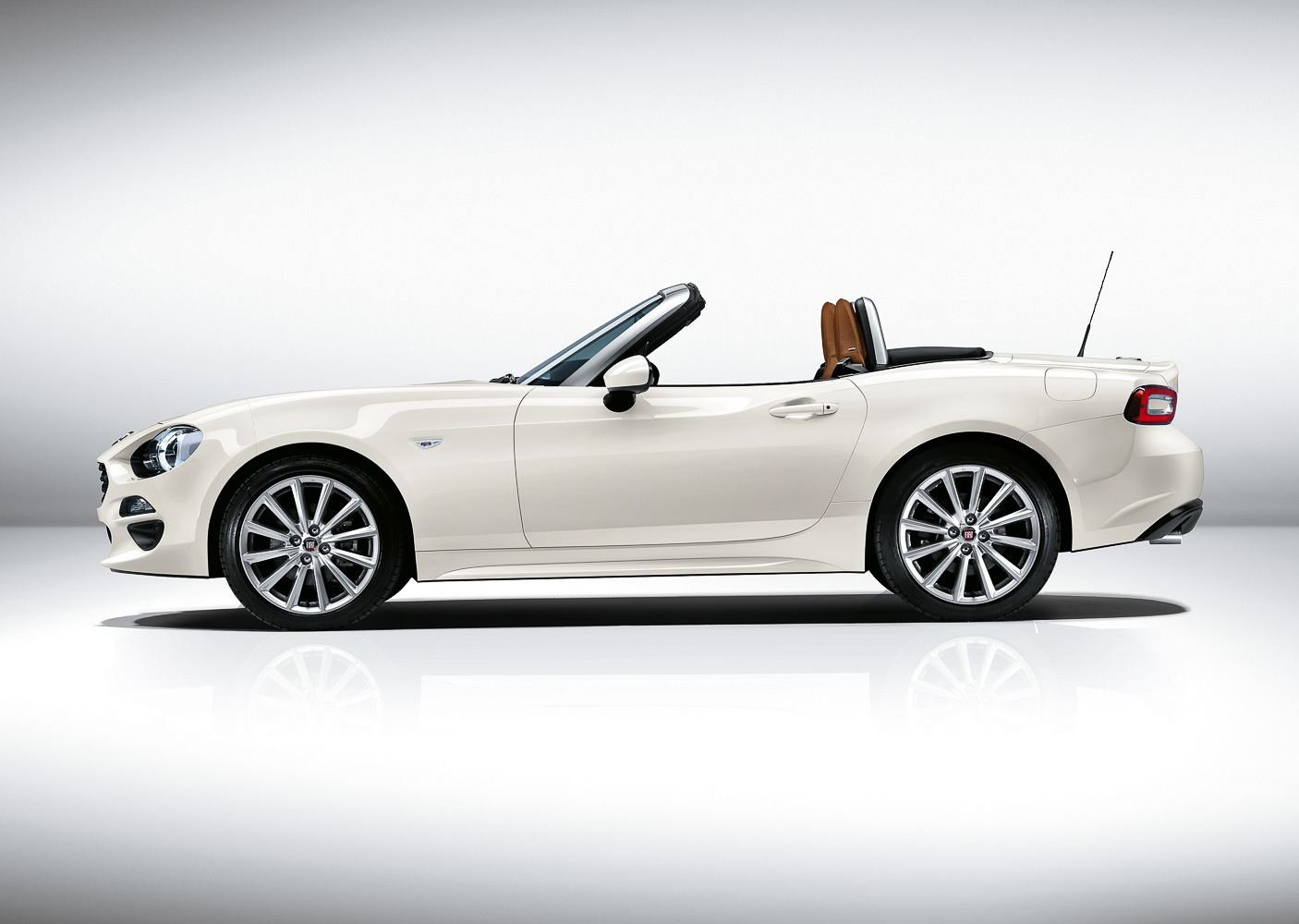
Almost 50 years since the original was introduced, an Italian-classic favourite makes a welcome return — albeit in thoroughly modern form. Yes, the Fiat 124 Spider is back! 
Designed at Centro Stile in Turin, Italy, the new 124 Spider takes its inspiration from the 1966 original — including the distinctive twin bonnet ‘power-domes’ from the second-generation Spider – but, under the skin, you’ll find Fiat’s 1.4-litre MultiAir turbo engine. With 104kW being fed to the rear wheels via a quick-shifting six-speed manual transmission, the new car should be able to match the sheer on-road brio of the classic 124 Spider.
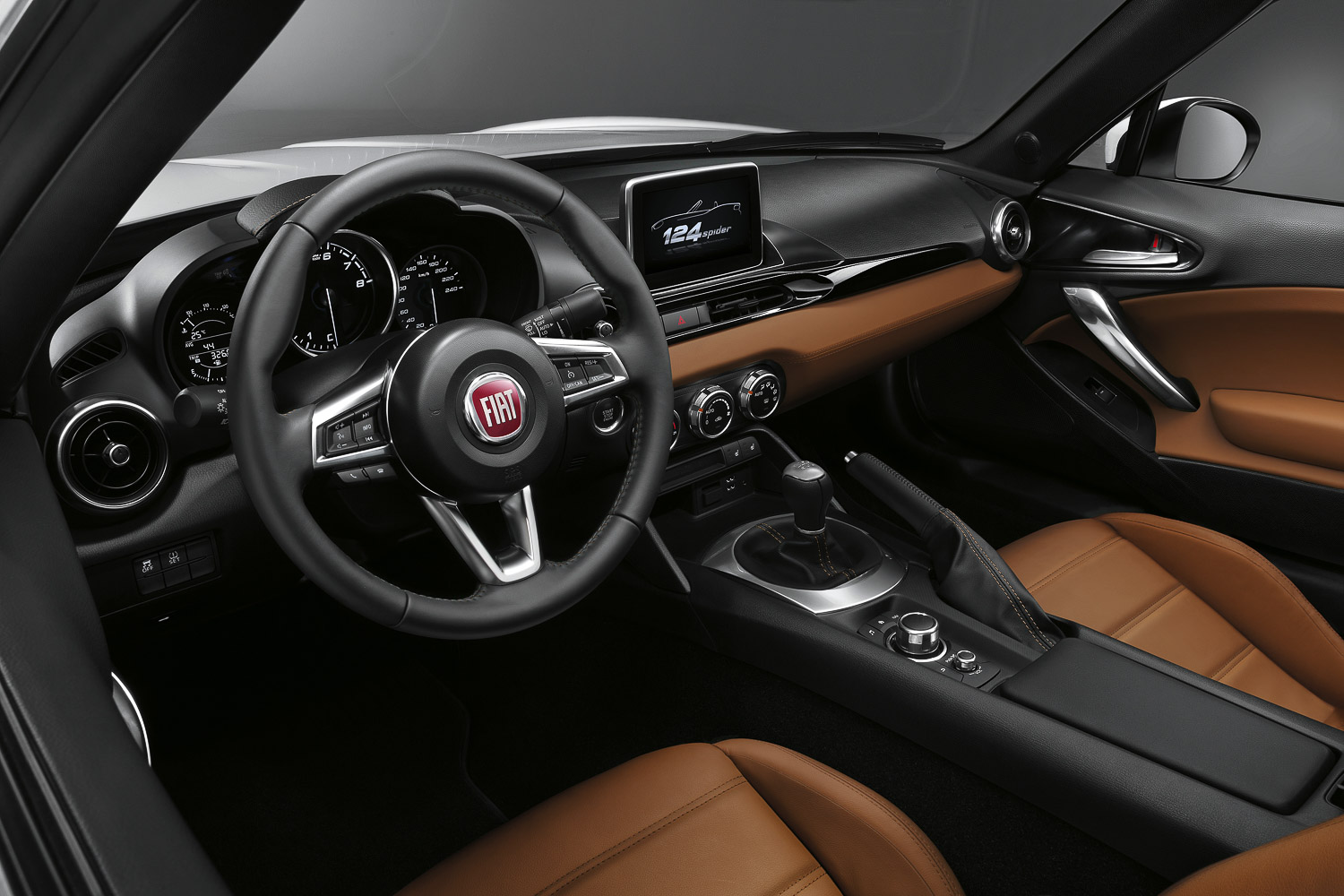
Inside, the new 124 Spider’s cockpit is a pleasing mix of classic ingredients and modern materials and ergonomics — not to mention the fact that it’s packed with bags of Italian style!
It has a lightweight body structure, which is achieved through the use of aluminium and high-tensile steel, and a strong backbone frame comprised of robust, straight beams, underpins the overall structure, while a front subframe and rear cross members connect the backbone to the front and rear sections to provide a structure that is light, safe, and extremely rigid. Allied to that, the new Spider’s suspension — a double-wishbone front and multi-link rear arrangement — has us expecting that the new Fiat will provide excellent handling.
Fiat New Zealand are hoping that the all-new Fiat 124 Spider will make its local debut in late 2016 — and we can’t wait to get our hands on one for a test drive.

The motor car as an art form

We have certainly come a long way since the exhibition entitled 8 Automobiles, shown at the Museum of Modern Art in New York in the autumn of 1951, the first exhibition concerned with the aesthetics of motor car design.
It was here that the often-used term ‘rolling sculpture’ was coined by curator Philip C Johnson, director of the department of architecture and design, when he said, “An automobile is a familiar 20th century artefact, and is no less worthy of being judged for its visual appeal than a building or a chair. Automobiles are hollow, rolling sculptures, and their design refinements are fascinating. We have selected cars whose details and basic design suggest that automobiles, besides being America’s most useful objects, could be a source of visual experience more enjoyable than they now are.”

More to the point

This Daimler SP252 is so rare, few people know it exists. It’s one of a kind. It’s the only surviving, in fact the only SP252 ever completed; the would-be successor to the SP250 Daimler Dart. It is also the last sports car to have been designed by Jaguar’s legendary founder, Sir William Lyons.
Perhaps one of the original Dart’s biggest problems was it’s somewhat-divisive looks. It certainly went well enough to win fans, although Sir William wasn’t among them. It crushed the opposition in the Bathurst six-hour race, finishing five laps ahead of anyone else, and it was snapped up by police forces in Britain, Australia, and New Zealand, as it was the fastest thing on the road.
So you’d think a stunning new body with the magic Lyons touch would have been a surefire success. Why this car never made it into production is still something of a mystery, as the official explanations barely stack up.