Weekly Motor Fix: a rare Corvette Collector Edition

13 July, 2016

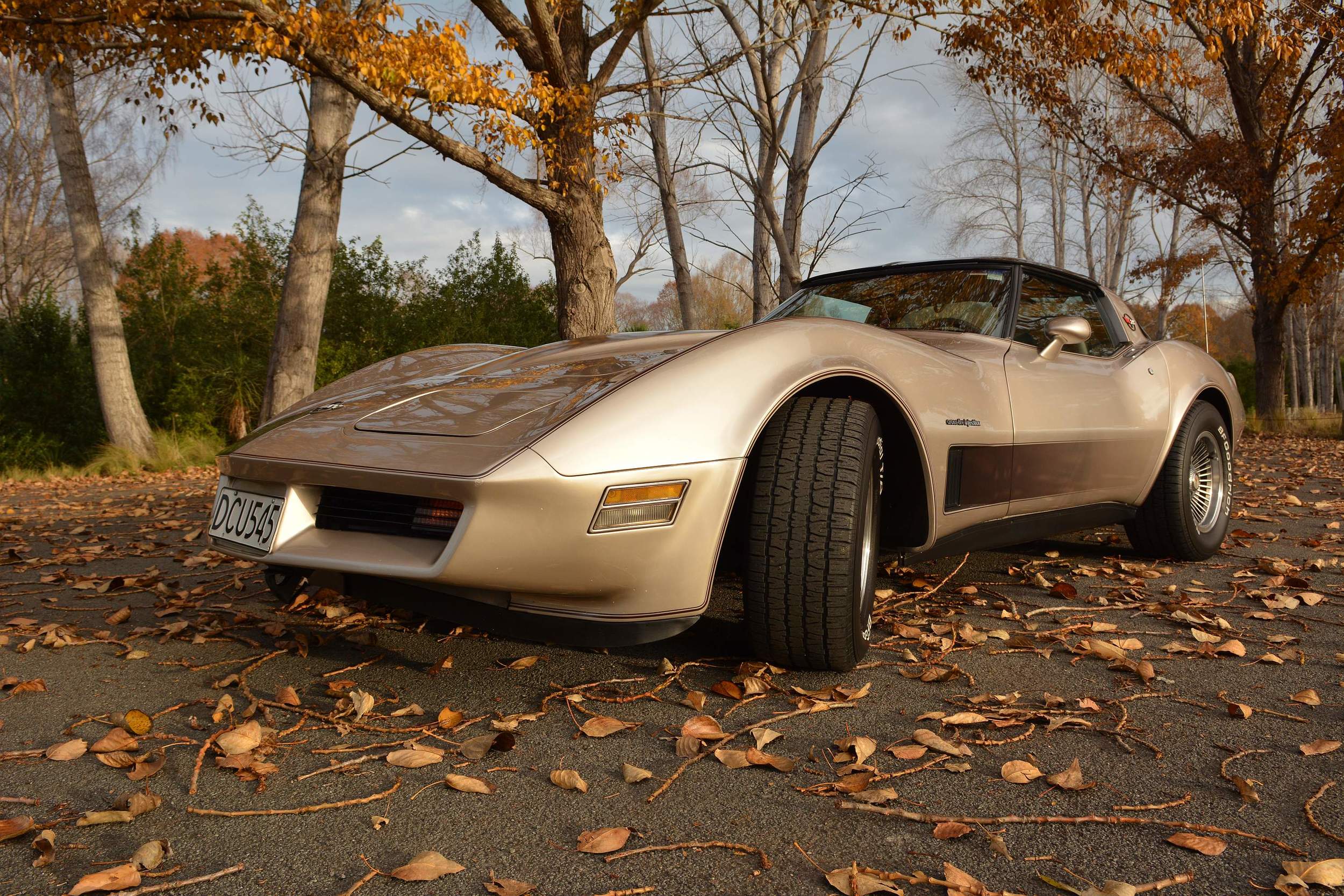
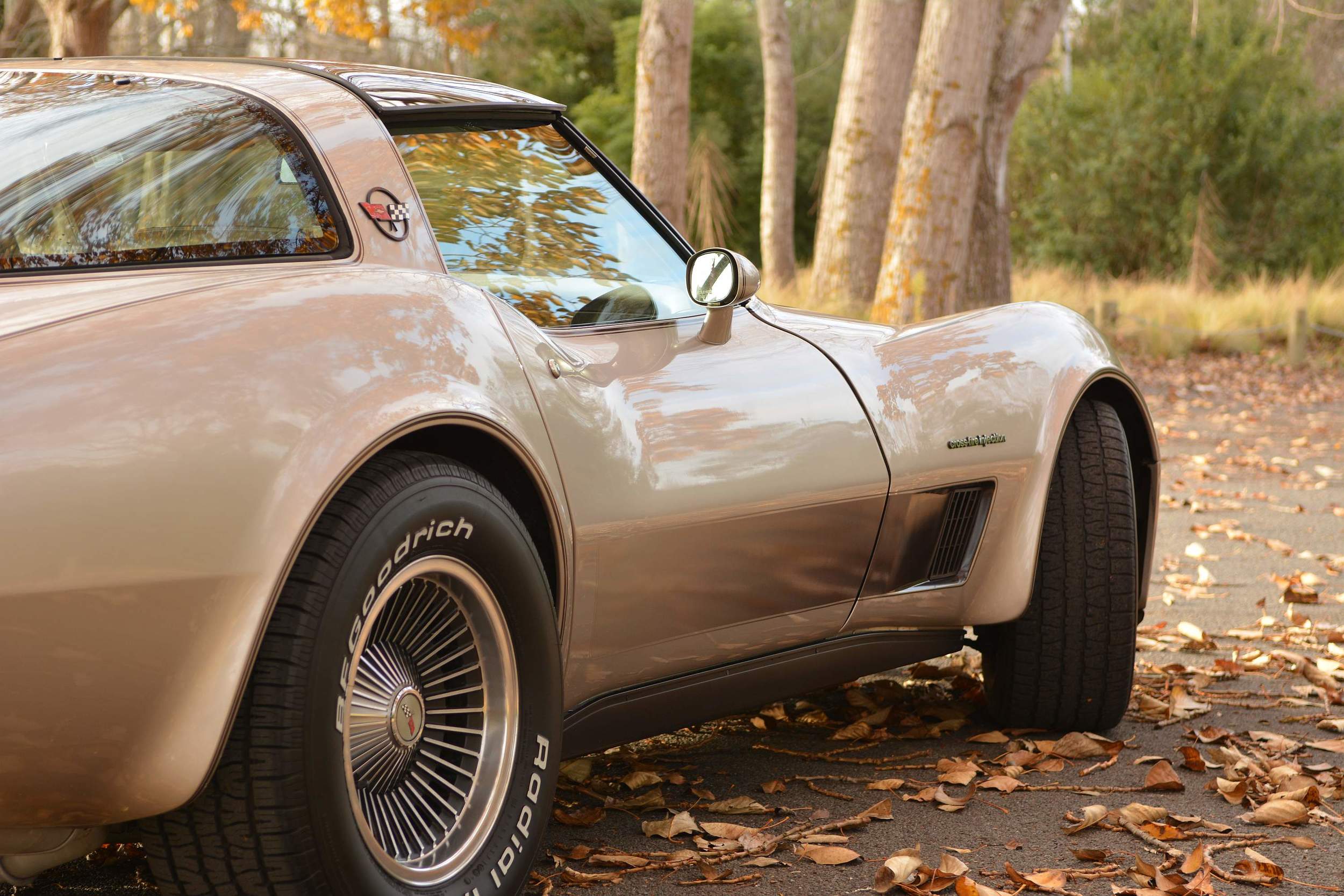
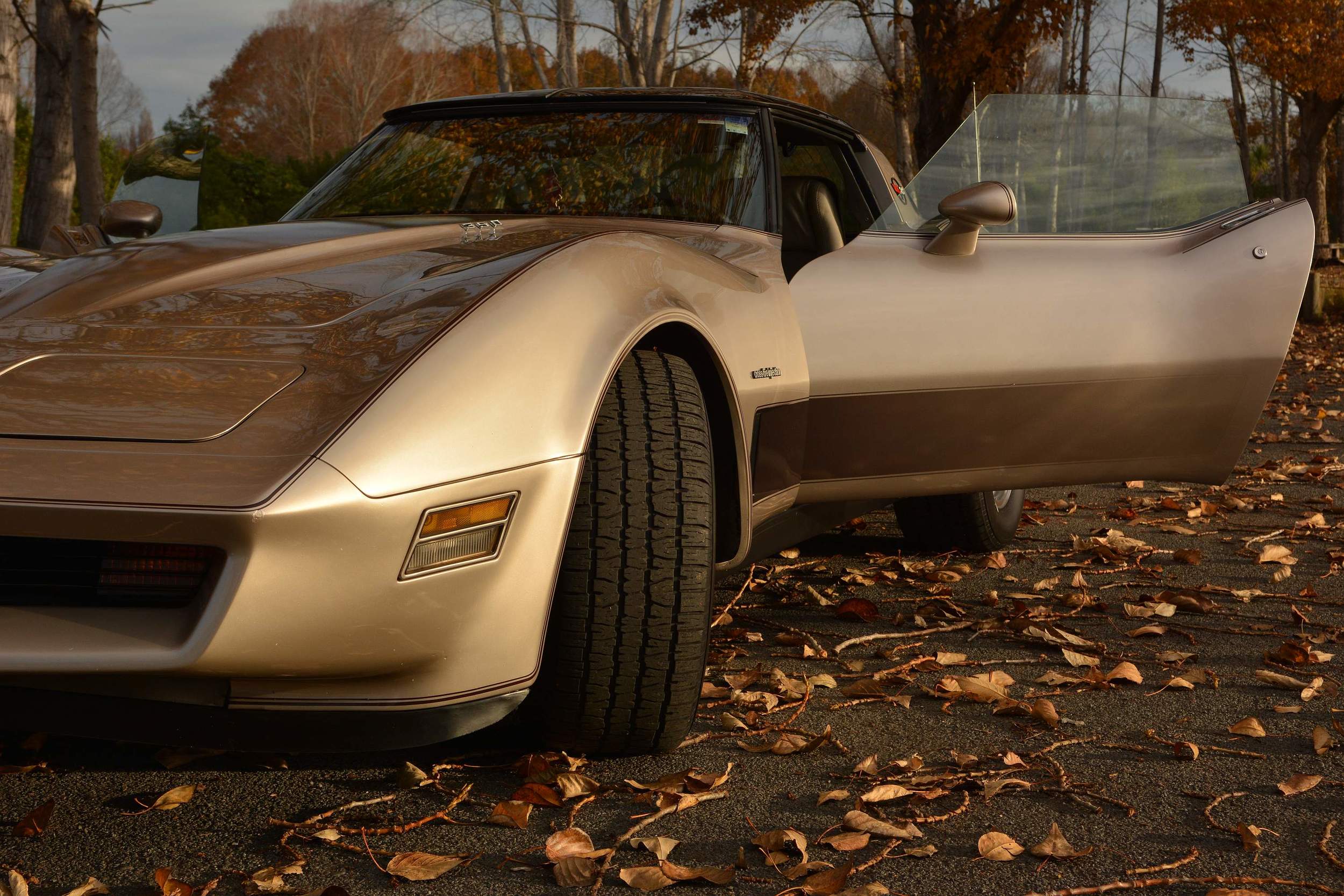
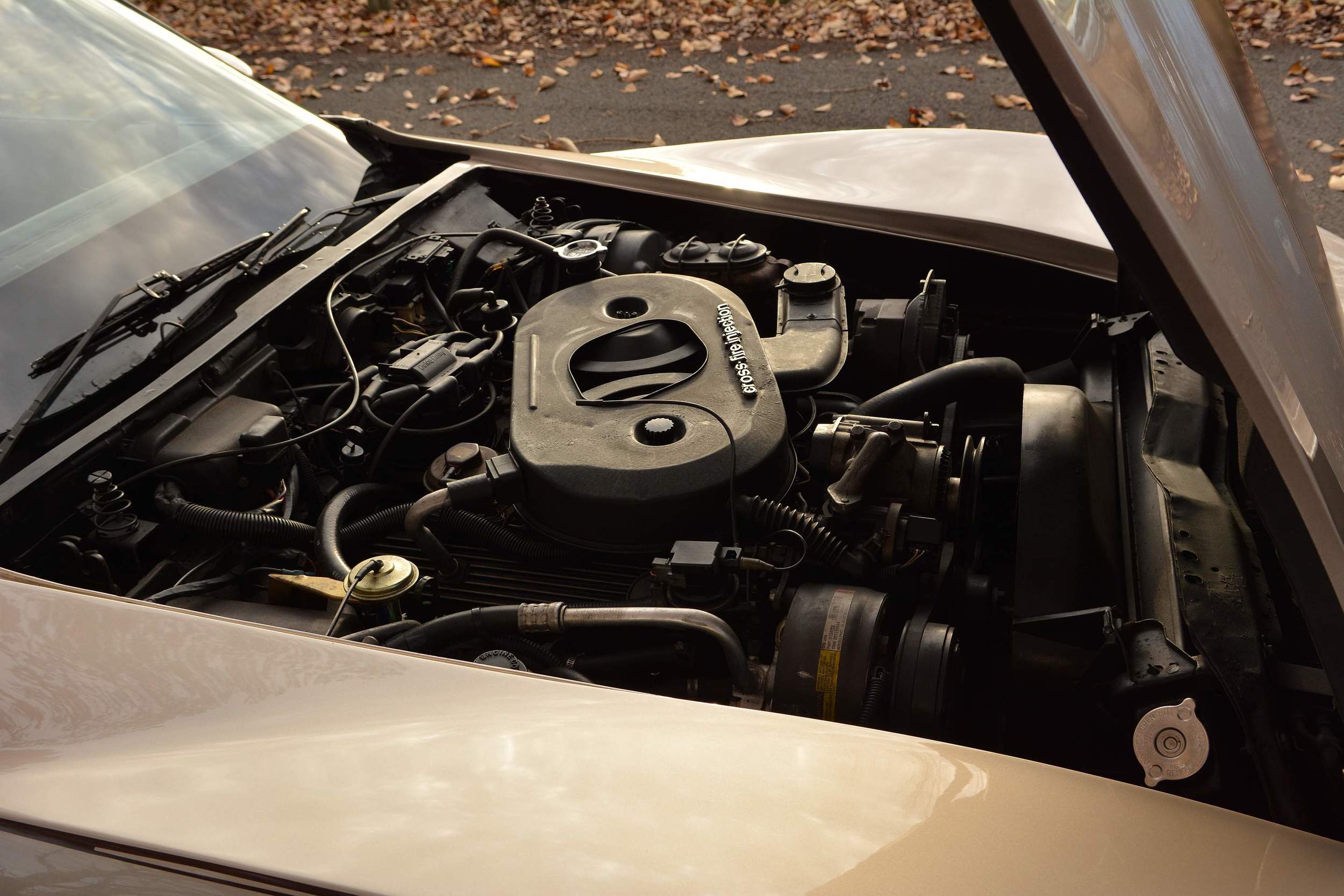
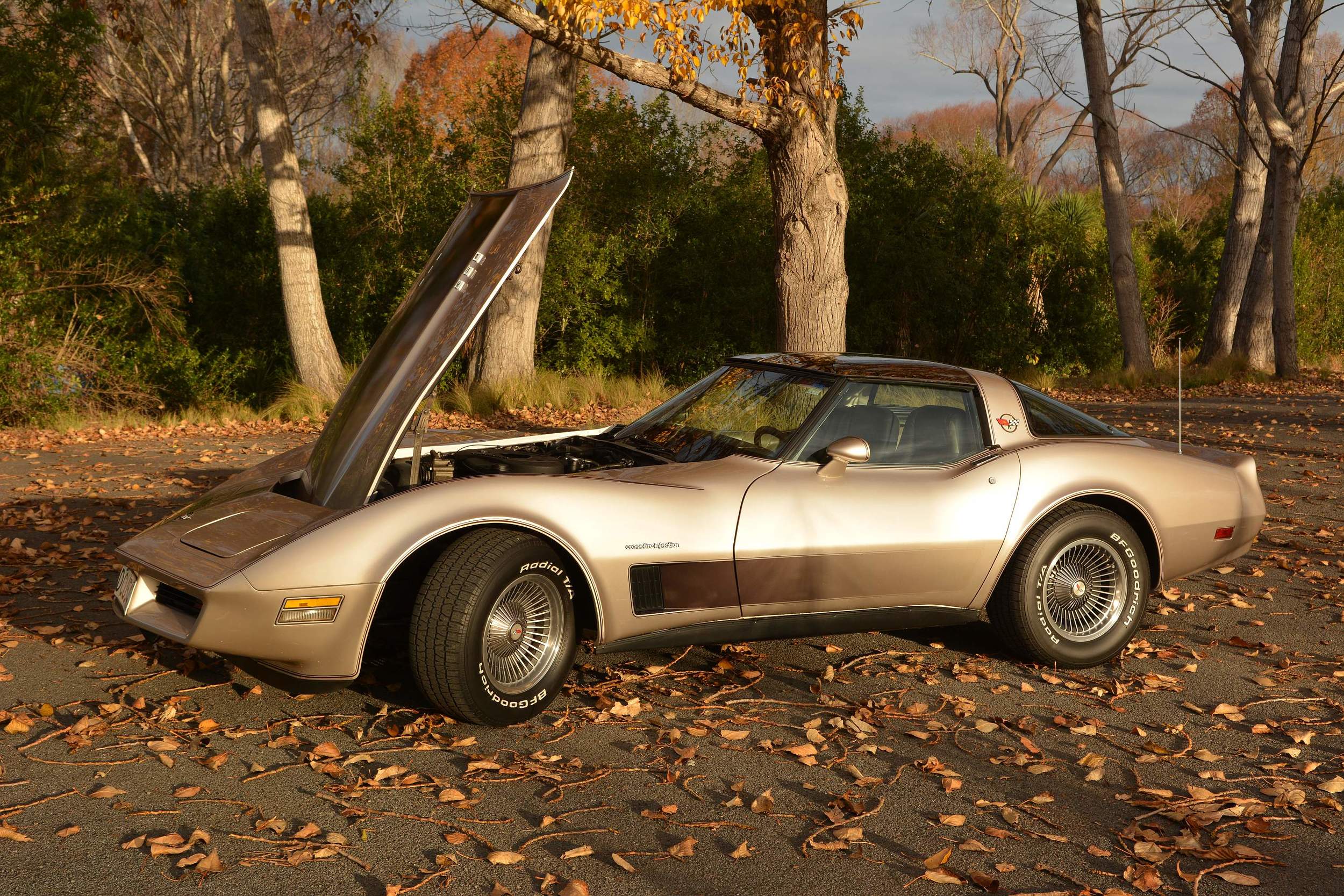
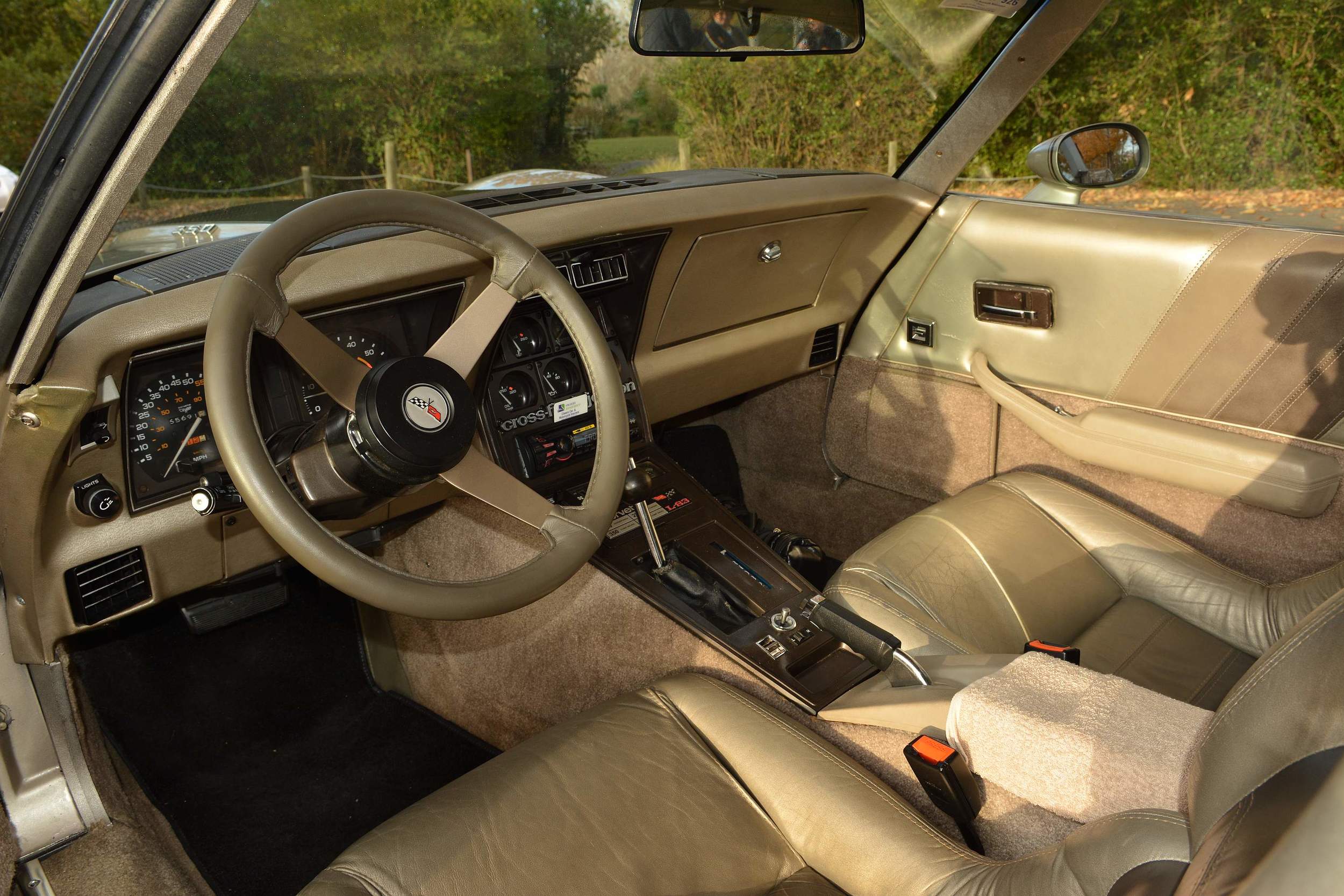
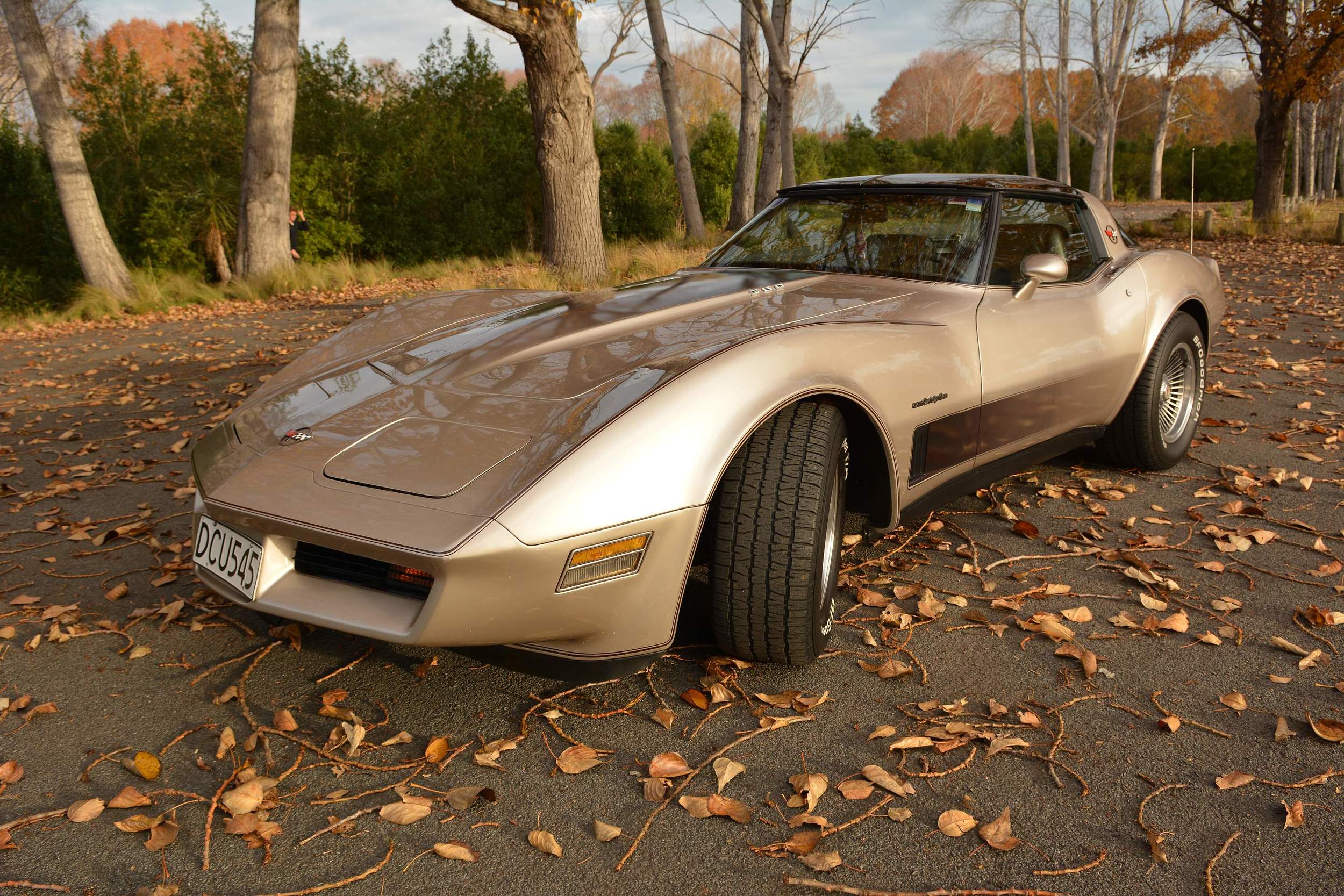
Being a bit of a Corvette fan — and owner of several over the years — I was pleasantly surprised when a reader recently sent me through photographs of his rather rare 1982 Corvette Collector Edition. Only 6759 of this particular model were built and, as I understand, very few have made it down to this part of the world.   
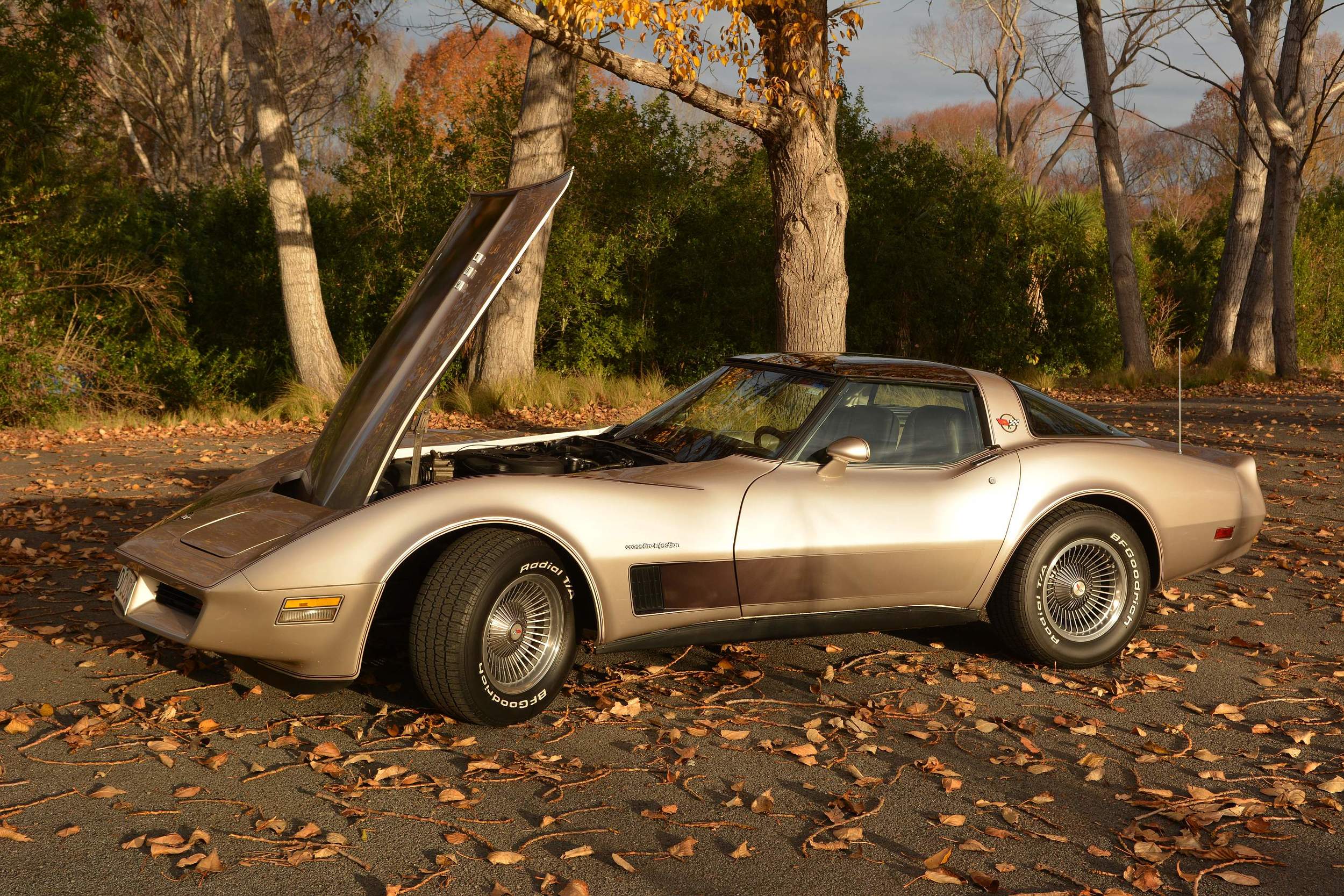
Chevrolet has traditionally finished off each Corvette generation by introducing a collector or commemorative model. In order to commemorate the final C3 model (1968–1982), Corvette introduced the 1982 Collector Edition, which also honoured the end of the 1968–1982 Stingray model, and was the first in a series of special collector editions for Corvette.  
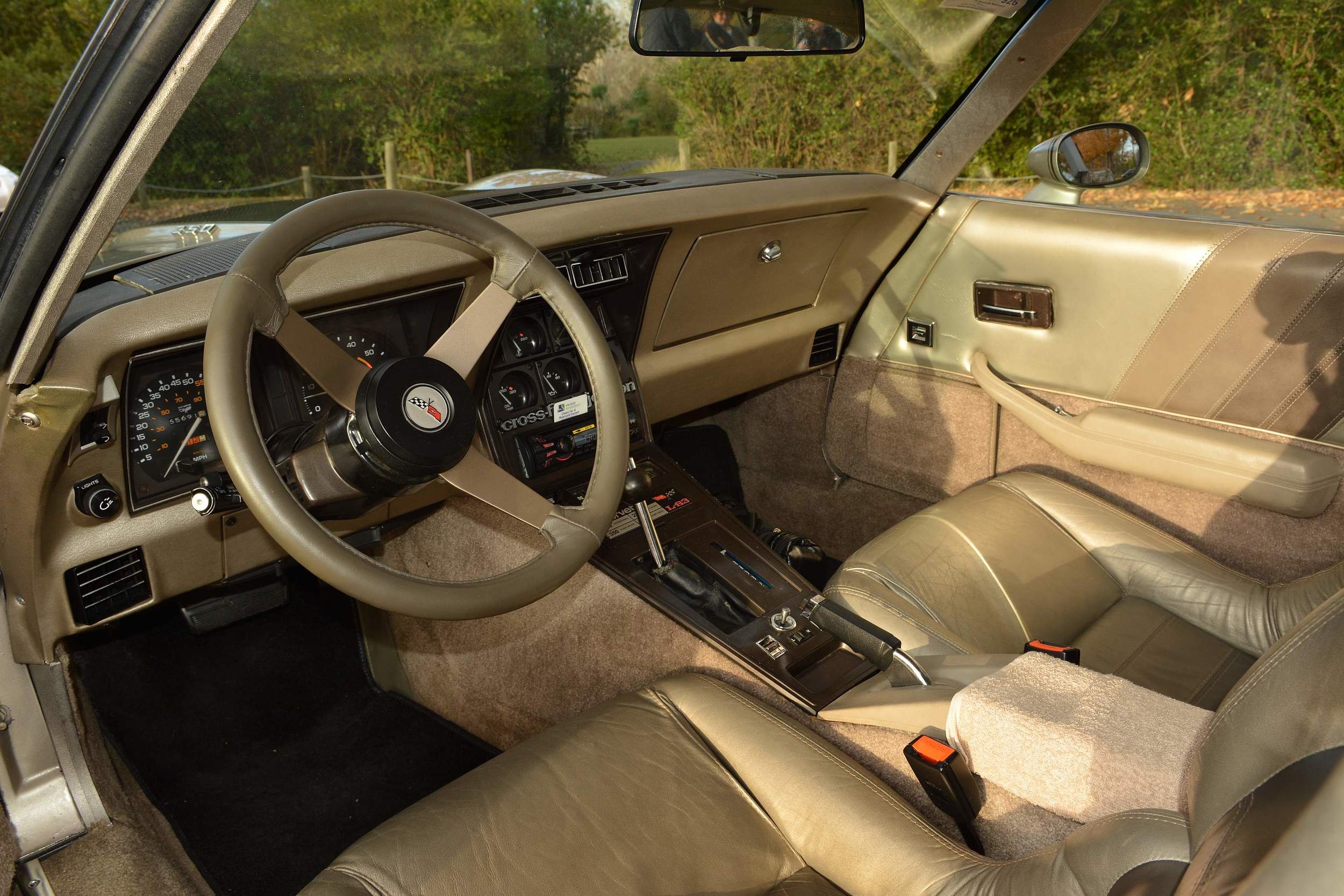
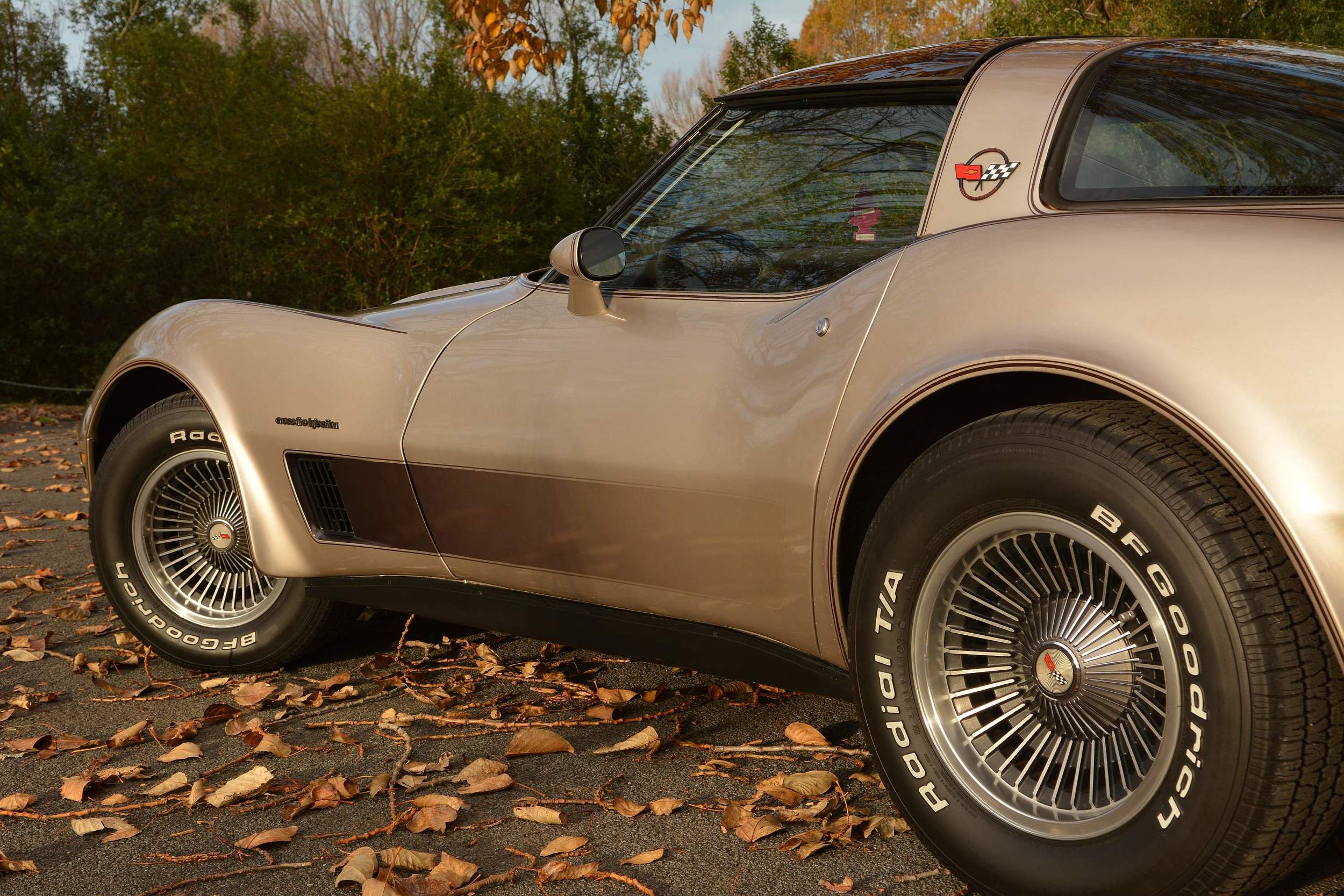
The 1982 Corvette Collector Edition received a full complement of bells and whistles unique to the model. These special features included a stylish Silver Beige exterior paint job complemented by a striking Silver Beige leather interior and special decorative emblems, as well as an electrically operated six-way driver’s seat, power door locks, power sport mirrors, power windows, power steering, cruise control, air conditioning, and AM/FM radio with cassette. The glass roof panels received a bronze tint and the rear glass ‘hatch’ had a lifting feature for easy access to the space behind the front seats. Also included were special cast-finned wheels that resembled the optional 1967 bolt-on wheels.
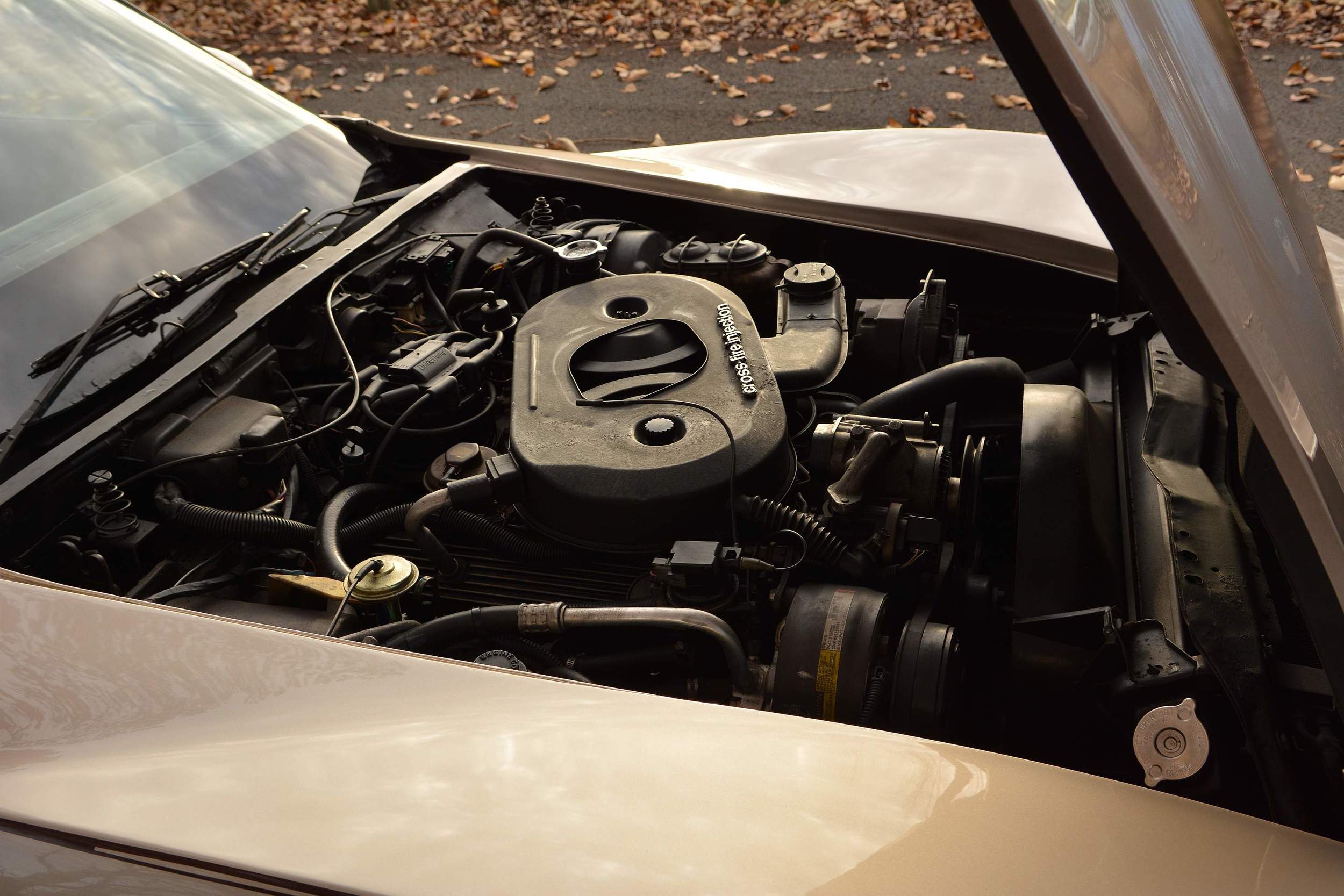
The 1982 Corvette Collector Edition was also the first to receive Chevrolet’s Crossfire fuel-injected 5.7-litre V8 engine. Unfortunately, these motors received their fair share of ridicule and were commonly referred to as ‘Ceasefire’ due to unreliability issues. The motors were also extremely difficult to modify to achieve increased power and torque — many owners opted to replace the injection system with a four-barrel carburettor. The Crossfire fuel-injected engine also made its way into the first of the C4 Corvettes in 1984, and was replaced with a much more reliable, and powerful, Tuned Port Injection (TPI) system in 1985.   

After years of flying under the radar, collector-edition Corvettes are beginning to attract a large following, representing true investment potential that inspires and excites. 
Last Tango in the Fast Lane

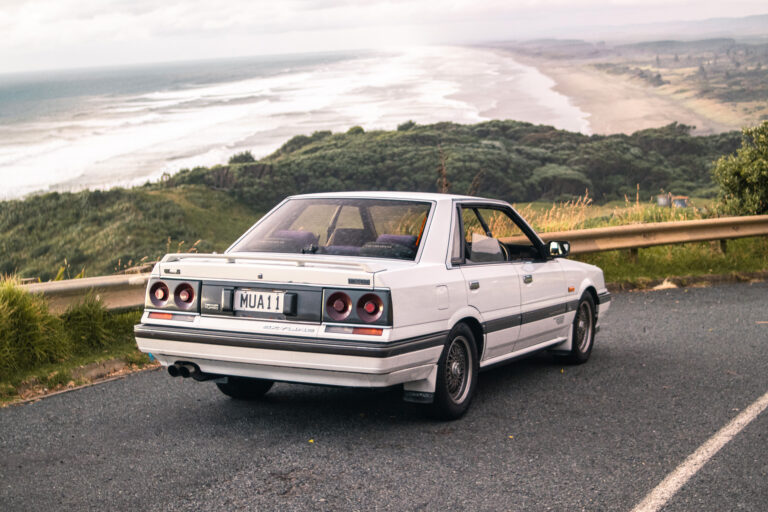
In the mid ’80s, I locked into a serious Nissan/Datsun performance obsession. It could have kicked off with my ’82 Datsun Sunny, though this would have been a bit of a stretch of the imagination, given its normally aspirated 1.2-litre motor — not the sort of thing to unleash radical road warrior dreams. But it did plant a seed, and it was a sweet little machine and surprisingly quick, in contrast to all the diabolical English offerings I had endured.
I was living in South Auckland at the time and was an unrepentant petrolhead. Motor racing was my drug of choice, and I followed the scene slavishly. Saloon car racing, with the arrival of the international Group A formula, was having a serious renaissance here and in Australia and Europe. There was suddenly an exotic air in local racing that had been absent for 15 years.
I was transfixed by this new frontier of motor racing that had hit our tracks in 1985–87 and the new array of machinery on display. In 1986, the Nissan Skyline RS DR30 made a blinding impression on me. The Australian Fred Gibson-run, Peter Jackson-sponsored team of George Fury and Glenn Seton were the fastest crew of the 1986 Australian Touring Car Championship. But Kiwi legend Robbie Francevic snuck through to win the Aussie Championship in his Volvo 240T after a strong start and consistent finishes.

NZ Classic Car magazine, May/June 2026 issue 405, on sale now

Reincarnation of the snake
We are captivated by a top-quality sports car
The Shelby NZ build team at Matamata Panelworks has endured a long and challenging journey, culminating with the highly anticipated public unveiling of the 427SC and firing up of its sonorous V8 at the 2026 Ayrburn Classic Festival of Motoring in Queenstown on February 20. This is a New Zealand-built car with loads of character and potential.
The car is now back in Matamata, and I finally have an opportunity to get up close and personal with it. But before then, the question that must be asked is, “Why would ya?”
The first answer is easy, as mentioned in the last issue of New Zealand Classic Car (#404). It was a great way to use up all the surplus Mustang parts acquired while converting brand-new Mustangs into Shelbys. The unused new Mustang parts would be great in any kit car, but the 427SC in front of me cannot be classified as one.
This is not a kit car. The reality is that it is a high-quality, factory-made production car.
Possibly the second answer is because the CEO of Matamata Panelworks, Malcolm Sankey, wanted to build a replica of the car that is a distant relation to the Shelby Mustangs scattered around his showroom floor, a car created long before the first Mustang was even thought of, and the brainchild of Carroll Shelby back in the early ‘60s.