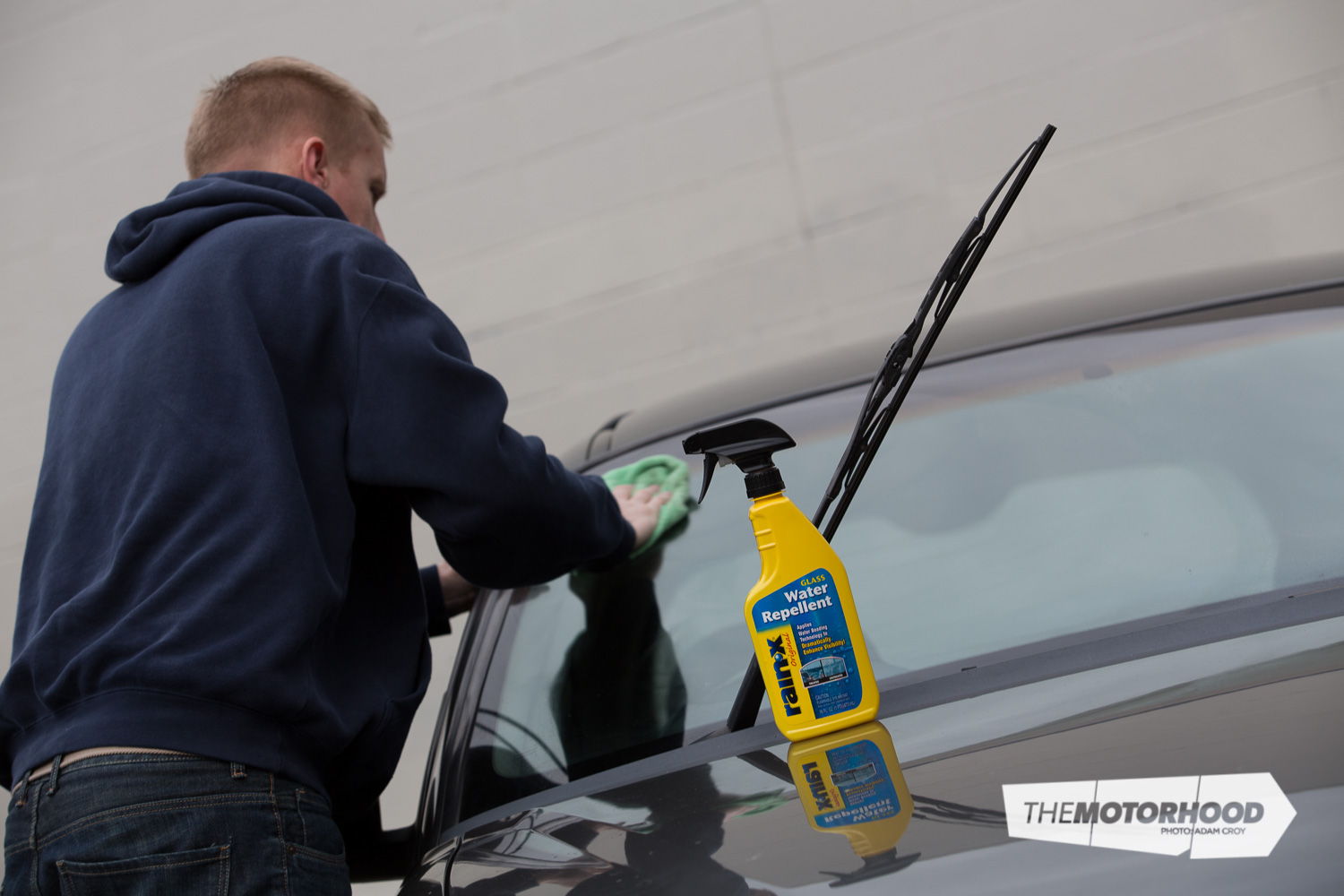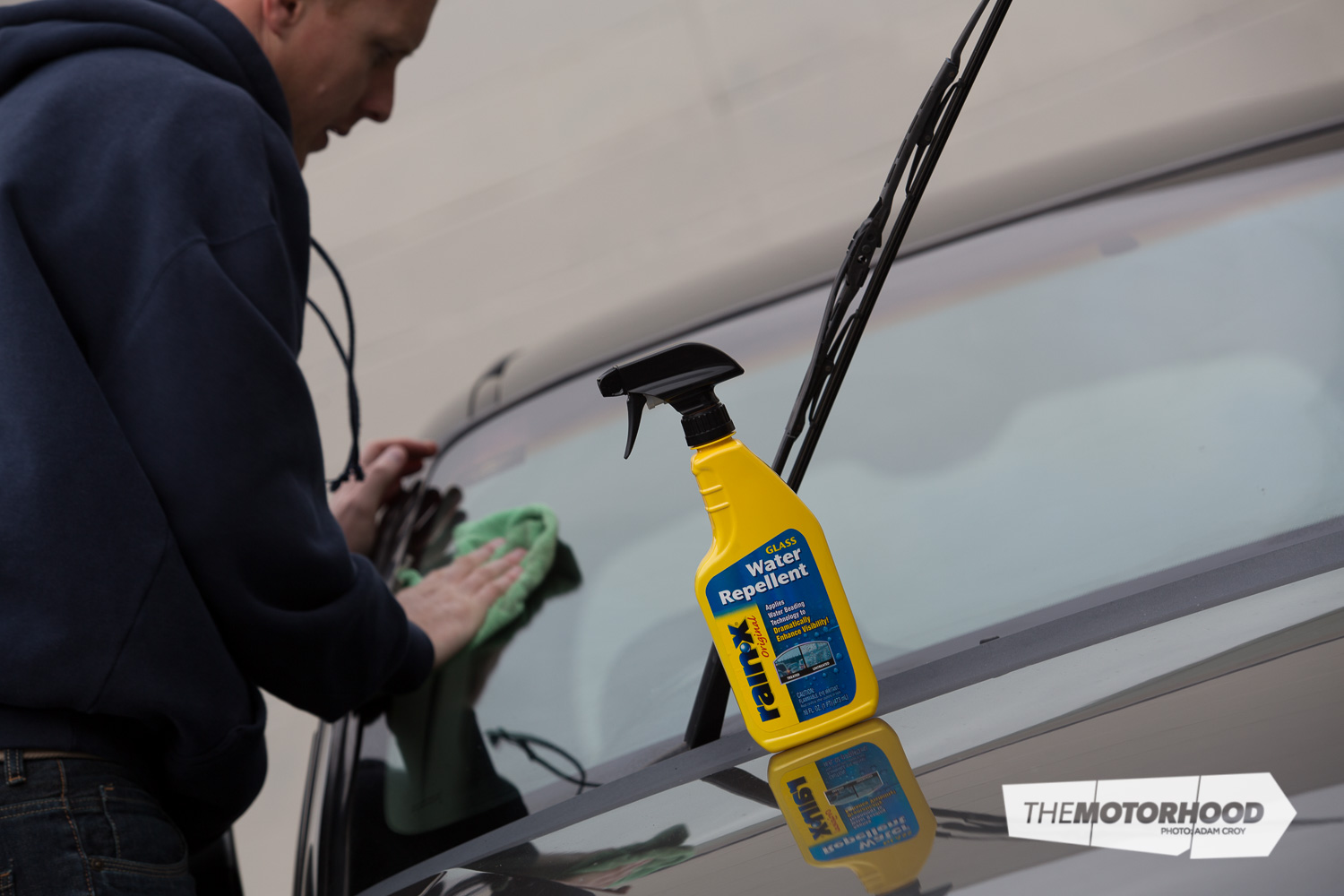
You’d be hard-pressed to find a true car lover who hasn’t heard of Rain-X, but just because a product has been around for decades doesn’t necessarily mean it can live up to the hype. So, when a bottle of it arrived on our desks this month — a month that’s been a fairly wet one — we figured now was our chance to put it to the test and see if it’s all that it’s hyped up to be.

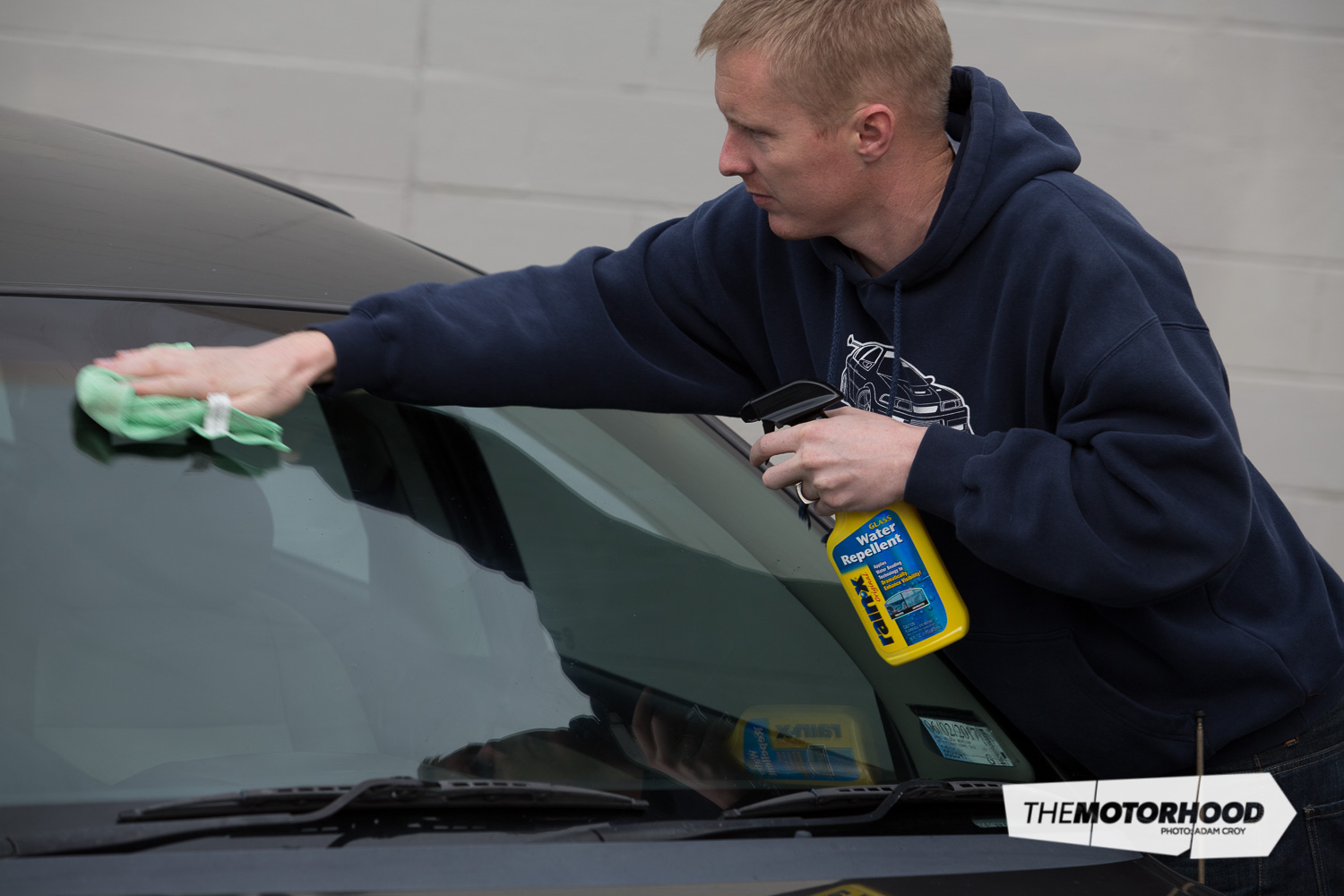
According to the packaging, the product treats glass with a “super-slick, non-stick, invisible barrier that repels rain, sleet, and snow on contact”. As you’d expect, it’s a spray-on, wipe-off product that can only be applied to already clean windows, and takes just a minute or two to apply.
It was a bit difficult to find sleet and snow in Auckland, but we can confirm that it genuinely makes a big difference in the way rain glides off your windscreen. Essentially, the result is much like the way water beads off a freshly polished paint job. During average-type rain, when our test vehicle was travelling at anything above 65kph, the water simply slid up off the screen.
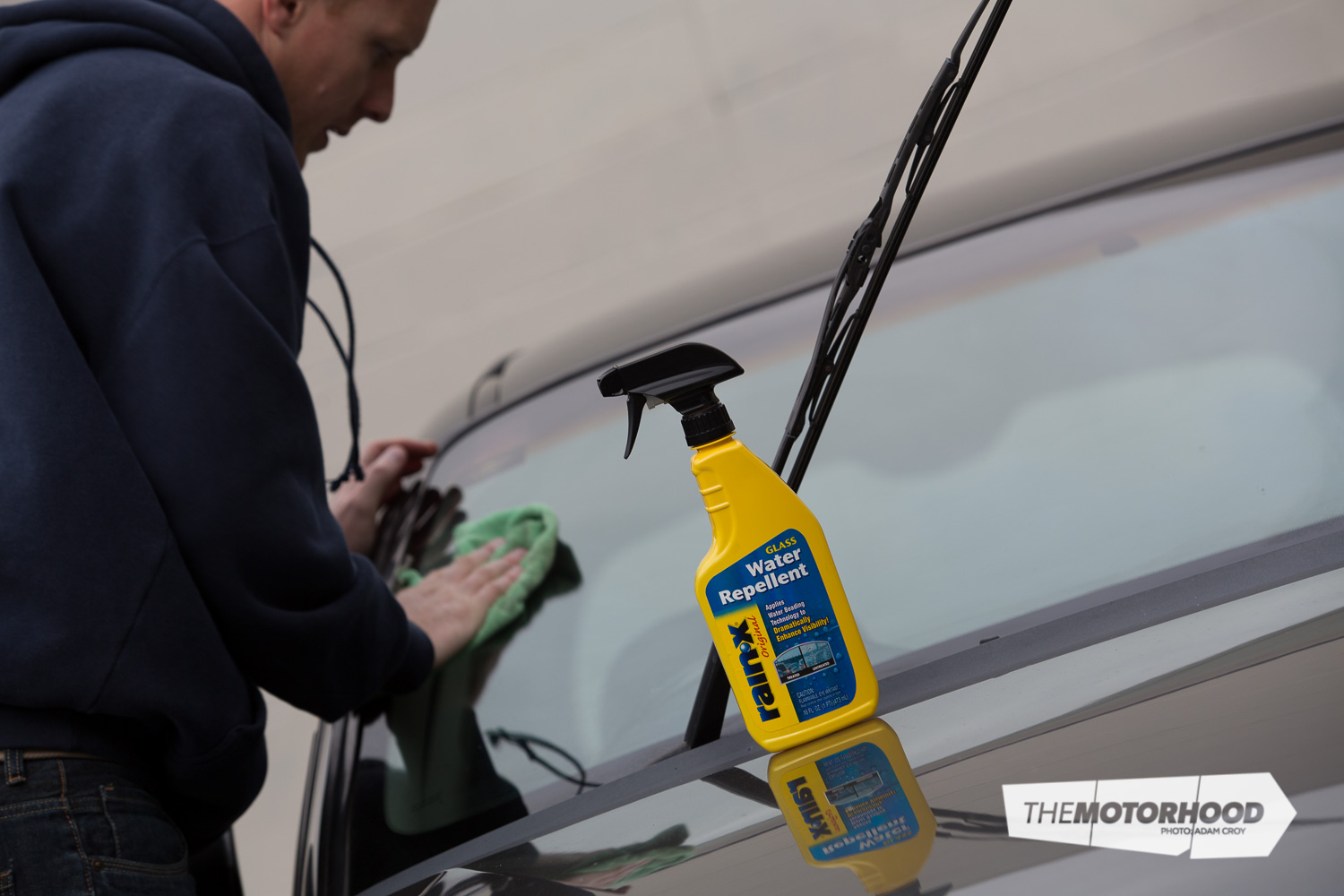
While we only tested the product on late-model daily-driver vehicles, the results would only be amplified in an older vehicle with antiquated window wipers, and certainly worth applying before heading off on a marginal day, or to overnight events. Although we didn’t try it, headlights can also be treated with the same product to help improve night-time visibility, as can shower glass to help water beading.
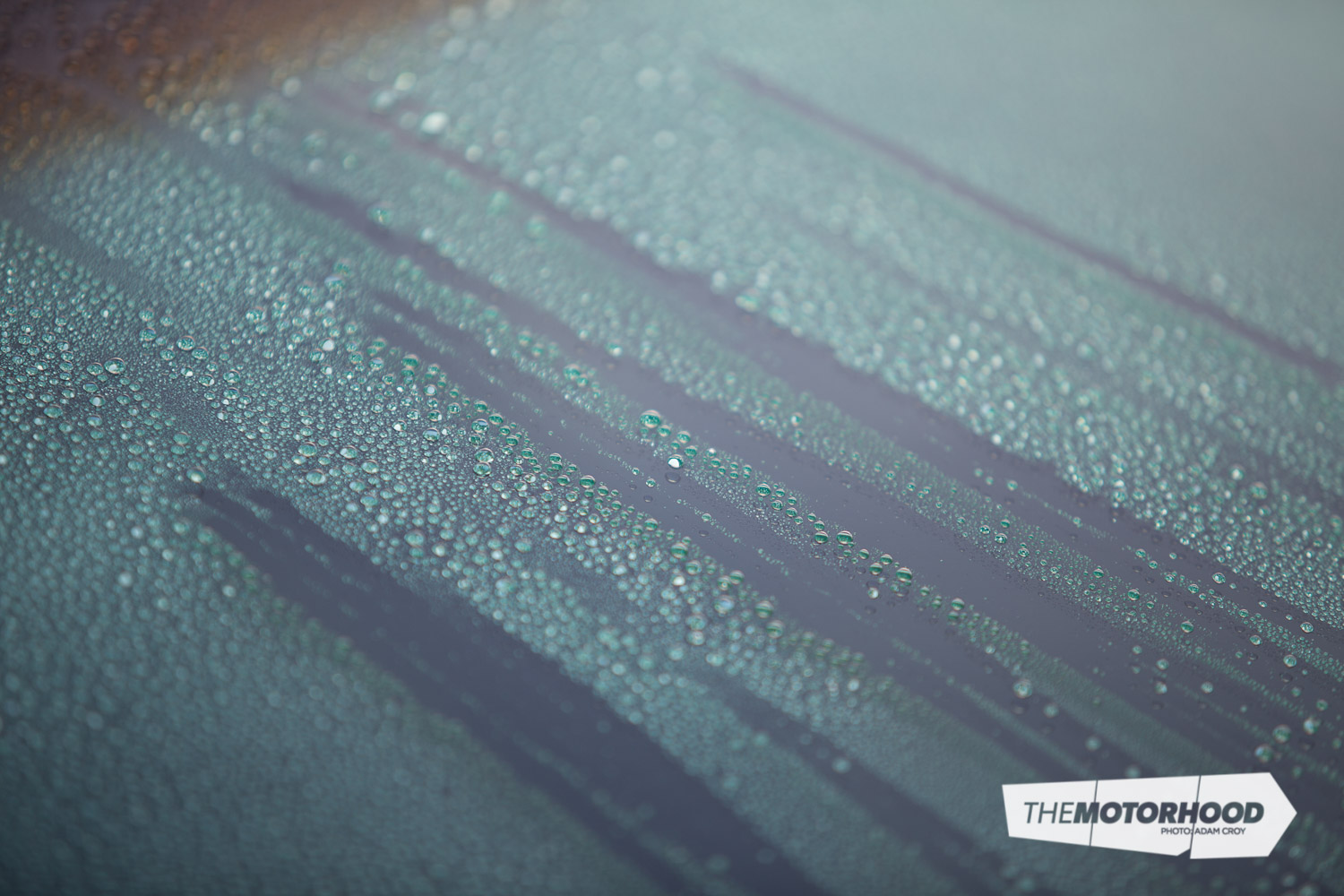
For a retail price of around $25 for the 473ml bottle such as the one we tried, from most automotive retailers, we’d highly recommend it. We used around 10 squirts of the trigger for an average-sized car window, so can imagine that one bottle would see you right for years to come. Want to get your hands on a bottle, or find out more? Head to rainx.co.nz.