When a new video drops on the Petrolicious YouTube channel, we’re always excited to see what it’s all about. Recently we wrote an article on the Renault 5 Turbo, and asked the question of whether the Renault 5 Turbo was the ultimate ’80s hot hatch? The response from the readers was a loud one: no, nothing would beat the Lancia Delta. For John Campion, who immigrated to America in June 1984 — with only $26 in his back pocket — the Lancia range of vehicles was his choice of vehicle, too.
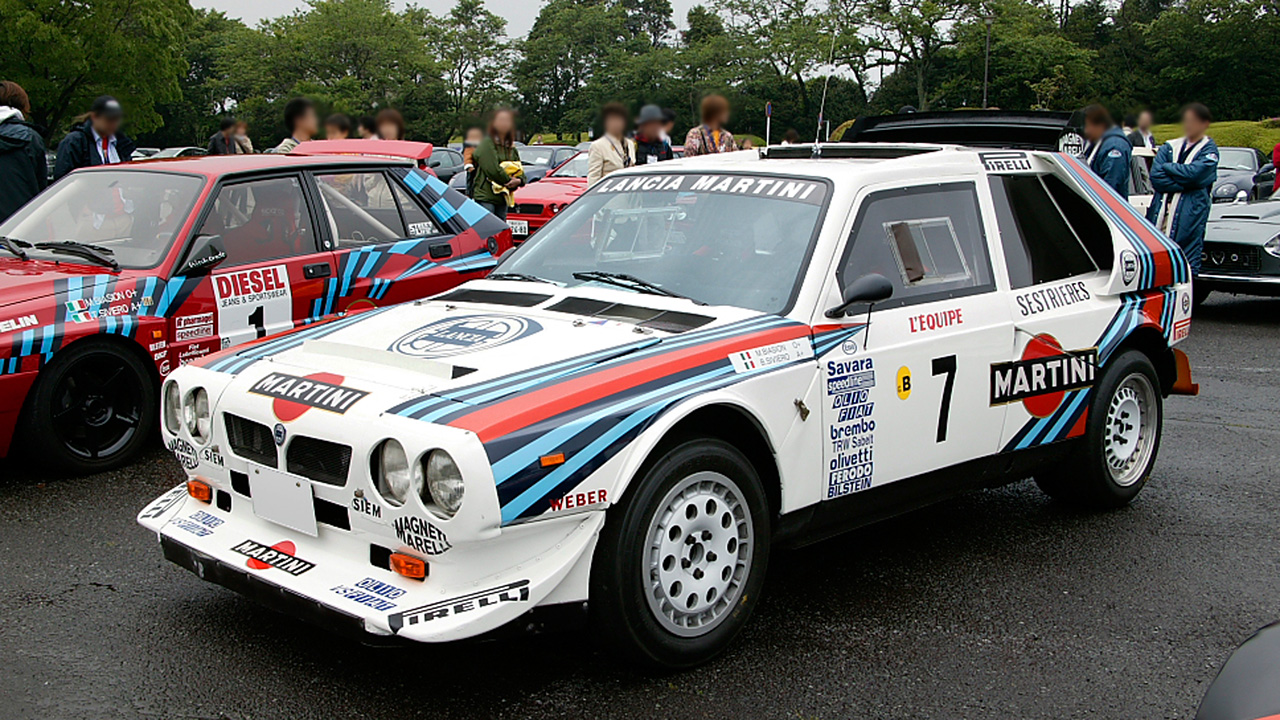
After a few “lucky breaks” as he describes them, John was able to become a successful businessman in America. This meant, for his automotive passion, he was able to collect vehicles from his youth, mainly focusing on rally cars. And because the best rally cars that were ever produced were made in the ’80s, this is where his collection began.
When you look at the specs of the Lancia Delta S4 Group B, they’re nothing short of phenomenal. The road-going Delta S4 weighed in at 1200kg, whereas the Group B version weighed in at a mere 890kg. This alone would aid in serious performance gains, however Lancia also wanted to work their magic on the engine. By pioneering twin-charge technology, Lancia was able to extract massive horsepower and response from their mid-mounted 1.7-litre engine. As turbochargers in the ’80s were nowhere near as sophisticated as they are now, if you wanted big power, it came at the expense of turbocharger lag.
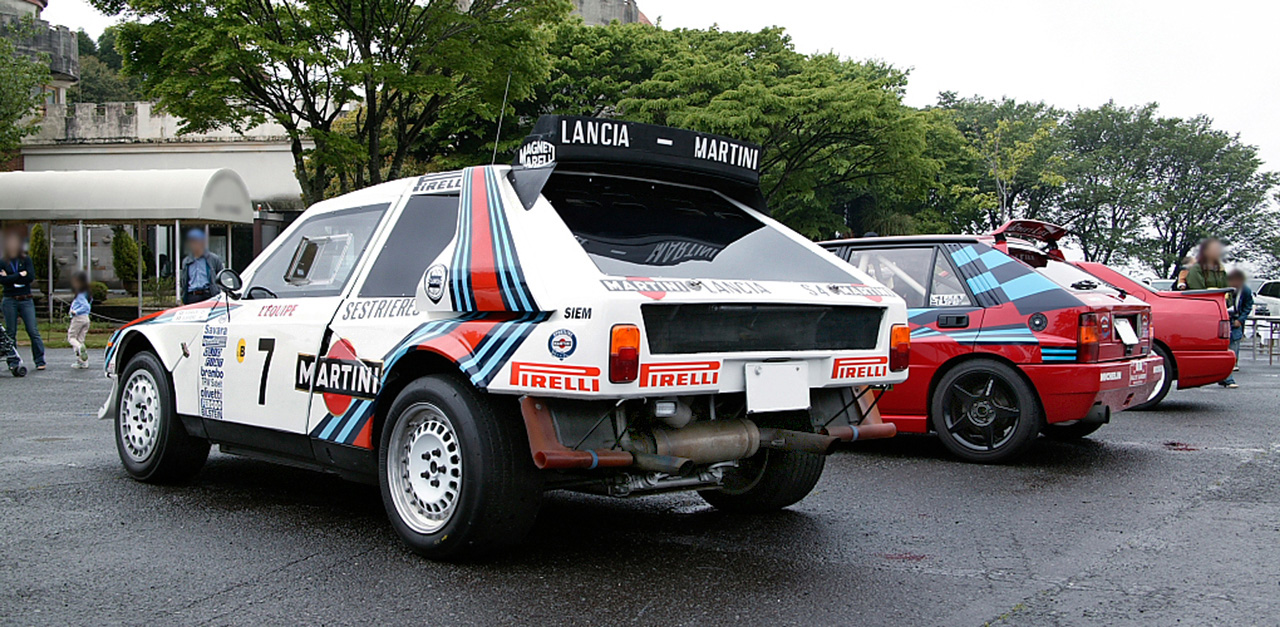
Utilizing a supercharger with a bypass valve, Lancia was able to have almost instantaneous boost pressure at any rpm. Once the turbocharger was on full boost pressure, the bypass valve would cut the supercharger out of the equation. Official horsepower figures of the Group B version were 480hp, while some sources implied it was closer to 560hp. During testing, the Lancia’s engine managed to handle five bar (72psi) of boost pressure, with 1000hp as a result.
We recommend turning the volume up for this one, so you can best enjoy the Group B sound!