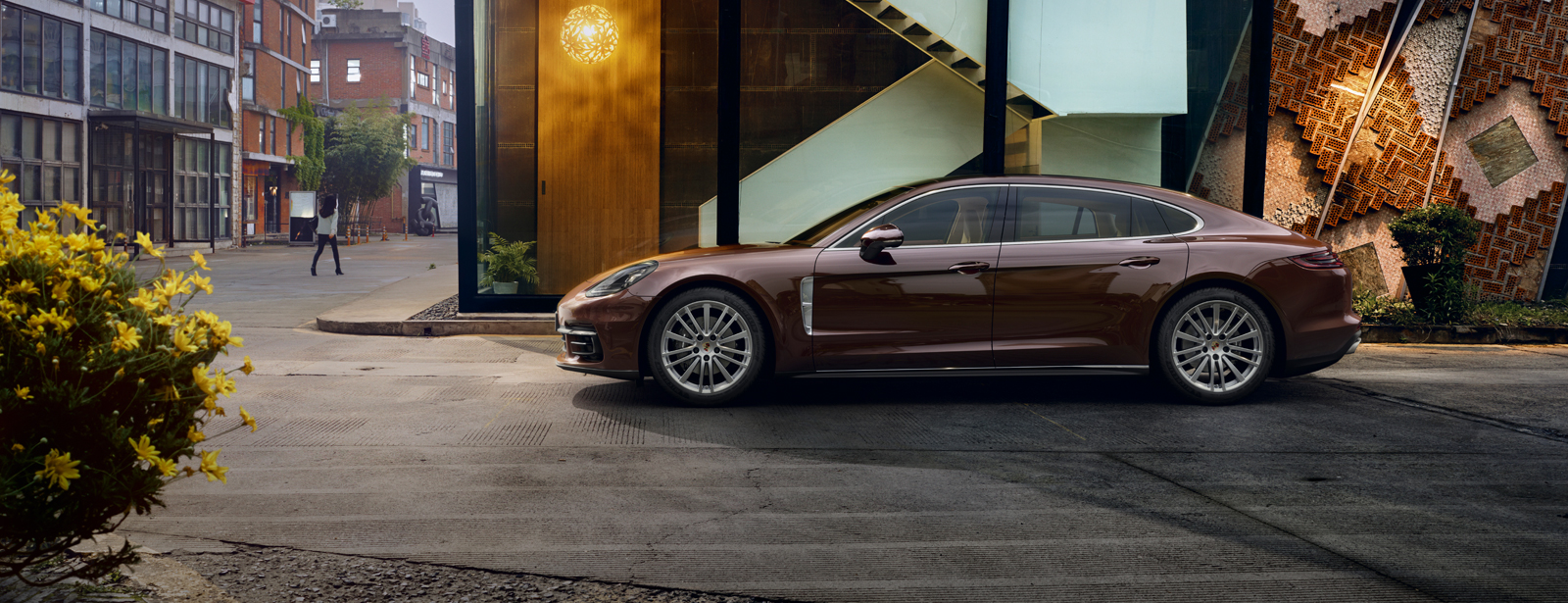
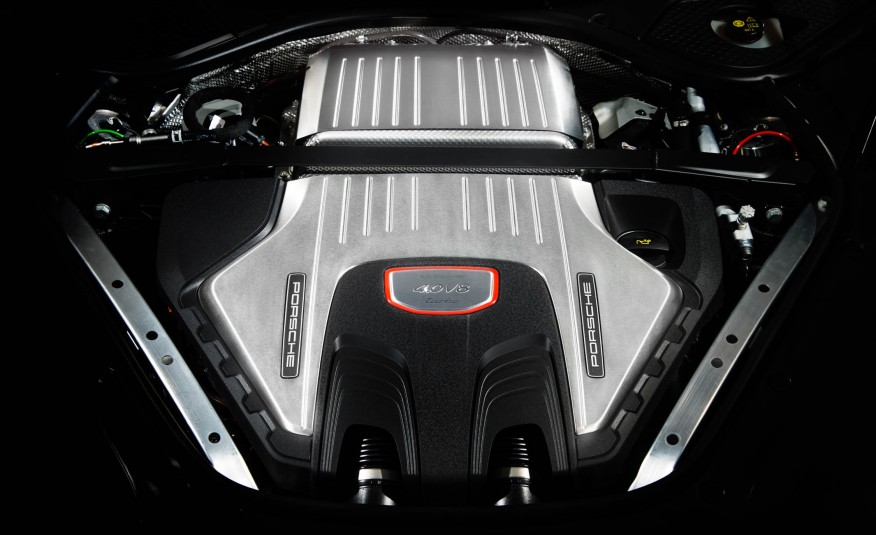
German automaker Porsche have announced that they will be unveiling the latest incarnation of their Panamera luxury-saloon range, which features a new 243kW (330hp) V6 turbo petrol engine, claimed to cut fuel consumption and emissions, at the Los Angeles Auto Show to be held over November 18–27.
Although still fossil-powered, this latest announcement claims Porsche’s new V6 turbo engine is designed to be highly efficient and remain an agile entry-level addition to their existing range of engine options. Porsche has advised that power has been upped by 20hp from the previous Panamera generation while reducing fuel consumption and CO2 emissions by completely redeveloping the six-cylinder powerhouse inside and out. The result produces up to 7.6 litres of fuel consumed per 100km and up to 173g per square kilometre of CO2 emissions. That’s a betterment of around one litre of fuel consumed per 100km — not bad, Porsche.
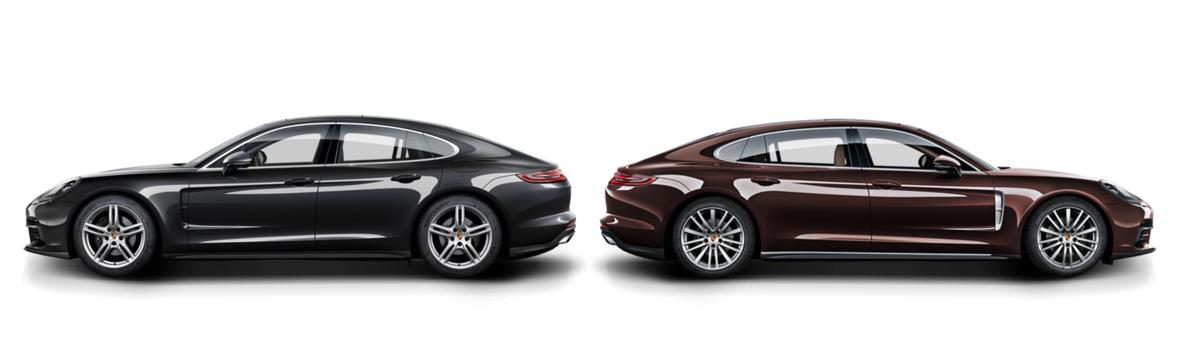
This new 243kW (330hp) is combined with rear-wheel drive in the Panamera, and the Panamera 4 version features an all-wheel drive system, plus an additional longer-wheelbase model known as the Panamera 4 Executive. While the Panamera and the Panamera 4 are suited for weekend leisurely drives, the larger Executive model focuses on the luxury side of things, and you can expect to look pretty suave being driven around in the chauffeur-designed saloon — if you’re that way inclined.
Also available in the all-wheel drive versions are the Panamera 4 E-Hybrid Executive (340kW/462hp), Panamera 4S Executive (324kW/440hp), and Panamera Turbo Executive (404kW/550hp). The existing summer 2016 line-up consists of the Panamera 4S, Panamera 4S Diesel, Panamera 4 E-Hybrid, and Panamera Turbo.
As the range continues to develop, we can expect even more fuel-efficient versions to be included. Meaning less time between visits to the pump and more dollars in your wallet for longer — the ease on the environment isn’t a bad feature either.
Technical jargon
- Panamera: fuel consumption combined 7.5–7.6 litres per 100km; CO2 emissions of 171–173g per square kilometre.
- Panamera 4: fuel consumption combined 7.7–7.8 litres per 100km; CO2 emissions of 175–176g per square kilometre.
- Panamera 4 Executive: fuel consumption combined 7.8–7.9 litres per 100km; CO2 emissions of 178–180g per square kilometre.
- Panamera 4S: fuel consumption combined 8.1–8.2 litres per 100km; CO2 emissions of 184–186g per square kilometre.
- Panamera 4S Diesel: fuel consumption combined 6.7–6.8 litres per 100km; CO2 emissions of 176–178g per square kilometre.
- Panamera 4S Executive: fuel consumption combined 8.2–8.3 litres per 100km; CO2 emissions of 187–189g per square kilometre.
- Panamera Turbo: fuel consumption combined 9.3–9.4 litres per 100km; CO2 emissions of 212–214g per square kilometre.
- Panamera Turbo Executive: fuel consumption combined 9.4–9.5 litres per 100km; CO2 emissions of 215–217g per square kilometre.
- Panamera 4 E-Hybrid: fuel consumption combined 2.5 litres per 100km; CO2 emissions of 56g per km; electricity consumption combined 15.9kWh per 100km.
- Panamera 4 E-Hybrid Executive: fuel consumption combined 2.5 litres per 100km; CO2 emissions of 56g per km; electricity consumption combined 15.9kWh per 100km.
Images: Porsche