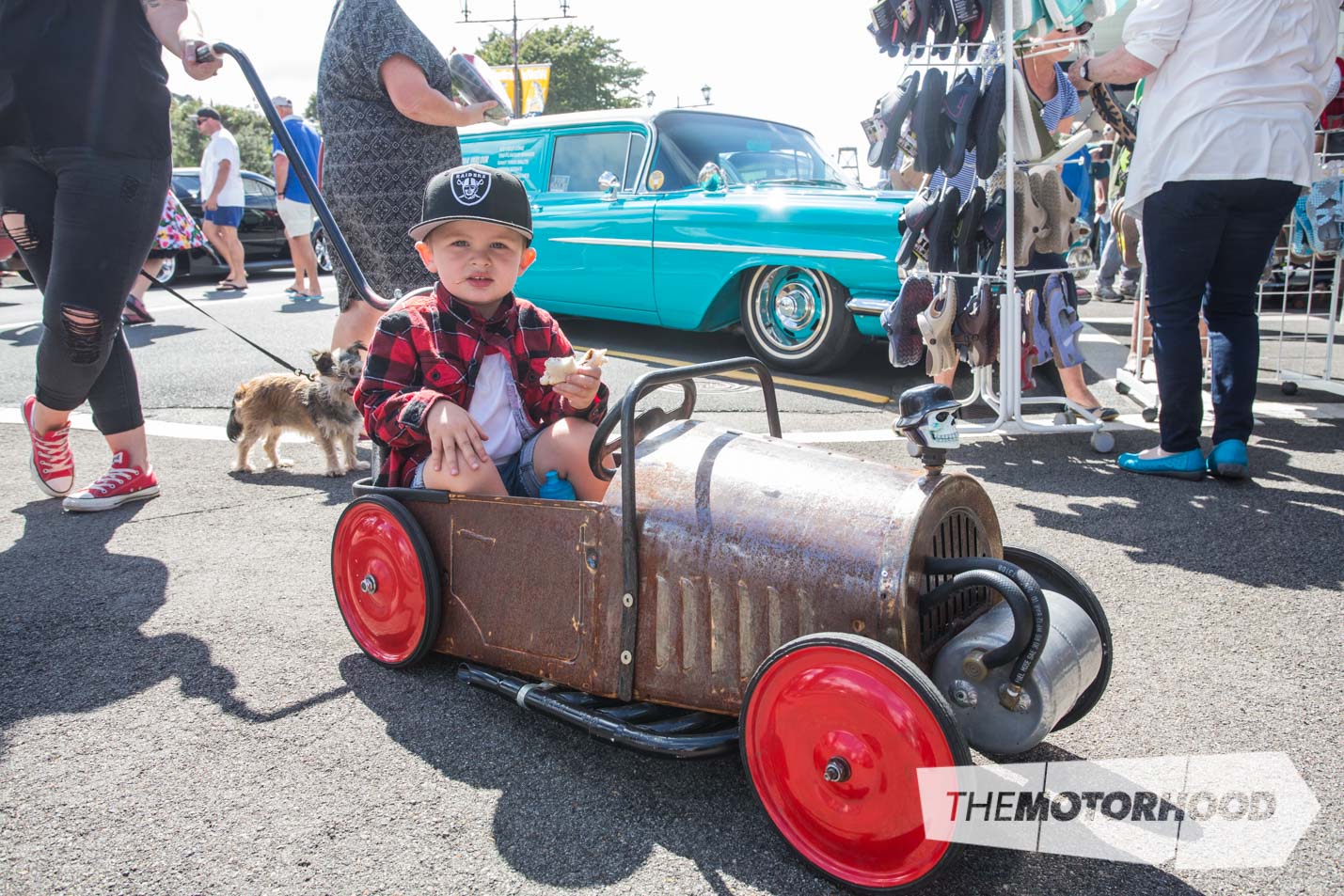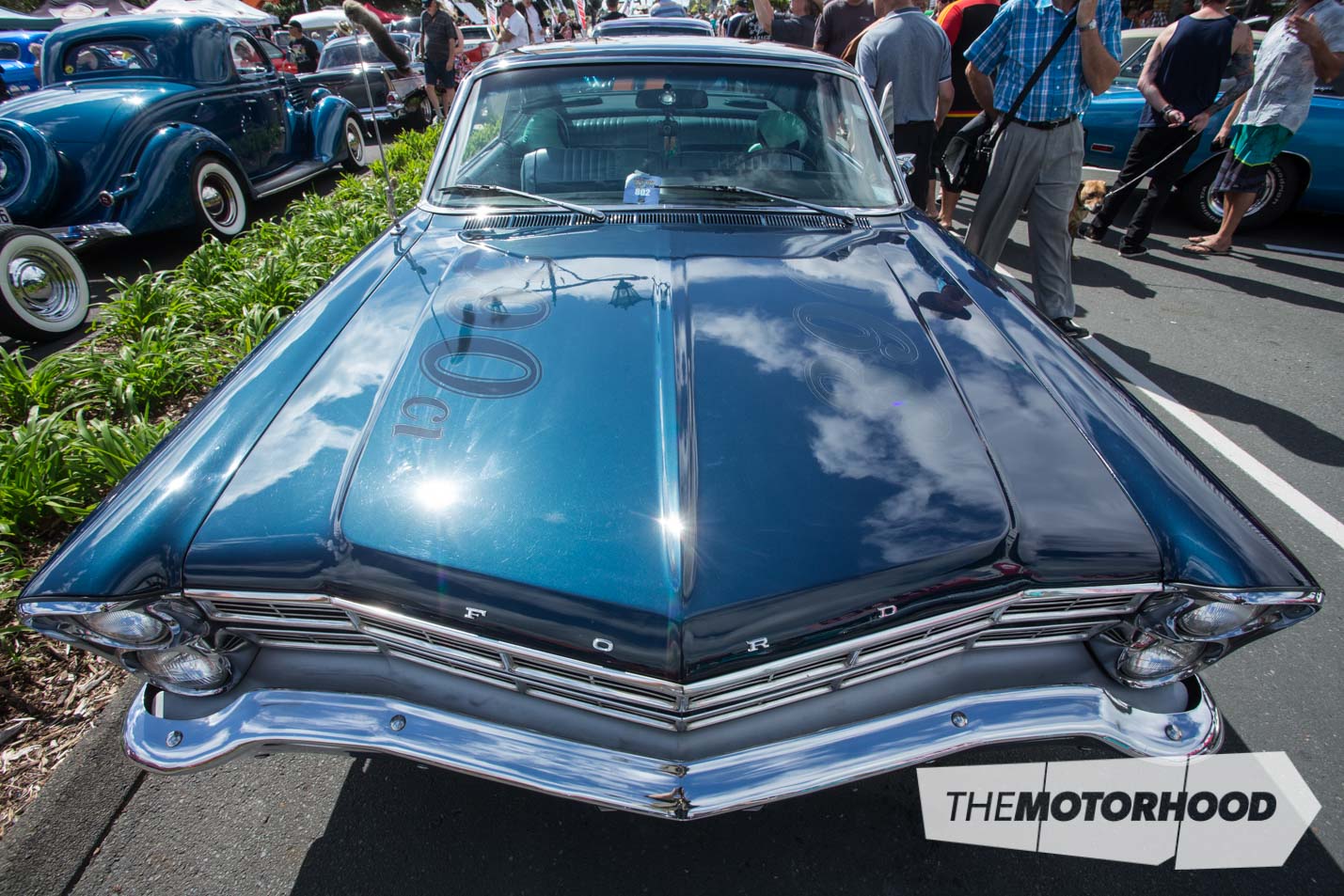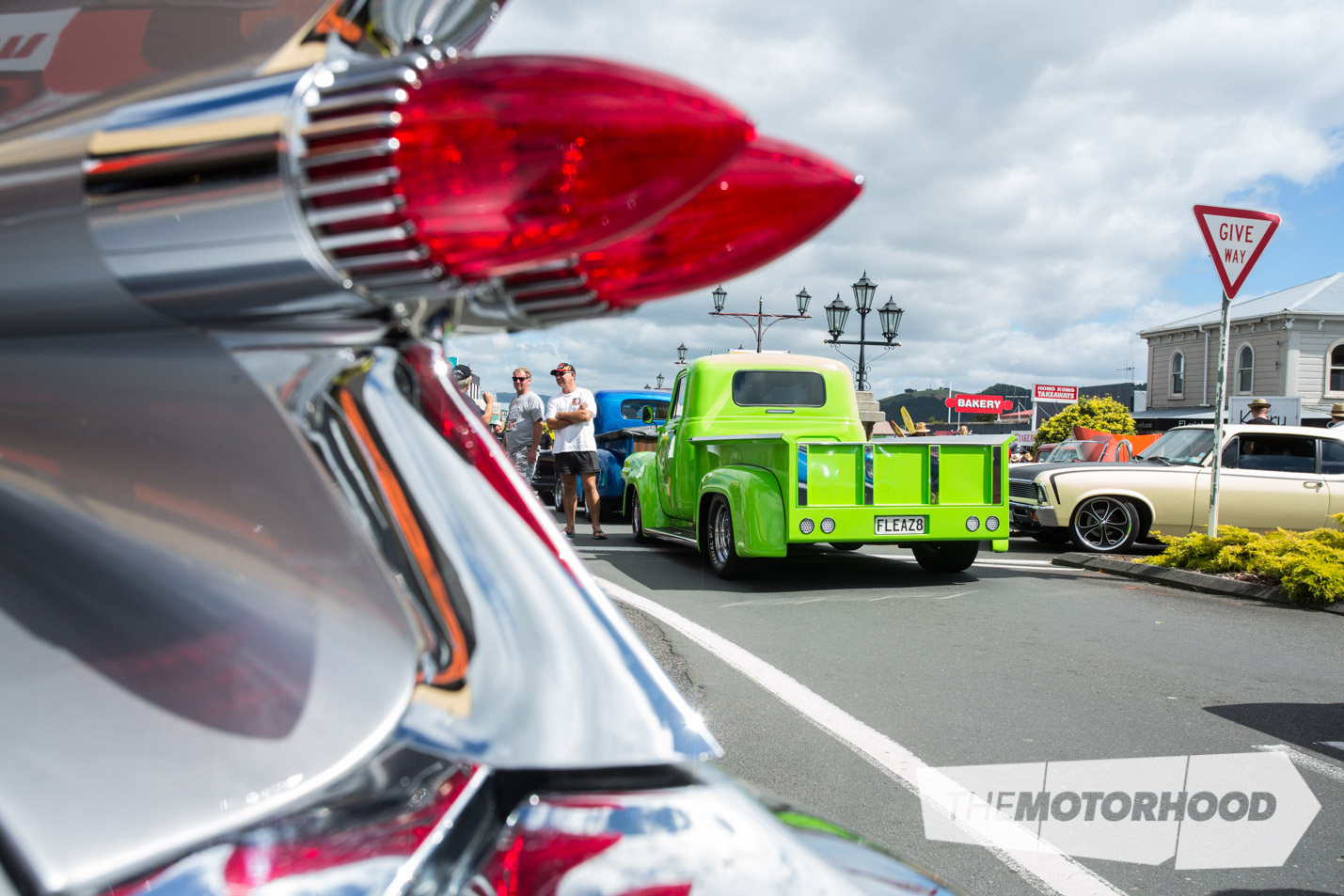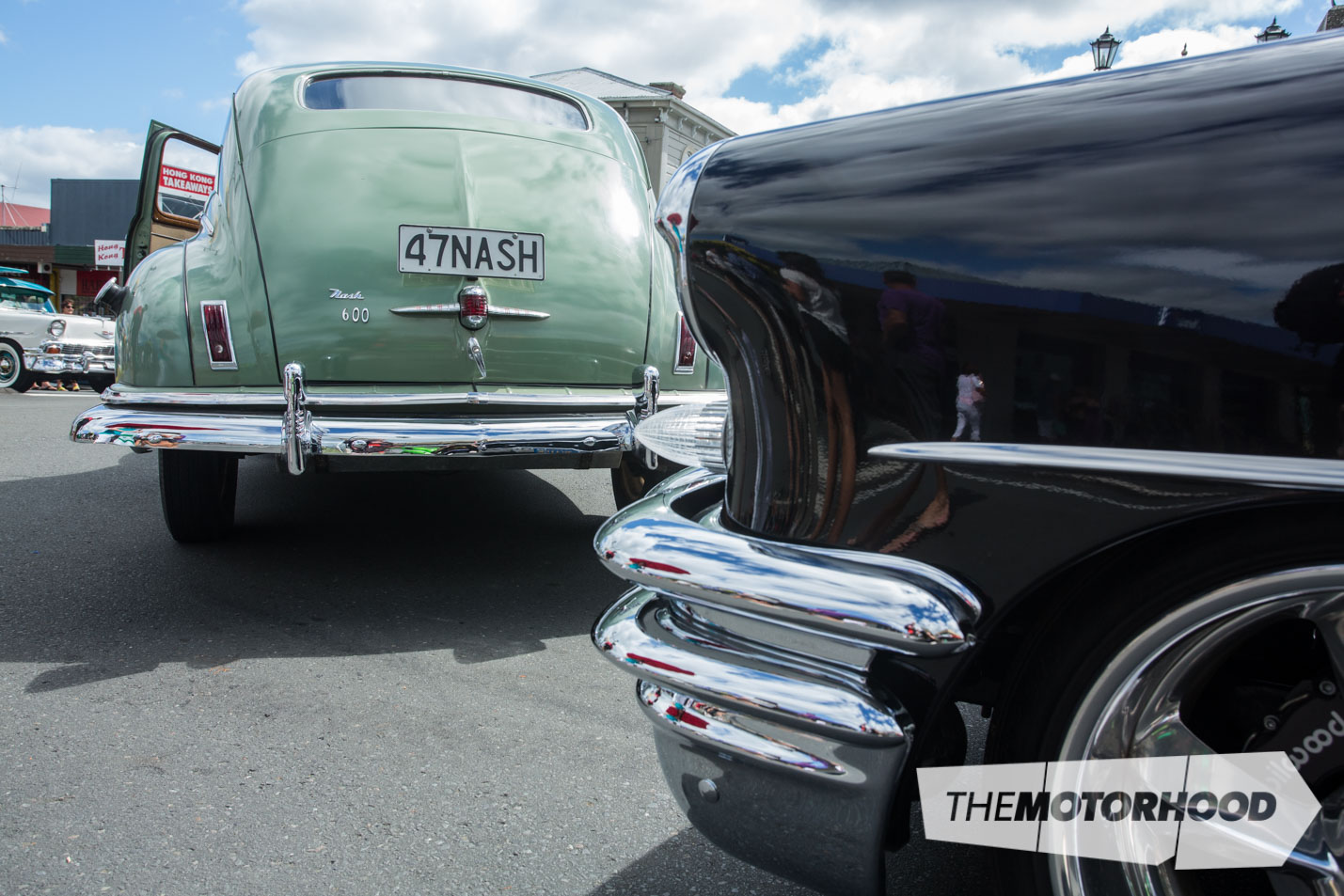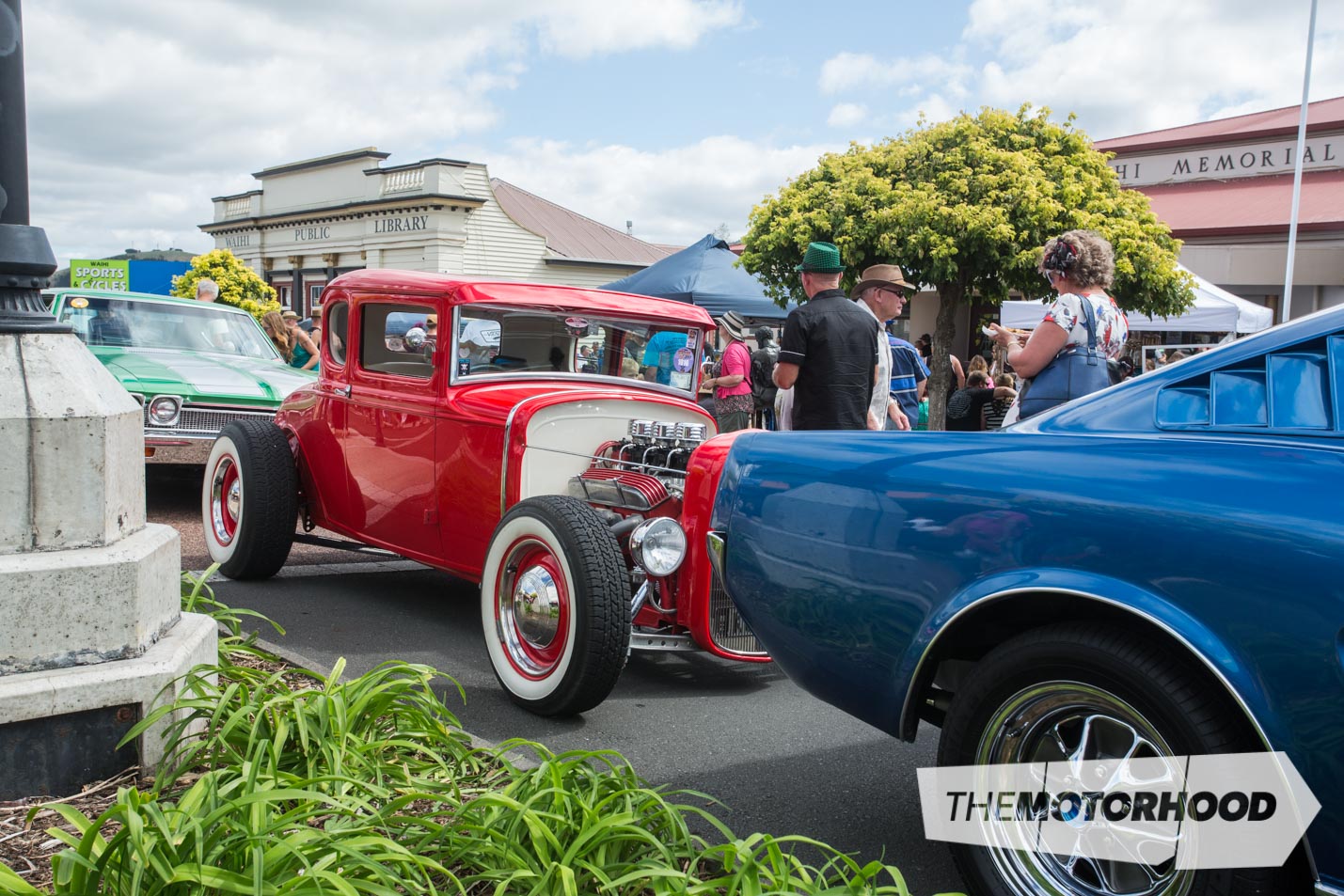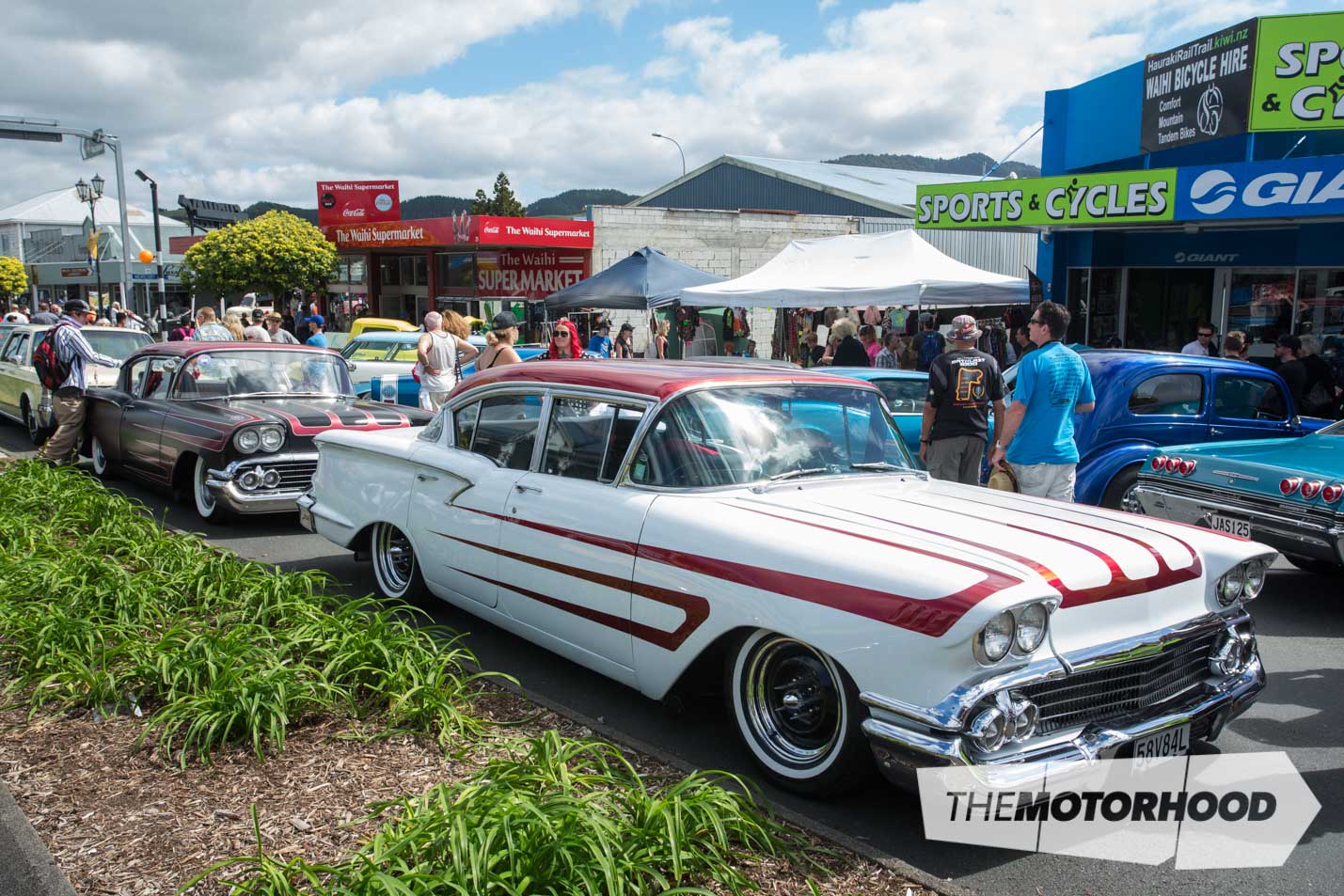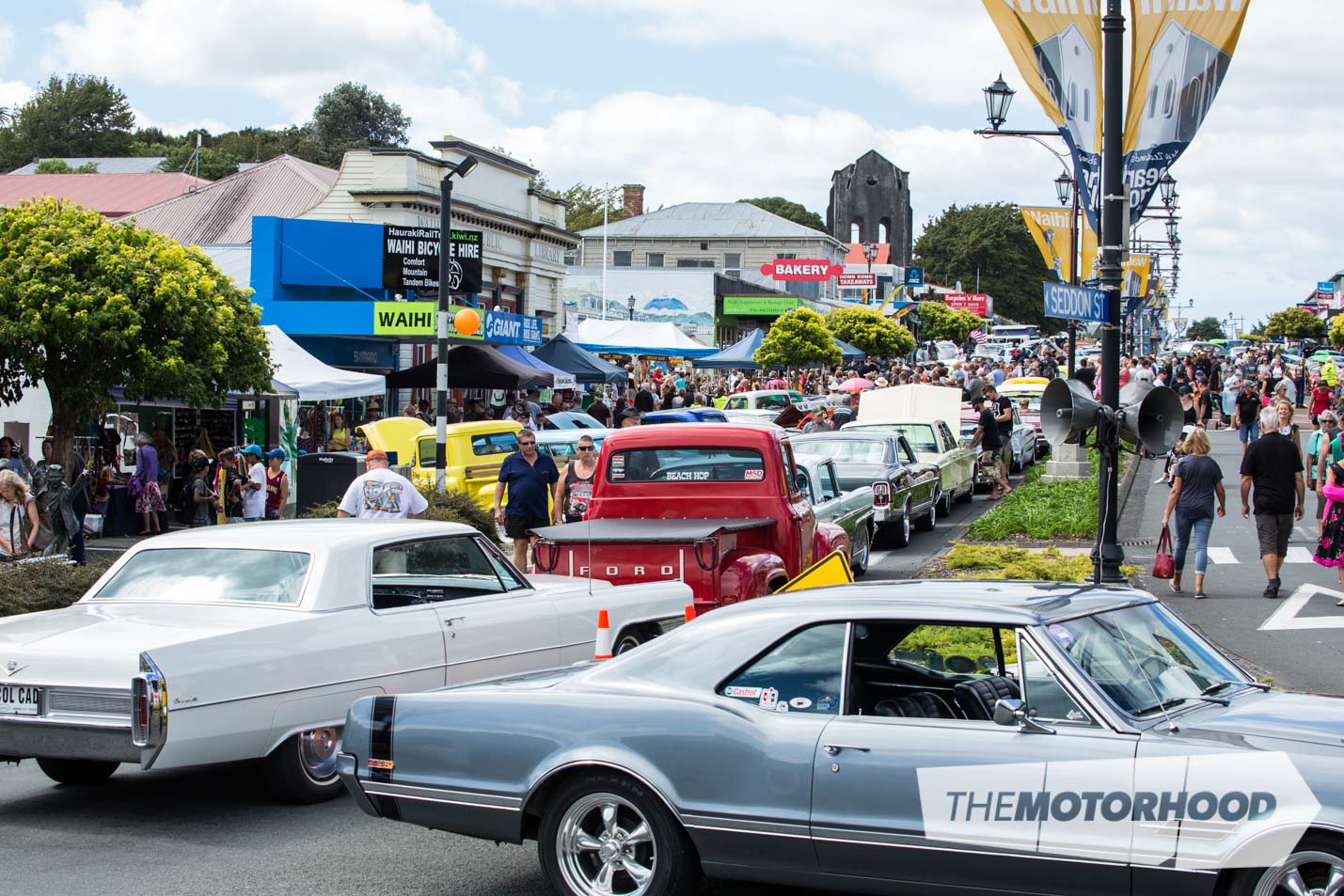
The Go Waihi Warm Up Party marks the official start of Beach Hop every year, and things were no different for this year’s Repco Beach Hop 17. For entrants who’d arrived in Whangamata nice and early, the day started with a vehicular congregation at the Ford NZ Reserve (better known as Williamson Park during non–Beach Hop times of year) for a 9.30am cruise to Waihi. Others begin their Beach Hop experience for the year by cruising straight to Waihi, and going from there.
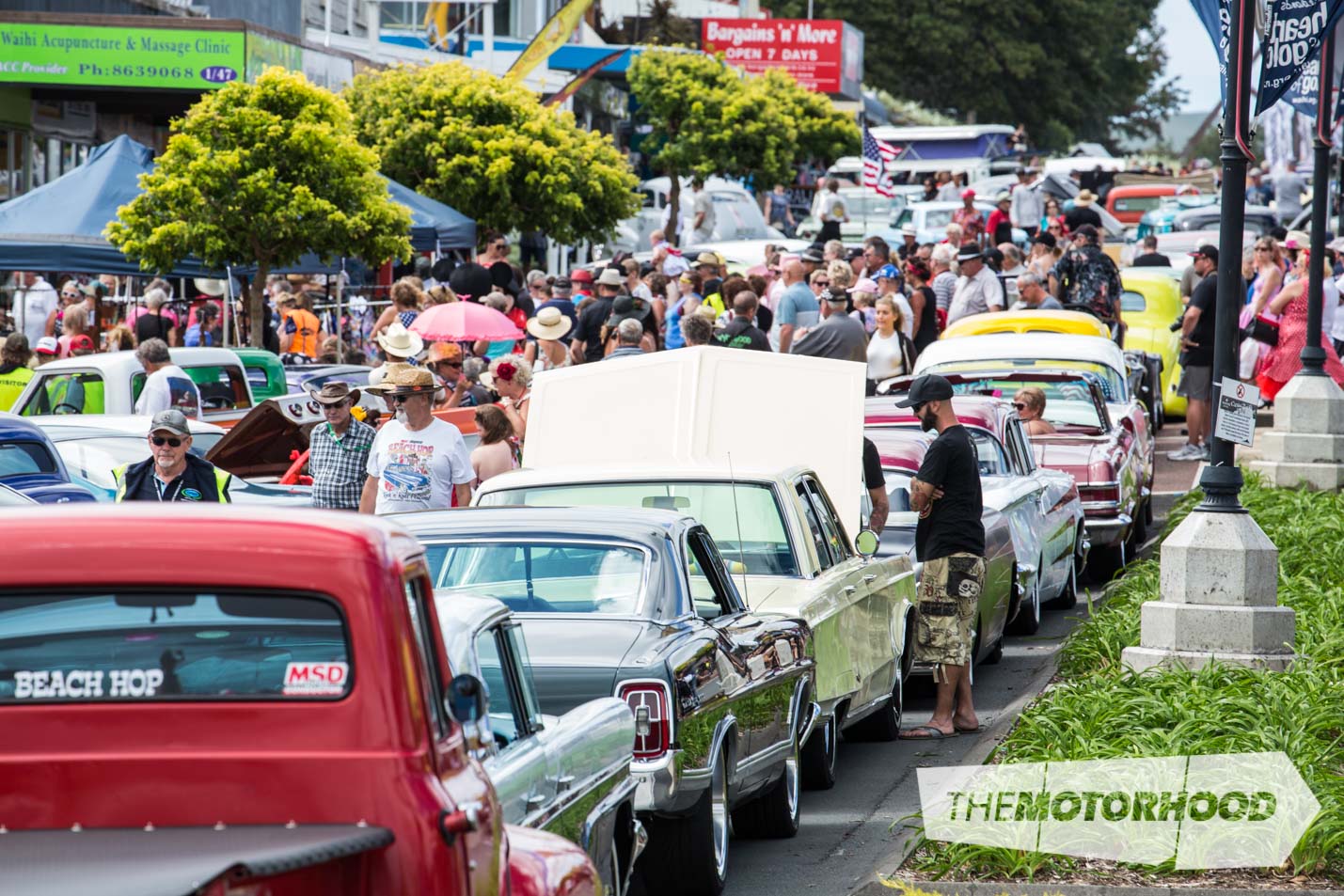
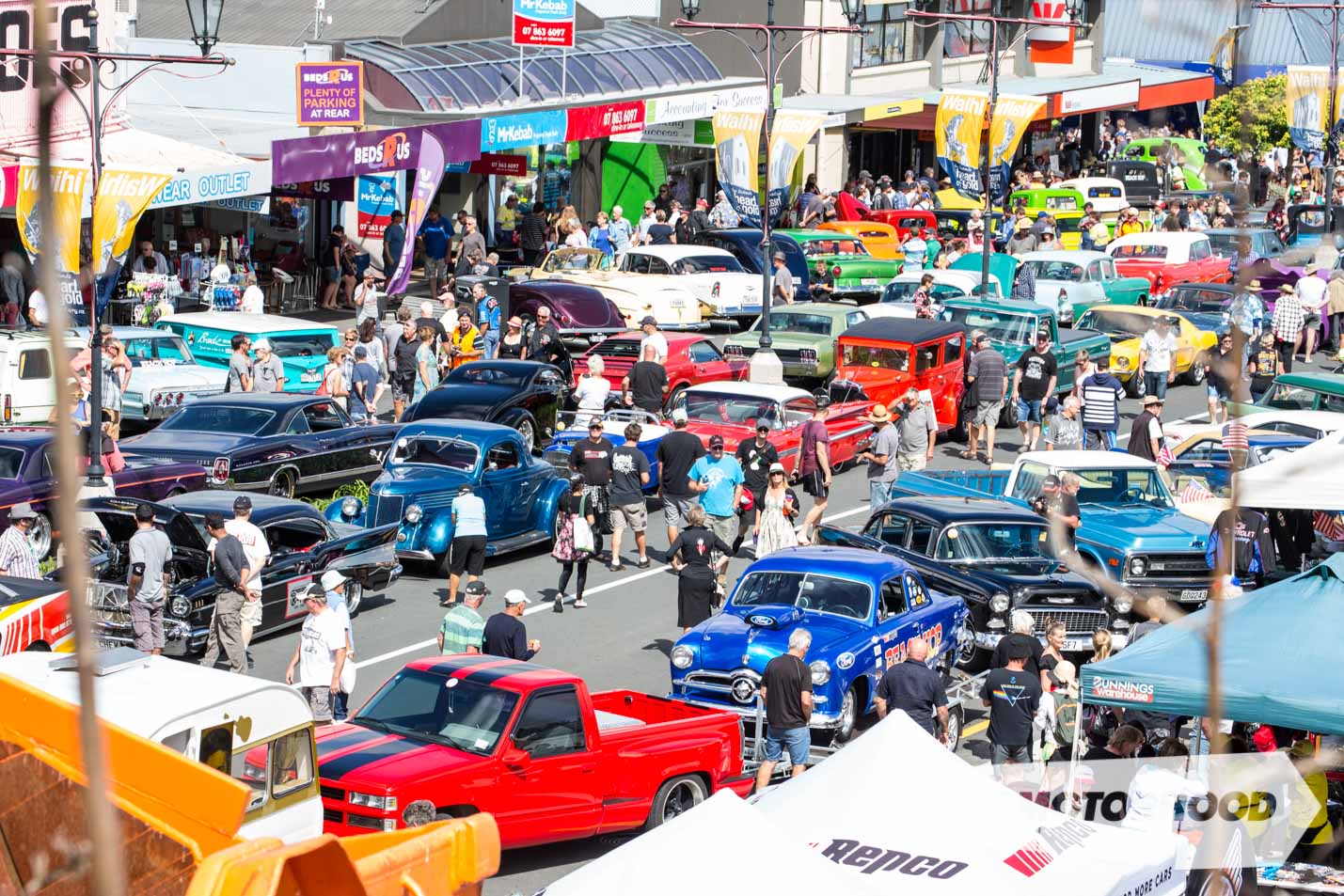
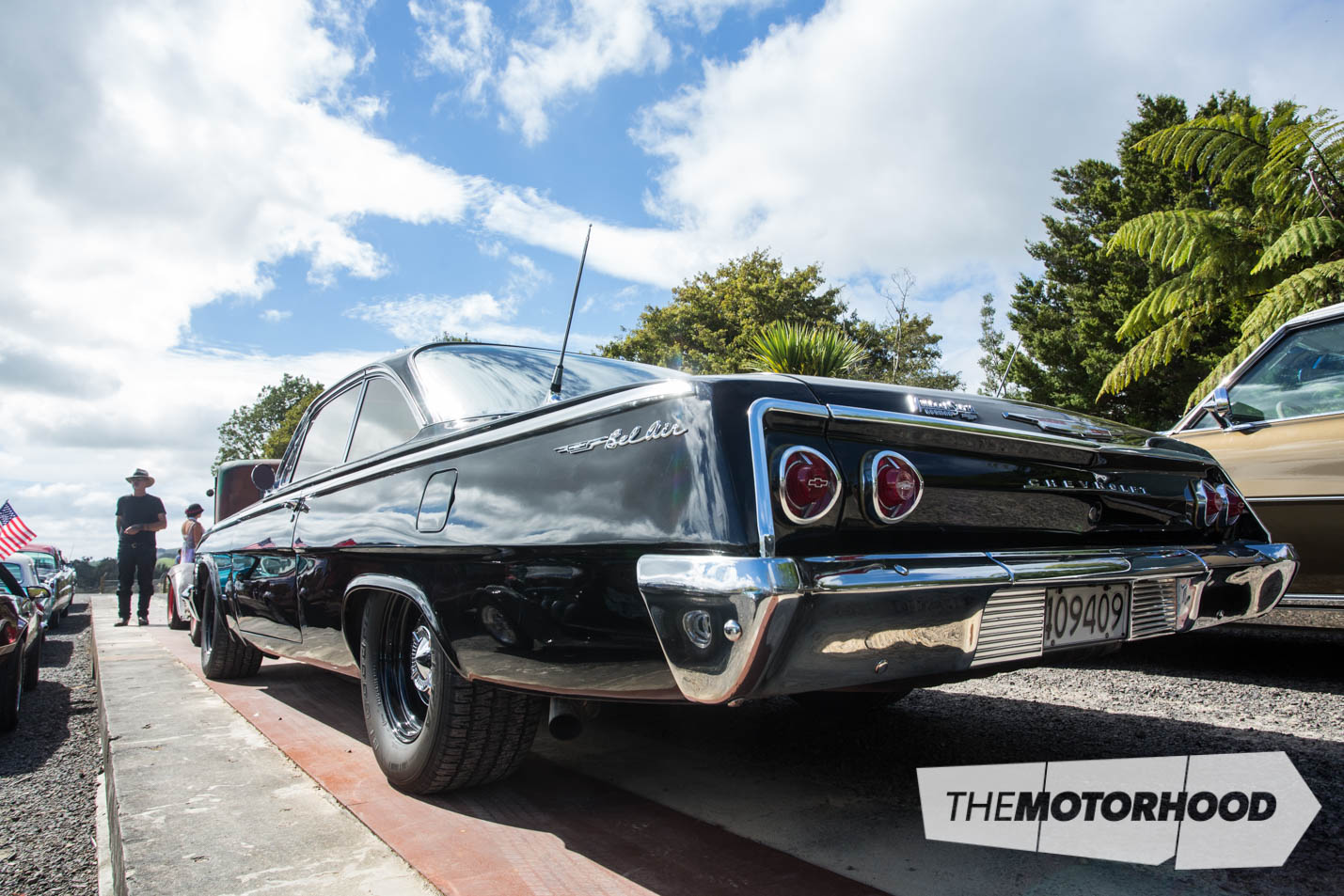
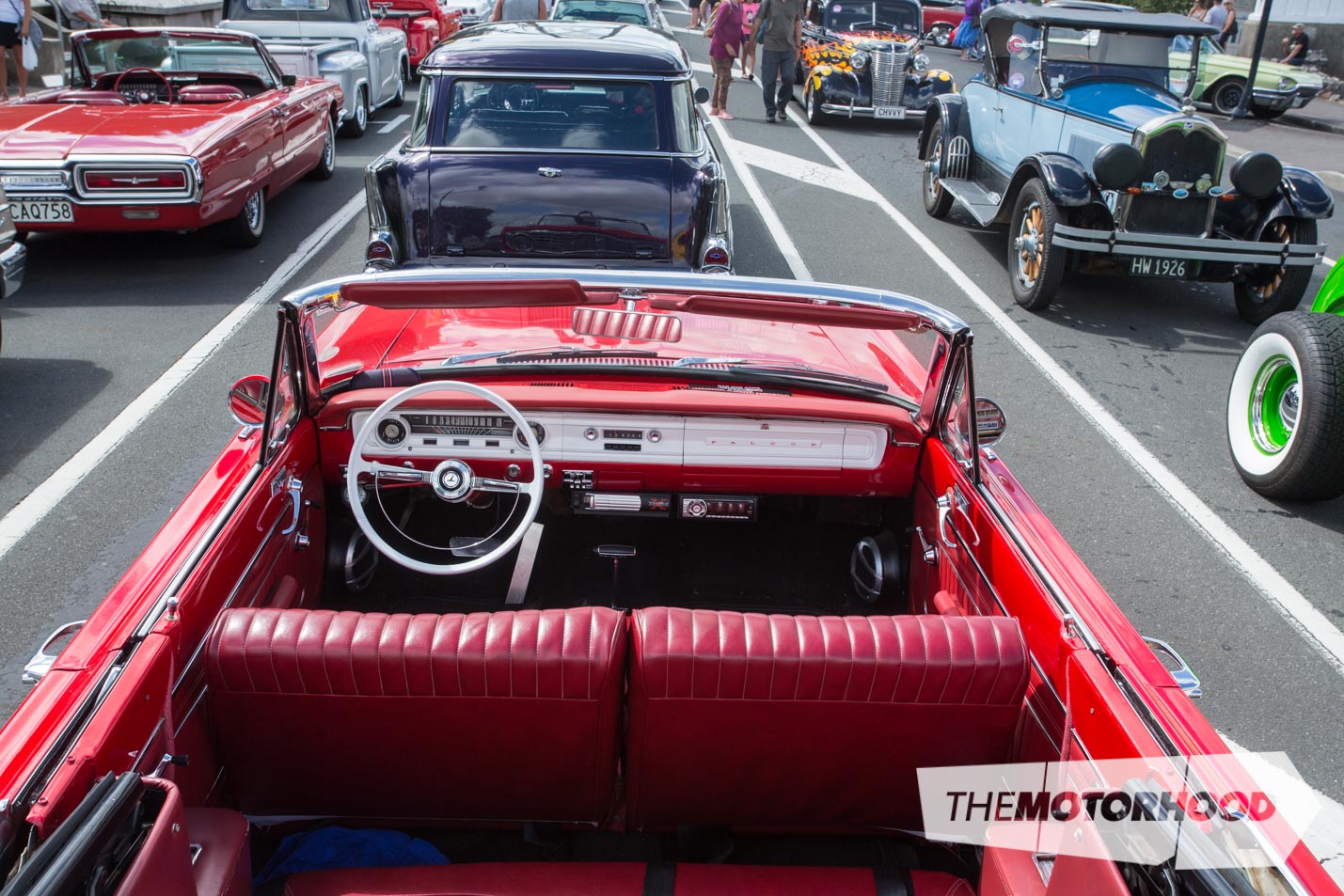
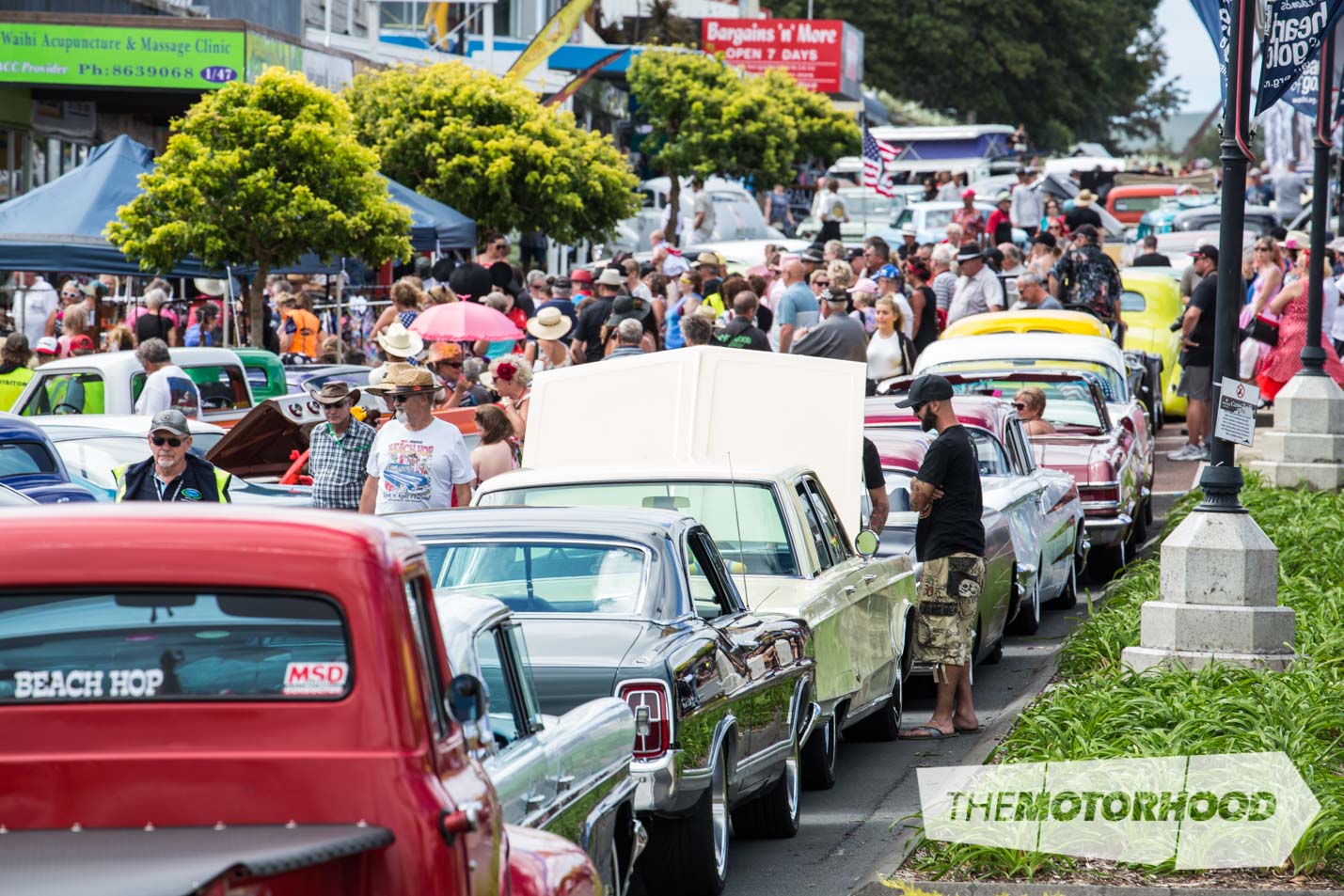
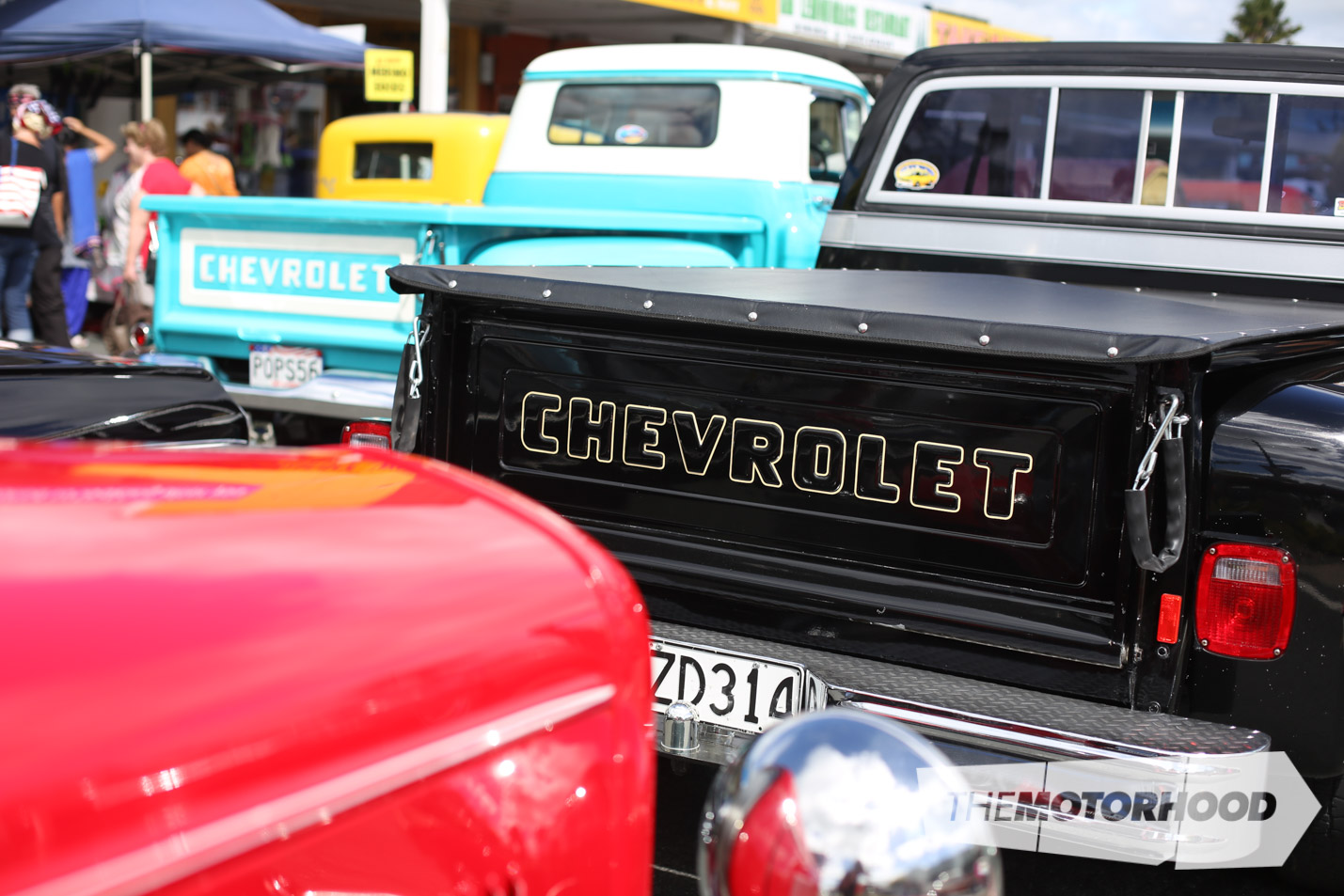
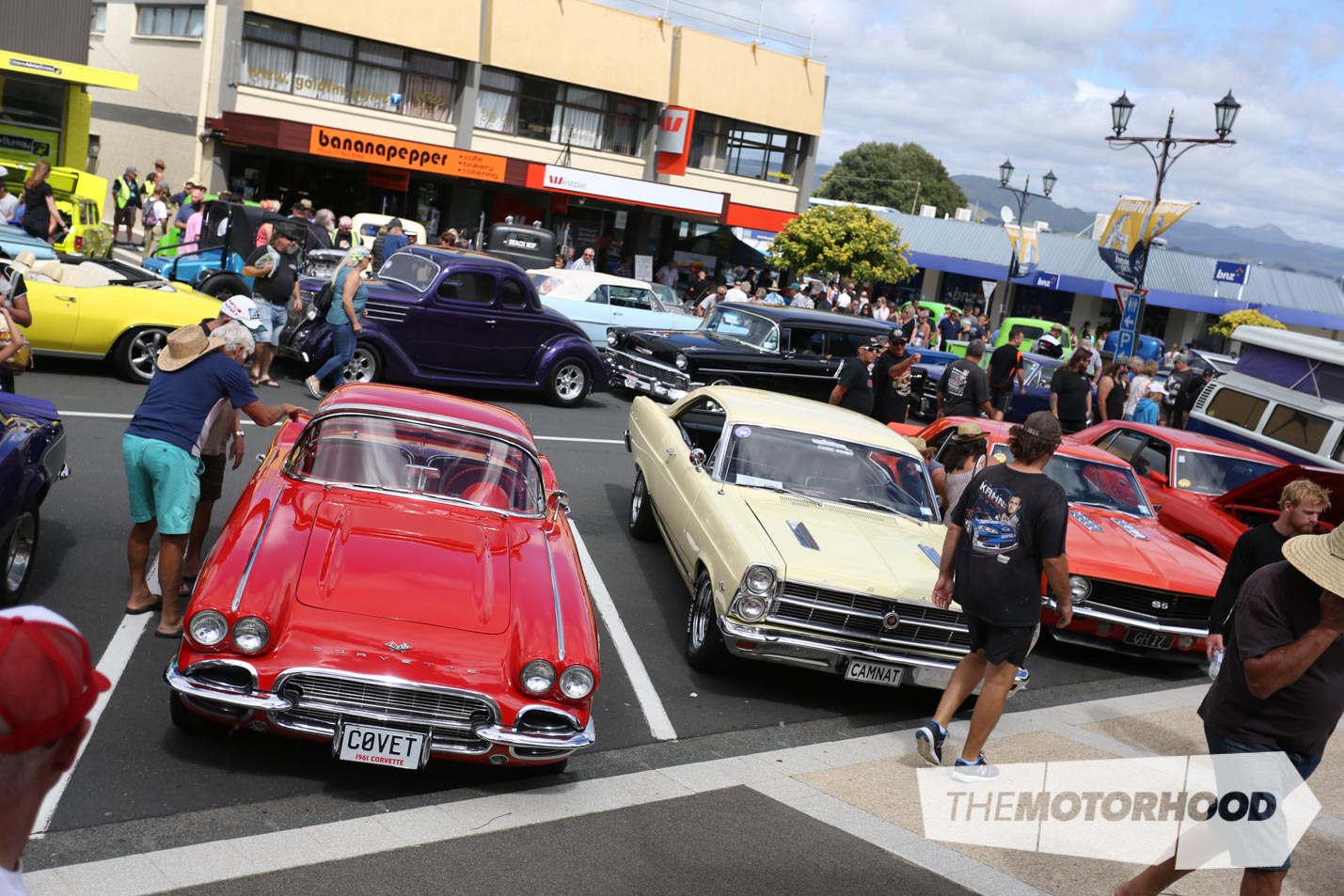
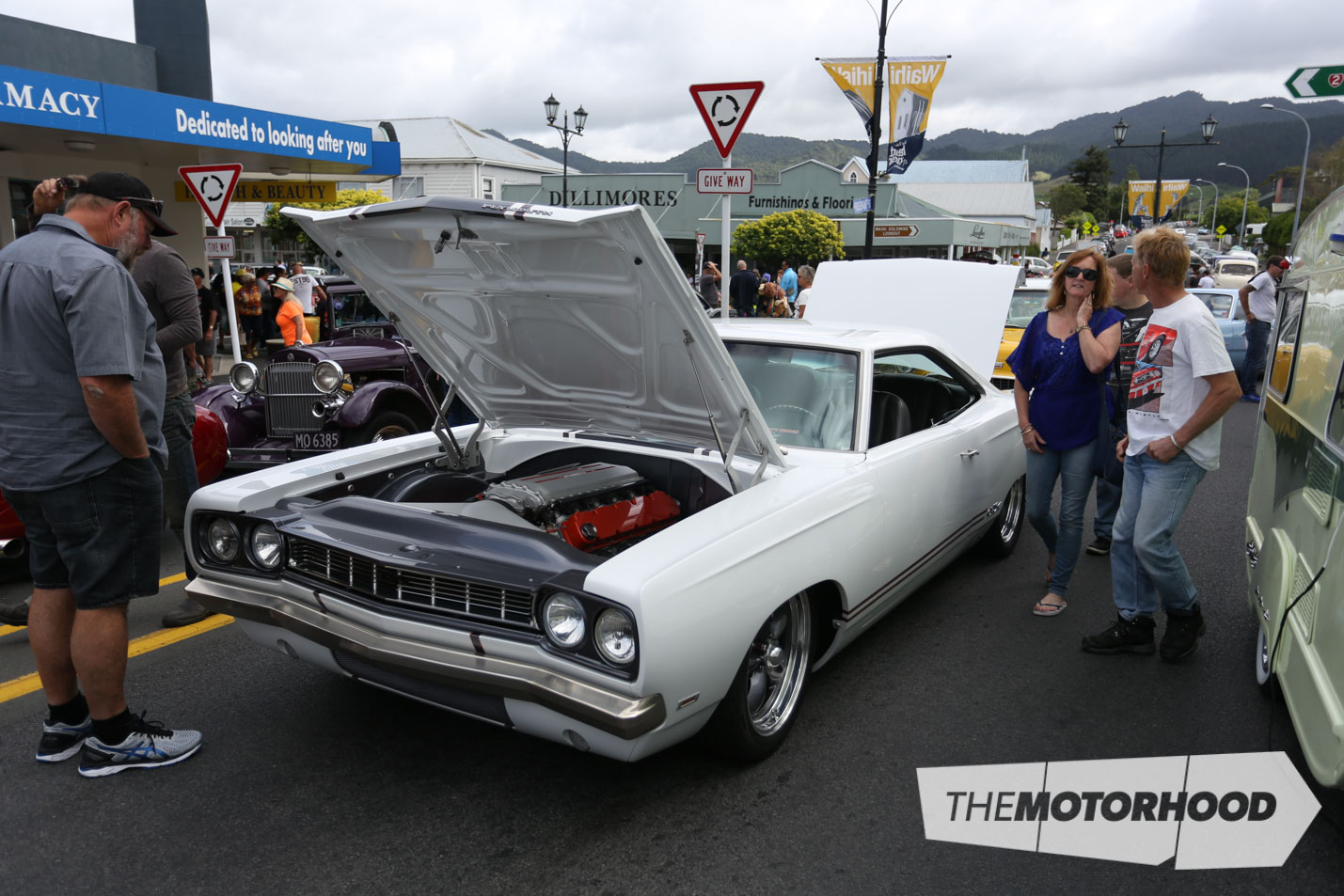
While the weather forecast wasn’t looking too flash for the remainder of the week, Wednesday promised nothing but sunshine and happiness, and had no drama in delivering either. The main street of Waihi’s central business district, Seddon Street, and surrounding side streets began to fill up at 10.30am, transforming from strips of sun-baked asphalt into a gleaming mass of painted and polished metal.
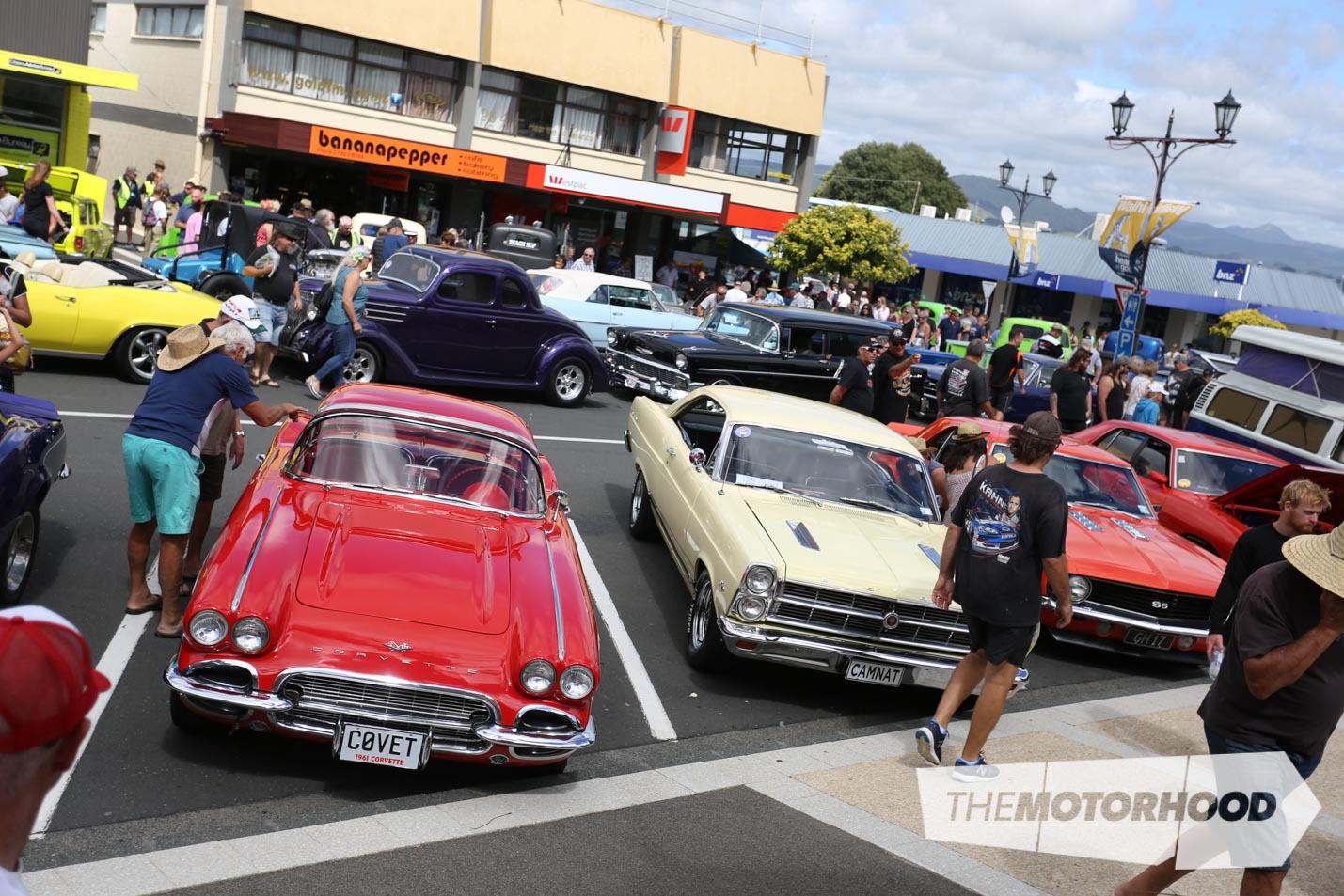
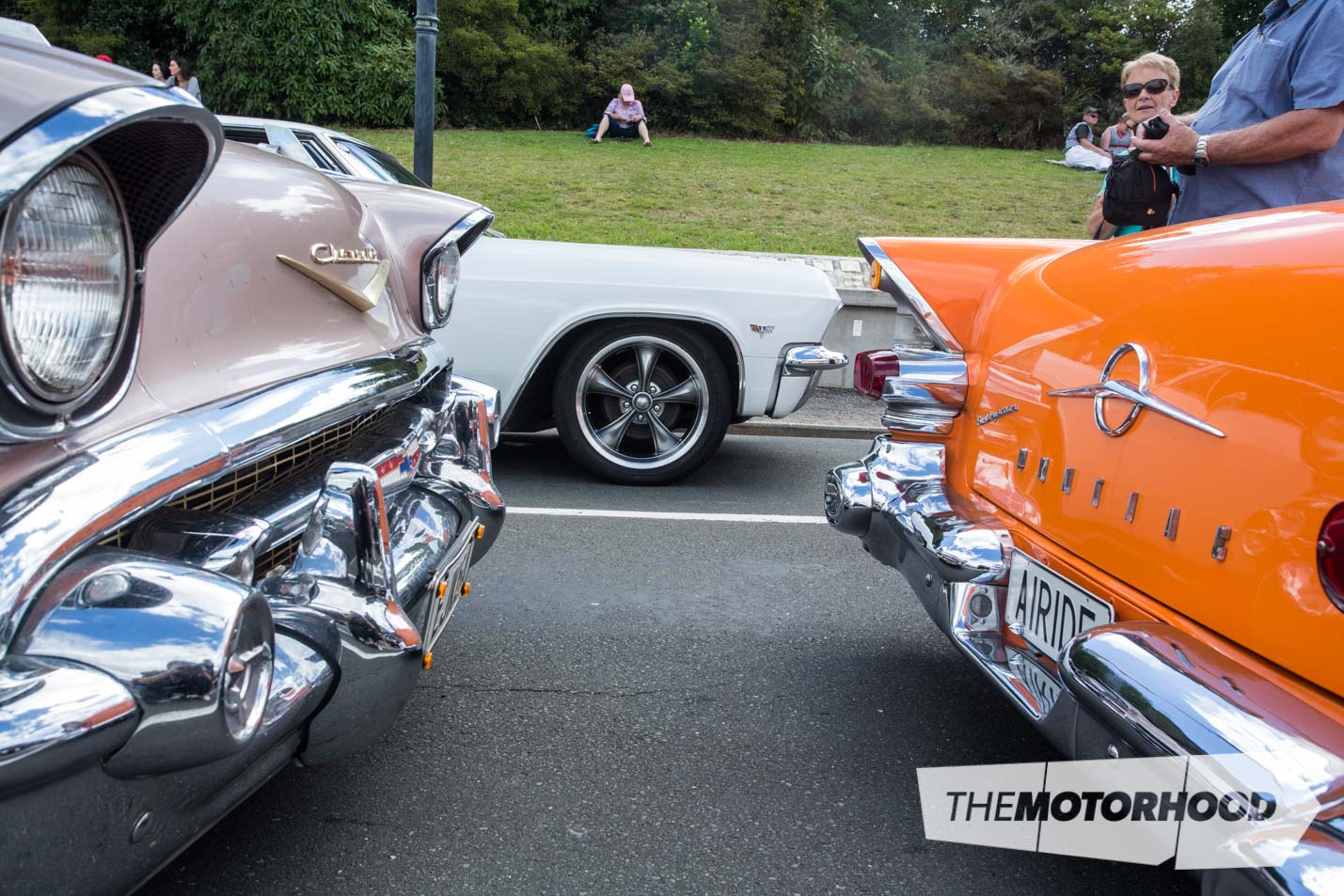
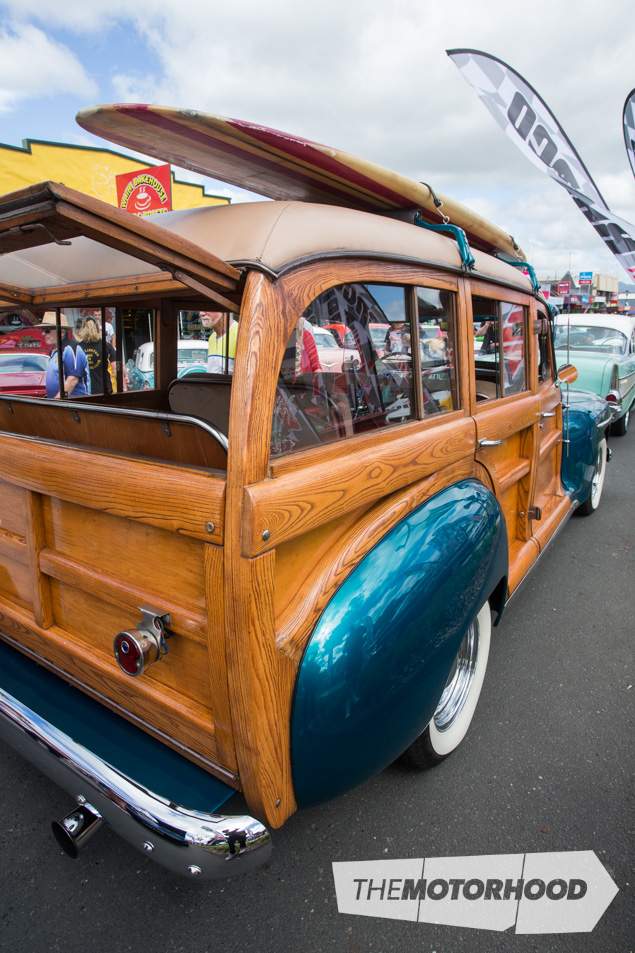
It’s this beautiful fusion of classic American iron and the picturesque Thames-Coromandel east coast that makes Beach Hop what it is — a festival unlike any other in the world, and one that draws participants and spectators from all over the world.
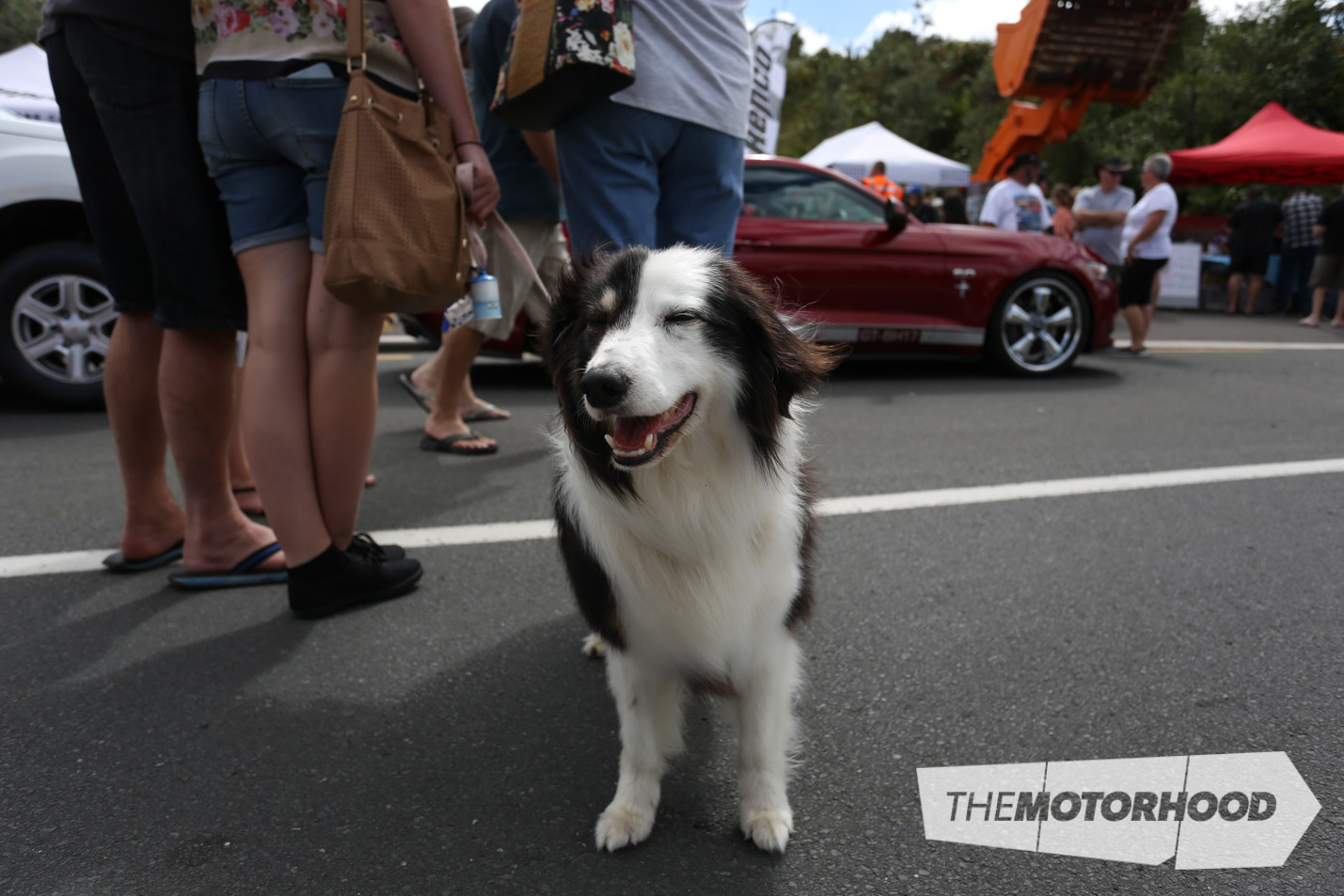
The atmosphere in Waihi is relaxed, with no urgency required, and more than enough time to look at the cars on display, take part in the day’s activities, and kick back for a long lunch (unless you work for a magazine!).
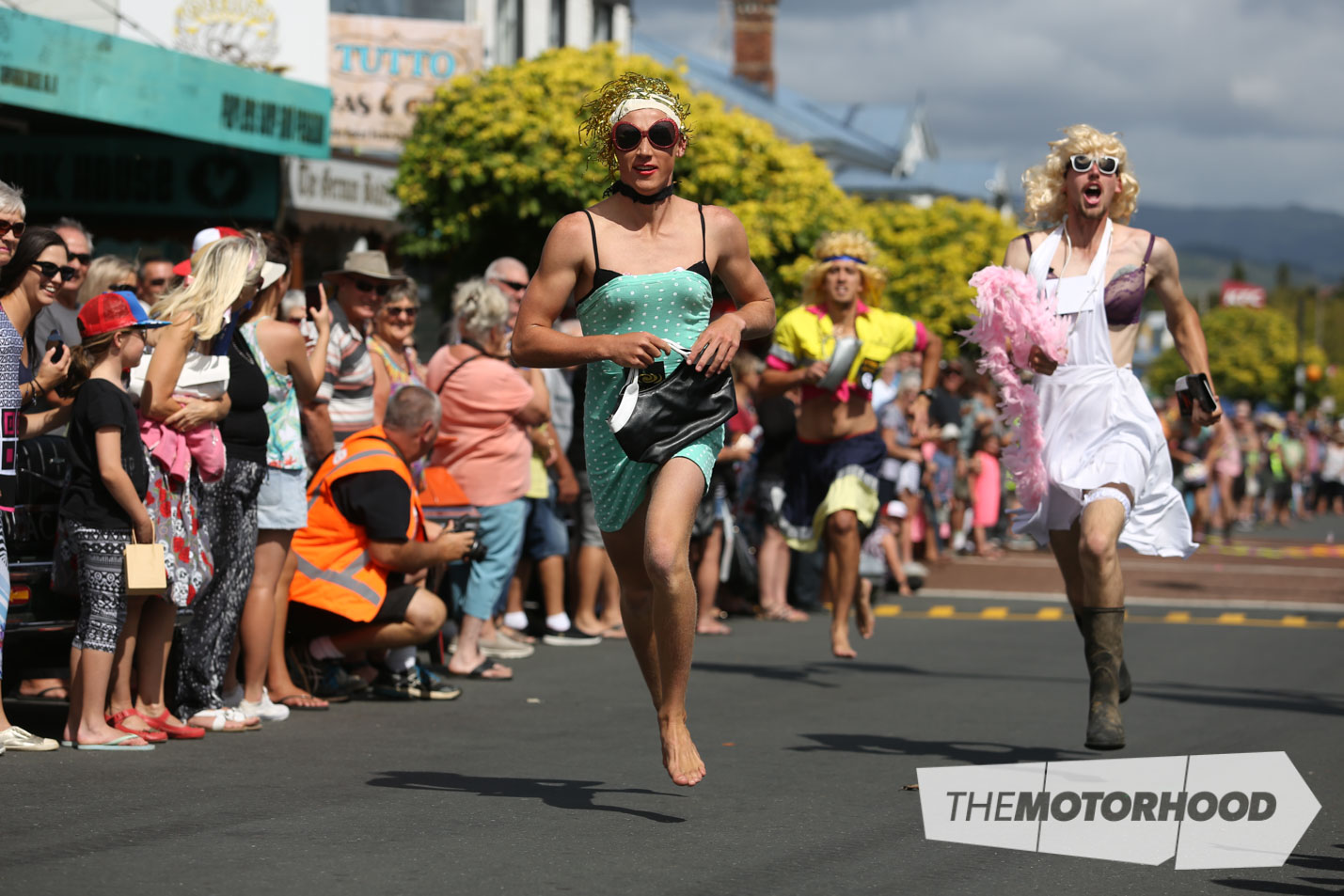
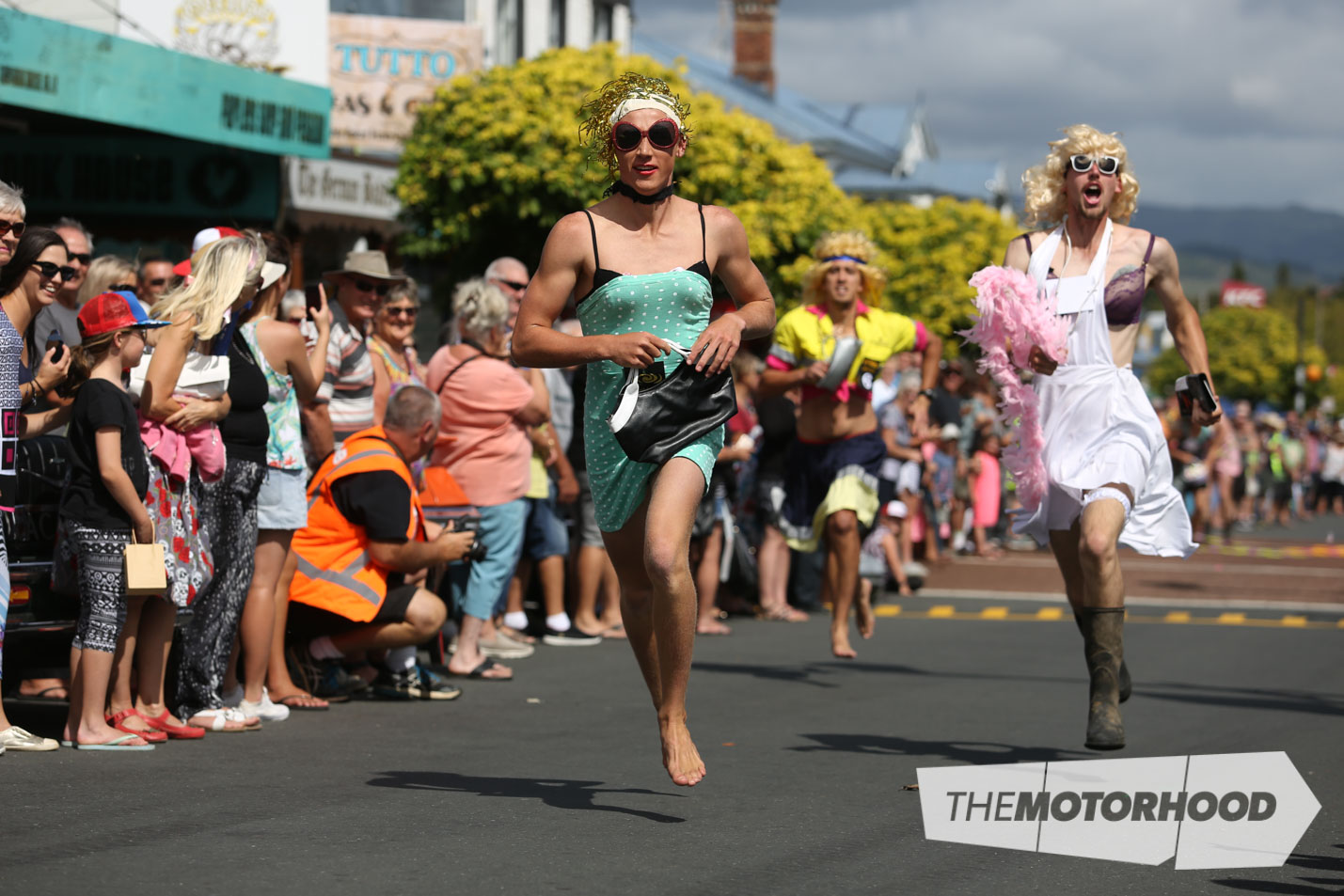
As far as the Go Waihi Warm Up Party itself goes, it’s probably best known for the famous Drag Race — a phenomenon that somehow is and isn’t what it seems. It’s a drag race, yes, but the racers aren’t cars, rather a motley bunch of blokes sprinting down the road while dressed in their finest female attire.
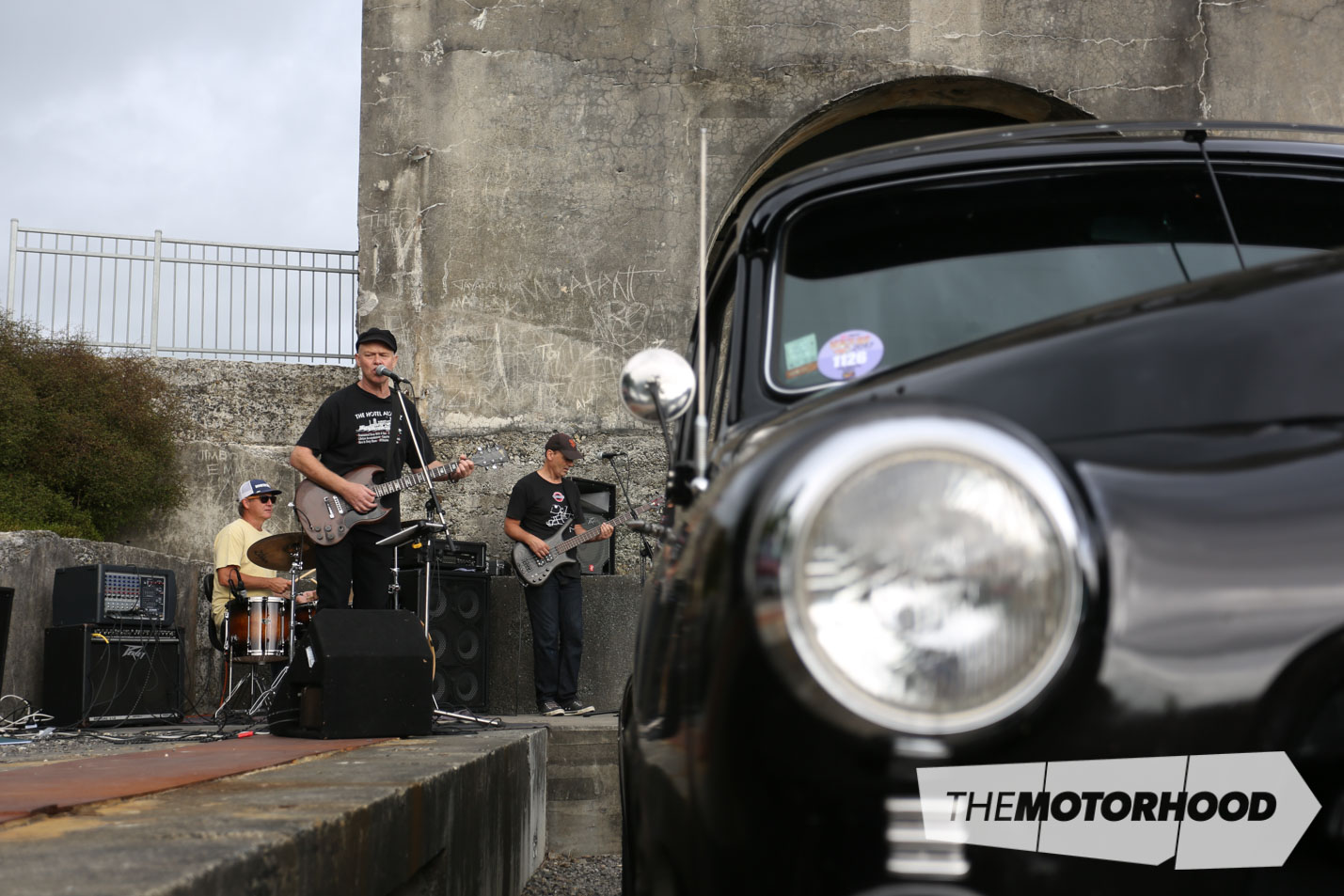
Of course, the rock ’n’ roll theme prevalent throughout every Beach Hop meant entertainment wasn’t limited to cars and dodgy-looking fellas. The warm-up extended to the musical side of things, which plays a big part of Beach Hop, and included Al & The Wild Katz, Tim & the Rockets, and Ricochet all playing live sets throughout the town. Most notable of these are Tim & the Rockets, who get the honour of performing at the remarkable Cornish Pumphouse — a massive relic from Waihi’s gold-mining history.
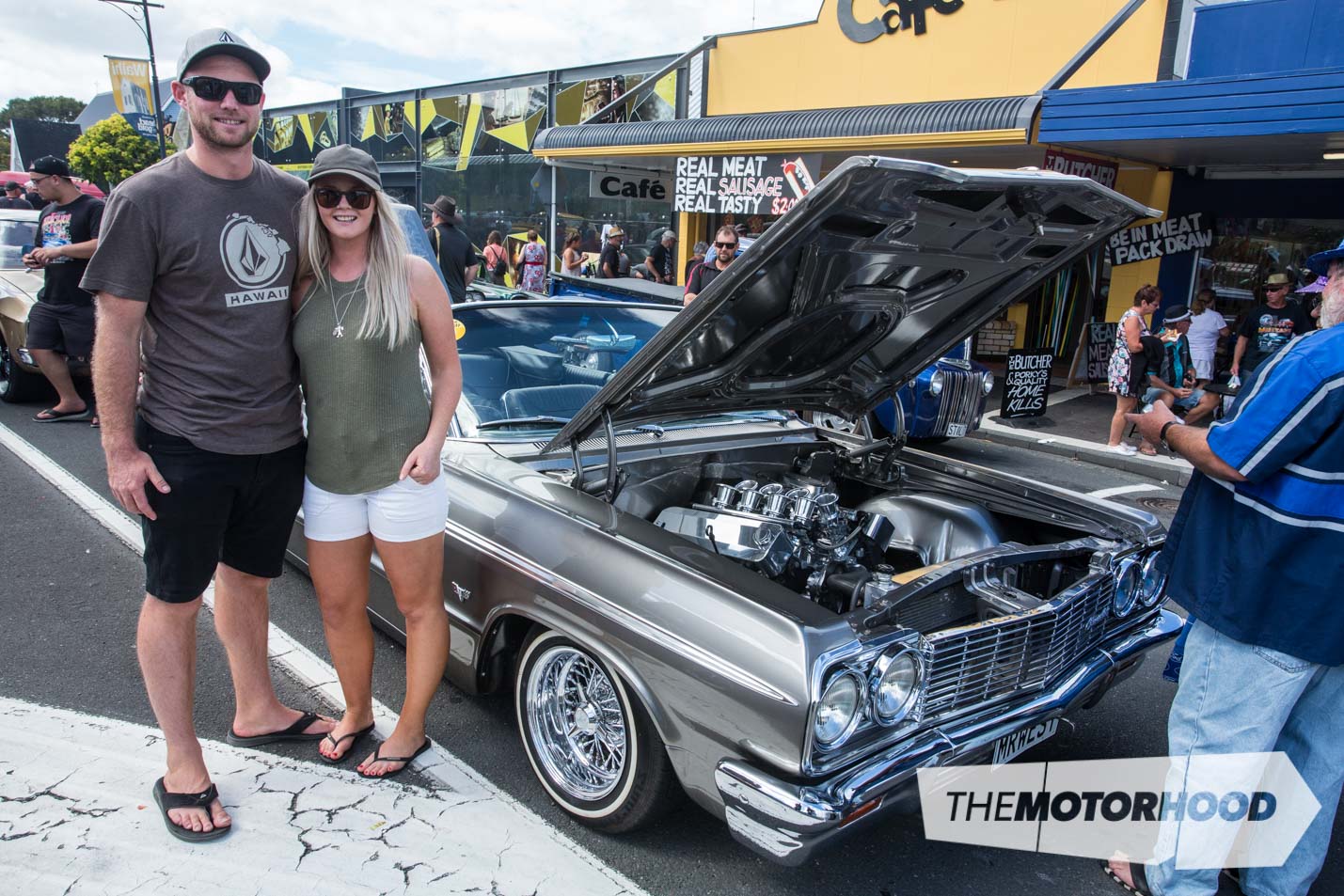
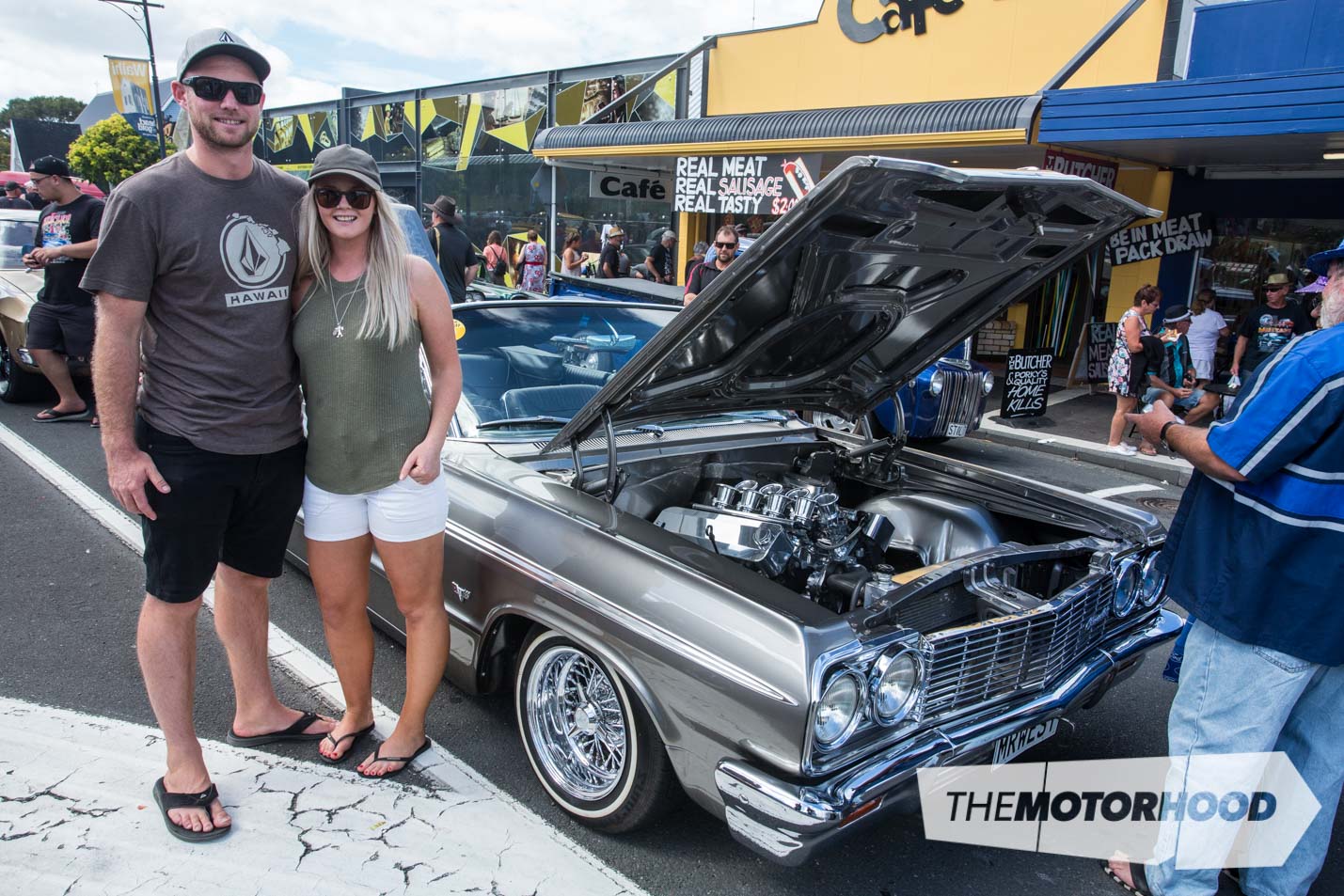
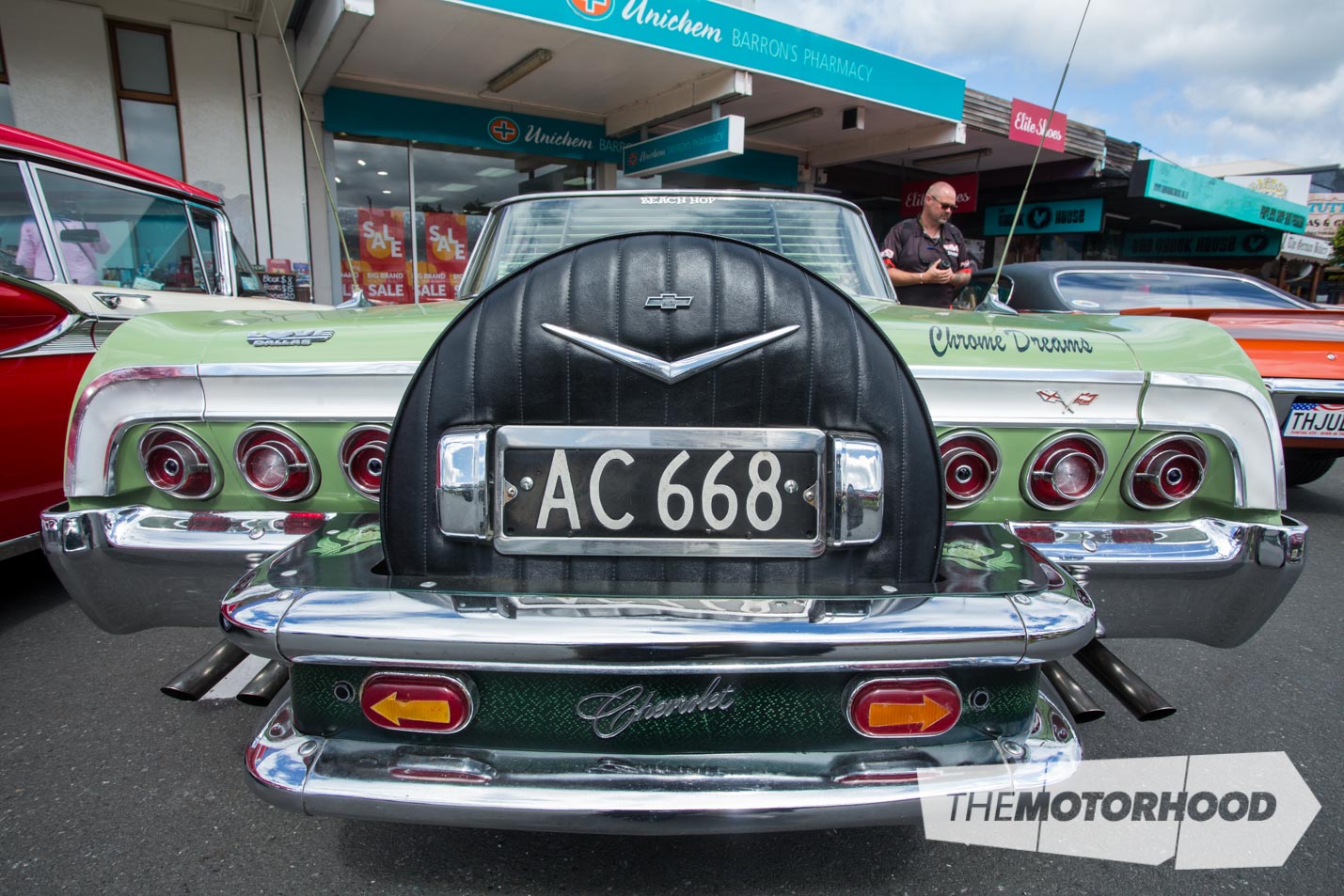
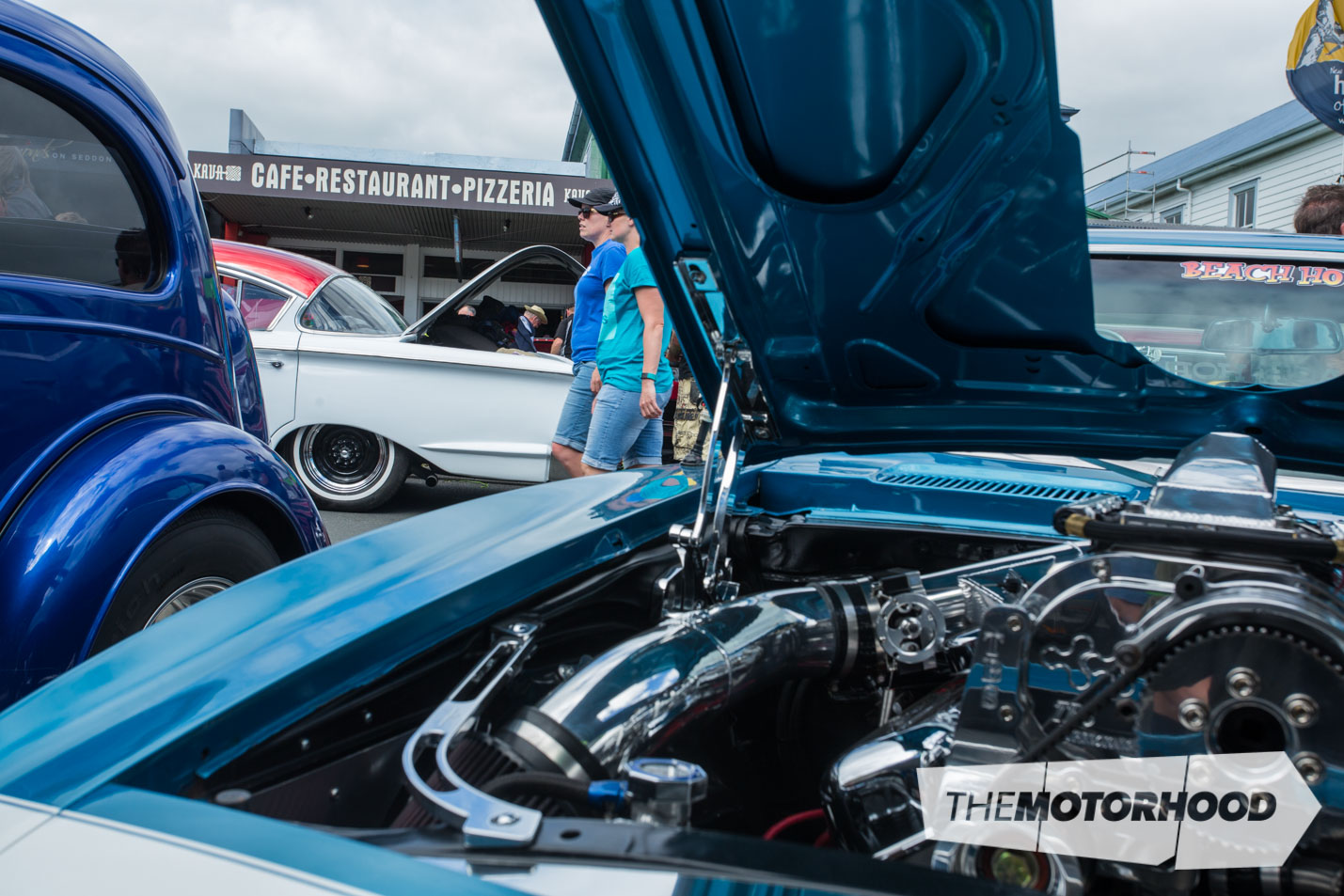
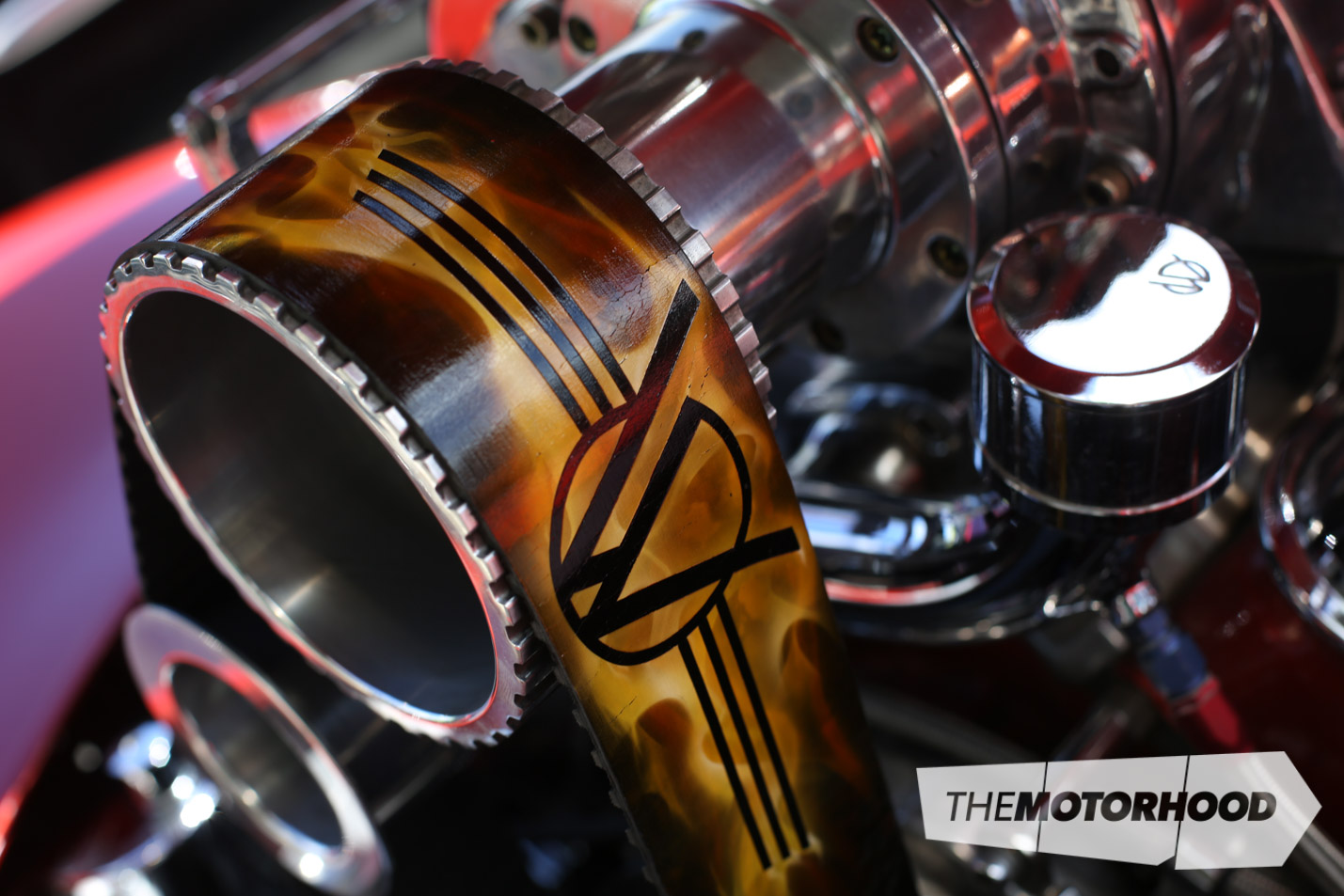
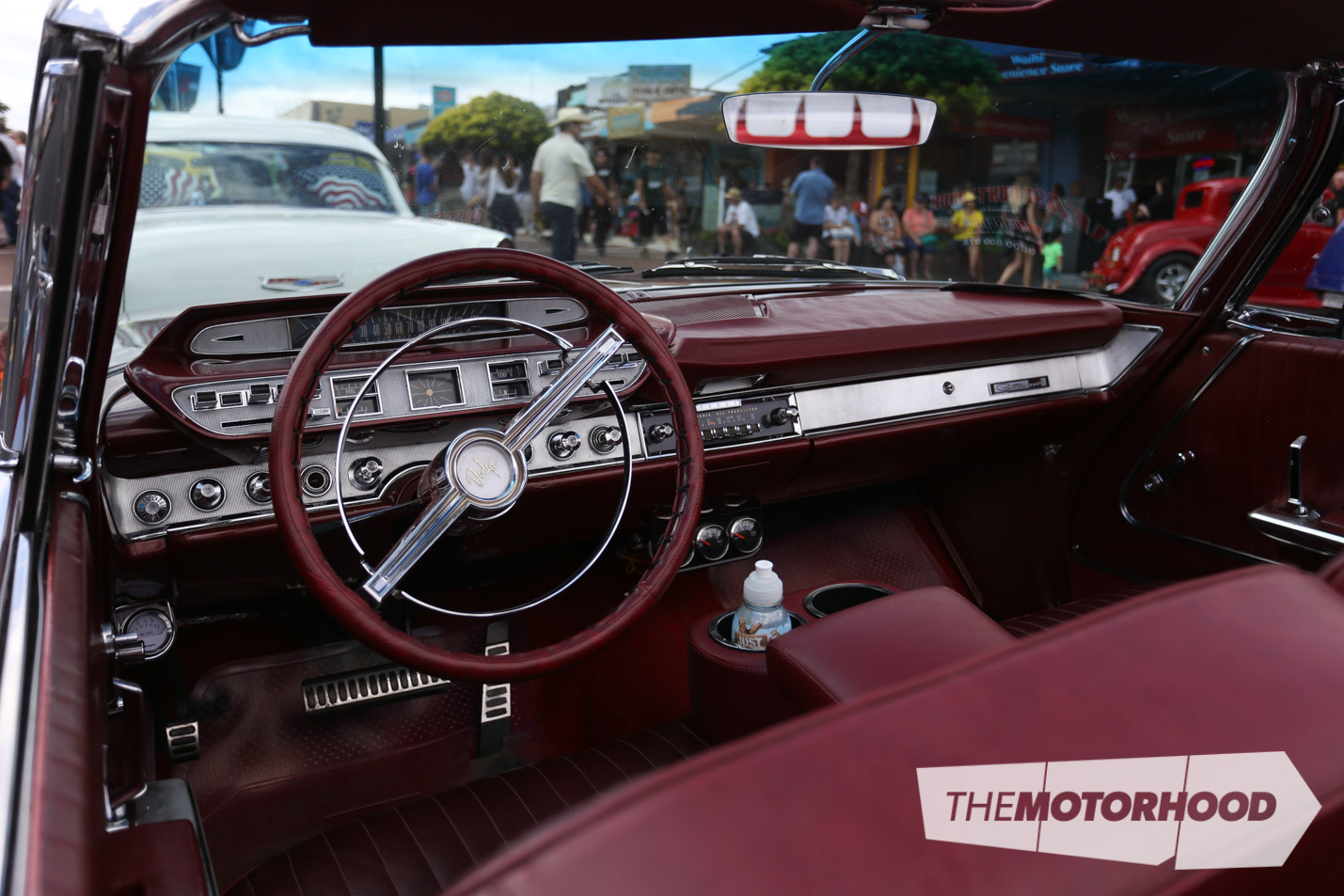
But let’s not forget the cars, which were the real stars of the show. Bradley West and his partner Amanda were kept busy answering questions about their beautiful ’64 Impala ragtop, which drew a constant stream of onlookers thanks to its flawless finish, ITB-equipped LS1 engine, and incredibly detailed engine bay. If you’re wanting to know more, you’ll have to wait for a future issue of NZV8.
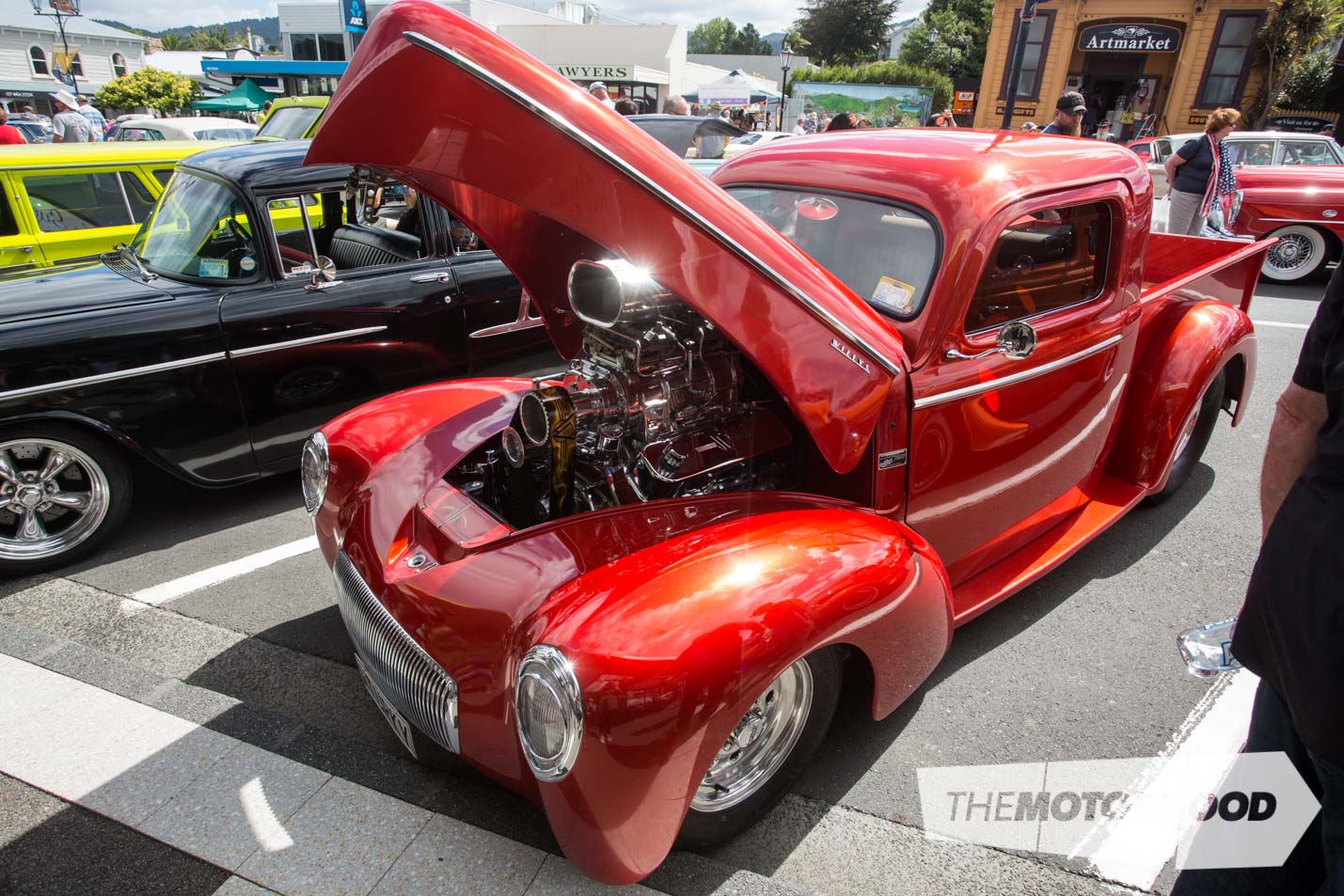
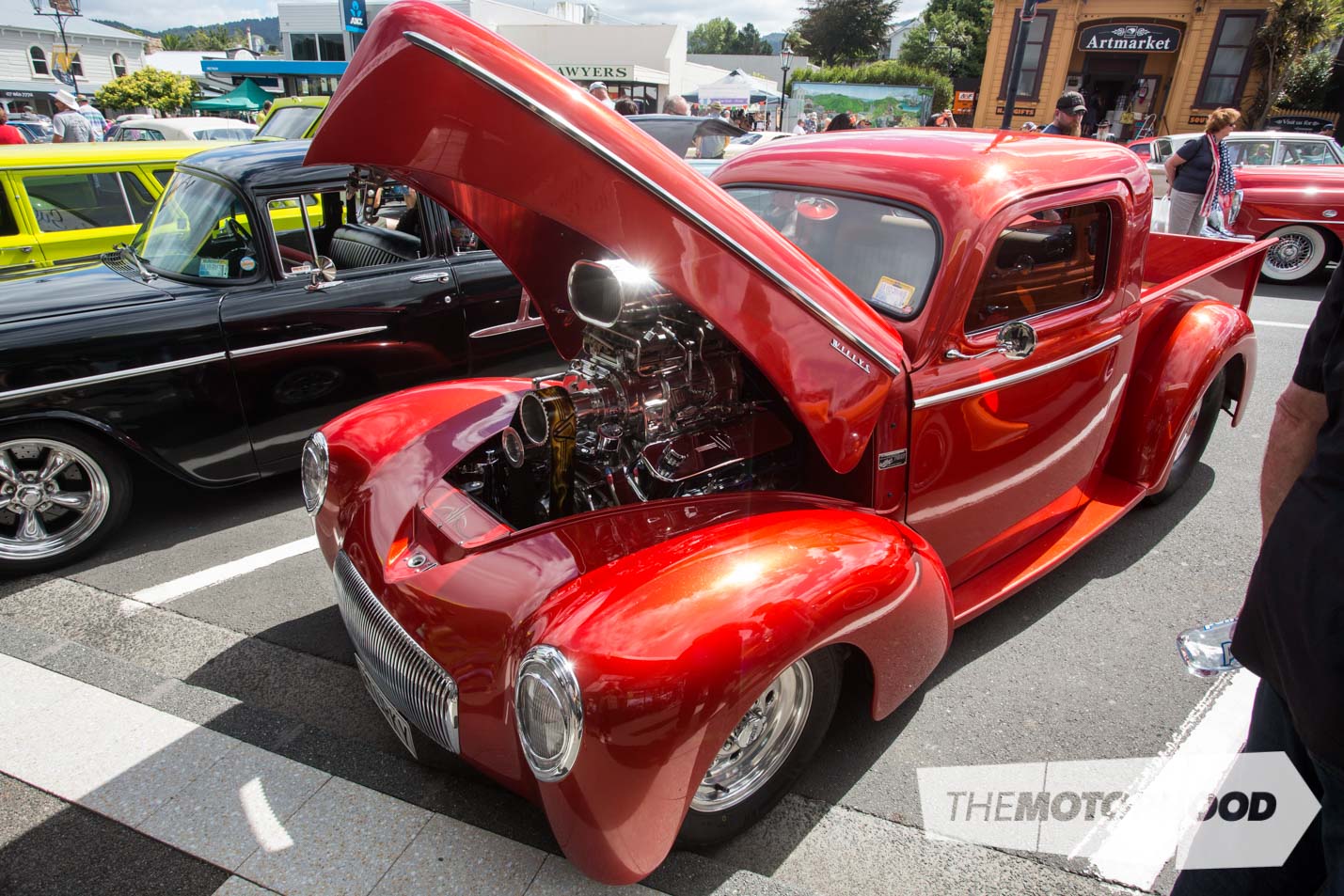
Likewise, Bruce McKenzie’s stunning ’41 Willys pickup acted like a punter-magnet. How could you ignore the flawless paint, monstrous supercharged big block, perfect stance, and masterful attention to detail? It’s the result of a long, protracted build which included Bruce having to battle prostate cancer and chemotherapy, although he finally managed to finish the build and drive the tough Willys all the way up from Christchurch.
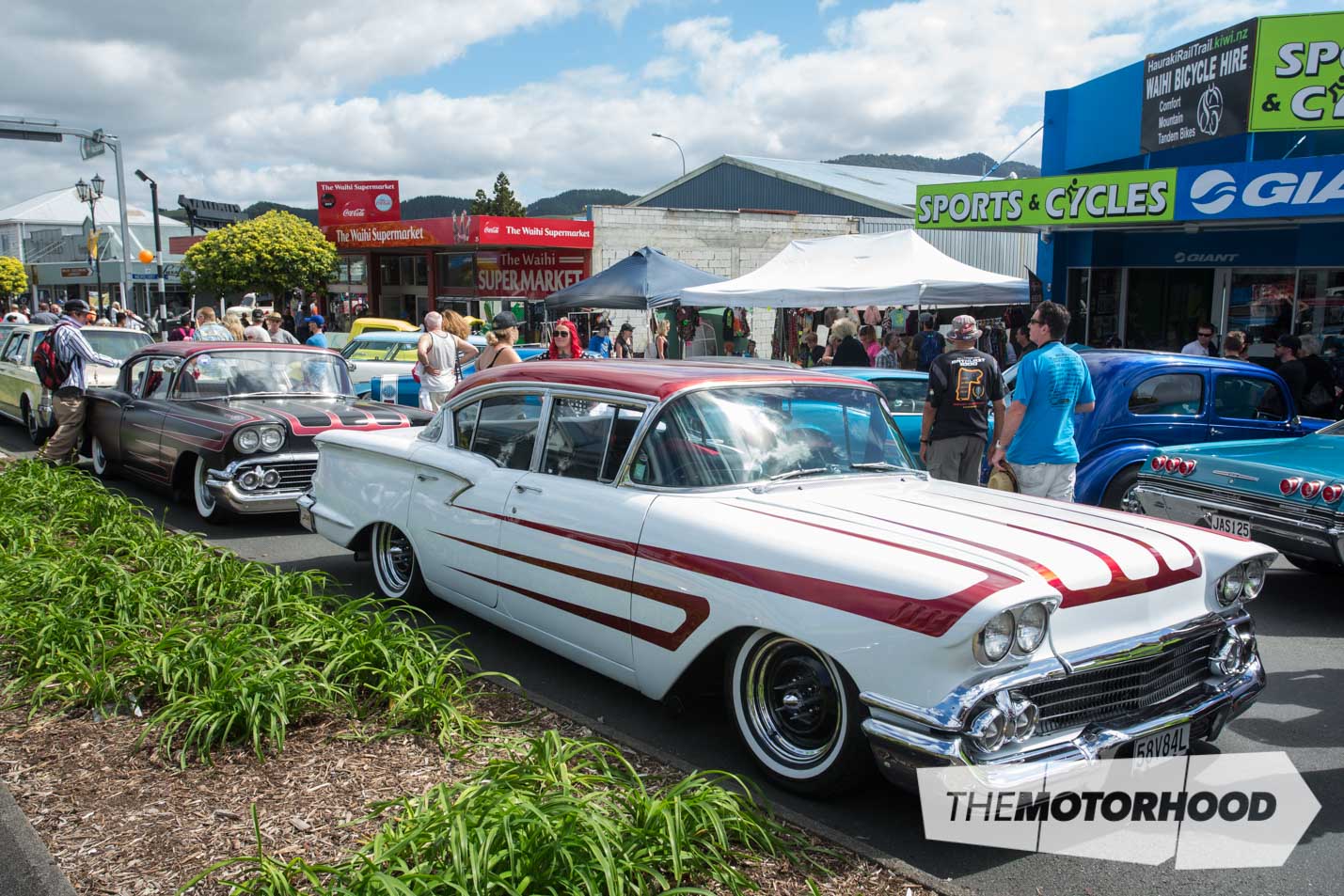
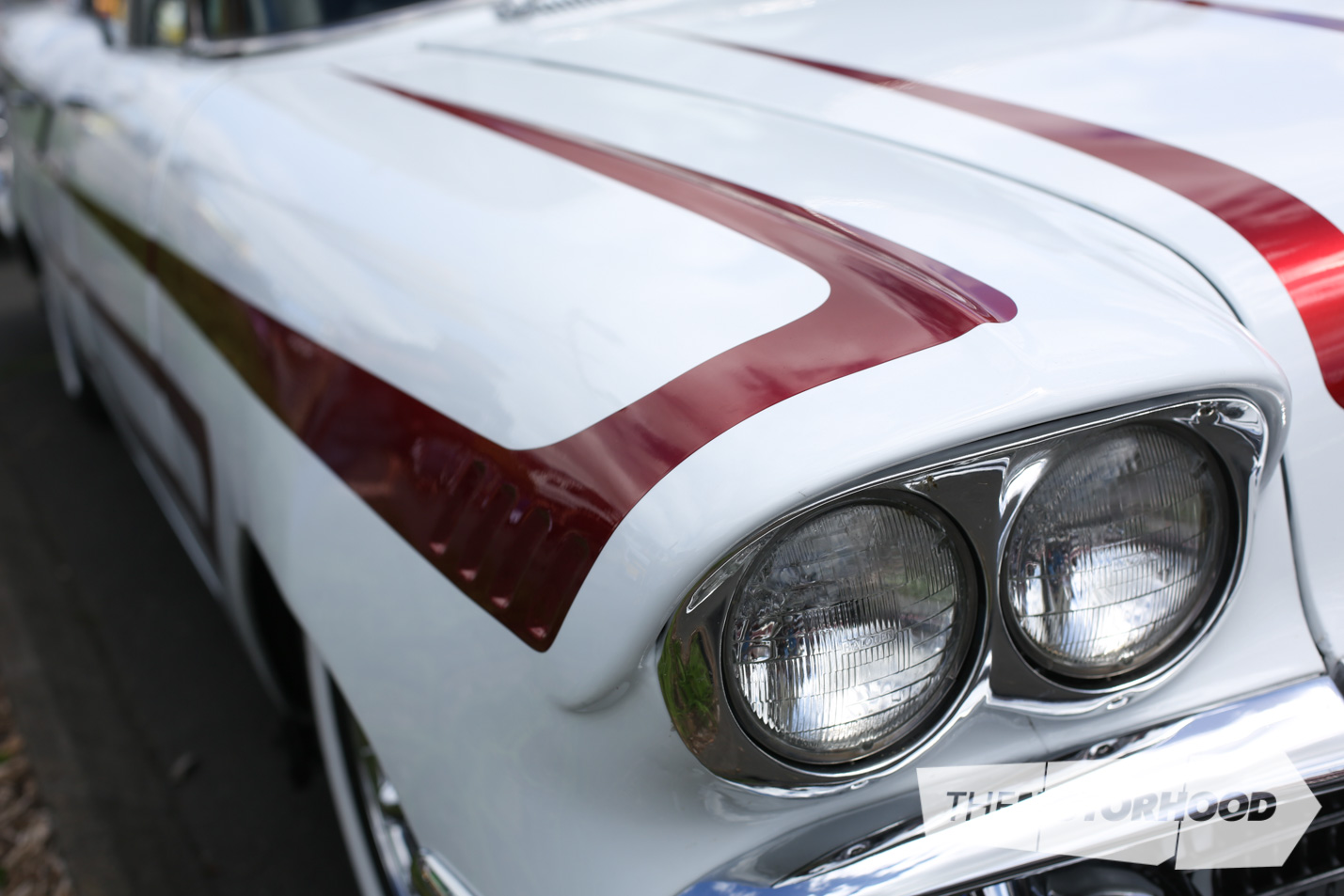
And if you’re more into the knuckle-dragging kustom stuff, how about the matching pair of ’58s brought along by the Tucker brothers? Now that Aaron’s had a baby, he decided his ‘58 Biscayne needed more doors, so he built a ’58 Chev Bel Air sedan, finished in a very similar style with painted scallops and the only acceptable ride height — low! This of course left the two-door hardtop, spare for brother Bradley and family to fly in from Australia to enjoy.
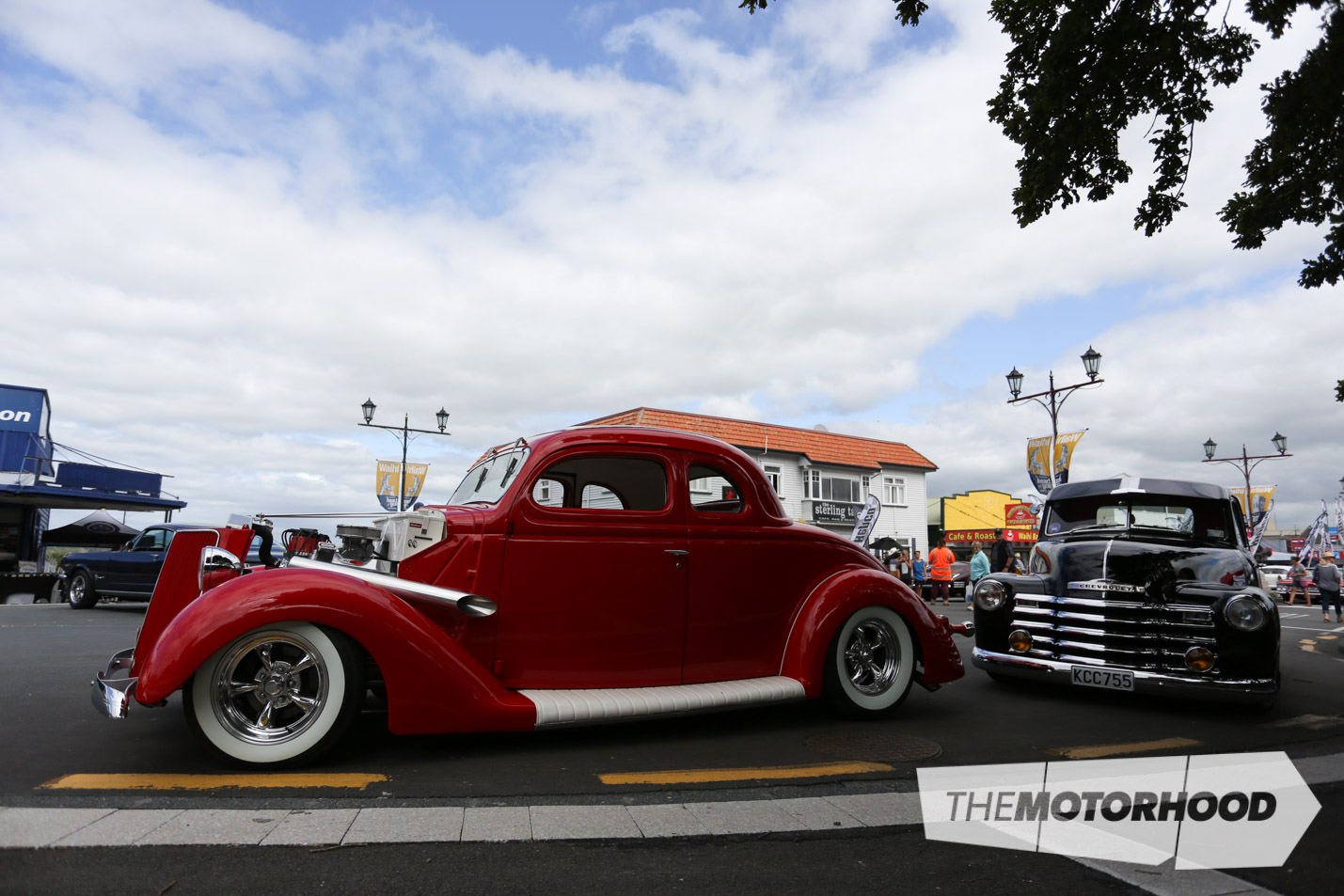
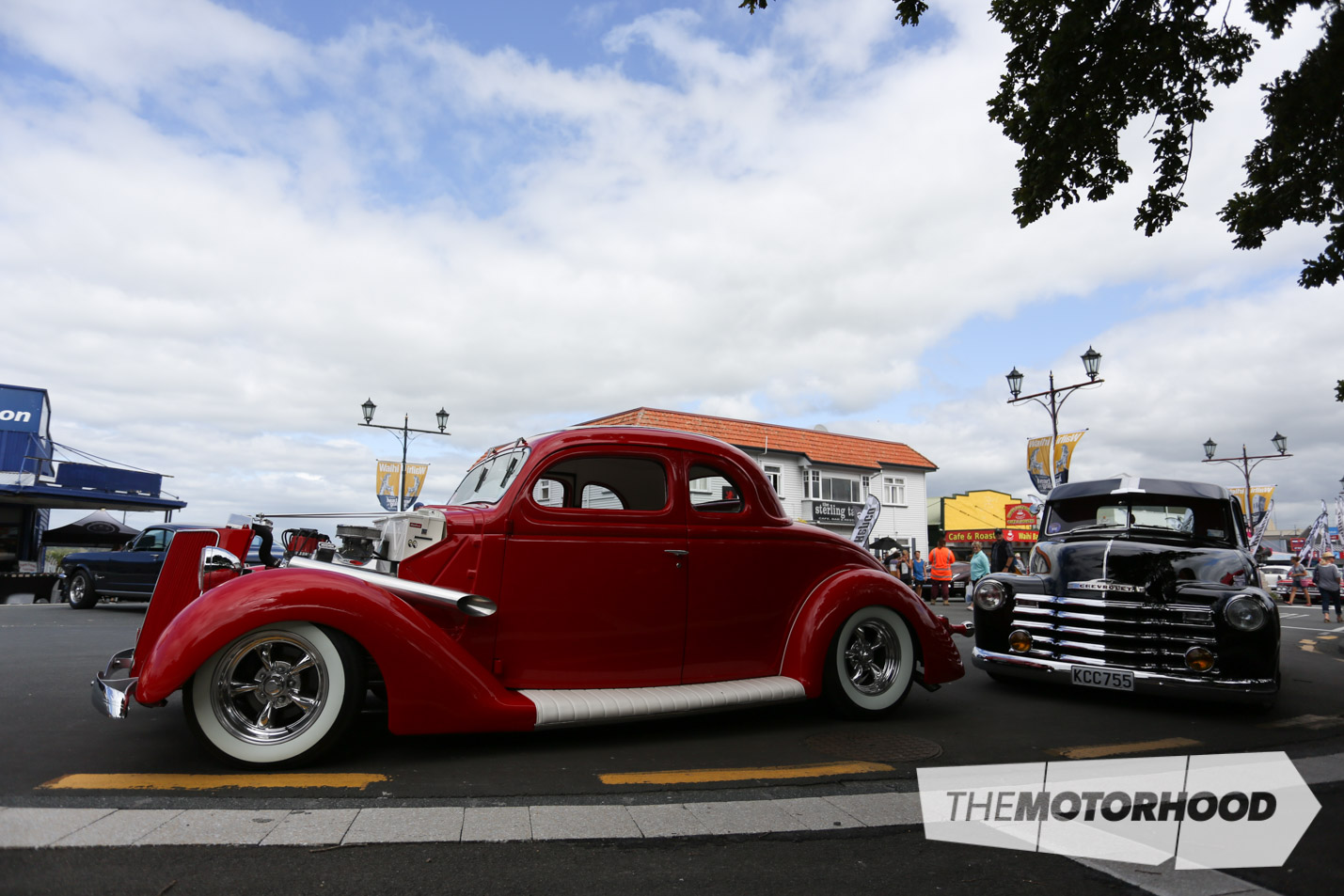
And speaking of old-school cool, how about this duo driven up from the South Island? Wayne Nicol did well to bring his sweet ’36 Ford coupe up from Mosgiel, and he was joined by Deane Croker’s beautifully presented ’48 Chev.
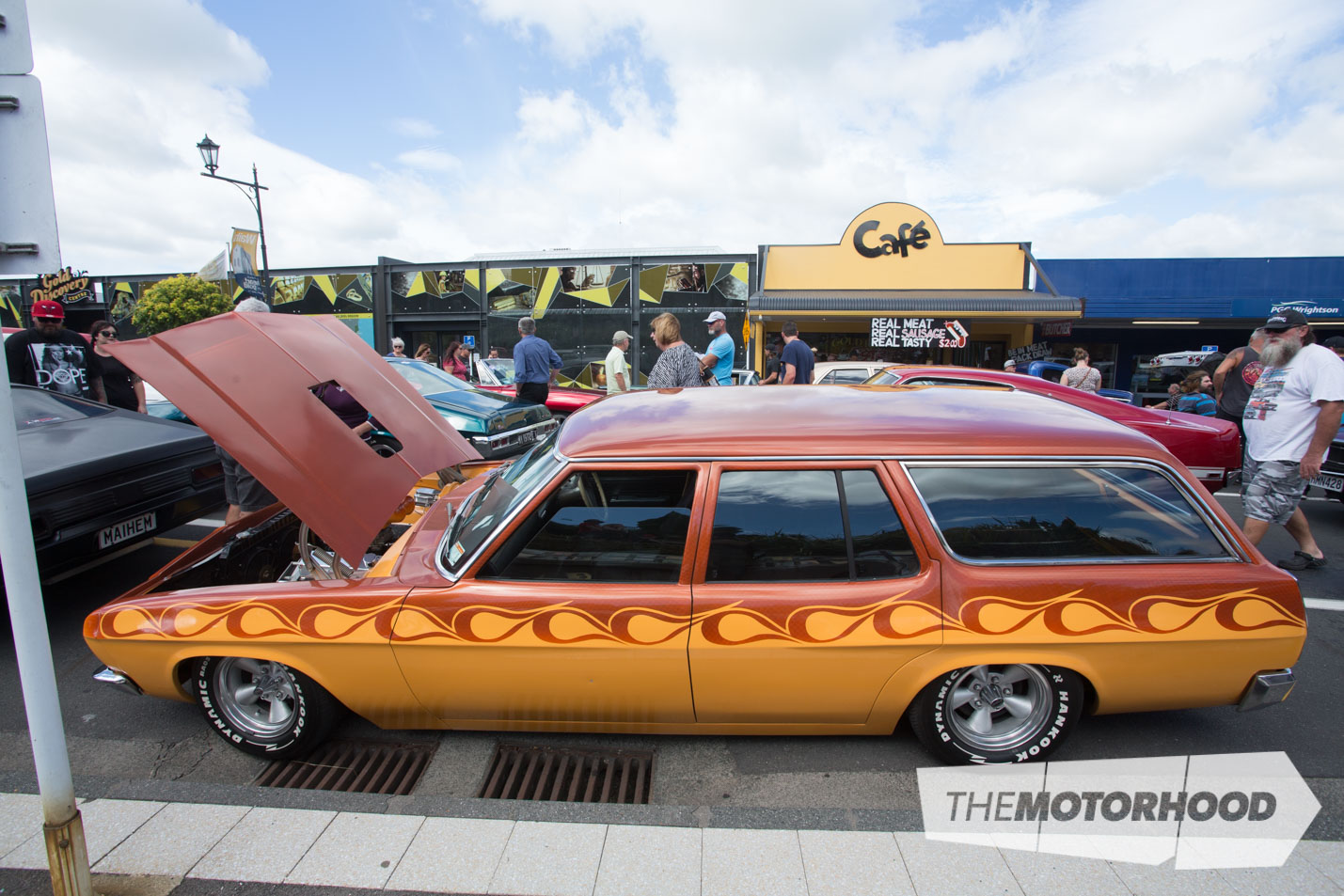
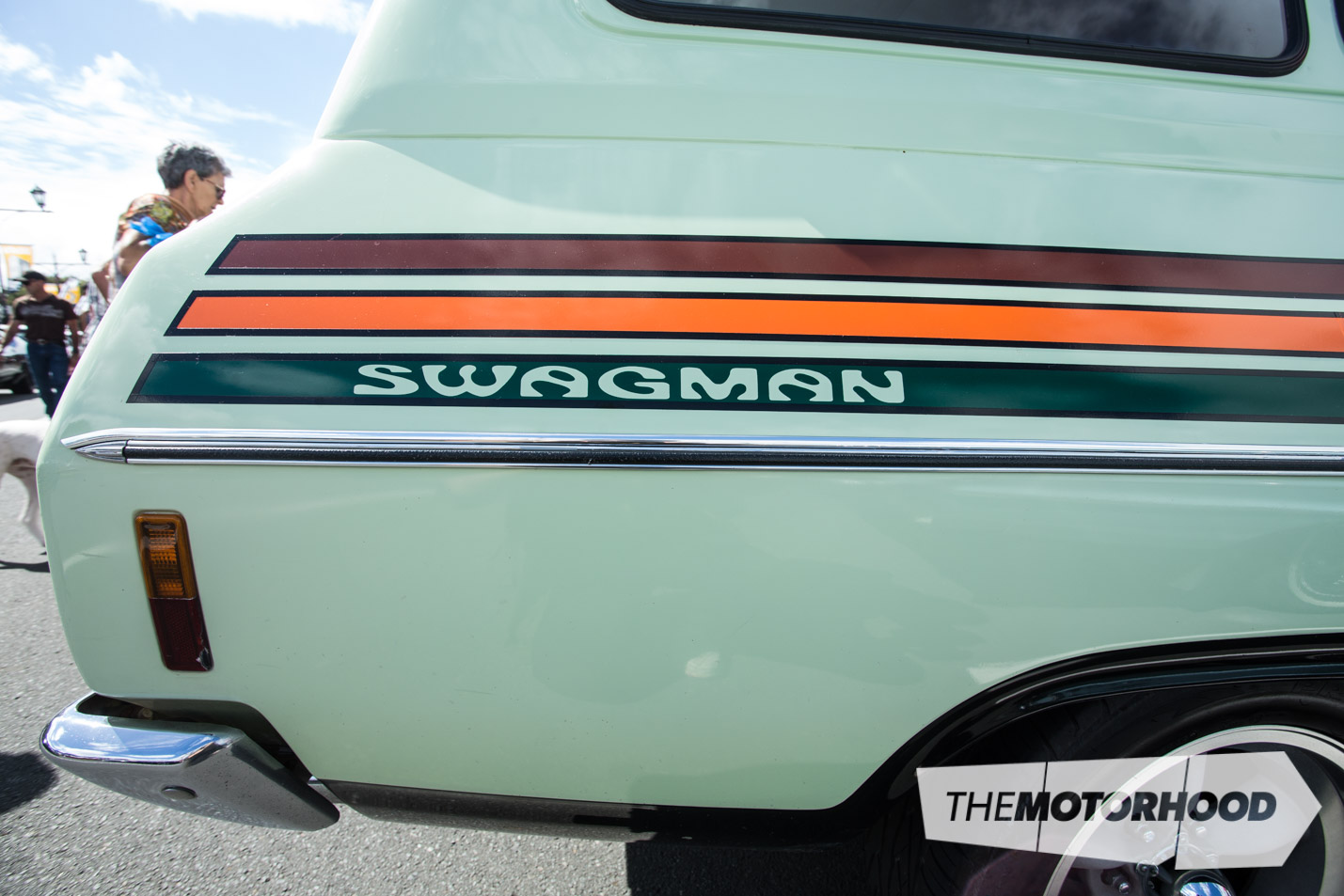
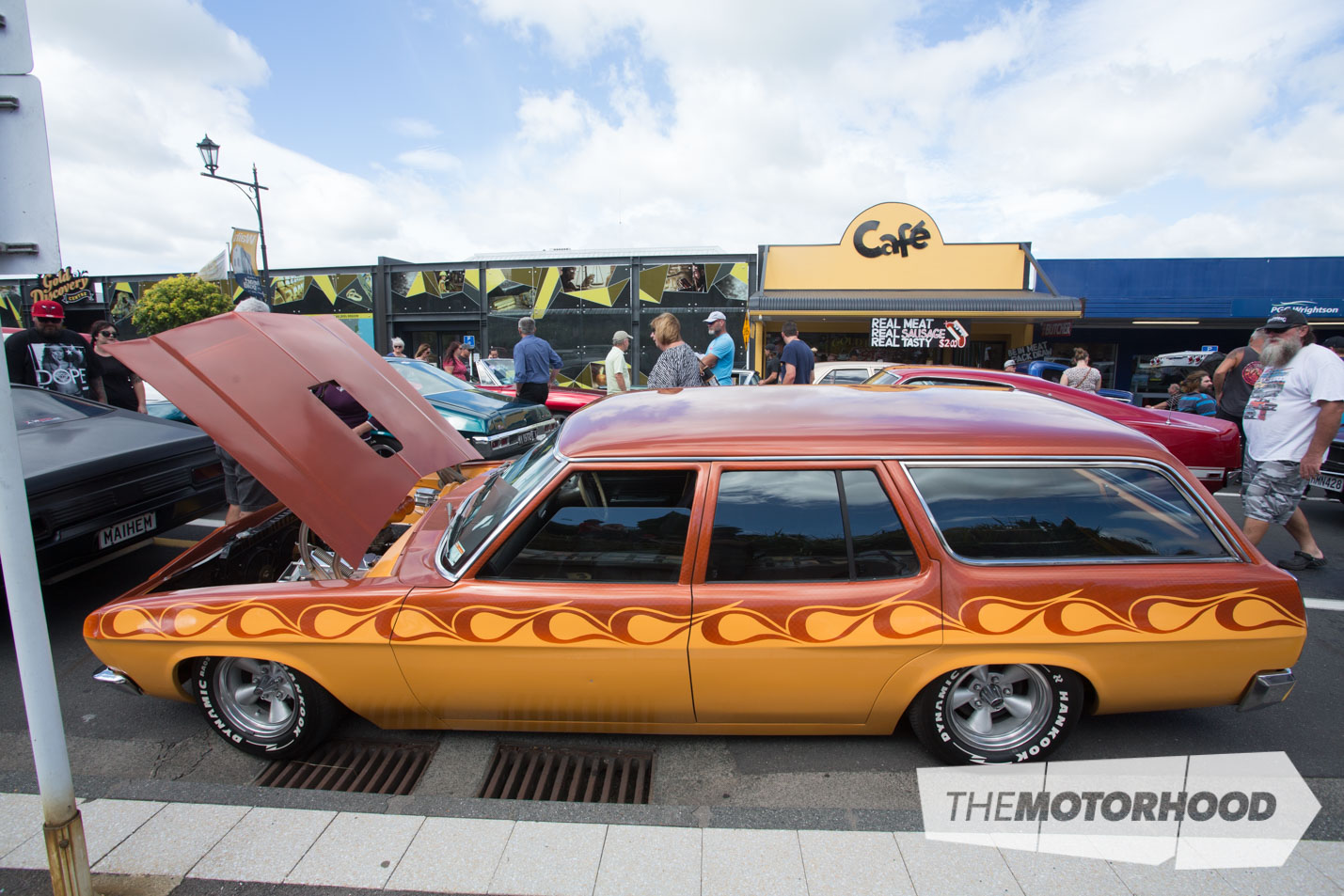
Steve and Tracy Green managed to make it to Beach Hop once again, although their EJ Holden powered by a turbocharged 208ci Holden Red motor (179 block with a 202 crank and an 0.100-inch overbore) was nowhere to be seen. Instead, they were cruising in their son’s super slammed Holden HQ wagon, having sold the EJ in preparation for a move to the Gold Coast.
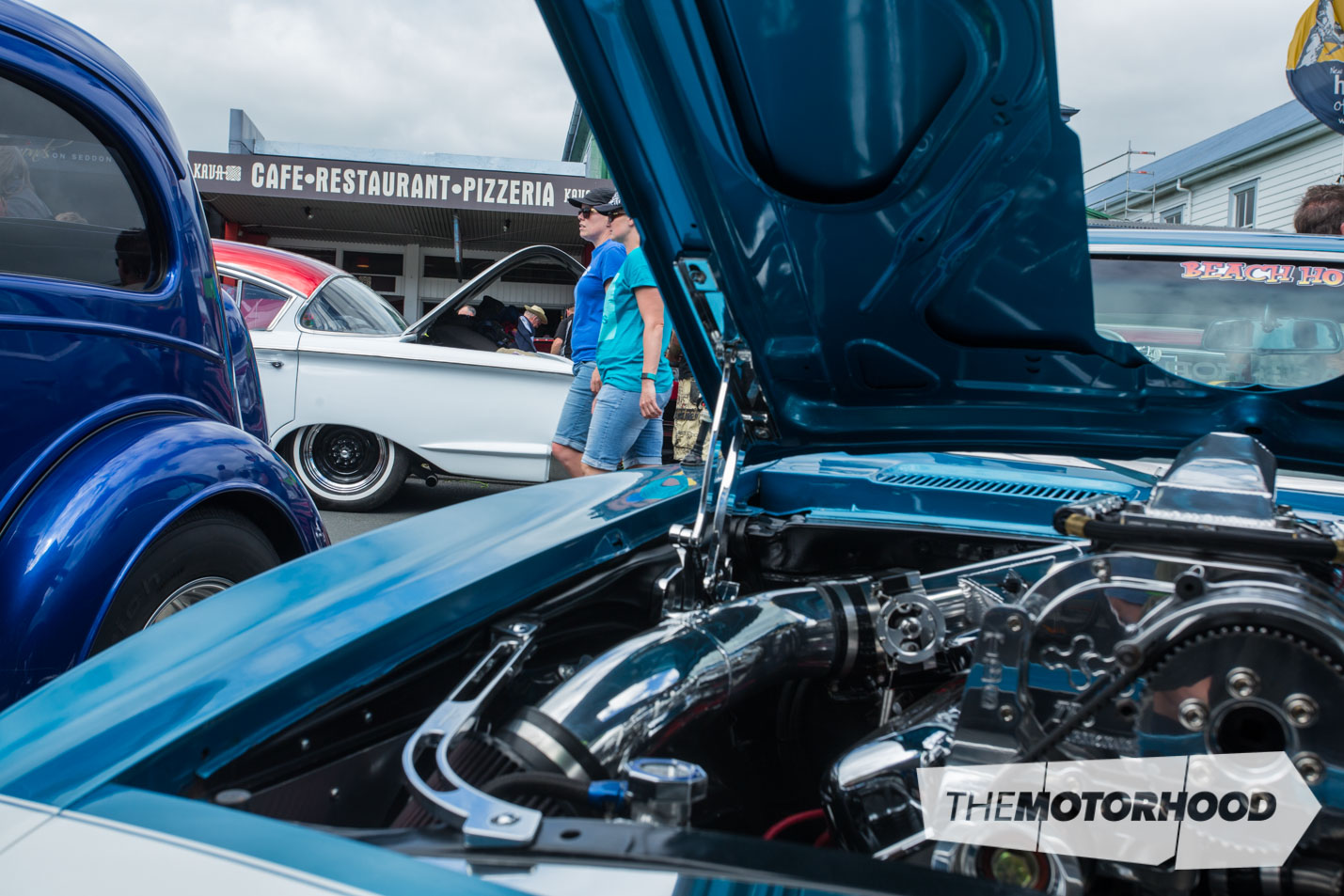
We’ll have more coverage and photos from Repco Beach Hop 17 coming up here, so make sure you check back to stay posted. And, of course, we’ll have the full monty in our NZV8 Beach Hop Annual 2017, which can be pre-ordered here, and includes a free DVD documenting it all!