Words: Liane Clarke Photos: Liane Clarke, Jacqui Madelin Video: Black Magic Media
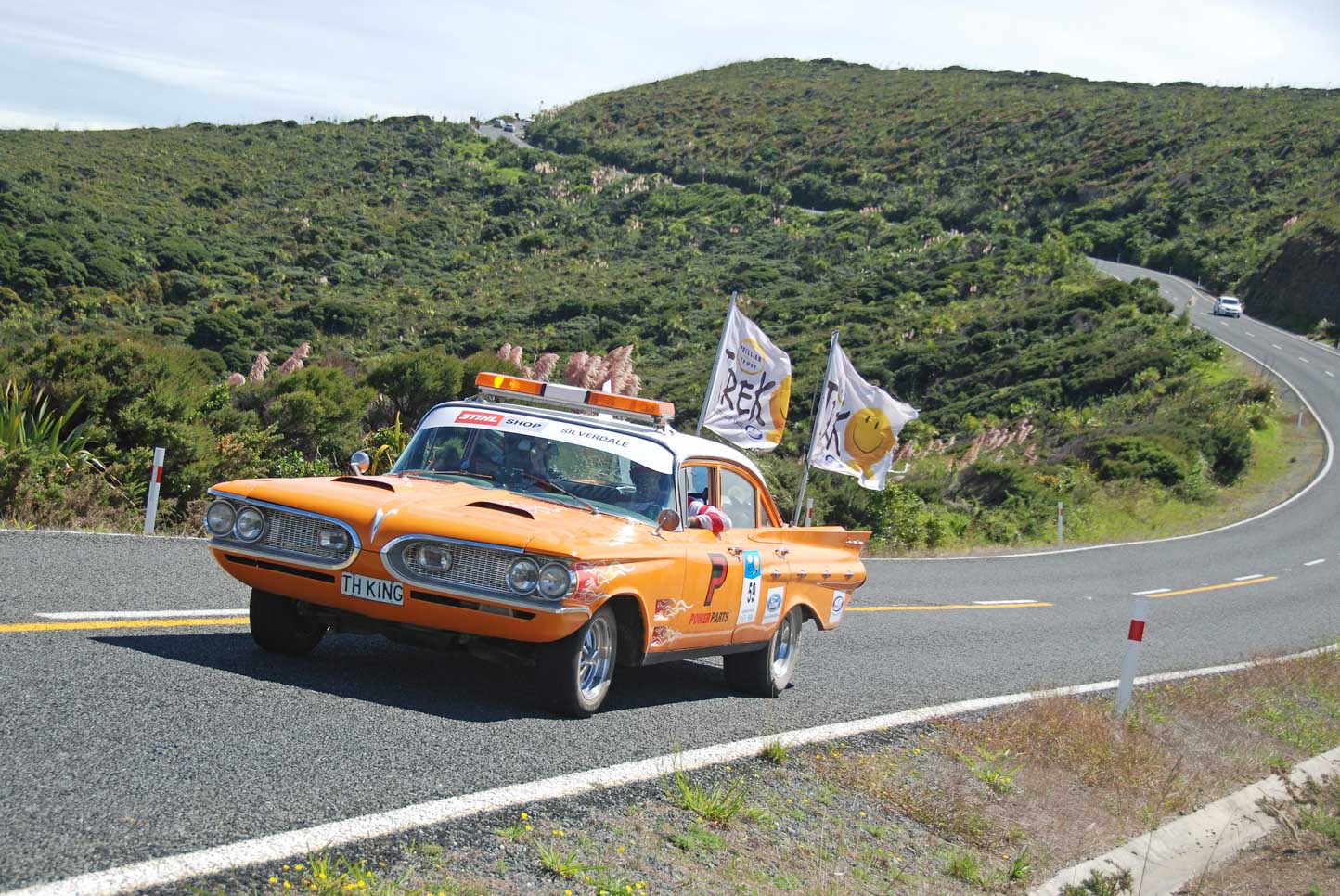
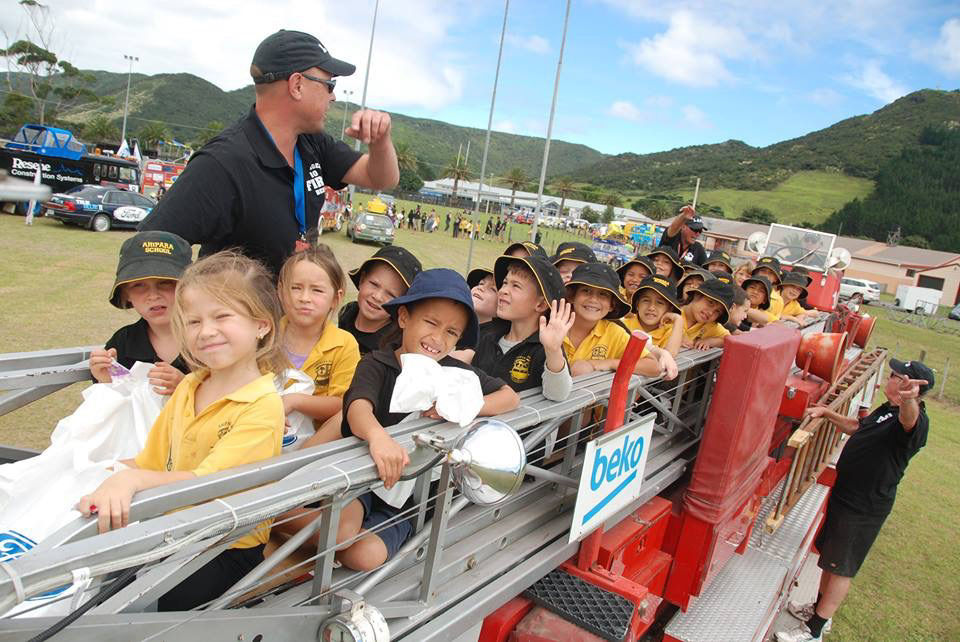
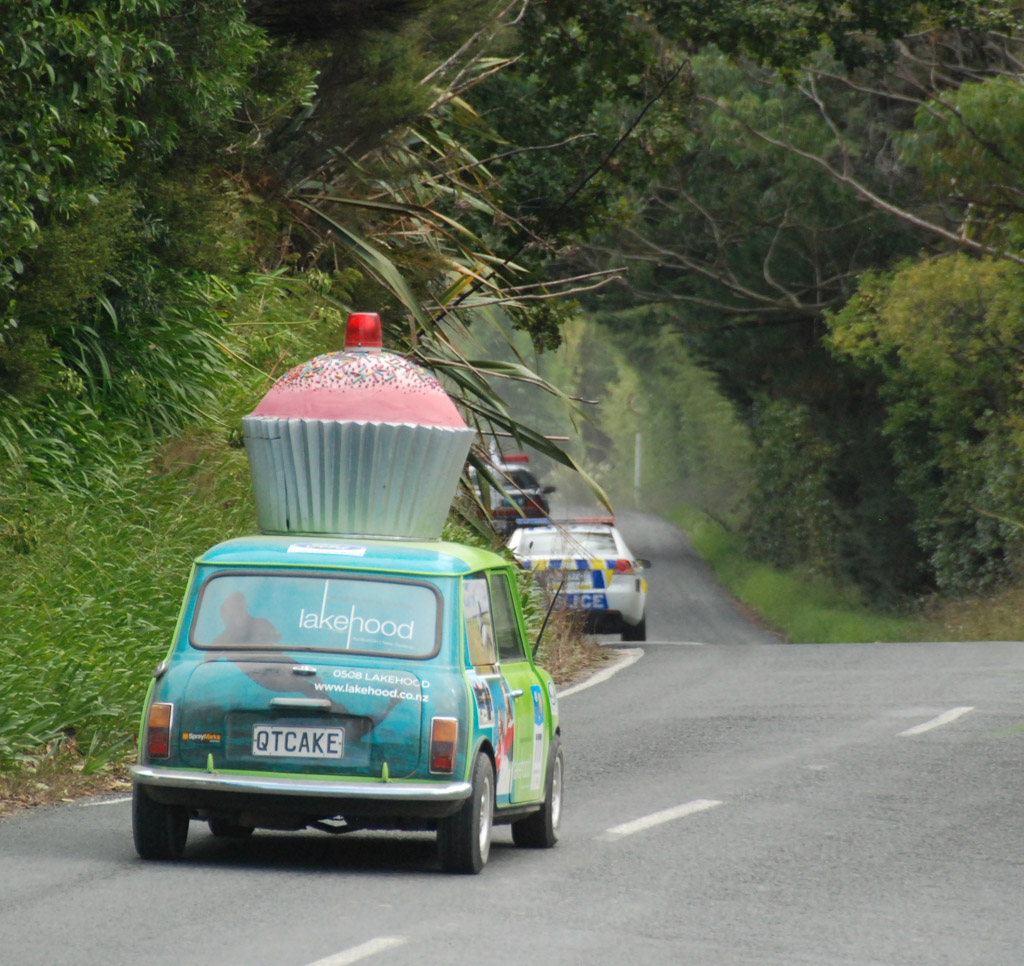
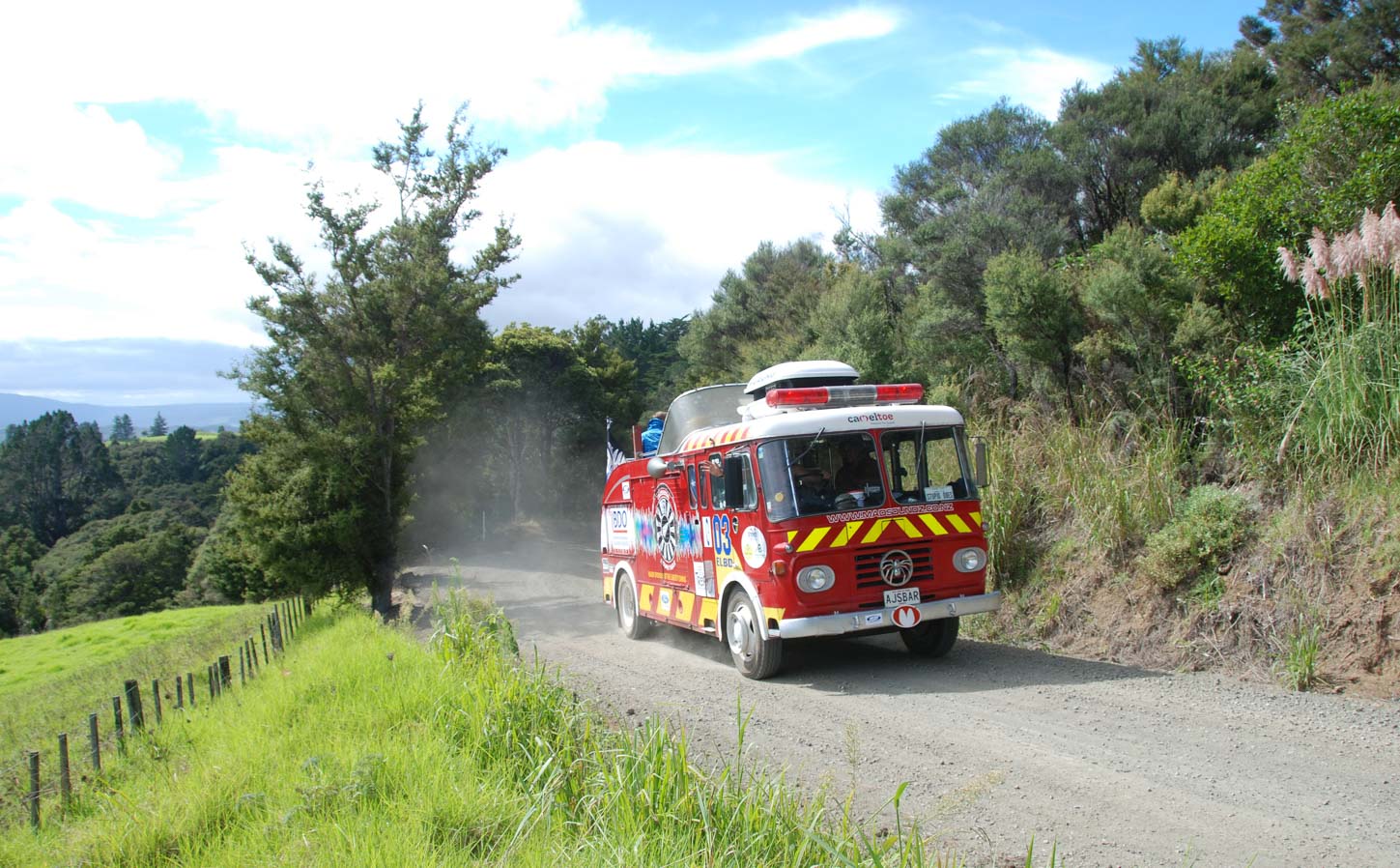
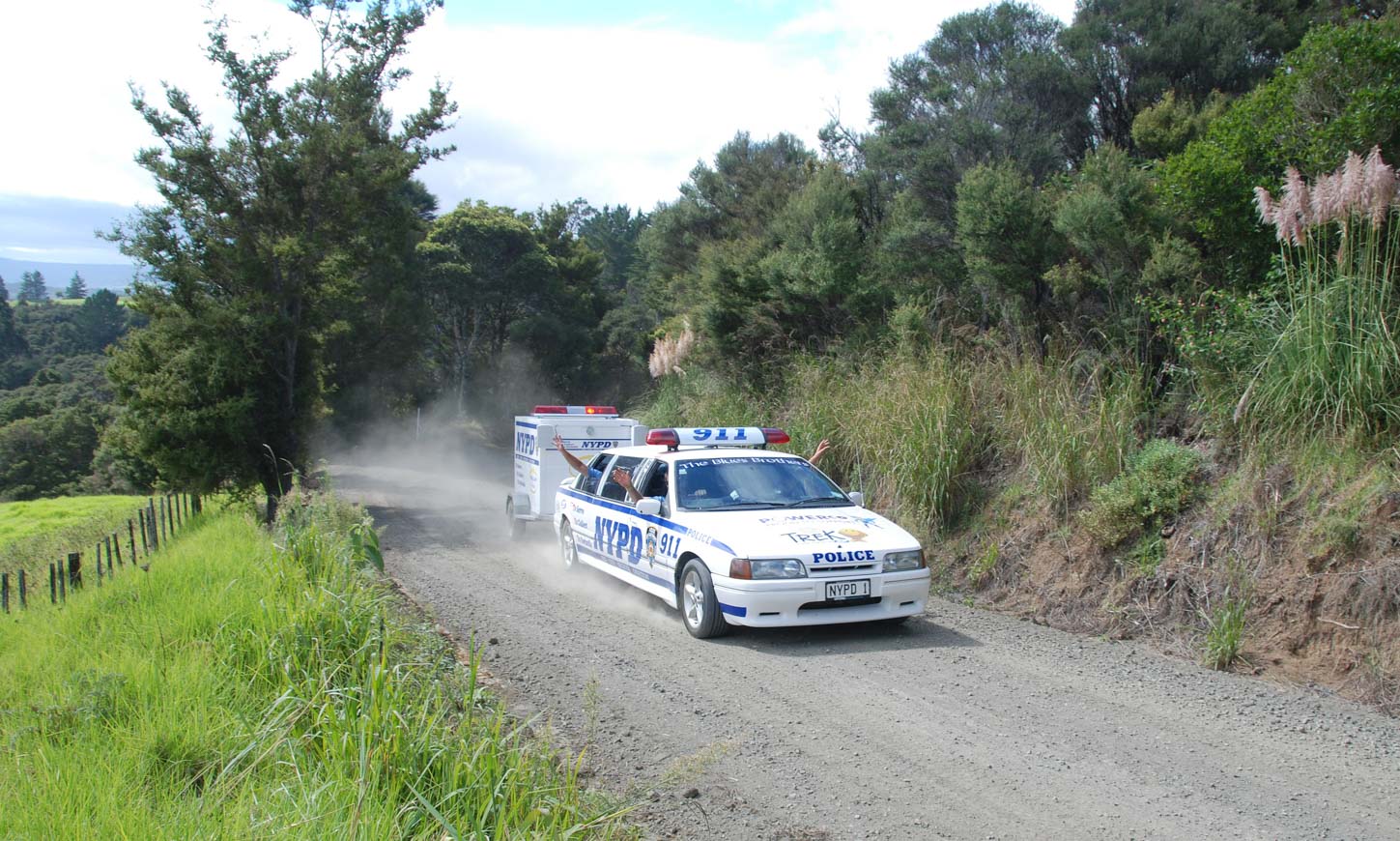
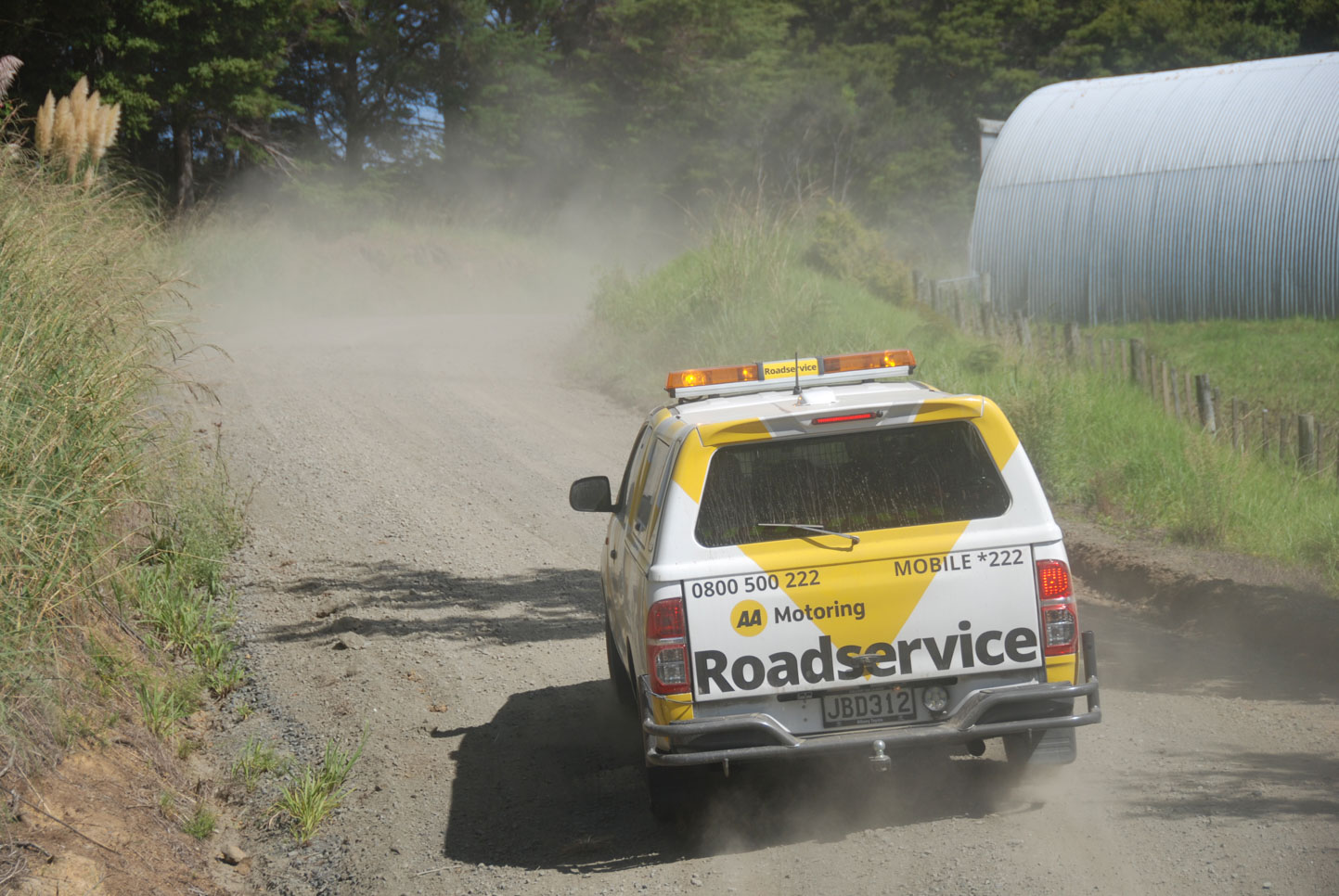
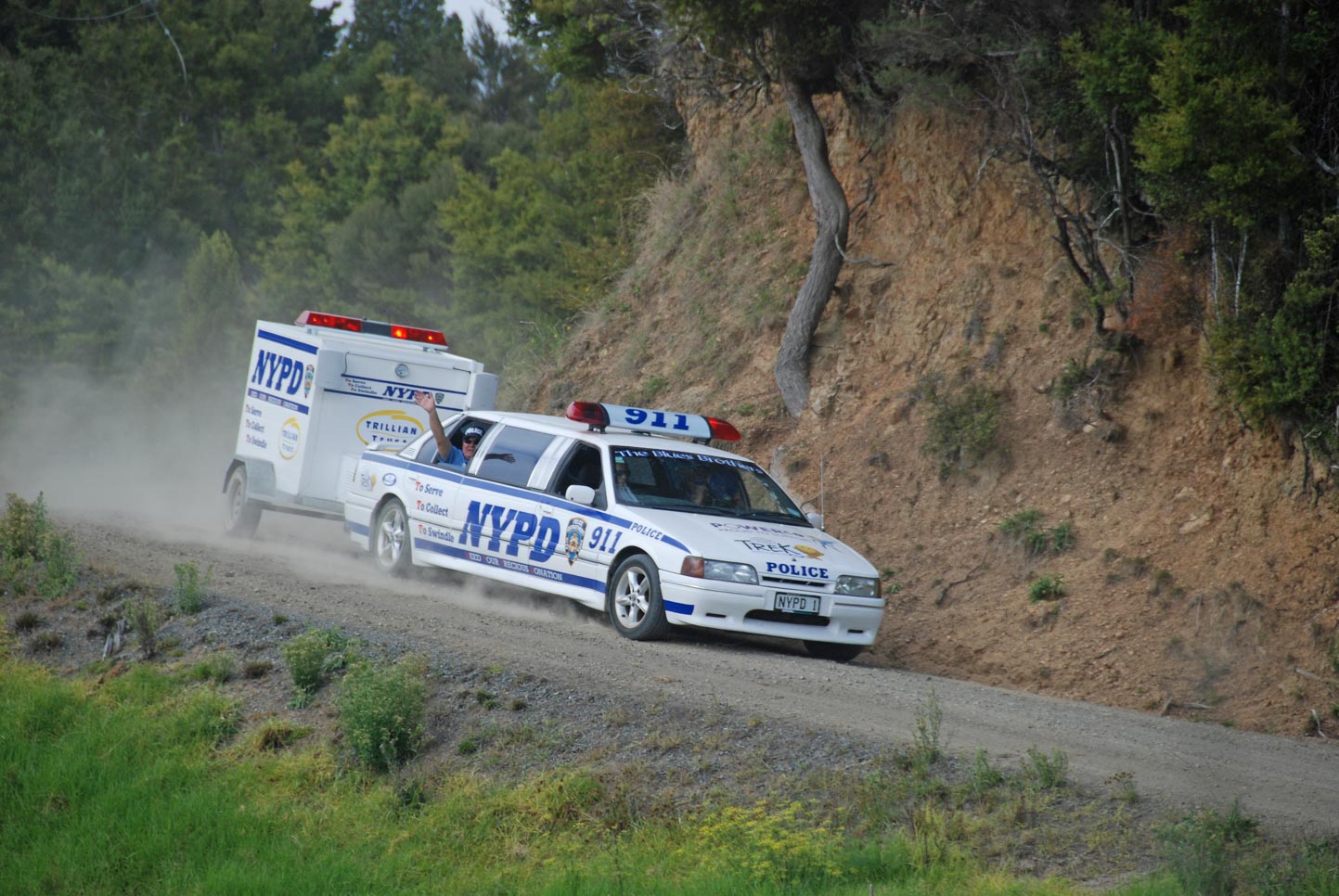
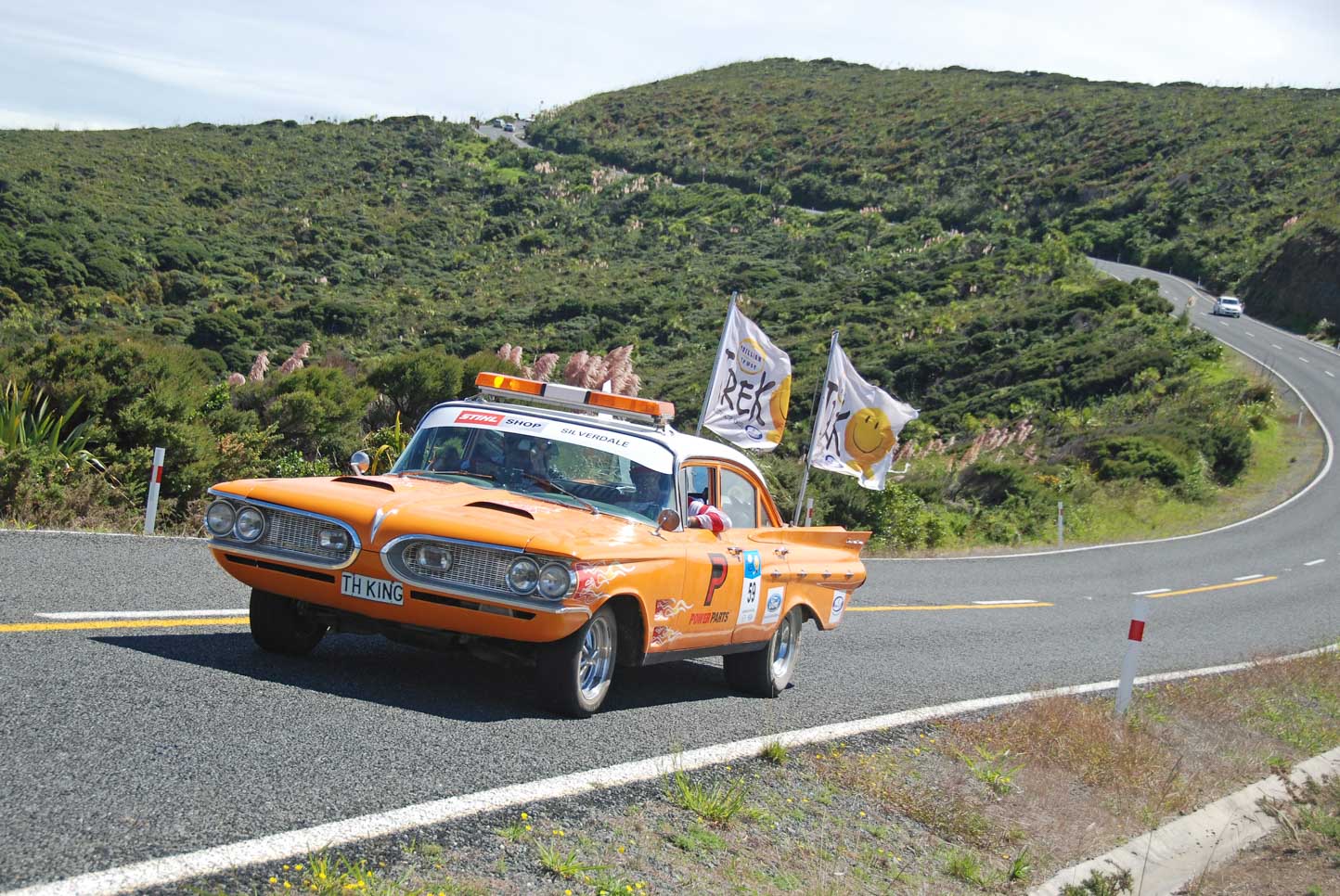
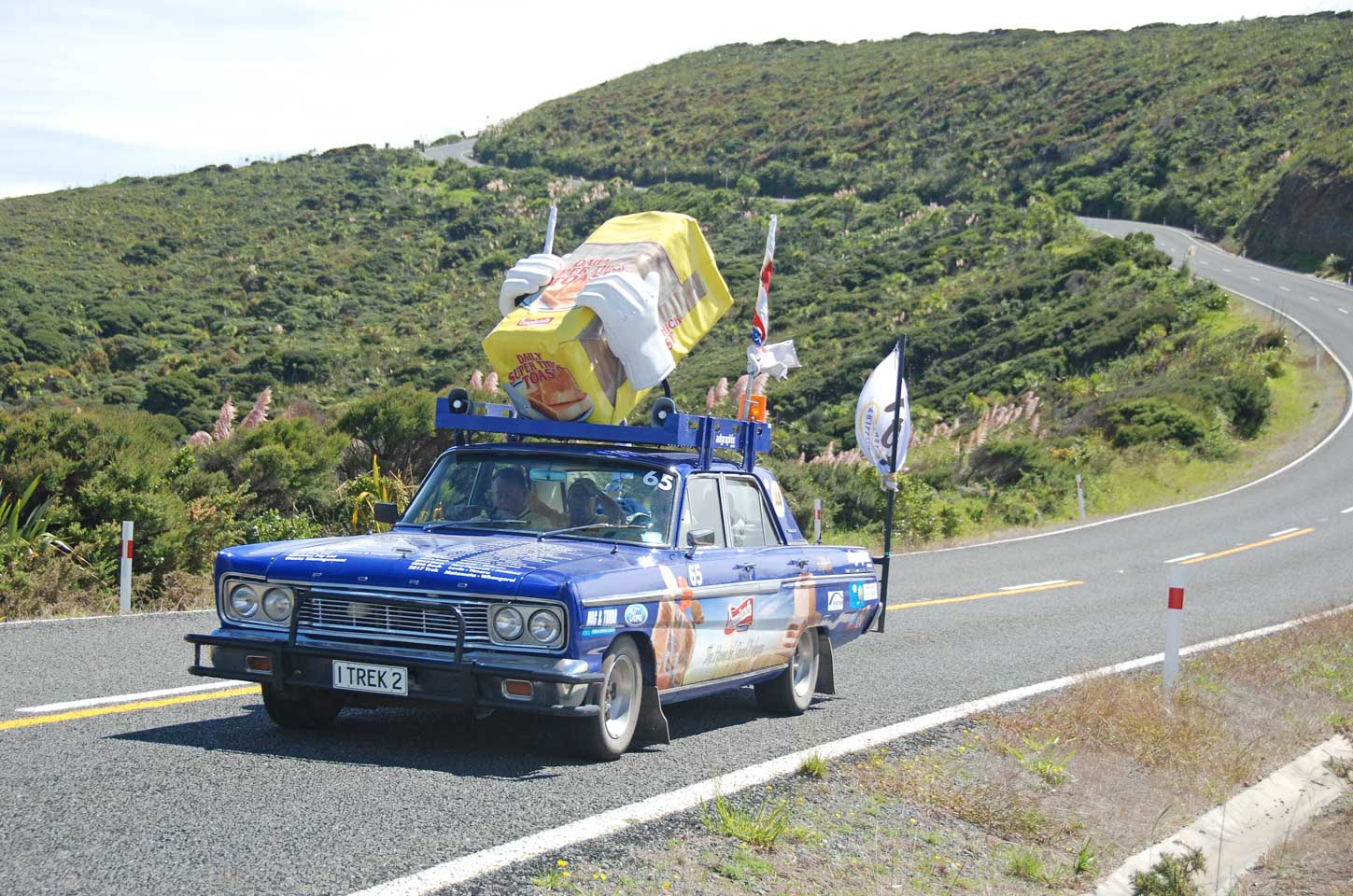
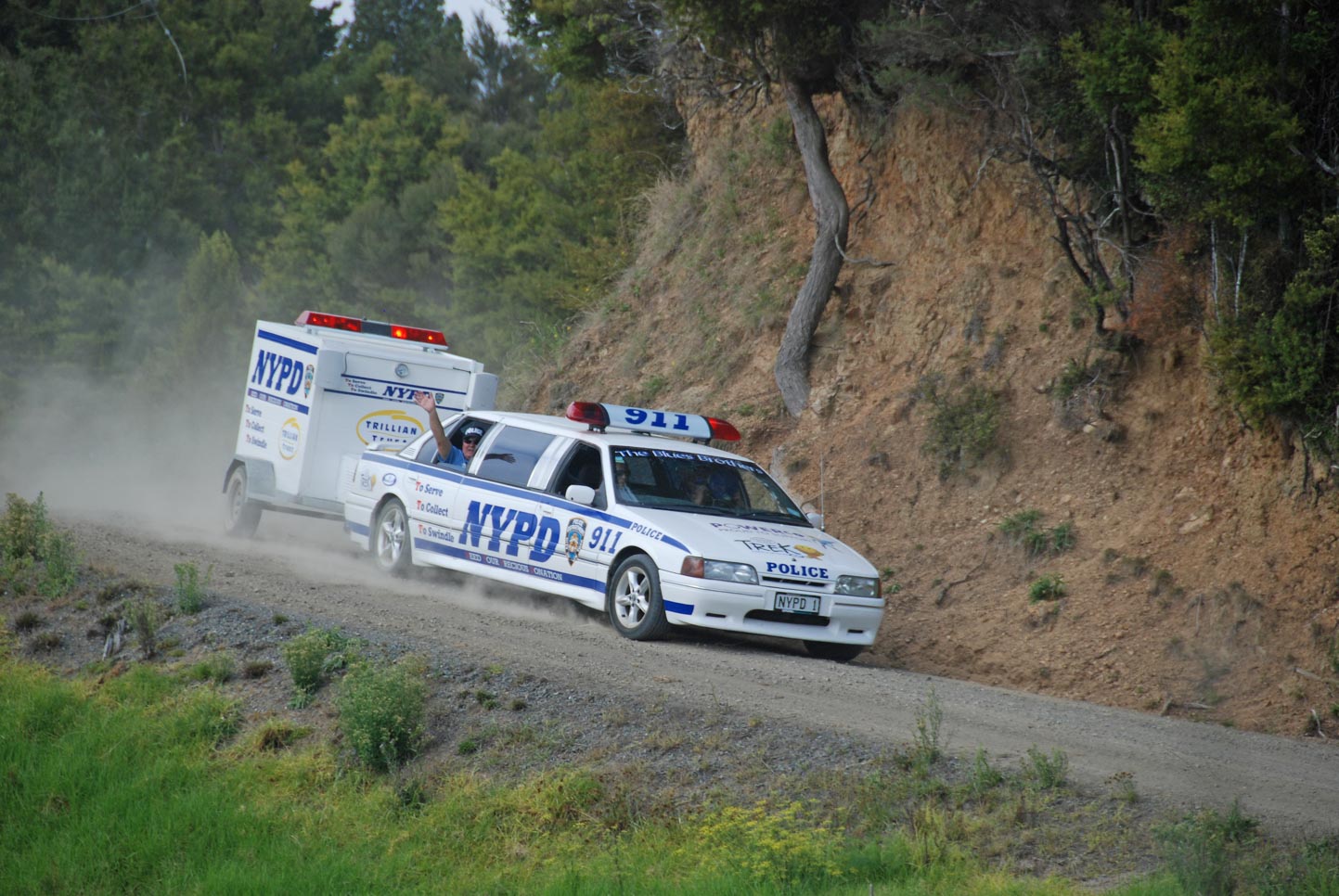
Over the past 27 years, those involved in the Trillian Trek charity rally (formerly the Variety Bash) have been up and down the country many, many times over. Every Trekker has their favourite bit of road, some fancy the gravel, some like long stretches of straight and some love the winding country roads.
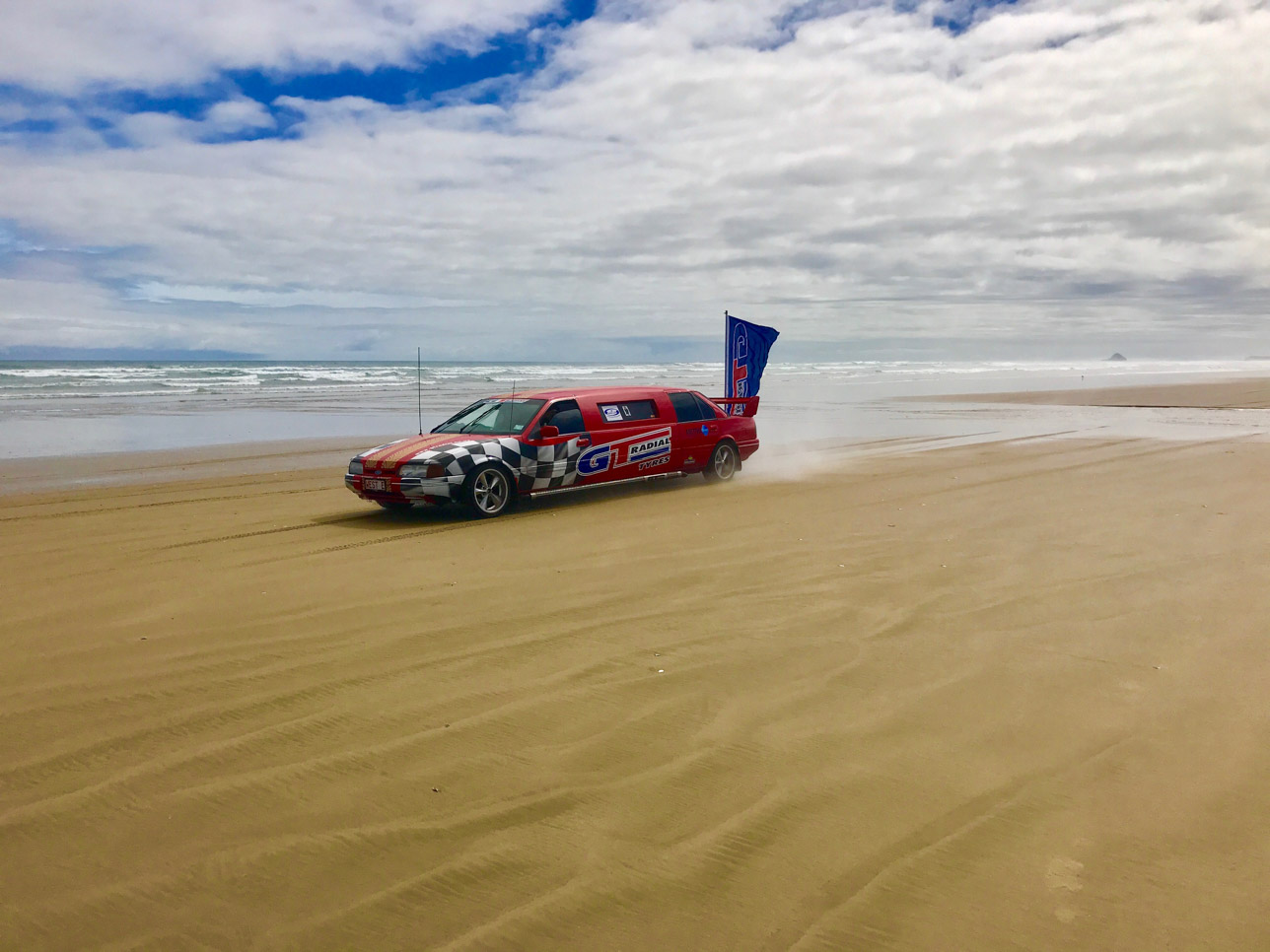
And in a league of its own, at least for us amateurs, is a burn down 90-mile beach.
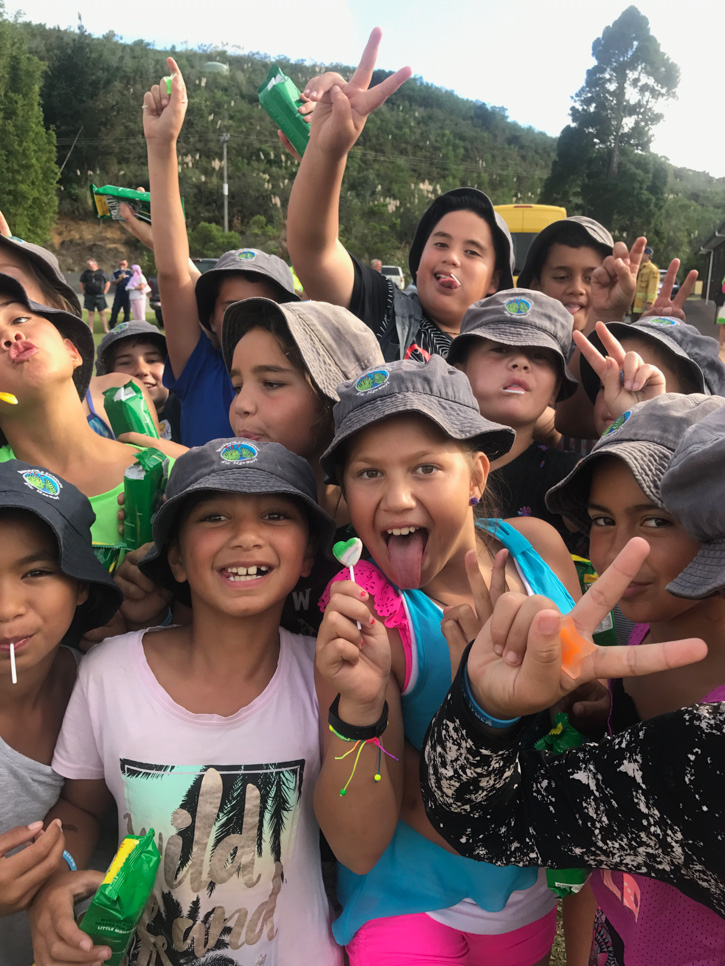
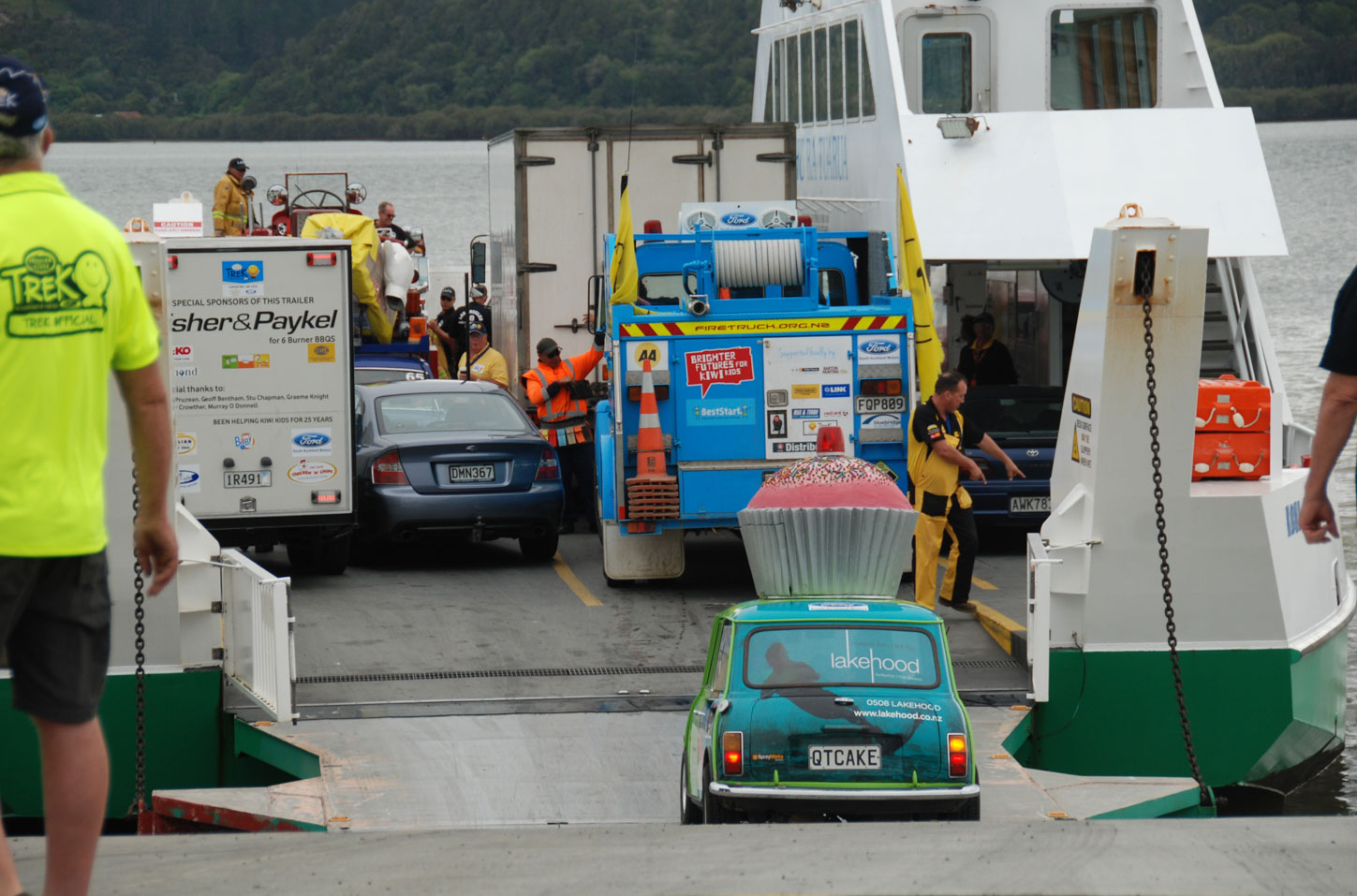
But let’s not get ahead of ourselves — day four of the Trillian Trek saw grants to a handful of extremely deserving kiddies and young people; a ferry across the harbour from Rawene; a community project in the afternoon; and an early finish at Taipa beach front for some light refreshments.
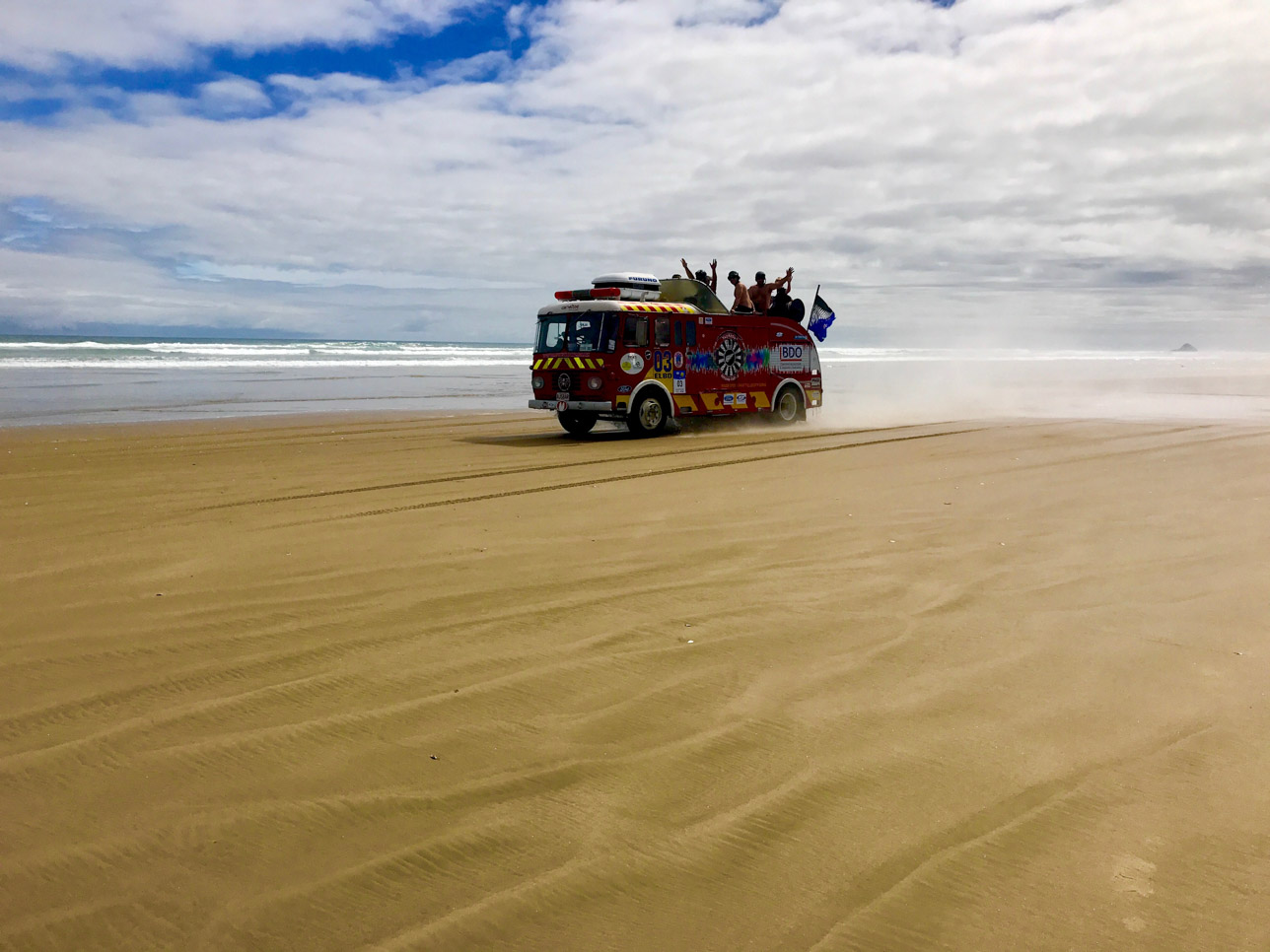
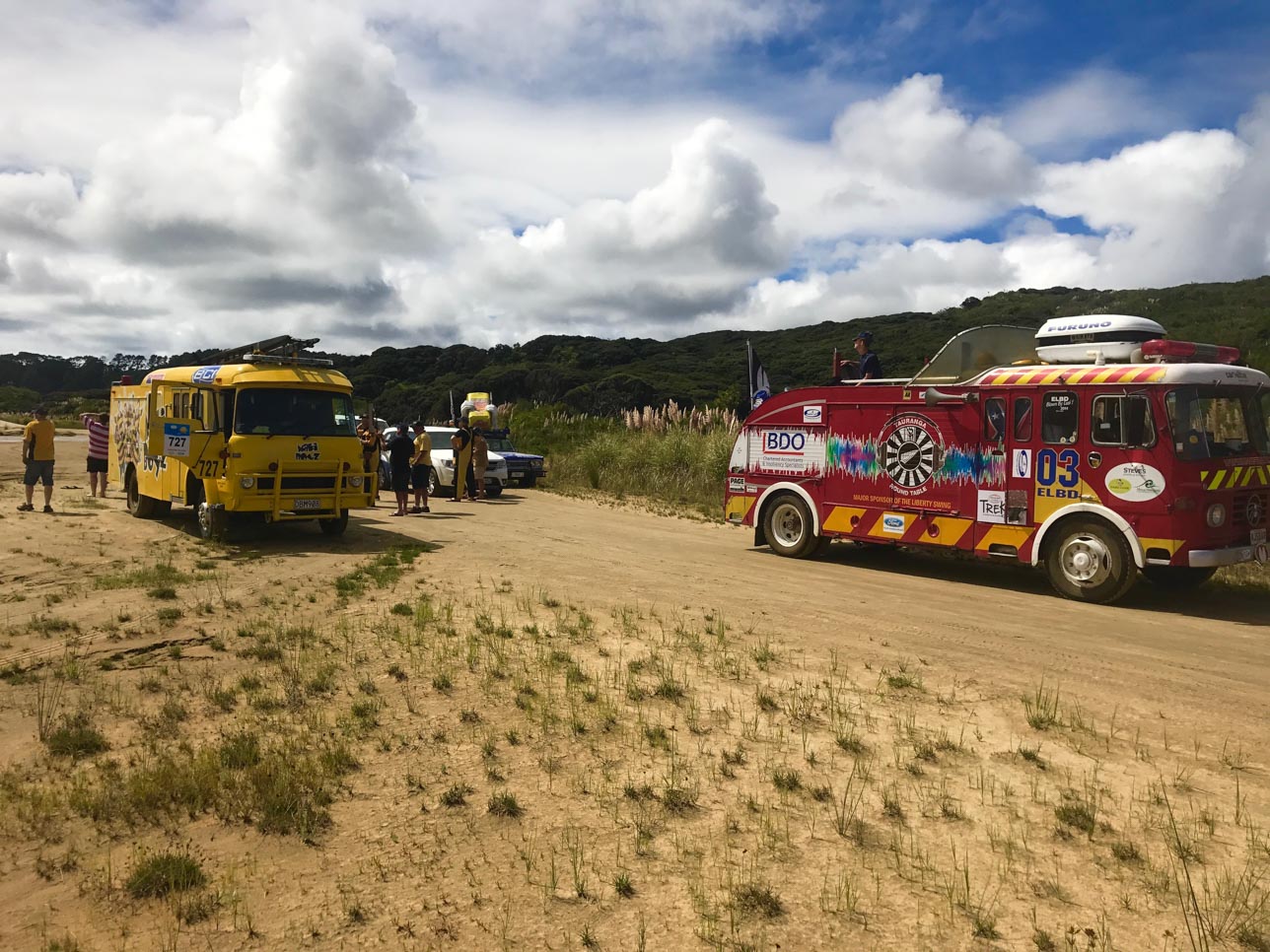
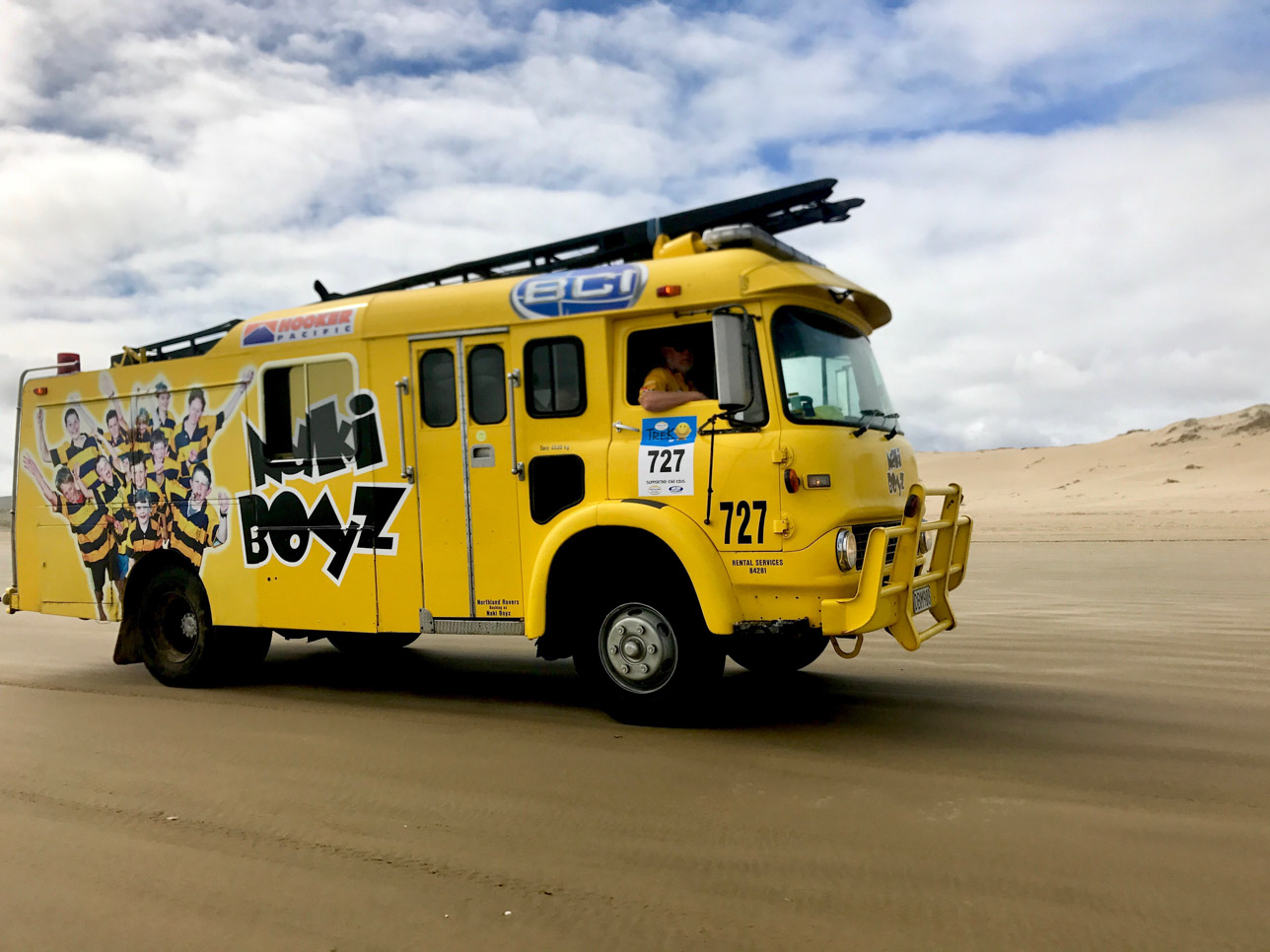
Usually on the week-long non-competitive rally, it’s a different town each night as we try to visit as many communities as possible. This year the charity convoy stayed two nights in Taipa, just east of Kaitaia, the perfect day-trip base to hit Cape Reinga and 90-mile.
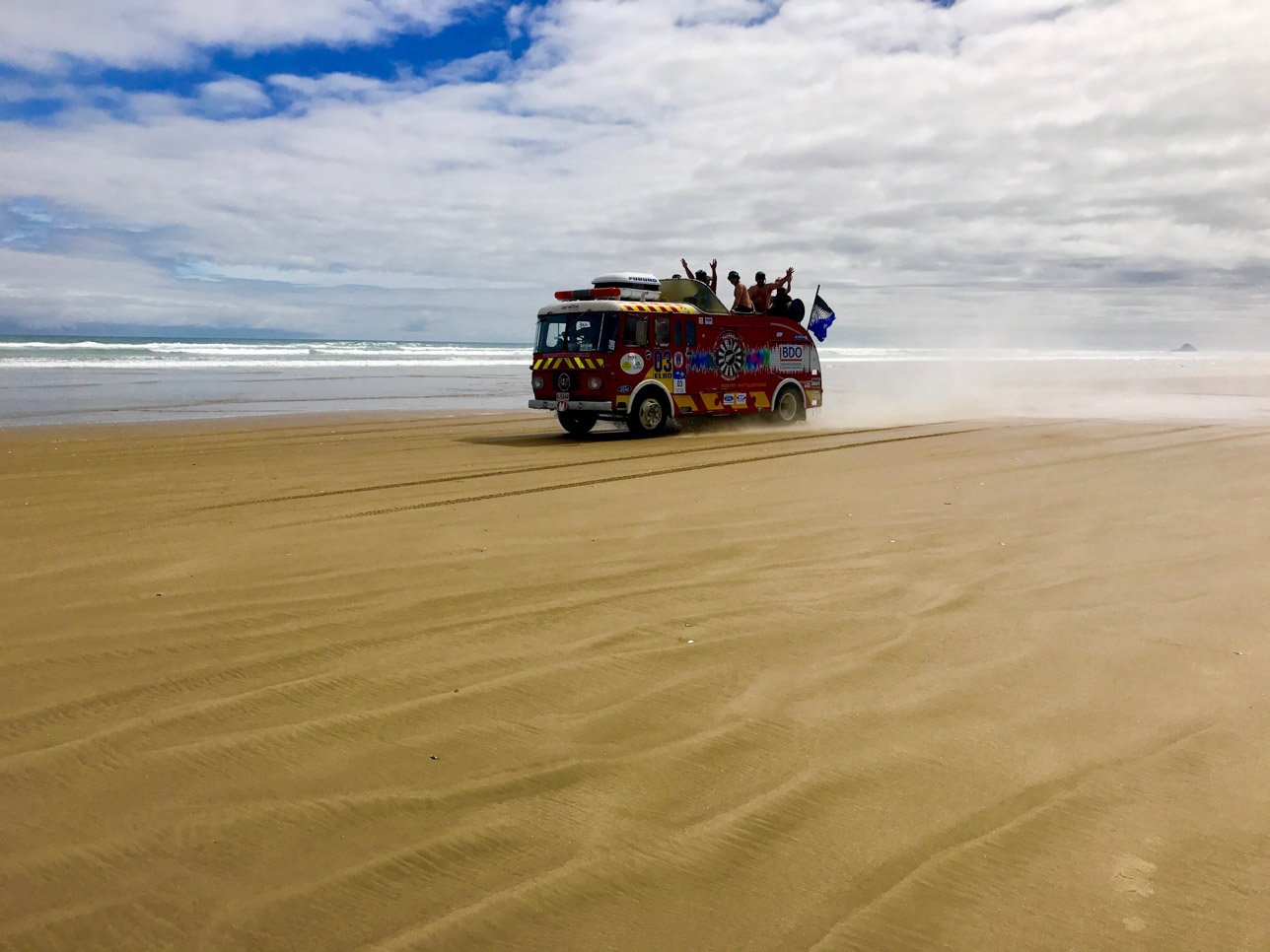
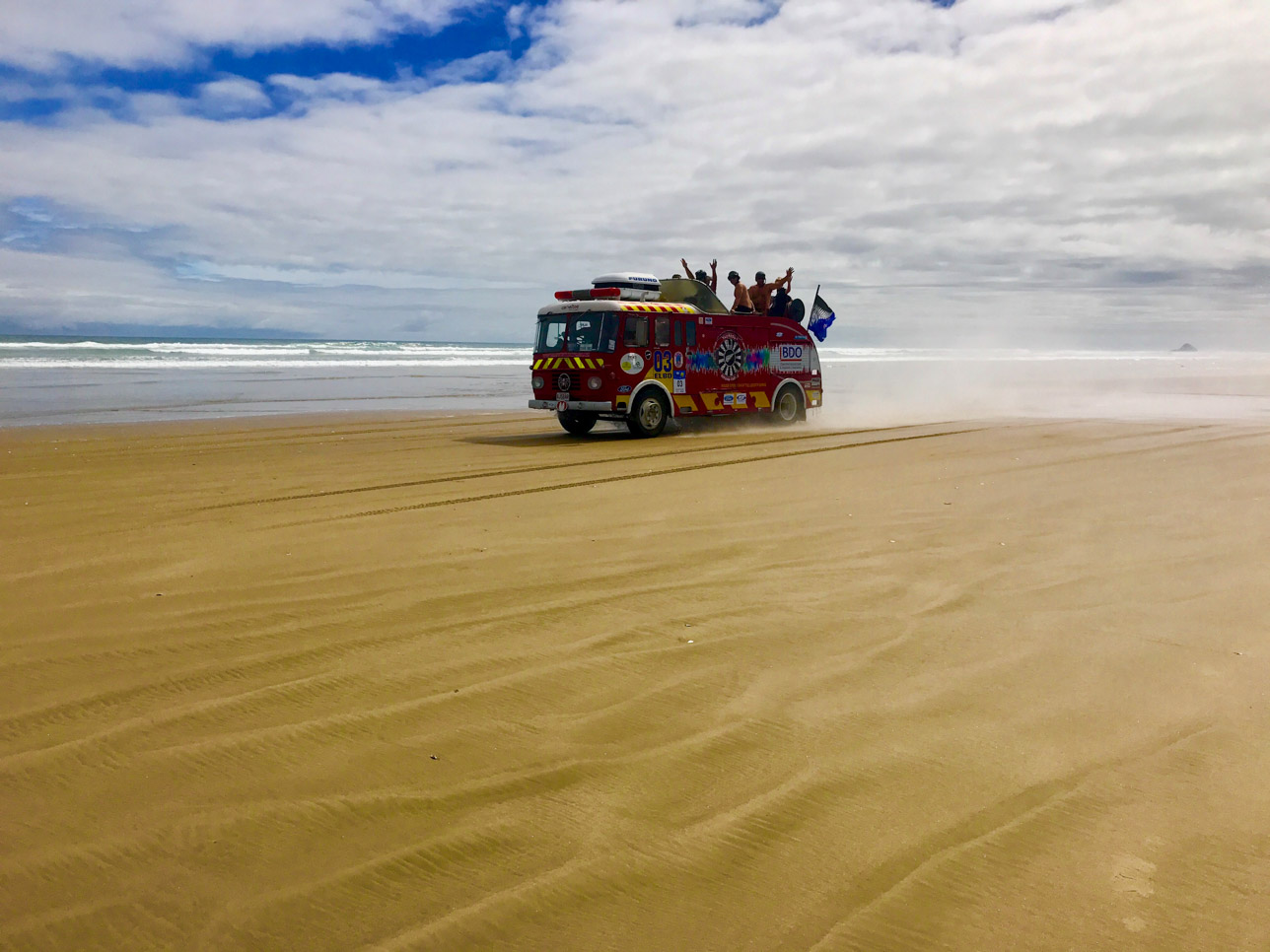
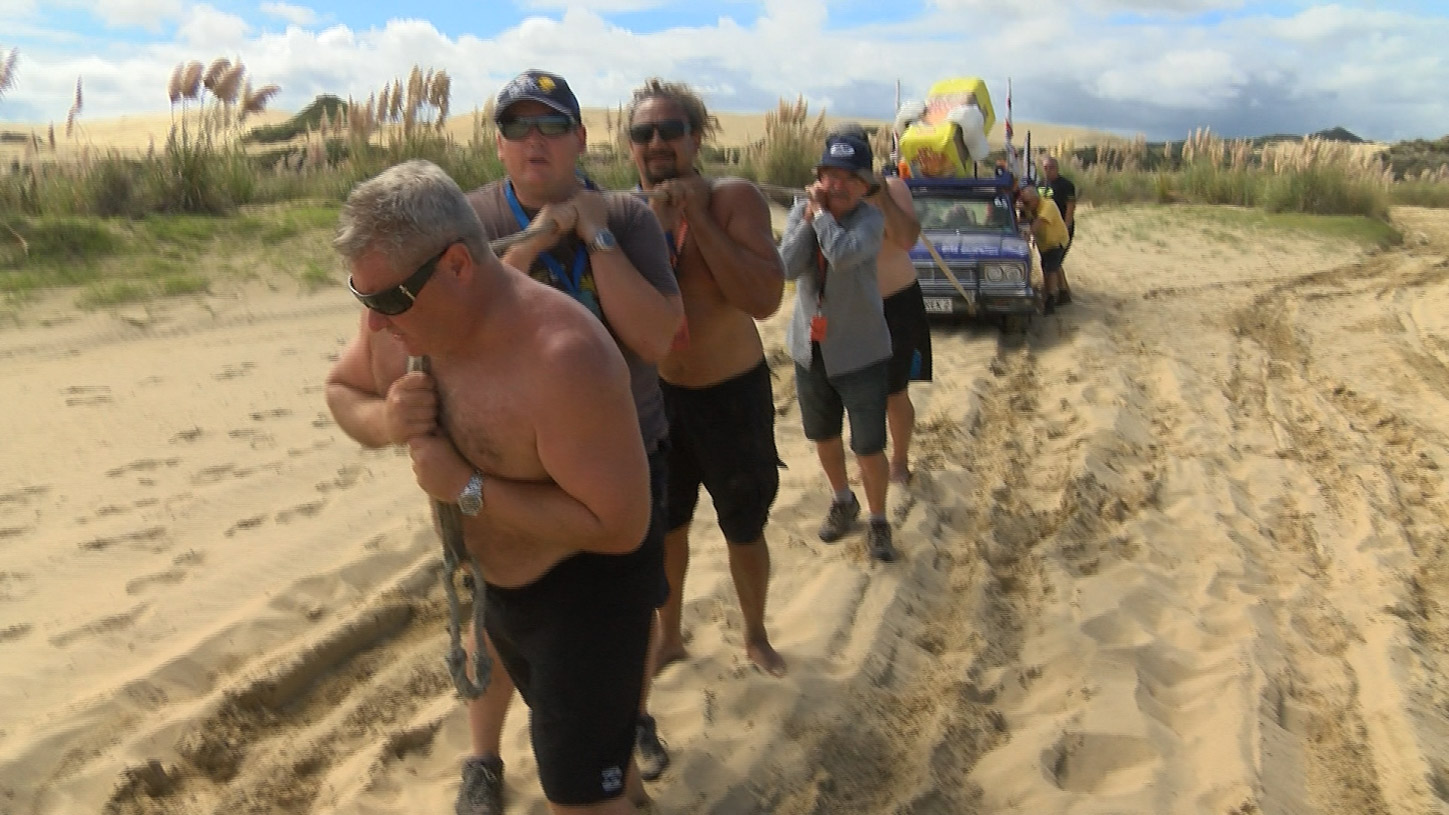
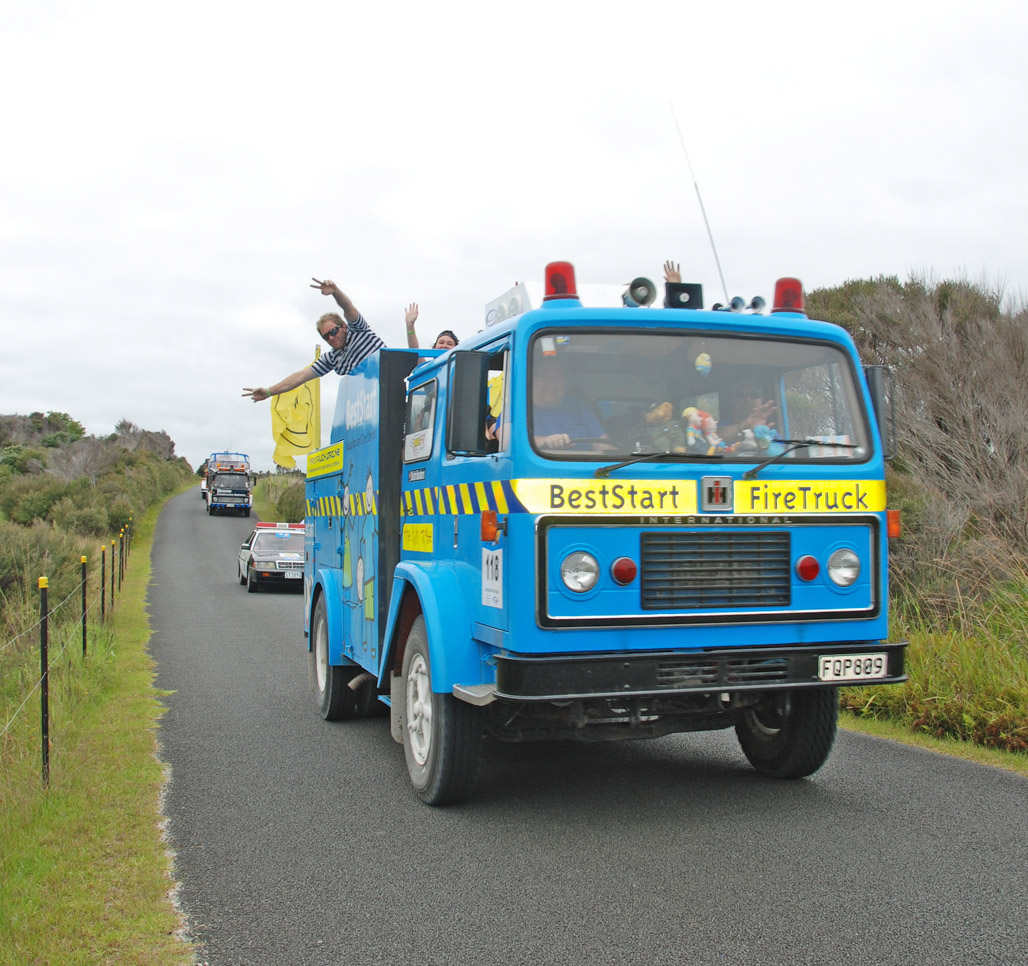
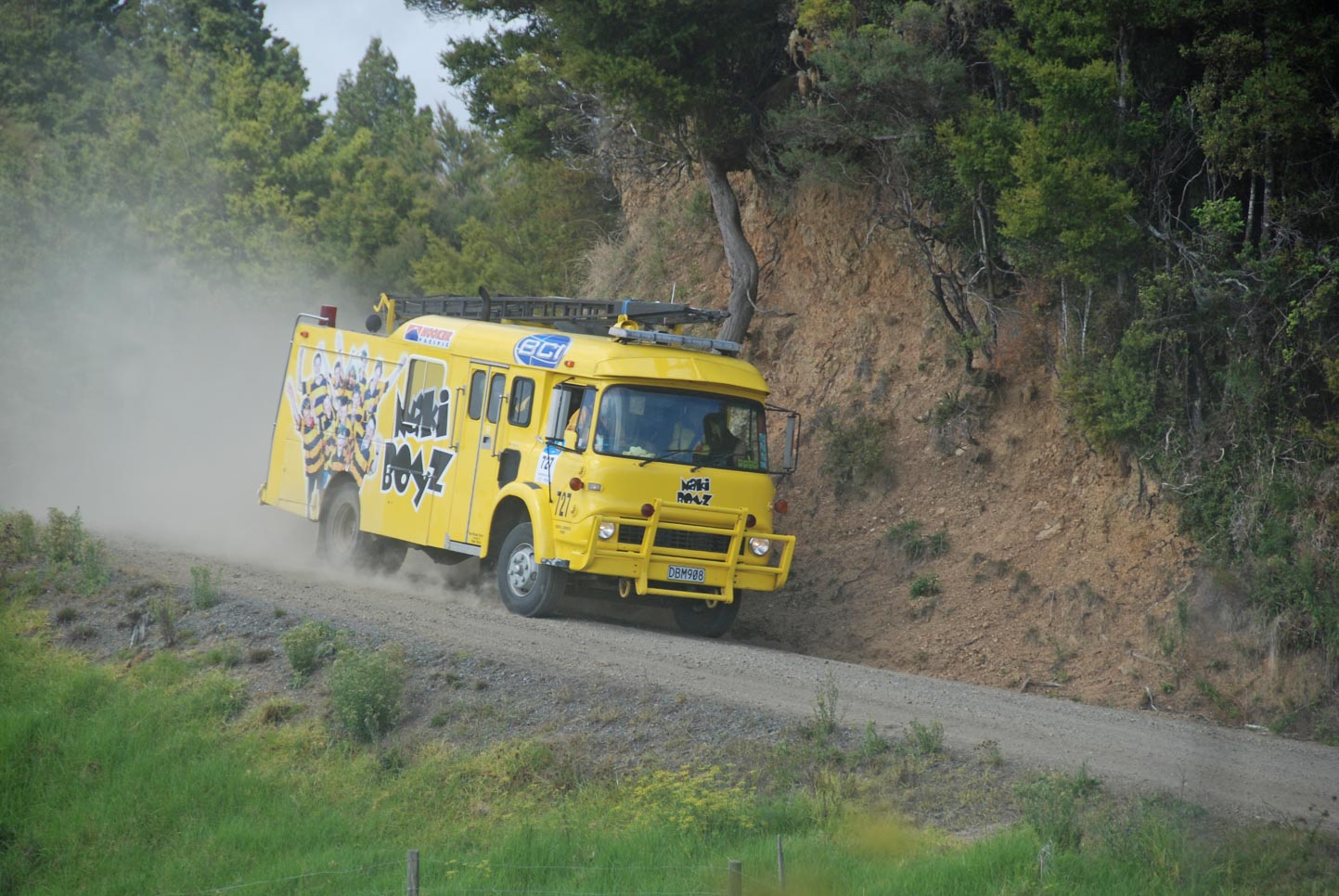
Amusingly all the cars that attempted the 90-mile beach stage of the route on day five got stuck — most before they even got to the actual beach. Luckily a couple of the fire engines in the pack had already gone through with their five and six person crews who were then co- opted into assisting the little guys!
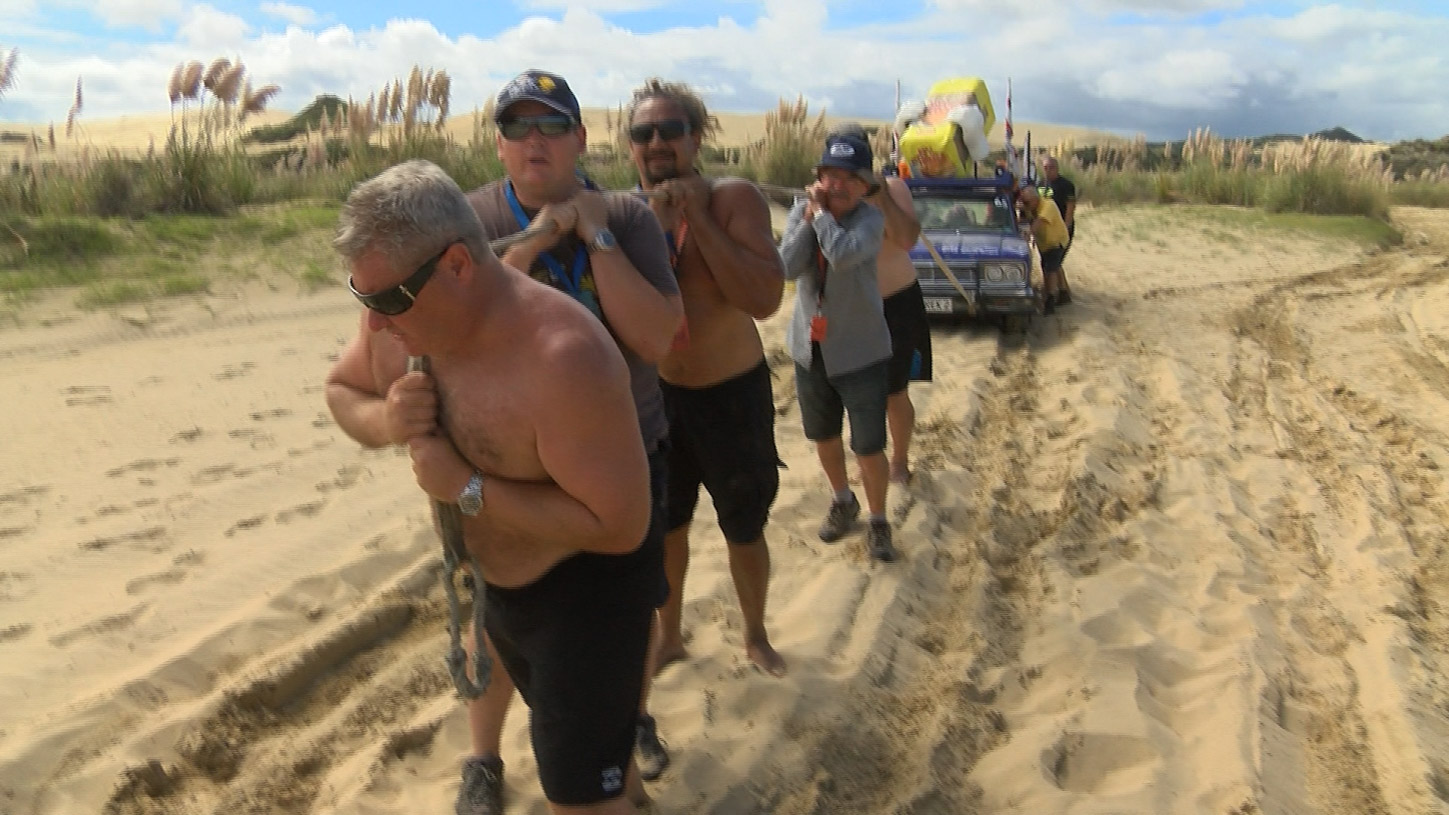
It was barely organised chaos for a good hour as Trekkers pushed and pulled vehicles out of the sand, including a couple of tourists in a Toyota Yaris who saw all the Trek vehicles attempting the sand and figured they’d be okay — they weren’t.
They somewhat reluctantly gave up their keys as it was clear they had never been in a car stuck in the sand before and were confused about the need to be in an actual gear and not neutral to speed the process along.
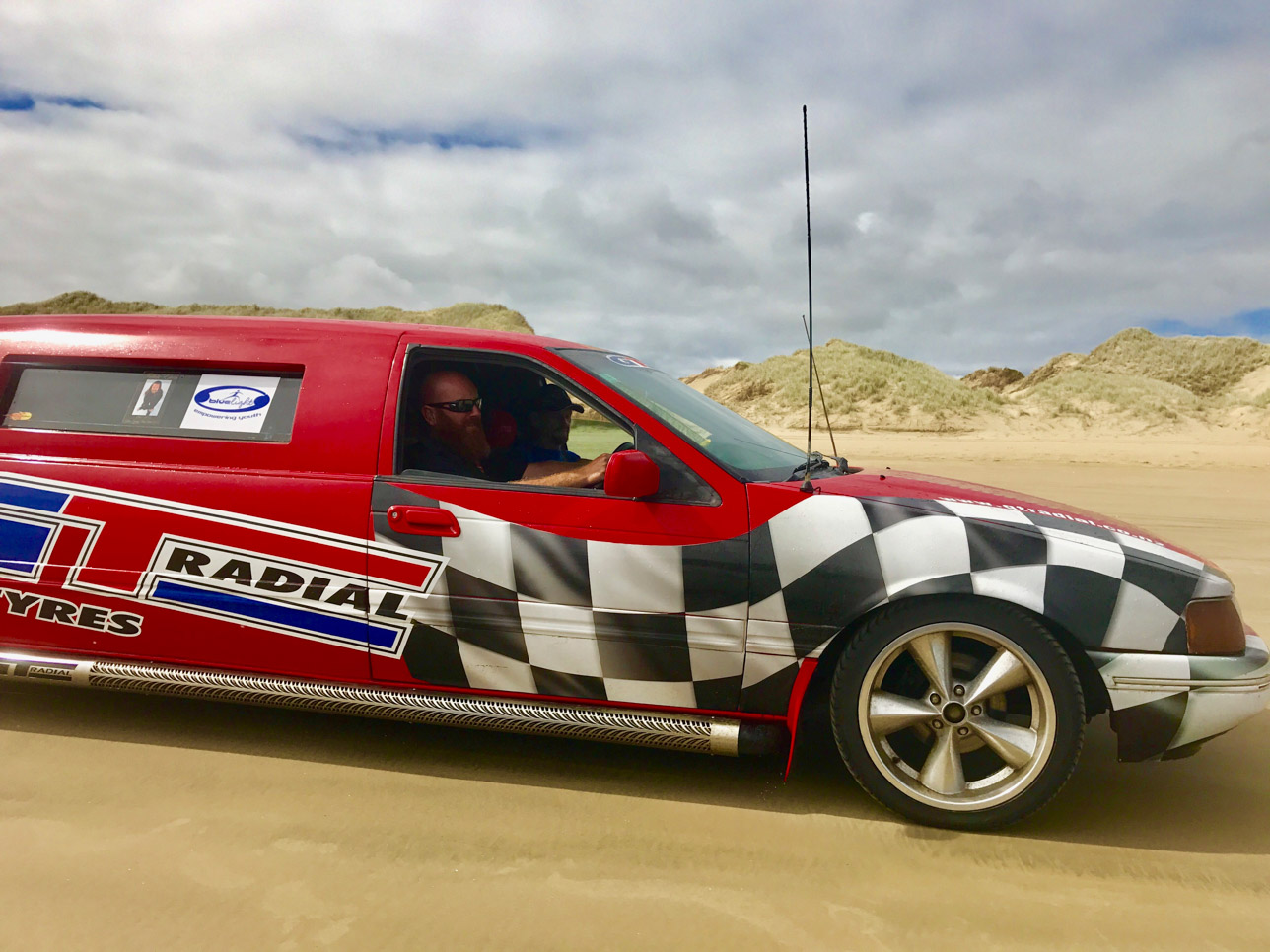
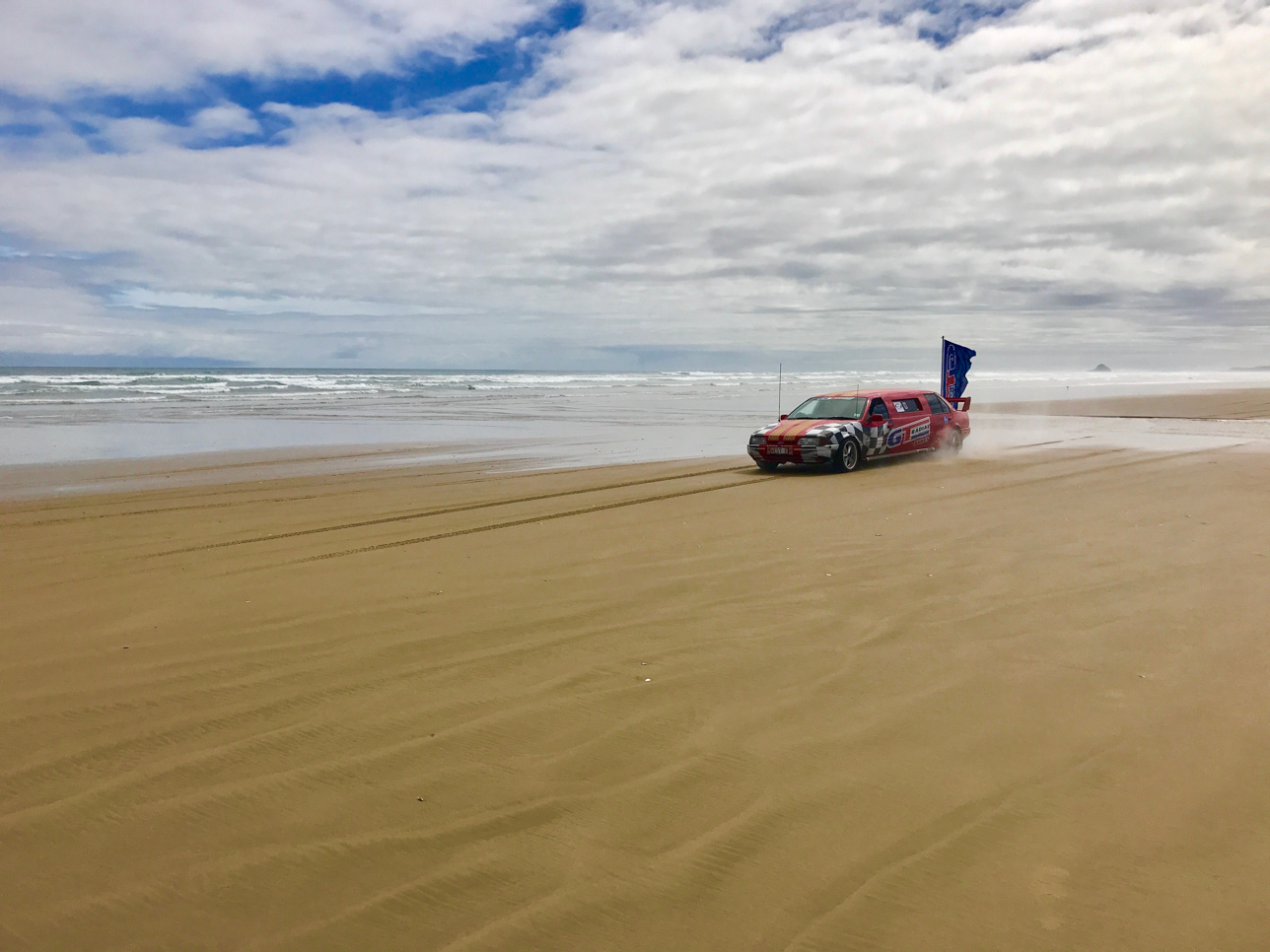
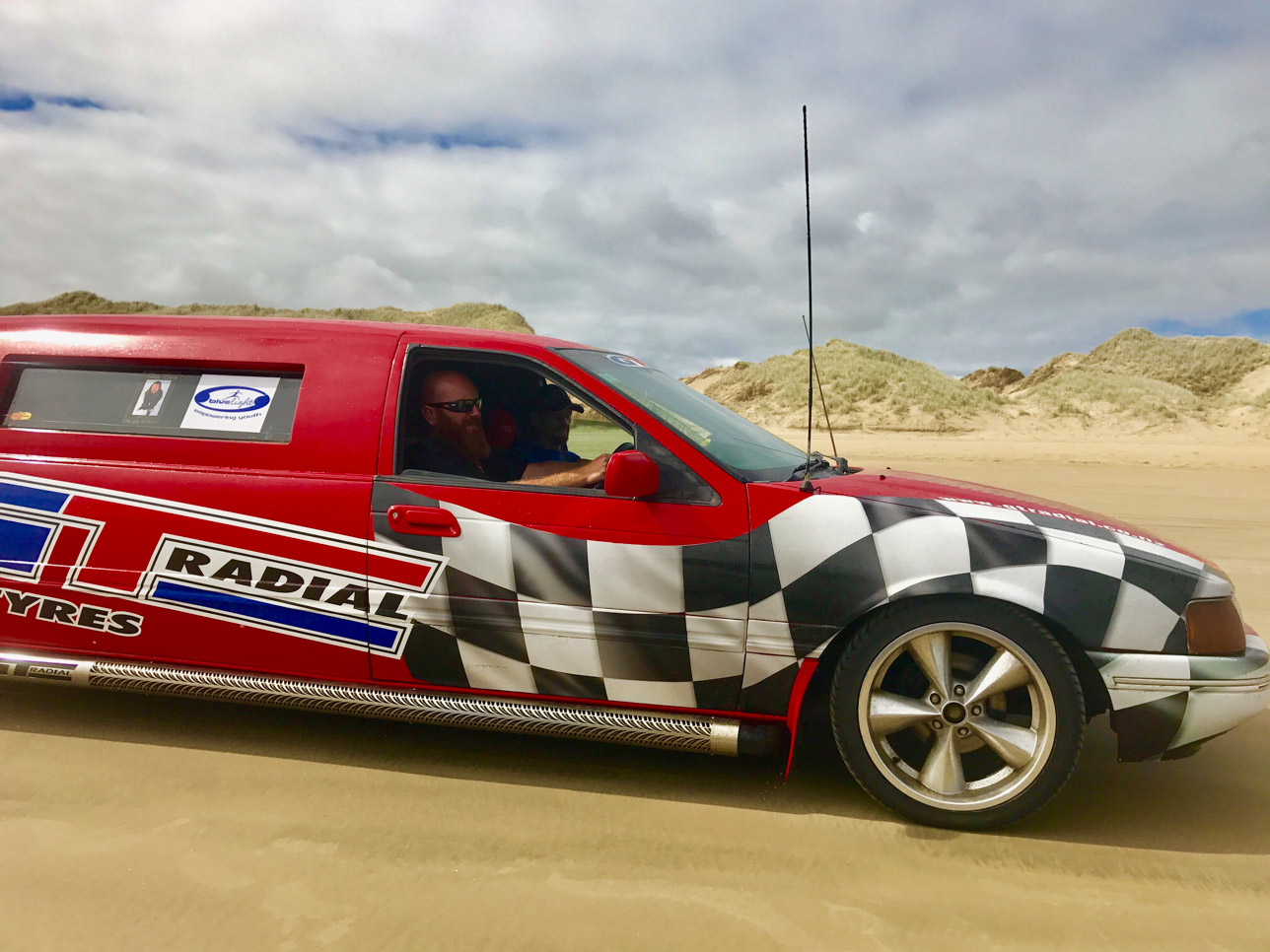
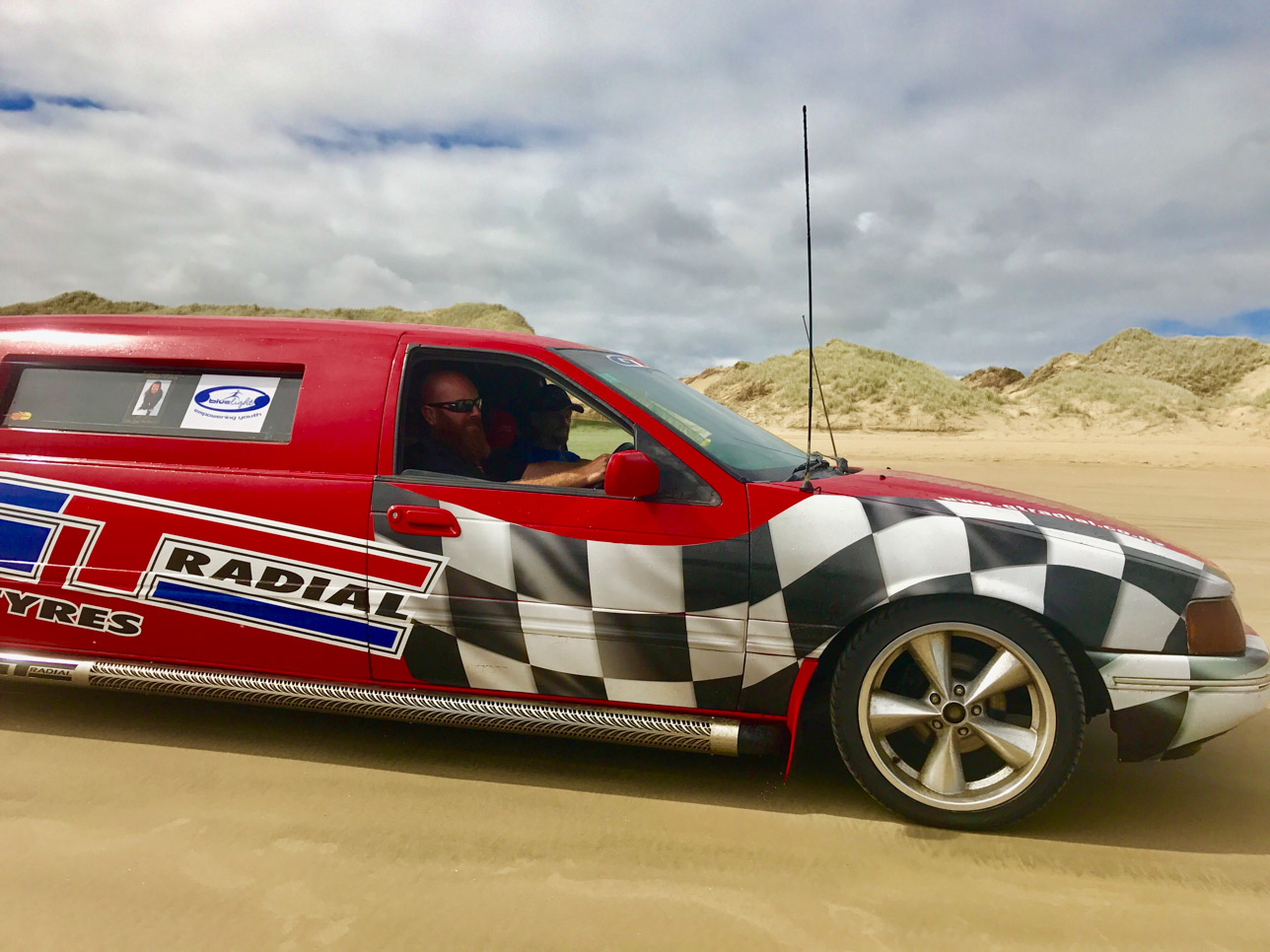
Once everyone had made it to the beach the pure joy of driving took over and the cars and fire engines of the Trek sped along beside each other enjoying the low tide, the firm sand, and the beautiful Northland afternoon.
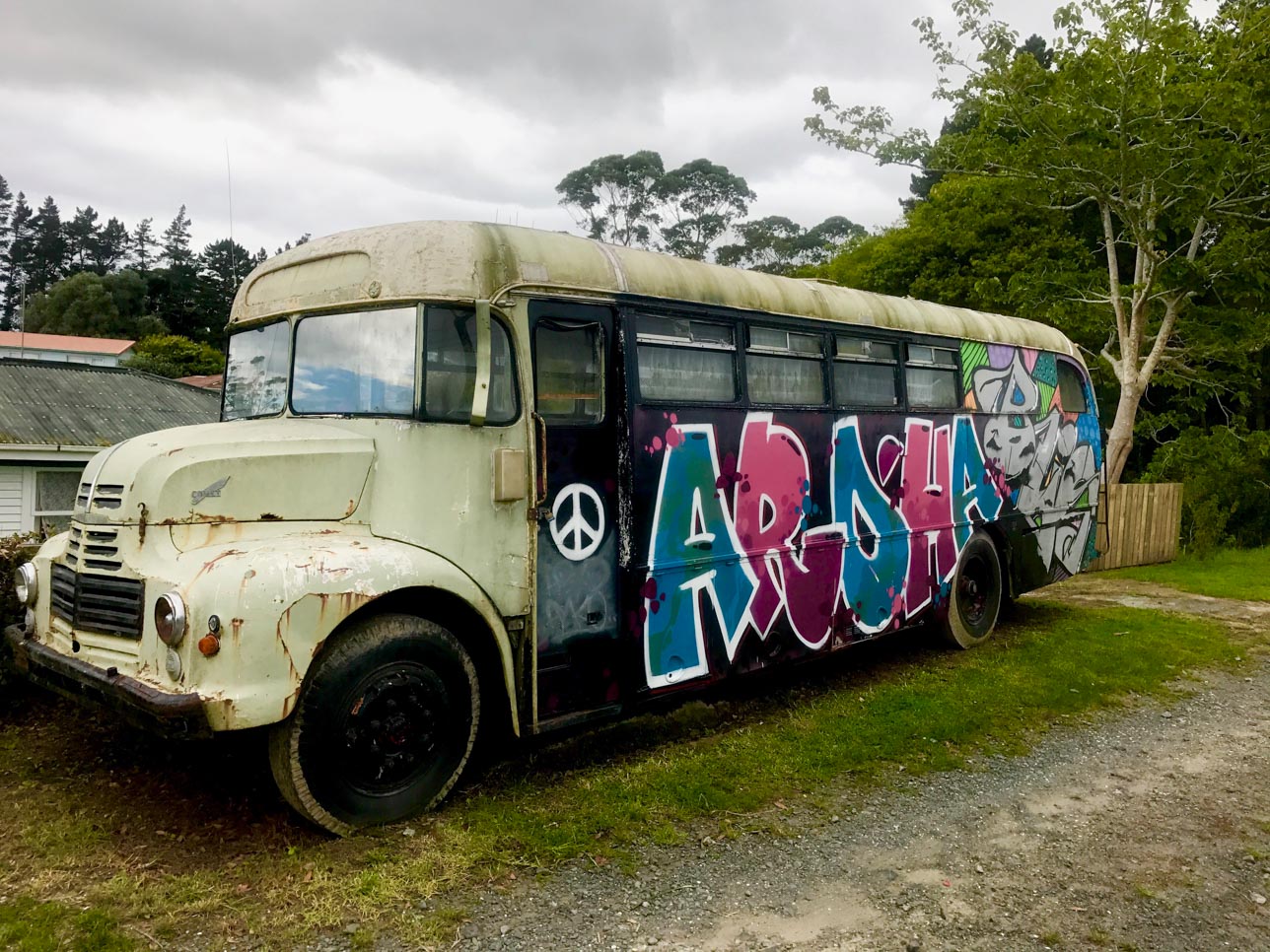
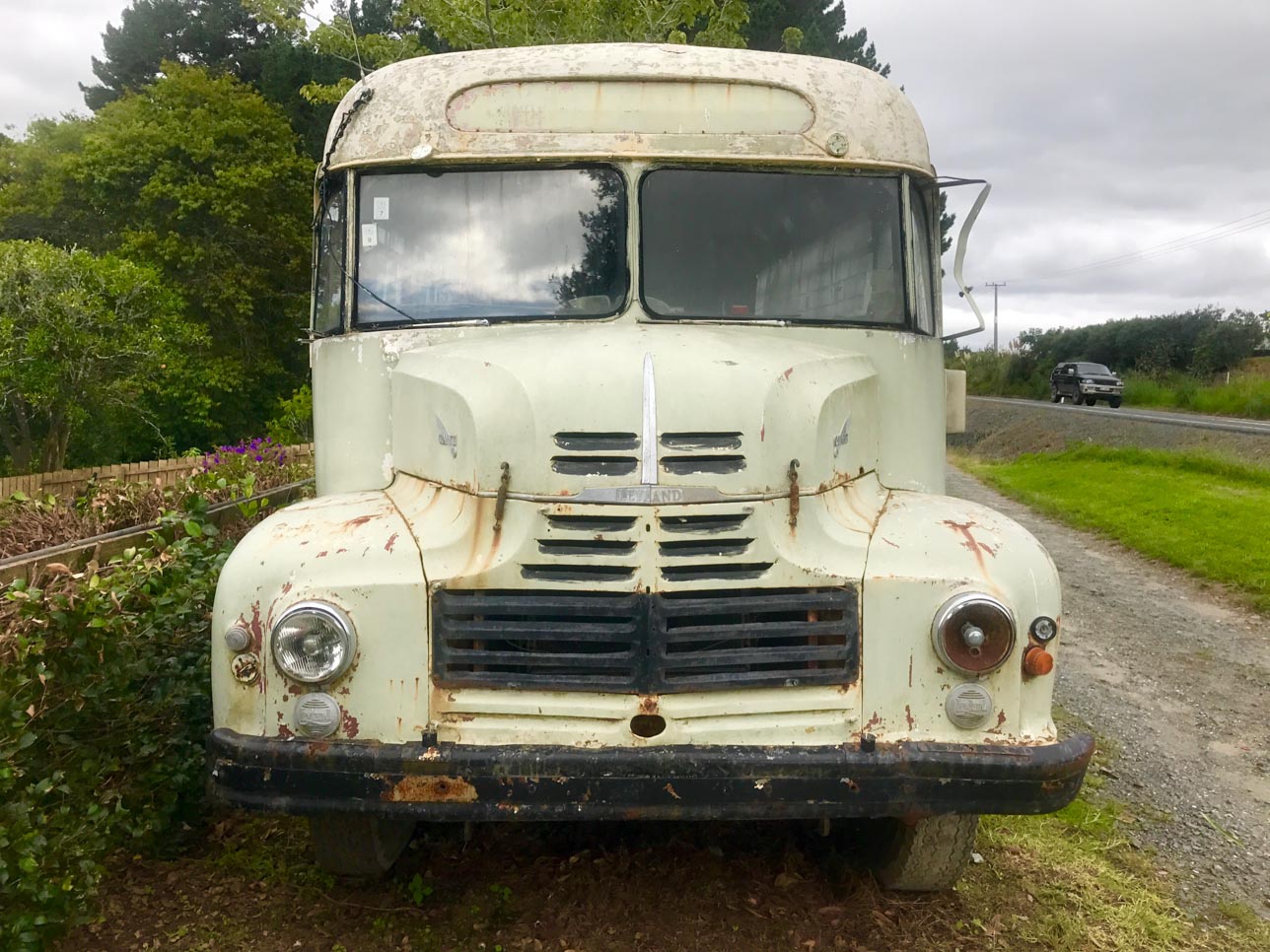
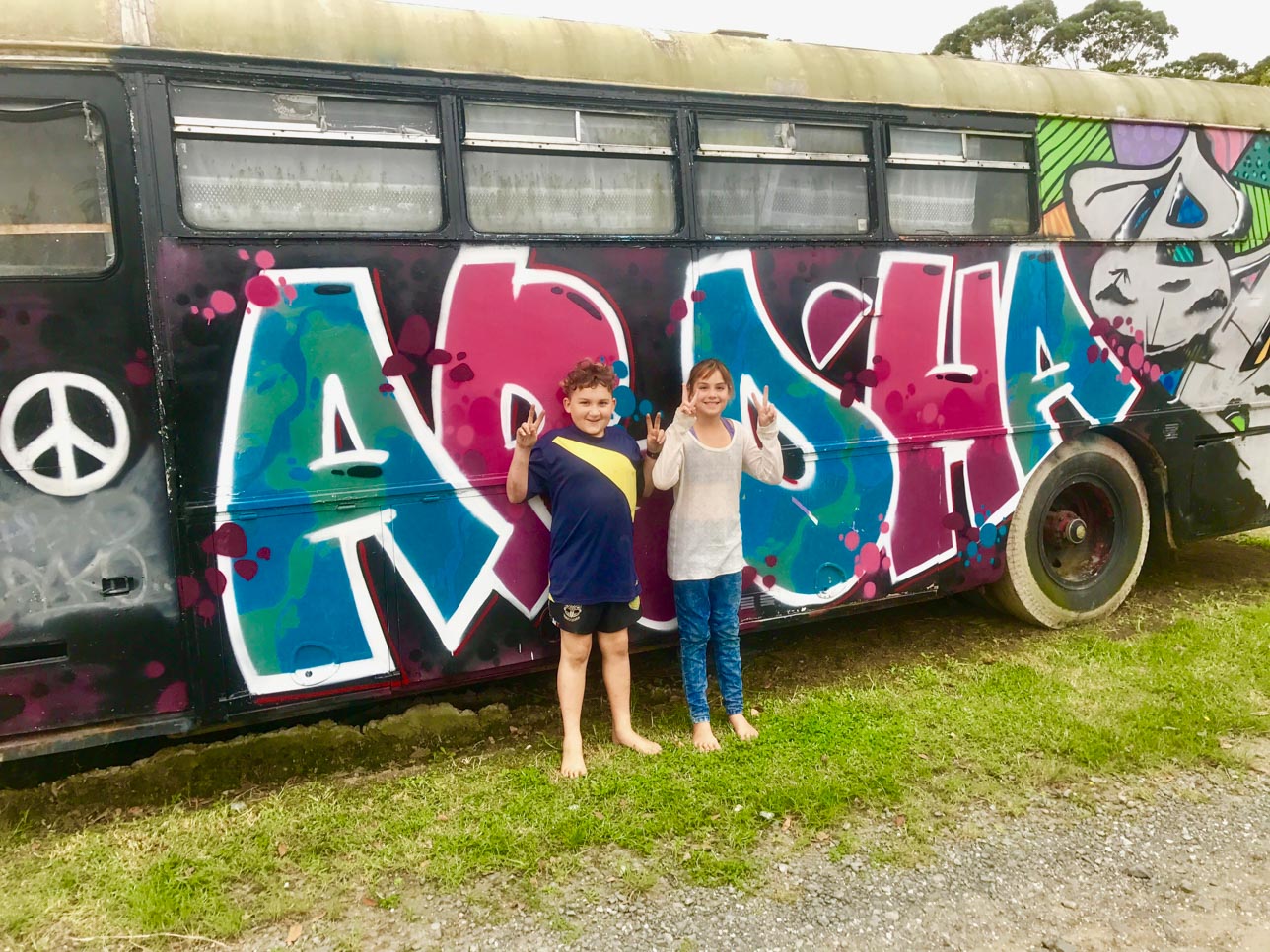
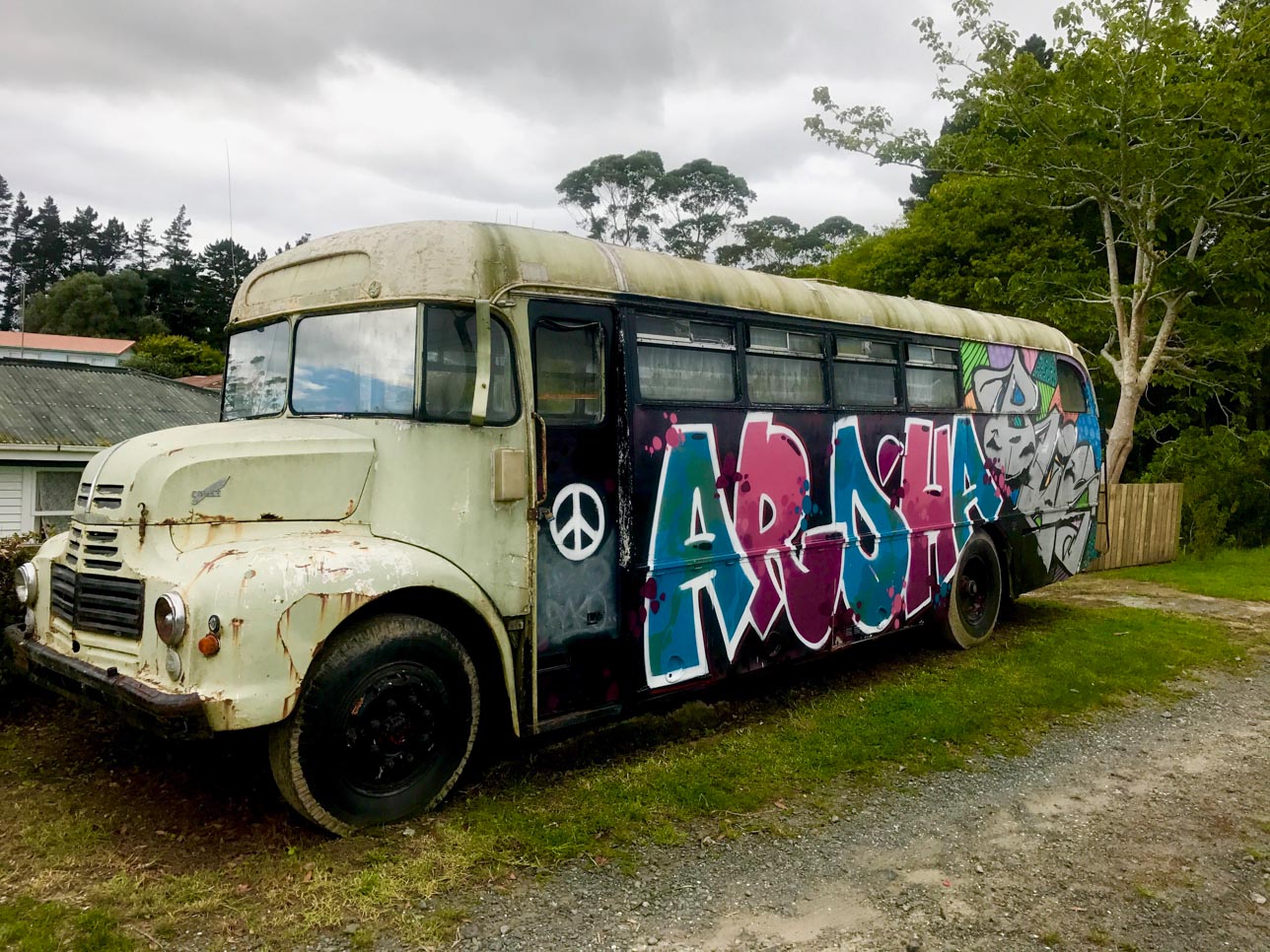
Heading back along State Highway 1, we were reminded that you don’t have to be driving it to love a vehicle, it doesn’t even have to be roadworthy. Dakota (10) and Onyx (9) cannot remember a time when this 1950(ish) Leyland Comet Bus was not parked outside their neighbour’s house. They’ve played in it, on it and around it all their lives. The kids love the ‘Aroha Bus’ and they were very proud to show us around it. They also reckon it still runs …
Official route of the 2017 Trillian Trek:
19th March Day 1 — Matamata to Orewa
20th March Day 2 — Orewa to Dargaville
21st March Day 3 — Dargaville to Omapere
22nd March Day 4 — Omapere to Taipa/Coopers Beach
23rd March Day 5 — Taipa to Taipa
24th March Day 6 — Taipa to Russell
25th March Day 7 — Russell to Whangarei
For more information about this event, or how you can support Kiwi kids by donating, head to trekevents.co.nz or visit the Trillian Trek Facebook page