Need a project?

1 June, 2017

As the story of Bruce McLaren hits cinemas, we’re all looking at the legacy that he created. His name is now synonymous with some of the best sports cars being built today. Near the top of the list is the McLaren 650S.
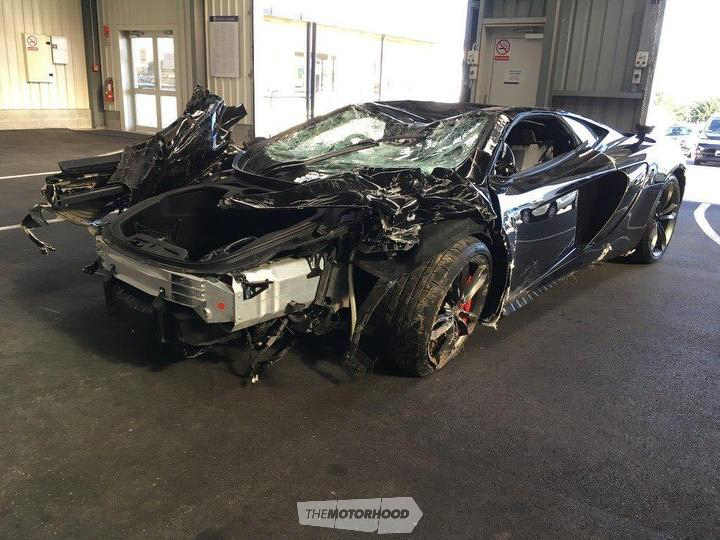
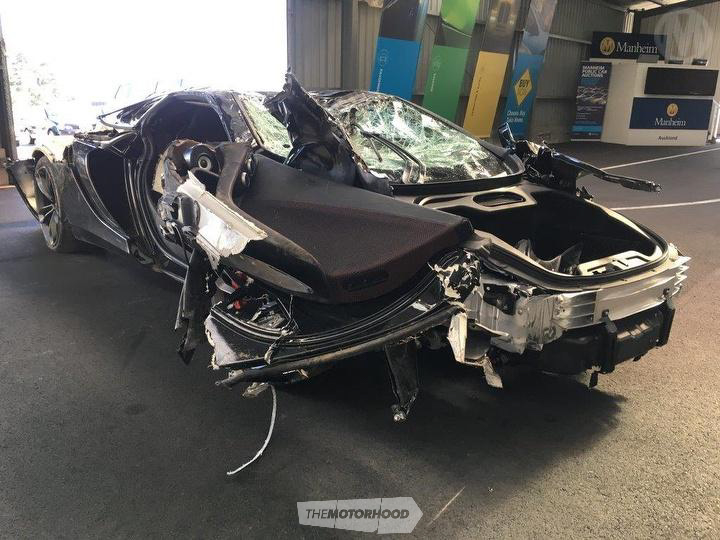
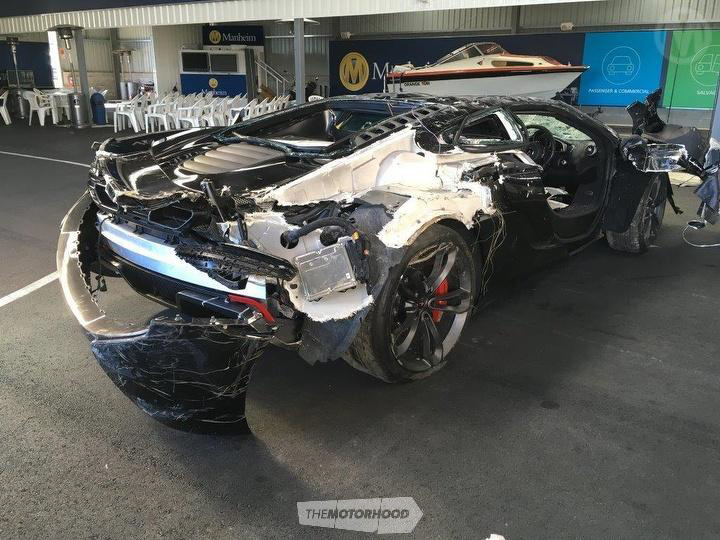
Of course, with a list price of $399,000, 650S ownership will remain a dream for many of us. There must be a better way? If you’re willing to take a practical view and take a punt on being able to source parts and an able handed supercar mechanic, this might be right up your alley.

Set to go to auction later in the month — hosted by Manheim — there was there was plenty of coverage a few weeks ago of a McLaren being totalled on Auckland’s North Western motorway. Without throwing too much caution to the wind, we’d suggest there aren’t all that many of these being written off around the place so we connect this car with that crash.

Fortune favours the bold we’re told!

Source: NZ Herald
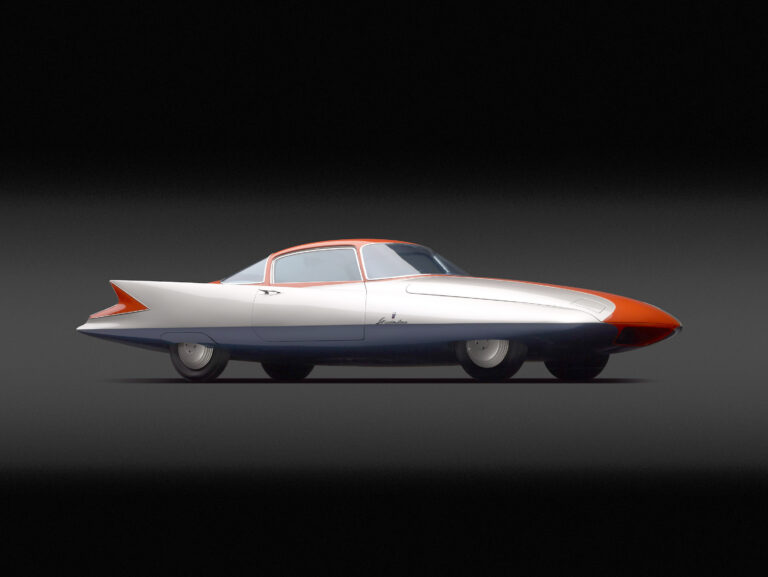
The motor car as an art form

We have certainly come a long way since the exhibition entitled 8 Automobiles, shown at the Museum of Modern Art in New York in the autumn of 1951, the first exhibition concerned with the aesthetics of motor car design.
It was here that the often-used term ‘rolling sculpture’ was coined by curator Philip C Johnson, director of the department of architecture and design, when he said, “An automobile is a familiar 20th century artefact, and is no less worthy of being judged for its visual appeal than a building or a chair. Automobiles are hollow, rolling sculptures, and their design refinements are fascinating. We have selected cars whose details and basic design suggest that automobiles, besides being America’s most useful objects, could be a source of visual experience more enjoyable than they now are.”

More to the point

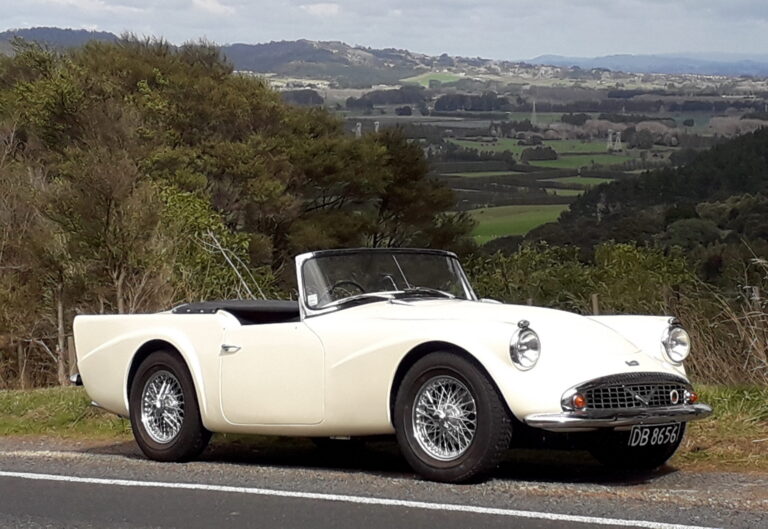
This Daimler SP252 is so rare, few people know it exists. It’s one of a kind. It’s the only surviving, in fact the only SP252 ever completed; the would-be successor to the SP250 Daimler Dart. It is also the last sports car to have been designed by Jaguar’s legendary founder, Sir William Lyons.
Perhaps one of the original Dart’s biggest problems was it’s somewhat-divisive looks. It certainly went well enough to win fans, although Sir William wasn’t among them. It crushed the opposition in the Bathurst six-hour race, finishing five laps ahead of anyone else, and it was snapped up by police forces in Britain, Australia, and New Zealand, as it was the fastest thing on the road.
So you’d think a stunning new body with the magic Lyons touch would have been a surefire success. Why this car never made it into production is still something of a mystery, as the official explanations barely stack up.