
Rally fans will know the story like the back of their hand, but for those of us a bit fresher to the golden era of international rallying, here’s why the recently sold test car is so important. The year was 1997 and Subaru was debuting their newly-built Subaru Impreza WRC, a fresh start to meet the new World Rally Car specifications that replaced Group A rules. It sported a livery similar to previous works Imprezas and Legacys, but would prove to be one of the most iconic in Subaru’s rallying timeline.
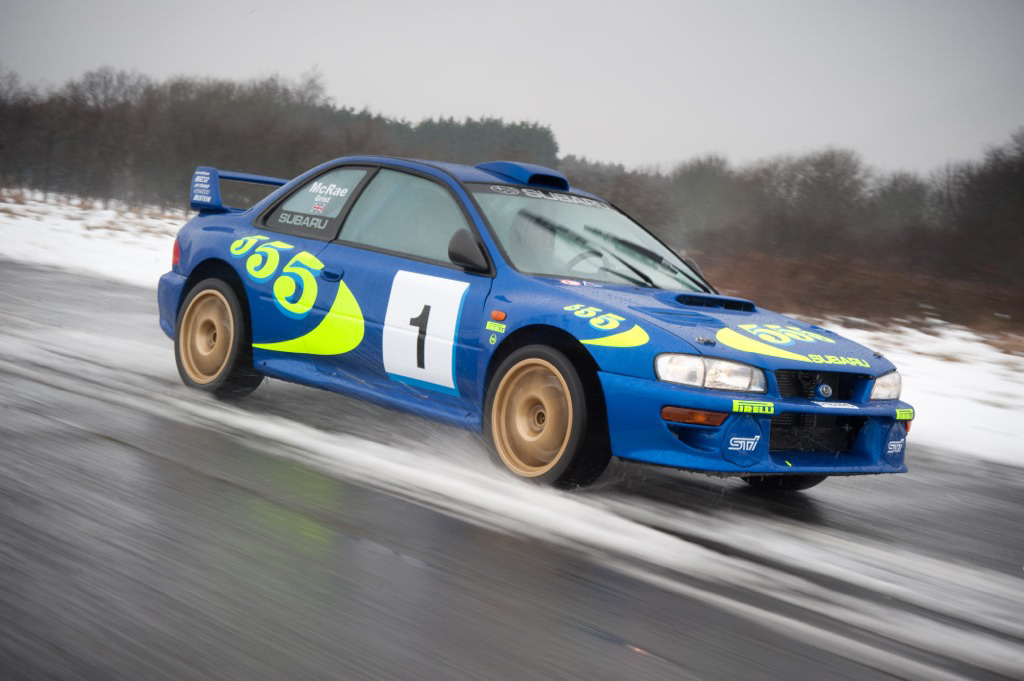
Chassis 97001, often referred to as “WRC97”, was developed by Prodrive and was the first car built to the new FIA World Rally Car specification that allowed greater design freedom for the teams. Of course, who else to test it other than Colin McRae — who took out championship wins in the previous incarnations for 1995 and 1996. By the end of the 1997 season, McRae had chalked up another manufacturers’ championship, making it three years in a row.
But, while owning the championship car would be something of mythical proportions — we assume that car is tucked away somewhere secure at a Subaru facility in Europe — this car never saw competition and the auctioneer, H&H Classics, was quick to point out that “the car was never an official Subaru WRC entrant”. Yet it still sold for £230,000 ($408,024 NZD)
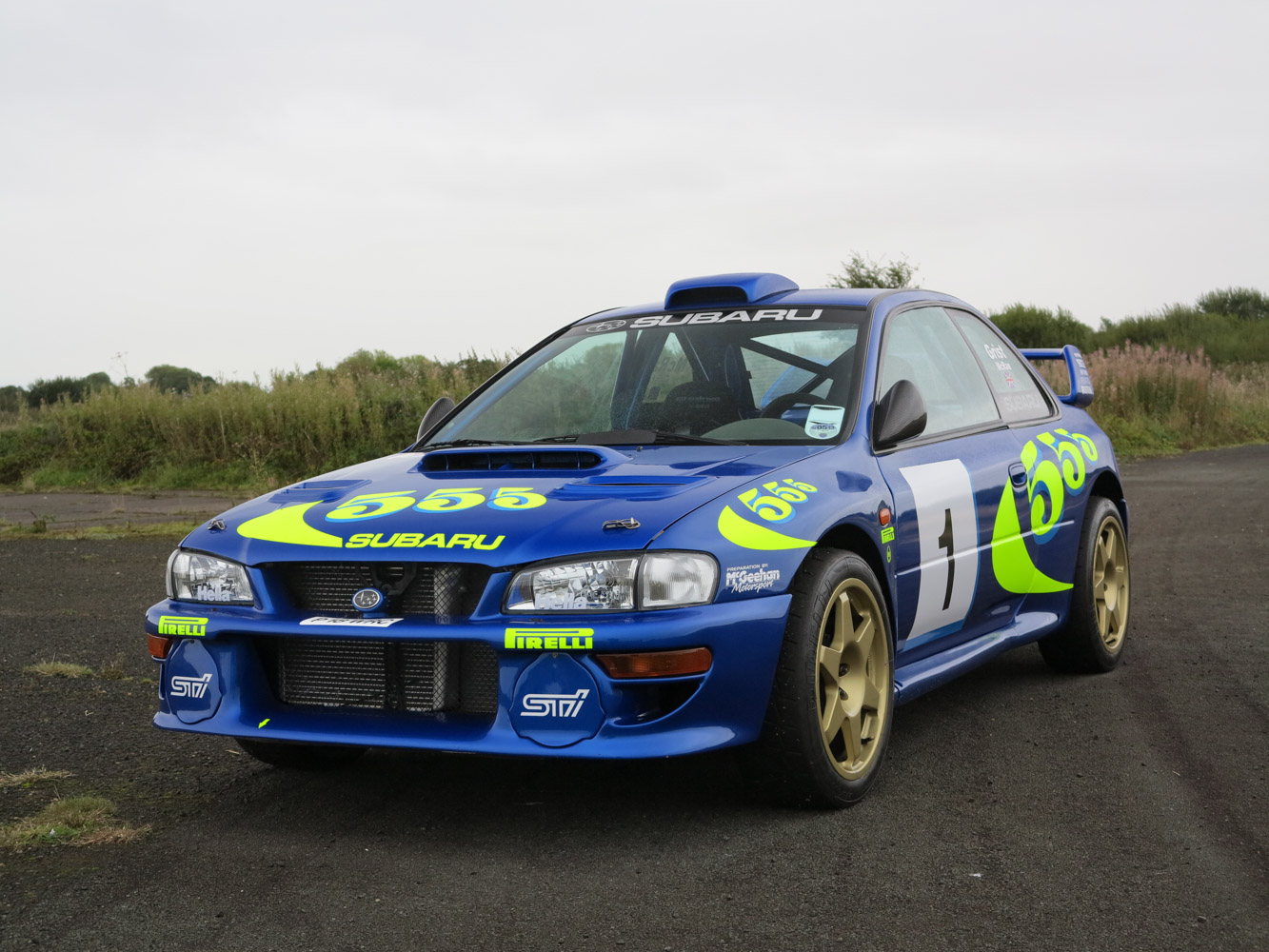


Why you may be asking? That’s an easy answer, it’s the car used to generate one of the most iconic Subaru rally chassis of all time. A development and test vehicle for Prodrive, McRae spent considerable amounts of time in it to form the model’s tuning, and it was paraded around by the Subaru World Rally Team to show off at press events. Not to mention that he first of anything tends to command a premium, and it’s no different when that first is a Prodrive-developed WRC winner.
Sadly, you can’t have it. It’s already been snagged by an overseas buyer at the private auction to — more than likely — never be seen again. But you can sit there staring at pictures of old wishing you had a spare £230,000 ($408,024 NZD) to blow on these sorts of things. We are too …
The video that H&H Classics slapped together is well worth the watch too — we slow clap any auction house that takes an ex-rally car power sliding and calls it promotion.