A Sunday morning dose of Caffeine and Classics

1 December, 2014

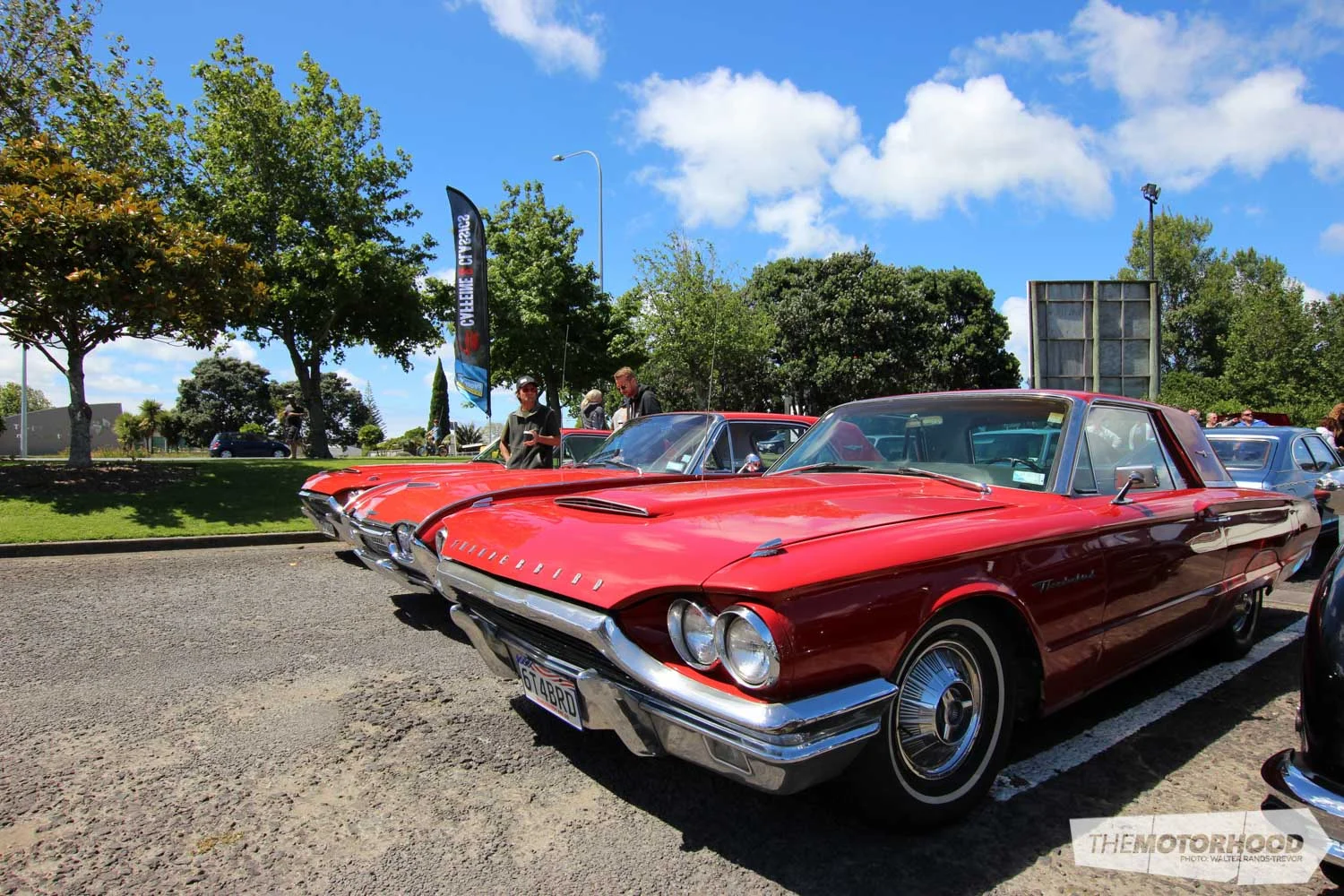
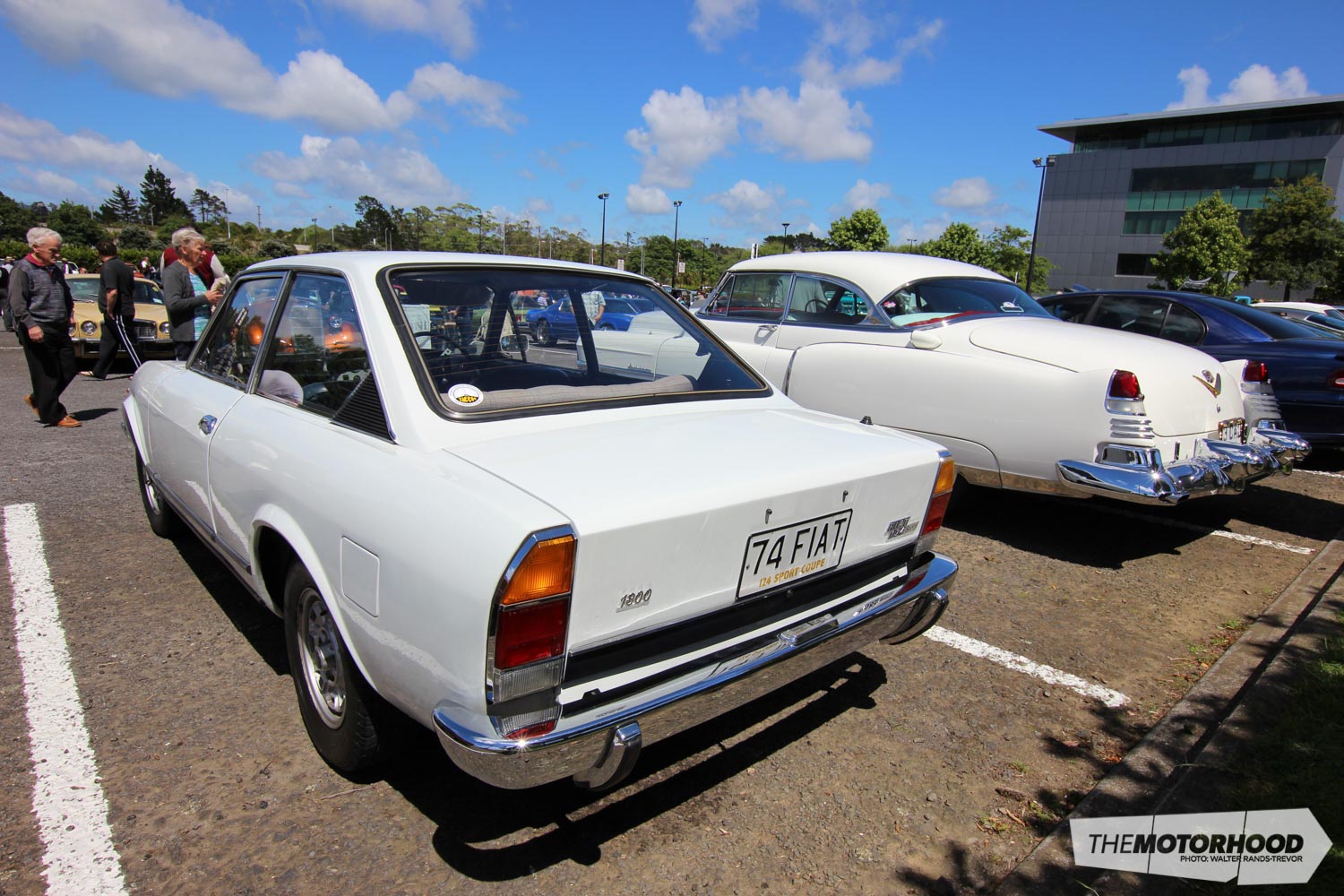
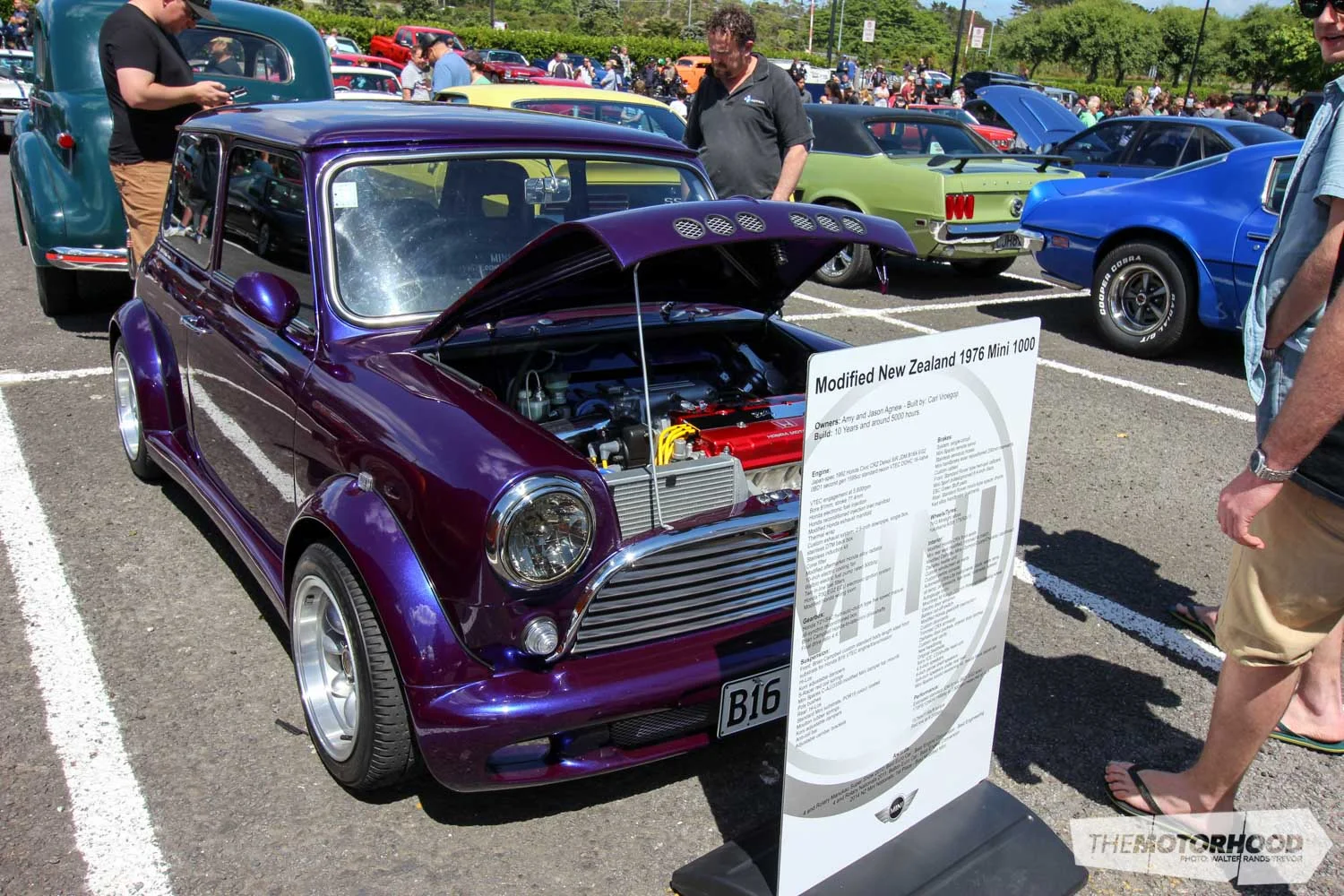
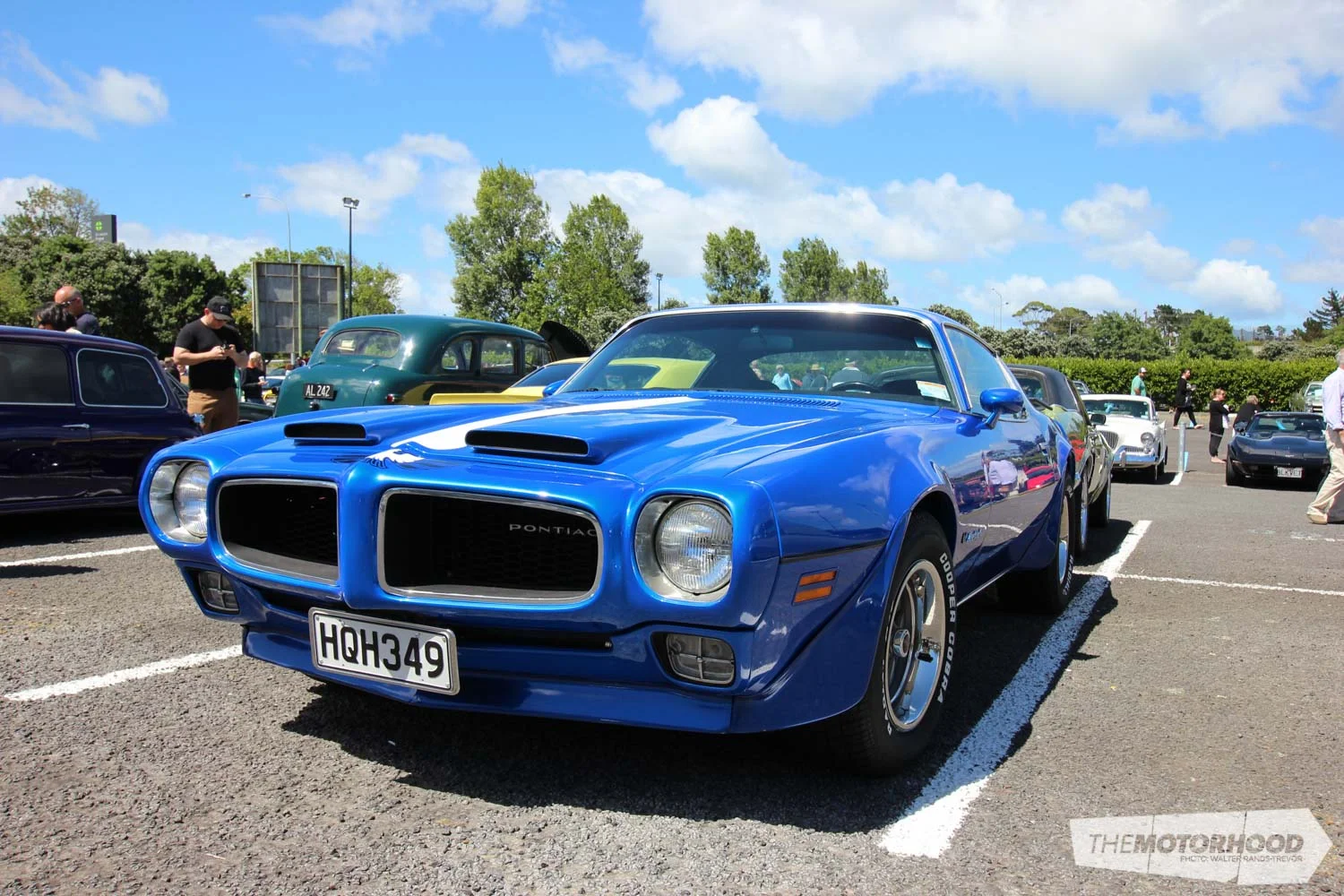
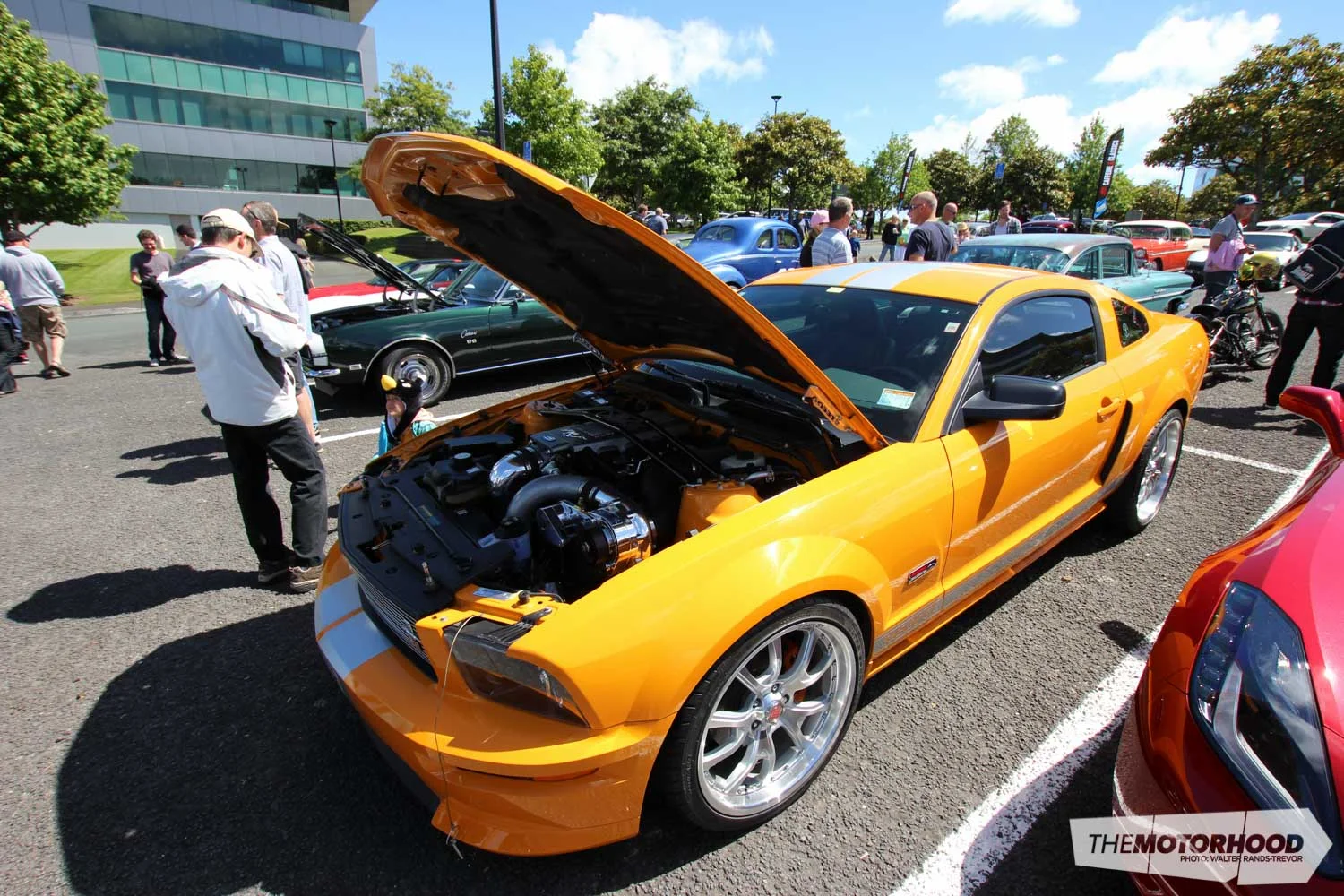
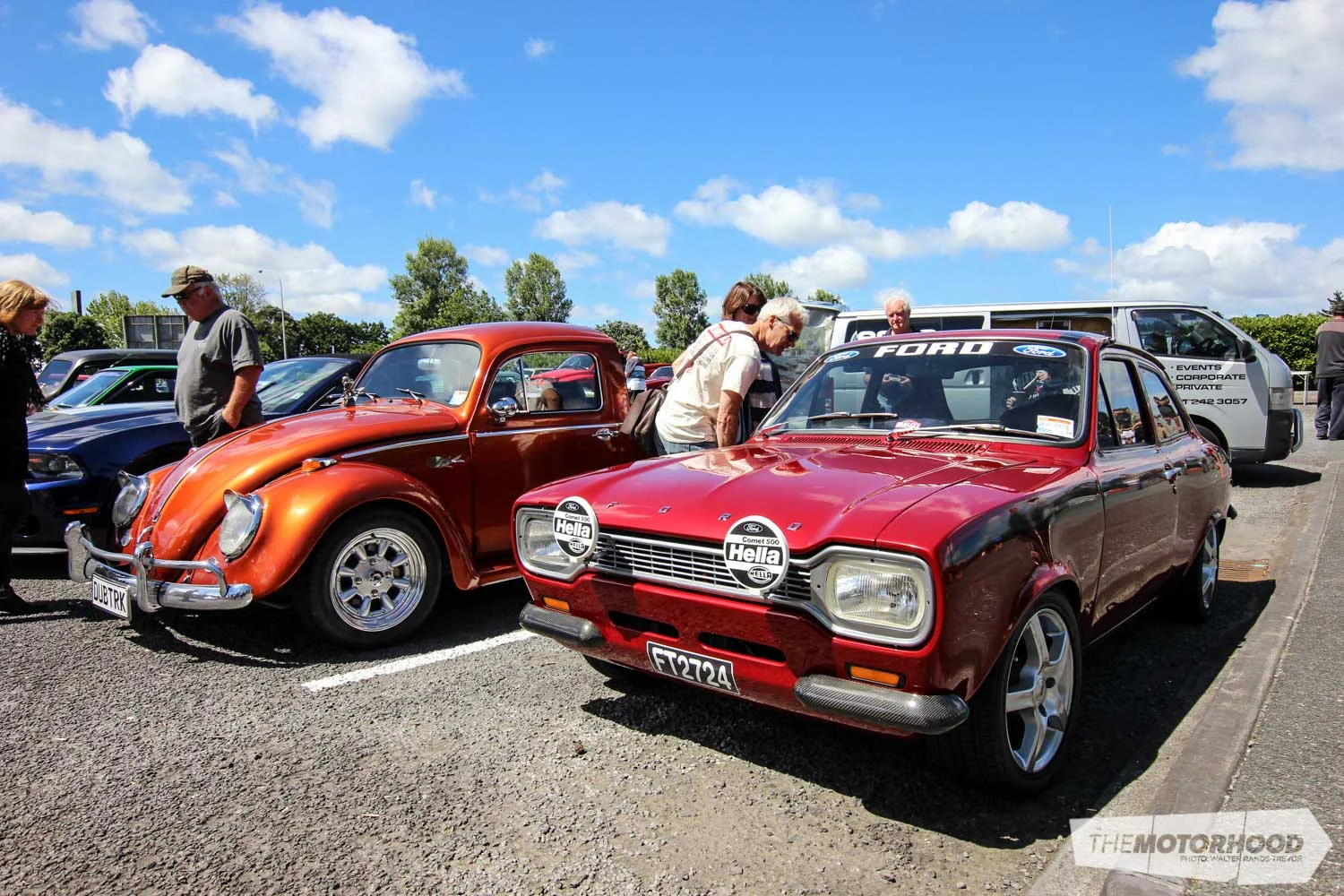
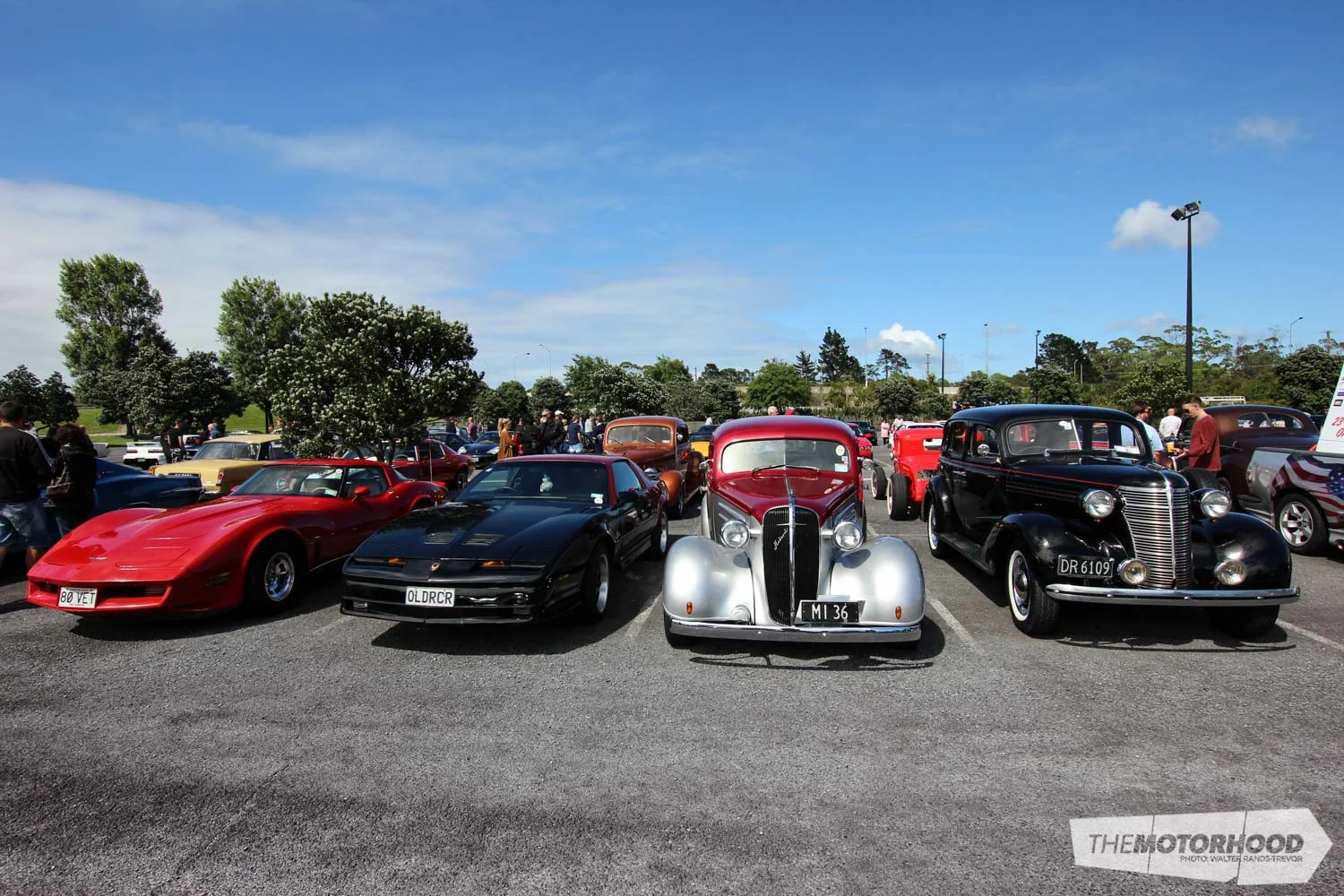
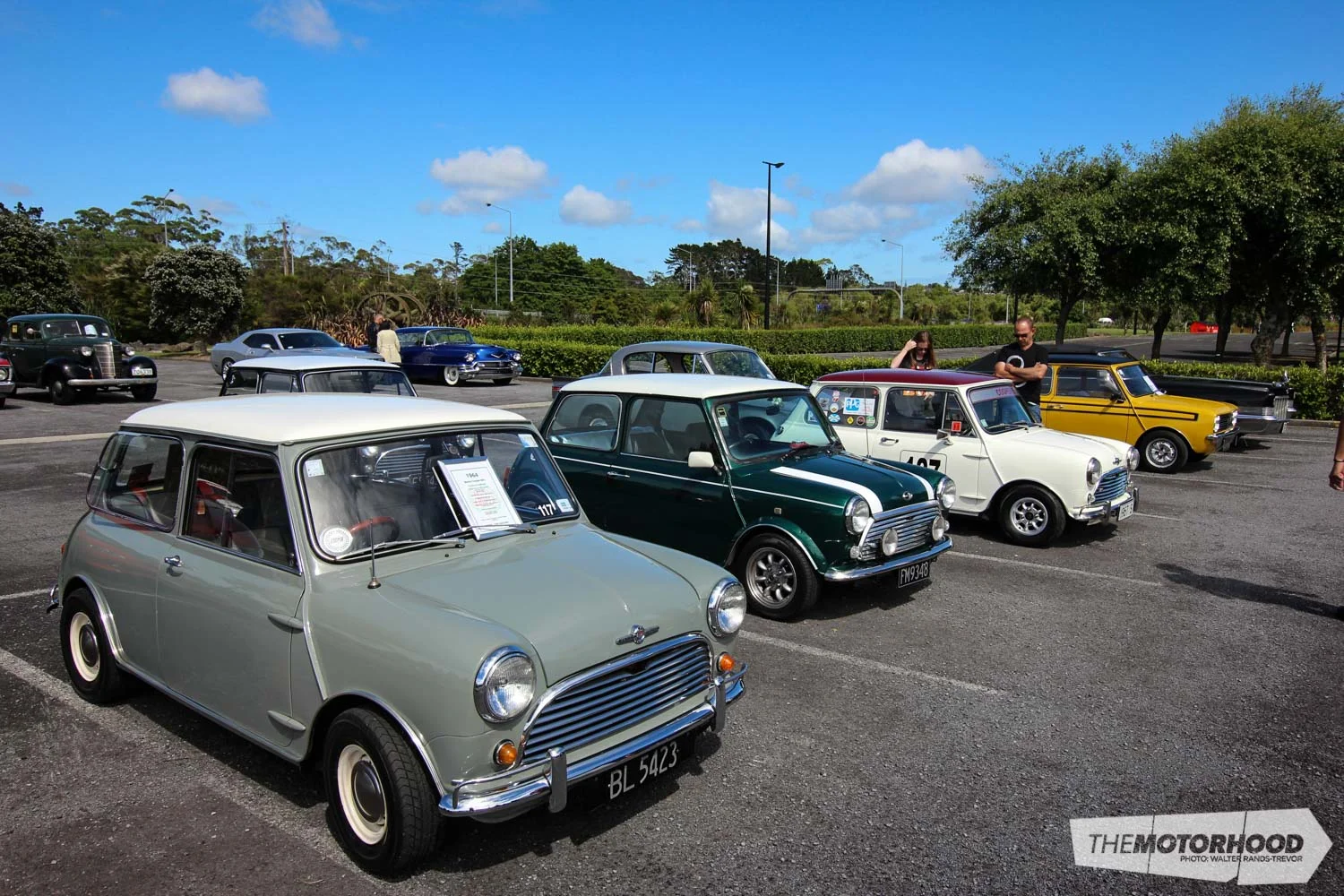
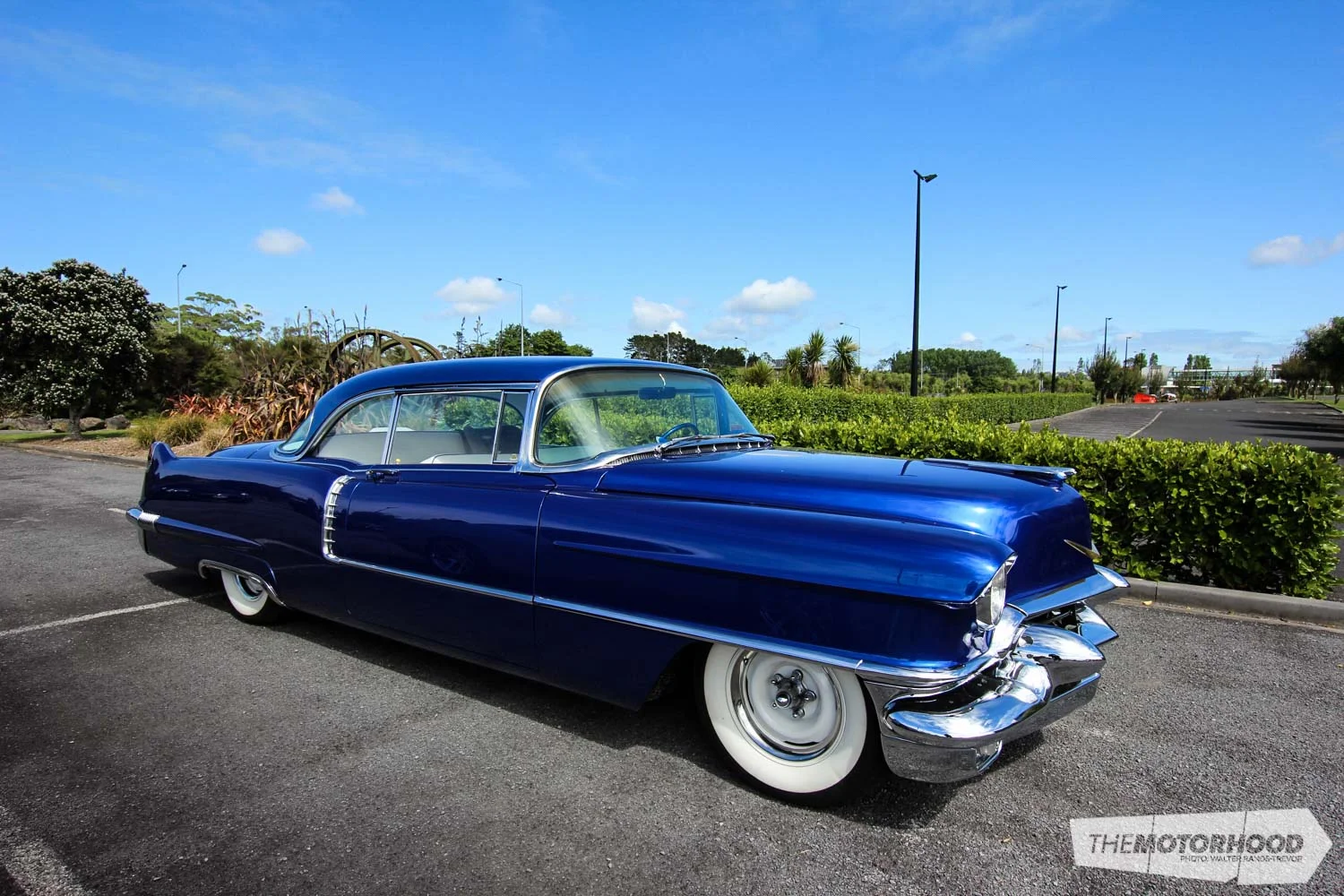
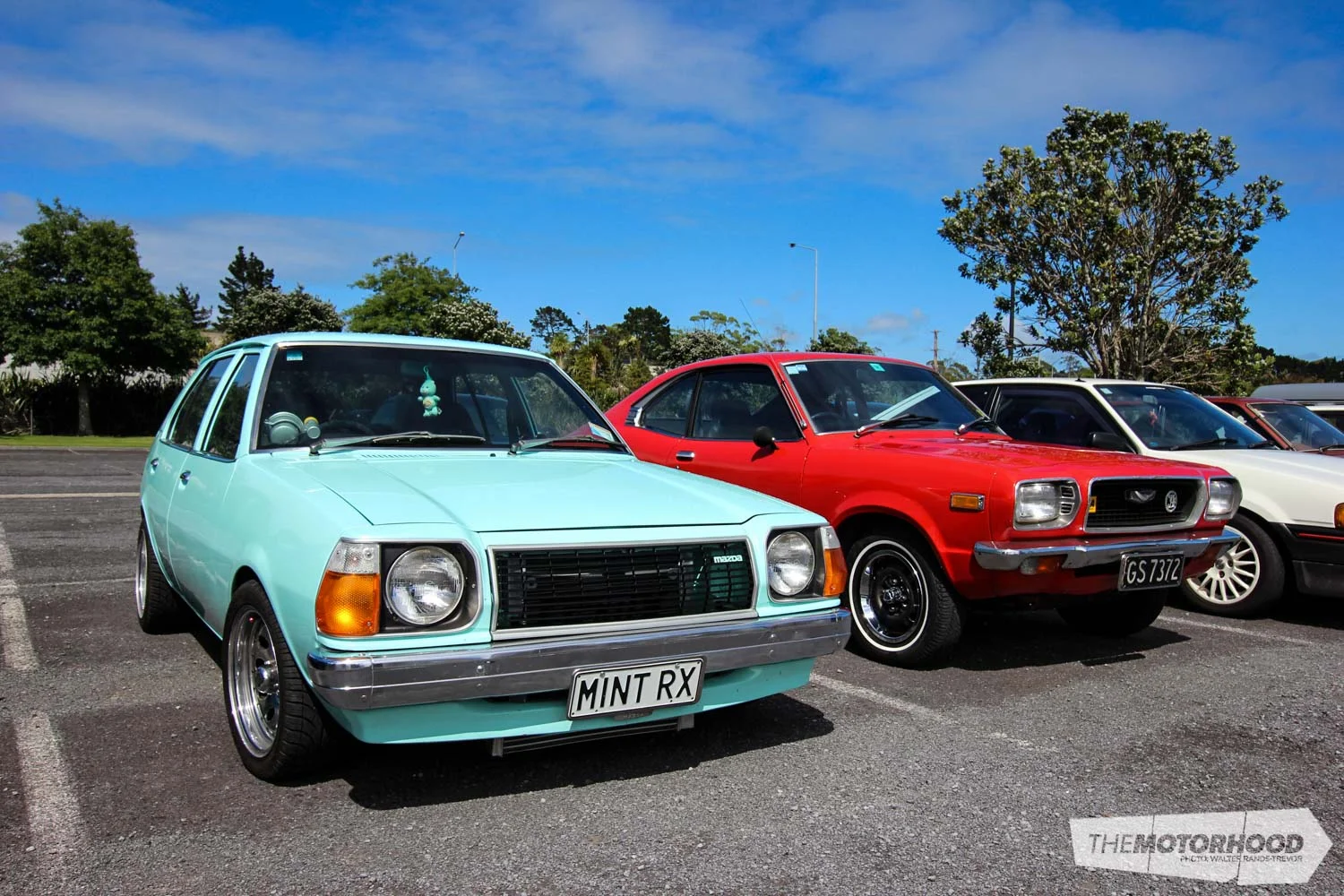
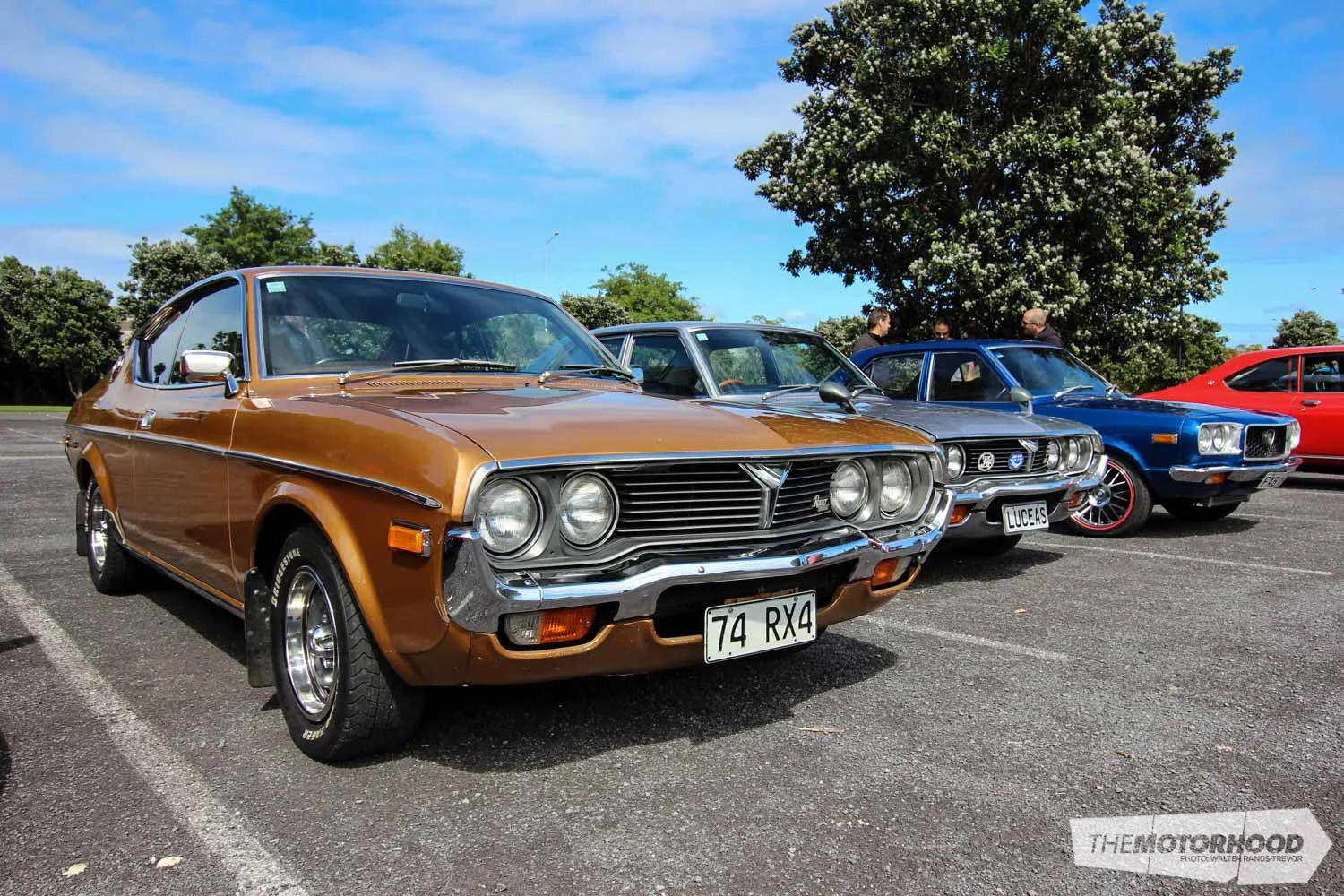
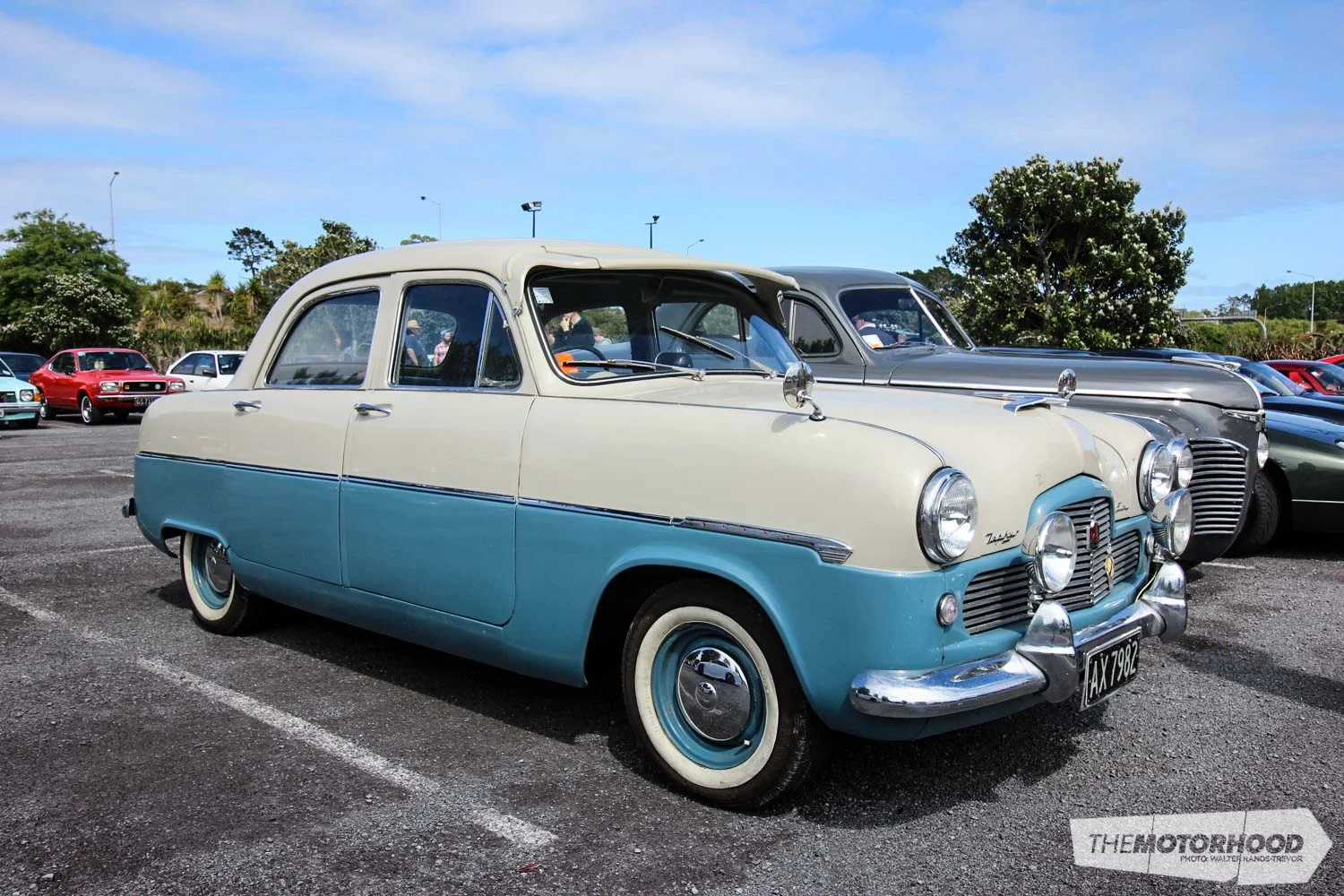
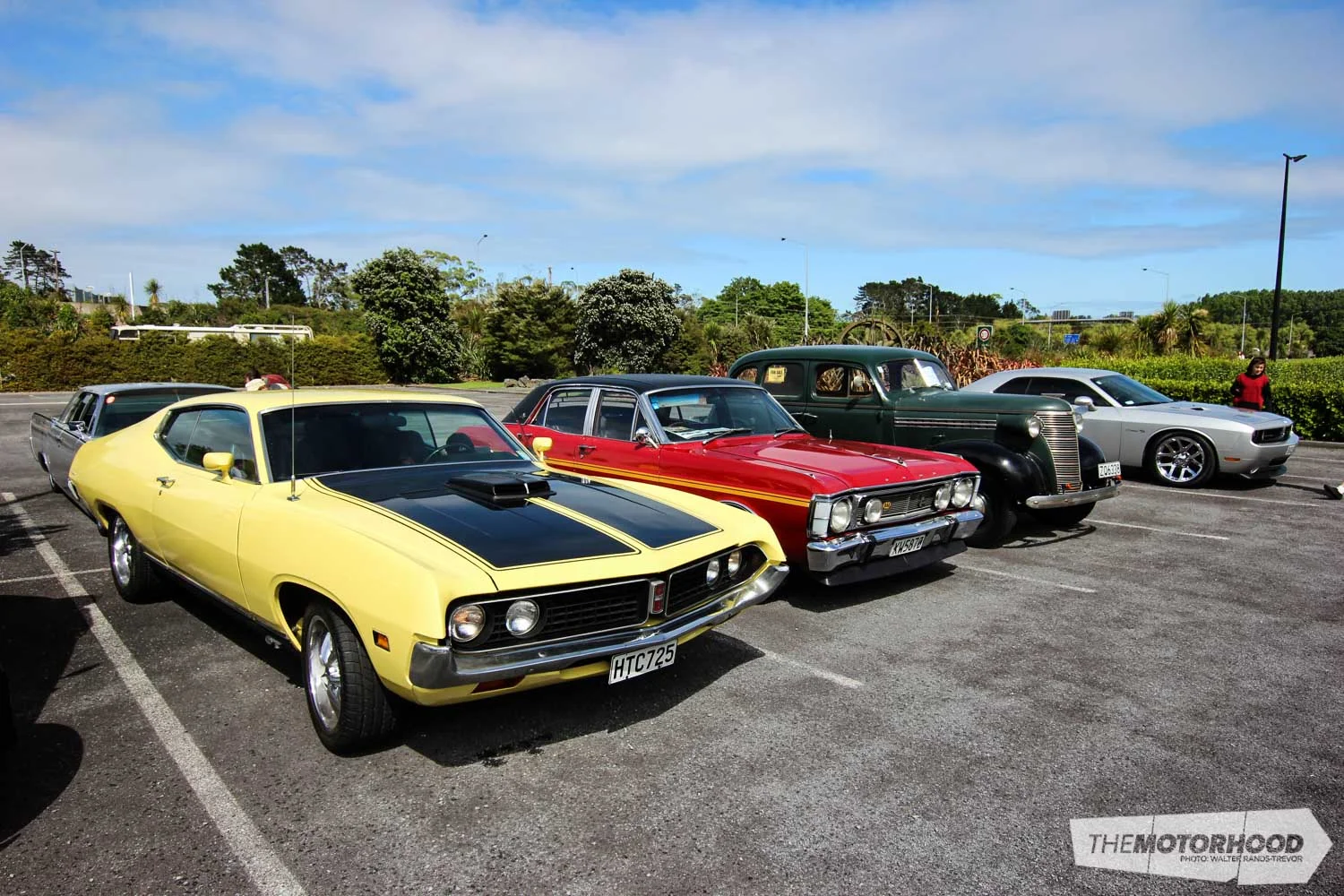
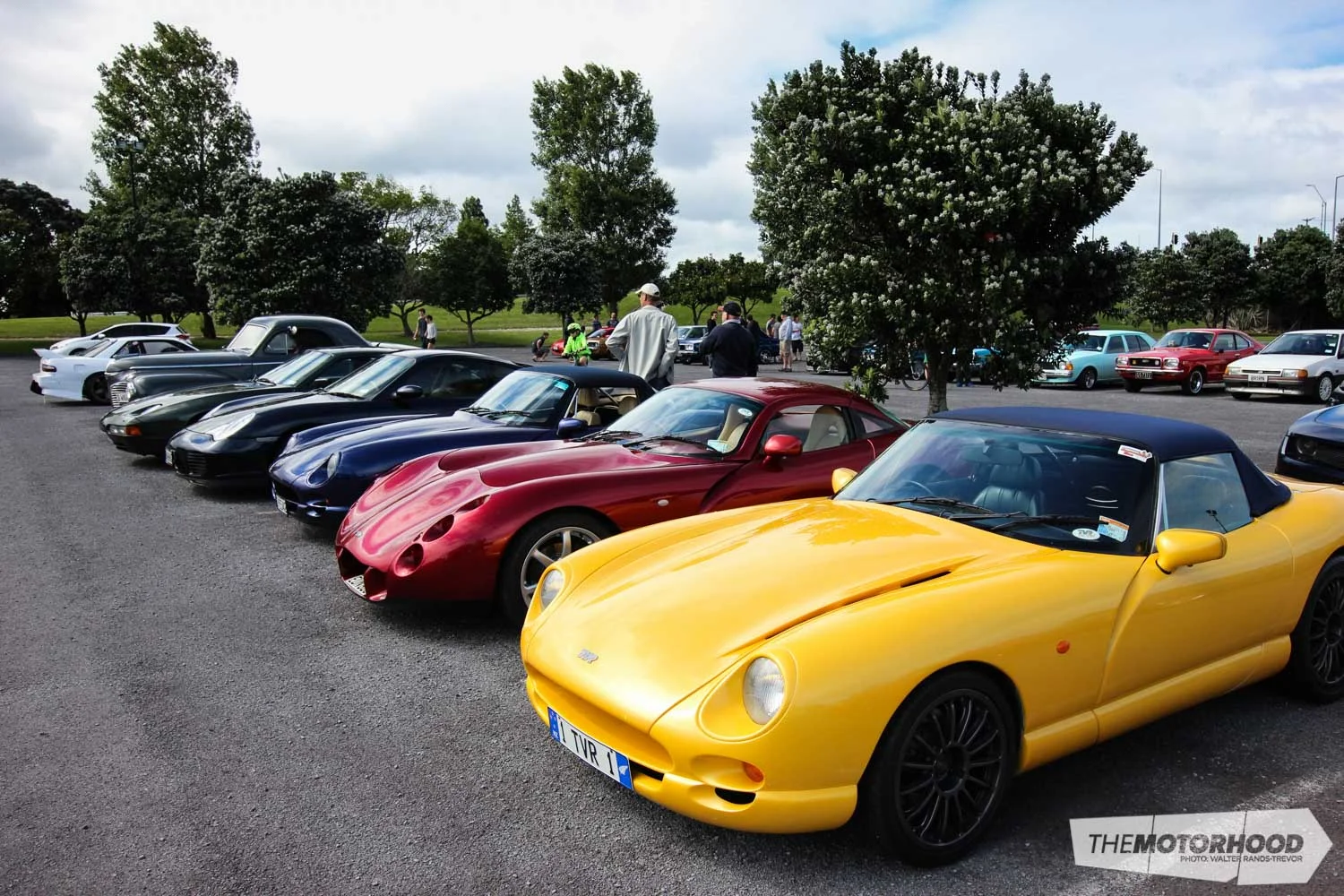
It hasn’t even been two years yet since the inception of the monthly Caffeine and Classics event, but in that time it has become quite possibly the biggest regular car meet on the calendar. Taking place at Smales Farm business park, just a few minutes north of the Auckland Harbour Bridge, the event is open to all types of classic and custom vehicles — and they tend to arrive by the hundreds.

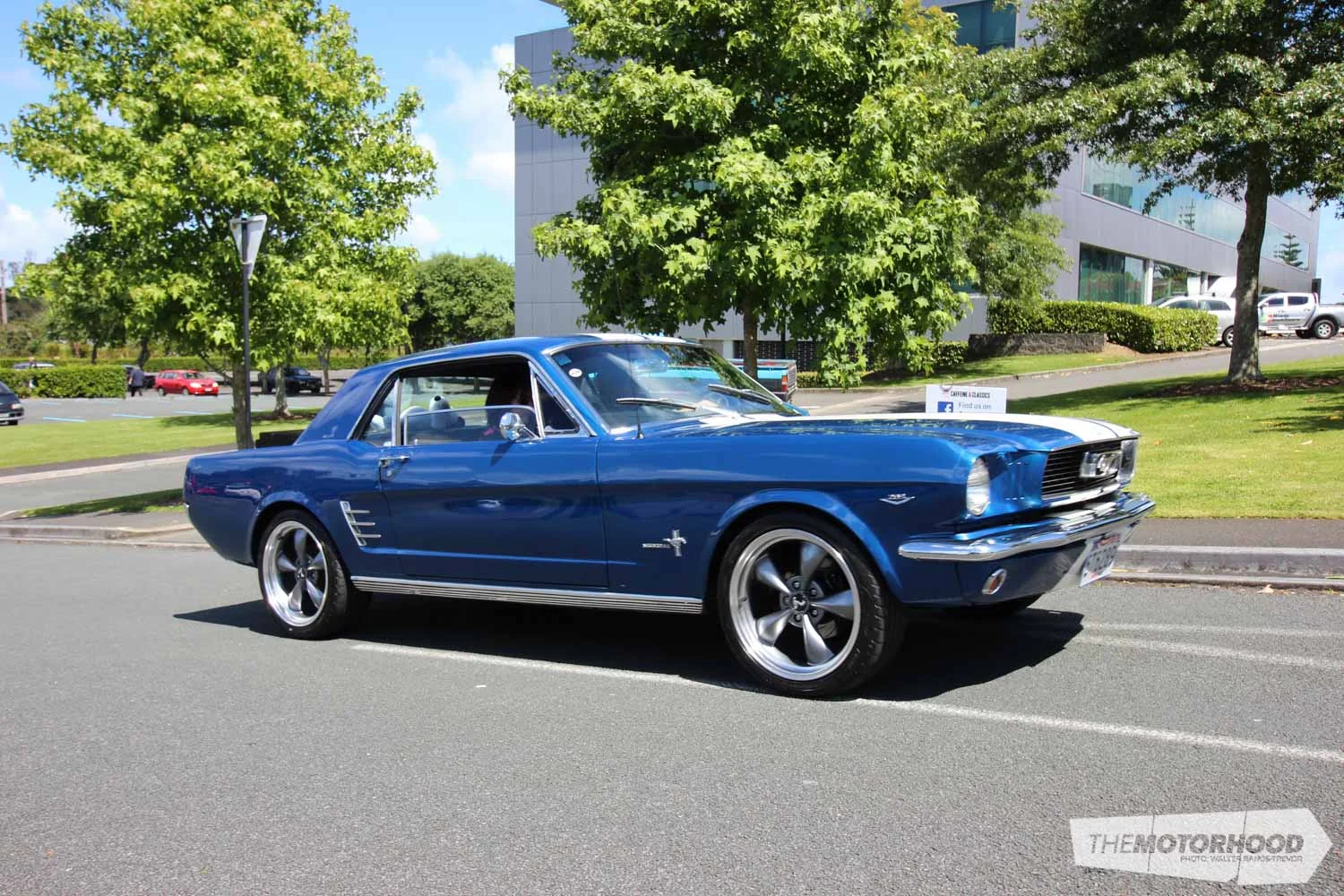
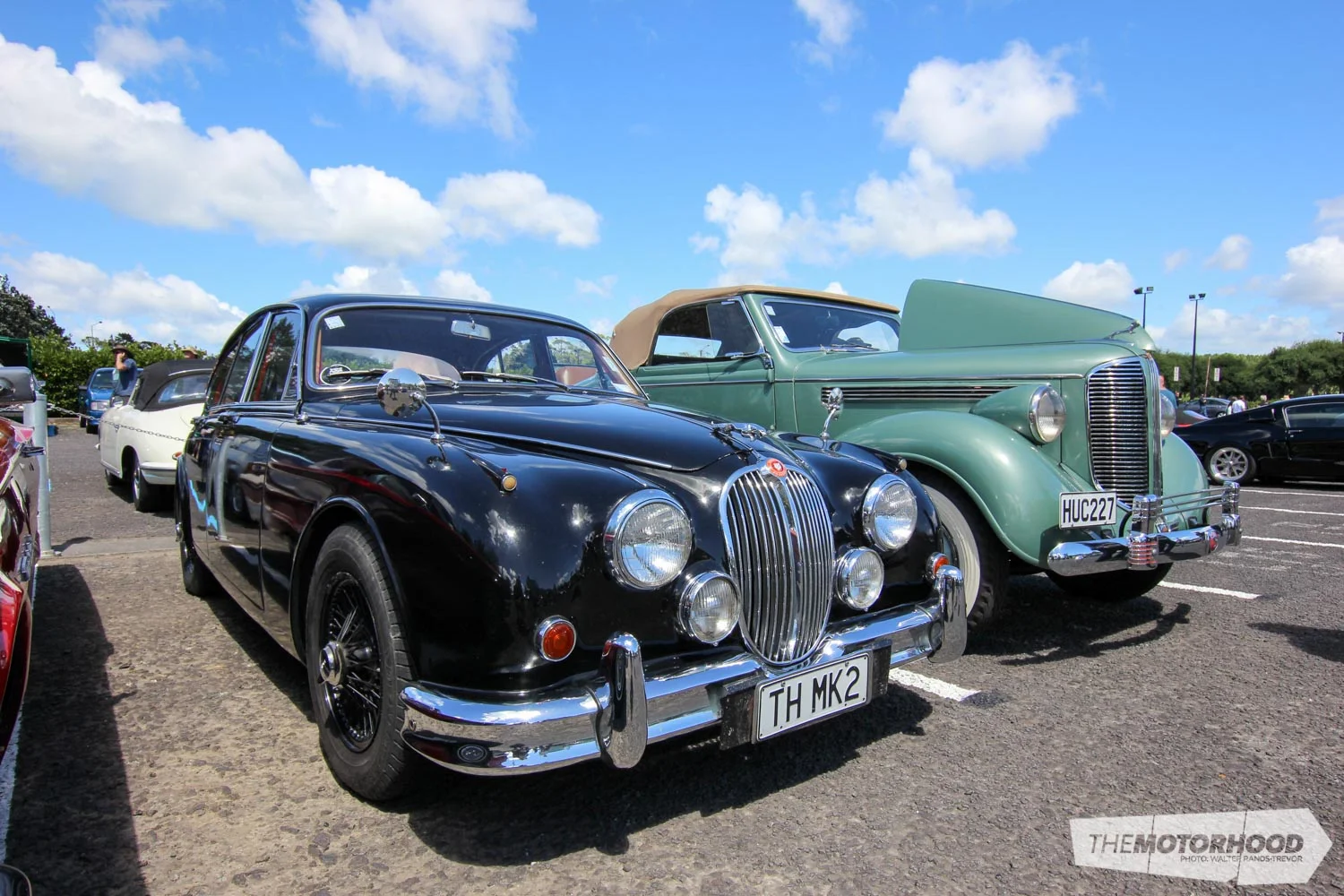
Taking place on the last Sunday of every month, the event held on Sunday, November 30 was, in theory, the second to last of the year — although with the next one scheduled to fall between Christmas and New Years it will no doubt have a smaller turnout. With that in mind we decided to check out Sunday’s event and from the moment we laid eyes on the car park we were blown away. Not only was it the sheer volume of cars that was impressive, but the variety also. From classic Japanese imports through to the latest of Detroit’s muscle cars, and everything in-between, there was something to suit every taste.
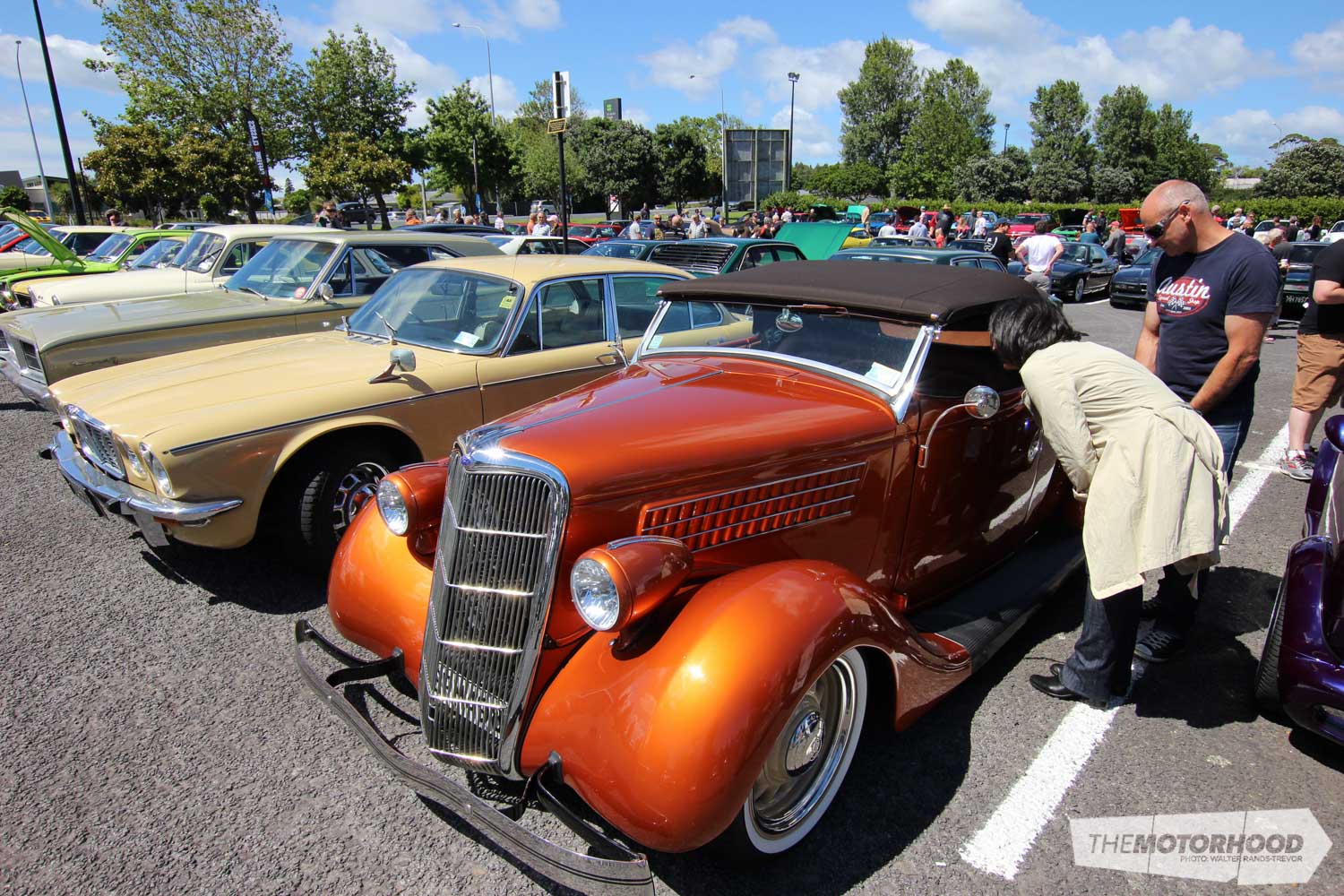
The event ‘officially’ runs from 10am–1pm, but in reality the car park was packed by 9am and started to empty out around 11.30am, with many spectators taking the chance to witness the mass exodus up close, cameras in hand.

If you’re ever looking for something to do on a Sunday morning, and it happens to fall on the last Sunday of the month, regardless of if you’ve got a classic of your own or not, we recommend you head along to Smales Farm, grab yourself a coffee, and have a look at some of the best machines you’ll ever lay your eyes on.
The motor car as an art form

We have certainly come a long way since the exhibition entitled 8 Automobiles, shown at the Museum of Modern Art in New York in the autumn of 1951, the first exhibition concerned with the aesthetics of motor car design.
It was here that the often-used term ‘rolling sculpture’ was coined by curator Philip C Johnson, director of the department of architecture and design, when he said, “An automobile is a familiar 20th century artefact, and is no less worthy of being judged for its visual appeal than a building or a chair. Automobiles are hollow, rolling sculptures, and their design refinements are fascinating. We have selected cars whose details and basic design suggest that automobiles, besides being America’s most useful objects, could be a source of visual experience more enjoyable than they now are.”

More to the point

This Daimler SP252 is so rare, few people know it exists. It’s one of a kind. It’s the only surviving, in fact the only SP252 ever completed; the would-be successor to the SP250 Daimler Dart. It is also the last sports car to have been designed by Jaguar’s legendary founder, Sir William Lyons.
Perhaps one of the original Dart’s biggest problems was it’s somewhat-divisive looks. It certainly went well enough to win fans, although Sir William wasn’t among them. It crushed the opposition in the Bathurst six-hour race, finishing five laps ahead of anyone else, and it was snapped up by police forces in Britain, Australia, and New Zealand, as it was the fastest thing on the road.
So you’d think a stunning new body with the magic Lyons touch would have been a surefire success. Why this car never made it into production is still something of a mystery, as the official explanations barely stack up.