Celebrating three decades of Fraser Cars, owners Scott and Ida are bringing the car-building experience into the 21st century with a modern rebrand, inviting Kiwis and Fraser fans from abroad to create their own Fraser story with their online virtual workshop.
“We wanted to put the customer at the heart of every part of the Fraser process, which is why we created an online workshop and community, the Fraser Pit. For the cars we’re building in our factory, we can share updates online with the owner and they get to really appreciate the journey that their car goes through,” explained co-owner Ida. Customers are also invited to visit the factory to see their car being built, and those assembling their Fraser at home are encouraged to share their progress online and get advice from Fraser fans and the team, as well as their dedicated project manager.
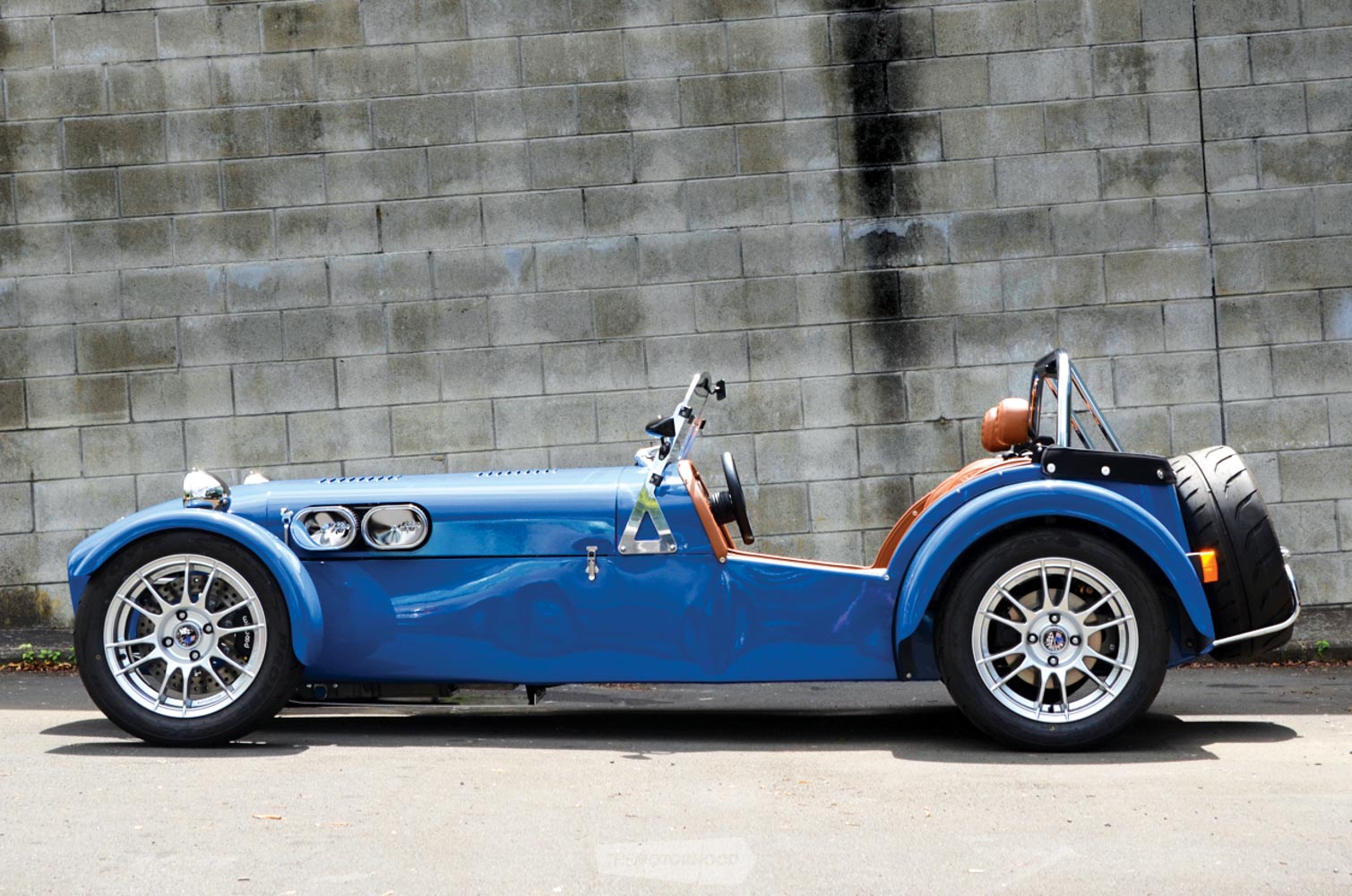
Fraser Cars, which is based in a workshop in Beach Haven in Auckland, handcrafts its range — from the basic Fraser through to the sporty Fraser SL and even a completely customizable Fraser SP for people who want something truly one-of-a-kind. “Even though our cars are rooted in the Lotus 7 design, they’re so much more than just a replica now — we’re really focused on creating custom Frasers that stand on their own. Fraser is its own marque, and we’re focused on how to use new technology to make these cars exceptional,” said Ida.
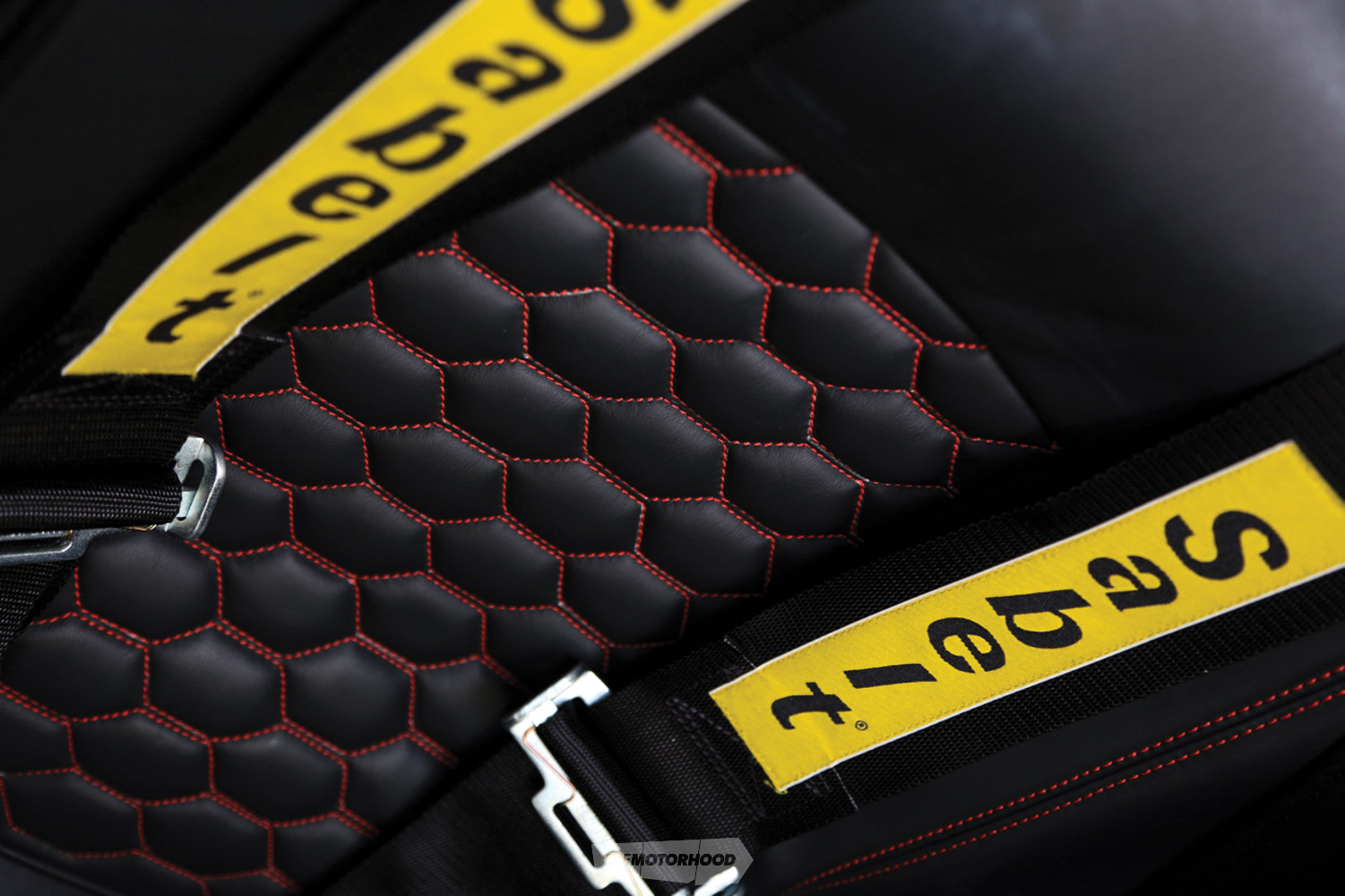
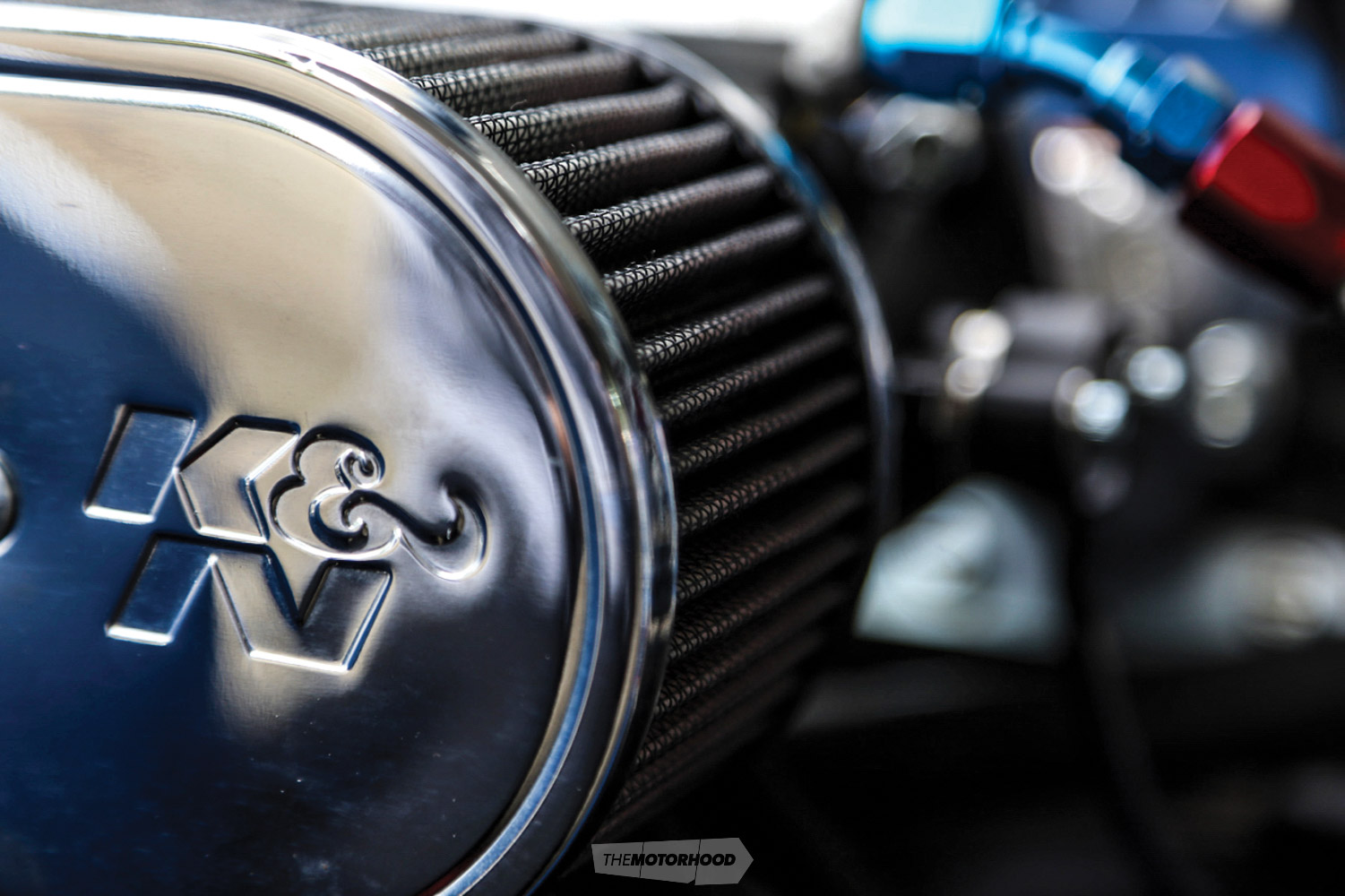
The story of Fraser Cars began when founder Neil Fraser encountered a replica Lotus 7 at a race track and was impressed enough to set out to build his own. He achieved early success when he took it to the 1988 National Car show, with three orders placed on the spot. After 20 years of building cars, Neil retired, putting the business in the trusted hands of one of his chassis builders, Scott Tristram, and Scott’s wife, Ida. The pair reckon that the company’s longevity is in part due to the passion of the people involved.
Fraser Cars’ reputation for quality means that it also has a dedicated overseas customer-base, with around 65 per cent of the vehicles exported, primarily to Australia and Japan, and the remainder staying in New Zealand.
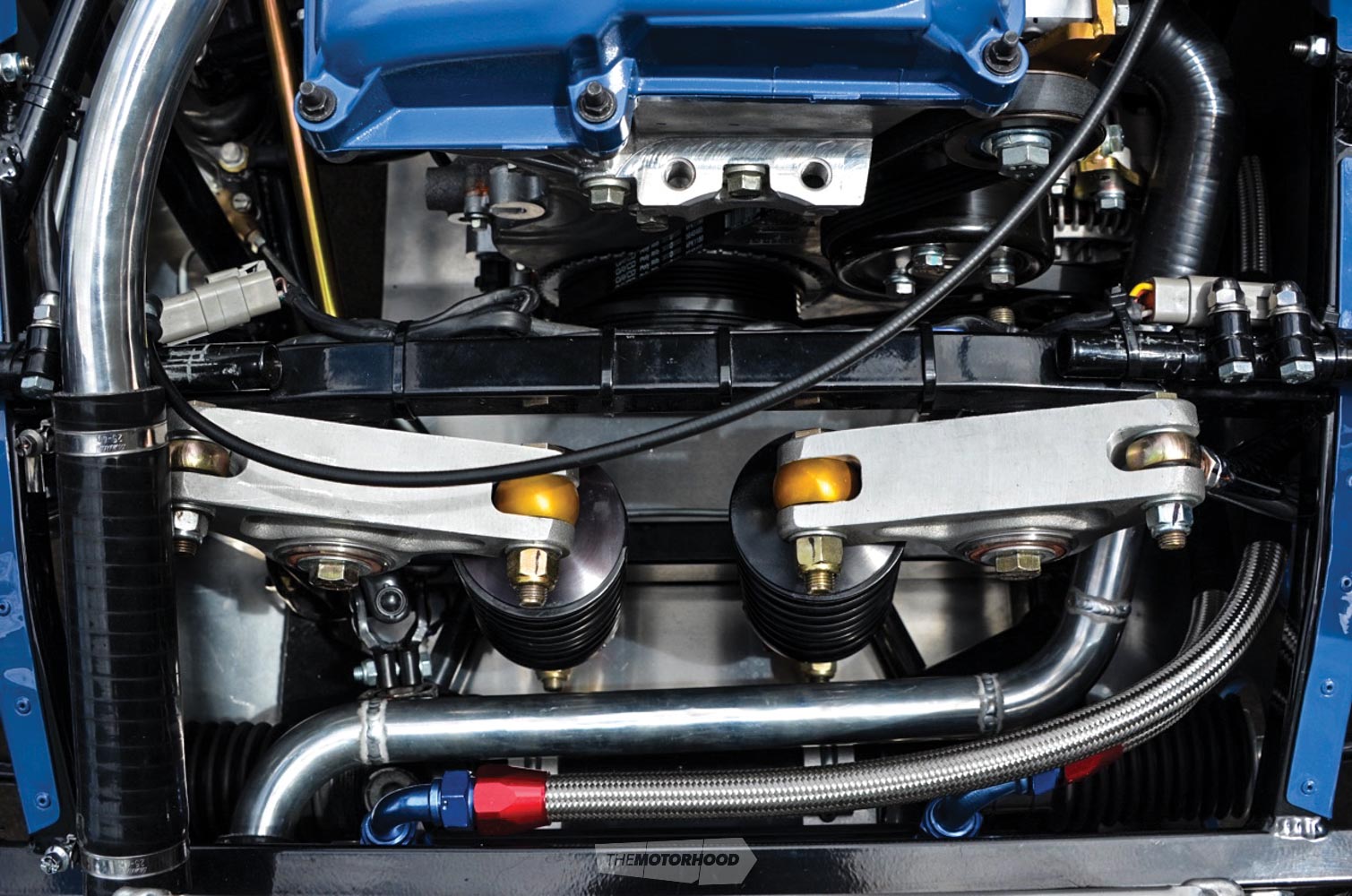
While the company’s reputation is built on quality replicas of a classic car, Fraser Cars retains it through staying abreast of new developments in the industry. “Our customers might want a classic look, but they generally want a modern drivetrain that can give them much more power. We’re even looking at the possibility of electric now, which I don’t think anyone would have expected when we bought the business 12 years ago!” Ida said.
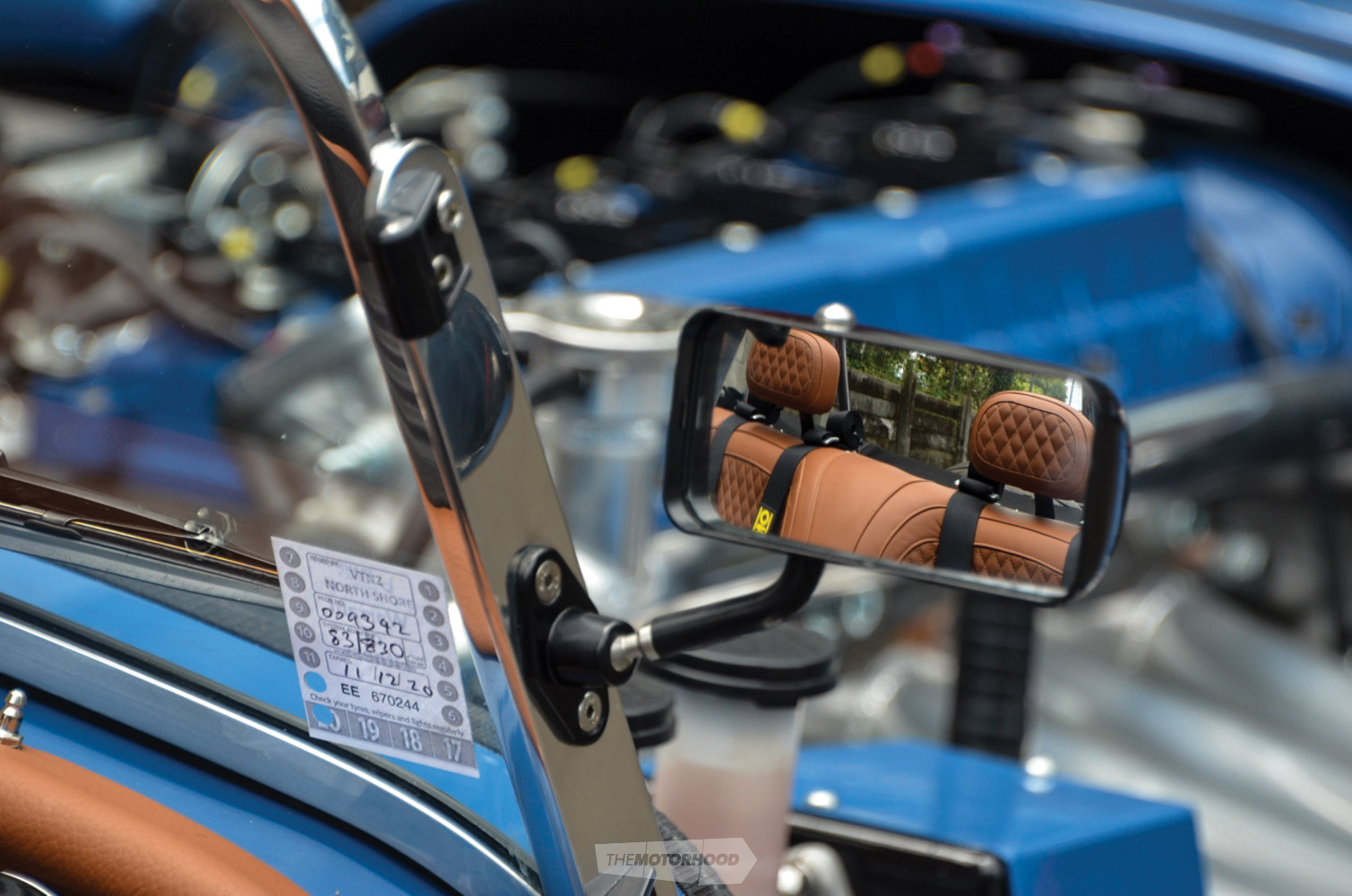
You can check out the company’s website at fraser.co.nz, or get in touch by emailing [email protected] or phoning 09 482 0071 or 021 995 236.