
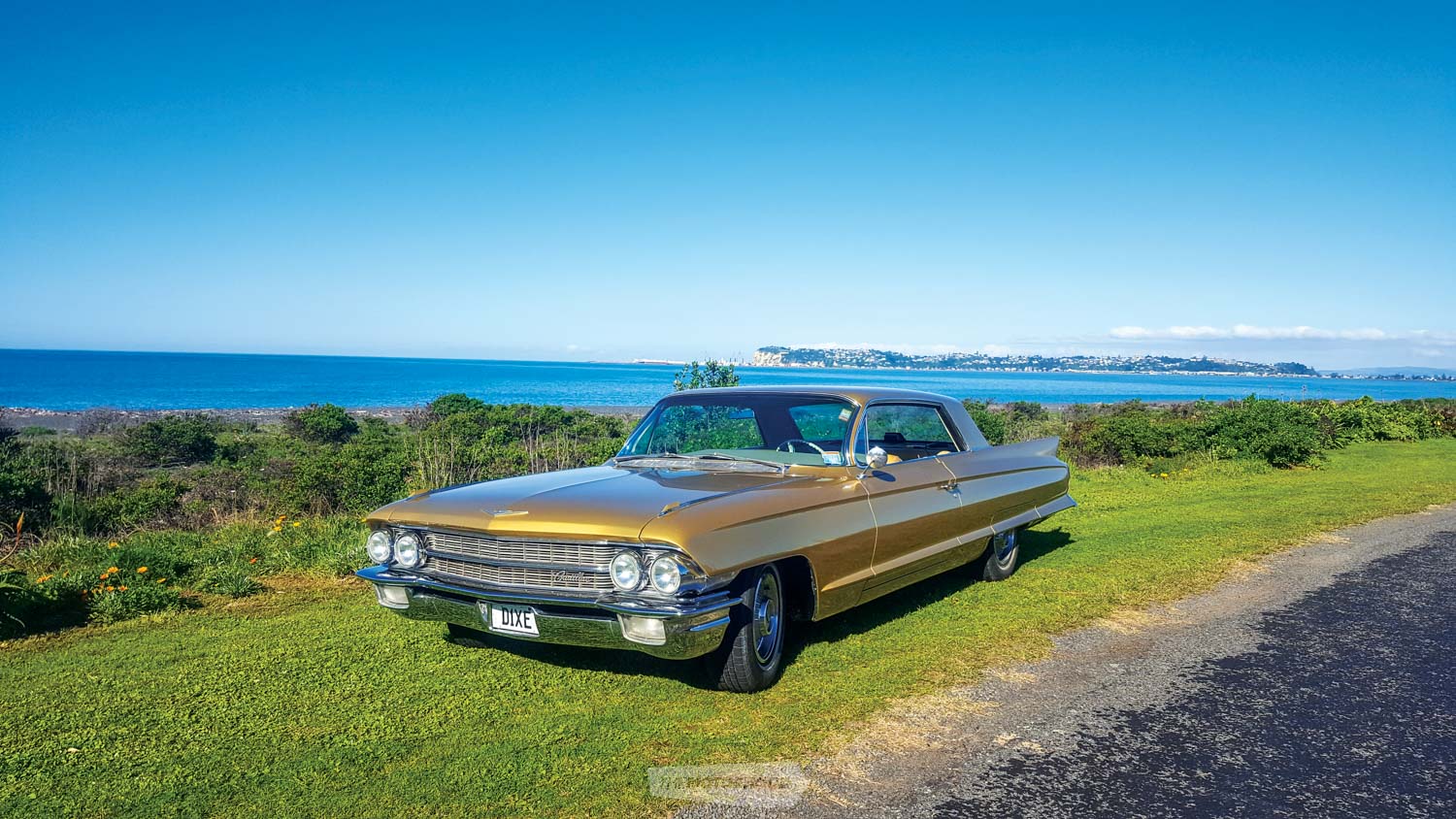
Bruce Haye from Ace Panel and Paint in Whitianga purchased this 1962 Cadillac Coupe de Ville from the original importer of the car, who had rolled it down his driveway and crashed it into a massive rock. After assessing the damage, Bruce provided the owner with a price to repair the car, but, as it was outside their budget to carry out the necessary repairs, they offered the car to Bruce.
A 1962 Cadillac wasn’t really Bruce’s cup of tea, but he thought, what the hell, and bought the car anyway and proceeded to restore it. After completely stripping the paint and body filler out of the car, what was left was indeed daunting. The car looked as if it had been driven down a narrow alleyway — the middle swage down the side of the car was non-existent, as it had been completely filled with body filler. Then there were the usual American quick-fix repair jobs to contend with; these ‘fixes’ included drilling holes and using a slide hammer to pull the dents out through them.
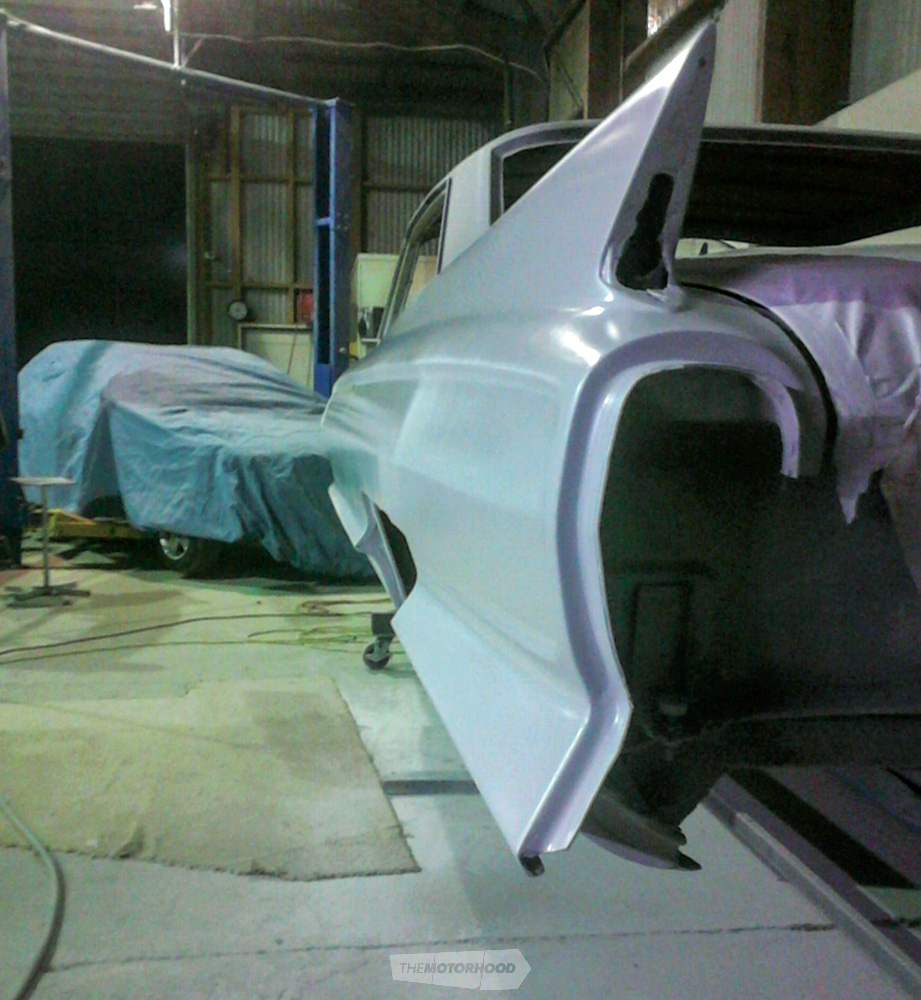
“The car looked as if it had been driven down a narrow alleyway — the middle swage down the side of the car was non-existent, as it had been completely filled with body filler.”
Bruce also discovered that the original 390ci (6.4-litre) V8 engine had seen better days, and wondered how it even ran at all. A closer inspection revealed one missing cam lobe and massive lips on the bores, which meant that the engine would need to be totally rebuilt.
Bruce decided it was best to retire the old Caddy motor to the back of the workshop and fit a Chevrolet 454ci (7.4-litre) engine in its place. He was initially concerned about the fuel consumption, but he needn’t have worried, because the high gearing in the differential resulted in reasonable economy, much the same as his old petrol-powered Mazda B2600 ute.
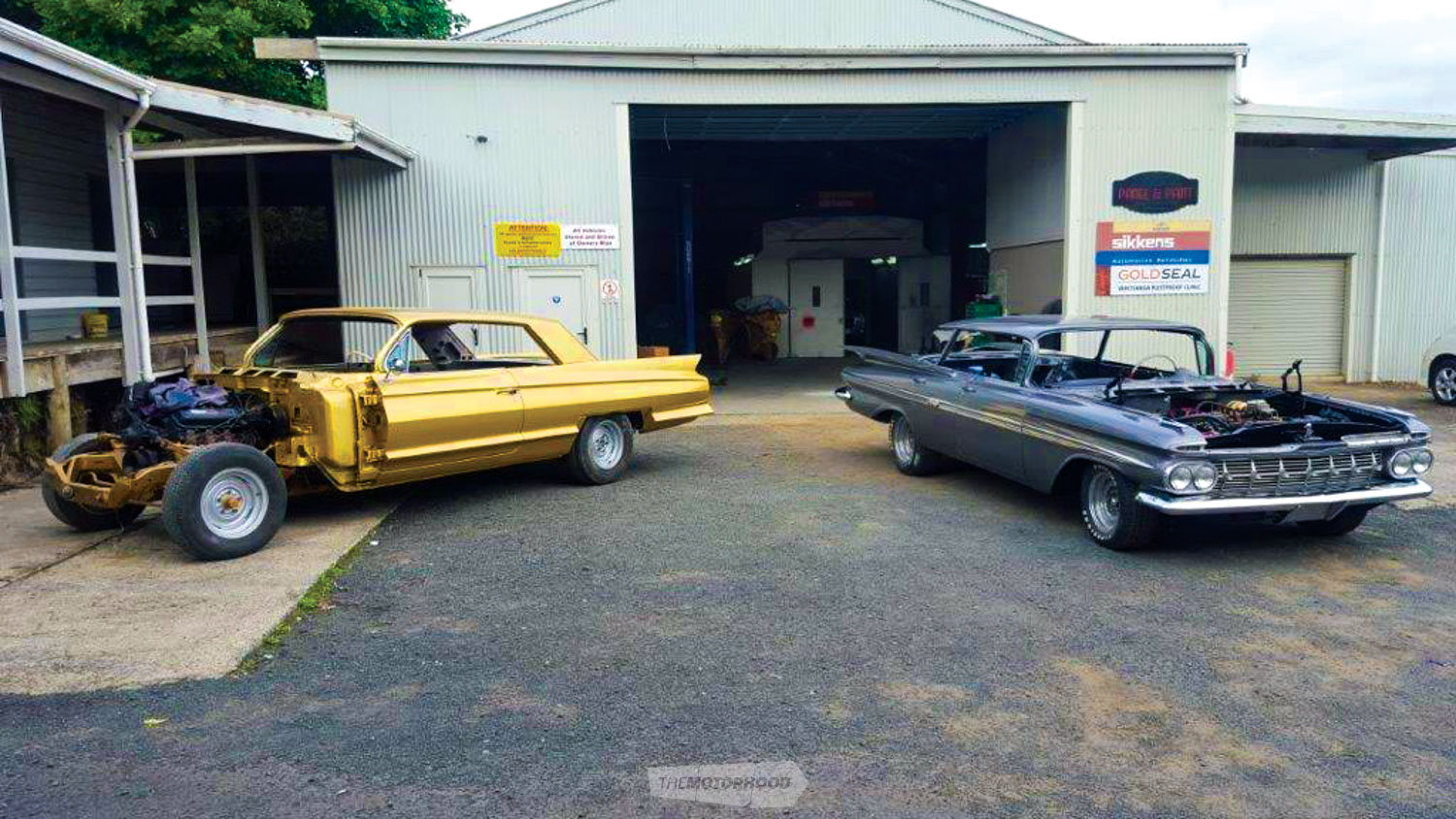
The Cadillac’s restoration has taken about three years of hard labour, according to Bruce. He’s actually lost count of the hours taken to hammer out the swage lines down the side of the car. Fortunately, there wasn’t a lot of rust to contend with, which would have made the restoration non viable for Bruce, as he was doing all the repairs himself. Choosing the colour was quite a time-consuming process, but eventually he chose a custom-made gold from Sikkens that doesn’t look mustard or green from different angles.
The final result is a comfortable car that Bruce enjoys driving — and it performs surprisingly well for a car almost 6m long.