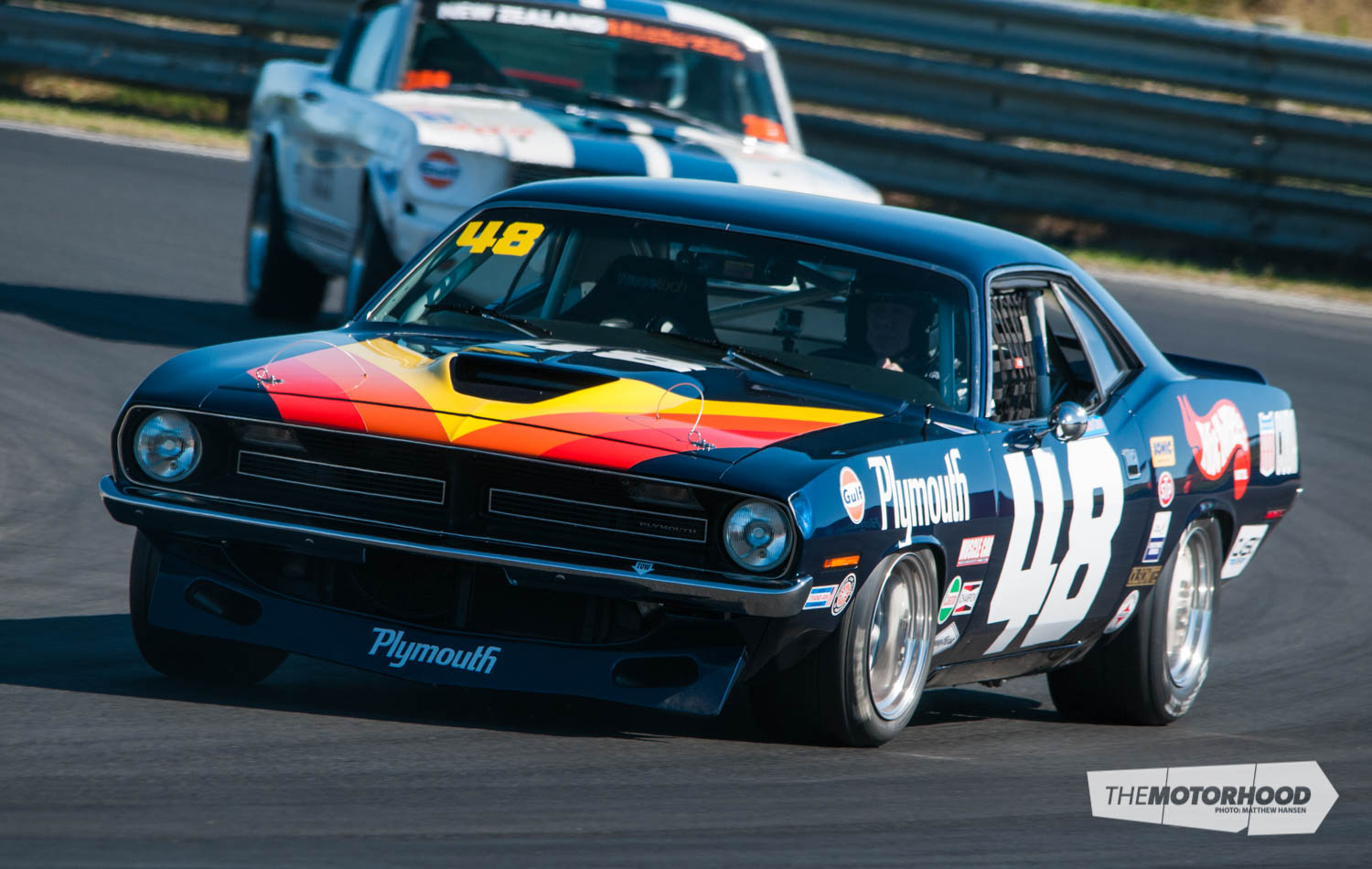
The calendar for the 2015–’16 Historic Muscle Car (HMC) series has been unveiled, and while it may look geared towards those around Auckland, there are talks of extending the love to muscle and classic fans down south.
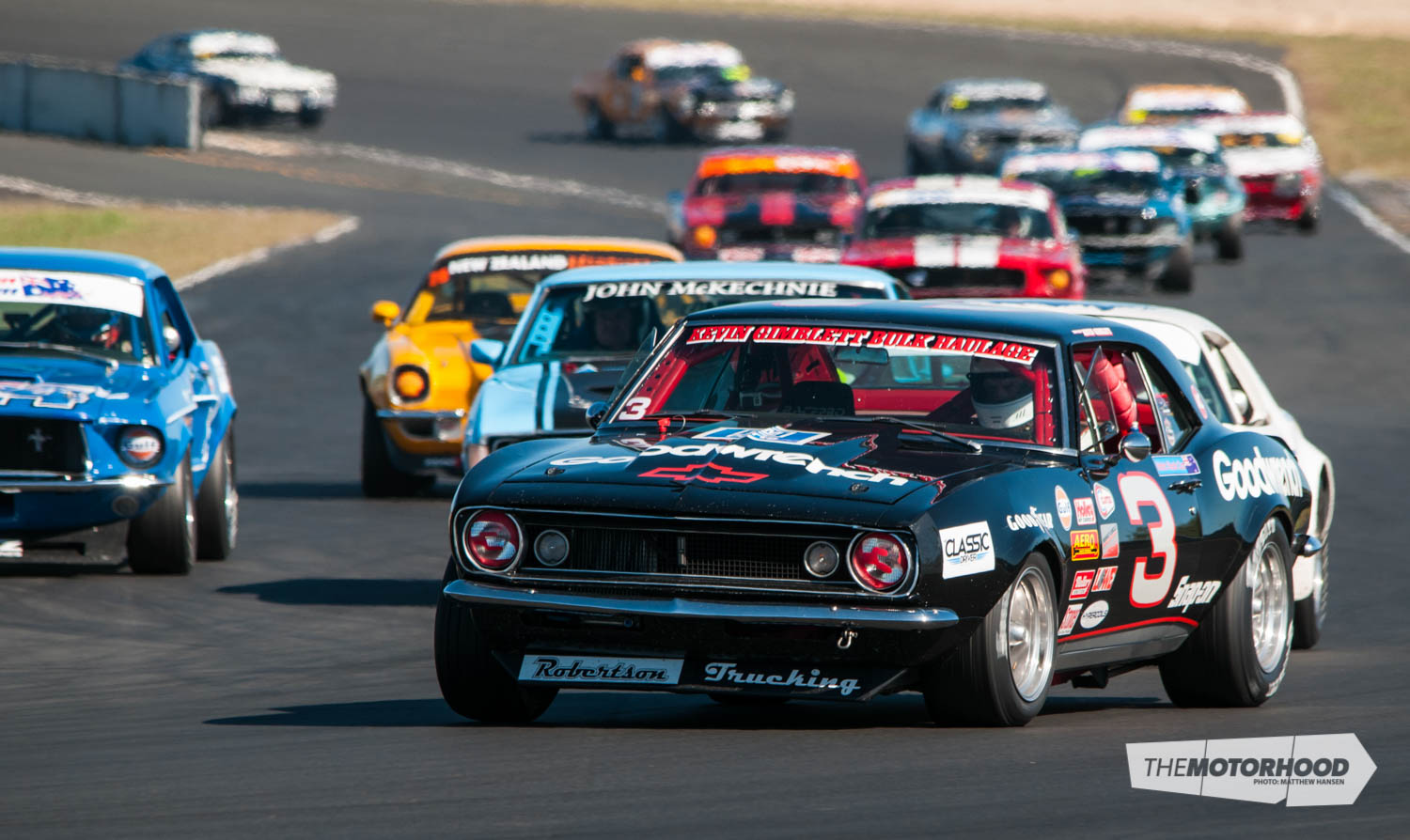
The season will start on September 12–13 at Hampton Downs Raceway, before heading to Pukekohe Park Raceway on October 3. To kick off 2016, the series will return to Hampton Downs Raceway for the dual-weekend New Zealand Festival of Motor Racing (NZFMR) meeting, being held on January 15–17 and January 22–24, before finally ending on April 2–3 at the Hampton Downs Raceway Legends event, held in conjunction with the Historic Racing Club. Organizers have assured us that this final event will not clash with the 2016 Whangamata Beach Hop event.
The series has made attempts to include Manfeild in this calendar, but this is unlikely to come to fruition until the 2016–’17 season comes around. Expansion to the South Island is also a talking point for the Historic Muscle Cars, but this is only in its early phase of discussion.
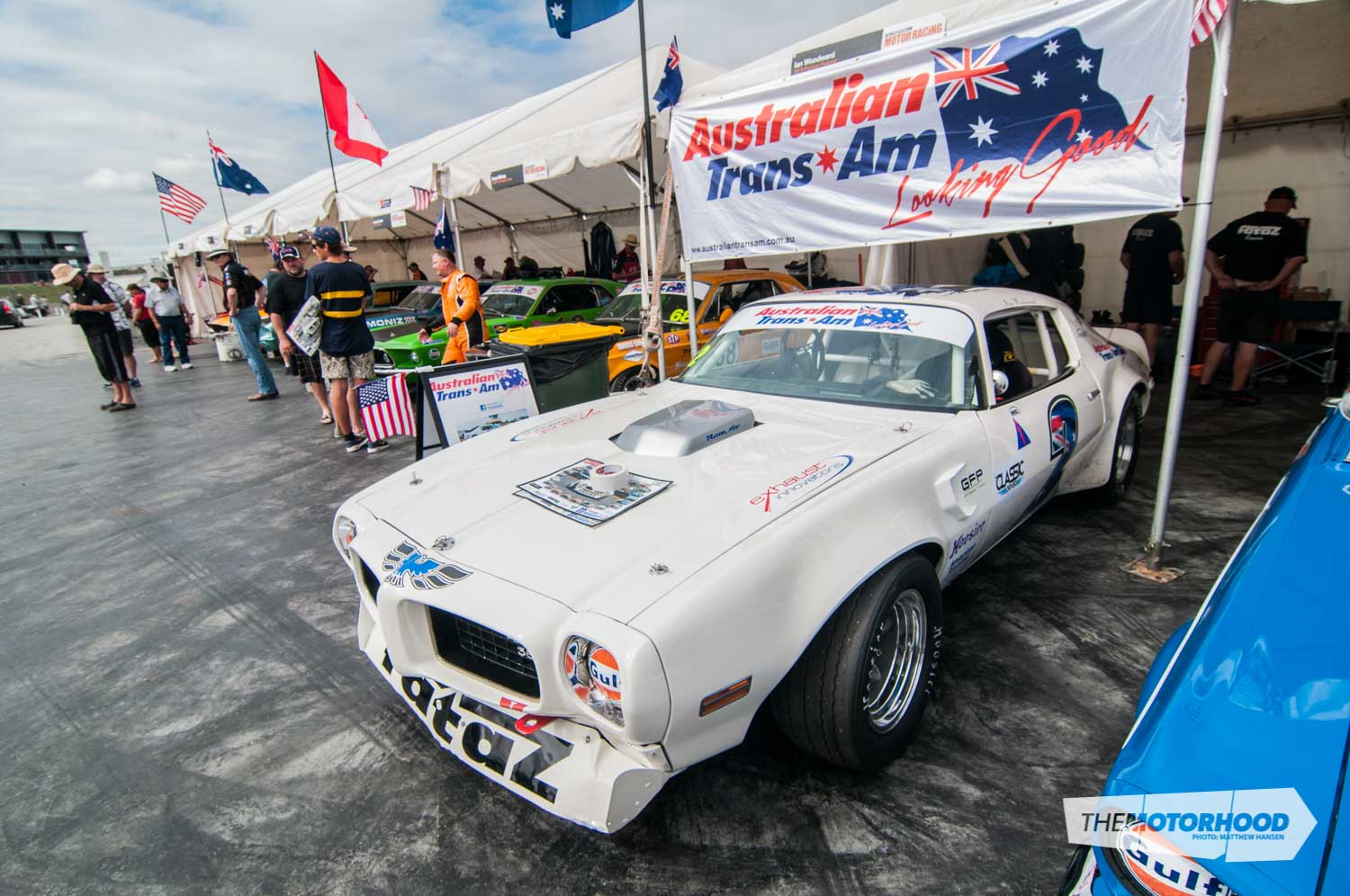
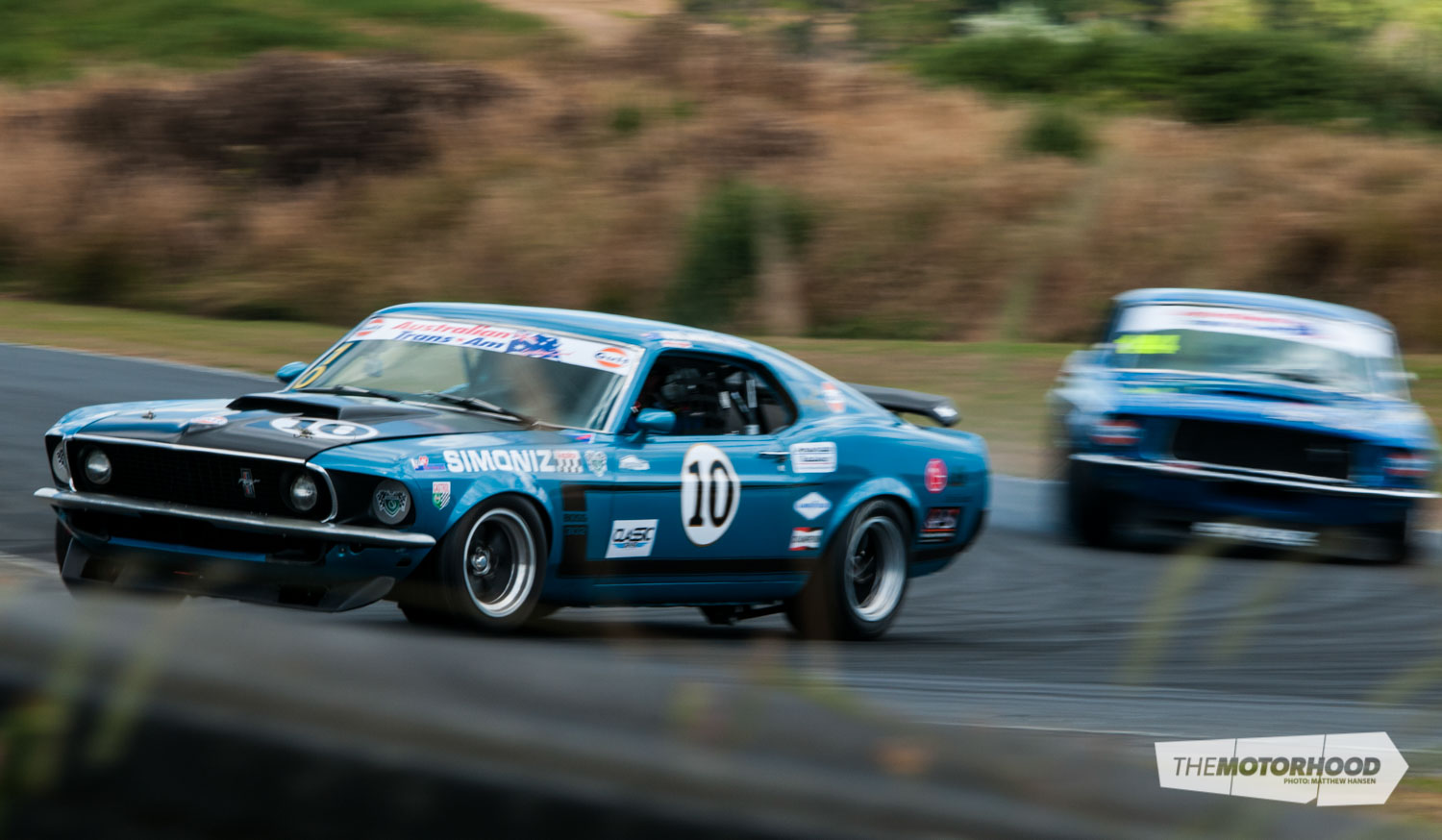
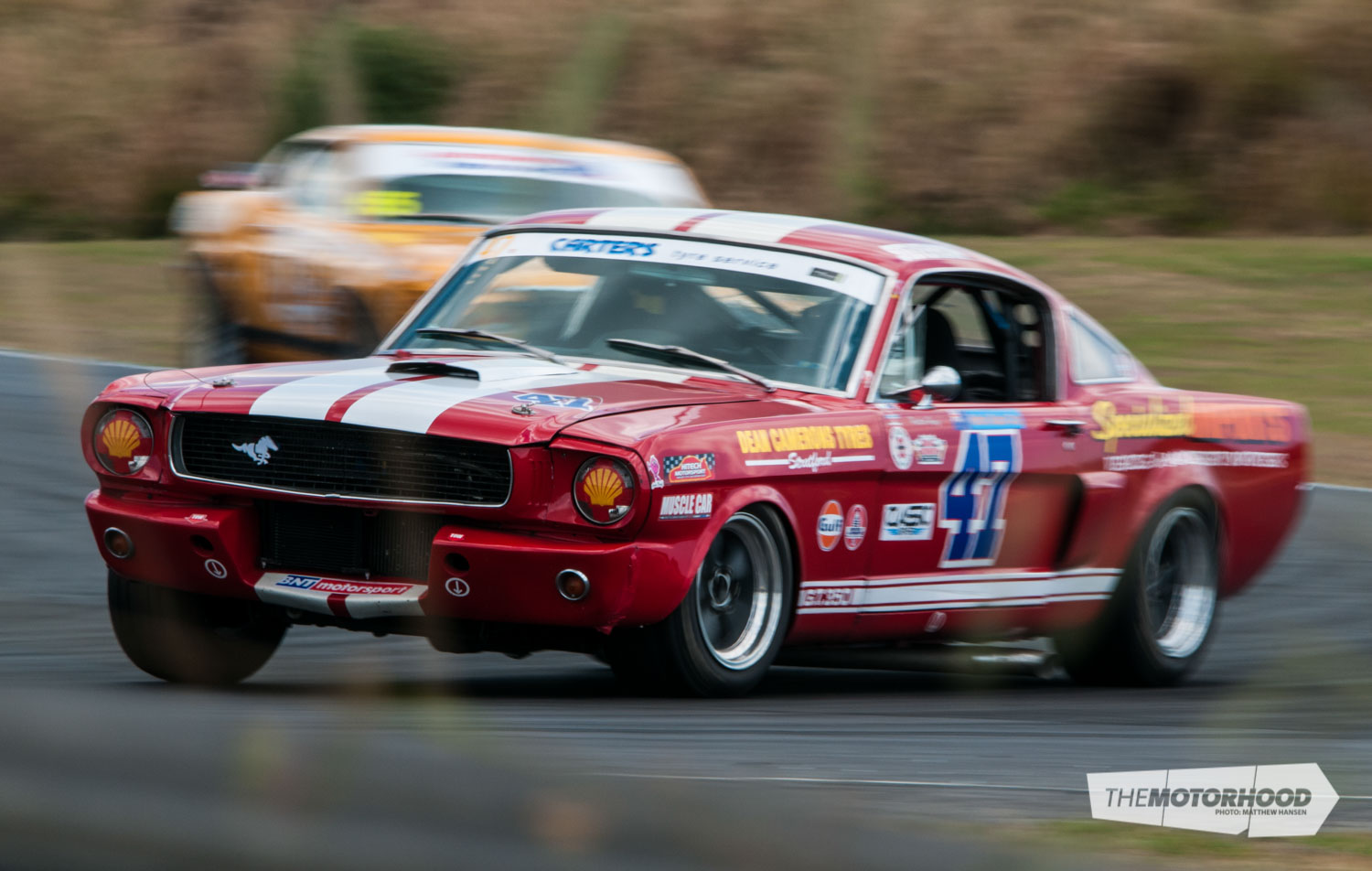
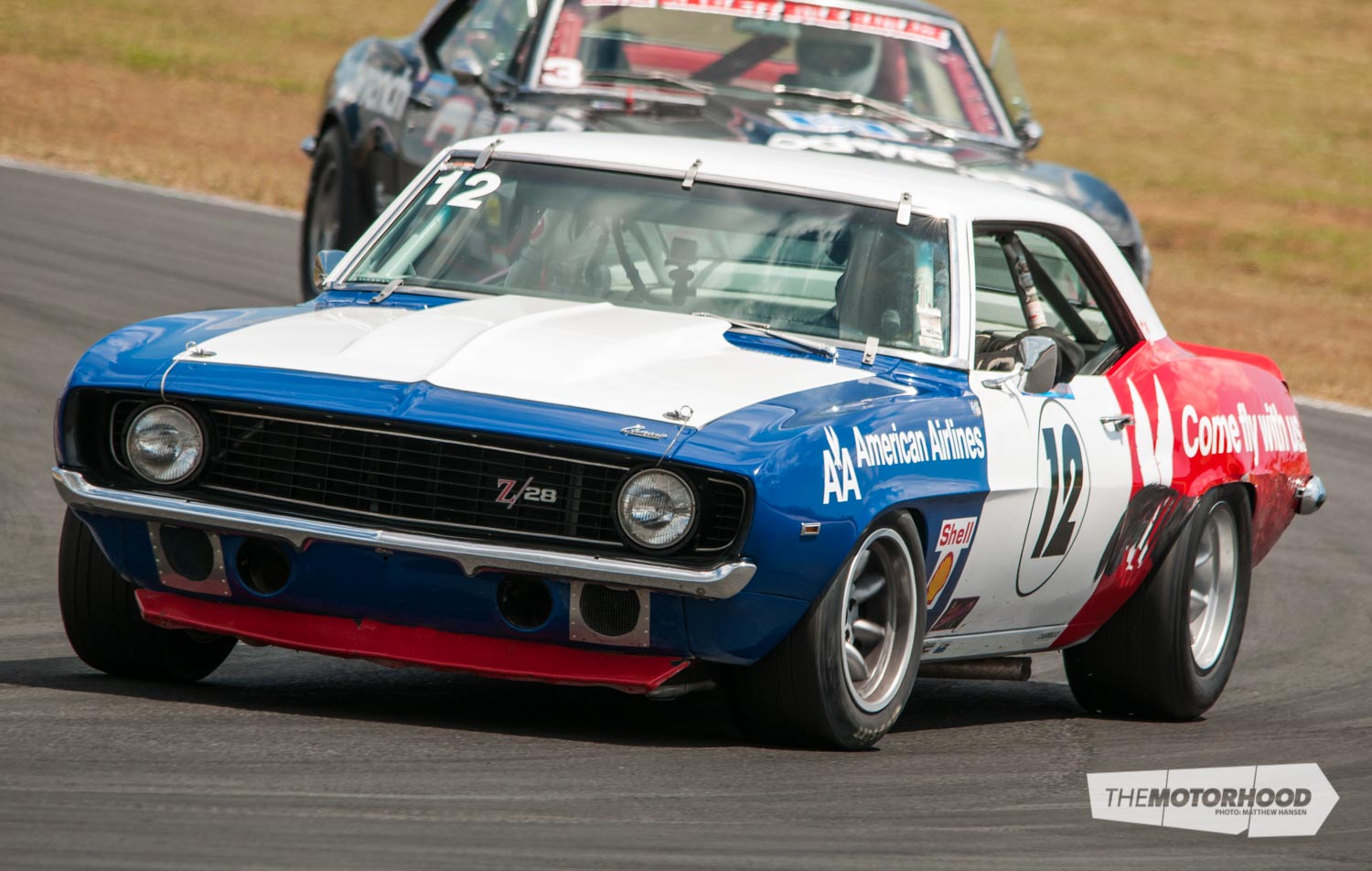
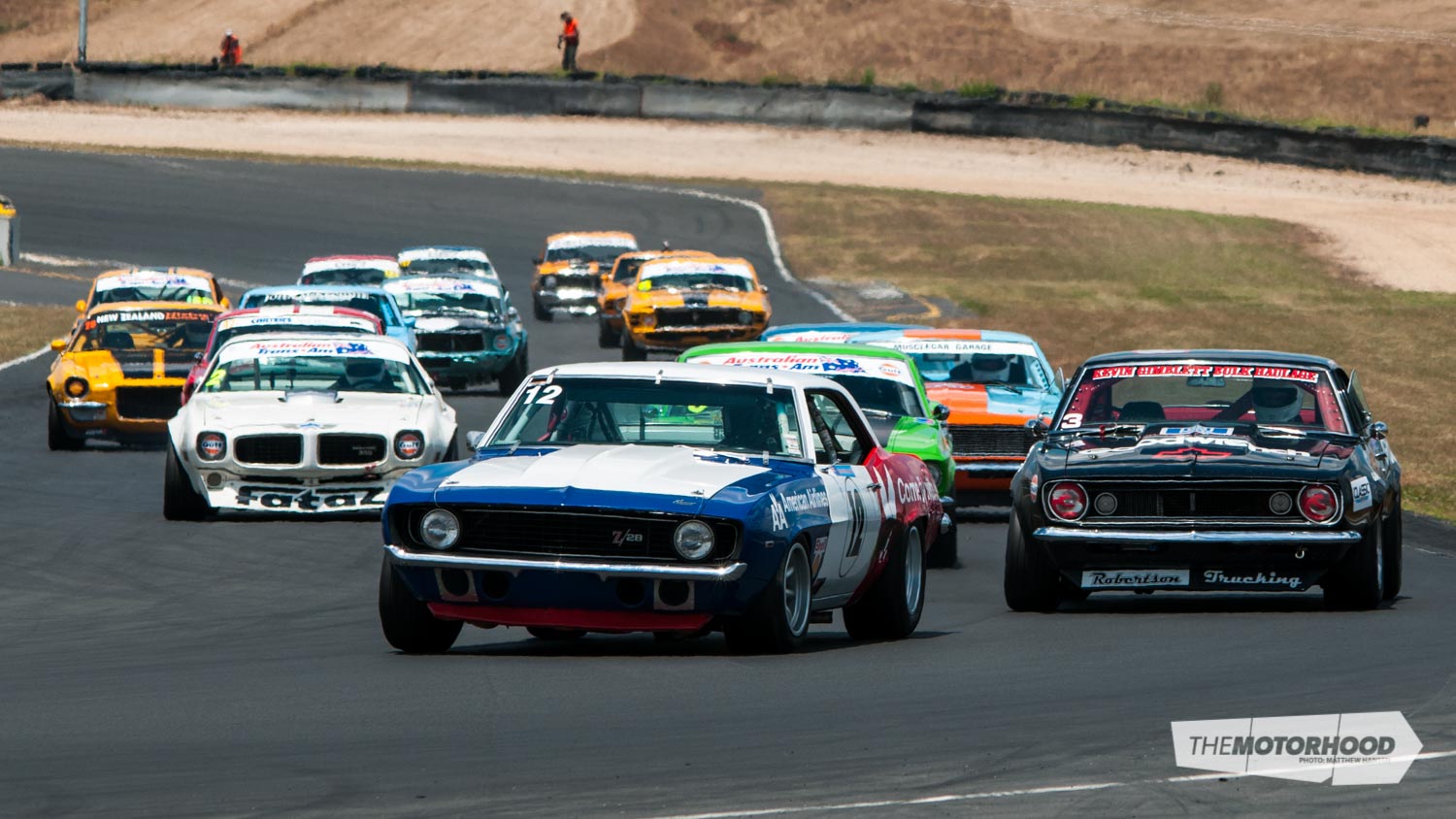
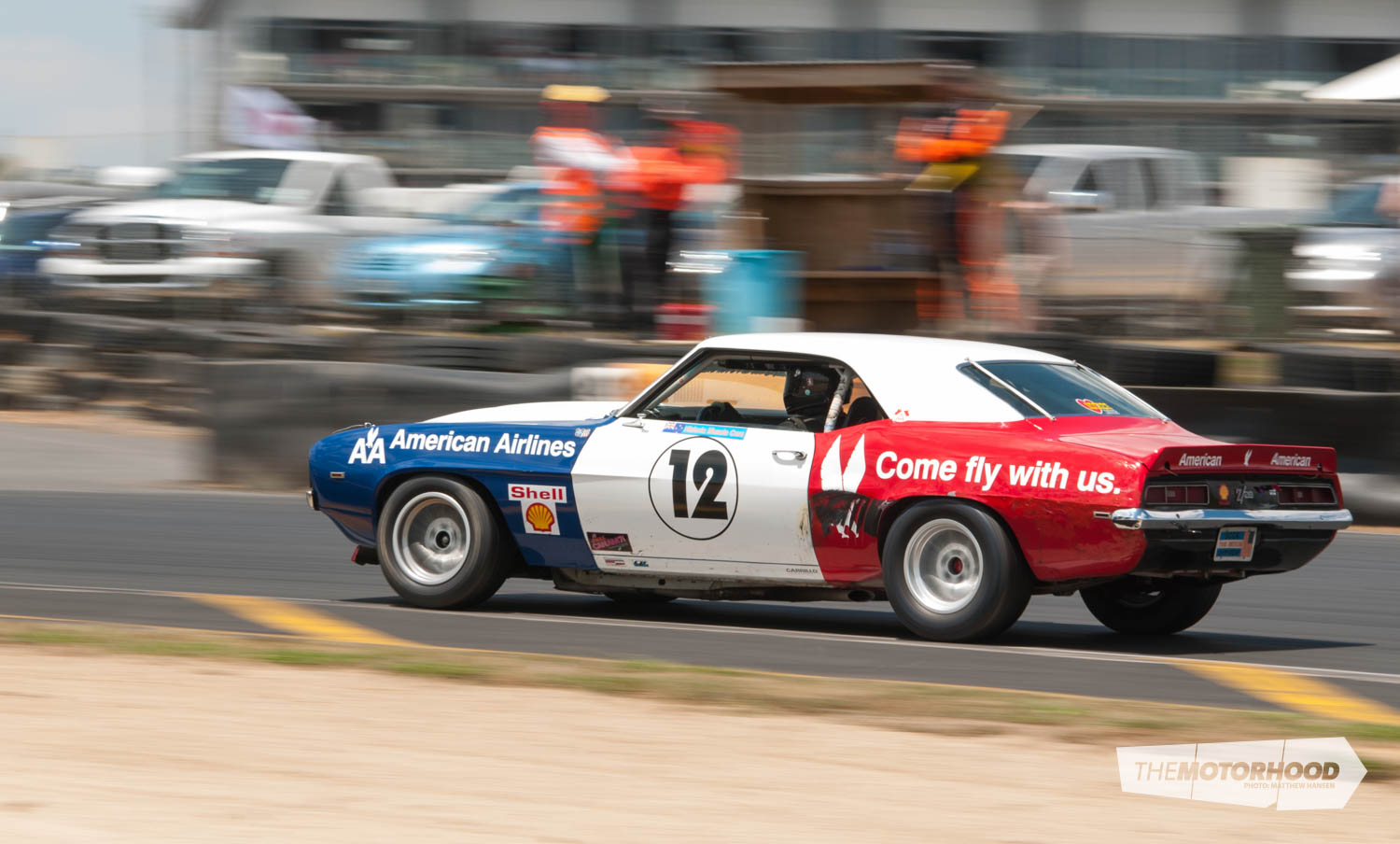
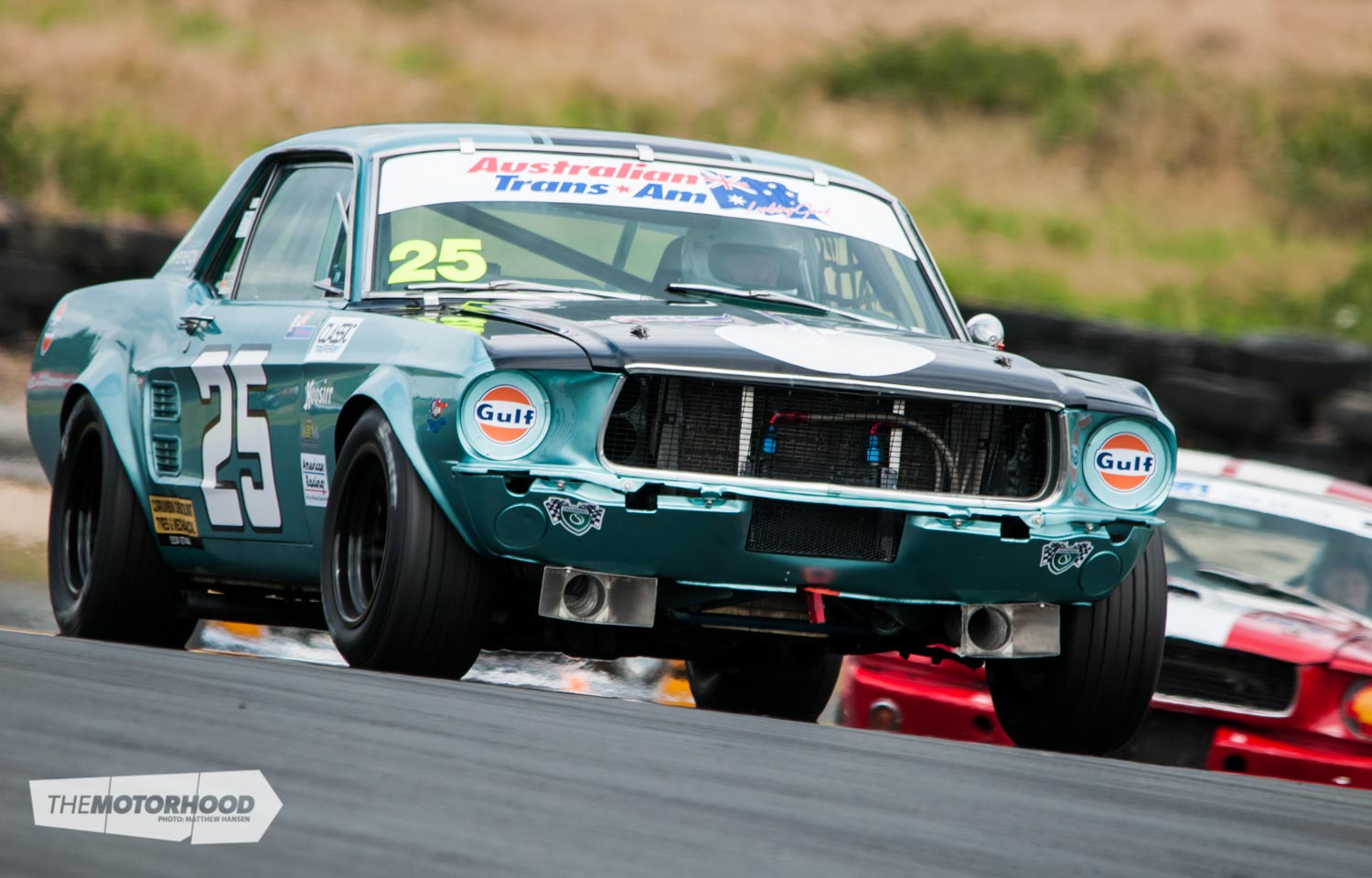
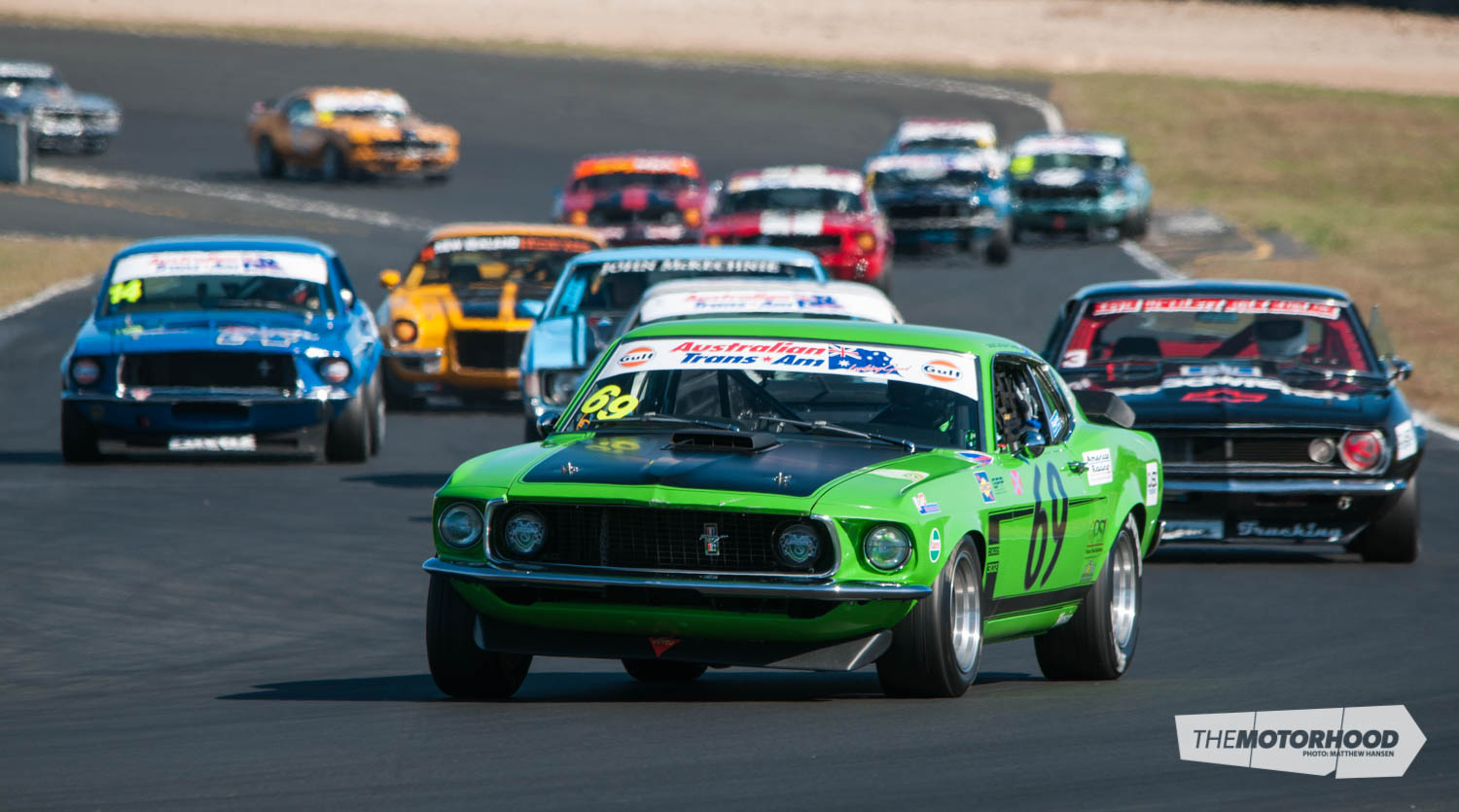
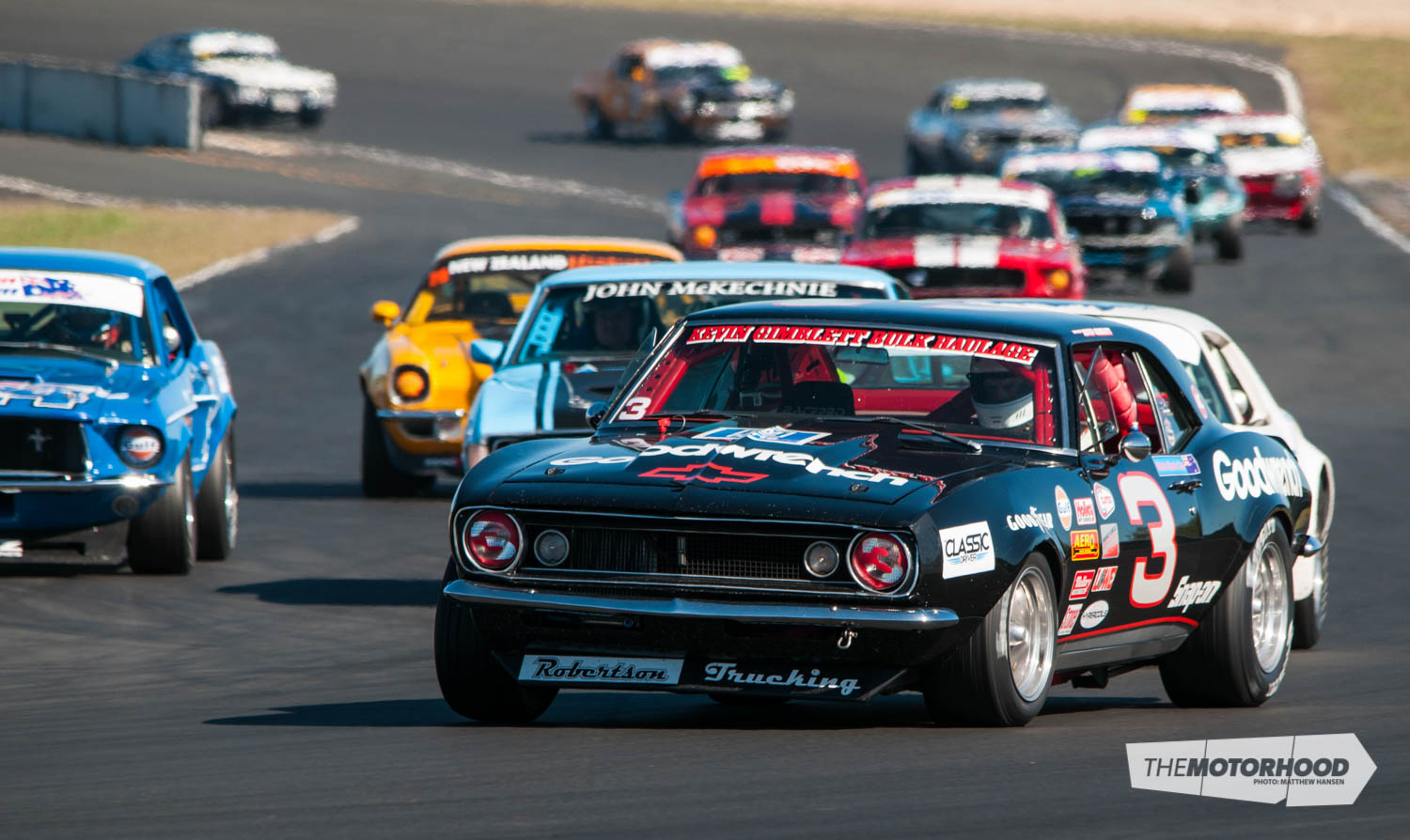
The 2015 NZFMR event held in January saw the Historic Muscle Car series produce some exciting racing, with a group of entries from the Australian Trans-Am series travelling from across the ditch to be part of the fun. Aussie Ian Woodward in his signature white Pontiac Firebird proved the man to beat on both weekends, while Kiwis Kevin Gimblett and Roger Williams both appeared strong in their Chev Camaros. The Australians ultimately ended up on top, winning five races to the Kiwi’s three. Check out all the action in the event coverage below:
Several New Zealand entries flew to Australia to compete in some of the Australian Trans-Am events, with Gimblett, Glenn Allingham, Murray Brown and Dale Mathers all producing strong performances. While these four entries will unfortunately have to skip round one in September due to time constraints, they will return for round two and beyond.
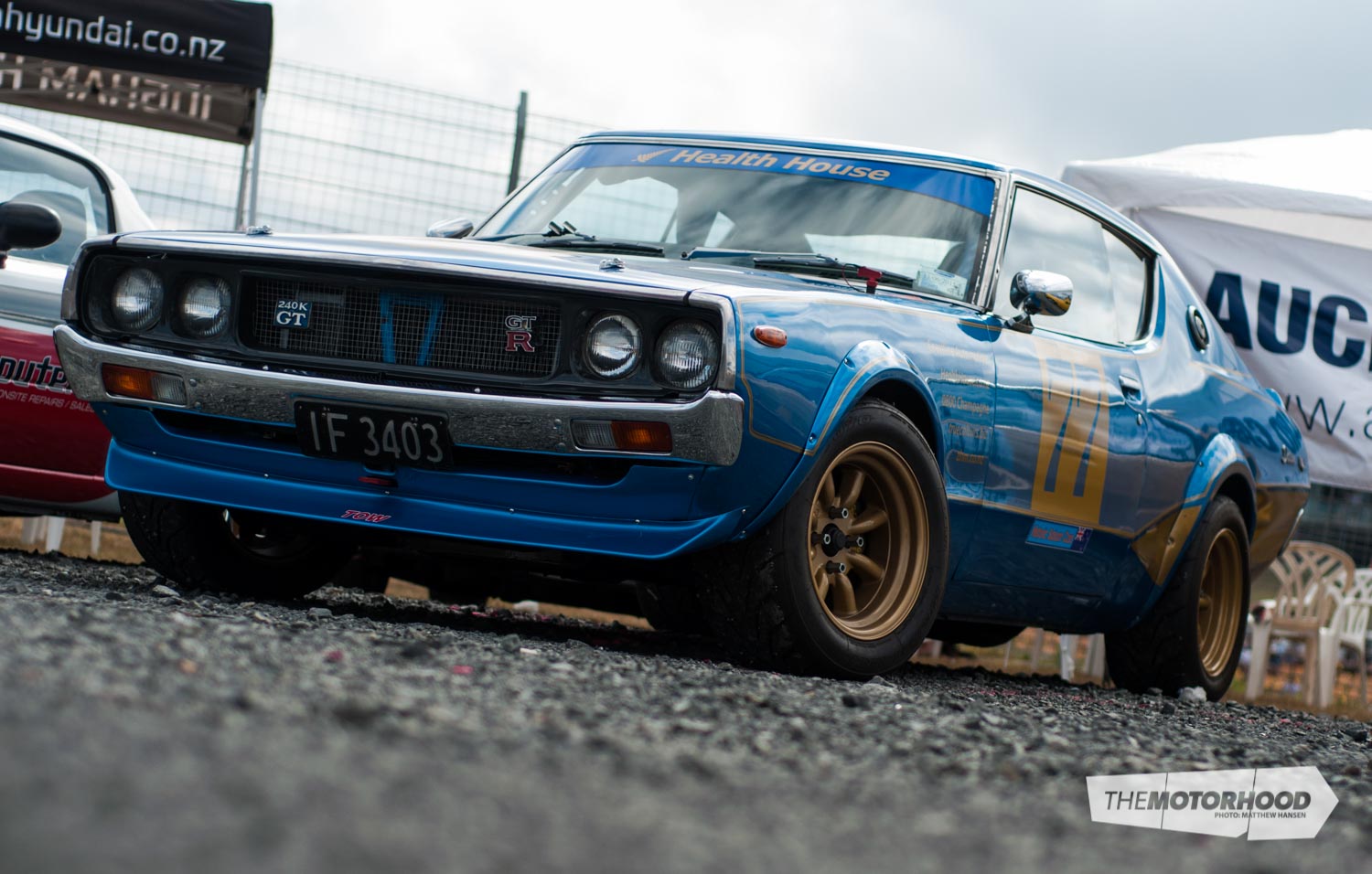
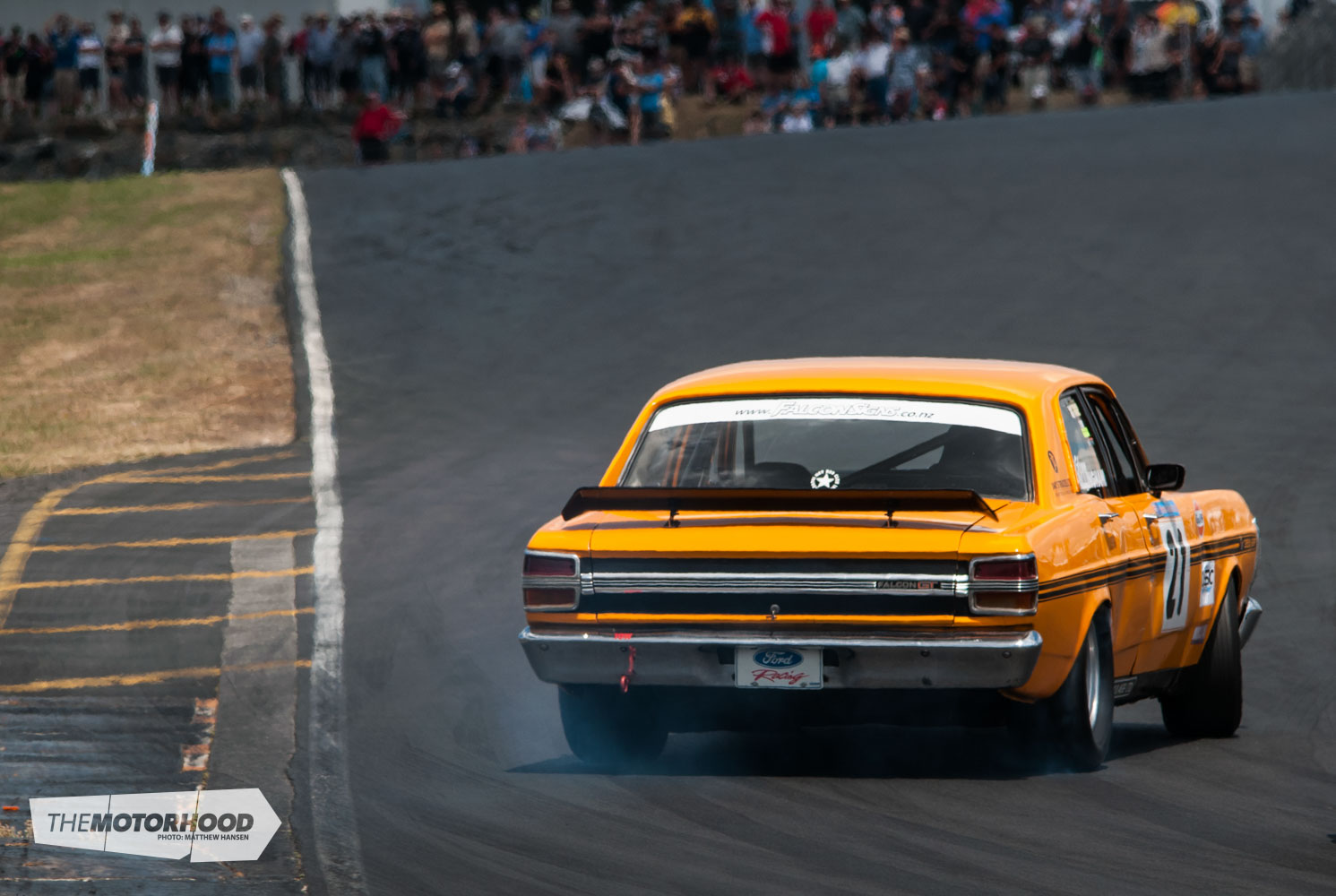
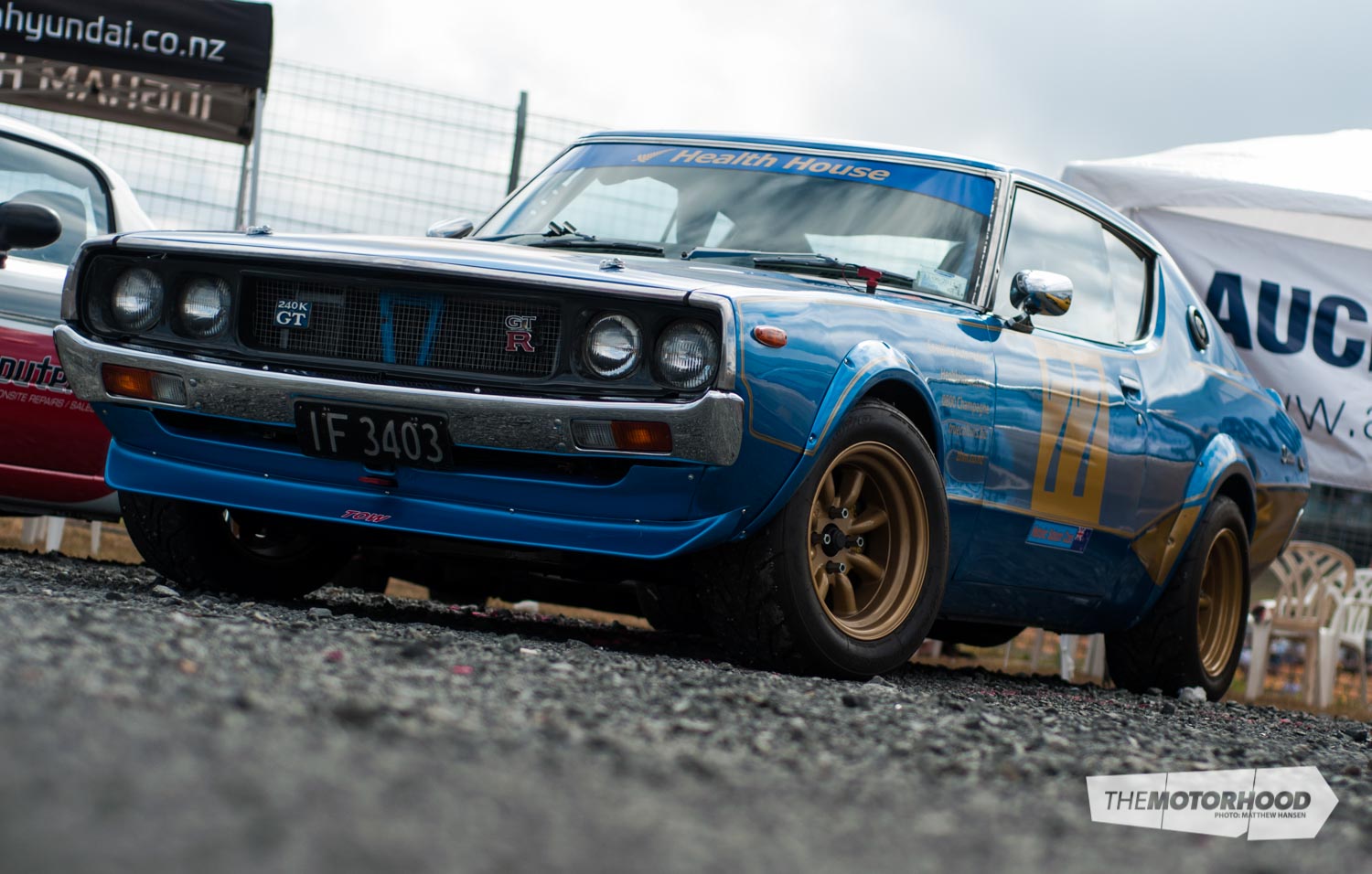
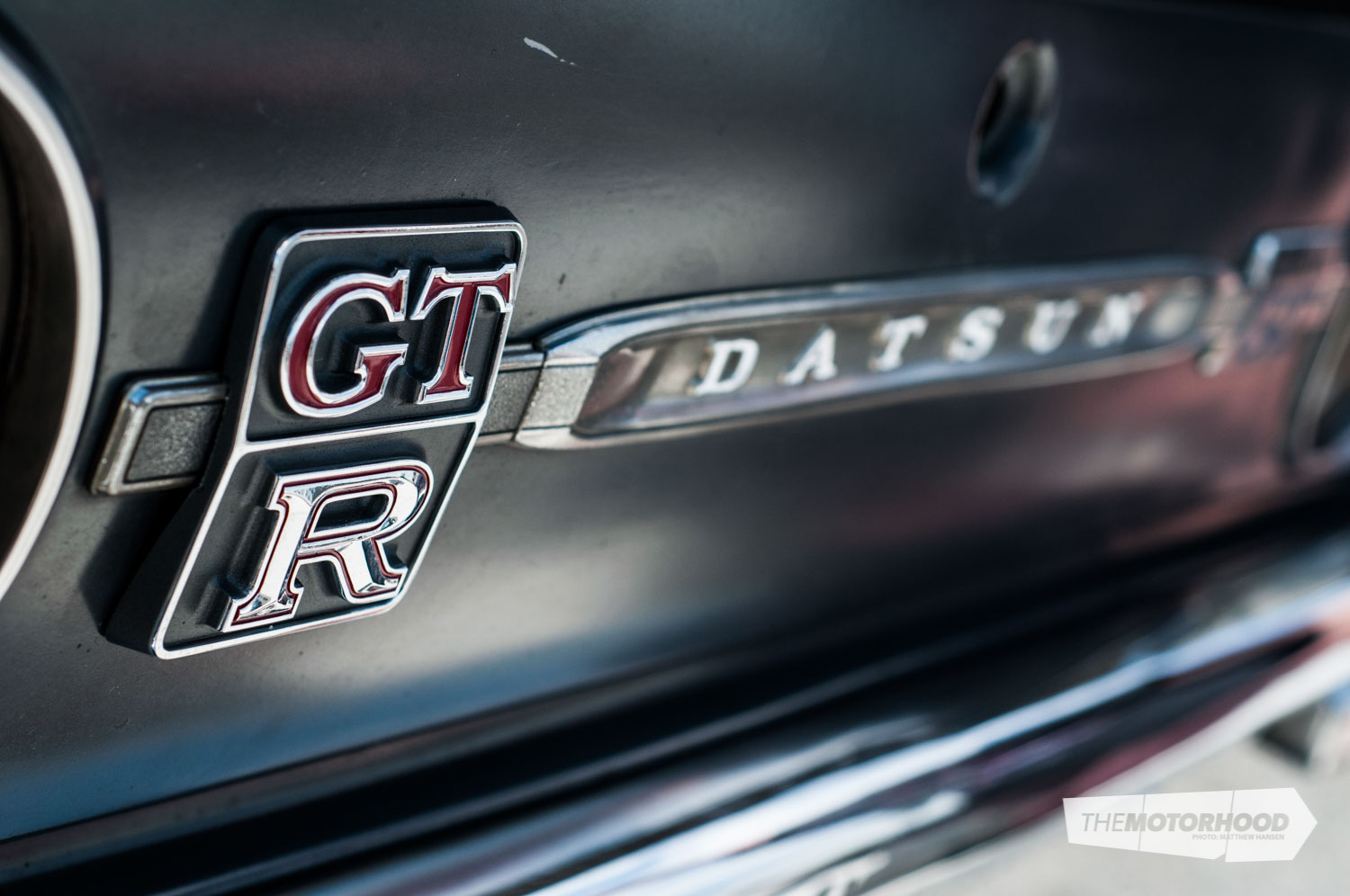
Of course, the series isn’t all about the Mustangs and the Camaros. The Historic Saloon Car sub-series will also make a comeback, with the plethora of giant-killing Ford Escorts, Anglias, and Japanese classics sure to spring an occasional surprise on their high-powered V8 brethren. We’re hoping to see Mike Coory’s stunning Datsun 240K GTR replica among those back on track.
For more action, check out our HMC gallery below.