When 430kW (577hp) isn’t quite enough in a road car, you add more power. This is exactly what German tuning powerhouse, Mansory, has done. They didn’t just add a small increase in power however, they went the full monty in typical Mansory fashion
Tuning companies the world over have been modifying production models for as long as we can remember. Some go to much wilder extremes than others and Mansory is no stranger to this. Mercedes-AMG released the S63 and S65 to destroy the competition in their chosen class, which is of course, high-performance luxury. The S63 featured a 5500cc bi-turbo V8 engine able to produce 430kW (577hp) and 900Nm (664lb ft) of torque, propelling it to 100km/h in 3.8 seconds — also thanks to the clever all-wheel drive transmission. The S65, the big brother to the S63, featured an even larger engine, a bi-turbo V12, that produces 463kW (621hp) and 1000Nm of torque, which is nothing to laugh at.
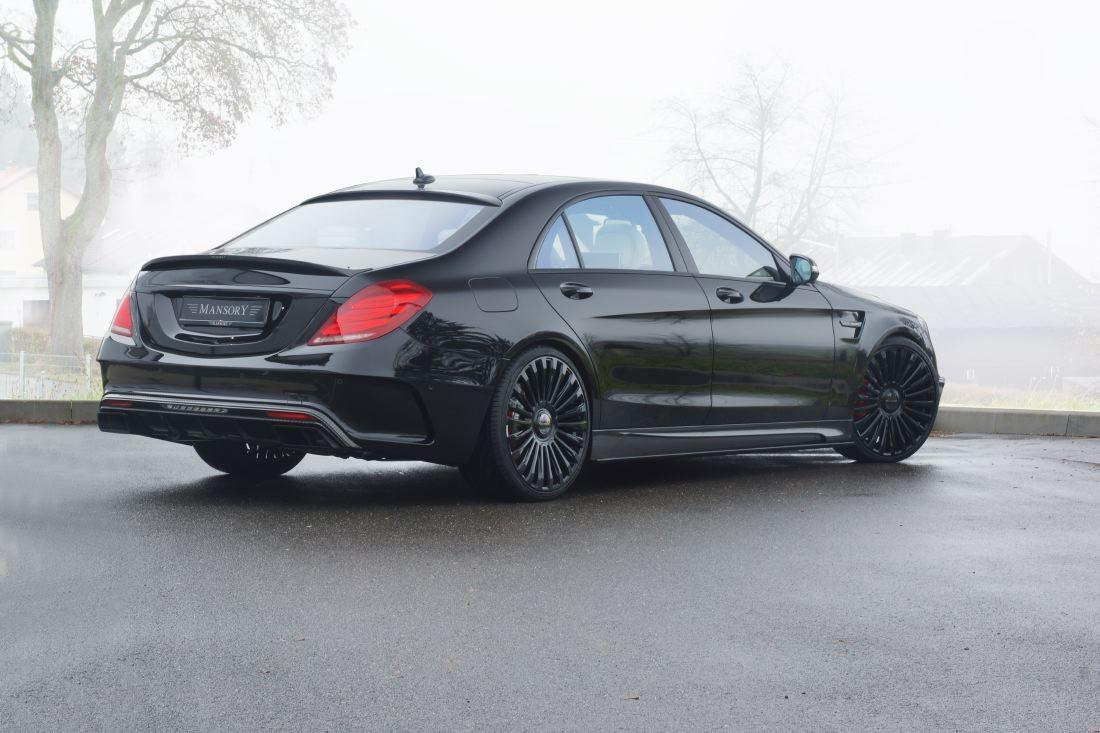
Just when you thought AMG had crushed the competition with this kind of power and luxury, Mansory decided to one up them in both of the categories it excels in currently, as well as add a heap more power and added luxuries. The real news is the horsepower. Mansory has released two ‘M’ kits tailored to two different markets; the insane and the more insane. The M800 kit, the slowest of the two, produces 588kW (789hp) at 4750 rpm and 1200Nm (885lb-ft) of torque, which is available from 1700–3500 rpm — more than the S65 V12 twin-turbo produced. This added power and torque enables this 2000kg sedan to reach 100kph in 3.6 seconds — the exact same time as the 2007 Nissan Skyline GT-R R35.
Mansory also thought it would be a jolly idea to release the M1000 kit to the masses (or the select few who can afford one), which pumps out a whopping 735kW (986hp) and 1400Nm (1032lb-ft) of torque. It wasn’t just a case of bolting larger turbochargers to this model to get the power up that high. The Mansory-tuned V8 features new connecting rods, big end bearings, a stronger crank, larger turbochargers, and redesigned exhaust manifolds. The 0-100kph times are now down at 3.2 seconds, which rivals most super cars currently on the market. Top speed in both models is electronically limited to 300kph, which it will do with ease.
The exterior also received an overhaul and now sports a demonic aero kit, which includes a redesigned front bumper with daytime running LED lights, a rear diffuser, a new bonnet, new side skirts, and carbon-fibre components such as the rear spoiler, mirror caps, front lip, and rear apron. New wheels were also chosen to complete the look — massive 22-inch multispokes with Vredestein tyres.
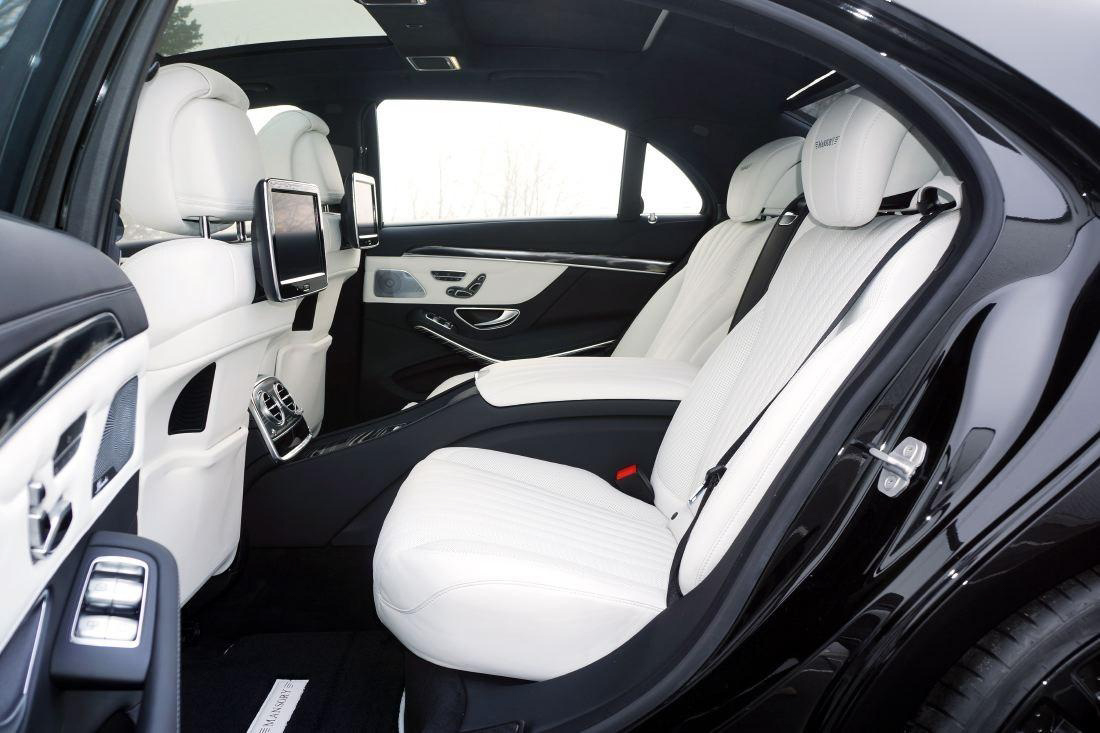
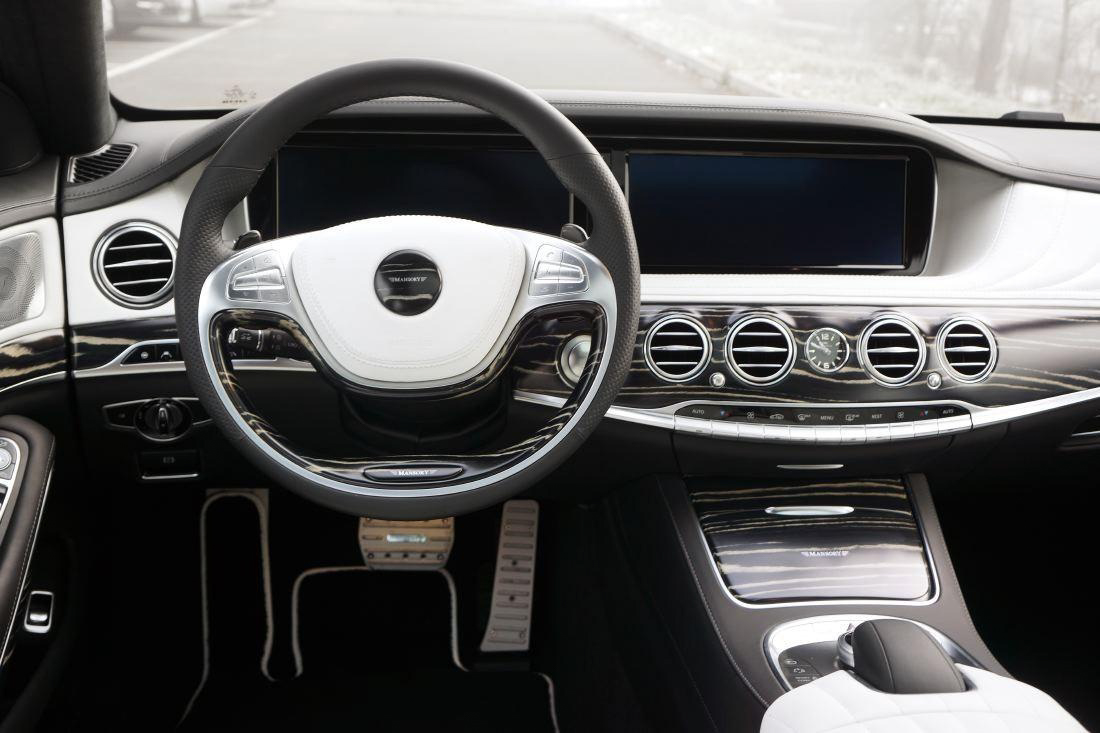
The interior received a few changes including a newly designed steering wheel, aluminium pedals, leather floor mats, and illuminated door sill trims. Mansory did mention special items can be requested before the order is made, but the buy price is likely to increase.