Holden’s decision to build a coupé took all of five minutes. It produced one of the all-time great Aussie classic designs
By Vaughan Wilson
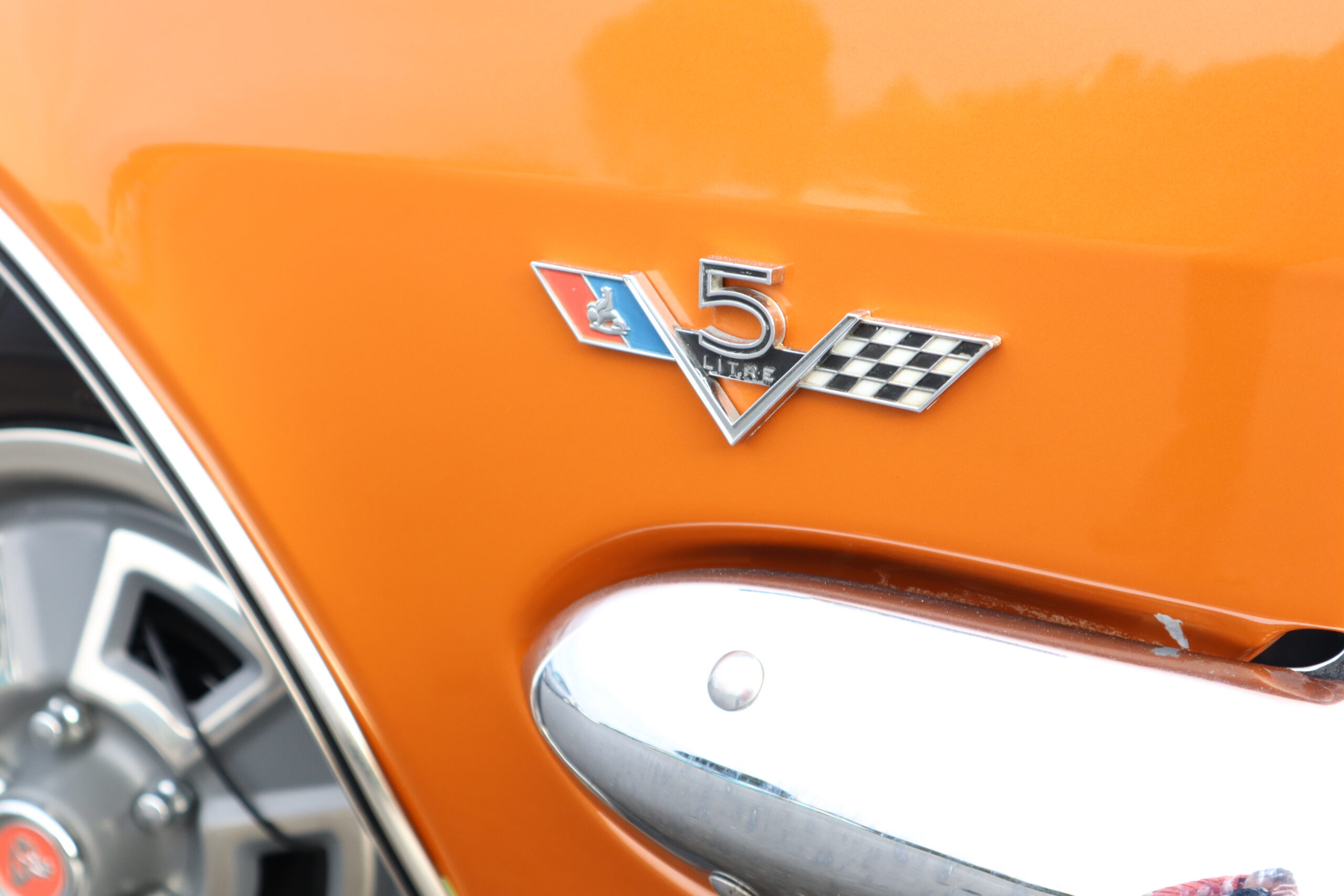
The Holden Monaro was the first real Australian ‘sports car ‘, although Ford had already launched a V8 version of its sporty four-door Falcon called the GT. Experts have hailed the Monaro as the most important car in the history of the Holden, even though the 307 cubic inch (5030cc) V8 was sourced from the USA. Upon the release of the Monaro, Holden made it clear to Ford that it intended to be competitive and win races. All went according to plan, and it won at its first meeting. Intense rivalry between Ford and Holden off the track was sparked with both marques moving into the ‘muscle car’ arena, building road-going versions of the best cars they could put on the race track. The production car series at Bathurst was the perfect marketing tool for muscle car supremacy. If a car won on Sunday, it sold on Monday. Although showroom floor cars weren’t identical to the race cars, they were not vastly different.
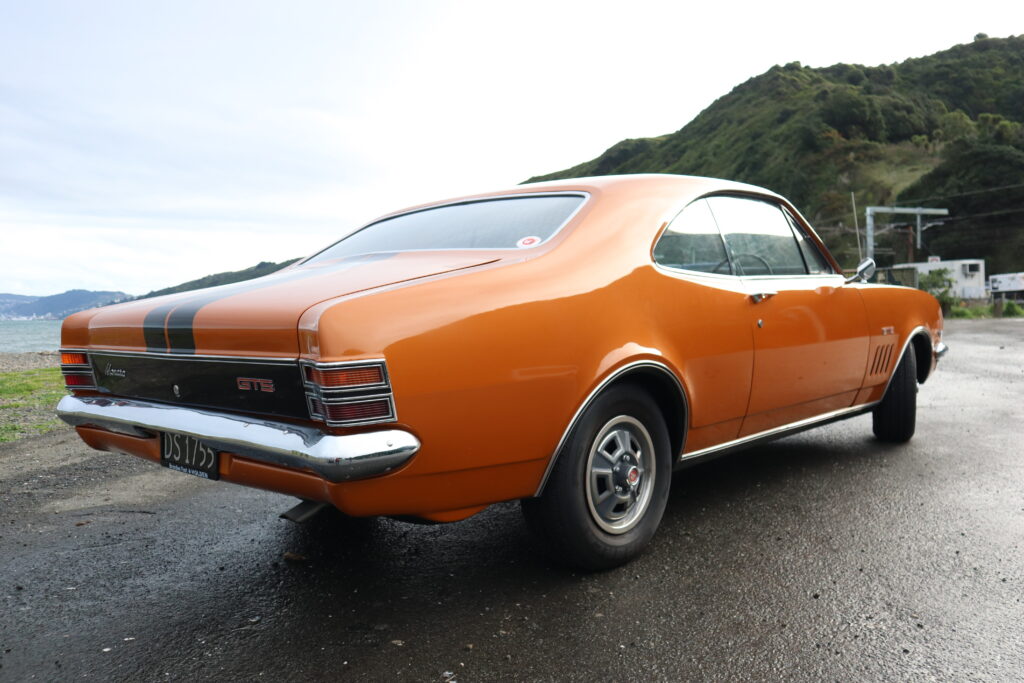
The famous Monaro trio
HK Monaro
Holden’s HK series was as elegant as a flying brick, so the expectation of creating a coupé from this model was a sizeable challenge for the new group of stylists. The roofline on the original production Monaro coupé was so racy that even the blunt HK front looked like it belonged to something that actually moved. The new coupé had such an immense impact on Holdens of the day that the HK four-door sedan looked mundane by comparison.
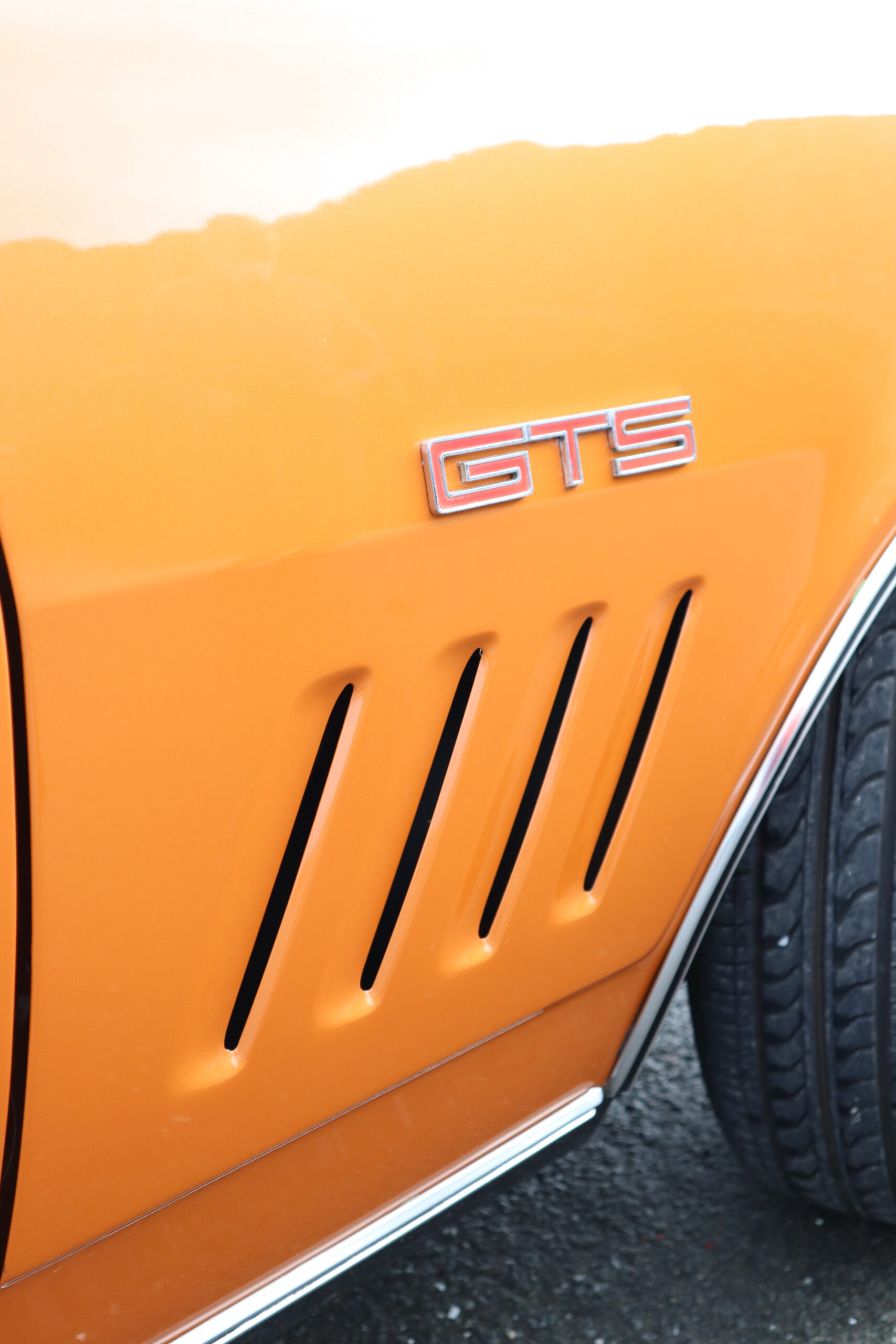
The alien invasion, as the American stylists were known, had strong links to Oldsmobile. The HK Monaro shared the Oldsmobile Tornado’s rear pillar design that merged seamlessly into the rear quarter panels. The rear wheel arch blisters and the almost constant slope from rear windows to boot were also Tornado features that were incorporated into the Monaro. The pillarless sweep of the rear side windows can be seen in the Oldsmobile Cutlass Holiday hardtop. Designers Schroder and Schinella’s details included the first Aussie-designed full wheel covers with all the elaborate badge work and blackouts of the day. The stainless steel covers tended to loosen at the slightest pothole and cut the fingers when cleaning, but they looked fantastic. Paint-filled wheel arch accents, grille and tail panel blackouts and the loud GTS striping brought even the base model Monaro to life.
There were a total of 19 Monaro engine and transmission combinations ranging from the 161 cubic inch (2638cc) Aussie red six with three on the tree to the classic Chevrolet-powered 327 cubic inch (5358cc) V8 Bathurst Monaro with four on the floor.
The first run of the Holden Monaro was one of the shortest in Holden history and explains why such unusual option mixes are hard to find. Buyers of the HK Monaro GTS, especially the much sought-after HK 327 “Bathurst” GTS, should take care to make sure that the car they are purchasing is the real McCoy, as by now many had begun as entry-level Monaros.
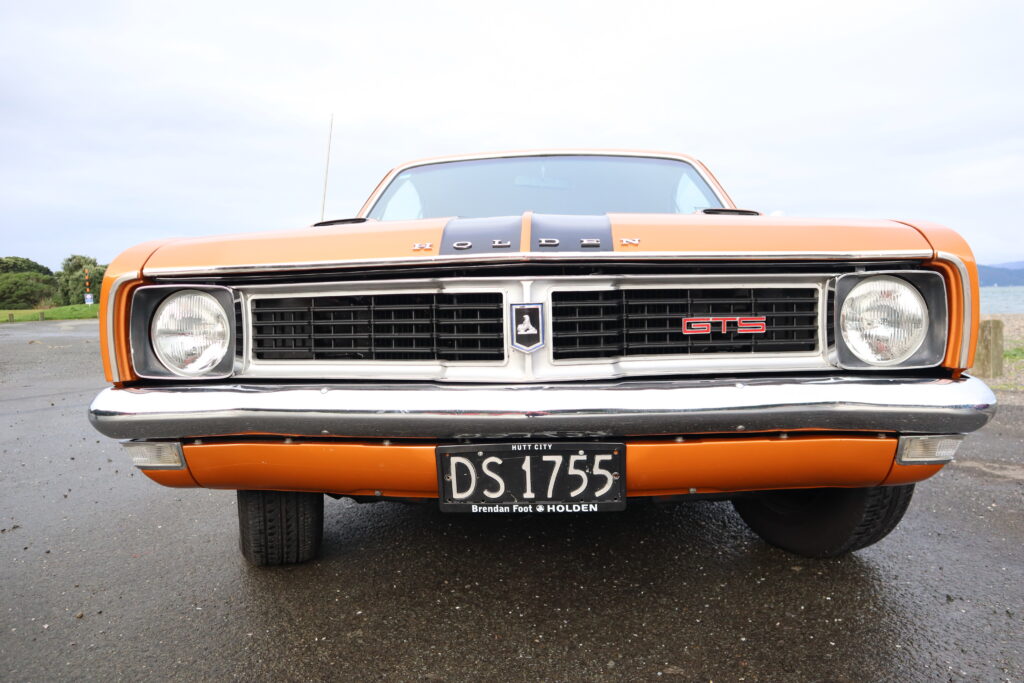
HT Monaro
The HT Monaro upgrade exhibited even more of the self-assured and extroverted attitude of the people who chose to drive it.
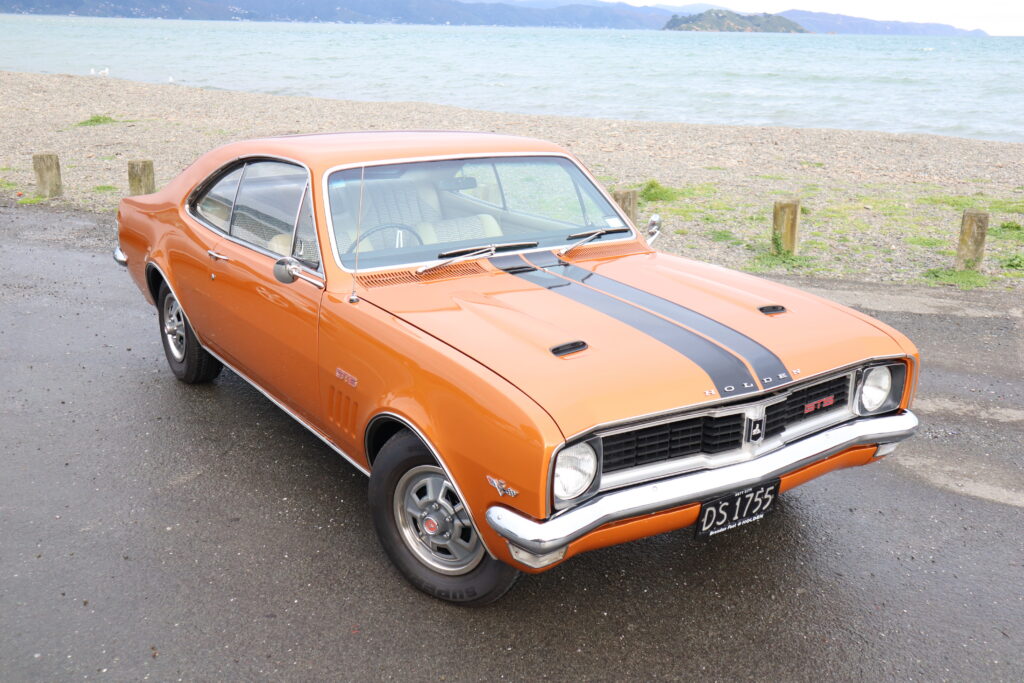
The most dramatic change was a new multi-louvred plastic grille with a raised centre section and Monaro blackouts. The GTS had bold centre bonnet stripes in black or gold, flanked by new bonnet scoops. Beefier two-section tail lights separated by a blacked-out tail panel, thicker side stripes and black sills made the GTS look even sleeker.
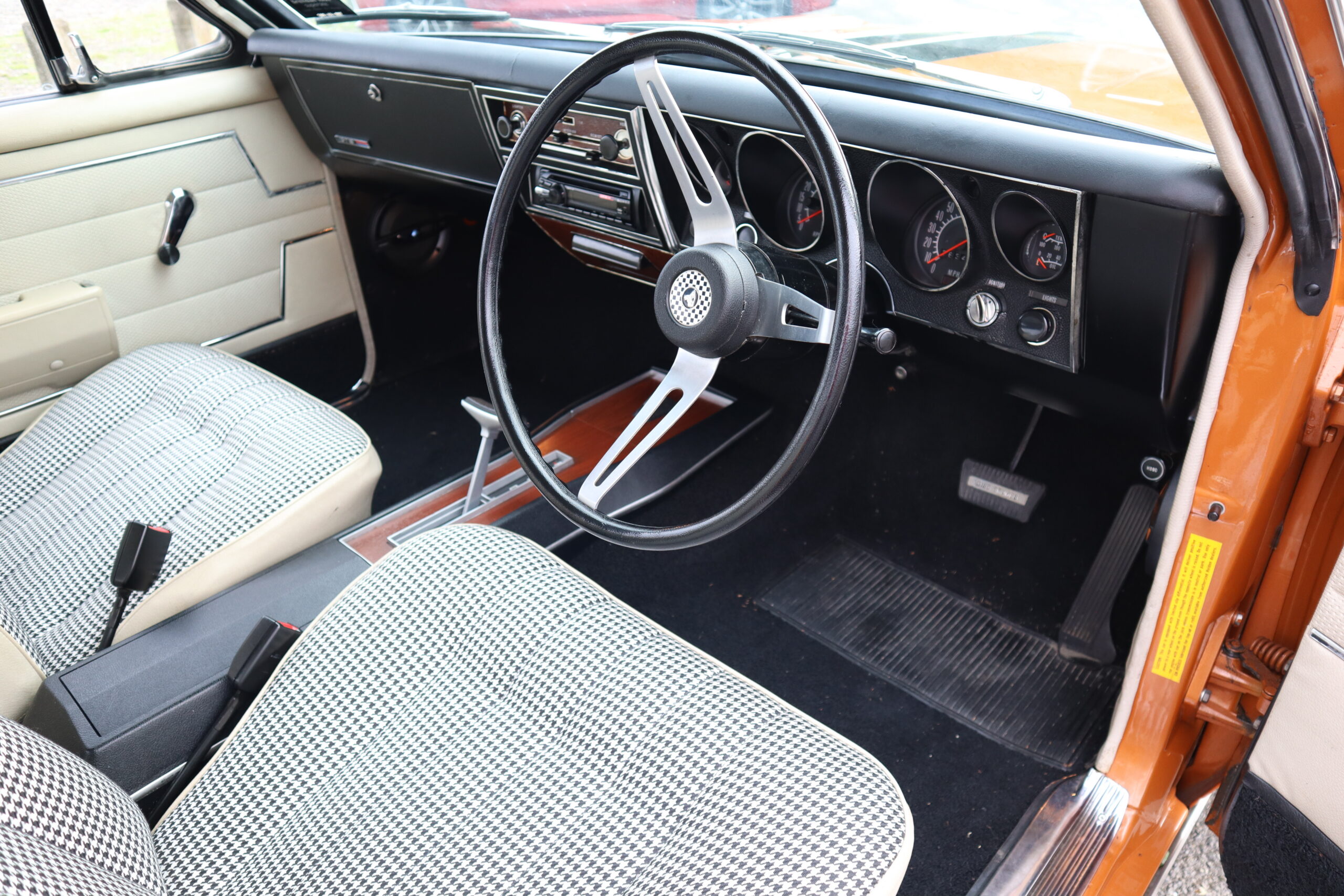
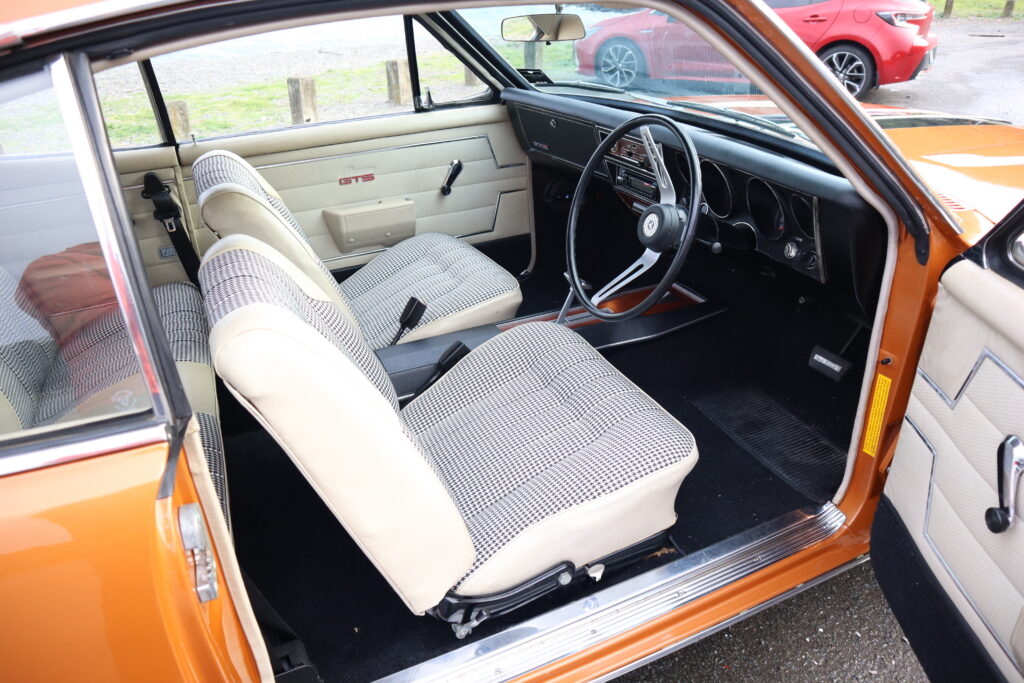
Wild new colours included Sebring Orange and Daytona Bronze. A full set of circular instruments replaced the HK’s console-mounted tachometer and strip speedometer. More contoured bucket seats with optional houndstooth check cloth inserts and a sportier steering wheel were in keeping with the HT’s added refinement and special detailing. A new Y-frame engine cradle and neoprene front suspension bushes isolated harshness from the cabin. The track was widened, and fatter rubber bushings in the rear leaf spring eyes matched the gains in the front.
The HT was also the first to get the Aussie V8, initially as a 253 cubic inch (4145cc) engine, and for many Monaro buyers it was the perfect choice. The 308 cubic inch (5047cc) version was introduced as Chevrolet 307 cubic inch engine stock ran out. Chevrolet’s new 350 cubic inch (5735cc) V8, which came in different auto and manual specifications, arrived later, giving engineers extra time to fine-tune the GTS 350 sports suspension so it could be the first Holden to offer low-profile radial tyres as an option. The limited-build GTS 350 manual could also be ordered with rally wheels — another Holden first.
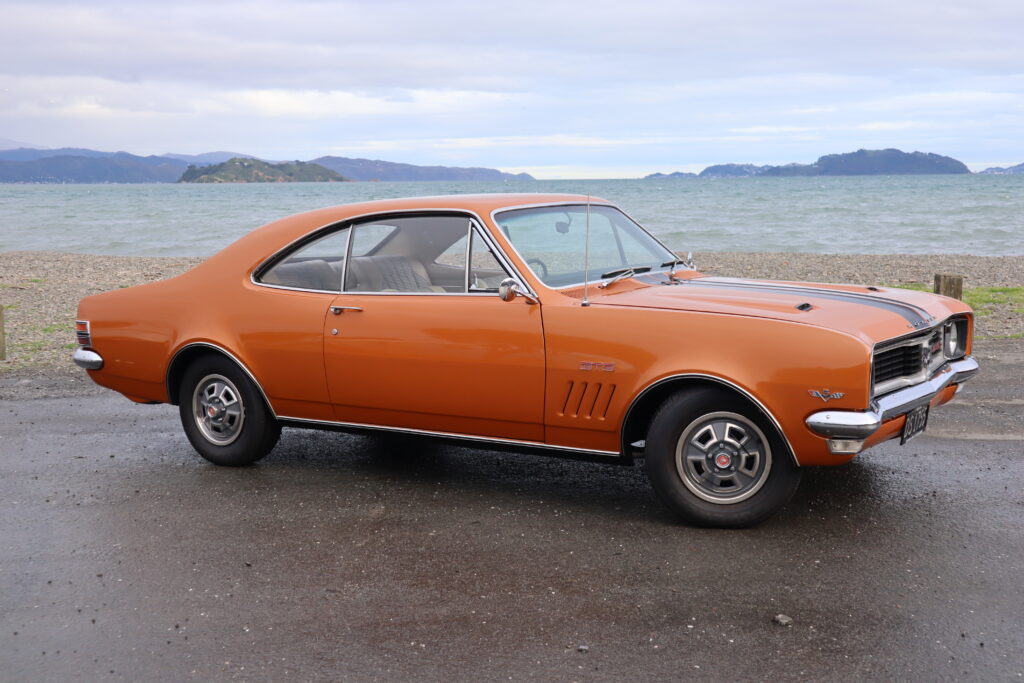
HG Monaro
Today, the HG Monaro is one of the rarest and most sought-after of the Holden coupés and is regarded as the most sophisticated of the early Monaro models,
Holden designers ingeniously merged the HG rear tail lights with the black GTS tail panel, providing the illusion of extra size. While the subtler HG mesh grille echoed the simplicity of the first Monaro, GTS blackouts highlighted the bold new centre division and surrounds.
The deletion of sill and wheel arch mouldings and the addition of black rocker panels around the lower body gave the HG GTS a meaner, sleeker look. Subtle ‘sidewinder’ stripes that swooped from the rear pillars to the front highlighted the flow in the original Monaro shape. New metallic colours and the lack of bold bonnet and boot lid stripes reflected a clean custom look and highlighted the 350’s quad exhausts.
Engine choice was the same as for final HT models after the local 308 V8 replaced the Chevrolet 307. A new three-speed Trimatic auto option replaced the Powerglide on all models except the big 350 cubic inch engine.
Although virtually retired from competition duties and replaced by the XU-1 Torana, the Monaro still managed an amazing year on the track. Norm Beechey’s Monaro dominated the Australian Touring Car Championship against serious competition, and there was the outstanding Bond/Roberts endurance victory at Surfers Paradise.
Away from the track, Holden built extra compliance into the Monaro rear suspension, boosting GTS 350 long-distance touring capabilities and comfort. The HG GTS 350 manual, with its crisp driving feel and Salisbury limited-slip diff, stood as the definitive road car.
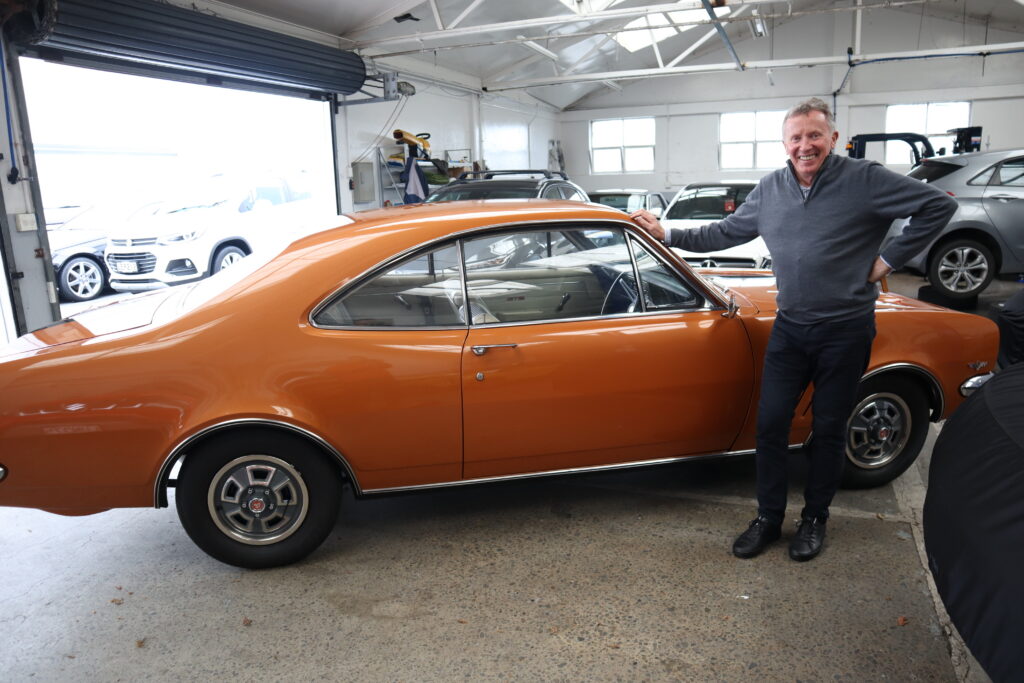
Family of fans
It was a pleasant surprise to meet the Foot Family of Lower Hutt, members of a dynasty of new and used car sales and servicing going back to 1973, still in business and selling more than 5000 vehicles a year.
Father Brendan Foot started the business in Lower Hutt with a small used car yard. His knack for selling and his belief in “good service will lead to repeat business” means that today the Foot Group has seven brands selling a plethora of vehicles in the Wellington region as sons Matt and Dave take the reins. However, Brendan still goes in most days to keep the boys on their toes.
In 1993 they started selling Holdens, and the popular brand was a mainstay of turnover for nearly 25 years. In that time, the family grew to really love the brand. Matt has a mate whose father had bought a 1969 Monaro when he was an engineer on some of the South Island’s large dam projects in the 1970s. He drove the car around the rural roads of Otago as he worked on various government infrastructure projects and eventually retired to Kapiti, north of Wellington.
Hidden treasure
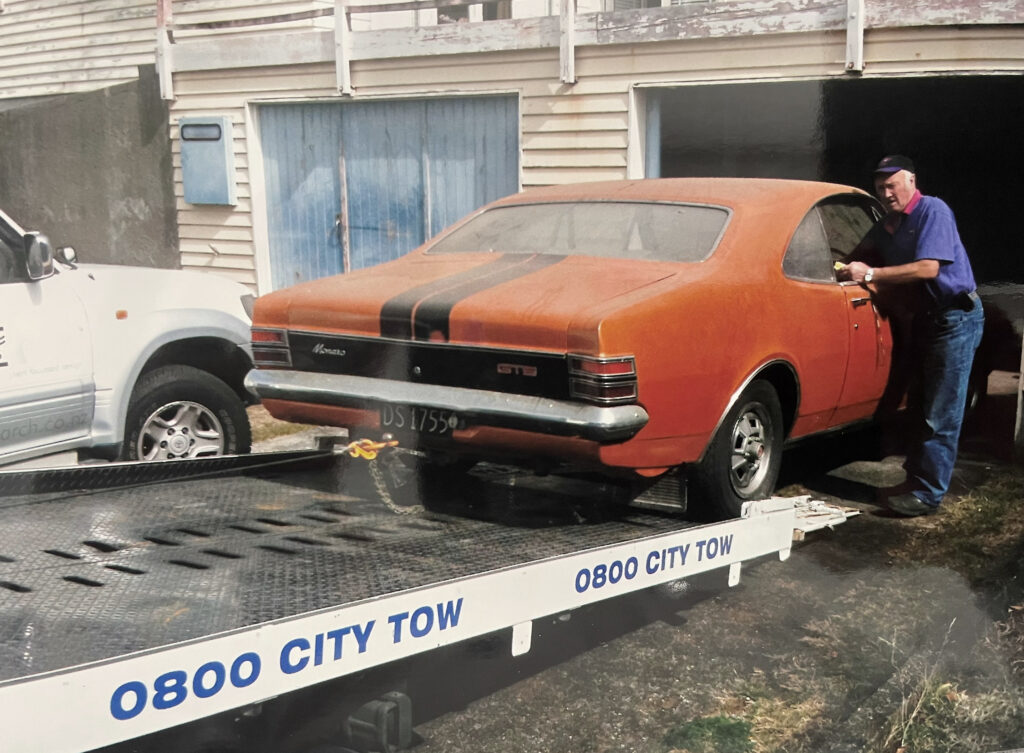
The car was put away in favour of something more practical, and when his father was unable to drive any more, Matt’s friend asked him to come and take a look at his dad’s old Holden. It turned out this was one of those phone calls that leads to that feeling of pure joy in the classic car world — the ‘barn find’ that turns out to be even better than expected. The HT Monaro had been put to bed some years before and had not seen the light of day since. Layers of dust and boxes of junk littered her undercarriage and bodywork and access points all around.
After a bit of effort, Sleeping Beauty was dragged from her slumber. All in all, she was in pretty good condition with virtually no rust but wearing the patina of some 38 years of use and neglect. The original Daytona Bronze paintwork was still in good condition.
The car had six owners before the Foots, including two dealers, but was still in its original condition. Brendan has the original ownership papers showing the previous owner clocked up some 80,000 miles to give a total of 135,000 miles. That was in 2007 — and since then she has done a trip to the bottom of the South Island and a few modest trips here and there to ensure everything continues ticking over.
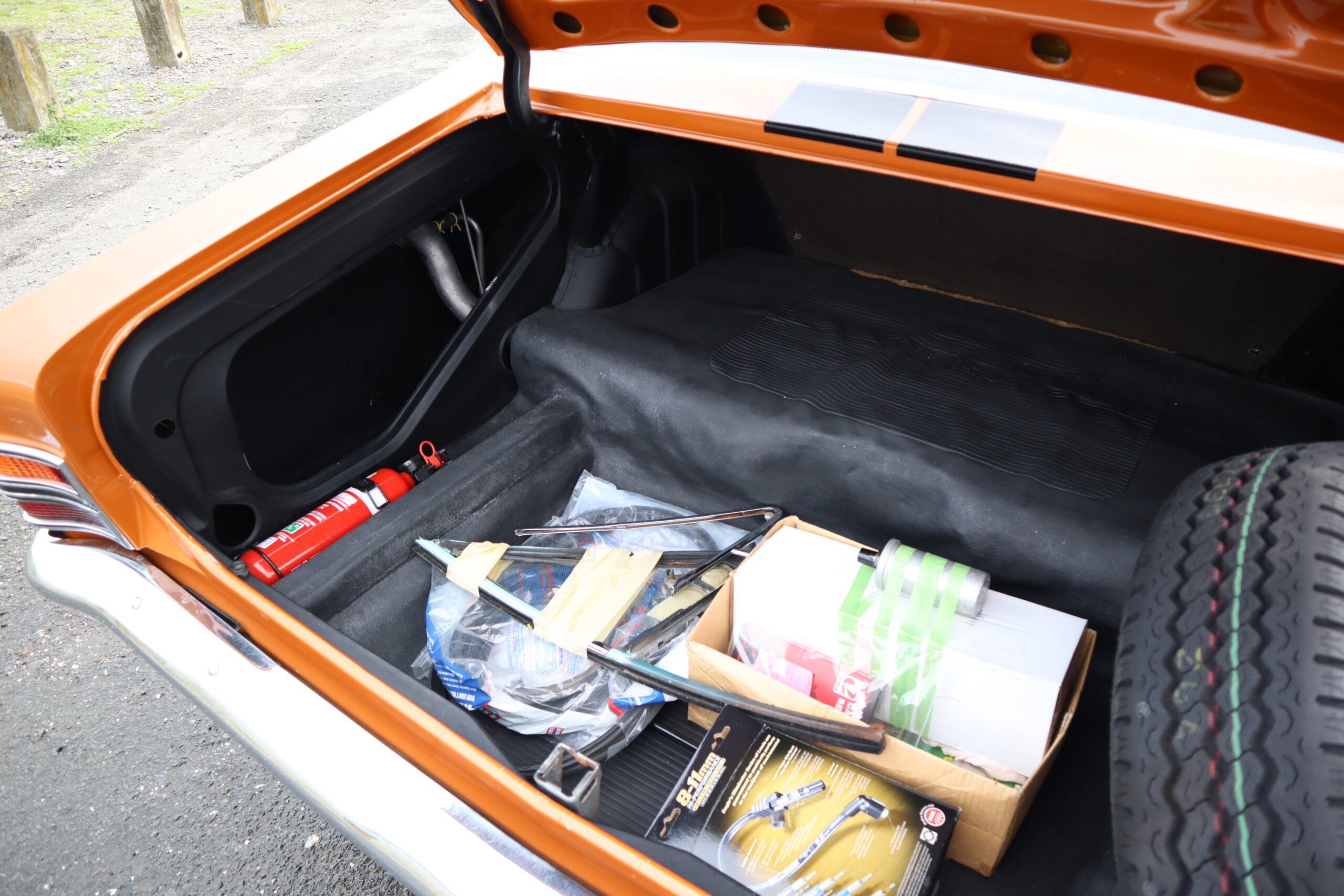
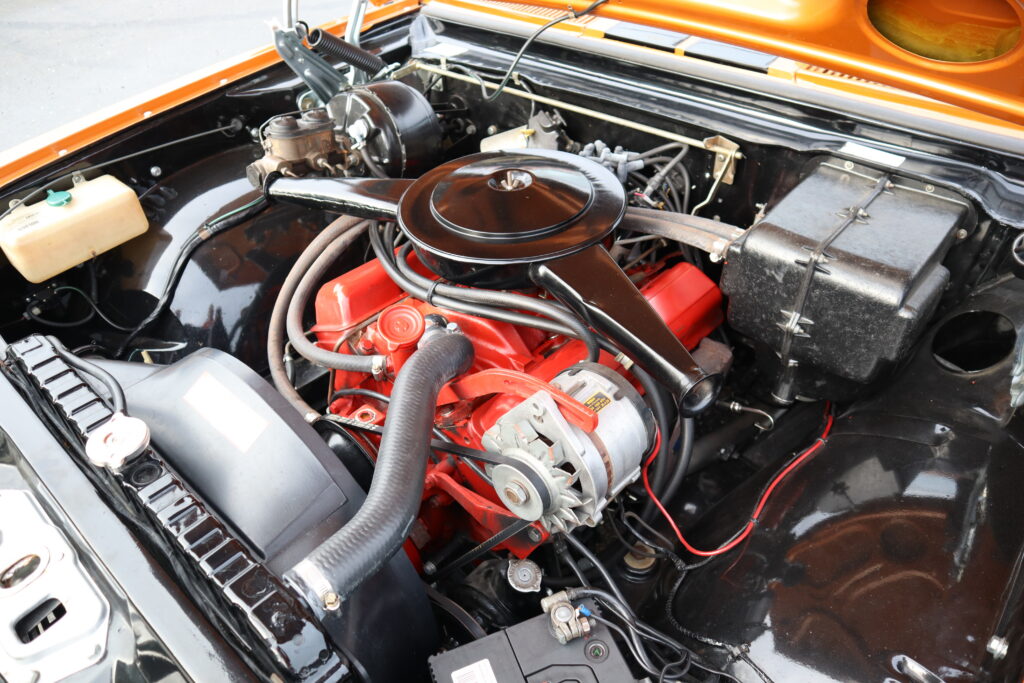
A service staff member who worked for the Foots at the time had spent his formative years at GM dealership Manthel Motors in the Hutt Valley working on the HK-, HT-, HG-era Monaros. He wanted a swan song before he retired and volunteered to bring the bronze beauty back to life. The Foots decided there would be no shortcuts, and a full restoration was begun. The motor and mechanicals were stripped from the vehicle, and the engine was given a full reconditioning. The body was fully dismantled, acid-dipped, then everything was reassembled.
Back to bronze
The interior and exterior of the car are as they were in 1969, with the only additions being factory power steering from a HT Brougham, sound deadening, Halogen H4 headlights and electronic ignition. The seats and upholstery are original; the houndstooth fabric was still in great condition, and only a patch on the top of the rear seat needed replacing. The original dashboard padding went missing during the restoration, so a new old stock (NOS) unit was acquired from Australia, and the wheels are the original 14-inch items.
A year after the purchase, the restoration was completed. In effect, this is a time machine, totally restored back to the original Monaro, possibly even assembled to a higher quality level. The vehicle gets a lot of attention wherever it goes with the usual “my dad had one of these, but with four doors” sorts of comments.
Matt drove me to the photo shoot location in the car, and it was superb. It had no issues keeping up with traffic and was a smooth ride. The engine purrs under a normal driving mode, and the two-stage is more than capable of around-town driving.
The Monaro also just looks amazing. It was a dark and gloomy day for photographing the car, yet the 15-year-old paintwork shone like a new car on a summer’s day. It is unusual to see one of these in original condition, as most have had some form of upgrade or modification. Staying true to the 1960’s mechanicals makes this a rare and unusual vehicle, and given the soaring interest in Holdens since the brand’s demise, more like striking gold than bronze.
1969 HT Holden Monaro – Specifications
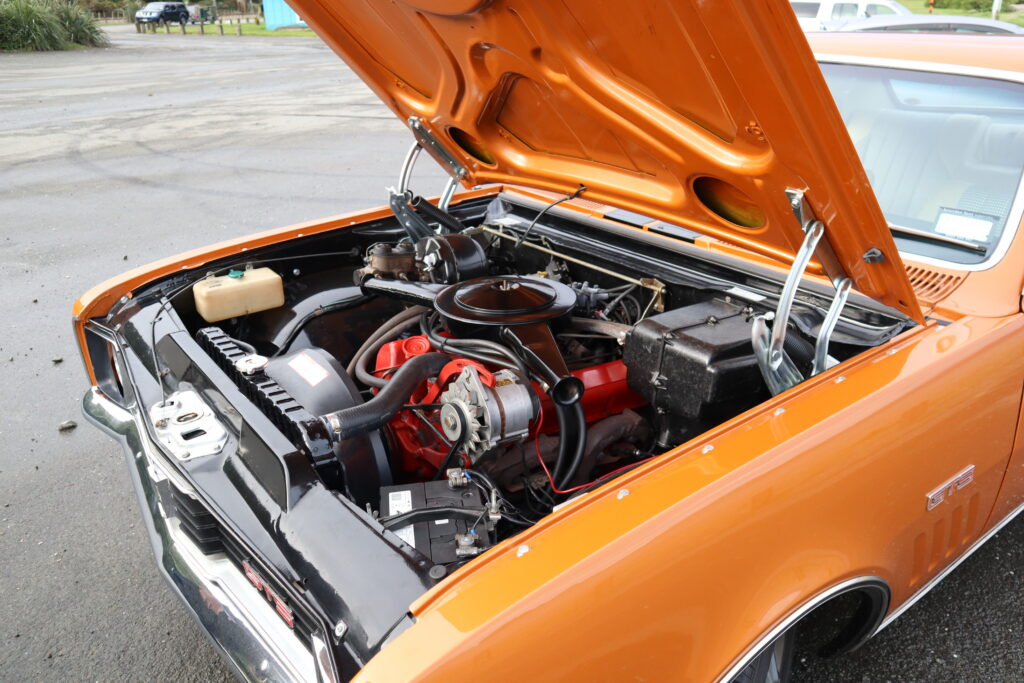
Engine — Chevrolet V8
Capacity — 307 cubic inches / 5025cc
Bore/stroke — 4 inches (101.6mm) x 3.062 inches (76.2mm)
Valves — 2 valves per cylinder / OHV
C/R — 9.0:1
Max power — 156kW @ 4,600 rpm
Max torque — 407Nm @ 2400 rpm
Fuel system— 2-barrel Rochester carburettor
Transmission — 2-speed Powerglide automatic
Suspension F/R— Coil spring/leaf spring – radius rod
Steering — Recirculating ball
Brakes — Power-assisted disc
Dimensions:
O/all Length — 4694mm
Width — 1824mm
Wheelbase — 2819mm
Kerb weight — 1530kg
Performance:
Max speed — 175kph
0-100kph — 10.0 seconds
Standing 1/4 mile — 17 seconds