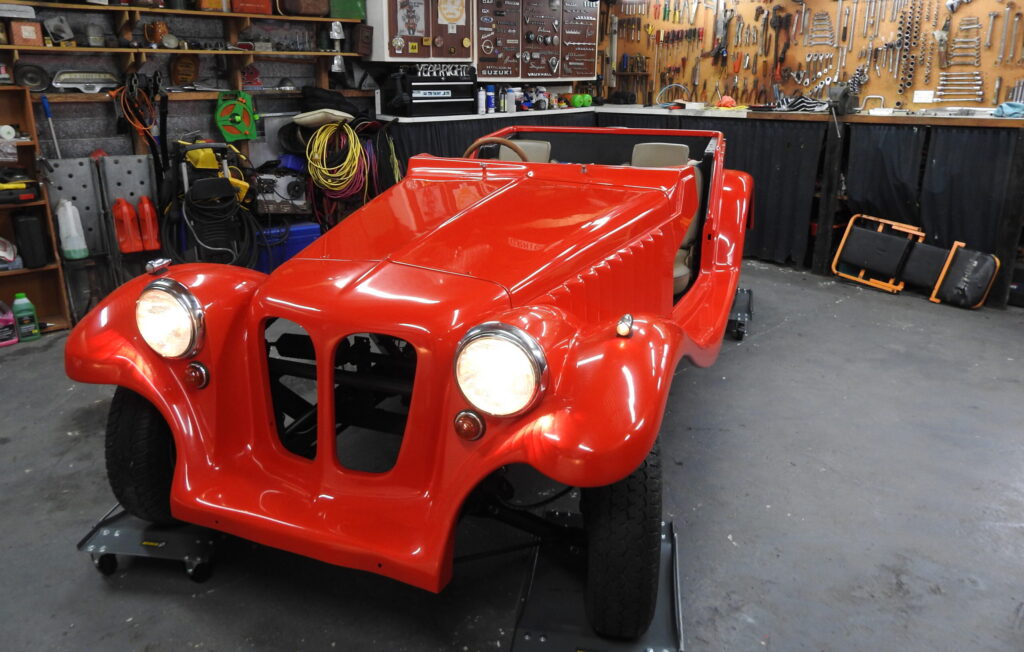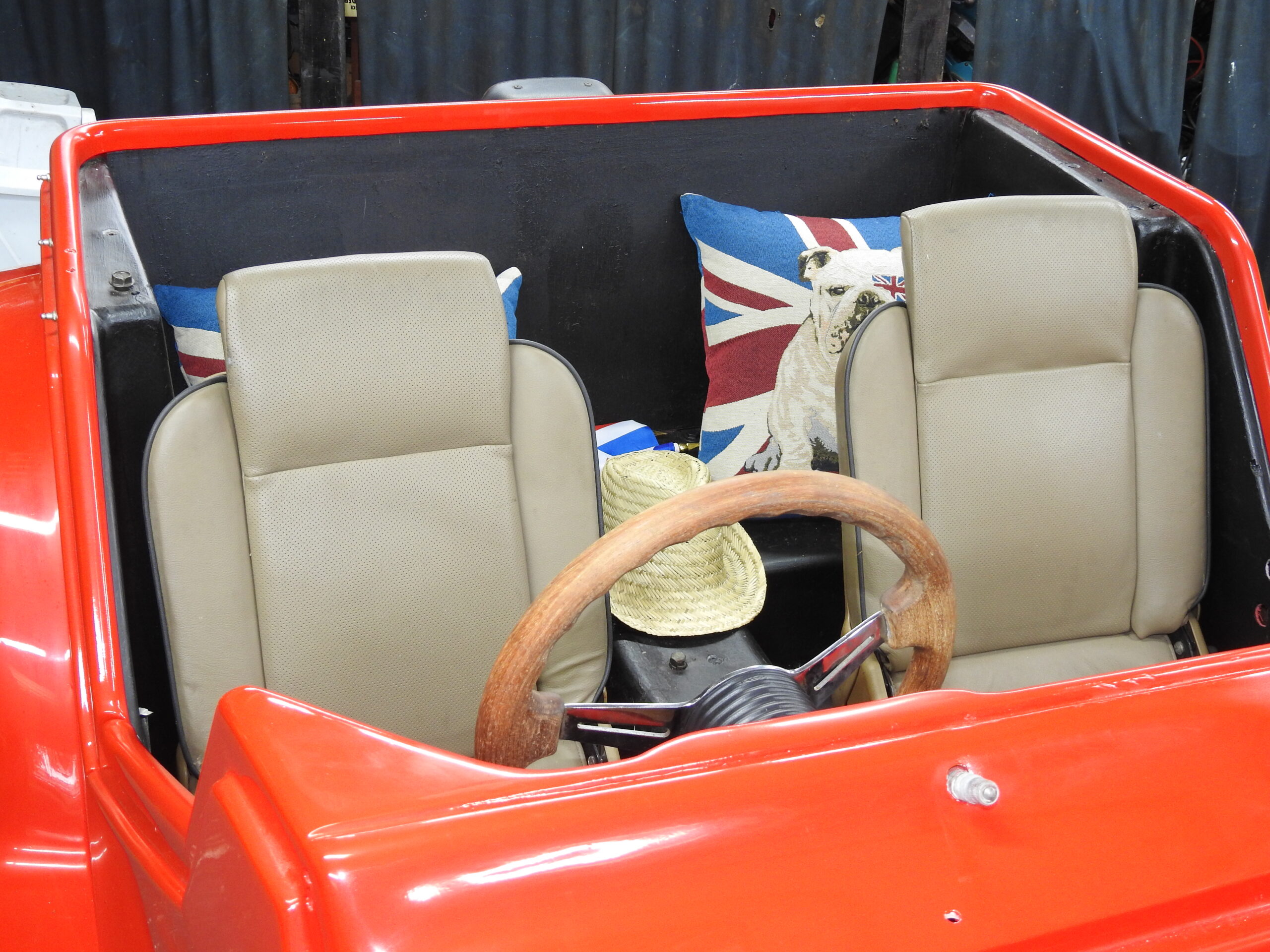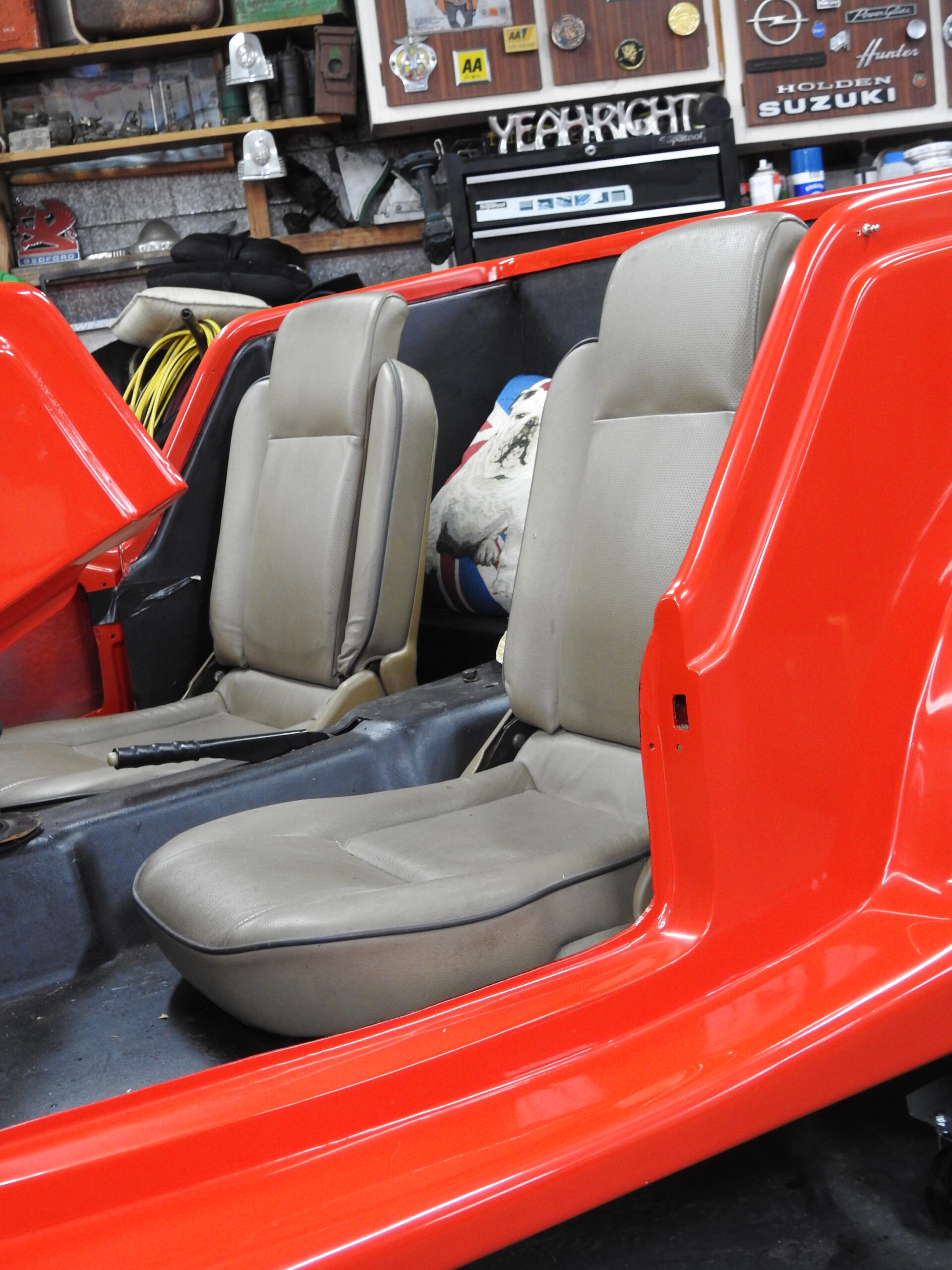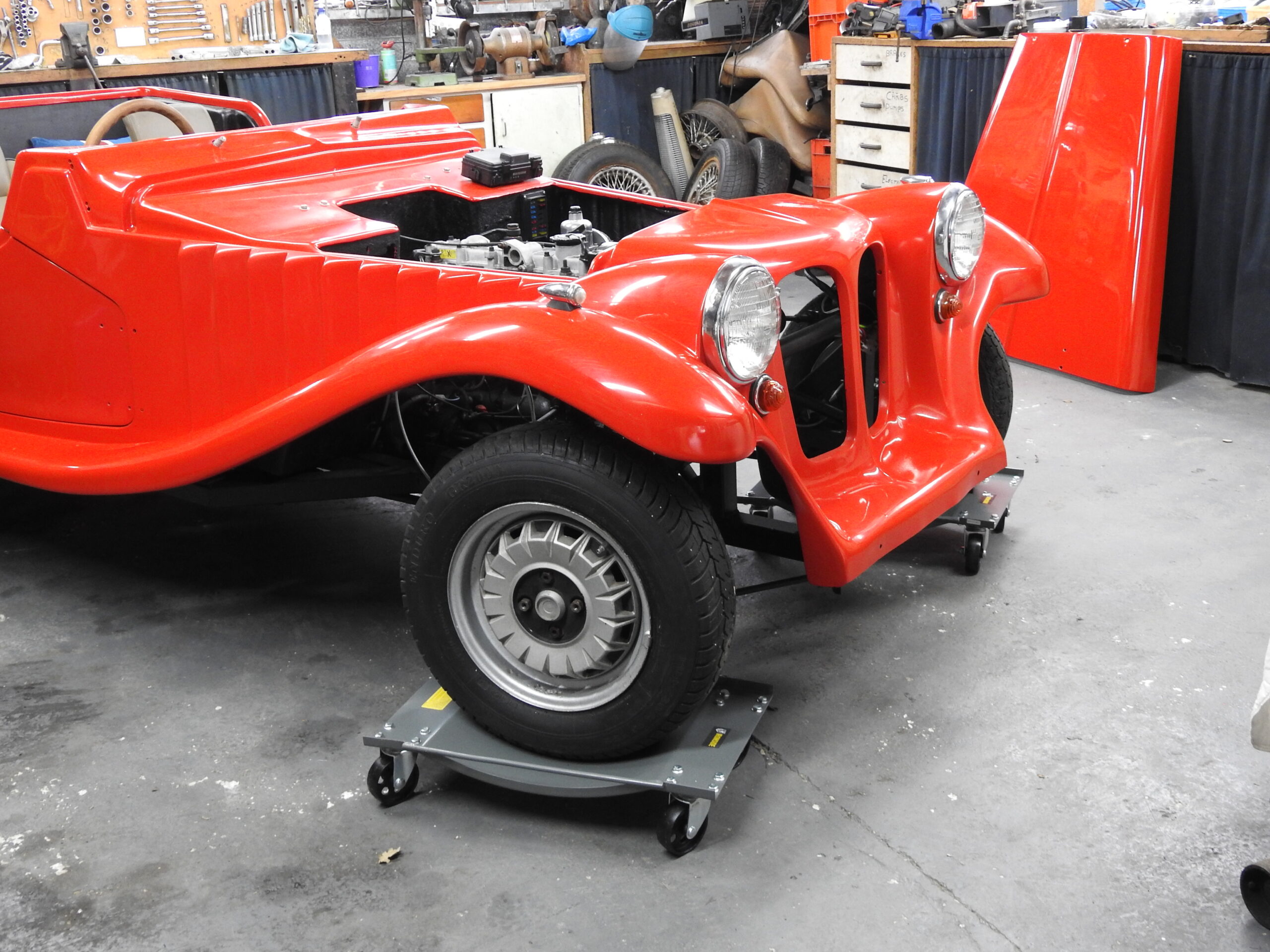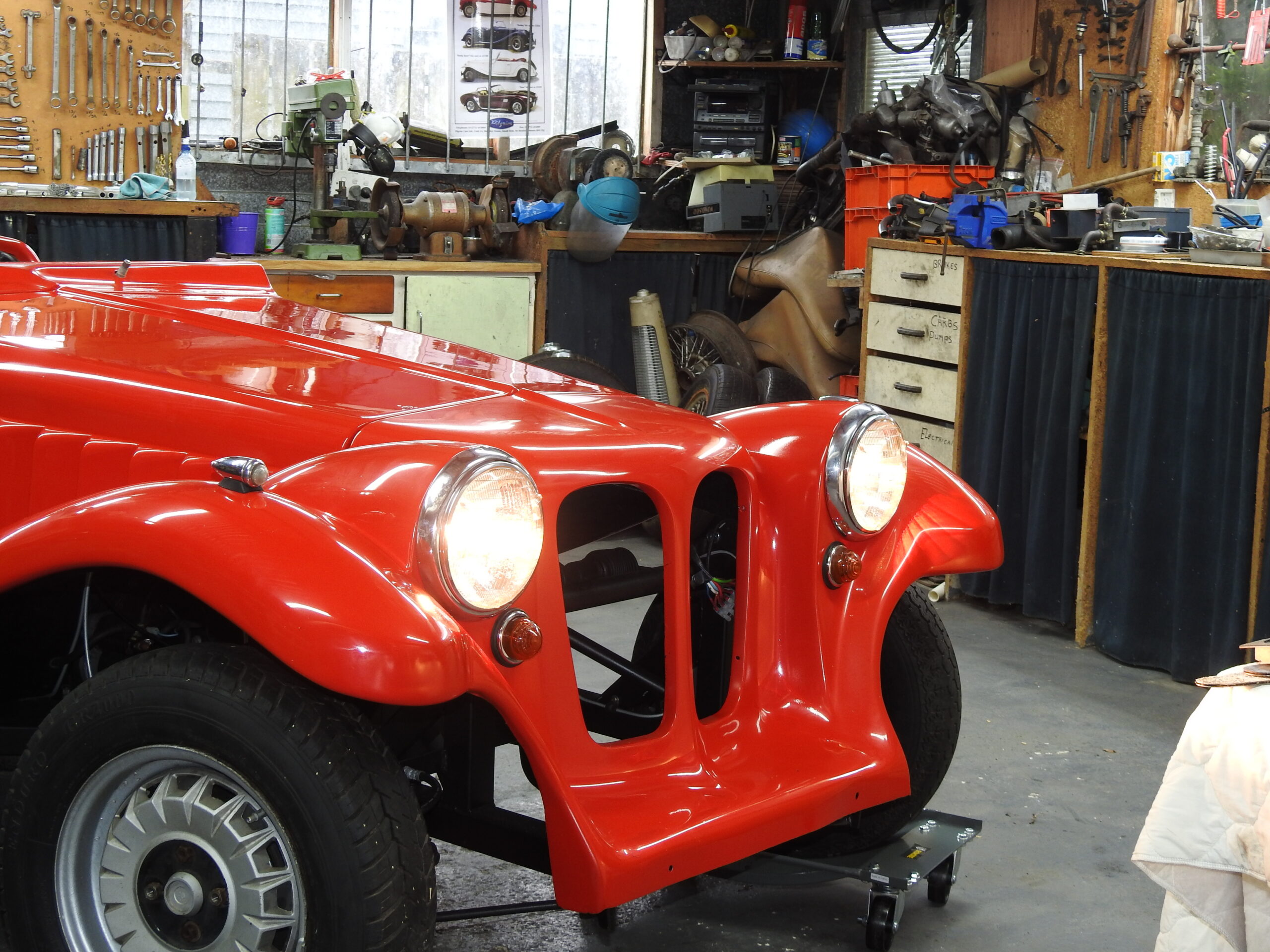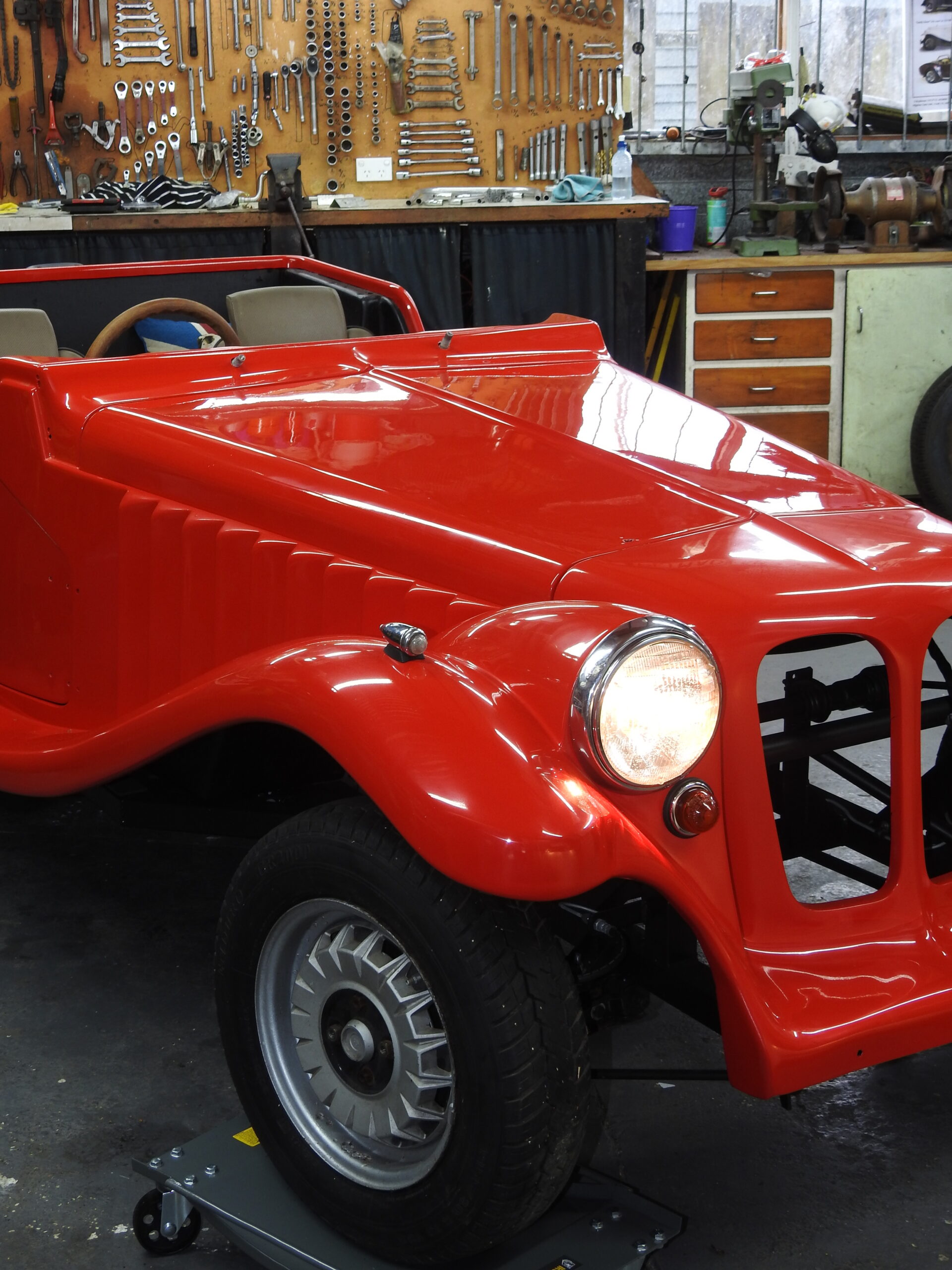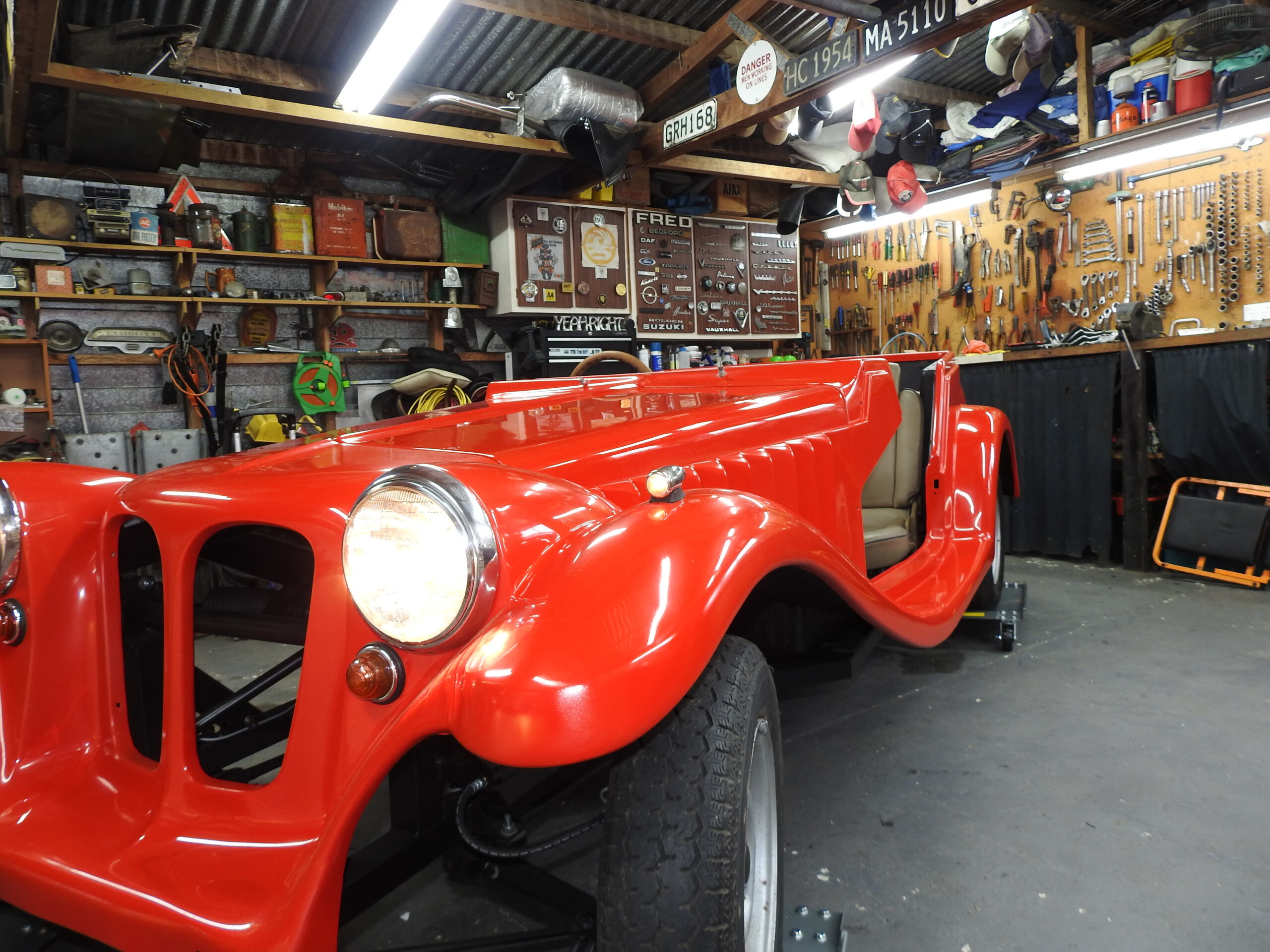
This Bulldog has waited patiently for walkies, but the warmer weather should see it out in the countryside and let off the leash
By Patrick Harlow
Photography Patrick Harlow and F Vermeulen
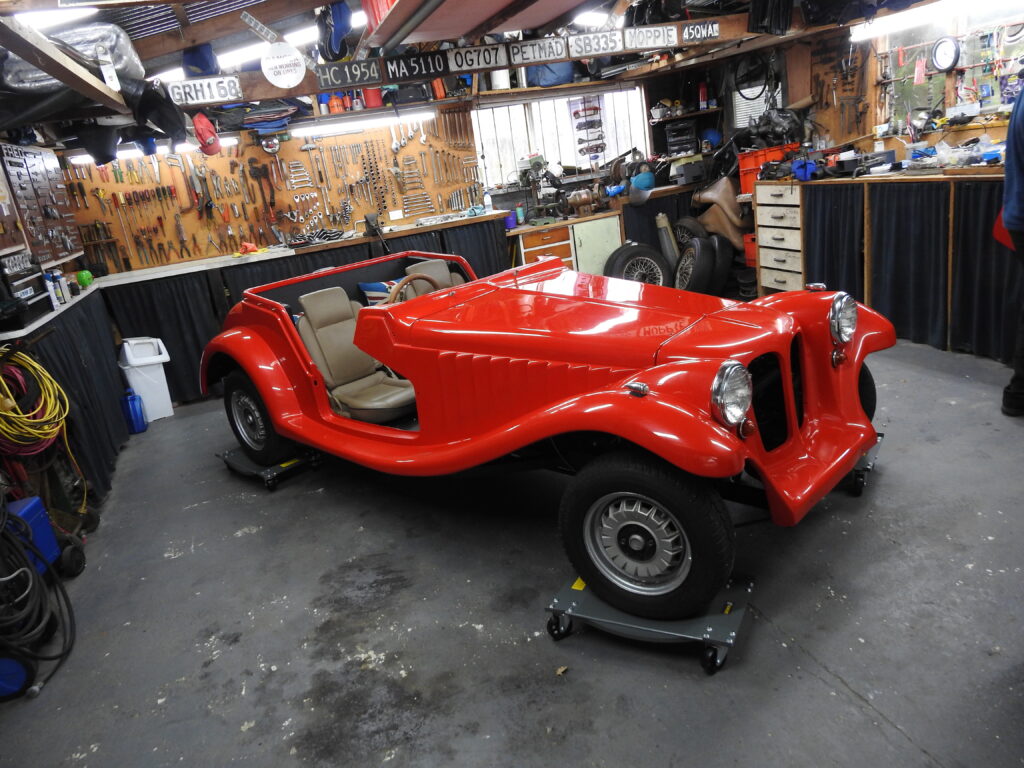
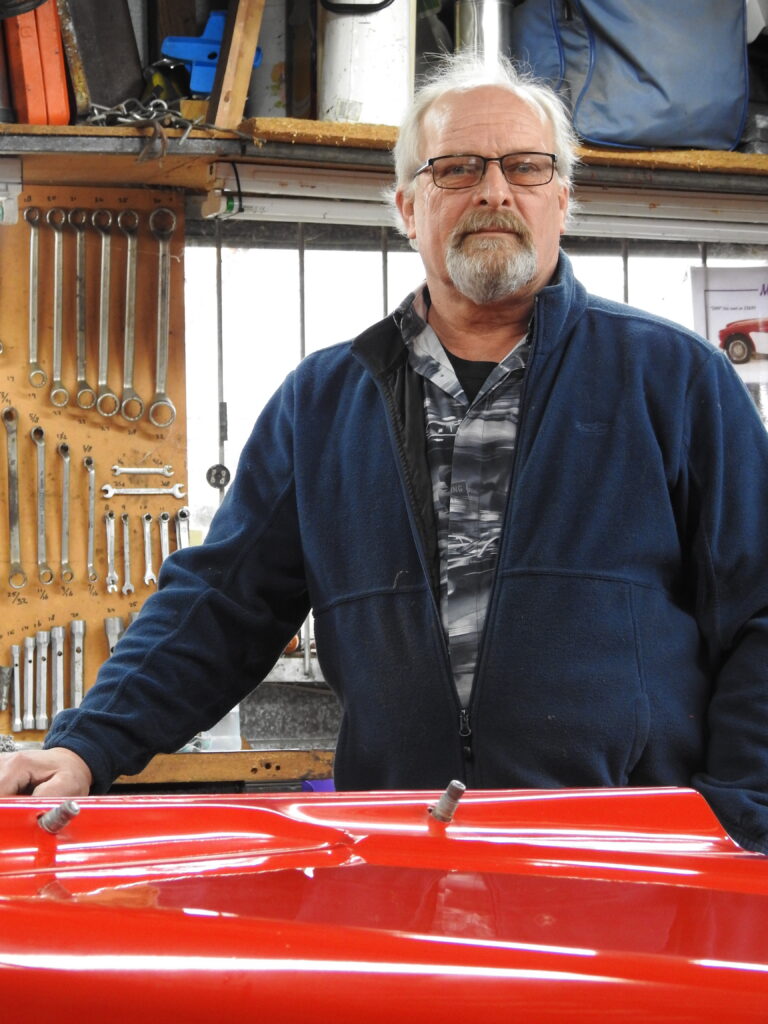
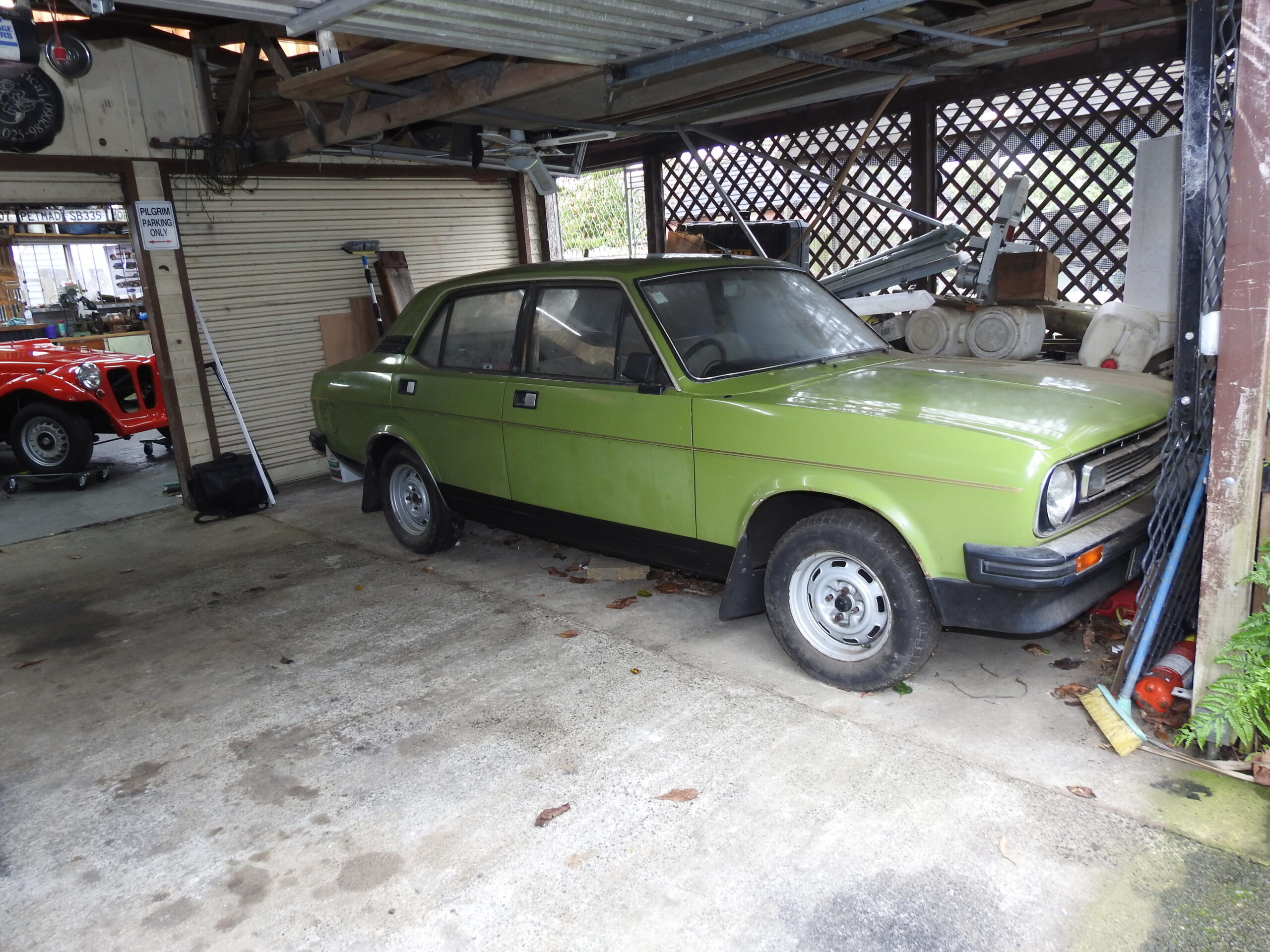
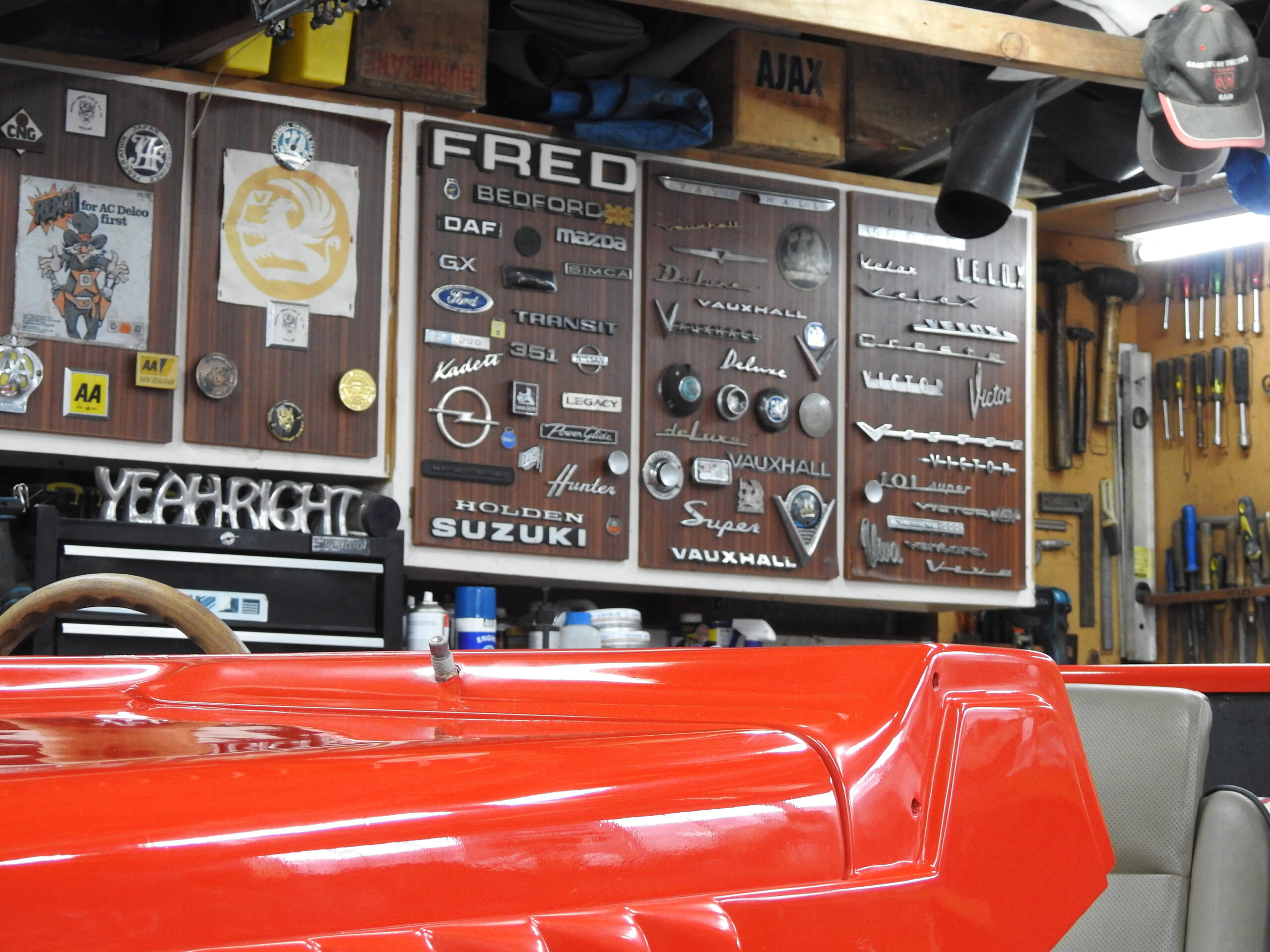
Diana and Fred Vermeulen from Manurewa, Auckland, have been involved with cars and car clubs for most of their married life. In the early days, it was all about Vauxhalls. At one stage they were president and secretary of the Vauxhall Owners Club. They have lost track of how many Vauxhalls have passed through their hands. Now, their garage contains a classic ’62 Oldsmobile and an ’80s Ford panel van, behind which is a kit car that few in this country will have heard of. It’s a Bulldog — the squat, flat-nosed dog with short legs beloved of the political cartoonists of the last century as a symbol of the British spirit. For its automotive equivalent, most will think of the Austin Allegro.
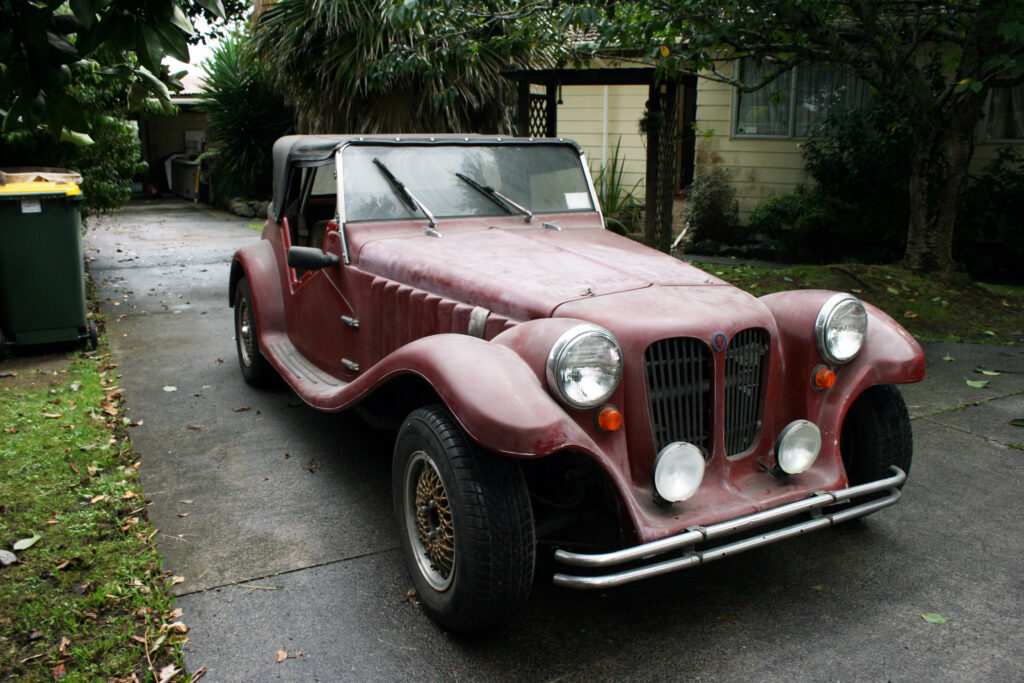
Having spent a lifetime tinkering mainly with Vauxhalls, Fred was looking for a new challenge. He came across an advertisement for a sad-looking British roadster called the Pilgrim Bulldog. Almost immediately, he was taken with the car’s low and wide Morganish lines, which were unlike the upright boxy edges of the traditional MG TF or TD. Another feature in its favour was that it was an original design and not a replica. It was a car that could stand on its own merits. It had the swoopy guard lines of the classic ’30s or ’40s British roadster, but with a drivetrain that could keep up with modern traffic.
When Fred first saw it, the car was on blocks and minus an engine. It was a car with a personality, redolent of better days when tweed trousers and a cheese-cutter cap were the normal attire for a gent on a jaunt in his sports car; when driving in Britain was more about manoeuvrability on narrow country lanes than speed. It was a car that needed a luggage rack and a cane picnic basket — the sort of car that should be called ‘Doris’ or ‘Gertrude’.
The car suited Fred’s personality and the price his budget, so an offer was made and the deal was done.
House-trained
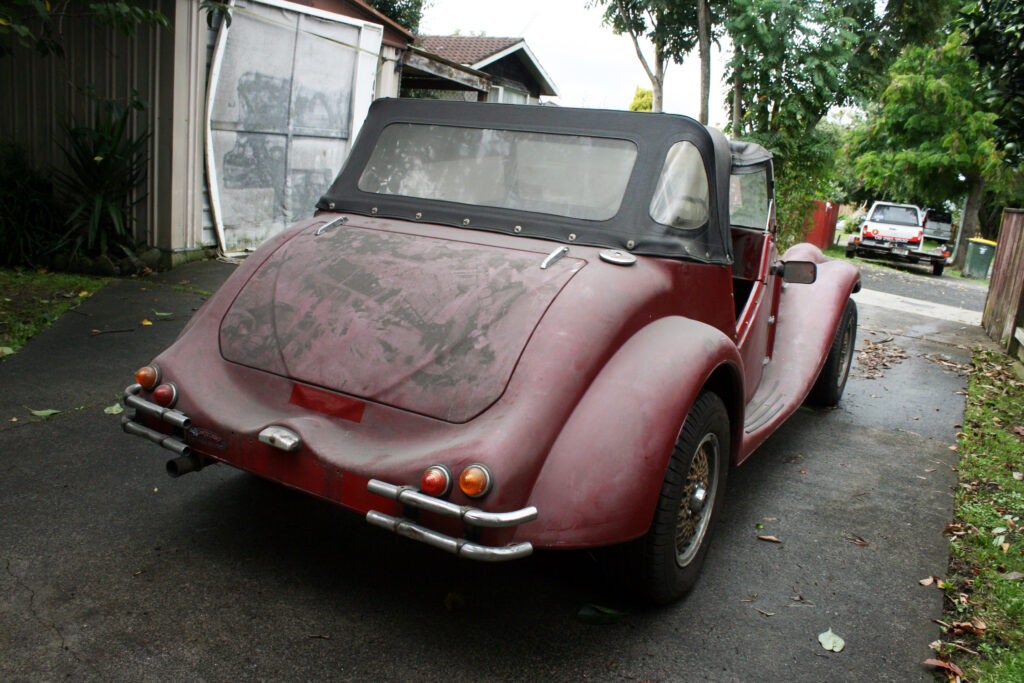
After getting it home, Fred dragged the car off the trailer for its first real inspection. He saw that, although the car had good bones and an OK body, the best way forward was still a ground-up restoration.
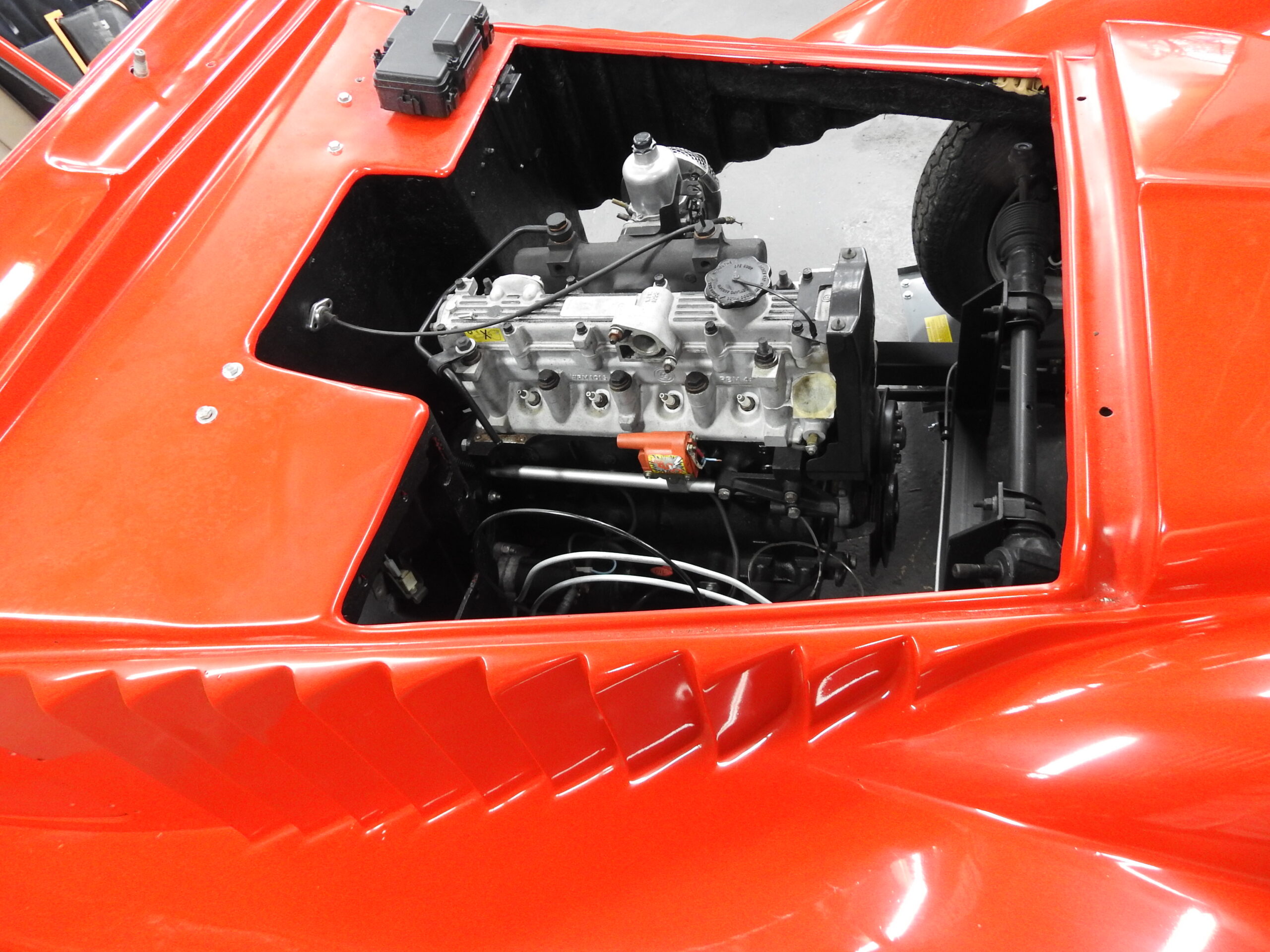
The car had already been partially pulled apart by the previous owner as he was in the process of upgrading its engine to a Morris Marina 1.7-litre OHC engine. This was included in the deal, so the first thing Fred did was install the engine and take the car for a quick run around the block. To date, this is the only time that Fred has driven it. Despite the brevity of its first run, it was evident that the engine was in good shape.
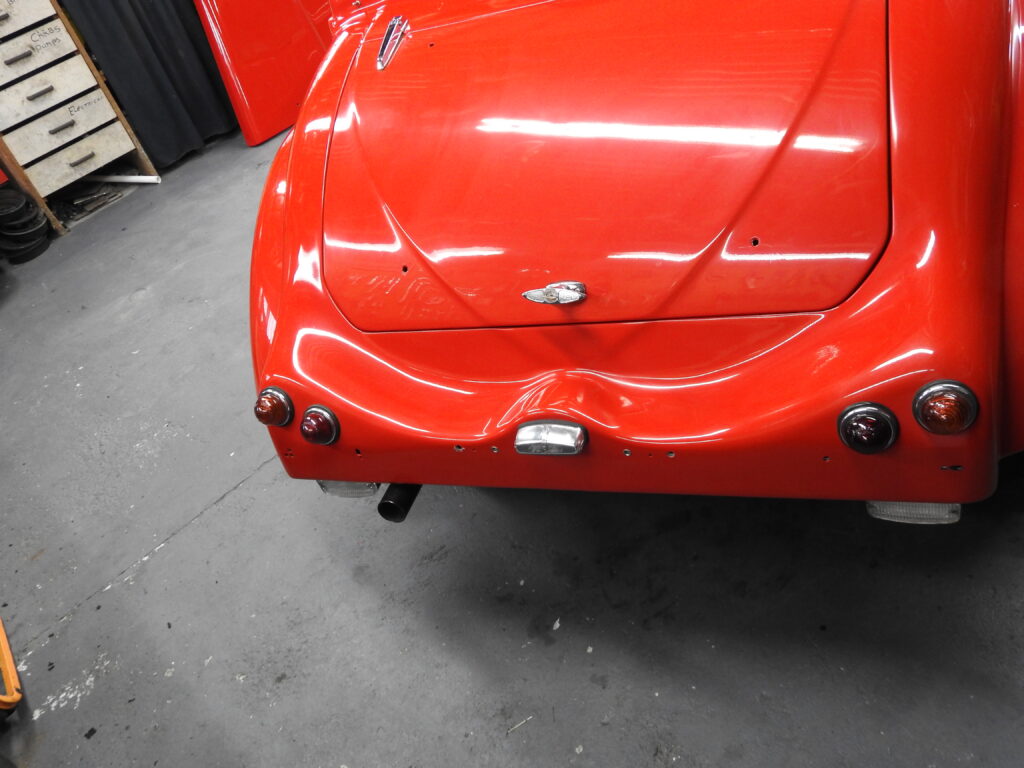
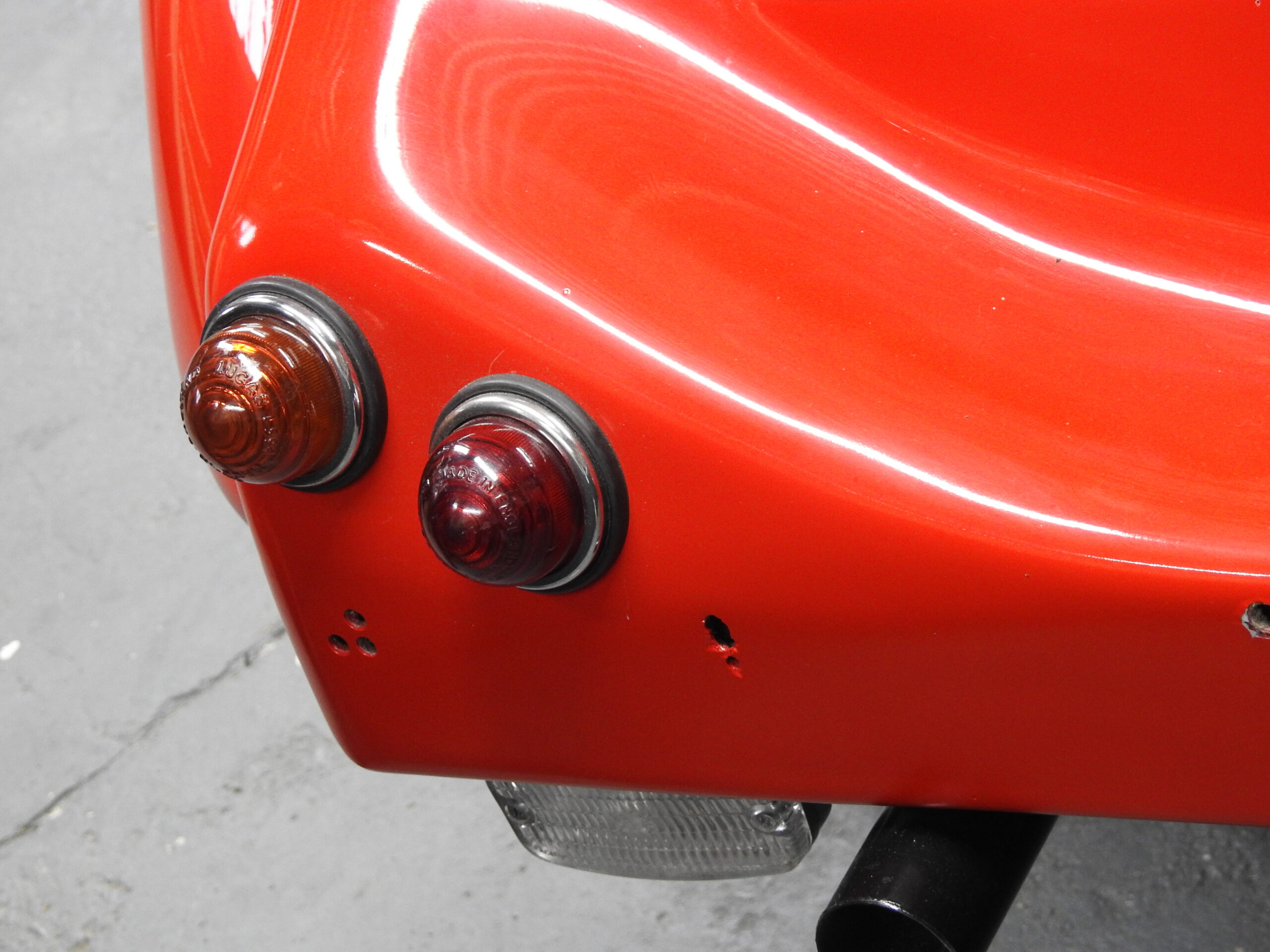
The Bulldog had been built in the early ’80s and had obviously been slapped together. The fibreglass body was still in its original gelcoat, but the flash lines resulting from the moulding process had not been sanded down. They were sharp enough to cut an unwary hand. The principal donor car for the build was the Morris Marina, and parts were in plentiful supply. Thinking it would only take a couple of years, Fred started stripping it down early in 2016.
The Pilgrim Bulldog was the first car Den Tanner designed, drawn in his spare time between 1982 and 1984, before he got together with fibreglass laminator Bill Harling. Starting in 1985, the first 50 Bulldogs were built in Bill’s garage until complaints from his neighbours about the fibreglass smell forced him to find a factory. The Bulldog stayed in production until 1997. Approximately 2000 were made. They came in four guises. Fred’s car is the Mk3 version, which has larger doors. Until the Mk4, the cars were based on the Morris Marina. The Mk4 and Mk5 Bulldogs were based on the Ford Cortina. The company still exists, although it has changed hands. It claims it has built 15,000 component cars.
In the 1980s, Pilgrim sold two kits: the entry-level budget Bulldog and the slightly more expensive Sumo, a Cobra replica, of which a much-evolved version is still in production today. The Bulldog was for those who wanted a cheap build that avoided all the expensive brightwork required for the Sumo.
Good use for a Marina
Choosing a donor car to use for a totally new kit car is a bit of a black art. The car chosen must be old enough to be affordable, with parts available from a wrecker’s yard. It needs to have been manufactured in sufficient quantities to ensure a steady source of donor cars and parts for years to come. Hence, the reason many kit-car manufacturers used the VW Beetle, the Triumph Herald, and the Ford Cortina.
Interestingly, Pilgrim picked a British Leyland Marina to be its donor car. The Marina was a top-selling car from 1971 until 1980, and used technology that stretched back as far as 1948. It lacked technical sophistication, was unpretentious, and was, for a while, an ideal, cheap family car. In sales, the Marina was second only to its main rival, the Ford Escort. It was never intended to be an exciting car. A two-door Marina sports coupe was manufactured briefly but did not achieve sales success, so it was dropped. During the Marina’s 10-year production run, 807,000 were sold in Britain. They were quite popular in New Zealand and Australia, too, with a six-cylinder version that was not available in the UK.
When lumped together, this all added up to an excellent donor car for the budget-minded Brit. Once the Bulldog kit and donor car had been purchased, the only additional costs were painting, which was optional as the coloured fibreglass layup and decent gelcoat finish were perfectly fine.
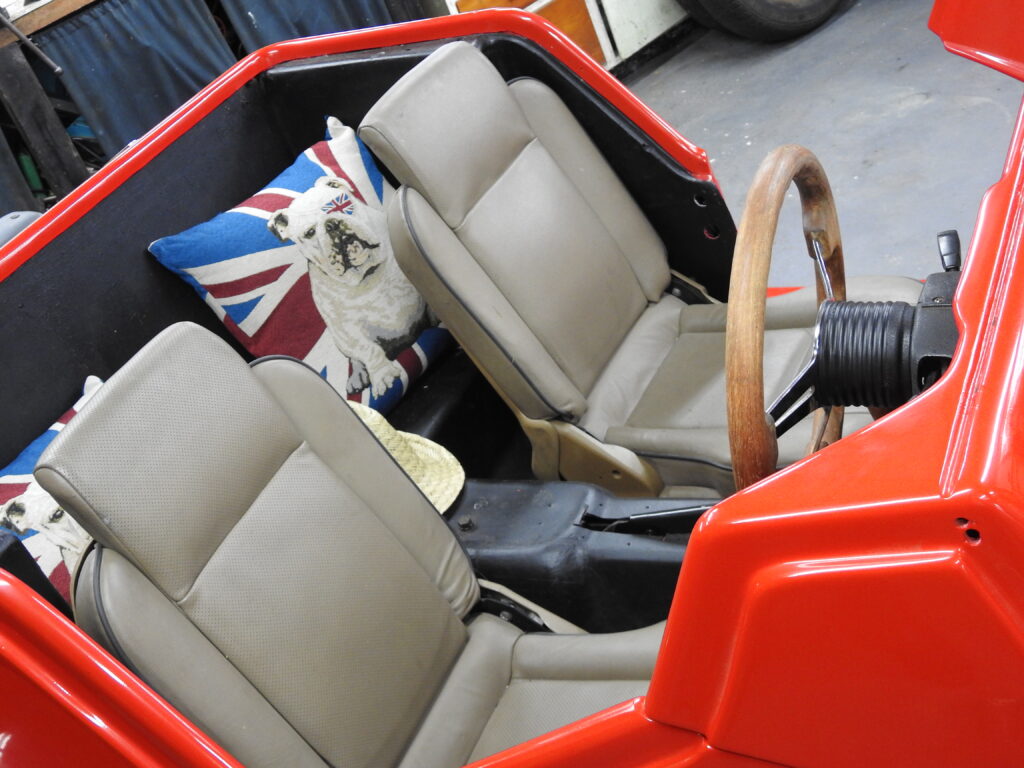
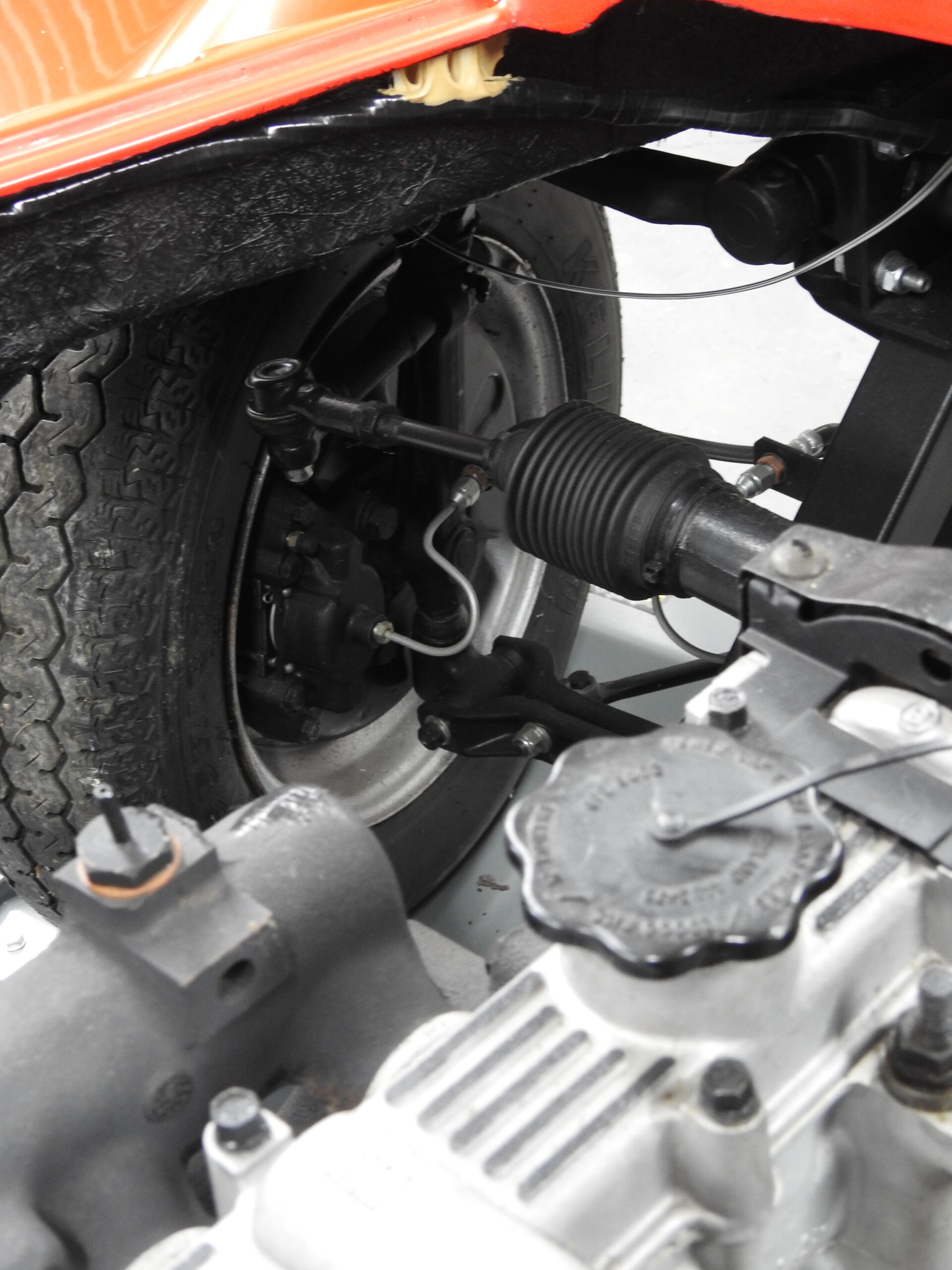
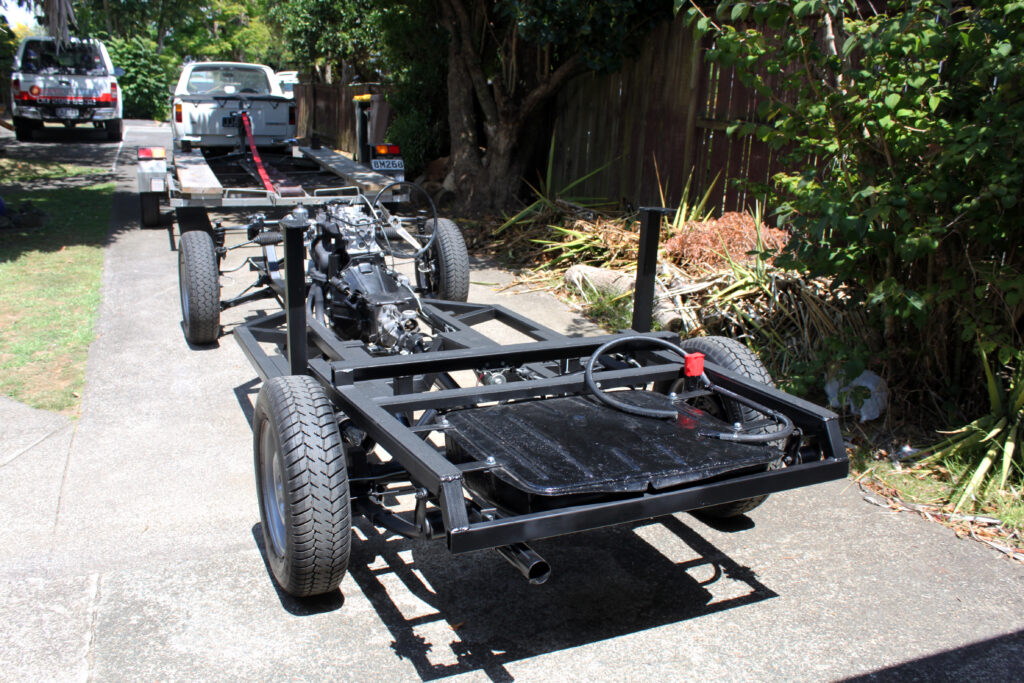
All the mechanical parts of the Marina could be unbolted from the Marina and bolted to the Bulldog. This included the front torsion bar suspension and the rear leaf springs, complete drivetrain, fuel tank, instrument cluster, and wiring. All the builder needed was a good set of spanners. When finished, the builder could sell the donor car’s doors, seats, and lights, leaving a naked body to be disposed of. Back in the mid ’80s, wrecked Marinas were in plentiful supply.
The steel tubular Pilgrim chassis was of a relatively simple ladder-frame style. There was even a 2+2 variant with a lengthened chassis. Apart from the chassis and donor parts, almost all the other parts were made from fibreglass, including the bonnet and fake louvres.
When he started the restoration, Fred bought another late-model Marina to use as a parts bin in case anything was missing. However, it is in such good condition that Fred has been loath to break it up. It is likely that, once the Bulldog is finished, the Marina will become Fred’s next restoration project. Rather than take the bits he needed from the parts car, he sourced them separately from a supplier in Christchurch.
Fred does not know how this Mk3 Bulldog found its way to the South Pacific from dear old Blighty. It was first registered here in 1988, and its documentation shows it has been off the road since 1998.
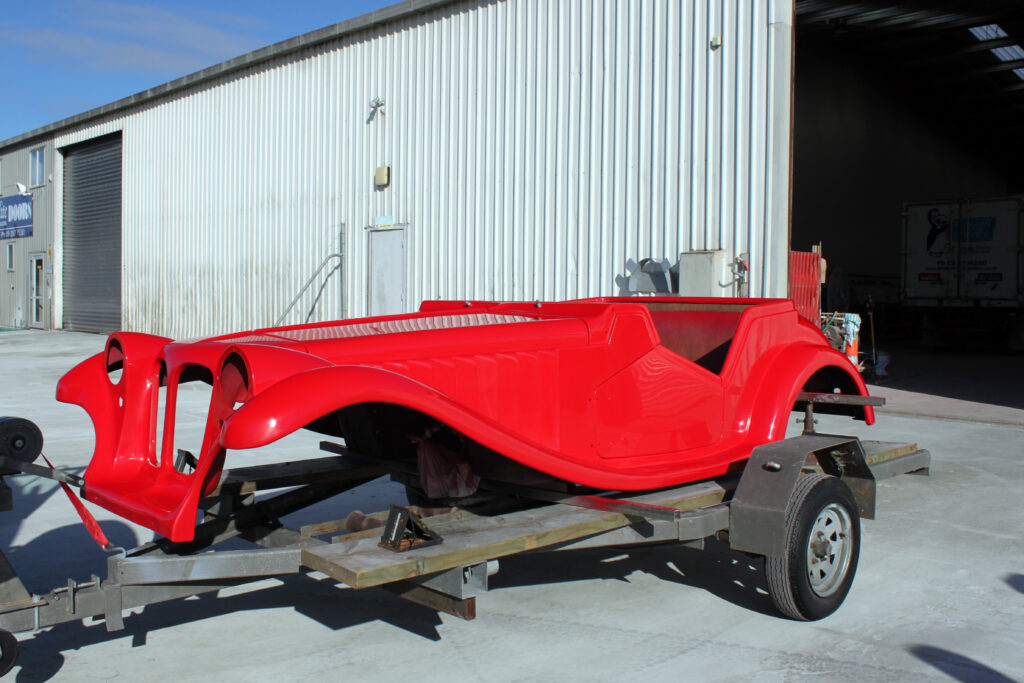
Progress on the restoration has been a little spasmodic lately as Fred has been distracted by other projects. However, he hopes to give it a big shove and get it over the finishing line this summer. The sandblasted chassis has been painted, and the newly painted body bolted onto it.
Clever kit
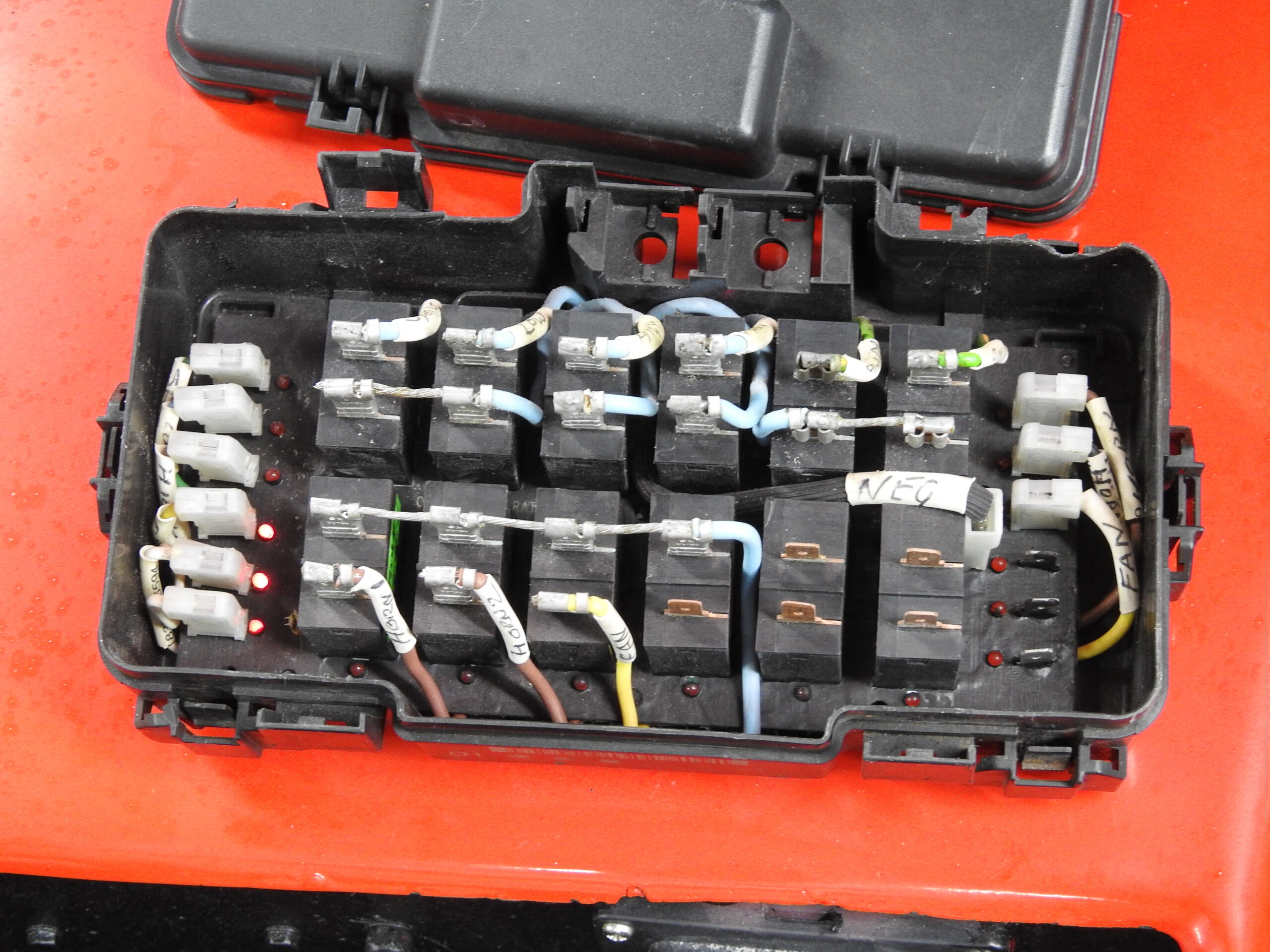
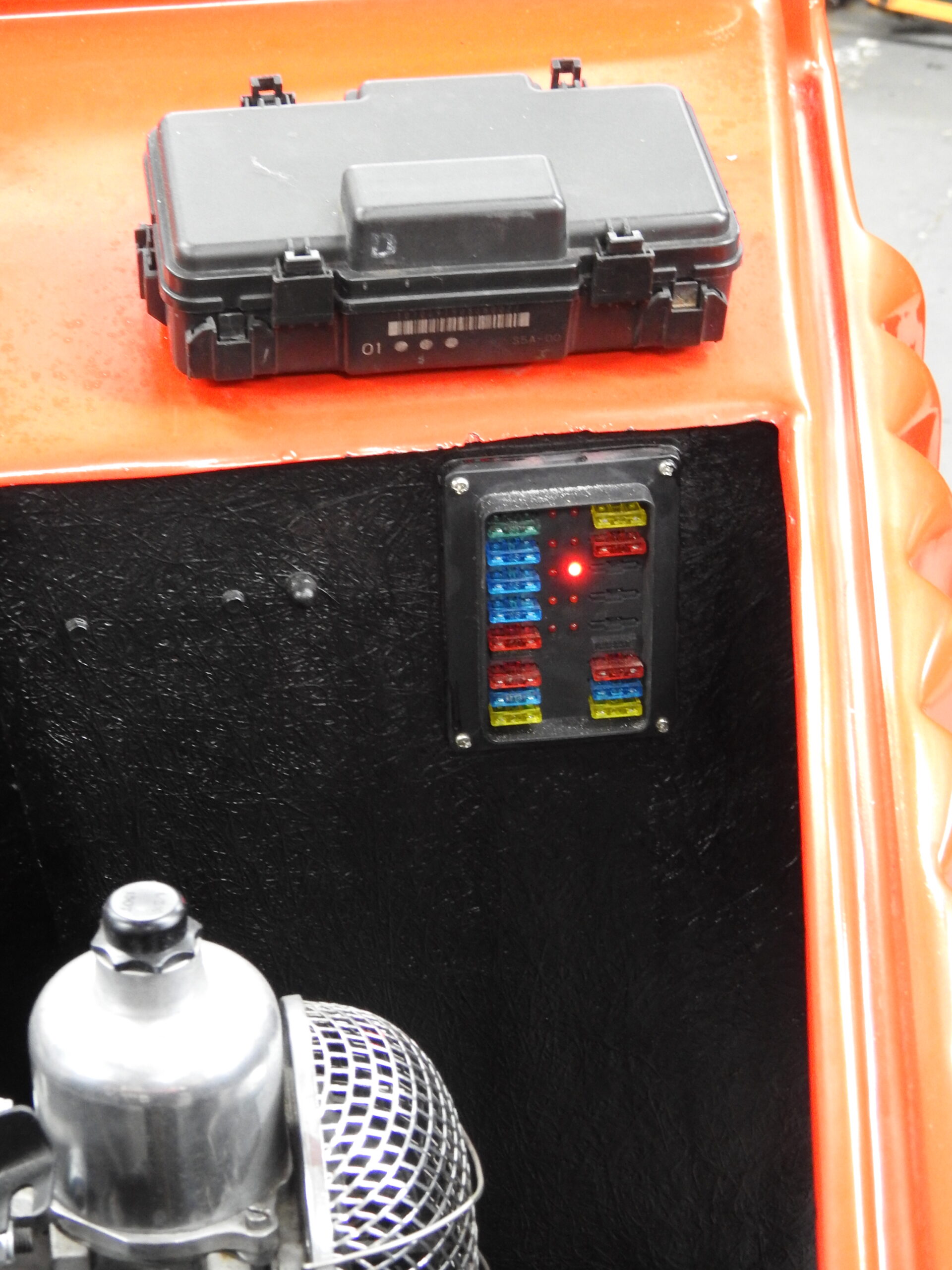
Fred is handy with a soldering iron and has constructed his own fuse box, which has little LED lights that glow should the fuse beside it blow. This worthwhile innovation should be more widely adopted — it negates the need to pull out each fuse and hold it up to the light, followed by a pause to find and place the necessary spectacles on the observer’s nose, plus another pause to find the pulled fuse again, followed a few seconds’ worth of squinting, only to discover it has not blown. Rinse and repeat.
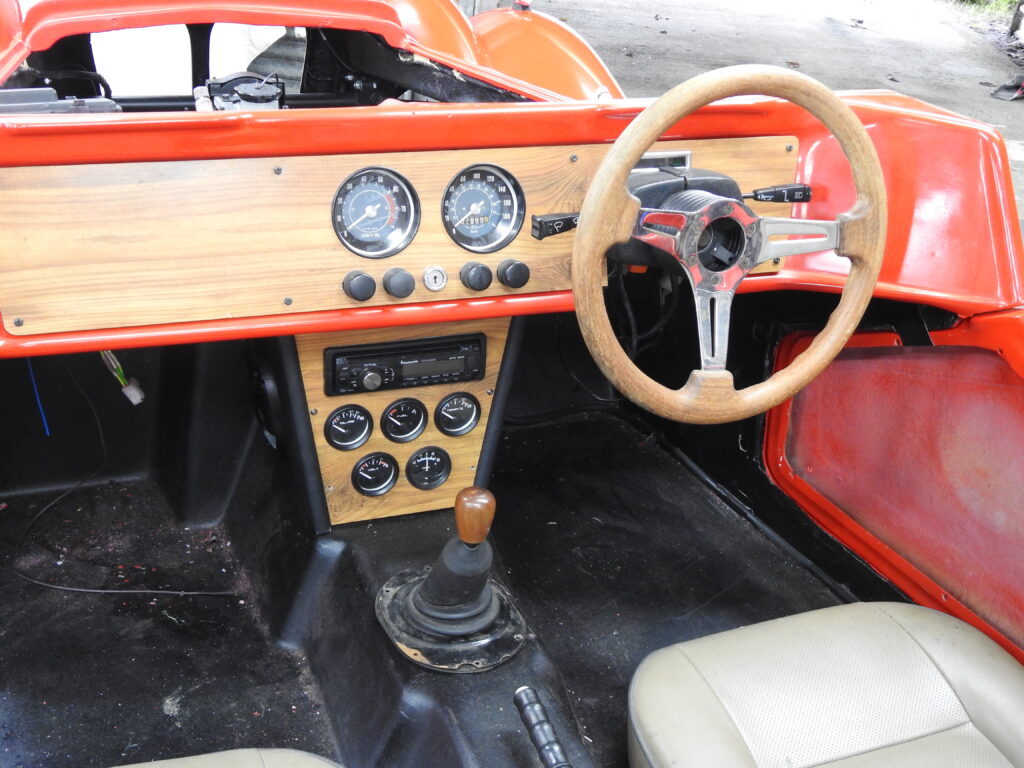
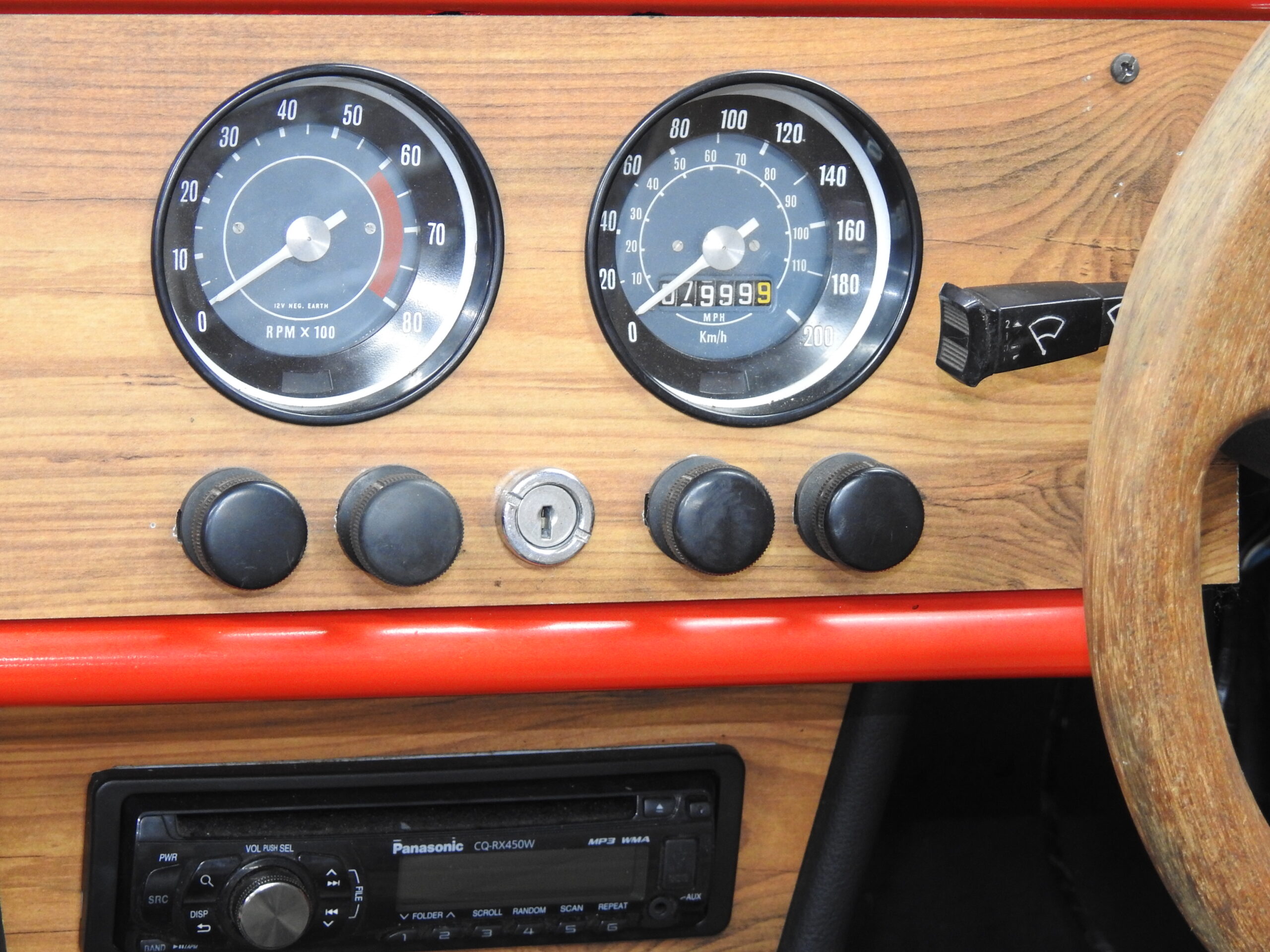
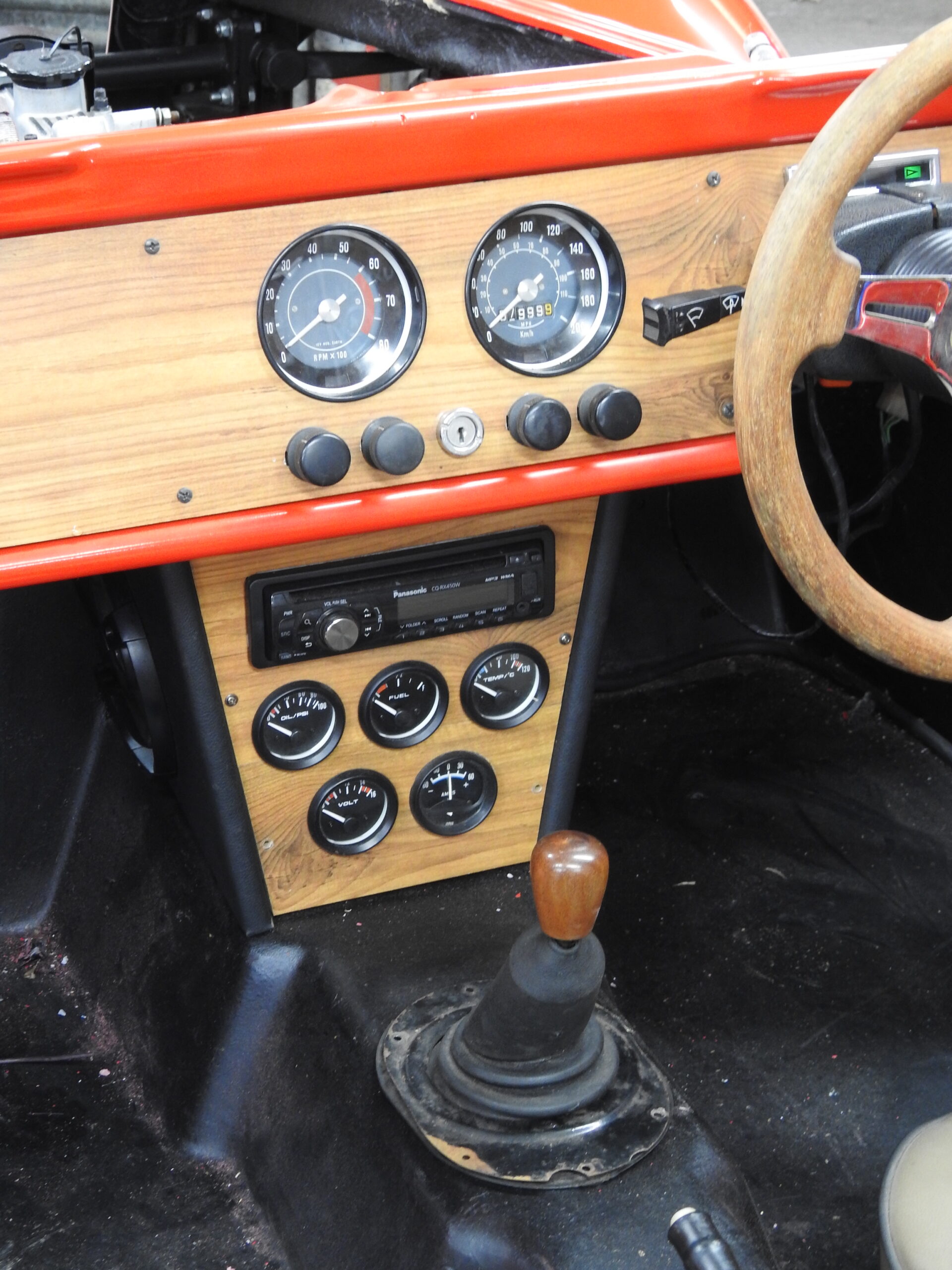
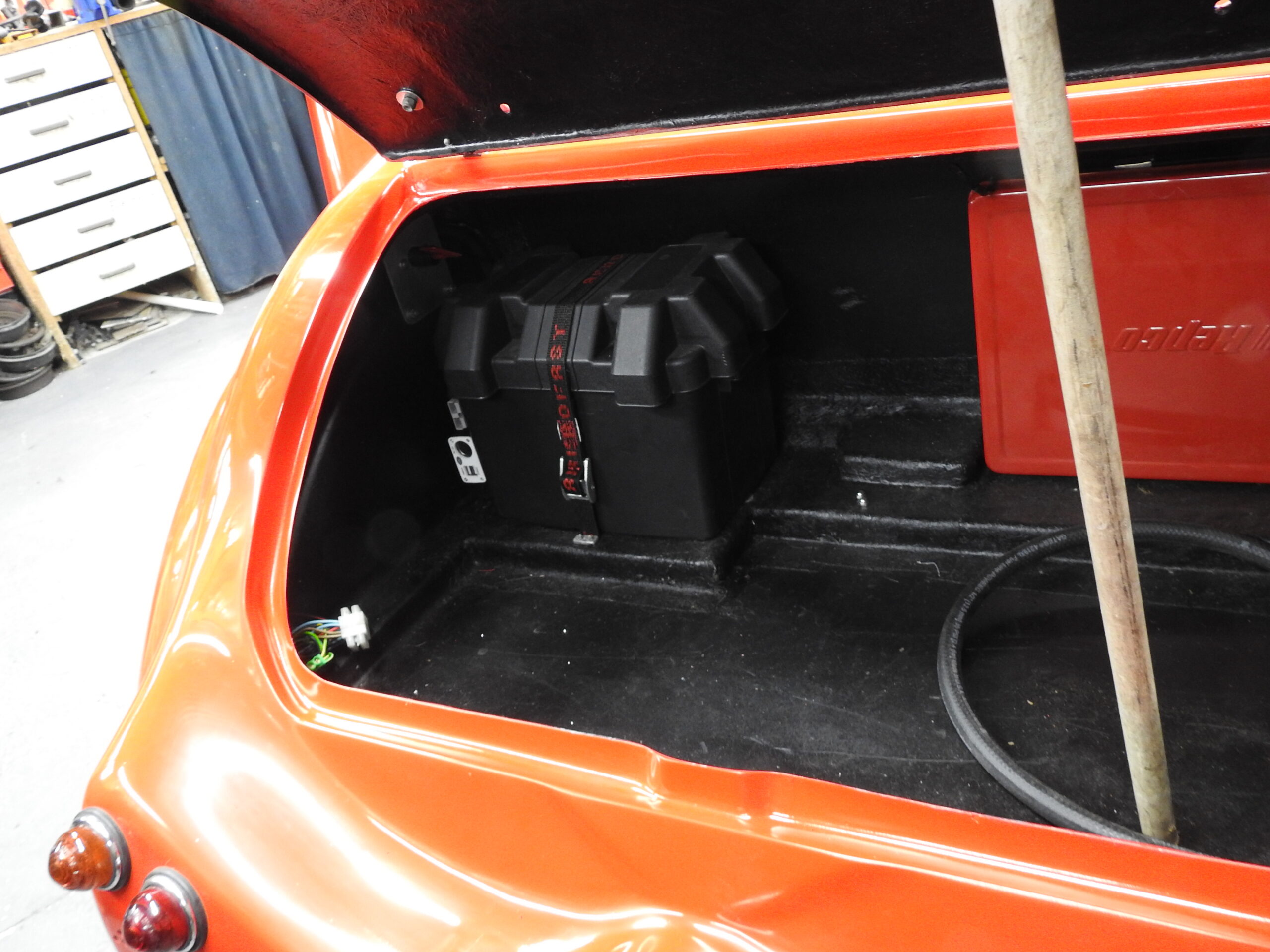
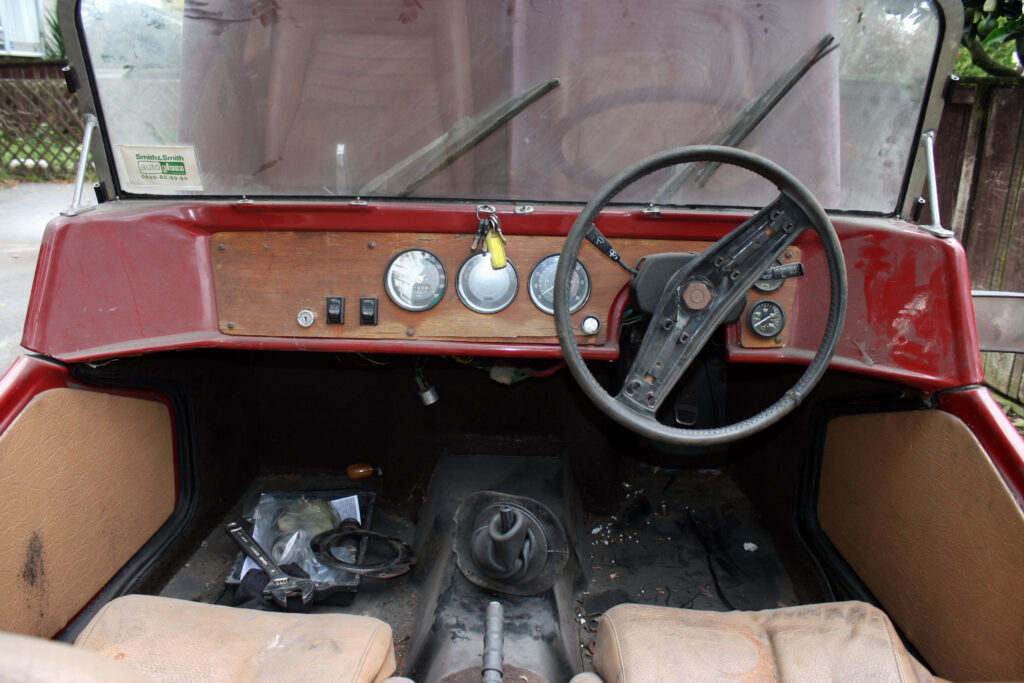
Just above the fuse box is a box that holds all the relays. Each relay also has its own LED light, making fault diagnosis very easy. To give the engine bay a vintage feel, all the wiring has been hidden. The mechanical fuel pump that protruded above the engine has been replaced by an electric version hidden by the fuel tank. A new dash panel was made using a spare piece of wood surplus to a recent kitchen renovation. I prefer this version of the recessed dash panel to the older flat panel versions. The Marina gauges have been mounted in the centre, as was the style of the day.
Heaters were not common in the era of these automobiles, so Fred made his own, using a heater unit out of a bus, operated by hidden controls. He still has the original soft top and side curtains that came with the kit. They will be fitted just in case, but he is doubtful that he will use them as he intends to use the Bulldog as a fair-weather tourer. It should be jolly good fun.