Hot Holdens are already highly prized but this month for Star Insurance Marketplace Ben Selby assesses what the rising tide is doing for the family versions.
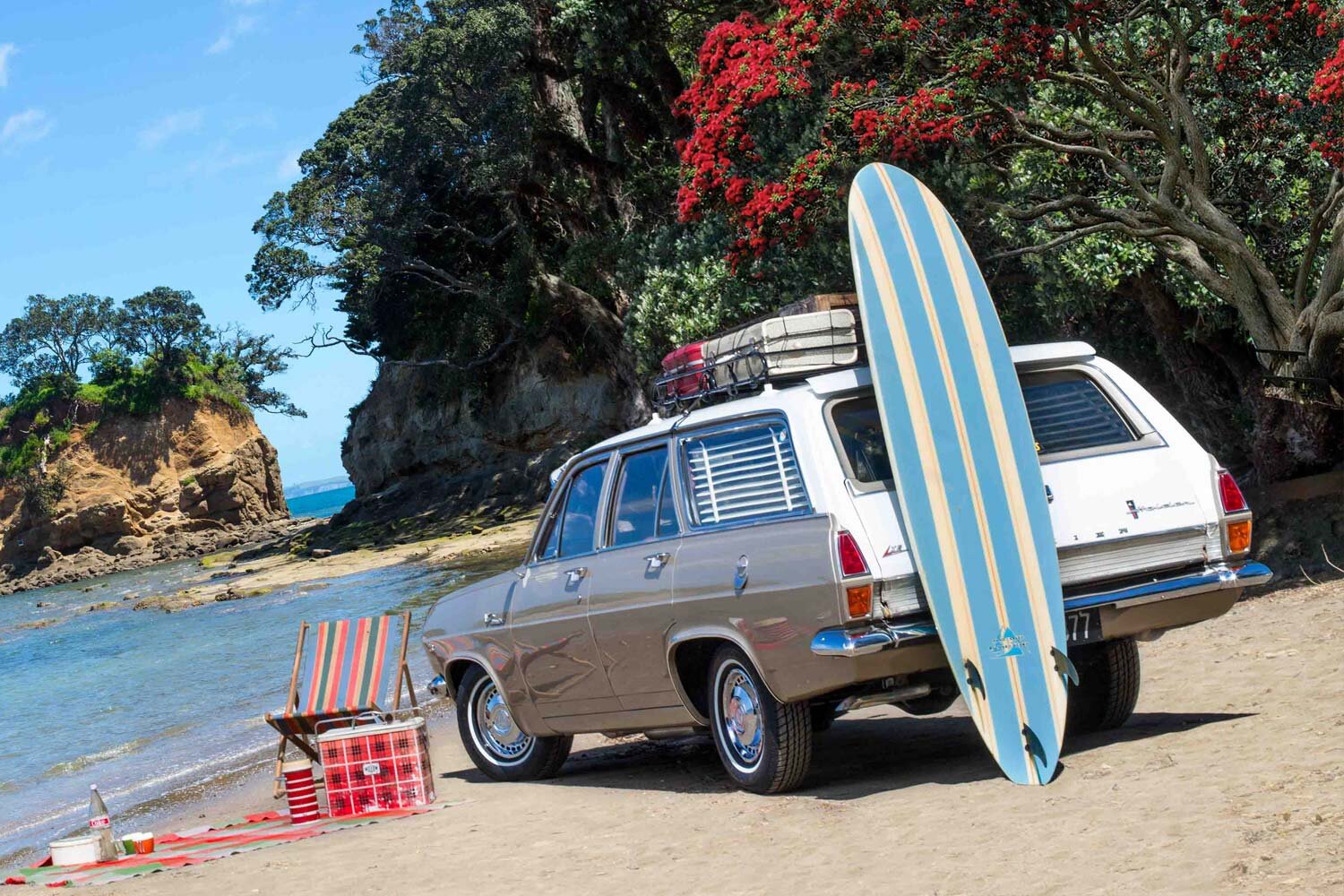
The demise of Holden Australia as we knew it in 2017 left a bitter taste in the mouths of the Holden faithful. In the wake of the collapse of Australia’s, and to an extent New Zealand’s, favourite car brand — well, apart from Toyota — the value of the classic Holden has been going up and up.
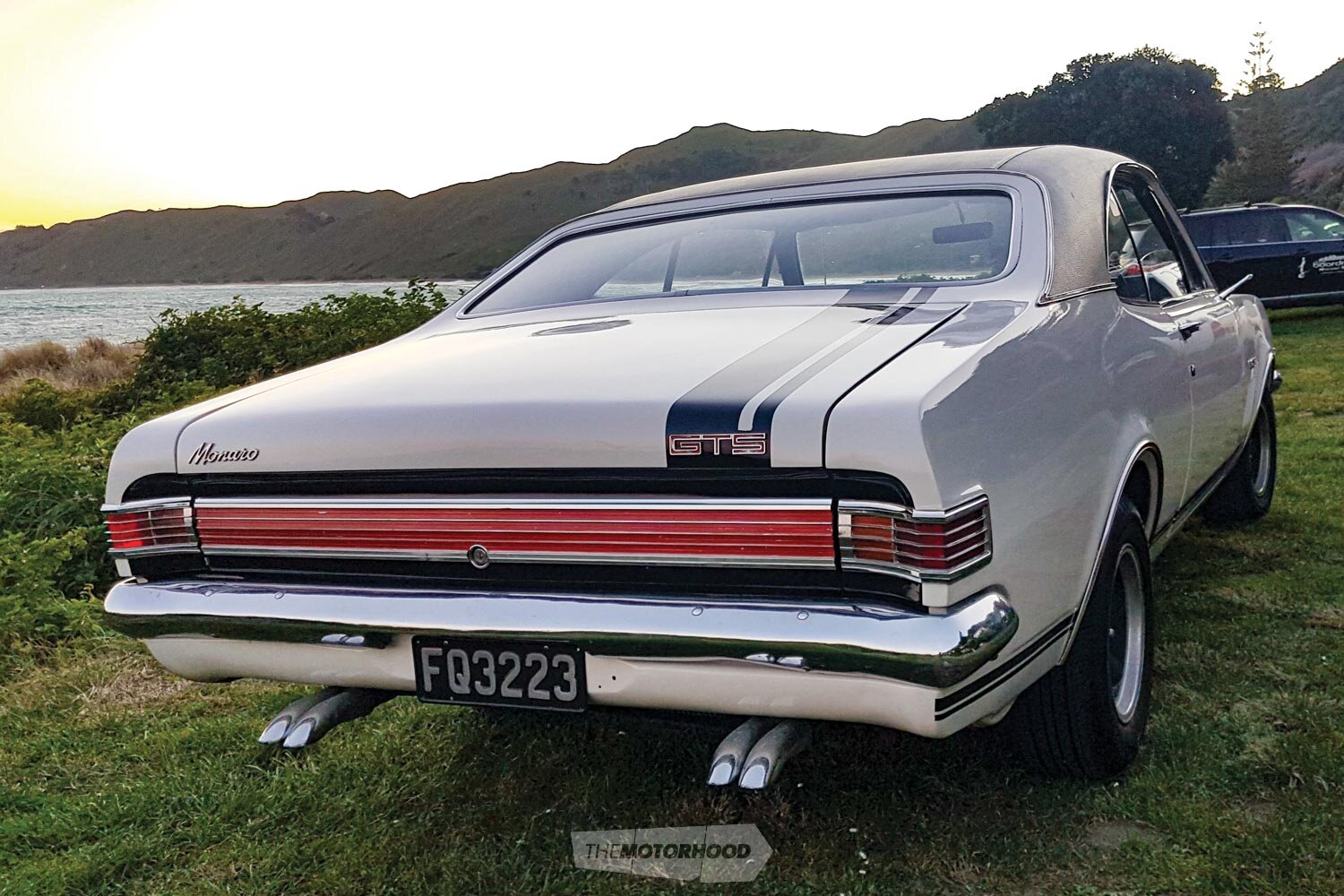
With the exception of high-end rarities such as the Commodore VK Group A, Monaro GTS, and Torana SLR5000, it seems the Red Lion models seeing the biggest rise in value are the ‘everyman’ Holden we took for granted four decades ago, idling outside the fish and chip shop at Taihape or whisking our nearest and dearest to the campground, caravan in tow.
“In my opinion classic Holden prices were already rising pre the Australian production cease. I also believe that the everyman cars will see a further rise due to good old-fashioned supply and demand,” says Blackwells Holden general sales manager George Wallis.
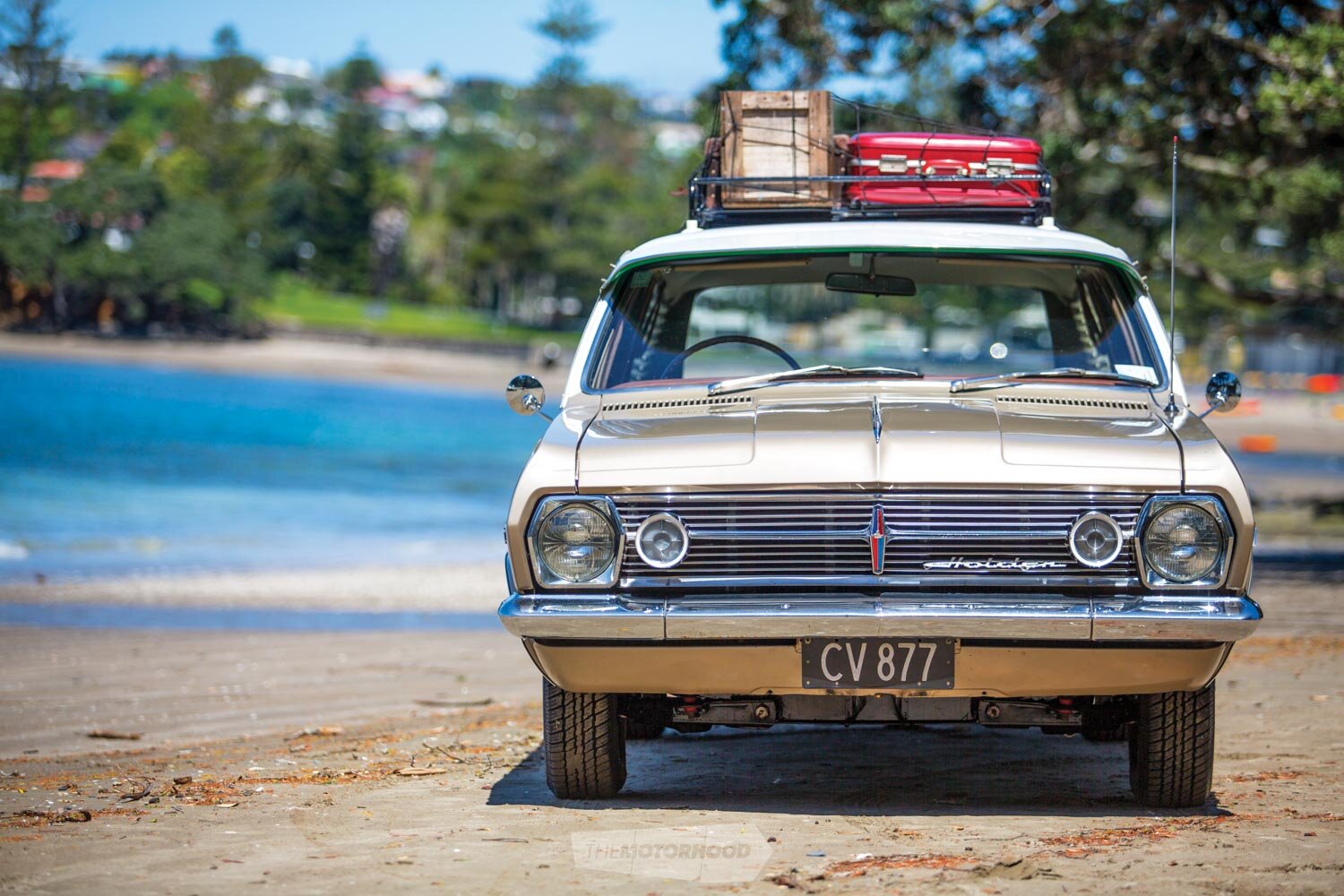
Premiers and Kingswoods ‘going nuts’
So which cars have seen the greatest price hike in recent times? Well, one can easily point to the saloons and wagons from the ’60s and ’70s. Once a dime a dozen, now the likes of the Premier and Kingswood are going nuts. Joshua Bentham is a member of the Holden Club of Christchurch, and is certainly no stranger to the turning tide, but only for those models post 1970.
“I think the market for pre ’70s has been very flat in recent years and the ’70s has seen the greatest increase, especially HQ,” says Bentham.
The good old ‘Kingy’ has stood the test of time, becoming the workhorse transport for families, business executives, and of course the New Zealand Police. When one puts a Kingswood and the latter of those three people groups in the same sentence, one can’t help but reminisce about HQ police cars being driven in anger in such films like Goodbye Pork Pie and Smash Palace.
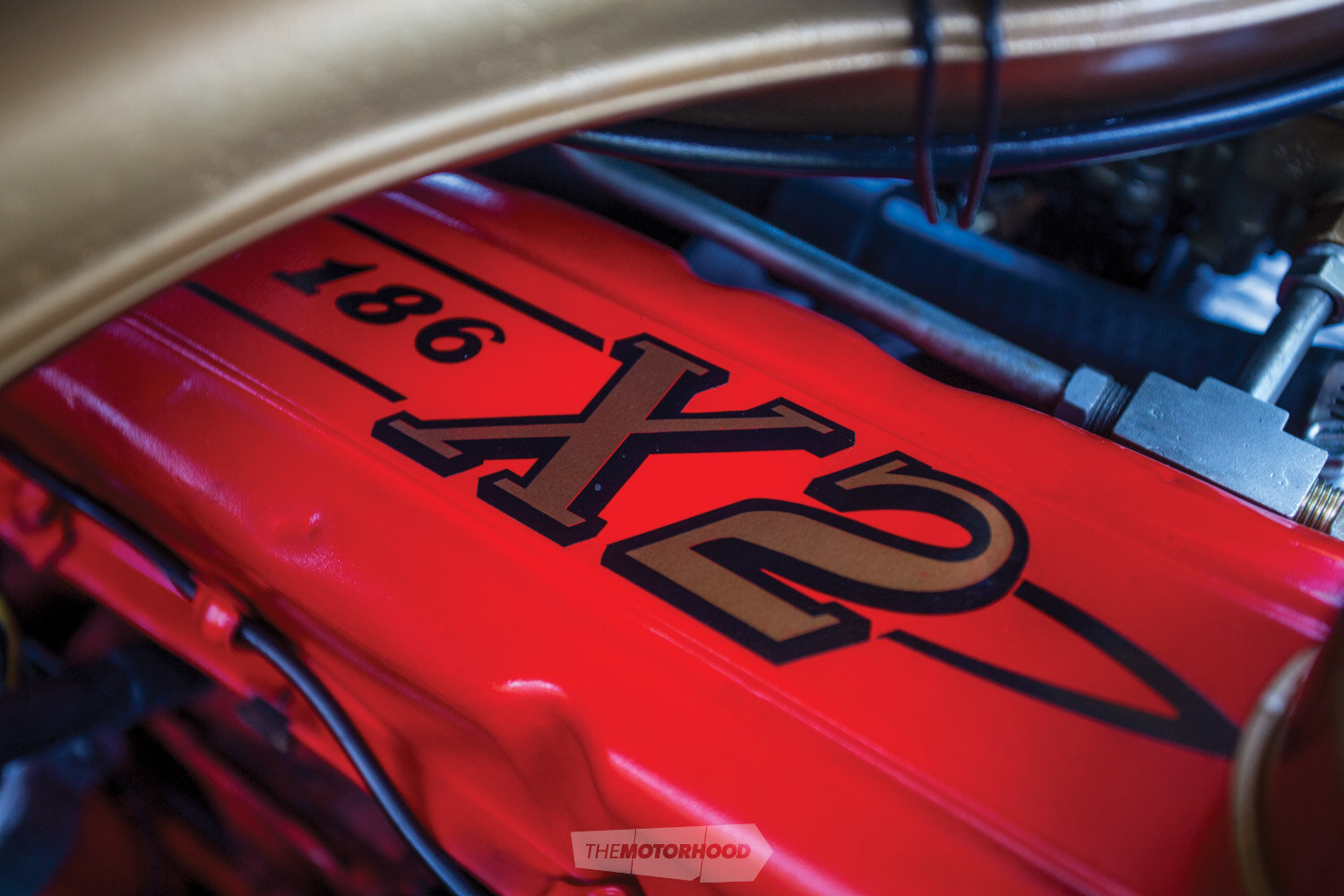
A love affair with Holden
Five years ago, you could pick up an HQ or HT with good service history and in relatively good condition for anywhere between $10,000 and $15,000. Now, since the end of Holden as we knew it, owners and fans alike are starting to get protective of their old straight-six road-going battle cruisers, and this has pushed values up considerably. Plus, thanks to the ill-fated HQ racing series, which saw many HQs leave this world and enter the automotive afterlife, it is certainly getting harder and harder to find a good one.
Peter Hendriks is an automotive painter at Auto Restorations in Christchurch. He is also a huge classic car buff and really appreciates a classic Holden. With an HR Premier and EK wagon taking pride of place in his garage, he knows New Zealanders’ love affair with Holden means people are starting to pay mega dollars for a piece of nostalgia.
“Kiwis have become very nostalgic with Kiwiana these days. The everyman Holden was a huge part of that,” says Hendriks, “with Holdens like the Kingswood, Statesman, and Premier being used as family wagons or as overnight accommodation, so many former owners want to go back and revisit their youth,” he says.
Peter has owned his HR Premier for 22 years and has seen the market take off in recent years.
“If you want a half-decent Premier, Kingswood, or Statesman, you will have to set aside at least $20,000 for something complete and in decent condition. Compare that to a number years ago when you could go to an auction house and find the same car for $2000.”
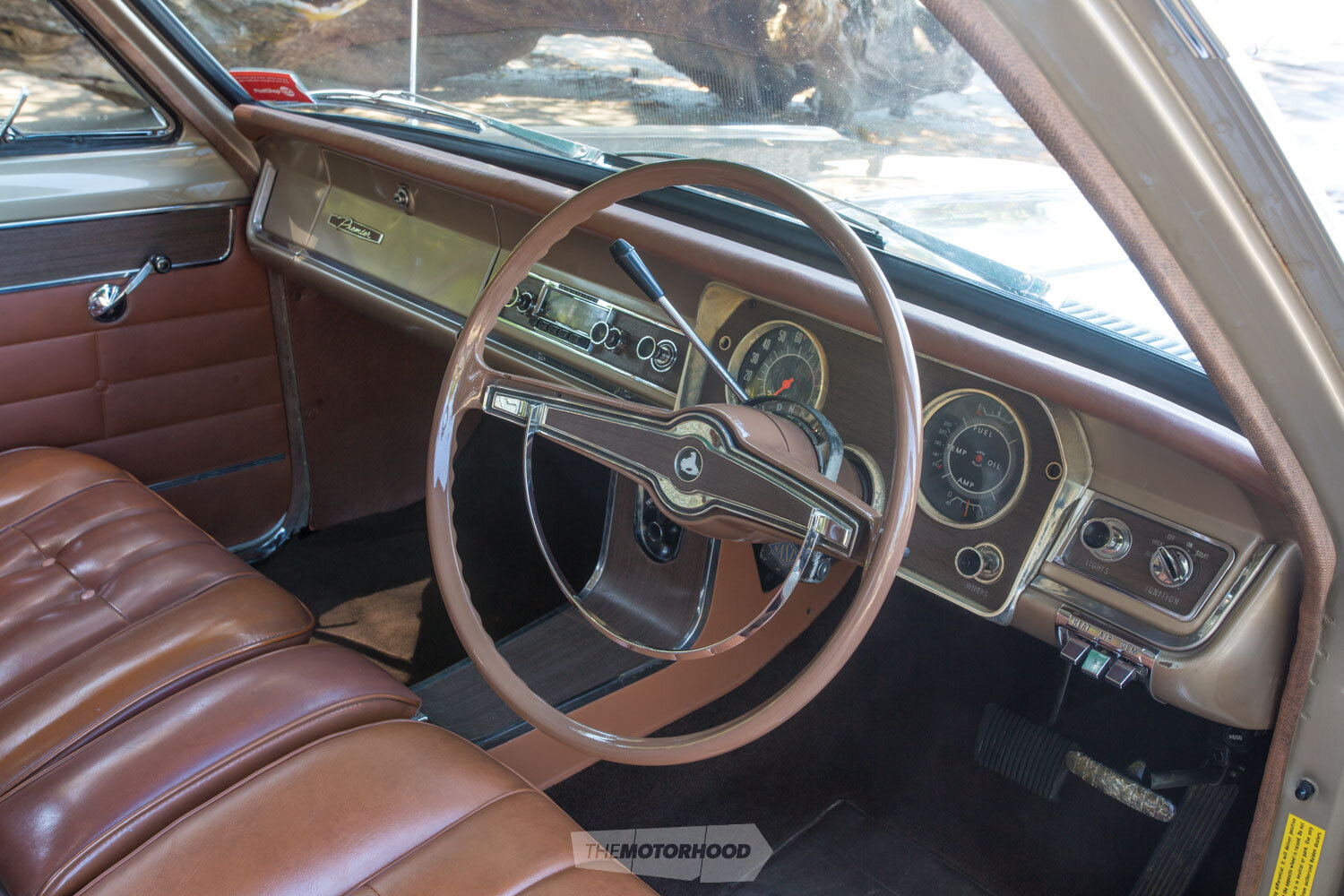
Demand exceeding supply
With the supply of ’60s and ’70s Holdens getting fewer and fewer, plenty of owners out there are asking for top dollar. They are starting to wonder whether they will ever find another HQ, HT, or HR like this, so they bump up the price accordingly. Therefore, if you find a good one, you may end up fighting either with competing bidder, or even the seller, to get it for a good price.
When you do find a Kingswood, Premier, or Statesman that tickles your fancy, finding a matching numbers example isn’t easy, but it’s worth it, according to Peter Hendriks.
“A lot of Holdens of this time were engine swapped, especially the early ones. If you are looking for an EK, EJ, etc., make sure it has the correct engine for the chassis. Some like an upgraded or modified engine of later years, but if you are looking for an investment, look for a matching-numbers example.”
According to Joshua Bentham, it also pays if you show the seller that you bleed Holden red, figuratively speaking.
“When buying a classic everyman Holden, it is certainly easier if you are in the know and harder if you aren’t. Most sellers seem to trust existing classic Holden owners. There are still some hidden in sheds and these are bound to come out as it passes through generations.”
An everyman Holden like a Kinsgwood, Statesman, or Premier is like a family heirloom, something to be handed down through the generations. It is a shame that back in their heyday, few thought to hang on to them; they were just so numerous on New Zealand roads. Well, as Bob Dylan said, “The times, they are a-changin’,” and if the market trends observed by enthusiasts and experts are anything to go by, these workhorse Holdens, like the GTs before them, need to be snapped up now or you might miss out.