The XJ-S was controversial at launch, but its difference from the norm then only increases its appeal now — and the Janspeed version increases its charm in all the right ways
By Patrick Harlow
The new Jaguar XJ-S sparked controversy in the world’s automotive media when it launched in 1975. Journalists were split, either loving it or hating it. The legendary E-type had finished production, and sports car enthusiasts were expecting a suitable replacement. Jaguar, however, had recognised the E-type would be a hard act to follow and, thinking the sports car market was in its twilight years, decided to move into the luxury GT market instead, where it believed there would be more money and more sales.
No doubt Jaguar had been following the fortunes of Aston Martin, Porsche with its 928, and the Ferrari Daytona. The car Jaguar launched in 1975 came with a 212kW (285bhp) V12 engine as standard and, in sharp contrast to the svelte E-type, had a wide stance on the road. It was a much bigger and heavier car than its predecessor. The XJ-S also cost almost twice as much as the outgoing E-type, making it the most expensive car in the Jaguar stable and, in Jag’s opinion, at any rate, worth every penny. Here was a car that combined Ferrari performance with Rolls-Royce levels of quietness and ride quality. It had a reasonable ability to go around corners for its size, and was capable of almost 250kph (153mph).
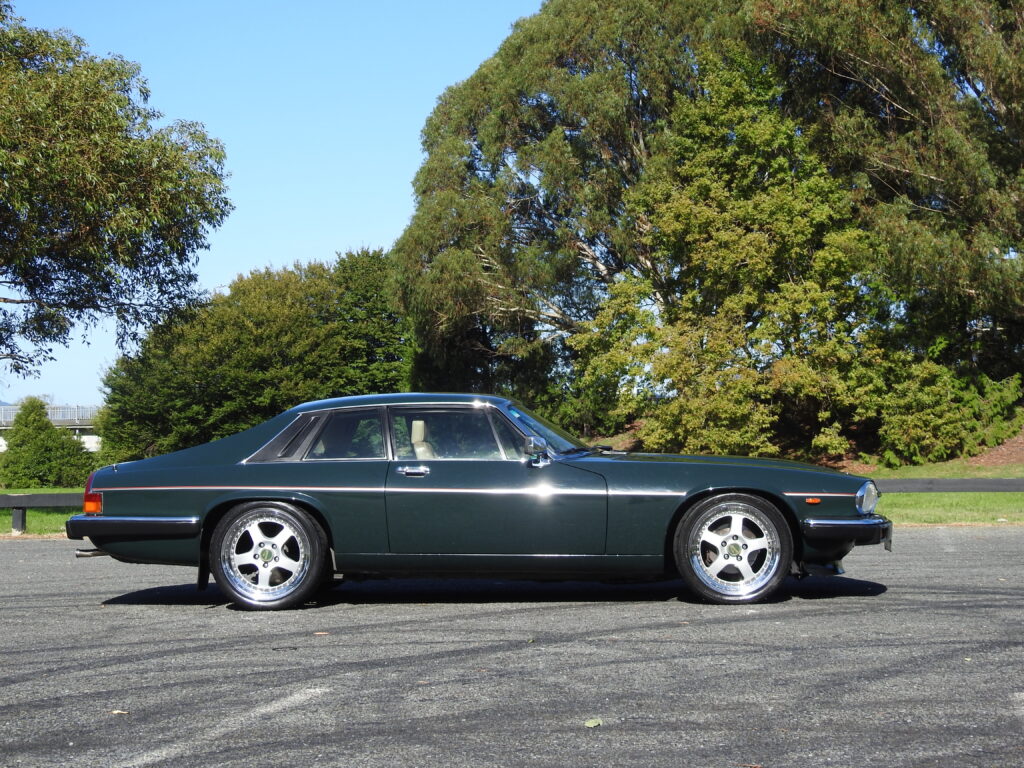
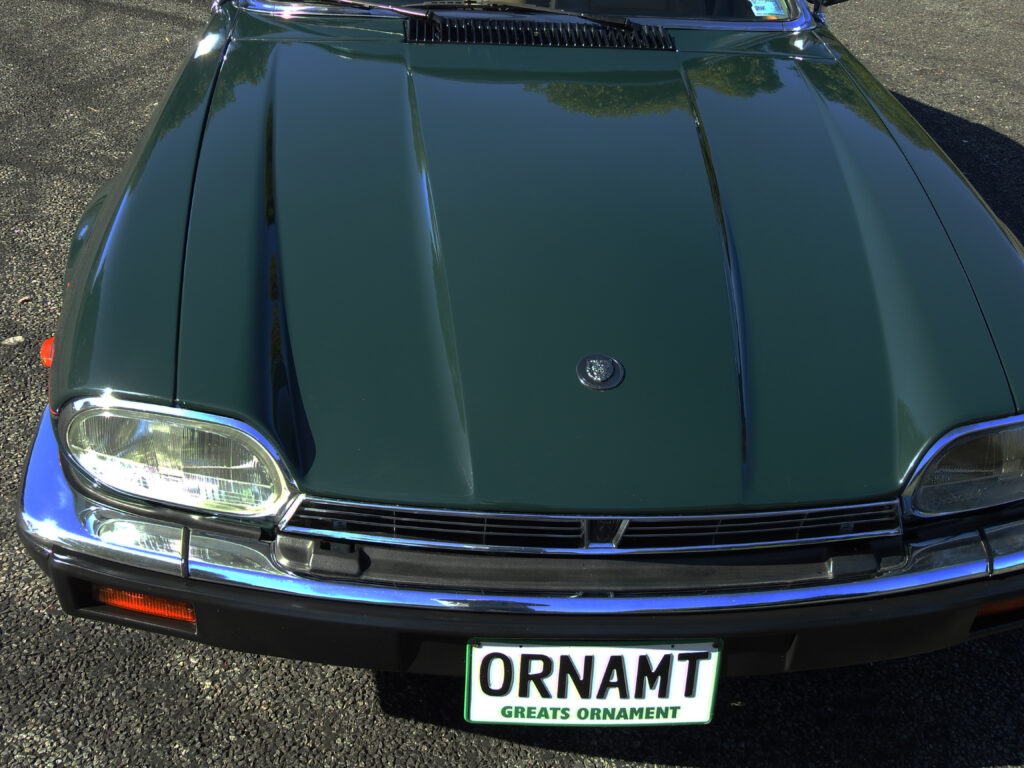
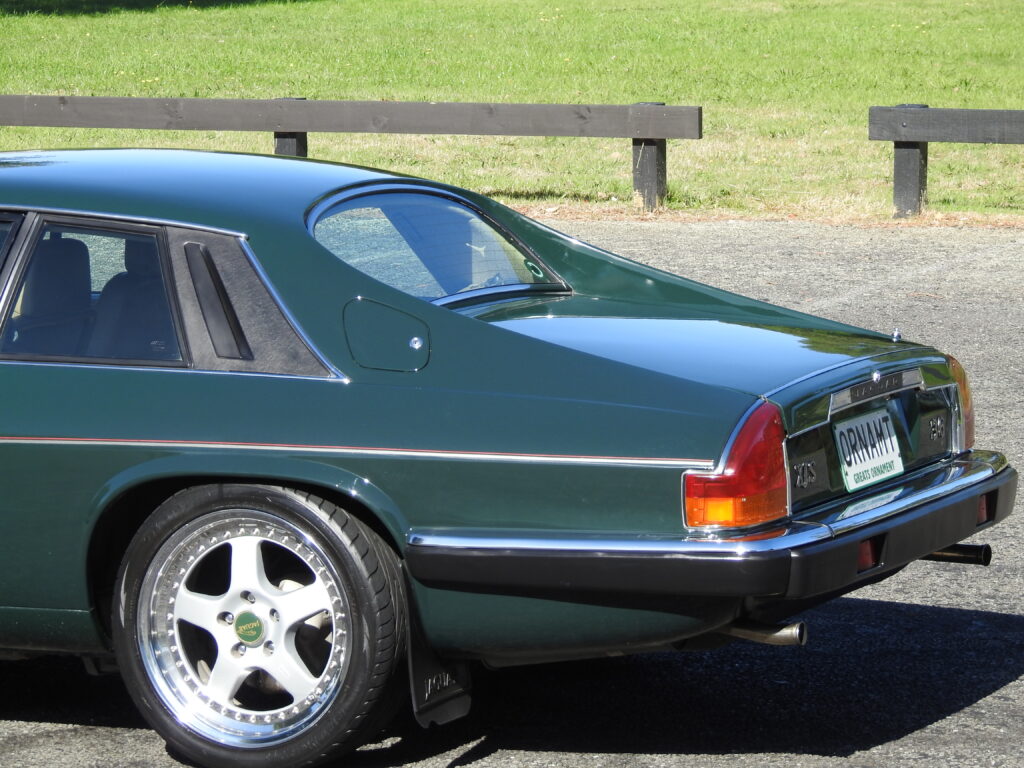
This was a luxury car designed to eat up the long winding roads on its way to the racetrack — not to take part, but to allow its owner to watch the action before wafting him or her home in refined luxury. The matt-black aeroplane-like interior of the E-type was gone, replaced with the fittings of a stately home, shiny polished wood, and lashings of leather. With its long bonnet stretching to the horizon and buttresses flying behind it, it was certainly good enough to take on its European competition in the distinctly English way that appears to give the other cars permission to share the road with it, if they must. Jaguar’s slogan, ‘Grace, Pace, and Space’, really suited this car — for the front seat occupants, anyway.
Getting into its stride
Jaguar’s confidence took a bit of a battering as sales stumbled along for the first few years while the public took its time getting used to it. Launching a 5.3-litre V12 car with a fuel economy of around 20 litres per 100km (14mpg), just as the world fuel crisis bit deep, certainly didn’t help matters. The Germans had trouble with the stylish C pillars, and churlishly insisted that each car obtain individual road approval before registration. It was not until 1981, when the model received a facelift and a push even further up market, that sales began to take off. It settled into a comfortable middle age, eventually totting up 21 years in production. Interestingly, the car it was based on — the Jaguar XJ6 — would remain in production for a further two years, making these two cars Jaguar’s longest-running production cars to date.
The grand touring coupé would continue to be called the XJ-S until the brand was purchased by Ford in 1989, at which point, inexplicably, it lost the hyphen and became just the XJS.
Inevitably, the car also suffered the usual reliability problems that affected any cars built by British Leyland at the time. The weight of the huge cast-iron V12 in front of the driver also meant the big car was not too fond of corners, which some found to be un-Jaguar-like. However, after Jaguar cut its ties with British Leyland in 1981, things began to change. By the time Ford took over the company, most of these issues had been resolved, and the XJ-S was the top-selling luxury coupé in the UK.
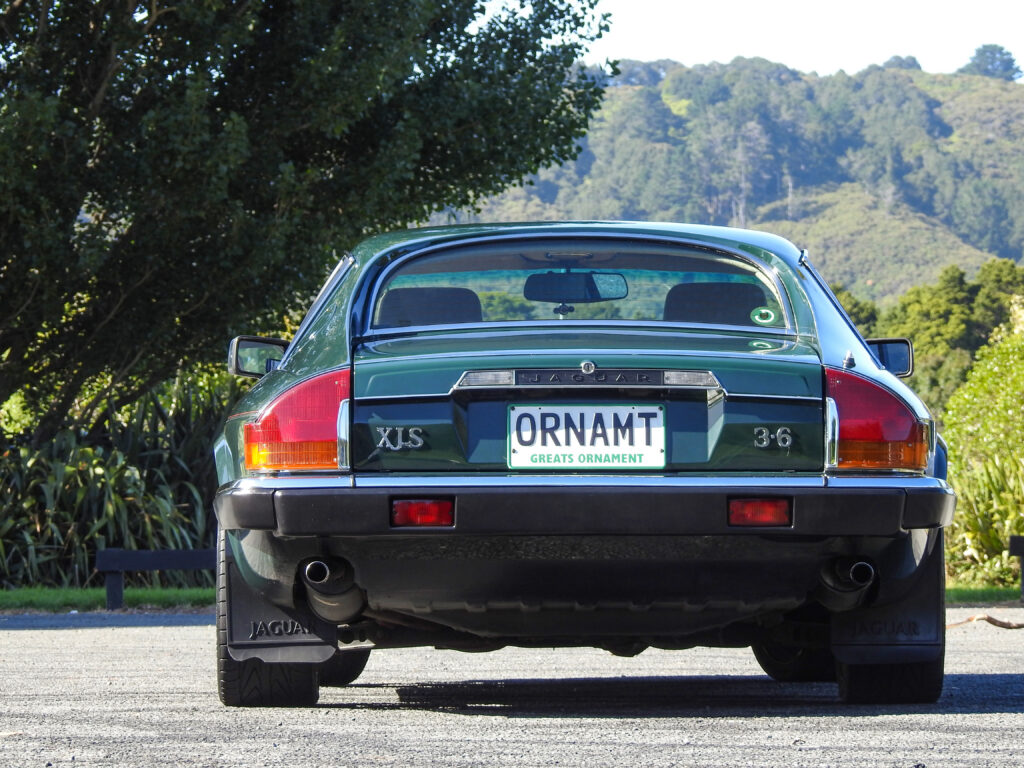
One of the best solutions Jaguar introduced in 1981 was the 3.6-litre all-alloy engine. Despite initially being seen as a poor sibling, it quickly established itself as the car with the best handling, along with a 33 per cent improvement in fuel economy. Although the top speed was reduced to 137mph, it was still fast enough for any British, European, or American road. The 3.6-litre’s 0–100 km/h time of 7.9 seconds was very respectable for the day, and not too shy of the bigger V12’s 7.6 seconds.
People who bought these cars new had worked hard to sit in comfort, and they were suitably rewarded as they were wafted home; but they were not disappointed when they wanted to hustle. This Jaguar not only purred, it also had a genuine growl that was the envy of many.
Bigger isn’t always better
The smaller straight-six XJ-S lacked the kudos of the V12 badge but, in reality, the term ‘V12’ only carried any weight in the gentlemen’s clubs. To the man on the street, it was more reliable and cheaper to repair and fuel; plus, having shed the enormous weight of the V12, its ability to go around corners better was a welcome gain more in keeping with Jaguar’s sporting heritage.
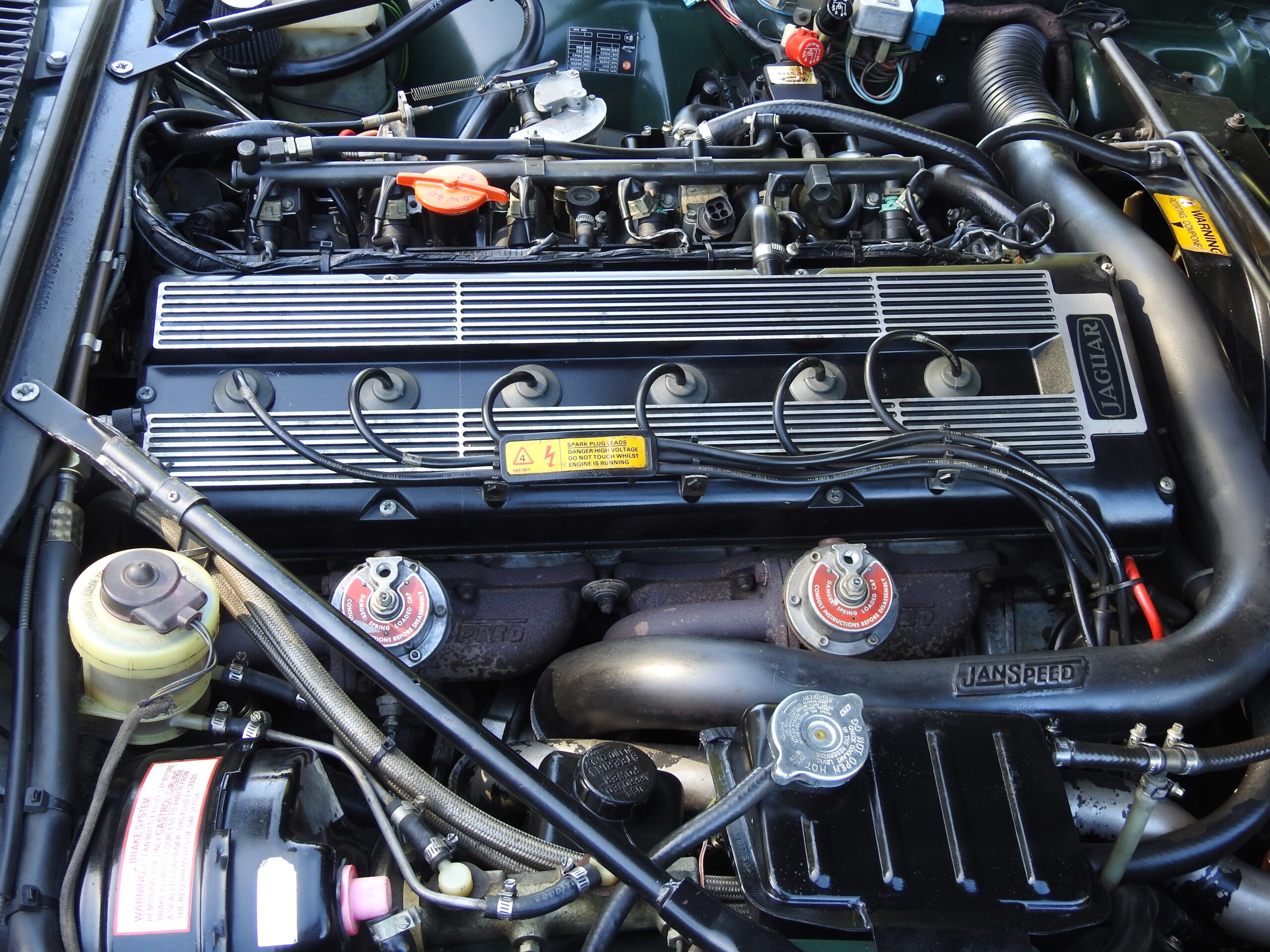
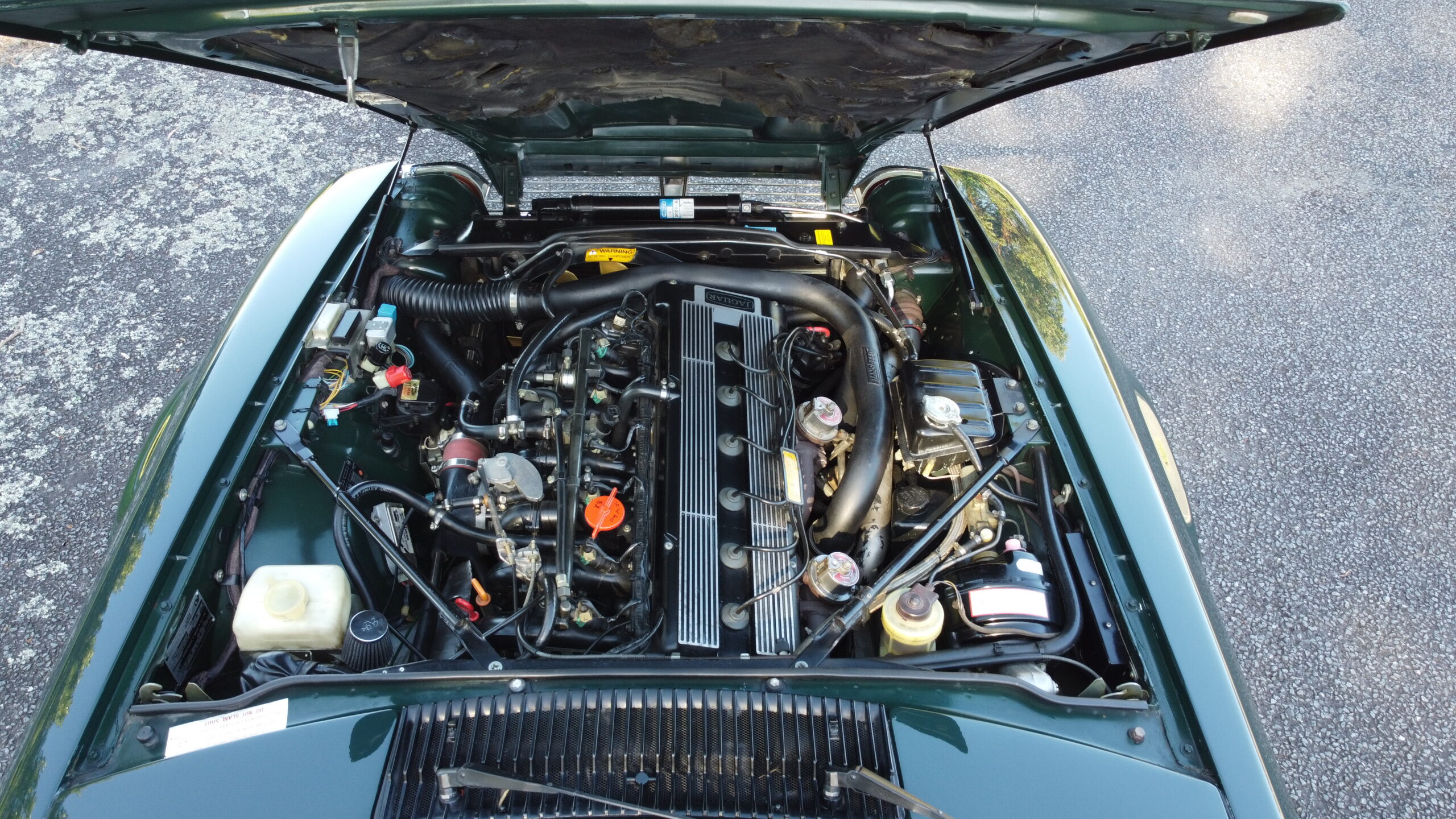
Another gain was that the 3.6-litre engine took up less room under the bonnet, meaning the additional space could be used to add go-faster bits. Janspeed, a performance tuning company, decided to move the coupé into supercar territory and, once it had added a few of its bits and pieces, people noticed a marked difference. Suddenly, the XJ-S was competing with the likes of the Ferrari Testarossa and the Lotus Esprit.
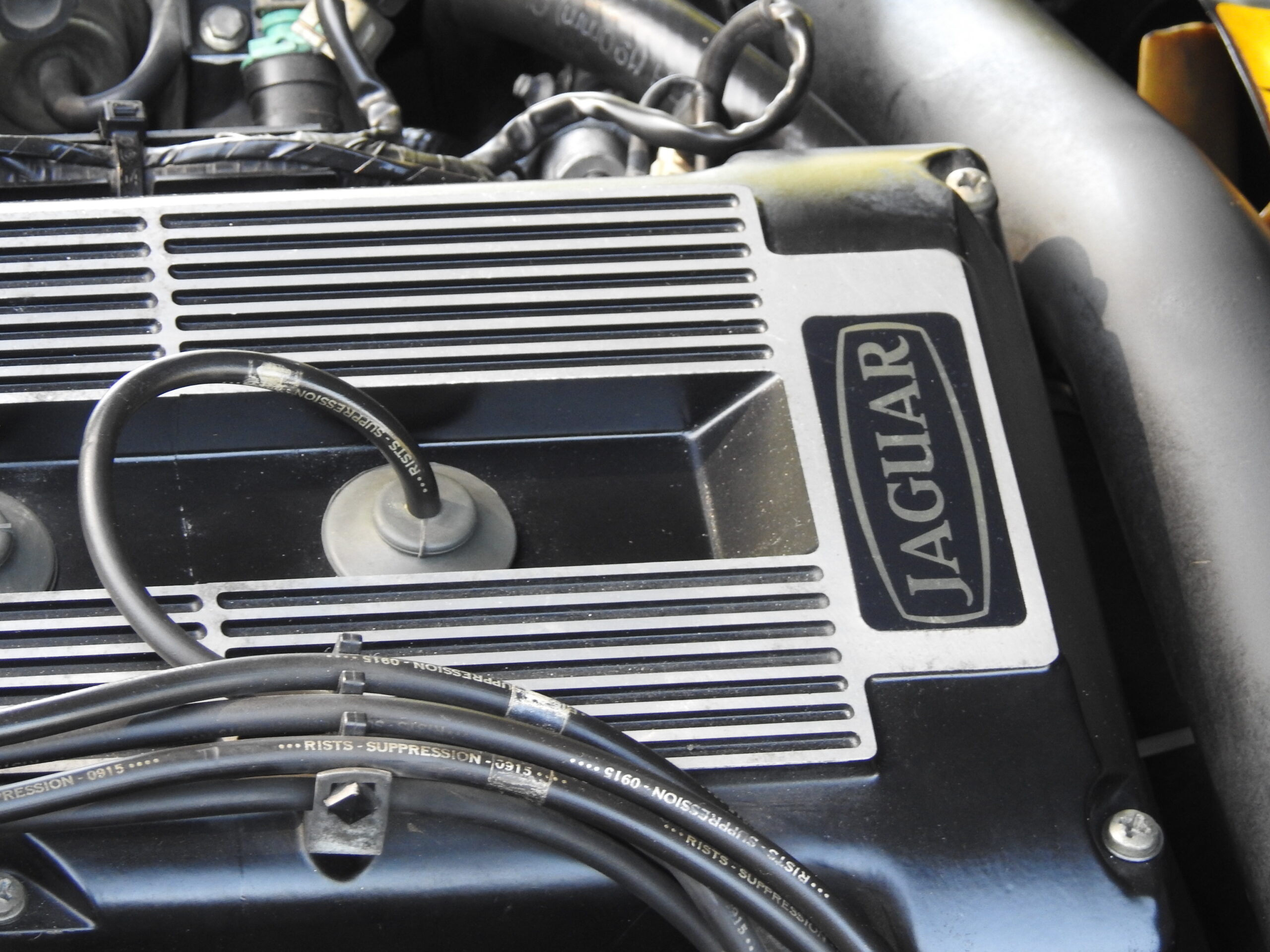
Forged racing pistons and con-rods went in; the balance of the crankshaft was fine-tuned; the cylinder head was ported; and new, gas-flowed exhaust manifolds made a huge difference. We can be fairly sure that the twin turbos Janspeed attached in addition to all the other bits had something to do with the dramatic increase in performance, too.
The revised car not only had the refinement of a luxury grand tourer but also the blistering performance of the supercars of the era. The improvements in the engine bay and gearbox made the 3.6 XJ-S more powerful and faster than its V12 sibling. Now, with a 0–100 km/h time of less than six seconds, there were only a few cars that could keep up with it. Thanks to Janspeed, Jaguar once again had a sports car that was reminiscent of the glory days that had vanished with the demise of the E-Type.
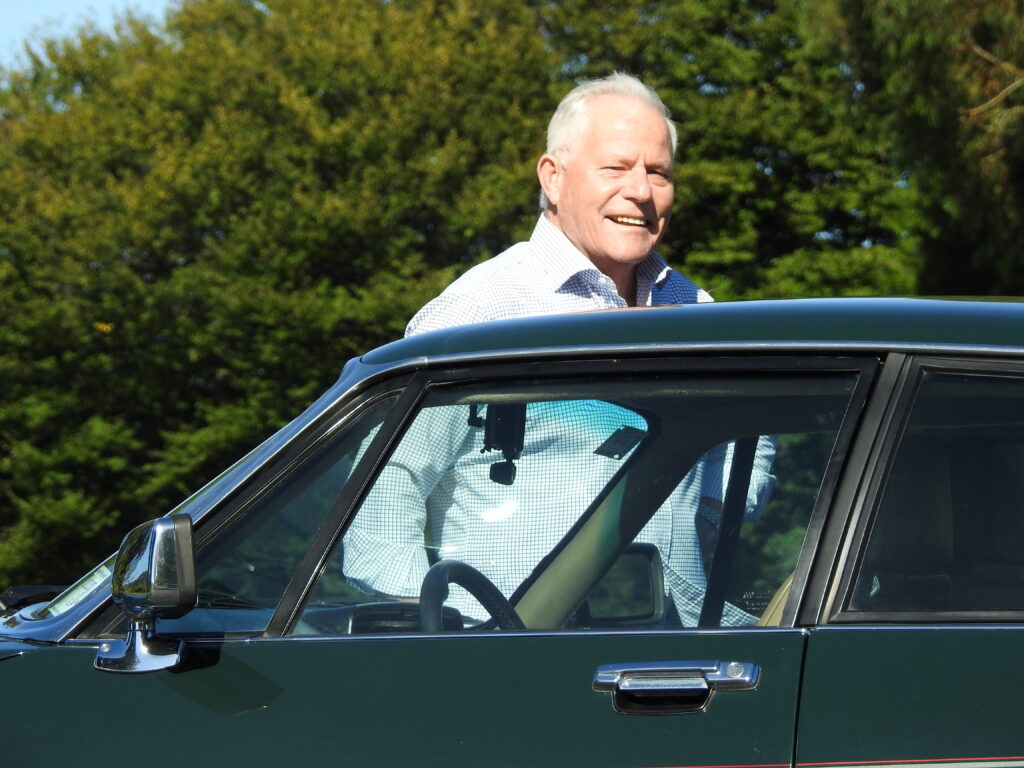
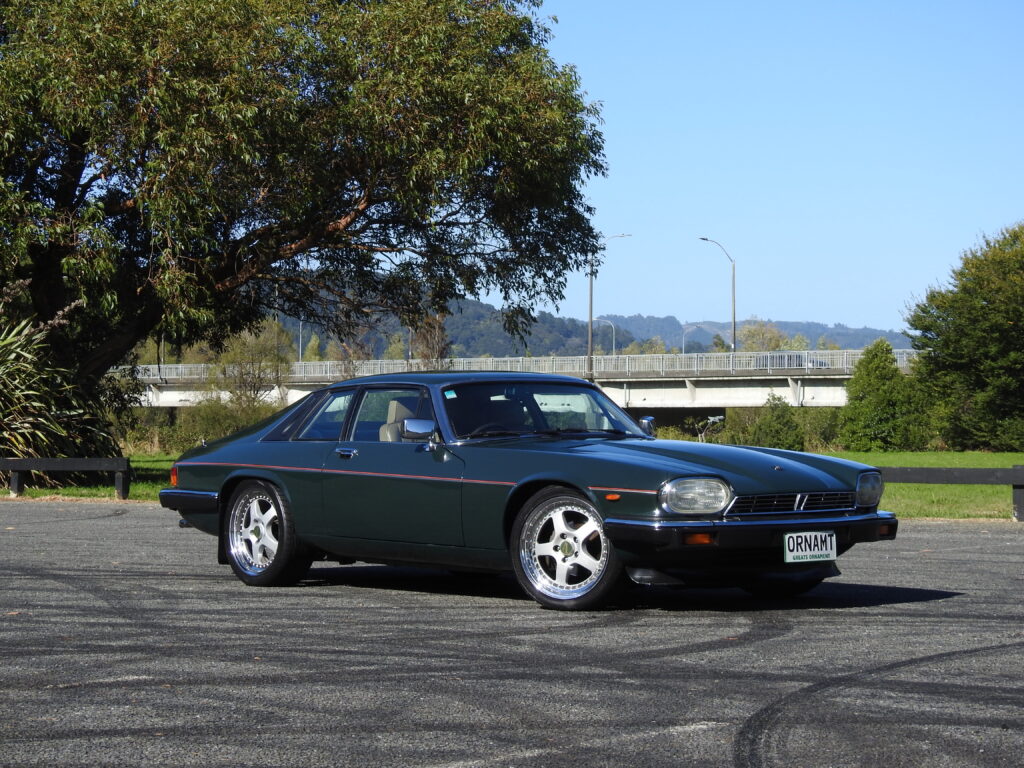
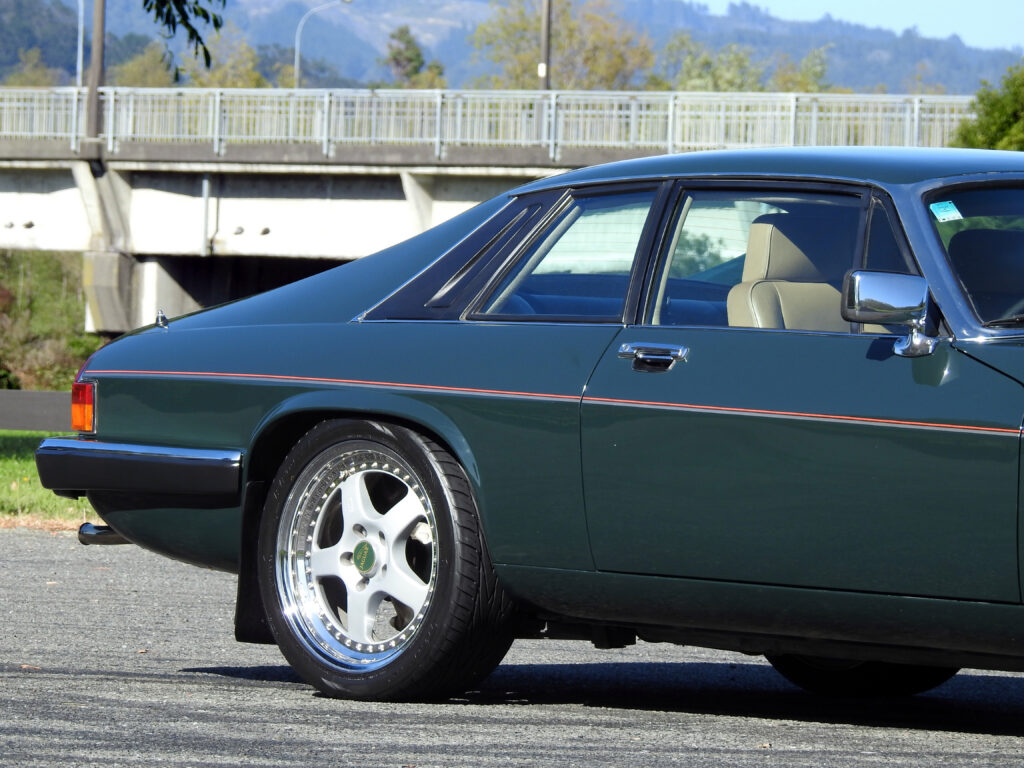
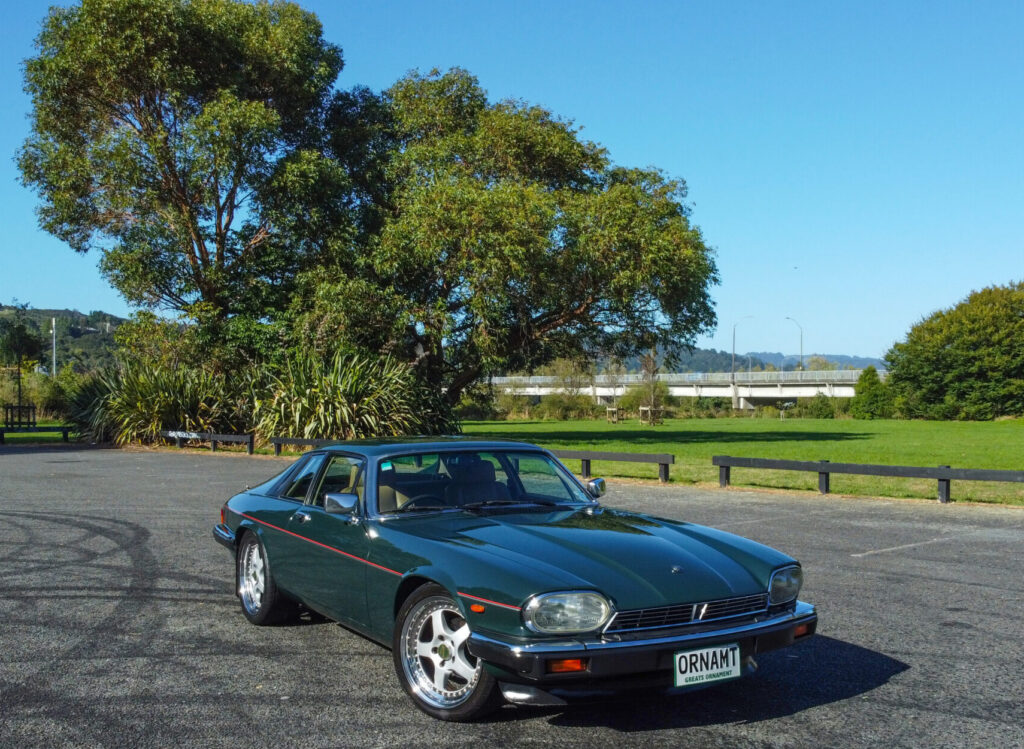
Thankfully, a few of these cars made it to New Zealand, the odd one being imported from the UK over the years. However, the 1988 British Racing Green example owned by Bill Slater in Upper Hutt was originally sold as a standard car but converted using the full Janspeed kit by the first owner within a couple of years of buying it.
Bill has owned a few other Jaguars. In fact, after he sold his Jaguar XJ12 in 2018, he found himself pining for another and, when the XJ-S came up for sale, he could not resist it. Having just sold the V12, he was not expecting much from the six-cylinder car other than more reliability and it being cheaper to keep on the road. Naturally, he had heard of the influence Janspeed had on the marque, but it was not until he took the car for a test drive that he became aware of just how superior it was to the car he had just sold. The price of a second-hand Janspeed XJ-S and that of a standard 3.6 XJ-S is quite comparable, making the Janspeed version an incredible bargain, even more so in comparison with other performance classic cars — or even modern cars, for that matter — which cost far more bucks for the bang.
Most of the reliability problems the cars had when they came out of the factory have been fixed. The fun that can be had with them for very little investment still appears to be something of a secret. When Bill told me he had bought the car for less than the price of a new Suzuki Swift, I was shocked.
Swift progress
Bill’s car was not perfect. When he bought it, the paint needed touching up in places and in others, a couple of panels and bumpers needed a bit of realigning. Bill says Dyson of Delta J Panel and Paint enjoys working on classic cars and did a good job getting the car to the fit and finish a car of this stature should display. Since then, Bill says, there has always been something to tinker with but, that said, in the time he has owned it the computer-controlled fuel-injected engine has not missed a beat. One of his favourite drives is over the winding roads of the Remutaka mountain range. The car handles brilliantly, and the 215kW (293bhp) of power is quite manageable, although he admits he has to be a little more careful in the wet.
After five years of Bill’s ownership, the only major repair has been a worn gearbox mount, which he changed himself. Over that time, his mechanic, Clive Rogers of Miro Auto Services, has been very helpful. Being a Jaguar XJS owner, he is also very enthusiastic about the marque. Otherwise, it has all been trouble-free motoring.
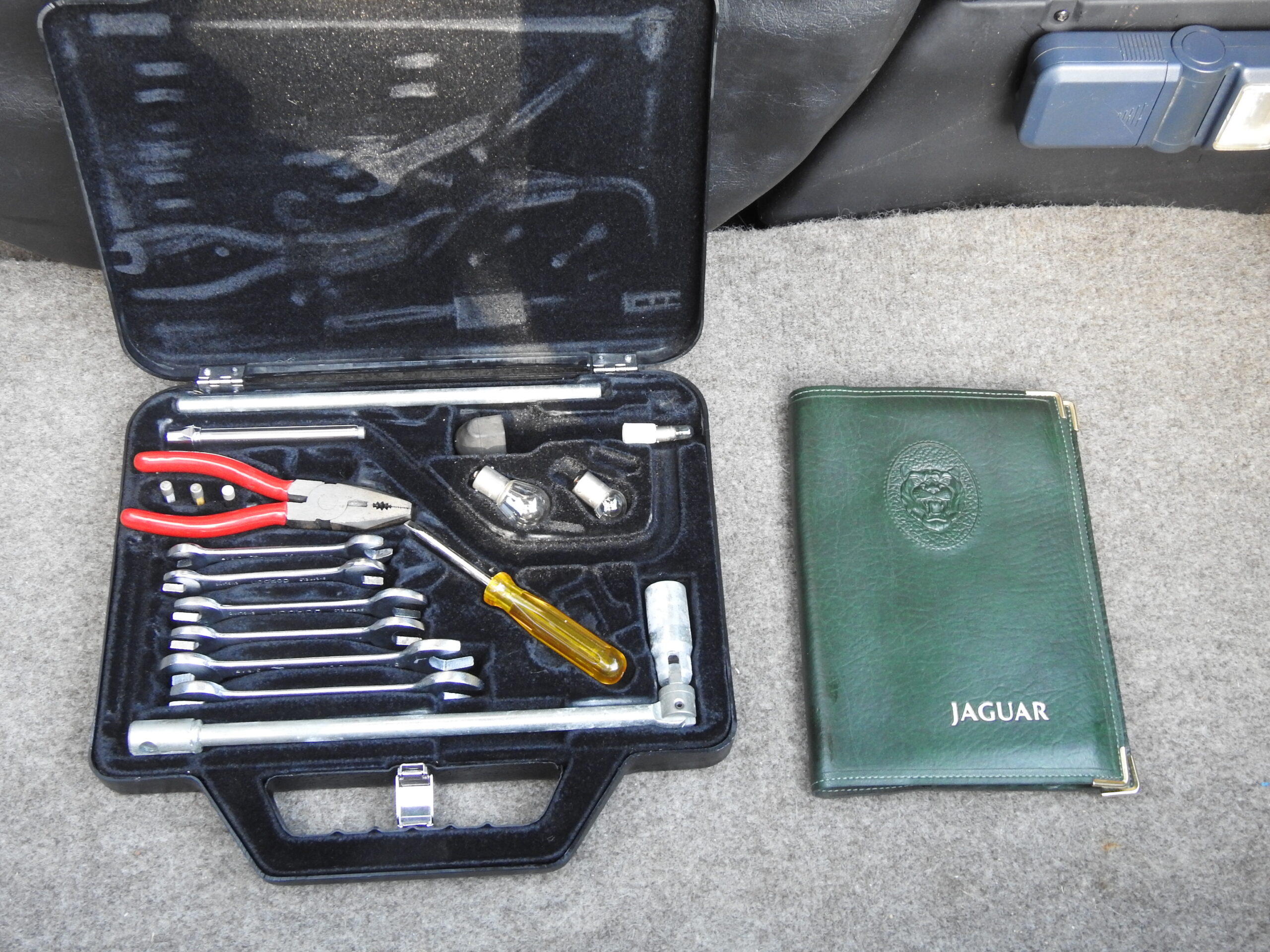
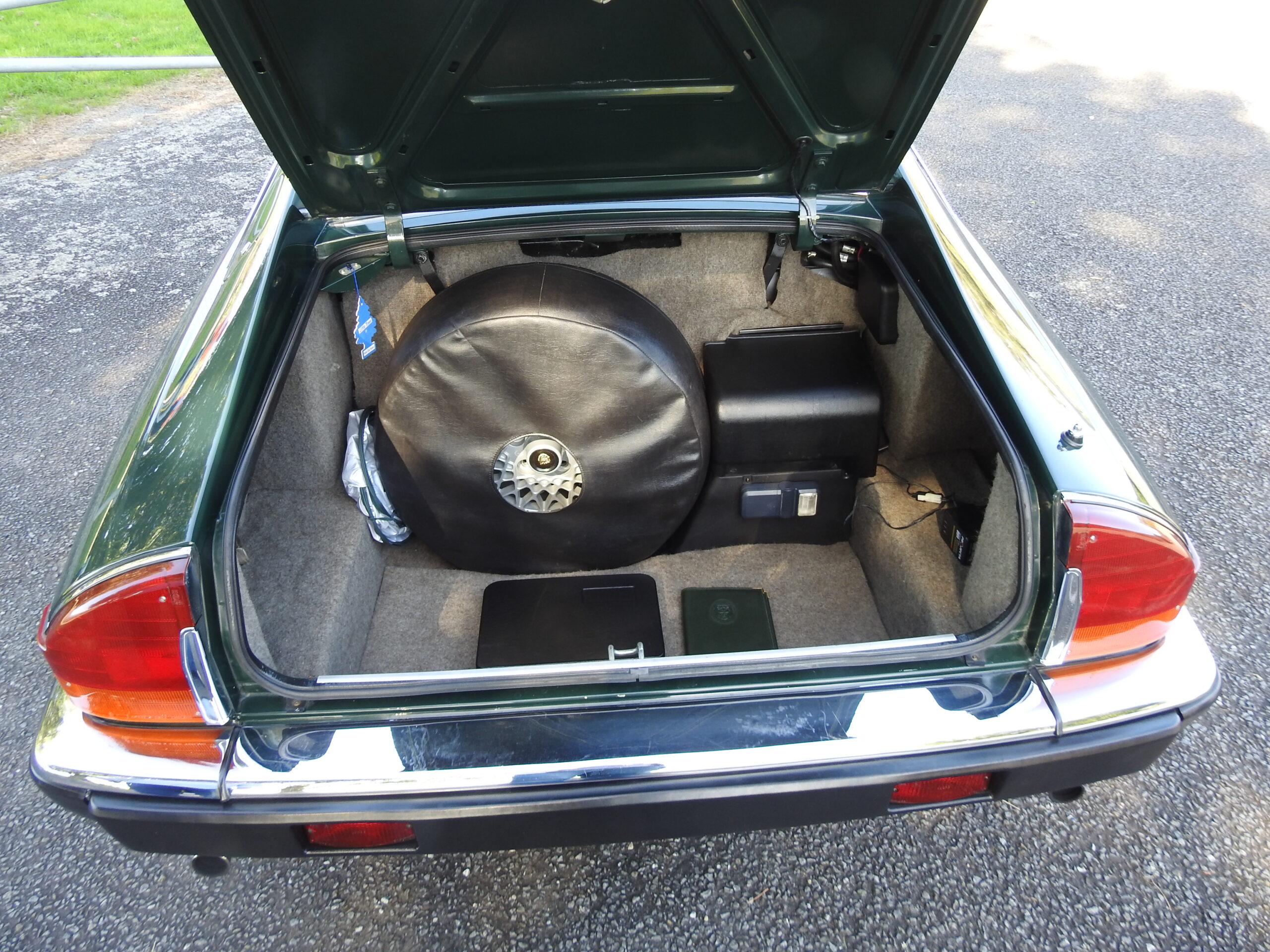
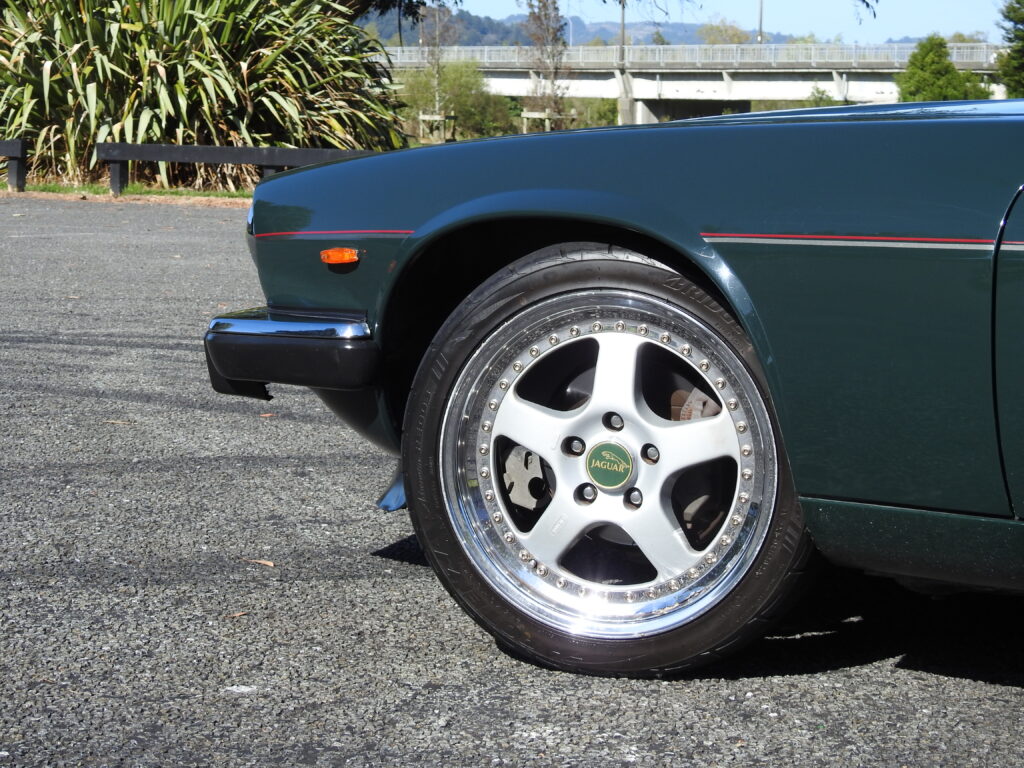
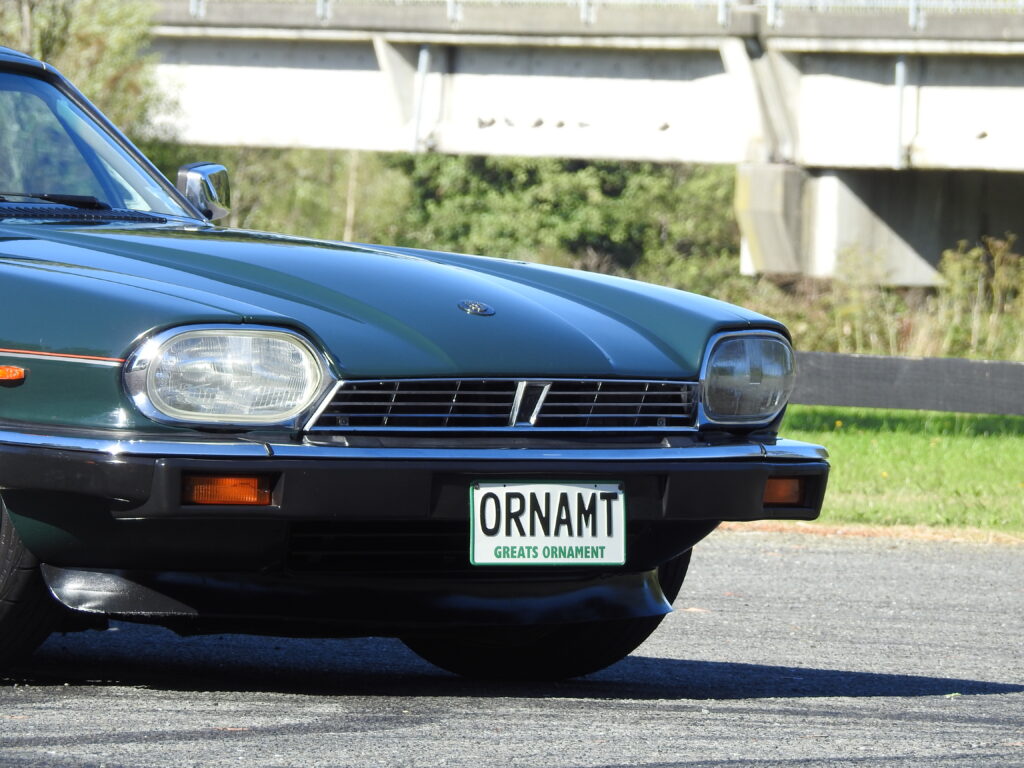
Bill believes he is the third owner of a car that has been looked after by all its previous owners. The car still has its original factory tool kit and owner’s manual. There is nothing on the exterior of the car that gives away what is lurking under the bonnet, as the original owner opted to have no Janspeed badging attached to the car. Most would think it was just a plain 3.6 engine, and not worthy of as much attention as its V12 brother. The only other British car that could compete with this big cat and its Janspeed-derived DNA was the Lotus Esprit turbo.
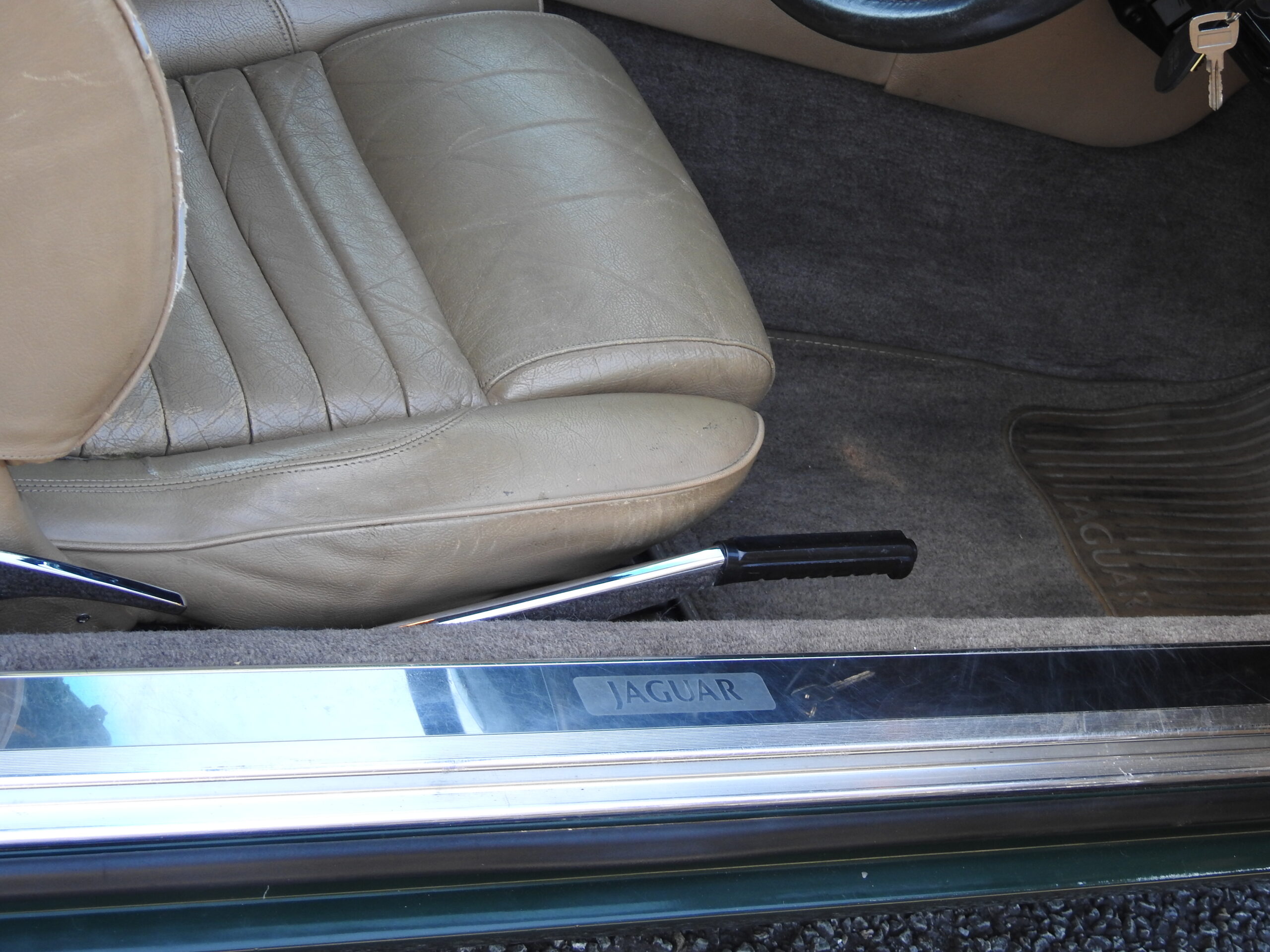
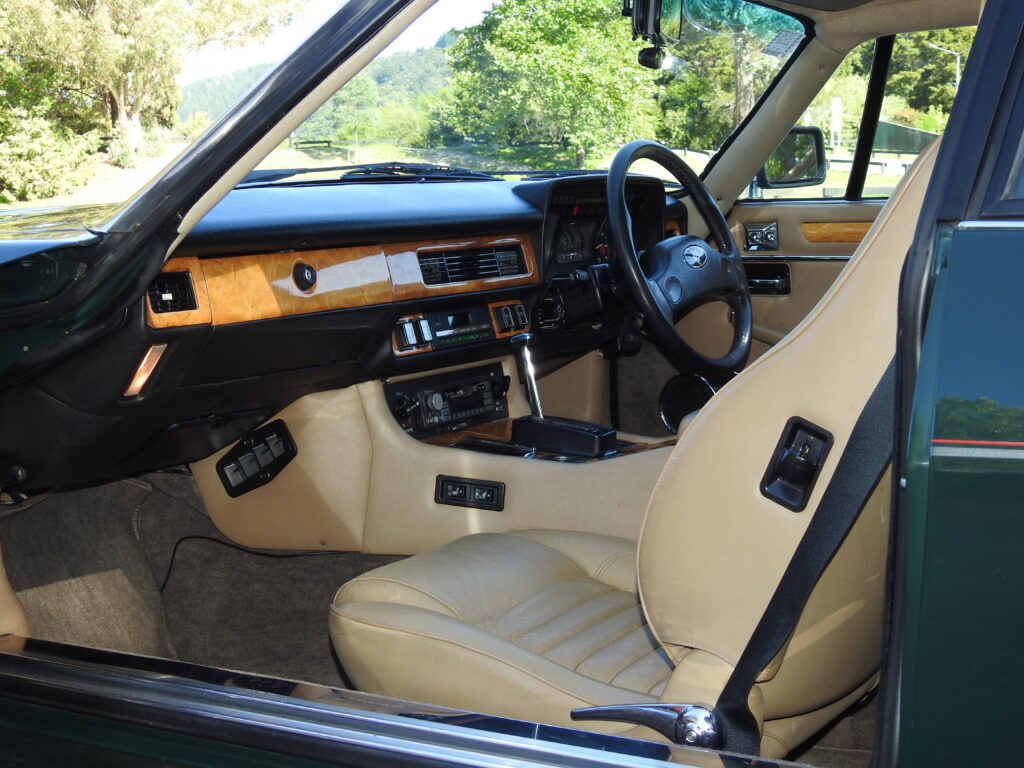
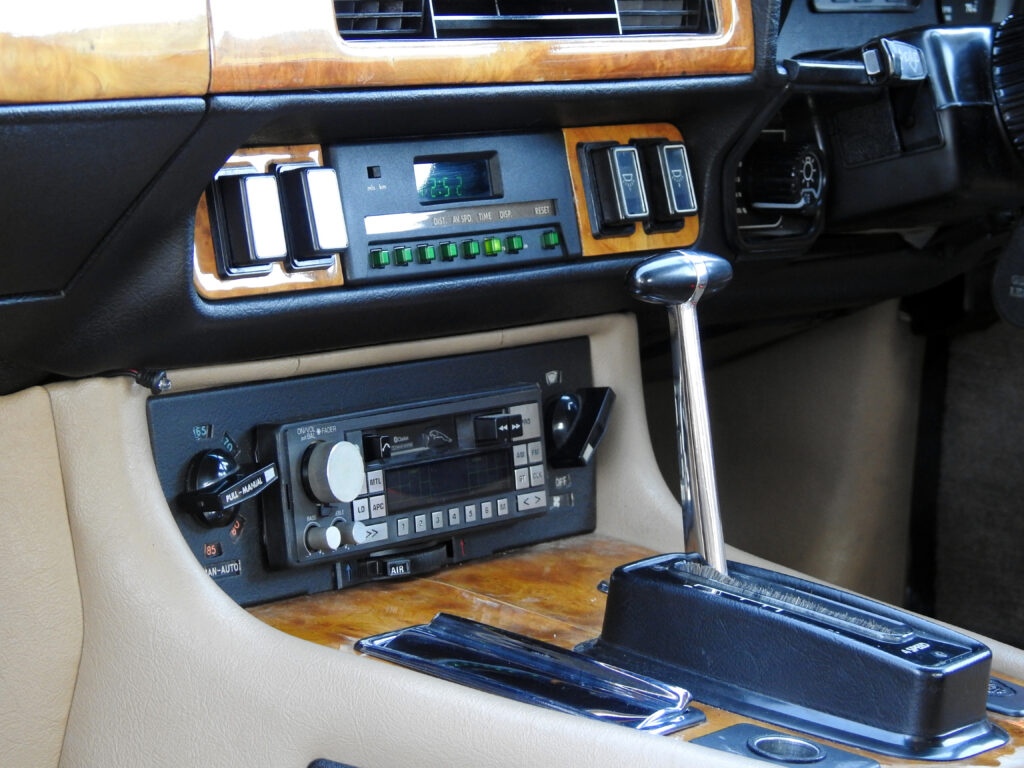
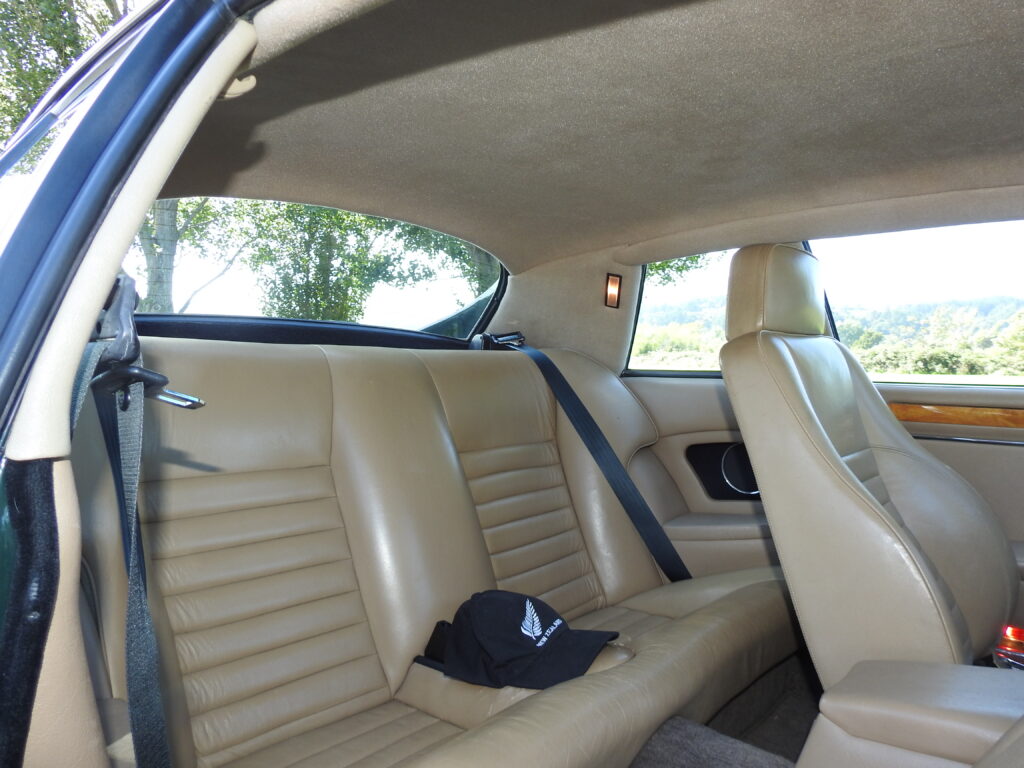
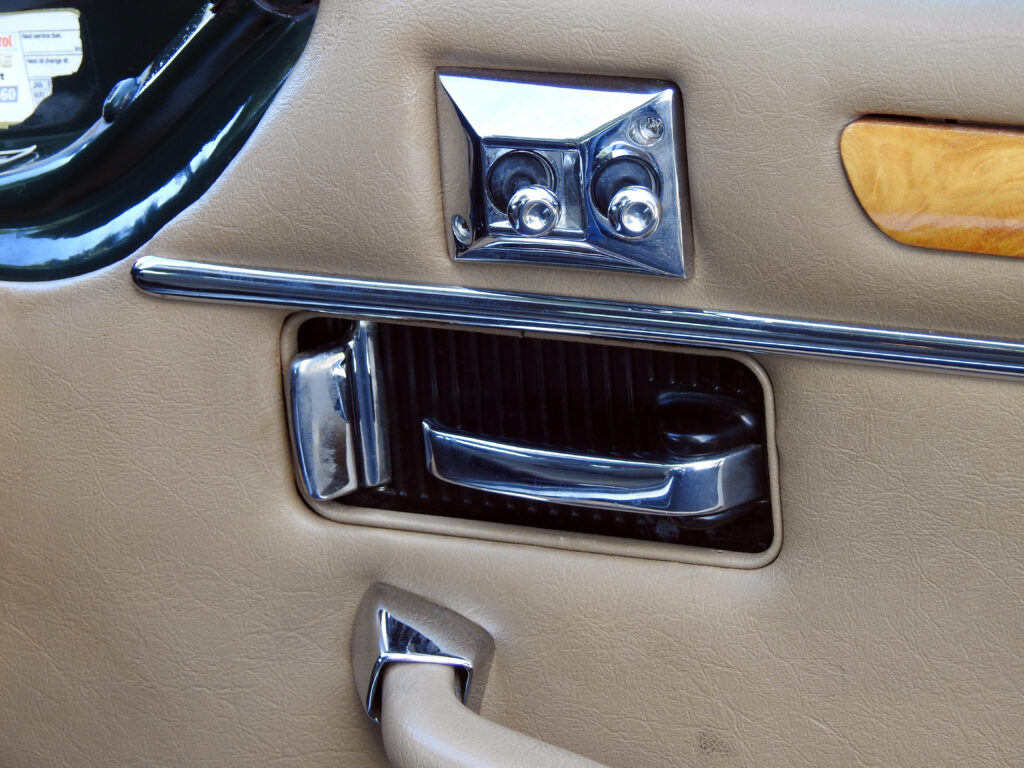
The same can be said for the interior, which looks exactly as any XJ-S would have looked in the day — nice, very nice. It is the interior that sets this car apart from its competition, and it is something in which the British have retained a clear superiority. The first impression I had in getting in behind the driver’s seat was a feeling of wealth and success. Despite the coupé’s 30-plus years of age, it was still a nice place to be; the seats are still firm and, although the wood has started to show its age in some places, I still felt privileged to be able to recline and gaze down the long bonnet at the scenery. I liked the barrel-shaped gauges on the instrument cluster, which are different from the norm and added to the appeal of the car.
Bill took the wheel and proceeded to put the big cat through its paces, proving that its performance is nothing like that of the Suzuki Swift alternative. I would have driven the car with the dignity and respect the old girl deserved; Bill not so much. He sees the XJ-S as a refined sports car that deserves to be driven as such. Keen for me to hear the engine note, he demonstrated that the best way to hear it was with the accelerator pedal pressed firmly to the floor. He was right. The only time the engine in this car could be heard was with one’s foot flat to the floor. After a very slight lag, the turbos spooled up, the long bonnet lifted, and the car started heading towards what was now a rapidly approaching horizon. If I’d looked behind, I’m sure I’d have seen any lurking Suzuki Swifts being jostled by the backwash.
Bill has no intention of selling this Jaguar, and the enjoyment of being a passenger in it comes only slightly second to driving it. At one stage, 20 years ago, it could be said the car was starting to look dated, but, thanks to the growing abundance of ‘toasters’ — tall, rounded SUVs and crossovers — this car stands further out from the crowd than ever.