The tale of a Nissan/Datsun tragic – part one
Having discovered he was tone deaf at tuning cars, our reporter turned to Nissan for a bit of off-the-shelf performance
By Gerard Richards
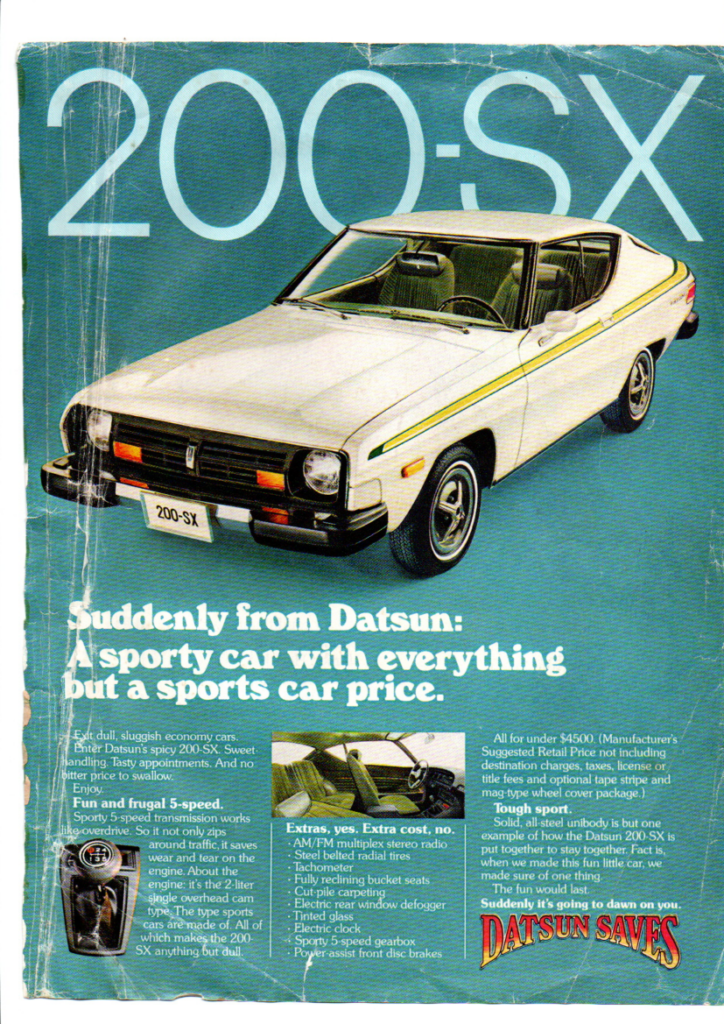
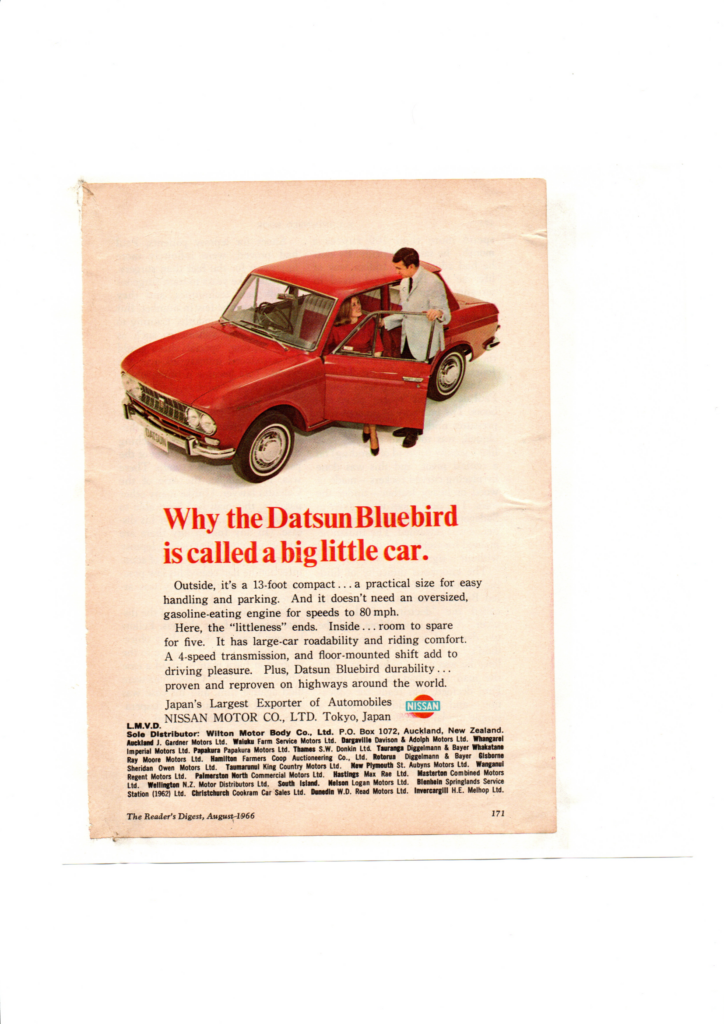
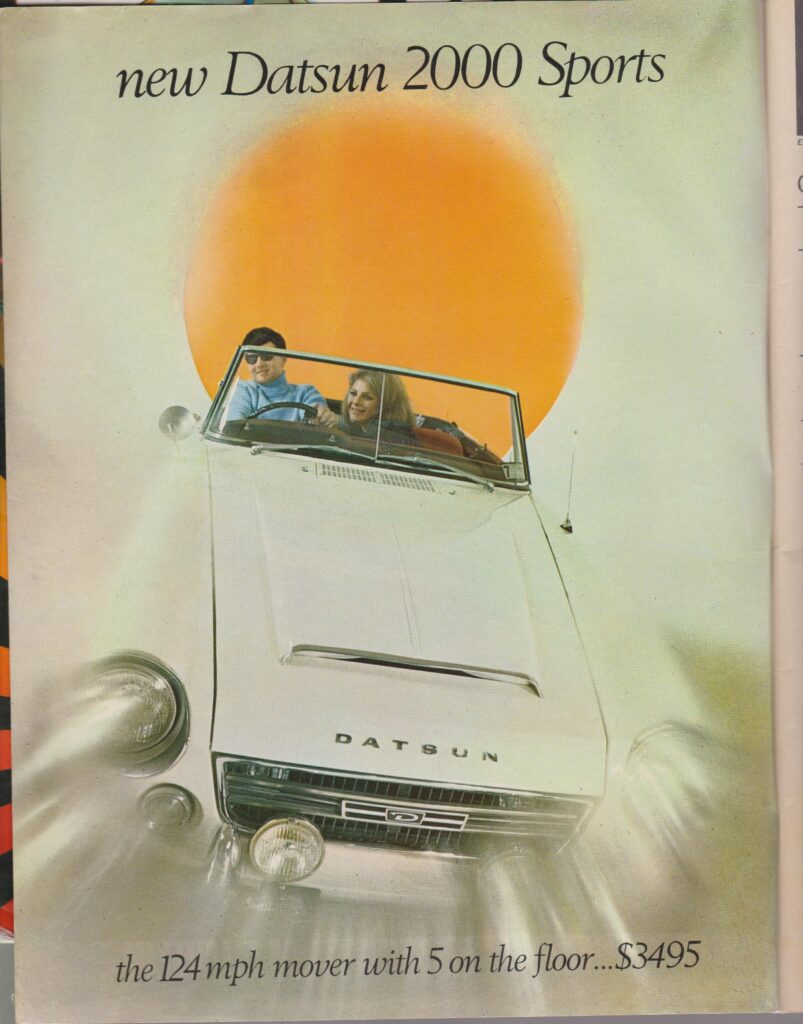
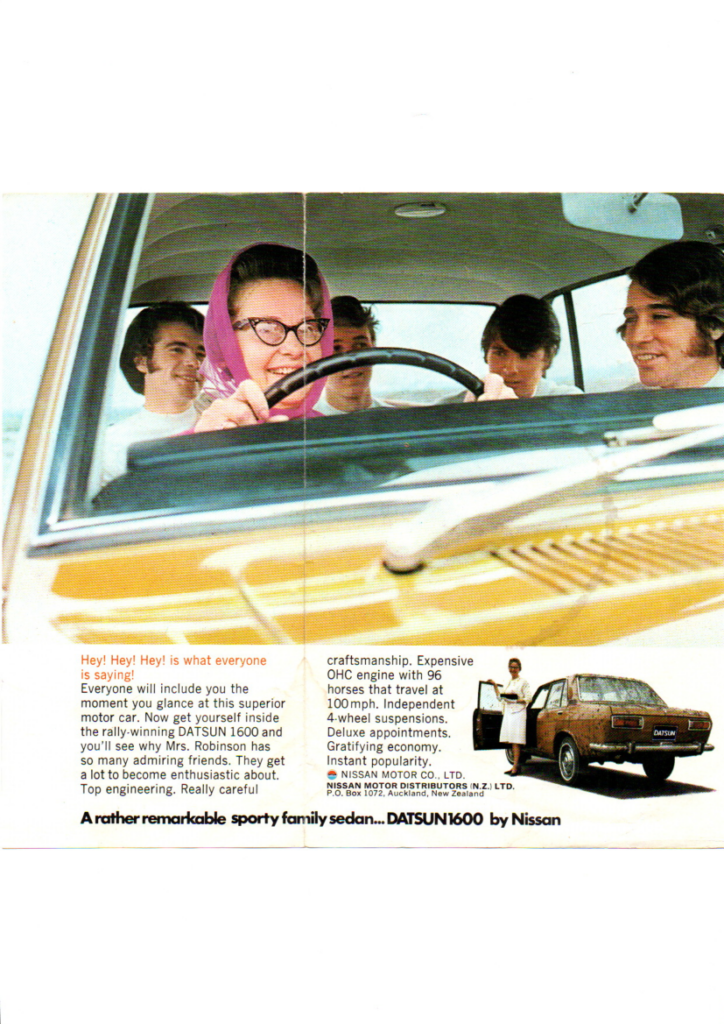
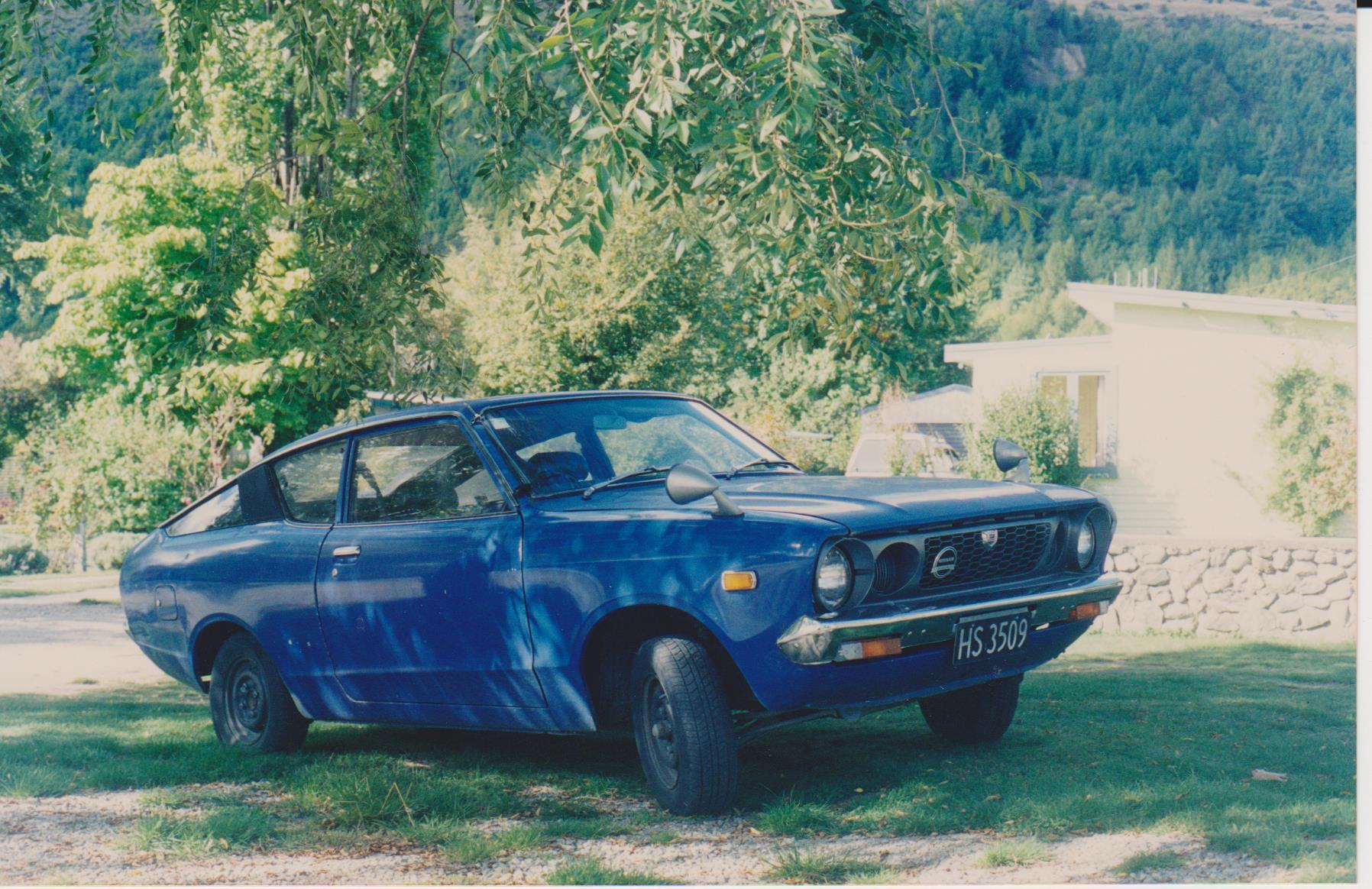
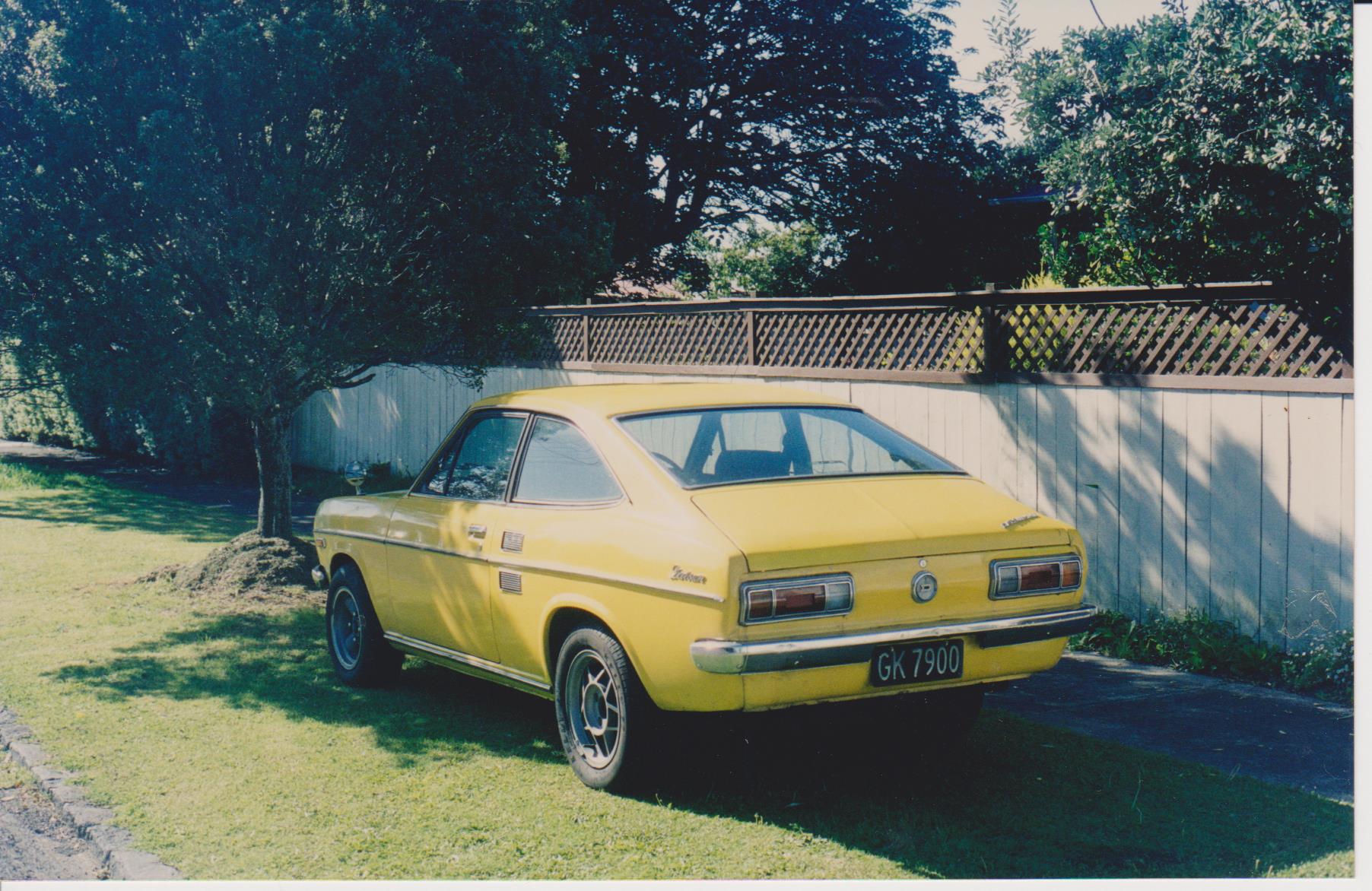
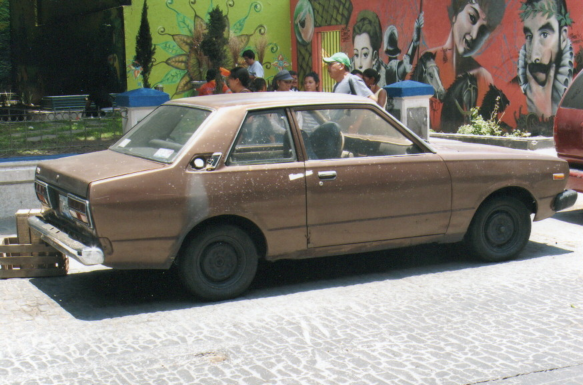
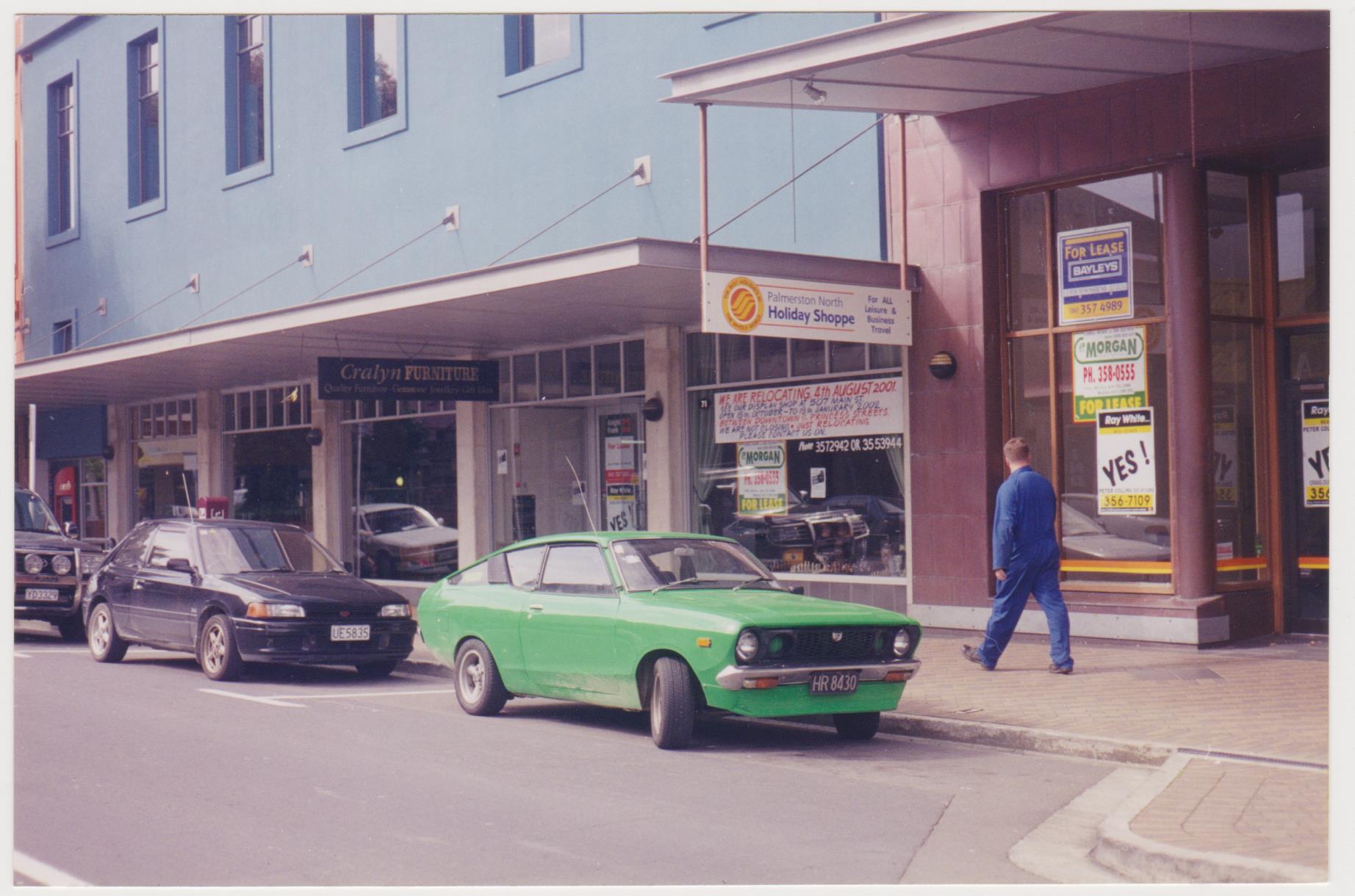
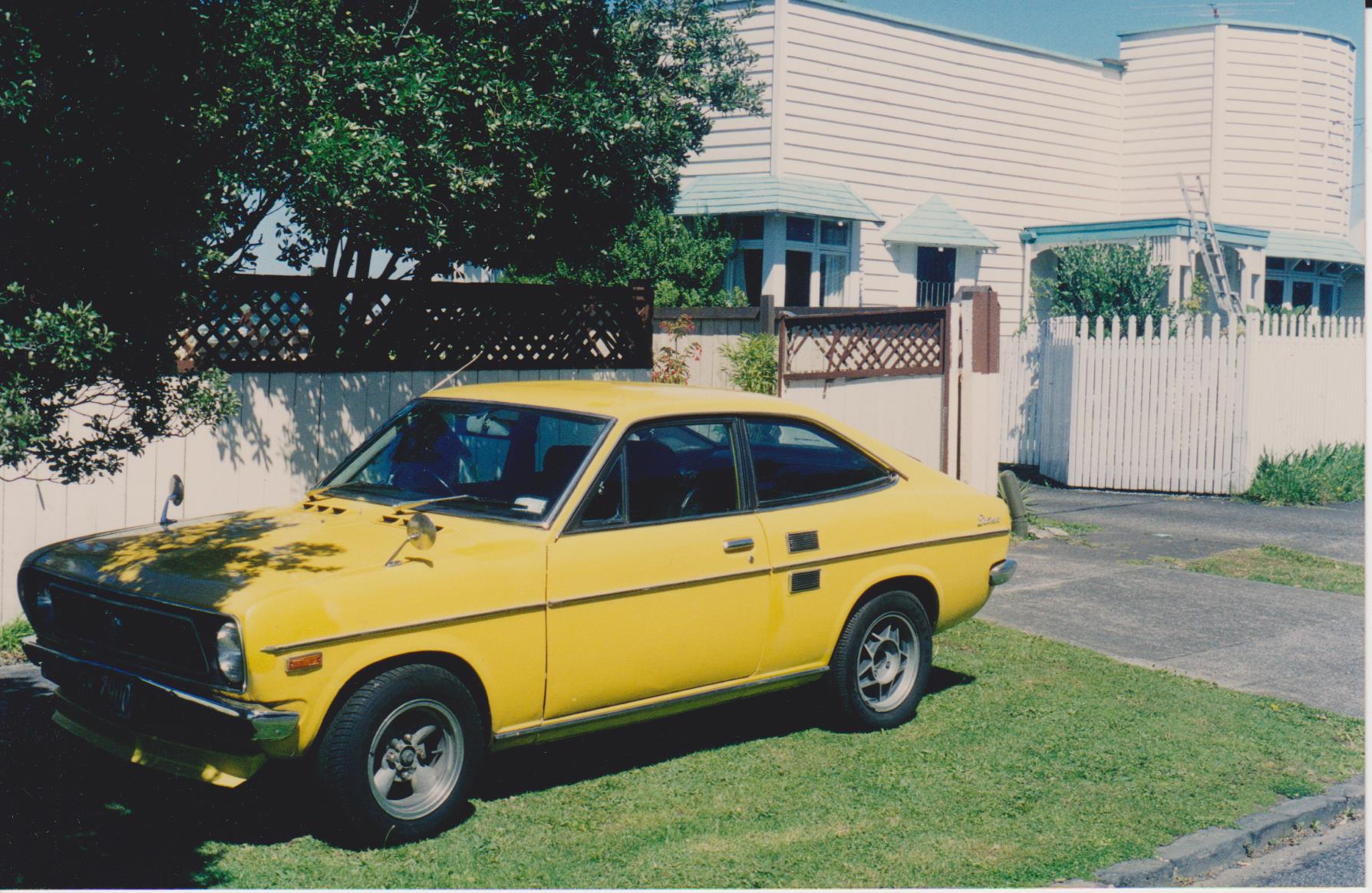
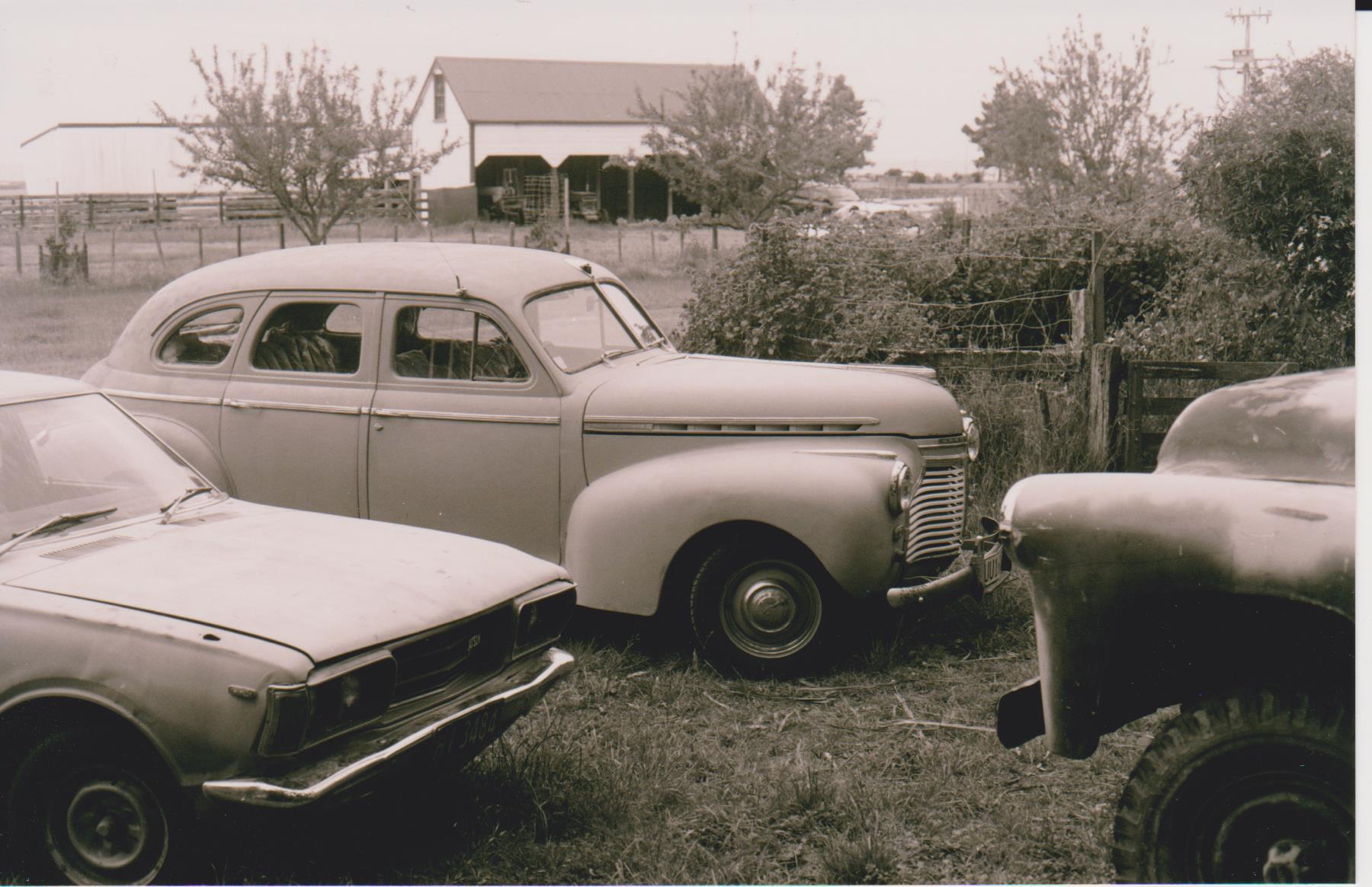
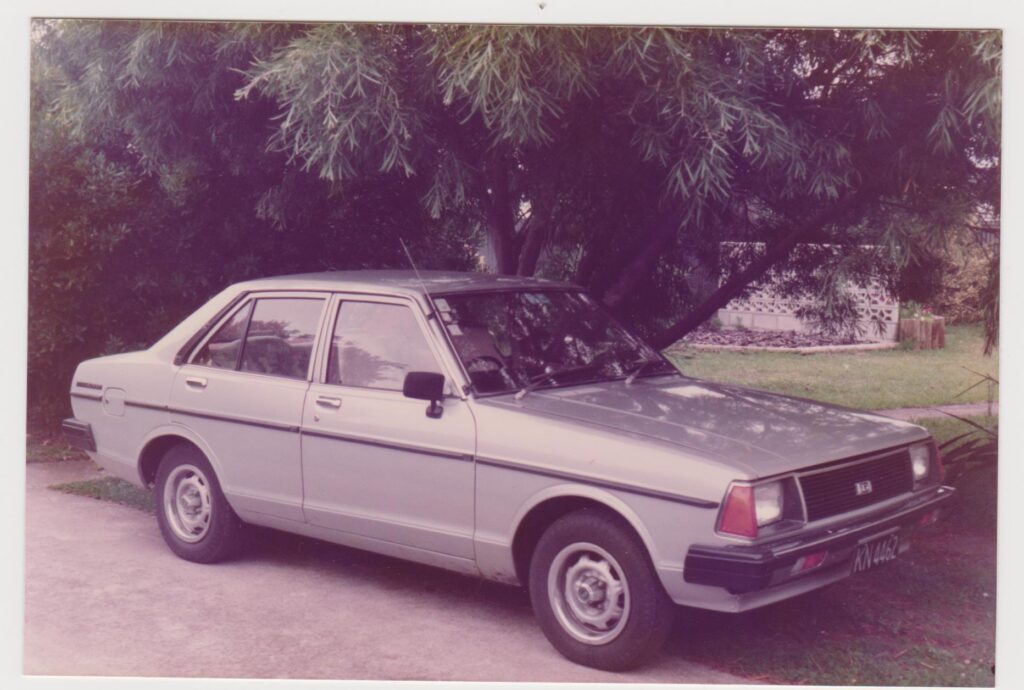
In the mid ’80s, I locked into a serious Nissan/Datsun performance obsession. It could have kicked off with my ’82 Datsun Sunny, though this would have been a bit of a stretch of the imagination, given its normally aspirated 1.2-litre motor — not the sort of thing to unleash radical road warrior dreams. But it did plant a seed, and it was a sweet little machine and surprisingly quick, in contrast to all the diabolical English offerings I had endured.
I was living in South Auckland at the time and was an unrepentant petrolhead. Motor racing was my drug of choice, and I followed the scene slavishly. Saloon car racing, with the arrival of the international Group A formula, was having a serious renaissance here and in Australia and Europe. There was suddenly an exotic air in local racing that had been absent for 15 years.
I was transfixed by this new frontier of motor racing that had hit our tracks in 1985–87 and the new array of machinery on display. In 1986, the Nissan Skyline RS DR30 made a blinding impression on me. The Australian Fred Gibson-run, Peter Jackson-sponsored team of George Fury and Glenn Seton were the fastest crew of the 1986 Australian Touring Car Championship. But Kiwi legend Robbie Francevic snuck through to win the Aussie Championship in his Volvo 240T after a strong start and consistent finishes.
In New Zealand, Kent Baigent, Graeme Bowkett, Kieran Wills, and John Sax were frontline Nissan Skyline RS DR30 FJ20 Group A racing conductors in 1986–88.
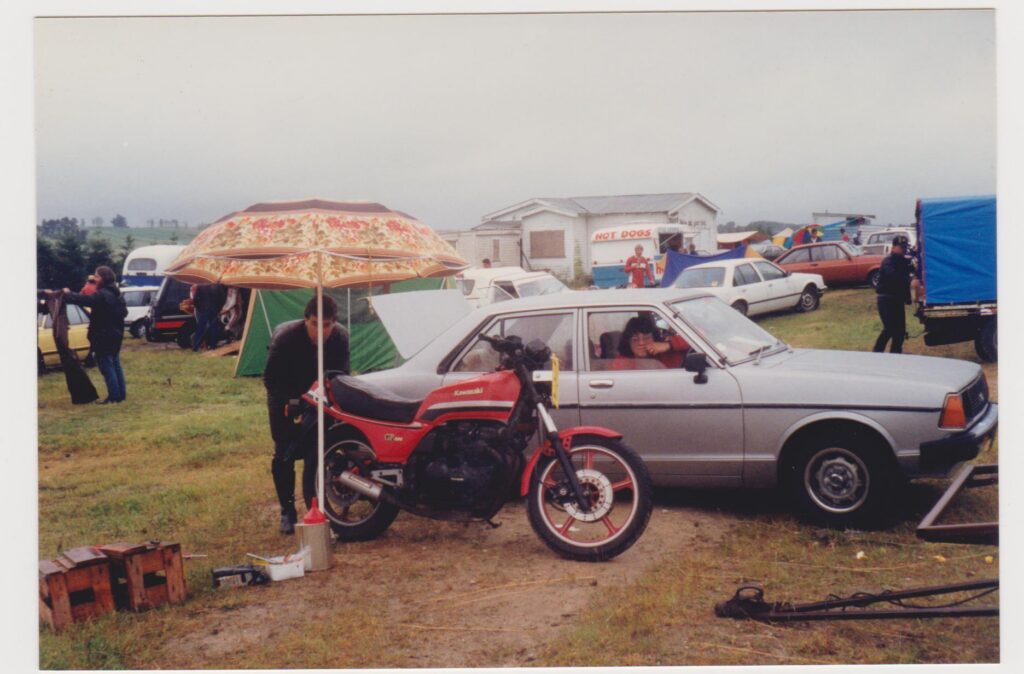
Nissan road-warrior dreams
I wanted one of those cars; I’d make do with the road version, but that was still a thirst for champagne on a beer budget. Unfortunately, I was sidetracked from this lofty goal when I became embroiled in a doomed plan to build a Cosworth-engine Escort van. This was really a backwards step on all fronts.
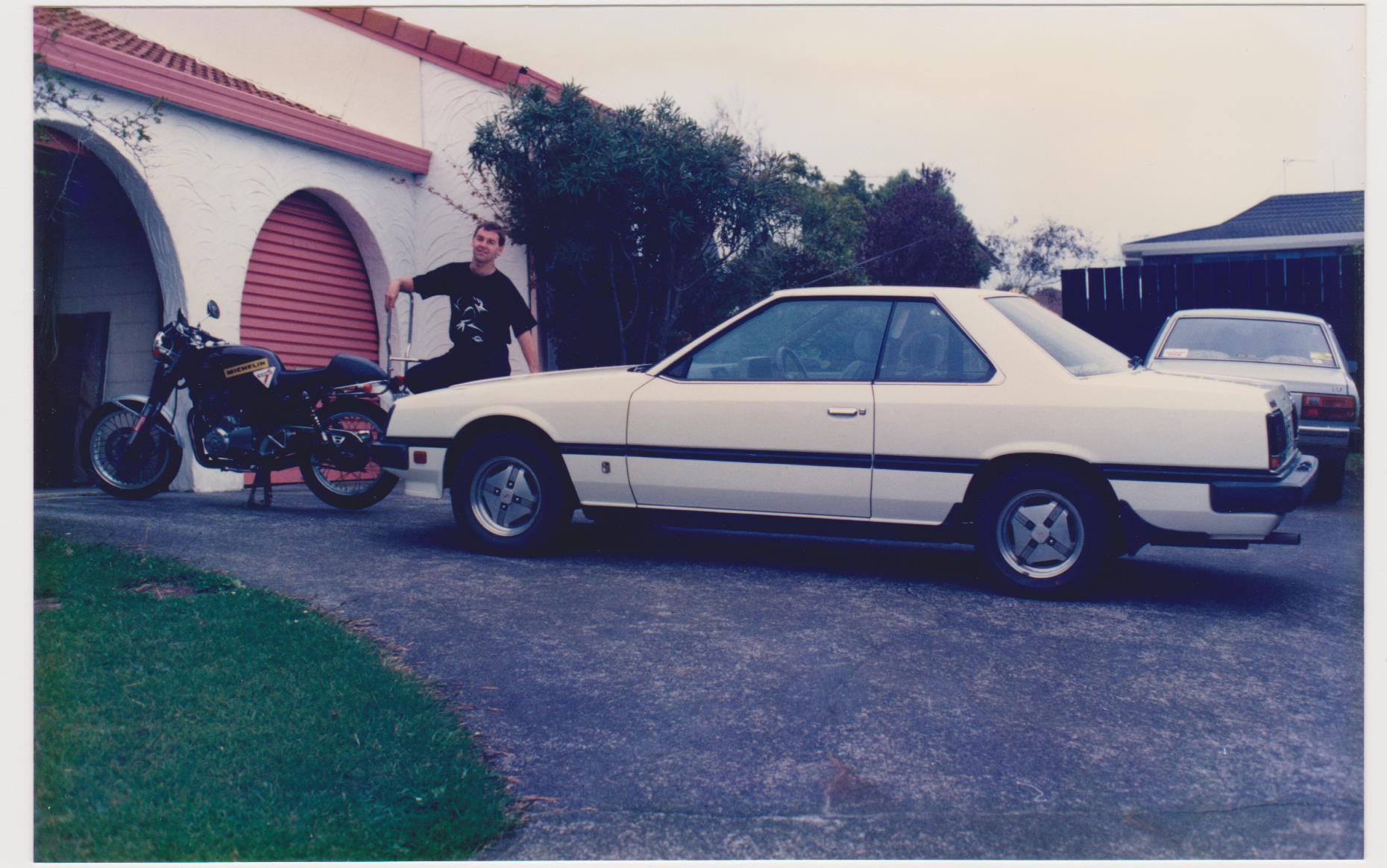
I took my eye off the ball for three years on that escapade and returned, licking my wounds, around 1990. I was in the market for an E30 RS FJ20 Nissan Skyline Coupé — the road version of the famed mid-’80s racer. ‘Godzilla’, the latest R32 GT-R, was just out of the blocks and streaking away from my price bracket. I remember seeing an import on Michael Clark’s yard on Khyber Pass Rd in Auckland for $50,000 in 1990 — almost the price of a house back then.
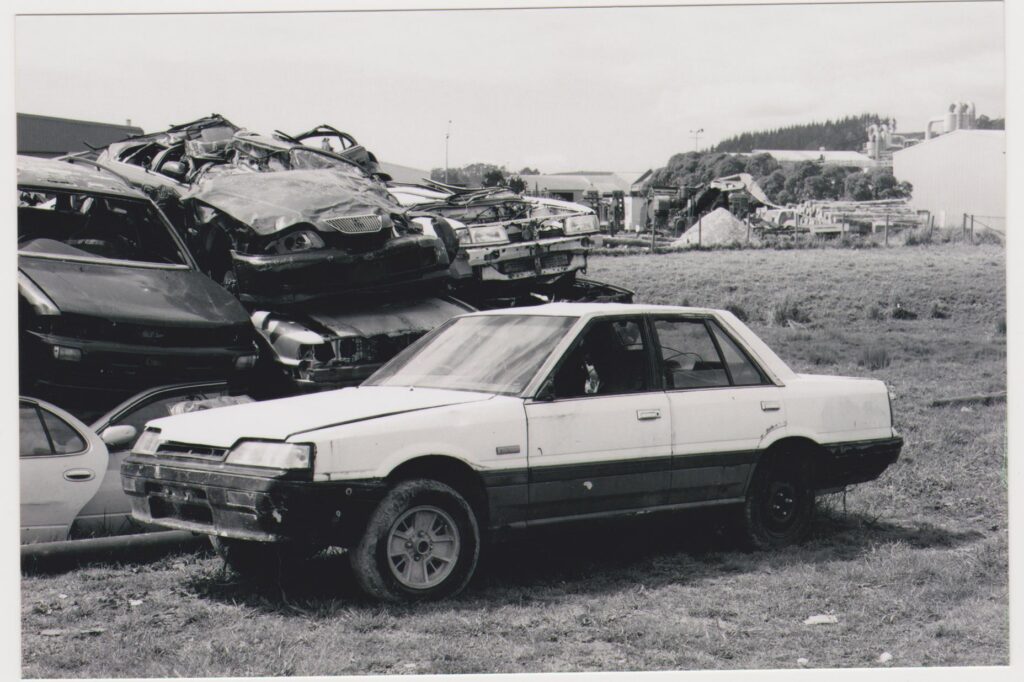
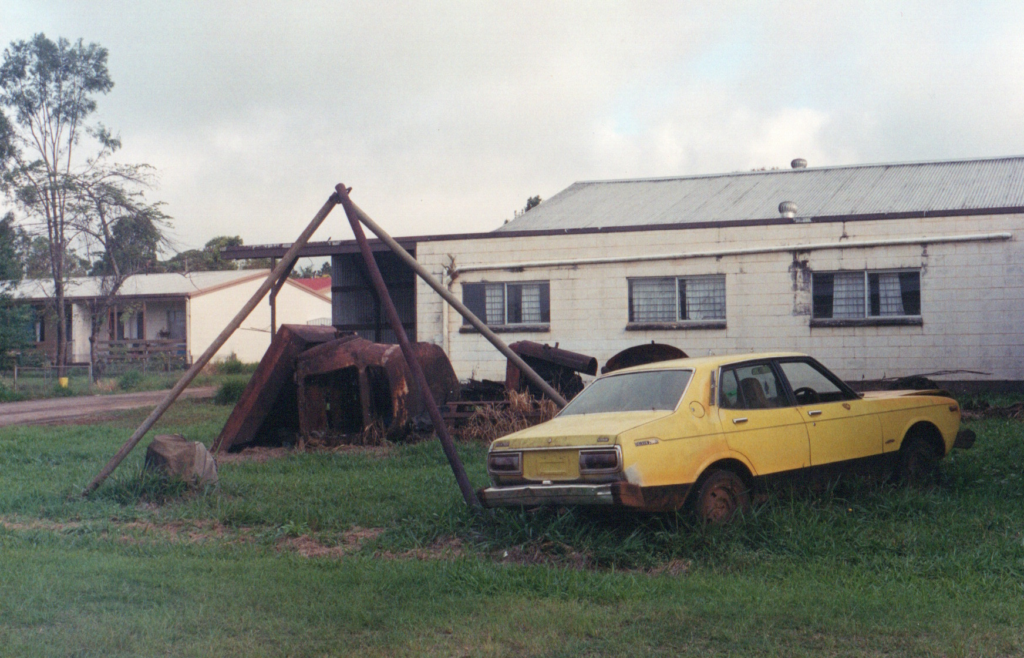
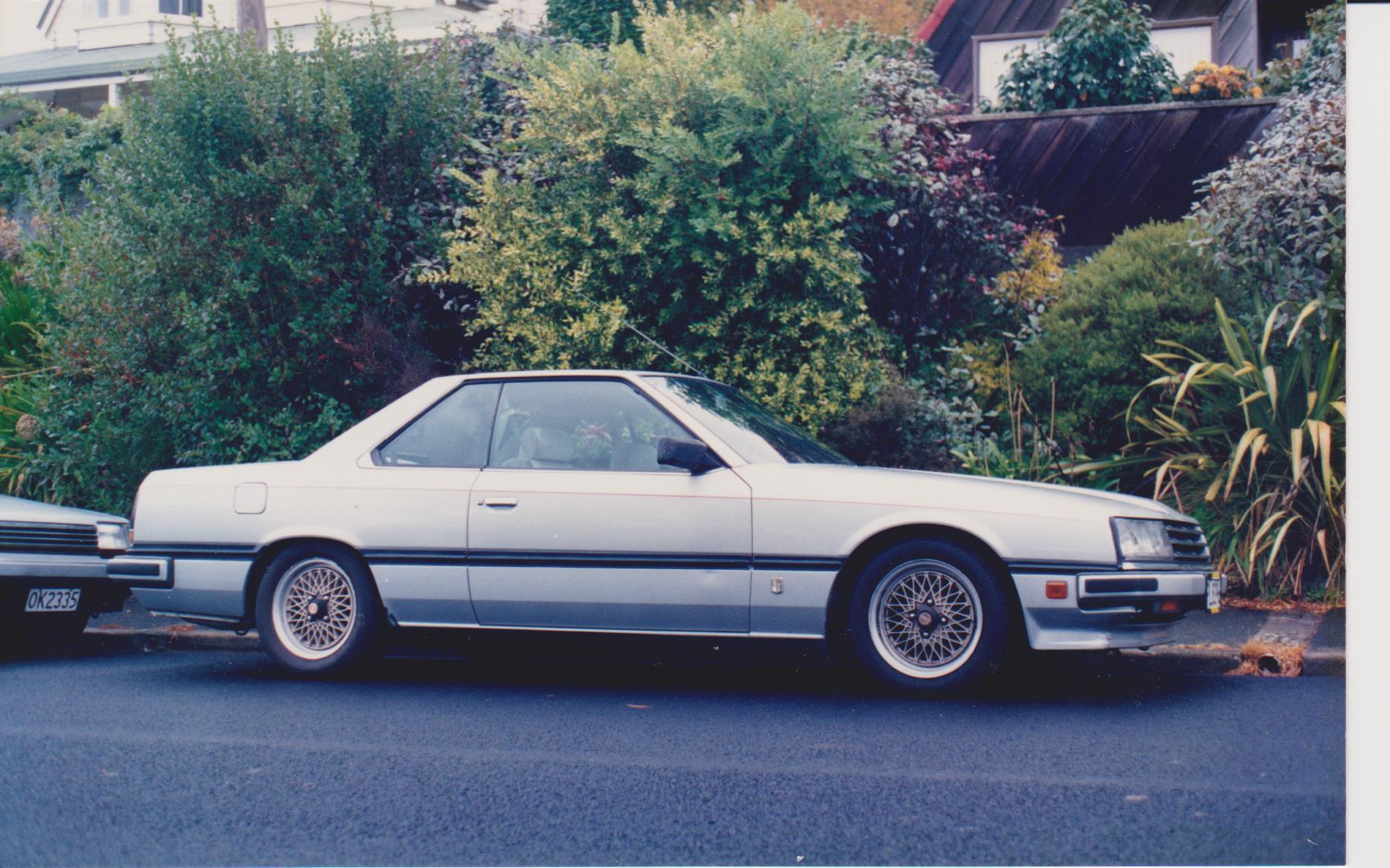
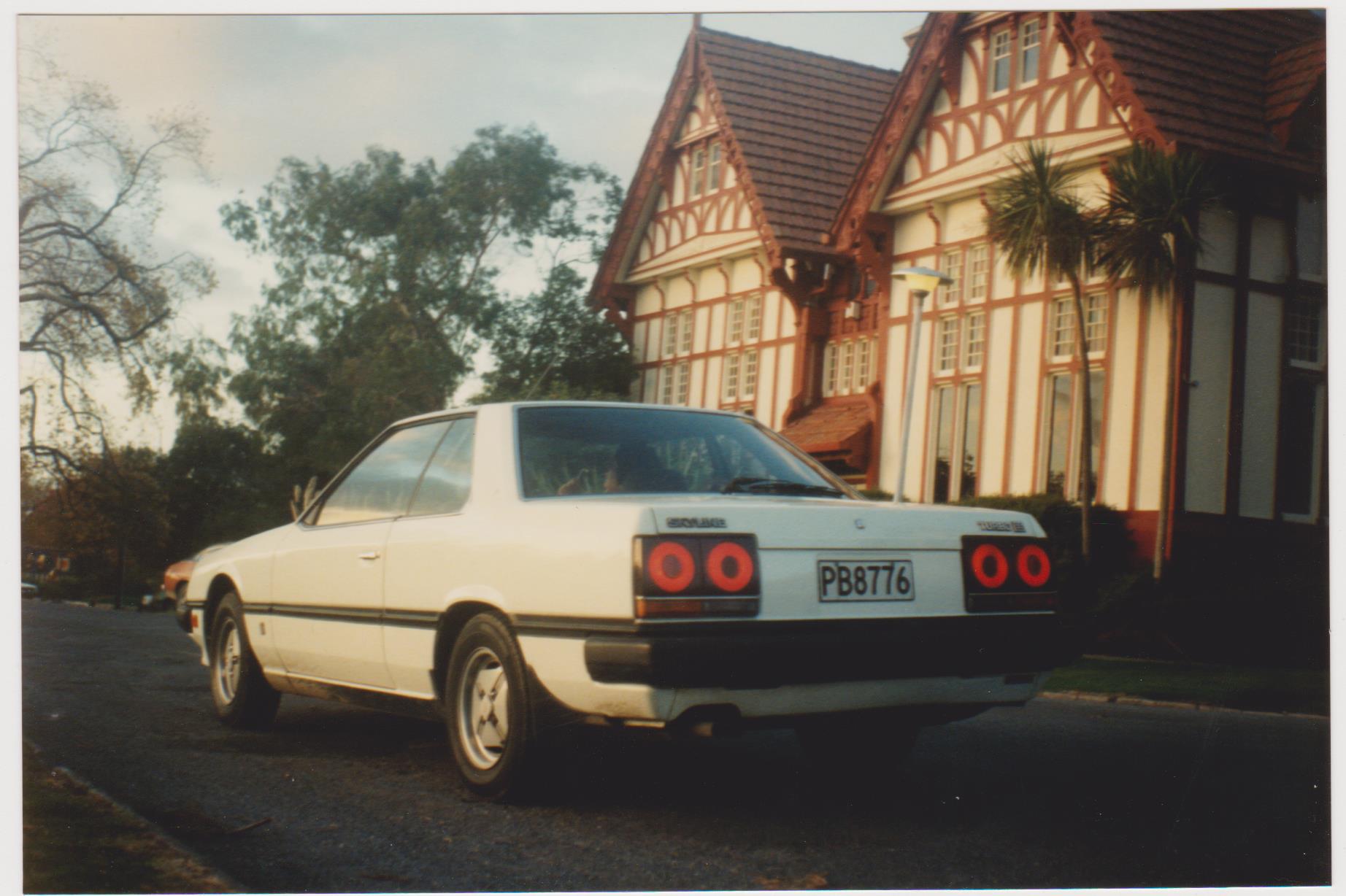
Nissan Skyline E30 six-cylinder turbo five-speed coupé
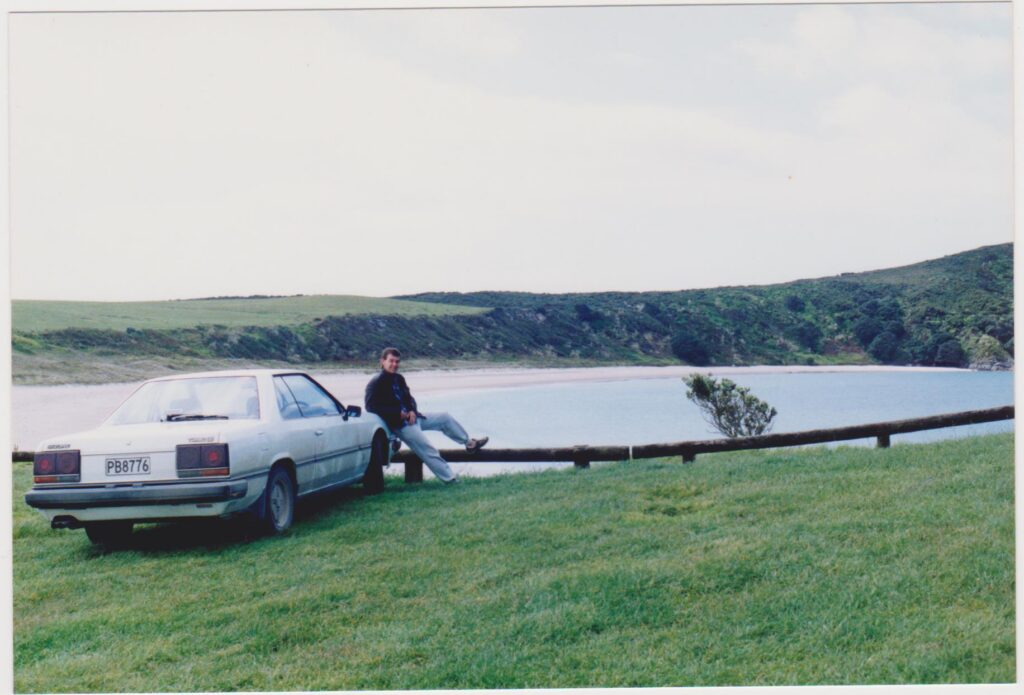
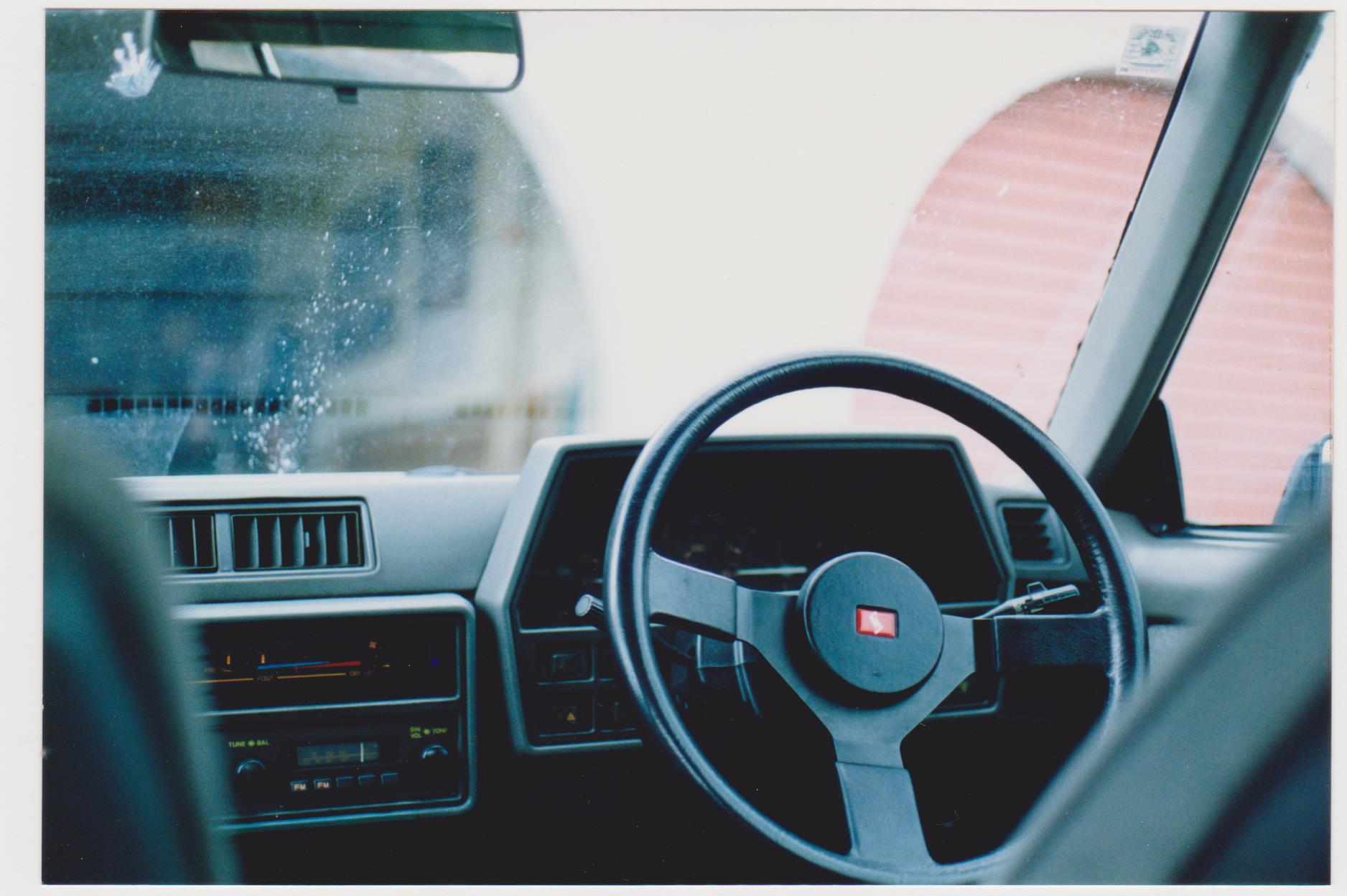
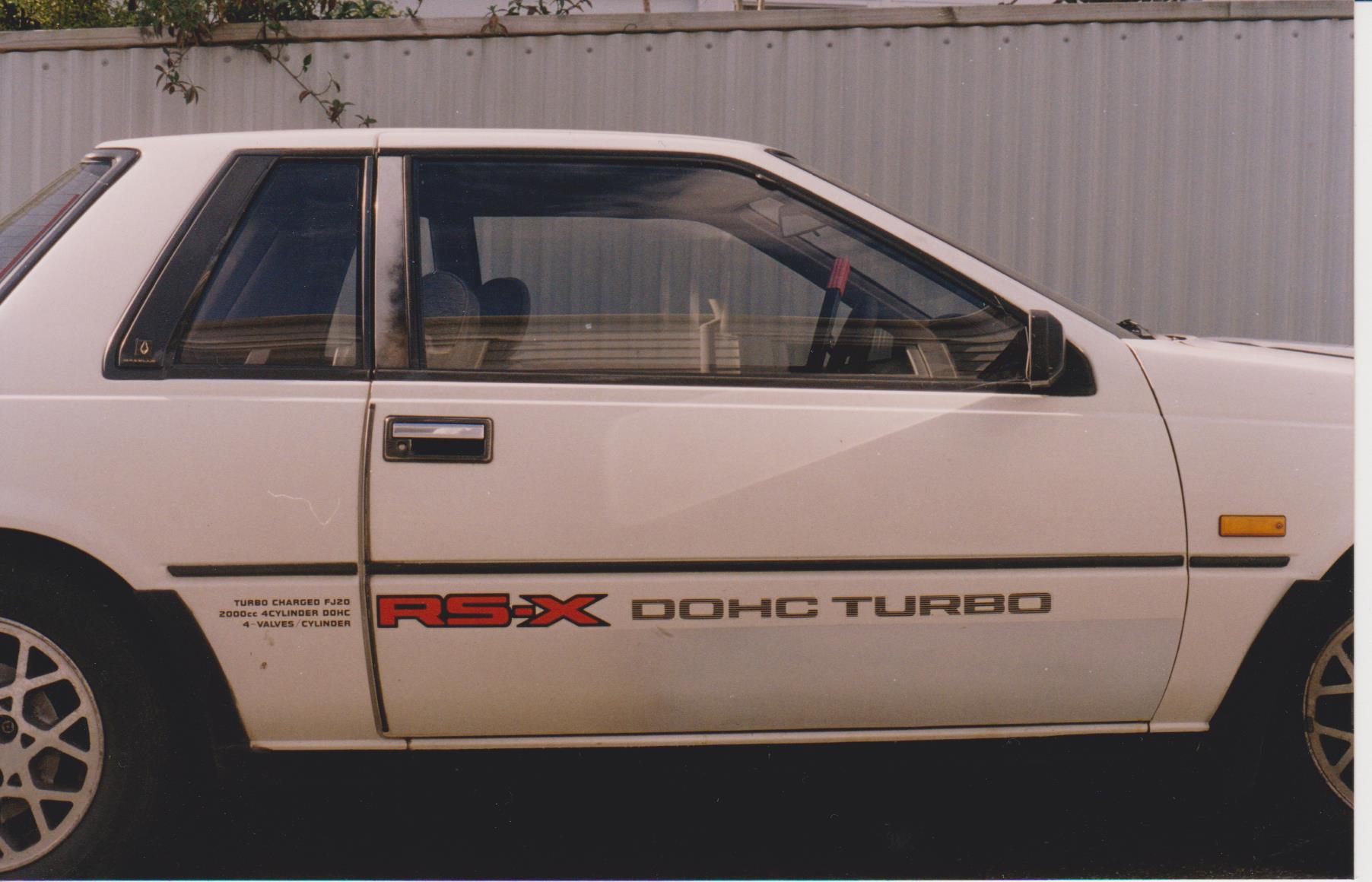
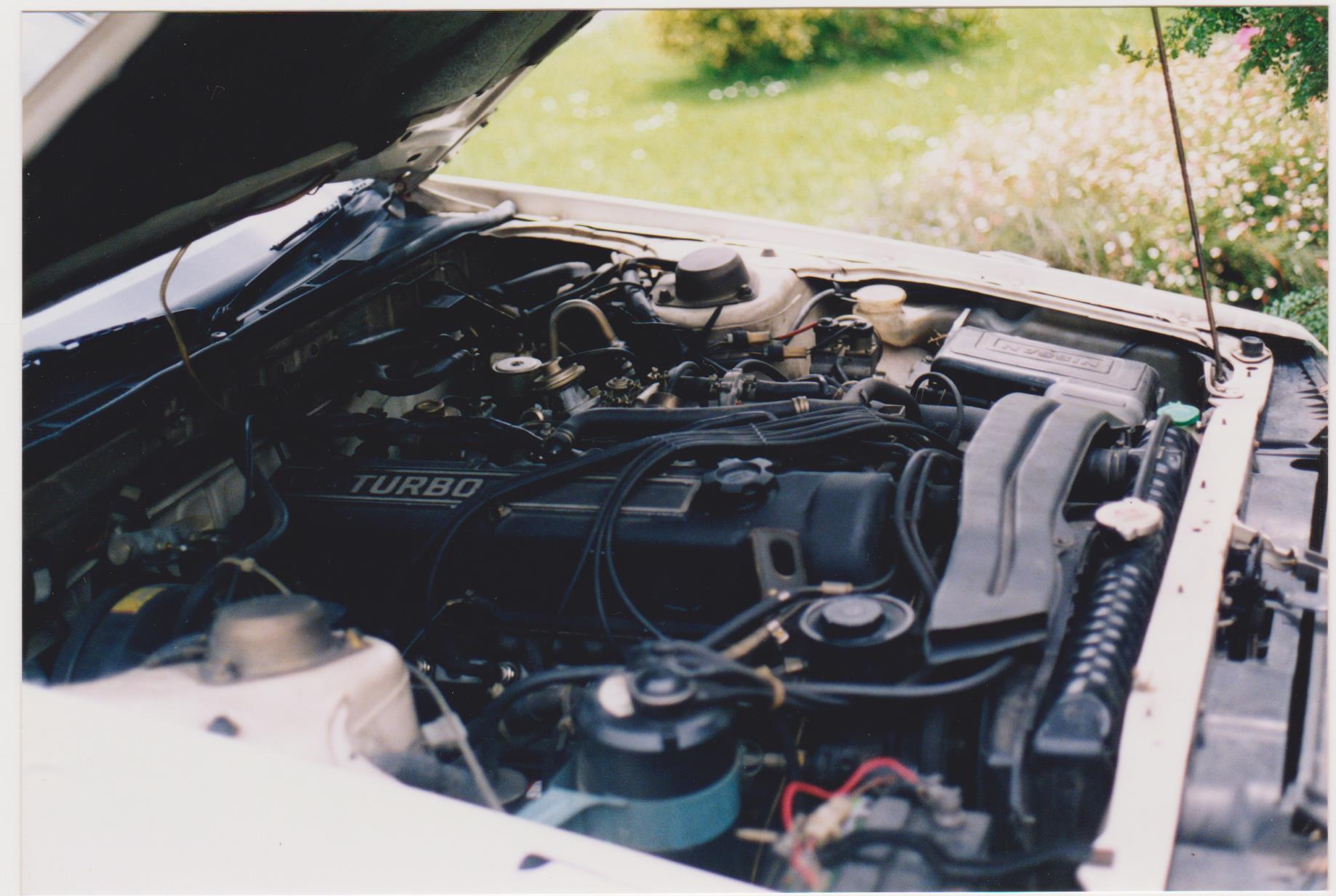
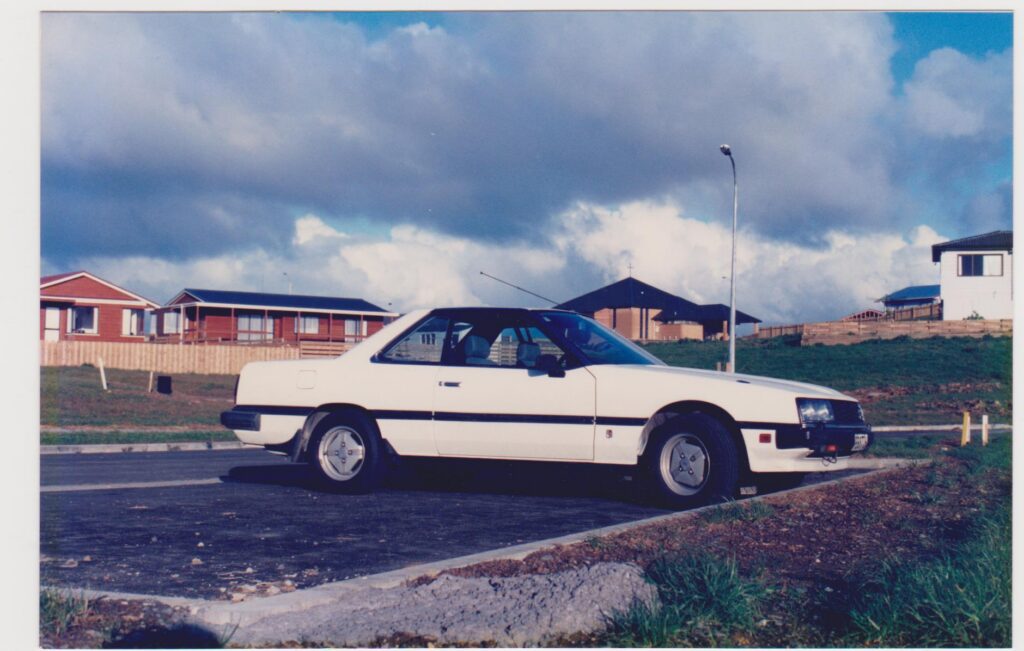
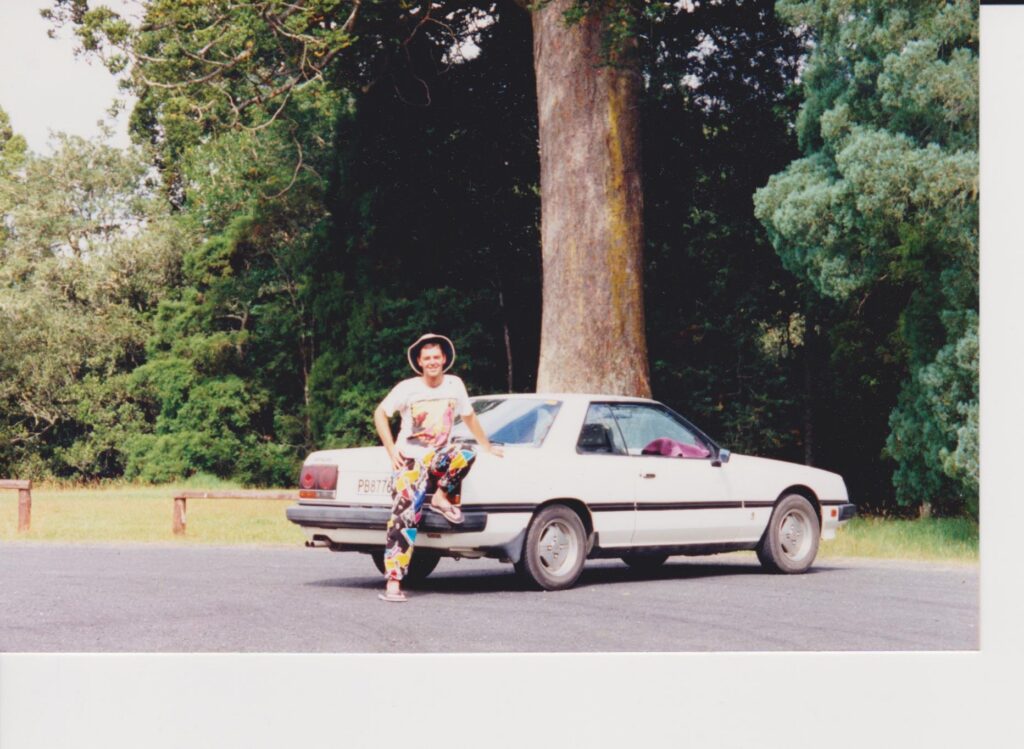
Sadly, the famed RS E30 FJ20 DET version remained elusive, and I shelled out the readies on a white 1982 six-cylinder Skyline Turbo Coupé instead. For someone whose previous privilege had been nursing tired, underpowered and unreliable English antiques (the Datsun Sunny excepted), it was a revelation. It’s almost unbelievable now to remember the breathless quantum leap we made from the antediluvian cars we had been driving into space-age technology.
The Skyline Turbo had torpedo-like acceleration, actual brakes and mind-blowing gizmos such as air conditioning. This was the brave new world of Japanese imports, and we embraced them like free drinks down at your local.
Like moving from a black and white world into full-spectrum colour, a few mates and I were suddenly, inexplicably, driving around in rakish performance coupés. At the time, we didn’t fully understand the impact this would have on locally assembled new car sales, but whatever it was obviously a price worth paying. As it happens, the rise of used imports and the removal of sales tax on new imported vehicles in 1998 sounded the death knell for the New Zealand-assembled car industry.
Undoubtedly, the Skyline was an impressive machine, but I slowly became aware that the initial gloss was fading. Yes, it was fast and slick, but the reality pressed home that this version was a cruiser, with soft suspension, vague steering and the handling of a whale. It had obviously been built for the American market.
That said, I made a number of memorable road trips in it, including one to Cape Reinga. The effortless power of the turbo devoured the hills, and for a while it supported my delusion of it being a race car on the road, and of course it was massively reliable, so this trip was bound to be different to my previous experience in a Vauxhall…. except it did let me down with alternator failure — a common problem with imports — just south of Dargaville. Eventually, I had to face the fact that it wasn’t the real deal. I did a partial swap with it for a genuine GTR XU1 Torana. This was certainly a case of “back to the future”. The Torana was the goods — a state-of-the-art, rough-and-ready race car on the road c1970. It had no finesse, and it was high maintenance, but it had heaps of character.
Brief early New Zealand Nissan/Datsun history
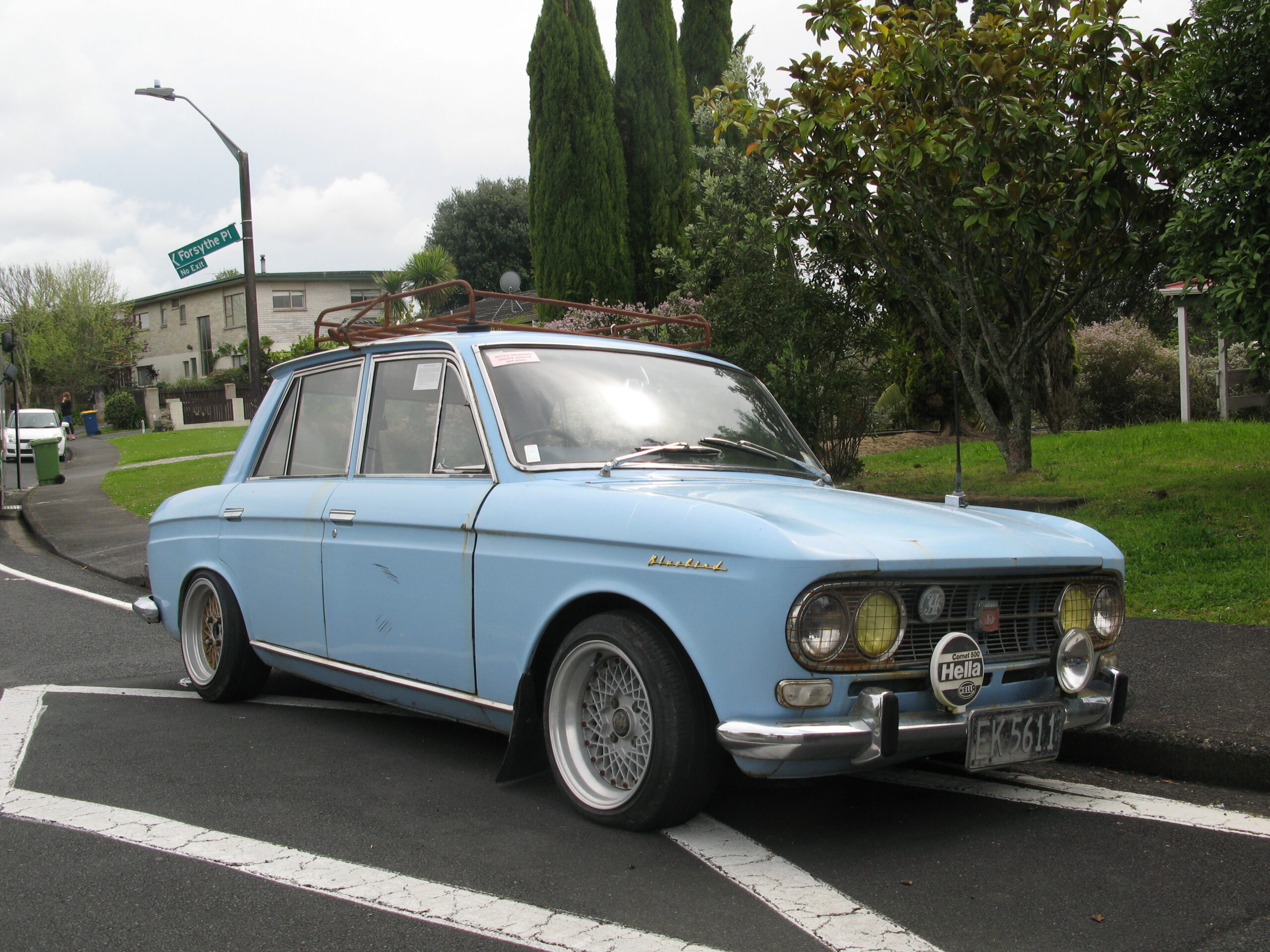
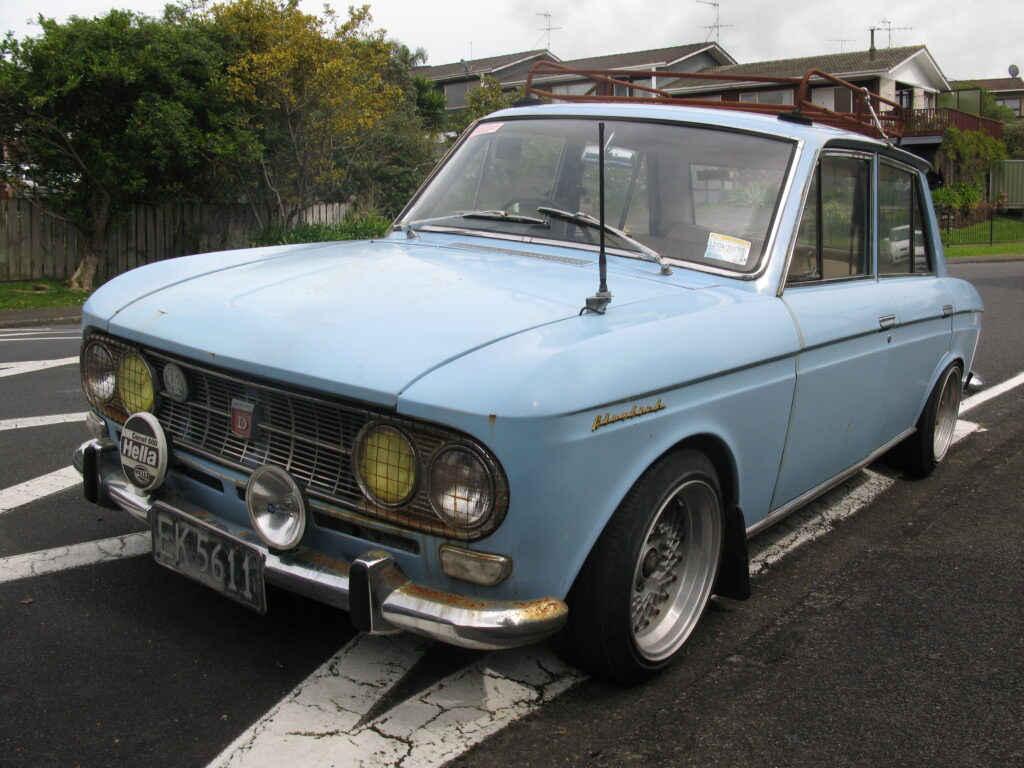
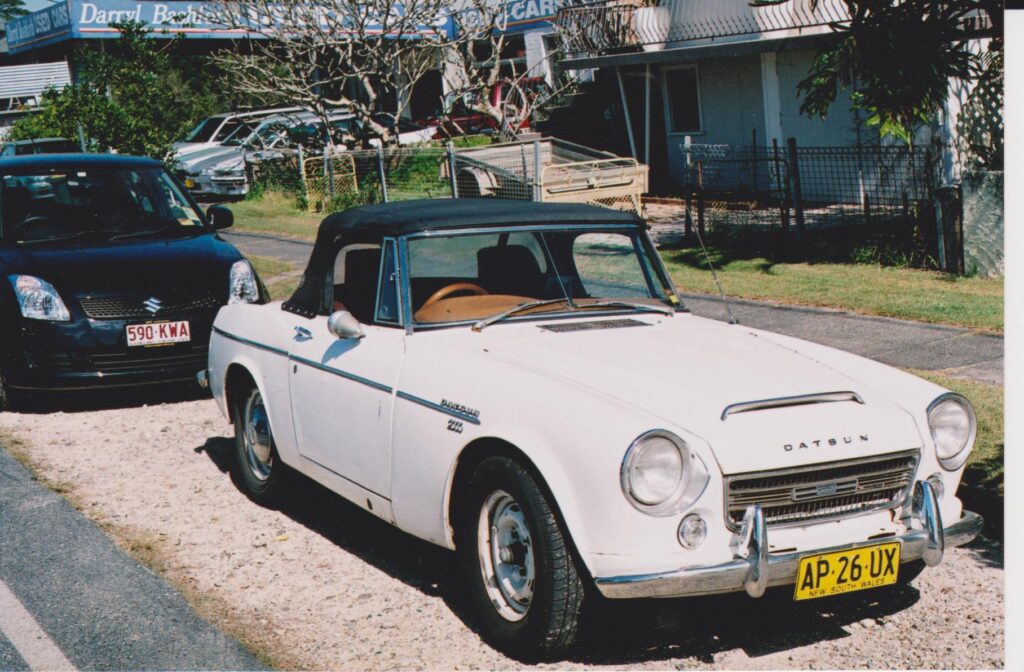
The first Datsuns in New Zealand arrived in ‘completely built-up’ format in May 1962. Three hundred Datsun Bluebird 1200s were imported, which is a gob-smacking statistic given the environment of the local assembly-based motor industry, the tight political controls and the public’s prejudice towards Japanese products at the time, as a result of wartime experiences and scepticism about quality.
The arrival of these Datsuns predates the presence of other Japanese manufacturers in New Zealand. It was not the best time to be introducing Japanese cars, but local Datsun assembly began in 1963. It wasn’t until 1966 that the first Toyotas were assembled here.
A small number of high-performance Prince (Nissan forerunner) Skyline GTs were also imported in 1965, as well as some locally assembled Prince Glorias. The most famous of these was the Carlos Neate-raced Prince (Nissan) Skyline GT, which finished fourth in the 1966–67 New Zealand Group 2 Saloon Car Championship.
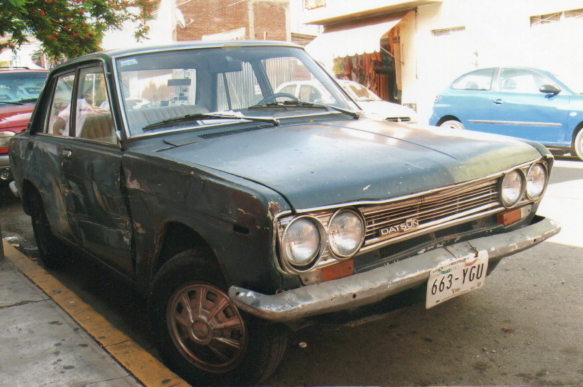
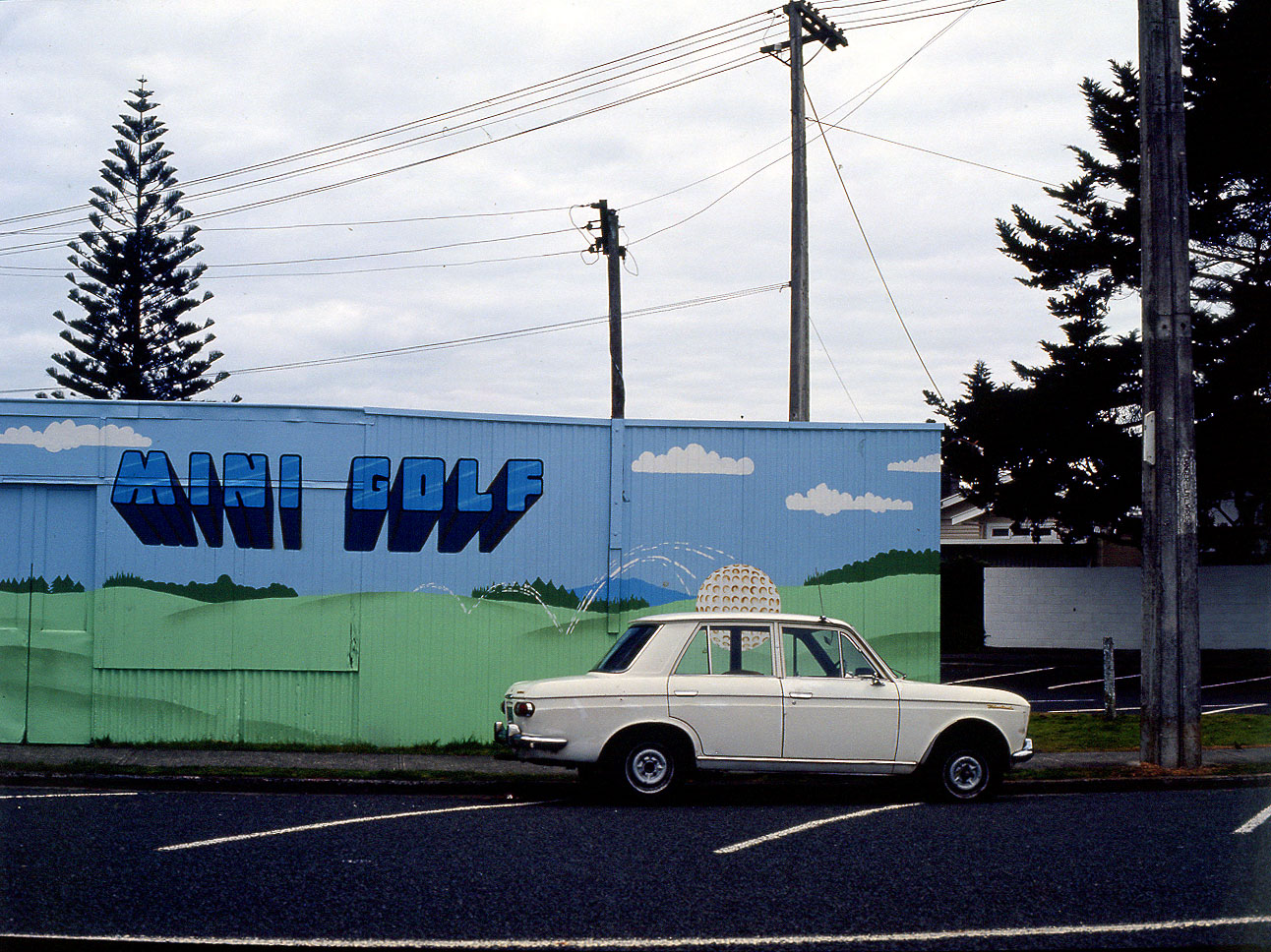
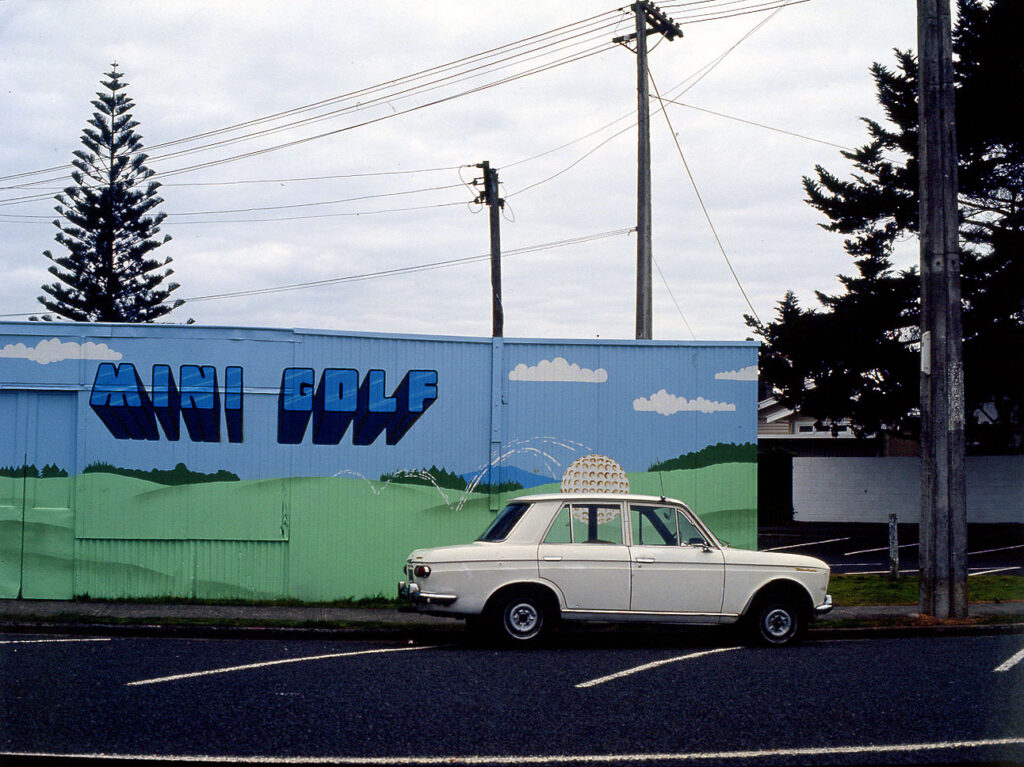
The breakthrough year was 1968, when the first fully Datsun-designed Bluebirds were assembled at New Zealand Motor Bodies. The B510 model Bluebird dispelled any legacy of inferior design or build quality. As Jack Grimmett, the manager at New Zealand Motor Bodies, recalled, “That was a different animal altogether; it was a lovely automobile. It was the first to have independent rear suspension and a Nissan-designed engine, although there were gearbox and engine similarities with some European cars. Nevertheless, it was a cracking little car and went extremely well.”
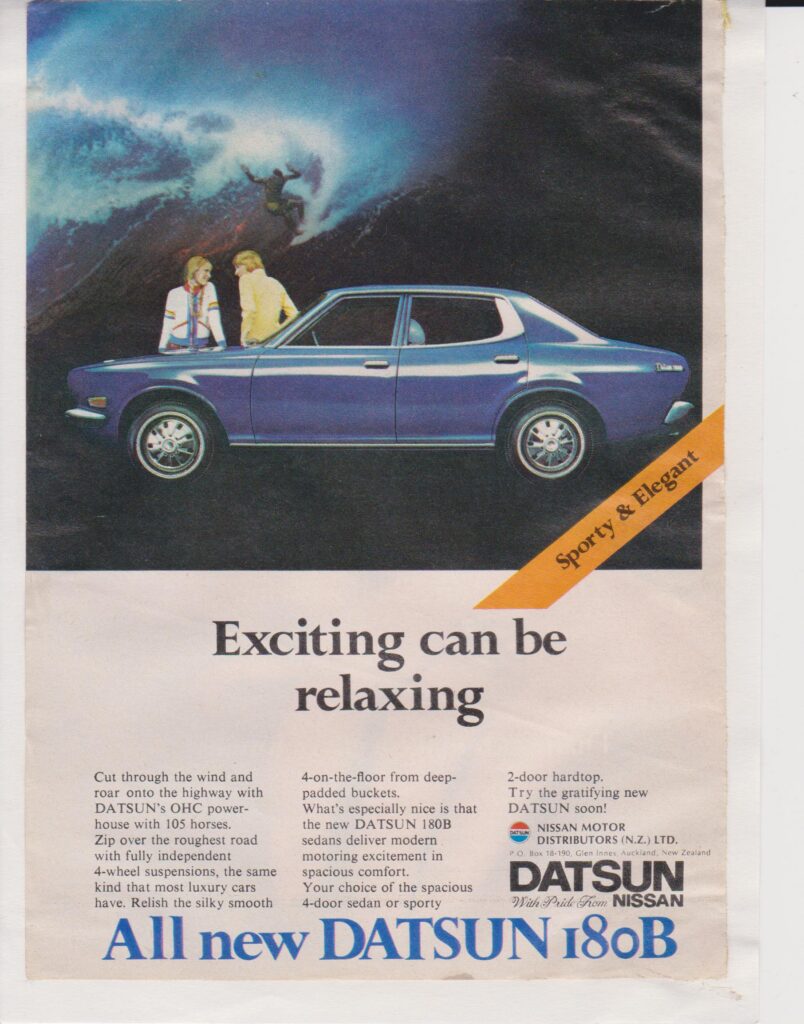
The tide had certainly turned for Japanese cars by the early ’70s. The jokes about shonky Japanese cars were falling flat. They were technically good, well-optioned, and well-built. The Datsun 1600 continued to enhance the reputation of Nissan for building high-performance, robust and reliable small-to-medium cars. It’s outright fourth place in the hands of Dennis Marwood and Bryan Innes in the 1968 Benson & Hedges 500 is testament to that. The ’70s growth continued this trend, with the Datsun 180B and 120Y being assembled by Campbell Motors in Thames, also Todd’s in Wellington, the new plant at Felton Mathew Ave in Glen Innes and Roscommon Road, Wiri (South Auckland).
A big new Nissan plant at Wiri opened in 1978. This was a major step up for Nissan’s presence in New Zealand, with large support from the Japanese parent company, financially and technically. Nissan was second in sales to Toyota, and the resources were made available to build this upmarket plant, with a proper engineering facility. This led to ‘The Nissan Way’, which was introduced in 1988 after some controversy (but improved product) and continued to the end of local assembly in 1998.
Last dance, turbo folly in the fast lane
The late ’80s in South Auckland was a hotbed of car culture, with acres of car yards bristling with hardcore machinery, stretching down Great South Road and Takanini Straight. American and Australian iron was regularly seen on the mean streets of Otahuhu, Papatoetoe, Manurewa and Papakura. The scene was vibrant if you were a petrolhead, probably a legacy from those automotive sales operations that bred the infamous South Auckland racing fraternity in the ’50s and ’60s. V8 coupés had been all the go back then and had now morphed into the street cruising and racing set, with their muscle cars and the new high-performance Japanese Turbo screamers.
It was this latter category that I fell under the spell of. Living in Manukau, I regularly cruised the blacktop through those streets, eyeballing the car yards in my ’82 Datsun Sunny. By now, it had a transplanted 1.5-litre motor in place of the 1.2-litre base engine, but it was hardly going to shred its tyres in a showdown with some turbo or V8 missile. Sure, I’d had the Cosworth Escort, but it hadn’t ended well, and the Torana XU1 dream had been pretty much derailed shortly after purchase, when my long-time relationship imploded. There were a couple of ballistic down-country runs to Wellington, but with my world in turmoil, it eventually became collateral damage.
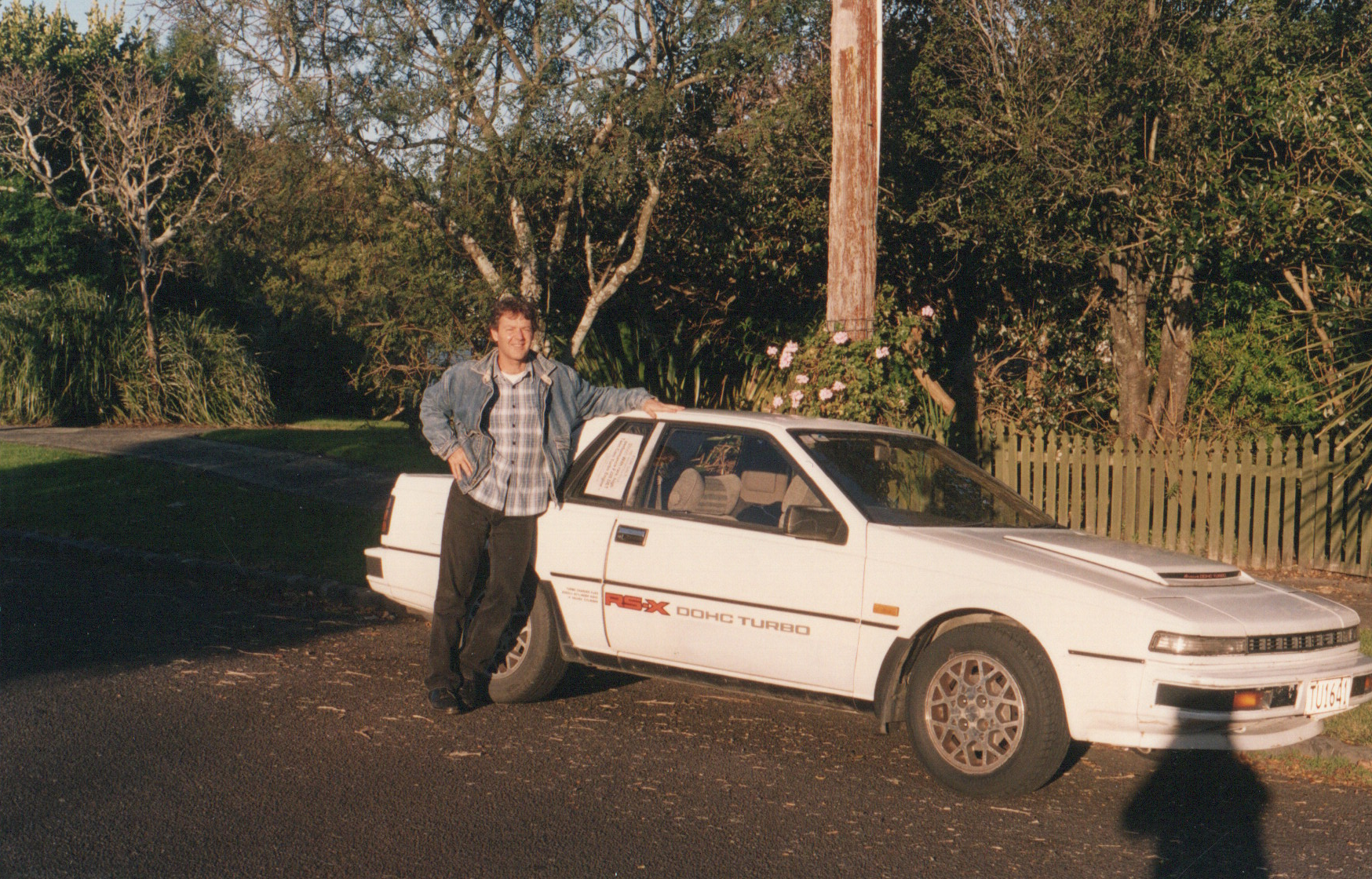
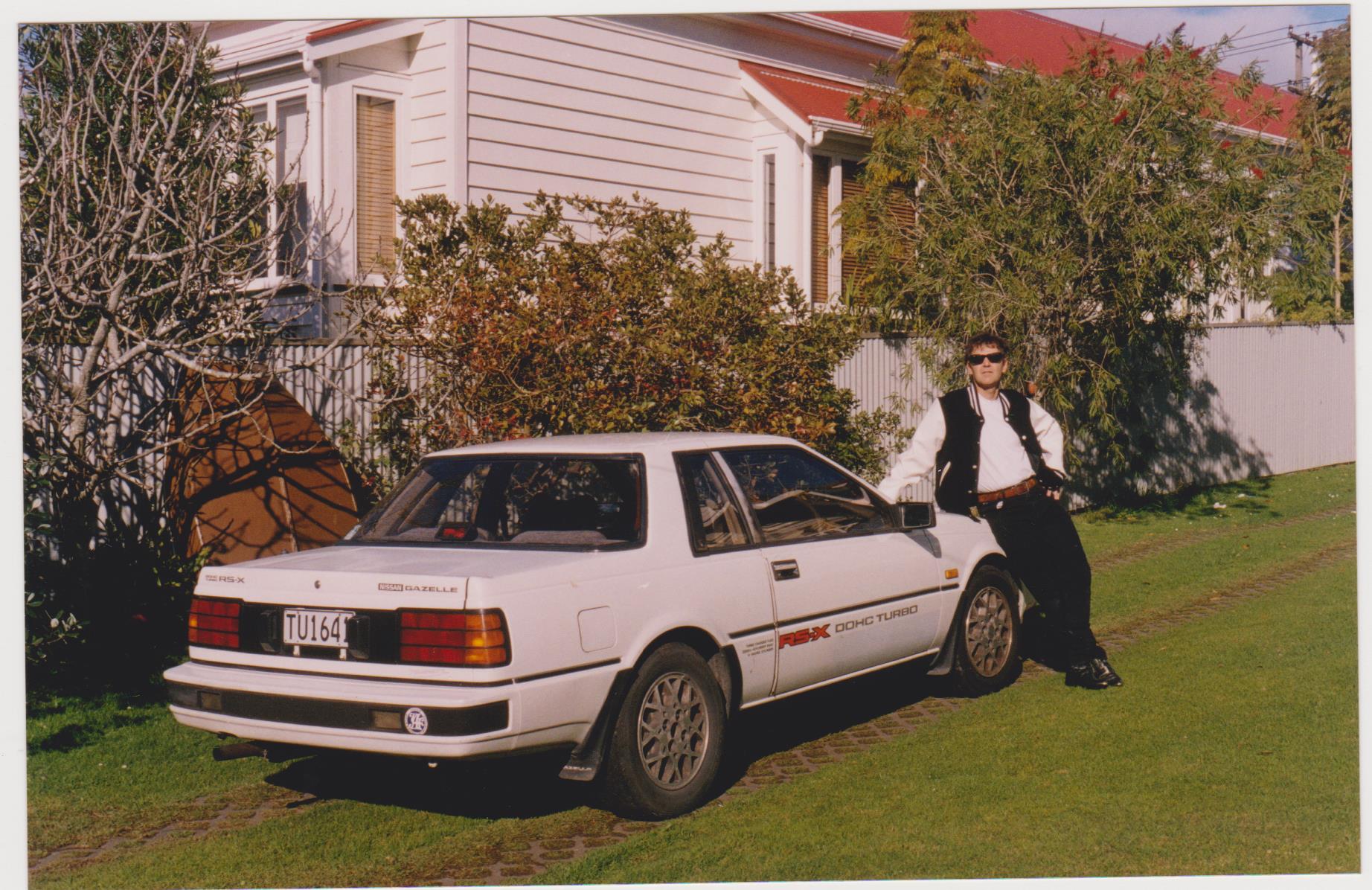
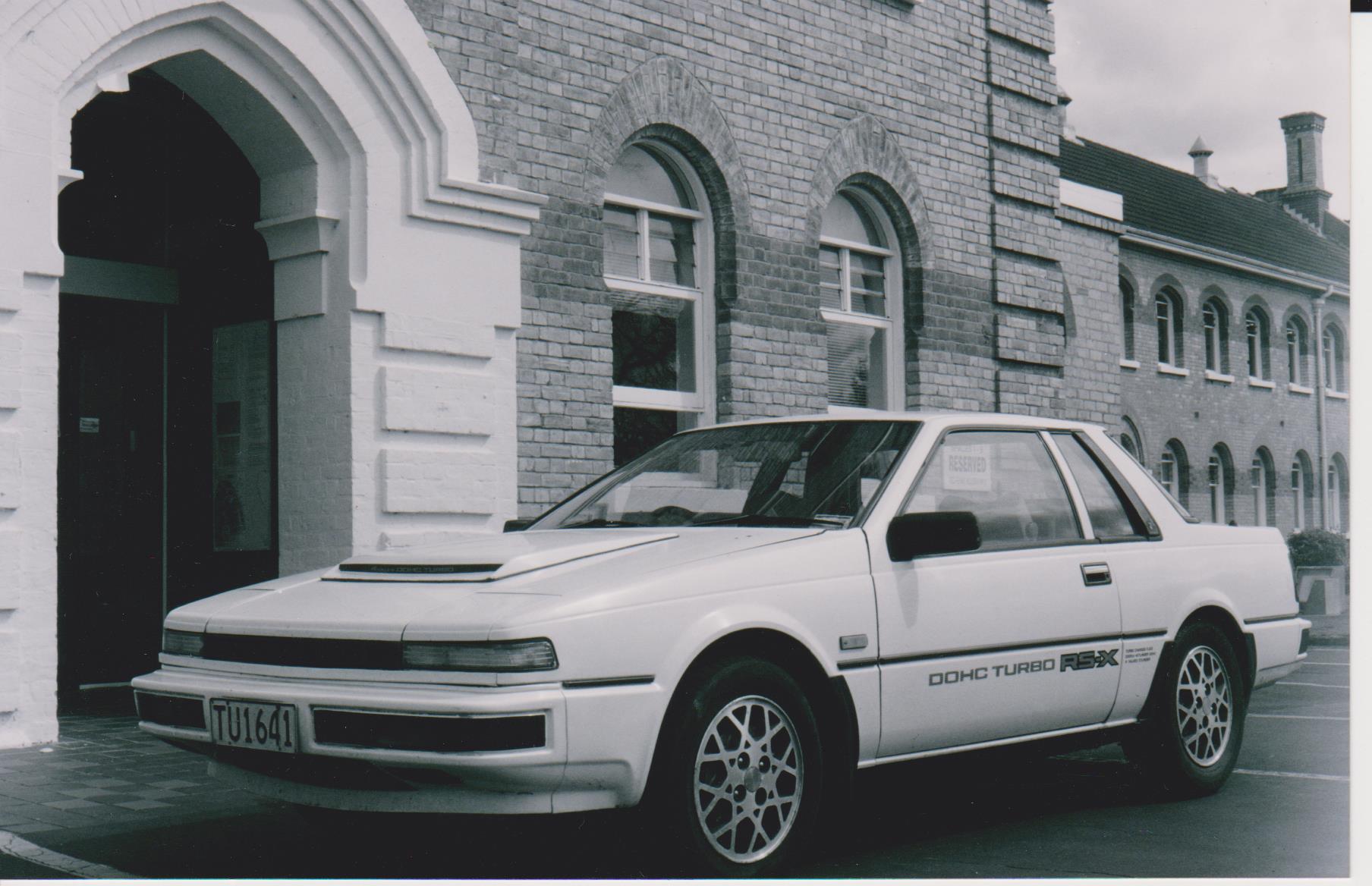
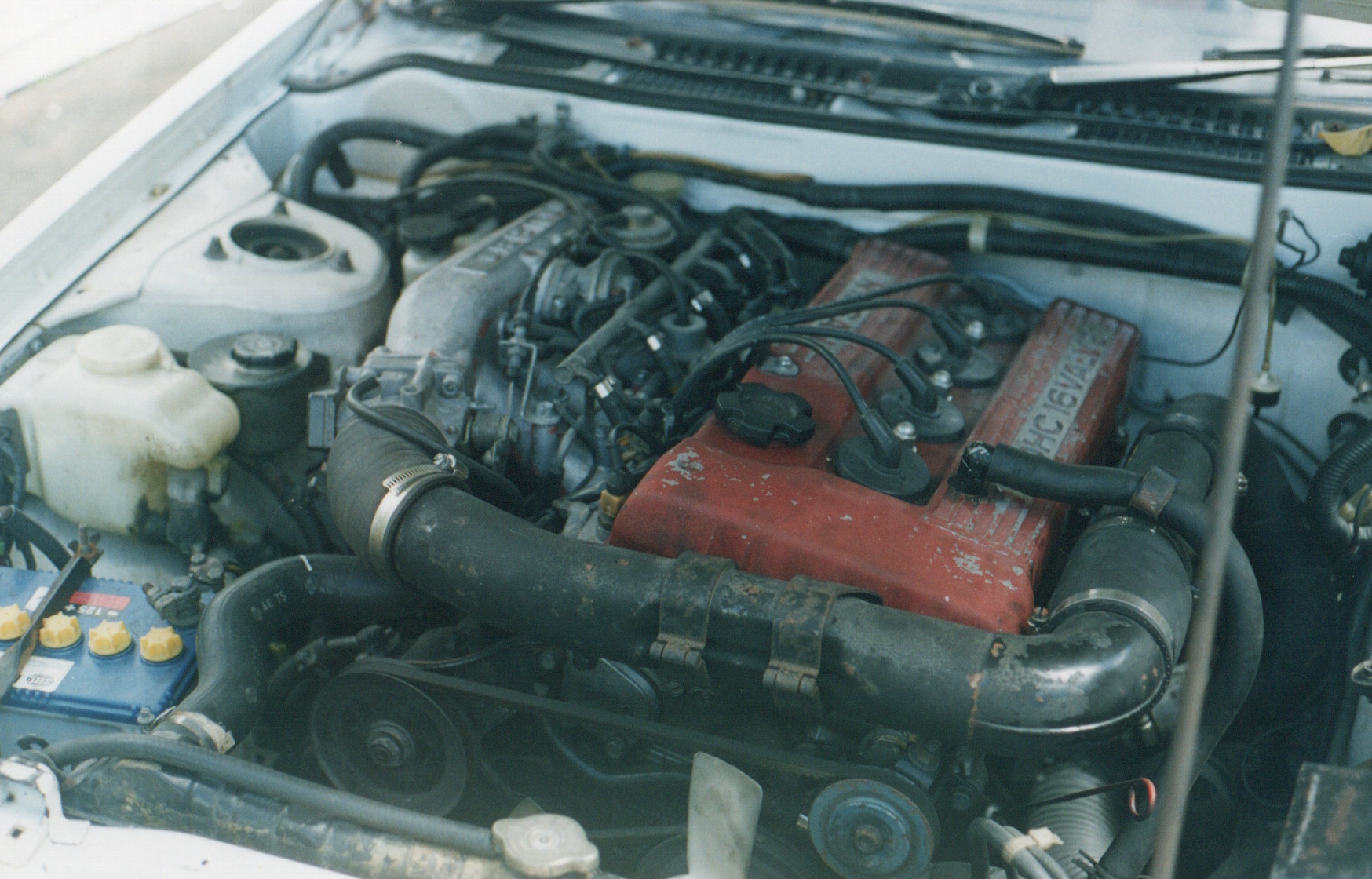
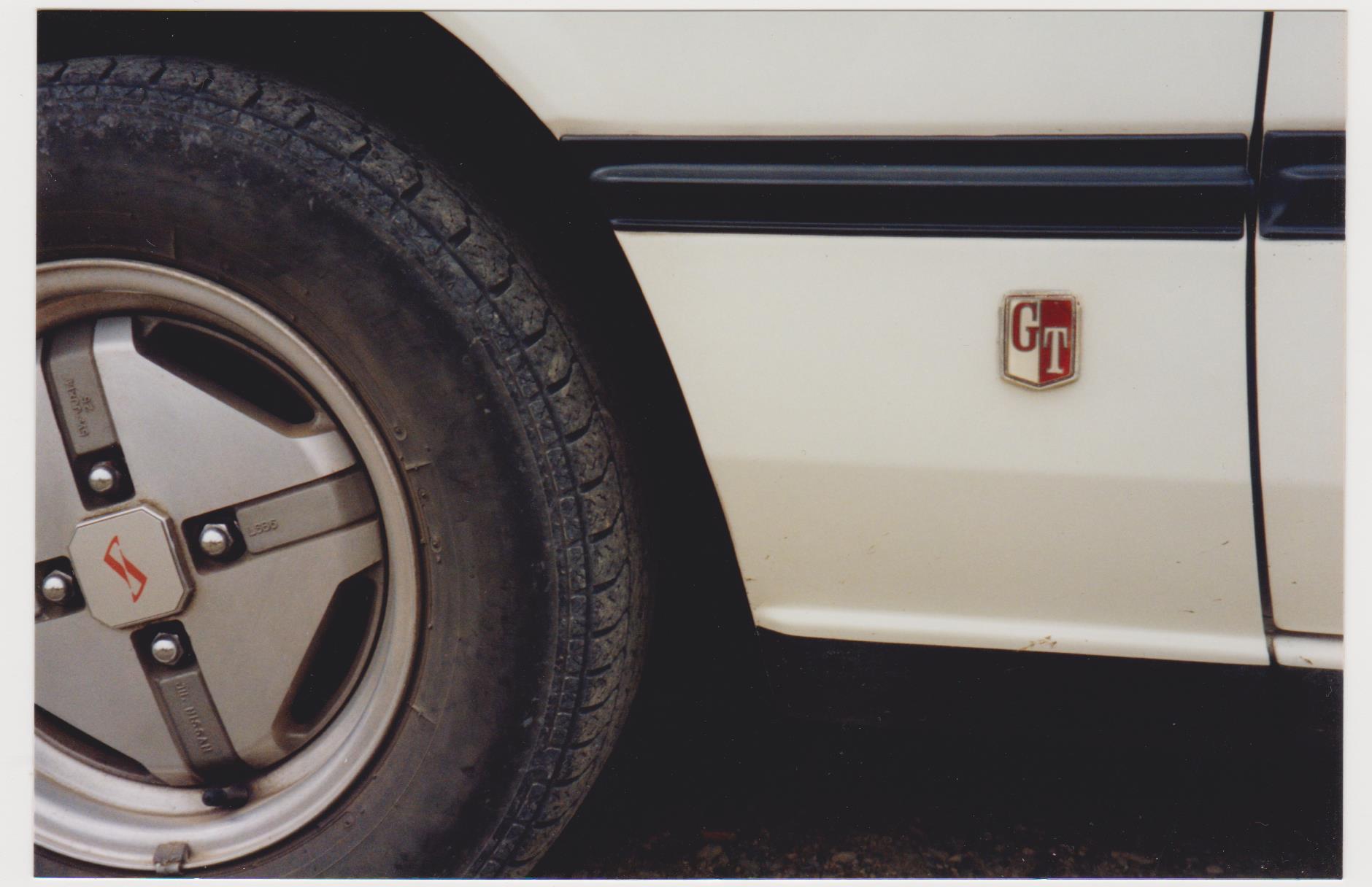
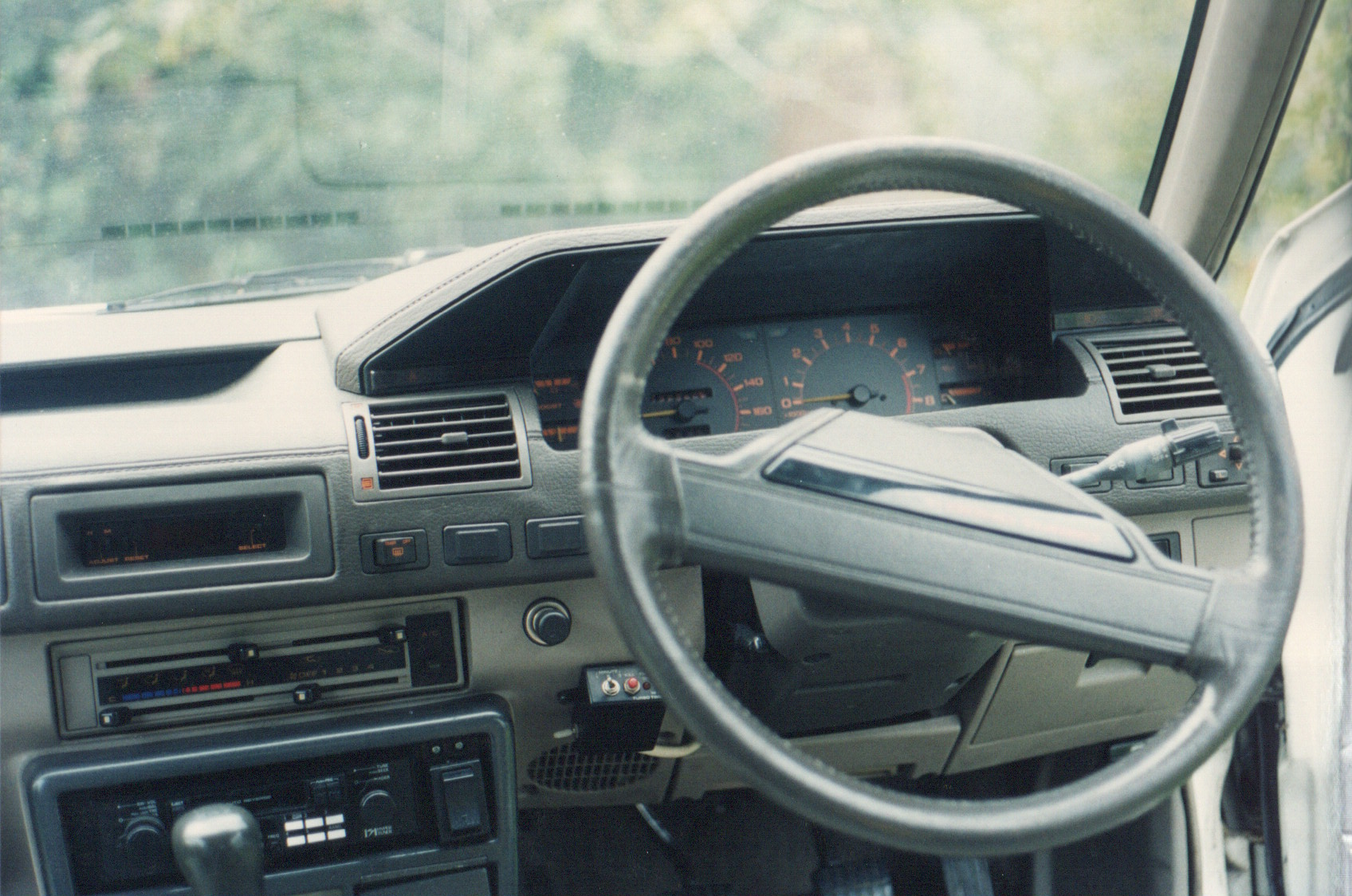
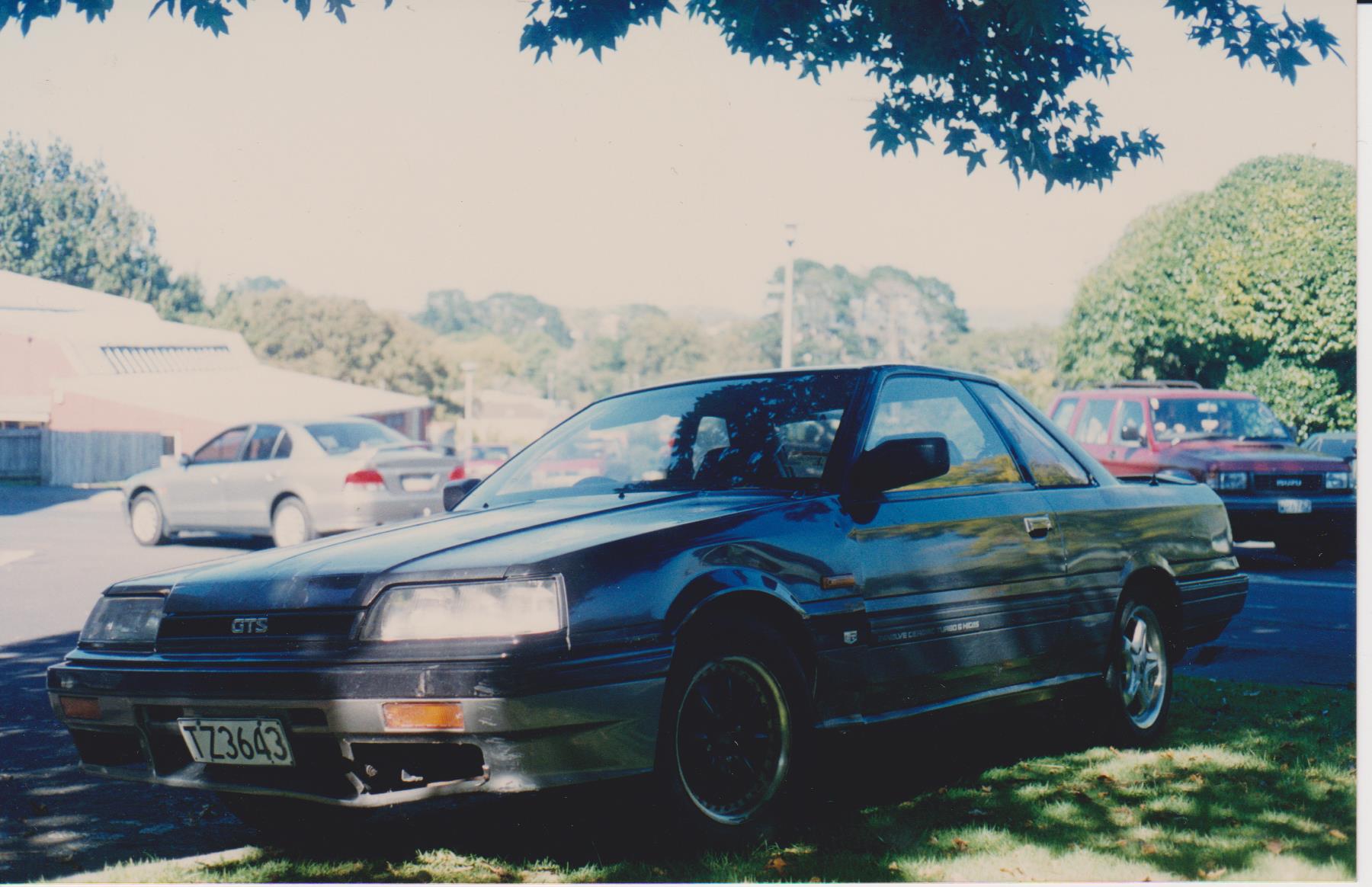
By 1996, the ship was slowly righting itself and on a mission to buy a suitable pavement scorcher, I visited the now-defunct Manukau City Car Fair. Unbelievably, among the sea of four-door utilitarian Japanese compacts was the absolute jewel in the crown. In front of my very eyes was my most-revered automobile wet dream. A 1985 two-door R30 RS Nissan Skyline FJ20 Turbo 5-speed manual in nice condition. The owner only wanted $10,000 — a great deal.
But what did I do? I bailed out, racked with indecision. Yeah, the money would have been a stretch, getting back on my feet, etc. But it was the worst automotive choice I ever made, instead opting for a rusty Toyota Sprinter 8 Valve, Twin Cam Coupé, which was pretty terminal from the get-go. I know. We’ve all done it, but there was really no excuse for passing up the Skyline, and I was haunted by that stupidity for years.
Shortly after, I managed to unload the Sprinter onto another unfortunate soul, and I bought a second-hand import Honda CRX 5-speed Twin Cam. This was much better, and it was my ride for about seven years, but the dream of an RS FJ20 Turbo manual Nissan Skyline or Gazelle still lurked in my mind.
In part two: Gotcha! My Nissan Gazelle/Silvia RS-X FJ20 rocketship.