Shaun Moses is one of those people who has got it right. He has managed the trick of ‘never working a day in your life’ by turning his passion into his business.
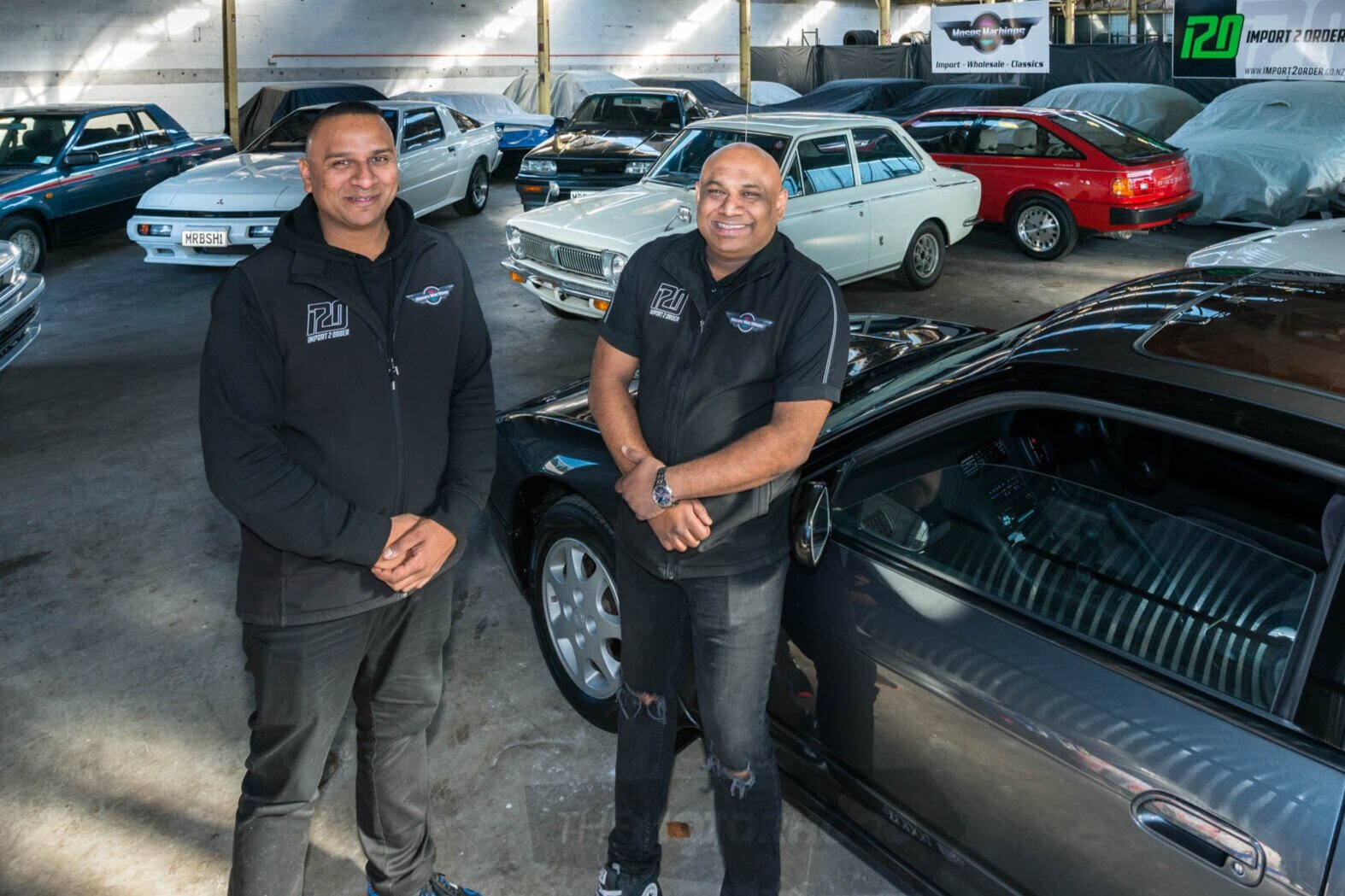
Shaun (right) and Meets know their JDM cars
What’s more, he has done it twice. He was always a car guy. At age eight he was already one of those car nuts who could identify every car on the road from a glimpse of the corner of a window frame.
It was inevitable he would move into the car business, and there he discovered his other passion, which was using his deep knowledge and love of his favourite cars to help other people find the cars that were right for them.
Matching the right cars with the right people offers him a double bang of happiness which he is now putting to good use in his new car import business, Moses Machines Import 2 Order.
The Import 2 Order website already shows a list of testimonials from a range of happy customers because this is an established business. Shaun became involved first as a customer when he decided to seek out great examples of the Japanese domestic market (JDM) cars that had inspired his life-long passion.
Talking to founder Trent Craig they discovered they were on the same wavelength, and that they had mutual skills they needed for this fast-growing specialist market. Trent had the contacts and network for finding and assessing great cars in Japan, while Shaun had an extensive network of loyal customers and a knack for finding more. That led to Shaun becoming an Import 2 Order franchisee for central Auckland and south, which he and Meets Patel run from premises in Virginia Avenue East in Auckland city’s Eden Terrace.
Diving into the flood
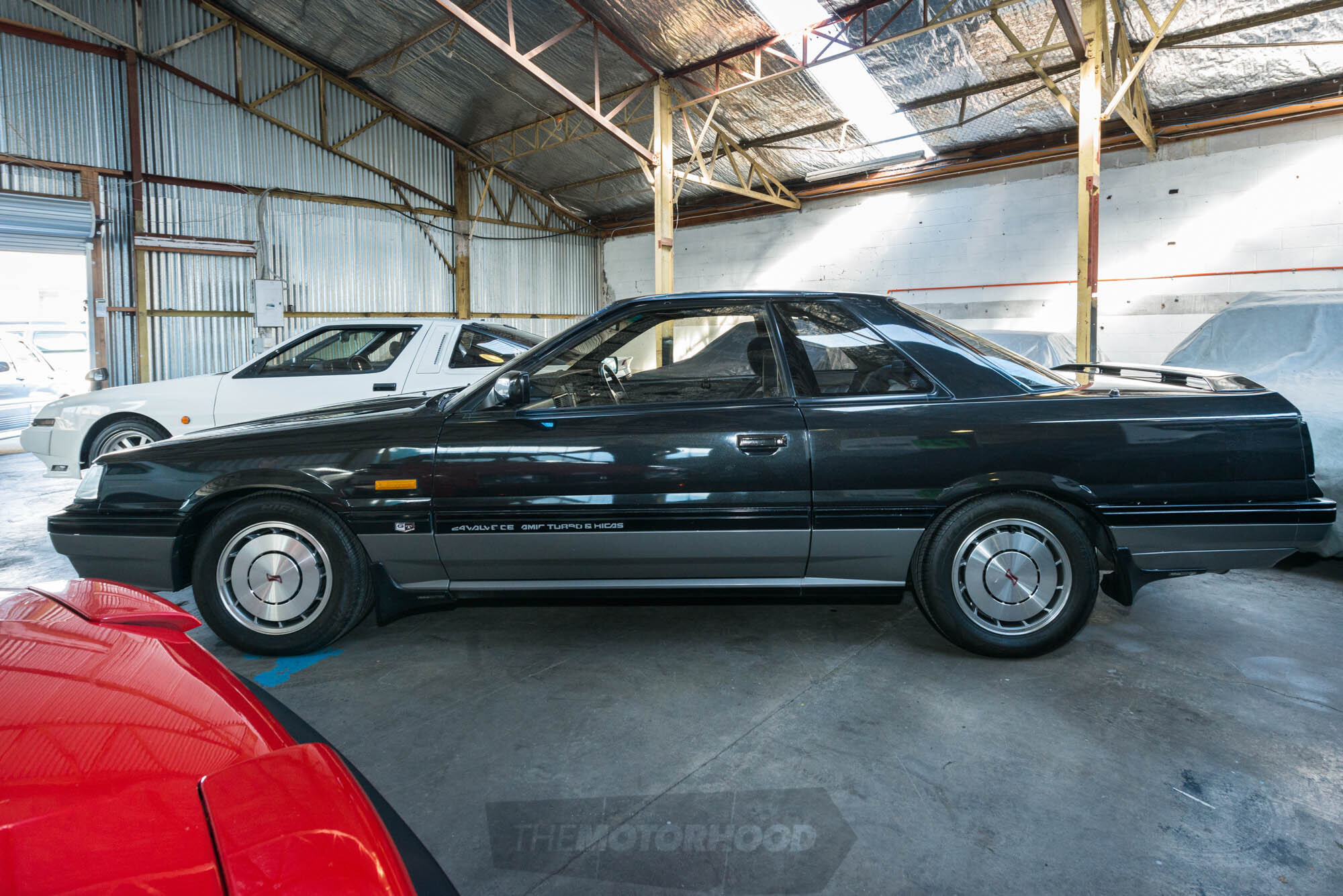
Shaun says the guys who dived into the flood of cheap high-performance Japanese domestic market cars in the ’90s are now keen to find another one as a weekend or hobby car — and as an investment. That is now a problem as well as an opportunity thanks to video games like Gran Turismo and the Fast and the Furious movies. They have driven buyers in the USA to these cars and, as they are now over 30 years old, they can be imported more easily. Ironically, those cars were chosen for the movies for the same reason they were popular here. They could be bought pretty cheaply at the time, and it was easy to find four identical cars.
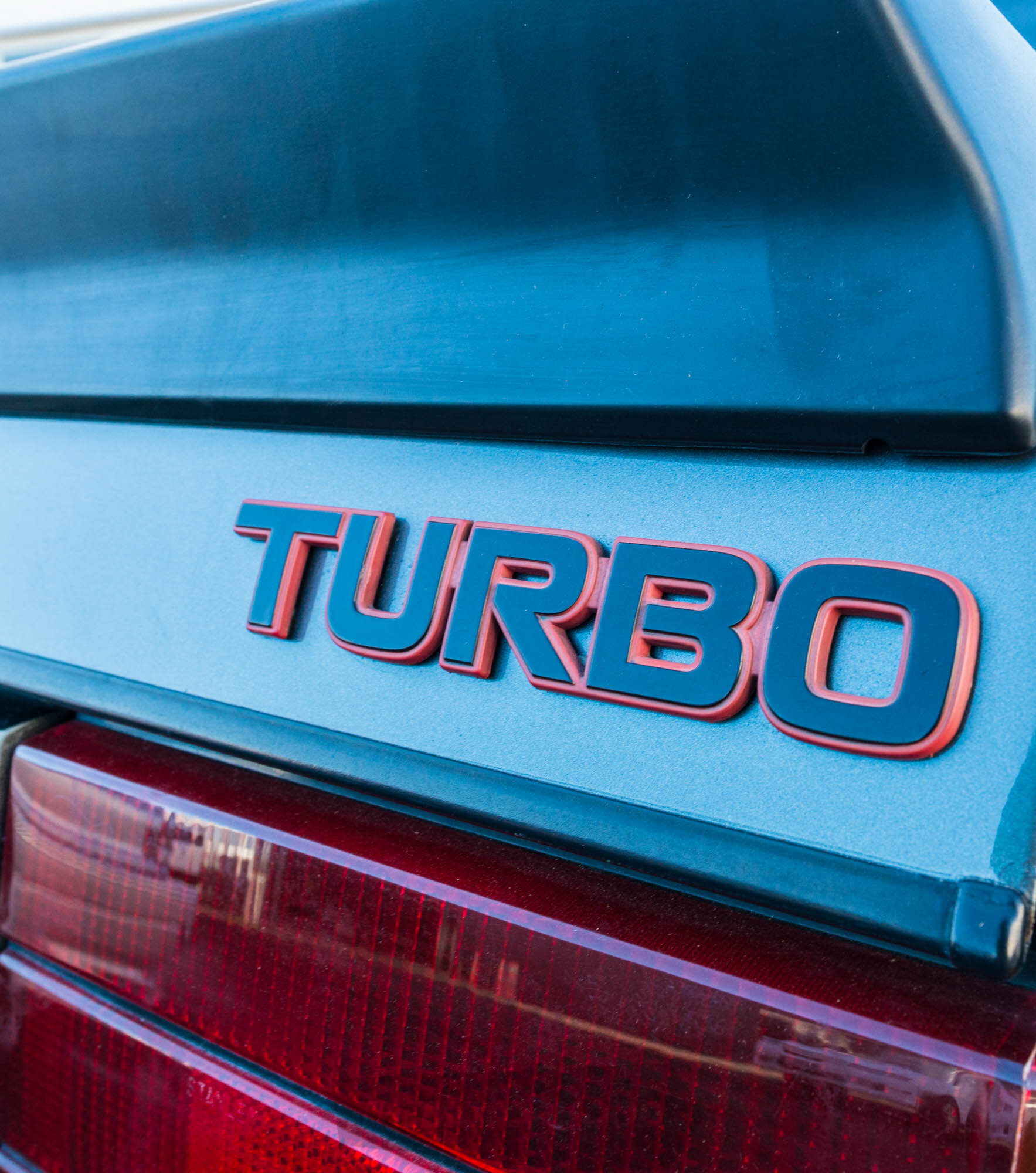
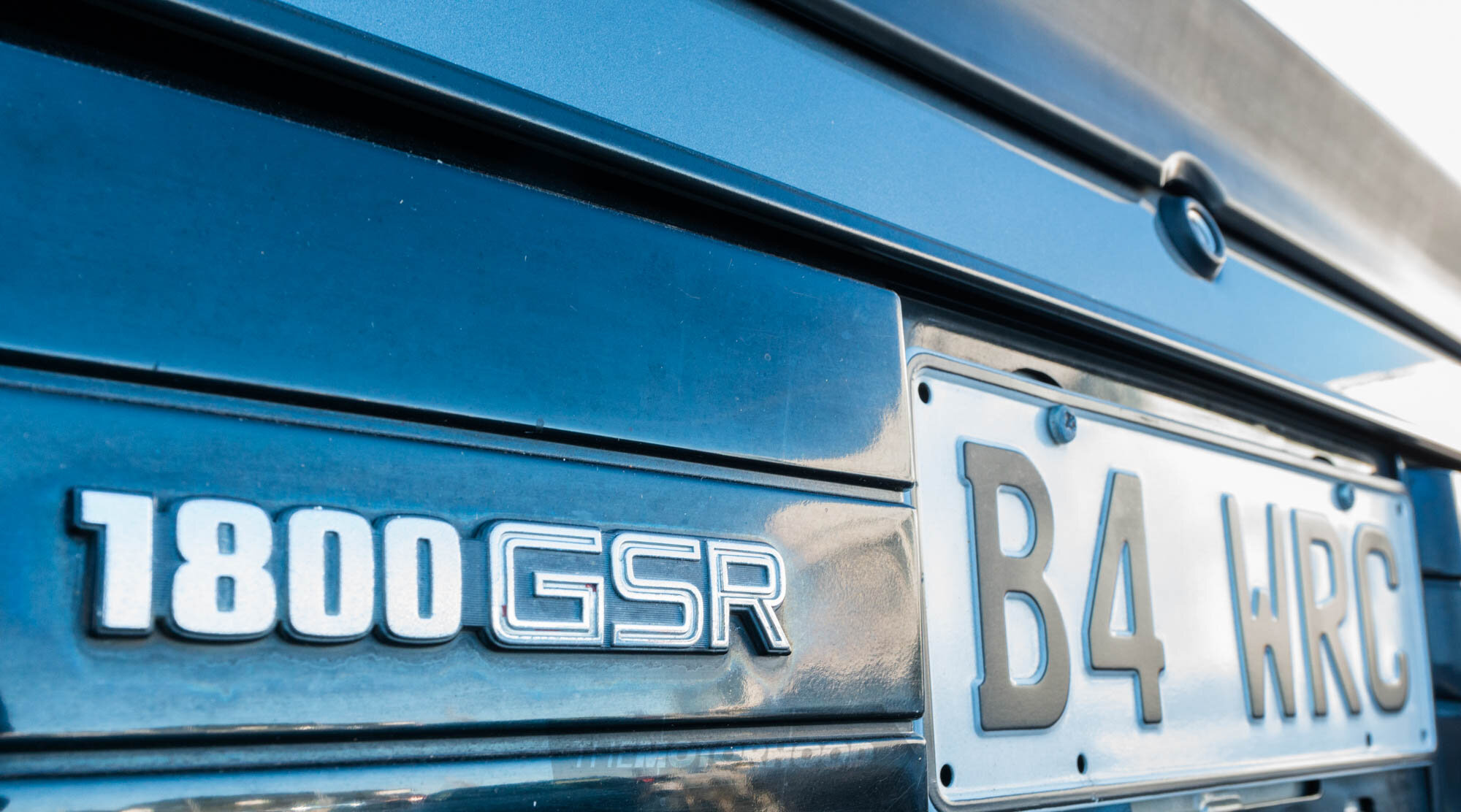
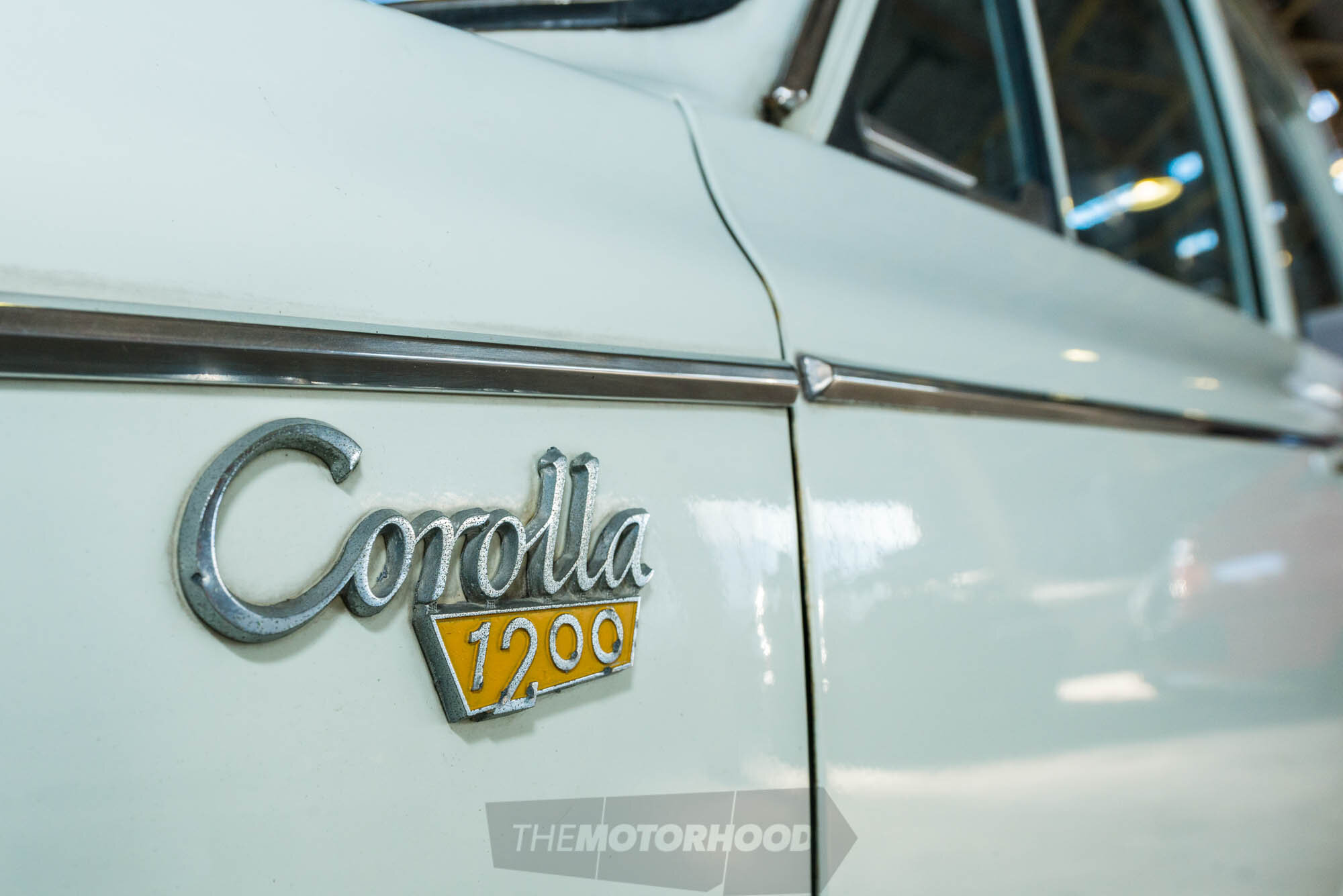
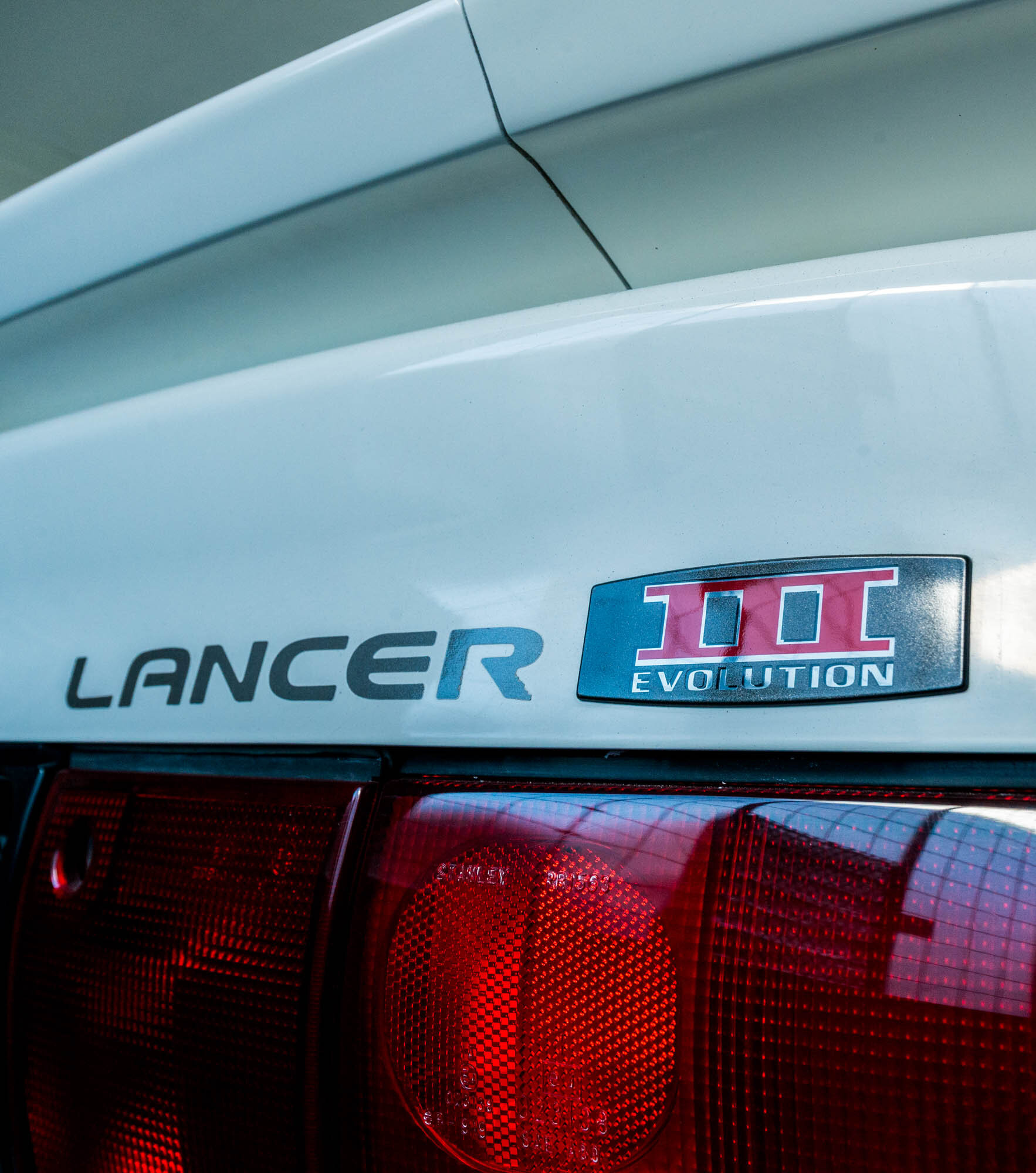
Shaun says the prices of iconic cars like the Celica GT-Four and the R32 ‘Godzilla’ Nissan Skyline have gone through the roof, and are still climbing. “An RX-7 I bought for $7000 in 2011 cost $40,000 in 2018,” he says. And that would be cheap now.
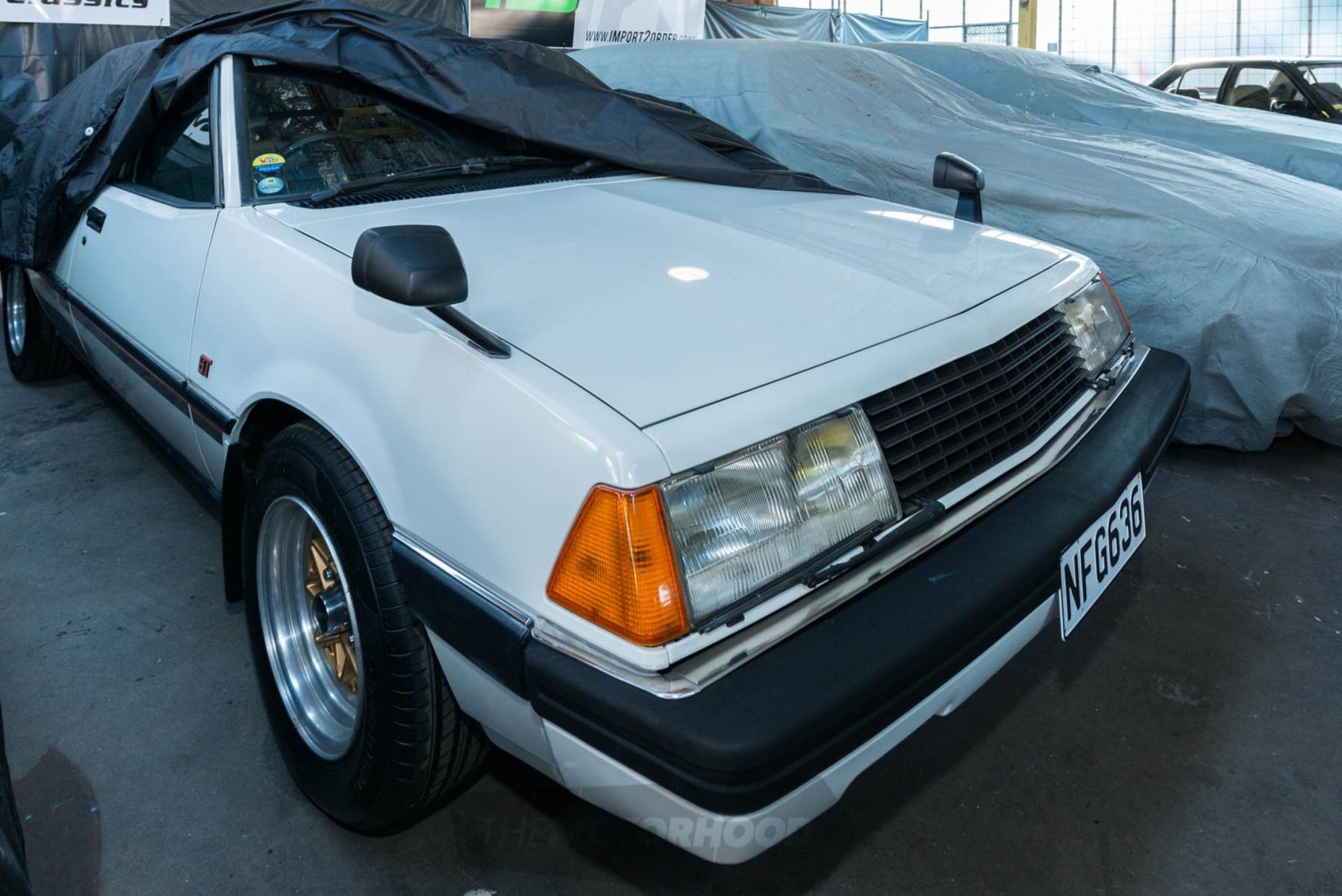
This is where Shaun got canny when choosing the cars he owns today, focussing on the precursors of those superstar cars, where the Japanese developed their tech. They are the desirable classics of the future, according to Shaun. “I love the pedigree, the pioneers, the innovators,” says Shaun.
While he has specialised in specific brands in his career, Shaun is revelling in the freedom he has now. He loves getting to know and share his customers’ wants and needs, and helping in their quest to find exactly the car that fires their passions.
“I understand where they are coming from and I love using what I know to get the very best for them,” he says. “It’s just so enjoyable. I get up every morning loving what I do.”
The process
Shaun and Trent and the team are keen to talk cars with anyone to help them discover exactly what type of vehicle they want. They will send information on vehicles that fit the bill, together with previous sale prices. Then they will send details of cars available each day and a translated version of the auction sheet or inspection report.
The next step is guiding buyers through the bidding process and supplying a quote for the car road ready and delivered.
Step 5 is the initial invoice covering the car cost in Japan and fees for delivery to the nearest port. Import 2 Order will then arrange shipping, extra photos and have the odometer certified prior to the vehicle leaving Japan. Two or three days before the vehicle arrives, the company will invoice for the balance which covers GST, shipping, compliance and all on road costs.
Finally, step 8, the big day: delivery. As soon as your vehicle is ready, ther franchisee will contact the new owner to arrange delivery.
For more information contact Shaun Moses on 021 834 552 or Meets Patel on 021 027 77748 or email [email protected].
This article originally appeared in NZ Classic Car 368