New Zealand Classic Car – Issue 354 on sale now

24 May, 2020


NZCC 354


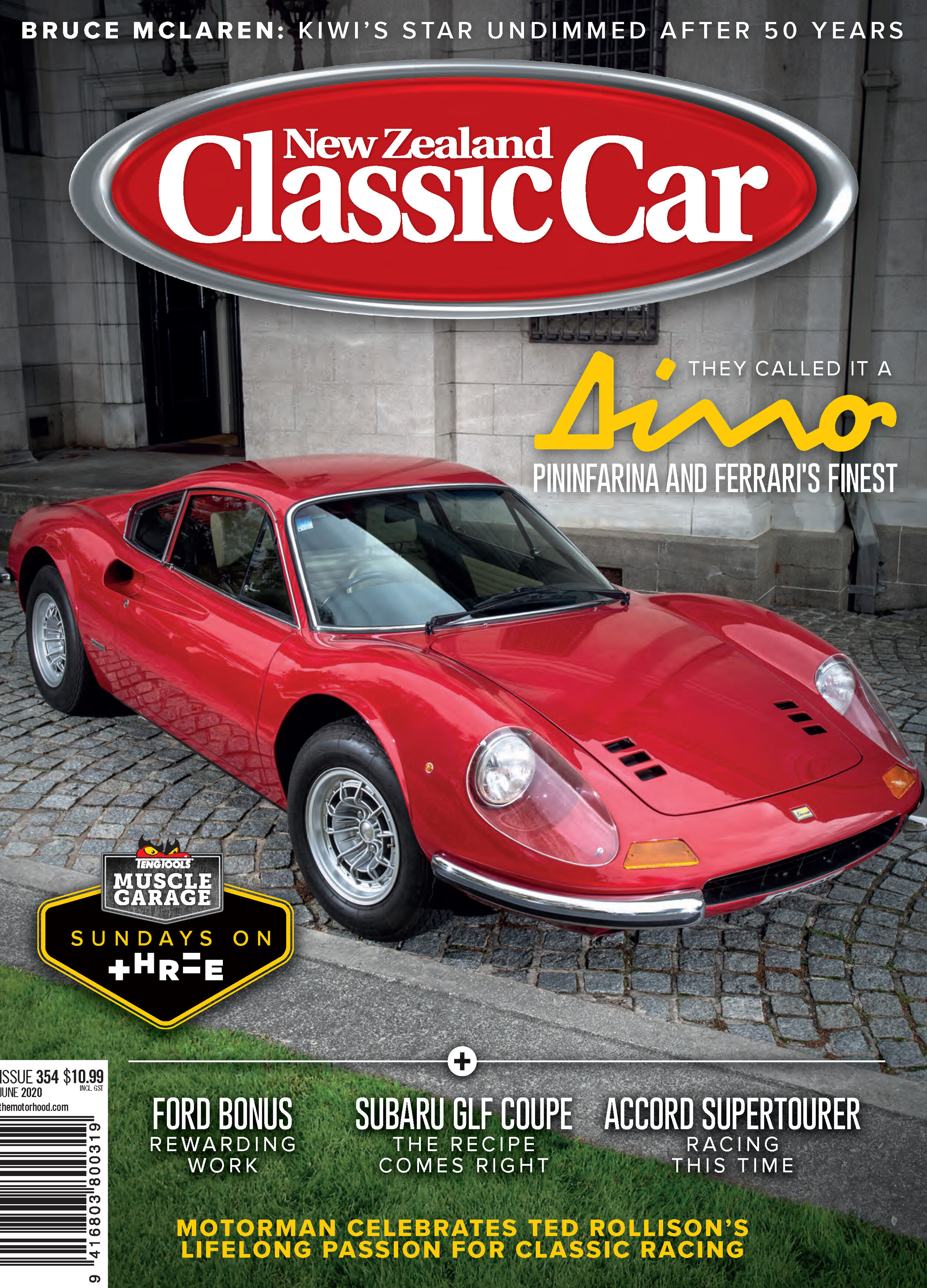
In our second ‘lockdown’ issue we bring you another great issue featuring an eclectic mix of fine classics. From where the horses roar in Maranello, we feature a superb example of what, designer, Pininfarina, said was the car of which he was most proud, a car of class and beauty, the Ferrari Dino.

Henry Ford’s business struggled through the 1940s, but in 1948, a new era began at the company with the release of a new range of trucks. Our featured 1948 Ford Bonus truck has been transformed from a tired old and beaten workhorse to a show stopping weekend cruiser. But with a tight deadline and one mission in mind it was all hands on the pump.   

Born in an era when Japanese coupés took styling cues from the American muscle car scene, Subaru followed the trend with its GLF coupé. In this issue we take an in-depth look at the passion and desire it takes to restore one of these classic coupe’s from a rusty, badly repaired driver to a concours quality gem.

While flower power took over the rest of the world and music changed forever in the ’60s, the hot ticket for many Kiwi kids was: slot car racing. In the first of a two-part report Gerard Richards recalls his first love.

There’s so much more in this issue, we could go on, but you’ll just have to find out for yourself.          

Get yours in store now or delivered to your door from magstore.nz – New Zealand Classic Car – Issue 354.
Chrysler’s classy cruiser

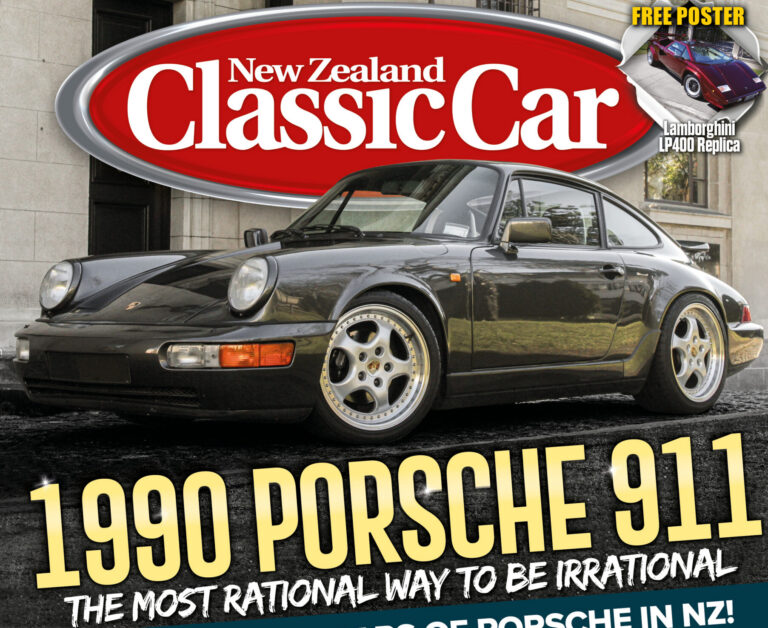
I first saw our feature car, a 1970 V8-powered Regal 770 hardtop, towing a trailer carrying the tidy Ford Anglia classic racing saloon in Broadspeed racing colours that has featured in these pages. The coupe is comparatively rare here, which means anyone contemplating purchasing one of these big two-doors is sure to see prices continue to climb. The latter Charger has claimed much of the Aussie Chrysler limelight, but the simpler and classier lines of this car, which appeared dated soon after its introduction, now have a more timeless appeal.
Former owner, Balclutha motor engineer, Mike Verdoner, remembers the car well. He believes it came from Dunedin originally.
“I’m not sure about the car’s history, but I bought it off its owner at Kaitangata. Unusually, it was advertised in the local newspaper, the Clutha Leader, which was a surprise as these usually go for a lot more money on the internet. I had it for quite a few years. It needed a little bit of work to tidy it up, so I had to decide whether to spend the money on it to do it up, which could have been twenty grand. Its value at the time was not like it is now, so I sold it to Ewan. It’s probably now worth three or four times what I sold it for.”

The Pininfarina 230 SL

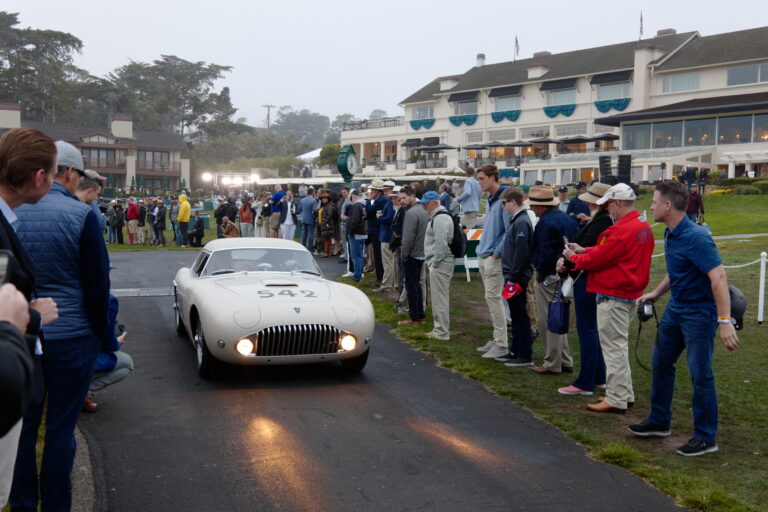
It’s October 1964, and imagine you’re an automotive journalist covering that year’s Paris Auto Show (Mondial de l’Automobile). As you approach the Pininfarina booth, you come across a car that looks a bit like the Mercedes-Benz 230 SL introduced the previous year at the Geneva Auto Show, a car then arriving at Mercedes-Benz dealerships around the world.
But looking closely, its styling and proportions seem to be a bit different. And it has a fixed roof, unlike the Pagoda-style greenhouse of the removable hardtop seen on the production 230 SL. While today, the styling of the W113, under the supervision of Head of Styling Friedrich Geiger, with lead designers Paul Bracq and Bela Barenyi, is considered a mid-century modern masterpiece, acceptance in-period was not universal. Some critics called out the concave design of its removable roof, which ultimately gave the car its “Pagoda” nickname.