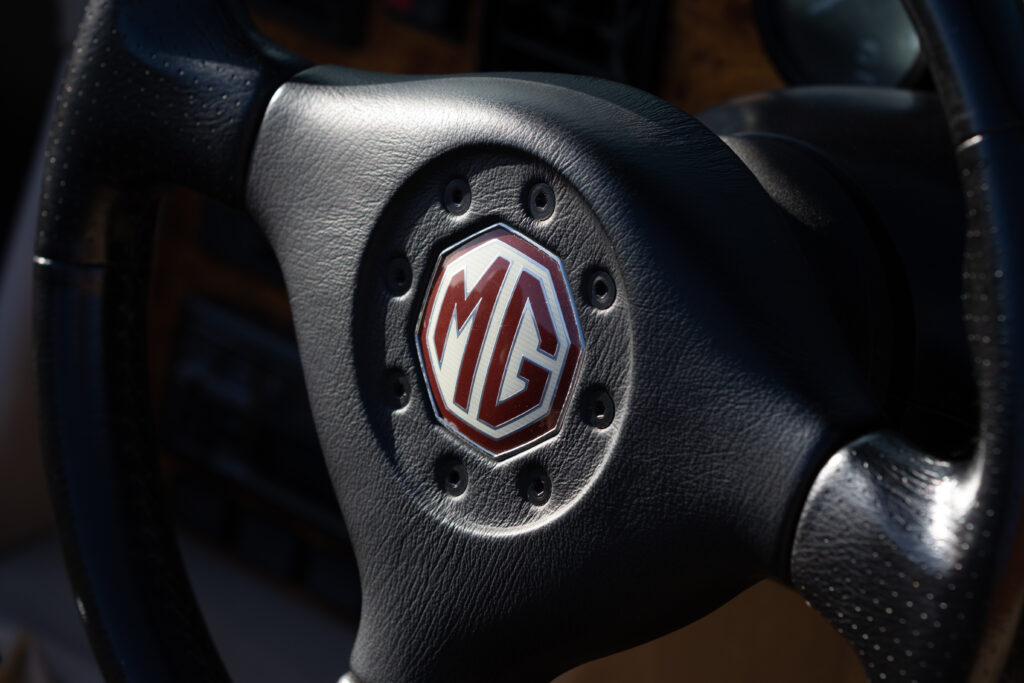
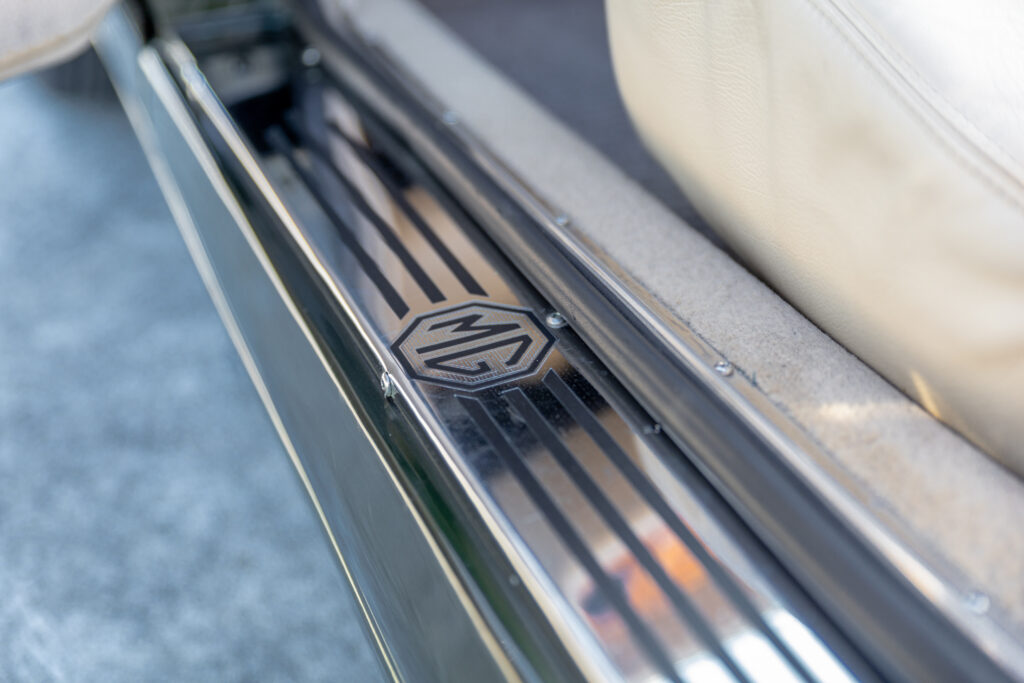

Project Adder – an MGB with bite

21 November, 2025

Adding Rover’s alloy V8 was a well-proven route to rejuvenating fading sports car glory. While adding fangs to an updated MGB guarantees fun, their owners should also handle them with care   
By Ashley Webb
Photographs: Rixsta Photography

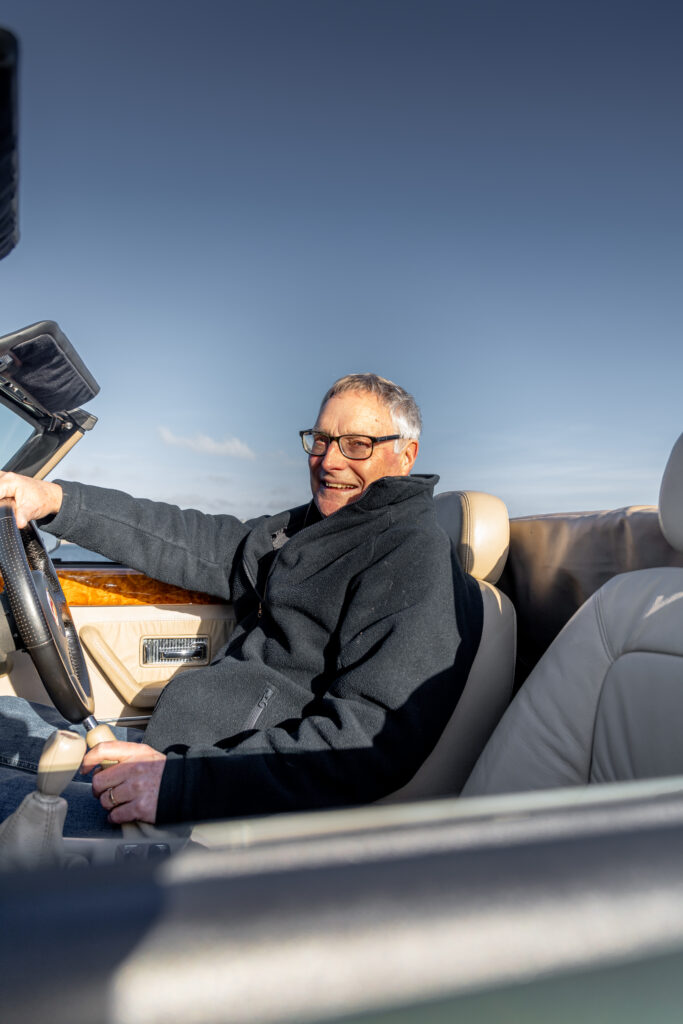
Bill and Rae Denize have been active MG Car Club members in Wellington for nearly 32 years. They have held a variety of positions on the club committee, and now that they are both retired, they can be even more involved in the club’s activities. Bill is currently the president of the MG Car Club, Wellington Centre.
The list of cars they’ve owned over the years is testament to their passion for the brand. It includes a 1972 Midget — the round rear-wheel arch model with 1275cc motor; a three-door 2004 MG ZR; a 2005 MG ZR (five-door); and Rae’s 2005 MG TF, which they still own. Bill also raced a 1967 Morris Mini Cooper S at Manfeild for many years. That car featured in an article in the January 2013 issue of this magazine.
In April 2013, Bill sold the Cooper S and decided to buy a low mileage, freshly imported MG RV8 from Japan. He liked the idea as there were only 1983 built in the early 1990s, which, hopefully, would translate into these cars holding their value. More importantly, their bodies were galvanised, which meant fewer rust problems, although Bill and Rae didn’t escape encounters with oxidation unscathed.

A better B
The MGB roadster was the basis for the MGC as well as the MGB GT coupes, the latter being available in Buick V8 flavour from 1973 onward. By 1980, the MGB had ceased production, unable to keep up with more sophisticated competition from Japan.
The escalating success of the Mazda MX-5 a decade later prompted Rover to think there was still a market for affordable roadsters. They also knew that, at one time, one of their brands built such things, and the brand still had a following. The company wanted to get a roadster to market in a hurry, and reworking its classic model gave it an easy solution.
In October 1992, Rover relaunched the MG roadster before an excited British public in the guise of the MG RV8. And despite the RV8 being based on a 30-year-old model — or maybe because of this — its classic status was assured from the day it was unveiled.
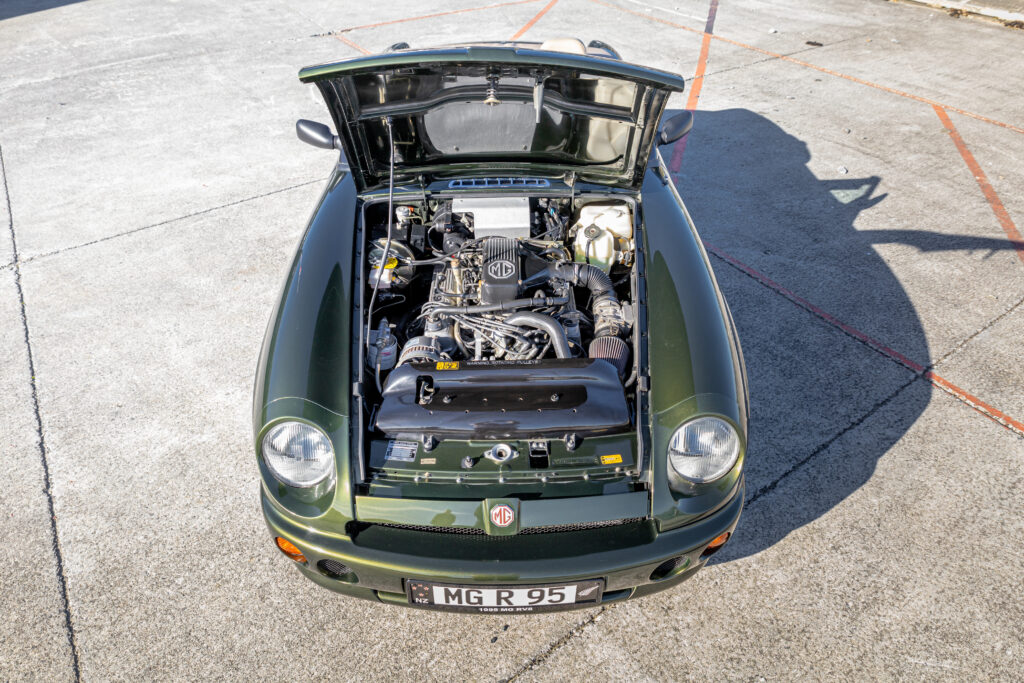
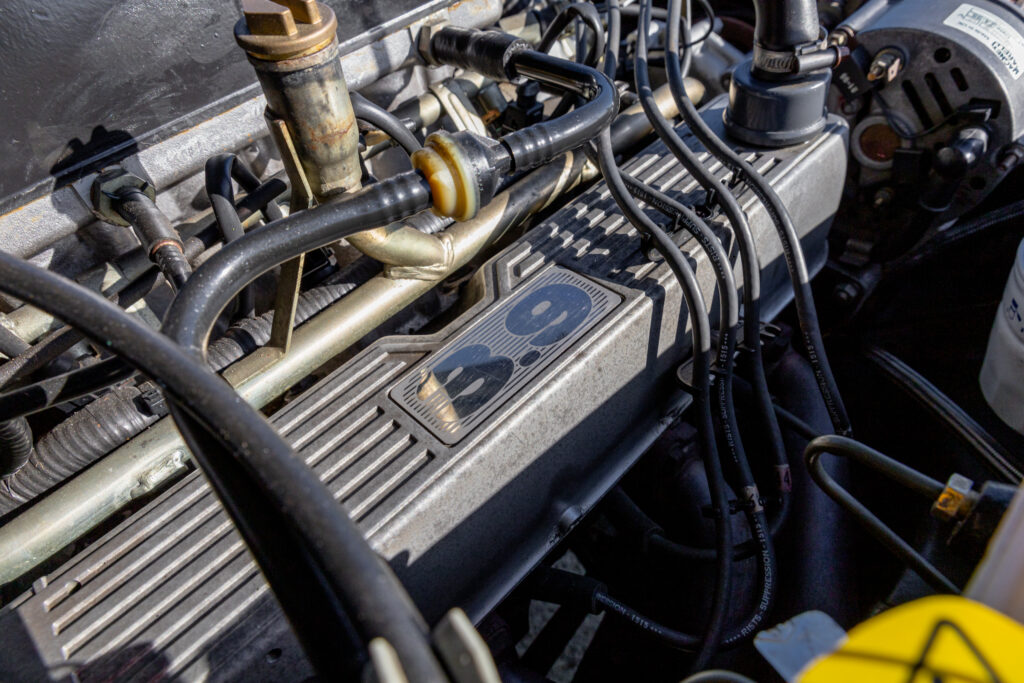
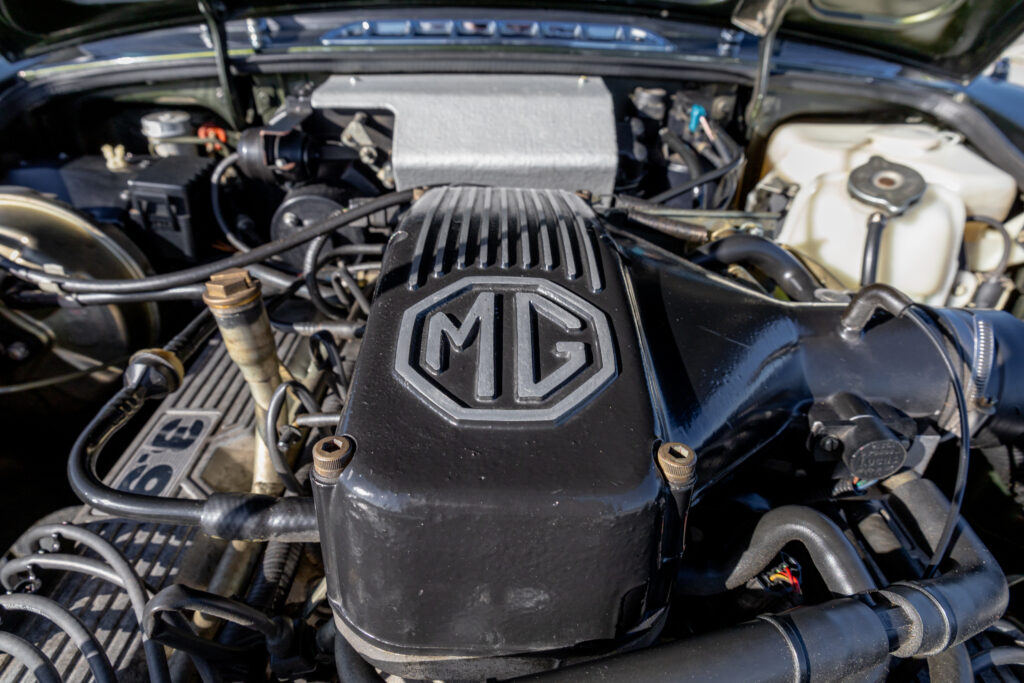
Known as Project Adder, Rover took advantage of as much of the existing MGB architecture as possible. With a team of retired MG veterans, engineers, and assembly-line workers, Rover revived and redesigned the existing MGB with a budget of only £5 million for the entire project. The team gathered up old MGB body shells, which were used as the basis for clay modeling bucks. The ever-dependable 3950cc Rover V8 engine was squeezed into the engine bay and mated to a  Rover R380 five-speed manual gearbox, though a few early cars used the Rover LT55 five-speed manual unit.

Party time
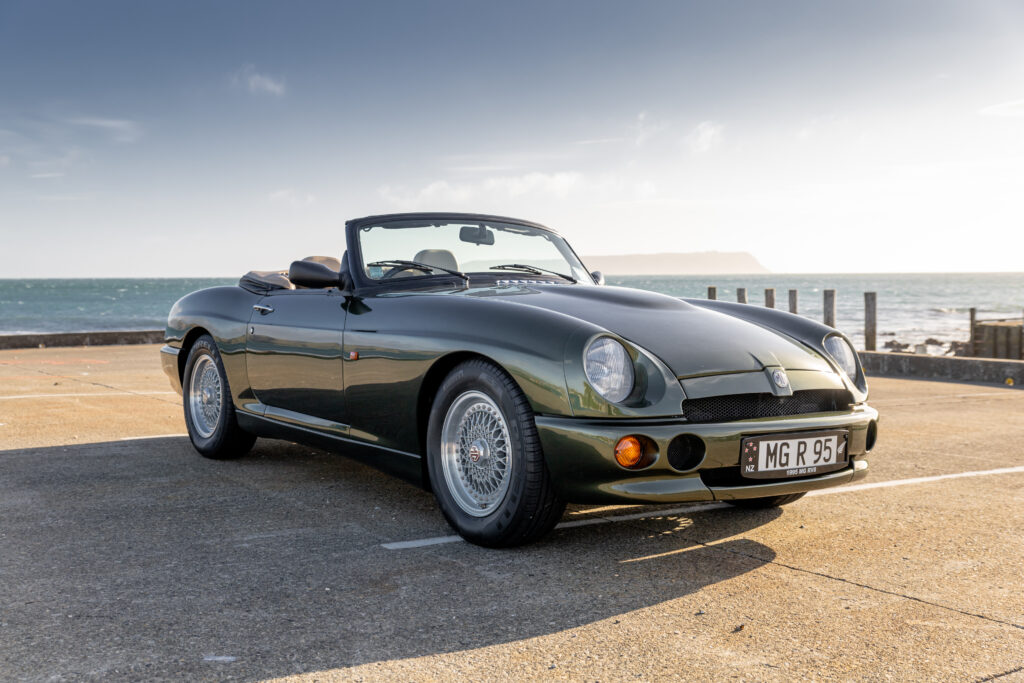
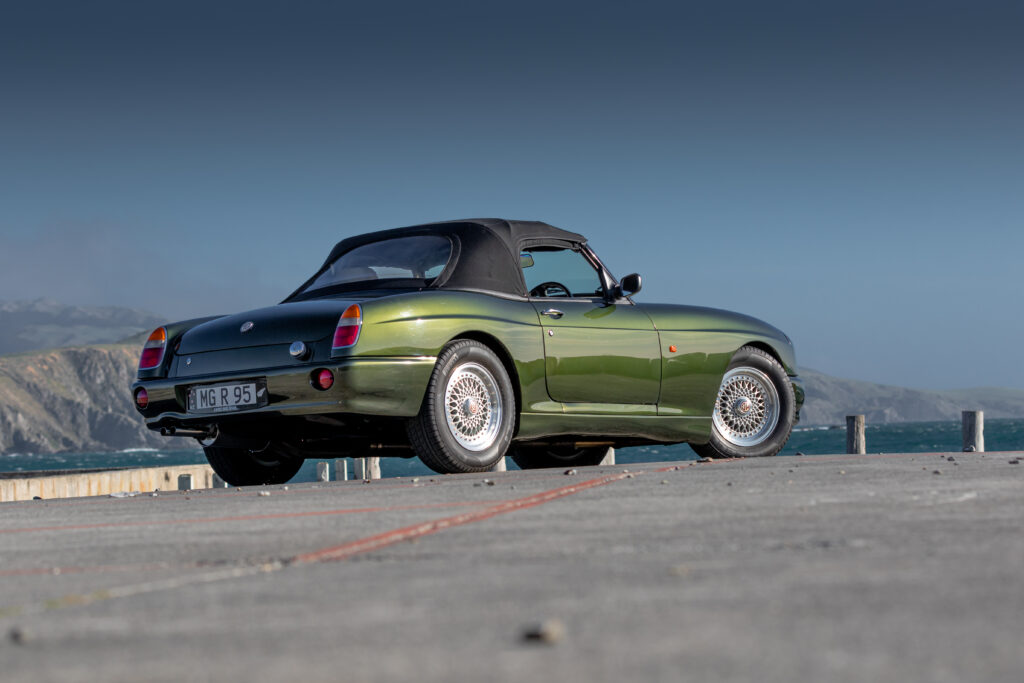
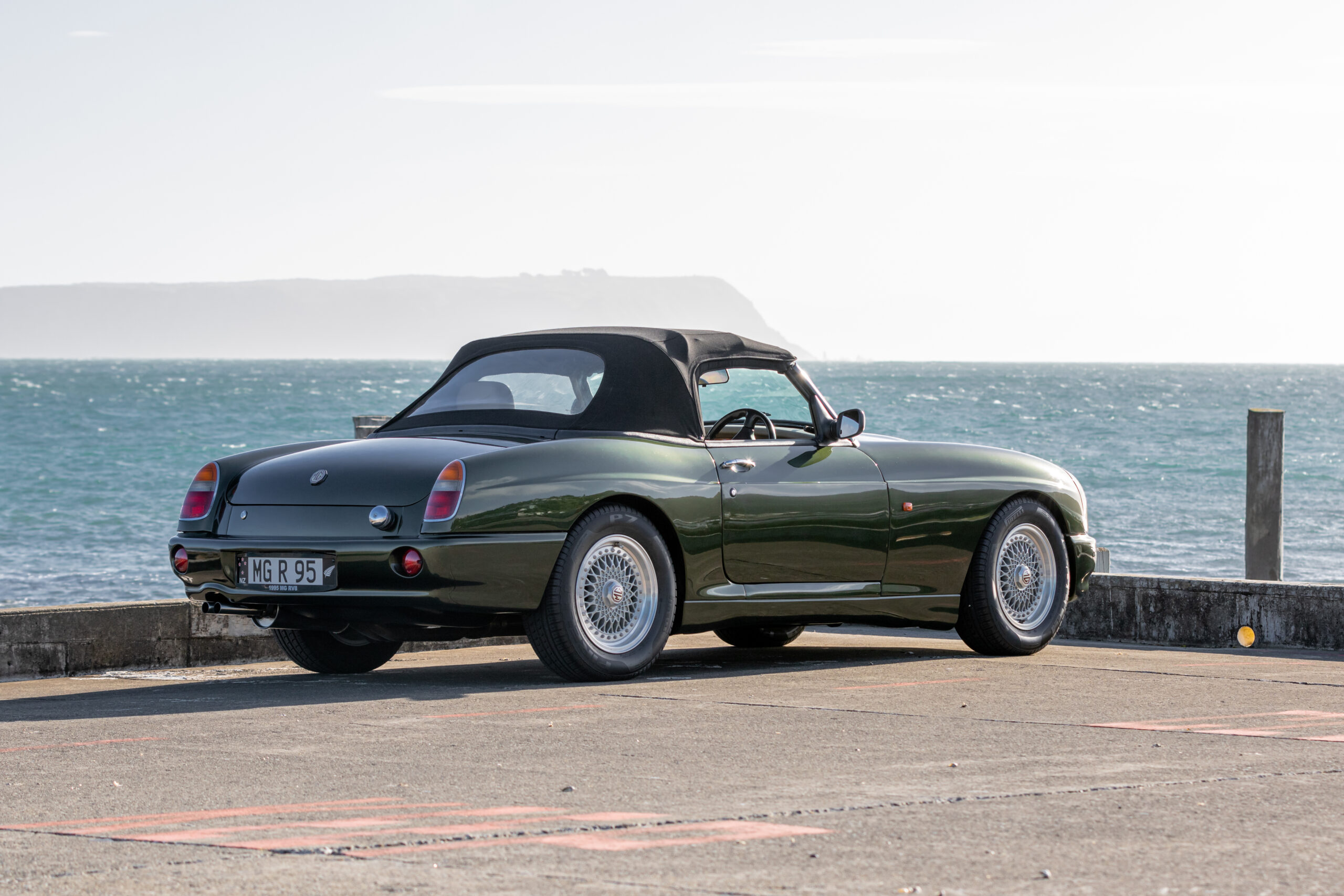
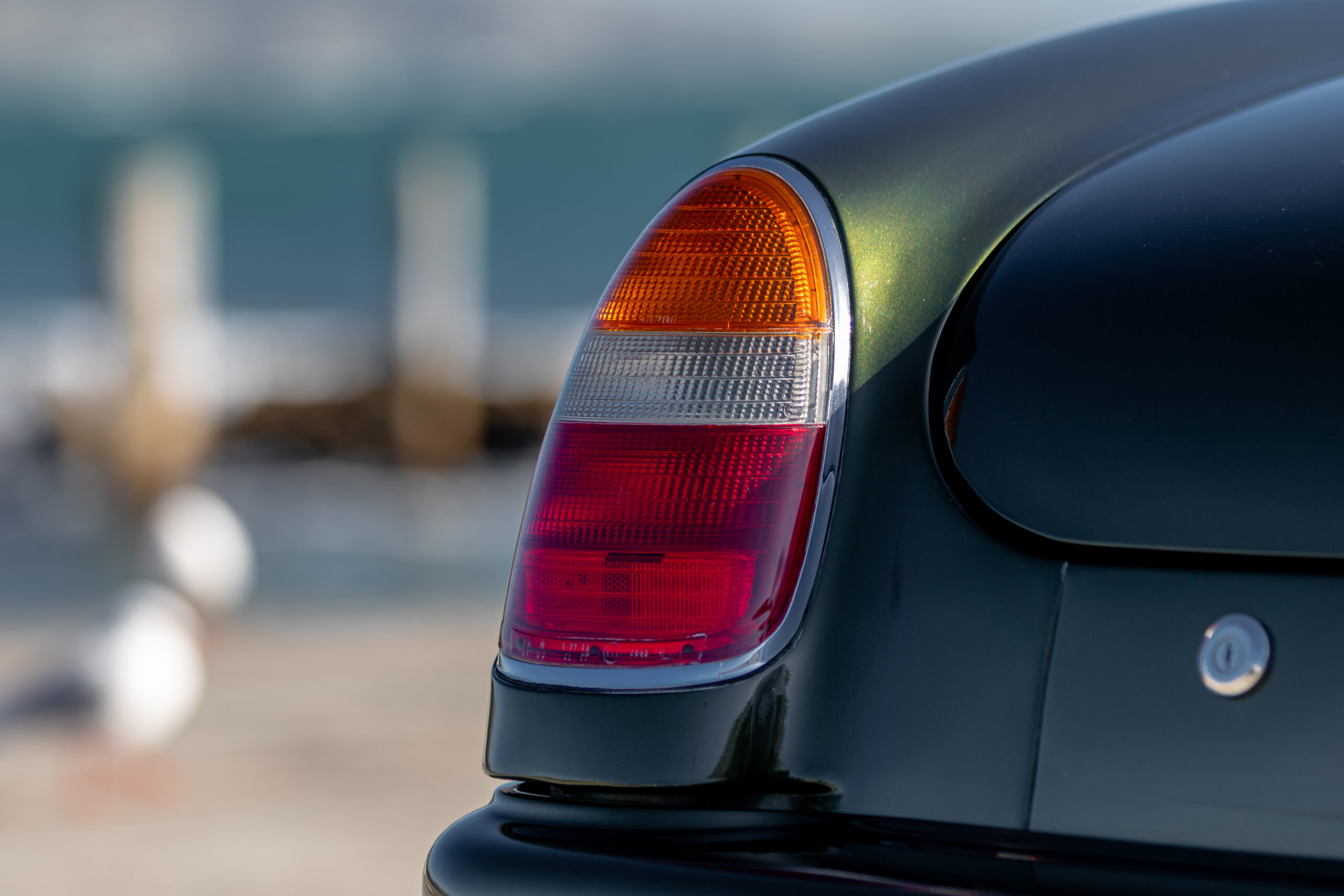
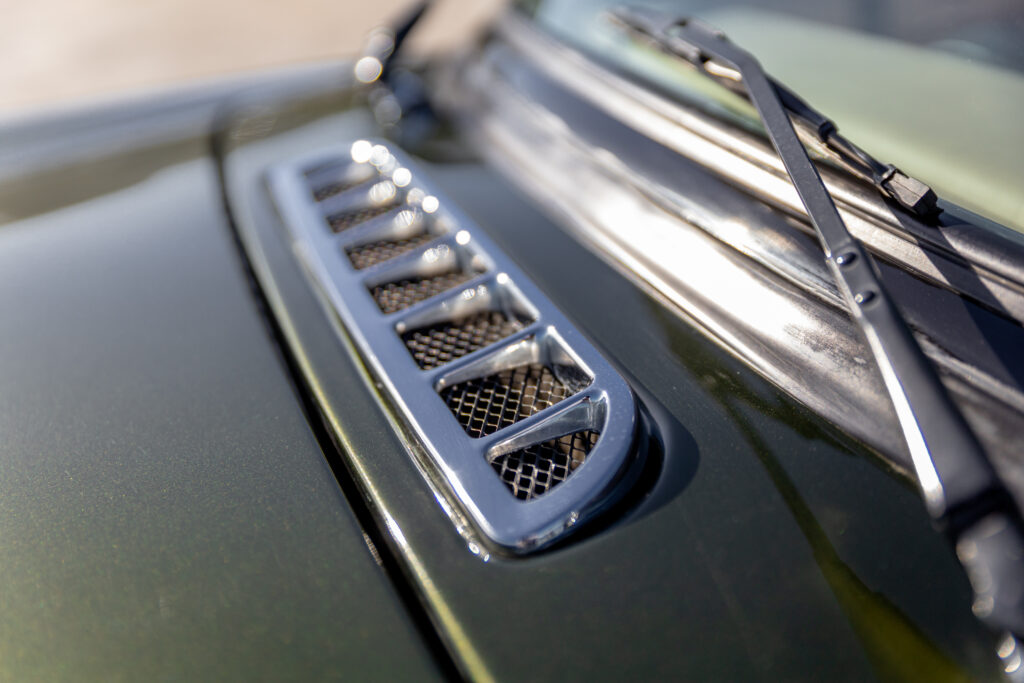
Some consider the RV8 to be a B in a party frock, but the transformation delivered a more muscular look, complementing the V8. It’s true, the MG RV8 is a mix of old and new technology, but only five per cent of the parts ended up being interchangeable with old MGBs. 
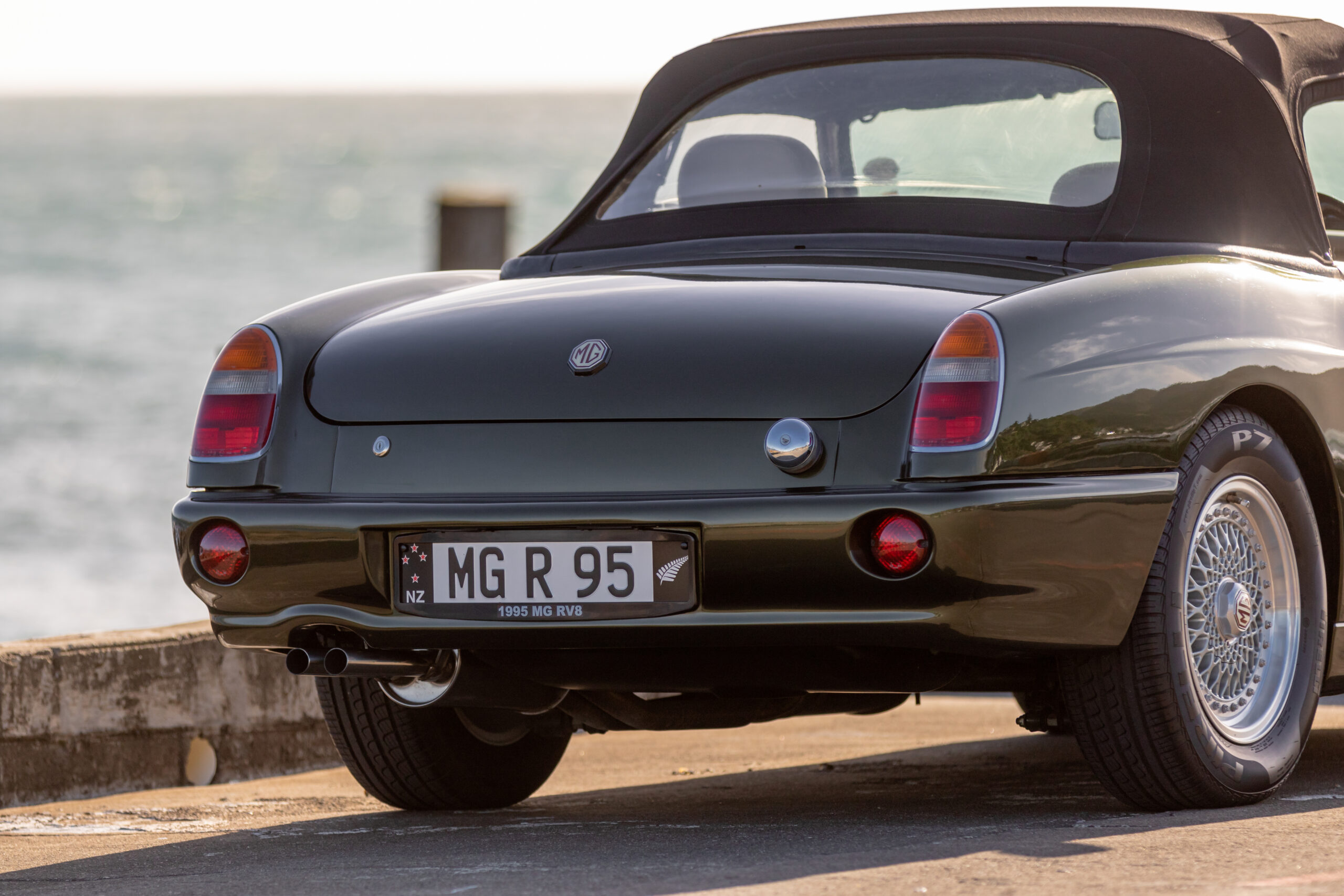
To improve handling, there was a wider track covered by flared wheel arches, upgraded suspension, disc brakes up front, and drums in the back, sitting on 15-inch cast alloy wheels.
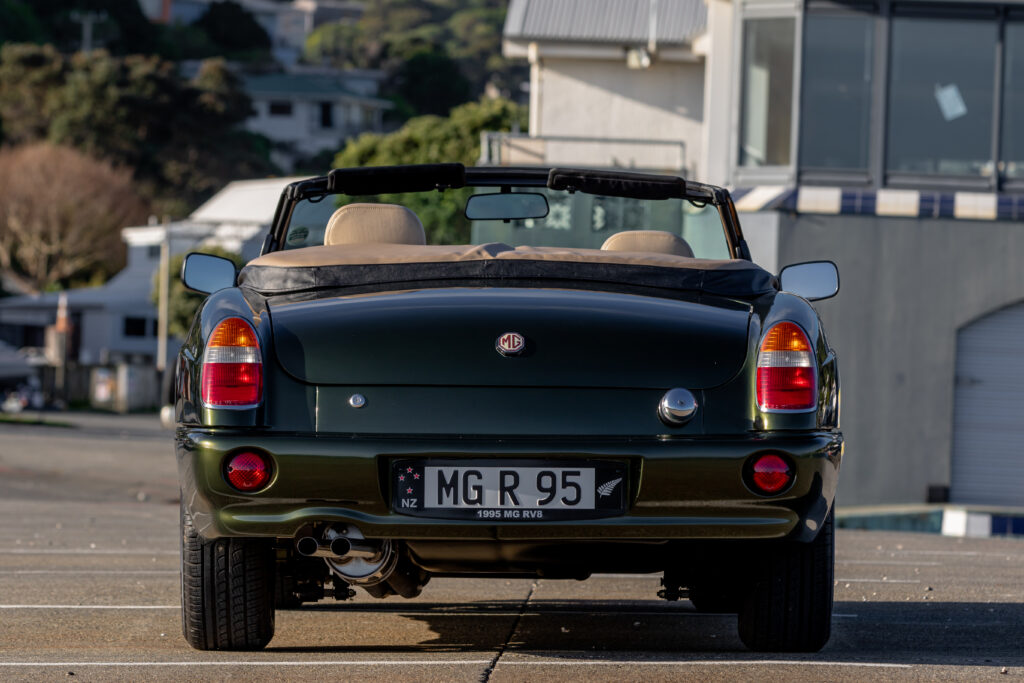
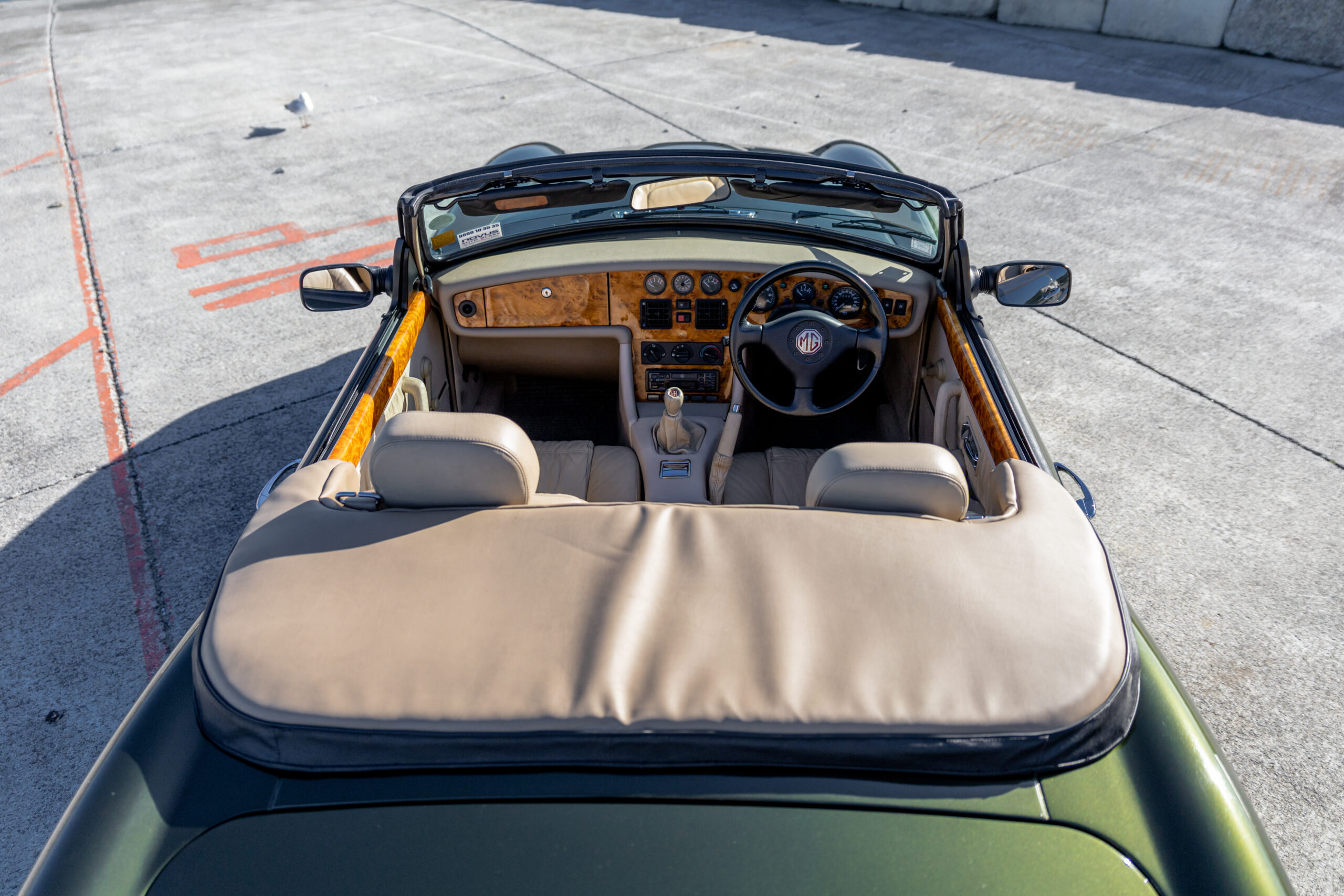
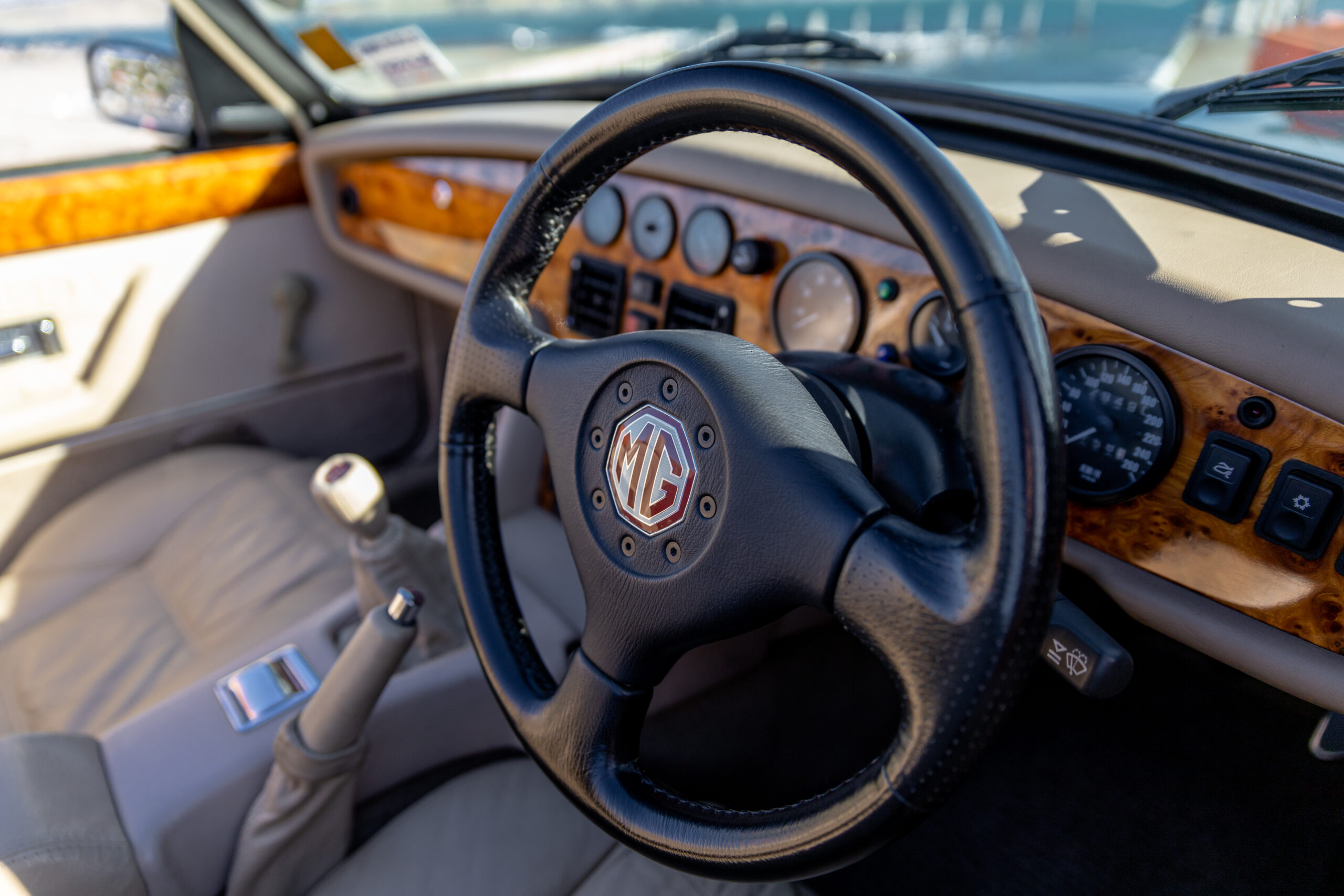
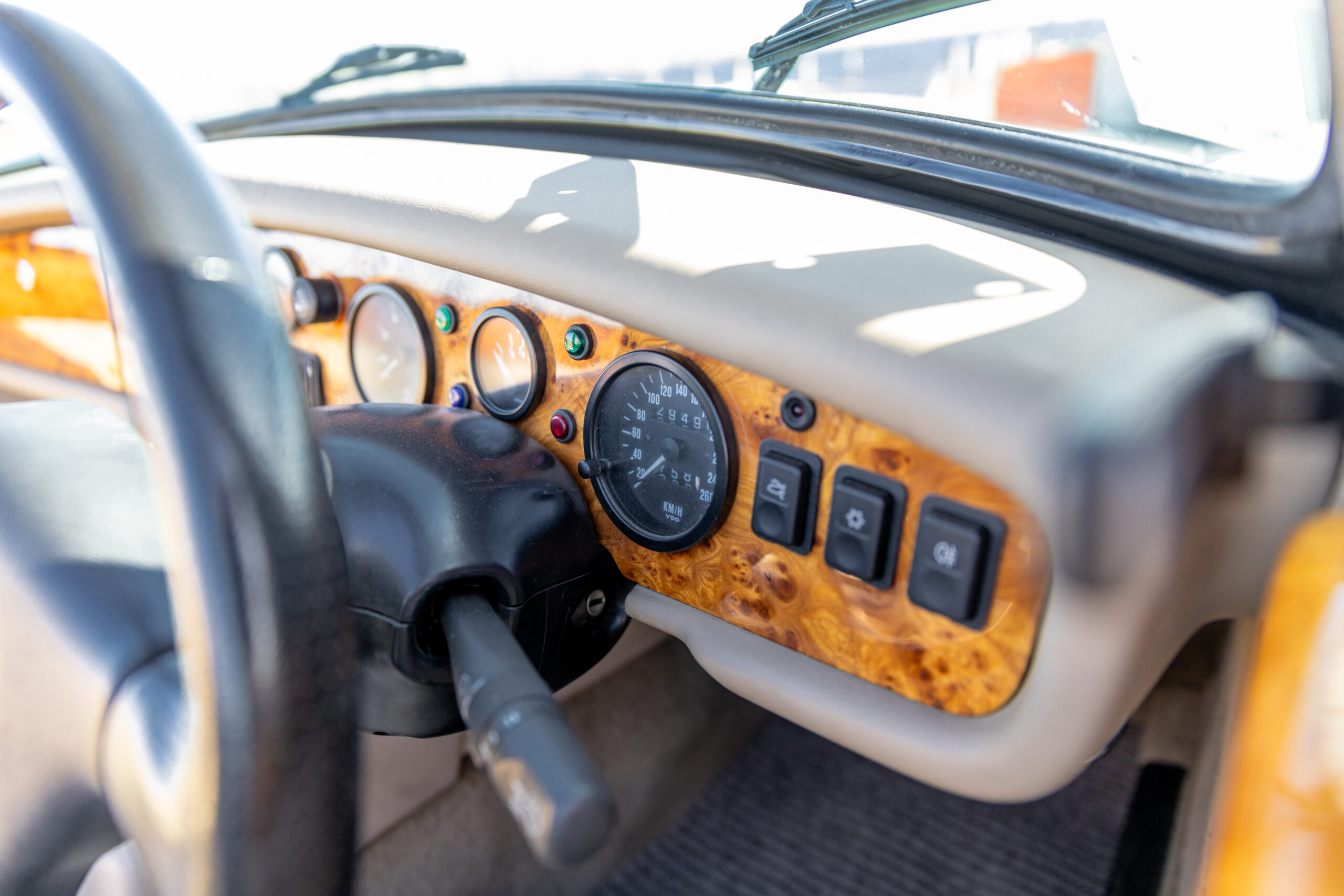
While it may have looked olde worlde, the interior was attuned to the idea of the quintessential British sports car, featuring a wooden dashboard and leather seats, going up-market from the B’s more basic fittings.

Turning Japanese
Bill’s Woodcote Green MG RV8 was built in 1995 and registered brand new in Japan in 1996. Buyers in Japan proved more enthusiastic about British heritage than the British, and   approximately 75 per cent were shipped to buyers there. Most of the rest stayed in the UK, while a handful found buyers in Europe and a number of other RHD countries. By the time Bill’s RV8 (build number 1994) landed in New Zealand in early 2013, it had travelled less than 14,000km from new. 
Owning the car hasn’t all been plain sailing. “I must confess, however, I have persevered to the point that I am now happy with my purchase,” says Bill. On the 420km delivery trip back to Wellington, several issues developed. Bill’s first stop was Rotorua to fill the car with petrol. He noticed the inlet pipe to the petrol tank was rusty and thought at the time that he needed to have it galvanized as soon as possible. As he headed further south, Bill felt a definite lack of power just out of Turangi. He struggled on over the Desert Road and stopped at Waiouru. After lifting the bonnet for a closer look, he couldn’t see anything amiss, so after having some lunch he continued southwards but with absolutely no power to pass anything. By the time he got to Paraparaumu, the car was literally crawling along the side of the road. The only thing left to do was to call the AA. Unfortunately, like Bill, the AA service person couldn’t identify the problem. He arranged for a tow truck to pick up the car and deliver Bill and Rae home to Papakowhai.

Fun with fuel
A quick call to the importer and Bill had two new in-line fuel filters plus a new petrol pump at no cost. After further investigation, Bill discovered that both in-line filters were full of rust particles due to a lack of use in Japan. They surmised that condensation had resulted in rust forming on the inside walls of the tank. 
The tank was removed with the intention of treating the inside to prevent any further rust. However because of the fuel injection pipes inside the tank, the tank could not be dipped and Bill was strongly advised to try and obtain a replacement tank. The whole episode is a reminder to us all to fill the tank before leaving a car stored for long periods.
After researching the internet for a better solution, Bill discovered that British Heritage UK were producing brand-new galvanised RV8 tanks, and he wasted no time ordering one. “From the time of order to the date of receipt here in New Zealand was just six days. Given that British Heritage is now producing these new galvanised tanks, it tends to suggest that some of the cars coming out of Japan have the same issue that we experienced,” says Bill.

Whirr Grrr
That issue, however, wasn’t the end of the road for problems. While his new pride and joy was drivable, the fuel pump could be heard whirring away constantly above the sound of the V8 motor. The car had been fitted with a new fuel pump, which had been supplied by the importer, but this had not resolved the issue. Once again, Bill took to the internet for a solution. He discovered that Dominic Scott, a Wellington MG club member based in Palmerston North, had experienced a similar issue. Dominic decided the aftermarket fuel pump couldn’t provide enough fuel to the motor and purchased the correct Bosch fuel pump from a supplier in Palmerston North, which he couriered to Bill. The new pump was installed and, hey, presto! It was now as quiet as a church mouse, finally putting an end to months of experimenting and trying to resolve the fuel pump noise problem. 
The next issue Bill discovered was clutch fluid dripping down on his shoes when out driving. This resulted in having both the clutch and brake master cylinders overhauled. Not a big issue and symptomatic of the car having spent most of its time sitting in a garage in Japan.
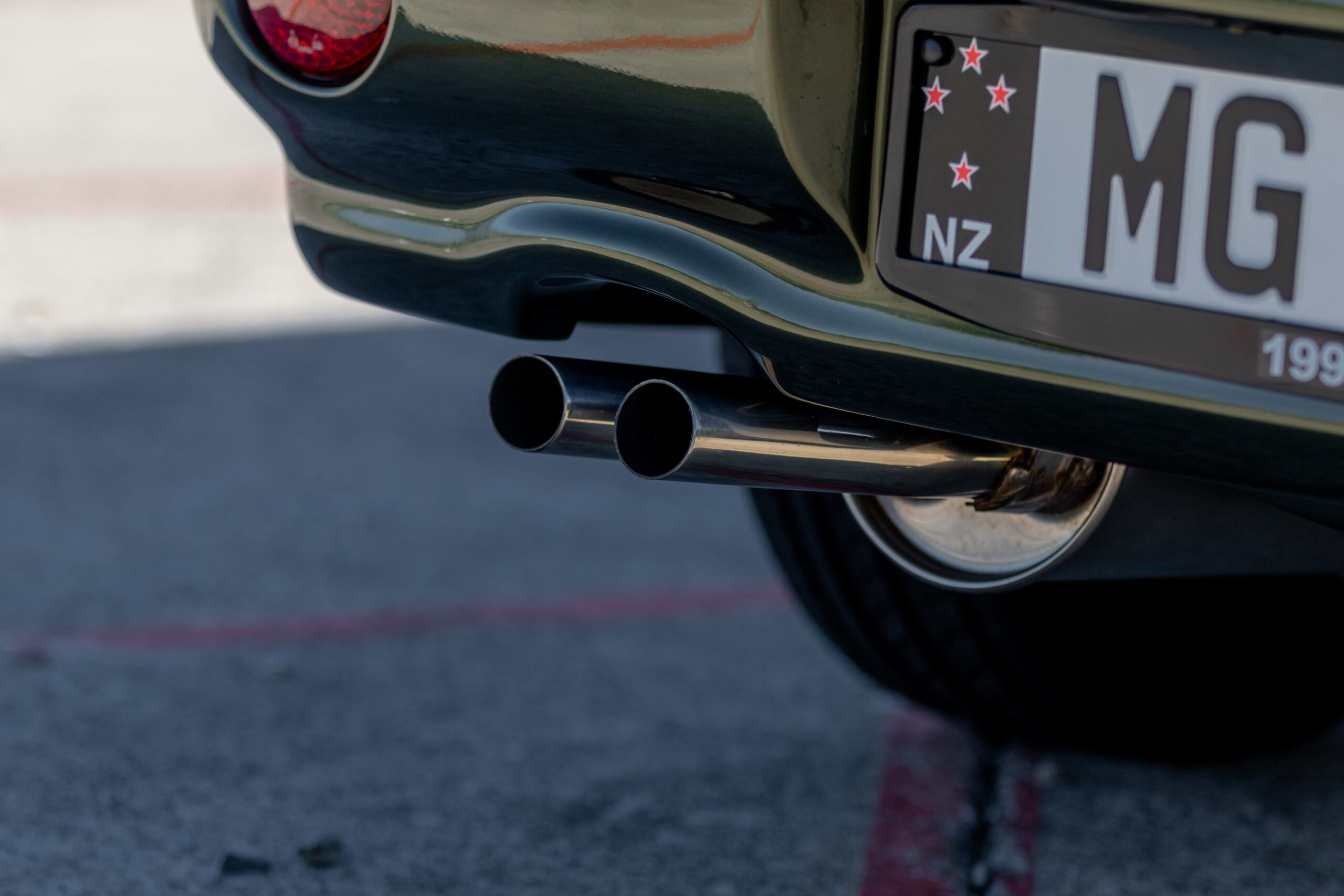
The front subframe member is powder-coated at the factory, but this is known to lift off and rust from underneath. Bill’s next task was to put the car up on axle stands and carefully remove as much of the powder coating as possible before applying POR 15. “Not a perfect job, but a lot quicker than removing the subframe, which would have required removing the motor first,” says Bill. The car also suffered from an annoying “cat rattle”, which required the removal of the catalytic converters, and then replacing them with straight exhaust pipes. “There may be a marginal increase in noise level, but it is not significant … These V8 motors have a lovely sound,” says Bill.

The final strait
Bill has since fitted a set of krypton-filled adjustable shock absorbers for the car, which he brought back from the UK as carry-on luggage, in an effort to soften up the very firm ride. He has  also experimented with tyre pressures. When he took delivery of the car, it was bouncing all over the road. He discovered that the pressures were set at around 44psi. The car is much more pleasant to drive with circa 26–28psi for all four tyres, although it does make it a little heavier in the steering at low speeds when parking. “However, I can live with this and prefer the better road ride the lower pressures give you,” he says.
Bill admits to having very little mechanical expertise, so he’s happy that long time MG Car Club member Barry Carrington, who owns Lake Autos, Petone, looks after the car. Bill and Rae also wanted to acknowledge and thank Dominic Scott for his guidance and help. “Without it, I may well have given up and sold the car purely out of frustration,” says Bill. As Bill and Rae can attest, owning a classic car can be both frustrating at times and rewarding, but, to be fair, while we have catalogued a few issues, most are attributable to this car’s particular history rather than its design.
They have also enjoyed spending time bringing the MG up to a reasonable concours standard. And they have thoroughly enjoyed adding another 15,000km to the odometer. They were rewarded for their efforts when the RV8 was runner up in the 2016 MG Nationals’ concours event in Taupo.

1995 MG RV8
Production 1993 – 1995
Motor: Rover V8
Capacity: 3946cc
Max Power: 187bhp (139.4kW) at 4750rpm
Max Torque: 313Nm at 3200rpm
Fuel system: Lucas multipoint injection
Transmission: Rover R380 five-speed manual gearbox
Brakes: F/R: Disc/drum
Suspension F/R: Independent double-wishbone suspension with coil springs, telescopic shocks and anti-roll bar/live axle with twin-taper leaf springs, telescopic shocks and anti-roll bar

Dimensions
Length: 4010mm
Width: 1694mm
Wheelbase: 2330mm
Height: 1320
Weight: 1280kg

Performance
0–100kph: 6.9 seconds
Max speed: 220kph (approx.)

NZ Classic Car magazine, January/February 2026 issue 403, on sale now

Morris’ ground-breaking, world-beating, Minor
It was Britain’s biggest small car, and it got Britain mobile again.       Morris Motors celebrated its millionth Minor in December 1960, a car that defined the British motor industry, and was in production for 10 years alongside the iconic Mini of 1959.
Whakatane dentist John Twaddle has a passion for Morris Minors going back to 1982, and he still has his first example. There are now three ‘Morries’ in his garage. One, however, is quite special, a rare ‘Minor-Million’. 
One of just 350 made commemorating the millionth Morris Minor produced, the first British car to hit a million units, the well-rounded little Brit’ would end production in 1971with a tally of over 1.6 million units.
John finished his Minor Million six years ago, resplendent in lilac, its official factory colour. He calls it his ‘Minor Resurrection’, and it has won numerous awards.
This summer edition also comes with our annual FREE classic car calendar, a must for every garage wall.
Every issue comes with our FREE huge wall poster; this issue, our poster is of a couple of garage mates, a 1957 Ford Ranchero and a 1968 Lincoln Continental.