Supercars by the sea

11 May, 2023

A wealth of automotive treats gathered on Wellington’s waterfront
By Christopher Moor

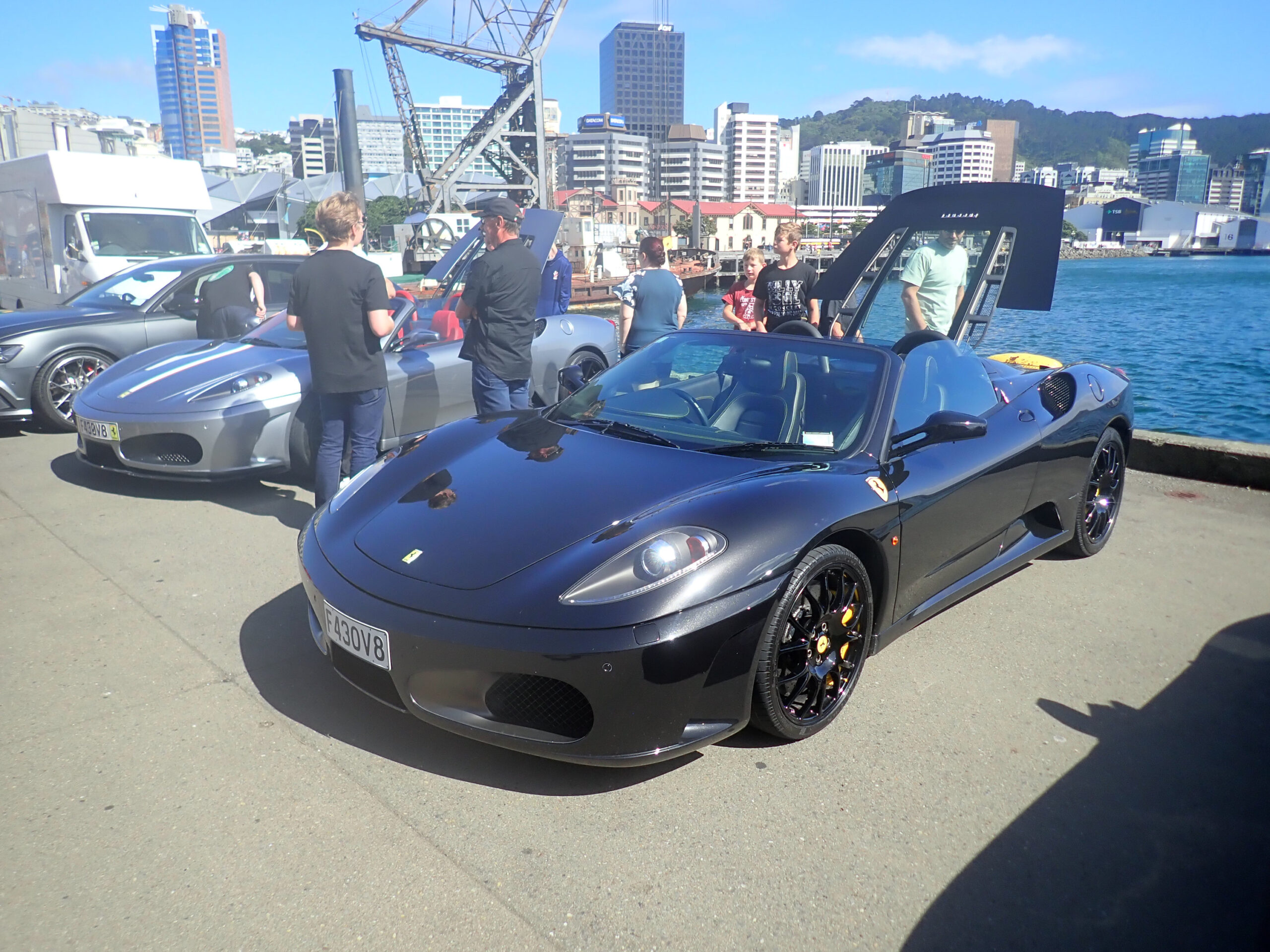
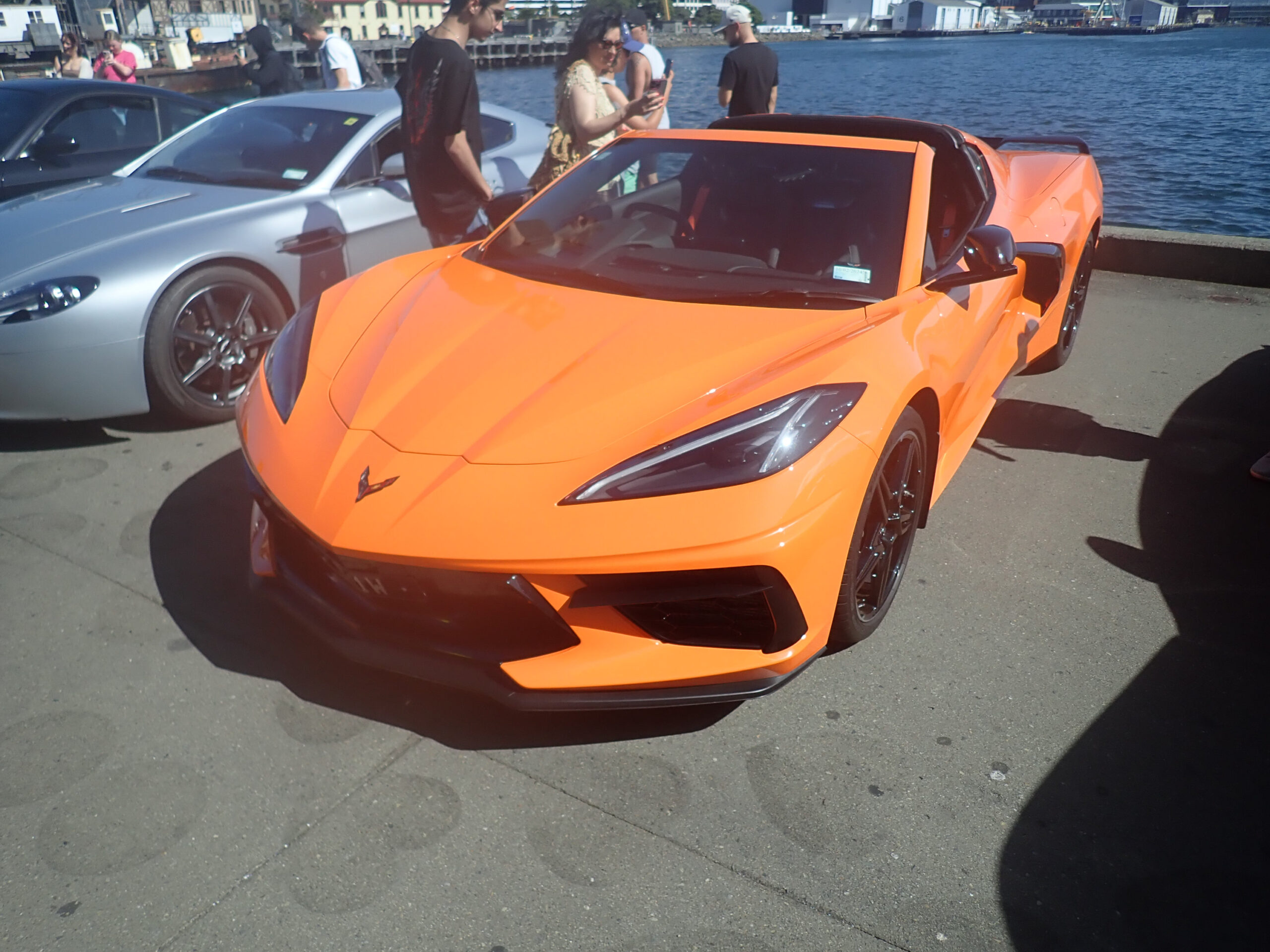
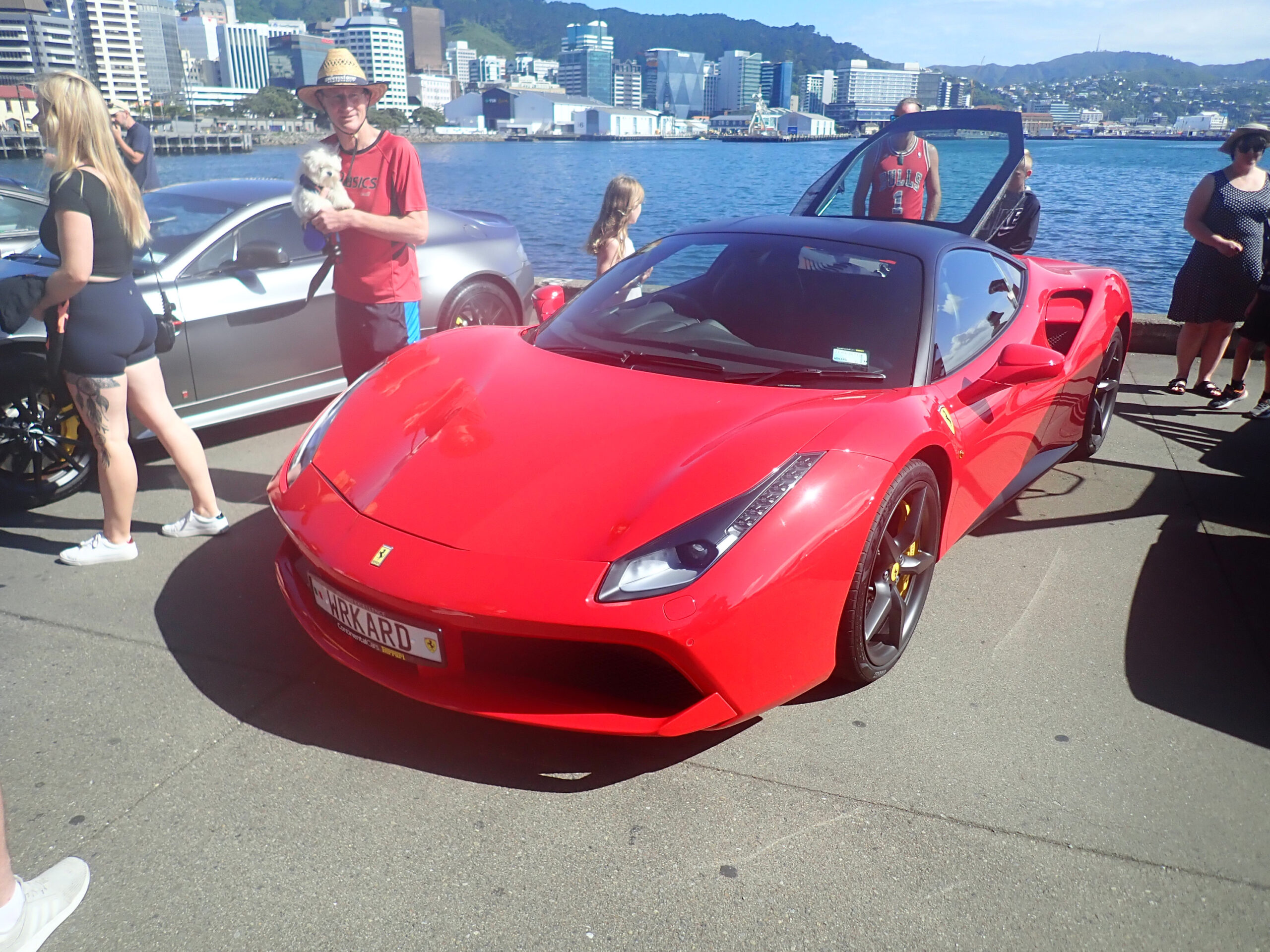
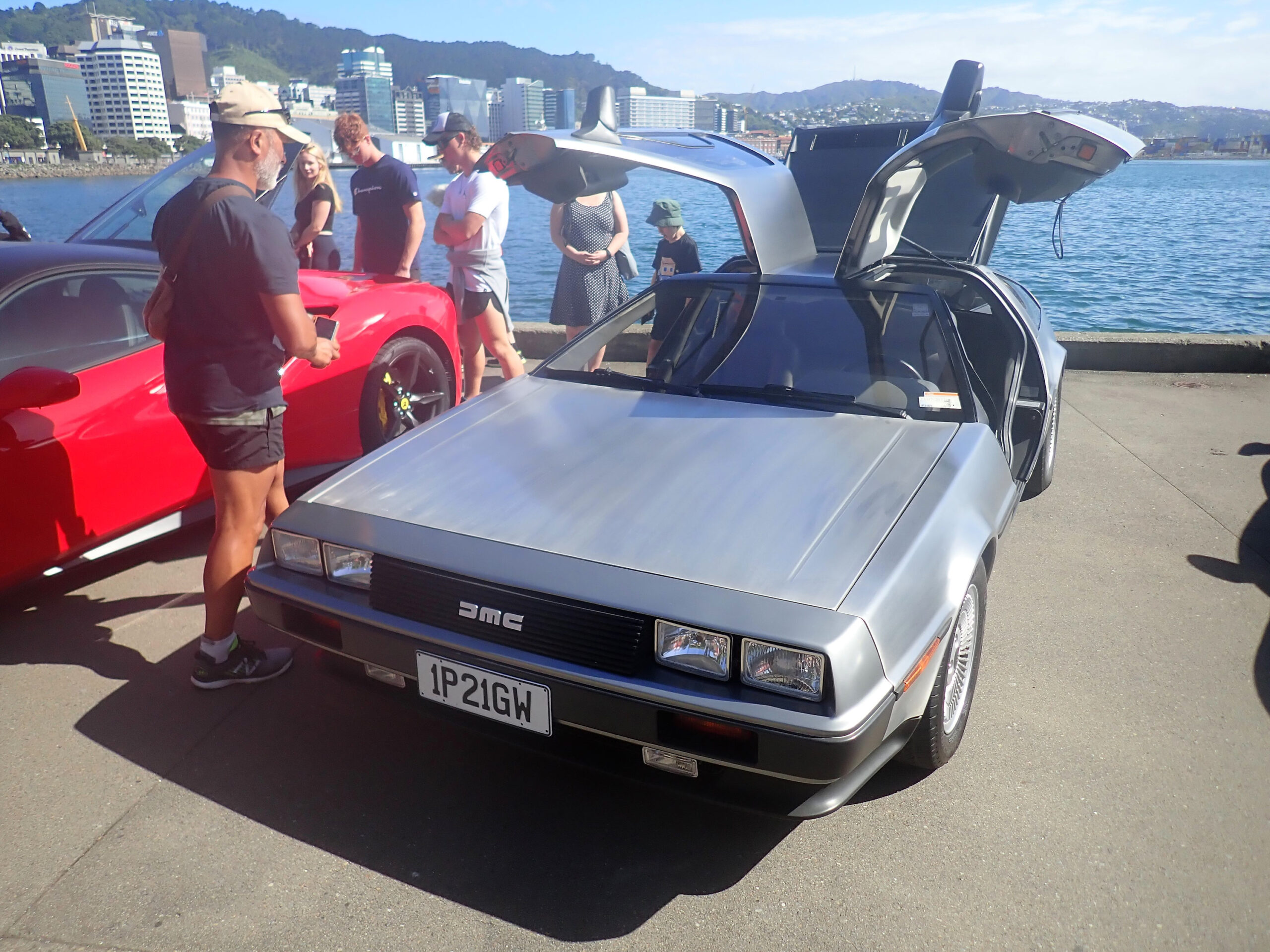
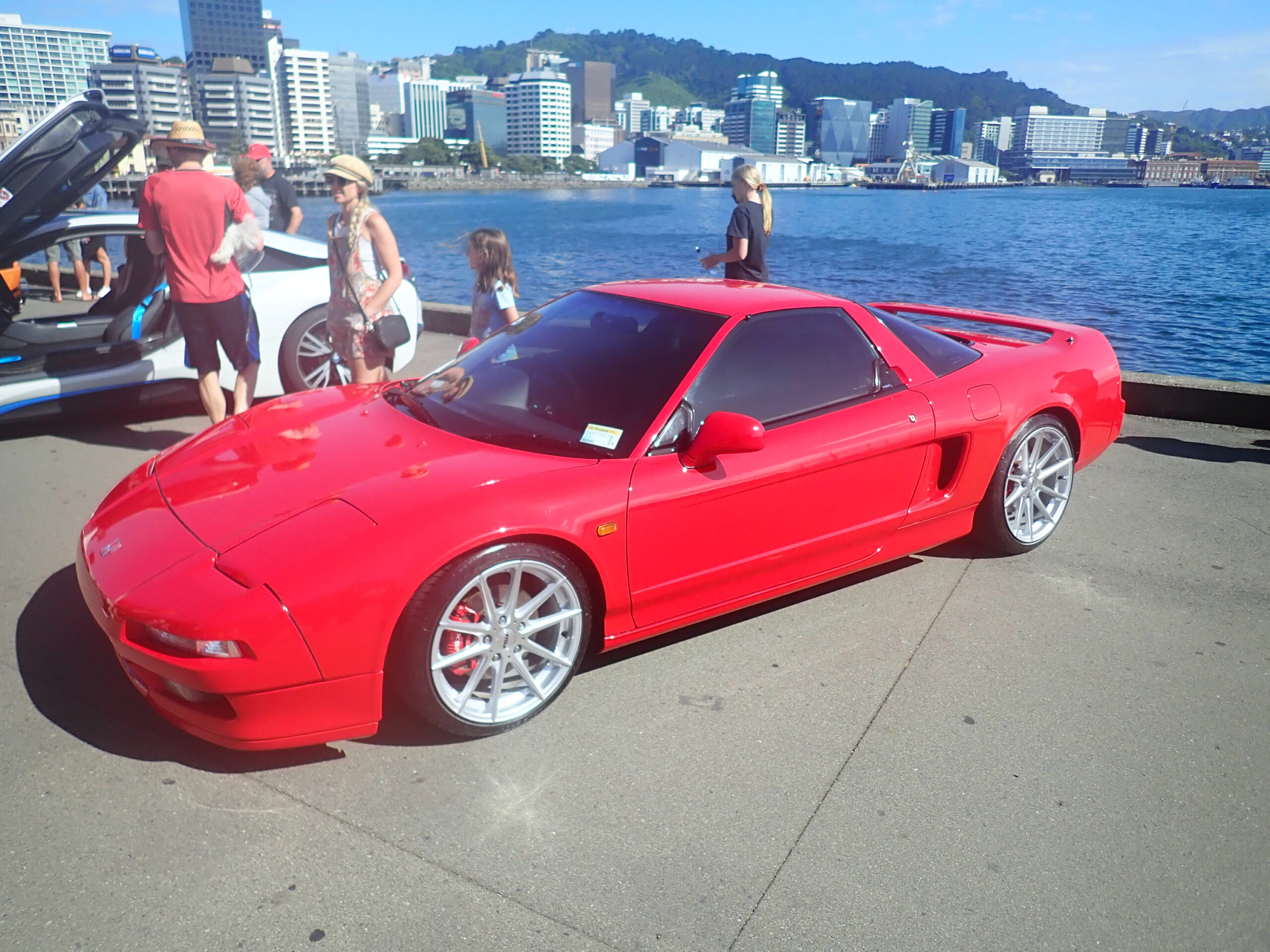
Summer Supercars by the Sea had a million dollar harbour backdrop for cars worth maybe 20 times more than that, parked along Wellington’s Te Papa promenade on Sunday 22 January. The capital’s anniversary weekend car show ran between 10am and 12.30pm.
Around 60 supercars graced the concourse for the Wellington Sports & Supercar Owners’ second show. Last winter’s show was at the nearby Odlins’ Plaza but the new venue for the summer event enabled an improved display, and easier access for visitors to get amongst them. A few cyclists and scooter riders detoured from their promenading around the waterfront to take a look at some of the finest alternative forms of transport.

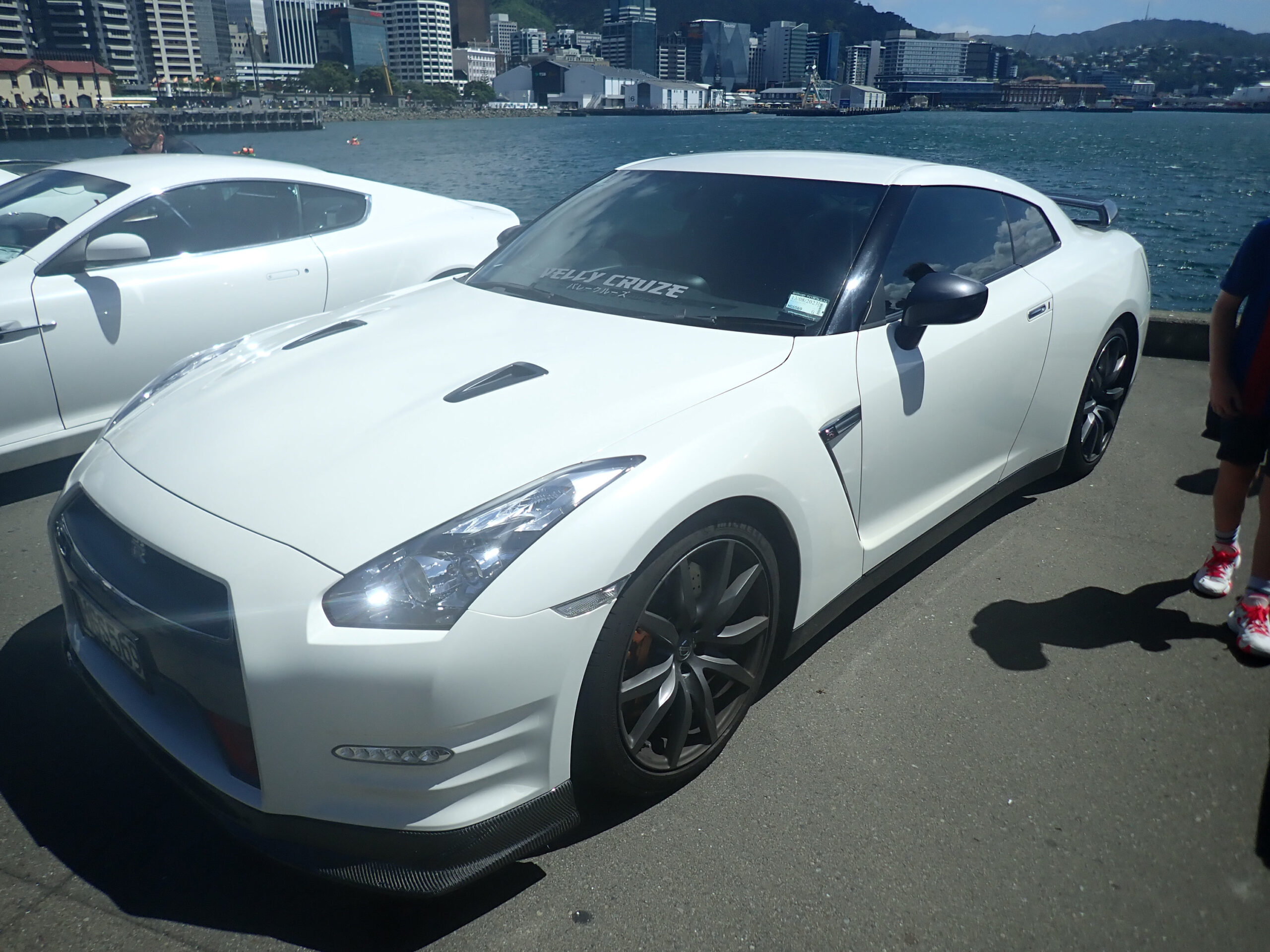
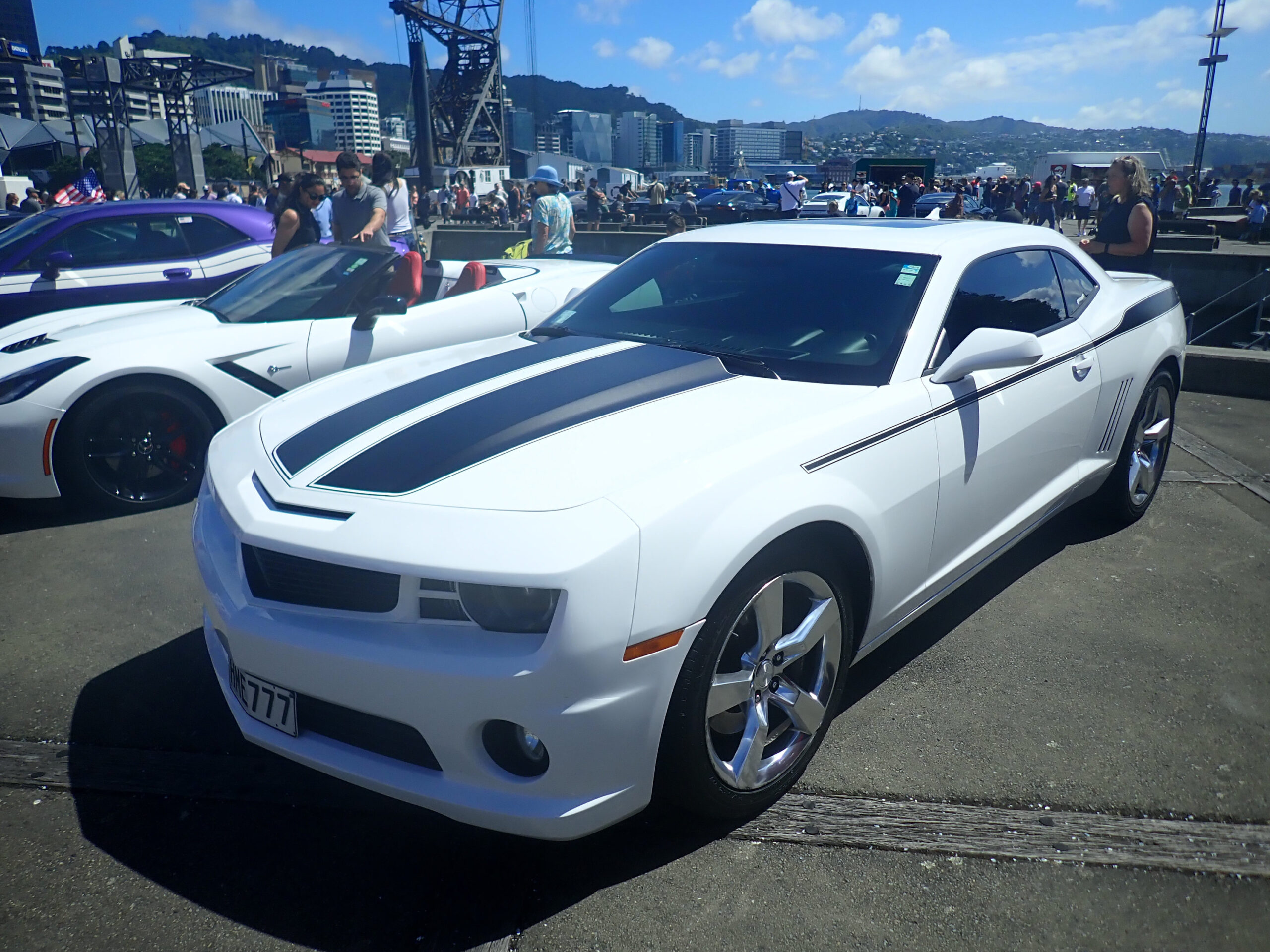
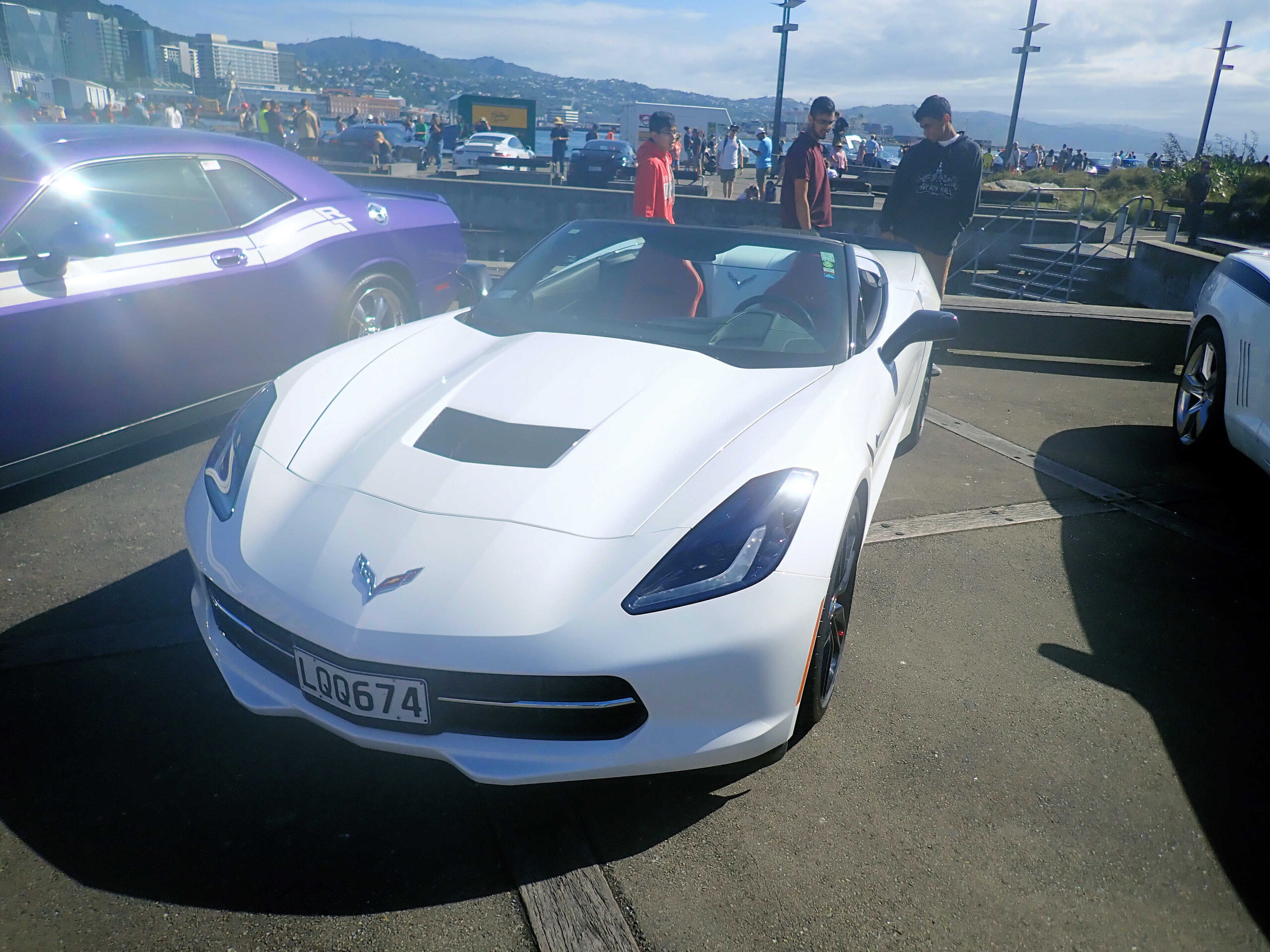
It was the day of the coupé featuring American muscle, European classics, the sporty Japanese, and the best of British, plus a scattering of four door saloons and a handful of soft tops displayed with their hoods down. Those expecting Mustangs, Corvettes, Ferraris, Aston Martins, Hondas, Lamborghinis, or a DeLorean would have been well satisfied.
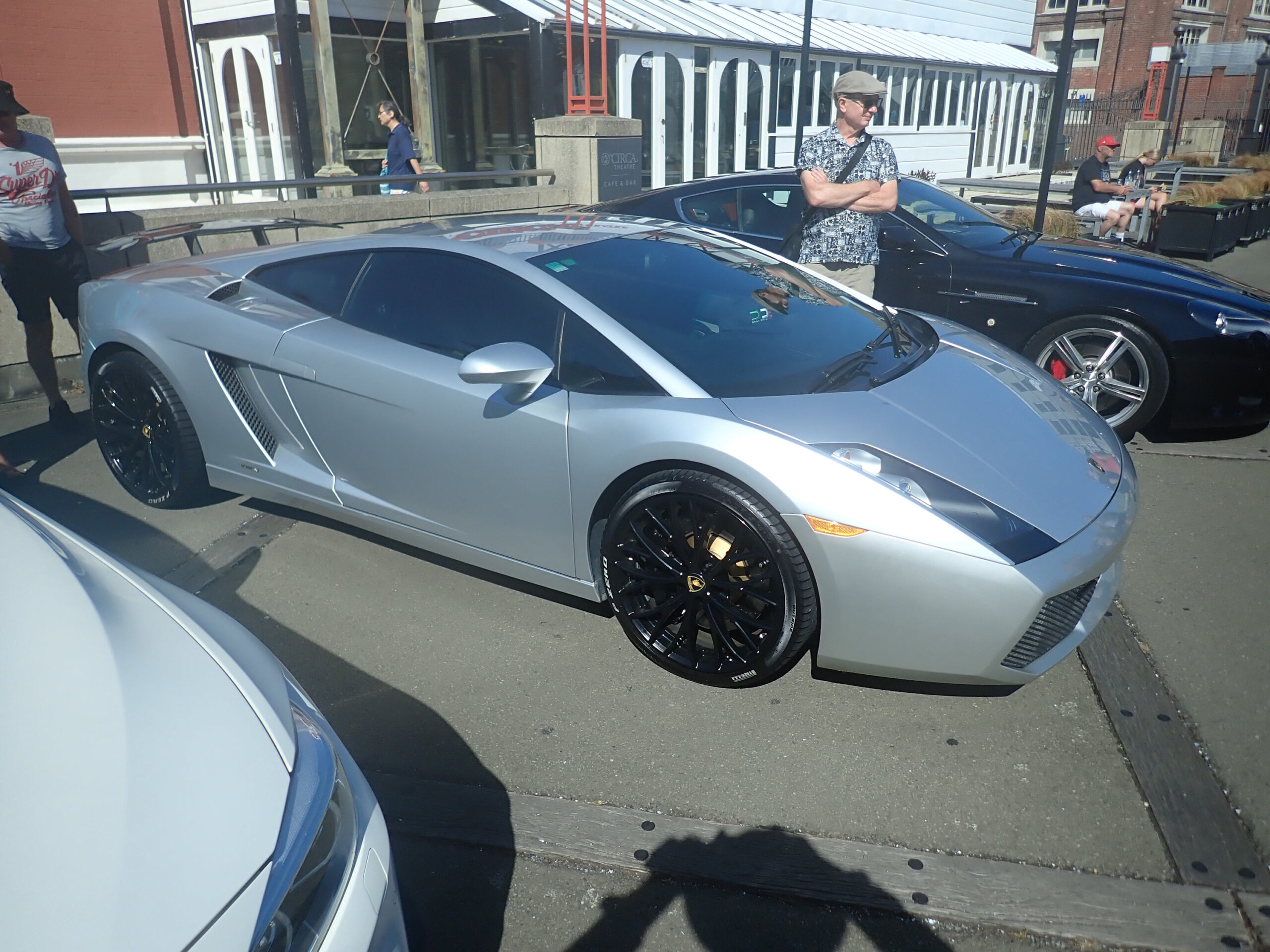
Children provided a pretty steady stream of visitors to the silver Lamborghini Gallardo to have their photos taken with this exotic beast. Hopefully they weren’t too disappointed to discover that the revving motors heard throughout the morning came from pre-recorded sources.

My happiest memory of the day is of the Aston Martin owner who opened the door of his convertible to let youngsters take a turn behind the wheel. Their matching beaming smiles told me he’d made their day – as well as his own. Here’s hoping kind gestures such as this from today’s classic owners will help ensure that the interest transfers to future generations.
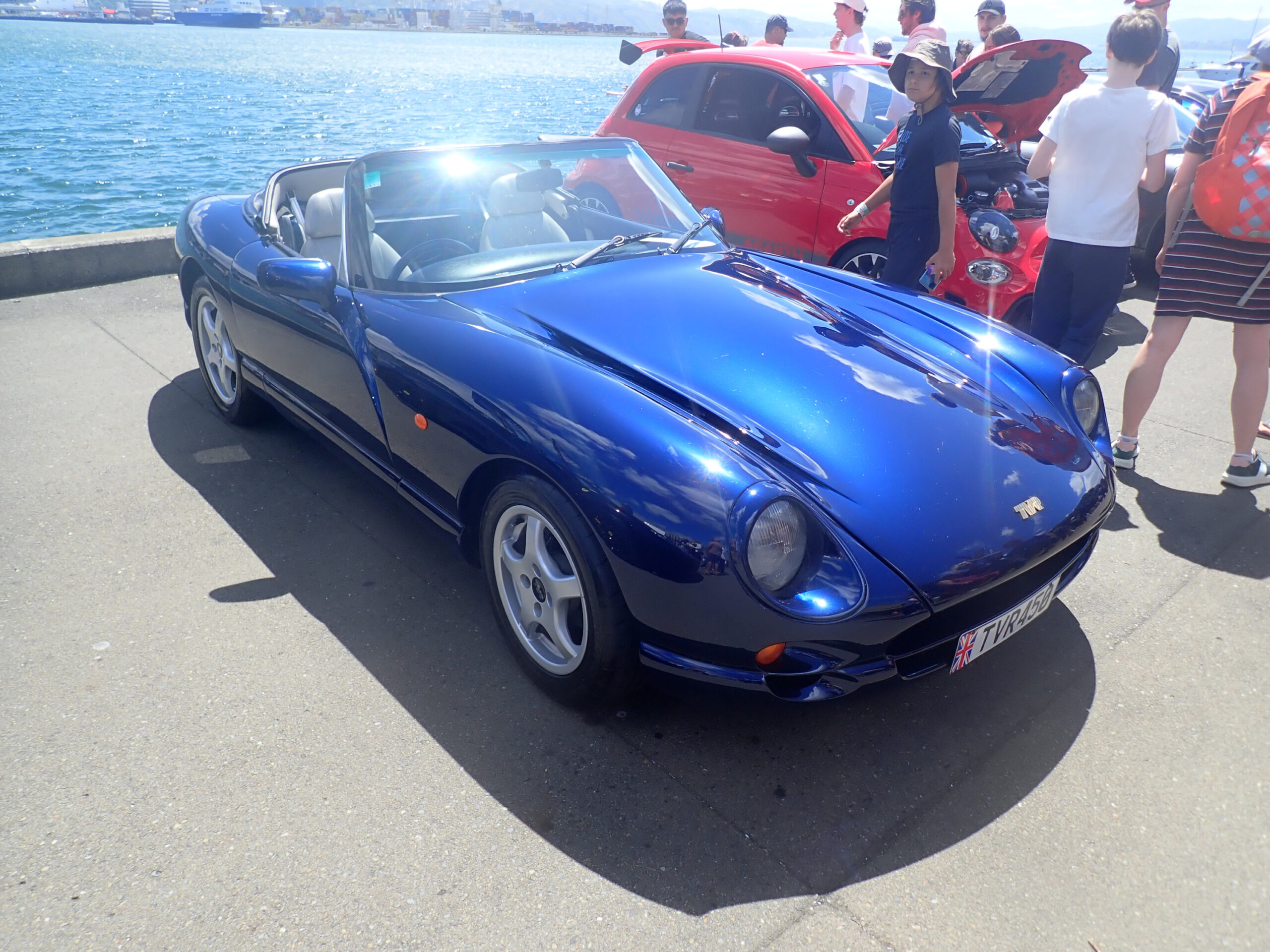
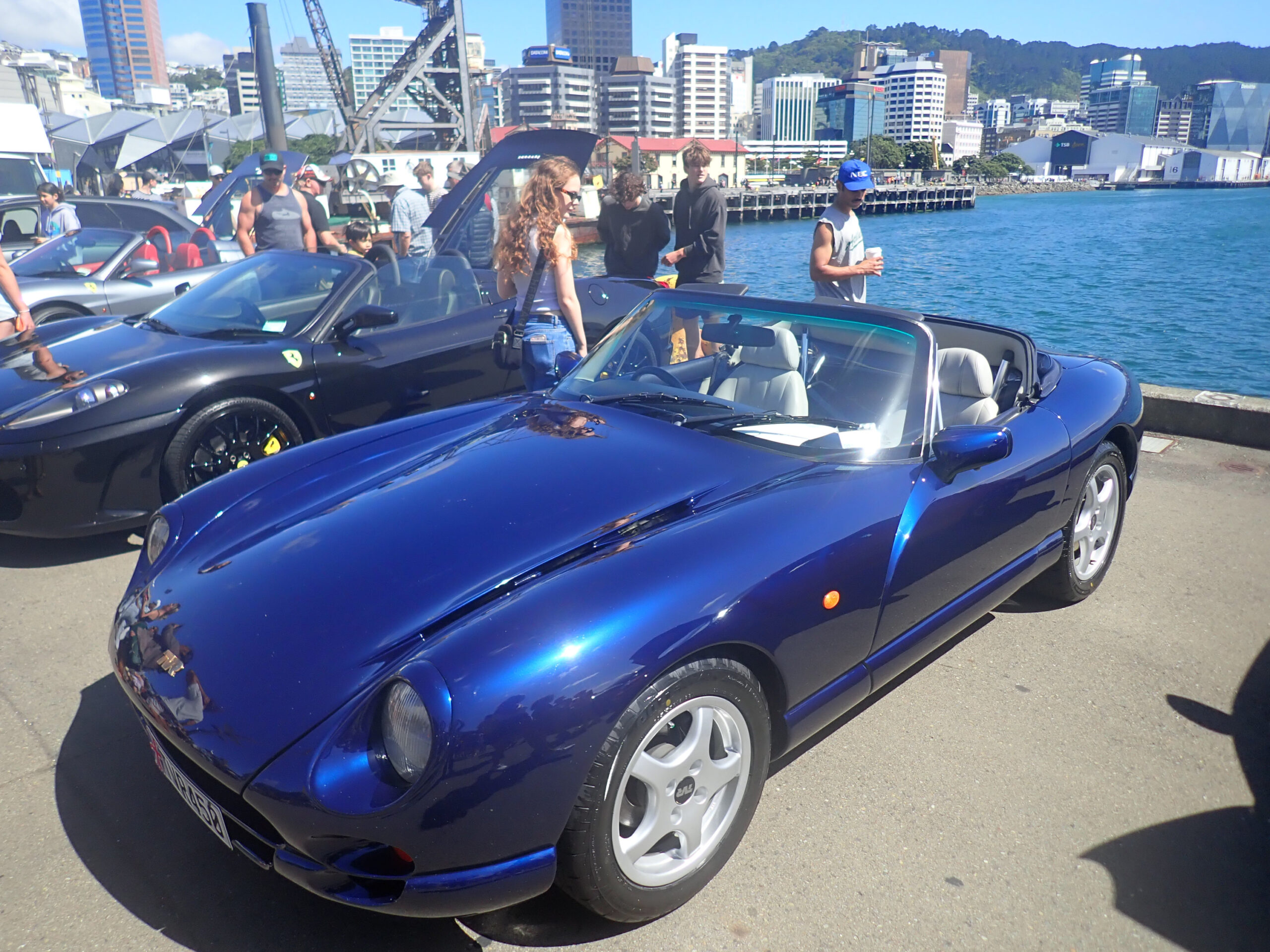
An Englishman was overhead explaining the TVR 450 to some interested New Zealand mates, apparently a car they’d not heard of before. 
Summer Supercars by the Sea was a free entry event. Donations could be made on the concourse to Child Cancer, the day’s benefiting charity.
Mitsubishi’s secret weapon

Ewen’s Starion is a little different and special. He saved this one – literally ‘found in a paddock’ — just in time, as he relates.
“Mine is a 1983 Starion. I’ve had it about five years. I first saw it in a paddock at Ryal Bush [north of Invercargill], and I went past it three times. The third time I went back and knocked at the door, but the owner didn’t want to sell. He rang up a year later, and put a price on it, which we accepted. Only thing wrong was the motor was totally dismantled.”
Ewen then set about getting the car back to its current state.
“It took me six months to find somebody suitable to refurbish it back then. Simon Bradley at Midas in Invercargill offered to do it and he did a great job on it. The head was badly damaged around the valves, and Simon said you could get generic cylinder heads now, so he installed one, and it cost $800. It’s made such a difference to the car. Mine is an intercooled, fuel-injected turbo model, fitted with a five-speed manual gearbox. It’s a great car to drive too.”
Except for a small patch of surface rust, Ewen’s car was in surprisingly good condition despite its paddock life.

Coaching from the bench: Casting plastic knobs and rubber parts

Casting rubber items is simple if you have a good original to work with. The item doesn’t have to be perfect. You can use plasticine to smooth out cracks, and you can even make whole prototypes out of low-fire modelling clay available from craft stores if you need to. Prototypes can also be made of wood or metal.
You will need mould dams to contain the liquid urethane moulding solution until it cures. You can build boxes out of strips of wood, but I have found that small plastic boxes and bowls such as those you would use for leftovers in your fridge work well if you spray them with a mould release agent.
Temperature is important to the chemical processes involved, so work in an area that can be maintained at around 20 degrees. You will also need adequate ventilation because the fumes can be dangerous to breathe. And you will want to wear latex gloves to protect your hands.