ben selby

The other Q car

Say the word ‘bond’ to anyone in the street and around 80 per cent straight away think of pop culture’s least-secret secret agent. The other 20 per cent may think of the wad of cash required to secure a flat or hire equipment that one gets back providing the fixtures and fittings stay much as they were.
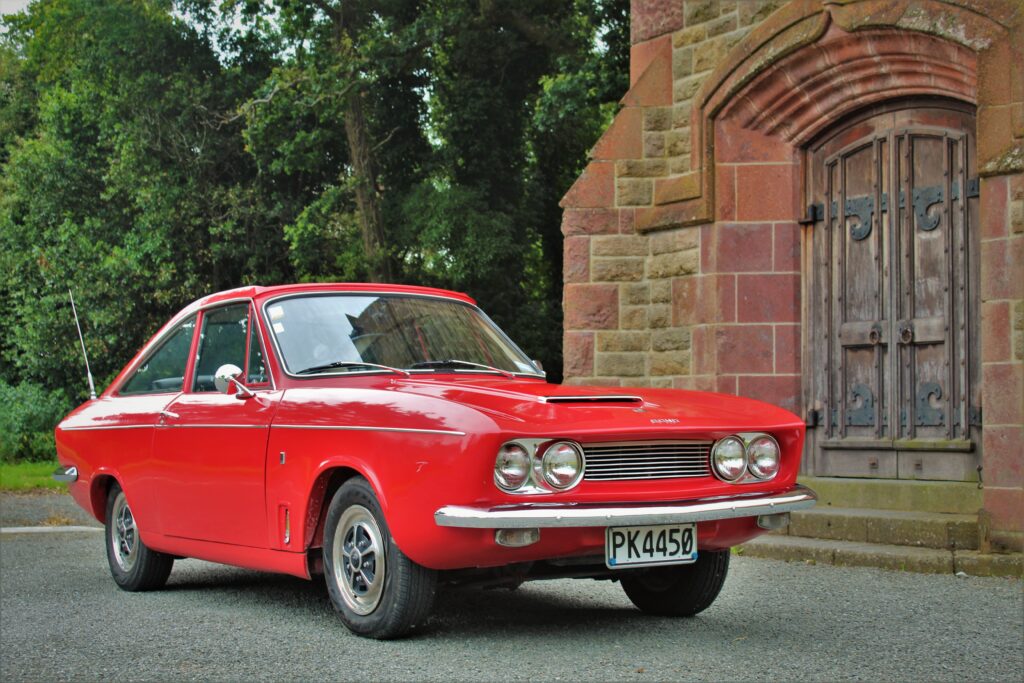
However, mention ‘bond’ in specialist classic car circles and people will spin a very different yarn. If you dig deep enough, you will find an eccentric British carmaker that, throughout its 23 years in business, spawned some quirky and charming little cars.
The company was founded by Paul Sharp in 1922 under the name of Sharp’s Commercials Limited. However, the company did not start producing cars until 1948. The first car to carry the Bond name was the Bond Minicar. A three-wheeled, soft-top, two-cylinder eco car, the Minicar was a big hit at the time as the desire for an economical urban runabout that didn’t attract four-wheel car tax was strong in post-war Britain. All in all, 34,285 Minicars were produced over 26 years in a variety of variants.
The butterfly effect

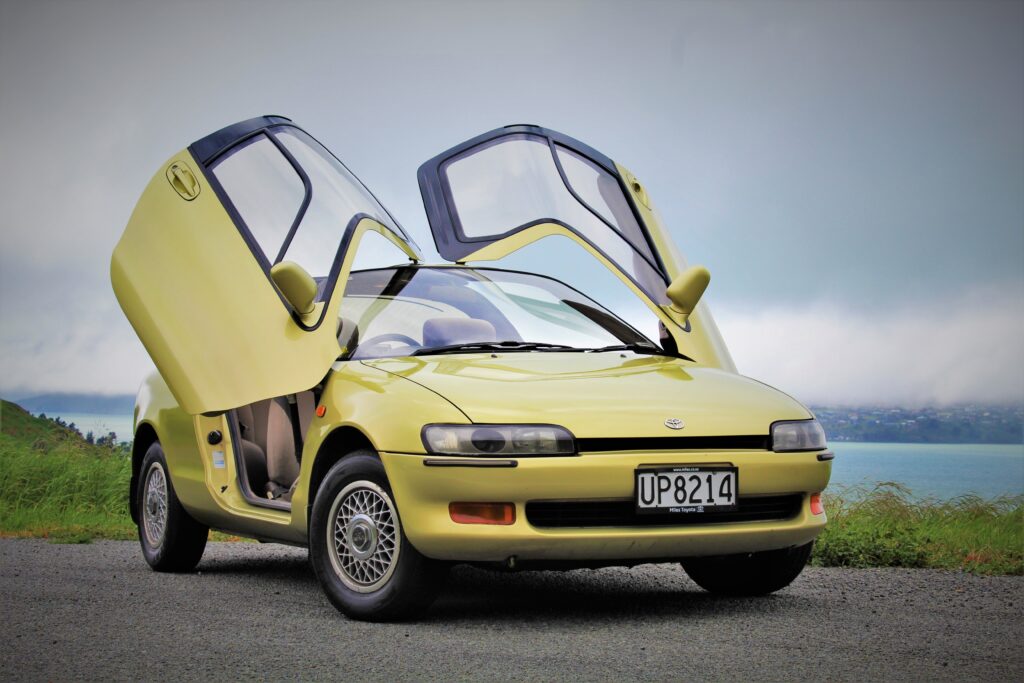
The man on the mountain bike pedalled over, taking it all in. Gazing in wonderment at this small Japanese coupe with butterfly doors, he said, “Wow, I have never seen one of these before. What is it?” When I told him it was a Toyota, he nearly fell off his bike.
The Toyota Sera is unique amongst ’90s Japanese coupes. The Sera, which is Italian for ‘evening’, can trace its roots back to Toyota’s AXV-II concept car. Launched as part of a trio of Toyota concept cars at the 1987 Tokyo Motor Show, it shared its underpinnings with the P70 Toyota Starlet. The similarities ended there, thanks to the AXV-II’s low-slung and rounded coupe styling with butterfly doors. These doors were held upright by gas struts when fully open. Glass covered the upper section of the doors and the rear hatchback.
These features, much to everyone’s surprise, were carried over to the production Sera in 1990. Toyota marketed the Sera, which means ‘will be’ in Spanish and ‘princess’ in Hebrew, as a funky alternative to the much-loved MR2.

Luxury by design

How do you define luxury? To some it is being blinded with all manner of technological wizardry, from massaging heated seats to being able to activate everything with your voice, be it the driver’s side window or the next track on Spotify. To others, the most exorbitant price tag will dictate how luxurious a car is.
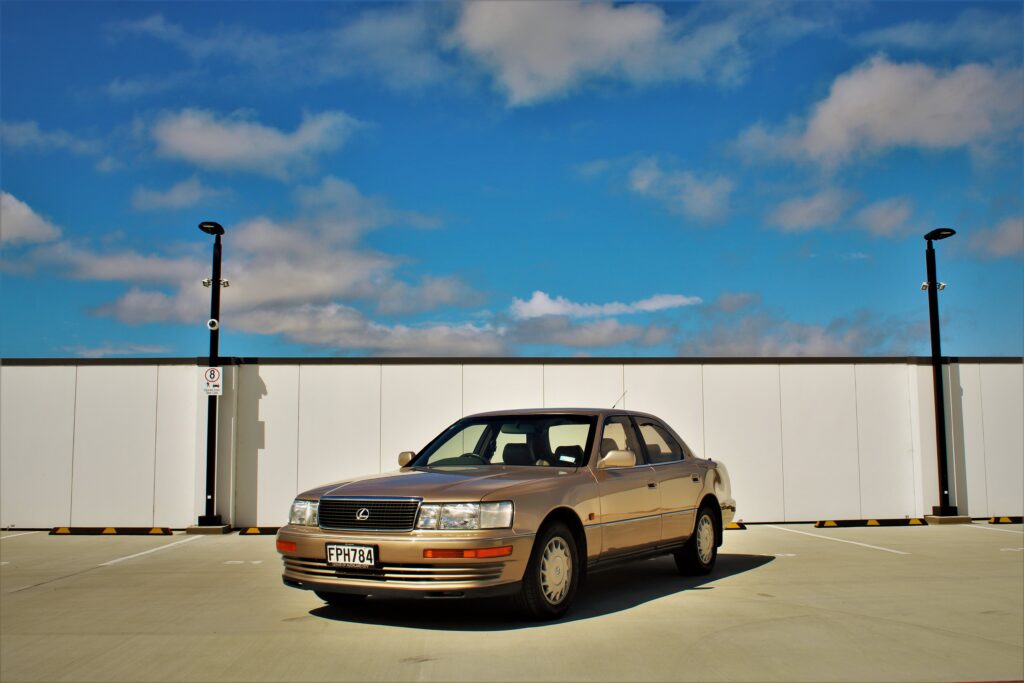
For me, true automotive luxury comes from being transported in unparalleled comfort, refinement, and smoothness of power under complete control. Forget millions of technological toys; if one can be transported here and there without the sensation of moving at all, that is luxury — something that is perfectly encapsulated by the original Lexus LS400. It was the first truly global luxury car from Toyota, and one that made the big luxury brands take notice.

Spicy Italian

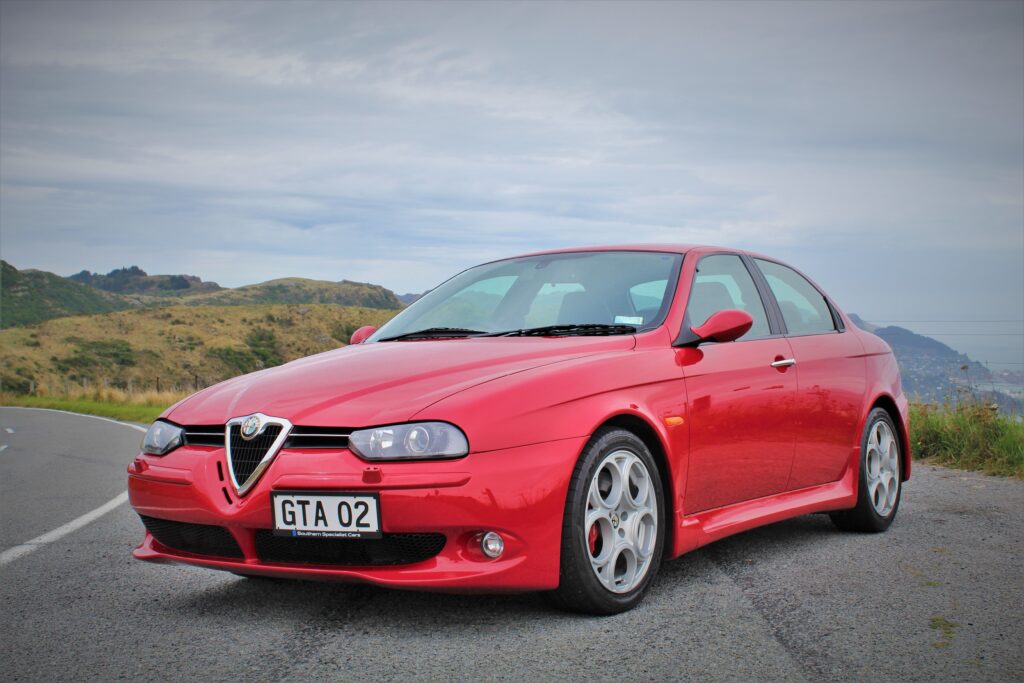
When it comes to discussing automotive brands with the habit of getting under your skin, the words Alfa Romeo will be among the first uttered. Alfa enthusiasts, or Alfisti to use the correct term, are some of the most passionate car enthusiasts around. They resonate with the brand’s rare talent for building cars with characterful engines, engaging handling, and beautiful lines at much less than exotic prices. This passion for Alfa’s vast automotive portfolio is only heightened when you mention the letters GTA.
An Alfa with a GTA badge has always been a very special thing. Standing for Gran Turismo Alleggerita, or Lightened Grand Tourer, it is always reserved for the models in Alfa’s range that champion power, light weight, and race car-like dynamics over just about everything else. From the early Series 105 Giulia GTA touring cars, to the latest limited run hardcore GTA rendition of the current Giulia Quadrifoglio saloon, it’s a nameplate with plenty of heritage.

Westside story

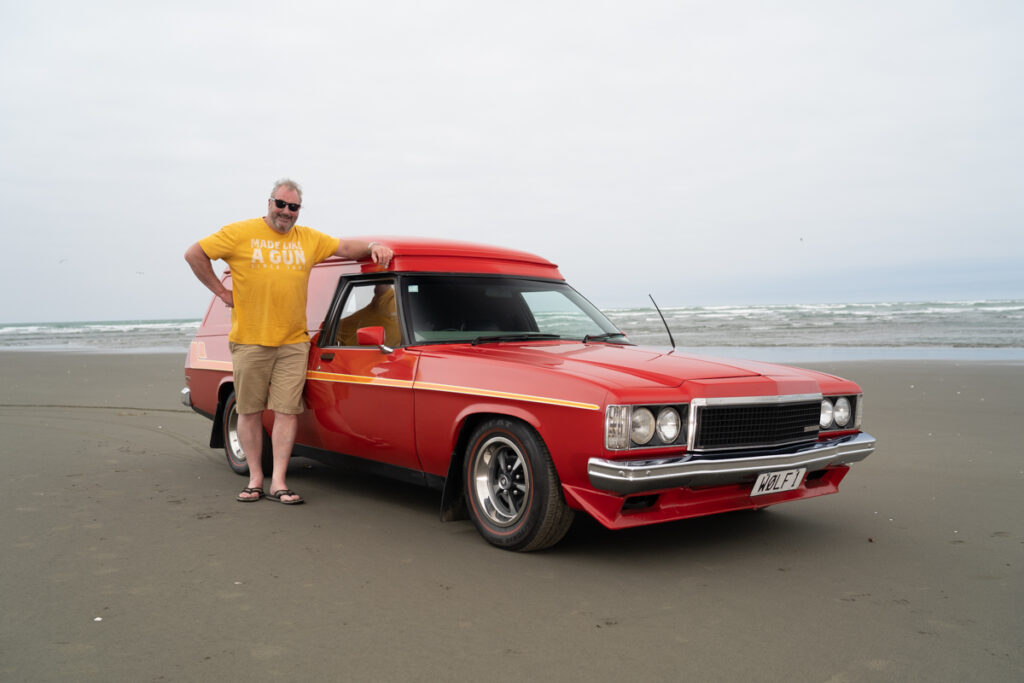
For the young Dave Blyth, the Sandman was always the coolest car and he finally got one when he was 50. “I have always had a rule. When you turn 50, you buy or can afford to buy the car you lusted after when you were 20. I was 20 in 1979 and the HZ Sandman came out in 1978. It was the coolest of the cool — I just wanted one,” he says. “Back then a Sandman cost $4500 new and a house was worth about $20,000. I made about $30 a week so it was an impossible dream then.”
Dave was heavily influenced by the panel van culture of the time. “I started with an Escort panel van and upgraded to a Holden HD panel van with a 186ci six cylinder. I started a van club, Avon City Vans.

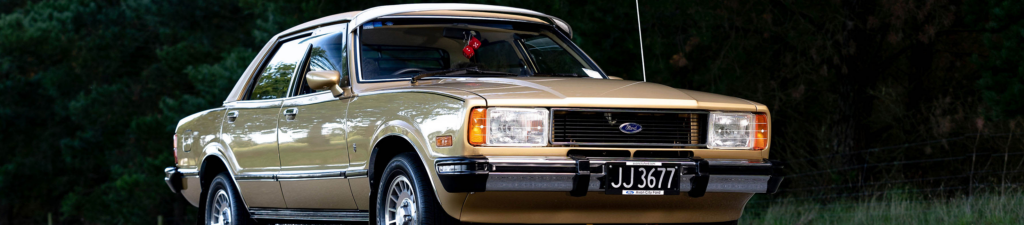
Ford of Europe’s Aussie Six

Ford of Australia made the ultimate cruising Cortina but it tempted few of Ford’s Australian customers away from the big basic Falcon. By Ben Selby, photography by Kallum Harris Photography